

Steven Pasquale is an actor of stage, film, and television. He is best known for his role as the New York City Firefighter/First Responder Sean Garrity in the series Rescue Me. He made his debut on the HBO series Six Feet Under, playing a love interest for David... Read More
From the show: The Producer's Perspective Podcast with Ken Davenport
Guests

Featured Shows
About
Steven Pasquale is an actor of stage, film, and television. He is best known for his role as the New York City Firefighter/First Responder Sean Garrity in the series Rescue Me. He made his debut on the HBO series Six Feet Under, playing a love interest for David. He also starred in the film Aliens vs. Predator: Requiem. He played the role of Sheriff Joe Sutter in the musical The Spitfire Grill, where he introduced the song "Forest For the Trees". He then had the lead role of Chris in the 1998 American tour of Miss Saigon. Other musicals he has been in include A Man of No Importance, Far from Heaven, The Secret Garden, and The Bridges of Madison County In 2011, he played the lead role of Paul Keller on the Fox Television Studios pilot Over/Under. Other shows he has been in are the miniseries Coma, the NBC series Do No Harm, and he guest starred in Season 6, episode 4 of the CBS legal drama series The Good Wife.
If you’re a writer, producer, or anything else, then you also gotta hear Steven give you the, well, TheActorsPerspective.
Listen to Steven give you the scoop on all things including:
- His thoughts on long-running shows and how actors can keep things fresh and interesting.
- Why he calls auditioning “the worst experience in the world.”
- What you need to get him to do your show.
- HOT TOPIC: The actor’s role in the developmental process, and how/why they should participate in the future of that production (you know, the whole Hamilton debate).
- If he’d ever produce and why or why not.
Keep up with me: @KenDavenportBway
Transcript
This transcript was automatically generated and might contain errors.
[0:00] Ken Davenport: Hey everybody, just a quick reminder: this is a great month to sign up for the Producer's Perspective Pro because it's free all month.
[0:06] Ken Davenport: And tomorrow, Tuesday, we have our first offline networking event.
[0:10] Ken Davenport: You get to mingle with all the other pros and me and a whole bunch of other special guests.
[0:14] Ken Davenport: Sign up today. Come mingle with us tomorrow and get the whole month for free.
[0:18] Ken Davenport: And now on to the podcast.
[0:20] Ken Davenport: I wanna be a producer with a hit show on Broadway.
[0:27] Ken Davenport: I wanna be a producer.
[0:30] Ken Davenport: Hello, everyone. Welcome back to the Producers Perspective Podcast.
[0:33] Ken Davenport: So we've done over 80 of these podcasts since we began in January of 2015. We've had Tony Award-winning directors, Pulitzer Prize-winning writers.
[0:41] Ken Davenport: We've even had the chief drama critic for the New York Times. But there's one group that has been seriously underrepresented here on the podcast, and that is the actor.
[0:52] Ken Davenport: So it's time to give some attention to the folks in front of the footlights, and what an actor we have today. Welcome to the podcast, Broadway's own Steven Pasquale.
[1:00] Steven Pasquale: Welcome, Steven.
[1:01] Steven Pasquale: Thanks, man. Thanks for having me.
[1:02] Ken Davenport: So Steven is one of the most in-demand leading men on Broadway. He sang the crap out of the lead in Bridges of Madison County.
[1:08] Ken Davenport: Uh just finished up an acclaimed run of Robert Bridegroom off Broadway, where he won a Lucille Lortell Award for Best Actor in a Musical. Congratulations.
[1:15] Steven Pasquale: Thank you very much.
[1:16] Ken Davenport: Uh also seen in the concert version of Wild Party last year, which was one of my favorite theatrical events of the last 12 months. Also, Reasons to be Pretty, A Man of No Importance, a host of others.
[1:25] Ken Davenport: Took a little break from Broadway and broke a lot of Broadway casting directors' hearts when he went to Hollywood, where he starred in the seven seasons of Rescue Me, done a host of TV and film.
[1:33] Ken Davenport: Steven, when did you get bit by the acting bug? Where did this begin for all of you?
[1:36] Steven Pasquale: Uh I was a late bloomer. I sort of caught the bug. I would say junior year in high school.
[1:41] Steven Pasquale: Uh I got hurt in playing football and had to sort of sit out for quite a while, and I did the fall play, which was Fame, the musical.
[1:53] Steven Pasquale: Uh what a rendition that high school production of Fame the musical was. Were you?
[1:58] Steven Pasquale: I played Tyrone, the black kid dancing his way to the top of the big apple. It was the worst thing you've ever seen. Not zero percent of anyone who saw that would think this person has a chance of being a professional actor.
[2:11] Steven Pasquale: Is there videotape?
[2:12] Steven Pasquale: There is videotape, but it's like requires like a ton of whiskey and like dares.
[2:18] Steven Pasquale: Uh and you know, it's it's not something I'm I'm willing to share uh really ever.
[2:24] Steven Pasquale: Uh but it's pretty priceless if you get a look. And then that summer I went away to the Cherub program at Northwestern, which is like a very uh competitive summer training program for kids who are going into their senior year in high school.
[2:37] Steven Pasquale: And that's when I really sort of was around a bunch of other kids who loved it and were good at it, and uh I would say caught the bug for sure that summer between junior and senior year in high school.
[2:48] Ken Davenport: And then did you just decide that's it? I'm dedicating my life to this, forget football, forget sports, I'm gonna go to college for the...
[2:49] Steven Pasquale: I mean I was never a good enough athlete to make my life out of it, but I thought it would pay for college.
[2:58] Steven Pasquale: Uh, but I really I really fell in love with uh acting in the theater community. Um so yeah, once I once the once the bug bit me, I found myself really one track mind uh at that point going forward.
[3:11] Ken Davenport: Where'd you go to school?
[3:12] Steven Pasquale: I went briefly to Southern Methodist University in Dallas, Texas, for a semester.
[3:17] Steven Pasquale: Uh, and then I found Dallas to be challenging.
[3:22] Steven Pasquale: So I uh transferred, I was in the process of transferring to Carnegie Mellon University in Pittsburgh, and I went to New York on a whim and and I had an audition for a national touring company of West Side Story.
[3:33] Steven Pasquale: Um and I booked it. I booked the Tony understudy and the little-known jet, non-dancing jet named Guitar, spelled G-E-E-T-A-R.
[3:46] Steven Pasquale: And I went out on the road with West Side Story for about a year.
[3:49] Ken Davenport: So where where did you train? Where did were you just a natural gifted actor, singer?
[3:55] Steven Pasquale: Yeah, I I I am a good mimic. So I was singing along in the car to Billy Joel and uh Donny Hathaway and Stevie Wonder and eventually Mandy Patinkin and then Anthony Warlow, who for me is pound for pound the greatest legit singer in the world.
[4:10] Steven Pasquale: Uh and that's really how I learned to sing was was mimicking those guys.
[4:14] Steven Pasquale: And so uh, you know, if it ain't broke. And when you so you went on the road for a while, and then you got back here to New York?
[4:20] Steven Pasquale: I went on the road with West Side Story for about a year, and then a couple of us came in on a Monday when we were in like Wilmington, Delaware or some cultural hub, and we came in for an audition uh for a bunch of auditions that day.
[4:31] Steven Pasquale: And I auditioned to play Chris in Miss Saigon.
[4:34] Steven Pasquale: Uh and I booked uh the job.
[4:36] Steven Pasquale: So I went out on the road with Miss Saigon for almost three years.
[4:39] Steven Pasquale: I played Miss Saigon almost 1200 times.
[4:41] Steven Pasquale: Why, God, why?
[4:42] Ken Davenport: Yeah.
[4:43] Steven Pasquale: Super challenging, amazing. I saw 50 American cities.
[4:48] Steven Pasquale: I learned how to maintain a performance.
[4:50] Steven Pasquale: I learned how to not go crazy after doing the same show for six months.
[4:54] Steven Pasquale: Uh, you know, it was a completely formative experience.
[4:57] Ken Davenport: So let's talk about that for a second. How you not go crazy doing the same role in the same show?
[5:03] Steven Pasquale: Because a lot of people think, oh, acting it's so on problems so exciting. But it's an assembly line performance.
[5:09] Steven Pasquale: It is so hard. It is it is the hardest thing about being a Broadway actor.
[5:13] Steven Pasquale: Now I work mostly uh in in my s in the my life as an artist at off Broadway, where you where I feel like the the best work is being done, but your contract is four month four months, three months, five months.
[5:25] Steven Pasquale: So by the end of that, you feel uh like you've really haven't hit that that moment that you hit in a long run, whether you're on tour or on Broadway, where for me is about six months in where you're like, wow, how am I gonna do this every day?
[5:36] Steven Pasquale: The repetition of movement and motion is so challenging it makes your brain kind of feel a little bit crazy.
[5:43] Steven Pasquale: It's the hardest thing I would say without question about a long run is maintaining the performance without feeling a little bit like within the performance like you're going crazy.
[5:53] Ken Davenport: It's interesting, William Goldman talks about it a lot in the season, how especially in a comedy like it's hard for a director to come back after four or five months when he's directed a comedy because the only way to keep yourself from going crazy is to change things up a little bit.
[6:06] Ken Davenport: And then your director ends up coming back and being like having to pull everybody back or push them one way or the other because the idea of maintaining something uh and honoring what you built in rehearsal but being free enough that you don't go crazy is the is the balance that's really hard.
[6:21] Ken Davenport: And I now that I think about it's even harder for a musical with a plant you're doing reasons to be pretty and someone can go a little off rhythm or do something different and it spices it up.
[6:29] Ken Davenport: But a musical is to rhythm to be to know there's a literal actual metronome that you uh honor when you do a musical it's really hard.
[6:37] Steven Pasquale: I don't think it's uh I don't even think there's a way to properly articulate it.
[6:41] Steven Pasquale: But people who can do long runs successfully are really high skill actors and have an amazing um fortitude in their in their brains.
[6:51] Ken Davenport: Any specific things you do when you're doing it to keep it fresh?
[6:55] Steven Pasquale: You know I try to uh I try to I'm I'm I'm a person that that I feel like there's two schools of acting or three schools of acting.
[7:01] Steven Pasquale: There's like the sort of robot school, which is like you build this thing and then you honor it exactly every night, good or bad, and you literally just try to always recreate the exact thing you built.
[7:11] Steven Pasquale: And then there's um sort of going crazy and trying to change it up so much that it always feels fresh and uh new, uh, which is also I think challenging because you don't it if you if you subscribe to that school, you s you can really throw the other people you're working with.
[7:27] Steven Pasquale: So I find for me, somewhere in the middle is a is a great is a happy medium where you're honoring what you built in rehearsal, but feeling free enough to you know occasionally build in a new moment or you know, uh change some timing up, uh, you know, as long as it feels copesthetic within the company.
[7:44] Ken Davenport: So you're collecting all this per diem all over the country.
[7:47] Steven Pasquale: Oh my god. Back in the 19 years old, and one of the last great tours.
[7:51] Steven Pasquale: I mean, like, I think we made 850 bucks a week per diem.
[7:55] Steven Pasquale: And you were sitting down playing, sit-down tours.
[7:57] Steven Pasquale: They would ship our car from city to city.
[8:00] Steven Pasquale: We had like nice hotels. I mean, it was like it was good living.
[8:05] Steven Pasquale: Of course, the issue, my issue was I moved to New York with all this money in the bank thinking, well, I I've had two auditions, I got two jobs.
[8:10] Steven Pasquale: This will be easy. And I got to New York and didn't book a job for a year and a half, spent every tour dollar I saved.
[8:17] Steven Pasquale: Uh, didn't buy an apartment, didn't do any investing, just foolish young artist lesson learned.
[8:23] Steven Pasquale: I could have invested in a Broadway show, Ken.
[8:26] Ken Davenport: You could have invested in those days, like aspects of love or something.
[8:29] Steven Pasquale: Yeah, exactly. And you didn't do it in New York?
[8:33] Steven Pasquale: I never did it in New York.
[8:34] Ken Davenport: Peter Lawrence, even though I was here and totally unemployed and like running out of money.
[8:38] Ken Davenport: I just did Peter Lawrence.
[8:40] Steven Pasquale: Did you? Okay. Oh, interesting.
[8:42] Ken Davenport: Uh so what was the first job you booked here in New York after that year and a half drought?
[8:46] Steven Pasquale: Well, I had this amazing sort of humbling thing. You know, when you come to New York, people don't know you, so you have to sort of like get people have to get to know you a little bit.
[8:53] Steven Pasquale: So I was getting close to a lot of things, and people thought, like, oh, he's really great, but like who is he?
[8:56] Steven Pasquale: He's like been on the road for four years.
[8:59] Steven Pasquale: Uh, and so I booked my first job, which was to stand by for Brian Darcy James in the off-Broadway Wild Party, Andrew Lippa's Wild Party, almost 15 months after I moved to New York, 16 months.
[9:12] Steven Pasquale: So at that point, I was like, oh my gosh, okay, I'm finally a working actor.
[9:15] Steven Pasquale: No, I had come from making all this tour money with per diem and high salary, and then I get to New York where this really amazing musical was happening off Broadway, and I'm realizing, wow, I gotta live on 500 bucks a week.
[9:27] Steven Pasquale: This is different. New York is different. It's a new game.
[9:29] Ken Davenport: So you said no one knew you. Do you find that actors have to market themselves other than just doing what you do?
[9:38] Steven Pasquale: No, I think if you're good at it and you're in New York, you're gonna be okay.
[9:42] Steven Pasquale: But I do oftentimes have conversations with young actors who say, I got this job on tour, should I take it or not?
[9:48] Steven Pasquale: And I always say, look, a tour is where you go and to make money and save money.
[9:51] Steven Pasquale: But nobody in New York is gonna go and see you in it.
[9:54] Steven Pasquale: So it's about do you want to be here and sort of in the grind and getting letting people get to know you?
[10:00] Steven Pasquale: Uh, but you're broke, but maybe it'll work out for you because you'll book a great job, or do you want to go out on tour and save some money?
[10:06] Steven Pasquale: Probably you know, give yourself a little freedom economically.
[10:09] Steven Pasquale: It's always about freedom versus security, right? Artistically in my mind.
[10:14] Steven Pasquale: And so uh, you know, that's the advice I give young actors often.
[10:19] Ken Davenport: Okay, so when does Rescue Me come into the equation here?
[10:23] Steven Pasquale: You're banging around on the boards a little bit.
[10:25] Steven Pasquale: Yeah, I did a I did a couple of uh what did I do?
[10:27] Steven Pasquale: I did, I did I understood I don't understudied Brian Darcy James, and then a great thing happened to me, Dan Sullivan cast me in Spinning into Butter, which is this wonderful Rebecca Gilman play at Lincoln Center.
[10:38] Steven Pasquale: Really high quality, great people, and it took me out of the casting pool of just people who are thought of as singers.
[10:46] Steven Pasquale: And so I people started to think of me as an actor, and I don't think realized I sang.
[10:51] Steven Pasquale: And so I spent uh many years really before I worked my way back into doing musicals, like, you know, on a on a on a regular basis.
[10:59] Steven Pasquale: Um so I did a play. I did that play. I did a tiny part in a movie called Vanilla Sky that I got cut out of.
[11:06] Steven Pasquale: I realized that the premiere. I did my first on-camera job ever was Six Feet Under. I played Michael Seahall's love interest in season one of Six Feet Under. I just kicked around. I went to Sundance and I worked on very early productions of The Light in the Piazza, which is how Adam Geddle came into my life, and we've had sort of a long-standing creative love affair for many years. And then got back to New York and I did a musical called Man of No Importance at Lincoln Center with the great Roger Reese, R.I.P., and all those amazing creators, Joe Montello, Terrence McNally, Aaron Zinflaherty. People started to take notice a little bit of me at that point. I was, you know, had the classic thing of being dropped by an agent and a manager and picked up by another agent and a manager.
Oh, much better at that point. And then I was sort of off to the races. Then they had me running around town auditioning for really quality things, and I booked Rescue Me when I was twenty-five. Which shot here actually, not in LA. So I spent, you know, six months out of the year in my late twenties shooting a hit cable, well-written New York shot television series. It was pretty dreamy at the time. So before we get into that, first of all, everyone should go and download the Man of No Importance recording just to hear Streets of Dove. Thank you. So was it hard though taking here you are a theater kid. You got bit by the bug right before your senior year and then you're out for television that is going to pretty much prevent you from being the theater actor that you set out to be.
[12:39] Ken Davenport: Yeah. What was that like for you?
[12:41] Steven Pasquale: It was challenging. I moved to New York with like dreams of being a Broadway guy starring in Broadway shows. And because of the cable schedule, I could never commit to, you know, at minimum you gotta commit nine to twelve months to be in a Broadway show and I could never commit more than five or six. So I did do a play every, I've never gone a year without doing a play in New York. But I were always small plays or off-Broadway plays or off-off-Broadway plays to get my theater fix through those seven years. But you know, missed out on some pretty spectacular opportunities to say the least. Piazza, Beam One, Piazza, yeah, South Pacific, Awaken, Sing, my God, Assassins, really good things that would have been an enormous amount of fun but I can't complain. I bought an apartment so I know a lot of actors who don't find themselves in that lucky scenario.
[13:32] Ken Davenport: Difference between acting on Broadway versus acting in front of a camera say for you?
[13:38] Steven Pasquale: For me, totally different. Similar skill but a totally different skill. You know, the camera doesn't lie so it is all about just believable behavior and so small. And then in a theater, you've got to honor that but also fill the space, you know, physically and vocally, etc. Very different set of muscles in my experience.
[14:04] Ken Davenport: How do you prepare for an audition?
[14:06] Steven Pasquale: I have a freakishly good memory, which is a weird thing about me. So I've never understood the lot of the actor stress about what do I do, hold the page, do I not hold the page, and blah blah blah. I generally just look at something and can memorize it very quickly. But that's one thing I do is I memorize it because I want I don't want them to see me sort of fumbling with the page and looking at the words. And I know a lot of actors think you want to remind the people that you're not a finished product. But at the end of the day, they're comparing you to ten or twenty or fifty other people. So I feel like the as close as you can get to performance ready is the best thing. Now that being said, auditioning is the worst experience in the world.
It's the worst thing about being an actor. Especially in the TV film where would you have a page or two or three lines of dialogue to book a job or not. At least in the theater you have an opportunity to play a scene and sing a song, etc. But it is a horrible part of the process and I'm so grateful to not do it anymore.
[15:08] Ken Davenport: Do you think it's harder for an actor to start today than it was ten years ago, 20 years ago?
[15:08] Steven Pasquale: That's a really good question. You know, last year there were 437 I think scripted television shows. So there's really quality TV out there. TV is the medium now that's making the best on-camera work. Movies stink generally and there's only like twenty actors that are allowed to be in movies. So there's this huge landscape of television work out there. I think that's great compared to, you know, twenty years ago when there was just CBS, ABC, NBC, Fox. So there's more work on the TV side I think if you're a, if you have Broadway fantasies, I think it's probably a lot more frustrating because you know, we've really become a celebrity-driven landscape here in New York, and I think it's more rare when you get to experience being in a Broadway show without having some television film clout already behind you. So I think that part is probably harder. So maybe a balance.
[16:13] Ken Davenport: All right, one of my James Lipton questions, you're if you could put one, only one of your performances in a time capsule for future generations to know you as an actor.
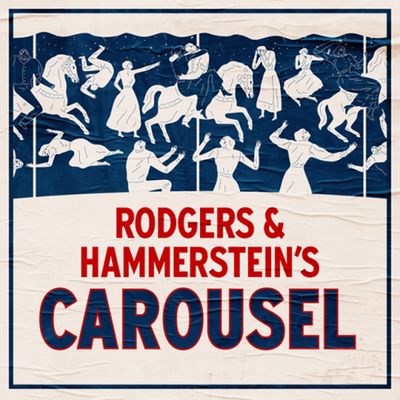
[16:13] Steven Pasquale: Wow, that's a great question. What would the one performance be? You know what? I did Carousel last spring at the Lyric Opera in Chicago with Laura Osnes and some amazing people. And people have told me my whole career that I should play Billy Bigelow, and I finally did. I didn't know Carousel other than the songs. And it's the most extraordinary book and story and so ahead of its time and completely complicated, and I actually felt like it was written exactly for my skill set. I was in the throes of playing the part, thinking to myself, boy, this is as if they tailor-made this role for my skill set. So for me it would be that I think.
[17:09] Ken Davenport: When you're deciding whether to take a role or not, what's the most important part of it? Is it the piece itself? Is it the director? Is it the other actors? What do you look at when you make these decisions? Because you get thrown a lot of things these days, right?
[17:23] Steven Pasquale: Yeah, I do, I do. It's a really challenging but the most fun part of my current work life, which is choosing the right thing as opposed to just being so desperate that somebody would ask you to be in their thing, which is a very different set of challenges. For me, there's always a pie chart, it's about the economics of it. Like, can I afford to do it economically? Is it a good job economically? Can I take care of my family, my mortgage, my kids in college, that kind of stuff? And then of course, there's what is the project? Who wrote it, who's directing it, where is it taking place? You know, for me, if it's not in New York, I generally don't look at it. So those two things oftentimes aren't shared. So for me, it's always a balance between trying to turn on the income faucet a little bit if it's a television situation, so that I can afford to do a piece of theater that I think is really quality in terms of writing, directing, where it's being done, etc.
[18:22] Ken Davenport: So you've done a lot of new shows in your career, and you've got involved like Sundance, for example, Light of the Piazza very early on, super early, right?
[18:32] Steven Pasquale: Yeah.
[18:32] Ken Davenport: So do you like as an actor getting in really early?
[18:36] Steven Pasquale: Yeah, I love it. Especially if you're around good people. I mean, that early company of Light in the Piazza was Adam Gettle and Vicky Clark and Celia Keenan Bulger and Kelly O'Hara and Mark Harlick and Bart Schear and Craig Lucas. I mean, these are like theater all-stars. And we all became fast friends because we were drawn to Adam Gettle's music. So being around the people who are the best theater makers in the world is really exciting to me. That would be the most important deciding factor for me in choosing something.
[19:11] Ken Davenport: And this is obviously a big topic these days, but what do you think the role of the actor is in the development of a new piece at that stage? Like, how much do you as an actor, as Steven, say, I just don't feel this is the right thing for me to say this character right now. I feel it's this, can we talk about this? Like, is that appropriate? Is that definitely what actors should do? What do you think?
[19:34] Steven Pasquale: I think it depends on the circumstance, but in my experience, yeah, an actor is entirely essential in the development of a new work. And we enter a room with a completely open spirit of collaboration because that's how we're built. So yeah, if you're asking me, I think actors are essential in the developmental process, and I think the value that they contribute to the piece lasts for the life of the piece, not just the time that they're there, which is very different than an actor who comes in and plays a role that's already been built later on in the life of the show. So yeah, I mean, I'm really passionate about that. The things that I worked on, I see my work in the productions that happen with it elsewhere.
I see it in my work. It's tangible. Like in additional productions, you know, or like the tours or somebody comes in after, and you know, it's like a really interesting conversation that we're all having in our community about this. But I think I would definitely count myself in the category of artist who feels like his contribution in the developmental phase is essential in the life of that piece.
[20:52] Ken Davenport: So let's talk specifically about this because obviously the Hamilton issue that's come up over the last year about the actors wanting to get a piece of the enormous amount of profit because they've been involved with the development for such a long period of time.
[21:06] Steven Pasquale: Sure, yeah for such a long period of time. What do you think is the appropriate way to do this? We've obviously had a mechanism in place, a contract, a workshop contract, which is so rarely used. So producers started using the lab contract with no profit, but more weekly and health and all that stuff. What do you think is the core of this issue and how do we fix it, Steven?
[21:26] Steven Pasquale: I think the current, well, let's fix it you and I right now, right? Producer and artist in this very room. Great. I think ultimately the solution will be different language than what currently exists. I think the current template is a little unpalatable for our producer brothers and sisters. I think the current language states that if an actor's in development in a quote unquote workshop, they would receive one percent of the gross. I believe that we should protect the producer's right to do anything they want with regard to future workshops, replace an actor, do a new thing, have a part go away, have a part grow without the current penalties, which I think are actually more of an issue than cutting in an actor on the percentage.
[22:11] Steven Pasquale: I'm a person who advocates, and this is just me, I know my union is very split about this. I would say the idea of windfall is when we need to be really aware of the issue. You know, once the show recoups and it's making money, that's when you pay the people who helped you build the show. I wouldn't ask my producer brothers and sisters to pay a percentage of the gross weekly. But if something is a windfall success, you know, Book of Mormon, Lion King, Hamilton, Wicked, these shows make tons of money. Those actors were essential in building it. So I'm an advocate of it. But I actually think, as you and I spoke, what's more challenging for our producer friends is less that if it was about net profit a percentage of net profit when there's tons coming in, that's less of an issue than it is the penalty in replacing an actor or having a part be rewritten or go away or whatever.
But I think currently you have to pay four weeks of a production contract salary, weeks insurance, weeks. To me, that is where we can get creative and make the penalty less severe because with my producer hat on, I would of course want the ability to workshop the hell out of something without being obligated to anyone. But my union member in me would say, all right, but if I am helping you develop something for let's say six or eight weeks or more, at that point maybe that for me would be the threshold where I would get included in that one percent of net profits beyond recoupment. You know, which let's be honest, doesn't happen that often. It doesn't, and look, my producers, my producer peers will probably get upset at me for saying this, but I am a big believer in the fact that if we've recouped and the investors are making money, then why not kick a little back to the people that have their fingerprints actually on the piece itself.
[24:07] Steven Pasquale: If, and I'm glad you brought it up, the issue for me has always been the first writer refusal exactly for folks when they're developing something that we just don't even know what it is yet. Yeah. And if we get rid of a director, which happens all the time, we cut a role to be obligated to these folks going forward can add a huge amount of money to the capitalization, which reduces the chance of recouping in the first place. Yeah, I mean I don't know how my fellow union members feel about it, but I agree with you. I think first right of refusal and the penalty is a tough pill to swallow, which is why we've gotten away from the workshop contract and into these lab and special agreement contracts.
I think, yeah, I think the solution is everyone would have a more buttoned up, vested, bulb-busting, ass-kicking approach to work to being in a workshop if you felt like you needed to do your best to be asked back and to be a part of it at the next phase, etc. As opposed to feeling like first right of refusal and the penal and the four-week penalty, etc. I, the producer in me would feel like that's just costly and hinders the developmental process.
[25:21] Ken Davenport: What do you think about this idea? I blogged about this one. So say you're an actor and I go to like, look, because part of the lab was also created to give actors a little bit higher of a weekly salary than the workshop.
[25:33] Steven Pasquale: Sure.
[25:33] Ken Davenport: You gave up the percentage, but you got a higher livable, quote unquote, weekly salary.
[25:40] Steven Pasquale: Right.
[25:40] Ken Davenport: What about if someone came to you and said, look, okay, I'll give you an option for the higher salary, but you don't get profit, or you can take a lower salary and get profit.
[25:52] Steven Pasquale: That'd be great, right?
[25:53] Ken Davenport: That'd be great, I think.
[25:56] Steven Pasquale: Well, you'd get a lot of people who are like, you know, it's like the TV film world. If you really believe in the project and you think there's going to be some profit, then choose that. And if you feel like, well, it's just about these four weeks, because I don't know if I'm right for this part or if I'm gonna do a good job in it, then I'll take the extra few hundred bucks a week. I think that'd be a really interesting experiment.
[26:16] Ken Davenport: And this is an issue you're involved with, right?
[26:18] Steven Pasquale: Yeah, I'm passionate in it within my union. And we're all talking about it a lot, actually, on 46th Street.
[26:28] Ken Davenport: Well, I think we just solved it, so I'll, I mean come on, net profit taking the current language is not palatable, the new language is, you know, post-recoupment. Upon the first profitable dollar, that's when everyone starts to participate.
[26:41] Steven Pasquale: We'll sign it right there.
[26:42] Ken Davenport: Right.
[26:42] Steven Pasquale: Yeah.
[26:42] Ken Davenport: Is there any myths about actors that you wish you could dispel?
[26:47] Steven Pasquale: Yeah, most actors are crazy, but not all actors are crazy.
[26:52] Ken Davenport: Yeah.
[26:53] Steven Pasquale: That's definitely a myth that is ninety-one percent true, but you know, nine out of a hundred are not crazy. If you could get every single producer in town in a room, yeah, and you could say one thing that you would want them all to know about actors to make us all work together a little better, what would it be?
[27:10] Steven Pasquale: Oh god, feed us. You know what I mean? Bagel Sunday would go such a long way in all these, oh my god, are you kidding me? Actors are like good, we're like coyotes. If there's food and somebody took care of it for us, we're the most grateful creatures on earth. It's the little things.
[27:27] Ken Davenport: It's the little things, it really is. How do you think Broadway is doing these days overall?
[27:33] Steven Pasquale: I have complicated feelings about this. I think Hamilton, I think Great Comet, I think Spring Awakening last season. I think some of the stuff that's happening is extraordinarily great and absolutely qualifies as the best theater in the world. But I do think that a lot of them come from the not-for-profit world, and that's a little tricky when you're an actor because if what you have fantasies of is being a Broadway actor, you've got to commit an enormous amount of time and effort to working like way below the poverty line and off Broadway in hopes of making a nice Broadway salary and being a Broadway guy. I think we have to be careful going forward that we challenge our audiences and not reduce them, or Broadway will not be the place where the greatest theater in the world happens. And I think we're certainly there lately. But it's a balance that we'll always have to make sure we're careful about, you and me. We gotta fix something else.
[28:29] Ken Davenport: So you're obviously a theater guy that went out to Hollywood. You do both now.
[28:33] Steven Pasquale: I actually never went out to Hollywood. I've been a New York actor since day one. Never been there except for I took one job this summer. I did the O.J. Simpson miniseries, and that's the most time I've ever spent in LA.
[28:45] Ken Davenport: It's quite acclaimed, that miniseries.
[28:46] Steven Pasquale: I love you, yeah.
[28:47] Ken Davenport: People love it.
[28:48] Steven Pasquale: People are really passionate about it.
[28:51] Ken Davenport: So, but you started here and then pursued the TV film, and then you do both now, which is fantastic. What do you think about all those actors, those TV film actors that now come here and dabble in the old?
[29:04] Steven Pasquale: You know, I love it if they're good and I hate it when they stink.
[29:06] Ken Davenport: Who was bad? Tell us.
[29:08] Steven Pasquale: Oh god, I'm not gonna name names. But you know, like you think of great television actors like Bradley Whitford and Allison Janney, basically anyone on the West Wing. They come and do plays and they're amazing, and I want to buy tickets and watch them like everybody else. But you know, occasionally we'll hire a super famous person who we know will sell tickets, and we know will not help the play be fully realized, and we don't care. Because the bottom line is the thing. And I think that's, you know, what I would like to see less of, but you know, I get how the economy works.
[29:37] Ken Davenport: Is Tom Cruise in Vanilla Sky?
[29:39] Steven Pasquale: Tom Cruise was in Vanilla Sky.
[29:44] Ken Davenport: He might be good.
[29:45] Steven Pasquale: I think he might, I think it'd be pretty good, yeah.
[29:47] Ken Davenport: It could be good. But what would you say to him? What would your piece of advice?
[29:48] Steven Pasquale: I'd say, well, it's, I'd be like, where can I invest? It would be my first.
[29:53] Ken Davenport: Don't forget, I'll easily slip on the producer hat. If Tom Cruise is in a play and he's talking to me about it, I want to invest a little bit of money. Would you ever produce?
[30:03] Steven Pasquale: Yeah, totally.
[30:04] Ken Davenport: What would you produce?
[30:05] Steven Pasquale: You know, I would get in bed with an artist that I feel passionate about. You know what I mean? Adam Guettel, Jason Robert Brown, Lin-Manuel Miranda, Tom Kidd. I, you know, I'm passionate about artists.
[30:18] Ken Davenport: Okay, my last question.
[30:19] Steven Pasquale: Yes.
[30:19] Ken Davenport: It's my genie question.
[30:21] Steven Pasquale: Okay.
[30:21] Ken Davenport: I want you to imagine the genie from Aladdin comes to see you and thanks you for all the great work you've done on Broadway and being an advocate for the artist as well, and says, Steven, I want to thank you by granting you one wish.
[30:34] Steven Pasquale: Oh Jesus.
[30:36] Ken Davenport: I haven't even got to the question.
[30:37] Steven Pasquale: Yeah, right.
[30:38] Ken Davenport: No.
[30:38] Steven Pasquale: I wish for three more wishes.
[30:40] Ken Davenport: No more.
[30:40] Steven Pasquale: All right. Bullshit. Tim Rice tried that.
[30:43] Ken Davenport: So the his statement is this. What is the one thing that drives you so crazy about Broadway? That makes you angry, that makes you pound your fist on the table, that keeps you up at night, that you would ask this genie to wish away with the snap of his finger. One thing.
[31:05] Steven Pasquale: I would like the magic genie to always make sure that the commercial aspect and the artistic aspect are striving for the same thing.
[31:26] Ken Davenport: An impossible task, but maybe. What's the best way we can do that?
[31:30] Steven Pasquale: We can be, like from your perspective, when you're an, you've been in a lot of shows, some have worked, some have not. Unfortunately, Bridges of Madison County, which is one of mine, which unfortunately had a much abbreviated run that it should have. From your perspective, when you're standing on that stage, yeah, can you ever see like this isn't going right?
[31:50] Ken Davenport: No, I think things, you know, like Bridges was, didn't succeed economically, but was wildly successful artistically. So I guess the challenge is how do we make sure that the things that people think are good succeed? And if we're only reliant on the tourist dollar, and I think we're at like what 70% of ticket buyers are tourists right now, I think it provides a real challenge. I think we have to appeal to our city and people who love good theater, maybe more than we are a little bit currently.
[32:22] Steven Pasquale: What do you think of that?
[32:24] Ken Davenport: I like it.
[32:24] Steven Pasquale: I do too.
[32:26] Ken Davenport: Thank you so much for spending.
[32:27] Steven Pasquale: Thank you, Ken Davenport.
[32:28] Ken Davenport: Thank you for continuing to do Broadway.
[32:30] Steven Pasquale: You're gonna keep doing stuff here.
[32:31] Ken Davenport: Yeah, I'm looking for something in the spring. What do you got?
[32:33] Steven Pasquale: All right, I'm gonna, we're gonna go off the record now, so I gotta say goodbye to all of you. Thanks so much for tuning in, and we'll see you next time. Don't forget to check out the producersperspectivepro.com and sign up for a free 30-day trial and come to the networking event tomorrow. Get all the information at the producersperspectivepro.com.
© Broadway Podcast Network, All Rights Reserved