

Richard Frankel is a six-time Tony-winning Theatrical Producer and General Manager who has been producing and managing on and off-Broadway since 1970. He has been working in partnership with Tom Viertel, Steve Baruch, and Marc Routh since 1985... Read More
From the show: The Producer's Perspective Podcast with Ken Davenport
Featured Shows
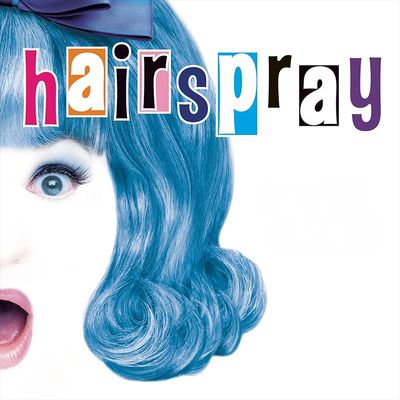
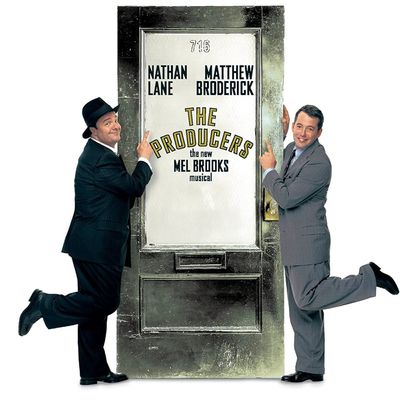
About
Richard Frankel is a six-time Tony-winning Theatrical Producer and General Manager who has been producing and managing on and off-Broadway since 1970. He has been working in partnership with Tom Viertel, Steve Baruch, and Marc Routh since 1985. In 1985, he formed Richard Frankel Productions and produced Penn & Teller's first off-Broadway show. In 1991, Marc Routh was added as a producing partner and they together produced a string of successful Off-Broadway shows including Driving Miss Daisy, Frankie and Johnny in the Clair de Lune and Love Letters. In 1994 Richard Frankel Productions and Marc Routh, along with others, produced Stomp. In 2000, Frankel and his partners were selected by Mel Brooks to serve on the team of producers for The Producers. The musical would go on to break the all-time Tony Awards records by earning twelve awards in 2001, winning the Tony Award in all categories for which it was eligible. In 2012, he and his partners announced plans to build and produce a new cabaret space 54 Below which opened on June 2, 2012.
Richard came up through the ranks of Broadway, before winning his six Tonys for shows like The Producers, Hairspray, and Company. And he sat down with me to talk to me about just how he built his company, as well as . . .
- How he and his partners raised money for their first show in an afternoon.
- Why he prefers to do things (GM, booking, etc.) in house.
- How he got Mel Brooks to give him the chance to produce The Producers (and it was a lot easier than you think).
- Why he prefers small investors to big investors.
- The origins of the premium ticket and why it’s important to have them.
Keep up with me: @KenDavenportBway
Transcript
This transcript was automatically generated and might contain errors.
[0:00] Ken Davenport: Hey everybody. Listen, Saturday, September 24th, I'm holding my Get Your Show Off the Ground workshop. I'm not doing as many of these as I used to, so reserve your spot now. Half of them are already gone. Saturday, September 24th. Go to the blog, theproducersperspective.com to reserve your spot today. Now on with the podcast.
[0:20] Ken Davenport: I wanna be a producer with a hit show on Broadway. I wanna be a producer. Hello, everybody. Welcome back to the end of summer episode of the Producer's Perspective. My name is Ken Davenport. I'm so excited to have on the podcast, one of the real journeyman Broadway producers, six-time Tony Award-winning producer, Mr. Richard Frankel. Welcome, Richard.
[0:45] Richard Frankel: Hello, nice to be here.
[0:47] Ken Davenport: So Richard has produced a wide variety of projects on Broadway and off Broadway. I have a special place in my heart for people that do both. From The Producers to Hairspray to Smoky Joe's Cafe, not to mention Penn and Teller, on and off. And the show that keeps on stomping, Stomp. So, Richard, tell us how'd you end up in the theater biz? Where did it all begin?
[1:07] Richard Frankel: The head of the stage crew in my high school was this gorgeous woman who turned out to be a really inspirational theater teacher as well. So I ended up with two actually inspirational theater teachers in high school. And they both were gorgeous and they both were wonderful. And I just got completely hooked in high school on the stage crew, being like the AV squad, that kind of thing, you know, doing lights and sound and building sets and such.
[1:39] Ken Davenport: And how did that lead to producing? How did that you follow these women wherever they went?
[1:44] Richard Frankel: Well, I followed them through high school, and then I in college I majored in theater and I started working as soon as I got out. I always knew I wanted to do this. I first wanted to be a stage manager. After a time as a stage manager and many, many other jobs, I just there's a line from a Lanford Wilson play that I quote frequently, which is it's in I think a tale told where there's a tennis player, a pro tennis player, and he was a young kid with no money, and somebody handed him a tennis racket and he hit the ball with the tennis racket. As soon as the ball hit the racket, he knew he was a tennis player. And so the line is once you know what you are, the rest is just work. And that's really how it's been for me. I was very lucky, where I knew that this is what I wanted to do from an early age.
[2:38] Ken Davenport: And when you were in college majoring in theater, were you an acting major, a tech major?
[2:42] Richard Frankel: I was I actually I basically did tech. I basically did tech. I actually ended up majoring in television production at Brooklyn College. And but I did a lot of plays and I worked I did a took a lot of theater courses. I actually majored in television production because I liked the people in the television department better than I liked people in the theater department. I've said actually that even after all these years, after forty years and working with great stars and who I adore, I still haven't encountered arrogance like college seniors in the theater department. That's sort of the epitome that I've encountered in my entire life of arrogance. I like the people in the television department, and so I did a lot of working there too.
[3:29] Ken Davenport: And your first job out of school?
[3:31] Richard Frankel: My first job out of school was right out of school. I went into the Peace Corps for two years and I lived in Ethiopia for two years, which was great for somebody from Brooklyn. I was twenty years old when I got out of college and I had really not been out. So but I had two years in a village in Ethiopia. When I came back, I jumped right in actually. I got a job as a quote sound technician on a show where they told me which dial to turn at which time and I pressed the play on the record. I didn't couldn't fix anything or do anything. But I started doing that and then I was an assistant stage manager and I did a lot of tech jobs and I used to build sets at the Delacorte in the summers. I worked as a kind of unskilled stagehand doing set construction all night.
It used to I don't know if they still do it, but the show would close on Sunday and the other one would open on Wednesday or Thursday and people would work twenty-four hours in the park getting the sets in, which was better than thrilling. And I had a wide variety of jobs like that. So I believe I once worked for the Weisslers when they were doing Shakespeare out of a station wagon and I like loaded the station wagon once, you know, for whatever it was per hour. But I had a wide variety of tech jobs. Eventually I became a stage manager and got into the union. And then at some point I decided that I didn't want to work eight shows a week. I didn't mind working hard as producers or marketing directors as I became work, but I didn't I didn't want the eight show a week life.
You know, that's a particular choice that people make. And it's well they don't view it as a sacrifice, I don't think, because you know, most are thrilled every time they you know, walking through the stage door makes up for it. But I didn't want to. So I got into management.
[5:37] Ken Davenport: So you started in general management and company management is what you did as well as a well first so I was off off Broadway for a long time. I worked at La Mama for several years. I went to Europe with a La Mama company and I worked downtown. I used to say that there was probably a couple of years that I didn't go above 14th Street. And then I got a job at Ensemble Studio Theater as the all the sort of all-purpose administrative person. I did everything from fundraising to marketing to brochures to you know press to all sorts of stuff. And then I went to a regional theater as a marketing director and press agent. Then I went to Circle Rep, which was the sort of the seminal influence on my life.
I was there in the late 70s and early eighties when it was really a fantastical place. We were doing Fifth of July and Tally's Folly and all the Lanford Wilson plays and Buried Child and Mammoth and Sam Shepard. It was really thrilling being there. I was the marketing director for a few years and then I became the managing director. And as the managing director we moved several shows to off Broadway and ran them on Fool for Love. We ran for a few years actually, and we moved Tally's Folly to Broadway and various other things. So when I left there, I thought I had sufficient experience in running shows, you know, off Broadway and even knew a little about on Broadway. I hardly knew anything I realized in retrospect, but I thought it was good training.
[7:18] Ken Davenport: And the first show you produced Penn and Teller.
[7:20] Richard Frankel: Penn and Teller. Well while I was at Circle, I had gotten the rights to Penn and Teller who were just music magicians. And they had wanted to move from being magicians and they were making a living doing magic castles and various magician gigs. But they wanted more. They wanted a theater and I talked them into giving me the rights to produce them in New York. Do you remember what you paid for those rights?
[7:48] Richard Frankel: I don't remember what I paid for the rights, but I remember that the show cost a hundred and seventy-five thousand dollars to do at the Westside Art and that I was going to take it was my first job. It was my first commercial job, not getting a salary and I had a child and you know I had to make a living and so it was important that this succeed for me and it was very important for them too. They were this was their shot at New York. So there was a sense of urgency. I wouldn't say desperation but there was real urgency and we really depended on each other to do a good job. They were depending on me and I was certainly depending on them. And I'll say this because it was them mostly opposed to me.
You know we nailed it. It just was great. It was a fantastic period of time and it was a fantastic success and they were on Saturday Night Live before this was 85. They were on Saturday Night Live the season of I think eighty-six eighty-seven like seven times, and they were on Letterman multiple times, and they were just kind of a cultural sensation as they well deserved. And in raising the money for Penn and Teller, of which I was going to take six months and a couple of thousand dollars here and a couple of thousand dollars there to do it because I didn't have really sufficient contacts. I met Tom Viertel and Steve Baruch who were in the real estate business looking to get into the theater.
So we quickly saw that there was a symbiotic relationship to be had. I, as I say, thought I was long on experience. I wasn't quite as long as I thought but I thought I knew what I was doing and they had access to investors. The real estate business was really booming at that time. And so they would raise the money and I would show them what I know and we would split everything and we've been doing that since 1985. We've been together and doing all the shows. Steve Baruch who still handles our fundraising raised the money for Penn and Teller in an afternoon. I was yeah I mean he called up you know 10 or 12 people who put up 10 or 15 thousand dollars each and it was done. You know I was literally it was I think we started in October and I was you know planning on it taking six months that I'd have the money by spring and he did it in an afternoon.
[10:20] Ken Davenport: Very impressive.
[10:22] Richard Frankel: And it turned out to be a wonderful relationship with Penn and Teller and a wonderful show and our relationship with them has continued even though you know we're far apart geographically they're you know they've been in Las Vegas for you know eighteen years, whatever it is. But we did we brought them back to Broadway last year. But it was it was great. It was a really satisfying experience.
[10:44] Ken Davenport: So think back to that moment where you decided you were gonna get the rights to Penn and Teller and produce their show. Look, my first show I produced, it was just me in my apartment. I wasn't married. I wasn't even dating anybody. Here you have a family, you have a child, you're gonna produce your first show. What gave you the courage to think I can do this? This is I can make this happen. I can make this work.
[11:05] Richard Frankel: I had been you know they say it takes ten years. I had been working in the theater since, you know, seventy, seventy-one. You know, I thought I thought this was the time. You know, I really just I thought this was this was the time. When I left Circle I could have you know gone to another regional theater I remember talking to a couple but it just seemed like this was the moment.
[11:35] Ken Davenport: It's funny it's the same thing for me. I was company managing shows for ten years and then a show came along and I was like, I think it's just time. I better just give this a shot.
[11:43] Richard Frankel: I did not raise all my money in one afternoon, however.
[11:46] Ken Davenport: No, nor could I have I mean I tell like our interns now I tell people that you know the one thing you you can you can hire a general if you want to be a producer, you can hire a general manager to do almost everything except raise the money. Getting the property and raising the money, the two things you can't avoid and and uh and someone who wants to be a producer who figures, well I have a lot of skill and I was a stage manager and I know how the theater works and I I can do this. I just have this little problem with fundraising you can't avoid it. I mean, I know you know this, I guess I'm saying this for your audience, but I do make a point of it to the interns. And the time-tested way of dealing with that is if you don't have a lot of money or access to money, find somebody who does and become their partner. And that's sort of the time-honored way of dealing with this problem, but it has to be faced and has to be dealt with.
[12:39] Ken Davenport: Fantastic advice. And still to this day, you all are one of the TV producers out there like me that you like the small investor, right? You embrace the small investor. Why do you like the small guy versus the big whales?
[12:50] Richard Frankel: Well, the first it happened by accident. It was a great idea that we fell into. I mean, we had, I think, 12 people for Penn and Teller, and the second show we did was Driving Miss Daisy, which was costing $400,000 to transfer from Playwright's Horizons to Off Broadway. And we had half of it. Jane Harmon had the other half. And so we had to raise $200,000 for that. And we thought we should include, we had to ask the Penn and Teller people if they wanted to continue and do the second show. And then we wanted some new people to come in, so we realized that we would restrict it to $10,000, and we told people they could not invest more than $10,000, and we got our 20 people, and we did Driving Miss Daisy and of course that was a big success too.
[13:38] Richard Frankel: And we did national tours of it, and we learned a bit about you know doing bigger productions at the same time.
[13:46] Richard Frankel: And so the $10,000 was just something we started doing, and then we continued it with the subsequent shows. What it did, and why we still like it, is that it turns theater, quote, investing, close quote, into recreation. It's just not the same thing. If you're putting $10,000 in a show and you get half of it back, so you've got five of it back, and you get a tax deduction for the other five thousand, and you went to the opening night and you got a poster and you had a good time with it. It puts theatrical investing, we believe, where it actually belongs, which is in the entertain in recreation. And it takes the pressure. Nobody's not the kids not going to go to college because they lost their money on a play, and they're not gonna not uh you know be unable to pay the mortgage.
And honestly, that's it. And so the people, there are some people who have continued with us through all the shows, or 70, 80, you know, shows since but we have a few left from Penn and Teller, but uh people do it, and and some have done very, very well, and and some have lost the money, but it's it's never the financial catastrophe that would leave you know make you think better about buying a bond, for example, if you're actually investing.
[15:03] Ken Davenport: One of the other things I've loved as I had um watched your company from afar, and now from a close, if you will, because your office is uh just close to our uh in the same building. Is that you've over the years you do a lot of things in-house. You general managing house, you've got accounting in house, you have marketing in-house. Talk to me about the benefits of doing everything in-house instead of going to many of the vendors.
[15:26] Richard Frankel: Well, we loved it, especially when we well, especially when we were doing uh a l a huge volume, which we were for a long time for many years when we when we were doing uh producers and hairspray and and and uh the first round of Smokey Joe's Cafe and such, we had multiple companies of several shows. So the office might have two tours of the producers plus producers in New York and a hairspray in New York and two tours of that and a London company and and everything else. So there might be eight or ten or twelve productions, full-size Broadway productions being operated out of the office. And Stomp has continued since 94. So we always had Stomp, and we had two tours of Stomp for a while. So when we had this mass volume, it just seemed efficient to have a lot of these functions in-house.
The other thing which we you know half joked about was that you could, you know, there are there are services like tour booking, which we did in-house for a long time, or press, which we did in-house, we no longer, but uh our volume isn't like that anymore. But you can um, you know, you can stand you can stand over somebody's shoulder and yell at them. Not that we yell at people, but you you really can keep a close eye on it because it's ever everybody in the theater who is uh, you know, all the all the independent vendors, including ourselves as general managers, everybody's juggling multiple shows, and there's a certain comfort to know that your marketing director is doing nobody's marketing but you.
Uh, and that's not that all the independent vendors in the theater, including ourselves as general managers, don't do wonderful jobs for every client, but there's a certain there's a certain comfort in it.
[17:16] Ken Davenport: How have you had a a l a checklist for picking shows that you want to produce over the years? Or how do you how do you make a choice?
[17:24] Richard Frankel: That you know, that's that's like the great question, right? I well, for one thing, you know, you your choice is amongst what's available. Um that's that's the first choice. Uh the Book of Mormon was not available to us. I would like to think that had the Book of Mormon come through the transom, we would have said, hey, this is really great. The producers was available to us. So the first thing is that a lot of the shows that you would love to have done just ain't yours and and you can't, and you don't have any access to them. How you choose a show, of course, is the is the $64 million question. And um I, you know, I think the first thing to me is uh how engaging emotionally it is for the audience.
If you can move them, they will come. They will buy tickets, they will tell their friends, but they have to be emotionally engaged, they have to be really drawn into it, they have to care. And it has to be a subject they care about whether or not they knew in the first instance that they cared about it. I don't I don't know that, you know, Hairspray, for example, which has all of the political points about issues about inclusion and such. I don't know if somebody set out to make a musical about inclusion, whether you would you know, but it it it ended up being about a girl wanting to dance on TV. And in the getting there, you have a lot of realizations and a lot of truths are revealed about the way you feel about race and the way you feel about opportunity and inclusion.
And it's just an altogether fascinating subject as well as being emotionally engaging. So I I would say the first thing is is it emotionally engaging? And the second thing is it a subject that people want to see? Is it whether or not they know it? Well, is it a subject that will interest them? Unfortunately, there's a lot of musicals, especially that we see that are written about subjects that, you know, I just wish that the composer and the book writer had, you know, kind of run it past us first. Like, should I, you know, I got this great idea for a musical. Well well at that point you should really be examining what the subject is and whether it's you know whether you're surfing the zeitgeist and whether it's something that people really care about and people can really get engaged in. And I and the battles, you know, half won or lost there.
[19:53] Ken Davenport: Anything you remember passing on that you wish you wouldn't have passed on?
[19:58] Richard Frankel: Damn. I'm sure there are and my partners will no doubt remind me of things that I didn't want to do that but I can't think of anything at the moment. I did have uh I remember having the thought when I worked off Broadway in the 80s that I had I took comfort in the fact that every good show that you saw in the 80s, anywhere other than the Shakespeare Festival in the public theater, Joe Papp had passed on. Because he got everything first. Everybody went to him first. So so I thought well he can't be that smart. I mean I because everything good on Broadway, everything good off Broadway he decided not to do is the way I I used to think about it. So I can't I can't um I can't think specifically of something that we passed on actually.
[20:49] Ken Davenport: You've been producing for a couple of decades now. How is it what's the one the biggest difference you see about producing today versus producing on Broadway when you started?
[21:00] Richard Frankel: Well, I I mean I wish I could say that I mean I was unfortunately, I guess, fortunately or unfortunately, even though I started in the eighties, the day when one guy produced a musical, Herman Sumlin, um had passed. So that wasn't in the cards even when I started, and it required partnerships. It didn't require partnerships on the scale that we have now. And the and they and the the biggest difference, I guess, was that when we started, fortunately, plays were done off-Broadway, and commercial, you could you could have real commercial successes with plays off-Broadway, which is much more difficult now. Now and plays, as I recall, weren't uh being done that frequently on Broadway. Now, of course, you can do any play you want on Broadway as long as you have a movie star.
And and so uh we have a couple of plays that we're we're trying to get we're trying to produce on Broadway, and it it's focused at the moment on a search for movie stars, which seems to be what's required. Uh in in uh back when I started, I mean doing Driving Miss Daisy and Frankel and Johnny and the Claire de Lune and the Cocktail Hour, and all these plays that made money, Love Letters, the the first production. I mean, they they they made money, they were good plays. They it was like a piece of business. It was sort of buy cheap and sell dear. You would you would do the play, it would have its run, it would run a year or two, and you could get a tour out of it. And it was it was very simple.
Off-Broadway now is much more challenging just because the number of seats and the expenses, you know, haven't uh stayed in sync. Um so Broadway plays, you know, require uh uh movie stars and uh Broadway musicals uh require vast amounts of money, of course. But then I don't know if I'm jumping ahead. But then there's the theater jamma, which in my mind is all to do with variable pricing.
[23:23] Ken Davenport: Well, please expand on this one. This is this is new. I haven't heard this.
[23:26] Richard Frankel: Well, the I you know now it's very scientific. I don't I hope I'm not telling tales out of school. It's very scientific about how how prices are set. And these premium prices don't come out of the sky, they're figured out. And if somebody bought H101 and 103 for a particular price, they look at what they can what we look at what we can sell uh H105 and 107 for the following week. And the result is that shows I think are doing better financially than they used to. Used to be that uh you know, play would kind of have run its course and the grosses would decline. I mean, it still happens, of course, but I just think this the process has stretched out much longer now because ticket yield is is an actual factor in the economics of the show. So that combined with the short runs for the movie stars, which can happen in the playhouse, there's just no theaters. I mean, it's just become a uh sort of nightmarish.
[24:35] Ken Davenport: Well, let's talk about premium ticket ticketing for a bit because you were uh a producer on the producers. One of the biggest hits of the last twenty years that we've had. And you were really one of the first shows to do a real premium ticket would be now defunct what, Broadway Inner Circle.
[24:53] Richard Frankel: Yes.
[24:54] Ken Davenport: Which had uh the top price for the producers was four hundred.
[24:57] Richard Frankel: Four hundred bucks.
[24:58] Ken Davenport: Seems quaint and cute though.
[24:59] Richard Frankel: I know, and I I was I was uh Googling about this and you guys got a lot of flack for this.
[25:05] Richard Frankel: We did. We got a lot of flack for we were on when we uh opened and we had the face value of the ticket a hundred dollars as opposed to it had been eighty-nine or ninety for other shows, we were on page one of the New York Times, not the inside front uh you know, of the first page of the entertainment section. It was on page one of the New York Times that we had charged a hundred dollars for a ticket, which of course now is a bargain. I mean, the producers, you know, was heaven on earth in every respect. I mean, creatively it was uh creatively, financially in every way. It was just a wonderful experience. Really a privilege. And when we opened and the lines were literally around the block, we felt big and bad for a period of time, and then we realized that many, most, some large proportion of the tickets were simply being bought by brokers who were reselling them.
So we were selling them for a hundred dollars and feeling terrific, and they were selling them for God knows what. And that money was not going to Mel and the other authors and Tom Meehan, and it wasn't going to the director and the designers who had royalties, and it wasn't going to our investors, and it wasn't going to us. It was going to guys who had addresses in New Jersey and and three hundred credit cards. Who were buying up the tickets and reselling them. So it was disturbing. And I I know it it was perceived as rampage and greed, but it honestly was we didn't see it that way. We honestly thought it was unfair, and we were going to try and get the system righted the best we could so that the money went where uh it should be going, which is to the people who created the show and the investors who invested the ten and a half million dollars in the show, because none of them were participating in the in the resale market.
[27:04] Richard Frankel: So we, you know, uh figured this out and tried to do it. And of course, in retrospect, it was very primitive what we were doing, and it didn't really last. The producers did just fine. We're not complaining about how we did on The Producers. But it was a an uh, you know, a beginning infantile effort at this, and we took the heat for everybody else who is now getting doing really well from it. So there we are. You were like one of the first barricades thrown in the street that didn't cause the French Revolution, but you started it.
[27:41] Ken Davenport: Well, that's exactly right. Or I don't know, you you know, Battle of Algiers about the Algerian Revolution. It all takes place four years before the actual revolution happened, and they all get killed just like you know, it's just like they miss everybody. You get shot down in the street, and the real revolution happens a few years later. That's sort sort of what happened with us, although it's ridiculous for me to say that we were shot down on the street with The Producers. It it it was it was great, and uh, you know, it was it was a wonderful experience. But that was our tale about the premium seats.
[28:14] Ken Davenport: When did you know on The Producers that you had something special that was really gonna knock it out of the park like it did? Was it in the rehearsal room? Was it when he read the...
[28:23] Richard Frankel: So that's a that's a that's a that's actually a story. So you know the fact is that Mel and Tom Mean wrote The Producers and they developed it with um Mike Okrant who was married to Susan Strowman and they they developed it themselves and then they uh did a reading and they invited all the producers in town to come to the reading. But they did it, they cast it, they wrote the whole thing. So every producer in town went to this reading and uh it was fantastic. And it was born perfect. I mean I would like to say that as the producer of The Producers I created it was solely responsible for its quality but the fact is they they created it that though those the five people and Ben Kelly and various other people, five, six people, created the piece and it and it was it came out of the womb sort of perfect.
[29:20] Richard Frankel: Um very minor changes between that reading and what we ended up with on stage. Only m much of the cast was in the reading as well. So everyone most people I think completely flipped with the reading I certainly did. And I didn't uh know Mel and I didn't know anybody else and he was surrounded by people who knew him other producers, theater owners. And I talked to him, but he was looking over my shoulder at somebody else more important. So I went home despondent. And uh I wrote him a letter, and I I wrote him a letter that explained how it had been, you know, the one of the I I remember seeing the movie of The Producers in the Cinema Tech in Paris in the in the early 70s, where I was the only one laughing in the in the theater. Nobody else found it funny. And I was rolling on the floor, and I had watched it a million times afterwards, and my kids watched it, and it was a family thing, and we we absolutely loved it.
[30:22] Richard Frankel: So I put all that in a letter to him, and I uh told him how qualified we were. We had been running Smokey Joe's Cafe around the country and had done many tours and we were good managers and stressed that we we that, but I also stressed how much it meant to me, and I put some jokes. I remember I wrote in all caps, I want that money, uh, with exclamation points, which of course is a line from the show. And um, he called the next day. He just got the phone rang, and there he was. It was really really Richard, Bell Brooks on two, that's right.
[30:55] Richard Frankel: That's right. It was it was, you know, one of the all-time, you know, moments. And uh he came and interviewed us, and basically he hired us. I mean, we ended up, you know, he ended up putting together producers. He put together the touring entity and Drew Jampson and himself and us. We were the you know, the the operating arm. We were the general managers and kind of the line producers. The theater owner was involved, and uh and the other producer was was Clear Channel or Live Nation or whatever they were called at the time, but it was the largest uh operator of road uh uh touring venues in the country. And and that was the partnership, and it was a terrific partnership, it worked really well. Rocco was, you know, wildly enthusiastic about it, Rocco Landisman Ramsay Jansen at the time.
[31:48] Richard Frankel: And uh it worked out, but that letter was uh you know really important, and it was written out of despair and desperation.
[31:58] Ken Davenport: It's the second time you've used the word desperation.
[32:01] Richard Frankel: Really? It seems to work out for you.
[32:02] Ken Davenport: I guess it is. That's actually the spirit of The Producers. People ask me all the time, like, should I write a letter? Should I and my answer is like, what's it gonna hurt? Like, are you not gonna get it any more than you've already not gotten it? Like, what why not? Give it a shot.
[32:16] Richard Frankel: So obviously all shows can't be The Producers, unfortunately. What how do you deal with a show that doesn't work? Personally take that.
[32:23] Richard Frankel: Well it's it never gets easy. Uh it's it's never easy either. The ones that are the ones that are successful creatively and don't recoup are you know disappointing. You've you've failed your investors, and and uh and it's disappointing, and you feel why are these other shows being recognized and they're not? It's unfair. This is really a wonderful show.
[32:48] Ken Davenport: Do you have an example of one of those shows in your list of many?
[32:55] Richard Frankel: No. I don't. There, I'm I'm trying to there were there is some well, there's some Sondheim shows, for example, that don't recoup. Most of Sondheim shows didn't recoup originally. And you know, they're all time I've we've worked on, we've done three, four Sondheim revivals. And uh all of them have been like in a dream, you know. I can't believe our good fortune that that we were working on these shows and and working with him. But not all of them recouped, and and you're disappointed, but the shows worked. The ones that you that just fail because they never came together and they never worked are massive disappointments and create heartache as well as guilt for I would say quote failing the creators of it, their writers, um, and failing the the investors in it.
[33:52] Richard Frankel: Somehow it's always it's our fault. It's the producer's fault if the show fails, ultimately. I mean, if we're running the thing. Of course, we we we're responsible, but we're not we can't control everything, of course. But we're responsible nonetheless.
[34:10] Richard Frankel: And some of the big failures that we've had, Leap of Faith, uh, time and again in the 90s, we worked seven years on Time and Again, and we just never made it work. And that's a wonderful piece of material. It just never came together, and in despite the seven or eight iterations of it that we tried, those are uh heartbreaks. I don't know what to say about it. You know, Leap of Faith I felt was way better than it was received. I felt it was, you know, it I felt it deserved better, but I recognize it had problems. It had inherent problems with the story. I mean, maybe the answer for that is that you shouldn't have done Leap of Faith. It was about a very unsympathetic person at at heart, but it was heartbreaking. So I don't know if that's the best answer to your question, but the ones that you don't that you fail at are tough.
[35:05] Ken Davenport: Well, how do you bounce back?
[35:06] Richard Frankel: Well, you just you just bounce back. I mean, I think it's Manny Eisenberg who always has a reading. Was it oh how? How friends, uh, they say always had a reading the next the day after the opening, you always had a reading of another. And fortunately, the way we're all set up in business, where we have to do multiple shows, and and after all, we're in a business where the business model is that the show will go not bankrupt, but that the business will end in a period of time. It's not like, for example, it's one of the reasons we opened 54 Below. We had the idea that we could open, we could run a theatrical endeavor that would run for years and years and years, and we wouldn't be concerned about it closing, be that as it may.
[35:49] Richard Frankel: But what's my point? But the nature of the business is that shows will close. They will go through an infancy and a maturity and prosperity, and then an old age, and then they will be gone. And so, because of that, if you want to make a living in this business, you have to keep the pipeline full. So the nature of the business mandates that you're always on to the next show. It's absolute requirement, because otherwise you get you got people to pay. You have to have another show. And um, so that financial imperative has been the key to sanity as well. Because how am I going to recover from uh you know any one of them, any one of the really uh disappointing ones? The answer is I have I have other children who need to be fed, and I gotta deal with them.
[36:37] Ken Davenport: Okay, my last question, which is my James Lipton like question. I want you to imagine that the genie from Aladdin comes to your office and says, Richard, I want to thank you for the 60, 75 shows you produced on Broadway and the incredible contributions you've made to this industry by granting you one wish. What's the one thing that drives you so crazy about Broadway that makes you mad? I see you in the elevator all the time, you're nice and jovial, and everything seems fine. What makes you so mad about this business that would get you banging on the tables and staying up at night that you would ask this genie to wish away?
[37:14] Richard Frankel: I don't know. I I don't I don't know. It it seems sometimes what would I wish away. I you know, honestly, it sounds like I'm dodging it, but I don't think I mean I have quibbles with you know the I can quibble with the power structure, like producers don't have any, um, basically, and I can uh quibble with uh the secondary markets that make a lot of money and the providers of services who are quasi parasites. I can quibble with all of that, but I I'm I'm j I know this sounds like a cop-out, but it's it isn't. I am genuinely thrilled with the whole thing. I I genuinely love it.
[38:01] Richard Frankel: And um, you know why I I wonder sometimes, you know, it's been the same, not only, you know, for the hundred years of Broadway, but uh there was some, you know, there was a press agent from gladiator fights. I mean, people have been presenting entertainments to other people for thousands of years, and there have been people, there was somebody worried about the box office, presumably at the Coliseum. And the the system is so filled with history and is so filled with tradition and people's roles that I I'm I genuinely uh love it. And and that's while being realistic about the disparities, the unfairness of big aspects of it, uh there are large aspects that are that are just unfair um both in the business aspects and creatively too I mean the actor pool is ridiculously talented I mean and it's just it's heartbreaking that there aren't enough jobs for everybody given how good they are you have auditions and it's a joke actually what comes what comes through the door everybody who comes through the door is so gifted and so talented so so there's there's unfairness on the creative side and there's unfairness on the business side as well but there's no maybe what I'm saying is that even the genie couldn't fix it.
[39:20] Ken Davenport: Maybe that's the note I should leave on the problems in the theater are so like complicated it would it would challenge even the genie.
[39:28] Richard Frankel: But what I love about your answer is that you love it anyway despite anyway dysfunction and sure and all the neurosis the industry has.
[39:35] Ken Davenport: Well thank you so much thank you I have I'm no genie but thank you for doing the podcast thanks all of you for listening uh we've had the producer of The Producers on today pretty good I'm Ken Davenport this has been another episode of The Producer's Perspective podcast we'll see you next time don't forget to subscribe don't forget Saturday September 24th two o'clock get your show off the ground reserve your spot today only four spots left the producersperspective.com has all the info producer look out Broadway here I come.
© Broadway Podcast Network, All Rights Reserved