

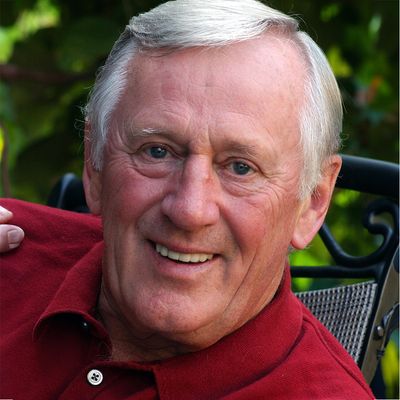
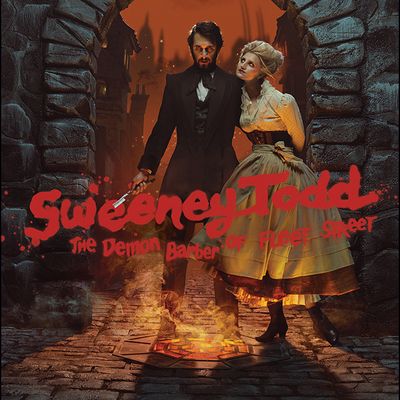
Legend is overly used, but there is no better word to describe Len Cariou! He is a Tony Winner for originating the role of "Sweeney Todd." He also was in the original cast of "A Little Night Music." How did he become a Sondheim Muse? He tells us!.. Read More
From the show: The Roundtable with Robert Bannon
Guests
Featured Shows
About
Legend is overly used, but there is no better word to describe Len Cariou! He is a Tony Winner for originating the role of "Sweeney Todd." He also was in the original cast of "A Little Night Music." How did he become a Sondheim Muse? He tells us! His journey to Broadway comes with some twists and turns. Hear this tale! Plus, we have adored him in "Blue Bloods" for all these seasons and we wanted to know his thoughts as it comes to an end.
Get this: he is filming a TV show and it is still not enough for him! He just wrapped up "Tuesdays With Morrie" Off-Broadway! He is an inspiration that creation has no age! Len Cariou makes his Roundtable Debut!
________________________________________________________________________________
Check out “The Roundtable with Robert Bannon” everyday right here on The Broadway Podcast Network!
www.RobertBannon.com
Follow on IG @RobertMBannon or @theroundtablewithrobertbannon
Transcript
This transcript was automatically generated and might contain errors.
[0:10] Robert Bannon: Are you ready? It's the Roundtable with me, Robert Bannon.
[0:15] Robert Bannon: Well, I am so excited for today's guest. It is such an honor. You know, I have interviewed some really fantastic people, but never has my father, my cousin, my mother-in-law in Detroit, who asked me to drive out to New York City to take a picture of the Reagan house to prove that it was real.
[0:37] Robert Bannon: And I did it. Len, welcome to the show. It's so honored to talk to you.
[0:43] Len Cariou: Thank you very much. Glad to be here.
[0:46] Robert Bannon: That's a true story. She asked if New York was like the Reagans and was it real?
[0:50] Robert Bannon: And I said, well, the house is real. Before we get into your career, I can't I'd be remiss to not mention it must be bittersweet days. Blue Bloods' amazing run. I don't know. I counted 293 episodes.
[1:05] Robert Bannon: And how's it feel to be ending this chapter?
[1:09] Len Cariou: Well, it's, uh, it doesn't make a lot of sense. Um, the thing is, uh, very popular still. Um, and we're, uh, nobody, nobody in our on our end of it wants it to stop.
[1:26] Len Cariou: Um, and, uh, we can't quite figure out why CBS is, uh, is gonna drop us. Uh, but there's a move afoot, I think from, uh, a lot of, uh, a lot of people saying, hey, save this. Don't, don't, uh, don't let it go.
[1:45] Len Cariou: So we'll see. Uh, it's, uh, it's bittersweet. Um, but you know, life goes on and, uh, it was a glorious time that we had, and, uh, it came at, you know, at the exact right time in my career, uh, for me because I said, uh, 40 years, 50 years ago to my agents in Los Angeles, I said, I'm gonna go and get a career in the theater, and maybe when I'm 70 I'll do a television show, and that's exactly what happened.
[2:24] Len Cariou: So, uh, well, somewhere around the world at any given moment, I know Blue Bloods is on television and it gives us a lot of, and we'll have to find something else to do on a Friday night or whatever nights you watch Blue Bloods, everybody, but you know, we're, we're with you.
[2:42] Robert Bannon: I was reading about your career. I saw 87 IMDB TV and film credits, and they're probably short a few. And I don't, is it 11 Broadway shows? Is it 12? Do you know?
[2:53] Len Cariou: I don't even know.
[2:56] Len Cariou: No, right, it's around there, I guess, yeah.
[3:00] Robert Bannon: Well, your journey is fascinating because you're from Canada.
[3:04] Len Cariou: Yep.
[3:05] Robert Bannon: And you were directing and starring in plays at a very young age as a, as in school.
[3:13] Len Cariou: Well, yeah.
[3:15] Len Cariou: Yes. You could call it that, I guess, yeah.
[3:18] Robert Bannon: And your early career was a lot of Shakespeare and a lot of classical work.
[3:23] Len Cariou: Yeah, I, uh, I was, uh, I had a mentor who, uh, wanted me to tell, telling her the right way, and, uh, his name was John Hirsch, and he said, uh, he engineered my going from Winnipeg because he founded Man's the Man's Public Theatre Center, which I was a founding member of.
[3:50] Len Cariou: And then he engineered my going to Stratford, Ontario to the Shakespeare Festival there.
[3:57] Len Cariou: And that really molded my career. Uh, that really set me on the path that I wanted to go on.
[4:05] Len Cariou: Uh, I didn't know it at the time, but once I'd been at Stratford and realized that that's what acting was all about and the challenge was, uh, there, uh, to do the classics.
[4:20] Len Cariou: Uh, so that when I found that out I said, okay, this is what I'm gonna do for sure, uh, and, uh, spent, uh, the first, you know, seven or eight years of my career doing, uh, working between the Man's Hoba Theatre Center and Stratford Ontario, um, for, uh, and doing Shakespeare and doing plays at NTC and there was always a musical in that season and I was always part of it.
[4:55] Len Cariou: So, uh, I was, there was somebody watching over me very carefully and thank God.
[5:02] Robert Bannon: Yes. Was the transition to coming to New York a big, it must have been a big move, a big, a big step in your life.
[5:08] Len Cariou: Well, it was, yeah, uh, coming here, uh, to work because, you know, I've been doing musicals, uh, in Winnipeg.
[5:17] Len Cariou: Um, and Broadway was something that everybody, you know, wanted to be part of.
[5:24] Len Cariou: And, uh, so yeah, it was, uh, it was, uh, it was twofold.
[5:31] Len Cariou: It was, well, okay, I'm gonna go to New York. Uh, I don't have a job yet, but, uh, if I get one, I want to, I'd love it to be in a musical.
[5:42] Len Cariou: Um, because the strat, there's the, the American Shakespeare Festival I didn't really know from at that point, uh, in Stratford, Connecticut.
[5:55] Len Cariou: Uh, it, it existed, but I didn't, I didn't hadn't been exposed to it until I got here.
[6:04] Len Cariou: So yeah, it was, uh, me saying, well, I think I'm ready, uh, when I came because I'd, uh, done all the work with, with John Hirsch and all the work at Stratford, and I was, I was more than prepared, uh, to take on something, you know, in this, in the big apple, as they say.
[6:26] Robert Bannon: Yes, and not only did you make your Broadway debut, you then made your starring role in a show called Applause with Lauren Bacall.
[6:35] Len Cariou: Right.
[6:36] Robert Bannon: And then you just take that and run on to do A Little Night Music, and then the film with Elizabeth Taylor, I mean heavy hitters from the jump.
[6:46] Len Cariou: It was nice.
[6:48] Len Cariou: I know that people in 1979, the iconic moment, Tony Award-winning portrayal of Sweeney Todd in Sweeney Todd, that will be done.
[7:01] Len Cariou: People have taken your performance and done it in every regional, every community theater back on Broadway on film.
[7:10] Len Cariou: What can you say about the days, uh, of Sondheim and, and getting that part and working with Angela Lansbury?
[7:17] Len Cariou: Well, it was wonderful. Um, you know, um, Harold Prince, um, came to see the, uh, gypsy run through of Applause in 196, just in 1969, just before we did it on Broadway.
[7:36] Len Cariou: And, uh, just before we were on our way to Boston, uh, and it was my first musical, and you know, you have to, in those days you went out of town, um, and we were going to Boston, uh, with this musical, and, um, so it was, uh, uh, he was very cognizant of my career, Hal Prince, I mean, and, uh, and he, uh, he wanted me to, uh, to play this role, and I funny enough had auditioned, uh, for the other role of Carl Magnus role, uh, because I, you know, that's from my age, but I'd played Carl Magnus, uh, in, you know, many different forms, uh, over the years and, and, but I, I said, well, I want to have my chance to sing for Sondheim.
[8:40] Len Cariou: So I'm gonna go and do it.
[8:42] Len Cariou: Um, but I, I didn't really think that I, that I would probably want to play Carl Magnus.
[8:49] Len Cariou: However, I probably would have, I guess, pushed, pushed Cam to Shoven, they've said, okay, it's yours.
[8:54] Len Cariou: I probably would have done it.
[8:56] Len Cariou: Anyway, that's all hindsight now.
[8:58] Len Cariou: But, uh, we got there, uh, to audition and, and did audition, uh, for him and, and Hal said to me, uh, we've reworked the script a bit and I'm gonna give it to you and, uh, there's now some lyrics for songs and, uh, take it away and read it and we'll talk in the morning and, uh, so I, that happened and, uh, I, uh, I spoke to him the next morning and he said, how'd you like it?
[8:58] Len Cariou: And I said, well, I read it and some, the lyrics were incredibly wonderful songs, you know, the genius stuff, um, and he said, uh, uh, well, I said that, that, that the first number that Frederick has, um, now, uh, I said is just brilliant stuff and, um, and he said, yeah, well, that's what we'd like you to play and I said, no, you, you don't mean that I'm talking about the Carl Magnus, I'm talking about Frederick, not Carl Magnus and he said, no, well, we don't want you to do Carl Magnus, we want you to do Frederick, which came as a total surprise to me and, uh, so I said, okay, but I, I said, you know, he's, he's meant to be quite a bit older than me and he's, no, we're doing a, uh, classic piece, we're doing it in period and nobody will, nobody will question it, so I said, okay, um, and, uh, that's how it sort of started and then once we had done Night Music, uh, and won the awards for that and the nominations for that, um, then I was in that, I was in that for a year and, uh, went back, uh, to the Guthrie, uh, after that, I'm sorry, no, I, that was after, uh, after Applause I went back to Guthrie, uh, but then I was at the Guthrie as an associate artistic director, uh, during Night Music and, uh, thought I was going to go back to after Night Music go back to Minneapolis to do Macbeth, uh, and Michael Langham who was running the Guthrie Theater at that point, uh, said no, I'll, I'll, I'm not, I'm changed my mind about McDermott, we're gonna do Lear instead and I thought, oh Lord, well I said, you know, I, um, I'm bitterly disappointed and he said, well don't be, he said, because I want you to play Lear.
[8:58] Len Cariou: I said, oh Michael, come on, Lear's supposed to be 80 years old. He said, time you started doing those character parts and, uh, I said, well, what about our, you know, the guys that are the seniors in our company said they will thank you immensely because it's Lear is so hard to do.
[12:31] Len Cariou: Uh, they won't, they'll be thankful that they're not doing it.
[12:41] Len Cariou: And the reason I went that up is because Brett it was just after that, having done Lear that I did night that I did uh swinging. And uh so once you do something like Lear, uh it changes everything. Um it just matures you, if you will, to uh and so when I when when I got to uh to Sweeney it was uh it was relatively easy to do.
[13:15] Len Cariou: Sure. I I mean King Lear uh uh in acting school we read books about people's experience taking on that part. So once you do King Lear, I'm sure a little a little demented barber is a piece of cake.
[13:30] Len Cariou: Yeah, exactly. I'm sure when you walk into a barber shop to this day, people still keep the uh the razor blades away from your hands.
[13:39] Robert Bannon: I would don't trust him with that. Um that was an incredible run, and and it is now a piece of Broadway history for sure. Um I know you got to be on set and be in the the movie adaptation uh with Johnny Depp. I'm sure you went and saw the current revival of the show. What's it like to see other people take on the parts that you originated?
[14:01] Len Cariou: It's kind of strange. Uh you know, it's kind of well yeah, it's I wouldn't have done it like that, but I understand.
[14:16] Len Cariou: I wouldn't. Why does he do uh I wouldn't have done it like that. You you talk about the Guthrie, you're doing Broadway shows winning Tony Awards, and you have always taken work. It doesn't matter if it's in New York, if it's going back, if it's going regionally, if it's on tour. Um a job is a job and acting is acting.
[14:35] Len Cariou: Yeah, well, that's you know, those are the muscles. You have to use those muscles. If you don't use them, they atrophy, just like uh if you know, if you don't go out, if you stop going to the gym. Um so you have to do it.
[14:51] Len Cariou: Um so you uh in a sense you're kind of an athlete, if you will. Um and you gotta kind of prepare yourself that way. Um so there was that discipline was uh was important.
[15:07] Len Cariou: And um, and so you you know you you you you get that muscle and you don't want to you don't want to let it out of you so you have to exercise it. And so I was a you know, I was a child of of the of the regional theater. John Hirsch founded the regional theater in North America.
[15:28] Len Cariou: And uh and by that I mean the the uh the way uh theaters would would do a a broad uh a show a musical uh uh a farce uh maybe a d a drama. Um and when we started in in Winnipeg, that's exactly what it was. It was slowly get them into the into the room uh with with light stuff and then as you as you get an audience then then you could start doing the dramas and and the and the tragedies if you will and that's kind of the way we did it uh so I was a child of of the regional theater so that's something that that's uh that worth work ethic uh has has stayed with me absolutely.
[15:52] Len Cariou: And if you look at your career and then dinner party and proof and all of the Broadway runs that you did um and then the transition to to film and TV is is the medium is your preparation and and the way you approach a script differently uh on stage versus television?
[15:52] Len Cariou: Oh yeah they're they're they're two different animals um but the instinct is is the same you just have to learn a little about how to work the camera that's all right um and you know the but for instance I uh uh doing the the small role that I have in Blue Bloods um was kind of not quite enough exercise for me so I've managed to do uh while we're doing Blue Bloods I've done uh a show that I created called Broadway in the Bard uh which is my you know doing Shakespeare soliloquies and and Broadway t showtunes um and we did I did that then just before the pandemic we did a play called uh Harry Towns' Last Stand and I just finished on Saturday uh a run of Tuesdays with Maury.
[17:52] Robert Bannon: Yep.
[17:54] Len Cariou: And hopefully it's it's gonna go on. Um but we we had we had to get out of the venue that we were in. So uh so that's I was a I'm able to do that and and do them both and enjoy it and not feel like I'm running out running out of gas.
[18:21] Robert Bannon: Yes. I I read reviews of Tuesdays with Maury and I'm I'm so in love with that book uh and that that character um what was it like to be able to put that on stage and personify Maury and and and tell that lesson and story every night?
[18:38] Len Cariou: Oh it's wonderful it's a great piece and um uh thankfully Mitch album and and uh uh the uh the playwright came to see it and they loved it both uh both of them did uh and so we're we're hopefully going to do it maybe in the fall uh on Broadway we got somebody interested to to try and do it on Broadway um but you know theaters are scarce in in this town so um but that's what we want to do.
[19:19] Len Cariou: Uh and you know s uh uh Blue Bloods is meant to be over uh in June. Uh we're supposed to wrap forever. Um I hope not. Um but uh as I said earlier, it was it's been a wonderful run.
[19:40] Robert Bannon: Well, I know that for uh my family and everyone's family, the excitement that they get that Sunday dinner, as a good Italian jersey boy myself. Um you know that's the idea of that Sunday dinner is something that's so meaningful, and my grandfather being a police officer and my brother being a police officer, that family, but you see a lot of your you know, we see a lot of ourselves in that.
[20:04] Len Cariou: But you all seem like a very tight-knit family. If it's Donnie and Bridget and yourself, you all are have gotten to be very close through these years.
[20:11] Len Cariou: We have indeed. Um very much so. Um, you know, it's uh it's just uh it's been a very, very happy time, and and we're all kind of going, well, what does it matter with these people?
[20:29] Len Cariou: This the show still is in the top 20 shows on television in its 14th year, and uh they're taking it off the air. It doesn't make a lot of sense, but well, we're gonna be excited to see how you tie things up for now.
[20:47] Robert Bannon: Who knows? Who knows what's gonna happen between between even I don't but if I was a Broadway producer, Tuesdays with Maury with you and two amazing actors putting telling that story every single night, that seems like a home run.
[20:48] Len Cariou: That seems like a home run to me.
[21:04] Len Cariou: So I I know that the there's a lot more left to come.
[21:08] Len Cariou: Yeah, I think so. I'm do you ever go home and put the television on and flip through the channels and there's the Reagans they must follow you you must it's on everywhere at all times I keep I have to apologize to friends saying I went to Europe and turned the television set on there you were yes sorry and I know yes it's it's been it has a following that's unbelievable.
[21:09] Robert Bannon: Yes and I know that you have kept your singing up I I know you've done shows at 54 Below and cabarets and and concert what what uh what is that also like a muscle is that something you keep up with is that something you look new?
[21:09] Len Cariou: Yeah absolutely yeah I have a a voice teacher that I uh that I study with still um and uh his name is Mark Planner and we had uh he's a really good teacher um and uh and of course it's been a very good friend do we've been at it since uh night music days so um yeah that's that I that I I keep up as well um and why um gonna do a thing with with uh um at Carnegie Hall in in June um a sundown evening of uh of Fallings that they're going to do um at Carnegie Hall um and I'm gonna be a part of that and it's an all-star lineup everybody from Jennifer Holiday on down to to yourself and and 20 or 30 other big gigantic stars and it's sold out in less than an hour um it did because I think there's a big demand for Sonti I mean his shows run they'll run forever.
[21:09] Len Cariou: Oh yeah he the man was you know a genius so he uh uh to have been a part of of both night music and Sweeney Todd uh they changed the rules of of uh musical comedy both of them yes and so it's you know it's nice to have been a part of that history.
[21:09] Robert Bannon: Well we are such admirers and so grateful for your work I I know that you have your own family your your wife and and you there and and your own family and and this kind of life takes a lot of time and energy and effort away from real life quote unquote and thank you for the time you spent on stage and uh on screens because you've given us so much joy and we've gotten to watch your incredible work and I want to say thank you for all the sacrifice and talent you shared with us.
[24:11] Len Cariou: Thank you very much.
[24:13] Len Cariou: I um am excited about follies I'm excited about the ending of Blue Bloods I'm excited to see you on stage singing somewhere soon I hope that we get to see your your shows and and your tell your stories uh very soon um because that voice is gorgeous and the way you can act a song no b nobody acts a song like like like you act a song uh and marrying the two together you're the the top of the tops so thanks it's been an honor um we're gonna keep up to speed you know I'm in Jersey I I'm gonna have to swing I'm gonna have to swing by and take you out for a plate of pasta or something you know to say thank you for for your time and and and being with us today thanks.
© Broadway Podcast Network, All Rights Reserved