

Late at night, deep in the woods of southern Illinois, a ghost tells Gail she will die within the next 24 hours. So begins The Refuge Plays, an epic tale that follows one Black family over 70 years... Read More
From the show: The Roundtable with Robert Bannon
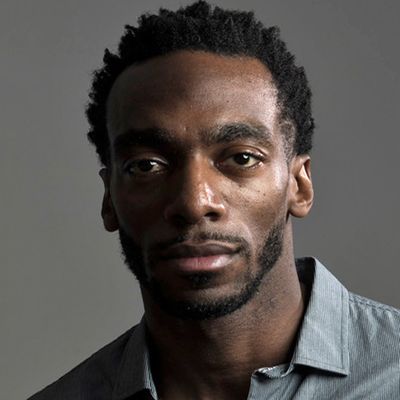
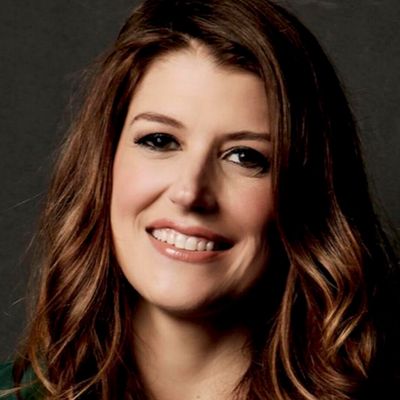
Guests
About
Late at night, deep in the woods of southern Illinois, a ghost tells Gail she will die within the next 24 hours. So begins The Refuge Plays, an epic tale that follows one Black family over 70 years. Written by Nathan Alan Davis, this bold reimagining of an American “family play” is full of humor, heart and surprises. Patricia McGregor directs.
We had the chance to talk to Nathan and this incredible cast about this epic story!
We chat with:
Joy
Reginald
Gail
Walking Man
Symphony
Clydette
Early
Crazy Eddie
Dax
Ha-Ha
__________________________________________________________________________________
LIKE. COMMENT. SUBSCRIBE!
Listen to us on THE BROADWAY PODCAST NETWORK:
https://broadwaypodcastnetwork.com/po…
Check out “The Roundtable with Robert Bannon” every Thursday 7pm EST/4pm PST PLUS: The Talk Series where artists share their art and their heart.
www.RobertBannon.com
Follow Him on IG- @RobertMBannon
Twitter- @RobertBannon
TikTok-@RobertMBannon
Transcript
This transcript was automatically generated and might contain errors.
[0:10] Robert Bannon: Are you ready? It's the round table with me, Robert Bannon.
[0:15] Robert Bannon: Hey everybody, my name is Robert Bannon. I'm so excited to be with you to talk about a new off-Broadway show. You know, I love Broadway, I love concerts, I love TV, but sometimes it feels like the real new art is on the off-Broadway stages. And Roundabout is no joke. This is not your downtown in a garage behind a coffee shop kind of off-Broadway. This is the real deal. We are talking The Refuge Plays, a beautiful play, a brand new play about lineage, about family, about what it means to be ancestral and be connected to your roots and the decisions that those people have made, how it trickles down to the current day. Listen, it is an all-star cast like Daniel J. Watts, who was nominated for a Tony for playing Ike Turner, and the incredibly beautiful and talented Nicole Ari Parker is in it.
Plus, one of the understudies is an alumni of the round table. I call them an alumni because they were on when they did the Hillman Mentor program, and we ran into each other at the opening. It was just a special day. It's just a special cast. It is a special group of actors. You need to go to Roundabout Theater Company and see The Refuge Plays right now, playing. Get your tickets and head on down to see the show. Here is the start with the one and only TV star, and I call them the most beautiful family in show biz, Nicole Ari Parker.
[1:37] Nicole Ari Parker: Hello.
[1:40] Nicole Ari Parker: I don't need an introduction. We know you.
[1:43] Nicole Ari Parker: Hi.
[1:44] Nicole Ari Parker: Hi, the most beautiful family in all of Hollywood. I swear, or Atlanta or wherever.
[1:48] Nicole Ari Parker: So we're in LA and New York.
[1:50] Robert Bannon: Yeah.
[1:50] Nicole Ari Parker: We used to live in Atlanta.
[1:51] Robert Bannon: Wow, you do your work, huh?
[1:53] Nicole Ari Parker: I tried to do some research. I got, I tried. My son was born in Atlanta.
[1:57] Robert Bannon: So here's my question for you. You have a daughter that's at Howard University.
[2:00] Nicole Ari Parker: Yes.
[2:01] Robert Bannon: Talk about lineage. Talk about family. Talk about the show. When you get up on stage and do this work and talk about this play, how does your personal life lead you to do the work on stage?
[2:12] Nicole Ari Parker: Well, you know, um, I'm playing in the first play a woman who's in her 80s, and I'm lucky to have both my parents who my mother just turned 80, and my father's 83, and I'm so grateful to have just that deepening of um understanding of what our elders carry with them. You know, my parents were born in the 40s. Uh, African Americans born in the 40s, my mom from the South, my dad from Maryland, Baltimore, and just to have all that knowledge um that they've given me that has made me, I think, a survivor in this business.
[2:53] Robert Bannon: Yes, you have to be.
[2:56] Nicole Ari Parker: Absolutely. And my character Early talks about that a little bit about how to survive and what you need to carry inside of you.
[3:05] Robert Bannon: What is it like to play an 80-year-old? How do you, as a nerdy actor that I am, how do you materialize that with the work, the physicality of the work, and was there...
[3:07] Nicole Ari Parker: I'm still working on it because you know, it's a tricky thing that to over-age yourself because my mom has a knee issue, but she walks with the determination and gratitude that she's still here. Um, which is also what Nathan has written into the play a bit that, you know, I built a house and it's still standing.
[3:42] Robert Bannon: Oh. Well, welcome back to the stage. You do, you've done theater, you've done Broadway, you have been around and done classical deep pieces of work. When you see a script that was sent to you that's three and a half hours long, that is multiple plays, what is the thought process? How do you get your head around putting the work together and it's a lot of homework?
[4:00] Nicole Ari Parker: Yes. Uh, well it's, I was the last one off book.
[4:07] Nicole Ari Parker: Um, that's okay. I just, there were so many pieces, you know, and then tech.
[4:15] Robert Bannon: Yes.
[4:16] Nicole Ari Parker: So there were just so many pieces to meld together that um I dived right in. Um, and I'm in a cast of brilliant actors that um we just all just poured ourselves into this material under the direction of the amazing Patricia McGregor. She uh really held it all together in the craziness.
[4:38] Robert Bannon: Yes. Well, we're so excited to see it. We're excited for everybody to come down here and check it out. And thank you for all the work. We love all of the stage and screen and all that you all do.
[4:48] Nicole Ari Parker: Thank you so much.
[4:49] Robert Bannon: Thank you. We are here with Tony nominee, Daniel J. Watts. Welcome back to the stage.
[4:51] Daniel J. Watts: Thank you.
[4:52] Robert Bannon: You don't take a long break. Why?
[4:56] Daniel J. Watts: Never, no break.
[4:58] Robert Bannon: He works. Before we talk about this show, I have to say, you go down to the public, you see his one man, I w I don't know what to call it. Uh, Poetry Jam. You're your, it is one of the most brilliant, awe-inspiring pieces of work you will ever see.
[5:11] Daniel J. Watts: Oh wow, thank you. That really means a lot. Thank you.
[5:13] Robert Bannon: It means a lot. And you, knowing, seeing that show and knowing what you feel about family, sure. What is it like to be able to do a show like The Refuge Plays here?
[5:20] Daniel J. Watts: Oh, it's just doing all the things, giving me all the feels. It's, is, you know, it's a family show. It's familial, it's ancestral, um, and it's making me think more about my family and how where I've come from and how do I stay connected to that? Um, you know, I'm a country boy, but I'm in New York City, so it's, you know, it's back to some roots uh what I'm feeling connected to right now.
[5:41] Robert Bannon: Absolutely. So when you get a script like this, and you have an epic play that talks about lineage and time, what do you do as the actor? What kind of homework do you go home and do? Do you pour over the script? Do you let it listen to it? Like, how do you memorize all the lines?
[5:54] Daniel J. Watts: Oh man, right, repetition. That's what I want to do. Repetition, repetition, over and over and over. But yeah, like I read it and immediately the language of it is what spoke to me first. And I was like, oh, I know this language. Like, I'm not from Southern Illinois, but those people, that great migration of people, it's still relatively similar. And it, I, what did I do? I watched a lot of documentaries on uh World War II vets, um, a black patroon uh in World War II called the 761st. Um, I went back and watched Watts Stacks because it was just the people in the 70s and just what that vernacular felt like. This is just a lot of stuff like that, just to like sit in it and then really just listen to myself, you know.
[6:36] Robert Bannon: Well, I can't wait to see it. People have to come out here and check it out. Come on, come on, come on, come on. We're here. You are here, and we are here for Tony Nominee. See him wherever he does. And your art and artistry is beautiful. Thank you for all the work.
[6:51] Daniel J. Watts: Thank you so much.
[6:51] Robert Bannon: Alright, Nathan Alan Davis, the playwright of the show. Congratulations, happy opening.
[6:54] Nathan Alan Davis: Thank you, thank you very much.
[6:57] Robert Bannon: So, how did this idea, if you don't mind, start? I have such anxiety when I talk to playwrights because I think of that white page of the computer, that blinking cursor. Yeah, how did it start and how did it become this epic tale that it is?
[7:10] Nathan Alan Davis: Started out as a story about people who live in the woods and they're like tree people, they grow really tall until eventually they're so tall things would get cut down, and I was truly trying to explore ideas about like death and the inevitability of death and all this stuff. But the first part of it, the first iteration, I couldn't quite find a hold on it. And at a certain point, I think I was writing the characters of uh Walking Man and Gail. Something kind of felt like it dropped in. So I just kind of went with it. I listened to the characters, and uh I wrote that first play, Protect the Beautiful Place, and then um and then I started to write more. As the world that was coming out of their mouths kind of like created itself, you know, and I just followed it and I uh wrote another play, then I wrote another play and went backwards in time and tried to fill in some more of the story that I was writing.
[8:02] Robert Bannon: What you have your own students. I mean, you work at Boston University, or you're, you know, in the MFA program like that. How do you keep your voice with all the noise? You have a team, you have producers, you have people that give and people that read your work through the iterations. How do you stay true as a young playwright to putting the story out that you want to be told?
[8:21] Nathan Alan Davis: I think you just have to tell the truth, you know. I mean, the people that come together to produce your work, they're doing that because they believe in your work and they're responding to your voice. You have to continue to trust it, and you have to have enough confidence to be able to say, I don't know sometimes, but trust that you'll figure it out. And um, you know, when you're talking to someone, you don't ever forget feel like you're gonna forget what you sound like. You're gonna sound how you sound. And I think if you're writing and you're writing truthfully, your voice will always come through. You'd have to have the um, the courage to keep telling the truth.
[8:58] Robert Bannon: And this story it must succeed on stage, and now to open tonight. How does that feel as the playwright and the years and the rewrites and the editing and the workshops and everything you've done? How does that feel to finally open?
[9:10] Nathan Alan Davis: It's exciting. It's, you know, it's the moment that you write for to have it open, to have people all come and see it. Uh, it can be hard to let go sometimes because when you're still working on it and you're still crafting it, there's always some perfect version in your mind, but now it's like real, real. And so there's always a little bit of anxiety with that, but it's also just really satisfying and fun to have people come together to like make your dream a reality on stage. So it's wonderful.
[9:35] Robert Bannon: Happy opening, break all the legs, have an amazing run, and we can't wait to see what's next. Alright, thank you so much.
[9:40] Nathan Alan Davis: Thank you.
[9:42] Robert Bannon: Jerome, thank you. Well, look at this suit. Come on, suits.
[9:43] Jerome Preston Bates: Okay, yeah.
[9:46] Jerome Preston Bates: And pocket square and tie it all.
[9:48] Robert Bannon: No, you don't cry. Jerome, we've seen you on stage, we have seen you on screens. Uh, Jitney was something special. Why this show, why now?
[10:01] Jerome Preston Bates: This is a time uh particularly in our society, where society has been divided, family has been divided. There were people whose family members died and they could not attend the funeral. Yes. There was people who wanted to go to funeral and be a part of it and could only experience it through Zoom. So it reminds you of family, of love, of forgiveness, of laughter, of joy, of uh restoration, of uh the importance of recognizing ancestors who were always with you, always walking with you. Uh, it reminds you of the audacity of hope. The audacity of strength. Uh, that yes, a woman can kill a bear, you know, and uh and so much more. It breaks uh the boundaries of what we are what's tied to us as to what we're capable of doing, and it also allows you to leave the theater and say that you can do anything, but walk with love as you do that.
[11:10] Robert Bannon: I mean, can you just, can you just speak to me every night before I go to sleep?
[11:15] Jerome Preston Bates: Because I'll record some positivity to you.
[11:18] Robert Bannon: Please, please. When you do, when you have a career that's on Broadway and Sickfly and all the things that you've done, and then and a lot of uh work on sets, and I'm in the SAG strike without mentioning names of shows. What is it like to be in front of a live audience compared to being on set? What is the energy you feel as an actor that it is live and you're in front of people every single night?
[11:38] Jerome Preston Bates: It's a feeling of uh exhilaration. It's a feeling of family in a way, it's a feeling of gratitude, uh it's a feeling of I hate to say fear, but it allows you to pull yourself up together and deliver what's inside of you, you know? And uh it causes you to give the best from you. You don't want to walk out on stage and not give your best, and that's what we should do in life. But when you walk out on stage, it reminds you, you got to be at your best to tell the best story.
[12:23] Robert Bannon: He's my life coach now. That's it. You're hired.
[12:25] Jerome Preston Bates: We already are hired.
[12:29] Robert Bannon: I am very excited to see it. I'm excited for people to come down here and see. And you're from, it says on your in your bio, New York, New Jersey, somewhere around there.
[12:38] Jerome Preston Bates: I was born in Augusta, Georgia.
[12:40] Robert Bannon: Okay.
[12:41] Jerome Preston Bates: Yeah, I came to New York when I was about six years old. It was two stops, one in Spidenburg, South Carolina, one in Columbus, Ohio. And then we went back and I lived in Atlanta. I went to school in Knoxville, Tennessee, University of Tennessee and Knoxville College. And then I went to school further in London, London Academy of Music and Dramatic Arts.
[12:59] Robert Bannon: See? And that's what I'm Georgia Bourne. I'm a Georgia boy.
[13:02] Jerome Preston Bates: A Georgia boy with London dramatic roots doing it, doing the work. Thank you so much. It's an honor to talk to you.
[13:08] Robert Bannon: Thank you, sir. It's an honor.
[13:10] Liza Mitchell: Zan Mitchell, everybody. Well, what is it like to be in a show about family, lineage, ancestors, and your journey, and just tell us, tell us what is it like to do this show?
[13:25] Nicole Ari Parker: It's a wonderful reminder of where your real support and your real joy is, even though it may be challenging, because it's just amazing to have somebody that you don't have to explain yourself to.
[13:40] Nicole Ari Parker: And with some family members, because they've known you so long, a lot doesn't have to be explained. And so with this show, there's no outside influence, there's no internet, there's no TV, there's no radio, so we get to deal intimately with each other. And I'm sure what's not said is just as big of a character as what is said on stage and in families in general.
[14:04] Robert Bannon: You have a career that has stages, screens, Broadway, off-Broadway, tons of credits. There has to be a team of people that, when you look back through your career, have supported you, family and friends, etc. Do you bring them up on stage, the aura and spirit of the people that helped you when you cross the threshold on stage every night?
[14:22] Nicole Ari Parker: Well, I have a special conversation, prayer to my ancestors and to my spiritual guides, because I believe that I call them my posse. And they ride with me no matter what.
[14:41] Robert Bannon: Absolutely. And I need to, I'm gonna go home and call my spiritual guides too.
[14:45] Nicole Ari Parker: We need everyone needs some spiritual guidance for sure. If I can say real quick, like you can't just wait, you can wait to the last minute, but you're really nervous if you wait till the last minute for that guidance. But if you drop in there every day, then you feel supported all the way.
[15:00] Robert Bannon: I'm taking that with me tonight. Thank you. I'm taking that with me.
[15:04] Robert Bannon: When you saw this play and you read it for the first time, is there anything over I know people talk about the length and the time and three acts, and it's a big piece. How do you, as an actor, not get intimidated and just you just how do you just dive in right headfirst into the work?
[15:18] Nicole Ari Parker: Because this is told in such an unusual way. We are at the end and then we progress to the beginning, so you never lose interest because you really don't know what's gonna happen next.
[15:31] Robert Bannon: It's gotta be a fascinating. It's a beautiful night of theater. You have to come down here and see it. Thank you for the work. Thank you for the time. And we're excited to check it out.
[15:41] Nicole Ari Parker: I hope you do, and I hope you let us know how you feel.
[15:43] Robert Bannon: I sure will. Happy opening.
[15:44] Nicole Ari Parker: Thank you. Break all the legs.
[15:46] Nicole Ari Parker: Thank you so much. My pleasure to meet you.
[15:47] Jessica Frances Dukes: Thanks. Pleasure to meet you too. Thank you.
[15:49] Jessica Frances Dukes: My name is Jessica Frances Dukes. I play Gail.
[15:51] Robert Bannon: Absolutely, and we know you from a show that we're not gonna talk about in this SAG strike, but we know maybe. And what is it like to be back on stage? It's not your first play by any means. What does it mean to be back on the boards in New York City?
[16:06] Jessica Frances Dukes: It feels so good. I'm just, I am this is my love. This is my refuge. You know, this is my home on this theater, um, on this stage. And it's just like the TV and film is so wonderful. Uh, but this is so fulfilling. This is so just heart-wrenchingly, it is just an amazing thing to do every single night.
[16:27] Jessica Frances Dukes: You know, and that's what I was just talking to Jerome about. What is it like the energy you get from the audience? You're putting on an epic three-act play. What is it like? Does that energy from the audience give the life you need to get you through the finish line?
[16:39] Jessica Frances Dukes: Absolutely. And when they're with us, it's like it makes it even better, you know. Like sometimes they're quiet because they're dealing with their own things, but sometimes they're laughing and they can't they get that they can laugh. You can laugh. Um, and it's a joy because we know that many people in the audience have lost, are trying to forgive, or trying to reconnect with family, or maybe you know, going through certain things, and hopefully this is a chance for people to call home, you know, let go, forgive, breathe, and love.
[17:13] Robert Bannon: Oh, that is beautiful. A show about lineage and family. Is there a personal person and people in your life that that have gotten you to this point that when you do the show, they're in your spirit and around your aura every single night?
[17:26] Jessica Frances Dukes: Every night I call my grandparents, my great grandparents. Um, I call them to the stage, I asked them to play Gail for that first act. And uh, you know, I do this because I honor them every day. And so hopefully you guys are proud.
[17:41] Robert Bannon: Oh my goodness. All right, fine. I'm just a big puddle. I'm a puddle. We love your work. We love the show. Congratulations and have an amazing run, Break Legs. Happy opening.
[17:52] Jessica Frances Dukes: Thank you. Thank you. So nice to meet you.
[17:54] John Michael Hill: I'm John Michael Hill, and I'm playing Walking Man.
[17:56] John Michael Hill: John Michael Hill, Tony Namini here on the roundabout stage here. What is it like to be back on the stage, back on Broadway in this show at this time?
[18:08] John Michael Hill: It's great. I mean, you you kind of connect with material first and the sort of pop and circumstance and all that comes later. You really just focus on the material and how it speaks to you and collaborating with this incredible team.
[18:24] Robert Bannon: Well, if you don't know, he acts Shakespeareing it up and down and around. So how does that yes? I know, don't sleep on me. So when you have that kind of experience, how does that come into doing a show that's deeply rooted in truth and timeliness and three and a half hours?
[18:38] John Michael Hill: Oh, yeah, yeah, yeah. So Shakespeare is great to work on just from a technical standpoint in terms of craft. You you have to be able to command language, you have to have endurance vocally as an actor, physically. So uh working on a lot of that stuff in my college years and younger days, I think is certainly built me up for these sort of epically long plays. And I'm from Illinois. The play takes place in southern Illinois, so it's fun to sort of be in New York doing a play about the place that I come from.
[19:16] Robert Bannon: Absolutely. Well, I know that this show is gonna be revolutionary to a lot of people. When you see in that audience and and you hear the stories out there and the world going on today, how does that play into the connection you make on stage every single night?
[19:29] John Michael Hill: Yeah, mostly the sort of materialism and capitalism of today being really uh out of control. This play is a good reminder to take stock of what you actually value and sort of keep track of how materialistic you are and how much time you spend with technology as opposed to people and words, books. Um my love for that sort of thing is I'm I'm certainly able to connect to that part of it every night. And I hope people watch it and take stock for themselves.
[20:03] Robert Bannon: Well, after talking to you, I guess I have to go home and study my scenes. I have a show this weekend, and I better learn learn my lines, because he could learn three and a half hours. I better learn my lines. It's a pleasure. You guys so much. Nice to talk to you, thank you. Congrats, broke break legs, happy opening.
[20:18] Ingasi Ayao: My name's Ingasi Ayao, and I play Joy in the refuge place.
[20:21] Robert Bannon: And you just being here with you, you are joy.
[20:23] Ingasi Ayao: Thank you. You are a playwright yourself.
[20:28] Ingasi Ayao: I am, I am, that's a fact. I write plays, I act in plays. I love plays, I'm a nerd.
[20:33] Robert Bannon: No, I so am I. I like reading. I'm into it. Well, from grief to homecoming queen, your work. And then you come here and read someone else's work.
[20:44] Ingasi Ayao: Yes.
[20:44] Ingasi Ayao: What is that like to live in the duality of both worlds?
[20:47] Ingasi Ayao: You know, it's really interesting. I mostly do my work as you stated, and for me, to actually get to dive into someone else's world, it's a big reminder of like surrender. It makes me much more compassionate with my actors when I have to do a play. Because I'm like, oh, right, this is that we're at I'm asking for everything. And so, but it it's also a really interesting thing because I'm like, oh right, this is not my play. This is Nathan's play, this is his world. And so I get to really surrender to what he's given me, and I get to like dive in, and quite frankly, it's easy because I don't have any homework the next day because I'm going to memorize these lines. I don't have to do any rewrites, he's gotta do all the homework. So I'm like, oh, I just gotta say what you said. I could do that, you know what I mean?
[21:31] Robert Bannon: She just said that doing this play is easy. So you know she's got the talent. Come on now.
[21:35] Ingasi Ayao: I mean, compared to like writing and having the act in it, I'm like, oh, you've just taken away one bit of work. Okay, I just get to be in the play.
[21:44] Robert Bannon: You have roots in Nigeria?
[21:46] Ingasi Ayao: I do, I do.
[21:47] Robert Bannon: And what is that like to talk about a play like this and the although the buzzword and the topicalness of this play and knowing the background, how do how do they, how does it play into your truth in the show?
[21:56] Ingasi Ayao: You know, I you know, as a Nigerian, as someone who knows her family, like, you know, there's a lot of stuff in my culture that is about knowing your father's father, knowing your legacy, knowing those things, and there is a sort of there is a difference obviously in black American in black American culture, but what brings true and brings the same is legacy, right? Like, you know, Nicole plays early, like that that grandmother reminds me of my grandmother. So for me, it's also really beautiful to dive into any sort of like black diasporic work because it reminds me that actually, though, you know, we've been severed, we're not actually as disconnected as we think, you know.
[22:20] Ingasi Ayao: So for me, it's been really beautiful to just dive into, you know, I had like a little imposter strong syndrome about being in the play, because I'm like, oh, I'm not actually of this lineage, you know, but I am, you know, and like it reminded me that I'm like, oh, right, like there are some things that like could not be taken away, and I'm reminded of this every time I like look at a cast member's face that looks like my uncle's face, you know what I mean? Or though, you know, this is like a sort of like Chicago backwards southern thing. This is so similar to like you could be in Nigeria in the village. The accent is different. So you know what I mean? But you know, our families are also worried about legacy.
Our families are also worried about love. Our families are also worried about trauma. Our families are also worried about building a home for themselves and building from like scratch, you know what I mean, and clawing and fighting. So there's a lot of ways in which we all really intersect.
[23:23] Robert Bannon: So yeah. It's universal. And stories, people, families, universal tale, no matter where you're from. A good story is a good story.
[23:29] Ingasi Ayao: A good story is a good story.
[23:31] Robert Bannon: And we can't wait to see your stories up on stages and more work from you. Break legs, happy run, and have a wonderful time.
[23:37] Ingasi Ayao: Thank you. I can't wait.
[23:38] Lance Coadie Williams: I'm Lance Cody Williams and I'm playing Dax from The Refuge Play.
[23:42] Robert Bannon: The re not your first Broadway show or up Broadway show at all.
[23:45] Lance Coadie Williams: No, no. I've done Um Sweat by Lynn Noddage and also Kiss Me Kate and a couple of other things.
[23:51] Robert Bannon: Which can you do Lynn Noddish as a play and then say Kiss Me Kate? Come on, Range!
[23:56] Lance Coadie Williams: And booty candy, which was my debut role here. I think that's my stripper name.
[24:02] Robert Bannon: But it's another show.
[24:03] Lance Coadie Williams: Oh, here with booty candy. Well, anything by Robert O'Hara's a trip. But why this show am I now?
[24:10] Lance Coadie Williams: Oh we were disconnected for a long time. You know, like the world stopped. And um this play kind of forces us to reconnect. And it's that breath between the actors, the artists, the writers, and the audience. That they have to lean in. They have to communicate, listen, and have empathy. And I think it's this is what the theater's about, the breath in between the artists and the audience. That that empathetic breath. That really we lost. We didn't know. We lost every need. So we dare, right? We dare to have you binge watch theater.
[24:48] Robert Bannon: That's right. Yes.
[24:49] Lance Coadie Williams: You're watching a whole series binge watch, right? Binge watch.
[24:52] Robert Bannon: No, I was gonna ask you. I've asked a lot of people. You are a very accomplished cast. This cast is pretty off the charts bananas. You have all done a lot of theater, you've all done a lot of film and television. But what is the energy? How do you describe getting on stage in front of a live audience for three and a half hours and telling this story every night?
[25:08] Lance Coadie Williams: Electrifying. But also a sense of responsibility to tell the truth. And to breathe life into these words because they're so beautiful. And um the connection, it's always about like the other person, you know, like it's it's such a giving thing. And I kind of feel like um we get a chance to bear our souls.
[25:32] Robert Bannon: That's an actor right there who tells that is a that is a real actor, a real actor that says it's about the other person, because there are a lot of actors that no, it is like like it's a thing, like because I'm out there and you know everybody and all of that, and they laughing. What brings me back is the curiosity of my partner.
[25:51] Lance Coadie Williams: And if I ever get lost, I look right into their eyes and I am there.
[25:56] Robert Bannon: You know, where did you trade you train? What kind of thing?
[25:58] Lance Coadie Williams: I trained at the Baltimore School of the Arts, and I also trained at SUNY Purchase. When it was gritty, you know that's but we were very gritty, it was a very gritty and and actually I got my master's with the masters. I was told not to go to get a master's, but to train on stage with the masters. So I did old school. I'm learning by watching people. And that's it.
[26:18] Robert Bannon: Well, you took me back to acting school. When you talked like that. I was literally like, oh my goodness, I'm back in Meisner class. I don't know. It's about the other person. It's about the work. It's such a beautiful art form, you know?
[26:31] Robert Bannon: Yes.
[26:32] Robert Bannon: I'm so excited to see you do this show. Everybody get your tickets, come on down here. You gotta see it. Congratulations.
[26:37] Mallori Taylor Johnson: Thank you so much.
[26:38] Robert Bannon: Mallori Taylor Johnson. Can you tell us who you play in the show?
[26:41] Mallori Taylor Johnson: Yes, uh, I play Symphony.
[26:43] Mallori Taylor Johnson: I was about to say my own name. I play Symphony.
[26:47] Robert Bannon: You play Symphony every night and you play Mallory in real life.
[26:50] Mallori Taylor Johnson: I get it. Exactly. You know.
[26:52] Robert Bannon: You're a Juilliard graduate.
[26:54] Mallori Taylor Johnson: Yeah.
[26:55] Robert Bannon: From a Juilliard dropout right here. That's why I'm on this side of the screen.
[27:02] Robert Bannon: Listen, listen. How does a lot of students watch our show? We're on the Broadway Podcast Network, we're on the round table on YouTube. What does it mean to when you go to school and get the training? How does it help prepare you for a trilogy play like this?
[27:14] Mallori Taylor Johnson: Yes. I mean, it just helps with repeatability. Because honestly, doing this show every night actually, I mean, I don't have as huge of a job as like Jessica Frances Dukes, who is like really taking it on every single night. But in a sense where like putting the energy in your body every single day, I always go back to what I learned in school. Like Alexander technique, um imagination exercises just with my teacher. Like I do it all like an hour before the show, and it really, really does like get me ready to do kind of some uh deep work every single night.
[27:53] Mallori Taylor Johnson: Every night. What is it like to now be in front of an audience? You're outside of a workshop, you're outside of a rehearsal room, and now they're a character in the show every single night. Their energy is shot up on stage with you.
[28:02] Mallori Taylor Johnson: I know, yeah, it's great. I mean, like, it's so, it's actually amazing how much the audience is really like the last element that a show needs. Um, some nights I love when they're like laughing. I love when they like are really along with you on the ride. And there's some nights where like the audience is just really listening, and like even that's informative. So really it's like different every single night because of them. They really make the show in more ways than I think that they know.
[28:29] Robert Bannon: And a show about lineage and family, what does it mean for you? I know there's probably a team behind you of people who have supported you through all of these years. Uh what is it like when you get to now be on stage and hear from the people that have helped support you? Do you carry that with you in this performance?
[28:44] Mallori Taylor Johnson: All the time. I talk to my mom every single day. Of course. I talk to my mom after the show, before the show. You know, my mom is that person for me who uh keeps me going. So yeah, it's it's feels amazing. She's always been by my side, but she's really proud of the work that I'm doing and really proud of this show, as she should be, because the show is amazing.
[29:03] Robert Bannon: Yes, and you're amazing. And come down here and see it. Thank you so much, Break Legs. Have an amazing run.
[29:08] JJ Wynder-Wilkins: Uh, my name is JJ, and my character is Ha-Ha on the show.
[29:11] Robert Bannon: Yeah. And you are a Carnegie Mellon University graduate.
[29:16] JJ Wynder-Wilkins: I am, yes, yes, I am. Class of 2021.
[29:18] Robert Bannon: Class of 2020.
[29:20] JJ Wynder-Wilkins: I'm gonna oh my gosh.
[29:22] JJ Wynder-Wilkins: I'm on, I'm on suicide watch.
[29:24] Robert Bannon: 2021. All right, so LaGuardia High School. So are you from the New York area?
[29:29] JJ Wynder-Wilkins: I am, I'm from Brooklyn, New York.
[29:30] Robert Bannon: Brooklyn, New York, in the house, goes to one of the greatest theater schools in the world for high school and first, and now you're here.
[29:38] JJ Wynder-Wilkins: And now I'm here.
[29:39] JJ Wynder-Wilkins: Roundabout, off Broadway, debut.
[29:42] JJ Wynder-Wilkins: Debut first show ever.
[29:43] Robert Bannon: First show ever.
[29:44] JJ Wynder-Wilkins: First show ever.
[29:45] Robert Bannon: They're yelling, we're yelling, we are all here.
[29:49] JJ Wynder-Wilkins: Come on, free hype.
[29:50] Robert Bannon: What is it like to be on stage as opposed to the television work that you've done to then take this text, learn everything you learned in high school and college, and now apply it on a stage in the middle of New York City?
[30:01] JJ Wynder-Wilkins: To apply it on a stage in the middle of New York City, I think is like art form, the art form at its best. Feeling the audience every night and connecting with everybody. It's just a special feeling, and I feel like sometimes you can feel that in film, but um you can really feel it on the stage with everybody.
[30:18] Robert Bannon: Yeah, absolutely.
[30:19] JJ Wynder-Wilkins: Live.
[30:20] JJ Wynder-Wilkins: Live, live.
[30:21] Robert Bannon: It's different every night, so a show about family and lineage. What does it mean like to think about your journey coming from New York City, going to school, going to and and the sacrifices that family and community has made for you? How do you bring that on stage every night?
[30:33] JJ Wynder-Wilkins: Honestly, I just bring it on stage through my heart and through the words that Nathan has written. Um it's just a grateful and just such a blessing to be honestly to have grown up here and then to have my first play also be here. So I'm just grateful every single day.
[30:48] Robert Bannon: And I bring that in every time that I go in.
[30:50] Robert Bannon: He's a star.
[30:51] JJ Wynder-Wilkins: Star, star, star, come on.
[30:54] Robert Bannon: Broadway TV, film, we're ready for it.
[30:56] JJ Wynder-Wilkins: We're ready.
[30:57] Robert Bannon: It's only just begun. The best is uh yet to come, congrats.
[30:59] JJ Wynder-Wilkins: Hey, break all the legs.
[31:01] Robert Bannon: Thank you so much.
[31:02] JJ Wynder-Wilkins: Thank you so much.
[31:02] JJ Wynder-Wilkins: Have a great run.
[31:03] JJ Wynder-Wilkins: Thank you. Nice to meet you.
[31:05] Robert Bannon: Listen, if you've watched this show every week, then this is a familiar face. Tell everyone your name.
[31:11] Kishana Johnson: Hi everyone, my name is Kishana Johnson.
[31:15] Kishana Johnson: And if you look back to last summer, we did the Hillman Mentor program.
[31:18] Robert Bannon: Here it is.
[31:19] Kishana Johnson: Here, look, she's here.
[31:22] Robert Bannon: Right there.
[31:23] Kishana Johnson: In the program, told me about your career, about what you had planned, stage and television, and right all of it.
[31:30] Kishana Johnson: And you're here.
[31:31] Kishana Johnson: You're about to open tonight.
[31:32] Kishana Johnson: Yeah.
[31:33] Kishana Johnson: I feel blessed. It's crazy, but it's not, because this is exactly what I um I guess manifest it.
[31:40] Robert Bannon: You you manifest it, but you did the work.
[31:42] Kishana Johnson: And did the work, for sure.
[31:43] Kishana Johnson: Yes, for sure.
[31:45] Robert Bannon: What was the audition process like for this piece in particular?
[31:48] Kishana Johnson: Yeah, well, we I sent in a tape. Um, and then they had um live uh callbacks in New York, but I was actually in LA, so I wasn't able to make it.
[31:57] Kishana Johnson: Um, and then I sent in another audition um via self tape for the understudies. They circled back and asked me to audition again, which I was like, oh wow, that's must be meaning that the work was was good.
[32:08] Kishana Johnson: Um yeah, and I sent in the tape, and then I found out uh probably a week later that I made the understudy cast.
[32:13] Robert Bannon: Yeah.
[32:14] Kishana Johnson: Where are my tapes going?
[32:16] Kishana Johnson: Right?
[32:19] Kishana Johnson: I still ask those questions too.
[32:21] Kishana Johnson: No, uh that's part of being an artist for sure, and and an actor, putting the work in, sending it out, set it and forget it.
[32:27] Robert Bannon: When you walked into rehearsal that first day, I mean, this is a big debut performance for you. What how do you build the confidence to just let the word speak and let the work speak without getting overwhelmed or that imposter syndrome that sneaks up? How did you what did you mentally prepare so that you can be present in the room every day?
[32:43] Kishana Johnson: Well, I told myself you were called to be in this room, um, so you belong, and that was enough. Um and I think walking into the room where it's surrounded, I'm surrounded by amazing artists and true artists, you know. There's no ego, there's none of that, and you feel it in the room, and they just really created that atmosphere going in.
[33:00] Kishana Johnson: So it felt like a family first day. So I didn't feel any of the imposter syndrome of oh my god, I didn't feel any of that. They embraced us and they welcomed us in the space. It was beautiful.
[33:10] Robert Bannon: I'm so proud of you, and I spoke to you for 30 minutes, and then the fact that I I just am so proud because I know the work that you've put in and and the technique and the training and and the praying and the all of the things.
[33:21] Kishana Johnson: All of that.
[33:21] Kishana Johnson: It's a full circle moment right now.
[33:22] Robert Bannon: This is a good idea.
[33:23] Kishana Johnson: Yes, it's a lot of time.
[33:24] Kishana Johnson: I'm so psyched right now.
[33:25] Kishana Johnson: I'm so excited. It's only the beginning, the best is yet to come.
[33:29] Kishana Johnson: It's a show about lineage, it's a show about ancestors, and I know there's a team of people and family and friends that are behind you that pushed you to be where you are. How does that play into the preparation to do this show every night?
[33:40] Kishana Johnson: Well, um, I actually lost my grandmother last year. Um and so walking into the space with this show and what it's about, it was so healing for me while I was still dealing and still am dealing with that grief.
[33:54] Kishana Johnson: Um, but it was such a beautiful process. Um, and I just came in with my arms open, and the work happened in here, and I it's coming out.
[34:05] Kishana Johnson: So that's my relationship to it. I think bringing in um instead of trying to like stuff it down and what I was going going through personally, I just brought it into the room every day.
[34:17] Kishana Johnson: I brought it into the room every day.
[34:19] Robert Bannon: Beautiful artists. I'm so excited to for this and for everything that's to come. Congratulations.
[34:24] Kishana Johnson: Thank you, Robert.
[34:26] Kishana Johnson: It's so good to be you in person.
[34:29] Robert Bannon: Stanley Andrew Jackson here in this show. Tell us what is your part?
[34:33] Stanley Andrew Jackson: Uh my name is Stanley Andrew Jackson. I'm understudying the roles of Ha-Ha and Walking Man.
[34:39] Robert Bannon: Okay, here's my question for you, Stanley. Three and a half hour show. Understudy. Three and a half hour show means there's hundreds of pages. Two parts. Still, I have a show Saturday in Atlantic City. I have maybe 20 lines and I don't know those.
[34:55] Stanley Andrew Jackson: Oh, I'm so sorry.
[34:57] Robert Bannon: How? Tell us what? What's the trick?
[35:01] Stanley Andrew Jackson: Well, you know, first and foremost, training. A lot of training and preparation, but also um, I think really getting engrossed in the story and understanding the purpose of each character and each role and each moment, you know.
[35:12] Stanley Andrew Jackson: Um, there is a lot of text. Um but it's a beautiful story. The story is really about finding a safe space. So really I try to find a safe space in my head for each one of these characters, you know?
[35:23] Stanley Andrew Jackson: And once I got that safe space, it lived there, hopeless.
[35:26] Robert Bannon: Yes.
[35:26] Stanley Andrew Jackson: And it will.
[35:27] Robert Bannon: So when you talk about training, you talk about your training, how does that come into play? For a lot of students watch the show. What is it like the training that you learn, the toolbox you have as an actor, and how do you apply it to this to this piece?
[35:39] Stanley Andrew Jackson: Well, I'm um I have a really great experience. I went to Howard University for my undergrad, and then I got my master's in classical theater at the Royal Central School of Speech and Drama in London.
[35:47] Stanley Andrew Jackson: And so I have had the opportunity to sort of put my brain, my creative brain, in the gym for years.
[35:54] Stanley Andrew Jackson: And the root of my like creativity started in doing a lot of Shakespeare.
[35:58] Stanley Andrew Jackson: Well, Shakespeare is a lot of text. So I always advise kids to like study, train, and work on Shakespeare.
[36:06] Imani Uzuri: My name is Imani Uzuri. I'm a composer and vocal soundscape for the Refuge Plays World Premiere.
[36:13] Robert Bannon: How do you write underscoring and music for a three and a half hour play?
[36:17] Imani Uzuri: You pray a lot, you listen a lot, and then you you put in, and then you put in things that sound organic to the character and to the world, and then you pull out, and then you pull, you pull in and pull out.
[36:31] Imani Uzuri: So it's really um the main thing that happened is I had to do a lot of bonding with the with the actors because a lot of them didn't identify singers, so I had to do a lot of bonding so they felt safe and comfortable singing and embodying it.
[36:43] Robert Bannon: Do you call this a play with music? Do you call this a what would you call it?
[36:49] Imani Uzuri: It's a play.
[36:51] Imani Uzuri: But you know what it is is that I feel like for a lot of people, especially black Americans or black people from the diaspora, music is just embedded in the day-to-day life.
[37:01] Imani Uzuri: And the sonics are just in bed. I feel like that's a lot for a lot of cultures.
[37:04] Imani Uzuri: So it's a play, and I think it just reflects aspects of day-to-day life where we might hear a song on the wind or song just issue, you know.
[37:12] Imani Uzuri: My partner sends me a song a day.
[37:15] Imani Uzuri: So I get it, it is a part of it is a part of life.
[37:18] Robert Bannon: Exactly.
[37:18] Imani Uzuri: And it's a character in the show.
[37:20] Robert Bannon: How do you build that? Where do you get inspiration? Where do you see you sit? Do you play piano as a guitar? How do you get the idea behind what needs what?
[37:29] Imani Uzuri: For me, as far as the vocal soundscape work, it was really organically starting with the voice, and really just thinking about what types of sonic huntings may be appropriate for this world that Nathan Alan Davis has so beautifully created.
[37:43] Imani Uzuri: And so we, you know, the people will see, but we have we have some ghosts, you know, some ancestral sounds. We have some people singing, they're calling themselves home to heaven or to the hereafter.
[37:54] Robert Bannon: So that that kind of thing.
[37:55] Robert Bannon: Oh, we're here for it. I can't wait to see it. Congratulations, Break Legs, happy opening.
[38:00] Imani Uzuri: Yes, yeah.
[38:02] Imani Uzuri: Yeah, such great energy.
[38:03] Robert Bannon: I love you, folks.
[38:04] Imani Uzuri: I love your vibe, Larry.
[38:05] Robert Bannon: Thank you so much. Nice to meet you.
[38:09] Robert Bannon: Well, there you have it. Grab your tickets, come on down and see it. Aren't they a great group of actors? Woo!
[38:15] Robert Bannon: That is no joke.
[38:19] Robert Bannon: Roundabout theater.org.
[38:21] Robert Bannon: That's www.round R O U N D A B O U T Theater.
[38:28] Robert Bannon: T H E A T R E dot org.
[38:32] Robert Bannon: Get your tickets to see this show. Um, we are here at the round table. We are always talking about artists and talking about art, and uh so nice to talk to people of all different levels in their career and where they are and what they're doing.
[38:46] Robert Bannon: One day it may be a TV star, one day it may be an icon, one day it may be a Broadway Tony winner, and one day it may be an unknown person who is just about to start and blow up.
[38:54] Robert Bannon: You never know who you're gonna get and what we're gonna do. I hope you enjoy being here.
[38:58] Robert Bannon: I hope you follow us on the Instagram, which is at Robert and Bannon or at the round table with Robert Bannon.
[39:04] Robert Bannon: Keep listening to us on the Broadway Podcast Network and support Art and Artists.
[39:08] Robert Bannon: If you want more information about me, go to Robert Bannon.com. I have a new album, I have Noore Shows, I have a live show in New York City in December, I have music, I have acting, I have life.
[39:18] Robert Bannon: I hope you just come along for the ride. Till next time, it's been such a pleasure to be with you. Remember the best is yet to come.
[39:24] Robert Bannon: Till next time. I said that twice. So it must be true.
[39:28] Robert Bannon: I'll see you again real soon. Bye everybody.
© Broadway Podcast Network, All Rights Reserved