

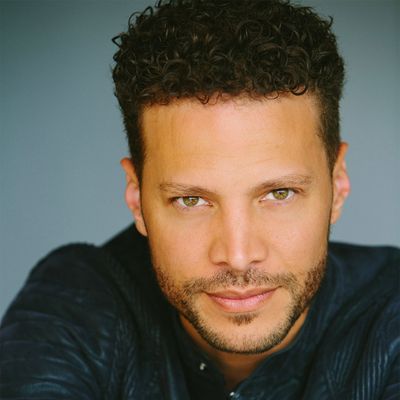
We Stan Guarini! He is the real deal, and he may be the nicest guy in Show Biz! We had the chance to chat with him pre- Once Upon A One More Time. The show was not even announced yet, but he was dropping WISDOM! He is about as charismatic as they come!.. Read More
From the show: The Roundtable with Robert Bannon
Guests
Featured Shows

About
We Stan Guarini! He is the real deal, and he may be the nicest guy in Show Biz! We had the chance to chat with him pre- Once Upon A One More Time. The show was not even announced yet, but he was dropping WISDOM! He is about as charismatic as they come! How can you be? Listen!
He is a star of Broadway, TV, "Idol," Lil' Sweet for Dr. Pepper Commercial, he legit does it all! Justin Guarini is HERE! I remember the moment he popped up on our screens on "American Idol." He is still crushing it on TV, Stages, and music. We are going to talk how to audition, how to book the job, and how to keep your sanity in this crazy business called show! YOU WILL BE INSPIRED! I promise!
_______________________________________________________________________
LIKE. COMMENT. SUBSCRIBE!
Listen to us on THE BROADWAY PODCAST NETWORK:
https://broadwaypodcastnetwork.com/podcast/the-roundtable-with-robert-bannon/
Check out “The Roundtable with Robert Bannon” every Thursday 7pm EST/4pm PST PLUS: The Talk Series where artists share their art and their heart.
www.RobertBannon.com
Follow Him on IG- @RobertMBannon
TikTok-@RobertMBannon
Transcript
This transcript was automatically generated and might contain errors.
[0:10] Robert Bannon: Are you ready? It's the Roundtable with me, Robert Bannon.
[0:15] Robert Bannon: Hey, beautiful people. It's another edition of the Roundtable Revival, where we look back at some of my favorite interviews in my career. Yes, my friend Mike came up with that. Isn't that clever? Because a revival is a show that comes back. And this is an interview that comes back. I am often asked, who is my favorite interview? Robert, who's your favorite interview? Who's your favorite interview? Who's your favorite interview? I don't have an answer because I love them all for their own special way. They're like my children. But if I was really pressed, I think Justin Guarini and Josh Groban are in a battle for the nicest people in show business. They are just amazing. So I figured we might as well show Justin Guarini, Justin Chatter with me before Once Upon a One More Time, before it was even announced.
Justin just came on to tell us about how you can get the life you achieve, how you can book that audition, how you can do anything you set your mind to. He is so freaking talented. I am disgusted by Justin Guarini. He is so talented and sweet and kind and charming. Ugh! How dear and his hair is great. We stan Guarini. We love it. So let's go back pre the summer, pre Brittany, and let's just go back to talk about Justin giving you the tips of the trade. My friend Justin Guarini joins us now.
[2:05] Justin Guarini: Uh, Justin Guarini is a Broadway star, a singer, and I am inspirational. Wait till you hear his story. Wait till you see what he's written and what he can help you with. Oh, Justin, I need you in my whole life. You need to come fix my whole entire life right now.
[2:21] Justin Guarini: I am not Iyanla Vanzant. I'm not here to fix anybody's life.
[2:28] Robert Bannon: Well, it's an honor to have you here. Thank you so much.
[2:31] Justin Guarini: Thanks. It's so much, it's so wonderful to be here. And I gotta say, you know what? We have been going back and forth for months and months and months about this. And I have been running around all over the place doing a whole bunch of stuff, but I cannot stress how proud I am of you for your patience and grateful I am for you for your patience and everything in making this happen.
[2:52] Robert Bannon: No, well I wanted to do this, and now we're here. And it wouldn't have happened had you not continued, been like, come on, let's go, let's make this happen.
[2:58] Justin Guarini: Let's go stalk you since I've stalked you, just saw endlessly stalking you. Fine. Happy about it.
[3:05] Robert Bannon: Well, I'm a fan. I'm a fan of your whole thing, your energy, your music, your tenacity, and your personality. I mean, I understand. Look, I'm a singer, I'm an actor, I'm a fifth-grade school teacher in real life, but I fell into this personality world, and that's kind of you too. Like when you have that, you just have such good vibes and positivity and energy around. You are, you're just sunlight and good all good things. So to go back before we talk about your unshakable confidence and your profit under pressure and all that you're doing to help people be their best selves. You've been at this game literally since you were like a little mini Justin Guarini.
[3:42] Justin Guarini: Yeah, yeah, it's interesting. I first really got a taste of performance when my mother, who was an anchor woman on there was an ABC channel, ABC affiliate in Columbus, Georgia. I mean, just a few weeks after she had me, literally brought me onto the set and held me up as a baby. And I think something about the lights got me from that point.
[4:09] Robert Bannon: Yeah, that's it. Show baby, and here you here it is. Yeah, when it's in you, it never leaves.
[4:15] Justin Guarini: That's it. It's just yeah, no, and it's been an interesting, it's been interesting because I've now I'll be 44 this year, and I realize that I've lived long enough to really see and understand that life is just so cyclical, just like this business is so cyclical, the entertainment business. And I was born to do what it is that I do. My mother was an anchor woman eventually on CNN. And I would wake up at you know, some ungodly hour, and she would be putting on you know pancake makeup or whatever they used back then. And then she would go read the news, and I would go and have lunch with the weatherman, and this is CNN, right? And then my dad was in politics, he was in policing for a long time, ended up becoming chief of police in Atlanta.
And I would be around politics and lights and media and all this stuff, and growing up that was normal for me. Celebrity being around all that was normal for me. And then once I decided that that was what I wanted to do with my life, it just kind of fit hand in glove.
[5:16] Robert Bannon: Oh, well, and then you moved to Pennsylvania. This is the story that I've read. You go to Pennsylvania, and then you get involved in singing. And originally you're singing in a cappella groups, choirs through school.
[5:28] Justin Guarini: Yeah, and that if you're a singer out there, that's a whole separate skill than just taking a mic and singing karaoke at the Chinese restaurant, which I've also done. How did all that choir singing, a cappella singing and everything get you ready for music and musical theater, get you ready and prepare you for the future? For a lot of the kids that watch this show, I always tell them like getting involved and just going out there and singing, singing with other people and learning how to be in a room with a bunch of people. How did that set you up for what was to come?
[5:57] Justin Guarini: Well, I'll answer that two different ways and start with the present and then go to the past. We now live in the best time ever to be able to leverage use technology to get a message out there, to get our face out there, to get whatever it is that we want to say out there, right? If we have one of these or whatever device you're watching this or listening to this on right now, then you are further ahead than anybody else in history has been when it comes to your ability to again get your message out there to be seen, to be heard and to be found, right? And one of the biggest, you know, resources we have is time, right? We think, oh, I need money, I need all this, that no, time is your greatest resource.
And if you are young and you're listening or watching this right now, it is the greatest thing for you to understand that just getting out there and doing it. I mean, look at TikTok, right? My wife just showed me somebody last night who just started posting videos of themselves singing in this beautiful angelic voice, and nobody for the first few months paid attention, and then a few people did, and then a few more people did. And now a year later, 365 days later, this person is now doing concerts. They're touring around. And that's the power that we have, right? Now, most people would have given up after a few weeks. Most people would have given up after a few months, but because they use their time and the fact that they don't have a car and a house and a job and some of the other things that grown-ups have, they were able to turn in less than a year just something that they were doing on TikTok into an actual living.
[7:45] Justin Guarini: And so my youth, my childhood version of that was my parents said, Oh, you know, this could carry this kid can carry a tune in a bucket, as they say in the South. And they decided to put me in choir. And so I went into choir, into the Atlanta Boys' Choir, which is very serious business, and I learned how to work with other people. I learned how to fit into a system and into a group of folks who are all of the like mind, who all want to deliver this beautiful product, being a song in that case. And so the more that I did that, the more that I worked in a cappella groups, the more that I went and I studied voice and I went to karaoke even, the more that I did all that stuff, it gave me the experience.
I got to learn what I didn't know so that I could figure it out and know it, right? I got to learn what I was really good at, what I wasn't so good at, what I enjoyed, what I didn't enjoy. And there is no substitute for experience. And again, if you're a young person listening to this right now, the more experience, the more doing of the thing that you can get, the better, because it is going to pay down the line over and over again.
[9:08] Justin Guarini: And if you're not a young person listening to this, I would encourage you. I mean, what is young these days, right? It's a relative term, but you know, there is a false belief out there that oh I'm too old. Ah, it's too late. And I would just encourage you to Google performers, actors, famous people, if you will, who started their careers after 40, started their careers after 50. There are so many of them household names that were up until, like, for example, Harrison Ford, right? He was a carpenter, he was somebody banging nails into wood right up until he got this audition for a little thing called Star Wars. And he was by no means in his 20s, it might have been in his 30s, late 30s, I think.
And so, you know, that experience and starting when you're younger and doing everything you can, no matter what age you're at, to get that experience, to get the understanding of the doing of the thing, to finding out that hey, I don't like this, I do like this, I want to do this, I don't want to do that, is so, so valuable, and it's never too late to start. Never, you know, that's my this whole show starting over the pandemic was started my whole career. I at 18 years old, I gave up singing and performing. I went to became a school teacher and said, I'm gonna let that go. And then at 33, my album and my music is called Unfinished Business, because it chased me. It's something that if you're a kid and you love what you love, you can't, you wake up and you sing show tunes, or you want to sing, it's gonna just be in your body. So just go.
[10:34] Justin Guarini: Yes. Otherwise, you'll 15 years later, you'll be like, What the hell was I thinking? I like what and being younger, like even when I was younger, and it's not really until the past four or five years, right? The past four or five years, when I see my parents getting older, when I understand that, really truly understand that this life is it's not short, but at the same time, you know, it has guardrails on it, right? It has a beginning and an end. And I recognize that, like, wow, the one thing that I do not want to have when I am hopefully old and gray and getting ready to transition out of this life into whatever comes next. I do not want to sit and think, oh, I shoulda woulda could, I wish I had, right?
[11:27] Justin Guarini: And that's it. And it's and it's something about when I go to, for example, and visit my father who's 86. He lives in Atlanta, he'll be 87 next month. And I cannot walk into his house and smell the way his house smells and him and see all the wonderful plaques and the interesting things from my life and the photos and everything from the entirety of the 86 years of his life. I cannot help but to think, oh my goodness, I'm so happy to be home. I love this man so very much. I just am so filled with joy and gratitude. And at the same time, I am so afraid to lose this person. I understand that every single minute with this person is precious. I understand that all of these plaques and photos and everything and all this memorabilia are just things, but they will never compare to hearing my dad sneeze or hearing my dad just say anything, or you know, snoring at night when I go past the room.
[12:30] Justin Guarini: Those things are so precious. And so when the sooner that you can understand, hey, I will only be this age for this moment, right? And like life is happening not to me, but it's happening for me. And every single second, again, that time. You can always make more money. I know you might not believe that. You can always make more money. You can always make more friends, you can always make a lot of other things, but you can't make more time. And so when you're able to understand, oh my goodness, just go out and karaoke. Just go out and audition for that show. Just go and listen to something like this, this uh uh broadcast here, right? And just keep putting in more fuel for your passion, as much kindling, as much fuel as you can for your passion. Um, and no matter what, it will pay off. But you gotta do it, and you gotta do it every single day if you truly believe in it. If you don't, go and find something else to do.
[13:34] Justin Guarini: Yeah. Well, since I told you you were gonna fix our lives. I told you. Hey, look, I if there if there's any one little nugget that you can take from this, uh if you can't tell, because I uh I'll tell I can talk about it until the the cows come home, as they used to say. Um, I I'm really passionate about this, and I'm really passionate about helping and especially young people, because that's why I love to work with, really, really understand a lot of these principles, a lot of these lessons early, early, early, early. Because when you can plant, it's like what do they say? Like when you plant a tree, right? The best time to plant a tree was five years ago. The second best time is to plant it today, right?
[14:12] Robert Bannon: Right now, yeah.
[14:12] Justin Guarini: Well, while we're on the subject, can you tell us a little bit what tell us about profit under pressure?
[14:16] Justin Guarini: Oh, yes, profit under pressure. Well, I made that business and I um the Profit Under Pressure LLC. And the reason why I said profit under pressure is because as performers, what do we do? We are constantly put under pressure. Sometimes we get an audition the day before, sometimes hours before we're supposed to show up, right? Even if we have gotten the job and in the sense of Broadway, right? Brought most people don't even know that it's about three, three and a half weeks, if you're lucky. Three weeks to put together a show before you have to put it up on the stage on Broadway. Three weeks to learn all the music, learn all the blocking, learn all the everything, the choreography, everything to get your costumes done properly, to get all the things.
When I say profit, most people think about money, and that's true, right? Profit is money, right? And it's making money, but but something that my dad taught me like, hey, why do we go into business to make what? And I said, well, to make money. And he's like, No, no, no, no, no. We go in business to make profit. You can go into business and you can make money, but if I go into a business and I'm spending five thousand dollars every single day, but I'm only making 20 back, yes, I'm making money, but I'm losing $4,080.
[15:48] Justin Guarini: But that's the thing. So many businesses are like that. That's why only a small percentage of people in America actually own their own business. Because the majority of them fail, and the majority of them do not have people at the helm who are like you and me who are willing to suffer through not making money, who are willing to suffer through not making a profit in order to fix the dials and the knobs and to get it right. And so when I talk about profit, it's so important to understand that profit goes beyond just money. When you're in an audition, you can profit from the experience. And that means gain something that you didn't have before. When I talk about auditioning, I love to help people understand that you are not this like Oliver, like, please sell them, have some more.
You're not going into the audition to beg them for the job. That is the energy that we all go into it with and have at some point gone into the room with. But what's the more profitable way of going in? Well, it's recognizing that, hey, you know what? I'm an artist and I have studied in class, I've maybe gone to school, I've taken voice lessons, I have put in the work to understand and to memorize the script and/or this choreography or whatever it is. I am an artist, I am a performer. I respect myself, I respect the craft.
[17:16] Justin Guarini: Hmm. Just that alone puts you in the frame of mind that okay, I'm an artist walking into this room, not to face a firing squad, not to face my betters, not to face this panel of judges. No, I'm walking into a room of other artists. I am an equal. They need me just as much as I need them. And it's not an ego play, it's just a perspective shift. Because when you walk into an audition room and you want to profit under that pressure, recognizing that, hey, I'm an artist. You wonderful folks on the other side of the table of artists too. Here's what I have to offer. Do you want to partner with me on this? Yes, great. No, great. Either way, you walk out of the room, and where's the profit then? Where's the gain then?
When you understand that your job is not to get the job, your job is to understand how to audition and understand how to uncover the value that you have in the most clear way, it changes the whole game of auditioning. Because you're not trying to get the job, you're not begging, saying, please validate me, tell me that all this money that I and/or my parents have spent, you know, is right, right? All this time, no, no, no, please just tell me that I'm gonna no. You understand that I have value, and I deserve to be paid and respected for that value. Would you like to partner with me? Do you see my value? Yes, great, let's go. No, great. I understand the experience of auditioning, the things that I have experienced inside this room, if I know how to go analyze them and know how to go really pull the profit out of that, helps me to understand that the next time I walk in the room, I'm not going to make this choice and or this mistake or whatever.
I'm gonna do X, Y. And it's the doing of it. Again, for the young people listening to this, this is so vital. Because your job is not to get the job. Your job is to go in and audition and understand how the process and the system works. Your job is to walk in and understand what that director really truly wants. What's going on with them? What's that choreographer really truly want and need? And how can I uncover the value that I have in a way that that director sees me more clearly? That choreographer sees me more clearly? That music director hears me more clearly? That producer understands that I am a source of value because the producer does not care about you. I mean, any more than we care about human beings.
No, they care about the fact that they have hundreds, if not millions of thousands of millions of dollars that they have to make sure that they get back so that the people who have paid them get paid, and so that a business, right? Profit, profit, profit. And I know I'm talking a lot and throwing a lot here. However, going back to it, that's why profit under pressure is so important to me. Why I named the company that because we as performers, and look, I'm just as guilty of it as anybody else, we are far too often broke because we are broke-minded. We're taught, trained, and educated to be broke-minded. Why? It's not like it's some devious plot that the producers and/or the people in power uh have launched.
No, we live in a business of scarcity, of not enough for everyone, right? There's this many actors and this many jobs, this many, you know, people who want to be singers and this many record labels and/or band camps or whatever else you want to put, right?
[21:01] Justin Guarini: Right. And and yet, going back to this right here, this is our greatest ally, and also our greatest enemy, too. But we now have the opportunity to break out of that. We always have, but we really have the opportunity to break out of that scarcity mindset. And that, oh, there's uh there's not enough people, there's not enough money, there's not enough time, there's not enough all that auditions, there's not enough jobs. When we really truly leverage the things and the technology and the stuff that we have, we realize that guess what? It doesn't take a million people to make a living at this job. It doesn't take a hundred thousand people to make a living in performance. It doesn't take a thousand people, it takes about a hundred people who will buy anything and everything that you put out, who are passionate about what it is that you do, and you can make a living.
Are you gonna be on lifestyles of the rich and famous? Probably not. However, you're gonna be able to feed and clothe yourself, and you're gonna be able to fund more of the things that you're passionate about. And all it takes is a hundred people. You know how many the eight, what are eight, nine billion people on the planet? We can all find a hundred. And guess what? Now, because we have this, we can reach them in any corner of the world.
[22:16] Robert Bannon: I'm uh Justin. I'm sorry, I'm just going, I know I'm doing a lot of Justin. Go.
[22:23] Justin Guarini: I am like, I I need you, I need you. Just come live here in my closet and help me.
[22:29] Robert Bannon: No, you you could bring your kids and your wife too. I know what is so moving to me. Again, I'm and this isn't about me, it's about the people watching, but for my whole life, you know, Juilliard, I went to Juilliard Prep, I went to all these auditions, I'm gonna throw all that, you know. No, you're never gonna make it now. You're at a certain age, you give it all up. And then one day I woke up and said, F it. I don't, I'm, I don't, I don't, I'm gonna do it on my own, make my own terms. If it's this, if it's putting out music on my own, if it's putting on a show on my own, and investing in myself because I was tired of waiting for the yes. I I was the yes, just yes.
[23:05] Justin Guarini: Yes, and that's it. That that you just hit on something so beautiful and so poignant, right? Because you went to Juilliard, like the cream of the crop when it comes to schools of performance. And uh I was sitting at um a place called Birds in Hollywood, and uh Robin Williams was like a couple of tables away. And through some somehow Robin came over and he sat with us, and he was talking about how he went to Juilliard, and he's like, you know what, Juilliard, they'll break you down, they'll break you down, they'll break you down, they'll break you down, but then they build you up, right? And then they give you the and we go to school so much, whatever performance school or whatever acting studio we go to, most of the time the the challenge is stripping away a lot of that crap that gets in the way of us connecting to our own feelings, connecting to what is ultimately, like you said, the yes that's inside of us.
We are waiting, and we're talking trained and educated to wait for someone else to tell us a yes, a director, a casting director, a producer, uh um uh a record label or whatever it is. We're waiting for that yes, but again, because of what we have access to now, like you so beautifully put it, we are the yes, and we continue to say yes to ourselves, we continue to say yes to new experiences. We can it's like uh what is it? Um uh the year of yes, Shonda Rhimes, right? Read that book. Read that book is the year. She just kept saying yes, and it's like, oh my goodness. When we begin to say yes to ourselves, that creates an energy inside of us that attracts the kind of experiences, the kind of people that will say yes to us as well. So that's absolutely beautiful and so brilliant.
[24:52] Robert Bannon: That's you. And it is true. We're too you're taught the second you're an artistic person, you're gonna be broke, you'll never make a living.
[25:00] Justin Guarini: What's your backup plan? You're gonna wait the rest of your life, you're never going to make it. Um, we bring that energy and carry that pressure and energy around us. Um, tell us what, like, what do we how can we get involved? How can you help us? What are you doing? You know, and it's so interesting. I right now, um, as of this recording, I'm about to go down to Florida and to teach coaches, authors, entrepreneurs, business folks, how to get up on a stage and deliver their message and create not just a talk or a speech, but to create an experience. And that's super important. An experience that helps their ideal client say yes. Cause ultimately that's what we want. You know, it's so brilliant that you said yes, because it is, it is all about creating the yes.
And so what I've done in the past is I focused exclusively on performers. I wrote a book called Audition Secrets, volume one, which you can get on um Amazon. Um if you go to the website that you just put up there, or JustinGuarini.com, you can find out uh more about what it is that I do and and and how I do it. But I love just I love teaching and working with actors. Matter of fact, just yesterday, I'm wearing my Oscar Hammerstein Museum shirt. Um, because I'm so fortunate to live in the town where Oscar Hammerstein's house was is. And so I just was teaching uh some one-on-ones to some wonderful students in Oscar Hammerstein's house, which is Highland Farms, which was just uh I mean, just to walk into that place and to know that like Steven Sondheim was just like hanging out there, you know, I mean like the crazy history in that it just blows my mind.
And so that's what I do with with actors, and and I am in the process of creating uh a website and an app where people uh in performance can come and they can take my audition secrets masterclass, they can have access to the book. There's a whole actor's toolkit where you can on the day of your audition listen to audios, get yourself like an athlete would, right? You know, we see athletes whether we're watching football or or the Olympics and they've got the headphones on and their phone. Well, there's a method and a routine that they go through every single time, whether it's what they eat, what they listen to, how much rest they get, it is all set because they know that when they can get into a healthy set of routines, they'll know what to expect of their bodies.
They'll know what to expect of their minds. Well, we're no different. As performers, whether you're a singer, actor, dancer, or anything in between, we're athletes. A lot of people don't give us that credit, but you know, we're athletes. And there are a lot of people who would be huffing and puffing and wheezing if they did what we did for five minutes, much less the three hours of a show or a concert or whatever it is that we do, right? So why shouldn't we behave like athletes do? They we don't need to reinvent the wheel. There's a reason why Tom Brady, for example, is playing at 45. It's not because he's just got some great DNA or because he's super cool, or because he's just like, you know, gets a little bit of rest.
No, he put a team of people around him that help him understand what he should eat, when he should eat it, how he should eat it, how much he should stretch, how much he should lift and or what and and the supplements that he should take. Now we don't have to get that detail if we don't want to, but there is something to be said for okay, I'm gonna treat myself like an athlete. I'm gonna have a warm up and I'm gonna do it at this certain time when it's on my on my audition day. I'm gonna listen to this certain audio and get myself spiritually and mentally in a place to audition. You know what? I'm gonna read through my sides and I'm gonna memorize them this way. And I'm gonna all of that, and the more that we can get into a routine, and that can be difficult for some people because we are artists and we like to be free.
Freedom can be hard to fight against. However, if you know, uh just we we do understand routine, right? Choreography is just a routine set to music, right? If we can do that, we can also set a routine for ourselves that helps to what set us up for success. That's really my whole. If I could just the undercurrent of everything that I do when it comes to audition secrets is I want you to be set up for success. That's really it. And then I move uh also to helping coaches, entrepreneurs, authors, people who get up on stage, keynote speakers, create the kind of experience that is commonplace for us as performers, right? You know, nobody goes to Wicked and says, Oh my goodness, you know, the uh uh the seats were so great, you know.
You know, oh my god, and maybe some people do, right? Or or nobody goes and says, you know what? I just really loved how when uh they put the cloak on Alphabah, the it didn't make a snapping noise, right? No, or the costume. We talk about those little things, but overall we talk about oh my gosh, that was an amazing show. That was an amazing experience, right? And it's the costumes and the seats and the theater and music and everything else and the lighting that all goes together to create that experience. So I love doing that for for people outside of our industry as well.
[30:15] Robert Bannon: So that's no better man for the job than right here. If you gotta go to JustinGuarini.com or follow Justin on Instagram or follow, get his book, do get the whole thing. Thanks. Um quick before I let you go, because I already took so much of your time. Can we just you were talking about theater? We all know we you you come from a place in time, we all know how we know you, etc. And there's really interesting story about a crossroads about theater that I'll talk to in a moment. But let's can we take a little memory lane theater look? Look, talk about Wicked.
[30:45] Justin Guarini: Oh, I love this role. Some of the greatest musical theater performers really have been Fiero. So look, I love it. And then look at you and Drew Gasparini.
[30:59] Robert Bannon: Oh, Drew, my man. I love Drew Gasparini.
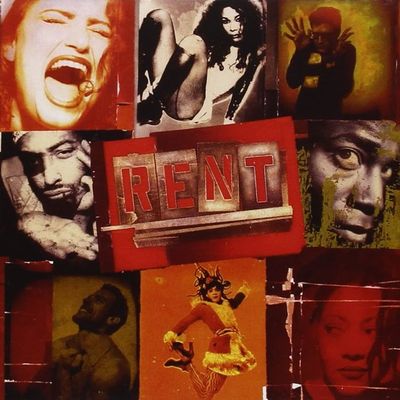
[31:02] Justin Guarini: And looking, I was a Roger in Rent once. That's a beast of a show. Oh, I'm so glad that that show. We did it at uh the Surflight Theater in New Jersey. And I'm telling you, I'm glad that run was only uh, you know, we'll do I don't know how many weeks, three weeks or something like that. Because by the end of it, I was like, Oh, I was bleeding as Roger. Not by last show when he says me, I was like, Me just yeah, exactly.
[31:31] Robert Bannon: Oh and yeah, go ahead.
[31:32] Justin Guarini: Oh, no, please.
[31:34] Robert Bannon: Yeah, it was so great. And you know what? I Drew and uh uh my friend Shayla Benoit. There's so many lifelong friends I have made in that cast. And I gotta tell you, Drew is one of my favorite people. He is about to go up. Uh I think his first Broadway show will be The Karate Kid. And I'm telling you, this was 10 years, almost 11, almost 12 years ago that this happened in this photo, and and the amazing growth that he has made, the strides that he has made again. It's like, and I think Tony Robbins said it's like we vastly overestimate what we can do in one year and underestimate what we can do in 10. And this literally is about 10 or 11 years. And Drew was already talented, he was already funny as all get out.
He was already someone who is a great friend and a great person. And now here 10 years later, he is about to have his due on Broadway, has earned every single second of it. He has a great podcast, has improved and learned over the 10 years. And I'm telling you, he is about to not about to, I mean, he's already been killing the game anyway, but he is about to he's about to be that guy that comes out of we think comes out of nowhere, right? And yet he has put in so much work and and and shared so much of his beautiful art with people, and I couldn't be prouder of him.
[33:02] Robert Bannon: That's a perfect example of that that tenacity to keep going and not to not stop. I loved the show. I did not know you, but I I loved I loved in transit a lot oh so great, and I love Telly and I love this cast, and it was talk about a cappella and but oh yeah, that was the greatest show that not enough people saw. And it was it was fantastic. And and again, that was another. I don't know if I could do that again because we I certainly sang 90 minutes out of the hundred minutes of that show because we were everything. It was literally a cappella. There was no music whatsoever. If there was that transit as the scenes shift, we were the transition music. And I'll tell a quick story about that. Please put that picture up really good.
Can you put that picture up one more time? So, right in the uh top right of the screen, that's that's Margo. And uh Margo and then I don't know if she's on the stage. Yes, Margo and then um one of the other characters down there on the stairs. Um sh the two of them had to go backstage at one point, and because it was a cappella, and because there's like oo's and odds and all things that are happening with scenes out on the stage. Margo at one point had to look at another one of our actors, and they would have to ooh at the same time, and Margo then would stop ooing, the other actor would ooh and sing her part. Margo would quick do a costume change, take a drink of water, and then look at the actor and start ooing again.
The other actor would stop and go off. So we had to have this sort of like baton change uh of highly coordinated things so that the notes because again, what do you see is that one, two, three, four, five, six, seven, eight, nine, ten, eleven, maybe ten or eleven people up there. That's the only people singing in the cast. There were no people backstage singing. It was it. So if you weren't on the stage, there were times when you had to be sitting backstage and just singing along and being the underscoring while one or two people were out on the stage. And so it just was it was awesome. And also one of those things where you know, during the rehearsal period, uh especially when we got to a certain point, there would not be a day that went by where somebody didn't cry.
Oh listen, I I you have to sing in tune and you have to sing harmonies and there's no music. Yeah, yeah, it was something and then recently, um, and I can't wait for this to keep growing and going, but I I love the idea of once upon a one more time.
[35:44] Justin Guarini: Yes.
[35:46] Robert Bannon: I am so excited. I mean, this is you guys are are let's go.
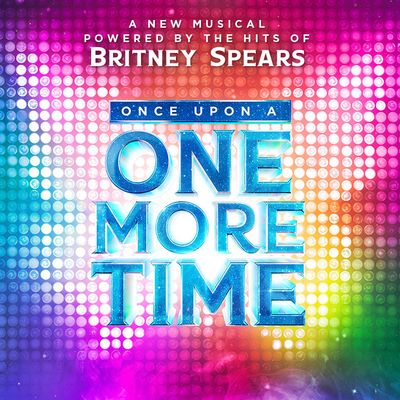
[35:50] Justin Guarini: Yeah, it's it's it's uh lovingly known as the Britney Spears musical. And so I'm really excited about that because we're taking an unbelievable performer, someone who has had a uh a huge experience, uh a huge influence rather on people from our generation, uh certainly, uh, and many generations, and we're taking all of the gorgeous work that she has done um musically, and we're setting it to this beautiful, empowering, unique Cinderella story. And um, right now there are a few Cinderella stories out there on Broadway. And so I I think we're looking more to next year, hopefully, um, uh, to getting on the stage. And and yeah, and so it's very, very exciting. Uh, and just the fact that we have Keoni and Mari Madrid, look them up, please.
They are not only wonderful choreographers, they're wonderful directors, uh, and um, man, it is. I don't think anybody really truly is gonna see this coming and understands what exactly it is that we're gonna do. And and you know, my hope is that we'll get to go up um next year and and just just rock it out. But it is it is I've rarely had this much fun coming to the to the set every single day and working because it's a great group of folks, and you couldn't ask for better music, better choreography, a better story as well.
[37:13] Robert Bannon: Well, this is a great cast. I love Aisha Jackson sings her teeth out. Yes, up there doing your like you all are, you're gonna blow things up on the Broadway. Um, and if you don't know, you know, you've seen him like for years and years on television. That's why I'm growing this beard. You know, it's you better slide down the railings and sing in that falsetto all the time.
[37:37] Justin Guarini: So I don't even know, there's nothing else to say about that.
[37:42] Justin Guarini: Yeah, I mean, you know what's so interesting is I come over here. It's so interesting because this was a fluke. Not a fluke, I don't want to say that. This was almost not supposed to happen because I was in Wicked and I was doing it for nine months. And uh at the time my wife and I had uh small kids, and I was commuting back and forth from New York City to Pennsylvania, and that's about a five hour round trip. I was exhausted, and so nine months of Wicked goes by, and you know, Wick is she's a three hour tour, even though as Piero, you don't do nearly as much as the ladies do, it's still something. And so I was going back and forth. I was exhausted. My agent gave me this audition, and I was like, I have no idea why you handed this to me.
I don't look like a rock star, I don't sound like these rock stars because it had all these 80s rock stars as reference, and I'm like, I don't look at sound like any of these people. I'm just gonna go home. The contract for Wicked ended after the nine months, and I said, I'm gonna enjoy my holiday. And my manager at the time called me up and said, Did you turn this audition down? I was like, yes, I don't have anything to do with it. Long story short, she badgered me into going in and I give her so much credit for that because I went in and this is a great this is a great great thing to end on because when it comes to auditions I learned the most valuable lesson you could possibly ever learn in auditioning when it comes to this character the Dr. Pepper character in Little Sweet.
I walked into the waiting room and I saw all these people who look like rock stars who had all this you know glammed out and I literally just showed up in like a a t-shirt and I think I may have had a little facial hair um at the time but not much and I was like not getting this one. No there's no way and so what did I decide to do? I walked into the room and I said you know what I've I've I carted myself all the way up to New York here from Pennsylvania. I'm here I might as well have fun and you know what I did I decided to have fun and I put all of the fears of what are they gonna think of me because it literally is just one person in the camera what are they gonna think of me do I really even know what I'm doing am I good enough all those fears I put them aside and I said you know what I'm gonna have fun.
I'm gonna enjoy myself in here and wouldn't you know it in the stage direction it says Little sweet slides in on his knees and so I just slid in on my knees and I just made it up little sweet sliding in here on his knee. And I made that all the singing, all the everything, I made it up because I wanted to have fun, because I wanted to do the things that I do to make my kids laugh and to make my wife laugh when she's mad at me, like all the things. And I just decided I'm gonna have a good time. And I sang stuff, and I was like, and just was silly, silly. And now, seven years later, after that, um, uh I my entire life, my family's life, um, you know, financially and from a just an exposure standpoint, has been completely revolutionized from this one audition seven years ago.
Um, and it was all because I decided to have fun. I decided to just be myself and just enjoy myself and enjoy the process of auditioning. And I show up, it's one of those things where everyone, including myself on the set, everyone from the from the grips and the electric all the way up to the big corporate folks, they're like, This is the one, this is the one shoot that we look forward to every single year, right? Because it's so much fun, and we've been it it just is so much fun, and that comes through.
[41:26] Justin Guarini: So, in the audition room, you know, and and in this career, especially when it comes to uh performing and singing and dancing and acting, never ever forget that this is supposed to be fun for my performers who are listening. We get paid, even if it's a little bit of money, we get paid to play, get paid to play dress up, we get paid to not have to go and sit at a desk for you know eight or nine hours. Nothing wrong with that, right? Go on, get go on and do what you need to do for life, but we get paid to play. So remember that even in the most stressful times, even when things are just like, I'm not making any money doing this, I'm the that we are so blessed to be able to have the ability to express ourselves, to have the opportunity to take that our passion and to continue to deliver and continue to deliver it.
And this is the last thing I'll say. This business is cyclical. What do I mean? It's like a wheel, it comes around and around and around and around and around. And the three things, if you take nothing else from the conversation that we've had today, the three things that I want you to know will give you success in this business, hand it to you, and it takes effort, but it will hand you success in this business is first and foremost doing good work. What I mean by that, work that is meaningful to you, work that has value to you that is in alignment with your passions. If you have Apple TV, watch Sydney, Sydney Poitiers is a beautiful, beautiful documentary because he was given work as a black actor, a lot of it.
However, he turned so much of it down because it did not represent the way he wanted his people, our people, my people to be seen on the screen. So doing that good work, and then the second thing is being kind, not being kind because they say, Well, you're gonna meet the same people on the way down as we say up, all that beer. It's being kind because that's the right thing to do. Being kind, remembering that even if you are standing on stage with the Antoinette in your hand, knowing that there are a holy host of people that stand behind you that made that possible. From the person who is never seen slaving away, who's sewing your costumes to the people writing the music, to the directors, to the all the people in the theaters, the ushers, the whatever it is, remember to be kind because there are there is an army of people behind you.
And guess what? There are a lot of people who are not kind in this business, and you are remembered for being unkind, just as you are for being kind. And then the last thing, probably the most important thing, I mean, get the other two right, please. But the most important thing, and I think that that Robert, you are an example of this. I'm an example of this. And everybody who is anybody in this business is an example of this. Is you must stay in the game. Do good work, be kind, stay in the game. And it's the most challenging thing to do because this business is uh the entertainment business, it's like Las Vegas, right? You hear the you see the dinging lights and people win, and it's like, yeah, great, they have their drinks, and it's a constant concert also.
But Las Vegas is not designed to just bring you in and keep you there, it's designed to bring you in, take all the money, time and effort out of you, and then get you out. That's why after about three days, if you've been to Las Vegas, you're like, I gotta get out of here about three days, because that's it. It's designed to keep you in for about three days and then to shuffle you out and get the next people to come in and to give them as much money, time, and effort as possible. Well, this business is the same way, and it's designed to break most people. So when you can stay in the game, when you really study the people who are successful and see how they think, see the things that they do on a daily basis, see the things that they the choices that they make in terms of products and projects, and how they don't just rely on, like you so beautifully said, waiting on a yes for somebody else.
They create their own yes and they leverage that technology and the stuff they have to create their own products that they're passionate about. Staying in the game becomes a lot easier. So when you can do good work, be kind, stay in the game. That wheel comes around and around. And if you want to look at my career, it came around for American Idol, and it came around for Broadway, and it came around for this silly thing. Character that I get to play on Dr. Pepper. And now it's coming around again as someone who uh I get to be someone who is inspiring and mentoring folks, and it's going to keep coming around and around and around for me and for you as well, because you do good work, because you're kind to people, because you stay in the game and you keep growing and keep learning and keep trying to refine the product that you have and keep trying to just uncover the value that you have.
And so it is just if you can't tell, I'm very passionate about this stuff. And I just am so grateful that that you know we've spent this time together and and that you know you just give me the opportunity to to be a part of this show.
[47:02] Robert Bannon: So thank you. I know the thank you goes to you because these lessons are things that people need to hear, they're things that I need to hear, and um you're the I need to hear them too. I need to hear them and talk about them. It's just it's as beneficial for me too. You are one of the most inspiring um your your personality, your care characterisma, that that is that issue is just so special. I wish I could bottle it and sell it.
[47:25] Justin Guarini: Um you are you are me too.
[47:28] Robert Bannon: Oh my gosh, if I can do that, yeah, we retire early.
[47:30] Robert Bannon: And um, and I I am so grateful to be able to, it was an honor to talk to you because I really admire the the work that you do and the tenacity and the spirit that is you. And uh, you're gonna help a lot of people and we're gonna be following and we're gonna be watching and we're gonna be looking and we're gonna be supporting. And uh I can't wait till you're in New York on back on Broadway or in concert or somewhere. I have to take you to lunch and say thank you for this time because I have harassed you and um glad you have because look it look, but again, look, look, you we spent months, months going back and forth on this. I was like, yeah, yeah, yeah. I'm so sorry, and then I got busy and I thought, oh my god, what make it up but look again?
It's just a microcosm of what it takes in order to to create moments like this, right? We've been what is it 46 minutes that we've been talking here? And and yet, you know, that 46 minutes, just like that three-hour show. There's months, if not years that go into that three hour show, right? Don't give up, just keep going.
[48:29] Justin Guarini: Yeah, keep going.
[48:30] Robert Bannon: I appreciate you, friend. Thank you so much for being here. Everyone, go to JustinGarini.com, keep up to date, wait for him to put the app and all the information, get the audition book. If you have a kid that's in the school play and wants to go to school, get started on it now. Go to Justin Guarini or follow Justin Guarini on Instagram.
[48:46] Justin Guarini: It's such a pleasure.
[48:49] Robert Bannon: I told you, isn't it sickening?
[48:52] Justin Guarini: Sickening.
[48:53] Robert Bannon: 48 minutes of Justin Guarini just being nice, telling you everything you need to know. He's just the best.
[48:59] Justin Guarini: Thank you, bud.
[49:00] Robert Bannon: Thank you, Justin. Sending you lots of love and light to you and your family out there in Pennsylvania. And we can't wait to see what's next. I hope you are with us all the time here on the round table.
[49:11] Justin Guarini: We are here all the time, every frickin' day.
[49:14] Robert Bannon: Is that jersey? At the round table with Robert Bannon. You can follow me at Robert M. Bannon on Instagram, or you can go to Robert Bannon.com. I have an album. I have a Christmas show. I have events. We have roundtables. We are on YouTube. We are everywhere. We are gonna just keep on keeping on, just like Justin Guarini says to do.
[49:37] Robert Bannon: I look forward to seeing you again next time. Thank you so much for joining me. Thank you for watching the Broadway Podcast Network. I hope that you can download the app and stay tuned as we have so many great episodes coming your way. Thank you, everybody. The best is yet to come, and I'll see you next time. Have a good one.
© Broadway Podcast Network, All Rights Reserved