

Deborah Unger joins us to talk about her bold and deeply personal solo show THE LONGER MY MOTHER IS DEAD, THE MORE I LIKE HER. After years in development, the piece dives into the complex, funny, and emotional relationship between a mother and daughter — and the unexpected clarity that can come with loss... Read More
From the show: The Roundtable with Robert Bannon
Guests
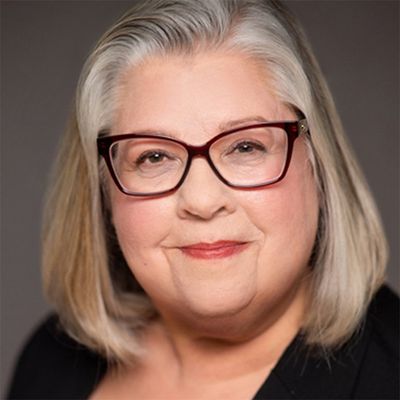
About
Deborah Unger joins us to talk about her bold and deeply personal solo show THE LONGER MY MOTHER IS DEAD, THE MORE I LIKE HER. After years in development, the piece dives into the complex, funny, and emotional relationship between a mother and daughter — and the unexpected clarity that can come with loss. It’s raw, reflective, and full of heart, bringing humor to the hardest truths about love, grief, and family.
We talk about what inspired Deborah to tell this story on stage, the challenge of embodying both herself and her mother, and the lessons she’s learned about forgiveness and self-acceptance along the way. It’s a powerful, fearless conversation about art, healing, and the beauty of finally understanding the people who shaped us.
Available everywhere you stream — YouTube, Spotify, Apple, iHeart, and more.
RobertBannon.com · @RobertBannon
#TheRoundtableWithRobertBannon #DeborahUnger #TheLongerMyMotherIsDead #SoloTheatre #WomenInTheArts #Storytelling
Transcript
This transcript was automatically generated and might contain errors.
[0:11] Robert Bannon: Welcome to the round table, everybody. My name is Robert Bannon. You're listening to us on Broadway World over here on the Broadway Podcast Network, iHeart and Spotify. I'm so excited to be here with you. Thank you all for being here. You know, we talk a lot about United Solo and what goes on over there. And I've I kind of have fallen in love with our next guest. We go way back at least 32 seconds ago. I met Deborah and I found out that Deborah is so charming and enchanting. I had to tell her. And the title of her return to stage is called The Longer My Mother is Dead, The More I Like Her. And I don't I don't know if I feel sad or if I feel excited or I feel happy or I relate, but my mom's alive, but I now relate.
And I want people to know that this is gonna be a really special night that you need to definitely get your tickets to. I'm so excited to hear all about it. She's gotten tons of incredible reviews. And she's bringing the show here. Deborah Unger, welcome to the round. It's her debut. Boom!
[1:11] Deborah Unger: It is my debut. Bam, Robert. Bam! Boom! Bibity bobbity boo. Deborah is here. It's magic. Deborah, I have questions for you. Otherwise, we would just look at each other longingly. If I didn't do that, but you know. Deborah, how do you describe what are you an actor? Are you a comedian? Are you a writer? What are you?
[1:34] Deborah Unger: Um, I'm whatever the moment calls for. I would say that probably the only thing I haven't really embraced is stand-up comedy because damn, that's hard. That's hard on that's hard to do, and it's hard on the ego. But I'm a performer. Well, I came to New York to be a musical comedy star that didn't quite work out, so I did cabaret and I was doing theater and then I got into TV and film. Yes. Um either the wide-eyed innocent or that hard ass bitch who's making your life hell at work is who I am.
[2:13] Robert Bannon: Are any of them you in real life?
[2:15] Deborah Unger: Yes, all of them.
[2:17] Robert Bannon: Oh I love it. All of them. Yeah. And then um so I wrote my cab I wrote cabaret shows for the same reason that I started writing uh what I'm writing now, because I just wasn't getting enough work or enough of the kind of work I wanted. So when in doubt, make it up. And that's what I've been doing. And I was an army brat. Well, I guess I still am one, um, just not actively, but um in a time when you know making a long distance phone call was a special occasion. So we moved every two to three years, which meant I had to start over every two to three years.
[3:00] Deborah Unger: Right. And you I found the way to survive that was to figure out who people were, what they sounded like, and what kind of things they said and be like them.
[3:13] Robert Bannon: Okay.
[3:14] Deborah Unger: So that's what I did, and because I guess I got a good ear and I was it was easy to do that, I just found it was a great way to also get to know people and fit in and learn new stuff. So that's just carried over into all my acting work and writing. I think the first thing I remember clearly writing was I wrote a little series about a caveman and his pet dinosaur when I was eight years old.
[3:43] Robert Bannon: Oh, so you've been writing like it's in you it's just a part of your makeup.
[3:46] Deborah Unger: Yeah. I have to get it out of there you know get it out of the head. What I love so much is that you pick up the mannerisms and the voice and the behavior of people which is what you were saying is what made you a good actor and that is what people pay a lot of money in acting school to be able to do is pick up the behavior. That's your job as an actor is to find the circumstance and the behavior.
[4:08] Robert Bannon: Exactly well you may have seen Deborah I mean she has she's no sh you know Joe Schmoe out here in these streets she's been in in in things like uh like Birdman and and Gotham and and Orange is the New Black and FBI Most Wanted and and Motherless Brooklyn which is a great movie and all you know all of these things that that you've been a part of but returning to the stage but Deborah this is not just returning to the stage this is returning to the stage by yourself.
[4:36] Deborah Unger: Yeah yeah so I can run the damn show.
[4:41] Robert Bannon: This is your baby now it once again was something I just had to get out of my head and I really didn't start working on it till after my mother died. And we just were in conflict my entire life that she wasn't the worst mother in the world. She really wasn't she was a very good mother it's just that I wasn't her and I think she wished I was.
[5:02] Deborah Unger: Okay. And I mean so that's not a bad thing mom wanting daughter to be like her, but damn, it was tough because she wanted me to like sit at her knee and and gather her pearls of wisdom. I was like, no, I gotta go. I'll see I have things I'm doing, man. You know, and that I upset her, I think. I think it made her sad and angry, and she was way better at anger than sadness.
[5:43] Deborah Unger: So um that's the way it came out. So yeah, and but the problem for me was with the mama that just because she died didn't mean she was gone. She lived inside my head and was constantly commenting on shit. Yeah. I mean, at will. You know, and I would walk down the street saying, shut up, mom, I'm gonna do what I want to. Go where you're go wherever you are, go back there, you know.
[6:13] Deborah Unger: And um I had started to before she passed away, like a couple years before she passed away, I decided this I had I thought, ooh, if I change him a better daughter, maybe she'll change and be a better mom. And that did not work. She was still who she was, so I had to I had to accept that if anybody was gonna change, it was going to be me, and I couldn't expect any recompense for it, and it did make things easier, you know. So it was well worth a dollar to do that. But I wasn't done. She died, and I wasn't done, and she was still wam wow, wah, wah. And so that's how the show came to be. The longer my mother is dead, the more I like her.
[7:07] Robert Bannon: I want you to just take a peek at it. And we could tickets uh are available right now at United Solo.org. The tickets are available for all the shows at UnitedSolo.org. This is going to be on November 15th at 8:30, right there on Theater Row. So November 15th, Saturday night, and Friday night at 8:30 on the 21st. You have no plans, people. You have nothing to do on a Saturday night. So there's no excuse for you not to be there. You need to go grab yourself a ticket and be there. Make sure you get them United. So I love United Solo. We do a lot of interviews about people there because I find it so brave and fascinating, people to just get up on stage and literally bear a piece of their soul.
[7:44] Deborah Unger: Yeah.
[7:44] Robert Bannon: A fear to telling the story publicly for you.
[7:48] Deborah Unger: No.
[7:49] Robert Bannon: Okay. Now, um I have a friend who had she was writing a memoir, but all of a sudden someone said, this sounds like a show. And so she converted it into a solo show. And she was going to self-produce herself. And then she said, why don't I ask my best buddy who's also got a solo. We did the shows in tandem downtown at the flea. Love it there. And I and they have a lovely theater there called the Pete. It's it's a white black box theater. And so we were just right in their faces, each of us on our own.
[8:25] Deborah Unger: And I learned a lot about how to do this show. And it makes it easier because the show is literally not about me. It's about the audience.
[8:50] Robert Bannon: What's their level of response?
[8:52] Deborah Unger: And then I would sort of shape down the show or shape up the show to fit them. Because I know what my story is. They get to hear my story, but it triggers in them whatever they've got going on.
[9:08] Robert Bannon: Yeah.
[9:08] Deborah Unger: And it doesn't have to be hate and it doesn't have to be anger. It can be love. It can be regret. It can be all kinds of things. But that's what I learned is I deliver this thing to them and they do with it what they will. And so I just go, oh you're a quiet group. Okay. I'll just give it to you sweetly. I won't expect laughs. I won't pause. But if you I got a raucous bunch of crazies in there, I'm gonna like lean in turn it up.
[9:37] Robert Bannon: That's right. It gets turned up. You know what's funny, um I don't know where you're where are you originally from?
[9:45] Deborah Unger: Well as I said I'm an army brat. So I was born in Philly, but we moved six weeks later. So am I a Philadelphian? No. Am I where we went next Kansas? No, we're only there a year. You know so um I spent the most of my growing up in Oklahoma, believe it or not.
[10:04] Robert Bannon: Wow. And did you and and your dad my dad was a Pittsburger. He was a Yinza and he was up obviously your army brat so they moved you all moved together. So he's a part of this story as well.
[10:20] Deborah Unger: Oh yes and dad's in the story as well even though it's mainly mom's story. But yes there's no mom without dads.
[10:28] Robert Bannon: So you know what I love about this idea is that moms and dads and families are universal, no matter what kind of relationship you had with your mom or your dad, or had no relationship with her. Or yeah, without, yeah. Um even when they're not there, they're there. You know, they'll always live there. Um, and for me, you know, my grandmother was 94 and passed away last month. And what was interesting about my mom is that my mom is a completely I had a good relationship with my grandmother because I'm the grandson. My mom and her had a good relationship with an asterisk next to it. They got at the end, all was fine, and throughout times, all was fine. But they definitely moms and daughters and the way they interact, and my mom took care of her for 10 years at the end of her life.
That that is a that is a and my mom is a very different person than my grandmother. And my mom always says that her mother was kind of cold, and my mom, when she had kids, didn't want to be cold, and she wanted to kind of smother and love on us. My relationship with my mom is very different than her relationship with her mom.
[11:40] Deborah Unger: Has changed the way you are, it has to have changed the way you give love or you receive love or how you are with people based on your relationship with your mom.
[11:49] Deborah Unger: Absolutely. I think um I really from I can't remember how young I figured I was the milkman's kid because I was so different, even though my dad was musical and loved to have a laugh and didn't like conflict and all that, I was the outrageous, touchy-feely, huggy kissy, and they were like, now let's settle down, you know, let's not have any of that now. You know, so I thought somebody delivered me, and I'm just living with these people. But um he was really a great guy, so I had to figure there was something in my mom if he loved her so much.
[12:30] Deborah Unger: What was the question?
[12:33] Robert Bannon: I get it.
[12:34] Deborah Unger: No, I'm so fascinated. That's a great question. That's a better question than my question.
[12:38] Robert Bannon: Yeah, yeah. Did you figure out why he you think he fell in love with her?
[12:43] Deborah Unger: Okay, here's what I okay. They didn't my dad would tell me some stories, and I never knew how much truth was in them, but I liked them. She told me nothing about her side of the family. It wasn't until about two, two and a half years before she died that I found out I had five uncles.
[13:06] Robert Bannon: Oh my gosh, you didn't ever knew.
[13:09] Deborah Unger: Never knew it. And P.S. they were all dead. So, you know, um, but she was like, Why do you want to know this stuff? As a matter of fact, on the trip where I discovered this, I was doing a genealogy, you know, like who's this and who's that? And she said, Well, there's these five, your grandfather's five uh four brothers and one sister. And I'm like, what the actual? And so I'm writing all this stuff down and trying to get her to answer questions, and at one point she said, Stop it, I don't remember, go away. I fly back to New York because she she uh dad and mom retired in Oklahoma, so I would go and visit them. So I come back home and like within 24 hours I get a phone call from my sister. I have one sister, she's two and a half years older than me, and and she calls me up and goes, What the hell were you talking to mom about?
[14:00] Robert Bannon: I said, What? What do you mean?
[14:01] Deborah Unger: She she said, Mom called me and said, Debbie's asking all these questions. Why does she want to know this stuff? And I and I said, Well, Trish, I just want to know who my family is and who she is, based on the rest of the people in her family. She said, Yeah, I told her that. And there was a pause, and then she said, Nah, I just think she's being nosy. So it's like, oh okay. And yet my mom and dad loved to dance. And they would go to every dance that was on post at the officers club. And when they retired, they joined a uh a club called the Four Seasons Club in town. That at the country club, they would have one big live band dance every season. And they would get dressed up and they would go out and dance and have a great old time. You know, and I'm kinda like, I want that mom. I have that mom.
[15:00] Robert Bannon: You know. Did you do you do you have does your sister did your sister have the same kind of relationship with her?
[15:07] Deborah Unger: I feel like this is so personal, Robert. I'm so sorry.
[15:10] Robert Bannon: No, but listen, what I'm putting it on the stage, it's not like the hell, you know.
[15:16] Deborah Unger: Um, my sister and I are absolute opposites. She is an introvert. I kind of am not. She kept everything to herself. So I thought, because she mostly lived at home until she got married, with the exception of three and a half years, she got married at 30 and she left my parents' house to do that. And I thought she and mom were best buddies, and I then come to find out after she gets married, my mother decided she absolutely hated her new son-in-law, that she had terrorized my sister the same way she terrorized me, you know, with a you'd better not, and if I find out, it's like, oh, shut up, mom. Give me a break, you know. So in that way, it was the same, but we were completely different. She did not like moving. It would take her a long time to get restarted.
[16:09] Deborah Unger: She um, example. My dad was in Korea for a year. Worst year of my life, because it was just me, my mom, and my sister. It's like, I'm living with aliens. Nobody talks about how they feel, you know. We're all crying, but in separate corners. What is going on here? And uh dad comes back and we move to Carlisle Barracks, Pennsylvania, so he can go to the war college, right? And um, I'm going into the fourth grade, she's going into the seventh, and my mom just looks at us one day and says, Get the hell out of here and make some friends. She was done with us. And she said, and take your sister with you. I said, Okay. And I grabbed my sister's hand. I said, Let's go out. And we walk out, and the first person I see, I say, Hi, my name's Debbie. We just moved here. You want to be friends? Oh, and that's my sister. She's shy. And she just went. And may have run back to the house. I can't really remember. But that's how different we were.
[17:14] Robert Bannon: And from the same parents.
[17:16] Deborah Unger: Wow. It's incredible. It's it's very, it's incredible. What an incredible story. While we're talking, everybody, United Solo.org gets your tickets. The show is coming. The show is called The Longer My Mother's Dead, the More I Love Her. Um, makes me chuckle every time I see it. It's November 15th at 8:30, and November 21st at 8:30 over there at the theater row on 42nd Street. So is there I'm not trying to spoil the end, but I'm assuming the spoiler alert, she dies at the end.
[17:41] Deborah Unger: So is there dead in the beginning?
[17:43] Robert Bannon: Yeah, dead.
[17:44] Deborah Unger: So dead and dead.
[17:50] Robert Bannon: Is there you have no?
[17:52] Deborah Unger: I've I've good. This is my cup of tea as long as your cup literally, there it is. Your cup of tea is what is my cup of tea. As long as you're fine, I'm fine. Did you is there a bow? Is there a catharsis? Is there a is there something that you wrapped up? Did you make any is it sense within yourself or sense within her and yours relationship?
[18:16] Deborah Unger: Given a relationship with a dead person, I am resolved with the dead person.
[18:22] Robert Bannon: Got it.
[18:23] Deborah Unger: Because she's still up there. She doesn't talk to me as much as she used to. And if she gets snarky, I just say, Well, hi, mom. Uh, you know, that's not the way I feel. So thanks for your input, but bye. You know, I don't get all tied up in knots the way I used to. So there has been a resolution in a way that I can move forward without the baggage of the conflict and the occasional hate and the always at loggerheads part. Because her being dead allowed me to actually clearly see the wonderful things she did do for me. I couldn't see them when I was defending my castle, you know.
[19:13] Deborah Unger: Yeah, I just couldn't because that would be giving in. That would give her fuel to say, you see. No, mom, I will not see. You know, but but yeah, there is a resolution, and and I guess maybe one of the messages of the show is just because someone is dead doesn't mean you can't find peace and resolution. And that's why the title works both ways.
[19:40] Robert Bannon: Oh yeah.
[19:47] Deborah Unger: Yeah. I I think that that's what's so important and valuable. I think everybody can, if your parents are here, if they're gone, somebody in your life is gone, or there's some conflict with somebody in your life going on all the time that you have a struggle with. We don't pick our family, right? But we have to try to make it, we have to try to make it work with what we've got, or or whatever. So I think this is such a universal idea, and you're so brave to be able to tell this story. Your story is going to make everyone feel very universal.
[20:14] Deborah Unger: When my mom moved home with my grandmother, I remember coming in one day and they were arguing about something ridiculous. And I said to her, You know, she's never gonna change. And my therapist at that time said, But we always hope there's always a hope with a parent that they're gonna come around, they're gonna see our side, they're gonna say, You're right, this is right, and it it doesn't go away even when they're gone. You know, I'm sure you and when you but my last question to you before we go on is you said the more you like her, so you did find things now that you see and say, I I get it more now.
[20:51] Deborah Unger: Yes, absolutely, because when I started looking at it without her going, yeah, you know, I went, wait a minute. My dad, when my dad, like, and this is in the script, he asked me one day, is acting what you really want to do? I was 16 at the time. He says, Is this what you really want to do with your life? And because it was dad, I treated it very seriously, and I said, you know what? Yeah, this is what I want to do. And he came to all the shows I did when I was in high school. But once that was done and I was out of the house, he never saw anything I did again. He he um his mother died my last year in undergrad, so he flew back to Pittsburgh with me because I was going to school in Pittsburgh.
And I showed him, you know, uh all these costume designs that I had done. And he looked at them and he didn't say anything. I thought, well, not his cup of tea. And he later wrote me a letter, which is a big way my family communicated. He wrote me a letter and said, You must have thought I was really stupid to not say anything. He said, I just had no idea that you had another full talent, and I didn't know what to say.
[22:10] Deborah Unger: Well, so he fed me that way. But after I left home, my mother came down to see my solo show that I did to get my MFA. She came to New York to see a show I did there. She did a lot of things that were supportive, but she was very indirect about it.
[22:32] Robert Bannon: Yeah.
[22:34] Deborah Unger: You came to New York to see my show, Mom?
[22:36] Robert Bannon: Yeah, but really I wanted to buy shoes on Fifth Avenue.
[22:39] Deborah Unger: Okay. Good. You go get your shoes, you crazy woman, you know. So I was able to really see clearly those things, which I couldn't when she was physically present because the the, you know, the war of the roses was there if we were in the room. It just was and and she was not direct.
[23:06] Robert Bannon: So well, just like I said to you before uh about your picking up mannerisms and voices and behavior, you know, break your heart and make it art is really uh what you've done here. You've taken this lifelong journey and relationship that you are you and your mom have had and created something beautiful that will obviously hopefully heal a lot of people out there in the audience and make you laugh and make you smile, all those things.
[23:33] Deborah Unger: All the it's it's a whole full circle emotional moment, roller coaster, as we like to say, all the feels, all the feels the longer my mother is dead, the more I like her is coming to New York City. Go go to UnitedSolo.org. Congratulations, Deborah. This is so brave and so beautiful. I'm excited for you and to see what this does and where it goes and the best is yet to come.
[23:56] Deborah Unger: Absolutely, you better come.
[23:58] Robert Bannon: All right, the 15th of the 21st, people.
[24:01] Deborah Unger: And well, yes, I'm actually in New York on the 21st.
[24:05] Robert Bannon: Sometimes I go to Detroit, Deborah.
[24:08] Deborah Unger: Uh I understand.
[24:10] Robert Bannon: You know, I'm just gonna put two tickets at the box office for you.
[24:14] Deborah Unger: Okay, Deborah, I'll be there.
[24:15] Robert Bannon: Okay, and they'll just be waiting for you. Don't make my mother cry and not.
[24:20] Deborah Unger: Oh no, that's I just you see.
[24:22] Robert Bannon: I really just want to go buy shoes on Fifth Avenue, Deborah.
[24:25] Deborah Unger: I understand you do that during the day, Robert.
[24:28] Robert Bannon: All right, that's when people buy shoes during the day.
[24:33] Deborah Unger: Congratulations.
[24:34] Robert Bannon: Thanks for being here.
[24:36] Deborah Unger: Thanks so much for having me. I really appreciate it.
© Broadway Podcast Network, All Rights Reserved