

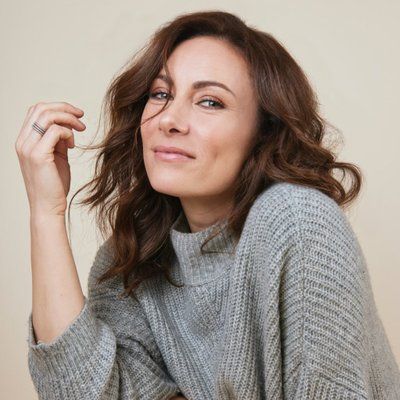
Recorded LIVE from The Spark File New Year 2021 Creativity KickOff, Susan and Laura have a lively conversation with the one and only TONY Award winner Laura Benanti!.. Read More
From the show: The Spark File with Susan Blackwell and Laura Camien
Guests
About
Recorded LIVE from The Spark File New Year 2021 Creativity KickOff, Susan and Laura have a lively conversation with the one and only TONY Award winner Laura Benanti! Laura took some big leaps during the quarantine, and shares how an idea from the heart spilled onto instagram and grew into an HBO Max special -- Homeschool Musical: Class of 2020. Plus... one of the stars of that very show, Venus Fischer, joins in on the fun, sharing her experiences on the show, and how her creativity has evolved over the course of this year.
Transcript
This transcript was automatically generated and might contain errors.
[0:00] Susan Blackwell: The following make or so featuring Laura Benanti and Venus Fischer was recorded in January of 2021.
[0:05] Susan Blackwell: Since the recording of this podcast, Venus changed her name to Venus.
[0:09] Susan Blackwell: We hope you enjoy listening to this conversation as much as we enjoyed having it.
[0:09] Susan Blackwell: The Spark File podcast may contain profanity and other adult content.
[0:18] Susan Blackwell: Please use your discretion.
[0:24] Laura Camien: When I bump into something that inspires me.
[0:38] Laura Camien: I pump it in my spark file.
[0:42] Laura Camien: I jump into my sparks.
[0:47] Laura Camien: Let's open up the spark file.
[0:52] Laura Camien: Welcome to the Spark File, where we believe that everyone is creative, but smart creative people know that you don't have to go it alone.
[0:59] Laura Camien: I'm Laura Camien.
[1:00] Susan Blackwell: And I'm Susan Blackwell.
[1:02] Laura Camien: We are coming to you live from the Spark File 2021 New Year creativity kick-off.
[1:07] Laura Camien: Y'all, this is our third day of our three-day virtual retreat, and it has been a bucket of sunshine and a barrel of monkeys, and it's only getting better because we're about to pump up the sunshine and the monkeys with some very, very special guests.
[1:23] Susan Blackwell: More on that in a second.
[1:24] Susan Blackwell: Listen, if you're joining us for the first time, welcome, welcome.
[1:28] Susan Blackwell: But you may be asking yourself, what exactly is a spark file?
[1:31] Susan Blackwell: Where do I get one?
[1:32] Susan Blackwell: What do I file in it?
[1:33] Susan Blackwell: These are such good questions.
[1:34] Laura Camien: We actually do have answers.
[1:36] Laura Camien: We really do.
[1:37] Laura Camien: A spark file is the place where you consistently collect all your inspirations and fascinations.
[1:43] Laura Camien: And if you're anything like us and you're making stuff all the time, you already know that the wellspring of inspiration can run a little dry.
[1:52] Susan Blackwell: We're here to refill it.
[1:54] Laura Camien: We are, we are.
[1:55] Laura Camien: We are on the lookout for fresh ideas, images, and inspiration that spark our creativity and pique our curiosity, things that inspire us to get off of our asses and make things like this podcast.
[2:06] Laura Camien: Or a fully realized three-dimensional character in the center of a big splashy Broadway musical.
[2:14] Laura Camien: Or a treasure trove of funny videos that make the internet less of a toxic landfill.
[2:20] Laura Camien: Or a portrayal of a first lady that helped us all get through the last four years.
[2:25] Laura Camien: Or albums of music that represent self-expression, creativity, activism, and love.
[2:31] Laura Camien: Or writing that makes us laugh and shines a light for others.
[2:36] Laura Camien: On today's Makersode, we're gonna talk with someone who truly sparks us.
[2:42] Laura Camien: And that someone is Laura Benanti.
[2:45] Susan Blackwell: Laura!
[2:45] Laura Camien: Laura!
[2:46] Susan Blackwell: Welcome to the Spark File.
[2:51] Laura Benanti: Yes.
[2:53] Susan Blackwell: Laura, I want to start by asking you. You don't have to give your street address, but will you tell us where you are right now and how you are right now, but for reals.
[3:03] Laura Benanti: Okay. I'm in my parents' home, my childhood home where I grew up.
[3:08] Susan Blackwell: Oh, cool.
[3:09] Laura Benanti: Um, yeah. And I am I'm feeling a little melancholy because my sister, who's gonna have a baby in March just left.
[3:19] Laura Benanti: She we all like quarantined for two weeks and took a million tests and then had our Christmas on New Year's so that we could, you know, be together.
[3:31] Laura Benanti: Um, and so she literally just left like an hour ago.
[3:34] Laura Benanti: So I'm feeling sad. I'm feeling like my bucket was filled up, but now I just feel like, oh, right. Now it's just like back to life.
[3:41] Susan Blackwell: Yeah, you some of your squad peeled off.
[3:44] Susan Blackwell: And it feels harder now to plan like a quick trip to go see people we love.
[3:48] Susan Blackwell: It's not so it's not so easy at the moment.
[3:51] Laura Benanti: I don't know if I'll see her before she has her baby.
[3:54] Susan Blackwell: Oh wow.
[3:55] Laura Benanti: Oh wow.
[3:57] Susan Blackwell: Yeah. That's tough.
[3:59] Susan Blackwell: Well, listen, as we say to everyone, everyone in this room, we've probably said it too. We'll take you any way we can get you.
[4:04] Laura Benanti: That's right.
[4:07] Susan Blackwell: We love you so much. We'll take we'll take melancholy Benanti.
[4:11] Laura Benanti: That's right.
[4:14] Susan Blackwell: Hey, Laura, you know, we always start uh every every discussion with a spark file price of admission, which is really where you share a creative risk that you've taken recently. Could be anything that was not perfection, but it was progress.
[4:31] Laura Benanti: Or it could have been perfection.
[4:31] Laura Benanti: Or it could have been perfection.
[4:34] Laura Benanti: You're goddamn it was definitely not perfection.
[4:39] Laura Benanti: You know, I think for me, like um the the show on HBO Max, the homeschool musical that we're gonna talk about, that for me was like a huge creative risk on multiple levels.
[4:52] Laura Benanti: I had never executive produced or created something on that level before.
[4:56] Susan Blackwell: EP baby.
[4:57] Laura Benanti: Oh, can you tell us how that came about?
[5:00] Laura Benanti: You know, we from Sunshine Songs to Executive Producer.
[5:05] Laura Benanti: Yeah. So, you know, Friday, March 13th, when we knew that COVID was a thing, but didn't know really what that thing was gonna be yet or for how long it would affect us.
[5:16] Laura Benanti: And schools were shutting down for like a few weeks.
[5:22] Laura Benanti: And um I was here at my parents' house, and my mom, who's a voice teacher, was on the phone and um just feeling so disappointed for her students because all of their shows were canceled.
[5:37] Laura Benanti: Yeah.
[5:38] Laura Benanti: And knowing how important my like school show was to me, it being truly the one time I of the year that I didn't feel like a complete loser, where I didn't feel other, but I felt like seen and like my community was like that weirdo has talent, huh?
[5:58] Laura Benanti: Like for one weekend a year. They were like, okay.
[6:01] Laura Benanti: And then also knowing that this generation self-identifies as anxious, like more than any other generation.
[6:09] Laura Benanti: They are like the the 9-11 babies, these kids.
[6:13] Laura Benanti: They were born into a world exploding, they have like weekly mass shooting drills.
[6:18] Laura Benanti: They are like deeply concerned and seemingly only the only ones concerned about climate change.
[6:24] Laura Benanti: You know, I just feel like there's a lot riding on them.
[6:26] Laura Benanti: And then we also handed them, they're like digital natives.
[6:30] Laura Benanti: We were like, Here are these phones that will always be attached to your hand.
[6:34] Laura Benanti: Yeah, here is these apps that are gonna regulate your self-worth.
[6:39] Laura Benanti: You're gonna constantly be getting notifications as to whether or not people like you.
[6:43] Laura Benanti: And then so take them, live there, and then we're also gonna be mad at you for looking at your phone too.
[6:49] Laura Benanti: So I just feel like they're like, What?
[6:52] Laura Benanti: And I feel like to take away that integrative creative space in which all their hearts are beating in the same room at one time, and they're getting to fully express themselves when they normally do not get to, and then be like, and also you're gonna be in your houses and not be able to see each other except in this digital space, which has not always been a safe space for you.
[7:14] Laura Benanti: I just felt like that is too much.
[7:17] Laura Benanti: And I am only one person, but I wanted to sort of meet them where they were, which is to say, hi, this is social media.
[7:25] Laura Benanti: I know that it's not the same thing as performing for your communities, but if you want to create for me, I want to see you.
[7:33] Laura Benanti: And so I asked them to send me their videos with the hashtag Sunshine Song, thinking I get like 20 videos, and I got 15,000 videos.
[7:40] Susan Blackwell: Oh my gosh.
[7:41] Laura Benanti: God damn Marvin Nancy.
[7:43] Susan Blackwell: Of course you got 15,000 videos.
[7:45] Laura Benanti: Well, but I don't I don't know. I I didn't think it was gonna be that, honestly.
[7:49] Laura Benanti: Um and it like the original poster and views like five million times or something.
[7:56] Laura Benanti: It just it really became it was it was kind of the first wave of like this is how we can be during the pandemic.
[8:03] Laura Benanti: So and it's before like it was kind of the first thing.
[8:06] Laura Benanti: So all of the morning shows and stuff, they were like all interested in it.
[8:11] Laura Benanti: So it became this like viral thing.
[8:13] Laura Benanti: It's a real message, it was a real message of hope in a really in a moment that really wanted a message of the need to feel seen, like that just strikes such a chord, I think.
[8:26] Laura Benanti: Um, you know, for all of us, I'm not a singer, and I I saw that post and was like, God, that did you just pack it?
[8:34] Laura Camien: You're not a singer, Laura Camien, but you were like Laura Benanti, hashtag check me out.
[8:38] Laura Benanti: That's right, I might start today.
[8:40] Laura Benanti: But it was for the singers and the people who just wanted to enjoy like that's the thing for me.
[8:45] Laura Benanti: So it was like, okay, do you want to be seen? Like, let me let me watch you.
[8:49] Laura Benanti: And I watched every single video and I commented on every single video.
[8:53] Laura Camien: What?
[8:53] Laura Benanti: Um that's amazing.
[8:55] Laura Benanti: Yeah, I made a commitment to these young people, and so I was like, I told them I was gonna watch them and I will.
[9:02] Laura Benanti: Um, and so I did.
[9:04] Laura Camien: You do so many things. You are incredibly prolific, creatively flowing. You have a family, you have, you know, how, how? How did you do that?
[9:15] Laura Benanti: How did you do that?
[9:17] Laura Benanti: Only with help, you know.
[9:21] Laura Benanti: Like, I I would not be able to do that.
[9:24] Laura Camien: Did you make your daughter?
[9:25] Laura Benanti: She's a toddler and she's just like, I'm on it, and she's just responding to 15,000.
[9:29] Laura Benanti: We watched them together.
[9:32] Laura Benanti: Oh, you loved them together so much.
[9:34] Laura Benanti: She was like, mommy, they made these for me.
[9:37] Laura Benanti: Oh I was like, No, I know.
[9:39] Laura Benanti: And then she would watch them and she'd be like, she'd be like, Yellow heart. Clap like she was telling me about it.
[9:46] Laura Benanti: Oh, I was kidding.
[9:47] Laura Benanti: You did you did delegate.
[9:49] Laura Benanti: I did.
[9:49] Laura Benanti: I no, I I wanted to include her.
[9:52] Laura Benanti: Yeah.
[9:52] Laura Benanti: I really do try to try my best to be off my phone around her, and it's something I really work on.
[9:57] Laura Benanti: And I said, I was like, Ella, what because she's gonna be four, and she's really, really precocious.
[10:02] Laura Benanti: And I was like, look at this is a video that mommy sent out, and she looks at the video, and I was like, and now look at all of these videos that these people are sending for us to watch them and to love them.
[10:13] Laura Benanti: She was like, they are sending them to me.
[10:15] Laura Benanti: I was like, get to work.
[10:17] Laura Benanti: They are, and so you know, I I watched them mostly when she was asleep.
[10:22] Laura Benanti: My husband and I would watch them together.
[10:24] Laura Benanti: But when she watched with me, she would tell me which emojis. Her favorite, she was like yellow heart, two yellow hearts.
[10:29] Laura Benanti: Like she was very, very serious about it.
[10:31] Laura Benanti: It was amazing.
[10:32] Laura Benanti: And then, and then if it was like, you know, just beyond spectacular, she'd be like, say something.
[10:37] Susan Blackwell: Oh my god.
[10:39] Laura Benanti: Yeah.
[10:39] Laura Benanti: Oh my god.
[10:40] Laura Benanti: You've got to say something.
[10:41] Laura Benanti: You gotta say something.
[10:43] Susan Blackwell: So then I just want to, how did you make the leap then to this needs to be something bigger? This needs to be a show, and I need to produce it.
[10:52] Laura Benanti: So that didn't come from me, frankly.
[10:54] Laura Benanti: So my next natural progression there was I began to be concerned about our most severely isolated population, which is senior citizens and children in children's hospitals who were so isolated from their parents, they couldn't even see their parents.
[11:13] Laura Benanti: Oh I love your brain, I love the way your brain works.
[11:16] Laura Benanti: But I just was like, because I'm very, very close to my my mammo, who is 96 years old, my mom's mom.
[11:23] Laura Benanti: My dad's mom died of COVID.
[11:25] Laura Benanti: And um, and then thank you, and said my husband's grandma died of COVID.
[11:31] Laura Benanti: And um, and I was like, my grandmother is alone right now.
[11:36] Laura Benanti: She's alone, 96. She's like, was born in Mont in the wilds of Montana, like had an outhouse, like use a bow and arrow to kill deer.
[11:45] Laura Benanti: Like this is a big thing.
[11:46] Laura Benanti: So she's like badass.
[11:47] Laura Benanti: She says that she's older and she's alone.
[11:50] Laura Benanti: She's 96, and she's and she literally said to me, I cannot die like this.
[11:55] Laura Benanti: She's like, she's like, I am not meant to die like this, you know.
[11:59] Laura Benanti: And and I kept thinking of all of those people, all of these wonderful people from this generation.
[12:04] Laura Benanti: Frankly, and I could do a whole podcast on this.
[12:06] Laura Benanti: I I hate how we treat our seniors and in really hate it.
[12:11] Laura Benanti: I think it's important, and I get it.
[12:14] Laura Benanti: Like we are a youth loving society, but the fact that we just sort of send them away so that we don't have to face our own mortality makes me really gross out.
[12:23] Laura Benanti: Um, so long story long at this point, I apologize. I was like, you know what?
[12:27] Laura Benanti: I gotta get to them. So my friend Kate Dieter Meriday, she's a community activist in Raleigh. She and I were talking, and I was like power walking and like sobbing, which was like most of my pandemic experience. Um, and I was like, what can we do? It's like we have to help them. And so she reached out to a local senior online community in her in Raleigh, uh called K4 Connect. And then um we started what we started calling sunshine concerts. And through our asking people to submit their videos for sunshine concerts, um, a gentleman reached out to me from a place called Seniorly, and they have hundreds of thousands of senior living communities. So we um teamed up with them to create these like free online shows that were easy, like for the senior citizens to see because someone was doing it for them, like going in and hooking it up and um, and then I just personally called hundreds of children's hospitals and said, hi, I'm Laura Benanti.
Do you have any need for this kind of programming right now? And they were like, Yeah. So I got connected with so many music therapists, one of whom has become one of my really dear friends. Her name is Stephanie Epstein. She works um at a hospital in Miami, and she does some really incredible work. And through that, we were able to do, I think it was like nine. Um, we did them every other week, and we did nine of them. Um, and it was like, and we did it with Heradia Vision, which is this incredible um women-led production company who's doing all of this online stuff. Um, so that was my next natural progression was to take it to like a charitable place. And then, and then I was kind of like, all right, this is we're done, you know.
Um, and then World of Wonder, which is the production company that does RuPaul's Drag Race, yes, drag race other, yeah. They were like, What these like you should do something with this. And I was like, Ah, I don't want to monetize these kids. Like, I just don't want it to be something we I don't want it to turn into something weird. I don't want it to be like the masked singer all of a sudden, you know what I mean? Yeah, not that there's anything wrong with the masked singer, but like you're like, this is pure and let's keep it true. Yeah, yeah. And they were like, no, we think we can actually do something great. So we um met with HBO Max, like all obviously all virtually, and um initially it was going to be a scripted musical.
And then when George Floyd was murdered, I was like, no. No. I was like, because we I was like, we cannot have a group of middle-aged white people telling a very diverse group of young people what to say. Like I can't do that. What to sing and so HBO Max pivoted in a way that cost them a tremendous amount of money. I cannot I cannot say enough good things about HBO Max, like in the from the production. And yeah, um, they I went to them and I said, I don't think we should do this. And they were like, Okay. I was like, I really think we should make this a documentary, and I think we should choose young people from like the a diverse group of young people from all over the country to to say their own things, pick their own songs, and we can send them equipment and they can create their own musical performances, and we will just give them the platform.
And they were like, okay. Wow. There's that EP brain working, the EP brain. But the thing that knocks me out about it is the things that they made, the things that these young people made had production value and real, real creative vision. That's right. So much savvy. Talk a bit more about that. But um that's amazing that they had that much creative agency. They they were, I mean, I really thought they were gonna be like, we will see you, you know, you like give give us the musical, and they didn't. They were like, okay, this is gonna cost us a lot of money. Because they had to basically, we had everybody hired, and so they had to pay everyone. Oh, and be like goodbye, like thank you for your time and your work, but we're not gonna be doing this, and then bring on an entirely new team, and then like a new director, a new showrunner, because it's because documentary is a different obviously so different.
And I'm really, really proud of what it is. It to me is more in the spirit of Sunshine Song, because it's these kids sharing and creating. And really what it I just wanted to like pass a mic to them rather than be like, here's a middle-aged white lady. Like I just didn't want that and they go deep, like they are profound and thoughtful um creations and conversations with them on that on that show is really moved.
[17:23] Susan Blackwell: I'm glad that you feel that way. Thank you. Laura Benanti, you are officially admitted into the Spark File. That is a hell of a price position. Hell of a price. Jumping back for the noobs out there who don't know you. How do you identify creatively? If somebody walks up to you and says, What do you do? How do you answer? Because it's a lot.
[17:44] Laura Benanti: If someone asks me what I do, I usually say I'm a mom. Because there to me, there's nothing more embarrassing than someone being like then saying, I'm an actor, and then going, Oh, anything I'd know? And I'm like, well, maybe, maybe. And then it's like a 25 minute conversation of me listing all my credits and then going, nope, not that. And then it and then it's just soul crushing where I'm it's not good. So I mean, I like at the doctor, when they're like, What do you do? I write actor. Um, because that's how I first identified. Uh-huh. You know, as an 18-year-old person. But I'm an actor and a singer and a creator and a producer. Yeah. Um, you know, I I think that especially over the past 10 years, and and even more so in the past, frankly, since my daughter was born, I am doing my best to create my own content.
Yes. Yes. And and some of that is also in writing, right? You write books for adults, you write books for children, you you do make a ton of content, you're an activist. Like, we've been so curious to ask you kind of when you knew, when did you first know that you were creative? And then was there a point at which you allowed it to expand to be a bigger container?
[19:12] Laura Benanti: I mean, as a child, I was always like deeply creative. Um, but it's funny, being a little girl who's really creative and also has a very clear vision, I got called bossy a lot. You know, yeah, you know, she's so bossy. Yeah. Meanwhile, like the boys who were doing that, they were like, Look at him, go get her, you know. Such leadership. Yeah, such leadership. And I remember being like, that's some bullshit as like a five-year-old. Um, I have great parents, my mom and my my dad, my stepdad who raised me. They were very like, do your thing. Like you are not allowed to be a professional actor because I kept begging them to be a real act, like a real actor, and they were like, no. And so what it meant was I was like, you know, corralling all the kids in my neighborhood and like casting them against their will. And and a lot of time being lonely, which I think is great, because that is a gift that this generation does not have. They never have to be lonely because their phones are there.
[20:20] Susan Blackwell: That is so true.
[20:21] Laura Benanti: It seems like you've given this some thought, maybe because of the work that you have done with people of a certain age. Your insight and the way you articulate it about that relationship to technology and the pros and the cons of it is um it's great. It's really great. You've been paying attention.
[20:38] Susan Blackwell: Well, you know what it is? I feel like technology was the thing that enabled me to say, Hey, I'm funny. Like, I feel like Twitter was the place where everyone went, she's really funny. And all of a sudden, all these comedians were following me. And I wasn't just like musical theater Laura Benanti. You know, not that there's anything wrong with that. That's how I would be happy to be for the rest of my life. But all of a sudden, it was like real comedians were following me and directors, and and you know, my I started like writing jokes, yeah, that people were really liking and I had a platform I didn't have to like go beg some Hollywood producer to like give me a platform to write my jokes and they weren't taking me seriously because I'm just an actor you know so the technology aspect of that was super super positive.
So I I have that side of it but then I also think it can be highly highly addictive and even more so now I think um it's the fight or flight response that it creates in people in our nervous system I think is actually highly detrimental. So it's something I've I've been researching a lot about something I think about for my own self.
[21:57] Susan Blackwell: Yeah. It's it it's it's just to your point about technology a few things if you're listening listeners the spark that Laura Benanti just shared about I don't always call her by her full God given name just because so many Laura's present but the spark that Laura Benanti just shared about it's a little bit like um writing a haiku every day writing crafting a joke and posting it every day and seeing you know like it's a it's workshopping it what plays what plays less well that is a a very low barrier to entry way to engage with your creativity on a regular basis. Also is uh setting aside the phone for a while because like I'm so struck by what you what you mentioned, you know, for a generation of people who have grown up with it in their palms.
They never have to have that moment where you where you do feel lonely, where you feel like there's nothing for me to do now except maybe look inward and sit with myself and get to know my own thoughts for a while. Because there's a way out of it always. You're like just pick up the phone and I I feel uncomfortable. I'll pick up the phone. There's got to be something going on on here that can distract me. And I think it is so essential for people like yourself to be thinking about how we understand and relate to an entire a generation that has grown up in an entirely different world.
[23:30] Laura Benanti: I think also there's something to be said for keeping your own counsel. And so now we live in a society where you're like just ate a muffin and you're like had a muffin you know like where everything also feels so like I don't care. You know like that's not important. And yet it makes you feel important. And then it makes you feel so unimportant if you don't see the heart start to pile up about your muffin consumption. So it's like you know I had I had a thought like as a growing up I remember having a thought and then writing it in my journal and having it for myself and I look back now and I read those journals and I'm like thank God that wasn't out in the world.
[24:13] Susan Blackwell: I know mortified oh God I'm so with you.
[24:20] Laura Benanti: That now you have an entire generation of kids who are like I'm I think this now I'll probably think this forever. Right. This is my journal and I'll publish it.
[24:32] Susan Blackwell: Yeah. Do you still keep a journal? Just out of curiosity. Do you still have to keep time kind of?
[24:38] Laura Benanti: I don't. And I always say I'm going to because I feel better when I do. I feel a lot better when I do. I like before when I wake up and before I go to sleep, I make a gratitude list, like in my head. Yeah. But I always feel better when I'm actually like handwriting.
[24:55] Laura Benanti: I think there is something to be said too for like the slow labor of it.
[24:59] Venus Fischer: Yes.
[25:00] Laura Benanti: And it also slows your thoughts.
[25:02] Venus Fischer: Yep.
[25:03] Laura Benanti: You know?
[25:03] Venus Fischer: And you're not staring at a screen.
[25:05] Laura Benanti: I just feel like the minute I'm staring at a screen, my brain does a different thing.
[25:09] Venus Fischer: Yeah, agreed.
[25:10] Laura Benanti: You know, Venus, listening to you talk and watching you through the lens, even when we don't actually, we're not in the same physical space together, but watching you over the years and watching you evolve into this fully realized, originating artist who, I mean, with each passing day, week, and month continue. I just feel like your creative flow is so flowing, and I don't hear a lot of resistance or even fear in what you talk about, like having an idea and then being like, here's how I'm going to start manifesting the idea.
[25:53] Do you have resistance? Do you have fear?
[25:56] Venus Fischer: Hmm.
[25:59] Laura Benanti: Um, I don't have resistance to exploring an idea.
[26:08] Venus Fischer: If anything, are you ever like the resistance of like, oh, that sounds like a lot of fucking work?
[26:14] Laura Benanti: Even that. I like to, I like, you know what's interesting? So before I had my daughter, yeah, the answer to that was yes. Because I was, I think I was taking for granted what it was like to be just my own person.
[26:31] And then after I had my daughter, I had such severe postpartum depression and anxiety for like the first six months of her life that I was a shell of a person. Truly, and couldn't enjoy anything.
[26:46] And then when I started enjoying things again, and when I was able to go to work again on things that I loved, I appreciated it so much. I had such a newfound appreciation for this gift that I have been given of getting to do what I love for a living.
[27:11] Because there are so many people on this earth who don't get to live a creative life. And I am just lucky that I do because I will tell you, I have heard people sing on the subway who sing 10 times better than I do.
[27:24] And there is no reason why they are in the subway and I am on Broadway. It is simply luck. And so for me, having the gratitude of that helps me to say, even when I feel resistance, like you are so lucky that you can even think that you can do this. So do it, you know.
[27:45] And also, I think for me, like having the support of my husband, who is such a wonderful man, who is not in this business at all, you know, but who is such a supporter of me.
[27:57] Venus Fischer: Yeah.
[27:58] Laura Benanti: And frankly, spending every minute of my day in service to my child. Then when I do have moments to break away and do something for my own self, it feels like a gift.
[28:11] Venus Fischer: Yeah.
[28:12] Laura Benanti: It doesn't feel like, oh, I gotta do this. I'm like, oh, I get to do this.
[28:16] But I do have fear.
[28:18] Venus Fischer: What? How did your fear show up?
[28:21] Laura Benanti: The fear is what will people say? You know, and sometimes I get angry. Sometimes I have an anger. Like I put out an album this year that I of songs that I'm super proud of.
[28:37] And I find myself like getting really angry with like the record label. Where I'm like, they're not working hard enough. Like I work so hard. Why aren't they working hard enough?
[28:48] Venus Fischer: Yeah.
[28:48] Laura Benanti: So I feel like a resentment and an anger there. But like I can't make people do things. And I also can't make the consumer like want to listen to my music, you know.
[29:09] If that's not the popular music, if that's not like what people are wanting to hear, like I can't change that. And I'm telling you, this is so true. I'm not saying this because this is the podcast I am on.
[29:20] I say to myself multiple times a day, I'd rather be nine people's favorite thing than a hundred people's ninth favorite thing every single day, multiple times a day.
[29:32] Venus Fischer: It's empowering.
[29:34] Laura Benanti: It is hugely empowering because when I do see somebody, when I meet them in person when that was a thing, they are so kind and loving and deeply invested in our conversation.
[29:49] They're not just like, I could I go to selfie, could I go to, you know, it's not that? It's like a person who is like, Thank you for, you know, like they're just a thoughtful individual.
[30:01] Venus Fischer: One of your nine people.
[30:02] Laura Benanti: Yes.
[30:03] Venus Fischer: That's right.
[30:03] Laura Benanti: Yeah.
[30:03] Venus Fischer: And so that, so like the fear and sometimes the like vicious anger I feel of like fuck Kim Kardashian and like those people who are famous just for like for what?
[30:15] Laura Benanti: Yeah, being famous.
[30:17] Venus Fischer: So mad.
[30:18] Laura Benanti: Like, I don't even want to be famous. I just want to like be able to spread what I think is like really great stuff.
[30:26] Venus Fischer: And so who gives a shit what the Kardashians are doing?
[30:31] Laura Benanti: Who cares?
[30:32] Venus Fischer: And the unfortunate answer is millions upon millions of people care.
[30:37] Laura Benanti: They want to know if they're keeping up or not.
[30:39] Venus Fischer: They want to know.
[30:40] Laura Benanti: And thousands and thousands of people love my music.
[30:46] Venus Fischer: That's right.
[30:46] Laura Benanti: And so instead of comparing, which is, you know, obviously the fastest way to depression, like comparison vampire baby.
[30:55] Venus Fischer: It's a huge vampire, you know.
[30:58] Laura Benanti: And instead of spending the time in that suck, I really get into gratitude. For me, gratitude is the antidote to fear and anger.
[31:10] Venus Fischer: Gratitude, like you were just saying, Laura Benanti, the privilege of getting to make something, people respond to it or don't respond to it as they will, but I don't see that stopping you from continuing your making.
[31:25] Laura Benanti: Like you remain flowing. Speaking of things that you have made, we're gonna bring it back to Homeschool Musical now available for your enjoyment on HBO Max.
[31:39] And like Cam was saying a little bit earlier, like the depth of it and depth and the depth of all of their thoughts, their experiences. It and really bringing us hope for our humanity and for future.
[31:55] And speaking of hope for the future, would you please welcome our guest and one of the stars of Homeschool Musical, Fisher Barnett.
[32:04] Venus Fischer: Yay!
[32:08] Laura Benanti: Thank you so much for being here.
[32:11] Venus Fischer: We're so happy to see your face.
[32:14] Laura Benanti: And we're so happy to see your face on HBO Max.
[32:18] Venus Fischer: It's amazing.
[32:19] Laura Benanti: It's amazing.
[32:21] Venus Fischer: Okay, before we get too far into it, um, you also have a price of admission. Can you tell us a creative risk that you've taken recently?
[32:32] Venus Fischer: Um, yeah. So I kind of got started on it from Laura. Um, and like kind of catching on to her self-creation bug.
[32:42] Um, and so I've been writing a lot. It started with I had a class assignment to create a sound project, and that was it, just taking sound and sort of creating this narrative with it.
[32:54] And I was not excited for it because I'm not, I hold myself back a lot from exploring different mediums.
[33:04] Um, but I kind of got stuck on, I was re-watching all of the Sondheim shows.
[33:11] And I was really obsessed with this concept of like when someone is in an abusive situation for so long, how do they know what's love and what's abuse?
[33:21] Laura Benanti: Nice.
[33:22] Venus Fischer: Um, and so I started taking these Sondheim songs and really listening to the lyrics, like, oh, not a day goes by. You know, it's this beautiful longing for love.
[33:33] Um, but it can also be this really melancholy feel of just remembering someone over and over again for every day.
[33:43] And then that was really fun, and I loved that. And so now I've been writing, I don't know what it is. I don't know what it'll be.
[33:50] Laura Benanti: You've opened, uh, well.
[33:52] Venus Fischer: You don't have to know yet.
[33:54] Laura Benanti: That's right.
[33:55] Venus Fischer: Yeah, and so I've been talking to a lot of my friends, especially in the trans community, talking about when you've felt most loved um and when you haven't.
[34:05] So it's a bunch of these different narratives together, and it's called Sculpting Aphrodite because a goddamn made of all the best, it has to be made of everything.
[34:16] Laura Benanti: I think it's safe to say you are officially admitted to the spark pile.
[34:21] Venus Fischer: You've gone above and beyond on your application.
[34:24] Laura Benanti: Amazing.
[34:25] Venus Fischer: I cannot wait to hear and see what you make of that.
[34:29] Laura Benanti: Fisher, will you say again that prompt?
[34:31] Venus Fischer: It's when have you felt the most loved and when have you not?
[34:35] Laura Benanti: Is that the spark? Is that the prompt of that?
[34:37] Venus Fischer: Yeah.
[34:38] Laura Benanti: So I basically I started with my own two stories.
[34:43] Venus Fischer: Um, and it was kind of like, and it was different.
[34:48] Laura Benanti: So I talked about the feeling of being seen but not being looked at, as opposed to being looked at and not being seen.
[34:57] Venus Fischer: So I had these two pieces of, you know, um, the first one was about me madly in love with a man who I felt saw who I was and saw me but would never look at me.
[35:07] Laura Benanti: And then the polarity of that of to someone who would only look at me and would never see me.
[35:12] Venus Fischer: Um, and so sort of when you felt that love and that presence versus when you didn't.
[35:20] Laura Benanti: I just want to let you know those prompts I'm taking and I'm putting them in our spark file because as um teachers and as makers ourselves, we will be working from those prompts.
[35:31] Venus Fischer: We'll credit you and we'll send you one shiny quarter.
[35:35] Laura Benanti: Um, Fisher, like Laura Benanti and like Laura Camien and many other Laura's who are listening to this right now, yes.
[35:43] Venus Fischer: You have created, you have made, you have processed so much during this pandemic time.
[35:50] Laura Benanti: When you look back on this time, what will be some highlights for you?
[35:55] Venus Fischer: Um, it's so strange to talk about like the highlights of this because it doesn't feel like there should be, you know, with yet, and yet, and yet you're here.
[36:07] Laura Benanti: Um, and I think that in itself is something magical.
[36:11] Venus Fischer: But I don't know if there are specific moments, but I think, you know, looking at where I am now versus where I was beginning of quarantine, um, that's something that brings me so much joy.
[36:23] Because I think, you know, I for those who don't know or haven't seen the documentary, um, I began transitioning over quarantine, and it was kind of, it came out of being forced to self-reflect for so long alone in a deeper way than I felt before.
[36:41] Um, because I was someone who did not rely on technology to be with people.
[36:46] I was kind of like Laura in the way of, you know, I needed to be with community to feel seen.
[36:52] And so when I was alone on Instagram and Twitter and all of these things, I just had such a deep hatred for myself.
[37:00] And I could never figure out what it was. And you know, I took the social media breaks, I did all of that, and I just realized it was that I was holding myself back again and that I wasn't, you know, living the life that I wanted to.
[37:14] Venus Fischer: Yeah.
[37:14] Laura Benanti: And so now looking at that person who was so trapped and depressed. And you know, even now I'm going through another spurt of seasonal depression and having a lot of really hard emotional ups and downs, but I'm still very content with who I am as a person.
[37:29] Venus Fischer: That was not the case like a couple of months ago. So it's amazing to have this moment captured in the documentary as well. Fisher and I are both from Dayton, Ohio. So so many feelings were felt. Just my pride for Laura Benanti and for all of that making and all of that bringing people together under such bizarre circumstances. And uh my hometown love and my and my adoration of you, Fisher. One of the things that really moved me in the piece is your parents' love and acceptance and y'all's love for each other. And I thought it's one of the reasons why I feel like from the first time I met you, Fisher, I was just like, that's a bright light. That is a bright special light. And I when you talked about your family, I was like, that's a foundational piece.
Your light is so flowing because there's so much love and acceptance there. My parents really took care of me in ways that I didn't think they saw paying off. Um my mom prepared the entire family when I was probably around three years old that I might be gay. Um that they need to start dealing with that now, so that by the time I've dealt with it, they're on board. Um, which at the time I hated her for. I hated it because I was like, how could you know something about me that I didn't even know about myself? And then to go around and tell people, you know. Um, but now looking back, what a gift that was to actually see something in me that I didn't see in myself, and be so okay with it that she was willing to cut other people out if they went.
[39:17] Laura Benanti: Yeah, to advocate for you, you know, ahead of time to say everyone get get on board. There was never that pressure to be something I wasn't. Amazing. And you know, they tried in the beginning when all I wanted for Christmas was the princess and the pauper Barbie. They would give me the G.I. Joes and the you know, racetracks, but then the very last gift would always give you the Barbie. Uh and so they they always took care of me and they always loved me.
[39:44] Venus Fischer: That's amazing. I'm so thankful for them. Laura, you uh uh you said you had what 15,000 entries for Sunshine Songs. How did you find Fisher? And and I mean, we we've already said like I think you meet Fisher and you know there's a glowing light around her, but how did you connect up and determine that Fisher was right for the show?
[40:10] Laura Benanti: Fisher and I actually met at the Performing Arts Project. Yeah, at the Performing Arts Project. Yeah. DP Yeah. So I was doing like a class. Everybody was asking questions at the end, and then uh they were all, you know, sort of related to theater. And and then Fisher asked me what my love language was.
[40:31] Venus Fischer: Oh.
[40:32] Laura Benanti: And I was sure it goes deep. Yeah, I really I was really like taken with her. Um and that she wanted to like go beyond the business stuff, you know, that she asked a question about me as a person as a human.
[40:51] Venus Fischer: Yeah.
[40:51] Laura Benanti: Um, that was the first time we met, and then she submitted um an audition for homeschool musical when it was a musical.
[41:01] Venus Fischer: Oh okay.
[41:03] Laura Benanti: And it's like iteration, yeah.
[41:05] Venus Fischer: Yeah.
[41:05] Laura Benanti: And I was like, oh my gosh, I know her. Um I didn't I actually didn't know. Like I didn't, I didn't uh because I didn't see Fisher perform. Wait, did I see you perform that day?
[41:17] Venus Fischer: Oh, she can. I'm here to testify.
[41:20] Laura Benanti: No, you didn't perform that day.
[41:22] Venus Fischer: So I didn't see her perform until her audition. Um and I was like, oh my gosh, I know her. Um and the casting directors were like, really? And I was like, no, really. Like I we've talked and we know each other.
[41:34] Venus Fischer: Um she knows my love language.
[41:36] Laura Benanti: Yeah, she knows my love language. Um, and what is your love language?
[41:42] Venus Fischer: I you know what? I can't even remember, I don't know. It changes all the time. Fisher, what is Nora's love language?
[41:47] Venus Fischer: I think at the time, maybe it was touch.
[41:50] Laura Benanti: It was, yeah. I like like re like reaffirming, even if it's like a hey buddy, like I just like that. Um like my daughter, I love cuddling her, and she's like, ugh, like she just doesn't want to cuddle me.
[42:05] Venus Fischer: So yeah, I was really taken with her, and then um, you know, when it was a musical, one of the actually frankly, one of the things that bothered me about the musical itself is I while it was very inclusive in some ways, it wasn't inclusive in other ways. And I was like, so then when we pivoted to the documentary, um myself and the casting directors and the other producers were like, you know, Fisher is has such a it it this could be such a gift to people who need to hear her story.
[42:49] Venus Fischer: Yeah.
[42:49] Laura Benanti: Beyond her being such a incredible talent. Beyond her video being really entertaining and lovely. You know, I think that it speaks to a self-acceptance and a self-love and a and a self-awareness that anyone could, you know, learn from.
[43:11] Venus Fischer: I wrote down hope. Like as I was watching um and listening, uh that was around the time I wrote down hope. I just felt such a hope for the future listening.
[43:22] Laura Benanti: Yeah.
[43:23] Venus Fischer: That's how I feel about this these young people, you know, I really I do get a sense of like okay it's it's gonna be okay. But I don't want them to feel like it's all on their shoulders. Because I you know I wanted them to know that they would have someone walking by their side.
[43:40] Laura Benanti: Yeah.
[43:41] Venus Fischer: You know um because I I I don't want to speak for them, but I felt a sense of loneliness in watching how much we've handed them, how much responsibility and how and how much burden, frankly. Like they have a lot to fix. And I think they're up for it, but I don't I don't want to just be like, they give me so much hope. Good luck. You know, like I wanna like help them.
[44:06] Laura Benanti: Yeah.
[44:07] Venus Fischer: Um, whether that's walking next to them or walking in front of them and just, you know, clearing the way away.
[44:14] Laura Benanti: Yeah.
[44:16] Venus Fischer: Oh, it's beautiful. We have a question from one of the participants. Uh as you know, we are uh in the third day of our three-day virtual creativity retreat. This is an amazing group of people that you who are listening to you right now, all different kinds of artists making all different kinds of things. And this question is from Gerald Brenner. I'm so moved by what you've created and are sharing. Is it possible to put into words how the experience of making the documentary has changed you?
[44:49] Laura Benanti: And we'll start with Laura Benanti.
[44:53] Laura Benanti: This this is a question changing. Good question, Gerald. This is heavy-hitting journalism right here, Gerald. It is changed me in that I feel like it's softened me in some ways. And it's made me more collaborative in some ways, because to do it took a tremendous amount of people working together in um virtually, which is it's really hard to get a workflow going, a creative workflow when you're not all in the same space. So it required, I think, more patience of an impatient person. And I just felt like a general softening of my heart in interacting with with the kids and their families and friends so much. But it also changed me in that I learned to become a more direct advocate for myself and what I create. Because not everyone is good at their job. And so, and to just say that's not personal, but I don't get, I'm not gonna work this hard for you to not work hard.
[46:10] Venus Fischer: Amen.
[46:11] Laura Benanti: But Nancy. You have just gotten clearer and clearer and clearer with each passing year. Your clarity is so inspiring. And I wish I would just want to take a shot glass of it and drink it. And the next time somebody's like, I'm gonna be around for everyone. You're not a bad human, but you're not doing your job, bro, right now. And I'm just gonna be like, bam, and I am not working this hard. I'm not working this hard.
[46:36] Venus Fischer: Not to be.
[46:37] Laura Benanti: Yeah. And and there's a way to do it too. Like, you know, I don't have my own project in the face, you know. So for me, it's been like, how do I send these very direct emails? Because that's the mostly the mode of communication. Um and what I used to do is be like, hey, sorry to bother you, XOXO, like like everything was an apology. Whereas now I'm like, hey, we were supposed to get um, you know, ABCD two days ago, we still don't have it. Can you please tell me one bullet point? When I can expect it.
[47:11] Venus Fischer: Yeah.
[47:11] Laura Benanti: Two, how can we prevent this from happening again?
[47:14] Venus Fischer: Yes.
[47:15] Laura Benanti: Um, you know, and then and then like it's it's you know, this is taken this this has been taken a tremendous amount of work on behalf of a lot of people. And it's my job to protect them.
[47:27] Venus Fischer: Yeah.
[47:28] Laura Benanti: So please let me know the best way we can move forward. It's so clear asking for what's it?
[47:35] Venus Fischer: Yes, yes.
[47:36] Laura Benanti: I'm looking at some of the places in the virtual gallery, and people are like, get in. Like that is that is hot news you can use. But then I will tell you, I'm not that good about it because then I will text on the thread with the kids and I'm like, motherfucker's got a look.
[48:00] Venus Fischer: Yeah.
[48:02] Laura Benanti: Hey, did you guys get an email from da-da-da-da-da-da-da? No, okay, come on. I'm on it.
[48:07] Venus Fischer: But that's what you're talking about that's what you were talking about earlier. Sometimes your job is to run interference and be like, I am going to clear the way so that you all you all have a job that you're already doing, and we don't want to make it more more challenging.
[48:24] Laura Benanti: Oh, and save the world. It's a way that you can just use your badassery and your clarity to make way for yourself, but also for other artists. And like these people are putting themselves out there.
[48:38] Venus Fischer: Yeah, like they don't need to be texting me being like, Hey, what are we supposed to be doing today? Like, no.
[48:44] Laura Benanti: So, you know, anyway.
[48:47] Venus Fischer: Protect that creative baby.
[48:50] Laura Benanti: I got all riled up, but Ananti. And Fisher, how about you?
[48:55] Venus Fischer: How does the how do you feel like this experience has impacted you?
[48:59] Venus Fischer: I mean, I I've got gotten so much out of it. Um, I'm so thankful for Laura, you know, truly to have I think of her as like a mentor and a friend and to have her be so honest and so up front with us in every way. Um, I'm so thankful for that. But I also think overall it's just been incredibly validating. Um, and I've told Laura this a hundred times, but I originally submitted my audition as like a last stitch effort to see if there was a chance for me having a career as a trans woman.
[49:30] Venus Fischer: Um and if I didn't get it, I was like, eh, maybe it's I I was so ready to stay in the closet for the rest of my life.
[49:36] Laura Benanti: Wow.
[49:37] Venus Fischer: Um and then she saw it and saw something in me and gave me a platform and gave me resources and love. Um it was all of those things that made me feel so like, yeah, you know, yeah, we can do something with this.
[49:51] Venus Fischer: Um, you know, Fisher, when you say that, um, so uh full disclosure, uh Laura Camien, as you know, is in this room.
[49:58] Venus Fischer: Hunter Bell is also a participant in the workshop this weekend.
[50:01] Venus Fischer: So Hunter Bell is looking at your faces right now.
[50:03] Laura Benanti: You were talking about nine people's favorite thing from Title of Show earlier.
[50:08] Venus Fischer: What you're describing is what I call this is the worst fucking metaphor in the world, but I call it the catcher's mitt of safety.
[50:16] Venus Fischer: And there are people like Hunter Bell, people like Laura Camien and even Laura Benanti, like they make up the fingers of my catcher's mitt of safety.
[50:26] Venus Fischer: I know that I can go into them and like share things half baked and do my best, but it might not be the best I ever do.
[50:35] Venus Fischer: Like I can be scared, I can be um, I could take risks with these people and know that.
[50:41] Venus Fischer: And I'm so stoked that Fisher, you landed in Laura Benanti's catcher's mitt of safety.
[50:48] Venus Fischer: That's such a clinical.
[50:51] Venus Fischer: I mean, I cannot speak highly enough about her because I think that's exactly what you're talking about.
[50:56] Venus Fischer: You know, I felt like on the days where I had to go and work and shoot my video, I would be so focused on a million things.
[51:03] Venus Fischer: And she would just send me a text, like, hey, you can see your belly button in this lighting.
[51:08] Venus Fischer: Maybe you want to put on like a pair of spanks or something, you know, and just have my back.
[51:12] Venus Fischer: She's a pro.
[51:13] Venus Fischer: She knows what she's a pro.
[51:15] Venus Fischer: And she always she'll send at the beginning, like, I would only tell this to you if I thought, you know, you'd want to hear it.
[51:20] Venus Fischer: And like those.
[51:21] Venus Fischer: And I wouldn't want the party.
[51:23] Venus Fischer: Like, it's my you could see my belly button here.
[51:27] Laura Benanti: Oh, absolutely.
[51:27] Venus Fischer: I just want to say what you made, the way that it's shot, the way that it's art directed, the way that it looks is a thing of beauty.
[51:39] Venus Fischer: So we love it keep going in terms of you as a whole artist and maker, not just a performer.
[51:47] Venus Fischer: We love it, keep going.
[51:49] Laura Benanti: Well, I was not alone.
[51:50] Venus Fischer: I did have a ton of other people helping me with that.
[51:52] Venus Fischer: So I'm gonna take credit for it all.
[51:55] Laura Benanti: Well done.
[51:56] Laura Benanti: Well, as we say on The Spark File, like smart creative people know that you don't have to go in alone, that you can have a vision and then bring the people around you that you want on the ride, and you all can link arms and make something beautiful, as the two of you have done.
[52:14] Laura Benanti: Have done.
[52:15] Venus Fischer: JP Karliak has asked this question to both of you.
[52:20] Venus Fischer: As we come out of this and rebuild our arts communities, what changes do you want to see or make in theater to create more accessibility and inclusivity?
[52:32] Laura Benanti: I want Fisher to go first because I went first last time.
[52:35] Venus Fischer: Okay, great.
[52:35] Venus Fischer: Fisher, you're up.
[52:37] Venus Fischer: I am so obsessed with taking shows that are looked at as very exclusive in a way.
[52:46] Venus Fischer: And putting them through a trans lens.
[52:49] Venus Fischer: And just seeing how delicious and beautiful that story is.
[52:53] Venus Fischer: Yeah.
[52:53] Venus Fischer: And I always talk about the same one because I'm obsessed with it.
[52:56] Venus Fischer: And Laura's probably tired of hearing it.
[52:58] Laura Benanti: What is it?
[52:58] Venus Fischer: But I think Funny Girl is about a trans woman.
[53:04] Laura Benanti: Because I thought you were gonna say Sweeney Todd, but Funny Girl.
[53:08] Venus Fischer: Okay.
[53:10] Venus Fischer: Um, but if you look at it, like there's so much text that can be interpreted as misogynistic, like you are woman, I am man.
[53:19] Venus Fischer: Um, but I think if you look at it as you are just a woman and I am just a man, and that's all this is.
[53:26] Venus Fischer: Um, and just seeing a woman who is told her whole life that she's ugly and that she doesn't look like the other girls and all of these things, and she's just a talented.
[53:36] Venus Fischer: And I think you can do that with so many other shows.
[53:40] Venus Fischer: Um, I'm hoping to see a lot more representation in true, like dynamic ways because I think we have no, there's no selection at all for trans people in theater right now.
[53:54] Venus Fischer: Um, and so I'm hoping it gets a little more mainstream.
[53:58] Laura Benanti: That's great.
[53:58] Laura Benanti: Thinking maybe you could lead the charge.
[54:01] Laura Benanti: Just saying.
[54:02] Laura Benanti: I really want you to do that.
[54:04] Laura Benanti: When you go back to school, I really, really want you to do that.
[54:07] Venus Fischer: Well, and that's what Laura told me.
[54:09] Venus Fischer: She was like, you need to start a theater company.
[54:11] Laura Benanti: Yeah.
[54:11] Venus Fischer: And that's what started me down this road of writing and all of that.
[54:14] Laura Benanti: Yes.
[54:15] Laura Benanti: I do love that idea, but I also love what Laura Benanti just said, and I want her as an interim step, uh, before you get the company started, if you might be able to collaborate with either decision makers at your school theater, or when I was in school, we mounted our own productions.
[54:34] Laura Benanti: If I had my eyes on something, this is the originator in me.
[54:38] Laura Benanti: I had my eyes on something, and I was like, the school isn't going to produce it in one million years.
[54:43] Laura Benanti: I would rehearse my main stage show.
[54:46] Laura Benanti: And then I got in trouble for it too.
[54:49] Laura Benanti: And I was like, you have to go fuck yourself because I can train multitudes and I can do I can do this Arthur Miller play, and then I'm gonna stay up two hours later and I'm gonna put up this thing that I want to do.
[55:01] Venus Fischer: Yeah, sure.
[55:03] Laura Benanti: That might be an option as well.
[55:04] Laura Benanti: Just a little talk.
[55:05] Venus Fischer: And I mean, I'm so lucky I go to UNCSA in North Carolina, and there's already a wonderful trans community there, and they're already, you know, pioneering work that I've been a part of.
[55:15] Venus Fischer: And so I seeing changes and more representation in every step of theater and the creative and like creative settings like schools and um behind the camera and backstage.
[55:27] Venus Fischer: I think that's something that I'm really looking for.
[55:29] Laura Benanti: That's great.
[55:30] Laura Benanti: How about you, Benanti?
[55:33] Laura Benanti: You can run, but you can't hide Benanti.
[55:35] Laura Benanti: What you got?
[55:36] Laura Benanti: You know, I think that it's part of a deeper conversation because like Broadway is theater for a rich audience at this point.
[55:47] Laura Benanti: You have to be able to afford a tremendous amount of money to see a show.
[55:52] Laura Benanti: But people who have that kind of money want to see a certain kind of theater, usually.
[55:57] Laura Benanti: So that's where it becomes really challenging.
[56:00] Laura Benanti: Um, and I think that's where we've seen in a lot of ways some really great creative, especially musical theater stall, because they are making theater for a very specific group of people.
[56:16] Laura Benanti: I think less so sometimes in straight plays, because then you get like the Bryan Cranstons of the world and the, you know, movie stars of the world to come in and and they know they're gonna make their money back in the four weeks that all the New Yorkers come and see it.
[56:30] Laura Benanti: And so it can afford to be a little bit more creative.
[56:33] Laura Benanti: But I do think that there is a fear of not making money.
[56:39] Laura Benanti: Um, and so you get to see, frankly, faces that look like mine.
[56:44] Laura Benanti: You know, I think you know, I've perpetuated a certain um, you know, homogeny in a Broadway culture.
[56:54] Laura Benanti: And that's not my fault, but it's something I've been a party to.
[56:59] Laura Benanti: And so I would love to be part of making theater look more like the world, the real world.
[57:10] Laura Benanti: You know, um, my hope is that, you know, there's been a lot of talk about how we're going to be in a more inclusive community.
[57:20] Laura Benanti: Um, how you know theater is going to be more reflective of diversity.
[57:25] Laura Benanti: And I hope that that's true.
[57:27] Laura Benanti: I don't mean to be sounding um like a downer.
[57:31] Laura Benanti: I'm just interested to know how that's gonna be true.
[57:34] Venus Fischer: Yeah.
[57:35] Laura Benanti: And I think we all have to show uh put our money where our mouth is, right?
[57:35] Laura Benanti: Put our money where our beliefs are.
[57:40] Laura Benanti: So even if it's not on Broadway, if other shows and acts of creativity are being done and we support them, there will be people who look over and say, Hey, there's money being made over there.
[57:53] Laura Benanti: Um, you know, I want in on that.
[57:56] Laura Benanti: Um, I think that's all part of that.
[57:58] Laura Benanti: Um, you know, really trying to change the way we think about how we support things, and it can start with our dollars, literally.
[58:07] Laura Benanti: And I think too, frankly, you know, if you like for me to make a commitment to say, you know, instead of just saying, like, hey, why is everybody white?
[58:19] Laura Benanti: And and how and being told like, oh, well, we had the blah blah blah, and then being like, okay, which is what I've done in the past, being like, oh, well, then I can't I can't do it then.
[58:28] Venus Fischer: Yeah.
[58:28] Laura Benanti: Which is something that in the past I think I was too afraid to do, where I was like just proud enough of myself for having asked, which is some bullshit.
[58:37] Laura Benanti: You know, to just be like, well, I tried.
[58:39] Laura Benanti: Like, no, you didn't.
[58:40] Laura Benanti: But Nancy, if you can go in and tell HBO Max that you don't want them to do the musical that they've spent a ton of money on and they're all prepared to do, then you can say, this isn't happening unless I see these changes.
[58:54] Laura Benanti: I can try.
[58:55] Laura Benanti: You know, whether or not people listen to me is another, you know, another thing.
[58:58] Venus Fischer: I will you throw that Benanti weight around.
[59:01] Laura Benanti: Do it.
[59:01] Laura Benanti: I'll do it.
[59:03] Laura Benanti: Some places it has more uh I will say HBO Max has been incredible to work with.
[59:09] Laura Benanti: Not only did they pivot in these incredible ways and put on the show, but they donated $10,000 to this college fund, which their entire mission statement is diversity in our college level theater training program.
[59:25] Venus Fischer: Wow.
[59:26] Laura Benanti: So yeah, it's they're really remarkable.
[59:29] Laura Benanti: So I can't I can't say enough good things about that.
[59:31] Venus Fischer: So good to hear.
[59:32] Laura Benanti: That's really good to hear.
[59:34] Susan Blackwell: You two are two of our favorites.
[59:36] Susan Blackwell: And before we send you off, I just want to share.
[59:39] Susan Blackwell: We all introduced ourselves in this creativity retreat via Haiku.
[59:44] Susan Blackwell: And one of the participants, Andrew, has been kind enough to write Haiku for you.
[59:49] Susan Blackwell: So Laura, here's yours.
[59:52] Susan Blackwell: Loving human mom, actor on her intake form.
[59:56] Susan Blackwell: Help her find her shoe.
[1:00:01] Susan Blackwell: And this is your haiku from Andrew.
[1:00:05] Susan Blackwell: Love language expert, documentary starshine, safe in Laura's Mint.
[1:00:12] Susan Blackwell: Those are your haiku.
[1:00:14] Laura Benanti: Thank you, Andrew.
[1:00:15] Susan Blackwell: And thank you so much to our guests, Laura Benanti and Venus Fischer.
[1:00:21] Susan Blackwell: Thank you so much, friends.
[1:00:23] Susan Blackwell: This episode of The Spark File was made on Muncy Lenape and Seminole Land.
[1:00:27] Susan Blackwell: And we hope it put another bunch of sparks in your file.
[1:00:30] Susan Blackwell: Listen to us.
[1:00:30] Susan Blackwell: If there is a spark you'd like us to explore, or you've taken a spark and you fanned it into a creative flame and you'd like to share that.
[1:00:37] Susan Blackwell: We hope you'll email us at thesparkfile at gmail.com or submit it through our website, thesparkfile.com.
[1:00:44] Susan Blackwell: We will even happily take your feedback, but you know the price of admission.
[1:00:48] Susan Blackwell: First, you have to share a creative risk that you've taken recently.
[1:00:52] Susan Blackwell: And be sure to subscribe to this podcast wherever you get your podcast.
[1:00:55] Susan Blackwell: Subscribe, rate, five-star review it.
[1:00:58] Susan Blackwell: If you liked this podcast, we hope you'll share it with people you love.
[1:01:02] Susan Blackwell: And if you didn't like it, I don't know.
[1:01:05] Susan Blackwell: What do you say to your critics?
[1:01:07] Laura Benanti: I don't say much.
[1:01:10] Susan Blackwell: Oh shame.
[1:01:14] Laura Benanti: Done.
[1:01:15] Venus Fischer: And Fisher, what do you say to your critics?
[1:01:17] Venus Fischer: Well, Laura has taught me not to read the comments.
[1:01:20] Venus Fischer: So I agree with her.
[1:01:22] Venus Fischer: Don't read the comments.
[1:01:23] Venus Fischer: Don't read the comments.
[1:01:24] Susan Blackwell: There you go.
[1:01:25] Susan Blackwell: If something tickles your fancy and gets your creative juices flowing, we're writing you a forever permission slip to make that thing that's been knocking at your door.
[1:01:35] Susan Blackwell: It's your turn to take a spark and fan it into a flame.
[1:01:40] Susan Blackwell: You gotta take it and make it.
[1:01:44] Susan Blackwell: When I bump into something that inspires me, I dump it in the spark files.
[1:01:53] Susan Blackwell: Could be something that I wanna pick or how I wanna be.
[1:01:58] Susan Blackwell: I pump it in the spark files.
[1:02:03] Susan Blackwell: I jump into my spark files.
[1:02:08] Susan Blackwell: Let's open up the spark file.
© Broadway Podcast Network, All Rights Reserved