

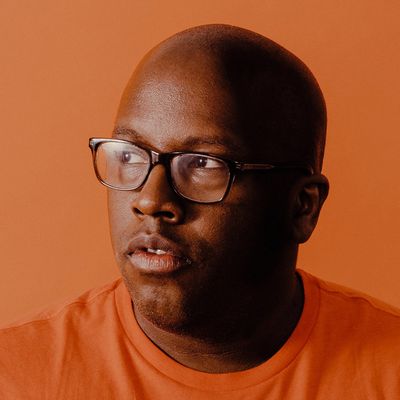
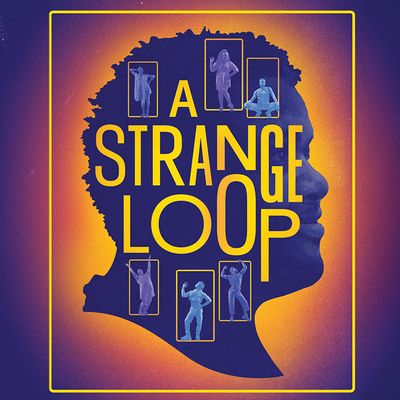
This week, Susan and Laura sit down with the Pulitzer Prize winning truth teller, Michael R. Jackson who will blow your hair back with his authenticity. His metafictional musical, A Strange Loop explores the transformational story of an artist confronting issues of sexuality, race and identity... Read More
From the show: The Spark File with Susan Blackwell and Laura Camien
Guests
Featured Shows
About
This week, Susan and Laura sit down with the Pulitzer Prize winning truth teller, Michael R. Jackson who will blow your hair back with his authenticity. His metafictional musical, A Strange Loop explores the transformational story of an artist confronting issues of sexuality, race and identity.
Transcript
This transcript was automatically generated and might contain errors.
[0:37] Laura Camien: Welcome to the Spark File, your twice-weekly grab bag for creative inspiration.
[0:41] Susan Blackwell: I'm Laura Camien.
[0:43] Susan Blackwell: And I'm Susan Blackwell.
[0:44] Laura Camien: If you're joining us for the first time, welcome.
[0:46] Susan Blackwell: But you may be asking yourself, what exactly is a spark file?
[0:49] Laura Camien: Where do I get one?
[0:50] Susan Blackwell: What do I file in it?
[0:52] Laura Camien: These are good questions, and we do have answers.
[0:54] Susan Blackwell: A spark file is a place where you consistently collect all your inspirations and fascinations.
[1:00] Laura Camien: And if you're like us and you're making stuff all the time, sometimes the wellspring of inspiration can run a little dry.
[1:07] Susan Blackwell: We're here to refill it.
[1:09] Laura Camien: Yes, we're on the lookout for fresh ideas, images, and inspiration that spark our creativity and pique our curiosity.
[1:15] Susan Blackwell: Things that inspire us to get up off of our asses and make things like this podcast.
[1:21] Laura Camien: Or a Pulitzer Prize-winning original musical that puts seven queer black principles on the stage.
[1:29] Susan Blackwell: Or 18 years of work, writing, rewriting, and developing opportunities for that work to be seen.
[1:36] Laura Camien: Creativity of quality takes time, people.
[1:40] Susan Blackwell: On today's Maker Sode, we're gonna talk with a person who truly sparks us.
[1:45] Laura Camien: And that person is Michael R. Jackson.
[1:48] Susan Blackwell: Michael, welcome to the Space Bar.
[1:52] Michael R. Jackson: Hey, Susan, hey, Laura. Thanks for having me.
[1:55] Susan Blackwell: Michael, we're so happy that you are joining us today.
[1:59] Michael R. Jackson: Thank you. Happy to be here.
[2:00] Susan Blackwell: I hope you're still happy after I tell you what the price of admission is.
[2:07] Michael R. Jackson: It's just the sound of Michael's feed, like dun dun dun dun dun dun dun.
[2:13] Laura Camien: The cartoon departure.
[2:15] Michael R. Jackson: Yes.
[2:16] Susan Blackwell: The Spark Mile Price of Admission is real quick. Can you tell us a creative risk that you have taken recently?
[2:20] Michael R. Jackson: A creative risk that I've taken recently is I oh, I'll tell you one. Well, it's actually two things. Can I tell you two things?
[2:38] Michael R. Jackson: So one of them was I got like at the beginning of the pandemic, I got like commissioned to write like a short play that would be given to like families and communities who wanted to like do things while they were home.
[2:53] Michael R. Jackson: It was this initiative called Plays at Home. And so like in one day, like in one day, I wrote the short play called Trees on Broadway that it was about that's about a tree that wanted to be on Broadway.
[3:14] Michael R. Jackson: And like, but the tree like defied the odds and like got on Broadway in a play called Trees on Broadway, where the character's name was Treley O'Hara.
[3:29] Michael R. Jackson: And a couple people like emailed me. They actually like did these plays like in their homes or like more than like one parents' Thiel did it.
[3:38] Michael R. Jackson: And I was like utterly shocked and delighted because I was like, I wrote this play in like one hour or like two hours, like just to like get this commission, but it like made me feel very good that like somebody somewhere like actually did this like stupid ass play.
[3:53] Laura Camien: Yes, in their living rooms producing your...
[3:53] Michael R. Jackson: And the other thing was at the beginning of this pandemic, this guy that I was seeing like totally ghosted me.
[4:05] Michael R. Jackson: And so then the Guggenheim commissioned me to do this thing for their works at uh works in progress thing they were doing online, and so I wrote a song about being ghosted during a pandemic.
[4:18] Laura Camien: And then like...
[4:18] Michael R. Jackson: Did you name names or was it a blind?
[4:21] Michael R. Jackson: No, I didn't name names, but like, but then what happened was after like a month later, like when I won the Pulitzer, the guy like reached back out to like congratulate me.
[4:32] Michael R. Jackson: And we actually and then we started talking again, and I was like, okay, let's start talking again, but you need to hear the song that I wrote when you ghosted me.
[4:45] Laura Camien: So there's like...
[4:45] Michael R. Jackson: How did he get...
[4:45] Michael R. Jackson: Well no? I was just...
[4:48] Michael R. Jackson: So there was like full transparency, and he was like, and uh, and so he listened to it and he was like, I'm sorry that I hurt you, and thank you for like you know, letting me listen to that song, and like and now we're like we're in a good space, at least as friends for now.
[5:02] Susan Blackwell: Oh that's impressive as a book.
[5:05] Laura Camien: That's everybody growing and changing.
[5:08] Susan Blackwell: Look at you processing your feelings with your creativity.
[5:12] Laura Camien: Like, I'm gonna write a song.
[5:15] Michael R. Jackson: The name is called the name of the song if you're interested, is um your silence.
[5:19] Michael R. Jackson: And it's on like you can find it, it's on um YouTube on like the Guggenheim.
[5:25] Michael R. Jackson: If you like type that, I'm sure your silence Guggenheim it'll probably come up.
[5:29] Michael R. Jackson: And it's me singing it I'd like to record myself singing it, which is very awkward, but I did it.
[5:35] Susan Blackwell: I love listening to you sing.
[5:38] Laura Camien: I you may have your own feelings about what that feels like on the inside.
[5:42] Michael R. Jackson: Well, no, it's something I've had to get used to because in the very beginning of my career, I like did anything and everything to try to avoid it.
[5:50] Michael R. Jackson: And then like eventually I was just every time I would give certain songs to certain singers or actors, it wasn't like they did a bad job.
[5:58] Michael R. Jackson: They treated every song as though it was like a musical theater song.
[6:03] Laura Camien: Yeah.
[6:04] Michael R. Jackson: When they were really just like more personal songs, and then I was like, you know what? You just have to start singing those songs and lead them to the more like musical theater songs.
[6:15] Laura Camien: I thought I'm just like, babe, just throw it away a little bit.
[6:17] Michael R. Jackson: Just throw it away.
[6:18] Laura Camien: Yeah, just throw it away.
[6:19] Michael R. Jackson: Little easy breezy.
[6:21] Laura Camien: Yeah.
[6:21] Michael R. Jackson: Um you're just having a conversation.
[6:24] Laura Camien: Just having a conversation.
[6:26] Susan Blackwell: This just became a musical theater masterclass, everybody.
[6:30] Susan Blackwell: Michael, you are officially admitted into the Spark file.
[6:33] Laura Camien: Pyro, Pyro, T shirt canon.
[6:36] Susan Blackwell: We're so crazy with this.
[6:38] Laura Camien: Um, as we all know, these are complex times.
[6:41] Susan Blackwell: There's a lot going on.
[6:42] Laura Camien: So let's start with this.
[6:43] Laura Camien: It's a three parter.
[6:45] Laura Camien: Where are you right now?
[6:47] Laura Camien: How are you right now?
[6:48] Laura Camien: And what's top of mind for you today?
[6:52] Michael R. Jackson: Uh I am in Washington Heights, New York.
[6:55] Laura Camien: Yes.
[6:55] Michael R. Jackson: I live literally right down the street from Lynn Manuel Miranda, like two minutes away.
[7:00] Susan Blackwell: Well, sure I know where you live.
[7:02] Michael R. Jackson: Um I uh have lived in the channel.
[7:05] Michael R. Jackson: Right now, knock knock, motherfucker.
[7:08] Michael R. Jackson: I've lived in this apartment for 15 years.
[7:12] Michael R. Jackson: Yes, and uh and how I'm doing is I have a roof over my head, I have food in my refrigerator, I have relative financial stability, and I have my health.
[7:24] Michael R. Jackson: So I'm really good.
[7:26] Laura Camien: Yes, great.
[7:27] Michael R. Jackson: Um and then what's top of mind for me today is how uh reporters can try to sabotage you, but that you have the power to circumvent their sabotage.
[7:45] Laura Camien: Oh, I want to know more about that.
[7:47] Laura Camien: Will you tell us more about how you do that?
[7:50] Michael R. Jackson: Give us some deep.
[7:51] Michael R. Jackson: So all I can really say about it is that a reporter really tried it today because when there's issues happening in the theater world or black issues or whatever, and people want your opinion, and you don't really want to talk about it, they can like find ways to try to weaponize that against you.
[8:10] Michael R. Jackson: And so today I had to be I had to so today I found myself having to become my best Olivia Pope self.
[8:17] Michael R. Jackson: And like getting around, or maybe my best Jake Ballard self.
[8:21] Michael R. Jackson: Maybe I killed someone.
[8:23] Michael R. Jackson: Like I had to like, I had to get around a like an evil white man.
[8:23] Michael R. Jackson: An evil white man tried to like put me in bondage, and I am a free black man.
[8:33] Michael R. Jackson: And you will not put you would not put me in, you will not put me in chains.
[8:37] Laura Camien: Um there's something I learned from Laura Camien, which is they may ask you a question, but answer the question you wish you were asked.
[8:46] Susan Blackwell: That's right.
[8:46] Michael R. Jackson: I do that.
[8:47] Michael R. Jackson: I just I did that, I did it, I actually do that all the time.
[8:50] Michael R. Jackson: There's like a certain, I'm not gonna, there's a certain thing question I'm often asked about, and I always answer it the same way by pivoting to another thing.
[8:59] Laura Camien: Love it.
[9:02] Laura Camien: Well, you tell us.
[9:05] Michael R. Jackson: No, I probably won't.
[9:06] Michael R. Jackson: But like uh but like no, I figured it out, you know?
[9:10] Michael R. Jackson: Like it is, and I have to I owe all this to like one of my saviors, Tori Amos, who once who in who is like my first inner white girl, who who in interviews has talked about going into who's said that she's knows sometimes when she goes into the interview that the interviewer has already written the story the minute she walks the door.
[9:32] Laura Camien: That's right.
[9:33] Michael R. Jackson: And I feel like I've learned a lot from her just like reading her talking about that.
[9:38] Laura Camien: Can I can I guess what the question is?
[9:40] Michael R. Jackson: Can I please guess?
[9:42] Laura Camien: You can guess.
[9:44] Michael R. Jackson: You don't have to confirm or deny, but just from my own experience from Title of Show Times, is the question something like how much of this is um based on your own experience and how much is fictionalized?
[9:57] Michael R. Jackson: Is it a question like that?
[9:59] Laura Camien: No, I love answering that question.
[10:01] Michael R. Jackson: Oh, good.
[10:02] Michael R. Jackson: I'll be sure to ask that later.
[10:03] Laura Camien: Okay, great.
[10:04] Michael R. Jackson: Okay, um, Michael, for people who don't know you, here's a two part question.
[10:11] Michael R. Jackson: Creatively speaking, when people ask, what do you do?
[10:15] Michael R. Jackson: How do you answer that question?
[10:17] Michael R. Jackson: And what creative work are you most known for?
[10:20] Michael R. Jackson: Um when people ask me what do I do, I say I'm a composer, lyricist, book writer, and trash talker.
[10:26] Laura Camien: Yes!
[10:29] Michael R. Jackson: A multi hyphenist, a multipassionate.
[10:32] Laura Camien: I love that.
[10:33] Michael R. Jackson: Oh, that makes me joyful.
[10:35] Laura Camien: And then wait, I'm sorry, and what was the next part?
[10:38] Michael R. Jackson: The next one is what creative work are you most known for?
[10:42] Michael R. Jackson: I'm most known for my musical A Strange Loop.
[10:45] Laura Camien: For folks who have not seen the video.
[10:46] Michael R. Jackson: I think I just stopped this interview and just sang the whole score of a strange acapella right now.
[10:53] Michael R. Jackson: I think that's what that memory again.
[10:55] Laura Camien: That would be the fastest cancellation you ever saw.
[10:59] Michael R. Jackson: I think you might be right.
[11:01] Laura Camien: These are not memories, why girl memories?
[11:04] Michael R. Jackson: Like a lot of people.
[11:05] Michael R. Jackson: I love that memory song so much.
[11:08] Laura Camien: Yeah.
[11:09] Michael R. Jackson: But for folks who haven't seen or heard the show, can you tell our listeners just about the story that it tells?
[11:16] Michael R. Jackson: Uh yeah.
[11:17] Michael R. Jackson: So A Strange Loop is an uh a self-referential, I call it, musical about a black gay musical theater writer who works as an usher at a Broadway show, who is writing a musical about a black gay musical theater writer who works as an usher at a Broadway show, who is writing a musical about a black gay musical theater writer who works as an usher at a Broadway show, and sort of cycling through his own perception of himself and his own self-hatred.
[11:41] Laura Camien: I feel like everyone in this conversation has created a lot of work from their own lives.
[11:47] Laura Camien: Um our work, we sometimes refer to it as autobiofictionography, which is a phrase that we borrowed from my writing teacher Linda Berry.
[11:54] Laura Camien: You've said that A Strange Loop is not so much autobiographical as it is you just said self-referential.
[12:00] Laura Camien: But I have to say, Michael R. Jackson, it feels really specific and really so honest.
[12:08] Laura Camien: So I'm gonna ask you the question, which I'm never good at answering about my own work, which is how much of it is how much of it is fictionalized and how much of it is like your lived experience.
[12:20] Michael R. Jackson: So I guess like the the oh, so there's there's two answers to that.
[12:24] Michael R. Jackson: One is that like, while I don't describe it as like autobiographical, I do describe it as emotionally autobiographical.
[12:32] Michael R. Jackson: So what that means is that there's there's certain things in the show that like didn't actually happen to me, but I have felt everything that the main character Usher has felt.
[12:44] Michael R. Jackson: So like there, like so like what I can tell you is that like when I was younger, I my my parents and I did have like a hard time with my sexuality and me coming out as gay.
[12:57] Michael R. Jackson: That's true.
[12:58] Michael R. Jackson: I did come from a very religious family.
[13:00] Michael R. Jackson: That's true.
[13:01] Michael R. Jackson: I did go to Inwood to like a horrible racist white man's house and had sex with him.
[13:07] Michael R. Jackson: That is true.
[13:08] Michael R. Jackson: But like, but he was but he that racist white man was not smoking meth, which happened in the show.
[13:14] Michael R. Jackson: So like there's just there's like certain details that like just it just made it more interesting or like it added a flavor or a dynamic that I wanted to have in the show. Or it even just referred to other things. So like, for example, there's a lot of black men who like struggle with like around the issue of meth addiction. And so like I just wanted to kind of refer to that in some oblique way. Um by having the person, even though Usher himself wasn't smoking that. That's the title of the show. Like in Title of Show, my character didn't do meth, but in real life I do tons of meth. So can I just also just take a moment to say I love Title of Show so much and I saw it and I saw it under the oddest of circumstances, which is that I saw it not with Susan or Hunter or anybody else on the cast.
I saw it in Palo Alto. Oh my god. And I fucking loved it. I thought it was like the one of the most cleverest things I'd ever seen. And I just was so and I was like, wow, they're just doing it like with a keyboard. And it's still so it sounds great and it's funny. I just really like was a great I I like had I'm a great admirer of that show and what you all did, even though I didn't get to see you in it. Do you know who the original producer of Title of Show was and took it all the way to Broadway?
[14:40] Laura Camien: Congratulations, thank you.
[14:44] Michael R. Jackson: We both have um hey, my pleasure every step of the way, every step. My God. Um I just feel like we have this sort of kinship of just um like I can't wait till we we're gonna ask you uh, you know, about getting your work up and out and into the world, and and um I just feel like you know, it's such a unique experience trying to do that and how much you effort you commit to doing it and just for how long. I feel like it's a bond. We're gonna dig into that. Who have pushed that rock up the hill?
[15:20] Michael R. Jackson: Yeah. Oh, yeah, Sisyphus. Yeah, Susypus. Yes, when I when I was like when I dug into your story and you were talking about 18 years of work, I was like, I feel that. I feel that yeah, yeah.
[15:37] Michael R. Jackson: Michael, when we um when we teach creativity and writing, there's an option, a choice that we offer students who are concerned about telling their truths or telling family secrets, and it's borrowed from Anne Lamont. It's the concept, write like your parents are dead. And you've given us a twist on this. You've said that because you never thought A Strange Loop would ever be produced, you could just write it however you wanted. Because like the other piece to you know, writing it as though it would never be produced was that also my parents are like extremely removed from like the theater world. Yeah. And like they, and so like I that 18 years was also 18 years of like them not coming to New York while I was like I was going from like growing as a person and as an artist, and like there was never any reason for me to share any of my work with them because they they just are they live on another on like another planet almost.
And so I just was like kind of in a vacuum of just like writing the show because as I mentioned, like I didn't think it would be produced because like I was seeing what like sort of commercial theater looked like up close. So it just gave me a lot. I was like, I don't do that, so yeah, I'm just gonna keep doing what I do and maybe it'll get done, or maybe it don't. And I just didn't give myself a plan B.
[17:19] Michael R. Jackson: Um did you warn them in any way, like when they were when did they see the show? And before they came, did you say, hey, there's a couple things I should do. So well, it was it was hard because like again, the show is not autobiographical, and like the thing that I I kept like walking this line of like, I don't want to say too much because then that's gonna just like put all this pressure on it, and like it's gonna actually ruin it, and I want them just as people as theater as like theater goers or people who bought tickets, and they didn't buy tickets, I got them tickets, but like people were just in the theater. I wanted them I I just wanted them to like experience it for themselves without me like putting all these trigger warnings on it.
But I did but I did say like I think I said like there are things in the show that you know that you might find that like you might recognize about yourselves, but like they're not they're not like it's not autobiography, the show is not autobiographical. I think I said the same thing, like I'm saying to you basically, but I just kept trying to warn them. I said there's like there's like adult. I think I said there's adult content. I think I definitely said that. I was like, I said there's adult content in the show. And my mom was just and my mom who is like actually who I learned comedy from, I think, even though she doesn't think that she doesn't think that she's a comedian or that she doesn't. Yeah.
But she like goes, What? You think I'm you think I'm gonna leave worried because it's about a bunch of gay folks. And I was like, because my mother's like Southern and like just like a no nonsense lady, and I was like, Well, that's not exactly what I meant, but while you mention it, like there are some gay folks in it. Um but she just was like just so excited to see what her baby was doing that like that like when she came to see it, she just was like, Your name's on a marquee. It's in a big building that like is a theater, and and there's all these actors on stage, and there's a set and like there's lights, and it looks good and it sounds good, and she just like the actual content of it, like she could give two shits about actually to some extent.
So she did like after she saw it, she was like, she like she and my dad were like holding court in like the lobby of Clarence Horizons, and they were just like and they like were like giving like this big speech to everyone, and like a this crowd, this crowd just sort of naturally forms around them because everybody wanted to know, like oh my god, Michael's parents are here, and they're and my mom was just like Michael just used to always read. You just always used to have a book in his hand, and this, and this production was just phenomenal. Oh, the acting and the singing, and the just she just was like so proud, and my dad was my dad was the same way, and it should there's one part he should have told us about.
But it was like all look but but like they were just but it was but they were so proud and like and I was happy to just watch them to watch them be happy. It wasn't about me, it was about they got to like be they got to be proud of their child because like on for a lot of for parents and but like for black parents of in particular, it's like you want your children to do well, and they like got to they got to like see people seeing their child do well and like sort of soak in the rewards of that, you know, even though the show has these parents in it who are like loosely inspired by them that aren't totally them. Like there's you know what I mean? Like it wasn't like like there were things there were things said on that stage that my mother said to me when I was like a teenager, but there's also things that I just like made up, and I think on some level, they recognize that and they just but they just were proud of me for having followed my dream for all these years because they they saw it.
They saw me struggling and writing and like ups and downs and things I thought were gonna be a sure thing, was a failure, and like and they like still stayed behind me and were like, Well, just follow your dream. And then that seeing the show was like the culmination of like all of all of that, and so it was like a really beautiful thing for them to see the show.
[21:34] Susan Blackwell: I'm I have to say, like, I'm so happy that you had that experience, and I am so in love with them for having that response. That's the correct response, but not all parents would have that response. And I just that oh my god, it just fills my lungs with air to to hear that. I love it.
[21:57] Laura Camien: I was thinking the same thing, like how generous and kind, like it sounded like they were raving about you and the show, but also so generous in their compliments to everyone who is a part of it.
[22:07] Michael R. Jackson: Oh god, they they thought the cast was great, like they they loved like all of it, they were so excited about it. Awesome. I think we should it's it bears mentioning that if you have not listened to the original cast recording of A Strange Loop, uh, go ahead and pause this podcast and find it and listen to it now. You are in it's like one of those, it's like one of those shows, it's like one of those recordings where you are in for such a discovery, you're in for such a treat. It is so high quality that uh you're gonna see why Michael's parents were as proud and bananas over it as they were. Because it's undeniable. Like it's so fucking good.
[22:52] Michael R. Jackson: It's incredible. It's making me think when we did Title of Show, what I kind of uh my character, I would say, is sort of just a distilled version of how I am with my closest friends. And it was a version of me that, in fairness to them, my family did not really know or know well. And I think when they saw it, they were really stoic about the show to the point where they just didn't say anything about it, and we all went out to eat, and they didn't mention it. They just didn't talk about it. But then when they saw when the audiences started getting larger and they saw the audience response to my weirdness, it kind of taught my family how to accept me. But it sounds like your family was uh, I don't know, more ahead of the curve.
[23:44] Michael R. Jackson: Um I don't know. Well, well, it's complicated because it's like my parents, like my whole like life with my parents and like our journey together and around it's particularly around my sexuality is like, but this is also like has to do with like my own development and my perception of myself and my perception of them and what I needed from them is that like they they still are like the same, like you know, moderate democrat, religious, you know, black parents that they always were like they still like I don't think I could comfortably say that like my mom like approves quote unquote of my homosexuality, and yet she still she still loves me deeply and like and and all she wants is for me to be happy, and so for and so like part of her acceptance of me gay or not gay is for me to own that which is something that I didn't do for many years because I was afraid of the judgment that like I felt from them from my parents or from the community but like it was when I said you know what I'm gay full stop I think my mom had like a lot of respect for that even though she's still culturally the woman who's she always has been which is just was taught that like homosexuality is a sin or whatever but she never in like in any of the material ways that matter in recent years in the last decade even or since I had like a very important conversation with her has never held that against me or said anything negative or homophobic or anything but like she still is who she is which I think is also part of the thing that I've wanted to capture in the show which is that Usher's mother like has a lot of really homophobic views but like her homophobic views are comp are complicatedly rooted in like a deep like abiding love for him which is what makes it so difficult.
[26:02] Michael R. Jackson: I know people in my life I know people in my life like I had a relative a distant cousin who when her mother found out that she was gay she like kicked her out of the house and she and she could not move back into the house until she like renounced her homosexuality in front of her mother. And like and that's that that was not my experience.
[26:29] Michael R. Jackson: And that changed the course of her life.
[26:31] Susan Blackwell: The thing I love about your parents' response, and parents, if you're listening, the thing I love about it is I feel like you, in making this work, you really stepped forward and you really, yeah, I don't know. You put yourself out there, you put your work out there in such an honest, forward way. And I feel like because of their ability to just be present to it and be accepting of it, super bonus that they're super proud of you. You get to know each other better, you get to deepen your relationship, you get to understand yourself even more. I feel like all little bodies rise because of that.
[27:14] Michael R. Jackson: That's right. I mean, we've never, my parents and I have never been closer. And like I love that. And it's, and it, and it, and like them seeing the show also was like that was them seeing what I've been doing for 18 years.
[27:27] Susan Blackwell: Yeah.
[27:27] Michael R. Jackson: You know, and now, and then, and then seeing all of the great things that came as a result of it. It was like, oh, now we get it. And like we, the struggle that we can, the struggle he went through was like meant something, especially since like I've been able to like help them out a little bit as a result of it. It like, it's just, it's like a, it's like a total, it's like this weird, like I'm weirdly living like the American dream in like a weird way, even though the American dream is like totally like gone and dead and whatever.
[27:57] Susan Blackwell: You are like rebuilding the American dream in a new shape and form, which I love. I want to add this one little piece, which is my, I'm so happy that your parents have gotten to take this ride with you to this point. And here is, I know that like our lives are fleeting and precious, and tomorrow is not promised. But my hope, my wish is that you all get to enjoy and celebrate each other when this piece of theater takes it to the next level.
[28:31] Michael R. Jackson: That's right.
[28:32] Susan Blackwell: I want Broadway opening nights for the Jackson family. I want to, I want to.
[28:39] Michael R. Jackson: And I need to make sure that Tyler Perry is there.
[28:41] Susan Blackwell: Yes, yes. All of it.
[28:45] Michael R. Jackson: Well, because he called me.
[28:46] Susan Blackwell: Tell us about that conversation.
[28:49] Michael R. Jackson: What transpired? So what had happened was the night before, a friend of mine, Jordan E. Cooper, who wrote this incredible play at the Public Theater called Ain't No Mo. And Jordan like has written for television and stuff. And I guess he's friendly or connected to Tyler Perry in some way. He like, they then they were talking, and my name had come up, and then Jordan called me and was like, hey, can I gonna talk to you a second? And he was like, hey, just so you know, like Tyler Perry called me and like your name came up, and it should be mentioned that you very directly refer to Tyler Perry in A Strange Loop.
[29:25] Michael R. Jackson: I do, I do many times. And um, and he's like, and he's like, and he wanted him to cut to give me a certain message, which I'll get to what that message was. Um, so I was like, I was like, all right, that's fine. I said tell him I said XYZ. So then the next day I was on the phone with my mother, just like shooting the shit. And because, and again, this is all pan during the pandemic. And like, I'm like, you know, I'm like quarantined in my room, you know, and like I'm like, I see an Atlanta number. Oh no, I get a text that says hey it's Tyler Perry blah blah blah and I was like okay and then like five minutes later I get a phone call that the phone rings I'm like and I'm like hey mom hold on a second and I switch over and I'm like hello and he's like it's Tyler Perry and I'm like oh hello sir how are you and he's like he's like he's like nigga I'm gonna beat your fucking ass and I was like and I said I got Vaselines for my face and he's like I don't need any Vaseline I'm gonna punch you in the neck and I was like okay well let's go I said I get as good as I get and then he goes seriously congratulations on the Pulitzer and he like wanted to know about like the historical nature of the win because I was the second black man to win a Pulitzer for drama, the first black gay man to win a Pulitzer for drama, the first musical theater writer to win one without having a Broadway transfer announced.
And so he wants to know about things like that so I told him about that and like he, you know, long story short he was just kind of like I heard you took an axe to me in the show I didn't see it but I heard about it and I was like uh well you want to listen to I said if you want to listen to the cast album it's available wherever you get music and he was like oh yeah I should call up Jay-Z and see if I can get it on Tidal and I was like um I don't know this on Tidal but whatever and then he was like and then he like you know congratulated me and got the phone and then like a couple minutes later he texted me a screen grab, screen capture of him showing that he had purchased the album on Tidal.
[31:29] Susan Blackwell: There you go.
[31:30] Michael R. Jackson: And that he had, and he, and very specifically that he had listened to the song Tyler Perry Writes for Life, which is a song from A Strange Loop. And he didn't say what he thought. He didn't say he didn't say what he thought of it or anything, so I have no idea. But like that was the, and that was like the phone call.
[31:46] Susan Blackwell: I'm telling you, Michael, when somebody writes a compendium of the weirdest fucking stories to come out of the pandemic, and you know they will, it's gonna be a beautiful coffee table book.
[31:55] Michael R. Jackson: That has got to be a chapter.
[31:57] Susan Blackwell: Oh yes. Absolutely. Absolutely. Did you uh like immediately call your mom back and say, Mom, that was Tyler Perry?
[32:04] Michael R. Jackson: I did indeed call my mother back and tell her that was how her parents she's like, oh my goodness! My mother loves everything that Tyler does from the top of his head to the bottom of his feet. Like unquestioning. Like she, he is like there for her. And I have just grown to accept that.
[32:24] Susan Blackwell: In other weird fun stories, we also understand you were on the phone with playwright Brandon Jacob Jenkins, talking about the Real Housewives of Atlanta when he told you that you had won the Pulitzer Prize.
[32:36] Michael R. Jackson: This isn't a question, we just enjoy the story.
[32:39] Susan Blackwell: Good job, Brandon Jacob Jenkins.
[32:42] Michael R. Jackson: No, I love Brandon, he's my homeboy. I love the highbrow and lowbrow of that story.
[32:47] Susan Blackwell: But that's my work.
[32:48] Michael R. Jackson: That's me. That's me, and that's my work. I'm all about highbrow and lowbrow. Like all the way. That's how I, that's how I roll. That's how I get down. That's my favorite.
[32:58] Susan Blackwell: Oh, can I tell you what my Housewives, can I tell you my Housewives tagline?
[33:01] Michael R. Jackson: I don't have to read because I write.
[33:05] Susan Blackwell: Okay. And I like to picture you just uh spinning. So you were facing away from the camera, you spin to the camera, you say your tag, and then you offer the camera a peach.
[33:15] Michael R. Jackson: Is that what you're thinking?
[33:16] Susan Blackwell: Well, I guess I, I guess it would depend on like if it's like an existing franchise or like a new franchise. Is it like Real Playwrights of, you know, of New York City?
[33:26] Michael R. Jackson: Right.
[33:27] Susan Blackwell: So do you have the camera a quill? Like what the fuck?
[33:31] Michael R. Jackson: Yes, yes. We're all holding quills.
[33:34] Susan Blackwell: Oh my God. Anyway, back to you. Back to you, Michael. And the important stuff. Um, hey, you're in this liminal space now. We all kind of are. Uh while we wait and see how the future will unfold. Um, how are you exercising your creativity during this time?
[33:56] Michael R. Jackson: Well, to be honest with you, like uh so uh outside of doing like those little commission micro commissions, which are like not, they're like those are like kind of from outside of me. I had this other musical that I've been working on called White Girl in Danger that I'm working with the Vineyard Theater on that.
[34:14] Susan Blackwell: Um, you refer to that a little bit on your social media, yeah.
[34:19] Michael R. Jackson: Yeah, and so we had all, we had had a s, a workshops, a book workshop scheduled already for April, and so we just decided to do a virtual one. And that one went, it went, I was like ambivalent about it because it was, I was like, how is this gonna work? And it actually was like went really, really well. And it actually like, and it like made me cry because I was like, oh, we still can like do, we can still be together, yeah, and like do, yeah and do our, and do our work together and it went really well. So we're doing another one in July, but outside of that, to be honest with you, I haven't really been writing anything, only because I feel a little bit like this moment is about uh self-inquiry and reflection and sort of absorbing, absorbing like what the world is because it's such a deep shift.
But you know, I also am like because we're gonna be doing this other workshop in July, I'm now gonna, I feel myself in being pulled back into sort of creative, creative mode for me, but, but I have not written anything new from myself. I only have really been writing what I already was working on.
[35:27] Susan Blackwell: Um, I hear you though, I feel that too that this is a different kind of time in the life cycle of creativity. It's like one of those like gathering times as opposed to like producing times.
[35:41] Michael R. Jackson: Yeah, it's like hibernation.
[35:42] Susan Blackwell: Yeah, a little bit. I'm jumping back to A Strange Loop. You've talked about how you felt as a younger person that you struggled to belong, that you weren't enough, that there was something wrong with you that needed to be fixed. I think those are feelings that lots of people can relate to. When the protagonist in A Strange Loop, Usher, realizes that there is nothing wrong with him, that's when the character actually changes. And we're curious if making A Strange Loop helped you to realize that there is nothing wrong with you, and did the making of it over these years change something in you?
[36:18] Michael R. Jackson: So it's interesting because I began writing A Strange Loop accidentally when I was about 21 years old. I was a senior in at NYU studying playwriting, and I like was about to graduate with a playwrighting degree, and I just didn't know what I was gonna do with my life. And so I just started writing this monologue called Why I Can't Get Work. And the monologue was about a black gay man walking around New York City wondering why life was so terrible, and like um that ended up becoming the like skeleton for what would be the book for A Strange Loop, but that's not how it in I intended it. And like that, that was me trying to capture in real time sort of this feeling of alienation and like unhappiness and whatever, what have you, in terms of this, in terms of this very specific black gay male condition.
And so the show has always been that. However, I didn't have when I was 21 any objectivity about that. I didn't have any objectivity about that when I was 22, 23, 24, 25. But the show was always about this young black man sort of wondering why life is so terrible and struggling to understand himself. And so like it took me myself sort of trying to figure out what was going on with me to be able to actually know what the form and structure of this story was. Because it was like the, it was like this parallel storyline to what was in my own storyline, and I had to capture it, but I couldn't capture it until I knew I could knew what it was. Because otherwise it would just always be elusive. Because A Strange Loop is kind of like a mirror in front of a mirror, and you're trying to see to the very back of the loop, and you'll never be able to do it.
And that's what yourself is like. Like your sense of selfhood, that's a, that's a, a that construction two mirrors against each other, that is like an example of what like it is like to be a person. That like you're that like you, when you try to understand yourself, it's like this endless loop of like of symbols that like make up who you are. And you, and like, and you kind of can assign values to what that is, and it just so happened in my own life, a lot of those symbols just added up to you're a bad, you're bad, you're not, you're worthless, you're fat, you're ugly, you no one will love you or want to like be intimate with you sexually, or you're too black, or you're whatever the thing was.
And like I just had to, I had to get to a point where I had objectivity about that as a formal conceit, and that was when I was really able to begin the writing, even though I was writing the whole time and capturing different little symbols that made up what the show was.
[39:14] Susan Blackwell: It's so interesting because it is like a parallel path of your development, the work's development, your development, the work's development. That's sort of they both inch forward along over time, as long as you keep putting pen to page and you keep being expressed just as a human being.
[39:33] Michael R. Jackson: That's right.
[39:34] Michael R. Jackson: Was there any point along the way just because I'm always obsessed with the projects that take a long time and that people like stick with them because it's so easy at any point, I think, for people to be like, well, it hasn't happened.
[39:48] Michael R. Jackson: I'm not, it's not gonna happen.
[39:50] Michael R. Jackson: And so I'm obsessed with when I hear about stories that developed over a long time, and I'm just curious, like what was that experience like for you? And did you ever was there a moment where you were just like if I haven't written it yet, I'm not gonna write it? Um, you know, did any of that sneak in along the way? So I guess the only way I can talk about that is to somewhat describe my development as a writer at all. So, like, basically, I'm from Detroit. I grew up playing piano and playing for choirs, doing arts and all that stuff, but like when I went to high school, I took creative writing as my elective, and my creative writing teacher, who was also like the head of the language, the English department, was this really amazing lady named Deborah Thompson, who, in addition to making sure that we had our creative writing class that she taught, she had partnered us with this program that was just starting in Detroit called Inside Out.
[40:52] Michael R. Jackson: And Inside Out is a nonprofit that brings professional writers and residents into the school so that students can have an outlet, but also can see writing as a not as more than just a hobby. And I had many writers and residents who I worked with in addition to just my regular creative writing class, and one of those writers and residents was this really amazing guy named Peter Marcus, that's Marcus with a K. And he also taught these private workshops in his house in Detroit, um in the downtown area. And my parents let me take those workshops with him and some other people in the Detroit area, and he was someone who first sort of pushed me to start writing outside my comfort zone, and to not just because up until that point I was just basically kind of writing imitations of the writers who I liked at the time.
[41:49] Michael R. Jackson: And he and he sort of had this mantra in our class, which was you know, fail better and and if you feel like you can't, if you don't want to write and create and whatever, just go be a banker. Meaning, like, give yourself a plan B. And basically saying to us that, like, if you really want to live this life and tell stories or whatever, or be a poet or whatever it was, like, uh, then you you don't give yourself a plan B. And he planted that seed in me. I didn't know that that it would flip that it would like germinate, but it did because I you know eventually sort of moved away from writing poetry and fiction, and I went to NYU to study playwriting for my undergrad, even though my plan was to be the head writer of One Life to Live because I loved soap operas.
[42:41] Michael R. Jackson: That's why that and that's why I moved to New York. Like I was like, I'm gonna go to New York and I'm gonna like become a soap opera writer. But I fell in love with theater, and like, and then like that led me to grad school, which I need a musical theater, and and which led me to beginning to write music, even though I wasn't a composer in the program, and like that led me to starting to write my show. Like, it just everything kept going along, and I had and every step of the way, I had teachers encouraging me at crucial points. So, like, um, so then by the so like by the time I like was like writing a strange loop, it was like I it just was in my blood to do it, and I didn't, and like I kept remembering Pete being like be a banker.
[43:25] Michael R. Jackson: And I was like, I'm not gonna be a banker, I'm gonna write. Although I did take I did take several detours. I ushered at the Lion King, I ushered at Mary Poppins, I literally went and became a finance clerk at an advertising agency. I briefly was an executive assistant at a uh an a law firm. I was an executive assistant at a nonprofit. Did you have a crazy challenging boss, Michael?
[43:50] Michael R. Jackson: I had several crazy and challenging bosses.
[43:53] Laura Camien: Um we need to speak offline.
[43:55] Michael R. Jackson: Yes, yes, I remember because in your story. Like we who all but and all and actually all of those bosses had inspired another musical that I'm working on that I was commissioned by LCT3 to write that's called Accounts Payable. So like I worked with and around the accounts payable department, and there's just high drama more than you ever would imagine. But anyway, like so like going so like going along the way, it was just like I because I didn't give myself a plan B, even though I was like working these jobs and stuff, it was just like just keep writing it because like why not? Like there's nothing else, like you don't have anything, like I didn't have it, I didn't have a boyfriend.
[44:39] Michael R. Jackson: I had my writing. You know what I mean? Like there was nothing else to default to.
[44:44] Laura Camien: That makes perfect sense. Here's a question because, well, I mean, I feel like you have so much on the horizon, but is there a creative thing you know you need to do before you're done?
[44:55] Michael R. Jackson: Um I think I need to write an opera. Not the as a composer as a librettist, but I do think I need to write an opera. Like a big, like a big ass opera.
[45:06] Michael R. Jackson: Like fucking the Metropolitan Opera. Or like, yeah, or like at uh like in Houston, the Houston Great Opera, or something like that, like a place like a lot of bodies and like just like sound of fucking giant ass orchestra and just like something that's like super intense and like in my voice.
[45:25] Laura Camien: Oh yes, that's gonna be good.
[45:28] Laura Camien: Yes to that.
[45:28] Michael R. Jackson: I just want to say yes to that, and I just want to say yes to that.
[45:33] Laura Camien: Yes.
[45:34] Michael R. Jackson: Yeah. It's something I really want to do. And there's a lot of, you know, there's like composers that I really admire, and you know, and who knows? Like, but I I just I'm I'm into that level of the emotion and like creating something that I think can be really really cool and like pushes the form and all that stuff.
[45:52] Laura Camien: Yes.
[45:52] Michael R. Jackson: On behalf of all of us, I say yes.
[45:55] Laura Camien: Yes.
[45:55] Michael R. Jackson: I second that yes with another yes.
[45:58] Laura Camien: Uh Michael, you've been in the creativity business for quite some time now. Can you give us some good creative advice?
[46:08] Michael R. Jackson: Um the best creative advice I can give anybody is to um have more questions than they have answers. And to take and to take and to take the that questioning into whatever it is that they're working on. There's too much art out there for me that just feels like really partisan and sort of like already knows what it believes. I want to see an artist grappling with what they believe and what they see, and like helping us have a lens into that inquiry and and that questioning.
[46:46] Laura Camien: Is there anything that you have seen recently that you're like that has questioning that lets us enter into that questioning?
[46:59] Michael R. Jackson: Um I mean, I mean, the I I haven't seen anything in so long now. And like well, that's it. The only thing that I can like think of, I know this isn't like the last thing, but it's the only thing I can think of right now is Jordan E. Cooper's play Ain't No No Mo.
[47:19] Michael R. Jackson: Which I just I thoroughly that I thoroughly thoroughly enjoyed it and just thought it was just like the greatest. But you felt like it it it asked the questions at least I think it did.
[47:31] Michael R. Jackson: More questions than answers.
[47:32] Laura Camien: I think it did.
[47:34] Michael R. Jackson: I like that. That's good advice. A question that we like to contemplate is what's it all for?
[47:44] Michael R. Jackson: It's for all of us. Community is for theater is about all of us. Theater brings people together, and to see a shared experience, for us to see what to see the truth of life and to see things through the eyes of the artists and the artists making it on stage.
[48:04] Michael R. Jackson: So it's for all of us. That's like at this moment in time. Like, I want to go back to the theater so that we all can be together to share an experience that can energize us to take us back out into the streets to make the changes that we want to see in the world.
[48:19] Laura Camien: I love that. That's a great what's it all for answering. Finally, Michael, what or who is sparking you these days?
[48:26] Michael R. Jackson: Um I would say um a lot of my like uh friends and collaborators who I found myself on like face late night FaceTime calls with and you know, and and that sort of thing, who are like my becoming like my sounding boards and my sort of other community of people during this time of like particularly this great sort of like theatrical uprising that's happening.
[48:55] Michael R. Jackson: Um it's great to have this other cocoon of people who we can talk about how we feel about that. Um, so that's Brandon Jacobs Jenkins, Liliana Blaine Cruz, who's directing White Girl in Danger, my choreographer from A Strange Loop, who's also working on White Girl in Danger, Raja Feather Kelly, um a lot of my cast members from A Strange Loop, Jason Beasy, L. Morgan Lee, John Michael Lyles, John Andrew Morrison, um, James Jackson Jr., and and the right, all the rest of them.
[49:22] Michael R. Jackson: Um, those those are the people who Stephen Brackett, my director, who I love and adore so much, who I feel is one of the most undersung people of all time, along with Raja. They've all been incredible people. My my producer, Barbara Whitman, my producer at a strange loop, uh Michael Walkov at Pay 73. There's so many, I mean, it's actually so many people, but who Natasha Sinha at uh at Signature Theater, these are people who like I'm able to like consistently talk to no matter what, and like and who will be real with me, and who I can be real with them, and like we you know we lift each other up, and I I you know I'm missing many names, but like a lot of these people are like I just treasure them and their friendship and their and their colleagues, colleagueships, um, so much.
[50:17] Laura Camien: That's like living the dream.
[50:18] Michael R. Jackson: It is, and it goes back to what you were saying. Your uh your what's it all for? What you're describing is whether there's a pandemic or not, it's about community, and it's about you know getting to come together with people who you can have an exchange of ideas with, who can lift each other up, even when times, especially when times are challenging.
[50:40] Laura Camien: I love that.
[50:41] Michael R. Jackson: Right.
[50:42] Laura Camien: Yeah, it's beautiful.
[50:43] Michael R. Jackson: A real gift to be surrounded by people who spark you and inspire you.
[50:48] Laura Camien: We want to say thank you so much for being our guest today, Michael R. Jackson.
[50:48] Michael R. Jackson: Thank you.
[50:55] Michael R. Jackson: I really love talking you.
[50:59] Laura Camien: Thank you.
[50:59] Michael R. Jackson: Thank you.
[50:59] Laura Camien: Thank you.
[50:59] Michael R. Jackson: Thank you.
[51:00] Laura Camien: We hope this put another bunch of sparks in your file. If there is a spark you'd like us to explore, or if you've taken a spark and you banned it into a creative flame and you'd like to share that, we would like to celebrate you. You can email us at the sparkfile at gmail.com or submit it through our website, the sparkfile.com.
[51:18] Laura Camien: We will even happily take your feedback, but you know the price of admission. First, you have to share a creative risk that you have taken recently. And be sure to subscribe to this podcast wherever you get your podcast, subscribe, rate, five-star review it. If you like this podcast, share it with people you love. If you didn't like it, I don't know, Michael. What do you say to your critics?
[51:40] Michael R. Jackson: I say my deck.
[51:43] Laura Camien: Yes, always a good taste.
[51:45] Michael R. Jackson: Yes.
[51:47] Laura Camien: If something tickles your fancy and gets your creative juices flowing, we are writing you a forever permission slip to make that thing that's been knocking at your door.
[51:57] Michael R. Jackson: It's your turn to take a spark and fan it into a flame.
[52:02] Laura Camien: You gotta embroidery hoop it or take a chicken and soup it.
[52:07] Michael R. Jackson: You gotta make your way to make a play with music, then strangely loop it.
[52:13] Laura Camien: You gotta take it and make it we love you, Michael R. Jackson.
[52:21] Michael R. Jackson: We love the things you make in the world.
[52:23] Laura Camien: Love you too.
[52:24] Michael R. Jackson: Thank you.
[52:25] Michael R. Jackson: When I bumped into something that inspires me, I dump it in the spark files.
[52:34] Michael R. Jackson: Spark could be something that I wanna make or how I wanna be.
[52:40] Michael R. Jackson: I'll pump it in my spark files.
[52:44] Michael R. Jackson: I jump into my spark files.
[52:49] Michael R. Jackson: Let's open up the spark file.
© Broadway Podcast Network, All Rights Reserved