

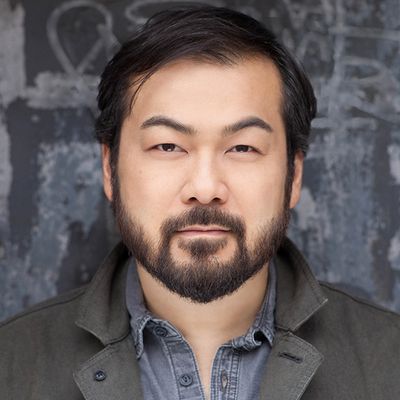
For our third episode, we will hear from multi-talented actor and voiceover artist David Shih, who has been an actor and member of the Only Make Believe family since. He was most recently on Broadway with the amazing play Life of Pi, a visually stunning piece that was gone way too soon, in my humble opinion... Read More
From the show: The Spotlight Series
Guests
About
For our third episode, we will hear from multi-talented actor and voiceover artist David Shih, who has been an actor and member of the Only Make Believe family since. He was most recently on Broadway with the amazing play Life of Pi, a visually stunning piece that was gone way too soon, in my humble opinion. David has also performed off-Broadway in shows like KPOP (Ars Nova), Awake and Sing (The Public), and Somebody’s Daughter (2nd Stage). We’ll also get into his on-camera work in TV and film as well as what it takes to bring characters to life with just his voice and how that imagination is at play as an actor with Only Make Believe as well.
To learn more about Only Make Believe and how you can support them and be a part of their mission to help children, then please visit their website for more information.
Transcript
This transcript was automatically generated and might contain errors.
[0:04] Patrick Oliver Jones: Welcome to the Spotlight Series, an in-depth look at those making a difference in the arts and beyond.
[0:13] Patrick Oliver Jones: I'm your host, Patrick Oliver Jones. And in this first season, I'll be putting the spotlight on a wonderful nonprofit organization called Only Make Believe.
[0:24] Patrick Oliver Jones: For more than 20 years, they have brought interactive theater into children's hospitals, special education schools, and care facilities with the goal of inspiring joy and imagination in those who have medically fragile conditions and developmental disabilities.
[0:50] Patrick Oliver Jones: For our third episode, we will hear from multi-talented actor and voiceover artist David Shih, who has been an actor and member of the Only Make Believe family since 2007. He was most recently on Broadway with the amazing play, Life of Pi, a visually stunning piece that was gone way too soon, in my humble opinion. David has also performed off-Broadway in shows like KPOP, Awake and Sing, and Somebody's Daughter. We'll also dive into his use of imagination, whether bringing characters to life with just his voice or in the shows he's done with Only Make Believe.
[1:36] Patrick Oliver Jones: It is so good to talk to you.
[1:37] David Shih: Good to see you again.
[1:38] David Shih: It's been a couple of years, but I'm so thankful that you're here on the podcast.
[1:42] David Shih: Yeah, thank you. I'm really happy to be here, and it's great to see you again, too.
[1:46] Patrick Oliver Jones: Well, you know, one of the great things about performing arts is that we all come at it from different backgrounds, different motivations. What was your initial motivation to become a performer?
[1:58] David Shih: Well, you know, the semi-long story is that when I was in high school getting ready to apply to college, I really had no idea what I wanted to do. I really was truly clueless. And then I started to think about, well, what is it that I like to do? What is it that I normally do on a regular basis? And I realized I was involved with the performing arts a lot. So, you know, and that was a lot of that was singing in the choir, the various different choirs. I was in the plays, I played in the orchestra for a little bit. So very broadly, I was interested in the performing arts. And I was thinking about acting, though I was willing to do something more sort of back, quote unquote, backstage. Again, I didn't even really know what all the jobs were back then.
So, you know, I think I had generically thought I want to study theater in college. And of course, having good Asian parents, I was not allowed to do that. So I ended up getting, going to college for engineering at first, and that didn't work out. And then through some various major changes, I ended up with a degree in advertising. So I actually originally came to New York to work in advertising, and then I did that for a few years, and then started getting interested in filmmaking. So I started taking film classes. While I was doing that, I would take acting classes sort of for fun, but I think in service of I thought, all right, it'll help me be a better director, but you know, I could have really just been entertaining my muse.
And then eventually I just started taking more and more acting classes. And so I semi-jokingly say I became an actor to procrastinate becoming a filmmaker, which is semi-true. But yeah, and so I just kind of committed to acting full time, and that's what I've been doing ever since.
[3:53] David Shih: Well, I mean, they do all kind of feed into each other because it's like the work that I've done in commercials, for example, that was a big help once I transitioned into more TV film work because even though commercials are 30 seconds, the same setup and the same kind of jargon and pace of things, you know, so it all kind of helps you and then the work that I've done in theater, even though we're so big and they like to bring us down in those TV auditions, it still factors into the kind of work and the kind of characters that we portray on TV film as well. I assume that you have been able to bridge the gap between television film as well as theater.
[4:31] David Shih: Yeah, definitely. As an actor, I've done all of the above and others as well, including, you know, some voiceover, some live, you know, corporate theater, that kind of stuff, or even like I've done some print, you know. So, you know, especially when you're starting out and you haven't really sort of focused in on or figured out sort of where your sweet spot is, you try to do as much as you can, and at least that was my approach, is do everything you can and, you know, or anything they'll let you do.
[4:59] Patrick Oliver Jones: So when you moved to New York, you say you were at first in advertising. Is that what the kind of jobs you were applying for and moving here?
[5:06] David Shih: Yeah. Well, I actually I had gotten the job while I was still in college. And better, yeah. I think when I finally ended up getting into advertising, it seemed like sort of a happy medium between something that was quote unquote artistic and something that was sort of more business. And so at the time it was a really good fit, but I think that after doing it a few years, I think my true calling, if you call it that, kind of started to emerge. And then I think even like originally I think I was still, I don't know, I think I did internalize that at first that acting was really not an okay profession or career to pursue. So I think, you know, I think I resisted really committing to that at first.
[5:50] Patrick Oliver Jones: Was it from your parents probably mostly?
[5:50] David Shih: Yeah, I mean, I think parents and society, you know, I think it's just, you know, even like I feel like even now when I meet people, I tell them I'm an actor, you know, just like it can mean so many things to different people.
[6:14] Patrick Oliver Jones: Yes.
[6:14] David Shih: Right. And I've actually had some one person like their instant response was, oh, so you're a waiter then, you know, or they'll say, oh, well, what's your real job? It's like it's so unbelievable I think that for a lot of people that someone could actually even just be like a, you know, regular middle class working actor. It's, you know, you're either like a movie star or you're, you know, or you're waiting tables.
[6:39] Patrick Oliver Jones: Yeah, exactly.
[6:39] David Shih: Yes, right now generally speaking though, in what ways did theater speak to you? You said it was kind of always in the back of your head even as you were doing other jobs. What was it that kept you coming back to it?
[6:53] David Shih: Sure. You know, that's an interesting question. And I feel like the way I thought about how it's evolved over time, you know, I think originally I thought what appealed to me was like I think my life in general is actually really boring and, you know, not that interesting. And so I think that originally I really thought that it was a way to, you know, live other lives and be other people and, you know, to live a more fuller life than what I have, you know, on a regular basis, which I think that is still true. But you know, it's funny. I remember hearing a casting director talk about this, and she said something that really clicked with me, and I'm completely paraphrasing, but I think she made this suggestion that actors become actors because they want people to get us in a way and to see us.
And so, you know, that really, I don't know, somehow that really resonated with me. And I've started to realize like every time I work on a role that there is it's less about me trying to be someone else, and it's really about me trying to find, you know, who I am in the role. And so in a way it is, you know, it's and weirdly, I feel like there is a lot of, or have been like these weird parallels between the characters I've gotten to play and things in my real life. And so in some way I feel like it is the appeal, I think has turned into being seen and understood. And, you know, because I think I think also growing up, I didn't have people that looked like me on TV or in the movies or on stage.
And so, you know, it's it was always a disconnect of like what you see in terms of like performers and, you know, really thinking like, oh, that could be me, or those lives could be, you know, someone like me in those situations. So that was a really long-winded answer to those totally question. But yeah, but I feel like it, you know, I think I think that my, you know, my interest in the profession has definitely evolved and I think become bigger than what I thought it was originally.
[9:17] Patrick Oliver Jones: Yeah, because speaking to that, I would assume over the years you have found yourself being able to portray more characters than just the Asian guy on the left, right?
[9:26] David Shih: Yes, absolutely. And even, you know, it's funny, I remember early on, I think I was sort of, I hate to use the word victim, but in a way, a victim of that mentality where I just assumed that I would only get to play certain roles, you know, a doctor or, you know, a waiter in a Chinese restaurant, or and that the majority of roles would be foreigners where I would have to do some type of accent. In fact, I've actually learned the hard way where I've gone into an audition, assuming that I had to do some sort of, you know, Asian accent, and I would do it in the audition, not get the job, and then I would see, I remember more than once I've seen like movies or TV shows, and there's another actor who got the job, and they're just using their, you know, normal speaking voice and did not put, and I, it just made me realize, oh, I'm, you know, I put myself in this little box and have, you know, a lot of limiting beliefs about myself.
[10:23] David Shih: Um so yeah, it's you know, I've tried to change, you know, change change that that uh point of view since then, but it's it's still there a little bit somehow, I think.
[10:33] Patrick Oliver Jones: And what was it that led you to Only Make Believe?
[10:38] David Shih: Well, you know, it's funny. Um, I at the time, I think I had a friend who was working with the company, not as a performer, but yeah, in the admin uh admin, one of the administrative departments. And we have I I knew her as an actor from one of my technically first professional jobs, and we said sort of stayed in touch and met for a drink one one afternoon. And I don't even know how it came up. She just brought up this company that I knew nothing about, and she said, like they're hiring actors. Would you be interested? And again, you know, I'm like, I'm willing to do anything at this point. Right. And so I said, sure. And um I had uh an audition and it seemed to go well. And uh and you know, it's funny, it actually took me a year to get hired because I think there was interest, but I had booked a job, so I wasn't available.
And if I think uh and and then I actually I thought that was the end of it, like they had hired someone else, but then you know, months and months later, they contacted me and get and said, like, hey, are you still interested? And and I said, Yeah. And so that, you know, that was back in I think like 2006, 2007. So it was, yeah, it was uh a long time coming.
[11:53] Patrick Oliver Jones: And and you had been performing and acting before then and in other roles and theater and TV film on screen. How is the Only Make Believe audition? How was it different from those other auditions?
[12:06] David Shih: Well, you know, it it actually wasn't all that different in that a lot of my early career acting was in children's theater. So okay. So I you know, I would have said, I would have said, like, oh, it's just like a different, you know, it's like you're you're playing pirates and you're playing, you know, uh, I don't know, uh uh uh the moon, or you know, like I think I think those might have been actually like two of my actually the pirate wasn't but you know it's like I'm trying to remember what the auditions were even were. But you know you're playing more of these uh uh fantastical characters as opposed to you know the kind of stuff you might see on Law and Order let's say but because I did start off in children's theater it was with like a lot of a lot of the uh you know same kinds of things I again I I think like the auditions were like a couple scenes from uh uh shows that are in their roster and uh and again that was so long ago I'm having a hard time remember exactly what those roles were but yeah I mean it's well also I mean OMB has so many different shows and they've they've added new ones and taken some out and and gone virtual as well as in person. So yeah they've really morphed and changed over the years.
[13:21] Patrick Oliver Jones: Yeah definitely I think when I started out there was probably only maybe at least that I was taught about like half a dozen shows. But then over the years they've they've added more and developed more and uh it's and and I you know, I've really been impressed with how they've kind of kept try to keep the material fresh and and even old scripts they tried to make a little bit more up to date and uh you know uh you know with especially like music there's a lot of music is incorporated in the show and uh you know music changes so fast that I I heard there was one year we were looking at our playlist and we were still doing like songs from I don't know the early 2000s and someone's like, we gotta I mean update this.
[14:04] David Shih: Yeah. It's like an old people like us. It's like your kids. Like, you know, they're weird. They're constantly coming in to like view, fresher, you know, sounds and so we need um yeah, we need to update that. But yeah, they've done a really good job, I feel like, of of trying to like stay relevant with kids and and up you know, updated shows. And a big part of those shows is the improv element that that unknown, unexpected, anything could happen. Uh how did you how did you do with the improv?
[14:35] David Shih: Well I have to say I do not think of myself as a particularly particularly talented improv person. And so that was definitely one of my I feel like biggest challenges going into it. But it's one of those things like what I literally it's you know that whole say yes is you know and and it's funny I think I'm the kind of person who's not used to saying yes just in general in my life but it's one of those things where it's like yeah once you sort of like just figure out yeah it's really like whatever they give you you go with it and um and that's where you are and where you are is where you are you don't have to you don't have to take it in any other direction that you think it's supposed to be. I think that really helped me a lot you know with with ON OMB shows but I think a little bit more just in my life in general.
[15:28] Patrick Oliver Jones: So I I I feel like I even though I still think don't think of myself as a a a an amazing improvisational actor I I feel like I'm better now as a result of getting a chance to do it with uh uh with LMB.
[15:41] David Shih: Yeah and and I would say and I I'm sure you can speak to your experience, but in the shows that have been more interactive, those that have had an audience where I'm maybe out in the audience, and yes, there's a script, but there's also a little playback. And if an audience says something, then you respond, or are those kind of things. That has greatly helped me when I've been on a fully scripted show of just bringing a bit more life and energy to it. I would assume that OMB has then kind of opened you up a bit more, even on your more scripted shows.
[16:10] David Shih: Oh, yeah, definitely. And I mean, I think that's something that I still am constantly reminding myself is that you know, you don't have to know exactly how something's going to supposed to go. It's like you just you, you know, you you prepare and and you're gonna go down this road, but sometimes you're gonna take a little deviations and it's still a nice trip, but you you know, it's just not exactly what you expected. And sometimes that's where I feel like that's where the really great performances come from. It's like these unexpected things that that you know you you didn't plan for, but but they just kind of happen.
[16:57] David Shih: Only they believe only believe in you. So many of the kids in the audience, their special needs and they have whether abilities or disabilities and things. How is it that Only Make Believe is able to connect with such a diverse set of conditions and illnesses with all the kids that it serves?
[17:20] David Shih: That's really interesting because I feel like that's something that has really evolved over time, because when I started with them, I think we weren't in as many different types of facilities. And um, and I think uh during my time there, we started to branch out and go go to more special needs uh places that weren't just you know traditional hospitals or or or the typical uh uh sites that we would go to. And I think over time they would bring in uh specialists uh to to kind of do like little seminars with us in terms of like what is the best way to handle, let's say, people with you know physical needs, uh, whether it, whether it's something like a wheelchair or uh, you know, other uh uh assisted devices to help them move.
Because we do a lot, you know, a lot of our shows are interactive. And so for example, there was a there's a part of a show where uh we would bring up the kids and they're they'd they'd walk a tightrope. You know, which is a you know the reality is they're just walking across the floor, right? But they totally buy into it. And I remember I remember early on, there was a lot of times we'd be in sites where um, you know, maybe someone who who didn't walk in the same way that other kids or or you know used a chair, let's say, maybe didn't feel like they could do it. But I think, you know, we you know, we kind of encourage, like, yeah, whatever, you know, even like someone in a wheelchair, it's like we would just push them through and they get to hold their arms out and pretend like they're you know balancing on the rope, or you know, if someone uh is on on crutches or a walk or something else, we it's like we just let them take however long they need to take and it they don't have to walk the same way as everyone else.
And it's so funny because like they, you know, when when we buy into it and you know pretend like it's actually happening, they're walking into type road, they you know, they totally are in that world too. And it's it's it's just really amazing to see sort of like that. Someone who you would just not think would even I feel like if I was a kid, I I never would have attempted to try to get up and do that. But you know, it's so amazing when you see them do it, it. It's really like really a beautiful thing.
[19:28] Patrick Oliver Jones: Yeah, I mean, because I'm thinking about myself as a kid. I I'm that typical actor who's more of an introvert in real life, but yet on stage, you know, I'll kind of do anything and everything. But yeah, the the the thought of the theater that I'm watching coming to me and I have to do something would would kind of scare me off as a child. I'm like that. No, if I go see a show and there's audience participation, I'm like, no, don't even look at it.
[19:56] David Shih: Well, you know, for many actors, making it in this business, you know, whether we're TV or theater, or you know, there's different ways, there's different things, goals that we have. And because OMB does something that's so special, so unique, how does it factor in to the different goals or dreams that you had about your own self as an actor and what you want to achieve?
[20:18] David Shih: Yeah. Um, you know, I I'll just say originally I got into acting, I think purely for uh selfish reasons, right?
[20:31] David Shih: You know, it's like I want to perform, I want to be seen. Um, and I think over time I've started to really think about um, you know, why am I doing this and what do I want to get out of this? And definitely there is, and I think that is a long complicated answer, which I may or may not give you the full answer. But um, but at the very least, I'll say this I do feel like I have a desire to use my powers of acting for good. And I think that for myself personally has expressed itself in two ways. And so one is definitely, I feel like OMB has been the perfect venue for that. It's like I feel like I can use my skills as an actor to actually bring healing or some joy to kids who are struggling with that.
And so I think that, you know, that has been so much more fulfilling than it's all about me. It's, you know, that it's more like, okay, well, what can and I still get a lot out, don't get me wrong, I get a lot of joy and a lot of satisfaction from that. So, you know, it's still, it's still for me in a way. But the fact that I could use that and um, you know, for others and in service of others, and I think is, you know, has really meant a lot to me. And I think it has sort of elevated my, you know, in terms of my reason for acting. I feel like it's really stuck that up.
[22:05] David Shih: Well, I mean, we say so many times as actors that the audience is a part of the company. They are part of the cast. Their responses, you know, whether they're silent, whether they're laughing, you know, whatever it is, that audience on that particular day with that particular energy is a part of the show and changes it somewhat. With OMB, it is even more essential that that audience is invested and involved. And so in some ways, I would think that that could only help hone our skills as actors, but also, as you were saying, find a different source of fulfillment in what our acting can do.
[22:39] David Shih: Yeah, definitely. I mean, that's absolutely true in terms of thinking of the, you know, in all theater thinking of the audience as another cast member. But I think that's especially true with Only Make Believe, because we literally bring kids on stage to play a role at, you know, various times. And so they're not just metaphorically another cast member in the audience, they actually do come up and actually play parts or do things where they're the, you know, it's totally centered on them we bring them up, you know, in front of the audience and that is also like so great to see because, you know, and I think it's been most fulfilling where because we typically would go to a site once a week for six weeks, you know, there are different programs and so and different schedules but the typical schedule is once a week for six weeks and there have been so many times where on week one or two there's a kid who won't just will not participate in anything just hiding in the corner.
I remember there was one site in particular there was a kid who literally pulled a jacket like he was hiding underneath a jacket like literally the entire show but I would say like exactly halfway through I feel like it was like the fourth show all of a sudden he was so excited and wanted to participate all the time.
[23:56] David Shih: And that I feel like I totally like that's the one time I really remembered like oh we really I mean, you know, there were a lot of instances like that but that was the one that I really saw like there was a just night and day the transformation of someone from total literally in their shell. Yeah did not want to be seen or heard nothing.
[24:17] David Shih: Exactly, yeah and so that was just so yeah like it, you know, I just like I remember that moment I was like oh yeah this this is why this is why I want to do this it's like I can I feel like there's a tangible, you know, I made a di I hope I made a difference in someone's life, if not for, you know, just a few weeks, maybe, you know, longer in their life.
[24:37] Patrick Oliver Jones: Well, that and and that's as you say, that's an essential part of the OMB program to not just show up once, have a fun day and leave. You really get to the kids get to see you, you get to see them, they start to become, you know, you become familiar with each other. And so I would imagine that, as you said, there's many examples of kids that were standoffish, but by week four, five, six, they are up there joining in everything.
[25:04] David Shih: Yes, for sure. And what's great is I think that, you know, we'll return to a site. You know, unfortunately, it's not as often as we would like, but I would say typically we might get to a site like twice a year. So it's six weeks for, you know, and then six months later, roughly, we'll come back again. But then it's amazing when if the same kids happen to be there, they're like, they remember us, and they, you know, they'll scream out my name, and it's like, you know, it's nice to have like fans in a way that will remember you.
[25:36] Patrick Oliver Jones: Well, certainly one of the main focuses of Only Make Believe, these shows are all about imagination, bringing kids into the world, you know, a different room than the hospital that they're living in. And for you, imagination has also played a big role in your voiceover, your audiobook career. What is that process like of bringing stories to life with just your voice? Without, you know, OMB, we have costumes, we have all the things, all the accoutrement. But within just a voice, how do you bring an entire character into that?
[26:06] David Shih: Yeah. Well, I mean, I think a lot of it is the regular acting stuff, you know, you try to identify who the character is and what they want and what they're trying to get from, you know, the other people in the scene. Um, with if I'm doing an audiobook, let's say, a lot of times I'm lucky where they will have really vivid character descriptions or even descriptions of how they talk or what their voice sounds like. So sometimes I'm, you know, just going off of that. But a lot of times they don't. And then, you know, I have to, you know, create that on my own. And I think that, you know, that's such a complicated answer.
[26:47] Patrick Oliver Jones: Well, I'm sure a lot goes into it.
[26:48] David Shih: Yeah, a lot of research.
[26:49] Patrick Oliver Jones: Yeah, for sure.
[26:50] David Shih: But yeah, it's research, and also it's just like, you know, in terms of like when you're trying to like, you know, what is a scene call for? So, you know, if it's if there's like a mean guy who's picking on somebody, you know, of course I'll make his voice a little bit more, you know, kind of like a jerk. And then, you know, someone who's like the nice guy, I'll have, you know, pitch him up a little bit higher. So but you know, I feel like it's just kind of like creating not necessarily stock characters, but in some ways I feel like, you know, there's certain audible cues that you can help tell the story. And again, you know, if it's good writing, sometimes you don't have to do too much and you can just let the, you know, with the book itself tell the story.
[27:33] David Shih: I've certainly had my fair share of bad copy, and it's like it, it's like someone wrote it to be read, you know, you know, as far as visually, but not to be spoken out loud. And that's it's a big difference.
[27:45] Patrick Oliver Jones: It really is.
[27:46] David Shih: Yeah, yeah, definitely. I assume that with the OMB shows that there is a lot of rehearsal as far as like once it's said out loud and how that changes the script and changes kind of the direction that you go.
[27:58] David Shih: Well, um I think that there's a lot of freedom in terms of I, you know, I think there are ideas in terms of what a character is supposed to be like, but I think there has always been a lot of freedom in terms of how actors want to, you know, do those characters. And so, you know, there like there's one of my favorite characters is this genie in a show called Hocus Pocus. And, you know, and I feel like everyone who plays Zar Roll does it a different way. I don't know why I almost make make them sort of like I I don't think I was trying to make him Russian, but I feel like it kind of came and I don't even know why. There's no explanation. I think it's like, you know, this is my genie voice, and he kind of sounds like this, and uh, okay. You know, and I don't have no idea why I did that, but I just started doing it like that, and you know, it's uh so you know.
[28:55] Patrick Oliver Jones: Well, Russian is so exotic and so otherworldly from, you know, most Americans' experience because most of us haven't been there. But yeah, like you say, your genie or your cowboy is gonna be different from someone else's playing the exact same role. And that is certainly one of the beautiful things about Only Make Believe because the kids are gonna bring their own selves to these roles that they get to star in, but the actors get to do the same thing.
[29:17] David Shih: Yeah, yeah, definitely. And like when the kids do it, that I'm always surprised like what they come with. Like they're so creative and so they have like just buy-in. It's like you know, we're pretending to drive in a car, and they're you know, they're like they're there, yeah. They're actually living it out where they're driving in a car. It's not like they're faking it, they're just totally, totally buy into it and just 100% commit to it. I love it.
[29:42] David Shih: I love it. Well, thank you so much for taking the time to share your experiences and stories and career with us. It's uh it's been a really great conversation.
[29:42] David Shih: Thank you.
[29:51] David Shih: Oh, thank you so much. I'm so happy to be here.
[29:55] Patrick Oliver Jones: To learn more about Only Make Believe and how you can support them and be a part of their mission to help children, then please visit onlymakebelieve.org for more information. I'm Patrick Oliver Jones, and be sure to join me next week with another member of the OMB family here on The Spotlight Series. That is our show.
[30:18] Patrick Oliver Jones: It's time to go.
© Broadway Podcast Network, All Rights Reserved