

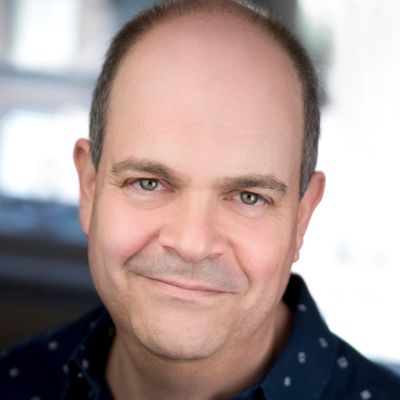
For our second episode, we will hear from theater husbands Diego Prieto and Brad Oscar. Diego is a long-time actor in the company and has brought theater to thousands of children, while Brad serves on the board of Only Make Believe and regularly performs in their annual galas... Read More
From the show: The Spotlight Series
Guests
About
For our second episode, we will hear from theater husbands Diego Prieto and Brad Oscar. Diego is a long-time actor in the company and has brought theater to thousands of children, while Brad serves on the board of Only Make Believe and regularly performs in their annual galas. We talk about how it was the stage that brought them together, what led each of them to come to New York, and how OMB has affected both of their lives in profound ways. It’s a wonderful example of how imagination inspires us to not only better our own lives but the lives of those around us as well.
To learn more about Only Make Believe and how you can support them and be a part of their mission to help children, then please visit their website for more information.
Transcript
This transcript was automatically generated and might contain errors.
[0:04] Patrick Oliver Jones: Welcome to the Spotlight Series, an in-depth look at those making a difference in the arts and beyond.
[0:14] Patrick Oliver Jones: I'm your host, Patrick Oliver Jones. And in this first season, I'll be putting the spotlight on a wonderful nonprofit organization called Only Make Believe.
[0:25] Patrick Oliver Jones: For more than 20 years, they have brought interactive theater into children's hospitals, special education schools, and care facilities with the goal of inspiring joy and imagination in those who have medically fragile conditions and developmental disabilities.
[0:54] Patrick Oliver Jones: For our second episode, we will hear from theater husbands Brad Oscar and Diego Prieto. Brad serves on the board of OMB and regularly performs in their annual galas, while Diego is a longtime actor in the company.
[1:08] Patrick Oliver Jones: We talk about how it was the stage that brought them together, what led each of them to come to New York, and how Only Make Believe has affected both of their lives in profound ways. It's a wonderful example of how imagination inspires us not only to better our own lives, but the lives of those around us as well.
[1:40] Brad Oscar: Yes, we are as well.
[1:41] Diego Prieto: Very happy to be here.
[1:42] Patrick Oliver Jones: Well, you know, one of the biggest milestones for any theater actor is becoming a card-carrying member of Actor's Equity. And so I wanted to get your beginnings and how both of you got your equity card in this business. Diego, we'll start with you.
[1:54] Diego Prieto: Uh, well, I got my equity card back in 2003 in Washington, DC at Arena Stage, uh, with a production of Frank Lesser's Senior Discretion himself. It was a new show. It was amazing. Uh, I remember when they told me what I was gonna get paid a week, and I flipped out. Um thought the salary was for the entire run. So I get that he was getting for the end of the run. The producer was like, this is weekly. And I was like, oh my god.
[2:27] Brad Oscar: No, it was the same way. Whenever I joined Disney World, which is how I got my card, I was like, 600 a week. What? I've never seen this kind of money before.
[2:35] Diego Prieto: Right. It was Favored Nations kind of thing, you know, because it was a big deal with Frank Lesser and Charles Randolph Wright, the amazing Charles Randolph Wright, directed. And I'm so grateful for him because then through that I met Molly Smith, the old artistic director of Arena Stage. And she uh ended up marrying us at Arena. We met doing Damn Yankees and then Cab Wow together there. So see what happens when you get your equity card. That's when I got my equity card, 2003 at Arena Stage in DC.
[3:03] Patrick Oliver Jones: Nice. And you, Brad?
[3:04] Brad Oscar: Um, I got mine uh after I moved to the city after college. Um I had been a member of at that point, AFTRA was still its own union and had not merged with SAG yet. Uh so I had been a member of AFTRA since I was a kid in DC. I did some TV work. So at that point, you could join one of the sister unions. Um, just because you both, you know, if you belong to one of the other unions. So I belonged to AFTRA. So uh I moved to the city and I went to some open calls and stuff and and not equity, you know. But eventually I thought, gee, I can get my I can buy my card and I can then go to EPA, you know, equity principal auditions, equity chorus auditions. Um and uh so I did just that and and started going to those and and actually booked my first uh Broadway show from uh from a an open chorus call, uh, you know, an equity chorus call. So yeah, that's how I got my card.
[3:57] Diego Prieto: Which was Aspects of Love, right?
[3:59] Brad Oscar: That was your first yes, Aspects of Love, correct.
[4:02] Diego Prieto: Yes.
[4:02] Brad Oscar: And you were a swing in that.
[4:04] Brad Oscar: I had it. I actually did my first equity contract was in Worcester, Massachusetts.
[4:08] Diego Prieto: Oh, Worcester.
[4:10] Brad Oscar: What were you doing in Worcester?
[4:11] Brad Oscar: Like '89. I did a production of Tom Foolery, the uh Tom Lehrer review. Um, so yes.
[4:17] Diego Prieto: How about that?
[4:18] Brad Oscar: Yeah. It's it's crazy the stuff that leads up to equity. And then I mean, for you it kind of worked out, Brad, because you got the card and then were able to go to auditions you probably couldn't have gotten into without it.
[4:28] Brad Oscar: Yeah, yeah. I mean, it certainly limits you as we know, and it's a different world now in many ways, although now equity has pretty much an open door policy, if I'm correct, which is interesting. But um, but yes, certainly uh uh yes, it was very advantageous at the time to be able to just, you know, get in front of people and audition.
[4:47] Patrick Oliver Jones: And for both of you, just generally speaking, in what ways does theater speak to you and connect with you just as a person as an individual? Diego, we'll start with you again.
[4:55] Diego Prieto: Well, I mean, it just I mean, it does the same thing it did to me when I was a kid. It's like takes you to another place, you know, it gives you respite from your day-to-day life. You know, I I as as a theater goer, you know, I love being transported to a whole new place or, or you know, uh being shown a story in a different way, or you know, experiencing theater itself in a different way. Um, as an actor, you know, it's the magic of you know being able to assist in that journey, you know, with someone who's looking up to you with these wide eyes is just you know, it's there's yeah, it's it's incredible.
[5:42] Brad Oscar: Yeah, the storytelling and the transporting, exactly sharing a live experience, you know, with a room full of people, you know, which is different, of course, than you know, sitting and watching it on TV or going to the movies. So, you know, the uniqueness of what that means to to share an experience, and then yes, as like exactly what Diego said as an actor to tell the story and then to be on the flip side of it and be told or transported or or you know, um, yeah, there's just there's it's a very unique thing, and it only happens that night or that day at that moment. I mean, you know, yeah, we do it eight times a week, ideally, or whatever, if you're you know, doing a show and the the repetition and you think, oh, I'm doing the same thing, but you know, you're really not in a way, and there's something, you know, magical again to the live experience, which happens, you know, all the time.
[6:33] Diego Prieto: Yeah, I that I think that's something that it it can be easy to forget that sense of, well, yes, I'm on my 700th performance, but that person in the third row is seeing it for the first time.
[6:44] Brad Oscar: So yeah, there is always that newness.
[6:46] Diego Prieto: Yeah, totally. And how would you say that your relationship with theater has changed over the years?
[6:54] Brad Oscar: Hmm. That's interesting.
[6:57] Diego Prieto: Um for me, it's funny you asked that because just last week I was thinking about how, you know, not that I take where I live for granted, but I'm I remind myself every now and then I'm in the middle of it all in terms of like everything I could potentially see is right here in my neighborhood, you know, and I have so much access to it. That's definitely changed throughout the years. You know, I I rarely as a kid ever went to see live thing. And when I did, it was just few and far between. Um, and then same thing in high school. I mean, I like doing it, but I didn't see a lot. Um the that for me has definitely changed. I I see a lot. We see a lot.
[7:45] Brad Oscar: Yeah, absolutely. I mean, sure. It's wonderful being sure in the middle of New York in that respect.
[7:49] Diego Prieto: Yeah. And the bounty.
[7:50] Brad Oscar: Yeah. I on the other hand, I think I've just become a little more a little more critical and a little more um oh gosh. You know, what's the word? I'm, you know, as you get older, right? And you do this and you you refine your sense of like what what works for you, what doesn't work for you, you know, whatever. Um I uh yeah, I I try to seek out things that I, you know, are gonna stimulate me and excite me, and not things that I feel are, you know, retreads, reh, you know, uh a certain sort of complacency, a certain sort of lowest common denominator, a certain sort of look, we're all critical in our own. I mean, you need to be. I think you have to be to be credit. I mean, art is art, it's subjective in that way, right?
So I know people are obviously pretty, you know, they sit and they watch me perform, they watch a show that I'm in, and they're gonna have feelings about that as well. They should. Um, I think it's important to have those. I think it's important to stir up feelings, whenever they may be. And I just think that's a product of, you know, getting older and seeing a lot of stuff and being blessed to be able to. And, and you know, and still learn from everything I see, I think, too. And that's a wonderful another thing about the theater that I think you know, we both love is that it it stimulates you, it constantly stimulates you in a way that may be totally unexpected, may open up a whole other, you know, whether it's a subject matter or or a style of music or or a uh, you know, an environmental, I mean, the way things now, you know, my God, the the the risks that you know artists are taking and telling stories now are, you know, some of them are really quite thrilling. And you know, we need to keep evolving as well, as we know, to keep audiences coming.
[9:35] Diego Prieto: Yeah, it's interesting what what you mentioned, Diego, about being a child and seeing theater, and that same uh feeling, that same joy can come from it. But yet, Brad, you speak to it. We see theater from the eyes in which we have right now. You know, whether we're 10 years old, 50 years old, 70, you know, wherever we are, we see it in those eyes and with that perspective. And and so it's as much as the joy is there, you know, we grow up with theater, just like our roles change as actors, you know, from the leading man to more the uncle or the dad, now you're the grandpa, whatever it is.
[10:10] Brad Oscar: Exactly.
[10:10] Diego Prieto: So it keeps evolving and changing.
[10:13] Patrick Oliver Jones: Indeed. Now, speaking of relationship, you mentioned briefly a little bit earlier how the two of you were married by an artistic director of Arena Stage, but how did the two of you meet and come to know that this was more than a friendship?
[10:27] Brad Oscar: Well, picture it.
[10:31] Diego Prieto: Thank you, Sophia.
[10:32] Brad Oscar: November 8th.
[10:33] Diego Prieto: Oh, wow, the date.
[10:35] Brad Oscar: 2005.
[10:36] Diego Prieto: Well, yeah, it was the first day of rehearsal for Damn Yankees at Arena Stage.
[10:40] Brad Oscar: Yes. Molly cast us both in Damn Yankees. Diego had done the the year before, or two years, right? Had done that Senior Discretion at Arena. It was my first time actually coming home to work professionally in DC because I am from DC as well. So that's a a wonderful thing. And they were both. They were doing Damn Yankees because DC had just acquired the Washington National as a baseball team.
[11:01] Diego Prieto: Oh, okay.
[11:01] Brad Oscar: So I was at uh you know something earlier that year in the summer, I had been asked by Arena Stage to participate in this thing, and I said we sang Heart from Damn Yankees, and you know, there were a couple other guys there that you know we all knew each other, and we were like, oh, I hope I know they're doing Damn Yankees. I hope this is a you know a shoe-in for us. And uh certainly I think all of us were cast indeed, um, who were in that that little took part in that welcoming of the Washington Nationals to DC thing. But anyway, uh so yeah, that was the first day of rehearsal, and we were across the street. The whole area has changed now. It's it's beautiful, but they had a rehearsal space across the street from the theater.
And um, yeah, I just remember meeting Brad. He's walking down the hallway. I remember exactly where I was standing, but uh, it was never like I it like when I met him, it wasn't like ooh, a spark. Um it was very gradual. It’s funny. We talked about it. Very gradual, so funny, but it all played out.
[11:59] Diego Prieto: Certainly started as a showman's and it, you know, being obviously the since really. So from that first day of rehearsal when you two started to get to know each other, a friendship basis, and then went off and did other things and came back years later. It's just been together ever since. I mean, I I I after Damn Yankees finished, I did come back to New York. Right. But you know, again, that's a it's not a bad thing. You were just long distance dating. Yeah, exactly. And it's my hometown, so you know I go back and forth all the time anyway. I live so literally down the street. Yeah, it was funny. He lived very close to where folks live. You know, I said so damn. I said, I said, I live near this amazing Mexican restaurant.
Your parents probably love it. And he's like, No, my parents don't like Mexican. I said, Oh, and when I met him, they were I told him where I lived, and they're like, You live right next to our favorite Mexican restaurant. And I was like, Oh. And Brad's like, I didn't know since when do you like Mexican to his parents? But yeah, we were very close. So the whole it didn't even seem like long distance because we made it. Yeah, I mean we were. I had a car. He had he decided to keep the car that he's keeping at the time, so we were able to, you know. And then he uh yeah, moved up like two years later.
[13:05] Brad Oscar: And so I'm curious, in watching each other perform, what do you love most about that?
[13:10] Diego Prieto: Oh, well, you know, he just I mean, he's just I don't it's I can't put it outside words really what's like so last one has some performance. Oh um, you know, I it's sometimes it's like this video of the parents of this gymnast come to mind where they're watching their child do this at the Olympics perform and they're like, you know, like ducking every time. Sometimes it's like that, like if it's an important night or something. You know, I'm like, oh god, I hope everything goes okay. But for the most part, I'm always just like so excited and and and I love how he has the you know the audience in the palm of his hands, and I you know, I I he's he's just a consummate professional and knows his craft so well, you know, it's like it's it's it's it's a masterclass.
[14:01] Brad Oscar: Oh well, you heard it here. Well, there you go. Well, I love you. Um I feel, you know, look, I, you know, I obviously I I love this man very much, and he's just such his heart, his joy, his passion, and all that stuff. So when I see Diego perform, um, when I hear him sing, when, you know, in any capacity like that, it's um it's his again, it's his way of sharing that with the rest of the world. You know, I feel so joyous that you know he's mine in that way. But when he performs, when he's not just, I mean, again, when he's just around people, that's pretty terrific too. But when he performs, you know what I mean? When you get to that that place uh uh of expression. And um, yes, it brings me so much joy and fills me with so much uh, you know, pride.
And man, I'll tell you one thing that I'll never forget is after we met uh doing Damn Yankees, Diego was doing a production of Assassins, and he was playing Booth, uh, which again is not necessarily traditional casting in the real world, right? We both Diego and I have played roles that we know we wouldn't get cast into the real world, but you know what I mean? Just whatever that means. And that actually now is really neither here nor there. So I take back everything I just said because it shouldn't be the case. Anyway, Diego was playing Booth in a production of Assassins, a very difficult piece to begin with, and I'm going to see him, and we are obviously we are together, and I'm and I had seen the work he had done in Damn Yankees, but this was something very different.
And I was like, oh my God, I hope he's good. I hope I just want him to be good because I don't want to have to, you know, you don't want to have to lie, you know, you know what I mean, and all the things that go through my mind before, because this was the first time I was really seeing him in action otherwise. And his performance, I I, you know, I just remember again. I was I was so my heart just swelled. I was so at ease. I was like, wow, look at him nailing this performance, doing a beautiful job, telling this story. You know, what a good actor, what a great voice. Cause my God, to sing to hear him sing that piece and and all and all of that. And uh, so yes, but I will never forget that that moment because it was such a you know a big moment for me in that way.
Because it's hard when you are, you know, when you both do the same thing and love the same thing, you know, uh uh a different I maybe if it's a different sex, but being, you know, both being men, both being character men at that. Um, you know, that can be tricky to navigate. And it's never been an issue. And again, because of the this wonderful man who said to me very soon after we were together, and we were in different places professionally. So that was something that that you know we were able to acknowledge. But but but but when Diego said to me, Your successes are my successes, I was like, okay, if you really mean that, then I'm in and I love you so much.
[16:55] Diego Prieto: Well, yeah, well, yeah, that is one of those things about you know, us as actors, there's always those relationships we have in the business or those of completely different, they're in the business world or whatever it is, they're in a completely different field. And when there's that separation of professions, then yeah, you can you can kind of take you do you, I'll do me, great. But when you're both in the same profession, I remember every performer that I've dated, I've hoped that they were if I'd never seen them before, I hoped that they were good. Yeah, right? Because yeah, you don't want to be that uh fun out there, exactly. Look at you up there doing you, yeah. Because it's so, you know, again, what we do, it's so personal, it's so part of who you are, you know, who you are is what you do.
It's a very uh, you know, a personal, I mean, it's a it's a sort of a big thing. I mean, you know, ego in the sense of this is who I am. Not look at me, but you know, the the sense of this is my being, and then the doing the thing I want to, you know, and love to do. And so, yes, it could be very tricky territory.
[18:03] Brad Oscar: Only they believe only believe in you. Well, both of you were professional actors by the time you know that OMB came to be in 1999, and then you the two of you became involved. How did you both find out about it and become involved with the organization?
[18:22] Diego Prieto: Uh, I have a friend who was involved toward the be the beginning of the organization. And it was through her that I started doing the benefits. And uh, and I did the benefits for gosh, many, many years, 10 to maybe even 15 years, and then I became an honorary board member prior to making the jump to being a real live board member. Um, so yes, so I was just brought on again to to perform at a benefit. And the more I found out about the organization, uh, I just, you know, I I I thought, my gosh, but this this is the true like healing power of the arts. Again, to take what we do and put it to its highest purpose. Because again, like we've talked about already, you know, again, storytelling, escape, transporting someone to another place that in this case actually does relieve and ideally help mitigate some of the circumstances that these children are in.
So only make believe. Uh, I thought, my gosh, this is, you know, this is terrific. I mean, I embraced it right away. So I was very passionate about it. And so when we met, Diego, of course, found out about the organization. Diego had done children's theater as well. He uh uh so he embraced it he saw he came up before he had moved up to the city he came up and he was at one of the benefits and the more he found out about it that's how I was introduced I was his plus one in a yeah he came to one of the benefits that I was performing for and I was like this is right up my alley.
[19:49] Diego Prieto: Yeah so did you immediately think oh I would like to be one of these actors absolutely I grew up with uh my brother is developmentally disabled so I grew up with special needs and you know doing special Olympics and all that kind of stuff so I thought this this or you know and I've done a lot of children's theater in DC at the Kennedy Center I did three children's shows and a couple of tours with them and a lot of TYA that was non-equity which was a whole different experience. But um yes so I I definitely the first time I saw it and I knew what it was and I was like oh my god this is amazing that you're you know performing helping to raise money for this organization and you know uh he introduced me to Pam and Dina and everybody and yeah it was I I I finally when I moved to New York in 2007 an opening they had auditions in 2009 and that's when I went in finally and you know because they don't you know they had they had quite um a company so they didn't have auditions all the time so you had to sort of wait but um yeah what do you remember most about your first show that you did with OMB just I was so scared because I didn't you know the rehearsal process is not like a sh a Broadway show or anything like that.
You don't, you know, you don't have weeks, you know, you pretty much have just like hours, you know, a rehearsal when all is said and done. And you know, I had seen you go see shows before you'd perform them. And I had seen these amazing company members doing this and you know, and the way they interacted with the kids and they, you know, was they would, you know, you would go off script. I was like, oh goodness, not only do I not necessarily know all my lines, but I'm gonna have to then go off script off not knowing my lines. So I just that nervousness that that whole thing. But then I remember like the first two minutes of it. I was just like you know that all went away and it was all about the children and you know the the the joy that interacting with them and and yeah just just the there was there was sheer fear at first and then uh immediately afterwards it was amazing.
And that's how it is sort of now sometimes I because they you know I have a full-time job so only make believe works with my schedule for the most part and if I have some a show during the week they usually try to make it in Manhattan and uh yeah they there are times when I'm like so busy at work and I have to do an OMB show and then I go and once the show's over I'm like prospective you know my the stress of my day has totally changed because you know I I saw what was really you know important and like you know so yeah I I love it so much for so many reasons.
[22:29] Brad Oscar: And as much as there is a script as you said there is a lot of improv and a lot of interacting was that easy to jump on board with that or does that become a little difficult depending on the audience?
[22:39] Diego Prieto: No it was it was relatively easy and fun. It does depend on the audience and the and the the people who come to see you that particular show or what their abilities or disabilities are. Um, but no, there's we always try to find a way to incorporate the children and have their voices be heard one way or another. So no, it's become the more I do it, the easier it actually gets, you know, and watching other performers and how they do it um is also really fun. And and and and it it then affects me, and then I might change the way I do it the next time because you know, our shows now our shows have changed a little bit, but for the most part, our shows used to be the same for a while. So uh that was always fun is seeing somebody else do something or get an idea from someone else or be inspired by another actor and bring it to the next show that you deals, you know, whether it's an accent or uh just whatever it may be.
[23:36] Brad Oscar: And Diego, you've gotten the chance to see some of these shows live. What do you think makes it so meaningful and impactful?
[23:43] Diego Prieto: Well, I mean, as an observer, what makes it so meaningful is just to see the response in these kids, just to see how, you know, it really again just say, you know, they go on for the ride. It does exactly what it's supposed to do.
[24:00] Brad Oscar: And I've seen some, you know, some remarkable examples. I mean, some kids that really did not want to be there when they arrived, and you know, an hour later, it's just a transformation, and it's you know, truly I mean, to actually see it is remarkable in that way. Um, and um, and you know, again, the way that the actors do walk that tightrope because it's different every time. It's the randomness and the variables are huge. So it really uh uh takes a certain skill as an actor, you know, an additional skill, I think. These are special to me, these are special skills, you know. You know, I don't think it's some. I mean, I guess it's of course it's something I think I could learn to do, but I watch them in action and I think, wow, you know, because I'm not uh like improv is not my favorite thing necessarily, you know what I mean?
I'm a scripted kind of guy, and even though these are scripted shows and you know, they they are very interactive, so that's not scripted. Um so yes, I'm always amazed and delighted uh by the performances by the performers because you know, that's what the organization is all about. Uh the board members do what they do, the executive staff are amazing, amazing executive director, Tamala Aldridge, who I cannot say enough about, who really is uh yes, just the heartbeat of this organization right now. And I uh yes, we all adore. Um so yeah, all these people come together to make this happen. But three actors at any given moment are truly the driving force and the engine of Only Make Believe. And um, and that's always thrilling for me to see, you know, again as a performer, because that's all I bring to this organization. You know, I'm not on the board because I'm bringing in hundreds of thousands of dollars, you know, from you know, because that's not the world that I live in. Obviously, I'm an actor.
[25:40] Diego Prieto: Right, right.
[25:50] Brad Oscar: Yeah, ha ha ha ha. So so yes, so my whole thing is to bring talent to for our benefits and what you know, I don't have anything to do with the casting of the company members or whatever, but but anyway, because that's my part of my interest in this organization and what I do. That's that's always thrilling to me. And the fact that you know, Diego is doing it, and we are such an Only Make Believe family is uh yeah, is it's very special. You know, for our wedding, we didn't need any gifts. We we had pretty much everything we needed. So we asked, uh, yeah, if you want to give us something, make a donation to Only Make Believe. And uh many of our guests did, which was wonderful. And speaking of Tamala, she got her start with OMB herself as an actor and helped start the DC branch. Whenever it moved to DC, did either of you think about going since that's where you're from?
[26:31] Diego Prieto: Well I helped them do the DC. I went down and we held auditions and we were part of that because I lived there they asked if you know I would go down happily David she and I drove down in our convertible and yeah it was it was a really fun experience and and now they're thriving which is amazing. But uh yeah when we helped them expand to DC we went to three locations um children's national hospital which is where my mother worked and NIH which is where Brad's mother volunteered children's in at NIH. And then we went to the um I don't remember but some other facility where my friend Thalia was you know hilarious working yeah so I knew somebody at each location so that was really kind of fun and interesting and they were they came to see the shows that we did with these kids and it was just really fun to have like you know bring something from New York down to DC home to have everybody sort of experience it. That was really special.
[27:34] Brad Oscar: Absolutely. Diego, you've been um Broadway Diego you've been in New York a long time you know that this is really the pinnacle of American theater as we actors like to call it but what do you think makes the theater at OMB so much more special and meaningful how is that I guess more theatrical more to the heart and the beating pulse of theater than maybe even Broadway is?
[27:35] Diego Prieto: Well I think it's because the focus is the children really you know, it's not about making money. It's not about, you know, um building your resume because none of the actors got a job because they work at Only Make Believe. Well, not that I know of. Could happen, but you know what I mean. Um, it's just it's everybody who everybody who's a part of it uh knows it and understands it and wants to be part of this really incredible sort of uh healing, you know, power, like Brad was saying, that is the theater, and and give this to those who are uh less fortunate than us in one way or another, or who desperately need it, or who you know have ever experienced that. And and you know, it it for the first time there's spark that makes them say something that you know they've never spoken before.
You know, it's it's it's yeah, yeah. I don't think I mean, you know, look, as a country, we have, you know, we have an issue as we know with our arts, arts funding and appreciation of the arts and exposure to the arts and all this stuff. And that just, you know, that is what it is. And commercial theater, that is what what it is. And this has nothing to do with that in that way, you know, as far as that goes. And and so um, again, to separate and to to take something that yes, is theatrical in nature, but to put it to use, you know, in this very different way, you know, literally sort of in a in a medical way, shall we say, in a scientific way that is, you know, is proven. There we know exactly, you know.
[29:32] Brad Oscar: So that is, and that's something that can happen anywhere. We have a board member who, as a child was in hospital a lot and had one specific experience that he never forgot because it was the one place he was in his journey where there was some kind of something like this, where actors came in, something I don't know exactly what it was, but it had such an impact on him. And now he's one of our you know, amazing board members, another person who comes again with a personal, you know, a vested interest in what we do in that way, not just this sounds great, I want to help, which is wonderful too. We want all those people. This is someone, you know, again, who who you know comes to it in that respect.
So, yes, this can happen anywhere. And and it is Only Make Believe's goal. Look, we obviously DC has been a big success now as far as the the locations we now serve down there. We're based basically, we're almost based there now, as far as oper, you know. But anyway, so DC New York are you know, right now the heartbeats, but we are constantly expanding and trying and testing out different, you know, ways of the pandemic, the one thing that exactly having to go virtual having to go virtual really, you know, um opened up our access to other hospitals across the country. I mean, we're performing, you know, um on the West Coast, you know, yeah. I mean, we were able to do some sort of find an interactive way, even though, even though we really obviously the the in-person is where we thrive where and the and the our audience thrives and our our the patients thrive, um, it's still it's something that has enabled us to reach, yeah.
Even though it's again not in person, it it's something that we have, yeah. You know, that the pandemic sort of gave us. Look, I mean, yeah, it kept us, you know, it kept us going because we we we didn't just shut down, which if we continue to only do this in the live experience, which is how it was originally founded and and always was for you know for years. Um, but no, we again, thanks to our extraordinary leadership, we were able to pivot, do this virtual, open this virtual world now. But yes, ideally that is a means to an end. But ideally, the real work, as we know, is live and in person. But but to be able to, again, though, and you know, to be able to expose OMB to to facilities all over the country virtually is a wonderful thing because hopefully maybe somewhere down the line, yeah, it becomes and I tell you it'll spread to other cities eventually, you know, cities that have their own core, you know, like DC has a ton of actors who live in DC.
You know, you yeah, the logistics of right, of having a company company, you know because you know, you go back week after week, you know, for three weeks, four weeks, depending on the cycle of the system, you know, with everything that we offer in terms of like costumes and props and stuff like that, of course, you know, that's costly. But being able to start somewhere virtually, I think has been just really cool experience being able to reach kids. And even though you can't, you know, you're not in person, they pop up on the screen and you interact with them, and you know, it's just it's great. It's really great. And with us being actors, you know, we have other auditions, we have you know constantly we're doing other things.
Diego, you have a regular nine to five job kind of thing. You know, so we have finite resources of time and energy, but yet, you know, we have this boundless passion for the arts and what we do. What is it about OMB specifically that makes that such an important ingredient in your own life?
[33:07] Diego Prieto: You know, again, seeing it in action, seeing that little girl who walked out of the room an hour later, you know, holding her IV, but but seeing a different child walk out of that room an hour later. I mean, that just you know, it comes down to that. That that that image to me is a distilled sort of like this is what we do, and this is why I do then what I do. I mean, we're putting together our annual benefit now, our big, you know, OMB on Broadway, which is going to be another great night, November sixth. I think that's right. So we're six. Thank you. Thank you. I don't want to get the day roll of the question here. Well, a little bit, yeah, but good. We've confirmed it. Thank you, gentlemen, at the Broadhurst Theater on 44th Street, where I made my Broadway debut on Aspects of Love.
But anyway, so um My point being, yes, that's why I do what I do. And I think that's also why Diego, and my God. I mean, you know, it's family. It's my family. It's another extension of you know, it's of me. I've been there for so long now. It's like, you know, it was never a question of you know what the organization can do for me. It was more, it was always what I can do for them, you know. And through my work, my nine to five even, I try to do as much as I can for all the make believe in terms of you know, visual visual marketing. So any sort of stuff I've done backdrops for the gallant, step and repeat, step and repeat the office, the whole office, the renew that we did at the sort of renovated.
Um, Jamie, our amazing Jamie painted, but then that we printed these vinyl and mounted them on the wall and have, you know, graphics up on the wall, and and you know, anything I can do for them, I do because I, you know, they mean the world to us.
[34:40] Brad Oscar: I feel the exact same.
[34:41] Diego Prieto: Yeah, I've never asked what OMB can do for me. It's how can I help? What do you need? What can I do?
[34:47] Brad Oscar: Yeah. And I think that that speaks to, as you say, Tamala is now, you know, heading it up, but even before with Dina, the different executive directors they've had throughout the years. I think that they picked good people to lead the organization and it always keeps bringing me back.
[35:02] Diego Prieto: Right.
[35:05] Brad Oscar: Yeah. It's very special. Well, thank you so much for taking the time out to speak with me. It's so good to see you both.
[35:10] Diego Prieto: Thank you, Patrick.
[35:11] Brad Oscar: For all you do.
[35:12] Diego Prieto: Yeah, we'll see you.
[35:13] Brad Oscar: You do. You'll be there on the sixth.
[35:14] Diego Prieto: I'll be there.
[35:15] Brad Oscar: I'll be there.
[35:16] Diego Prieto: No, we're doing wonderful.
[35:19] Patrick Oliver Jones: To learn more about Only Make Believe and how you can support them and be a part of their mission to help children, then please visit OnlyMakeBelieve.org for more information. I'm Patrick Oliver Jones, and be sure to join me next week with another member of the OMB family here on The Spotlight Series.
[35:39] Patrick Oliver Jones: That is our show.
[35:42] Patrick Oliver Jones: It's time to go.
© Broadway Podcast Network, All Rights Reserved