

EPIC Players is redefining what inclusivity looks like in theater, creating a space where neurodivergent and disabled artists can truly shine. Since its founding in August 2016, this nonprofit has been all about Empower, Perform, Include, Create – staying true to the acronym in every sense... Read More
From the show: The Spotlight Series
Featured Shows
About
EPIC Players is redefining what inclusivity looks like in theater, creating a space where neurodivergent and disabled artists can truly shine. Since its founding in August 2016, this nonprofit has been all about Empower, Perform, Include, Create – staying true to the acronym in every sense. Their mission? To break down barriers and ensure that everyone has the chance to build a professional career in the arts.
But EPIC isn't just about putting on productions – they’re leading a movement. Through their mainstage shows, musical cabarets, original works, and skills-based classes, they're changing the conversation about employment for people with developmental disabilities. In a world where only 32% of working-age individuals with disabilities have jobs, EPIC Players is working hard to change those numbers.
The entertainment industry has its own set of challenges. Just 2% of characters are written as having disabilities, and 94% of those roles are still played by able-bodied or neurotypical actors. EPIC Players is on a mission to flip the script. Their hashtag, #changethestats, isn’t just a catchphrase – it’s a rallying cry for better representation.
At its core, EPIC is about making sure neurodiverse communities have a platform to be seen and heard. With at least two professional productions each year on some of New York City’s most iconic stages – like The Flea, The Sheen Center, and HERE Arts Center – EPIC’s performances are celebrated for their authenticity and emotional depth.
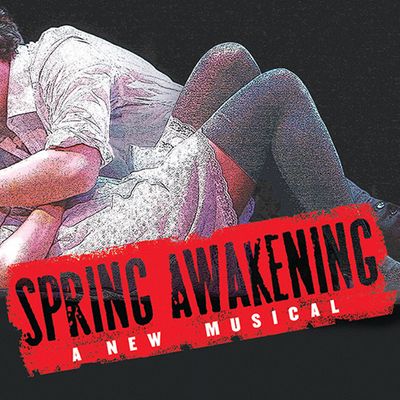
Their latest production, Spring Awakening, is a perfect example. With music by Duncan Sheik and eight Tony Awards to its name, this show explores the messy journey of adolescence – desire, insecurity, attraction, and everything in between. What makes EPIC's version so unique is that it’s brought to life by their neurodivergent performers, adding a whole new layer of depth and meaning. It’s not just a retelling; it’s a powerful reminder of the importance of inclusive storytelling.
And be sure to stay tuned for Season 2 of The Spotlight Series this fall, where we’ll be highlighting EPIC Players and the incredible work they’re doing on and off the stage.
Music: "Divergence" by Filo Starquez is licensed under a Creative Commons License.
https://creativecommons.org/licenses/by-nd/3.0/
https://hypeddit.com/filostarquez/divergence-1
Support by RFM - NCM: https://bit.ly/2xGHypM
Transcript
This transcript was automatically generated and might contain errors.
[0:00] Patrick Oliver Jones: Well, hello, Spotlight listeners.
[0:02] Patrick Oliver Jones: Patrick Oliver Jones here with a special bonus episode just for you.
[0:07] Patrick Oliver Jones: With season two of this podcast coming up, I wanted to give you a preview of the wonderful organization that I'll be featuring this fall by giving you a behind the scenes look at EPIC Players and their production of Spring Awakening.
[0:23] Travis Burby: Hi, I'm Travis Burby. I'm the Associate Artistic Director at Epic and the director for Spring Awakening.
[0:32] Travis Burby: In the world of theater, EPIC Players stands as a beacon of inclusivity and empowerment.
[0:39] Travis Burby: Founded in 2016, this nonprofit neurodiverse theater company is on a mission to revolutionize the landscape of performing art by providing professional opportunities and a fostering supportive community for neurodivergent and disabled artists.
[0:56] Travis Burby: Neurodiverse, we define as a diverse space neurologically.
[1:02] Travis Burby: And what that essentially means, neurodivergent is kind of an all-encompassing term for neurological disabilities like autism, down syndrome, a whole big umbrella of things.
[1:14] Travis Burby: And then neurotypical is kind of the general term for someone who doesn't identify as having a neurological disability.
[1:22] Travis Burby: Did you know that in the entertainment industry, only 2% of the roles are written for characters living with disabilities, and yet a whopping 94% of those roles are portrayed by able bodied or neurotypical actors.
[1:37] Travis Burby: And so EPIC Players doesn't just stage productions, they orchestrate movements.
[1:42] Travis Burby: Through their inclusive main stage productions, musical cabarets, original showcases, skills-based classes, and career resources, they are rewriting the narrative of employment for individuals living with developmental disabilities.
[1:58] Travis Burby: EPIC Players has carved out a unique space where creativity knows no bounds.
[2:04] Travis Burby: And that especially rings true in their latest production of Spring Awakening.
[2:08] Travis Burby: With music by Duncan Sheik and winner of eight Tony Awards, including Best Musical, Spring Awakening delves into the tumultuous journey of adolescence, exploring themes of attraction, desire, sex, insecurity, and the roller coaster ride of young adult life.
[2:26] Travis Burby: But what sets this production apart, a production that I got to see myself, is its unique perspective brought to life by the talented neurodivergent community members of EPIC Players.
[2:38] Patrick Oliver Jones: And after the break, you'll hear my one-on-one conversation with director Travis Burby on opening night of Spring Awakening.
[3:02] Patrick Oliver Jones: So, what inspired you to be a part of this Spring Awakening production?
[3:06] Travis Burby: Um, well, I I've worked with Epic um since the beginning.
[3:10] Travis Burby: Um, and so I love working with Epic.
[3:13] Travis Burby: And Spring Awakening has always been a show I've really loved and connected with, and it's um a show that a lot of our company members really connect with and are passionate about, and it's um I think a big um element that our cast connects to with the show is um often people with disabilities are um kind of infantilized and um often not given information about sex or um or have information restricted from them.
[3:42] Travis Burby: Um, and that's a huge theme in the show.
[3:46] Travis Burby: Um, so I think it's been really powerful to um see the story told by uh neurodiverse cast and and from that lens.
[3:57] Travis Burby: Um also um there's a statistic from NPR that um people with disabilities are um sexually abused at seven times more than um neurotypical folks, and we we hardly talk about that, and um that is a a huge um problem and an issue in our world.
[4:21] Travis Burby: Um so I'm really happy to be bringing light to that issue um and through through the story.
[4:30] Patrick Oliver Jones: And how would you describe the rehearsal process for this show?
[4:34] Travis Burby: Um we've taken a lot uh I mean Spring Awakening is a heavy show, it's got a lot of intense stuff in it.
[4:40] Travis Burby: Um, so we've been um really conscious from the beginning about really protecting everyone's uh mental health through this process.
[4:49] Travis Burby: So we we have um a mental health therapist we've been working with um who kind of connects with our all our actors as needed and is there to support them.
[4:58] Travis Burby: Um we also have uh access coordinator who, on top of all our other things we do in rehearsal to make things accessible, and the access coordinator is also there as a as a point person that the cast can go to if they they need help with something or there's um any kind of access need that needs to be met, on top of every actor having a designated mentor they can go to and work with one on one-on-one outside of rehearsal, as well as um several supports in rehearsal.
[5:28] Patrick Oliver Jones: Now you mentioned that Spring Awakening is heavy material.
[5:32] Patrick Oliver Jones: Were there any adjustments that had to be made to the script or music itself?
[5:36] Travis Burby: No, we um we haven't cut anything, we haven't changed anything.
[5:39] Travis Burby: It's Spring Awakening in full.
[5:42] Travis Burby: I think there's some elements from like the original production that we've we've maybe pulled back from, like um, like we don't we don't feature nudity in our production.
[5:53] Travis Burby: We really just tried to focus on what would serve the story and really keeping mental health a priority for everyone.
[6:02] Patrick Oliver Jones: What unique directorial choices did you make to interpret Spring Awakening in a way that sets your production apart from others?
[6:09] Travis Burby: Well, the kind of main feature of our set is uh a long garden bed.
[6:14] Travis Burby: So it's used throughout the show to symbolize a lot of the things the characters are going through, and also as just a physical um set piece that the actors get in, play in, and we we really use this setting and the dirt to just explore in further the the themes of the show and um kind of raise the stakes at moments.
[6:39] Patrick Oliver Jones: Would you say there are any particular challenges or even breakthrough moments that you experienced while working on Spring Awakening?
[6:47] Travis Burby: I think one moment, I guess I'll talk about that.
[6:52] Travis Burby: We had one rehearsal, it was the rehearsal that we were choreographing Touch Me.
[6:55] Travis Burby: And it it's a challenging song because it's all called Touch Me.
[6:59] Travis Burby: So you gotta have touching it.
[7:01] Travis Burby: And we have several folks in our cast who are are sensitive to things like touch.
[7:05] Travis Burby: And so um navigating how to to do that choreography and and stay true to the story while also staying within the bounds of what everyone's comfortable with was a really fun kind of adventure to go on with everyone.
[7:19] Travis Burby: And the cast did a really great job kind of collaborating together and and we worked with our intimacy and fight director on that as well.
[7:28] Travis Burby: And it was really cool moment because while there it was challenging in the beginning, I really felt the ensemble kind of sink in together through and and find a really strong sense of ensemble through that kind of navigating the movement of the song.
[7:47] Patrick Oliver Jones: And with the casting itself, were the different sensitivities, you know, of your cast was that taken to effect into who would play what character?
[7:55] Travis Burby: No.
[7:56] Travis Burby: Um we certainly made sure that we had we were we were set up to support everyone and give them what they needed, but we didn't make casting decisions based on anyone like for instance with the intimacy work and things like that.
[8:12] Travis Burby: It was really important to us to not make casting decisions based on if someone wasn't comfortable doing something and instead cast the people who are right for the roles and and then work within the container of the show to make storytelling choices that also supported what was within their boundaries.
[8:31] Patrick Oliver Jones: And how do you feel the cast has progressed or you know grown throughout this whole process?
[8:37] Travis Burby: So much.
[8:38] Travis Burby: Um it's been just so exciting this week as we've been in the theater and and gotten all our technical elements.
[8:47] Travis Burbee: Um, there's some big kind of showstopping technical elements we have that um also were some points of anxiety and things that we wanted to make sure we were giving the time we needed and all that. Um it's been really fun to create space for them to navigate the material um and then watch them start to feel the flow of the show and really get into the deeper meat of the acting and um and they as we've gone into the theater, they've just really owned the show and made it their own and just all come together to tell a really powerful story.
[9:29] Travis Burbee: Aubrey, our executive artistic director found it epic, and it really just came from a heart of seeing that there is not a lot of accessibility in theater. Um, there's a lot of barriers to making things accessible for actors um who might need some more support in areas or just making things available to them so that they can be successful and do their best work. So it really came from a heart of her being connected with this community of actors with disabilities and them not having a platform to share their talents, and so it really came out of that passion to create a safe space for those actors.
[10:14] Patrick Oliver Jones: And what have been some of the unique opportunities but also challenges in creating this acting company?
[10:21] Travis Burbee: Accessibility is always a fun puzzle. Um no person is the same as someone else, so it's a very nuanced thing. It takes some trial and error sometimes, it takes a lot of listening and making space to hear people out and really making a concerted effort to make things accessible. So we've really um we have like a solidified teaching method for our work that's accessible and we've really fine-tuned our whole process to make it as accessible as possible. It's been really exciting, just as EPIC has grown. We've like tripled in size, our budget has grown, which has been awesome. And we've just been able to elevate our platform for performances so much. We performed at the New York Stock Exchange, we performed at Joe's Pub, um at HBO Studios at 54 Below, and it's just the beginning. I'm excited to see where we go next.
[11:23] Patrick Oliver Jones: I imagine that first company of actors really laid the groundwork for the things you need to change, to improve, to continue to grow in.
[11:30] Travis Burbee: Yeah, absolutely. And like I said, accessibility is different for everyone. So it's as we've grown, our um accessibility has had to grow also. And we've had there's um there's additional new steps we've had to take to ensure that we're meeting people where they're at and setting them up for success. Um, and that's been a really exciting and fun journey.
[11:55] Patrick Oliver Jones: And uh what initiatives or programs does your theater company offer to support the professional development and growth of your actors and creatives?
[12:04] Travis Burbee: We have a ton of programs every semester. We do a new set of classes. So we have acting classes, singing classes, dancing classes, all kinds of stuff. We have one class called Epic Essentials, which is kind of an onboarding class that's kind of acting basics, um, getting your resume, any all those things you need to just start going on auditions. We also have scene study, we do vocal technique classes. So that's a huge part of things. Also have something called the Epic Advocate Program, where we pair each of our actors with one of our mentors, our teaching artists, to work with one-on-one. And they can meet um for an hour each week to work on whatever they need to work on. So it could be an audition they're preparing for or Epic classwork that they want some help with. And that has been really exciting because it really has allowed everyone to have a lot of one-on-one individual support through whatever they're doing.
[13:03] Patrick Oliver Jones: And then what about the personal social community development as well of the actors?
[13:08] Travis Burbee: Well, we do a lot for the social part of things too. Um, not only is that part of ensemble, but theater can be a cutthroat environment and traditionally is not often not a very um welcoming and supportive space. And we really work to counteract that um and create an environment that's supportive.
[13:32] Patrick Oliver Jones: So, in what ways do you collaborate with the broader theater community to promote awareness and understanding of neurodiversity and inclusion?
[13:39] Travis Burbee: We collaborate with a lot of different companies. So a lot of other theater companies, organizations will reach out to us to share like casting calls if they're um looking to cast a character that has a disability. One really important part of our mission is that we believe the phrase we use a lot is nothing about us without us. So we believe that if a character is written to have a disability, they should be played by an actor with a disability. So it's really exciting to see that that shift is happening. Um, there's a lot of, especially TV now, you're seeing actors with disabilities playing those roles. So we advocate a lot in the theater community for that change. And as well as a lot of companies will reach out to us because they know we have a huge network of actors with disabilities. So when they're looking for someone, they'll reach out and we'll blast the casting call out to everyone and kind of support folks in preparing for those auditions.
[14:36] Patrick Oliver Jones: And with regards to this specific production of Spring Awakening, how have the unique talents and perspectives of your company of actors enriched this production?
[14:44] Travis Burbee: Wow, what a great question. So much. There's just so many nuances and unique traits to these characters that these actors are bringing to the roles. A lot of things that may be different than what people have seen before, but also feel so honest and true to who these characters are. I think that partly comes from our actors are unique and each person is bringing something that is so different and special to their performance. And they're finding a way to tell this story that is also true to their experience and how they understand this story.
[15:27] Patrick Oliver Jones: And uh how do you hope this production will contribute to broader conversations about neurodiversity and representation within the theater community?
[15:35] Travis Burbee: I hope A, any time someone comes to our shows, and we witness this so often with people who come to our shows, but that they have a shift of thinking. Um, a lot of people, even without realizing, have an assumption that actors with disabilities can't do everything that maybe neurotypical actors can, and that's just not true. And so it's really exciting when people come to our shows and you kind of see that shift in their brain happening. And so that's a big thing, but I also hope that it's opening conversations specific to the context of the show and about injustices that are happening in our world. There's so many aspects of the show that are so relevant to our world right now, um, maybe even more than when it was written originally, and so many of those that intersect with disability.
And so it's I think it's just such a such an important conversation to be having. Um, and so I hope this show not only changes minds, but also sparks people to reflect and have more conversations around the subject matter.
[16:51] Patrick Oliver Jones: Thank you so much for joining me and Travis for this special episode. And after watching their production of Spring Awakening, I was left with a profound sense of admiration for the incredible work this company is doing to reshape the landscape of theater. For more information on them, go to EpicPlayersnyc.org and be sure to come back in the fall for season two as we shine a spotlight on EPIC Players.
© Broadway Podcast Network, All Rights Reserved