

The podcast's first ever repeat guest, Steven Sater (Tony/Grammy/Olivier/Lortel/Drama Desk Award-Winning Awesome Guy) rejoins us to discuss his latest project, the grammy nominated concept album called Some Lovers, a collaboration with friend Burt Bacharach... Read More
From the show: The Theatre Podcast with Alan Seales
Guests
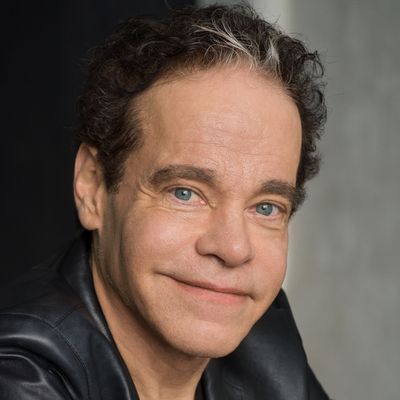
Featured Shows
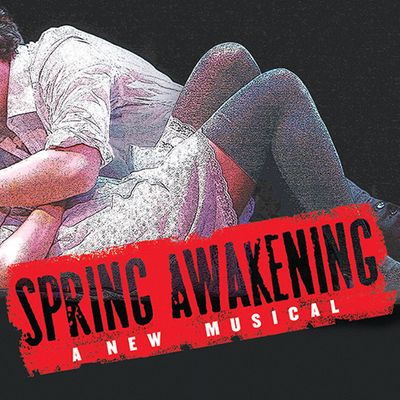
About
The podcast's first ever repeat guest, Steven Sater (Tony/Grammy/Olivier/Lortel/Drama Desk Award-Winning Awesome Guy) rejoins us to discuss his latest project, the grammy nominated concept album called Some Lovers, a collaboration with friend Burt Bacharach. This episode is pulled from a brand new podcast that I started with co-host Heather Vickery called 'Was It Chance?', all about how embracing fear and how taking intentional risk helps shape people's creative successes. More information about the new podcast via bpn.fm/wasitchance, or find it wherever you're listening to this podcast now!
And now, here's the description from the 'Was It Chance?' feed:
A chance encounter with Burt Bacharach led Steven Sater to collaborate on a decade-long project to produce a full length musical concept album featuring some of the industry's biggest artists. Now 93, Burt hasn't written anything for the stage since Promises, Promises in 1968. Steven felt drawn to Burt, this project, and their mission to explore what it's like to write love songs for couples after the "newness" of the relationships are over, and they've settled into their routines. This album is a must-listen, and this podcast episode is ... an even muster-listener.
Find Some Lovers on Spotify, or everywhere you stream music: https://open.spotify.com/album/1tEyFYVH36zYUYfFK58gPN. List of featured artists include:
- Christy Altomare
- Kristin Chenoweth
- Lilli Cooper
- Auli'i Cravalho
- Santino Fontana
- Molly Gordon
- Jonathan Groff
- Jennifer Holiday
- Derek Klena
- Katrina Lenk
- Lea Michele
- Laura Osnes
- Ashley Park
- Graham Phillips
- Conrad Ricamora
- Colton Ryan
- Ari'el Stachel
- Ethan Slater
- Tracie Thoms
- Betsy Wolfe
- Make sure to follow this podcast everywhere you find podcasts, leave a rating and a review, and slip into our DMs at @wasitchance.
- More about Heather via @vickeryandco and listen to The Brave Files
- More about Alan via @theatre_podcast and listen to The Theatre Podcast with Alan Seales
Transcript
This transcript was automatically generated and might contain errors.
[0:00] Steven Sater: I think we have to make our own destinies. We have opportunities. We can meet the moment or not meet the moment. We can choose. I think there's like a karmic pattern to your life and you can succumb to it or embrace it or also try and overcome it.
[0:16] Alan Seales: Welcome to a very special episode. This episode is special, super special, superflory super special. I'm trying to alliterate. For at least two reasons. First, this is a very special crossover episode between Was It Chance? and my personal podcast, The Theatre Podcast with Alan Seales. And it's my first ever repeat guest. This guest is so special to me. He needs to get more than one episode in more than one place. And it's now a drinking game. Everybody take a shot when you hear Alan say the word special. So go back to Episode 71 of The Theatre Podcast to get the first episode with Steven Sater, our guest today. So without further ado, here is the standard Was It Chance? intro. Go ahead, Heather.
[1:14] Heather Vickery: Hi, everyone. Welcome to Was It Chance? the podcast about embracing opportunity and taking intentional risk for your creative life. I'm Heather Vickery.
[1:25] Alan Seales: And I'm Alan Seales. Super Alan Seales. And we're two perfect strangers who met by chance and embraced opportunity. Listen in as we chat with other successful super people about the risks they've taken to put themselves on a path to creative success.
[1:49] Heather Vickery: We are so totes excited to welcome our guest. Super, super totes excited. We are super superlatively totes excited to welcome our guest, Steven Sater. And now Heather's going to read his bio.
[2:01] Alan Seales: Oh, thanks for setting that up. We needed that set up. Steven is currently joining us from London. And we really appreciate it. It's been a work of art to get in the same room together to do this interview. He just opened up his revival production of Spring Awakening, the show which garnered him two Tony Awards, an Olivier Award, and a Grammy Award. Win. All of those were wins, not just nominations, wins. He's also penned a whole slew of shows, including one of my personal favorites and one of Alan's personal favorites, Alice by Heart, which was then turned into Alice by Heart, the novel, which was released last year, 2020, right? When you're listening to this, it was released in 2020. His latest work of genius is a full length concept album called Some Lovers.
And it's a project that he co-wrote with artistic legend Burt Bacharach. And it's now Grammy nominated. Holy hell, this is a resume. And available everywhere that you can find music. Wow. Steven Sater, welcome to the Was It Chance? And also back to the theater. What the hell is your podcast name, Alan?
[3:10] Steven Sater: The Theatre Podcast.
[3:15] Alan Seales: Heather, how long have we been doing this? Okay. Hi, Steven. How the hell are you?
[3:19] Steven Sater: I think this is really chance, Heather, that we're meeting. And the chance is that Alan and I hit it off. And so when we did our podcast about the Alice by Heart book, and so I was cheeky enough to ask him if I could have a return visit as his first return guest, because I love talking to him so much and being around him. Talk about creative intention. This is the beautiful chance of this in some way. Like so much of where you are is due to your friendship and your collaboration with so many people, including Duncan Sheik, which of course created Spring Awakening with you. And now Some Lovers is this amazing new concept album that you, again, by chance, right? You started collaborating with Burt Bacharach to now make this Grammy nomination out there in the world. Like how did this happen?
[4:14] Steven Sater: It wasn't entirely by chance. I mean, it was by miracle and design. But what happened was when Spring Awakening was sort of at its zenith, it was one of the only times in my life in which I had good timing. Spring Awakening was doing really well. And my music publishing deal had run out. And the music publishers are the people who look after your rights as a songwriter. It just so happened I was meeting the CEOs of these companies rather than the people I would normally meet because of that moment in my life. And meeting after meeting, they would say to me, so you have your great relationship with Duncan, what other composers can we introduce you to? And I drew a blank. And then I said, well, Burt Bacharach, because this is my favorite composer, and I grew up loving him.
In every single meeting, they said, oh, Burt is great and who else? And then in one meeting, they said, oh, we've had Burt's guy here for 20 years. And a week later, I was invited to a luncheon with Burt's guy. And a few days after that, Burt called me. And his daughter was a fan of Spring Awakening. So he knew about it through her. And we met, and we had this remarkable first meeting. I asked him about his first gig working as Marlena Dietrich's music conductor, really. And I was getting up to leave, and he said, and I overstayed. I'd stayed a long time, and it was great. I was leaving, and he said, well, it sounds like you have your partner for the theater, but if you ever have a lyric sometime, you want to show me.
And I said, I brought one. And so I reached into my backpack and pulled out this lyric and gave it to Burt. And he was walking me up the hall to the door. And he looked at it. It's called Ready To Be Done With You. He read the title, and then he was glancing, and then he slumped against the wall. And then he just turned without saying anything and walked back into the room we'd been in, and I followed him in. And he sat down in a chair, and he started reading the lyric aloud. And he read the entire lyric back to me with interjections like, oh, this is so real, man. Oh, who hasn't felt this, Stevie? I mean, I was speechless. We sat there, and then he walked me out. And he was going to Australia to conduct the first time ever he'd written a symphony.
And I left thinking, well, that was my meeting with Burt Bacharach. Wow. And about five weeks later, my phone rang, and he said it was Burt. And he said he had a little something for the lyric I had given him. Did I want to hear it? And I said, yeah, it would be great to hear it. So then I came back to his house, and this time I was ushered into the piano room, which is a spectacular white room with, and indeed it was, the shelves of Grammys and Academy Awards and all of it. I sat next to him at the piano, and he had the physical copy of the lyric I'd given him, and he'd written bars of music across it. He had set the lyric verbatim. It was a three-page lyric. He said it without changing a syllable.
And somehow he had transformed it into a Bacharach song. I was blown away. And there are more stories in that. But as we got up to leave, I said, I couldn't even say a thing. And then I finally said, this is so beautiful, Burt. And he said, our first one should be a great one.
[7:49] Alan Seales: Wow.
[7:50] Steven Sater: So I got this thing, and I said, if you ever have another lyric, and I said, I brought one. And so that was how it got started.
[7:59] Alan Seales: Just keep those in your pocket.
[8:02] Steven Sater: Yeah. I mean, it's a huge, emotional, enormous, momentous event in my life to work with him, to know him, to call him my partner. He's the most loving man. No one has called me more often over this pandemic to see how I've been doing, how I've been feeling, how my mental health is. He's really been a remarkable partner. So yes, there's many stories. And I'm talking endlessly about the conception of this. It's a show. It's a musical. It's a new musical called Some Lovers. And the pandemic hit, and we thought we could bring theater to people in their homes through creating the concept album.
[8:40] Heather Vickery: That's so cool. How did the whole process come to be? Because you have this one song. Obviously, from the beginning, he knew he was going to work with you for multiple songs. And then at what point did you decide to turn this into a full length show? And I haven't even gotten into the people who are featured singing on this show yet. It's a list of who's who in theater right now.
[9:03] Steven Sater: We were writing songs. Bert said to me on that same day, as we were leaving, he said, love songs. That's what I write, love songs. So I was giving him lyrics that were love songs. And at a certain point, I came to recognize, because always in this collaboration of the show, all the songs were written, the lyrics were first, and then he set them to music. And I came to recognize that none of the lyrics was what we think of as the traditional love song or pop love song of, I'm young, I'm falling in love, she's so hot, she broke my heart, whatever it is. They were all mid-relationship, disaffection, regret, renewed hope, yearning, redetermination. One day, something happened. We had a discouraging episode with an artist who was going to record one of the songs and then couldn't, and Bert was upset, and we weren't working for a while.
And I came to his house for lunch, and we were sitting at the kitchen counter, and he said, you know, Stevie, I had a dream last night that we just rented a theater and played our songs. And I reeled back and said, that's what we're going to do. And so I thought we could take our songs and create a musical. So it was almost like crafting a jukebox musical out of your own songs. And because all these songs then, I recognized, were this kind of mid-relationship, disaffection. And it was July, and we were working on a Christmas song in the sweltering heat of LA. And I remember that Christmas fable of O'Henry, The Gift of the Magi, where the two young people, she cuts up her hair, and he sells his watch, and they make the greatest sacrifices for love for each other.
And I thought, what happens to those people 15 years later, after you've sacrificed everything for someone? How do you live with that? What happens in the relationship? And so that was the basis of beginning work on the show.
[11:01] Heather Vickery: That's so cool. And that speaks to so many people, because there are, I think, probably countless people who may admit, but probably don't want to, that they've given up a part of who they are, of who their identity is, to try to make something work, to take a chance, and make something work in a relationship that ultimately, in the back of their head, they know is a waste of time.
[11:31] Steven Sater: Nothing's a waste of time. I think that's the point, is we always learn something. We always take something forward with us.
[11:36] Heather Vickery: I guess if you're doing it from a constructive standpoint, yeah. I can agree with that. Steven, this is not your first chance encounter. It feels like, from my listening of your first interview with Alan, from the time you were very small, chance played a really powerful role in guiding your life. There's no doubt about it.
[11:58] Steven Sater: Basically, it's like you're not afraid to embrace fear and take a chance. That's just a personality trait.
[12:03] Steven Sater: Yeah, I'm not buckled by adversity. I guess maybe because I grew up, and you know this, Alan, that I was always so ill as a child. I was in an oxygen tent and all that. I think there was part of me that was going to make the most of what I could. Then, when I had my accident in college, and maybe this was my nature anyway, I don't want to just set it on events, but I had this terrible accident where I was trapped in a fire and had to, I was on fire, I had to jump to get free, and I was...
[12:33] Steven Sater: I ended up in a hospital for a very long time, and I just determined so hard that I would make a dent in the world, that I would live, that I would write things that could impact other people, and somehow become a part of the world.
[12:50] Steven Sater: I think no one likes adverse circumstance. No one likes rejection. No one likes the environment telling them no. But I guess I've been willing to just suck it up and push on and keep going.
[13:05] Steven Sater: I mean, this musical, Some Lovers, is a great, great example. We premiered it. It was too early. We didn't have the right creative team. The show was not right. It was not ready. It took years to get it going again.
[13:22] Steven Sater: I kept rewriting the book. Burt was game. We rewrote new songs. We had a concert at Lincoln Center in 2016 that was great. And then we got a production, a workshop production in London. I just never stopped fighting for it. That's what I want to say.
[13:39] Steven Sater: Then we went to the Adirondack Theatre Festival, new director. We did all this tremendous amount of work. And the pandemic, we were looking to book. We have a producer. We thought we were going to a tour of certain regional theaters and potentially coming in for a limited run on Broadway.
[13:56] Steven Sater: And the pandemic hit. It hit so many people. And everything shut down. And I just thought, we have to do this. Burt is 93. This music is part of his legacy. This is his first time writing a new musical since Promises Promises in 1968. We can't let this sit. We can't let this go.
[14:20] Steven Sater: And so we undertook to create this concept album.
[14:25] Alan Seales: That's incredible.
[14:26] Steven Sater: Dan Dean at Broadway Records said he would release it. And then he said, what is your concept? We had no concept. So I said, it just came up with it on the spot. It was like Broadway lovers sing some lovers. This goes to your question earlier, Heather, about the cast we pulled together.
[14:42] Steven Sater: I thought, OK, let's get great classic couples to sing our score. And my first call was text. And then it became call was with Jonathan Groff and Lea Michele. And they said yes. Then we began one after the other, recording people. And it was almost entirely remotely. It was so difficult.
[15:04] Steven Sater: Lily Cooper had been able to come into a studio. We recorded her vocal. Ethan Slater said yes. He would record with her. We had to record. We recorded him on Zoom. He was in his closet. We had an hour and a half of complete Zoom audio issues. He had to keep singing the opening line of the song over and over and over again.
[15:26] Steven Sater: I can't tell you. It had to be 200 times. And the first line was, and so we're just starting out, aren't we? And he kept singing it so sincerely. And I thought, if I point this out, we'll never get through this. So I had to just suppress my laughter every time he sang it. It was really challenging.
[15:48] Steven Sater: We wanted to release the album in time to meet the Grammys. It seemed impossible. We had like five artists still to record. Somehow we pulled together four of them. Ramin Karimloo was in quarantine in Korea. And he was flying to New York to begin a show. And it was the last possible day that the album had to be turned in to be mixed.
[16:10] Steven Sater: And I was in L.A. and we were flying into New York. I flew in a day early to meet him. And his show was canceled in New York. And he rerouted to London. And I flew into Hurricane Ida. And so I was detained in Minneapolis.
[16:34] Steven Sater: And it was insane. And so we begged and pleaded for another. It wasn't even a day. It was like, can we have 18 hours, whatever, 12 hours? He found people to come record him in his London flat. And my flight, of course, was again delayed.
[16:50] Steven Sater: And so I came in to JFK and came running to a car. I had an Uber. And I was in the backseat on Zoom with this car driving like a mad person through traffic on the highway, so motion sick, trying to keep it going with Ramin to get this song recorded because the song really had to be turned in that day to master the album.
[17:17] Steven Sater: So it's just incredible that we got this album done. It's incredible. And the fact that then we have. I'm going to start crying. I won't stop.
[17:26] Steven Sater: I mean, it's Grammy nominated.
[17:28] Steven Sater: I can't even believe that it's happened.
[17:30] Steven Sater: You and I have bonded over like the Buddhist aspect of our lives.
[17:34] Steven Sater: And I guess where I'm going with this is how much of where you are now and especially with this album, especially after telling that story, how much of chance do you feel relates to ultimately fate?
[17:52] Alan Seales: Right. Like this was supposed to happen.
[17:55] Alan Seales: Or do you feel like you're in control of everything or you just kind of go with it and whatever is meant to be kind of just gets put out there in the world?
[18:02] Steven Sater: I definitely don't think you go with it and everything that's meant to be happens.
[18:05] Steven Sater: I think we make what's meant to be. But I think there's a destiny. There's a larger destiny at play. No doubt about it. But I think we have to make our own destinies.
[18:16] Steven Sater: We have opportunities which we can rise or fall or not. We can meet the moment or not meet the moment. We can choose. It's not like disaster if you don't.
[18:24] Steven Sater: But I think there's like a karmic pattern to your life and you can succumb to it or embrace it or also try and overcome it in the moment you're in.
[18:41] Steven Sater: And that was an opportunity where everything said, let this go.
[18:45] Steven Sater: And to be quite frank, a lot of people around me were saying we shouldn't try and meet this Grammy deadline, that there would be no time to promote the album because we were moving towards such a quick release date.
[18:59] Steven Sater: And indeed, we got much less press than we might have gotten, particularly with all the artists, the stars we have on this record, because we turned the album in and it was released like two days later.
[19:09] Steven Sater: I think it actually became available that day, like really soon. And then it wasn't even announced for a couple of days.
[19:18] Steven Sater: So yes, I think we have a real hand in our destiny.
[19:23] Steven Sater: I think the blueprint for our happiness already exists within our lives, but it's hard to see it and it's hard to fulfill it.
[19:29] Steven Sater: And that's the challenge we face, to call up the wisdom, to recognize the patterns of our own behavior and to make a difference.
[19:39] Alan Seales: Yeah.
[19:40] Alan Seales: That's what I feel.
[19:42] Alan Seales: Yeah. I mean, it's so much tenaciousness in that, right?
[19:46] Alan Seales: Like where I'm all about leaning into the signs that the universe presents and the universe gave you all sorts of signs to stop.
[19:53] Alan Seales: Like don't keep going, but your heart, like you knew that you had to keep going.
[20:00] Alan Seales: And so sometimes our intuition has to override.
[20:04] Alan Seales: What was the reaction or the results?
[20:08] Alan Seales: You got it in just on the deadline and then you got nominated.
[20:13] Alan Seales: What was the reaction to that?
[20:15] Steven Sater: Total exhilaration and gratitude.
[20:18] Steven Sater: And it felt like a prayer had been answered.
[20:21] Steven Sater: A prayer had been answered.
[20:23] Steven Sater: To be honest, I determined to do this for Bert.
[20:26] Steven Sater: That was my inner determination.
[20:28] Steven Sater: Now I'm holding back tears again.
[20:31] Steven Sater: I wanted to do this for him.
[20:35] Steven Sater: And I also wanted to do it for our show.
[20:38] Steven Sater: Not just for him, but we were so invested in the show and we wanted to bring our show into the world.
[20:43] Steven Sater: I wanted people to hear his music again.
[20:45] Steven Sater: And, you know, that's what I felt.
[20:49] Steven Sater: I felt a responsibility to bring this into the world.
[20:53] Steven Sater: And so I guess that drove me.
[20:55] Steven Sater: I don't sleep as much as I should.
[20:59] Alan Seales: Was it hard to get all of these people on the album?
[21:03] Alan Seales: I mean, just some of the names, not all of them.
[21:06] Alan Seales: Christy Altomare, Kristen Chenoweth.
[21:08] Alan Seales: You mentioned Lily Cooper, of course, Santino Fontana's on it.
[21:11] Alan Seales: Your friend Molly Gordon, who was in Alice by Heart.
[21:13] Alan Seales: You mentioned Ramin.
[21:15] Alan Seales: Jennifer Holliday, of all people.
[21:17] Alan Seales: I mean, this is Ashley Park.
[21:19] Alan Seales: This is less than half the people that are on the album right now.
[21:23] Steven Sater: Alan, it was pulling so many favors.
[21:38] Steven Sater: That's what I felt.
[21:40] Steven Sater: And I'm actually not good at this.
[21:41] Steven Sater: I mean, maybe I am because I achieved it, but I'm not.
[21:45] Steven Sater: I'm wracked by it.
[21:47] Steven Sater: You know, of asking someone to do this kind of thing.
[21:51] Steven Sater: And, of course, they made very little money.
[21:53] Steven Sater: And can you, like, find a Zoom?
[21:55] Steven Sater: You know, can you record when you're on location for your film?
[21:59] Steven Sater: It was crazy what we were asking people to do and to record this song for us.
[22:05] Steven Sater: And they said yes.
[22:07] Steven Sater: And it was hard.
[22:08] Steven Sater: It was Ashley Chenoweth who said yes immediately.
[22:11] Steven Sater: It was over two years before the song, actually.
[22:14] Steven Sater: We had to cancel, I don't know, I think five different recording dates, which we had at various points.
[22:21] Steven Sater: In fact, she was scheduled to come in.
[22:24] Steven Sater: This is right as the pandemic was beginning.
[22:27] Steven Sater: I was in L.A. whatever year it was that the pandemic began.
[22:31] Steven Sater: Was it 2020, I guess?
[22:32] Steven Sater: So I was in L.A. and I was immersed in it as a TV project that we had been setting up.
[22:38] Steven Sater: And we had this huge meeting.
[22:40] Steven Sater: But Kristen was finally going to be able to record in New York.
[22:44] Steven Sater: So I guess it's been at least three years we were trying to record her.
[22:48] Steven Sater: Because this was a year in.
[22:50] Steven Sater: And I was flying to New York and she had to cancel that day.
[22:55] Steven Sater: You know, there were real reasons why she had to cancel.
[22:57] Steven Sater: But so the fact that we finally were able to record her on Zoom
[23:02] Steven Sater: and Burt was part of it.
[23:04] Steven Sater: We were in five different locations, I think.
[23:06] Steven Sater: That's incredible.
[23:08] Steven Sater: We were doing it with the engineer and the producer.
[23:11] Steven Sater: She was in a studio.
[23:13] Steven Sater: I don't remember where she was.
[23:15] Steven Sater: It was incredible.
[23:17] Steven Sater: And it came together.
[23:19] Steven Sater: And it's so hard to produce anything, especially music, on Zoom with lag.
[23:25] Steven Sater: I mean, you know, I can't imagine how much work had to go into producing something that was so spectacular
[23:32] Steven Sater: and it is Grammy nominated.
[23:34] Steven Sater: Now it's a new drinking game.
[23:36] Steven Sater: Every time I say Grammy nominated, you can do a shot.
[23:38] Steven Sater: You'll be wasted by the time this interview is over.
[23:41] Steven Sater: But I'll be happy.
[23:47] Steven Sater: Ashley Park and Conrad Ricamora.
[23:49] Steven Sater: The fact that people said yes.
[23:51] Steven Sater: I'll never get over it.
[23:53] Steven Sater: And I'll never forget it.
[23:55] Steven Sater: I have such a debt of gratitude to all these performers who are part of it.
[23:57] Steven Sater: And I think they're all pleased with how it came out, with how they sound.
[24:03] Steven Sater: Santino Fontana said to me,
[24:05] Steven Sater: oh, this is going to sound like he's throwing shade on other projects.
[24:10] Steven Sater: I don't mean to do that.
[24:12] Steven Sater: But he was saying, you know, my voice is mixed so well.
[24:14] Steven Sater: My voice is never mixed well when I first hear it.
[24:19] Steven Sater: I mean, there you go.
[24:21] Steven Sater: And I didn't even know Santino.
[24:23] Steven Sater: I had met him.
[24:24] Steven Sater: Yeah, we had met him.
[24:26] Steven Sater: We both have done a lot of work at New York Stage and Film.
[24:28] Steven Sater: And I had introduced myself at Benefits to say what a fan I was.
[24:32] Steven Sater: And we had a mutual friend.
[24:34] Steven Sater: And then his wife I had met, who is a fan.
[24:38] Steven Sater: Jessica, yes, she's great.
[24:40] Steven Sater: Yeah, I mean, it was like a total, would you do this?
[24:44] Steven Sater: How did you decide to seek partnership with these people?
[24:47] Steven Sater: Did you just admire them?
[24:49] Steven Sater: And you're like, look, I want you on this project.
[24:51] Steven Sater: Or what led you to them?
[24:52] Steven Sater: Well, it was different performers for different songs that I could hear in my head.
[24:56] Steven Sater: Now, the best story is Molly, Gordon and Colton, the stars of Alice by Heart.
[25:02] Steven Sater: When Molly Gordon was 14 years old.
[25:07] Steven Sater: And Ben Platt was 16 years old and I knew them and I loved them. I was creating a musical for background and I thought I should give these guys roles they can play when they grow up. So I named the characters Ben and Molly. Four actors play two characters who are called Ben and Molly. Then the first song in the show is called Molly. So Molly had been when she was 14 or 15 hearing Kyle Riabko sing this song in a workshop in LA and I think she was so embarrassed by it. We had committed to doing couples. So Ben and Molly, Ben Platt and Molly remained kind of best friends but they had never been on stage together in New York despite having done a million musicals together as kids. So I thought of Colton, whom I am in love with.
He's amazing and he was amazing in Alice by Heart. And so I asked them and they said Molly was shooting a movie and a TV project and again they both said yes. Colton was quarantined and he was between Colton was in Kentucky in his home in Kentucky and he had to put styrofoam all over tape it to the walls of his room so that he could record the song and he engineered his own song. Wow. So that was and then Molly came in later and recorded over him. So it you know I guess it like Jennifer Holliday I thought oh my god she would just destroy the song. She destroys everything. And I had worked with Jennifer years before and she did destroy the song and we recorded that in person and she held my hand when she was listening to playbacks.
She was the consummate professional perfectionist which I love and by the way Bert and I share that too like there's no limit to how far how hard you'll work on something. She did it over and over again. Can I add vocals at the ending? Would you want to hear that? Would you want I mean the loveless but also so committed and she knocked it out of the park. It's astonishing what she did. It's super it's super cool to me to think and a lot of people don't kind of realize this is I didn't realize how many years you had been working on this with Bert right? So you said it was 2016 I think was the first concert. No the first no the first we began work on this in 2010. Wow okay so so then this is in parallel to how many other projects right like you've got Alice by Heart the stage production and then you're turning it into a novel and you've got so many other things that you're writing and working on all at the same time and so what is I guess what is the chance what are what are the intentions you are taking to kind of shift between what you're focusing on at any given time?
I just have to stay very focused on the thing I'm on at any moment because I'm carrying so many things for so many years for better or worse you know I mean I'm relentless and for better or worse I've had the fortune that things have not happened easily or quickly for me ever so everything becomes I mean Spring Awakening as you know was eight years yeah then we did it in London I imported changes which I'm seeing now again which were not part of our Broadway reunion concert because Michael Mayer thought we should do it just as we had done it I'm making further changes which may not become part of the future but in for this London production there are changes we've implemented Krista Rodriguez was at the show last night and she said she almost had heart seizure when she heard one thing that I mean she loved it but it was like she was in shock so but but that was you know Alice by Heart I think was has been well we began that in 2009 and after the New York premiere the reason we have lots and lots of requests come in to do Alice by Heart and we always say no because we want to work on it again so that's not done Some Lovers is not done I have I have three new musical three musicals with Duncan that have been in the works for years I have two with James Bourne that have been in the works for many years I I don't know if it's good or bad but like again after I finally had some success with some you know great productions with Spring Awakening I was offered a lot of properties by producers and they just were never things I wanted to do and so again for Better Worse I have all these projects that don't have brand names that don't have movie studios behind them you know as as as musicals and it's uphill and I I see things in an unusual way Some Lovers is such an eccentric musical the way it works the way it tells its story in and out of time it's like a Proustian musical that goes back and forth and Ben and Molly their younger selves visit them on a Christmas Eve when they want nothing to do more to do with each other and and their younger selves are still the younger parts of themselves are still in love with each other and they have this objective to get them back together and so you go in and out of time it's almost like Betrayal you know Harold Pinter's play so um none of them has been an easy ride I guess that's what I would say but the rewards are greater for me oh yeah artistically creatively there's so much coming to Broadway these days that are backed by and nothing against these shows or these organizations but you have your Disney theatricals and you've got your your Warner Brothers theatricals and so many big big names big studios with huge budgets that can afford to to just kind of take their time and do it and throw lots of money at things and lose money because they've got so much else so much so many other things that are in the works or are making money so like to to keep like the the the I want to say the mom and popness of of or the mom and momness of the pop and popness of theater alive uh in the stuff that you create Steven is so unique in its in its in it I was gonna say format but I don't know what it is it's just like when I hear your work when I see your work I can tell that it is crafted with with so much love and intention behind it versus just money and timeline yeah I mean for better or worse I I just see things in my own way yeah and then I want to see them done you know in a certain way and I don't mean that I have like I had no idea that Rupert Gould I've been working with him throughout the entire pandemic on um this production of Spring Wake and I showed up and I was stunned by things he did so I I don't mean that I'm controlling as far as the staging I'm not but I have you know ideas about the kind of musical I want to create and I discover on the way and I find great bedmates you know to climb in with me pushing boundaries that's what it is you're not afraid to push boundaries or afraid of rejection I don't think like you just feel very comfortable with what you're putting out there yeah I mean it's awful to be rejected it's awful that you know I turned down a major film to work on my show Murder at the Gates with James Bond to keep working on it and we had such and we and here we years later I look back and think shit I my whole career would be in a different place if I had said yes to this thing but it's not about my career I I want to I Murder at the Gates I have something I want to say and I think that you know I want to talk about what it is to be a Trump era kid of privilege and so I want to write about that it's like oh like almost like a contemporary Spring Awakening about how kids are messed so I feel committed to the issues you know and to the artistic drive and to trying to change things you sit watching Spring Awakening now and the issues sadly haven't changed a bit you know youth suicide is like is called the pandemic within the pandemic look at what's happening with abortion rights in the United States right now they're completely under siege so I feel proud that we have this statement of what we believe that's going on stage every night well that's sort of what makes you what your your properties or intellectual properties that you're creating I think the chance that you were taking to find you're just like finding the niche within the niche within the niche to craft these stories that then become so widely not generalized I I guess widely appropriate right because you look at something like a Spring Awakening and it's a very specific adaptation of a very specific group of kids in a very specific place but yet the issues that they are dealing with is something as you just said that even plus a hundred years later after the time frame when it's set in it's still completely relevant right now that's what I mean it's really about trying to get to the underlying and like to get to the mattered hand of what's really going on in our culture and address it I think so many people discovered Alice by Heart over the pandemic because it's all about being quarantined yeah it's all about in I did you both see the production it you know these kids ran on in masks yeah they ran into tube station the boy was quarantined and taken away World War II right yeah and they were trapped in this tiny like they were locked out and they had to they had only their imaginations as the place to go and try and stop time and she was losing a friend how many of us lost people we were close to over the course of this pandemic so it's you're getting to issues that are real recurring issues they're they're like evergreen issues and in our society so that that's what I'm drawn to I've never been one to I don't like let me entertain you it just turns me off when I watch I like that song a lot don't get me wrong I like that musical but I'm saying it's just never been my intention as an artist yeah too as a writer did you merely do that have you always found that current affairs or current events these types of things inform your creativity or is it has that also been you know kind of chance I think it's been that I um you know when I I'm going back to something which I'll talk to you about before Alan but when I had my accident you know when I was 20 and I was laid up for all those months in hospital um I was I was on a striker frame which is like an ironing board it was turned every two hours from my back to my you know stomach and I had a I had a page turner I could turn with my teeth and I was teaching myself ancient Greek because I wanted to see how things last I wanted to create work that could endure and one um night you would also turn the pages with a pencil in your mouth right yeah I had it was like a pencil it was a page turner made from a pencil it had an eraser on the end so that yes I could use the eraser to to push the chain the page with the pages were in like brads like clamps on each side so that I could take it out with the eraser by you know pushing my head just wow there was a nun one night and I don't know that there were always nuns but this night it was a nun so I'm addressing chance it was 4am I remember it vividly and I she was turning me from my back to my stomach I remember that too vividly I remember her stockings and her shoes she said to me when I she said you know God saved you for a reason and it just shivered through my whole body it was like I shook and I thought it I you know and I'm a Buddhist now but even then I was not a particularly you know God fearing you know God was not a major I believe in destiny yeah and the ways we're talking like karma and action so but it really took me I thought whoa I survived and I have to get it done I have to make things I don't know I wanted to create things that could could last and I think it's not it's that I see current events so to go back to
[37:40] Steven Sater: I see current events through a lens of classical culture. I see it through a lens of history. I'm very aware of what's going on politically and socially, but my worldview is more informed by the Iliad or Greek tragedy. That's where I live. With that, I'm looking for better or worse because I don't watch TV. I don't see the news. I look at things in a certain way. Today, I was at the British Museum and I was looking at 13th century BC Assyrian gates and inscriptions. That feels like home to me when I'm looking at things like that. I was with a friend talking about the cultural appropriation of these Assyrian ruins and these Egyptian ruins. I certainly have a political mindset, but I think it comes from bringing a classical bent to it.
That's what I would say. I may be looking at it deeper as a praise, but it's like looking at it from the Latin subspeciae eternitas, looking at it from the aspect of eternity rather than just looking at it from the aspect of the moment you're in.
[39:08] Alan Seales: I have a question that is somewhat selfish, but I'm very curious and it relates to The Whole Chance in the first place. You are extremely successful. You have all these awards that Heather wonderfully rattled off at the beginning of the episode. I call you my friend. I feel like we know each other in a way through the professionalism of Broadway. We have a relationship that I don't have with pretty much anyone else in this industry. And I love you for that. I guess my question is, why? Are you this open with anybody? Why do you want to talk with people who, and this could be my own imposter syndrome. Maybe you're just super special, Alan. Why do you want to, or how do you spend, okay, my question, let me rephrase this. How do you choose how you spend your time and who you prioritize in your life?
[40:17] Steven Sater: Well, I always prioritize my work to the extent of being off-putting to friends, relations, family, loved ones. It came out of that accident and I'm not blaming it on the accident. It's me. I chose that I wanted, I made this determination to create these things that would last and I felt I have to. So I always privilege working. I always privilege staying home and writing. I generally don't go out at all on weekends. The pandemic, as awful as it was for everyone and as heartbreaking as it was for me, there were a lot of aspects of it that felt normal because I was just staying home writing. You know how it is, people burrow in to your heart and then they live there. So I do my best to make time for those people. So I would say, though you said it so sweetly and so kindly, I would say I can be rather inept at it, but I do my best to make time for the people who have dented my heart.
[41:24] Steven Sater: So speaking from my own personal experience here, the fact that we have kept in touch, the chance that you are taking as adults, we take chances because our time is stretched everywhere, especially if we have children, which all of us do. And when we're being pulled in so many different places, we're always trying to take chances and prioritize what's important. So I think personally, I just want to take a moment and thank you for taking a chance on making a new friend because you didn't need one. I don't think you needed a new friend, but now you've got one, whether you like it or not. I want in.
[41:55] Heather Vickery: Yes, we're all friends now.
[42:02] Steven Sater: You know, there's the guy I travel, I eat oddly, you know, I eat like in this organic diet, vegan diet, and I would not want my food to get x-rayed at airports, which is like a dicey thing to pull through and security, you know, right now. But there was this guy, Rob, who often worked at Delta. He would be the guy and Rob and I just became friends and he wanted me to know about his daughter and his daughter in LA and he would like stay in touch with me. I don't know, I guess people touch you and people, you know, part of it was the way you saw me, the way you talked to me, what you understood about me. And that moved me so much. And so then I don't know, I guess when you feel loved by someone in a certain way, that touches you in a certain way.
I guess that's what I would say. And so this guy, Rob, at the airport, he retired and he stayed in touch with me, you know, and I just felt like the pain in the ass. It was always saying, you know, do we have to x-ray my vegan burritos?
[43:15] Alan Seales: I see that show up in your work. What you said, to rephrase it a little, is when you're touched by something, when you feel connected, then magic happens. And that's what I think you do with your work. And it's such a gift.
[43:29] Steven Sater: Well, I don't thank you. I don't know. I don't know. I know I feel like there's stories I have to tell and I get driven to them and then I can't let go of them until I feel like they're told.
[43:41] Alan Seales: That's beautiful. That is an artist and that is taking a chance on life. Stephen, thank you so much. You've given us so much of your time. And of course, when you could be hanging out with your cousin and seeing museums. Oh, well. Thank you for joining us from across the pond. It's such a pleasure.
[43:57] Steven Sater: Yes. Thank you so much. I appreciate it so much, more than I can tell you. The Grammys. I can't wait till, I've never, I don't watch the Grammys, but I'm going to watch because you're going to win and I'm going to cheer.
[44:06] Alan Seales: Oh my God. In your lips. Thank you.
[44:14] Steven Sater: Thank you so much. Thank you both so, so, so much for making time.
[44:21] Alan Seales: You're very welcome. And we're recording again. 25,000 tracks in this one interview recording session.
[44:27] Heather Vickery: 25,000. Wow. What a man. What a career. It's like my mind is blown.
[44:40] Alan Seales: Right? He is so successful and so high level of a professional individual, right? But he makes himself so accessible that I count myself lucky. Every time I get a text from that man or he just responds to one of mine, I'm like, I am so lucky that he is just this dude that wants to make other people as great as he is. He is such a great guy.
[45:03] Heather Vickery: Yeah. Well, one of the things that we talked about after we finished recording, which I was like, man, I can't believe we don't have this recorded, was how he has launched the careers of so many incredible artists, actors, by casting them in his shows at a young age.
[45:23] Alan Seales: Yeah. Everything that he's written that people are in just turn out, as he was saying, like the original cast of Spring Awakening, the original London cast of Spring Awakening, and then now this revival that he's doing in London right now as we're recording. He was telling the story that these big casting directors and movie producers walked out the other night, literally like a night or two ago, and like, I want all these kids. These kids are great. And they are kids right now. And so just what he was talking about, taking the chance of turning down big budget, turning down big collaboration for time and money. He focuses on the story. He focuses on the content. And when it's ready, content wise, then he puts it out. And so that carries into what you see on stage and just it brings it out at a level so much higher than it would have been if it was just this big studio, big budget studio sort of thing.
[46:22] Heather Vickery: So cool. And it's so special. And I am just in love. When I published my first book, somebody said, you have to make sure you take a copy of it with you everywhere you go. And when you travel, because you never know when you're going to want to pull out your book and say, no, here, take this copy or here, I've got this. And as he was sharing his stories of not once, but twice being in a room with Burt Bacharach, and he said, well, when you have some music to share, it seems like, oh, here, I have it right here. I've just brought it with me. Well, here's my lyrics.
[47:51] Alan Seales: Here are my lyrics. No problem. The brilliancy of that. I mean, obviously, it's intentional creation. You're going to sit down, go to a meeting with Burt Bacharach. You might want to take your lyrics, but also just having those things ready to go and ready to create at a moment's notice. So cool.
[48:12] Heather Vickery: He's just a great guy. And you're going to meet him in person one day.
[48:15] Alan Seales: So I can't wait.
[48:16] Heather Vickery: Yeah. Next time you come to New York, we'll set up a threesome date. It'll be fun.
[48:21] Alan Seales: Yeah. But everybody, please check out Some Lovers, the concept album, of course, Grammy-nominated by Burt.
[48:36] Heather Vickery: Check out Some Lovers, this concept album, Grammy-nominated now, this collaboration between Burt Bacharach and Stephen Sater. Just, it's so phenomenal. The names we didn't read. Arielle Satchel, Colton Ryan, Conrad Ricamora, Graham Phillips, Ashley Park, Laura Osnes, Leah Michelle, Katrina Lenk, Derek Klena. God, the list of people that he has gotten for this album are phenomenal.
[48:57] Alan Seales: Can we put the whole list in the show notes?
[48:59] Heather Vickery: Sure.
[49:00] Alan Seales: With some linkbacks for people?
[49:01] Heather Vickery: Yeah, yeah, sure.
[49:03] Alan Seales: Yeah, we'll do that. Hey, we want to hear, all of you, our listeners, we want to hear about your experience with chance, with intentional creation, with manifestation. So you can text us, you can DM us through Instagram. We are WasItChance on Instagram. And there's a very good possibility, if you share your story with us, that we are going to read your story aloud and share it as a little special snippet of the show. So be sure to do that.
[49:33] Heather Vickery: Follow us. We want you to subscribe, because you definitely do not want to miss any episodes of this podcast, because they are fucking phenomenal.
[49:46] Alan Seales: If we do say so ourselves.
[49:47] Heather Vickery: If we do say so ourselves. They're so much fun. I actually really still love to re-listen to them. They just make me laugh. My partner's like, weren't you there live? Like, why is that so funny? I'm like, it's so funny.
[50:01] Alan Seales: It's a different mode. It's a different mode. When you're in it and thinking of the questions and actively listening, you're not paying attention to the full picture. Well, I am paying attention to the full picture. I take that back. But listening back to it as an audience member when you don't have the pressure of having to talk. Yeah, it's completely different. It's so fun. And do us a favor and rate and review the podcast. It matters. And also, it just makes us feel good because it's really fun to see those reviews.
[50:23] Heather Vickery: It's good for our egos. Right, Alan?
[50:25] Alan Seales: Yes. And boy, do we have fragile egos.
[50:28] Heather Vickery: No, just you.
[50:29] Alan Seales: Or not. Or not.
[50:30] Heather Vickery: Alan's the only one with a fragile ego.
[50:32] Alan Seales: It depends. If I really care about somebody, what you say really matters. But if I...
[50:36] Heather Vickery: Yeah.
[50:37] Alan Seales: The majority of the world...
[50:39] Heather Vickery: We care. Listen, listen. If you're listening to this show, we care what you have to say about it. Listen, where I practice building up thick skin is YouTube comments. That's where I go.
© Broadway Podcast Network, All Rights Reserved