

A go-getter spirit at heart, a spirit which has taken her from singing in church to singing on a Broadway stage, this Broadway veteran shares how she is finding new focus during the COVID-19 pandemic, and how her Girl From The North Country Family is helping sustain her... Read More
From the show: The Theatre Podcast with Alan Seales
Guests
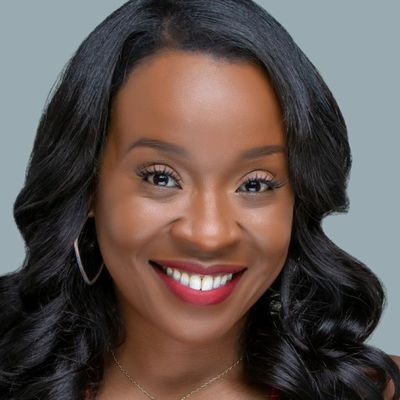
About
A go-getter spirit at heart, a spirit which has taken her from singing in church to singing on a Broadway stage, this Broadway veteran shares how she is finding new focus during the COVID-19 pandemic, and how her Girl From The North Country Family is helping sustain her.
Jeannette Bayardelle is a Broadway veteran seen most recently as Mrs. Neilson in the new Bob Dylan musical Girl From The North Country. Her other Broadway credits include the revival production of HAIR as Dionne, and The Color Purple as Celie. Jeannette originated the role of Celie on the First National Tour of The Color Purple where she received an NAACP award for best lead actress in a musical. Other stage credits include the 10th-Anniversary production of Rock of Ages, touring productions of Rent and Deaf West’s Big River, as well as many other regional credits. Jeannette is the first Broadway actress to write the book, music, lyrics and star in her own musical, entitled SHIDA, which premiered Off-Broadway in NYC and went on to have successful runs at the American Repertory Theater in Cambridge MA, The West Angeles Theater in Los Angeles, CA, as well as in London. Her success has landed her television appearances with Oprah and Live with Regis & Kelly, the opportunity to perform for President Barack Obama and First Lady Michelle Obama, and work on Disney’s Princess and the Frog.
Jeannette also created and stars in the new web series “I Take Thee Zoe".
Jeanette shares with us how her experience with The Girl From The North Country has changed her life - from workshop, to the Public Theater stage, to Broadway - and refers to the show as her “church”. She couldn’t have known that when the Public Theater called saying they wanted her to be a part of this project, at that time just a reading, the Girl From The North Country family would be the one with which she would experience the COVID-19 pandemic. Believing there will be a renewed appreciation for live theater when it finally comes back, Jeanette is now patiently awaiting the approval of the COVID-19 vaccine so that she can share in this revival of theater when Girl from the North Country and Broadway return.
In this episode, we talk about:
- Meeting and hanging out with Bob Dylan in his dressing room at the Beacon
- How she began preparing for COVID back in February
- How COVID is creating opportunities for change, both personal and societal
- The differences in the rehearsal process for Girl From the North Country from other shows she’s done
- The inspiration behind and process of creating SHIDA - her one woman musical
- How her cast mates inspired her to learn guitar, and what the instrument has taught her about herself
Connect with Jeannette:
- IG: @jbayardelle
- Twitter: @jbayardelle
Connect with The Theatre Podcast:
- Support us on Patreon: Patreon.com/TheTheatrePodcast
- Twitter & Instagram: @theatre_podcast
- Facebook.com/OfficialTheatrePodcast
- TheTheatrePodcast.com
- Alan's personal Instagram: @alanseales
- Email me at feedback@thetheatrepodcast.com. I want to know what you think.
A very special thanks to our patrons who help make this podcast possible!
Cheryl Hodges-Selden, Paul Seales, David Seales
If you would like to see your name in this show notes or get a shout out on the pod itself, visit ttp.fm/patreon to become a member and show your support!
Transcript
This transcript was automatically generated and might contain errors.
[0:00] Alan Seales: Welcome to the Theatre Podcast, intimate personal conversations with theatre's biggest names.
[0:11] Alan Seales: I am your host, Alan Seales, and this episode is with none other than Jeannette Bayardelle, who is going to be reprising her role as Mrs. Nielsen in Girl from the North Country once Broadway returns. I've said it before, it's not an if, it's a when. We all miss the arts, we all miss theatre, we need it back. So, Jeannette is an amazing self-starter who actually gets inspired being outside of her comfort zone. She loves new challenges, and actually when Broadway shut down, she had very little to do and taught herself guitar. And in just under four months of teaching herself how to play, she's been asked to perform live, so she's obviously doing a pretty good job. She's got some other credits, like she wrote her own show after HAIR closed.
She was in the revival production of HAIR on Broadway, so after it closed, she wrote her own show, because she didn't like being out of work, and now that's been touring around. Well, it was, of course, before quarantine hit. And she's just truly a really fun person to get to know. I never met her before this interview, and we just talked and talked, and she is just very much a go-getter and a doer and does not like to sit on her laurels, and I can completely relate to that. So, as always, before we get going, please visit me online at theatre underscore podcast on Instagram and Twitter. Find me on Facebook at slash official theatre podcast. Please leave a rating and a review. I love reading the reviews. Hit those five stars on iTunes or Apple podcasts or wherever you're listening. And now, everybody, please enjoy this episode with Jeanette Bayardelle.
[1:57] Alan Seales: My guest today starred in the revival of HAIR on Broadway, The Color Purple on Broadway, as well as the first national tour of The Color Purple, where she received the NAACP award for Best Leading Actress in a Musical. Her extraordinary performances on stage led her to work on Disney's Princess and the Frog, The Little Mermaid 3, Ariel's Beginning, and performing for President Barack Obama and First Lady Michelle Obama. She has a new web series called I Take Thee, Zoe, and has additional credits that include Rock of Ages 10-year cast, the Anniversary cast, national and international tours of Deaf West's Big River, Rent, Disney's Freaky Friday, Mamma Mia! Company, and Sister Act. After a successful off-Broadway run of Girl from the North Country, she transferred with the show on Broadway and is now patiently awaiting approval of the COVID-19 vaccine so that she can reprise her role as Mrs. Nielsen when the industry returns. Jeanette Bayardelle, welcome to the theatre podcast.
[2:53] Jeannette Bayardelle: Thank you. Thank you for having me. I'm excited. And the listeners right now can't see, but you're sitting in front of a very lovely poster of Girl from the North Country.
[3:05] Jeannette Bayardelle: That I got from the public theater. We were at the public theater. This was like a billboard poster. And when the show was over, I was like, can I have it? And they said yes. So here it is. That's the poster.
[3:20] Alan Seales: Thank you. Yeah, that's the poster. I saw it. I saw it off-Broadway. I didn't get to see it on Broadway before everything shut down. But it's different. It's a show. And I went in and didn't know what to expect and was not previously... I'm not that much of a Bob Dylan fan, if I'm being honest. And I was like, I love these arrangements. They are so beautiful. And I wasn't necessarily a Bob Dylan fan before. Girl from the North Country, I didn't know a lot of his music because that's not what I grew up listening to. But I remember when I got the script and I got the music and I'm listening, I'm like, wow, this sounds good. And I'm so happy I signed on because this experience has literally changed my life.
The creative team, the entire team of Girl from the North Country, we've just... I'm blessed to be part of such a wonderful creative team. And I've been blessed to meet Bob Dylan. I sat with him for 40 minutes in his dressing room at the Beacon Theatre. I've seen the show and he loved it. And he's like, you know, True Love, that's the song I sing in the show. And he says, you know, True Love is a good song. I'm like, yeah, that's the song I sing. He's like, I remember, it was last night. He was just amazing. And just to be part of a show that displays this icon's music and Connor McPherson, our writer, who's just an amazing playwright and an amazing person. This experience has been so uplifting, spiritual.
It has been everything to me. And I'm happy. I'm happy, but I'm sad. But I'm happy that I'm going through this COVID situation, this pandemic, with this cast and with the creative team and the producers that we have, because they have been so understanding and just so there and available for us. It's truly a blessing.
[5:13] Alan Seales: Well, what are you hearing? For those of us not in a Broadway show right now waiting for it to come back, are you doing Zoom calls with the cast? Are you doing rehearsals? What are you doing to keep in touch?
[5:24] Jeannette Bayardelle: We do Zoom meetings. We have our group texts that we're on every day. As a matter of fact, there's a whole new chain going on today. But that's my family. We're going through this together. And we are in communication with the producers and everybody. We have meetings. And we plan to come back once we open up.
[5:49] Alan Seales: Yeah. I mean, a lot of people have. There is, let's see, I think Wicked, and sorry, not Wicked, Frozen said they're just not coming back. They've closed. But anything that was going to open or just open this season, I think, it hasn't closed yet, right? I'm not wrong about that?
[6:07] Jeannette Bayardelle: Not that I know of.
[6:08] Alan Seales: Yeah.
[6:09] Jeannette Bayardelle: I don't know what happened on this show. All I know is my Girl from the North Country. And as we know now, we are coming back, which is very refreshing. And I feel like the story is needed now more than ever. It's funny because before this, some people would come to the show and it's around the Great Depression. And we don't understand this type of need and this type of survival. But now after this pandemic situation, this story will really, really resonate with people more because they're like, wow, I understand what it is to survive and just to make the best out of a bad situation. And so there's a new song that we added to the show, Pressin' On. I don't know if you saw it on CNN. We debuted the video on CNN.
Yeah, we debuted it on CNN. You can find it on YouTube and Girl from the North Country YouTube channel. But it's the song that I sing at the end of the show. And basically, it's just what we're going through now. No matter how bad the situation gets, we have to press on. Ultimately, we have to press on. So this story really reigns true now more than ever. So I believe that the audience is really going to be able to receive. They were able to receive it before, but you can really receive it now and go on this journey and understand that we are humans trying to make it in this world.
[7:32] Alan Seales: Yeah. There's hopefully going to be a new appreciation for the arts and for theater. When Broadway comes back anyway, it's going to be different because I know producers are talking about how to install new HVAC systems and all this cleaning, air supply stuff. And the theaters themselves technologically have to be upgraded.
[7:52] Jeannette Bayardelle: Listen, without a vaccine, you can upgrade as much as you want. We need a treatment or a vaccine. That's my opinion. It is nice to have upgrade stuff, but we want to make sure that the people are safe, that the actors are safe. That's how I see it. But I do believe that when we get back, it's going to be, I call it a revival. You have revival. In Broadway, when you hear revival, you think of a show that was old, that's coming back after it's been on Broadway. But the revival that I'm talking about is something that we talk about in church, like a revival, like a renewing, a refreshing. So I believe that when we come back, it's going to be like a revival, not a revival, but a Broadway revival.
And people are going to have a greater appreciation for life, a greater appreciation for theater, and a much greater appreciation for live theater. We took that for granted. We thought that we could go see live theater forever. You think that the way we live is the way that it's always going to be. But now we understand, no, it was a privilege to go see a theater. It was a privilege to have an audience. It was a privilege to have a live performer in front of you. And I feel like with that, that's going to make the revival that much greater. It's going to be like a great big church service.
[9:13] Alan Seales: Oh, I completely agree. And that, I mean, like the first downbeat of the overture of the first show coming back, like standing ovation, I see it. And then at the end of the show, oh God, I am just so itching to get back and have this energetic, and use the church analogy, like this spiritual sort of connection.
[9:33] Jeannette Bayardelle: Let me tell you, this new revival, well, the Broadway version of Girl from the North Country, there were some changes that were made. It was already powerful, but there were some significant changes that were made to the show. And I kid you not, people, the press, our PR agents were coming back and telling us like, people are like saying that they walked out of the theater healed. By the time we've been seeing a person on, I mean, people are bowing and crying and feeling healed. Like they had a spiritual journey. Now, if you thought you had a spiritual moment then, when we come back, oh, that's the place to be. That's the place to be.
[10:12] Jeannette Bayardelle: I remember singing and pressing on that last night before we got shut down. Now, I was the one in the cast that was prepping my entire cast since like February. I'm like, listen, guys, we're going to shut down. This is serious. I even went to the producers. I went to the director, PR, producer. I was always talking to them like, listen, we got to come up with a plan. Guys, we're going to shut down. And some of them were like, for what? What's going on? Because I was keeping tabs on this.
[10:44] Jeannette Bayardelle: And I remember I was telling my roommate, my, we share a dressing room, Aluba Mason, which I love dearly because she put up with it. I was wiping down dressing rooms all in February and we were ordering masks before. I had the company management order hand sanitizers before they ran out because I was like, we got to get hand sanitizers. So we would do all kinds of things before this was even a thing. And I remember the last night before we went on the lockdown of me singing and pressing on and I just, after I finished singing because that's the last song of the show. And I just started to cry because I felt like we're moving into another season of this journey. I went to get my wig taken off and I was like, I told Susan, I'm like, all right, all right, this is it.
And they're like, what are you saying? Because at this point, everybody's like, what should we do? I'm like, make sure you buy this, make sure you do this. And so they just like, every day they're like, okay, Jeanette, I can handle it. What do you think is going to happen? And that was the last time. And that was it. And here we are now. The beautiful thing is that I believe that we'll come back better and stronger. As people, we're going to become stronger because we've survived this and endured this. And hopefully it will make us appreciate life more and family and time and just the privilege of breathing fresh air. Because we don't have to have fresh air. That could be cool too. Yeah. It's the privilege. I mean, God, we could get so political right now. I mean, we're in the middle of a health pandemic and then the social pandemic that George Floyd's murder sparked.
[12:59] Jeannette Bayardelle: Like there's so many levels and I realized that by me as a white man saying, I want to go out and feel safe. I am referring to the health pandemic, whereas people of color, their whole lives have been feeling that and I just now get to experience that and that's not fair.
[13:19] Alan Seales: Yeah.
[13:20] Jeannette Bayardelle: One of the good things that COVID has done is that it brought awareness, you know, because now everyone is super sensitive about feeling uncomfortable and change doesn't happen until you're uncomfortable because when you're comfortable, you have no reason to change. It's like everything is fine. But when someone feels uncomfortable, when something is uncomfortable, it presents an opportunity for change because you don't want to feel uncomfortable. So that's what COVID-19 has done. It has caused the world to feel uncomfortable, you know, so.
[13:59] Alan Seales: No, and it's a good thing. And I mean, the fight and the road to recovery, to combat, to make everyone aware, I mean, the whole, the search for racial equity and like, this is not something that will happen overnight. It's not something that we can just be like, all right, we're just going to make a vaccine for it. And all of a sudden we're better, right? There's no vaccine for racism.
[14:24] Jeannette Bayardelle: There's no vaccine. But the good thing about this time is that, and I hope it needs to be uprooted from the root because it's so far deep down in the roots that, you know, it's not something you can put a Band-Aid on and say, okay, now we're all living happily ever after and there's harmony. No, this needs to be uprooted. And I feel like the leadership that we have right now is helping to expose what has been going on. And it's right now, it's right here in your face and you can't deny it, you know? So it's a start. I'm happy about that, but it's not the end all, you know what I mean? We still have a long way to go.
[15:09] Alan Seales: No, no. And I mean, like art heals, art can help us come together. And, you know, regardless of, I was going to say race and age and whatnot, but there's a little bit of classism to Broadway because tickets are expensive. So, you know, some of the people who need to see the arts and especially Broadway might not ever get to. And that makes me sad on a completely different level. You know, so we have to, even with all the charitable stuff that Hamilton's been doing, there's still a whole range of kids that will never get to see Hamilton. And then, you know, something, so I hope like girls sort of follow suit because people need to see Girl from the North Country and people need to see these other shows that encourage us to like become one and regardless of what you look like or where you come from, work together.
[16:03] Jeannette Bayardelle: Right. You know what I mean?
[16:06] Alan Seales: So anyway, we got way off topic. I love it. I love it when we get off topic.
[16:13] Jeannette Bayardelle: But you've, we'll say we've been talking for about 15 minutes now and I kind of get a piece of an idea about who you are. And I feel like you come from, you know, you've mentioned church a couple of times like the revival scene. Like tell me about Little Jeanette, like where are you from?
[16:30] Jeannette Bayardelle: I am from the Bronx originally, born and raised in the Bronx. I live upstate New York now. And I grew up in the church. I have two older sisters and a younger brother. We grew up singing in the church and we had like a church group. And the church that I grew up in was a non-denominational Christian church. The thing about my church, it was full of Africans and West Indians. So my pastor was from Nigeria and, you know, my parents are from Haiti. So I'm Haitian American. And so we had a lot, we had Haitians, we had Jamaicans, we had Africans, we had Trinidadians. It was like West Indian and African culture. It wasn't like the typical black American church. So in that sense, it was a little different. But it was there that I developed the appetite for music and my appetite for God. And from there, I went to high school of performing arts.
[17:27] Jeannette Bayardelle: And that's how I started in musical theater. Because I didn't really know much about musical theater. It wasn't something that I aspired to do. But when I went to LaGuardia High School of Performing Arts in Manhattan, the famed school, I had a teacher, Mrs. Anchor. And I believe that's Paul Anchor, the singer Paul Anchor's sister-in-law. She was my audition prep teacher. She also taught Whoopi Goldberg. And she would always make it her business to tell us that Whoopi Goldberg was her student, which I'm like, hey, great. But it was in her class that I was opened up to this world of auditioning for theater and musicals. And I'm like, oh, wow, this is a thing? Okay.
[18:07] Jeannette Bayardelle: And so one of our assignments was to go on backstage, because back then that's how you would get auditions, go on backstage and find an audition to go to. And I did and I booked it. It was a reading of this musical called Sir Winston with Love. And I booked it. So my first audition out the back, I got. Now that's a dangerous situation, because now you have to get this all the time. And it's so funny, because my second audition that I got after I graduated, I got the lead part as well. Very bad. Very good, but very bad. Because now that expectation is like, anytime I walk into the room, I need to get hired. But we all know that's not the case. So, yeah, so that's how I started in this business.
[18:54] Jeannette Bayardelle: And then, oh, I went to high school. After high school, I went to Hunter College, where I did my bachelor's in health science. You know, my parents, my dad's a doctor, my sister's a doctor. I come from a family of doctors and lawyers, and my mom was principal. But so it was like, you get a degree. And so I did my bachelor's in health science. And then after that, my parents were like, okay, listen, you do you. They've always been supportive with my music and acting and stuff. So they were happy that I did get the degree. But after the degree, it was just like, okay, now do whatever you want to do.
[19:27] Alan Seales: Take me to the point where you're in elementary school or middle school, and you said you got the performance bug in church. But at what point were you like, oh, I'm going to go audition for LaGuardia? Because that's a prep, right? You can't just go be like, I'm going to go LaGuardia now.
[19:43] Jeannette Bayardelle: Right. So here it is. I went to John Philip Sousa. It's a junior high school in the Bronx. That was such a wonderful junior high school. We had this principal, Dr. Brindle. And he was like Clark from Lean On Me, the principal from Lean On Me. He was like, nobody played with him. And they were very strict. But it was, my mom actually went to this junior high school as well. When she first came from Haiti, that's the junior high school she went to. But it was in the city and it was surrounded by projects. So you had all kinds of kids there, but what we were taught at that school changed our lives. So my two older sisters, one is a doctor, one is a pediatric nurse, one is a pediatrician, and one is a pediatric nurse. We all went to that junior high school. And so in that junior high school, I don't know if you know, are you from New York?
[20:34] Alan Seales: No, I've been here 13 some change now, but I'm jaded and angry enough to call myself a New Yorker.
[20:42] Jeannette Bayardelle: In New York City, we have what you call specialized high schools. So there are five special, I think there are five specialized high schools. There's LaGuardia High School of Performing Arts, there's Brooklyn Tech, there's Bronx High School of Science, there's Stuyvesant, and I don't know what the other one is. Maybe it's four. So my two older sisters, they are very academically smart. I am too, but you know, I'm artsy. And so my oldest sister in junior high school, you know, they encouraged her. We all sang in junior high school. We were all in a lead, we all led songs in a choir. So we were known to be in a singing family. So, but my oldest sister, Anastasia, when it came time to try out for one of the four specialized high schools, let's say four, she went for Bronx High School of Science.
So she got into that. My middle sister went for Brooklyn Tech. So she got into that. So going to a specialized high school and my family was like a thing. So when it was my turn, I was like, now, what are the four? Bronx High School of Science, Brooklyn Tech, Stuyvesant, and LaGuardia. Now, LaGuardia is for the singing and the arts. I'm going to go for that one.
[21:52] Jeannette Bayardelle: So we all went to specialized high schools, meaning that in New York City, like the law is to go to your zone high school, the high school that's, that wherever you live, whatever your zone to go to. So, but there are those four high schools where you can travel anywhere in the borough. As long as it's in New York, you live in New York City, you can go to these schools. And like Brooklyn Tech was in Brooklyn. So my sister traveled from Bronx to Brooklyn for school every day. Bronx High School of Science was in the Bronx and LaGuardia was in Manhattan. So those four specialized high schools, if you got into them, they picked the best out of everyone from the borough to get into. And if you got into them, then you were permitted to go to those schools.
So that's how I got introduced to LaGuardia. And I had a music teacher. She saw my talent. She was like, you need to audition. I'm like, yeah, because I'm not going to Bronx High School of Science or Brooklyn Tech or Stuyvesant, so.
[22:39] Alan Seales: Well, there's something you said about girl. You're like, you know, girl has actually changed my life. And which, I mean, I don't doubt that it has. But it surprised me that you said that, because as I was like, you know, putting the bio together, you know, singing for the Obamas and being involved with Princess and the Frog and this Disney stuff. And, you know, I haven't even got to your own musical Sheetah that, you know, that you've written and written the book, the lyrics and the music for and started. And then you've traveled to over 50 countries like Africa, Asia, Europe, North America. Like I want to get into how and why you've been on Oprah. You've been on live with Regis and Kelly. You've been on all this other stuff. But yet, you know, girl for the North country, you say change your life. So I guess your life became a normal occurrence of traveling to countries and performing for super cool people.
[23:38] Jeannette Bayardelle: Well, here's the thing. Those opportunities changed my life as well. But girl, of course, the color purple changed my life because it kind of put me on a different path, on a different trajectory, as you would say, to music. I went from being a swing to being the lead. And then just from there, just, you know, so that definitely changed my life. But the thing about girl was, I feel like I hadn't been on Broadway since 2010, I believe, which was hair before girl. Now, mind you, I wrote my own show. So I've been traveling, I've been touring, I've been, I wrote, I had produced, I had albums that came out. So I've been touring and I've been developing my craft in other ways. But what was refreshing to me about girl is that number one, I always appreciate people who appreciate me and appreciate my talent.
So when I got the call from the public theater, and I love the public theater, I did hair with them. So when I got the call from the public theater, not to say, we want you to audition, but to say, we want you to be a part of this. You see what I'm saying? I'm very sensitive to that because I understand that some people value you and some people.
[24:59] Jeannette Bayardelle: Not that they don't value you, but they're going to put you through a certain process. So the fact that the Public Theatre called and said, we would like you to be a part of this. I'm like, wow, okay. I always love straight offers. And I always respect them no matter how big, how small. I'm doing a reading right now. I don't know the writers, they're new, but they call and they ask. And I appreciate people who call and ask and who appreciate what I can do. So I'm not the type that tries to knock down to get in anybody's door, you know, because I feel like if you don't have an appreciation for me and I don't have an appreciation for you, then maybe we should work together. Now, I know there's a process, but there's something special when somebody calls on you.
You know what I mean? Even if you don't have a name or even if that person doesn't have a name, I really just, I really take, I really love that. So anyway, so the Public Theatre asked me about this reading. So I said, okay, Bob did the music. I was like, okay, great. I will do it. And so when I walked in the room and we started doing it, I'm just looking at the people in the room and I noticed the writer, Connor McPherson, like he has his guitar out and he's like playing, you know, usually the writer is like to the side, but he's like involved with the, he's playing the music and he's, and I'm like, wow, okay. So when we had a lunch break during our presentation, he was standing alone and I went to talk to him and I was like, yeah, Connor, like this is really good.
And I just felt like something magical just, I don't know, something magical just happened. And I was just like, I felt like, wow, there's something special about this, but I can't, I can't tell you what it is, but there's something so special about this. And I didn't know that they were planning to bring this to Broadway or anything. We didn't know anything. We just knew that, oh, this is a new reading that they're doing. So, so to fast forward, I think someone told me that when it was time to cast for the public or whatever, they were like, okay, so they're going to be holding auditions. And I think I heard this, I don't know if this is true, but he was like, no, Jeanette is it, you know? And I love stuff like that.
Like when you appreciate me, I appreciate you even though the work is amazing all by itself. But, and just from that moment, everything has just been so, so divine down, down to me being able to meet Bob Dylan, like Bob Dylan's not interested, he doesn't meet people, you know? Who can say that they spent time with Bob Dylan and for me to meet him and have that time with him and he just be as amazing as he was. And just, and Connor, our director, Simon Hill, the music supervisor and Lucy Hines, our choreographer, you know, the team is from not, they're from, from the UK. Connor is from Ireland, you know? So it's kind of, it was, it was just refreshing because it was, it's a different way of doing things.
Like we would get in a room where we at the public, when we did the full run, we would get in a room and we would circle up every morning and do stretches. And I kid you not, like I would cry. So many cast members would just cry because this business is so hard and you deal with so many directors who are just like, you know what I'm saying? And so many, it's just like, you never really have a chance to connect and feel space, feel safe in a space where not as somebody trying to harm us, but like our thoughts and our opinions are valued. And, you know, I remember one time, this is so funny, in rehearsals for Broadway, when you're working on your songs and you're trying to make your song the best song it could be.
And so I was just like, Ooh, I'm gonna put this in the song. Oh no, this was during the public. I was like, Ooh, I'm gonna put this in the song. Wait till the director hears it. And I sing my song and I do like this riff that is just so outrageous that I think is so amazing. And Connor was literally like, okay, great. Oh Jeanette, could you move over to the side over there? Yeah. And he just kept moving on and on. They started laughing because they knew. And I was like, wow. And so during a lunch break or something or a break, I went to Connor, I said, now Connor, I gave you my best riff, my best. And all you said was move to the side. He said, Jeanette, you're amazing to me every day. You don't have to prove anything to me.
You are amazing. Everything you do to me is amazing. And even that right there made me want to cry. So that's why I just really appreciate that team for just appreciating us, the group, and everybody just, I don't know, just something special. And I guess it's common for the Brits to do the circle up and everybody doing these things beforehand, but that's not what we're used to. We're used to that. You know what I mean? So to have that was very refreshing and I feel like it was needed because a lot of us will feel a beat down by the industry and it gets tiring just trying to impress people and trying to validate yourself and just say, I can bring value to your production or to have people that's like, we value you.
We hire you because we value you and we want your input and we want your opinion. And so it was just refreshing. And it's just been like that ever since. They always like, they make jokes like, girl, why do you always know the future? Because I'll say stuff like, we need to debut this song on CNN, like the Press It On song, and guess how we debuted the song? On CNN. I just come up with this stuff. They're like, girl, but it happens all the time. At this point, they're like, Jeanette, okay, tell us what to do because I literally, I'm just so connected to this piece that it's just, it's scary. I call it, I call it my church. We always joke around like me and one of the cast members, I'm like, this is our church.
This is our church family. I love those people. I love those people. You've got to, you've got to, like to be vulnerable and do your best every night. There's always somebody in the audience who's never seen a Broadway show before and who's never seen that show before and is going to walk away with that as their first and maybe only impression. And you've got to be on every single time, eight shows a week. And yeah, if you don't like it, I don't know how you could do it. You've got to like what you're doing. Some people do it. Some people do it because they want that check. I guess. I don't know. I don't know. I mean, you are, you're a doer, obviously. I mean, this is a good, I'm segwaying over to Sheeda.
So you're a doer. You do, so you see, you're the first Broadway actress to write book, music, lyrics, and star in your own musical. So tell me about Sheeda. Sheeda, I developed during hair. So here's the thing, hair was getting ready to close on Broadway and I was like, wait a minute. I'm tired of shows closing and stuff. You know, and I felt like I had a story that I wanted to tell. So I was like, man, I have my childhood best friend has a really good story. So I'm like, I should write about her. I ran the idea by her. She was like, great. I love it. So we did a little paperwork and I started writing and then closing night, Andy Sandberg, who was one of the producers of hair, he was at the bar and I was like, Hey, I wrote a musical.
I would love for you to, you know, look at it. And he's like, okay, well let's have a meeting next week. So long story short, I sang him a couple of tunes at our meeting and he was like, great. I want to do like a little production for, do like a, like a workshop for some of my colleagues and I did it and he signed on and we've been on this journey for the longest. We did it at the public, not at the public, sorry. We did it at ART. We've done it at Ars Nova and we just got back from London at the end of the year. We did it in London for six weeks, which was so successful. They loved Sheeda out there. And Connor, my girl from the North country team was able to come out and see it cause they live in London and they were all, the London cast was in rehearsals for Girl from the North country when I was out there.
So I got a chance to go see them and the creative team came to see my show and we actually filmed Sheeda, which is really good and it's just, it's my baby. It's my baby. I'm happy that I wrote it. I've always been pro like writing your own material and being an entrepreneur and it's paying off now because I've learned so many skills from doing things myself down to doing my own hair, but you know, at the, when you're dealing with COVID now, like you have to know how to do your own stuff. You have to be your own engineer, your own musician, your own, which another thing I did is that I picked up the guitar. So I played the guitar. I started playing four months ago and I got pretty good at it, which is, which can be a bad thing because, because of the way I play now, people think that I'm a professional and I'm like, listen, no, I just picked up this guitar, but it's really changed my life.
And, um, it's been the lifeline that I didn't expect during this pandemic. So it's, it's, there's something about playing the guitar that exposes some of my flaws and, um, I'm actually writing about it, but one of the things is that the way my mind is, I have things, things in my mind, I have a lot on my mind all the time. And I want to get it out like that. Like I want to put everything out, you know what I mean? But the guitar makes me pace myself. So even when I'm playing licks and runs and like, I have to like, stay like this, stay like this, stay in tempo. You know, that's my hardest thing about the guitar is that I get out of tempo because I'm like, but no, I have to pace myself and it helps me pace my life and just pace my thoughts and my breathing and my, yeah, it's very therapeutic.
It's rhythm. It's, it's the rhythm, the, the repeated motion. There's, there's so much to be said about the, the physics of, and the science behind music and longtime listeners are probably tired of me here. And I, like, I find some way in almost every episode to be like, well, that's, that's oxytocin, that's serotonin, that's rhythm, that's science, that's physics. Um, I bring this up all the time. I love it. And, you know, like everything in life is a rhythm and, you know, like the, the waves of the, the, the ocean, right? The waves hitting the sand over and over and over again, that's your rhythm, that's relaxing. And, you know, you want to get down to like some of the most basic acts like sex, that's a rhythm, right?
Like if you're doing it right, it should be a rhythm. And, and the, the act of singing, singing is vibrations. And when you're singing in a group, it's literally the physics of that. You're singing the same note in unison, you amplify it, the, the overtones are amplifying each other and you're making bigger vibrations of what's already there. And your heartbeat is a rhythm. And so when you're telling me the guitar is calming, it makes total sense because you are literally causing more vibration. You're literally, you're literally making music while you're singing while, you know, being physically active and the act of, of strumming, right? That's, that's your rhythm. You're, you're using rhythm to create vibration while singing.
Yeah. So it's this whole well-rounded thing. And, you know, guitar is such an old instrument. I can, I know, I understand why it's, it's makes people feel so good. It really does. And now I get it. I used to, I didn't even know the fascination with, especially people who have guitars, like they always want guitars. They take the guitar everywhere. Now I understand, like my guitar goes every, it's sitting right here next to me. Like it goes everywhere I go at this point, you know what I mean? Cause I just want, even if I'm watching TV, I'm just plucking, I'm just, you know what I mean? It's, it's become my best friend. What do you play? Oh my God. I play everything from like, I play Dylan.
[37:28] Jeannette Bayardelle: I play NDRE. I play original songs. I just did this concert, Stand Up London. I think it was Stand Up London? I forget the name of the concert, but it was in support of Black Lives Matter. I wrote this song called God I'm Tired. And I played it on the guitar and I did a whole video. It's on YouTube. It's called God I'm Tired. And it was great to pick up my instrument now and just write this song because now I feel like, how did I survive without a guitar? You know, now I have this guitar. I don't need to depend on someone to be like, oh, can you do this music for me? Or I need somebody that I can accompany myself. So, but yeah, I wrote this song, God I'm Tired. So, I play all kinds of things on the guitar.
And I've actually picked up a few jobs having to play guitar. And I'm like, oh, God. After playing for four months, that's incredible. And it's stretching me. It's stretching me because, you know, I'm getting like the song list and I'm like, okay, let me look at the song list. Okay, what chords are these? Oh, God, I hate playing a B minor seven. So, I'm just like, it's, it's, but it has been one of the best things that have happened to me during this time is this guitar. And what actually motivated me to play is, first of all, our group text for Girl from the North Country, we had this thing that was just for us, but we had this thing, you get nominated to play a Dylan song, and you play a song in your Dylan voice.
And you didn't have to play a song, but most of my cast plays guitar. So, everybody was getting on the guitar. And so, I came up with this video where I was playing the guitar, but you couldn't see my hands. It was a fake guitar. I had a real guitar. It was like my old guitar, which I never really played. I never played at all. It's just something I bought because I wanted to play. And all you could see was this, but you couldn't, you couldn't see me really strumming. And it was fake. And some of the cast, when I sent the video, some of the cast said, oh, Jeanette, you play great. I didn't know you could play that good. And then other cast members were like, she is not playing that guitar. She is rude.
And so, that was the big joke. And I said, by the time you see me again, I will be able to play this guitar. And that's how it started. And then I started taking lessons. And then here I am now. So, thank you, Bob Dylan, for inspiring me to pick up the greatest instrument of all times, the guitar.
[40:03] Jeannette Bayardelle: Oh, yeah. It's one of those things that playing the guitar, I just always wanted to, and I've never made the time. And it's my own fault. And I know, I don't have many regrets in life. And if they do, they're about not learning skills. I want to learn skills. I wish I'd stuck with an instrument. I wish I had gone further with trying to master something before moving on to the next thing. Yeah. The thing about the guitar or anything that you pick up and what I've noticed, and this is what has gotten me, which has led me to success, is to stick with it. Because even with my guitar playing, when I felt like it plateaued and I didn't want to do anymore, and I'm talking to my teacher, like, I feel like I plateaued.
He's like, great. So, what you do is you got to push through those moments. So, pushing through those moments of feeling like, you know, like even if you're writing a script or if you're trying to shop a script or an idea, and you feel like nobody wants it, you just keep going, keep pushing, keep working, keep working, keep knocking, keep building. And eventually, you'll get to where you want to go. So, that's what I've learned about... Well, I've learned that lesson, but playing the guitar, I see it so much more because, believe me, plenty of times, I feel like I don't want to play anymore because I can't get a bar chord or I just feel bored and I'm not introducing myself to new music. And so, you have to keep... It's an active learning process and you have to be active.
Some days, you're not going to feel like it, but if you keep going, you will get better. But you have to push through those hard moments and I feel like that's the success of life. Don't give up, keep going, especially those of us who are very talented in many different things. I'm one of those people that I can cook. I can sing. I can pick up an instrument. Like, if you showed me how to play a trumpet tomorrow, I'm going to play a trumpet tomorrow. You know what I mean? I'm going to write a musical. I'm going to write the music. I'm going to write the lyrics. You know what I mean? That's my personality. So, especially with my personality, I have to follow through with the things that I set out because if I didn't, then I would just have a whole bunch of projects that are just not complete and I never master anything because I was just like, oh, okay, let me pick up the next thing before I actually get a chance to master it.
[42:25] Alan Seales: Does that work to your disadvantage though, too? Because you can't move on to the next thing without completely finishing something else first.
[42:30] Jeannette Bayardelle: I didn't say I don't move on to the next thing. I'm the queen of multitasking. Because I will play the guitar, braid hair, have this interview with you, have this, have that, write a book. You know what I mean? So, I'm good at multitasking. I don't necessarily wait to complete it, not to complete. That's just the way my brain works. I understand that everybody is not like that. But for me, I know that I can multitask. So, I had a friend that I was talking to the other day who is more like the opposite of how you and I are. We're both kind of in the same camp because he's like, I'm not sure I'm going to want to try that. I want to observe things first. I want to just make sure that everything's going to be okay and then I'll go in and do a little bit.
Whereas, I can tell you're just like, oh, something I've never done. Yeah, don't challenge me to do it because you know I'm going to best you at it. I'm going to be better than you if you challenge me to do it. That's pretty much the thing I do.
[43:41] Jeannette Bayardelle: I remember when I was an understudy before, when I used to do regional productions or production tours. If I understudied, they would always say, don't let Jeanette go over you because she's going to take your part. Guess what? Every part I've understudied, I've become that part. That has been it. There's not one role that I understudied that I did not become, that they did not give me the part. Listen, I play to win. I play to win. Don't let the food, the smile food. Where did that come from? Where's that part of you come from, do you think?
[44:23] Jeannette Bayardelle: Probably my mom. My mom has always been like this. She was like a CEO. Well, she's retired now, but she was a CEO. She was always running her companies and her business and I just got that. My sisters are like that as well. We're just go-getters. Oh, this is what it is? Oh, we're going to go get it. That's just how I'm made.
[44:51] Alan Seales: Yeah. I think it has a lot of this. I mean, to have to raise, you said three sisters you've got? Yeah. So four daughters, right? To raise all of them as strong and as independent as all of you are. Sounds like you have some amazingly supportive and involved parents.
[45:08] Jeannette Bayardelle: Yes, very much so. Very much so. Without the support of my parents, we couldn't have been successful because it really takes a village. I had started a foundation. I just recently started a foundation called the Biedel Foundation. One of the things that we stress is to helping people get the team to be successful. Underprivileged kids who don't have the team, it takes a team. My nephew went to Harvard. A lot of my family go to Ivy League schools, but they didn't get there on their own. It took a team. You got to know how to prep. You got to know what extracurricular activities you need to go in. You got to know what AP classes you need. You got to know. It takes a team. You don't get there by yourself. The thing is that people don't have a team. They don't have access to a team. So that's the sad thing.
[46:14] Alan Seales: Actually, I didn't know about your foundation. Tell me more about what it does.
[46:19] Jeannette Bayardelle: The Biedel Foundation, where we just got started. I don't know if you've ever started a foundation in New York City. I have not. The paperwork that it takes. Not-for-profit status and all that stuff. So that took about two years. No kidding. We finally got the paperwork done, and we're getting things in place, and here we are. It's a pandemic, you know what I mean? So now you're trying to figure out, you know, okay, how do we help, and how do we still fundraise, and how do we... So we're very early on starting. We have been able to help a few black entrepreneur women with their ventures, but there's so much more we want to do, and so much more we will do, but we're in a situation. But I guess this is the best time to just help meet the need, you know?
[47:12] Alan Seales: Yeah. I feel like now, the equity... Is equity the right term? The divide between the people who are able to afford private schools and continue to learn at the pace they were learning pre-COVID, that's going to... The divide between them and people who now can't learn because public schools are shut down, like that's going to get worse real fast.
[47:41] Jeannette Bayardelle: Yeah, it's crazy. I have family members who are educators, and I literally was like, listen, I feel like we all need to take the L for 2020. We got to do it. We need a do-over. Like, everybody get left back. Everybody. Just mulligan. Mulligan the whole year. This is just... We're just going to stay home and then continue where we left off. Because like you said, some people are not going to be able to learn in this environment. So, I just feel like we need to just take the loss, take the L for 2020, and put us all on the same playing field for the next year or whenever it is that we come back. If it's 2022, Jesus help us all, but you know.
[48:27] Alan Seales: Right. Like, it's just a lot, and I do feel like, you know, where we're going, we have to prepare for this. Like, we got to buckle our seatbelts because we was already rocky, but it's going to get rockier by the end of the year. And so, we just have to, you know, understand. And I'm going to say this, but the hardest thing for people during this time is that people have a hard time accepting change, and they do not want to accept the change. So, I remember when I was talking to my cast members and I was telling them what was about to happen, they could not hear me. One cast member who's a really good friend of mine, he's very cool now, but he stopped talking to me because he could not wrap his mind around what I was saying, which is understandable.
So, when somebody says they're going to shut down Broadway, first of all, that would never happen. Do you know how much New York City we lose? But you don't understand what's happening now. Like, we are in a situation. So, people will have a hard time accepting change. So, you have people who are still trying to operate in an old system. The way we used to do things, that's an old system. We don't have that no more. Will we ever get it back the way we had it? I doubt it. But, so, the key to success in this era is to go with the flow of change and be innovative and say, okay, you know what? Okay. We were not in the room right now. There is no theater right now. We will be back. But right
[49:58] Jeannette Bayardelle: This is a new thing. So, we can't keep functioning in that old way. And when you try to function in that old way with a new system, that's where you get in trouble. So, even with educating our kids and that, like, okay, for people who didn't know anything about homeschooling, like, this is a whole new ballgame. You got to do research and figure out, okay, what other tools are available for learning? And what, how can I do this? And stuff like, we need to get back in a classroom. This is a new way. We have something that's killing people out here. You know what I mean? So, you have to, like, adjust to the new way. Change. Change is not easy for everybody. Everybody likes to do things the same way, or they don't have the imagination.
I think with me, because of the way that I think, change is not that difficult for me. I just adjust, like, oh, okay, this is what we're doing now. Okay, well, it was hard for me to go into work knowing that my show was going to shut down before we opened. That was hard, but I had to make that shift in my mind, like, okay, yes, this is a Broadway show, but we're talking about life and death right now, and us being in New York City. So, when it came, it was like, I had to shut that emotional part off because for me to move on, I couldn't hold on to what was because that's exactly what it was. It was. You know what I'm saying? Yeah, I didn't even realize that. Yeah, I went, I was at actually the press event for Broadway, and I think it was February, right? Something like that. And then, yeah, so you guys, how long were you open before Broadway shut down?
[51:41] Alan Seales: A week.
[51:44] Jeannette Bayardelle: Yeah, yeah. It was, like, just there.
[51:49] Alan Seales: A week? So, you got there, and then it was gone.
[51:52] Jeannette Bayardelle: Yeah, man, yeah, so you're right. It's almost like having a cookie. I love chocolate chip cookies. It's, like, going like this to the chocolate chip cookie, like, and right before it's gone, like, ah, somebody snapped. And nobody, and I understand, it was, it's, when you think about it, it's so sad, but at the same time, we're here living, like, we had cast members that had just moved to New York, got new apartments, was furnishing their apartments, and I was telling them, hold up, don't buy furniture yet. Do not buy furniture yet. We are in a situation, they be like, what do you mean? I'm like, don't do it. And then afterwards, they did come back and apologize, but I understand. Think about it, when you're young, you start a new life, nobody wants to be rained, their parade to be rained on.
It's young, too. Like, what do you know about furniture? I can afford furniture. Like, I'm buying the best furniture, you know? So, it's really, it's tough, and we all, the thing that worries me now, outside of COVID and the racial injustice issue, because both, those two, and our leadership and our government, but the mental health.
[52:55] Alan Seales: Oh, absolutely.
[52:56] Jeannette Bayardelle: Mental health, because me, I'm very strong. I consider myself very strong. But when I tell you this thing has broken me down a couple of times, because after I, see, I had been shot, see, I had been shopping, and I had been prepared for a while. But after the shutdown, like two days after that, I had finished all my shopping, I had everything I needed, and I was home. That's when it hit me, like, oh my God, like, that's it. We have changed. We have entered into a new era. And that was hard. That was a hard pill to swallow. So, I had to do things to help bring my spirits up. I would wake up just feeling, like, you feel gloom and doom. Like, you wake up, and you're like, oh yeah, we're in a pandemic.
Like, you know what I mean? Like, it's just like, so I had to do all kinds of things. And for me, I'm very visual, and it's all about colors and stuff. So, like, I noticed that, like, my bedroom is orange already, which is great. But I had some different colors going with this. I had to, like, change my bedding, and change my window dressings, and just do little things. And like I told you, I took my entire dressing room. I packed up my entire dressing room. And so, what I did create in my house is, like, a girl from North Country nook.
[54:14] Alan Seales: Yeah.
[54:14] Jeannette Bayardelle: Now I'm in, like, that nook. And so, this is my dressing station. This computer is sitting on my dressing station. So, this is the exact setup of my dressing room. So, these are the things that bring me joy and make me happy. So, I had to find those little things that helped lift my spirit, because I understood that where we go, where we are, and where we're headed to, you're going to need to be lifted. And you have to know yourself, and know what are the things that are triggers for happiness, and triggers for, like, a depression, to bring you down into that rabbit hole of gloom and doom. So, it was very important for me to find those things. Like, hanging up this poster, this is like a reminder. It's not me being vain, but this right here is a reminder of the blessing that I had, the blessing that this show was to me. Everything can leave.
[55:04] Alan Seales: Exactly.
[55:04] Jeannette Bayardelle: So, I have a bunch of reminders up. And guess what? I like chocolate chip cookies, and I like bacon chocolate chip cookies. Every day, I bake cookies. Now, I don't make a whole tray, but I may put, like, three little cookies in the little toaster oven. That make me happy. I need my cookies, okay? And making sure your conversations are elevated, but not being afraid of the information coming down the line. So, if you know information is happening, you see where our country is heading, it's not to be afraid, but to be prepared. It's about preparation. It's about surrounding yourself with people who have solutions, you know, because there are solutions to every problem out there. You want to be hooked up with people who are hooked up into the realm of solutions.
How do you make money during this time? You can make money during this time. It's not over. Just because you were singing, you used to perform on the stage and going for auditions, now come higher. Now, there's something else that you need to do. And I learned that from when hair clothes on Broadway. I was like, I have my own show. You know what I mean? There is a way. There is a solution. There's always that next step. Where's this from? What do you do? You just do the next right thing.
[56:21] Alan Seales: Oh, it's Frozen, right? Isn't that what Anna says? She's like, just do the next right thing.
[56:28] Jeannette Bayardelle: Okay. I don't know. I think it's from the movie, Frozen 2, where oh, I'm having such a brain fart right now. But there's one well-known something or other, that's like, what do I do right now? You just do the next right thing. That's all you do. Just keep on living. There's a way. It's not over. First of all, we are a country of people who are very innovative. We're a world of innovators. There's so much innovation going on. It's not over. You just may not be able to see it, but it's there. And hook up and be active and tapping into people who have solutions, ideas, and you will be okay.
[57:12] Jeannette Bayardelle: That's my theory. There's a solution. There's a way. You can still make money. You can still be successful. There is a way. It is not over. This is not the end. And when it's the end, it's the end. Everybody comes to an end at some point. But right now, if you're living, you're breathing, it's not the end. This is not your end. So let's go. Let's find solutions, find ways, be innovative. And it's actually, it's kind of like, okay, well, what next now? Because we had it all figured out before. I thought I had my whole 2020 planned out. Clearly, I didn't. Nope. Nobody did.
[57:53] Alan Seales: Well, we are coming up on time here. I have loved this chat. And there are three standard closing questions I ask everybody to wrap up every episode. So the first one, very simply, is what motivates you?
[58:04] Jeannette Bayardelle: What motivates me? Purpose.
[58:10] Alan Seales: Purpose motivates me.
[58:13] Jeannette Bayardelle: I agree with that. On earth, because it's through purpose that people become healed. What is my contribution to this world? And how do I make it a better place? So it would be purpose.
[58:27] Alan Seales: I love that. Okay, second question then. And I think you sort of answered this already, but I'll see if you say the same thing. What advice would you give to your younger self and younger people listening now starting out down a similar path?
[58:41] Jeannette Bayardelle: Stay true to yourself. Never, ever let no stop you. And if you believe it, don't worry about what people around you say. Because if you thought of it, it can happen. It can happen.
[58:51] Alan Seales: All right. Vacuum tube to the moon. Here we go. All right. And then the final question, hardest one. If you can only see one show for the rest of your life, but you can see it as many times as you want, what would you see?
[59:08] Jeannette Bayardelle: A musical?
[59:13] Alan Seales: Anything. Any show.
[59:22] Jeannette Bayardelle: That's a really, really hard question. Any show that I can see for the rest of my life. I'm not sure. I don't have an answer for that. I don't know. You have to take care with that question. Because this is something that would have to motivate me because I would be watching it repeatedly, not bore me because you could potentially get bored from watching it over and over and over again. I don't know. I don't have an answer for that.
[59:46] Alan Seales: Fair enough. All right. So where can we find you on the social medias?
[59:51] Jeannette Bayardelle: Jay Bayardell. That's J-B-A-Y-A-R-D-E-L-L-E. That's on Instagram. On Twitter, Jay Bayardell. On Facebook, Jeanette Bayardell. My website, JeanetteBayardell.com. J-E-A-N-N-E-T-T-E-B-A-Y-A-R-D-E-L-L-E. Yes. NorthCountryOnBroadway.com. Yes. NorthCountryOnBroadway.com. SheedaTheMusical.com. You can go to Broadway Shorts. This is a series that I developed. That's on Instagram. I take the Zoe on Instagram. What else have I created? You sent me the list. We'll put it all in the show notes there. On my YouTube channel, Jeanette Bayardell, because I'm playing my new guitar songs. Add those on there. Follow me on Instagram and get into the music. You should get connected with the Broadway Buskers. You can start playing.
[1:00:58] Alan Seales: You know what? They asked me to do something.
[1:01:01] Jeannette Bayardelle: Yeah? Here's my thing. Yeah, yeah. We'll see. But they did ask me. See, because we're not there, I'm really particular about my sound. I don't know how my concerts go with how it's being perceived on the other end. That's why I'm a little hesitant. But they did ask me. I can't wait to be able to do it live, though. I don't want to do it on a computer.
[1:01:28] Alan Seales: Absolutely. Yeah, you need your audio quality top-notch.
[1:01:31] Jeannette Bayardelle: Yeah, I need to make sure that quality is together, because I'm new at the guitar now. But I love them. I thank them for considering me.
[1:01:41] Alan Seales: Wonderful. Well, you can get more of me at thetheaterpodcast.com. Get more of me at the Broadway Podcast Network at bpn.fm slash ttp. Please leave a rating and a review wherever you are listening now. I am on Instagram and Twitter at theater underscore podcast. This is edited by Matthew Hendershot. And thank you to Jukebox the Ghost for the intro and outro music. And Jeanette, thank you most of all. This has been so fun.
[1:02:08] Jeannette Bayardelle: It's been fun. Thanks for having me. Guys, when we come back, girl from the North Country, that's the place to be. You want some spiritual healing after all this foolishness we've been through? Come on and get your ticket.
© Broadway Podcast Network, All Rights Reserved