

Adam Pascal is an actor, singer, and musician most widely known for originating the role of Roger in the original 1996 cast of Jonathan Larson's musical Rent on Broadway. Rent was not only his Broadway debut, it also earned him a Tony Award nomination, a Theater World award, and an Obie Award... Read More
From the show: The Theatre Podcast with Alan Seales
Guests

Featured Shows
About
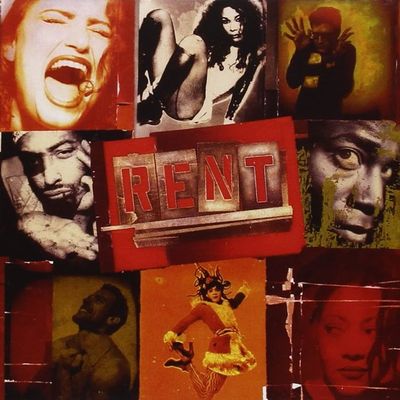
Adam Pascal is an actor, singer, and musician most widely known for originating the role of Roger in the original 1996 cast of Jonathan Larson's musical Rent on Broadway. Rent was not only his Broadway debut, it also earned him a Tony Award nomination, a Theater World award, and an Obie Award. He went on to originate the role of Radames in Aida, as well as play the Emcee in the 1998 revival of Cabaret, Huey Calhoun in Memphis, Billy Flynn in the revival of Chicago, Chad in Disaster!, and William Shakespeare in Something Rotten! Adam reprised his role as Roger in the 2005 movie version of Rent, as well as the Broadway tour in 2009. He also performed in the London concert version of Chess at the Royal Albert Hall in London, alongside his Rent co-star and friend, Idina Menzel. Adam has two solo rock albums to his name, Model Prisoner (2000) and Civilian (2004), as well as a collaborative rock album called Blinding Light (2008) with pianist Larry Edoff. Most recently Adam has been seen onstage in limited engagements of Pretty Woman. And soon he can be seen virtually as part of the Times Square Alliance Broadway Busker’s Concert series.
During our conversation, Adam shares how growing up and becoming a responsible adult was a challenge after having had his first audition experience lead to such success so early on. Amid this initial success, Adam recalls still being one hundred percent focused on playing in a rock band one day. When he started getting offers to audition for starring roles in Hollywood, what he really wanted was a record deal. This disconnect led to him making some “bad decisions” based on his ego, which he then spent years working on scaling back. Rent began the long journey of accepting the harsh realities of the career in which he found himself, but it also gave him a sense of safety. It gave him the overwhelming feeling of comfort whenever he walked out on stage. The feeling of being home in a way that playing in a rock band had never given him. He finally felt like he was where he belonged. And 25 years later, he’s still going strong.
In this episode, we talk about:
- Which movie musicals had an influence on him as a child
- How his friendship with Idina Menzel led to his audition for Rent
- The struggles that came with early success and recognition
- How he helped open the door for different types of voices on Broadway
- Why he prefers playing pre-existing roles to originating a character
- His desire for a record deal, and finally getting one
- What he would want to talk to Jonathan Larson about today
Connect with Adam:
- Listen on Spotify
- IG: @adampascal
- Twitter: @adampascal20
Connect with The Theatre Podcast:
- Support us on Patreon: Patreon.com/TheTheatrePodcast
- Twitter & Instagram: @theatre_podcast
- Facebook.com/OfficialTheatrePodcast
- TheTheatrePodcast.com
- Alan's personal Instagram: @alanseales
- Email me at feedback@thetheatrepodcast.com. I want to know what you think.
A very special thanks to our patrons who help make this podcast possible!
Cheryl Hodges-Selden, Paul Seales, David Seales
If you would like to see your name in this show notes or get a shout out on the pod itself, visit ttp.fm/patreon to become a member and show your support!
Transcript
This transcript was automatically generated and might contain errors.
[0:00] Alan Seales: Welcome to the Theatre Podcast, intimate personal conversations with theatre's biggest names. This episode is with Adam Pascal, who originated the role of Roger in Rent in his Broadway debut back in 1996. And I cannot believe this. I didn't know this, but this was not only his Broadway debut, it was his first theatre show, which was also his first audition. His first audition, which he got because he happened to be friends with Idina Menzel, who he grew up living nearby in Long Island, called him up and said, hey, I'm working on this show, they can't find this one role, you should come check it out. He goes in front of Bernie Telsey, the rest is history. It's incredible. And because of that, you know, had some misconceptions about how easy it is to get on the Broadway stage.
And of course, the pressure of everything having to lead to a Tony nomination or some sort of award win. And he gives great advice both in the beginning of the episode and the end about just leaving your ego at the door and how he went into some auditions after, of course, Rent just put him on the map. He was going into Hollywood for all these amazing auditions. He mentioned George Lucas that he auditioned for and just blew these auditions because he took his ego with him and didn't leave it at the door. Didn't understand you have to go and humble every single time. So wonderful, wonderful advice. From my Patreon account, I also got a question that you'll hear towards the end of the episode, but he talks about if he could talk to Jonathan Larson now, how much he really, really wants to just show Jonathan all the change that he has affected in this world and the influence that has happened not only in the Broadway community, but Hollywood and beyond.
Like everything just sounds like Rent these days. So as always, before we get into it, please visit me online at theater underscore podcast on Instagram and Twitter. Please leave a rating and review. They help. They help me get noticed. They help spread the podcast, spread the word. Visit me on the web at the theater podcast dot com or bpn.fm slash TTP. And now everybody, please enjoy this episode with Adam Pascal.
[2:26] Alan Seales: My guest today made his Broadway debut in 1996 with his Tony nominated performance as Roger in Rent. In addition to releasing two collaborative rock albums of his own, he's gone on to other shows on Broadway, such as Cabaret, Aida, Memphis, Something Rotten and Disaster. He originated the role of Roger again in the 2009 tour and the 2005 movie. He was most recently seen on the Broadway stage not once but twice in limited engagements of Pretty Woman and will soon be seen virtually next via the Times Square Alliance Broadway Buskers series. Adam Pascal, welcome to the theater podcast.
[3:04] Adam Pascal: Thank you, Alan. It's a pleasure to be here.
[3:07] Alan Seales: No problem. Yeah. So you you've had quite the journey and I mean, we're going to we're going to get there to your beginnings. And I think if I remember you grew up in the Bronx, right?
[3:19] Adam Pascal: I was born in the Bronx. And when I was about 10 years old, I moved to Long Island. So I am a Bronx, Long Island, Manhattanite.
[3:29] Alan Seales: So you how far away from the city were you in Long Island? Like, did you come back to the city a lot to see shows?
[3:34] Adam Pascal: Well, my parents were divorced and my father lives in Manhattan. So I was in the city all the time. My dad lived on 35th Street, 3rd Avenue. And so I mean, I lived out in Syosset. So you know, I was a 45 minute train ride. So yes, I was in the city. I mean, you know, a lot, almost every weekend, you know, certainly once I became a teenager.
[3:58] Alan Seales: Right, right. So the thing that's interesting to me and I, I always I'm really curious to hear your story about what attracted you to musical theater and Broadway specifically because you know, I interviewed Tony Vincent earlier, like a month or two back on the podcast and like, you know, you and Tony and these others have these rock voices that are there that are non traditional in terms of like, you know, your park and bark sort of belt singing. And it's really interesting to me how, how, well, I guess, before I even make any assumptions, like, what was it that attracted you to, to musical theater? And were you trying to get into the traditional musical theater scene before Rent came along? Because Rent was completely different.
[4:42] Adam Pascal: Yes, I was not. And I had never had any aspirations of doing musical theater or acting of any kind. I grew up playing in rock bands. And that was my basically my sole focus my whole life growing up was being in a band, you know, I wanted to be Jon Bon Jovi. And so in 1995, I had broken up with the band that I had been with all through high school and college and coincidentally, right around that time, Idina Menzel, who I grew up with, who grew up down the street from me, yeah. She called me up and said, I'm doing this off Broadway musical called Rent. And they are having trouble casting one of the roles. And she told me about the role. And she said, I thought of you and I recommended you to the casting director.
Yeah, do you want to go in and audition? And it just seemed like, you know, like, again, I was I was in a way at a crossroads because I had left this band that I've been playing with for so many years. And I was intrigued by the idea of going and auditioning for something and seeing just what that experience in and of itself was like. And the audition was just to go in with my guitar and play a song. And so that was certainly something I was well versed in doing. So I said, yeah, okay, sure. Now, you know, I wasn't an avid fan of musicals growing up, but I was an avid fan of musical movies. Hair and Rocky Horror and Grease and Tommy and all of those movies. I just I devoured those movies. I couldn't get enough of them.
And they were a huge, huge influence on me. So I certainly had a reference point for which to have experienced a rock musical. You know, I wasn't completely naive. And interestingly enough, and I usually don't mention this. I don't know why, but it's actually kind of interesting is that when I was seven years old, still living in the Bronx, for one reason or another, I don't know why my parents sent me for a two week visit to Stage Door Manor, which is like the biggest musical theater camp in the country. So I actually that's that was my prior musical theater experience was going to Stage Door Manor for two weeks when I was seven. So anyway, that was my prior experience. So it wasn't until I got cast in Rent did musical theater become a part of my life.
[7:18] Alan Seales: That's ridiculous. So you just happened to grow up next to Idina Menzel, which happens to be one of the biggest names in theater and now movies today anyway, who called you up because you were friends and then you go in and get not only get this role, but get Tony nominated for this role, which is your very first musical theater audition.
[7:40] Adam Pascal: Yeah, yeah. I don't recommend that route. I have to be honest with you because if you want to talk about mental health, which you mentioned, we can get into that whole wall of wax later.
[7:53] Alan Seales: Well, that's actually what I sort of wanted to ask because I feel like this puts you in a very precarious position where maybe the wrong person might get the wrong idea about how easy I put in air quotes it is to just show up on Broadway and start getting cast.
[8:13] Adam Pascal: Right? That's true. And I did suffer some of that. Absolutely. Um, you know, I, when you become the toast of the town and, you know, everyone's telling you how amazing you are and you get a Tony nomination and you've never done anything before. I had no frame of reference. Um, and, and, and had in a way been like dreaming about this type of situation my whole life wanting to be a rock star. You know what I mean? So in a way I, I achieved some version of, um, and I heard something really interesting the other day that Rob Lowe said on a podcast, he said that you, if you become famous at a, at a young age, you get, you, you get emotionally, um, and develop mentally locked into the, that age that you at the age at which you became famous.
[9:11] Adam Pascal: Interesting. Yeah. And I, and there is, I really think that there's an element of truth to that. I mean, quite frankly, I think I got locked in at a younger age and I'm just a perpetual teenager, but I, you know, growing up and becoming a responsible adult, having had that experience has been a challenge. I got to be honest with you. Um, and also, um, navigating the reality of what has now been a 25 year career in, in entertainment and, you know, um, has been difficult when you are set up from that position, there's only one way to go, you know what I mean? And so you have to go down and then work your way back up to some, some level of middledom, you know what I mean? Where like, you can just exist in a, in a nice sort of like working actor place.
Right. Um, and not expect everything to be a huge monstrous hit with Tony nominations and blah, blah, blah, blah, blah. Like it, you know, it took a while, uh, to accept that reality. I didn't want to accept it. You know what I mean? I, I didn't want it to be, I didn't want things to be that way.
[10:16] Alan Seales: Right. Oh, I, yeah, I can't imagine. I mean, I've talked with other people too that they have very little frame of reference. So they, they're the hot, they're the hot shit in their local college or the local high school, whatever it is. And they come here and then this can't get cast or they get the one thing out of college and then nothing for a decade. And they, and they start to implode and yeah, I, I, I was focusing on, on your, on the Tony nomination and the individual recognition, but yeah, you mentioned something too that the, I mean, the show itself Rent is still one of the biggest iconic shows that, I mean, it's changed, it changed the face of Broadway and, and you know, here we are 20 something years later and how many minutes into this interview and like, we're still talking about it, right? Like you've got to be tired of talking about this in some form.
[11:08] Adam Pascal: You know, when I was younger and more naive, I think I would get tired of talking about it, but I, I, I've, I think I've grown into a place where like, I really
[11:26] Adam Pascal: I can't believe how fortunate I am to have that as part of my story. You know, and sure I can try and force it down people's throats. They're like, "Hey, I've done eight other musicals and I've done this and I've done that." So what? You know what I mean? Who cares? Like, you know, I'm glad there's one thing people are interested in, you know what I mean? I'm lucky to have them. So, you know, I've gotten to the place where, you know, I want to work. I'm lucky to work. And, you know, I try, you know, Rent, like I alluded to, sort of did wonders on my ego. And I have spent years trying to scale that back. I've spent years trying to chip away at what can be the most destructive aspect of somebody's personality, is ego and allowing ego to make decisions, any decisions in your life, especially career decisions. And I made some bad decisions because of my ego. And I still am reaping the repercussions from those decisions today.
[12:43] Adam Pascal: So, you know, I'm not sick of talking about Rent because I realize how fortunate I am to have it as, again, as part of my story. Yeah, I just think it's very interesting that you've got these bands that they go on reunion tours after they've been together for 10, 20, 30, 40 years. And it's the same songs that people want to hear over and over and over again. You know, I just imagine someone coming up to the street, you're like, "One Song Glory, oh my God, Adam Pascal, right?" Well, it's funny you should say that because, you know, they have these cameos, you know what cameos are, right? Yeah, yeah. So I'm on Cameo every day. I get a ton of them, thank goodness. And so I'm singing "Seasons of Love" and "One Song Glory" numerous times every single day. So, you know, it's not only has it not slowed down, it has amplified like tenfold.
[13:42] Adam Pascal: You should write memoirs. Call it "One Man No Glory" or something. Yeah, yeah, seriously. So yeah, I'm well versed in those songs. Had you gone to see, I mean, you said you were in Manhattan a lot when you were a kid, though. Did you see Broadway shows? I mean, obviously you knew about Broadway, but at that time... Of course. I saw a few. I saw Les Mis when I was a teenager. I saw Annie when my parents took me to see Annie when I was a kid, you know. But for the most part, that's really it. That's all I saw. So yeah, that's traditional, your traditional musical theater. So then you get a call for a rock musical. Yeah. And I heard the story from behind the scenes, too, with Bernie Telsey. He told me that put him, Telsey and Co., that put him on the map.
[14:32] Adam Pascal: Yeah, it put a ton of people on the map, absolutely. Because nobody knew how to cast it. Nobody knew where rock voices existed and trying to find this sort of thing. And go ahead. Well, I was just going to say, I think that my voice really lends itself to musical theater in the sense that I was originally a rock singer. But the kind of rock singer that I was was a very tenor-y, power tenor rock singer, you know what I mean? A la Steve Perry and Freddie Mercury and all these heavy metal singers that I loved, Iron Maiden and all these guys. So I sang already with a lot of vibrato. And I sang with a lot of drama and power. And you know what I mean? I think that that's why it worked so well. You know what I mean?
It's not like it was Ozzy Osbourne sounding voice. I think it was just the perfect combination of the two genres. And again, I think that that's why it works so well. And I think that that's why I was received so well. Because there certainly have been rock-sounding singers on Broadway before me. I mean, I'm certainly by no means the only one. Murray Head and what's his name? Jesus Christ Superstar and all these voices. Ted Neely, I'm sorry. I drew a blank there for a second. And even to a certain extent, Cole Wilkinson. They had a little grit. They had a little edge to them. It wasn't just pure operatic tones. There were already people who had come before me that had this stuff. But I think it was just the show that I was in and the fact that the show... Had I come along and been in a different show that didn't become as popular, I don't think people would have taken as much notice of my voice. You know what I mean? I think part of it had to do with the fact that the show became huge.
[17:01] Alan Seales: Right. Well, I mean, making it on Broadway is one-third luck, one-third talent. One-third luck, and I forget what the other third is. I think it's one-third talent and the rest is luck. I think it's two-thirds luck.
[17:10] Adam Pascal: Yeah. Yeah, so you were at the right show at the right time next to the right neighbor. That's insane.
[17:14] Alan Seales: Yeah.
[17:15] Adam Pascal: So then your career gets launched and all of a sudden thrust into the spotlight. And this was before social media, before... I mean, I guess it was in 1997, right?
[17:28] Adam Pascal: So the... Actually, it was '96. We opened in '96.
[17:32] Alan Seales: Yeah, '96, '97. So the internet was just like becoming a thing.
[17:37] Adam Pascal: Right. And...
[17:38] Alan Seales: And it was all...
[17:39] Adam Pascal: It was dial-up. You know what I mean? There was no high speed. It was everything still dial-up. There weren't cell phones either. I remember Anthony Rapp was the first person I ever knew to get a cell phone.
[17:49] Adam Pascal: And he showed up at work one day...
[17:51] Alan Seales: With a giant thing.
[17:52] Adam Pascal: With this brick, this huge brick. Of course, it had no service. And it was like, who are you to call with that thing? And the popularity of this show, the cast album just goes insane, changes the game. And now everyone's trying to emulate these voices, myself included. I was in... I'll be 40 soon. So I was in late high school at this time, going into college. And I was like, I'm a baritone at best. Do not have any ability to sing up there like a Bon Jovi or like a Steve Perry or... I remember "One Song Glory," I was given as an audition song once. And I was like, that's insane. I cannot do this.
[18:34] Alan Seales: So were you finding yourself sort of being emulated in a way that you used to emulate others at this point, like with the spread of the cast album, I guess, taking over the time instead of social media?
[18:52] Adam Pascal: Well, I don't know about emulated per se. But I think that the success of Rent and my personal success and the success of somebody who sounds like me definitely opened the floodgates, you know what I mean? For all sorts of different types of singers who weren't your traditional Broadway singers to now come in and get work, you know what I mean? Tony included, who's a friend of mine. But I think he would probably be the first to admit that that's the case. And not to say that I'm responsible for it. But I do think that what I did was I demonstrated to the community that there were a lot of other types of great singers out there. And that you could look in other places and find talent where you didn't prior, where you didn't look before, you know what I mean?
So I think I definitely had a hand in that. And I think the only time people may or may not have tried to emulate me is if they were playing Roger, you know what I mean? Is if they were trying to play that part, which I understand. I've certainly worked with plenty of actors over the years, in master classes and all sorts of stuff. And I can't sort of emphasize enough how not to do that.
[20:24] Adam Pascal: And that I sound the way I sound. And nobody wants you to sound like me, you know what I mean? They want you to sound like you. It's not interesting to hear people try and emulate what's on the cast album. It's interesting to hear people make it their own, you know what I mean? And I say that having, quite frankly, spent the majority of my career taking over already existing roles, you know what I mean? So I've never tried to sound like a cast album or an actor that has gone before me. I wouldn't even know how to do that, you know? And so I try to impart that to younger actors, that nobody wants you to do that. You shouldn't do that. And it's your originality that makes you unique and special. And that's what you should embrace.
[21:12] Alan Seales: Right. Well, you touched on this a second ago that you originated Roger and then you originated in Disaster, I think, was it?
[21:21] Adam Pascal: No, it was Aida.
[21:22] Alan Seales: Oh, no, that's right. Of course.
[21:24] Adam Pascal: I always forget about Disaster. So it was Rod and Aida, and then it was Chad and Disaster.
[21:30] Alan Seales: Right.
[21:30] Adam Pascal: So you have other credits. But okay, so Rent was '96, Cabaret was 2003. So between '96 and '03, was this like the beginning? You know, you're at the top and then all of a sudden you can't find work? Or were you doing regional?
[21:41] Adam Pascal: No, no, no, no, no, no, no. Aida was in between those two. So it was Rent and then it was Aida. And then after Aida came Cabaret.
[21:52] Alan Seales: Right.
[21:52] Adam Pascal: So that was both.
[21:53] Alan Seales: Okay, okay.
[21:54] Adam Pascal: So I'm looking at the IBDB data here.
[21:58] Alan Seales: Yeah.
[21:58] Adam Pascal: Yeah, no, so there's a lot of things in there. So it was after Cabaret, I did a bunch of other smaller things.
[22:07] Adam Pascal: So Cabaret was actually 2004. The Rent movie was 2005. Then the Rent tour was 2009. And then there was Memphis and Chicago and Disaster and something. You know what I say?
[22:22] Alan Seales: Yeah.
[22:23] Adam Pascal: So things like, you know, sort of like a lot of, you know, things happen later on. But yeah, you know, I love taking over already existing roles. Like I prefer to do that than to create new characters.
[22:39] Alan Seales: Is that a pressure thing?
[22:42] Adam Pascal: It's a, yes, yes. In a way, I don't like the feeling of sitting around waiting to see if I get a Tony nomination.
[22:52] Adam Pascal: What people thought, they hate me, they like me, this, I don't, I hate that because I remember it for Aida. I remember sitting around like, you know, like, I'm not going to give it to him. And, and, and like the panic feeling, and then I didn't get one and the heartbreak and feeling, I just, I hate all that. And I don't want to, and like, I just don't want that in my life. You know, like I just, like I said, like, I just want to work. I just want to know that, like, I've got a year contract, and I'm going to do this job for a year, and it's going to be great. And you know what I mean? I just, there's so much less pressure, you know, and yeah, I just, I don't, I don't really like the pressure of creating new characters. I'd rather somebody else do it.
[23:35] Adam Pascal: Yeah, that I can, I can see that the whole, the whole Tony Award kind of, well, the award season in general is all very, it's very political to begin with, because there's stuff that, you know, the general public doesn't see about lobbying for people and selling tickets and whatnot. But let me just interject and say that I'm not saying that I even deserve the nomination for Aida. I mean, that's certainly debatable, you know, so it's like, I'm not coming from a place of like, I should have gotten one and I didn't. That's not what I mean to say. What I mean to say is I wanted one, you know, like, so anyway, I just wanted to put that out there.
[24:18] Adam Pascal: Yeah, yeah, the, I think it was Karen Oliva who told me that, I asked her, I said, did your, after the Tony Award, did your life get easier? And she was like, no, you know, the pressure, the pressure to maintain, the pressure to continue and deliver at that level is, it just, it's like astronomically compounding on your, on your, on your mental state, right? Because every single show, you're like, is this the one?
[24:44] Adam Pascal: Exactly. So, so going through that, I mean, I wanted to just put out there just like, why do you keep doing it? But I know why people continue to do it because they need, they need the arts and they need to perform like theater people are people who need people.
[24:58] Adam Pascal: Of course. I mean, I'd love to do it. It's and look, I know I'm good at it. You know, I wouldn't have been, I wouldn't be here 25 years after Rent if I wasn't good at it. So I know I'm good at it. I do love it. Um, and I just, you know, every job has its pressures and, and you have to deal with the pressures of it in, in whatever form they exist and whatever form they come in. And that's, and some people thrive and strive for that Tony thing. And, and, and then there were people like me that kind of shy away from it.
[25:29] Adam Pascal: Um, but, but, but getting on that stage and doing the work is why I do it. You know, like there's, there's, there's no experience like it. There's not, you know, um, and, and from the first time I stepped out on stage and rented the New York theater workshop, this, this feeling of, of, uh, of, of, it's interesting of, of, of comfort of like being home in a way that playing the rock band never felt, you know what I mean? But being in a show felt like home and, and it, and it, and it still does to this day in any show that I do, it feels like home. It feels like that's where I belong.
[26:15] Alan Seales: I actually want to see if you don't mind elaborating on that a little bit, because I have never, I have never been in a band. I've only been on stage. And so to me, in my mind, it seems very much all right. So you're going on stage and you're performing and especially if you're a lead, you're carrying the show or you're carrying the performance, but like in a rock concert, you've got your set, you know, your songs, it's scripted to a point. What's the difference?
[26:43] Adam Pascal: Part of the difference is my personal experience in that my band sucked and we never had any fans. And so I spent, you know, I spent the good part of, you know, let's see, I mean, from the time I was 12 to the time I was 25, you know, playing, you know, to, to empty clubs for years to empty bars and empty clubs and, and, and getting no response and no, you know, like, and, and so, so, so that's painful. And, and that, that, that, you know, that sort of works, works on your psyche in a negative way.
[27:21] Adam Pascal: Also, there were the, and what always panicked me was not the performing of the music, but the moments in between the music, how do you keep an audience engaged in between songs? You know what I mean? You know, like, you know, I always looked to a guy like Bono, who was like the king of something like that. You know what I mean? Who could like, you know, keep an audience like, you know, sort of like completely wrapped around his finger, just talking to them. You know, like I, I didn't have that. I couldn't do that. And I was terrified of it. And I always felt very out of place. I felt, I felt out of place. I felt, I felt in many ways, like a poser, like I didn't belong there.
[28:08] Adam Pascal: Like, like I, I just, again, there was, there was always something that felt a little bit off about being the singer in a rock band. It's just, again, I felt like I just knew, you know, I could do it musically. I just put my personality. I didn't feel like I belonged. And when I got on stage in a musical, I felt like I belonged, you know, for whatever reason, because it wasn't me because I was playing a character because I was wearing a costume, because I was on stage with other characters, because we were telling a story, because I didn't have to think about the next thing I was going to say, because it was already scripted. You know what I mean? Like all, all of these things, you know, like, um, and, and, and, and there was an element of like a safety of having all of this that I never felt, uh, playing in bands. It felt very exposed and unsafe to me.
[29:07] Alan Seales: That's interesting. I wonder, I wonder if it's the people involved as well. I don't, you know, I don't know your other bandmates. I don't know the band. I, to me, you know, your theater, your theater is your, is your family. Your, your cast is your family for the time you're in your show, that show. And even if you're in, you know, like Pretty Woman, you come in for two different weeks, you become, you become part of this larger picture.
[29:35] Adam Pascal: That's true. That is an entity in and of itself, which I guess now that you've talked about, you know, the band, I can see how it's actually vastly different because especially if you don't like your, anybody in the band.
[29:50] Adam Pascal: Yeah. I, you know, I, I didn't have the confidence cause I knew that we just, you know, there were a couple of guys in the band that just, and I love the guys personally, but that just weren't that good musically. And so I felt that, like, I knew we just weren't that good, you know, and I just never had the courage to leave the band earlier when I was younger and started a band with different guys because these guys had then become my best friends.
[30:15] Adam Pascal: And so, so I just, I didn't have the confidence in the band that like, it's us against the world and we're going to go out there and kick ass. And so, you know, like, it was like, I knew that just like there was like, you know, there was a major weak points, you know? It's, I would imagine, and I've never been in a flop, but I would imagine it's like, if you're in a, in a, in a show on Broadway that, you know, people hate and you know, it's going to close any day. And you know what I mean? Maybe it feels like that to a certain extent, you know, like that you just, you know it's not good, you know?
[30:51] Adam Pascal: I mean, Disaster didn't do well financially, but it was a great show and the audience has loved it, you know what I mean? Like, and I loved it and I loved being there every night. I've never experienced being in a show that like, I hate this, the audience hates this, I hate it, I don't want to be here. Like, you know, like, and I hope I never have that experience, but like, maybe it's something akin to that.
[31:14] Alan Seales: Huh, yeah, that's, that is totally, that's totally clear for me now, I completely get that. And I'm looking at, I'm looking at the timeline of things.
[31:24] Adam Pascal: So you have, you have two solo rock albums, Model Presidents.
[31:28] Alan Seales: I actually have, I actually have three.
[31:29] Adam Pascal: Well, you have two solo and one was collaborative, according to the bio that I would see.
[31:33] Alan Seales: That's true, yeah, yeah.
[31:33] Adam Pascal: Yeah, with, with pianist Larry Edoff, yeah.
[31:36] Alan Seales: That's correct. Were you starting to write your own albums, obviously while you were in shows too, right? Was the idea to try to branch off and go back to, to the rock, to the, the solo performance?
[31:50] Adam Pascal: This is, this is, this is actually an important, an important point to get to, which is, so when the success of Rent happened, I was still completely 100% focused on playing in a rock band, you know what I mean? I figured like, okay, now I'm going to get a record deal. Now I'm going to get with some real guys. I'm going to start writing some great songs with some great guys and get a record deal. So whereas, you know, all of the other people in the show that, you know, got some heat under them and use the show as their springboard, as one does, they were all actors.
[32:25] Adam Pascal: And so they all went off to Hollywood and, and I was like, fuck that. I don't want to be an actor. I never did. I want to, I want to, you know, I want a record deal, but that didn't happen. It just wasn't, still wasn't happening. But I was getting all of this attention from Hollywood. You know, I was getting massive, massive interest from Hollywood, but I hated that. I didn't want it. I rejected it. I rebelled against it. And, and it, and it, it made me mental.
[32:52] Adam Pascal: It made me completely mental because, because now I had an agent and now I had, I had an obligation. I couldn't say, no, I'm not going in for George Lucas to audition for Darth Vader. I couldn't say no to that. Do you know what I mean? Like I was getting auditions like that. You know what I mean? I was getting like, you know, A-list starring role auditions during that time. And, but, but I was so arrogant that like, I was like, first of all, I was like, why do I even have to audition? Like, you know, like, just give me the fucking part. You know what I mean? I have a Tony nomination, give me the part.
[33:31] Adam Pascal: But then it was like, no, they just want you to come in. So I would go in and remember I had no acting experience other than Rent. I certainly had no audition experience other than Rent. So I would go in on these auditions and I would suck. I would tank every one of them because I didn't know how to audition. I was also angry about being there and I was arrogant. And so the combination of all that stuff, I, I, I blew all of these auditions. And, you know, again, we talked about this earlier, these ego-driven decisions. In hindsight, I wish that I, I wish that I had the wherewithal and understood the opportunities that were being given to me. And, and that I understood to take advantage of them in, in, in the best way I could.
[34:48] Adam Pascal: You know, I think that the thing that I learned the most from Jonathan was just the importance of being true to yourself and your voice. He had such a unique way of expressing himself, and it was so authentic. I think that really resonated with me, and it taught me that you have to be honest in your art, no matter what.
[35:18] Adam Pascal: I remember when I first got the call about Rent, I was just blown away. I had no idea that it would change my life in such a profound way. I was just a kid from Long Island, and suddenly I was being thrust into this world where I was surrounded by so much talent and creativity. It was overwhelming, but also incredibly exciting.
[35:48] Adam Pascal: The thing about Rent was that it was so groundbreaking at the time. It was a show that spoke to a generation, and it tackled issues that were often swept under the rug. I felt a responsibility to do justice to the role of Roger, and I wanted to make sure that I was representing the character in the best way possible.
[36:18] Adam Pascal: I think one of the biggest challenges for me was dealing with the sudden fame and recognition. It was something I had never experienced before, and it took a while for me to find my footing. I had to learn how to navigate that world while still staying true to who I was as an artist.
[36:48] Adam Pascal: There were definitely moments where I made some bad decisions based on my ego. I was young and inexperienced, and I think I let the success get to my head a little bit. It took time for me to realize that I needed to focus on what truly mattered to me, which was my music and my craft.
[37:18] Adam Pascal: I always had this dream of being in a rock band, and I think that was my first love. Even when I was getting offers for big roles in Hollywood, I was still holding onto that dream of a record deal. It was a constant struggle between the two worlds, and I had to figure out how to balance them.
[37:48] Adam Pascal: Rent gave me a sense of safety and comfort that I had never experienced before. When I walked out on that stage, I felt like I was home. It was a feeling that I had been searching for, and it made me realize that I belonged in this world of theatre.
[38:18] Adam Pascal: Looking back, I can see how much I've grown as an artist and as a person. The journey has been filled with ups and downs, but I wouldn't change a thing. Each experience has shaped me into who I am today, and I'm grateful for every moment.
[38:48] Adam Pascal: I think the most important lesson I've learned is to stay true to myself and to keep pushing forward, no matter the obstacles. The industry can be tough, but if you have a passion for what you do, it makes it all worth it.
[39:18] Adam Pascal: I'm excited about what the future holds. I have some new projects in the works, and I'm always looking for ways to challenge myself and grow as an artist. I think that's what keeps me motivated and inspired.
[39:48] Adam Pascal: Ultimately, I just want to continue sharing my music and my story with the world. I hope that my journey can inspire others to follow their dreams and to never give up on what they love.
[40:18] Jonathan Larson: The beauty of art is that it can connect us all, and I think that's what makes it so powerful.
[40:48] Adam Pascal: Absolutely. It's all about connection and finding common ground through our experiences.
[41:18] Adam Pascal: And I think that's what Rent did so well. It brought people together and created a sense of community among its audience.
[41:48] Adam Pascal: I remember the first time I saw the impact it had on people. It was incredible to witness how the show resonated with so many different individuals from all walks of life.
[42:18] Adam Pascal: It was a reminder of why we do what we do. To touch people's lives and to create something meaningful that can inspire change.
[42:49] Jonathan Larson: That's the goal, isn't it? To create art that speaks to the human experience.
[43:09] Jonathan Larson: And to remind people that they are not alone in their struggles.
[43:18] Jonathan Larson: Art has the power to heal and to bring hope, and that's something we should never take for granted.
[43:48] Jonathan Larson: It's a privilege to be able to share our stories and to connect with others through our work.
[44:18] Jonathan Larson: And I think that's what makes the theatre so special. It's a place where we can all come together and celebrate our shared humanity.
[44:48] Jonathan Larson: So let's keep creating and sharing our voices, because the world needs it now more than ever.
[45:18] Matthew Hendershott: Absolutely. Let's keep pushing boundaries and inspiring others through our art.
[45:28] Matthew Hendershott: It's what we were meant to do, and I can't wait to see where it takes us next.
[45:38] Jonathan Larson: Here's to the journey ahead and all the stories yet to be told.
[45:48] Jonathan Larson: Let's make our mark and continue to shine a light on the beauty of the human experience.
© Broadway Podcast Network, All Rights Reserved