

Alice Lee is an actress, singer and musician who made her Broadway debut in 2008 when she joined the cast of Spring Awakening. Her other New York theater credits include Spider-Man Turn Off the Dark on Broadway, as well as Off-Broadway productions of Bare and Heathers: The Musical... Read More
From the show: The Theatre Podcast with Alan Seales
Featured Shows

About
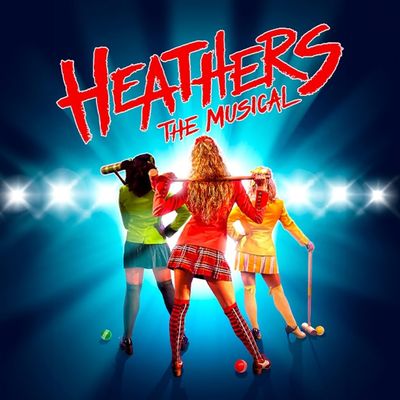
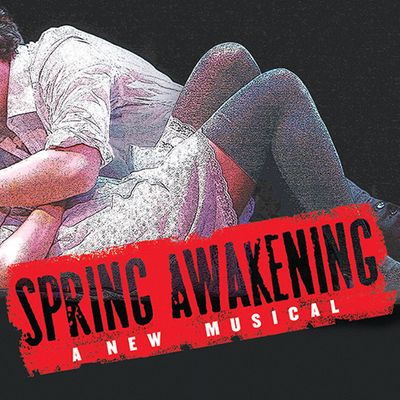
Alice Lee is an actress, singer and musician who made her Broadway debut in 2008 when she joined the cast of Spring Awakening. Her other New York theater credits include Spider-Man Turn Off the Dark on Broadway, as well as Off-Broadway productions of Bare and Heathers: The Musical. While she is no stranger to the stage, she is also no stranger to the screen. Alice was a contestant on the ABC reality TV show Rising Star in 2014, with other television credits that include Smash, The Mindy Project, Switched at Birth, 2 Broke Girls, Take Two, Zoe’s Extraordinary Playlist, and many more. She can also be seen in the Netflix film Sierra Burgess Is a Loser, and last year's hit indie movie Brittany Runs a Marathon. While she lived in NYC, Alice performed in numerous concerts at Rockwood Music Hall, where she frequently debuted original material. Coming up next she can be seen online performing through the Times Square Alliance Broadway Busker’s Concert series.
Alice was born and raised in the north suburbs of Chicago, the only child of parents who immigrated from South Korea. She shares that music entered her life at a very early age, and recalls learning to play instruments and sing long before she knew she wanted to be a performer. Her dad is also a great singer, and when Alice was young they would sing karaoke together. While she dabbled in the drums and clarinet, the two instruments she still plays today are the piano and guitar. When deciding what course of study to pursue in college, Alice researched the programs at NYU. And feeling like she didn’t quite fit into either the musical theater or the classical vocal performance categories, she opted to earn her BM in Music Business. It was while she was a freshman at NYU that Alice attended a performance of Spring Awakening, and in her own words, became “obsessed”. So when she found out they were holding open calls for replacements, Alice went and auditioned - and booked her first Broadway show.
In our conversation, Alice candidly talks about growing up and feeling different, but so badly wanting to fit in. And while she and her parents never had any conversations specifically about race, she recalls that she was always aware of the differences, and of other people's attitudes towards them. Alice also lovingly recalls visiting family in South Korea every two years as she grew up, memories which she holds onto and celebrates as part of her identity. Shortly after quarantine began this year, Alice left her apartment in Los Angeles where she lives alone to go spend time with her parents outside Chicago. While there Alice shares she has been spending her time writing, recording demos and making pop music. “This is my frickin destiny” she realized this summer, affirming her vision for her next big dream - to become the first big Asian-American pop star.
In this episode, we talk about:
- Deciding to major in Music Business
- Why she moved from NYC to LA about 5 years ago
- Her experience on the reality TV show Rising Star on ABC
- Being recognized in public for her performances
- Activism on Instagram
- Growing up the child of immigrants
- The joy she finds in writing and making music
Connect with Alice:
Connect with The Theatre Podcast:
- Support us on Patreon: Patreon.com/TheTheatrePodcast
- Twitter & Instagram: @theatre_podcast
- Facebook.com/OfficialTheatrePodcast
- TheTheatrePodcast.com
- Alan's personal Instagram: @alanseales
- Email me at feedback@thetheatrepodcast.com. I want to know what you think.
A very special thanks to our patrons who help make this podcast possible!
Cheryl Hodges-Selden, Paul Seales, David Seales
If you would like to see your name in this show notes or get a shout out on the pod itself, visit ttp.fm/patreon to become a member and show your support!
Transcript
This transcript was automatically generated and might contain errors.
[0:00] Alan Seales: Welcome back to the Theatre Podcast. Intimate personal conversations with theatre's biggest names. This episode is with Alice Lee, who you've seen on Broadway in the original cast of Spring Awakening and Spider-Man Turn Off the Dark. She's also a very accomplished TV and film actor now, and has just been going through this incredible journey of self-discovery, and she went from New York to LA, and now she's back at home during quarantine in Chicago where she grew up. We got into a very serious conversation about sort of feeling, I want to use the word obligated, she didn't use this word, but you know, indebted, I guess is a better way of saying it, to her parents who are immigrants and gave up so much and helped her become the person that she is.
She got very emotional talking about it, so Alice, thank you for sharing and being your authentic self. I think it's so, so important to hear that story. As always, please visit me online at theatre underscore podcast on Instagram and Twitter. Please turn to that friend next to you, tell him you're listening to a great podcast, have them subscribe too. We need to grow the ratings, grow the reviews. Find me on Facebook, I'm there as well. Show your support for the podcast at thetheatrepodcast.com. And now everybody, please enjoy this episode with Alice Lee.
[1:36] Alan Seales: My guest today is no stranger to the stage, having made her Broadway debut in the original production of Spring Awakening, followed by Spider-Man Turn Off the Dark. She has appeared on TV shows like Smash and The Mindy Project, Two Broke Girls and Zoe's Extraordinary Playlist. She has even been on the ever popular web series Indoor Boys and played the amazingly self-centered best friend Gretchen. I put in air quotes, best friend. In 2019's Brittany Runs a Marathon, now part of the Broadway Buskers concert series produced virtually this year by the Times Square Alliance. Alice Lee, welcome to the Theatre Podcast.
[2:17] Alice Lee: Thank you so much. That's an awesome introduction. Thank you.
[2:24] Alan Seales: You're welcome. And I was doing research for this, as I do for, you know, most of the interviews I do. And I was surprised by, I guess, how deep you're tied into the Broadway world while still having such a strong TV and film career.
[2:43] Alice Lee: Yeah. Wow. Thank you.
[2:44] Alan Seales: Well, yeah. So, so, I mean, I want to start with that, though, because you've got the two Broadway credits and you're young and like your IMDb page is very long. So you've obviously been working for a long time. So I guess let's see, we're in quarantine. Where are you? Where are you right now? Where are you interviewing from?
[3:03] Alice Lee: Right. So right now I'm in the north suburbs of Chicago, which is where I was born and raised with my parents because I was in L.A., obviously quarantining when this first started, but I live alone. And so honestly, it was just hard. I was like, OK, I think since there's nothing going on here, might as well spend some time with the parents. And, you know, and so I've been here for a couple of months, actually, and it's been so good. Like I'm my parents are like my best friends and we have a great time. We go golfing and just mentally, emotionally, I just think I feel a lot healthier, you know, so it's been good. And also, you know, obviously everything that's going on is really shitty, but it's when else would you get this time, you know, to spend with your family. So for me, it's kind of the silver lining.
[4:02] Alan Seales: Right. Yeah. I guess living alone, living alone is hard enough, right? Some people like it, some people don't. But then in L.A. where I personally I've never really liked L.A. beyond just visiting for a couple of days because maybe I've never had the right opportunity. Yeah. Or to like hang out. I mean, I've visited friends out there and it's great, but it's like I love the subway here and everything is concentrated in a good way and a bad way. But, you know, you look at the good. But I can imagine how being quarantined with everything shutting down, like if you're by yourself, you leave and you have purpose and you go do things and you're auditioning or you're filming or whatever. And with everything shut down, then does it start to get lonely?
[4:55] Alice Lee: Oh, yeah, for sure. Yeah. I won't even lie. Oh, for sure. And like, yeah, that's the thing. I love New York. I love L.A. I feel like they're like apples and oranges, but everyone has different tastes. And I'm like, you know, you do you. But yeah, for quarantine, for sure. Even L.A. was just I don't know. It was hard. Yeah. Obviously, there were situations, of course. And, you know, I feel very lucky that I'm in my situation. But yeah, it's tough, man.
[5:23] Alan Seales: Right. Well, the whole I mean, you're moving in Chicago, you're back to you're moving at least closer back to New York right now. And then part of the Busker's Broadway Busker series, which we'll touch on. But how long how long were you in New York versus L.A.? I mean, you grew up in Chicago, you said, right. Born and raised in Chicago. So and I was looking through your Instagram page and obviously you play piano and you play guitar. Are these the only two instruments?
[5:50] Alice Lee: Yeah, those are like my main instruments. I mean, I played I played clarinet in like middle school and band. I learned drums. Let's see. I guess those are my mains. Piano and guitar. Yeah, for sure.
[6:06] Alan Seales: So then why, I guess. Well, OK, so let me back up a second. At what point are you like, I'm going to try this crazy acting thing for a living or I'm going to start performing for a living? When did you start? Did instruments come first at a young age or was stage first?
[6:24] Alice Lee: Yeah, definitely instruments at a young age and also just like singing and performing like my dad's a really great singer. So he used to do karaoke and I was just like, I love that stuff. But like professionally, basically what happened was I went to college. I went to NYU, but I went for music business because at the time also there wasn't like a pop music program or like back then it was either just musical theater or like traditional. What is it just like music performance that wasn't pop? You know, like what's traditional? Classical? Yeah. Yeah, it was either musical theater or classical. And I was like, oh, I don't fit either of those because at the time I did like Les Mis in high school, but I wasn't like doing theater.
So I wasn't really sure. But I was like, I know I want to do something with music. And so I was like, let's do music business like that sounds great. So I went to NYU and basically my freshman year, the end of my freshman year in college, I went to see Spring Awakening with my friend and like on Broadway and I was like obsessed. And then we went on the website. Yeah, yeah, it's amazing. And then we went on the website and we saw that there were open calls. And so we were like, let's go. And then, you know, I just feel like I got lucky and the stars aligned, whatever it is, I booked it. And so that was my first show on Broadway. And then through that, I got an agent who I've been with since then. And so, yeah, it kind of started there. And I started auditioning and all that. And yeah, it's crazy.
[8:06] Alan Seales: So then why, when did you move to LA and why?
[8:15] Alice Lee: So LA, I moved around five years ago. I moved to do this singing reality show called Rising Star on ABC. It only ran one season. It was with like Kesha, Josh Groban. I'm like, I don't even know who the other judges were, but it was really fun. So because of that, I was actually doing Heather's Off-Broadway at the time in New York. But then this came along and I was like, you know what, I've always loved music and I just feel like I just need to go and try. And so I went, I was in LA for a couple months. And then I was in like the top 13. But then I got kicked off, came back to New York. And I was like, you know what, I just feel like right now is the time. I just felt it in my gut. So I was like, let's make the move. So I did it.
[9:06] Alan Seales: Wow. So you've only been out there, I guess, permanently for five years. Was the reality show, I've talked to other people who've been on reality shows and they're like, it's the worst, horrible, most traumatic experience they've ever been through.
[9:18] Alice Lee: Yeah. I mean, I wouldn't say it was the most traumatic, but it was definitely like, I don't think I ever want to do one again. I was like, I'm never going to do a reality show again. It's just funny because you get sucked into it. Like for me, it's like I had an agent, I had reps. So I was like, I'm going to work again. I know I'm going to do something again. A lot of the other contestants, this was it. This is their moment or not. So when I got kicked off, I was so devastated. And I was like, Alice, why are you so devastated? This isn't the end for you. But I was crying and my mom was there and she made fun of me later. And she was like, yeah, that was embarrassing. You were crying. I was like, oh my God. Yeah. Um, but yeah, you just get sucked in and it's just like a bubble. Um, and I feel like, you know, it's just, it's not like actually real, I guess, like, if that makes sense. Um, I don't know. It's all subjective. And yeah, it was fun.
[10:17] Alan Seales: But how much of it for you, at least how much of it was actually like fully unscripted? I've talked to other people, several American Idol contestants who were just like, oh wait, they didn't let you through. Yeah. Go back again. We're going to tell them to, to put you through this time, like affecting the judges outcome. Right. If it doesn't go the way they want.
[10:38] Alice Lee: Right. And that's the thing, like, I wasn't sure, you know, and like, how can you know if the voting system is really right. And, you know, I do feel like they were kind of making people into like what they wanted. Like, this is your story. You know, like I had a friend on the show. I know her now, her name's Myra and she was on the tour of Miss Saigon. And it's so funny, like her name is Myra, but they were trying to, they were like, you need to use your like Thailand name, your Thai name. Like, we have to make sure you're like your Thai name. Like, and she's like, but I'm Myra. And like, they kind of make everyone into this caricature, I guess a little bit. Right. And like, my whole thing was she's musical theater, like, which is great. But I also like, I think my voice isn't traditional musical theater. And it's like their whole thing that was like, you're so musical theater. Like, that was like the thing. I'm like, okay. Sure. But yeah, it was fun, though.
[11:40] Alan Seales: Well, yeah, they need to make, they need to paint this narrative to have to for ratings, to love you or hate you and want to come back for whatever reason. But your whole life can be shaped by somebody's need for ratings, which is kind of, I mean, in a bad way, right? So if you're like, you're painted as or edited together as this horrible person, that that's a stigma now, especially with the internet, you can't shake it. Because it's forever.
[12:04] Alice Lee: Yeah. Yeah, that's scary. But I guess it's like, you just have to realize like, that's just shit that people say. And if that's not really you, like, it's all good. I mean, I tried to be very, you know, you can't control everything. But in New York, right? You see people all the time, you see celebrities and Broadway people, and it's, and I feel like, you know, if you're, if you live in New York, you're used to it. It's just like, Oh, look, there's, you know, I sat down next to Elizabeth Banks at the Bronx Zoo or at the Central Park Zoo once. And, you know, it was like, Oh, look, she takes her kids to the zoo, too.
[12:37] Alice Lee: Right, right. And like in LA, though, I guess, is that is that different for you? Are you getting recognized from, from the reality shows or from movies or from TVs? Are you like, is that is that happening over there versus New York? You just like, finally, I can get a Starbucks and nobody cares.
[12:55] Alice Lee: No, I definitely don't think I'm at any level like that. But I mean, it does happen at like, random times, though. Just random time, sometimes, like I will get getting a coffee. And they're like, Were you on that show Take Two on ABC? And I'm like, Yeah, like, you watch that? Like, and they're like, Yeah, I'm like, Okay, um, thank you. And then Heather's also like, sometimes people that's the one that I'm actually the most like, I see girls are like, you're from Heather's or like, the Netflix movie I did Sierra Burgess is a Loser, like that was very popular among like, teens as well. And so it's kind of random, but it's definitely nothing like I'm like, I can't walk the streets like,
[13:39] Alan Seales: Was there is there then, the more that's happening over time? Is there like, sort of an added pressure to to be more of who you think people want to be? Or who you think people want you to be? Or are you just like, yeah, screw it. I'm just, I'm Alice. I'm posting weird.
[14:02] Alice Lee: And I'm being a dork and I'm, you know, yeah. You go. I was going to say, like, I was just asking if that's, if that's what it is. Do you feel pressure from social media now, now that popularity is growing or is it just like, I don't care. I'm still me. Yeah. I think social media is a little weird just cause social media is always just so stressful for everyone, you know? Um, but I think I'm definitely the latter. Like, I just feel like I'm like, this is me. Like, take it or leave it. Um, one time I, I mean, I feel like we talk about this. I mean, it's legal in LA. Um, but I was at a weed dispensary and like leaving and these people were like, Oh my God, like you're Alice, right? And I'm like, yeah.
And like, they were like, we know you from Sierra Burgess and like, um, Bernie runs a marathon. And like we took pictures in front of the weed store and they're like, do you come here? And I was like, yeah, I'm a regular here. You know? And it's just like, it is who I am. And I'm like, have fun. They were like, we're going to try weed. Like we're in LA. I'm like, do it. I'm rolling my eyes right now because we needs to be nationally legalized. I definitely, yeah. And, and I just think it's funny cause anyway, I'm not going to go down that rabbit hole. Okay. Yeah. I was like, yeah, we can podcast about, listen to the brave new weed podcast. That's a good one. Um, yeah, so just like you don't go to a bar and you're like, I'm going to try alcohol now and drink a whole bottle of whiskey. No, like you learn and you figure out what works. Anyway, this is obviously you've, you've pushed a button for me. I think this is so stupid.
[15:45] Alan Seales: I mean, I'm passionate about the issue too. I totally agree with you. Actually. So talking about like sort of activism, passionate stuff on your Instagram too. You were posting, um, you know, back in June, you were posting about all this stuff about, um, realizing your privilege and realizing, um, uh, that it's important just to care about more than just who's president. You have to know who's your VP and your local congressman and your local this and your, all of that. And I mean, talk to me a little bit more about that because I mean, being, presenting as Asian, there's a certain stereotype and, you know, you may identify in any number of different ways. Right. And that's totally up to you.
And how do you find yourself in these positions now, especially being on social media and being in the time we're living in where, where you feel like you're, you're changing into a different, um, present public presentation because of, uh, demographics and physical appearance.
[16:47] Alice Lee: Yeah. I mean, I do feel like, yeah, this time again, 2020 is like so wild. Um, I just feel like, like you said, I think there's just so many things I hadn't realized or really thought about, like obviously just growing up as an Asian woman in America, like I've experienced a lot of stuff with race and things, but I just never, I don't know. I just never really fully registered as something that I can make a difference about. And definitely like black lives matter for me. It just, because of that, I just realized so many things. And, um, yeah, I do feel like, you know, I was kind of afraid to like talk about it or say anything like a lot of people. Um, but at the end of the day, if it's like something you believe in and like you really believe in it, I just feel like, you know, fuck it.
Like I have to say something and if this can make a difference or make one person think about it differently. Um, I feel like that matters, you know? Um, yeah, it's weird. It's also, I'm like, who am I? Like, no one gives a fuck. Like what I think. Like, you know, I'm like, who cares? But then also I'm like, but still it's, even if I had no followers, like I should be still talking about this stuff, you know? So yeah, I'm just still learning and still, you know, figuring it out. But I'm just grateful that I know now like better late than never, you know?
[18:08] Alice Lee: Yeah. Growing up to my, my, and no fault of my parents is just where they grew up as well as is they're not purposely racist if that makes sense. They don't consciously have any sort of ill will towards anybody who does not look like them, but they say things that they think are funny. Right. Which just aren't appropriate. Yeah. It happens all the time. And like, we just get used to laughing or like, I don't know. I just think we all suppress things in different ways. And I just feel like a lot of us are finding our voices a little more now and are like, for me, it's like now I'm more confident about speaking up about certain things because I feel like someone has my back, you know? Like it's not just me making shit up. I'm like, no, no, that was wrong. Like, so now I feel better about saying something if anything goes down, you know?
[19:00] Alan Seales: Yeah. Yeah. Did you, I mean, did you experience a lot of that in Chicago? Like, is your, so you, I guess you identify as Asian American.
[19:06] Alice Lee: Yeah. Yeah. And I'm Korean.
[19:09] Alan Seales: Oh, you're Korean. Okay. So, I mean, there's, there's so many, so many Asian stereotypes. There's so many stereotypes about every race. Yeah. But I mean, growing up, especially getting to where you are now, looking back, you were like, now that would not fly. That happened to me. And that's, that's wholly inappropriate. Or, you know, you're nodding, you're nodding your head. Yeah. Yeah. Like looking back at your childhood, are there things now that, you know, you, you would want to have happen differently or do differently?
[19:44] Alice Lee: I mean, I'm very much of, I'm like, everything happens for a reason. And so for me, it's like, I wouldn't change anything, you know? Cause I feel like that's everything that's happened has brought me to where I am and who I am today. And I love, I love it. I love my life. I love me. Like I love my family, friends, all that. But yeah, you just kind of realize now like, Oh, no wonder I felt like that. Like, Oh, like so many things or yeah. I mean, I just, I feel like I can't even like pick out a certain moment, but just a lot of subtle just like little things where you realize, Oh, that hurt me. Um, so I just feel like, you know, you're always, I feel very always on the lookout, like in defense, like I don't know what someone's going to say, or I don't know what's going to happen in this situation. So I always have to be ready for it. Like, I don't know, you know? So I think I realized, Oh, I do kind of live with that without realizing it. Um, you know what I mean?
[20:40] Alan Seales: Honestly, no, I don't.
[20:41] Alice Lee: Right. Yeah. Thanks. Yeah. Yeah. Yeah. Makes sense. I'm being honest. Yeah. Yeah. Yeah. And that's my own, that's my own thing that I've been realizing with realizing and dealing with, um, you know, the last little while as well. And I mean, not just the last few months, but, um, you know, later on in my life, like now being a father and trying to teach my kids things and, uh, and going to therapy for the first time in my whole life and dealing with, you know, reasons that I react the way I do. But all of this too, you know, it's interesting. I don't know. I don't, I actually don't know if you can hear the helicopter above me right now. It might be in the final recording, who knows. But, um, I live near the Barclays center here in Brooklyn.
And, um, when, when George Floyd was murdered, there were all the protests out here and there was this helicopter almost every night for weeks. And, and, you know, my wife and I are talking, my wife is, is Asian American too. And, um, neither of us before have just felt this anxiety or this dread of like, Oh, we hear helicopter. Like now it's this. And I realized, I said, this is how some people feel every day.
[21:59] Alice Lee: Yeah. Yeah. And I, I, we have to change that.
[22:04] Alan Seales: Yeah, totally. I think that's amazing. I think that's the thing. Like just looking inside, you know, I feel like that's one of the biggest things and realizing like, Oh, like actually realizing, like, can you imagine like living with that fear? You know, like living with that anxiety, like all the time, like that's insane. And no one should have to.
[22:21] Alice Lee: Well, it drives people to do very unnecessary things to cope with it, whether it's conscious or not. And, you know, so everybody has defense mechanisms and everybody deals with their own distress in one way or another. And, you know, some people it's drugs and some people it's abuse and some people it's reading or becoming an introvert. Like there's, there's benign and not so benign ways of dealing with things. Some people turn to music, they write music, they go see theater. So especially right now with everything shut down, like there's this boiling point we're all coming to.
[23:01] Alice Lee: Totally. Gosh, I don't know. I I'm, I'm rambling now, but
[23:04] Alan Seales: No, no, I love it. I'm like, yeah, let's shoot the shit. But I mean in, in your household too, like growing up, I guess, are you, are you an only child? Do you have siblings?
[23:14] Alice Lee: I am actually. Yeah.
[23:16] Alan Seales: So like you and your parents, I'm D do you remember the first time that your parents talked to you about race? Did they talk to you about that of like, you know, we're, we're, we don't look like everybody else in this area. So we might be, I mean,
[23:32] Alice Lee: I mean there was never any like conversation like, Oh, like you might be treated differently because of whatever. Um, yeah, but I think, I think we just, I just like learned or like, and you know, they are immigrants and um, I think it was just always there. Like we always just knew. Um, and so I have memories of like, you know, like people, cause my parents didn't speak a lot of English, like good English back then. Like, you know, there's elements of like feeling like people were looking down on them or like, I don't know. Yeah. Just, sorry. Um, so just like feelings of that. Um, and so, um, I'm so sorry. This is so weird. Um, but yeah, so I think it's like, it doesn't even have to really be talked about.
Um, and luckily we had a great community of Korean people back then. And, but, you know, just the feeling of always feeling different and trying to fit in so bad. Um, so yeah, that's something that I've realized like now more than ever. Like I'm so happy about who I am. And so I was like, Oh my God, I can't believe I was ever like weird about it. Not even ashamed, or just like, Oh, like I just know it was different. And obviously, you know, what I went through is specific to my experience. You know, I know other people go through other hardships for, you know, um, and also I'm very thankful cause a lot of my family lives in South Korea. And so I was also very lucky and privileged to be able to, you know, my dad obviously worked his ass off, but me and my mom were able to go to Korea like every two years to visit families.
So every summer I would spend time there and like, you know, grow up with my cousins essentially. Um, and so we've been going there consistently and South Korea is just like a part of me as well. Um, so I feel like I would never change that, you know? So yeah, it's like, I just, I wouldn't change anything, but yeah, it's just, you know, everyone's experience is unique, you know?
[25:36] Alan Seales: Yeah. I, I, I guess they're like, Oh yeah, I know. But I don't, because you know, again, you know, my parents, two white people just did their thing and I just did my thing and I was just playing soccer and I needed track and I didn't have to worry about getting pulled over because I was driving late at night.
[25:56] Alice Lee: Yeah. I mean, same, me neither. You know, that's why it's like different.
[25:58] Alan Seales: Like for me too, it's like, I didn't have to worry about that, you know? Um, so I feel like everyone's privilege is different. It's very interesting.
[26:06] Alan Seales: Right. Right. I mean, so now, I mean, now you're at home, you're with your parents, obviously you have a good relationship with them. I mean, you care about them very much and what they've, what they've gone through to allow you to have what, you know, the life that you have now. And so do you, do you feel any sort of any pressure or obligation to like give back to them? Is it, you know, like a repayment sort of, you're nodding. Yeah.
[26:35] Alice Lee: I mean, it's like, it's like they never put pressure on me. Like they never do, but obviously I feel it myself, you know? Cause obviously, yeah. Like they work so hard to give me. And just as you too, like our parents, like they don't matter what they all sacrifice something to like give us the lives that we have, you know, it's something that they weren't able to do. And so I think it's also reminding myself, ourselves that like even where we're at, they're already so proud of, you know? Um, and it's just, I want to just give back, you know, I just want to, I used to like joke being like, I'm going to buy you a house where you can't even find each other cause it's so big. And they joke about it now. They're like, where's our house where we can't find each other. I'm like, it's coming, but also I don't think we need a house that big. So like we also should. Yeah. But yeah, it's, it's all good. Um, yeah, no, the best.
[27:29] Alan Seales: It's funny because you know, teenagers are always assholes. And, and you know, I was a jerk to my parents, uh, at that point anyway. And, you know, finally when I went to college, I can find, I finally, my dad, especially, I started seeing him as a real person, right? They weren't parents anymore. They were just like people with problems like the rest of us. And, and I, I joked about it at the time. And then especially now, as a parent, I've got two little ones that, um, every time I would go home.
[29:04] Alice Lee: Yeah, and I still, I mean I've talked about this in the podcast too that I feel like that, you know, sometimes in trauma or in not necessarily traumatic experiences, but I feel like there's sometimes when people are just sort of locked in sort of an emotional state for several years, maybe decades. And I still feel like I'm 25 until I hang out with 25-year-olds.
[29:30] Alan Seales: Yeah, that's what I hear too. Like even my parents say that, like older people, they're like, I still feel like 18, but I just get it. I'm looking older and older and I feel like I get it too because like I'm 31 now and like, but hanging out with like a 22-year-old, I'm like, oh, like I might look early 20s, but like when I'm actually hanging out with them, I'm like, oh my god, like I'm kind of glad I'm older, you know?
[29:53] Alice Lee: Like I remember what it's like to be 22 and like I had no idea who I was, you know? Well, that's a thing.
[30:00] Alan Seales: Well, that's I think that's part of it for me because I'm 39 and there's still the fear of who do I want to be when I grow up?
[30:07] Alice Lee: Right, yeah.
[30:10] Alan Seales: Even with kids, even with a job, with jobs, with a house, with whatever I've got, I'm like, and this is my own thing that I worked through in therapy is just being content in the moment. Yes, because I still feel that same fear that I did all growing up, not even realizing I was feeling that until I could verbalize it, you know, recently in life.
[30:32] Alice Lee: Yeah, and I feel like that's the thing. Our whole lives, I feel like it's just learning and growing, you know? And that's why I feel like the beauty in getting older, like as much as I'm still like afraid of it for some reason just 'cause society, you know, but it's like you're getting to know yourself and like you're still, you're becoming the person, that complete person, like, you know? I don't know. Do you know what I mean?
[30:56] Alan Seales: Oh, I do. I agree with you there.
[30:58] Alice Lee: Because yes, I, and you know, as a younger person I was like, why is that 50? They're quitting their job and they're going back to school and like, you know, their life is over when you're 50.
[31:09] Alan Seales: They know, yeah, it doesn't have to be. It's like you, you choose for it to be over.
[31:16] Alice Lee: Amen. And if you want to go back and you want to go back, go back. If you want to learn something new, learn something new. I mean, I think it Esther Perel, you know Esther, she's one of the leading experts in relationships and like one of these conversations in like challenging modern love and non-monogamy and all these new things, but her, she said something on Dax Shepard's podcast once that I loved was that most people, often people will like get married two or three times in their life, just most people get married to the same person because you're constantly changing, you're being a different person at different phases in your life.
[32:02] Alice Lee: That's a cool way to look at it. Wow.
[32:04] Alan Seales: Yeah, so like there comes a point in your life where you're like, I got to be a different person now, whether you realize it or not. And you choose to evolve with your partner or have multiple partners you evolve with or have no partners and leave them and do something else, but it's all the choice. It's always a choice.
[32:25] Alice Lee: Yeah, and I think that's how I kind of feel with like 2020 too, you know? I like, not that I like I'm a different person, but I just feel like I just feel like there's been a shift or something. Um, so yeah, like you change.
[32:35] Alan Seales: Yeah, it's a spring awakening.
[32:44] Alice Lee: Sorry.
[32:47] Alan Seales: But yeah, yeah, it's cool, but I'm so grateful for it, you know? I'm like, that's awesome. Like you can still grow and be a better person, hopefully, like, you know.
[32:59] Alice Lee: Well that, yeah, and you have to decide what's important for you and important to you. And I mean, I want to, I'll bring this back to you here as well because like Broadway buskers, you're writing, you're performing your own music. Yeah, so like what point does writing music become? But I mean, I guess is there a line or is it just blurred between hobby and mental health therapy sort of expression and self and release, right?
[33:29] Alice Lee: I think, I don't know for me, I think it's just like there's no like actual line of like, oh, this is my release of, you know, mental whatever or I've always been writing music and I've always like tried it like when I lived in New York. I performed at Rockwood a bunch, like love Rockwood. And I've like tried releasing singles here and there. And also writing music is interesting too because for me it's like, it's very personal, you know? It's like it's your baby. And so with acting I feel like I'm still work for hire, you know? Like I'm doing something for this person's baby, like I want you to get everything you want out of this project, but I'm here to do what you want me to do so I can kind of remove myself in a way.
Um, but music, it's like, no, no, this is my baby and like I get it now. I'm like every little detail, I'm like, I'm making a single right now and we're producing it and stuff and like I'm just like so involved and it's my baby, but it's also stressful like in some ways 'cause like, yeah, it is expression and it is that, you know, like releasing like my emotions, like getting all that stuff out, but I realized like because sometimes I put pressure on myself, I'm like for a long time I couldn't write 'cause I'm like, oh my god, like the pressure of having to write a hit song or like making sure like to someone do this before like it's stupid, like I don't know, like it stops being fun. And then so I realized it really has to be like you have to just remember that it's fun.
Like you do it because you love it and that's where your joy comes. And I think I realized that also this summer when I was like in quarantine and I was just doing a bunch of music and producing stuff like making demos and I was like, oh my god, like I'm obsessed, like I love this. And I'm like, this is my freaking destiny, like I feel it in my gut, like I'm saying it out into the universe. I'm like if I can love something this much, like and this can actually go somewhere, I'm like why not try? You know?
[35:32] Alan Seales: Yeah, I mean just let it go, be open and while I mean one of those things that the universe puts at your feet is like if you're focused on making a single, then quarantine eventually is gonna be better. We'll have something that allows us to go back to, I'd put in air quotes, regular job life again. Yeah, and you'll probably get this wonderful TV or movie role or Broadway role, who knows because you're not waiting on it. It's just, yeah.
[36:04] Alice Lee: Yeah, you just do, you just gotta do and then the universe listens, like I really believe that, you know?
[36:11] Alan Seales: Yeah. Are you, is your style more pop? Like describe your music for those who may not have heard.
[36:19] Alice Lee: Yeah, so, I mean I used to be very singer-songwriter like Sara Bareilles vibes, but I've kind of shifted gears where it's like pop. Like I feel like it's very, and I love pop, you know? And I've had a weird relationship with pop because I don't know, I just feel like there are people I've grown up with people who are like, oh my god, like pop, like it's so basic, like it's so simple, it's so easy. And I'm like, oh my god, yeah, like, but, but I'm like, you know what? I fucking love pop. I love top 40, like it brings me joy. And so I'm trying, I write now I'm trying to write stuff that I would listen to, you know? So even the stuff I'm gonna play for Broadway Busker is like, it's different, I feel like 'cause there are a couple tracks and it's just a way more like pop vibes.
So, yeah, I'm just trying to go in that direction. So I just feel like also like there's no Asian person in like pop, like pop music, like, you know, like if you really think about it, like and I'm talking like big dreams, but like, you know, like I am racking my brain right now. Yeah, like there's not. And like, 'cause there's like BTS, but they're like from Korea, like that's different. I mean like an American, like Asian American, yeah, there's no like artists that's like out there and I'm like, why isn't there one? No one take my idea, I'm just kidding.
[37:41] Alan Seales: But yeah.
[37:42] Alice Lee: Anyone, if it doesn't even matter. I just feel like there should be someone or many or multiple people. Is that, is that going back to the reality show producer stuff? Is that marketing stereotypes? I don't know.
[37:53] Alan Seales: Yeah, that's the thing. I don't, maybe it's like people don't see that, like it's hard for people to imagine like an Asian person just like singing pop and like being a badass. Like I don't know, I'm not sure either. I have no idea.
[38:09] Alice Lee: So I love that you're challenging that.
[38:15] Alan Seales: Yeah, absolutely, needs to be challenged.
[38:20] Alice Lee: Break legs there.
[38:23] Alan Seales: Alright, so we'll wrap up this episode here with three closing questions that I ask everybody on the podcast. The first one very simply is what motivates you?
[38:34] Alice Lee: What motivates me? Definitely my family. I mean, I'm sure as you can tell, very family-oriented and yeah, it's definitely family and that's first and foremost. I always say family comes first and then I guess it's just like the joy and passion. Like I think because I love what I do, it's easy to do it and I feel very lucky that I've been able to do it. And just in life what motivates me? I think I'm so just like, like I love life. Like I don't know, I just love life. I love everything about it, and I love every little thing and I'm just very grateful. So, I don't know, I just that motivates me just like living.
[39:19] Alan Seales: No, you were slightly born in the wrong decade, like you're a 60s or 70s.
[39:26] Alice Lee: So I'm sure I feel like that definitely like, yeah.
[39:28] Alan Seales: Alright, the next question is what advice would you give to your younger self and younger people listening now starting out down a similar path?
[39:34] Alice Lee: I mean, I feel like it's probably gonna sound cliché, but I really believe in it. I say just like don't give up, like truly it's, you just have to have faith as that's also very cliché, but like trust yourself, like believe in yourself and know that like if it's your path, it's gonna happen, you know?
[39:56] Alan Seales: Yeah, yeah, I feel like just don't give up. I feel like I was gonna say something else too. Yeah, I think that's it, you know? Oh, I always also say like why not you, you know? Like why not me, you know? Anyone that you see is successful, they're all human. Everyone's human. So it's like it could be you, like there's no reason it shouldn't be you, so.
[40:16] Alice Lee: Yeah.
[40:17] Alan Seales: Yeah, have confidence in yourself. Don't be cocky. I think that's a fine line, confidence and cockiness, but like know your worth and yeah, just keep going, don't give up.
[40:26] Alice Lee: It's kind of the opposite of imposter syndrome.
[40:28] Alan Seales: But I also have imposter syndrome, so it's very interesting. I think it's a balance, you know?
[40:35] Alice Lee: You are a walking enigma, okay.
[40:38] Alan Seales: So the final question, hardest one is you can only see one show for the rest of your life, but you can see it as many times as you want. What would you see?
[40:46] Alice Lee: Like what kind of show? And you're, you're in jeopardy.
[40:50] Alan Seales: No, God.
[40:52] Alice Lee: That's a really hard question. I mean, the first thing that pops to my head is Friends, even though that's also like problematic in its own ways. It's just like a show that I love and everyone's so good on it. That's just what pops up. I'm sure if I like, I'm sure later after we're done, I'll be like, oh my god, I should have said that show, but that's the one that pops up right now.
[41:13] Alan Seales: Fair enough, alright. So obviously we need to visit Times Square NYC org slash Broadway buskers to get more info about your performance. You can find them also on facebook.com slash Times Square NYC or youtube.com slash Times Square TSQ. And where can we find you personally on social?
[41:32] Alice Lee: On Instagram is probably the best at Alice. Hey Alice. I love it.
[41:38] Alan Seales: Alright, I'm online at thetheaterpodcast.com, on Instagram and Twitter at theater underscore podcast, on facebook.com slash official theater podcast. Please leave a rating, leave a review, they all help. Thank you to Jukebox the Ghost for the intro and outro music and Alice, thank you most of all.
[41:58] Alice Lee: Fun, so easy to talk to you, so fun.
[42:02] Alan Seales: Make the world a little colorful.
© Broadway Podcast Network, All Rights Reserved