

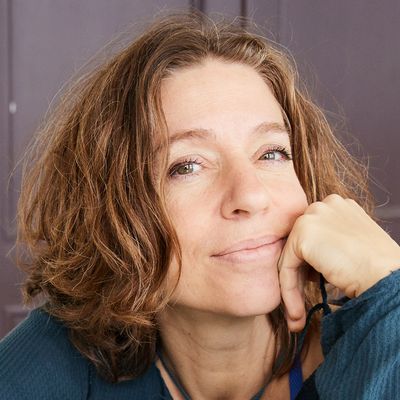
Ani DiFranco is certainly no stranger to performing in front of thousands. She is a gold record maker, grammy award winner, and one of this generation’s leading ladies of rock... Read More
From the show: The Theatre Podcast with Alan Seales
Guests
Featured Shows

About
Ani DiFranco is certainly no stranger to performing in front of thousands. She is a gold record maker, grammy award winner, and one of this generation’s leading ladies of rock. While an amazing singer & musician but also poet, songwriter, and activist, Ani is also a lover of Broadway and was a key collaborator to Anias Mitchell in the creation of Hadestown The Musical, coming to Broadway in 2019.
Connect with Ani DiFranco:
- https://www.righteousbabe.com/ & http://anidifranco.com/Facebook.com/RBRecords
- Twitter: @righteous_babes and @anidifranco
- IG: righteousbabe & anidifranco
- YouTube.com/righteousbaberecs
Connect with The Theatre Podcast:
- Support us on Patreon: Patreon.com/TheTheatrePodcast
- Twitter & Instagram: @theatre_podcast
- Facebook.com/OfficialTheatrePodcast
- TheTheatrePodcast.com
- Alan's personal Instagram: @alanseales
- Jillian's personal Instagram: @jillianhochman
- Email me at feedback@thetheatrepodcast.com. I want to know what you think.
Thank you to our friends Jukebox The Ghost for our intro and outro music. You can find them on Instagram, Twitter, and Facebook @jukeboxtheghost or via the web via jukeboxtheghost.com.
A very special thanks to our patrons who help make this podcast possible!
If you would like to see your name in this show notes or get a shout out on the pod itself, visit ttp.fm/patreon to become a member and show your support!
Transcript
This transcript was automatically generated and might contain errors.
[0:00] Alan Seales: Hello, and welcome to Episode 11 of The Theatre Podcast. It is 2019. Happy New Year, everyone.
[0:13] Jillian Hochman: Happy New Year.
[0:15] Alan Seales: This episode here is with Ani DiFranco. And you might be thinking to yourself that it's a little unusual for a theatre-focused podcast to interview somebody like Ani DiFranco. But she has a bit of a crossover that, of course, we're going to get into in the episode.
[0:31] Jillian Hochman: Well, if we back up real quick, for those who don't know who Ani DiFranco is, because you are a theatre person, you should know. So, Ani is a folk singer and activist who's been around for, what, 20 years now?
[0:47] Ani DiFranco: Mm-hmm. No longer than that. Yeah.
[0:50] Jillian Hochman: And she is definitely very much a voice of a generation. She was one of the original feminist folk singers. And she's a brilliant songwriter and just a wonderful person.
[1:01] Ani DiFranco: Mm-hmm. And a lover of all things theatre and Broadway and performing in general. And we do get into this in the episode, but she indirectly had her hands in getting Hadestown to Broadway.
[1:17] Jillian Hochman: Mm-hmm. She helped with the original concept album. And she worked with Ineos Mitchell, who she signed to her record. So without Ani, there would be no Ineos, really, to the extent which we know her now.
[1:30] Ani DiFranco: Mm-hmm.
[1:31] Jillian Hochman: And she had a lot of input into the original concepts and the original songs.
[1:36] Ani DiFranco: Yeah. Yeah. Ani's had an incredible career. She emancipated herself before she was 18, emancipated herself from her parents, and just went out playing guitar everywhere she could playing with her guitar teacher. And amazingly enough, she just never fell into the same, I guess, pattern that most record labels want you to fall into. She was always just like, Nope, I'm gonna do it myself. And she talks about this a lot about her passion. And she uses the word grit, which in the last couple of years has come around many times in many different references. But it all kind of means the same thing. It's just if you're gonna be uber successful, you need grit, or a hell of a lot of luck, or a good combination of the two.
But she's a self-made woman, self-made person, and always has done what she's wanted to do, stood up for what she believes in, supports those people who follow her, follow her is not the right way, who are of similar mindset, who just want to make the world a better place, and bring music for the sake of bringing music and perform for the sake of performing.
[2:51] Ani DiFranco: And she talks about a lot of that in that performance, whether it's a band, a solo singer or a theater production or whatever it is, performing is all the same. It's bringing people together, bringing a crew together, bringing your cast together, it's bringing an audience together. So in one moment, everyone is experiencing the same thing. And that's art. It's the beauty of all of this.
[3:17] Jillian Hochman: I like that a lot of what you said crosses over from music to theater to dance to everything. It's that passion and it's that drive. And that's that special thing that makes this need to create universal. And this feeling of bringing everyone together, doesn't matter where you are. It's still this magical experience. I don't know. I guess I don't know. I'm just going somewhere.
[3:43] Alan Seales: I wonder where you're going with that. All right, well, let's get into it here. Everybody, please connect with us online, theater underscore podcast on Instagram and Twitter, facebook.com slash official theater podcast, or you can email us, let us know what you think, feedback at the theater podcast.com. Please also rate and review us everywhere you find podcasts. Those are very important to keep us going. So please now enjoy this episode with Ani DiFranco.
[4:06] Alan Seales: Welcome to the theater podcast, intimate personal conversations with theater's biggest talents. I'm your host, Alan Seales. This episode's guest is a little bit different from the normal type of guests that I have on the podcast, as even though you won't see her starring in a Broadway show right now, she is certainly no stranger to performing in front of thousands, an amazing singer and musician, but also a poet, songwriter, activist. She has released more than 20 albums over her 30 year career, not to mention that she is a massive fan of Broadway, which is the tie-in we have here. I have the absolute pleasure of having with me today, gold record maker, Grammy Award winner, and one of this generation's leading ladies of rock, Ani DiFranco.
[4:56] Ani DiFranco: Hey.
[4:57] Alan Seales: How are you doing?
[4:58] Ani DiFranco: You're making me sound impressive.
[4:59] Alan Seales: You are kind of impressive.
[5:00] Ani DiFranco: I love it. Can I take you with me everywhere I go?
[5:02] Alan Seales: Yeah, I will give you that intro everywhere I can. But the format of this podcast is normally we have these people and we talk about their background, where they came from, and then we get into what they're doing now. So I see absolutely no reason why we can't do that with you. And we'll touch, of course, on your love of theater and Broadway. So for those of you listening, we will get to the Broadway stuff.
[5:26] Ani DiFranco: Okay.
[5:28] Alan Seales: A little bit of a sidetrack with the old folk singer. But I want to know about you. Tell me about your childhood. You were born in Buffalo. Let's start there.
[5:38] Ani DiFranco: Yeah. Buffalo, New York, center of the universe. Went to public school, magnet school. I had a good education, I feel like, of the world. And yeah, I got into music when I was nine years old. I got my first guitar and just sort of never looked back. I've been following my guitar around ever since.
[6:09] Alan Seales: That's a good way to put it. So I guess you just go where the music takes you?
[6:14] Ani DiFranco: Yeah. I mean, I was just... I've been... This is an aside, but I'm on the board of a free music school in New Orleans now for about 10 years called The Roots of Music, and I was just at their annual benefit talking to all the kids that are in that program and just talking to them about how... Yeah, the language of music, when you learn the language of music, and maybe you learn the skill of playing an instrument, it can transform itself into a passport, and it can take you places you never dreamed of. That's the power, the power of music, the universal language. So I didn't know that when I was a kid. I just was really drawn to it. And thank God, it's been my whole life.
[7:07] Alan Seales: Well, going back to your childhood a second, I was reading online that you became emancipated from your parents at 15. What is that story?
[7:14] Ani DiFranco: Yeah. I mean, my family was a bit troubled. My parents split up when I was 11, and I was living with my mom. And then my mom decided to move to Connecticut, rural Connecticut. So I went with her to explore her new locale and her new life, and determined within a few days, this was not for me. So this was when I was 15. So I just went back to Buffalo, and I started renting a room in this lady's house. That just lasted a few months, then that situation blew up. And I think, yeah, I spent my 16th birthday in the bus station. Classic, just trying to fend in the adult world. And then I got an apartment, I got a job, I just got myself going. I finished high school when I was 16, and I was playing music already.
[8:21] Alan Seales: You were busking with your guitar teacher when you were nine.
[8:24] Ani DiFranco: Yeah. Yeah. And then following him around to his little gigs, and bars, and clubs, and coffee houses. So I continued on that path. I dabbled in college, but I just really sort of continued with the music.
[8:38] Alan Seales: That's crazy. And your daughter, Peeta, is sitting behind you right now. How old is she now?
[8:44] Ani DiFranco: She's 11.
[8:45] Alan Seales: 11. So is she following in your footsteps here?
[8:48] Ani DiFranco: In some ways. She's a beautiful singer. I was touring until I was seven months pregnant, so she was in there absorbing music, pushing her feet against the guitar, like, get it away, I imagine. This cacophony that she was experiencing. But she came out with perfect pitch, with an incredible sense of melody and harmony. More advanced than I, seriously. But on the other hand, we have led very different lives up till now. Yeah, when I was 11, I was already kind of a crazy free agent. She's more a child of the 21st century, much more close to home.
[9:42] Alan Seales: Yeah. You always seem to be a little bit, everything I've read about you, you always seemed a little bit ahead of your, I guess, emotionally ahead of your physical age. You just kind of always, and I'm interpreting what I'm reading online, but you seem to always have this knack for just being like, nope, I will not compromise who I am. This is me. I will not change my, I am a very high integrity person. I will not compromise, I guess. I keep going back to that. But where did that part of you come from? Is that accurate?
[10:17] Ani DiFranco: I think so. I think that's been maybe part of what has drawn people to my work, is that attitude, that stance. Where'd that come from? I mean, I guess, you know, my parents, in a way, especially my mother, she's super independent lady. Yeah, just, you know, I mean, she was, you know, she was 50 years old when she picked up and decided to move to Connecticut and start a new life. And, you know, fearless, I guess is the word. And so she, I think she gifted me with that, you know, just the fearlessness. And the rest was like, you know, just making it up as I went along.
[11:13] Alan Seales: Yeah. I guess, you know, you were saying you went back to Buffalo, you went to Connecticut for a few days and you're like, nope, not for me. And that is a special part of a very small select group of people who can say, nope, I'm this young, but I know I have the wherewithal to say, I know where home is, I'm going to go back. And especially, you know, like you were saying, you followed the music back. Did you go back to Buffalo for the music, for that scene that you already knew?
[11:44] Ani DiFranco: Yeah, I kind of already had a thing going. I was 15. I was hosting the open mic at Nietzsche's. I was playing every Saturday night at the Essex Street Pub. I had a thing, you know, I had a life. And I had a purpose. Yeah, I think I was, you know, just sort of lucky to have had that very early on a sense of what I wanted to do. What I always knew what I wanted to do, strong convictions, and I was driven towards it. You know, I've always had a hard time discerning people who are like, I don't know. But I mean, that's also a very human condition, too. And probably a beautiful one full of possibilities, you know, to just keep your self open to whatever path for much longer. But for me, it was always like, I want to do this. I just don't know why, but I just know I do.
[12:42] Alan Seales: Yeah. And I guess that's, that's very driven in theater. They always say if you can never see yourself doing something else, you should do that. Because it's such a hard business.
[12:52] Ani DiFranco: It's not worth it unless you must be desperate. Indeed. Indeed.
[12:58] Alan Seales: So I thank you for sticking with it. Obviously, you've made quite a bit of a difference. And then your first album you released in 1990, under your own record label, right?
[13:09] Ani DiFranco: Yeah.
[13:10] Alan Seales: Which is Righteous Babe Records, which you founded when you were 19 in 1989. Which I will give a quote here, a people friendly, I guess this is your mission statement, right? A people friendly, sub-corporate, woman-informed, queer, happy, small business that puts music before rock stardom and ideology before profit. So why, why that?
[13:31] Ani DiFranco: Why that? I mean, that was just sort of my ethos, you know, that I had sort of solidified around me and again, my purpose, my, and the whole like, yeah, being independent and staying independent. You know, 1990, there was not a lot of precedent. Like I was saying earlier to the kids here at Guitar Mash, you know, you know, was the record deal was the only barometer for are you a legit musician, performer. And I just, I had an attitude about that right from the beginning. You know, why are corporate record company peoples the arbiter of whether my art is legitimate art or whether it has a purpose. And so I sort of, you know, that was, I guess, part of my, my attitude as a young person. I just wanted to thwart that idea and that, that system. So I just, you know, when I was 19 and I made my first cassette, I scribbled Righteous Babe Records onto it, but there was no there.
[14:40] Ani DiFranco: There was that was just an idea, you know, that I don't need a record company. And then slowly, it became a record company, an actual thing over the course of the next five, ten years.
[14:51] Alan Seales: Well, how did you get your first record out then? If you just had this cassette, you're like, alright, here's my master. How did you get people to listen to it?
[14:58] Ani DiFranco: I was playing around in bars, coffeehouses. And I would tell them to the people who were there, who were interested, I put an address, I got a P.O. box when I made my first, this is pre-internet, you know, I got a P.O. box, and I put that P.O. box on the cassette. And people started writing in like the cassette, right from the first cassette, it had a life of its own. It made its way hand to hand. And then people wrote to the P.O. box and said, can she come play the Women's March at my Kalamazoo University? And I started going and playing at student union halls and this and that. And that was my entree into touring. In the early days, for the first five years at least, my, I mean, probably ten years, I had no distribution, you know, because that was a major label scenario.
I just, I had, I, you know, I grew up in Buffalo, so I had, you know, ten tapes on consignment at this store and that store in Buffalo, and then Rochester, and then Cleveland, and then, you know, and it sort of slowly organically built from there. It was, I was probably going on ten years into a, quote, career in music before an independent distribution company, which was, I was, again, dead set against signing with a label. So when an independent distributor said, enough people had walked into record stores asking for my records, and nobody had them, and they would call these independent indies saying, do you have this obscure thing? And finally they called me. Wow. It took ten years, but.
[16:49] Alan Seales: Did, what, what market did you find was, was holding onto your music the fastest? Was it like the Cleveland, everybody loved you in Cleveland, everybody loved you, I guess Buffalo's where you're from.
[16:57] Ani DiFranco: Well, New York, I mean, I moved to New York when I was 18, you know, the city, so that was kind of probably the hub of my career for a long time. I would say, in general, other young women were my first audience, and, and then beyond that, you know, second ring, just other young radical, political radicals, you know, male, female, whatever, make and model, were the people who supported my art right from the beginning, and actually before the national distributor, something that factored in pretty heavily were, there were these sort of newsprint black and white catalogs of women's music. Yes, that's right. Women's music. There used to, I mean, I'm, that's how old I am. I remember in record stores, okay, now, remember what those are, in the back corner, there would be a section called women's music, and that's where I was racked in the beginning, and it was mostly dykes, you know, feminists, all feminists, it's just like, if there's a feminist singing, she goes back in the back corner, and so there were these women's music catalogs called Lady Slipper and Golden Rod, and they actually were the sort of the first national distribution of sorts for my cassettes and then CDs before they were actually distributed into stores legit.
[18:27] Alan Seales: And so you've always done this out of artistic integrity, or you made your choices based on integrity and not what's going to bring you the most money, because it sounds like you could have signed with a label a decade before you, you know, like we'll put in quote, right, made it successful.
[18:42] Ani DiFranco: I did have offers, I had interests, I had lunches, I had free lunches and flirtations with record companies when I was young, and each time I was like, yeah, I think what I'm trying to do, this is not the right place.
[19:01] Alan Seales: What were you trying to do?
[19:01] Ani DiFranco: You know, I was trying to make radical art, and I think a big, hooking up with a big business, a profit motivated business, you know, I just always looked at, you know, this sort of corporate music industry, corporate, the interests of corporations and the interests of art, I think, are fundamentally contradictory, you know, so not that there's something evil about the music industry or anybody in it, or, you know, just that I had a sense that the interface that I was searching for with through my art with other people with the connection that I was looking for, that was not the right way. You know, I, when I flirted with that world and entertained the idea of signing with this company or that company, I just looked at how they did business, you know, how they thought how what motivated them, and I thought this is not aligned with how I think and what motivates me, so, you know, besides making me rich and famous, like, how does this serve my path, you know, so I just, I was more about finding my own way to reach people.
[20:21] Alan Seales: And you feel like you still got there? Yeah, it took a longer road, but you still got there.
[20:26] Ani DiFranco: Yep, it took a lot of patience, you know, going to what you were asking about, like the early years of you're trying to have music be your job and feed yourself and pay your rent, and you have no distribution, and I started, you know, people would write to the P.O. box and offer me gigs, and I'd get on a bus or a train, and I'd go to that school, or I'd go to that little club in the whatever town, and everything, everyone that came to my shows said to me for 10 years, I can't get your records anywhere. Where can I get them? And I'm like, Lady Slipper, Goldenrod, you know, these obscure feminist music catalogs that if you go to a women's bookstore, you can ask the chick at the counter if maybe they can special order a tape for you, you know, I mean, it was an egg hunt.
So, it was a lose-lose situation. I can't sell a record, nobody can buy a record that I made, so it took a lot of patience. I had to remind myself every day, why am I doing it this way? What is my point? I mean, I would see other young people, for instance, young women, they'd be opening for me in this little hole in the wall, then they'd sign a deal, within a year, they'd be on the cover of Rolling Stone, and I'd be back at that hole in the wall, and I did that for 10 years, and I saw all these people whiz past me, you know, on the industry track, and it was hard, but I'm so happy in the end, you know, people look at me with jealousy now, you know, look at how strong and sort of stable your audience is, because it was built sort of slowly and organically, it's kind of a different foundation than I never had a hit song, I never had a hit video, or something on the radio, so that kind of lightning-fast stardom can also burn out as quickly, but for me, because it was such a long, slow building process, it's a very sturdy house.
[22:44] Alan Seales: You've got lifetime fans now.
[22:44] Ani DiFranco: Well, I hope, I don't know, so far so good. And your label, I feel like, I was reading up on that, and that's grown organically, too. One of the things I was reading through the FAQs, and I found it very respectful, or admirable, I guess, that you're like, can I just send you the demo? You're like, yeah, of course you can send us your demo, but we're not going to choose you based on your demo, like you've got to go out there and hustle, like I'm paraphrasing, but you know, you got to play your gigs, you got to build a name, and then we got to hear from you, in addition to your demo, you got to work your butt off, too, just like you did, and I respect that you're looking for artists and bands coming up with as much grit, we'll use that word, right, as what you have.
[23:21] Ani DiFranco: Right, and willingness to leave their house and go everywhere, and play for everyone, and talk to everyone, and have every experience of performing, of being on stage, and you know, I think, you know, that is the essence, maybe that's a good tie-in for what your podcast is really about, you know, because performing, that's the natural state of music, you know, music is not a commodity that comes in a plastic box, or ones and zeros, it's a human interaction, you know, performance in time and place, that's the natural state of music, it's a social act, you know, and so I think, you know, yeah, my deepest love, and the people that I relate to, and connect to, are people who are performance-based, you know.
[24:14] Alan Seales: Yeah, you can, you feel it, like you literally, I mean, you emotionally feel it, you can physically feel it, and that's why I agree, when you go to these concerts, and everyone's jumping up and down, and like the bass, everyone, you have tens of people, or hundreds, or thousands, depending on how big your venue is, that are all for that moment, in perfect, they're insane.
[24:36] Ani DiFranco: Yeah.
[24:37] Alan Seales: They're all together, they're all experiencing the same thing together.
[24:39] Ani DiFranco: Yeah, that's the healing moment of music, yeah, it's like connecting yourself to somebody else in a moment, that's really the empowering.
[24:52] Alan Seales: And it brings everyone together, regardless of differences, which is so much of what you stand for, and I mean, that's, you mentioned it earlier, that we're here in City Winery, it's the seventh annual Urban Campfire, yeah, so it's unique and immersive musical experience, where artists break down the wall between stage and the house, and invite the audience to play and sing with them. When I was coming in, everybody, like, was wearing the guitar on their back. Hundreds of guitars down there.
[25:20] Ani DiFranco: Yeah, and so this year's theme, I'm giving them a free plug here, I love it, this year's theme is Songs for Change, which focuses on the power of music to generate awareness and bring people together, so it's perfect, but then we obviously know you're not one to sell out or take a gig just because it's offered to you, so what spoke to you about this one, why are you here today?
[25:43] Ani DiFranco: Yeah, to just have the experience of, well, first of all, singing together, group singing, very healing, you know, that's like, you know, just ask Pete Seeger, that's the ultimate, is it's not even performers and people gawking at them in a moment, sharing a moment, it's everybody's making the music together, you know, that's probably the most inherent state of music, and so this is an experience where not only are people singing along, but they're playing along, and I just, it just seemed too unique, who could pass that up? Yeah, do a gig with where everybody brings a guitar and plays with you.
[26:21] Alan Seales: You should try that for one of your next concerts. I mean, we'll see how it goes down there. You have like the VIP section on the left, and then the guitar playing section on the right, and you could hand off the chorus to all your songs to the guitar playing section, that'd be great.
[26:42] Ani DiFranco: I want to go back to your label for a second and talk about one particular artist that you've discovered, Anais Mitchell, right? Composer of Hadestown, which is currently playing in London, coming to Broadway, it's a theater show.
[26:56] Alan Seales: Yeah. How did you find Anais?
[26:56] Ani DiFranco: I saw her play in a little bar in Buffalo, and I was like, oh yeah, she has a thing, she has a thing. And whenever I see a performer that I dig that's just out there on the periphery doing their thing, once I had established my audience, I'm like, you want to come open for me, share the stage, just an excuse to hang out with people and enjoy their music. And so I brought her out on the road with me, and then that sort of developed into, I released a few of her records, Unrighteous Babe. She was searching for an outlet for her work, and then she came up with this Hadestown project and contacted me early on. I mean, I think she was on my label at the time, and I got behind it early on, and that sort of helped propel it, and it went from a theater production in Vermont to an album that we realized with a bunch of different performers, Justin Vernon, Bon Iver, Greg Brown, who else is on that record, me and Anais, and all kinds of singers, I'm forgetting.
And yeah, then she just kept, I mean, talk about a young person with conviction and staying power. She's been working on this Hadestown show for a decade. Now she's still developing it. I mean, I think it's probably in its final stages now that it's going to be on stage in London and headed for Broadway.
[28:44] Alan Seales: But yeah, as somebody who's been going to Broadway shows lately, thanks to my daughter and her love of musical theater, even on Broadway, even at the top, even at the height of musical theater, a show that's all amazing songs, that each one of them, you know, like a Hamilton, I mean, that's rare. That is rare. I think Hadestown is going to blow people away.
[40:21] Ani DiFranco: Yeah, and the social media, you know, it's interesting having been a performer before the advent of the internet, even, really, let alone social media, and the sort of high velocity conversation of that. I feel like it's a bit constricting, having been in the world as a performer before, and now, every moment that you spend in public lives forever on YouTube. It's, again, the pressure of, you have to stand behind every moment. The mistakes that you make, even the hairdo that day, or what you were wearing, you know, it's like, that becomes a very big choice, a very, you know, I think of the stunts I used to pull when I was young, and playing in bars, and it was only happening right there, right then, you know, and it was only us, and it was an experience that we were having together, and if it was hot and sweaty, I'd take my shirt off, and so would everybody else, and now I would never do that, because that means something very different in the age of the internet and social media than it did when we were just, you know, in a specific time and place, and the freedom of that, you know, now everything has this weight, and, you know, I think it's a real challenge for us to bring a much more organic human approach to this eternity of life online, where, you know, we have to learn to, whatever, forgive each other, let ourselves be human, and fallible, and ridiculous, and more or less successful in any moment in what we're trying to do, even though it never goes away.
[42:29] Alan Seales: What advice do you give to people like your daughter's age who are asking these types of questions?
[42:36] Ani DiFranco: I mean, again, just keep turning away from the screen and looking at what's around you. Keep making friends with actual faces. You know, actual friends with actual faces.
[42:50] Alan Seales: Yeah.
[42:51] Ani DiFranco: You know, because that's what, that's, you know, when the grid goes down, and the world goes dark, and everything is suddenly gone, that's all that really means anything. Keep a lot of cash under your mattress, and know your escape route.
[43:05] Alan Seales: Yeah, well, I mean, seriously, it's like, we, I do, you know, with my kids, we, every summer we go, we have a month of no screen.
[43:14] Ani DiFranco: Wow.
[43:15] Alan Seales: You know, because that was my life growing up. That was everybody's life in the 70s, you know, in the 80s, and I just want them to know that the world still exists, even if all those gizmos fell into the sea.
[43:30] Ani DiFranco: Yeah, that's my challenge. I've got two little kids, two boys, and my two and a half year old, like, he knows how to swipe through my phone and use the tablet and turn on the TV. And we went, it was recently, we went to on a vacation, and there, it was a TV in a hotel room, and there we, it's not on demand. We didn't have Netflix there. So they're like, what is that, daddy? And I said, that's a commercial.
[43:53] Alan Seales: Yeah, I know.
[43:54] Ani DiFranco: Outrage.
[43:55] Alan Seales: Outrage.
[43:56] Ani DiFranco: No.
[43:57] Alan Seales: I want it.
[43:58] Ani DiFranco: I want that.
[43:59] Alan Seales: I want Bolt back now.
[44:00] Ani DiFranco: Now.
[44:01] Ani DiFranco: So, like, that's one of my big concerns is just, you know, this on-demand generation now worries me so much that they're just going to take everything for granted and then not know how to just survive as people, you know what I mean? Like, to look up and to make eye contact and to, yeah, whatever. I mean, in general, or in a word, traveling, you know, like you were just talking, you know, of course, yeah, maybe you're going to show up somewhere in a hotel room with a TV and check it out, but really just going out into the world traveling, especially beyond the realm of the TVs and the gizmos, that's incredibly fortifying, I think, for us humans.
[44:40] Alan Seales: I'm going to change gears a little bit here. With everything that's swirling around with our current presidential administration, do you feel like overwhelmed or energized when it comes to taking more of a political stand on certain issues?
[44:54] Ani DiFranco: Well, I mean, it's overwhelming, of course, how far we've slid. I'm not surprised at all. I'm not shocked at all. I feel like this is absolutely what I saw coming, what many people saw coming, and so here we are. As hard as it is, I try to take inspiration and look at, you know, what is happening from the top down as the shadow side of what is really happening from the ground up. And I do in my heart believe that what we're experiencing in this time and place in this culture is an awakening. And that it's the pushback, it's the resistance of the good old boys, of the people who have had all the power for all of human history to having to share it. So, you know, it's an incredibly painful thing to watch. It's an incredibly destructive thing, this pushback in a lot of people's lives. But I hope that the lasting result of this political era will be a great and positive change for those of us that survive.
[46:28] Kevin Nielsen: Yeah, yeah, everything all seems to be culminating at once. And I think the administration sort of ripped a bandaid off of what was already there, and people just didn't want to talk about. So, you know, just like some good therapy, right? Once you talk about it, you can deal with it. So, I really hope, I agree with you that I think this is unfortunately sort of a necessity to get us where we need to go. You know, but yeah, so I feel the same way as you. I'm kind of overwhelmed, but a little bit excited to move past it and see what we're going to become.
[47:04] Ani DiFranco: I mean, you can look at the last, you know, the midterms elections and how many women are now holding public office as compared to the day before November 6th, and it's very hopeful.
[47:18] Kevin Nielsen: Yeah, I agree. So, we'll wrap up here soon, but I want to touch on something that you actually mentioned early on that you have a book. A book coming out on May 7th, 2019.
[47:30] Ani DiFranco: Don't hate me.
[47:31] Kevin Nielsen: There's a lot of damn words in that book. Yeah.
[47:36] Kevin Nielsen: Books are supposed to have words. It's a key to break it to you.
[47:38] Ani DiFranco: I know. Talk about standing behind something forevermore.
[47:41] Kevin Nielsen: Well, you've done several poetry books, but now this is a memoir called No Walls in the Recurring Dream. What is it focusing on?
[47:54] Ani DiFranco: Mostly it's sort of a coming of age story. I mean, I sort of went from childhood to about 2001, 9-11, to be specific. I was in New York at the time. So, yeah, it's sort of just about the making of The Righteous Babe, not the remake. That's still happening.
[48:19] Kevin Nielsen: So, what do you hope, when people are reading it, what do you hope they take away from it?
[48:22] Ani DiFranco: Well, I try not to calculate that or even worry about that too much. I mean, I've just, I tried to just be in the moment, in the challenge, in the process of writing complete sentences, and count or hope that somehow this book will do the work that the songs have done, which I never calculated, you know, just like, be in my skin, write my truth the way I feel it in the moment, and hope that that's of use to somebody, and the songs have done good work, and I guess, you know, been inspiring to others to become themselves. You know, I've often felt that, you know, what I'm saying and doing in my songs is not, check me out, do as I do, I have all the answers from on high, it's more, check me out, I'm just doing me, and getting away with it, you know, and I love my favorite, you know, thing that people come and say to my face is, because you, I went in, XYZ, you know, I went and did my own crazy thing, and invented my wheel, you know, and that's, so, you know, I hope that the book does that similar kind of work in the world, but whatever, it's up to, it's not up to me.
[49:54] Ani DiFranco: Yeah, so, I assume in the book, too, you'll touch on Babeville, which is another plug I want to give you the opportunity here to touch on. So, what is Babeville?
[50:02] Ani DiFranco: Well, Babeville is a venue I opened up in Buffalo, New York. It doesn't factor into the book, because that's post-2001, but yeah, it was like, you know, it's an old 1780s, or 1870s, cathedrals in downtown Buffalo, which was going to be demolished, because Buffalo is a poor city, you know, sort of an evacuated city center, you know, a lot of beautiful old buildings and infrastructure that have fallen by the way of economic devastation. So, here was this cathedral that was going to be demolished, because some stones were falling out of the, you know, the gargoyles and shit. So, we saved it, Righteous Babe. That's one of the things that we've done, because my mother is an architect, and I've long been connected with the importance of cities as centers of culture and ideas of the infrastructure of cities as being sort of the repository for our human souls and experience.
And, you know, when you reach out and grasp a doorknob that hundreds and thousands of hands have grasped and turned, you know, it connects you to the past and therefore to the future. And so, I think that these old buildings are very important to our soul and the life of our human soul. So, yeah, we saved this church, and then, you know, we thought, geez, our karma was wrapped up in it. So, we just took it over, made it into a venue, and the home of Righteous Babe. But no, none of that's in the book.
[51:49] Alan Seales: Okay, well, then I'm glad we touched on it. Yeah.
[51:52] Ani DiFranco: That's interesting. I didn't actually plan on covering this, but you've mentioned it so much that you've publicly acknowledged that you're an atheist, right?
[52:03] Ani DiFranco: Yeah, not religious.
[52:03] Alan Seales: Yeah, not religious. But you talk about connection and karma and being just what some, I guess, most would call spirituality.
[52:11] Ani DiFranco: Yeah, sure. Are these two different things in your mind, or is it all just the same that some people have sort of categorized differently?
[52:25] Ani DiFranco: Well, my very opinionated and particular perspective is that organized religion is organized patriarchy. So, that's the foundation of patriarchy globally. So, you know, but then many people have used many patriarchal paradigms to do great things. So, it's not that it's a complete dead end. But for me, the idea of God as He, or for, you know, once you start there, it's like, okay, so there's a particular person telling this story. And, you know, just that flip of the script of the man as the creator, it just seems like, really? Like, you know, really?
[53:10] Alan Seales: Right.
[53:10] Ani DiFranco: So, okay. You know, I have a song called Alrighty on my last record, you know, where I just talk about, you know, next time I see a man give birth, I'll picture the creator as a dude with a beard, you know?
[53:20] Alan Seales: Sure.
[53:25] Ani DiFranco: You know, but so, for me, I mean, I think just the body that I come in has made me, sets me slightly to the side of all these organized religions. But, you know, that doesn't mean that consciousness, that the unifying field of consciousness that connects us all, that is the underlying reality beyond this fallacy of separation of you and me right now, is not completely captivating and motivating to me. And that I don't want to serve that as much as a deeply religious person might want to in their own context and language.
[54:18] Alan Seales: Right. Yeah, that makes total sense. I think there's so much of a spectrum between, you know, the devout religious and the atheist, but it's all the same thing. It's all the same spectrum.
[54:27] Ani DiFranco: You would hope.
[54:28] Alan Seales: Yeah. And that speaks back to what you were talking about of just bringing us together, despite our differences, is that, you know, we're all the same on a very fundamental level. So, why are we shooting each other? But I digress.
[54:43] Ani DiFranco: Amen, brother. Amen.
[54:45] Alan Seales: So, we have a couple, three closing standard questions that we ask all the guests here.
[54:49] Ani DiFranco: Okay.
[54:50] Alan Seales: Very simply, what motivates you?
[54:52] Ani DiFranco: Just the feeling of solace and power that comes with connecting myself to somebody else.
[55:04] Alan Seales: Beautiful.
[55:04] Ani DiFranco: You know, so, I use art to do that.
[55:09] Alan Seales: And what advice would you give to your younger self or younger people listening now starting out down a similar path?
[55:15] Ani DiFranco: Hmm. What advice? Geez. I mean, I guess patience, you know, patience, patience, my young child. I mean, I think I had a good dose of it, you know, to sort of go the long road. But yet not, you know, so many interviews along the way where the guy across the table was looking at me sideways going, you know, basically, justify yourself, you know, and I had my hackles up, and I was battling everyone. And it's like, why? Why? Just accept that, you know, that there is a world of resistance. Enjoy it. Enjoy the process of killing people with kindness and insisting on your humanity until they can't deny it any longer.
[56:22] Alan Seales: Wonderful. And this last question for the standard Broadway guest, I would restrict to a Broadway show, but for you, you can pull, you can either be Broadway show or performance of any kind, but if you could only see one show for the rest of your life, but you can see it as many times as you want, what would you say?
[56:38] Ani DiFranco: Well, Hamilton, I mean, I feel like it's already happened because my daughter got so into the soundtrack that I listened to it every day for years. I know every song by heart, and the amazing thing that I know from experience is it doesn't get old. That's the level of writing going on in that music. So, yeah, having already been there for the rest of my life on a desert island with the Hamilton soundtrack, it's pretty good times. Or just marooned with Lin Manuel and he just recites the whole show for you. That would do fine. I just love him already.
[57:23] Alan Seales: Well, yeah, so you most certainly don't do media engagements that you don't want to do. So, sincerely, thank you for giving me this interview today. It means a lot.
[57:32] Ani DiFranco: Sincere pleasure. Thank you. And for everybody listening, you can find Ani online, either RighteousBabe.com and AnnieDeFranco.com, Facebook.com slash RBR Records, on Twitter at Righteous Underscore Babes and at Ani DeFranco on Instagram, Righteous Babe and Ani DeFranco, and on YouTube.com slash Righteous Babe Recs, R-E-C-S. And, of course, you can find more of me at Theatre Underscore Podcast on Instagram and Twitter, Facebook.com slash Official Theatre Podcast. You can listen and subscribe via the theatrepodcast.com. Everywhere you find your podcast, please give an honest review. I want to read them. This is produced by Jillian Hockman. And, of course, a big thank you to our friends, Jukebox the Ghost, for the lovely intro and outro music that you are hearing underneath you being played right now. Everybody have a lovely day. Ani, thank you so much for this. Again, it's been wonderful. Thank you.
© Broadway Podcast Network, All Rights Reserved