

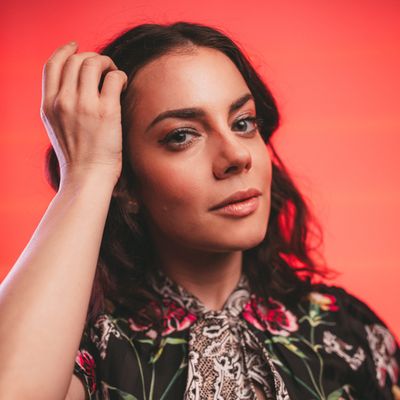
Hailed by the New York Times for her “attractive soprano voice,” and for having “total control of the stage,” (Broadway World) coloratura soprano Meghan Picerno currently stars as Christine Daae in The Phantom of the Opera on Broadway... Read More
From the show: The Theatre Podcast with Alan Seales
Guests
Featured Shows
About
Hailed by the New York Times for her “attractive soprano voice,” and for having “total control of the stage,” (Broadway World) coloratura soprano Meghan Picerno currently stars as Christine Daae in The Phantom of the Opera on Broadway. In 2017 Meghan collaborated with legendary director Hal Prince as Cunegonde in his production of Candide at the New York City Opera. She quickly became one of the most sought-after Cunegondes in the world and reprised the role at San Francisco Symphony, Princeton Symphony, and the Gran Teatre del Liceu in Barcelona. Meghan next took on the role of Christine Daae in the US Premiere and 1st National Tour of Andrew Lloyd Webber’s Love Never Dies. She has represented Andrew Looyd Webber’s body of work by special invitation in performances on the ITV Television broadcast of the Classic BRIT Awards in 2018, making her Royal Albert Hall debut with the Royal Philharmonic Orchestra, and a guest appearance on the Live at Chelsea Concert Series honoring his 70th birthday. After Love Never Dies, Meghan joined The Phantom of the Opera family as Christine on the World Tour, premiering the iconic piece in Tel Aviv, Kuala Lumpur, Malaysia, Singapore and the Philippines. This past fall she made her Broadway debut as leading lady, Christine Daae, in The Phantom of the Opera, and was hailed as one the Top Broadway replacements of 2019 by BroadwayBox.
Like many people during COVID-19, Meghan is back home spending time with her parents. In this episode she shares how she dealt with the initial blow when Broadway was shut down - finding herself in a bit of an identity crisis not being able perform and sing, the one she thing she loves more than anything else in the world. She talks candidly about coming out the other side, and feeling now like she is awake again - “it’s kind of magical,” she shares. Meghan also takes us on the whirlwind journey that began by meeting Hal Prince and landing a leading role in Candide, to touring with Love Never Dies and Phantom of the Opera as Christine, to making her Broadway debut in The Phantom of the Opera this past fall. Until the curtains on Broadway rise again, she is finding time to give back and help people, “one part of theater” she really loves, by hosting workshops, master classes, and private voice lessons, and getting inspired by her students.
In this episode, we talk about:
- Adapting to the new virtual normal as a performer
- Music as an emotional outlet
- The plans she has for her future
- Working for Renee Fleming in grad school
- Her time living and studying in Vienna, Austria
- Competing in Plácido Domingo's Operalia, The World Opera Competition
- Working with Hal Prince, and Andrew Lloyd Webber
Connect with Meghan:
- IG: @meghanpicerno
- On the web: https://www.meghanpicerno.com
Connect with The Theatre Podcast:
- Support us on Patreon: Patreon.com/TheTheatrePodcast
- Twitter & Instagram: @theatre_podcast
- Facebook.com/OfficialTheatrePodcast
- TheTheatrePodcast.com
- Alan's personal Instagram: @alanseales
- Email me at feedback@thetheatrepodcast.com. I want to know what you think.
A very special thanks to our patrons who help make this podcast possible!
Cheryl Hodges-Selden, Paul Seales, David Seales
If you would like to see your name in this show notes or get a shout out on the pod itself, visit ttp.fm/patreon to become a member and show your support!
Transcript
This transcript was automatically generated and might contain errors.
[0:00] Alan Seales: Welcome back to the Theatre Podcast. Intimate personal conversations with theatre's biggest names. As always, I'm your host, Alan Seales, and this episode is with Meghan Picerno, who you probably know as Christine Daae on Broadway in Phantom of the Opera. She was trained as a classical opera singer who initially never thought of a career on Broadway, but she has just been shot out of a canon and hasn't stopped since. So she's began working with the legendary late producer, Hal Prince, and obviously now is very good friends with Andrew Lloyd Webber. I just have to interject here that personally, she is an absolute joy to talk to. She's like, to me, just very real, very genuine, very upbeat, and it doesn't mean she doesn't come with her own mental health discussion points.
We get into her own mental health, of course, as I often do in the podcast, and swapped a few stories, which I hope you enjoy. And I'm just going to leave it at that. Please visit me online at ttp.fm. Show your support for the podcast at ttp.fm slash Patreon, P-A-T-R-E-O-N. Find me on Instagram and Twitter at theatre underscore podcast. Wherever you're listening now, pull it out, pull out the app, leave a rating, leave a review. And now everybody, please enjoy this episode with Meghan Picerno. Here you go. One, two, three.
[1:33] Alan Seales: My guest today is hailed by the New York Times for her attractive soprano voice and for having total control of the stage that I put in quotes, which you can't see because this is a podcast. She is a coloratura soprano who originated the role of Christine Daae in the first national tour of Andrew Lloyd Webber's Love Never Dies. She played Christine again in the recent national tour of Phantom and then made her Broadway debut starring once again as the iconic leading lady in the Phantom of the Opera on Broadway. Meghan Picerno, welcome to the theatre podcast.
[2:06] Meghan Picerno: Hello. How are you?
[2:09] Alan Seales: I'm good. We were, I mean, yeah, I guess I'm good. We were just chatting before recording about like, just kind of being a little bit stagnant.
[2:20] Meghan Picerno: Yeah. Hi, how are you? Such like a weird loaded question because it's like, do I tell you how I'm really, or it's just kind of like, yeah, we're hanging in. Today's a decent day. Yeah, I don't know.
[2:34] Alan Seales: Well, you're down, you're down in North Carolina, right? Is that home for you?
[2:38] Meghan Picerno: Well, it's my parents' home. So I'm kind of like living high school, although I grew up in Chicago, but they moved to Charlotte. So I am living a weird high school-ish lifestyle, even though this is not where I grew up. But yes, I'm in my parents' abode, not my own. My own is in New York still.
[2:56] Alan Seales: Yes. But I heard the stat the other day that over half of young adults now live with their parents. Over 50%.
[3:04] Meghan Picerno: Yes. Yes, I am. Me and my roomies, aka mom and dad. Here we are.
[3:14] Alan Seales: Well, so you're keeping busy. I see you online on socials all the time. You're posting these classes and workshops, and you're also doing private coaching and stuff too. Is that sort of out of necessity, out of boredom, a little bit of column A, a little bit of column B?
[3:31] Meghan Picerno: Well, it's a lot of columns. I mean, obviously there is the necessity because our entire industry is on hold. We're just unemployed. So yes. But also, a lot of the theater, one major part of it that I really love is I like to give back and I like to help people and also pass on. Our craft is a craft. And so I'm usually so busy, I don't really get to have my local studio open or do many masterclasses. And now I have time. So it's kind of amazing to pass on the information that I've been given to aspiring actors, singers, opera singers, Broadway, etc. And it's been really wonderful, actually, and fulfilling in a way that I didn't expect. But also on the other side of that, there is this exchange and I get inspired then by students in the masterclasses.
And then also there's a whole other area, which is collaborating virtually with orchestras in Australia. Right now I have a project with Columbia and I have, I mean, all over Japan. I mean, it's this kind of amazing, weird thing where it's like, I wish I could actually be in these physical locations, but I actually wouldn't be able to anyway, if I was currently doing my job. But now I get to sing all these different genres with all these different people, literally all around the world. So time really has no meaning anymore to me. So it's in that way, there's a strange silver lining in this bizarro unicorn time that's happening. So that's neat. I'll take that. That's something there.
[5:14] Alan Seales: It's interesting. Yeah, I agree. And I think this is kind of a turning point because life, once we are allowed to, RTW, return to work, once we get back to RTW life, it's going to be a completely different thing. I mean, people crave that in-person experience. People crave that shared emotional journey with a room full of strangers when you're watching live theater. But there's so much now being created and done in quarantine creatively. Yeah, like you said, that breaks down physical barriers, that is location agnostic. And if any producers are listening right there, I would love to see a Broadway show that incorporates live elements that are in a different location. Why does it all have to be in New York now?
[6:02] Meghan Picerno: That would be awesome. I'm digging that idea. Yeah, I love that idea. Yeah.
[6:08] Alan Seales: So, but you're collaborating. I mean, it sounds like you're busy, right? And if you're anything like me, you keep busy, because otherwise you just like, if I stop, it's really hard to get going again. So I just keep on going until I eventually I'm like, wow, I'm really worn out. All right, time for a nap.
[6:29] Meghan Picerno: I too am of the same grade. I think a lot of us in the business are. I like to keep going. In fact, that initial jolt of when we stopped, at first it was like, oh, I can drink wine now. I can have tomato sauce and I can be bad, you know, I can eat whatever. Okay. So, okay. Life is really slow right now. What do I do? And I'm the same. I like to keep, but now I am busy and it's a strange virtual busy where, like I said, time really has no meaning because all the physical, I like that location agnostic is true. So, you know, you'll get a constant stream of emails from people from 14 hours ahead or five hours behind. And you're just like, I don't even know what my office hours anymore. What is it? Is it like, I don't know.
[7:20] Meghan Picerno: So, but I like, I like being busy. I kind of, so my dad actually got really sick back in May and I had to emergency fly down here and that was, yeah, not COVID related, but that was terrifying. And thank goodness he's okay. But it was, it was really stressful. And I sort of hibernated actually a little bit as in like my soul, I just couldn't sing. Like at first when we shut down Broadway, I sang Phantom every single day. Cause I was like, I'm ready when we get back in April, I'll be ready. So I sang the show every single day, like a good little student. And then I would sing it like sometimes. And then after my dad got really sick and I came down here, I would try to sing anything. And I would just get, to be very honest, really depressed because I couldn't do what I meant to do.
And I was having this identity crisis and also just the one thing that I just absolutely love more than anything else. I was unable to do in a way that I wanted to. So I kind of just took a second and then something happened. After taking that second, I kind of reawoke and I get this feeling with a lot of my friends in the business. Cause now we're all like, Oh, you want to sing something? Yeah, let's sing something. Oh, you want to do this? Yeah, let's do this. Oh, you want to sing Disney? You want to do this? Sure. And it's, my soul is awake again and realizes that this new bizarro virtual normal is just what it is at the moment, whether we want to accept it or not, it is, but we do have it.
And so we can still bring levity and happiness and joy and escape because honestly, the world right now is in turmoil and it's very serious. And I do think it's extremely important that we take time to really involve ourselves in all of the serious situations that are going on, but also our jobs as artists are to help people and add that escape and levity. And so that's what we're doing now in a different way. And it's kind of magical, actually, I'm awake again. And I am like punk, literally, I get like all these things in for it, which I'm also very grateful for it. I'll be like, Oh yeah, that Disney song. I guess I would never probably sing that in real life, but yeah, sure. I'm in. I'll do it. Like it's great.
[9:38] Alan Seales: There's something as you were just telling that story. You said escape in two different contexts. That was interesting to me. One of which was that it was an escape for you, like performing is an escape for you singing. And then you're also being back in the arts is providing that escape for other people and for the audience. So I'm trying to formulate my question here, but I guess this sort of leads into my next chain of thought, which is what attracted you to want to start singing in the first place? And were you like, you, I'll just call you Christine, Megan, for so long that I sort of am Christine.
[10:14] Meghan Picerno: So you, Megan, did you need an escape? Where did that comfort come from in starting to perform and starting to sing? You know, it's really interesting because I just, I took my, I do a daily stroll. It's part of my mental health, happiness, every day. It's very, very, very long stroll. And I was just thinking that, you know, music from the very beginning, although it was not on my radar to do it as a profession, to be very honest with you. And singing was definitely not, I started off playing piano, classical piano. And I was, I was something fierce looking back at it. I'm kind of like mom and dad, do you know what you had? But that's okay. I'm too stubborn. I probably would have just resisted on principle and no, but, um, I always had music in my life and I realized I was thinking about that today on my walk that music has always helped me, whether it's transport myself somewhere, if I didn't want to be somewhere, or I have a lot of feels, like many of us.
And, um, it's always been there as something that's comforted me, kept me company. It's cathartic. I think that was one of the biggest, uh, another really big adjustment for me is suddenly I didn't have this outlet. I have all these emotions, uh, on both sides of the spectrum. A lot of people only see the shiny sparkly part of me, right? But that sparkle, uh, let me just tell you, you need extreme darkness. There are both within me. You just may not see it. And luckily for me, most of the characters that I have played, particularly in the last few years have both qualities. So I can really dig in and cathartically release all of my darkness and my sorrow and sadness, abandonment, and all of that.
And then suddenly that was taken away from me because I guess you could call me quote a more method actor. And I did that in air quotes, whatever you want to call it, but it is true. So I go through those emotions, not those, I live them every night. And suddenly that was taken away and whether or not it's healthy or not, it was sort of a form of therapy for me. I mean, love never dies. I literally cried every single day for a year and a half and died on stage every single day for a year and a half. And I had no problem doing it. It was like, wow, there's just a well crying here with no problem. But then suddenly you take that away and you're left with this tapped emotion. That's just swimming on the surface.
And you're like, okay, so where does that go? So I see, I digress. You have to rein me in. I tell you, you can tell I've been by myself basically all day. Cause I'm like, oh, hi person. But anyway, I digress massively, but music needless to say has been an
[13:11] Meghan Picerno: So if I'm feeling sad or mad or whatever, your myriad of human emotions that I feel literally within one hour, I can go play a piano or now I can sing or I'm totally, I'm totally a Scorpio. Like if I'm sad, I'll like put on the sad music and be like, look out the window. That's right. I'm having a sad experience. So I love it. You know, it keeps me going. So yeah.
[13:39] Alan Seales: I let you keep going down this rabbit hole because I love how you're explaining the catharsis of all of it. It's so comforting to me. And that's, you know, I used to be on stage. We were talking about that, that that's part of what I miss. It's a form of self-expression, which I think a lot of people, a lot of performers, a lot of people in the industry, it's sort of like one of two things, in my opinion. One is that they do it for themselves because it's a form of catharsis and therapy, but they also, the other side of it is that like they do it for themselves because it's a form of validation and approval because you get the standing ovation every night, or you know that because you're maintaining at a certain level that you're good or better than people that maybe gave you a hard time or you compared yourself against growing up.
You know, like, I feel like there's some point in our lives as humans, as adult humans, where there's part of us that have, um, that's emotionally frozen, if that makes sense. Like there's, uh, there's a lady growing up now, bullied me, not, not like bad, but just like made fun of me because I wasn't one of the cool kids in high school. And then now she's my parent's vet and, and back where I grew up. And, and so my parents are like, isn't she so nice? Like, she's so awesome. I'm like, I fucking hate her. You know, so as an adult, I'm like, you know, I've made mistakes and I want people to forgive me, but I'm still holding onto that, that like frustration and anger from when I was a kid.
[15:20] Meghan Picerno: I mean, child, we could really have a whole nother session about, you know, childhood trauma and things like that. It sticks with you, your developmental years that really stick. In fact, it's interesting that you say something about going back home because even for instance, me being back home and my parents, I have a very, I know that I'm very special relationship or like I literally can tell them everything. It doesn't mean I do, but I can. And it's bizarre spending time at home longer than I ever have since I was literally 17. All this, I would be just such an awful bitch sometimes. And I'm like, I don't even know why I'm being mean to them. And it's like weird old things from childhood.
Just that just gets drugged up and dragged up and you're like, oh wow, that's some unresolved issues. So actually that there, there you go. That's actually one plus we're working through childhood issues, but it's also interesting to say that too, you know, those formative years, I think really do begin shaping a person. It doesn't mean that that is going to be who you are, but it sticks with you. Like for instance, you know, people ask me what I was like in high school or something like that. And actually I was kind of like how I am now in a way, like I'm a lone wolf in the sense of like I was in the honor society and I was a cheerleader, but I did music theater. But then I also did, I mean, like I never, my group of friends would never be able to like, quote, hang out with each other.
You know what I mean? So I've always kind of been this person that sort of just goes from like doing the thing, doing my own, like, you know, it's fascinating. Yeah. It's just, it's weird to think about actually, but it is true. I mean, I've never been part of like one thing and I even think that what we do, my career also is like that. I'm not just one thing. I'm not just an opera singer. I'm not just a Broadway person. I'm not just this. I don't like to be in one little thing. So it's very strange actually. Actually, it's very liberating, but also very weird. I guess. I don't know if it's weird. It's weird. I don't know.
[17:19] Alan Seales: No, I think it's, I think it's, well, I think it's unusual for the majority of people. Not unusual in a bad way. I think it's unusual to talk about it and to recognize it and because a lot of people, I think, are just sort of unhappy in their lives and just sort of dredge through it. And that was another thing, again, that is attractive about theater is that you can do the same thing. You can do one profession, but you're doing different role, different locations, different people. So it's always changing, which is good in one respect because, you know, like the Yiddish term is shpilkis, right? Pins and needles. You can't sit still.
[18:02] Meghan Picerno: Yeah. Yeah. So, you know, that's what my mom always told me. I got shpilkis. So I can never sit still, but then I look back at a lot of my past and I'm thinking like there's only, there's a select few people, like maybe less than five that I still consider my old friends because I've just never sat in one place long enough to A, open up and B, connect with these people and theater because you have to be vulnerable emotionally was kind of like a breaking down the door to make some bonds with people.
[18:33] Alan Seales: Oh, in the most intense way. I mean, because the kind of trust you need to have with someone when you're on stage with them is it's so colossal and you're right, you know, and it's such an intense experience depending on whatever it doesn't matter what the project is, right? Whether you build a show from the ground up or you're a replacement or you're on tour. I mean, there are so many different types of bonds that occur, but they are so intense and then when they're done, the project is done. However long it is, then those bonds are gone. I mean, they'll always, you'll always have them, but they're, you have to go into the next one. It's so intense, right? It's like a month on tour is literally like two years in the regular world. It's just not the same and but it is fascinating because you do develop those really intense, very quickly relationships that you don't usually have with like quote normal people, muggles if we'll call them.
[19:27] Meghan Picerno: Yes. Yes, muggles. So yeah, it's very true, but that's also very attractive because you can keep. I don't know about you, but like I also learn a lot about myself via others. So when you are in different situations, you're in different shows, different casts, different roles, you learn a lot about people and a lot about people around the world, but then you also learn about yourself if you're open enough to observe and you're like, Oh, I guess I'm that kind of person. Huh. That's interesting. Do I like that? Do I not like that? You know and actually to bring it back to the pandemic when you stop suddenly, you have no choice but to you're you're not. Yes. I'm busy right now, but like you have no choice but to self-reflect and but like when you're going going going, you just keep going right now all of a sudden you're by yourself and you're looking at yourself in the mirror into your soul and you're like okay.
There are some things we need to clean up here and so I would say I'm in like the tunnel of pain right now. I don't want ego work and I'll come out shinier, but holy **** like anyway, well that wow well.
[20:40] Alan Seales: The ego work is I want to touch on that. That's funny because I was I was sort of going to touch on that because you've been playing this this role of Christine Daae for a number of years now in several different productions and it's no easy role like you have to be good at doing it and you have to be good in general to be able to get cast and like you know you and old Andy Lloyd are like on first name basis now right and and but yeah. But I mean you see my point like you're in a position now where you can step back and look around and be like yeah I can be considered sort of hot **** but then this is like the COVID. This is the great equalizer right now. You know there's a lot of people who just get called and called and called for work who are sitting and living at home with their parents not that living at home with your parents is a bad thing.
[21:36] Meghan Picerno: Oh no, no, but no I see what you're saying. Well, you know though I suppose see I always have this hunger and drive for more right. I know that for some people where I'm at currently in my career, although even total wild card if you would have told me three years ago, I'd be dancing in ballet shoes on a Broadway stage opera singer, Meghan would have been like okay sure so like I don't know I have such big plans, although I couldn't tell you what it's more of a who people are always like what what do you see yourself doing in five years and I'm like well, it's not a what guys it's a who I know what kind of person I want to become and my perfectionism and this and that it's it's big. It's massive.
It's huge. so I know that I'm just at the beginning right and because I know I'm just at the beginning. I suppose that actually protects quote my ego because I don't think I'm hot **** right. I think more. I'm confident that I have worked hard and I continue to work hard and I hustle and I sacrifice and I love what I do. I love what I do. So yes, of course the ego gets here and there and you're you're right like the applause every night, you know that was taken away and you're like oh boy, but but in general, I actually truly don't feel that I'm caught up into that because that's dangerous when you when you start thinking that way as in like oh, I'm the best. It's one thing if you're confidently like I'm I am very good at what I do, but you can one always be better too.
You can always learn. In fact, you should be because there's a lot to learn and once you start getting to the top of the pyramid right, well, there's a long way to still go when you're at base camp. Okay. And even if you're at the top, which I am not yet, you have to stay up there. That's a lot of work. You know in grad school, I actually used to work for Renee Fleming. He's a very famous American opera singer. She was in carousel actually and seeing her she's at the top of her game and seeing how hard she worked at the top, I think was an incredible experience for me because it just doesn't stop you know and again. So if you get caught up into like who you are be a diva on stage, but not off be confident own it, but like no no no no if that's a dangerous slippery slope, that's going to get you into huge trouble and who wants to work with you then no one. There's two of us that are really awesome. No one's going to.
[24:15] Alan Seales: Yeah, that was something I forget. I forget who said it. It was somebody that was you know, I asked what advice they have and they were like be the person who you who people want to work with the next time.
[24:23] Meghan Picerno: Yes, exactly because honestly, that's why I'm at where I'm at quite frankly the reason I'm on Broadway right now is because I was in Candide three years ago truly with Prince Prince. Well, exactly who became a mentor of mine and took me under his wing and was like what do you think about Broadway and I was like. Oh, I don't know for sure, but you want to be someone that you know basic things like you're on time. You're a good colleague when you're a leading lady. Take it seriously. You are a lead meaning you are a captain like be a good captain know you're a music. I mean they're basic things that you would think are basic, but like not always happens be a good colleague. You're not going to always like everyone that you work with.
This is just a reality. Okay as much as a people person as I am, you're just not going to get along with the hundreds of people you work. so at least try to be as pro as possible, you know and like and deliver the goods when you are working for the iconic grace of music theater, you better bring it so own it. You know you can so just do it. You know what I mean like so do it do it because they expect it and they know you can and they're trusting you to so do your job and love it.
[25:43] Alan Seales: I guess my question then is, is you trained specifically for opera. Broadway was not on your radar at all. so I guess so before we get to the Broadway part, the opera part is to me not being part of the opera scene. I don't know anybody other than like yourself pretty much who's just like you know what I'm going to go to school for opera because that's cool.
[26:09] Meghan Picerno: We do exist. I do tell you there are there are dozens of us dozens. Like what was your influence that made you want to?
[26:22] Meghan Picerno: Okay, so this is a weird thing too. I really do beat to my own drum and I guess I wouldn't have it any other way. I didn't know, actually. So when I was in, and I tell this story a lot because I get asked this question a lot, and it's funny because in my conservatory everyone seemed to know that they wanted to do this from birth, and I was like, well, so I was a junior in high school and my French class went to see Romeo and Juliet by Gounaud at Chicago Lyric, and I was like, oh my god, what is this? It literally was like that though. I was sitting in the audience and I was like, okay, wait a minute, wait a minute, wait a minute. First of all, I love languages, right? And it's, I love it. And like I said, classical music and all types of music was always a part of my life.
It just wasn't like you will be a musician. It was more like you will be a doctor. And because believe it or not, that side of my brain was very functioning well. Kind of the thing that sentence made no sense, but you know, it is the language formation, not so hot right now. But yeah, math and science, I went to a college prep high school. I mean, you know, there is an intelligence somewhere hovering that perhaps is slightly dusty at the moment, but I didn't think music honestly. So, but I remember sitting there and I was like, holy shit, this is amazing. First of all, they're just like, they're singing on their backs, they're singing beautiful music. What is this music? I don't even know. And then my senior year, we went to, my French class again went to another French opera, which was Carmen, which actually almost all of us know whether we know we know it or not, but it's in like cartoons and it's in commercials, everything, you know it and you just don't even know it.
But this is very American by the way from my experience. Okay, so in Europe, opera, at least again as an outsider looking in, being in Europe, it's just so much more accessible and part of society. You know, that was the pop music and the music theater back then, so it's not a big deal here. I still very strongly feel, and it is my opinion, that you know, it's this unaccessible high art form that's only for rich old people. And I say to you, no, it's absolutely stunning and it's gorgeous and oh my gosh. See, I'm digressing again, you really have to reign me in. Anyway, no, this is fascinating to me. So anyway, so after the second opera I ever saw when I was like, what is that, 17, then I was like, well, this is pretty awesome. Maybe I'll just have you not had you not been singing before this?
[29:04] Meghan Picerno: Well, sort of, but not like singing. I so in high school I auditioned on a whim for the musical because I was like, oh, that would be fun, wouldn't it? Because I was like, again, I was playing classical piano and then I was like, classical piano isn't cool. So I like joined the jazz band and I was playing like jazz and stuff on the piano. And then my freshman year of high school, I auditioned into the music theater program and that was, they were doing Music Man and I was cast as a freshman as Marion. Scandal, scandal, scandal. I had no idea what the hell I was doing. But anyway, but again, I was part of the musicals were wonderful, but I was part of a college prep school, right? It wasn't a performing arts school.
So they did one musical a year and I was always a lead in it. And then, but like again, that's all I kind of did. And then my, yeah, my senior year I saw my second opera and then I was like, I guess we'll start taking voice lessons. You know, we'll just start taking them. So I started taking classical lessons. Oh, and my senior year I also auditioned for all state theater and they were doing Pirates of Penzance and I got the lead as Mabel. So that was my first, again, it was just kind of like, oh, okay, I guess we're doing this now. So that was my first time also singing something that wasn't just quote music theater. I mean, that's an operetta, so that's again like one step up singing wise closer to opera.
And actually those people, the leads in that cast, I still talk to and they're amazing. Like one is a doc, a super incredible doctor out in California. One has his own like sustainable straw company. They're all ballers. One's a director out in LA. It's crazy, right? So anyway, did that and then I was at school for undergrad and there was a guy from Ravinia Festival, which is in Chicago. It's kind of like Tanglewood. It's a big music festival. And he was like, follow your dreams and passions. And I was like, oh my god, he's talking to me. And literally, and I was like, oh, so I auditioned into this school of music and I got in. And then I was like, well, okay, if I'm gonna do opera, again, this is literally how I was thinking.
I was like, I'm gonna do opera, I'm going to go where Mozart lives. Literally, that was my thought. So I did. I didn't speak a lick of German, but I was like, Vienna, here I come. So I studied at the International Orchestra for Studenten and the Vienna Conservatorium, which if there are any Austrians listening, I'm so sorry about my accent at the moment, a little out of practice. And I just completely immersed myself in a way I had never been immersed before in everything. Vienna is literally the perfect like Disneyland of art and music and everything. Like I literally would walk to school from, you know, and I would go through the Naschmarkt and I would see Klimt and then I'd be in the Aster Ringer and I would, you know, go to an opera at the State Opera and then I would go and do this and that.
And so I just was like, this is the best. And that also really started also my intense passion for traveling. Who knew I had the wanderlust gene? But boy, do I have it. And so yeah, so I fully immersed. But even then I was like, so opera's cool. Like this is great. And like literally I would be, I was able to like old manuscripts that Schubert wrote and this neck, you know, like I would go to the Vienna Philharmonic and I would see them in rehearsal and I just couldn't get enough. I was like, oh my god. And Egon Schiele was, you know, the artist and I was just like, oh my god, Vienna. And I almost stayed, truly. I was kind of like, I'm not coming back to the States. I'm good here. And but I did return.
And in the meantime, my parents had moved to New Jersey. Now this is key because I then rather immediately took my first trip to New York. And much like when I was like, I'm going to be an opera singer and I'm going to go where Mozart lived, when I got off that train, I was like, okay, so no wonder I never super felt at home in Illinois. And P.S. love Chicago. Chicago is an amazing city. But I truly, I remember talking to one of my teachers in Illinois and I was like, I just don't feel at home here in Illinois. And this was before I traveled. And they're like, well, maybe there's somewhere else you're supposed to be. And I was like, yeah, I don't know. I just don't feel at home here. And again, I didn't have like a traumatic experience.
It just like, it never felt like I was supposed to be in Illinois. And so when I got off the train in New York, I was like, uh, and like the pulse, I literally just, the empath in me was like, oh my god, you feel this energy. It was just like, and so I remember my mom and I got off the train and she had her map and I was like, you put that away. We're gonna, I was like, don't you dare. And we totally got lost. But I was just like, okay, so New York, yes. So then keeping on the opera thing again, and it's not like my parents were in music or anything. I was completely blind, not having any idea what I'm doing. And so, but I'm bold as hell. And so, which I also would say for anyone listening that's aspiring, boldness is key because the worst thing that can happen is someone says no. But a lot of times people say yes or some version of yes.
So anyway, and I have no shame. So, little Megan who had was like singing for only like a few years now, definitely not fancying myself as an opera singer yet, what? I went on the website for Juilliard, Manhattan School of Music, and the Metropolitan Opera. And I remember I found a list of coaches and teachers and I just was like, hello, my name is Megan and I would like to study with you. I'm from Illinois and I just graduated. Okay, so my first ever coaching ever in New York was in the basement of the Metropolitan Opera with one of the most famous coaches. His name was Nico Castel. He's since passed, but he's, and I didn't even understand who he was until I was in grad school and I was like, oh, Megan.
And so that happened. And then my son, and he was wonderful. And he very quickly, he also kind of like took me on. I don't know if it's because I'm small or something, like a lot of people like to like just kind of be like, I'm going to help you. Like you need help, I will help you. But then my second coaching was with an incredible coach. He is the German diction coach in the world. Her name is Mariana Barrett. And I had a lesson at Juilliard and then Manhattan School of Music. And when I walked into Manhattan School of Music, that was another like, yes, I'm going to go here. You are my squishy and you will be my squishy and yes. So I auditioned, I got in. And although my student loans, which I hadn't gone, and Jesus, it's real.
But yeah, and then I graduated and I was like, wait a minute, what happened? Like I just made this decision. I could be in med school right now and now I'm suddenly like I have a master's in opera. You know, I can speak several languages, maybe not perfectly, but I can do all this stuff. But like, what do I do now? And like, no one prepares you for that. Like, what do I do now? And here is a reality that is a sad reality, I suppose, but that time when you graduate, I think that's when you realize if you actually want to be a performer or you don't. Because for the teeny tiny itty bitty like 0.001 that actually make it right out of school, congratulations. That's most not most of us. But for those of us that don't, you have to love what you do because my parents aren't rich stock.
There, I've said it. Okay, you know, they're not poor, but they're not like, they didn't, mommy and daddy didn't buy me an apartment in New York. They didn't pay for my voice lessons. You know what I mean? Like I did that on my own, which means that I worked quite literally 60, 70 hours a week. I would study my scores at one o'clock after getting home from being a personal assistant and then, you know, like working as a waitress and doing all, I literally did all of that. I literally, literally had holes in my shoes because I was spending, you know, the $250 a lesson, which when you're not rich is like, oh my god. Like, you know, my voice lessons were more expensive than my rent, you know? And in the opera world, you pay for your auditions.
They're like $75 a pop and you're like, oh. But I also was so determined. I was like, just because I am not wealthy, I am, I'll be damned if I can't do what I know I will be able to do somehow. But I was also open very much to like, I don't know what exactly I'm doing, but I will achieve greatness, damn it. I was determined, determined. But it's hard because when you don't have that financial backing right away, it means you're financing yourself and that can be really difficult. And unfortunately, you know, some of those people I went to school with were some of the most talented people in the world, truly. And there's only like three of us that are actually doing a profession right now. But it's because people panic and you get like the nine to five job that pays you like what, 40, 50 grand, which is the most you've ever made out of school.
But it's no, no, no, no, no. That's the safe route. You know, take the risk and like you just have to believe that you're not sure when it's going to happen, but it's going to. And then suddenly it does. And to the world, it looks like overnight success, but in reality, it's like, you know, like however many years of like, okay, I'm in this job now, but it's because I'm going to do something else, damn it. Like I know it. And then it clicks and then you go.
[38:44] Alan Seales: I mean, thank you for that story. So I guess how did you get to Candide and Hal Prince, which then started the trajectory towards Broadway? But if you had not made it to Broadway, okay, so that's question number one. And then question number two is if you had not made it to Broadway, then what do you think you would be doing now traditionally in the opera world?
[39:07] Meghan Picerno: Okay, so yes, you'll have to remind me of question two because God knows I'll probably go on a tangent. But well, here's another thing. I'm pretty open-minded and because I don't like to be put into like one little box, even if people want to put me there, I kind of, I will backlash to that. I will immediately rebel. But I think that's actually a really huge skill slash it's very important in our day and age as an artist to do that because.
[39:34] Meghan Picerno: If I would have been, quote, a traditional opera singer, and I massively air quote this, not all opera singers feel this way, but it is more traditional than I would have been like, no, I'm not doing music theater. I'm only going to do opera. Well, what a shame that would have been if I would have had such a closed-minded attitude about my career, because I would not be having the career I'm having. And let me tell you, it is a dream. I didn't even know I fully had, but I can tell you fully, it is definitely a dream. And I am living my best life. And so, Candide, I was singing in Spain. And I came back. And oh, this is also very typical, Megan. I always think I'm Wonder Woman, which I usually am.
But then sometimes it catches up to you and bites you in the ass. But um, can I say ass? Can I swear? I don't know. We've been swearing this whole episode. I try to rein that into because I'm kind of a sailor and it's always like, check yourself, check yourself, which I can do. Anyway, so um, so I had agreed to do this performance literally right off the plane from Spain. At this, it was like a recital thing. And I remember I was changing into my gown. It was like a movie changing into my gown in my Uber, and like warming up. And I was like, Oh, Megan, you've done it again. Like, you're totally jet lagged. You're like, what were you thinking saying yes to this, you should cancel, you should cancel.
Also, like, I guess I didn't even think about like, what if my flight would have been delayed? That's what I was gonna ask you. What if you just didn't show up on time? Luckily, the universe was working with me that day, because I really went from the airport to the performance. And so here I am in my gown. And I'm like, this is such a mistake, Megan, what did you just do? Um, but it wasn't a mistake. Because I sang a few things from opera, you know, Lucia, etc. And then I sang "Glitter and Be Gay." That song, PS, has changed my life. Also, interesting segue, the first time I really ever sang that song was I was at a dinner party and Plácido Domingo was there. And we were all like, we were all just like having a great time and this and that.
And he's like, I want to say something. And I was like, Oh my god, I've had so much champagne. But everyone did, everyone did. It was like, it was a lovely dinner party. And I was like, Oh god, I'm so drunk. But I sang "Glitter and Be Gay." I just had my best life and he was like, I want you to audition for Opera Raleigh this year. So Opera Raleigh is like the Olympics of opera, right? There's 30-ish of us that are picked from all over the world to come and compete. So I went, I was picked. So that was cool. So anyway, so anyway, so I come back from Spain, I sing and I sing "Glitter and Be Gay." So my pianist, Michael, was like, you know, while you've been singing in Spain this whole month, the New York City Opera has been looking for their leading lady in Candide.
Cunegonde is the name. I was like, Michael, I just fired my agent in France. What am I supposed to do? Oh my god. Well, luckily, here's another little tip for those listening. So having a team of people is extremely important. And a team of people who believe in you, who will challenge you, who are around you, who will criticize you in a way that you understand that's positive, but also like you need to hear it. You don't want to suggest people. Right. So anyway, luckily for me, I have an incredible team of people. And they're very highly connected, but they're just amazing people. You know, the universe sent them to me when I was ready. And I just, they're my fairy godmothers. They're just the most incredible people.
So anyway, so they know the head of New York City Opera. And they email, also his name is Michael. And they're like, Michael, you got to hear this girl sing Candide. And so on a lunch break, I went in and sang for Michael Capasso. Michael, I love you. And I was just being my normal, like, self. And again, like, here's another fascinating thing. I look around and I'm like, okay, so I'm the tiniest person here by like a foot. And I'm the only brunette. And oh, yeah, I mean, because I'm like, rather fresh out of school-ish. And I'm like, oh, there's a lot of like, rather well-established opera people here. And I was like, you know what, I'm just gonna have fun. Fine. So I sang, and I didn't think anything of it as they're eating their lunch.
And then I got a callback. And PS, the audition process for opera and music theater, I won't get into it, but like very different animals, very different animals. And so I got a callback. But in the opera world, there's usually like only a few people in your audition. And you stay in your little soprano cove by the piano and blah, blah, blah. And so for my callback, it was in this, it was at the Domena Center. It was this huge orchestra room. And there's like 15 people in my audition. And I'm like, oh my God, what is this? This is weird. And I didn't recognize anyone. Because again, like, I'm not from the music world. Like, yes, I'm like learning about opera. But like, I was still a baby, baby, like still learning.
Like, it's not like I knew from age five, like, I was still learning everything, let alone Broadway people, I had no clue. And so I'm in there. And I started doing my thing. And also, by the way, this is also important. I, so many coaches wanted me to sing it like everybody else. And I was like, no, no, no, I'm going to sing it my way. And I'm glad I did. And so I'm singing it. I'm singing this older gentleman, who's literally like, way down like a block away. He's like, honey, can you come closer? And I'm like, okay, okay. And I'm like, closer. And then like, before you know it, I'm basically like, I couldn't touch them. Like they were right there. And I was like, okay, this is a little uncomfortable.
Because like, yikes, like, wow, is this how they do it in the music theater world? This is bizarre. Anyway, so I'm like really close to them. I'm singing. This gentleman is like shouting across the table to the other 15. Well, she's fabulous, isn't she? She's great. She's great. And like, in my mind, I'm like, well, this is amazing. I'm having a cheerleader here during my audition. But also, this is very, very distracting. Like, oh my God. So I finish, I sing, I talk to them, blah, blah, blah. Well, anyway, that man was Hal Prince. I didn't know who he was. And so then like a month later, I got an email saying like, we'd like to cast you. And I was like, great. And so that changed my life. Because Candide was in January, like three years ago, and I was supposed to be going to France, actually to sing opera.
And I was like, no, I'm going to do this. There's something about this that's amazing. And boy, I'm glad I did that. Always trust your gut. This is also good advice. So anyway, so here we are. And I felt like we were in like Harry Potter. It was like the Broadway people, the ballet people, the opera singers. And like, we all came together in our houses. And we were all kind of in awe of each other. But that singular production absolutely changed my life and my career. And so, I mean, I'm working with, you know, like, Linda Lavin, Chip Zine, Greg Edelman, J. Armstrong Johnson, and I was learning so much from that. Also, just Hal and Pat Birch. Pat Birch now is one of my fairy godmothers, you know, and I'm learning super fast on the fly about everything.
And like, because they ran it more like music theater than Broadway. And I remember when we got the schedule, from the opera standpoint, my agents and I were like, surely this is not right. I mean, this says that you have tech week, and then you have an orchestra rehearsal, and then you have a dress rehearsal that's open dress on the same day as your opening night and a five-show weekend, because that does not happen in the opera world. And I was like, oh my god, what? And so, yeah, so I had my first two-show day, well, my first five-show weekend ever singing Cunegonde. And that itself was amazing. But again, that changed my life. And from there, kind of the rest is history, because we could keep talking about that.
But like, that singular success, and it was a huge success on all accounts, it changed my trajectory and everything. But if I would have been stalwart and would have been stubborn saying like, well, now that I'm done with Candide, I'm going back to France, but I just couldn't. Because then in the middle of that, Hal was like, hey, kiddo, have you ever seen Phantom? And I was like, no.
[48:00] Meghan Picerno: It seems like another one of those that you, I guess an opera singer, I guess it's not traditional opera, right? But it's the longest running show on Broadway. So it's like that and Chicago and Cats and some others that if you know the musical theater canon, then it's one of those things you have to have seen in your life, because there's a million and a half touring productions of it if you're not here in New York. But anyway, go ahead, go ahead. Oh, okay, okay, so I'll keep going. You just frame me when you're done, you're done, okay? You just tell me, because I'll just keep going. So yeah, so I mean, I saw the movie, right? And like, everybody kind of knows of Phantom, if not knows it, you're right.
I think I'm in the minority that didn't, I didn't grow up on it. But again, I wasn't in a music theater household, okay? Like I didn't grow up on musicals. So um, so I was like, Oh, how I have not seen it. He's like, All right, we're gonna change that. He's like, you want tickets? I'll get you my tickets. And I was like, Okay, so I sat in his box. It was a Saturday night. I saw Ali Ewoldt, I remember. And so I'm sitting there and I'm like, Okay, this is kind of epic. And I remember like, when I still get this feeling even in the show now when the overture starts, and it's and the chandelier goes up. I remember just sitting there like, I think I audibly was like, this is so cool. Because again, you know, actually, Andrew Lloyd Webber's music is so totally my personality and the sense of it's such a combo of things.
I was like, Oh my god, this is classical music and rock in one. I was like, I'm in heaven. Because also like, I'm not your typical quote, ingenue. I mean, people make fun of me, because they'll go by my dressing room and like, God knows what's playing. It could be Black Sabbath. It could be like Muse. It could be Rachmaninoff. It could be like, who the hell knows, right? But it's like, I like, you know, like, I like, I love like, hardcore. I almost swore again. Anyway, so I'm like, Oh my god, it's both. And then the operas within the actual show I thought were hilarious, because I'm like, well, it's not totally wrong. That's kind of what Mozart's like, or like, it was, I love, I loved it. And I remember, there was a huge standing ovation.
And this is after 31 years of it being on Broadway. And I was like, I have never seen this in opera. I literally had no idea what that was like. And I was like, this, what a phenomenon this is. And so then, after I saw that, Hal was like, you know, he called me cat pal or kiddo. And he would be like, wow, pal. He's like, look, there's a new old show coming to America. And he was like, equal to Phantom. It's called Love Never Dies. He's like, watch the movie. See what you think. I think that you should sing for this. And I was like, Okay, so I saw it. And I was like, Oh, what is this? I was like, because the music is stunning. It's, it's, it's very classical, actually. It's absolutely beautiful.
And Andrew himself has even said it's one of the best scores he's ever written. And wow, I agree. It's absolutely beautiful. And Christine is her older version. So there's a strength to her that I was very attracted to. So I, um, this was baby's first, like, audition that way. And so I went in and oh, that's the other thing, too. I remember, they gave me this packet, packet of music. This does not happen in the opera world. In the opera world, you have been studying your arias in French, German, Italian, English for like a year, and you're perfecting them and you know them and everything. It's like this packet of music and they're like, can you learn that by tomorrow? And I was like, Oh my God, I was like, Well, sure, sure.
I'm like, well, it's not and I remember even telling my agents, I was like, they know it's not gonna be perfect, right? Like, I just love this music. And they're like, Yeah, yeah, yeah. And I was like, Okay, okay. And I was like, I'm gonna have to hold it. And they're like, Yeah, they're expecting that. And I was like, Oh, okay. So anyway, so I've got the music. I'm in there. And I sang for Tara Rubin, which by the way, shout out to all of them, because they made my life so wonderful. They were so warm and like, lovely. And then my audition experience for Love Never Dies was very also unique, because I know a lot of my cast mates literally had gone through anywhere from like eight to 11 auditions, because Andrew Lloyd Webber and Rug and Tara Rubin, they wanted to present Love Never Dies for the first time with the perfect cast.
And boy, do I think they got it right, because wow, our cast was just mind-blowing. And, and again, you know, I mean, they said they were like, Well, you know, if they first originally did it in London, and they took it, they rewrote it. And now we're doing the Australian version. And it's absolutely nothing like the London version. And so we did the Australian version. And so, so here I am, I think for Tara Rubin, but for me, my next audition, then was for Andrew Lloyd Webber himself. Now, of course, I knew who Andrew Lloyd Webber was. So that wasn't like when I went in for Candide, and I was like, Who is everybody? Um, but again, like, I didn't know anything except.
[52:45] Meghan Picerno: So I didn't know what to expect. I got in and I sang "Love Never Dies," the actual title song. And then we went through other stuff. And I remember he like jumped up from his seat immediately. And he's so awesome, by the way, he is seriously a cool dude. And he's obviously brilliant. He's an absolute genius. And he's really funny, actually. And so like, he started working and my audition ended up being a coaching basically, it was like, wow, missed to an hour. And we were just like, nuancing things. And then I remember at one point, he was like, do you have anything from the other one meeting Phantom? And I was like, Oh, maestro. No, I am so sorry. I don't yet. So then, so we went through everything.
And then the turn is quick, the quickest turnaround in my life for an audition. Three hours later, I was cast as Christine in his show. And when Andrew won, he knows what he wants. And so um, and that was really cool. Because then I had had lunch with him actually, like a month later, and he was so amazing and open because like, for me, again, coming from the opera world, I was just like, Oh, my God, a living composer. I'm so excited. And it's Andrew Lloyd Webber, who's like the composer of our time, like, so I had like a stack of questions. And I was like, Okay, so Andrew, I'm looking at the score here. And I see this pickup note here. And here in Judas, why did you do this? And I was just like, and luckily, God bless.
So open to just talking about everything about the show. And so yeah, so then we opened and he was there for rehearsal, which was also amazing to work with him directly. And the original Australian production staff was there to directing and everything. And then we just went. And then like six months into "Love Never Dies," and Kristen Blodgett, who also is one of my fairy godmothers, incredible conductor and music director. And she was like, so there's going to be a revival and a brand spanking new version of the world tour. It's the New York version that's going to be going out right after "Love Never Dies" closes. Would you like to do it? We thought it would be a great idea. And I was like, sounds good.
And then you would transfer to Broadway. And I was like, sounds great. So it was already known that you were going to transfer to Broadway from that point? Well, for me, I had to be quiet for a long time. Like I couldn't say that I was going for a long time. I couldn't even tell my castmates on the world tour either. So I was sitting on this information diet. In fact, even like towards the end of the world, well, my time on the world tour, I remember it was like I only had like a month left. And I was like, Oh, my God, are they going to announce that I'm going to Broadway? Like, like it kind of people were kind of assuming like, well, why would she be leaving after Tover? But like, I was like, what can I tell people?
I was like, I've been waiting for like two years. Um, but yeah, then they finally announced it. But yeah, talk about like a whirlwind. And also what's really special is, you know, Andrew Lloyd Webber himself, his music, the entire and this is all this is so cool, too. You know, on the world tour, the New York staff came out to set it, which means and a lot of those people were house people that I had met on "Candide." So it's all this huge family, basically. And, and also I got to build "Phantom" from the ground up how many of us can say we did that and got to premiere it in countries that had never seen it live before. That was awesome. And then to make my debut with the very people that introduced me to this new side of my career and the music that introduced me to this new side of I mean, like, it's so fortuitous and so beautiful.
I was a mess on my Broadway debut, like just weeping. And like, I had 100 people in the audience that were just so excited for me from the opera world and the Broadway world and that because I was just like, this is so unexpected and magical. And again, it's Andrew's music has taken me literally all over the world. Same with how I mean, so they changed my life. And this show has changed my life. And quite frankly, here I am, picked by Hal to be in "Phantom" and COVID hit us and now we're going to still be in another historic part of "Phantom," which is for the first time ever in our history at "Phantom," we're going to restart and reopen as if it's an opening night again. That's never happened.
And hopefully will never happen again. But I mean, so I got it. Oh, yeah. You know what I'm saying? Like, yeah, the longest running show on Broadway in the end, it deserves to be mind you, these people that I've worked with on stage, I'm in awe of constantly. They're amazing. And some of them have been there longer than I've been born. And like, but that being said, for the first time ever now, we are going to go back into rehearsal when it's time and then we will reopen as if it's an opening night. This is historic. And yet again, here I am part of this family with a historic part of history. And I'm like, oh, my God, this just can't this is meant to be because what a what an experience. I'm dreaming of that day, by the way, I can't wait.
[57:46] Alan Seales: That is so cool. I didn't I didn't even like I've talked to so many people in the pandemic and you're the only person so far that's like sort of had the wherewithal like there were the six queens who, you know, Broadway shut down on their opening night. So they never they never got their opening. But yeah, for these shows that have been around forever, like Hamilton's going to have another opening night. Dear Evan Hansen is going to have another opening night. We can't like Wicked, all these shows. Oh, my gosh. Yeah, that they're going to have to stagger the shit out of that. Well, and think about that, too. You know, so being on Broadway, that was my first time I ever replaced. Right. So well, now we're all going we are going to basically build the show again together, which has never happened on "Phantom" Broadway except 32 years ago, 33 years.
You know what I mean? Like, this is the first time that's going to happen again. And also think about that. We had our passions and you don't take for granted that you're on Broadway, but perhaps you do. It is a job. But well, now it's very apparent what was taken away from us. Can I tell you what that first reversal is going to be like? Can I tell you what that first performance is going to be like? There is literally going to be nothing like it ever again, ever again, because the magic, the emotion, the we're going to be a mess. I mean, like we saw each other on Zoom last week and literally I was like, like, you know, like we're a family. You're right. We are going to have opening nights across the board on Broadway for the first time ever again in history.
Like this is this is massive. This is epic. Wow. Yeah. So even though like, well, be like as soon as possible when it hits and it will, because we are we are resilient. And although I'm like killing myself right now, like, I don't let it be when it happens and it will, it is going to be epic. Like, oh, my God.
[59:45] Meghan Picerno: Oh, I totally I totally agree with you. And wow, I cannot wait for that. And I think it's going to have to come back staggered. Of course, we've got to wait for tourism to come back, restaurants to open up. And so there's got to be like a draw before everything comes back. But to my original the last original question, which was what would you be doing? What would you be doing if you weren't if you hadn't done the path for how France, where do you think life would have taken you in the air, quote, traditional opera world? Well, I would have been in France and I would have started a European career because that's what I was going to do. And but, you know, ironically, I kind of did that, too, because the universe, when it works, when you work hard, it is going to work with you.
You know what I mean? You can't force things, but you can work really hard and things that are meant to be are going to come to you. It's really true. And I have to keep telling myself that even right now during this pandemic, but like any break on "Love Never Dies," I had the very good fortune. And I'm telling you, that's why I'm saying like, oh, my God, this was totally universe driven. I made my debut at the Opera House in Barcelona. I made my debut with San Francisco Symphony. So actually, crazily enough, even though I'm living mostly in the Broadway train right now, I'm still popping over and doing these massive debuts that I that were part of my plan as an opera singer. It just might not be singing exactly what I thought I was going to be singing.
Like maybe I'd be singing Queen of the Night or The Doll from Count Off Men or something. But I mean, this is the other fun thing. Interesting thing is I think some people don't know like what my voice can fully do. In fact, it's doing different things now, which is extremely exciting. But I'm a coloratura, which means I live like way up there usually. So it's always funny when you have a fan that's like, she's a mezzo. And I'm like, honey, please. No, I'm not. Thank you for that. But no, I'm not. But yeah, I couldn't even tell you what I'd be doing, because obviously I wasn't meant to. But it's not to say that I won't. So yeah, I'd probably stay in Europe. I don't know. I don't know.
[1:02:04] Alan Seales: Yeah, you're one of those people that, like you said, keeping an open mind and somebody that people want to come back and continue to work with, that you're going to have opportunities constantly presented to you that many people won't just because of sheer attitude, but then drive. And then now you've got the fan base and the professional contacts to have the professional clout as well. So I'm sure that the circle of friends between Hal Prince and Andrew Lloyd Webber, Hal Prince when he was around, that circle continues to know you. That circle will continue to reach out. And it is an international circle of people who will continue to recognize the talent.
[1:02:37] Meghan Picerno: Yes, I think. Well, and hard work. You have to deliver the goods. So yeah.
[1:02:42] Alan Seales: Cool. Well, let's wrap up here with the three standard questions that I ask everybody on the podcast. The first one, very simply, is just what motivates you?
[1:02:48] Meghan Picerno: Passion.
[1:02:54] Alan Seales: Second one, then. All right. Good. Second one, then, is what advice would you give to your younger self and younger people listening now starting out down a similar path?
[1:02:59] Meghan Picerno: Boys are not that important.
[1:03:04] Alan Seales: You know, there was something you said earlier about moving on. I forget what you said, and I almost asked you if that translated into personal relationships. And I let it go. But obviously, it did.
[1:03:12] Meghan Picerno: Oh, my kryptonite.
[1:03:22] Alan Seales: But truly, listen to Michelle Obama. They are not as important as you think, guys. Seriously. And I don't mean just boys, but like the right person is going to come into your life when when it's right. And you don't have to give all of yourself. Do you? Who do you?
[1:03:38] Alan Seales: OK, last question is, then, if you can only see one show for the rest of your life, but you can see it as many times as you want, what would you see?
[1:03:44] Meghan Picerno: Anything, anything.
[1:03:48] Alan Seales: These questions, this kind of question always stresses me out.
[1:03:56] Meghan Picerno: I don't know. Why can I never know? Oh, my God. I don't know. I don't know. Last time I panicked and said "Family Guy," and that's a total lie. One show my whole life. Wouldn't though. Like you crash land on an island and you have a DVD of one show with you. And that somehow electricity to watch that to watch that DVD.
[1:04:24] Meghan Picerno: Oh, I don't know. "Schitt's Creek" is pretty good. We'll say that this time. And I hope nobody catches that I said two shows. And I hope nobody catches that I said Desert Island instead of Desert Island. But I guess you could have a desert island, you know.
[1:04:46] Alan Seales: Whatever, whatever. OK, so if we want to get in touch with you to to get coaching, to get teaching masterclasses, all that, how can how can we find you?
[1:04:54] Meghan Picerno: Oh, go to my Instagram at Megan Paterno. And I have a little link tree and you can just all the things are there.
[1:05:06] Alan Seales: OK, so then Megan Paterno on Instagram, are you on Twitter, Facebook, anything else?
[1:05:10] Meghan Picerno: Yeah, Facebook, but I'm not really active there. So Instagram or you can go to my website, but honestly, Instagram, go to Instagram.
[1:05:15] Alan Seales: All right. And you can get my website, thetheaterpodcast.com. Find me on Instagram and Twitter at theater underscore podcast, Facebook dot com slash official theater podcast. Please leave a rating, leave a review wherever you are listening to this now. And thank you to Jukebox the Ghost for the intro and outro music. And Meghan, thank you so much. This has been so enlightening.
[1:05:34] Meghan Picerno: Thank you so much for having me. I also love your star background, a light background. No one can thank you, but I can. And I'm very excited about it.
[1:05:42] Alan Seales: I built that. That was quarantine boredom.
[1:05:44] Meghan Picerno: Stop. I love it. It's a good addition.
[1:05:52] Alan Seales: Take a deep breath, make the world a little colorful.
© Broadway Podcast Network, All Rights Reserved