

Maybe best known for his starring role as Mark St. James on Ugly Betty (opposite Vanessa Williams), Michael Urie is not only a star of the stage and screen, but also a director and executive producer... Read More
From the show: The Theatre Podcast with Alan Seales
Guests
About
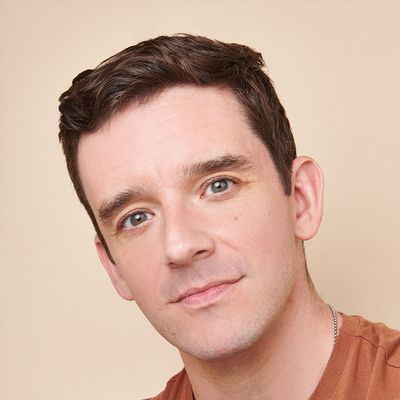
Maybe best known for his starring role as Mark St. James on Ugly Betty (opposite Vanessa Williams), Michael Urie is not only a star of the stage and screen, but also a director and executive producer. He originated the role of Arnold in the Broadway revival of Torch Song (after receiving Lucille Lortel Award and Drama League Award nominations in the off-Broadway production), as well as the role of Brian in Grand Horizons on Broadway. Other stage credits include How to Succeed in Business Without Really Trying, High Buttons Shoes, The Government Inspector, Angels in America, and his award winning performance in Buyer and Cellar. Michael’s other TV and film credits include Modern Family, Workaholics, Younger, The Good Fight, Beverly Hills Chihuahua, and a guest judge on RuPauls Drag Race. Michael can currently be heard in As the Curtain Rises, Broadway's first podcast soap opera, and is part of a digital performance of a new play called Smithtown, which premieres online February 13th.
Although born in Houston, Texas, Michael grew up outside of Dallas, and as a child loved and wanted to make movies. It was eventually his high school theater teacher who encouraged and challenged him to pursue his passions for directing and acting, and a poetry competition where he discovered his comedic chops, that led him on his journey to Juilliard.
Looking back on the beginning of his career post college, Michael opens up about the first time he auditioned for a TV pilot, while also balancing being in play. Although that particular pilot didn’t get picked up, Michael chronicles how the experience guided him to his starring role on Ugly Betty a few years later. He also shares his thoughts on film acting vs. theater acting, and “the feat of watching a theater artist go on the journey in front of you right then and there”. Michael talks with us about how he was able to incorporate this feat in his newest project Smithtown, a play which was adapted for Zoom and shot virtually.
In this episode, we talk about:
- Finding his footing in high school theater class
- Falling in love with Shakespeare and the classics
- His first TV pilot audition, a flop, and Ugly Betty a few years later
- Working with Vanessa Williams on Ugly Betty
- His new project, Smithtown
- His approach to and opinion on social media
Connect with Michael:
- IG: @MichaelUrieLikesIt
- Twitter: @MichaelUrie
Connect with The Theatre Podcast:
- Support us on Patreon: Patreon.com/TheTheatrePodcast
- Twitter & Instagram: @theatre_podcast
- Facebook.com/OfficialTheatrePodcast
- TheTheatrePodcast.com
- Alan's personal Instagram: @alanseales
- Email me at feedback@thetheatrepodcast.com. I want to know what you think.
Thank you to our friends Jukebox The Ghost for our intro and outro music. You can find them on Instagram, Twitter, and Facebook @jukeboxtheghost or via the web via jukeboxtheghost.com.
A very special thanks to our patrons who help make this podcast possible!
Cheryl Hodges-Selden, Paul Seales, David Seales
If you would like to see your name in this show notes or get a shout out on the pod itself, visit ttp.fm/patreon to become a member and show your support!
Transcript
This transcript was automatically generated and might contain errors.
[0:00] Alan Seales: Hi, everyone. Welcome back to the Theatre Podcast. I'm Alan Seales, and this is Intimate Personal Conversations with Theatre's Biggest Names, the podcast, or something like that. Our guest this week is Michael Urie, and this dude has just been all over the place. He started out in Texas, sort of on a fluke, was recommended by a teacher to start drama and just fell in love with it. Never thought he would do it professionally, and then all of a sudden, he's getting into Juilliard and doing all of the Shakespeare and all this classic performance and gets out of college, out of Shakespeare, out of Juilliard, can't get hired doing Shakespeare. So he's like, what am I doing? And then, of course, as we know, gets into TV, traditional theatre, and it just goes to show you that even with the classical training, the Juilliard training, the big stuff that everybody sort of dreams for, your career path, your life can just change in an instant, depending on where you are, who you are, and who you know.
So this story is actually really, really fun. I can't wait to share it with you. Please find me online on Instagram and Twitter at Theatre underscore podcast. I'm on Facebook slash Official Theatre Podcast. I'm actually even on Clubhouse now. Just search for me, Alan Seals, in Clubhouse. If any of you know what that is, it's still brand new, so I'm just still learning it. Now, everybody, please enjoy this episode with Michael Urie.
[1:32] Alan Seales: Our guest today is a star of both stage and screen. He is a director and an executive producer, maybe best known for his starring roles as Mark St. James on ABC's Ugly Betty or for originating the roles of Arnold and Brian in Torch Song and Grand Horizons on Broadway, respectively. Other TV and film credits include Modern Family, Workaholics, The Good Fight, Beverly Hills Chihuahua, and he was even a guest judge on RuPaul's Drag Race on the 2015 season. Other stage roles include Buyer and Cellar, Angels in America, Forum, and so many more. He can currently be heard in As the Curtain Rises, Broadway's first podcast soap opera, and is part of a brand new project called Smithtown, which focuses on some repercussions that happen from some seemingly meaningless social media interactions, which premieres online February 13th. Michael Urie, welcome to the Theatre Podcast.
[2:33] Michael Urie: Well, thank you so much. It's really nice to be here. What a nice introduction. You know who I am.
[2:40] Alan Seales: Yes, yes. Well, yeah, we've been working with each other for a little bit. But I mean, it's funny because when you meet in person, and I don't know if we've actually met in person person, but we've been in. No, I think we've been in virtual sessions like a lot of 2020 and working together on various things. And it's funny because you like we know each other through As the Curtain Rises. And then as I was researching you for this, all this other stuff, you know, I was pulling out of the deep throes of the internet. And I was like, oh, oh yeah. Oh yeah. I forgot about that. I forgot about that. I forgot about that. And you're a few months older than me. And, you know, which makes me feel like I haven't accomplished anything in my career because you've done so much.
But when you look back, and I think this is a great place to start, actually, when you look back at your life, you were born in Houston, Texas. Yeah. Right. So you're born in Texas. So look back across your career, coming from Texas. I guess let's start with did you did you ever see yourself where you are now? And what made you want to get into performing as a little boy in Houston?
[4:00] Michael Urie: Oh, wow. That's a good question. That's a heck of a way to start. You know, I was in Houston until I was about six. And then we moved to Dallas. Really, we moved from the Meadows, which is the suburb of Houston to Plano, which is the suburb of Dallas. Plano being where I spent most of my childhood. And it was, you know, I wanted to make movies. I loved movies. I would act out movies. I would make my friends make movies in my backyard. I would cast all of my G.I. Joes as famous actors. And I would, you know, create movies with them. I didn't really film them so much as like, you know, act them out. I would, you know, reenact movies I loved, like Jurassic Park. And then I would, I mean, actually, Jurassic Park came out when I was a teenager.
So I played with toys until I was probably too old to play with toys. Last week. But I think that's where I got, you know, when we moved, when we made that move, I really went into my shell. I think I was pretty extroverted in Houston. But when we moved, I started, we moved in the middle of a school year. So one day I was just like plopped into a new classroom. And I was really shy. And I remember vividly that day, I remember playing on the playground. Nobody knew me and I was running around by myself. And I spent a lot of time playing by myself in those first few years before I started to make friends. I mean, I made some friends right away, but it was really like a few years before I got back out of my shell.
And it was even longer before I had the guts to try theater. I loved movies. I wanted to make movies. You know, once I saw a Tim Burton film, I said, that's what I want to do. I want to make movies like that. And then I knew the only thing close to movies that was attainable to me was theater classes. But there was a really intimidating theater teacher. It was this interesting thing. I feel like this is such a theater thing. Sometimes the most intimidating people are, you know, like you just get a feel for them. And there was this theater teacher in middle school who was so intimidating and so beloved. And I couldn't get it. I couldn't get into it. I couldn't get her to pay attention to me. I couldn't get her to notice me.
I was still pretty shy. And I saw all these other people just thrive around her. And so it made me recoil even more. And I still feel that way. I mean, there is still something about me, even though I'm super extroverted and, you know, I think I have a pretty outgoing personality. There are still situations in which I will recoil. And this teacher made me recoil so much that I didn't do theater at all in junior high. It wasn't until I got to high school. And I think I realized when I got to high school, okay, this is it. If you don't do this, if you don't take theater classes now, you never will. And I get to my first theater class, first day of freshman year of high school, and my teacher who I have not yet met is on maternity leave, and I have a substitute.
And I think, what is wrong? Why do I keep making these wrong decisions? What is wrong with me? I've got, now I'm screwed. And so I'm looking around my theater class, and I'm serious now. I'm very serious about theater at this point. And nobody in this theater one class freshman year of Vines High School in Plano, Texas is taking it seriously at all. It is just a credit. And I realize, and I feel myself going back into my shell more than ever. And so I don't know what I was thinking, but I told this substitute teacher who was just a substitute teacher, I said, I don't think this is the class for me. I want to be in a class where people take it more seriously. I don't think I can thrive in this class.
And she said, okay, come here. And she took me into the office, and she called up the normal teacher, Mrs. Colvin, who was on maternity leave. And she put me on the phone with Mrs. Colvin, and we chatted about what I wanted and what I was looking for. And Mrs. Colvin said, okay, no problem. I'm going to put you into the theater two class. And so suddenly, I was in a different class with older kids. Now in Plano, there's ninth and 10th grade, which is Vines High School, which was like high school. And then there's 11th and 12th grade, which is senior high school. And this was all done because of sports. This was all an effort to give football players really a chance to play on the non-varsity team before they get to the varsity team.
And it worked out well for all the extracurricular activities because when you were a sophomore, you weren't competing with seniors. So I'm suddenly in a class with sophomores who are taking theater two, which means that they like theater one enough to take theater two, and they were taking it seriously. And they were cool. They liked me. I was the young kid in the class, and they were all really nice to me. And I was able to be an extrovert. And it was the first time. So I don't know what made me think to talk to that substitute, but it was really that that was what did it. And Mrs. Colvin, I'm still in touch with her. We're Facebook friends. I still hear from her. And that baby is now a major adult.
But I thought that it was something about her. It was something about me. And it just made sense. And that teacher, I mean, I had a lot of really amazing teachers, but that teacher putting me in theater two. And then that teacher, I said I wanted to be a director. She let me be her assistant director, but then she also made me go on stage. She let me direct. I had an idea for a play I wanted to direct. And she was like, okay, go for it. She gave me the resources, but she still made me be on stage. And it was doing a play at that level. And that's when I got my first laugh on stage and my first taste of it. It was like a real give and take. She was like, I'll put you in theater two, but you've got to show up for me too.
And I'll let you direct a play, but you've got to play the Captain Von Trapp for me. And then I went on to senior high school and it was similar. It was tougher. There were a lot more students. But I still thought I would be a director. And really because Mrs. Colvin was like my hero, my idol, I thought I'd be a theater teacher. That's what I really thought I would do because I saw it. I could see the whole career right there in front of me. I thought, that's what I'll do. I'll be Mrs. Colvin. And I got to senior high school. And when I was a junior at Plano Senior High School, Michael Benjamin Washington of Broadway and Boys in the Band and all kinds of amazing work. He was a senior in my class.
He was a class ahead of me and he was a complete genius. I'd never looked up to anyone like I'd looked up to him. I thought, that's an actor. That's what you have to be. You have to be at least as good as Michael to be an actor. And there's no way I'm that good. And there's no way I can do it. So that's why I was like, I'm definitely a theater teacher. I'm definitely going to do that. Maybe I'll do community theater, but I'm going to stay here in Texas where I belong and I'm going to teach high school drama, direct plays, be in local theater and watch Michael Benjamin Washington's star rise. And so he graduated and I remember vividly that he did not get into Juilliard. So he went to NYU. He went to New York and he went to NYU, which was amazing, but I thought, wow.
So there's Michael Benjamin Washington up here and then above that is Juilliard. So I'm right where I belong down here in Dallas-Fort Worth Metroplex teaching theater and doing community theater. And then the next year, my senior year, I was doing really well. I mean, I was really thriving. I was getting good parts and plays and I was winning speech competitions and I was really loving it. I was getting to direct some.
[13:22] Michael Urie: And so as I'm doing it and they're laughing at it, I start to realize in the moment, I start to think, oh, they think this is funny. What else can I do to make them laugh? And so I just, on the spot, in the moment, turned what I thought was a serious, tragic poem into this big old farce, big old comedy. And it worked and I won. And that was really the moment where I thought, okay, here I go. I'm going to try to be an actor. Screw teaching. Screw Texas. And I still think I would love being a teacher. And I still think I would be good at a teacher. And I still look to those teachers I had, like Mrs. Colvin and Mrs. Wilbanks and Mr. Porter, Mr. Steele and Ms. Ida, the late Ms. Ida. All of those teachers that I had in high school were just amazing.
But that was the moment. It was getting a laugh. And it was the live performance of it too, changing it in the moment, seizing the moment I was in and following through with that. That's when I thought, okay, I can do this. I can really do this. And so I scrapped all my... And there was another thing that was, oh, this is another thing that was happening at the same time. I had really crappy grades and I had a really low GPA and bad SAT score. But I had already at that point applied to all these state schools to be a drama teacher. And after my SAT score came back and it was pitiful, I got rejected. And it was a sign. I remember sitting, getting the rejection letter, having just had that poetry win and thinking, this is the sign.
I'm not going to try to be a teacher. I'm going to try to be an actor. And the local community college that had a really good theater program had offered me a scholarship. And so I said, I'm going to go there. I'm going to go to community college. I'm going to do, I'm going to act. And then I'm going to figure it out. So I'm going to give myself a year, a buffer year. And then the ACT, did you take the ACT where you grew up? Yeah. The SATs and the ACTs. God, it's been so long and I don't remember. We did like SAT twos. Oh, okay. Yeah. Yeah. So the SAT is hard and the ACT is also hard, but it's for people, it's for creative people. It's more for creative people. So it's like the shapes and colors version of the SAT.
I took the ACT later than the SAT. So I get the ACT scores back. I get rejected from all the schools. I decide I'm going to go to community college and pursue my newfound dream of being an actor. And then I get my ACT scores back and I did really well. And then I suddenly got acceptance letters from, because when you take those tests, you put in whatever colleges you're interested in and they just automatically send them your scores. So I got back my ACT scores and then that was followed by acceptance letters to these schools that I had already. And it was one of the, you just like when you're quiet with yourself and you have a hard decision to make and you realize, oh no, that is not what I want.
And you can't go back, you can't unring that bell. And so it was like an interesting, wild twist of fate. And then I went to this community college. I went on a field studies trip to New York. My first time in New York, we saw, I think we saw 13 shows in 10 days, including original cast of Ragtime and that incredible production, A New Brain, the original production of A New Brain with Malcolm Goetz and Christian Chenoweth and Norm Lewis. We saw Helen Hunt in Twelfth Night at Lincoln Center, so incredible. And we toured Juilliard in NYU. And at the tour of Juilliard, my community college teacher said, audition for this place. And I was like, okay, sure, why not? And he said it to me specifically, took me aside and said, you need to audition for this place.
This is the place for you. And I thought, there's no way, you're crazy. Michael Benjamin Washington didn't get it. There's no way I'll get it. And I did, I auditioned and I got in. So that was a lot more than you asked for. That was beautiful. But that's how it happened. That's how I ended up in New York. And Juilliard is not for everybody, for sure. There's a lot of people. And I think then and now, the business is so subjective and it changes so frequently, especially TV and film. I think there is still a work ethic of the theater can really get you places and you can work your way up. But the TV and film is not like that. They use you when they need you. And so I don't think Juilliard or really any conservatory training program has ever really figured out how to choose actors that will be viable in TV and film.
I mean, they get lucky a lot of the times. So it's not for everybody. There's a lot of people who end up at Juilliard and it isn't right or they get out of Juilliard and there's nothing for them. And I'm sure that's true with all conservatories. But it was right for me and it worked out. I had an amazing four years there.
[18:01] Alan Seales: That's such a beautiful story. But I have to point out that the whole story, you didn't, I don't know if this was on purpose, left out mention of your family.
[18:19] Michael Urie: I have no family.
[18:21] Alan Seales: Well, that's what I was going to ask because your parents the whole time, you know, my parents, I wanted to go to Columbia for acting. And my mother would not let me. She said, you need to get something to have a fallback. You need to have a degree. So that's why I got a computer science degree and then with that degree became a professional actor. And then Writer's Strike hits in 2007 and I go back to computers and that's led me down the path that I'm on now. I never auditioned a day in my life after I moved to New York because I moved to New York in the middle of the Writer's Strike.
[20:01] Michael Urie: Oh my God. Wow. So having a fallback was actually detrimental for me. Oh my God. I mean, it allowed me to have a regular paycheck. But for me, every day I miss not being on stage. So back to you then, where are your parents throughout this whole thing? And I can sympathize by the way with moving in the middle of a school year. I moved in the middle of seventh grade and it was the worst depression I've ever had.
[20:29] Michael Urie: Wow. See, it was second grade for me, which is different. You're far less of a human being. You're more of a mound of potatoes. But when you're in seventh grade, my God.
[20:44] Alan Seales: From where to where?
[20:50] Michael Urie: From Florida to North Carolina.
[20:54] Alan Seales: Oh, wow. So I was actually going to ask about your accent too, which you don't have, the Texas accent.
[20:55] Michael Urie: Right.
[20:55] Alan Seales: Because I got ostracized so hard moving from Florida to North Carolina because I was the new kid without the Southern accent. So they made fun of me for having an accent to them. From their perspective, I was the weird one. And I just remember—
[21:13] Michael Urie: It's more of a neutral dialect in Florida because there's so many kinds of people.
[21:19] Alan Seales: Yeah. So Florida to North Carolina, and I never broke up with my girlfriend. So Nancy Benedict, I'm still technically dating her in Florida. Does she know?
[21:31] Michael Urie: I don't know. Probably not.
[21:34] Alan Seales: Wow. So wow. I know other people who broke into show business right at the time of the writer's strike. And I imagine the people who are breaking into the industry right now feel the same way or a similar way. I mean, this is lasting longer. Obviously, this pandemic is lasting a lot longer than the writer's strike, but the timing was so terrible for the writer's strike. It would happen right when people were getting into it. So, oh, I'm so sorry. That is a really weird time to jump into things. But to answer your question about my family, my parents were in the audience at that poetry competition. My sister was actually sitting at the table when I received—my sister, I have an older sister who's seven years older than I am, and she was home for some reason.
She was in college or even out of college at this point. But when I started to get all my rejection letters, she was sitting there. And I remember she helped me decide to go to the community college instead of continuing to try to be a drama teacher. I remember opening the letter and being like, I didn't get in to this school. It wasn't like I didn't get into Brown. It was like I didn't get into Midwestern State University. And she was like, how do you feel about that? She's a psychologist now. So she was all very attuned to people's emotions. And she was like, how do you feel about that? And I was like, I don't know. It makes me feel like maybe I should try to be an actor and I should go to this community college that offered me a scholarship.
And she was like, that sounds great. And then my parents really supported that because they liked having me around. I was a mama's boy, and they liked having me around. They knew it was going to be cheap for them because they were great. I mean, we were super middle class, but they had saved money for me to go to a state school in Texas, which was at the time like $6,000 a year or something ridiculous like that. And I remember when I eventually a year later got into Juilliard, the money they had saved for me to go to college covered one year.
[23:53] Alan Seales: Yeah.
[23:59] Michael Urie: So I had a lot of debt when I got out of school.
[24:05] Alan Seales: Well, I remember when I auditioned for Juilliard, my mother saying, I don't know how we're going to pay for this. And I was like, I'm not going to get in. And she said, I think you might. I mean, and she wanted me to try. She just wanted me to be aware that I was either going to be in debt for the rest of my life, or they were going to have to move out of their house. It was a potential struggle. They were really supportive, but they were also always really realistic about money, which was good. I mean, I'm grateful for that. I'm very stingy, and I think that a lot of that is because of them. But they were really supportive of that. And when I got into Juilliard, I think their minds were kind of blown because they thought what I thought, which was if Michael Benjamin Washington didn't get in, then I'm not going to get in.
I feel bad dragging him through the mud, telling everybody that he didn't get into Juilliard. He's obviously doing very well. He didn't need it. But yeah, good question. My family, they were cool, and they were very supportive. And they're still very, very supportive. I got my love of movies and TV from them. They're great film watchers. They love watching movies. And so we would go to the movies all the time. And they have good taste, too. I mean, I wouldn't call them like auteurs. They're not film fans.
[25:45] Michael Urie: Cinema watching, you know, they don't, they wouldn't go to a film festival, but they love movies and they have, you know, they have good taste in movies and they know when something's crap. So, you know, they've always been really, really great. My sister's always been really great. We're going to take a short break. Stay tuned for more of the episode.
[26:15] Michael Urie: I mean, I don't know the professional casting side of life. I've never been in that particular spot. So I would think just like you have a Harvard or a Princeton or a Brown or something on your resume, if you're going to business school, then when you walk into an audition for Chelsea, Chelsea's like, oh, Juilliard. Okay, well, let's give this kid a little bit higher of an eyebrow raise because obviously that has some sort of clout along with it. But along those lines then, you, so Ugly Betty was end of, it was like 20, 2007, right? 2008? I think it was 2000, I think we shot the pilot in 2006.
[26:59] Alan Seales: Right. So then that means same age, do the math. So you were out of Juilliard for like four years before the pilot aired.
[27:05] Michael Urie: Yeah, I think three, I think it was three.
[27:09] Alan Seales: Yeah, right. And.
[27:11] Michael Urie: Three and a half years. Yeah, three and a half, four years.
[27:13] Alan Seales: So what, I guess looking back on that time in your life then, what do you think sort of propelled you to the next level in terms of, I guess, did, I mean, I guess the nice answer is like my immense talent got me everything I am today, right? But there's obviously a bit of luck, a bit of talent, a bit of who you are, a bit of who you know, and a bit of who you want to, being the person people want to work with again, but.
[27:41] Michael Urie: Really good timing.
[27:42] Michael Urie: Really good timing, yeah, just being in the right place at the right time.
[27:45] Alan Seales: So you get out of Juilliard, was it difficult for you after Juilliard? And then up until Ugly Betty, I feel like once you have a show, like, it was no, not a small part. So once you have a show like that on your resume for years, then it opens up obviously many, many more doors, which leads you to the wonderful success you're experiencing these days. But looking back on that time in your life then, did you ever question where you were, or was it just kind of like one thing after another of like, okay, this makes sense, this makes sense, this gets me to where I am next?
[28:20] Michael Urie: Yeah, yeah, well, there was definitely dissatisfaction. I got out of school wanting to do, I mean, I fell in love with, because like I said, I wanted to make movies. I wanted to be Tim Burton or Steven Spielberg. And then I switched gears and decided, okay, I'm going to be an actor. And I was thinking, okay, I'll be John Ritter and Tom Hanks. I'll be a comedy, that's what I'll do, because I was making people laugh. And I thought, that's what I'll do. And then all through Juilliard, I just loved it so much. I loved the classics. We did Shakespeare and Chekhov and Moliere, and I loved that stuff. And so by the end of school, I thought, I want just to go from Shakespeare play to Shakespeare play.
I want to travel the regions, and I just want to do Shakespeare. And that's what I want. And I didn't get those jobs. I thought, that's what I'll get. And they gave me an award at Juilliard for Shakespeare. And I thought, oh, this is great. This is right. And then I get out of school and I'm not really getting Shakespeare jobs. In fact, I'm not getting them. I'm not getting many jobs. I got a commercial here and there. I remember I auditioned for and got a really cool play at HB Playwrights with Austin Pendleton. And I was so excited. It was such a cool play. Not a long run, but a really cool play with a really cool actor. And when my agent called to tell me I got it, he said, so you got the job.
It starts rehearsal in two weeks, runs for this long, no pay. And I was like, wait, what? No pay? I didn't even get that up until that point. I didn't even realize that was a thing. And you could get a job and not get paid. And I was like, well, I took it. And I did a few of those showcases. They're called showcases. And also, I was like, Austin Pendleton's in a play where he doesn't get paid? How is this a thing? It was in short circuit. Wonderful movie, by the way.
[30:28] Michael Urie: Great film. Wonderful. One and two. Suddenly, I realized, oh, wow. So cool and money don't always go together. That was cool. That was probably the first cool thing I did. And I remember every second of it. But I didn't get paid. And so that means when I got an audition for Law & Order, if I'd gotten it, I would have had to drop out of the play. And they couldn't have done anything about it. So that was a real rude awakening. And then I did another showcase and a few more. And then I ended up getting my equity card. So I was doing things in New York. I hadn't yet gotten that job out of town that I was wanting, that Shakespeare thing. And I wasn't really getting seen for it. Yeah, the Bernie Telsey's, they did see you.
But I wasn't really getting anywhere. And I will say, the Juilliard thing is a blessing and a curse because there's a lot of... I remember when I got out, there were a lot of people who were saying, it takes four years after Juilliard before you're really there. And I was like, four years from Juilliard? You get out and then it takes four more. And they were like, yeah, you're a robot when you get out. So you need to earn your stripes and hone your chops. And then you'll be ready. And I was like, that's crazy. Because I just spent four years preparing for this moment. And now you're telling me I'm supposed to wait for it. And what am I supposed to do in those four years? Obviously, I must have to... It's like that whole, you don't get a job because you don't have enough experience.
Well, how are you supposed to get a job if you don't have any experience? And how are you supposed to get experience if you don't get a job? And so there were moments where I felt like that. I was like, oh, wow. I was told at school that I was good at Shakespeare. And now, professionally, they're telling me I am not. And that was really hard for me to figure out. And then about a year after I graduated, I was doing a play. As you know, in New York, there are lots of different kinds of theater. There's Broadway, there's institutional off-Broadway, and then there's a lot of other theater. Off, off, off, off, off, off, off, off, off, off, off, off, off, off. And I was doing some really great off-off things and some others that were not as great.
And I was doing something that was not so great. And I hadn't gotten my equity card. And my agents knew that I really wanted to stay busy. And so they were okay with me doing these plays in New York as long as I could get out of them if something came along. And I was like, sure, whatever. I don't care. Please let me do something. Please let me. I spent four years working from nine in the morning until 11 o'clock at night. And now I've got nothing going on. So please let me do something. So I was doing one of these plays in a basement somewhere. And having a good time, but it was not great. It had problems. And an audition came through. I went on tape with a casting director in New York. And it was for a pilot.
And they liked me for it. So they wanted to see me again. And then they wanted to test me. And this was a big deal. This was a big deal. Nothing like this had happened to me yet. And I hadn't even done a guest star. I hadn't even gotten a callback for a law and order or anything like that. So this was a big deal. And my agents were really excited about it. I had a manager at the time, too. They were super excited about this. And I was like, okay, television. Wow, this is happening, I guess. I'm actually in play here. And they wanted me to do a screen test. And that meant I had to fly to LA and do this really stressful... I do the audition again in a room full of studio executives. And the studio executives liked me.
I had to go and do it again for the network executives. Which is, by the way, nothing like actually shooting a television show. Because especially this was a one camera, single camera, one hour show. You shoot it like a movie. You don't shoot it in an office filled with people in suits who have business degrees. It's so uncomfortable. It's so weird. It's so, so strange. And I think it's different. It's a little bit different now. But at the time, that's what it was. And so I knew the game. I hadn't played the game yet. But I knew the game. I had been made aware of what would be expected of me. And I was like, okay, well, I'll give it a shot. And they said, okay, here's the date of the test. And the date of the test was the opening night of the play. Oh, no.
[35:40] Michael Urie: And the New York Times was coming to this basement to see this play. And so I was like, I can't. I know I said I would only take jobs that I could get out of. But it's opening night, and the New York Times is coming. That's sacred. You can't just skip that day. And my reps were furious. They were about to drop me. And I was like, I'm sorry, I can't go. I can't leave the play and miss opening night. And so I quit. I passed on the test. And they came back and said, all right, we'll test them digitally. And my agents were like, this has never happened. We've never even heard of this before. And they were like, with the miracle of technology, they will film your audition. And within hours, they'll have it on the West Coast.
And I got it. And I think that was it. I was not some wunderkind. I was the guy. That's the situation where, and I always say this when people ask me about casting, you nine times, unless you blow it in your audition, when you don't get a job, you are never going to get that job. As long as you do your best, as long as you're good, and you usually are, the reason you didn't get the job is because it was never yours. And that's the shitty thing about auditioning is we have to go through so much to work so hard and jump through so many hoops when you never had the job. It was just never yours. And this job was always mine. This pilot that I tried to lose was just mine. And that's why I got it.
It didn't really lead to anything. It didn't get picked up. I was not good in it. It was not good. But they needed me. And so even when I said no, I still got it. And that's the magic special sauce. That's where you want to be. And that's why I always say to actors who are starting out, you have to know what you're good at. Because they're going to throw you at lots of different walls to see where you stick. But you're the one who knows what you can do. You know best what you're good at. And those are the things you should go for. And this was just mine. It was my job. And in the same way that all those Shakespeare plays that I had tried to get.
[38:37] Michael Urie: Up until that point, we're not. And so that was not Ugly Betty. That was a different pilot that was not good, and it did not get picked up. But I learned so much from that experience and from getting a pilot that pilot season was a lot more manageable to me after that and made a lot more sense. But also, I think karmically, the fact that I didn't screw over that play. Because if I had gone on a plane and they had to cancel opening night, how was I supposed to go in front of a room of suits and win a job? I mean, how could I have done that? There would have been no understudy, right? Because this was like off, off, off. Yeah. No understudy. There was a choreographer or something, and I was like, could you do it?
Do you know the lines? And he was like, no, I can't do this. I was like, all right, well. No, there was no way. They would have had to cancel and hope that times would come another night. And I would have been in LA in a waiting room, sweating bullets. Well, obviously made the right choice.
[39:52] Michael Urie: Yeah. So then coming back then, I mean, so once you get into one of those places with the suits in the rooms, and you're at a level of recognition, I guess, internally that they are aware of, the people who make these final decisions. So even though you get a pilot, the pilot itself wasn't good, didn't go anywhere. But then was it sort of that thing that helped you more into the TV and film space? Because you've got so many TV credits as equal or more than theater. And it can be said that TV is a little bit easier to do in that you could show up for two days, and you're done, versus theater, you have rehearsals and opening nights and blah, blah, blah. But to be at a level where you are, and all the things in your opening bio, I only read a small snippet of all your credits, at what point... You also skipped over getting an agent, by the way, but you don't have to cover that if you don't want to. He's like, oh, yeah, my agent, like most people out of college would kill for an agent.
[40:56] Michael Urie: I know, I know. And I was very lucky. I mean, going to Juilliard, that is one of the things that going to Juilliard really does help you do is get an agent. You don't necessarily keep the agent, the agent doesn't necessarily do anything for you, but most of the people who get out of Juilliard do get one. And I was very lucky. I had one that was very cool. I'm not with them anymore. I've had two since, but I was very lucky to get that. But yeah, that pilot, I will say that all that pilot really did for me was it gave me experience and it gave my reps confidence in me. And from then on, they said, okay, he's a series regular. He can be a series regular. And what was interesting about that was two things.
It didn't lead to any guest stars. So all those TV credits, I never did a single guest star until Ugly Betty was over. So I was not booking guest stars. I was more in the series regular in a pilot world. So I was doing plays all year in basements. I finally started getting some regional theater jobs, and then I would get close to a pilot or I would get a pilot. It wasn't until after Ugly Betty, when people knew who I was, that I would start getting TV jobs as guest stars. So the year after that pilot that I got, and that was bad, I was up for series regulars in pilot season in LA. I went all the way. I went for it. Didn't get anything. The next year, I said, screw this. I'm going back to the basement.
I was in a basement doing a play. And Will Cantler from Bernie and Telsey's office stopped me in the hall after the play and said, that was great. And at the time, I was illegally downloading the breakdowns. And I saw that Will Cantler was casting a pilot that was shooting in New York. And I thought, I can stay in the basement. I can go do this little part on a pilot. It was a co-star. Co-star, which is less than a guest star. So I always say a guest star is, if you're watching Law and Order, a guest star is the suspect, and the co-star is the guy who says, he went that way. So I was the co-star. And I thought, well, it looks like the description was bitchy gay assistant. And I thought, that's kind of what I did in a play that Will saw, where he liked me in the basement.
So I asked my reps, please get me an audition for this. This is a job I think I could get. And they said, no, no, no, no. You do series regulars. You don't do co-stars. And I was like, I did one series regular, and it didn't even make it on TV. I've literally never been on TV. I mean, at this point, I had been in commercials and that was it. I had never been on television. And I said, just let me do this part. Just get me this audition. And they were like, we really don't think you should be doing co-stars. You really are a series regular actor. And I was like, I've literally never been on a series. I've literally never been on television. Get me this audition. And that was Ugly Betty. And that was an example.
And I got it. And then they made me a series regular immediately. As soon as it got picked up. I was in every episode. And that was an example of know what you can get. Not just know how to work the system. And that's what they were thinking. You have to act like a series regular actor in order to get series regular. And I was like, I need to act like a guy who can get a job in order to get a job. And it was. And a big part of that was, it was just a good combination. It was the right place. Talking earlier about timing. I was in the right place at the right time. That was a part that they hadn't figured out yet. All they knew was Betty Gay Assistant. And they needed somebody to come in and make it work.
And then they needed the chemistry between that actor and the person he was assisting to work. And Vanessa Williams was cast later as my boss. And from the moment we started working together, it was that we had a connection. She dug me. I dug her. And she started to lean on me for ideas. I had tons of ideas. And she was like, I hear you're doing such... What are you doing back there? What are you doing over there? What else can we do together? And immediately, we had a rapport. In fact, I had this bit where I was mimicking her. I was doing every move she made.
[45:00] Michael Urie: Right. Some makeup artist or something went over to Vanessa and was like, you know what that guy's doing behind you? He is mimicking you. And she walked right over to me. And she's like, I hear you're mimicking me behind me. What else can I do that you can mimic? She immediately leaned into it. She knew that together would be better than apart. Whereas another diva might say, stop doing that. And then Vanessa, at one point, she was like, stand closer to me. You'll be in this shot. I didn't know where the cameras were. I had no idea. She knew where the camera was. She knew where I could stand. Most divas would say, hey, stand over there, would you? Get out of my shot. So by the end of the pilot shoot, I was in the cast photo.
And when the show got picked up, I was in every episode. And so much of that is right place, right time and right role. But so much of it is Vanessa. I feel like it's Will Cantler in the lobby of that basement. And then me telling my agents to get me the audition. And then Vanessa embracing me. And then the show being a hit. That's the special sauce that you can't. They make so many pilots every year. And so few shows become hits. It's a combination of everything, though, to make a hit. Because you've got to have good actors with a good story with a good production crew. Because I think if behind the scenes it's not going well, it has to carry over.
[46:57] Michael Urie: Totally. It's on the screen. It's all on the screen.
[47:01] Alan Seales: That's awesome. I had no idea. I've never heard that story about you and Vanessa before.
[47:05] Michael Urie: Oh my gosh. I owe her so much. And also, the show came out in 2006, towards the end of Bush's time in office. That's also a part of it. You imagine what TV... TV, because TV is so quick, moves so quickly, what happens on television is almost always in conversation with what's happening in the world. And we were in all these wars. And Katrina, people are floating down rivers in Katrina. People needed something like Ugly Betty, which was a show about an empowered, Latina, smart, amazing Latina woman in a superficial world. People needed a show like that to look to. And it was just the right place for that. I mean, four years later, in the Obama administration, it might not have hit. We might not have done something like that.
[48:07] Alan Seales: Wow. And yeah, that was before Netflix, when Netflix was still, I guess, a DVD service, right?
[48:13] Michael Urie: Yeah. It was barely cable. I mean, when we were in the second year that Mad Men hit, and that was like, oh, look at this, cable.
[48:20] Alan Seales: Oh, yeah. Gosh. That was when I was up to my eyeballs in Lost and Heroes.
[48:29] Michael Urie: Yes.
[48:29] Alan Seales: Right? Yeah. Gosh.
[48:32] Michael Urie: Those were so many at the same time.
[48:34] Alan Seales: Yeah. It was that escapism. You're right. It was a certain time when we needed to get out, we needed to have some good news, and we couldn't just go on our phones. Because I don't actually remember when the first iPhone came out. I don't even know if there was an iPhone yet in 2006.
[48:49] Michael Urie: I got my first iPhone at the end of the first year of Ugly Betty. So yeah, I was doing a play in first hiatus, and that's when I got my first iPhone.
[49:00] Alan Seales: Wow. Yeah. So there was like, no streaming, smartphones were still, like the Razr probably was the hit thing back then, right? The Razr phone.
[49:07] Michael Urie: Black. I mean, Vanessa had a Blackberry. She had one of those.
[49:09] Alan Seales: Oh, yeah. That was the coolest phone I've ever seen.
[49:13] Alan Seales: We're going to take a short break. Stay tuned for more of the episode.
[49:29] Alan Seales: Going back to, well, let's talk about Smithtown, actually.
[49:34] Michael Urie: Oh, okay.
[49:35] Alan Seales: Because this gets into technology. I think it's actually sort of a good segue.
[49:40] Michael Urie: Okay. So it came from a production studio called the Studios of Key West, right?
[49:46] Michael Urie: Yep.
[49:46] Alan Seales: And I assume they come out of Key West, and this is all shot virtually. And I want to get into how they contacted you in the casting of this, because this is all brand new in COVID times. But the synopsis of Smithtown is, I'll try that again. In a small Midwestern university town, a text message is sent that sets off a chain reaction altering the course of the lives of many who live in Smithtown. The play asks the question, how does technology and the need for immediate personal gratification on social media undermine common sense, rationality, and the rules of behavior in contemporary America? That is a very good, I guess, log line. But everybody needs to see this. And I don't quite know how to talk about it without giving it away.
[50:32] Michael Urie: Yeah.
[50:32] Alan Seales: But there is something very serious that your character is responsible for. And everything is over Zoom, and it's got Anne Harada in it, and Constance Schulman from Orange is the New Black. And none of you are ever in the same scene together. You're all recorded. Well, tell us about the isolation part of all this, because I don't know if that was intended, but I felt like all the characters were very, very isolated while watching it.
[50:58] Michael Urie: Yeah. So it's written for the stage, not for Zoom. And it was written to be four actors, doing consecutive monologues. And I think when the pandemic hit and Zoom theater began, Drew Larimore, who wrote it, had the idea that it could be adapted very easily to the medium. And so I play a teacher who, in the original version, it was his first day of teaching.
[54:00] Michael Urie: And that's sort of what Zoom Theatre, I think a lot of Zoom Theatre is like, but this was, you know, it was adapted for the medium. And the other thing that I thought was so great about it was that it was a monologue in one. So it was one take. And that feels like theatre to me. It was pre-taped, but it was in one take, meaning that, meaning you watch me go from A to B to C to D and Constance Shulman and Ann, and you watch these actors go through the whole thing. And that's something that you don't, that's one of the things, of course I miss audiences, of course I miss being together, I miss being in a rehearsal room and being on stage in front of people, but I also miss doing it in its entirety every night.
And that's something that's so special about the theatre, it's like you do the whole thing. You get to do the whole show. And the audience knows that it's special for them that night and that you might do it the night before and the night after, but that performance that they saw is completely unique. And so like the performances in Smithtown, they're captured forever, but they were done in one. There was one take, we had to choose one take. And so I found that really thrilling as an artist who has, I mean, I worked in TV a lot and now I've done some Zoom theatre, and so I know the difference between when something's cut together later or when they chose the best three takes or whatever, and when it's mine and it's from beginning to end, it was my creation.
It was a collaboration, obviously, but that's why theatre acting is really more like dance or live music performance than film acting, because film acting is, you put it all together. It's a real collaboration with an editor and a composer and a director and a production designer. There's so many other things that go into it. But when you sit down in a theatre and you watch a performer do the thing that they had practiced from beginning to end, that's part of the art. I mean, yeah, a play needs to send you thinking like Smithtown will, and a play needs to inspire a congregation, but it's also the feat of watching a theatre artist go on the journey in front of you, right then and there.
[56:40] Alan Seales: How many times did you do the scene?
[56:44] Michael Urie: Well, we rehearsed for a while. We rehearsed, I think we had five, six rehearsals, and then we did the scene probably five, six times over the course of a couple of days. And then I remember Steven, the director, after a take, he was like, that was a really good one. We've got it. You got another one in you? And I don't know which one he used, but there was two or three that I got all the way through without screwing up and we were like, okay, that was pretty good. We like that one. So it was not exactly like doing theatre, but it was something about it that felt more like theatre than film.
[57:21] Alan Seales: Yeah. Has the, seeing the finished product all edited together, I mean, did you see the whole script when you decided to sign on or were you only given your part?
[57:30] Michael Urie: No, I read the whole thing. Yeah, I read the whole thing, so I knew it.
[57:33] Alan Seales: Right, so seeing the whole thing put together as a finished product, then has your personal take on your approach to social media changed and like how you look at things?
[57:44] Michael Urie: That's such an interesting question because I'm actually, I'm on kind of a break from social media and I don't know how much of it is Smithtown. I mean, I certainly felt like, I really, I have for a long time felt that social media is extremely dangerous and can be a wonderful place. Hello, Bernie memes. You know, I like, you know, I can think of very few things as delightful as Bernie Sanders in his mittens in the last few days. Like that has been really exciting, but also, you know, like Twitter gave us a fascist president like, you know, and now you can see now that he's off Twitter and, you know, all of his minions have sort of been silenced. You can see how quickly he's gone away. I mean, he may be back, but like, the power that he had and the power that was taken away from him is extremely scary in both ways.
You know, like, I mean, of course, like his power was taken away and he could have walked right over to the press room and done whatever he wanted there. He was just too cowardly to do anything at that point once he was silenced. But I think, you know, I think I was very active in the election. I did a lot of, you know, phone banking and I gave money when I could. And I was very active on social media in trying to get people to vote and vote, you know, for Democrats and, you know, show up. And then to an extent for the runoff, but once the election had happened and Biden won and Trump was going so very crazy and the pandemic was raging, it just didn't feel like a place for me anymore. Not because I didn't have anything to say, but like, I didn't feel like, you know, I have some followers, but I don't necessarily get a lot of traction on social media.
You know, I think I have more followers than actual influence. And like, I don't think, you know, when I tweet things, they don't really go anywhere. I don't feel like they really go anywhere. And so I just felt like I was sort of shouting into a shouting void, you know, like a void of other people shouting. And it was starting to, you know, I just didn't, I didn't like it. And it was, and I didn't, I wasn't promoting anything and, you know, I just felt like this isn't good for me. And then there was a period of time where I hadn't watched, this is dorky, but I hadn't yet watched the Mandalorian, but I started to hear that there were spoilers. And so I was like, I'm not going on social media.
That was the nail on the coffin was the Mandalorian. I didn't even know I was on social media. And then I got to a point where I was like, every time I thought about, cause you know, it's an addiction. Every time I thought about going on social media, I would play a word game on my phone instead. So I'd pick up my phone to go on Twitter. And instead of going on Twitter, I would play a word game. And it was so much happier. It just, I was so, I was so much more at peace with myself. And, and I came back, you know, I saw the Mandalorian, I know what happens. And I came back to social media and I was involved, but I'm not really active. And, and I think, you know, I really do think like it's, it's a scary place and it is, it's a dangerous place.
And I would much rather, I really want to go back to work. I don't want my work to be social media. And I don't like when social media feels like part of the job. I'm always like, you know, promoting something is great. I'm happy to promote, I'm happy to signal boost, but like, I, this, my work is not coming up with funny tweets or saying that, you know, or the best or taking good pictures on Instagram. Like that's not, you know, like my work is something different. And, and, and I think, I do think that Smithtown in a way, it's sort of, I don't know that it was a new idea for me, but it definitely instilled this idea that it is, it can be a very dangerous place. And I knew that it could be in it.
I mean, I've had tweets go viral. When you have a tweet go viral, it is extremely exciting. And I can understand why people who have them a lot become addicted to them. I get it, I get it. It's a very gratifying thing, especially during a pandemic when people are actually isolated from each other. Like, I get it. But I do think you can really hurt somebody without even knowing it. And that's what happens in Smithtown. And it's, it is quite a chain reaction and it's very upsetting. And I don't think that you have to do plays like that to necessarily, I don't think that it's going to tell people necessarily, oh, I shouldn't do that. Because I think most people who watch it will know immediately.
You would hope. But I do think that it is an extreme version of what's possible on social media and how many just very, very easy, easy jabs are made constantly. It's easy to hide behind the anonymity. And I mean, even just looking at something like a hateful comment that has a couple thousand upvotes, people aren't even agreeing. Physically, they're not saying anything, but they've agreed with it because they've upvoted it or whatever or liked it or whatever the case is. So yeah, it's a really scary place.
[1:03:25] Alan Seales: And you said it was an addiction. I've said it on the podcast before that chemically, our brains release, I think it's oxytocin, oxytocin serotonin, I forget which it is, but the same chemical we feel when we're in love with somebody, we get when we see that like, it's a quick hit, a quick little shot of love that our brain releases. So we're like, we're falling in love and feel that need and that companionship from our phone.
[1:03:51] Michael Urie: Yeah, yeah, so it's scary. And I try to time box it.
[1:03:55] Alan Seales: You do?
[1:03:56] Michael Urie: Oh, interesting.
[1:03:57] Alan Seales: Yeah, yeah, yeah.
[1:03:58] Michael Urie: So we're like, my wife and I, we have rules. We're like, no electronics in the bed. We don't want it to be the first thing we look at when we wake up or the last thing before we go to bed because then we don't talk to each other if we're sitting there scrolling through Instagram. Like dinner time is sacred if we can at least get the kids to sit down. Then we're like, no electronics, of course. We don't talk to each other because we all have busy lives. But then the rest of the time, I personally love getting in.
[1:04:53] Michael Urie: Right. Totally. I mean, I'm sure you've been there too. I'll be scrolling through Twitter and I'll realize I'm looking at the same tweets again.
[1:05:01] Alan Seales: Yeah.
[1:05:02] Michael Urie: I'm like, why am I looking at this tweet? Why am I reading this? What am I doing here? I've already read all of this. I could be doing, literally, I could be thinking my own thoughts over and over again, and that would be healthier.
[1:05:15] Alan Seales: But there's more comments now. There's more comments on the previous tweets, and now you've got to figure out if I can read all the comments and the comments on those comments.
[1:05:21] Michael Urie: And who is this person? And who do they like? And who have they retweeted? But the Twitter has already become less interesting in the last two days, which is great.
[1:05:32] Alan Seales: It's great.
[1:05:33] Michael Urie: Absolutely. I mean, now my new obsession is Clubhouse. So find me on Clubhouse.
[1:05:38] Alan Seales: What's Clubhouse?
[1:05:39] Michael Urie: What's Clubhouse? Oh, my God.
[1:05:41] Alan Seales: Oh, my God.
[1:05:41] Michael Urie: Clubhouse is this new platform that is, it's basically an internet party line. If you remember the old days of, you know, calling, picking up your phone, party line.
[1:05:56] Alan Seales: Right.
[1:05:56] Michael Urie: And so you can make rooms, which are called, no, you can fake, hold on. I'm new to this, so I'm not explaining well. You can make a room so you and I can go on there and we just voice chat with each other.
[1:06:06] Alan Seales: Okay.
[1:06:06] Michael Urie: And then we can have a private room and invite people or open it up and we can set a topic. So like, you and I, we say, learn about podcasting and you and I are just in there talking, other people come in, we can schedule it.
[1:06:16] Alan Seales: Wow.
[1:06:16] Michael Urie: Like I actually hosted an event last night that was like the fundamentals of recording at home and I had like 25 people there and it was fun and they were asking questions.
[1:06:26] Alan Seales: That’s amazing.
[1:06:26] Michael Urie: And so it's building a network, audio only with these people. And because it's such a new platform and it's invite only right now, there's like all these super, super high level celebrities, millionaires, entrepreneurs, marketers, influencers that are just like, yeah, what's up? Email me. Let's connect.
[1:06:44] Alan Seales: Wow.
[1:06:45] Michael Urie: And it's insane right now. It's like, imagine getting into Facebook right when Zuckerberg launched it and you could only still join with a university email address and you created the first podcast group.
[1:07:03] Alan Seales: Wow.
[1:07:04] Michael Urie: So people coming in, search for podcast, you're the only one there.
[1:07:08] Alan Seales: Oh, wow.
[1:07:09] Michael Urie: So like that's where this is right now.
[1:07:13] Alan Seales: You've told everybody on this podcast.
[1:07:16] Michael Urie: I know. Well, everyone, follow me on Clubhouse if you've got Clubhouse.
[1:07:20] Alan Seales: Wow, that would be fascinating.
[1:07:24] Michael Urie: Yeah, I used up my invites. I'll get somebody else to send you an invite though.
[1:07:27] Alan Seales: All right.
[1:07:29] Michael Urie: I was actually chatting with Karen Olivo this morning about it because she's on there. I saw Karen in there last night and we were chatting about it.
[1:07:35] Michael Urie: And I was in a room the other night with Amber Iman and Michael R. Jackson because they were hosting something about acting.
[1:07:41] Alan Seales: Wow.
[1:07:41] Michael Urie: And you just listen to these people and you can raise your hand. And if they call on you in the app, then you can ask your question.
[1:07:48] Alan Seales: That's cool.
[1:07:48] Michael Urie: They bring you up on stage digitally in the app so you can ask your question and join the conversation.
[1:07:53] Alan Seales: It's a really cool platform.
[1:07:55] Michael Urie: So because it's audio, I mean, you fill out your bios, you see a profile picture. Hopefully people won't hide behind the fact that you can't see video, but audio only makes it real.
[1:08:06] Alan Seales: Right.
[1:08:06] Michael Urie: And it's just kind of like a big educational party right now. It's really weird.
[1:08:10] Alan Seales: Interesting.
[1:08:12] Michael Urie: I'm sort of digging it.
[1:08:14] Alan Seales: What's that?
[1:08:15] Michael Urie: Conference call.
[1:08:16] Alan Seales: Yeah, yeah.
[1:08:17] Michael Urie: It's like thousands of conference calls happening simultaneously and you can just hop around between any public one that you want.
[1:08:24] Alan Seales: And in one, everybody can see that you're there.
[1:08:28] Michael Urie: So it's not like you can listen in on these private conversations.
[1:08:31] Alan Seales: Correct. Correct. You cannot.
[1:08:33] Michael Urie: So if you're there, everyone sees that you're there and you can raise your hand and they can bring you up.
[1:08:38] Alan Seales: That's cool.
[1:08:40] Michael Urie: They can kick you out if they don't want you there. Or if you're being a troll, you know, you can report trolling. So anyway, it's a really interesting platform.
[1:08:46] Alan Seales: Clubhouse.
[1:08:47] Michael Urie: Cool. All right.
[1:08:48] Alan Seales: Yeah.
[1:08:49] Michael Urie: All right. So Smithtown, though, everybody's listening. Get tickets at TSKW.org. It's premiering February 13th through 27th.
[1:09:08] Alan Seales: All right. So right before we get into the closing questions here, I have a question from one of my patrons on Patreon. Cheryl wants to know. Actually, she says, loved, loved, loved his Buyer and Cellar streaming earlier in the pandemic. And she wants to know how that came about.
[1:09:23] Michael Urie: Oh, wow. Well, we were going to. Thank you for the question, Cheryl. We were we are preparing to do Buyer and Cellar for a few nights live at the Rattlestick, where we originated it as a benefit performance fundraiser for the Rattlestick and for Pride Plays, the LGBTQ theater festival that I co-produced in June. And when the pandemic hit, we knew we weren't going to be able to do that. But I had learned it. I had it in my bones and my brain again after a few years. And so I kept, you know, as we were quarantined and in isolation, I kept looking over in the corner of our apartment at our dining room and thinking I could do the whole show over there. And maybe people would want to watch it. Maybe we could raise some money.
And so I reached out to my Pride Plays guys and we reached out to Paul Wontorek at Broadway.com and he said, I can host that. I can get that out there. And so I said, let me give it a shot. It's really going to be about the lighting. I don't know if I can know about the camera angles. I don't know. I don't want it to just be static. I want to make sure I can really move around. So let me get into it. Let me try it. And so Nick Corey, who's a wonderful director and had been Stephen Brackett's assistant, Stephen Brackett, who directed the original production. And Nick, who is also an actor who had played the role in Buyer and Cellar. He hopped on Zoom with me from Indiana and we moved all of my furniture and he helped.
He and my partner, Ryan, who helped me move everything. The three of us played around and we figured out how to make it work. And it was extremely exciting and very, very, we made a lot of money. A lot of people watched it. And I think it was one of those things that people were, and I think part of what worked about it is what I was talking about earlier was you watched me do the whole thing. I didn't stop. You know, it was like from beginning to end. So like that thrill of life, and it was live originally, but you could watch it after that. And it was still, you know, you could tell I was doing it right then and there. And I think that that's part of what made it work. And it's an amazing piece.
And the piece worked for the medium. And I knew it really well. You know, all those. I think all of those aspects are what made it. It makes sense and made it possible. I made it work. It was really cool. And, you know, people have asked me to do other one-person shows in quarantine. And I just can't even wrap my head around it. I knew that went way too well. And it was so perfect for the medium and the fact that I could look right into the camera and that was my audience. And I felt everybody. And I'd done it so many times that I knew where all the laughs were. So even though nobody was laughing at me in the room, I could imagine where they were laughing.
[1:12:24] Alan Seales: I want to wrap up here with the three standard closing questions that I ask everybody on the podcast. The first one is what motivates you?
[1:12:34] Michael Urie: I'm motivated by new voices. And that's not to say that I feel like I'm a new voice, but I feel like the new voices, new works, that is what I feel like is going to take us forward. That is what is going to get us out of this pandemic artistically. You know, when I think about the renaissance that will come from the theater reopening and new things being made, really actually new things being made for television and film, it's new voices. I need artists to remind me how to feel again and how to feel about what we've been through.
[1:13:12] Alan Seales: I love that.
[1:13:13] Michael Urie: I love that.
[1:13:14] Alan Seales: And then what advice would you give to your younger self and younger people listening now starting out down a similar path?
[1:13:22] Michael Urie: The advice I would give to my younger self is that your anxiety is natural and that it does not actually define you. And you are already using it to your advantage, but you're allowed to use it to your advantage. I think that a lot of us in the arts are fueled by our own anxiety and our own certainly our anxiety, for sure, but also our own paranoia and our own depression. And those can be used to our advantage. Without a deep well of emotion, we can't accurately portray the human condition. And I think so much anxiety is what makes people dynamic on stage. You don't become interesting on stage by being boring in real life or being normal or mundane in real life. And so I spent a lot of time paranoid about my own anxiety when I was younger, and I would definitely tell myself to embrace that. I wouldn't say chill out, because I think part of what was working is that you weren't chilled out.
[1:14:45] Alan Seales: Absolutely.
[1:14:46] Michael Urie: But it's okay. It's okay that you're wound up, and you should appreciate that about yourself.
[1:14:54] Alan Seales: All right. I think that's great. I think that's great. And yes, when I think of you, I think of a little bit of controlled, wound up neuroses. It's fun to watch.
[1:15:03] Michael Urie: All right. The last question, then, is the hardest one here. If you could only see one show for the rest of your life, but you can see it as many times as you want, what would you see?
[1:15:17] Michael Urie: Ooh. One show for the rest of my life, but I can see it as many times as I want. I would say Twelfth Night by Shakespeare.
[1:15:23] Alan Seales: Ooh.
[1:15:27] Michael Urie: That play has real tragedy, has real farce, has incredible poetry. I mean, there are lines in that show that make me weep. It is magical. It is human. It is very real, and I think it's probably my favorite play. Certainly, I've seen many, many productions of it, some terrible, but I love every one of them.
[1:15:59] Alan Seales: Wonderful. All right. Everybody, please remember to check out Smithtown, February 13th through 27th at tskw.org. Listen to Michael play the lovable, neurotic husband in As the Curtain Rises on the Broadway Podcast Network, bpn.fm slash As the Curtain Rises. Michael, where can we find you on social?
[1:16:22] Michael Urie: Oh, well, on social media. I'm on Twitter, at Michael Urie. I'm on Instagram, at Michael Urie Likes It. I'm on Facebook, and beyond that, I am not anywhere. And if you don't see me on Facebook, Twitter, and Instagram, listen to this podcast, and you'll know why.
[1:16:43] Alan Seales: All right. Thank you. Now, we can get more of me at thetheaterpodcast.com. I'm on Instagram and Twitter, theater underscore podcast. Please leave a rating and a review if you are listening. This is edited by Matthew Hendershot. Jukebox the Ghost provided the intro and outro music. And Michael Urie, thank you so much. This has been so much fun.
[1:17:01] Michael Urie: It's been really nice talking to you. Thank you. I appreciate having you.
© Broadway Podcast Network, All Rights Reserved