

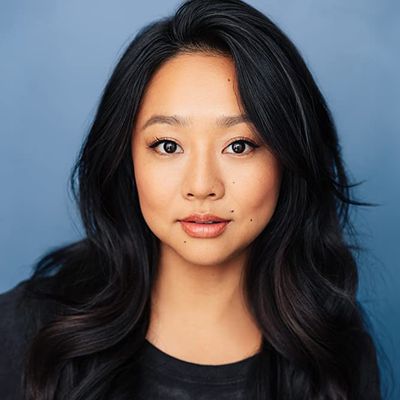
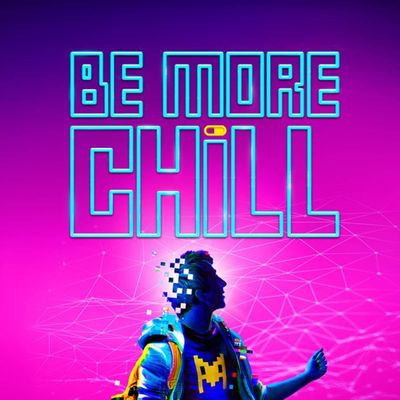
Stephanie Hsu is a familiar face on both the stage and screen, maybe best known for originating the role of Christine in Be More Chill at Two River Theater, and then on Broadway. She previously made her Broadway debut as Karen the Computer in the original cast of Spongebob Squarepants: The Broadway Musical... Read More
From the show: The Theatre Podcast with Alan Seales
Guests
Featured Shows
About
Stephanie Hsu is a familiar face on both the stage and screen, maybe best known for originating the role of Christine in Be More Chill at Two River Theater, and then on Broadway. She previously made her Broadway debut as Karen the Computer in the original cast of Spongebob Squarepants: The Broadway Musical. Her TV and Film credits include The Path (seasons 1-3), Set It Up, Unbreakable Kimmy Schmidt, Awkwafina is Nora from Queens, Asking For It, and Mei in The Marvelous Mrs. Maisel.
Born in Torrance, CA, Stephanie shares that it was mostly just her and her mom growing up. The two clashed at times - her mother was not sure America was built for her as an immigrant, while Stephanie was “adamant about being an American.” As a child, Stephanie was very into basketball, and fought against the urge to become a “drama geek”. But when a fellow classmate in high school arranged an audition for her with the drama teacher, it “launched everything”, including heading to NYU to study acting.
Stephanie stresses the importance of visibility in the arts, and candidly talks with us about her role on The Marvelous Maisel - Mei, who as a bilingual, strong and independent Chinese American woman in the 1960’s, was “unlike any character” she’d ever seen in her life. During our conversation, Stephanie continues to bring us back to themes of “love”, sharing, “Love has always been my favorite thing in the whole world,” (her college thesis was about love). When she was recently commissioned by Works & Process, the performing arts series at the Guggenheim, to create a piece of self expression, she found herself in the silence of the pandemic trying to understand “if being in love is ok”. Stephanie walks us through the creation of her piece “Another Love Letter”, where she battled between feeling the desire and responsibility as an artist to be productive and to make something big, but also feeling drawn to explore the poetic parts of quiet simplicity.
In this episode, we talk about:
- Creating her virtual commission “Another Love Letter”
- One of her favorite things to do at museums
- Working on The Marvelous Mrs. Maisel
- The importance of making work you care about with people you care about
- Her journey to landing a role in the new film Everything Everywhere All At Once
Connect with Stephanie:
Connect with The Theatre Podcast:
- Support us on Patreon: Patreon.com/TheTheatrePodcast
- Twitter & Instagram: @theatre_podcast
- Facebook.com/OfficialTheatrePodcast
- TheTheatrePodcast.com
- Alan's personal Instagram: @alanseales
- Email me at feedback@thetheatrepodcast.com. I want to know what you think.
Thank you to our friends Jukebox The Ghost for our intro and outro music. You can find them on Instagram, Twitter, and Facebook @jukeboxtheghost or via the web via jukeboxtheghost.com.
A very special thanks to our patrons who help make this podcast possible!
Cheryl Hodges-Selden, Paul Seales, David Seales
If you would like to see your name in this show notes or get a shout out on the pod itself, visit ttp.fm/patreon to become a member and show your support!
Transcript
This transcript was automatically generated and might contain errors.
[0:00] Alan Seales: I have no idea what the point of art is, except it makes me happy. That's what today's guest, Stephanie Hsu, literally says in our interview, and what is the underlying force behind who she is these days. Welcome back to The Theatre Podcast. Intimate, personal conversations with the industry's biggest names. I'm Alan Seales, and in my conversation with Stephanie, we dove deep into her asking herself if it's truly okay to love, yet realizing that offering that love to people in her life has taken her career to places she has never imagined. I feel really, truly inspired after our conversation, and I'm pretty sure that you will, too. So, as always, before we get into the interview, please find me online at Theatre_Podcast on Instagram and Twitter, on Facebook, slash Official Theatre Podcast. Leave a rating, leave a review, wherever you are listening now. And now, everybody, please enjoy this episode with Stephanie Hsu.
[1:02] Alan Seales: Today's guest is best known on Broadway as Karen the Computer in Spongebob Squarepants, or Christine Canigula in Be More Chill. She's known from her TV and film roles, such as Mei in The Marvelous Mrs. Maisel, Hulu's The Path, Asking For It, or Awkwafina is Nora from Queens. Recently, she was virtually commissioned by the Works and Process at the Guggenheim to create a piece of self-expression that has just blown me away. Stephanie Hsu, welcome to The Theatre Podcast.
[1:37] Stephanie Hsu: Woo-woo! Yay!
[1:39] Alan Seales: Well, thank you for being here. I know you are so incredibly bicoastal and taking time out of your busy schedule now, being in rehearsal for Mrs. Maisel. Yeah. And I actually, I want to, I don't know where to start, actually, because there's so much I want to dig into with the broken stereotype that your character is, or I guess lack of stereotype, right? You're breaking stereotypes on Mrs. Maisel. So, okay, we'll save that. But first, let's talk about Another Love Letter, which was a virtual commission from the Works and Process program from the Guggenheim. And everybody listening now, check the show notes. There's going to be a link to the video that Stephanie made. But tell us what that is.
[2:28] Stephanie Hsu: Yeah, well, I've been spending a lot of time over the last few months in Colorado, because that is where my partner lives. And so, I have very, you know, it's funny, I was really, really grateful, because Duke reached out to a few people who were in Be More Chill and offered this Works in Process commission. And I've never really worked on anything like that before. And, you know, and there's all this pressure of like, what should I make? What should I make? What should I make? And yet, it's like a virtual commission. So, you know, there's like a little bit of a, well, actually, they said that you can do whatever you want. And, you know, there are lots of things that I am in the process of making right now that have a larger footprint in terms of like a series or a film or whatever.
But I, at the time, I was like, I, the only thing that wants to come out of me is something really gentle. And I was really inspired by the mountains of Colorado. And the song that comes at the end of the piece was a song that I just wrote one day after a long hike, and I sat on a stump of a tree. And that's just what happened. And, you know, I think a lot of what was going through me at the time, too, was I was really kind of trying to understand if being in love is okay. And especially as an artist, I think that there is this, I was finding myself like in the pandemic and having this desire and responsibility as an artist to be productive and to make something epic or to develop something big or da da da da da.
And at the moment in which I was making that piece or the deadline for the deadline for the commission, all I really wanted to do was just kind of be in love and make sandwiches for my honey and also really tap into what it means to live an artistic life. And I think also, you know, just outside of a relationship, ultimately what I often want to do and wonder if it is enough to do as an artist is to make offerings for people, something as simple as a sandwich or a poem or half of a song. And so that's kind of what I was just exploring and giving myself permission to play with in that video. And also just kind of the stillness of space and surroundings and the poetics of something quite simple.
Because, you know, I think there's, especially during that time, end of November, December, there was so much noise going on. And so sometimes I wonder, yeah, how to bring back the kind of quiet simplicity of existing.
[5:34] Alan Seales: There is so much to unpack in all that you just said. I don't know if you saw me like kind of drop my jaw a second when you said, wonder if it's okay to be in love. And that caught me off guard because it never occurred to me to question that.
[5:48] Stephanie Hsu: Totally, which me neither. And so it's funny to, you know, well, because I think specifically, I've never been like in love and also in a pandemic. I'm usually working so hard.
[6:06] Alan Seales: Most of us alive haven't.
[6:07] Stephanie Hsu: Yeah, totally. You know, usually I'm working so hard that like, there's always something else. But I think I very intentionally at the end of the year wanted to quiet everything down because I was finding myself unable to push through the time. Like, I think, you know, everything that was happening with the election and the year that we just had, I couldn't figure out a way to be like productive or generative through it. I just needed to like sit still and let myself just let life in in a way that I haven't really been able to do for the last few years because I've been so busy. So then as soon as I did that and allowed for more space for quiet and tenderness, my immediate feeling was also a sense of guilt of like, should I be making more? Should I be busier? Should I be da da da da da da, you know? So, you know, lots of lessons in 2020.
[7:15] Alan Seales: Well, so what did you ultimately decide on, though, in terms of being in love? Because something that I want to call attention to is your Works in Process video. I want to classify it as like an experimental theater piece, a dramatic reading of a poem that I assume you wrote. And it's all about love, right? So it all circles back. So I wrote something down that, you know, is a repeating theme of the poem, which is I have no idea what the point of art is. And then it expands, it expands on that. And there's love worked into it as well. And I felt like it was a love letter to the artistic industry. But now I'm not quite so sure, now that you've just said the last five minutes.
[8:06] Stephanie Hsu: It's funny because you're jogging my memory, too, of like what that what I forgot that that was a part of it. I was like, oh, well, you know, because I also I think I have a certain kind of abandon, which is like you make something and you put it out there. Right. And and things can be very cohesive or they can be like etudes or poems in a way. And I think the thing that I was hitting up against is exactly that. Right. Where I was I had chosen at the end of the year to give myself space to really wonder and ponder and like let my creative juices flow without the pressure of productivity. And then, of course, this commission came in and I felt myself completely like constantly being like, I know that art matters so deeply.
And also, I don't know what the point of it is, except I know that it matters. And simultaneously, art matters outside of just what you make, but it's also the life that you live. And to me, like and this was apparent to me, like what was so special when I worked on Be More Chill was was there were so many people that already loved that show that I really understood who the audience was. And when the show closed, I wrote or was about to close. I wrote an open letter love letter to the fans of Be More Chill. And I found it funny. And the reason why I called it Another Love Letter was because at the end of the day, when you make certain offerings that specifically come from you or me, I do feel like the only reason or the only thing that keeps me going in terms of generating art is the offering of love, which is that it can be for one person.
And it's also the love of what you do or the love of the mountains or the love for whoever needs to hear it on the other side. And you don't know like who's going to watch this video on YouTube. But at the end of the day, especially at the end of a 2020, I know that someone out there needs to hear that that offering is coming from a place of love. So it very much was inspired by a person and and something that was going on in my life. But I definitely was also like this actually gets to the crux of the larger question I always have about art, which is like, what is good art? What is bad art? Does it matter? And there is no point, but there is absolutely a point, you know.
[10:36] Alan Seales: So you can obviously be in love with multiple things. You love your art. You can love.
[10:44] Stephanie Hsu: Yeah, well, I was gonna that's where I was going. I was like, can you love multiple people? Is there, I mean, monogamy, what is an invention that was created at a time when we didn't normally live past 40? Half of the women died in childbirth. And if they didn't, I mean, you got married when you were like 16 or 14 or whatever the case was, right? So like marriage as an institution is very outdated. But like the polyamory, the all of that kind of multi love sort of thing. I've always been so I guess curious to talk with people who really believe in it.
[11:22] Stephanie Hsu: Well, I think it's different with each partner, right? And I think that there I am definitely not I would never say that I am like well versed in polyamory. There are many books that you can read. And I definitely think it sparked a lot of curiosity in me for a long time. And I do have friends who are in very healthy non monogamous relationships. And I do feel like to each their own and not even to each their own. But it's also different from partner to partner. And whether or not people even are in primary partnerships, because there are also people who are polyamorous. I didn't think we were gonna talk about this. But yeah, there are people who are in polyamorous relationships who don't have primary partners.
And so, you know, then then it kind of expands. And there are pros and cons to it. And what I what I what I will say is that I think the most important thing and the thing that I really honor and love about non monogamy is that it requires a healthy non monogamous relationship requires a level of communication that is a very high level of communication in order to maintain a healthy relationship with a primary partner or all your partners. And I do believe even if you're in a monogamous relationship that people should communicate deeply and be okay with fear or jealousy or whatever comes up. I think to pretend that humans are like, you know, put a ring on it and then are just like devoid of other desires is crazy, you know.
So I really value that type of radical honesty. And when it comes to love, one of my favorite and I think about love all the time. I mean, as not only a thing for me personally, but also in terms of social justice. And one of my favorite books is bell hooks all about love. And she talks about the importance of radical movements stemming from an actionable place of love, not just like fluffy, I love you. I'm like, let's cuddle. But like, truly wanting to improve the world that we live in from a place of also loving the world that we live in and loving the people that we are trying to fight for. So I think a lot of these things were on my mind also, because everything was is and was.
[26:12] Alan Seales: We're going to take a short break. Stay tuned for more of the episode.
[26:26] Alan Seales: At the beginning, I teased the whole Mrs. Maisel thing. So your character, May, is... so obviously for those who don't know Maisel, it's set in the 60s, and being an Asian person in the 60s, it had the potential to be a very strict stereotype.
[26:48] Alan Seales: Because minorities were still dealing with this now, but minorities then weren't allowed to do a lot. They weren't accepted, weren't able to do a lot. So your character is not that at all. Tell me about May a little bit and how this relates to you personally.
[27:06] Stephanie Hsu: Yeah. So it's so funny because at the time that that audition came in, I was in tech for Be More Chill. And so literally before I even read it, I just was like, A, I have no... I'm not leaving the theater right now. I have no time to put myself on tape. Second of all, I was like, I hadn't watched Maisel up until that point. And I was like, I don't know. All I see is Chinatown, Chinese woman. I'm nervous as to what this could possibly be. And I can't...
[27:40] Stephanie Hsu: Imagine a world in which it would be good. And then immediately when I read the sides, I was like, wait, this is amazing. This is unlike any character I've ever seen in my life. I feel so spoiled rotten because I feel like I always get to play these really kind of singular characters. And, you know, I think that what's so special about her and Amy and Dan said this when I had my callback, they were like, we want her to be strong, like she's a strong, independent woman. She's going to be a doctor. And that's not a stereotype like in the 60s for a woman to be college educated and to be like going to be a doctor. That's amazing. That's really badass, you know. So a lot of their emphasis on her strength came from them as well, which I felt so grateful for.
And yeah, I think she's so special. She really is what I love about her the most. And I say this all the time and it sounds kind of hilarious, but I think, you know, you'll know that it makes sense. I'm like, it's so cool that she speaks Mandarin and also regular English. Like, you know what I mean? Like, she can do both. And I feel like so often we only see someone who can only speak Mandarin and then speak broken English or like, you know, vice versa. And I just remember being a kid and my mom saying to me, like, you know, you're going to want to know how to speak Mandarin. You should feel lucky that you're fluent. And I'd always be like, I'm never going to need this language. I'm not a fob and like, whatever.
I'm never going to, no one's going to ever need me to speak Chinese. And of course, when I got this role, I was like, oh my God, she's just totally like I told you so because, you know, it's the perfect opportunity to be bilingual or to speak a different language. And I always think about because when I was growing up, I really only had like Lucy Liu and Sandra Oh, and my mom really was like, you can't be an actor. There's no one who looks like you. I just every role that I get to play, I can't help it. But think about how grateful I am that I get to be a part of putting things out there that exist so that younger versions of myself and younger people don't have to ask or challenge that their parents or ask that question of if it's possible for them to do this or not, or to be an artist or to be an actor.
They can literally point to me and be like, oh my God, I can speak Chinese and I can speak English and I could be an actor on a hit TV show. That's crazy, you know. So, yeah, I feel constantly inspired by not only that whole cast and Amy and Dan, but I feel so grateful to get to be in May's shoes because it's really a truly special character.
[30:32] Alan Seales: Do you talk to your mom, I guess, about the differences between, well, I mean, you're doing, you're so you're now 30, I believe, if the Internet doesn't lie. And so you're getting now to play this character in the 60s, which is doing the math right is probably about the time when your mother grew up as well. And do you talk to her about the differences between how your life was 10, 20 years ago versus her life when she was the age of the character you're playing now?
[31:02] Stephanie Hsu: Yeah, that's funny. Well, my mom had me. I was already born by the time she was 30. And so I just know that our lives are different because I was there. And also, I think, you know, I mean, it is true. It's very interesting, right? Like I remember being a kid and just being so adamant about being an American. And my mom, she's an immigrant and she had a lot of, she just didn't feel that America was really built for her. And I remember being in kindergarten and just being like, I don't want this weird mushroom soup. Give me gummy bear vitamins like I want a PB&J. I'm an American. And I love doing the Pledge of Allegiance. I just like love that. And it's been really interesting because I think that was a really a huge point of tension for us while I was growing up in her sort of doubt of the American dream or the American narrative.
And I think what was really painful for me about the last year of our collective history is that. To me, the last year or so, just it was just really hurtful because I think I, we really saw this deep like unearthing of the kind of violence and hatred and the prejudices that are really deeply in our bones in this country. And, you know, the high this is kind of a derail, but the highest amount of hate crimes that were against Asians happened in the town I was born in in Torrance, California. Really? It was like, whoa, this is just really real. And yeah. And so I think anyway, that's a bit of a tangent, but I feel really grateful for May because I think, you know, it just is, it's actually visibility is not just about giving people opportunity, but it's also showing other people, right, like people who are not Asian, that this type of character also exists and to break the stereotype in that way for other people, not just for the people that it's directly affecting.
[33:42] Alan Seales: I enjoy in the last three years, there's been a surge of movies and TV and theater too. I mean, even when you look at like Head Over Heels, where one of the main principal characters is a non-binary played by a trans woman. And there's I'm thinking of Hearts Beat Loud, the Nick Offerman movie from a couple of years ago, where his daughter is a lesbian. And it's that's not any plot point. It just is. And that's I think it's been a while. I think it was Michael Urie I was talking to where I'm sorry, not Michael Urie. It was Brandon Uranowitz I was talking to where he was saying that there was it was for Burn This, where he was the first time in his career he was playing a gay character who was openly gay, where that wasn't like a plot point. It wasn't like, oh my God, he's gay. Let's make a big deal out of it. It was just he's in a relationship with a man, somebody else in the play is in a relationship with a woman. No big deal. That's life.
[34:44] Stephanie Hsu: Totally. And I'm so glad that this is starting to come about. And it's long overdue. But I want to touch back again on something you had said about like your mother is telling you not to be an actor. And yet here you are. So walk me through California, right? You're little little Stephanie in California. When did you decide, oh, I want to explore what love is and be an actor and do experimental theater?
[35:08] Stephanie Hsu: I mean, it always, it's just, it's so funny because I think I still can't really quite wrap my head around the fact that this is what I do with my life, you know. But well, I think love has always been my favorite thing in the whole world. Like I remember being in kindergarten and having like a huge crush on this kid. And I just was always like love is the best. Love is the best. Love is the best. I still feel that way. My college thesis was about love. I'm just fascinated by it because it's I think it's one of the most powerful, powerful uniting forces that we have in our capacity of feeling as human beings. It's extraordinary. So I was saying that in kindergarten. I was articulating it like that.
Just kidding. No. So, yeah. So it was mostly just me and my mom growing up. And I was really into basketball. I like just loved playing basketball. Loved the Lakers. They were the best. And I remember being in maybe like third grade and there was a school assembly and I was chosen to do this like fake lemonade ad where basically I just held a carton of lemonade and read off of a cardboard box that someone was holding and it gave me a script and I read it off the cardboard. And I remember thinking to myself like, oh, that was really fun. I should probably do something more practical with my life. So for the longest time, I just was like, I kept trying to not do it. And when I got to by the time I got to high school, I was playing basketball and one of my classmates, Ryan, who had known me since kindergarten, he was like, you know, you should really audition for drama one advanced, which really like if you audition, you get into drama one advance, but it was just, you know, a tight, a slight thing to see if people were actually serious about it.
And I said to him, I was like, I don't want to be a drama geek. And he said, but I think you'd really like it. And so he, I didn't go to the audition. I'm not total geek. I'm a total like Ravenclaw Hufflepuff. But yeah, so he, I like didn't show up to my audition. I canceled. And then he went out of his way to reschedule another audition for me with a drama teacher. And so then I did. And that kind of just launched it. And what I always say is that I've always been protected by what I call guardian angels, where, you know, I remember I had never, never really done a play before. And then I got into the senior play as a freshman, which was like a big deal. P.S. We did airplane. They did like a re-scripted stage version of an airplane.
First of all, oh wait, that wasn't my sophomore year, but anyway, the freshman, yeah, yeah, yeah. But they, we did do airplane, which is crazy. And then when I was a, I think when I was a sophomore or a junior, another upperclassman, his name was Brendan, he was like, did you know you could go to college for this? You should think about going to college for this. And I had no idea that you could go to college for acting, totally. So then I ended up going to NYU. And while I was there, I met Liz Suedos, who wrote Runaways, and she became a huge mentor of mine. And she was really prominent in La Mama and the experimental theater scene. So I just immediately got swept under her wing and just kept doing that.
And didn't even know, like Broadway was never even on my radar. I didn't think that there would ever be a place for me there, slash like, I didn't really love musical theater. I was just so, I thought I was going to do contact improv for the rest of my life and devised theater. And then I went to Williamstown when I was, after I finished college and I was in their non-equity company, and I didn't have an agent and I didn't want an agent. And I remember someone also, they had a showcase and they were, Laura Savia was like, you know, you should really do this. I think it would be really good for you. So I was like, fine, I'll do it. And it was through that, that I got thrown into a first ever table read of the SpongeBob script that was intended for Broadway.
That was 2012. And so literally it was like a two-day non-equity reading in the Viacom building with like less than 10 actors. Ethan Slater was there and Danny Skinner was there as well. And I think those were the only two people that were there from the very beginning. And I was just reading extra voices and lo and behold, then that went all the way to Broadway. So I just like all my, my whole career thus far has been a series of kind of accidents like that, where I just didn't even know something was possible. And then someone was like, hey, come over here. I'm like, okay. But I think the root of it is that I've been really lucky to be surrounded by, and that's kind of what happened with Be More Chill too, in a way.
But I've just been lucky to, I think, be surrounded by people who I really respect and who I really believe in. And I've been lucky that they believe in me also. And I think the thing that has always been the center of my guiding force is, you know, you do the things that you care about and you make work that you care about with people you care about. And then like hierarchy or success or career, that all comes after if it comes at all. But the thing that has to be of the most importance is the passion and love, love and the care for the art that you're making and the people that you're making with.
[41:05] Alan Seales: I love that. The big thing that strikes me about all that is that I think without realizing it, or maybe you do realize it, that I don't know if it's Guardian Angel, whatever,
[41:30] Stephanie Hsu: That means to people who say it, but it goes back to what you were talking about at the very, very beginning of our chat was that it's an offering. You've been, I feel like you have been offering, you've been open to receiving other people's offerings before you probably ever even realized that you did. You were connecting with people and being a genuine human with people when in a world where there's, or I guess in an industry where there's a lot of just jealousy and envy and people just not being true or not even owning themselves or knowing who they are. To me, it seems like you've sort of navigated this path through all of them and all of that. And so the people who are also there with you just kind of pluck that out.
They can tell. You walk into a room and that energy just fills the space, right? They can pick up on that and pluck you out and say, all right, come with me because they're already there with you. So yeah, you've had Spongebob take you to Broadway and you have Be More Chill, which launched into this thing. And then Mrs. Maisel, you know, May in 2019, but you were involved with that a little bit earlier at like 2016, 2018, you had a recurring role as Joy on The Path on Hulu. And you know, now I need to, what I'm going to go watch tonight is Asking For It because I watched the trailer for this interview and now I'm totally hooked. So that's an Amazon Prime video. But it's like all of a sudden you just went from, well, I guess I was going to say you went from zero to 100, but you really didn't because you've always, you seem to me now, I'm picking up that you were still now who you were before. You just have a whole bunch of extra friends and colleagues and colleagues who have become friends who are just standing alongside with you and bringing you with them and vice versa.
[43:27] Stephanie Hsu: Yeah. I mean, I think that the thing, well, you know, I think the thing that I always have to tap back into is that, you know, there is so much energy around people about, I mean, Broadway is like one of the most complicated things because I think there is so much energy around like the Tonys and there are so many things like art that gets commodified and then pressurized by exterior validation or exterior forms of success. And there's, that goes for shows, that goes for projects, that goes for individuals. And I really like turn off when that becomes a driving factor. I just like don't even know how to do that because it feels icky and untrue and then confusing. It's like, that isn't why I ever did this.
I don't, I don't, I want to be able to go to the grocery store. Do you know what I mean? Or the parks that we'd go out. But, you know, and I, but I think that like what I've been, every time that, that my philosophy of like, you just have to work with people that you care about on projects that you care about, every time that works, I just am like, I have to believe that this is going to always be true. You know what I mean? And actually like one of my favorite stories is that right after Be More Chill closed and, and Maisel wrapped, I could feel that it was really time for me to go to Los Angeles. And it was the first time that I felt a little bit scared, which is also how I knew I had to go.
And right before I left, I knew that Awkwafina had a new show on Comedy Central that Bo and Yang was on. And Bo and I did comedy in college together and I love him. And I was like, that show is going to be weird. I should be on it. I should do something dumb on it. And I did. And I shot an episode that was super, super, super strange. And on it, I met these two directors, Daniel Kwan and Daniel Shiner. And they're known as the Daniels and they directed Swiss Army Man, which I had never seen. I knew nothing about them. I was just like, Oh my God, you guys are weird. And I love it. And I fell so deeply in love with them that in that instance of working with them, I basically followed them back to Los Angeles because I was like, I just want to work with people who are creatives who I don't even know exist yet, who are just making things that they think are exciting and are fun.
And so because of the Daniels, I like really, it catalyzed me to go to LA. And then within a week of me being out there, I got a text from them and they were like, Hey, this is really random, but we're actually working on a movie. And we were wondering if you want to come in for it. We think you could be really great. I was like, sure. Okay. And so I like went in for the movie and I did not know it was like A24. I did not really like understand what A24 was. I like kind of understood it, but didn't really get it. I didn't understand that it was like a principal character in this film that they were shooting, that they'd been developing for a long time. The Russo brothers were helping to produce.
I just was like, you guys are so weird. And like, this is, I want to know you. And then we shot the movie. So up until base, and then we got so lucky because our intended wrap date was March 13th, which is the day that everything shut down in Hollywood. And so somehow, and they, they also are like the kindest, kindest, kindest people. But so somehow we were able to shoot like this whole feature right before the pandemic hit in a way that also took care of everybody on the crew and was kind and fun and stressful at times, but from a deep place of love. And so when that happened, I was like, okay, this just has to be true. Like this, this philosophy is tried and true real. And I, and no one can tell me otherwise. Cause cause it just has to be true because it is.
[47:26] Alan Seales: So we've just had, you know, a 45 minute deep and introspective conversation and all the characters that I've seen you play have been loud and big and boisterous and funny. And you are a very funny person and you like to laugh. And I guess where, where I was going to say, where does the dichotomy come from? But I don't think that's the right question. I guess, are, do you enjoy doing the comedy more? So you go after that more, or is it that you just do everything and the comedic roles are just more marketable if we want to go back to that side of things?
[48:04] Stephanie Hsu: Well, it's funny because you know, when I was in college, I think I've always been funny and I don't really know why. Cause I'm also, I mean, I'm like weird and it's fun and I like to have fun, but I, in my, you know, in my own time, I'm pretty quiet and introspective and like very, you know just kind of still watersy. And I just think for whatever reason, I've always understood comedy. And when I was in college, I was in a sketch group called Hammer Cats. That was the sketch group that Donald Glover started. And you know, all my, all the people that I worked with then are now like writers on SNL. And I just like, did not want to go that route because the hours are crazy and the scene is crazy.
And it's amazing, but I just like, I didn't feel that I had the comedian in me. And I definitely don't intentionally, I think for a long time when I was younger, I really resisted being funny. I thought that it was like more cool to be intellectual and poetic and like deep and like broody than to be funny. And honestly, I don't think it was until maybe the last year or two that I'm really recognizing that humor is such a powerful antidote to spreading more information or to tell story. Like if you can make someone laugh, that's actually a really powerful thing. And joy is a really powerful thing. So I don't really chase comedy. It just kind of happens. And when things are, when I think Maisel's a really great example of something that's like really funny, but it's also very smart.
And that really attracts me. I love good writing. And the movie that I just shot is also fun. It's definitely really weird, but I wouldn't say that the leading gesture is comedy, but it's definitely funny, you know. But it's also fun. It's cool to get to be like silly and strange.
[50:17] Alan Seales: It's fun because as you said, you can get a pretty heavy message across. And if it's presented in a funny way, then people remember it without feeling like they're being lectured. I totally understand it. I totally get it. And I think that you are very skilled at presenting this side of things because your comedy comes from a very real place. It's not just Jim Carrey slapstick. And that's got its time and its place. But there's a very, yeah, I guess I like the intellectual side of good, good comedy.
[50:55] Stephanie Hsu: And Jim Carrey is really smart, too, because think about like Eternal Sunshine, you know.
[50:59] Alan Seales: Right, right. Yeah. You have to be, I think my theory, and it's been proven over and over again, and you just proved it again, is that you have to be incredibly smart to be very good at comedy.
[51:12] Stephanie Hsu: It's funny that you mentioned Jim Carrey because I had to do a lot of research for him for the movie that I worked on. And so I really went down a Jim Carrey wormhole. And I was like, you know, I've never ever thought like, oh, I wish I could have this person's career or I wish I could have that person's career. But I was like, you know, it would be really cool to have a body of work like Jim Carrey's in the sense of you can do like Dumb and Dumber. And then you can also do Eternal Sunshine. And then you can also like write a book and draw comics. I just think that's so cool.
[51:43] Alan Seales: He's putting out he's putting out offerings and he's doing what speaks to him. That's our theme. That's our overarching theme of the episode here. So everybody, please check the show notes. Go watch Another Love Letter by Stephanie Hsu. And it will be easy to find on the YouTubes in the show notes here. But before we go, I'm going to ask my three standard closing questions that I ask everybody to wrap up the episodes. The first one very simply is what motivates you?
[52:14] Stephanie Hsu: Love.
[52:15] Alan Seales: Love.
[52:16] Stephanie Hsu: I saw that coming. Finding love, discovering love.
[52:22] Stephanie Hsu: Giving, honestly. I think offering.
[52:26] Alan Seales: Oh, I love that. Okay. What advice would you give to your younger self and younger people listening now starting out down a similar path?
[52:33] Stephanie Hsu: Oh, my gosh. I would say a mentor of mine, Mary Overly, who just passed. She created the viewpoints. Something she would always say is you have to believe yourself. You have to believe yourself. So that's what I would say. And also get organized. Super, super organized. Organize all your ideas. Organize all your notes. Keep your writings organized.
[53:05] Stephanie Hsu: And write.
[53:07] Alan Seales: And write.
[53:08] Stephanie Hsu: And write. All right. So last question. If you can only see one show for the rest of your life, but you can see it as many times as you want, what would you see?
[53:17] Stephanie Hsu: Does it have to be a theater show?
[53:19] Alan Seales: No.
[53:20] Stephanie Hsu: I just called it a theater show.
[53:21] Alan Seales: A theater? Go see a theater?
[53:22] Stephanie Hsu: A theater? Does it have to be a theater show? Well, I just, I'm very slow sometimes. So I just watched Jojo Rabbit. And I honestly think it is the most brilliant film I've ever seen. And talk about like joy as a means and humor as a means to talk about something very, very deep and tragic. I was like a wreck. I was sobbing on the couch. Just a complete mess. I think that movie is so beautiful and so brilliant that I am very actively desiring watching it over and over and over and over again and just studying it.
[54:01] Alan Seales: Interesting. All right. I'm going to go rewatch it. I'll have to go watch it. All right. So where can we find you online?
[54:08] Stephanie Hsu: Oh, I'm bad at Instagram. I think I'm going to delete it. But for now it's shoelace. H-S-U-L-A-C-E.
[54:16] Alan Seales: That's a pun.
[54:17] Stephanie Hsu: And so...
[54:18] Alan Seales: The whole internet conversation is for something else. Like another episode.
[54:23] Stephanie Hsu: Oh, goodness. Yeah. It's hard to keep up with. So, cool. Well, thank you so much for being here. I appreciate you taking the time out of your obviously very busy schedule. And I just thank you for opening up. It's been a very, very great conversation.
[54:40] Stephanie Hsu: Yeah. Thank you for doing this and holding space for so many of us. It's awesome.
[54:45] Alan Seales: You can get more of me at thetheaterpodcast.com. You can show your support for the podcast at thetheaterpodcast.com slash Patreon. You can find me on Instagram and Twitter at theater underscore podcast. Lots of goodies there. Please leave a rating and a review wherever you're listening now. This has been edited by Matthew Hendershot. Thank you to Jukebox The Ghost for the intro and outro music. And thank you, Stephanie Hsu, most of all, for a wonderful conversation.
© Broadway Podcast Network, All Rights Reserved