

From a meteoric rise to fame at 20 years old, to all the performances he hopes to still tackle in his 60’s, this artist opens up about balancing multiple passions, and serves as an inspiration for all to keep plugging away at your dreams... Read More
From the show: The Theatre Podcast with Alan Seales
Featured Shows
About
From a meteoric rise to fame at 20 years old, to all the performances he hopes to still tackle in his 60’s, this artist opens up about balancing multiple passions, and serves as an inspiration for all to keep plugging away at your dreams.
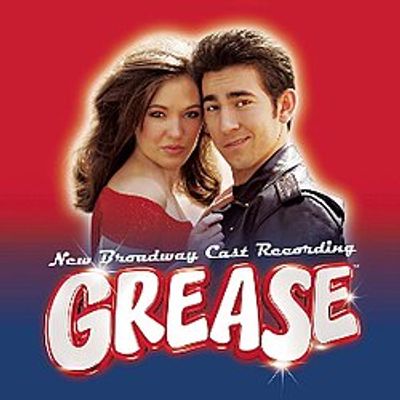
Widely recognized for his rise to fame as Ralph on one of the most successful television sitcoms of the 1970’s - Happy Days, Donny Most is a multi talented artist with an amazing career spanning decades across stage and screen. Donny’s numerous stage credits include two national tours - Grease in the 90’s, and Damn Yankees with Dick Van Dyke in the 80’s; while he also boasts a slew of TV and film credits including The Love Boat, Glee, Star Trek: Voyager, Sabrina the Teenage Witch, The Bold and The Beautiful, Edtv, Murder, She Wrote, Baywatch, and Family Guy. In addition to acting, Donny is an accomplished producer, director, writer, and singer, with 2 albums and 4 singles and EP’s to his name. Adapting to the time of COVID, he can currently be seen starring in a virtual stage production of Middletown, now available for streaming online.
During our conversation, Donny describes his journey on Happy Days as “an incredibly exciting time”, and reveals why he actually turned down the initial offer. He talks about how the notoriety from the show changed his life, in great but also challenging ways, and also opens up about the brick wall he hit when he left the show after 7 years. Noting how he now feels he is at an age where people can accept him as a different sort of character, Donny shares some of the “cool roles” that have been coming his way, and gives us an in depth look at his latest project, Middletown.
In this episode, we talk about:
- His fathers early influence on his acting career
- The decision to leave college and move to LA
- Working with Gary Marshall and Ron Howard
- Life after leaving Happy Days
- Developing a TV series with his wife
- His love for singing, and Bobby Darin
Connect with Donny:
- IG: @donmost1
- Twitter: @most_don
- Get tickets to watch Middletown
Connect with The Theatre Podcast:
- Support us on Patreon: Patreon.com/TheTheatrePodcast
- Twitter & Instagram: @theatre_podcast
- Facebook.com/OfficialTheatrePodcast
- TheTheatrePodcast.com
- Alan's personal Instagram: @alanseales
- Email me at feedback@thetheatrepodcast.com. I want to know what you think.
Thank you to our friends Jukebox The Ghost for our intro and outro music. You can find them on Instagram, Twitter, and Facebook @jukeboxtheghost or via the web via jukeboxtheghost.com.
A very special thanks to our patrons who help make this podcast possible!
Cheryl Hodges-Selden, Paul Seales, David Seales
If you would like to see your name in this show notes or get a shout out on the pod itself, visit ttp.fm/patreon to become a member and show your support!
Transcript
This transcript was automatically generated and might contain errors.
[0:00] Alan Seales: Welcome back to the Theatre Podcast, intimate personal conversations with the industry's biggest names. I'm your host, Alan Seales, and this episode is with Donny Most, who you probably know as Ralph from Happy Days. He can now be seen in a new play called Middletown that was actually in the middle of its run when Broadway shut down and the producers expertly pivoted, put it online and now you can stream it through the beginning of April. So please check the show notes right now to make sure that you don't miss your opportunity to watch this, get your tickets. And then when it comes back after COVID, they want to bring it back and start doing it in real life again. So fingers crossed. This guy loves performing.
We talked so much about his love for singing and he goes back to making music and making more songs and doing these amazing old school, like jazz standards and crooning standards every chance he gets. You can tell he has a genuine love for the arts and he was such a pleasure to talk to. Donny, if you're listening, thank you so much. I really enjoyed the conversation. Find me online on Instagram and Twitter at Theatre Underscore Podcast. I'm on Facebook slash Official Theatre Podcast. Please leave a rating and a review. And now, everybody, please enjoy this episode with Donny Most.
[1:30] Alan Seales: Today's guest rose to fame as Ralph on Happy Days, but is an incredibly multi-talented individual with an amazing career spanning decades across the stage and screen with additional credits including The Love Boat, MASH, Glee, EdTV, Star Trek Voyager, Sabrina, Sliders, The Bold and the Beautiful, and Family Guy, one of my favorite episodes. In addition, he's an accomplished singer, producer, director, and writer and has adapted beautifully to the current times of COVID, starring in a virtual production called Middletown, now available for streaming. Check the show notes for that link. Donny Most, welcome to the Theatre Podcast.
[2:09] Donny Most: Thank you, Alan. Good to be with you. Thanks for having me. I've heard you referred to, people refer to you online as Don, Donny, Mr. Most. Like, what should I call you today?
[2:20] Donny Most: Whatever strikes you at the moment is fine. I'll answer Don or Donny. Even Ralph occasionally.
[2:28] Alan Seales: Actually, well, I was gonna say, we'll start with that, but I don't want to start with that. I actually want to go back to the beginning, right? Because we were talking before we started recording about Brooklyn. You grew up in Brooklyn. I live in Brooklyn now. And so many great people, yourself included, come out of Brooklyn. What, I guess, tell me about where you grew up and when did you start thinking about pursuing this or even what, as a hobby, let alone a profession?
[2:57] Donny Most: Okay. Yeah, well, growing up in Brooklyn, I grew up in the Flatbush section of Brooklyn, Ocean Avenue near Church Avenue, just a few blocks from Erasmus Hall High School. And it was, you know, it was a great, a great environment to grow up in. I sometimes feel that it was helpful for me. I think for actors in general, I mean, you need to be able to adapt. You need to be able to, and, you know, so it's stimuli and stimulus and the energy and all the different types of people, you know, because it really was a melting pot when I grew up there. It probably still is, I'm sure. But I think all those things were important. And the kind of childhood that I had, you know, playing ball with my friends.
I grew up in an apartment building and then there was a little, a little court, a street, which was not very heavily traveled. So, we would play, you know, punch ball or football, two-hand touch in the street, you know, with the cars parked on either side and go down the block to the, where the subway station was. There was a wall, we'd play stickball. And then if you went down a few blocks from there, it was the parade grounds, you know, which had all these great baseball fields, tons of baseball fields, and you'd play there. And then, and then of course, Prospect Park, you know, which was, and, you know, so I, I think it was a great childhood. And like I talked about all the different neighborhoods and national, you know, ethnicities and, and Erasmus Hall, we had 8,000 students.
So, you know, I mean, you're, you're exposed to a lot, you know? And so, so, and then I first started, by the way, Barbara Streisand went to Erasmus and Lainey Kazan and Barbara Stanwyck and a lot of people, Mae West. So, yeah, I think there's something about growing up in that kind of, you know, that kind of a neighborhood, those neighborhoods, there's something about it that I think was helpful, maybe stimulated people to want to pursue the business. Now, in response to your question, when did I first start wanting to think of it even as a hobby? Well, I was very young, I was nine years old, and I saw the movie, The Jolson Story, which was the biopic of the great Al Jolson. And I was nine, and I saw that it was, they had a million dollar movie back then, which was on Channel 9.
And they would pick a movie for a week, and they'd show it twice a night, every night, and then four times Saturday and four times Sunday. So, I, my friend, I was in third grade or something, and he said, did you see the movie, a million dollar movie last night? This was Tuesday morning. I remember, and he said, I said, no, I'd never heard of Jolson, I didn't even know who he's talking about. So, I watched it that night. And it like, it had this profound impact on me. I loved it. I loved the talent of Jolson, even though it was Larry Parks playing Jolson, but it was Jolson's voice, and Parks did a great job of capturing Jolson. And the music, you know, I grew up, my mom was a teenager and a young adult during the 40s, swingier.
So, I had, she had a lot of those albums and, but then hearing Jolson do it, that kind of music, I became, it was like, there's new birth for me. And I went and got his albums and I'd go around singing Jolson stuff, you know, in the house and for my grandparents singing Mammy and all that kind of stuff. And then, you know, I do plays and stuff, but I didn't really want to admit to people that this is what I wanted to do. You know, like, I thought they'd think I was, I don't know, it just seemed that, you know, to be a baseball player, that's what you, you know, I wanted to be Mickey Mantle too. So, that's what I would talk about, but not that I wanted to act and sing. But finally, at the age of 13, when I had my bar mitzvah and I got up with the band and sang Rockabye Your Baby with a Dixie Melody, and everyone went nuts.
And then everyone said, oh, he's got to do something. And then my parents realized this is, you know, what I kind of wanted. Well, at least I had a strong proclivity towards it. And they found me a school in Manhattan that, you know, had kids and teenagers that they would teach for singing, acting, and dancing. So, that's when I started really kind of going after it, at the age of 13.
[7:43] Alan Seales: 13, you started, and then I was reading you got your first big break at 15. So, like, less than two years between starting and getting a big break. Like, that's kind of unheard of. There's some people that have been at it for 20 years who haven't gotten a big break yet, more so.
[7:56] Donny Most: Oh, yeah. I don't know if it was a big break. I mean, to me at the time, it felt like a big break. I got picked from that school. The guy who ran the school would handpick some of the students and create, like, a nightclub review. They called them the Broadway Show Offs. And because his studio was on 1650 Broadway, a very famous building. Funny story. It's the same building that, what, 45 years later, I get a gig to perform my, we'll get to that later, my singing, my jazz show, you know, at the Iridium Jazz Club, which was based in the same exact spot where I was going to school for Charlie Lowe's studio, where I was going at 13 years old, the same spot. But anyway, I got picked to be in that review.
And so, I spent the summer, right, when I was turning, I was 14, singing in this nightclub act up in the Catskill Mountains Resort area, all the hotels that had the nightclubs. So, it felt like a big thing for me. I was, like, 15 years old. Now, here I am up there doing, I had three numbers, I remember. And so, it was kind of a big break for me at the time. But in the grand scheme of things, I don't know if it really was. But, you know, it led me, it put me on the path. And then I decided to shift my focus more into acting after that summer. I don't know, I think it was because I knew, my father kind of thought it was a good idea. You know, he saw me do a play somewhere, and he thought it would be good to balance it with some real serious, more of a serious acting class, that kind of thing. So, that's what I did after, somewhere when I was 15, 16, is when I did that.
[10:05] Alan Seales: Wow. So, that's very aware of your father at that time to realize that, you know, a good performer on stage needs to be able to sing and act, right? Especially if he's not involved with this business at all.
[10:11] Donny Most: Yeah, yeah. When I looked back at it, he was very wise about that. And it's not like they were pushing me. I was the one who really, they were just being supportive. But when he saw, I think he also saw that the singing, that particular thing, he knew that that was limited, you know. And he was right. I mean, where was I going to, at that age, to do that kind of, you know, maybe that, maybe the singing would come in to play in musical theater. So, therefore, you're right. Therefore, he's thinking then I need to round out the acting skills so that the music would come into play there. Yeah, that's, that was fortunate. Sometimes all it takes is one thing, one teacher, one moment. Kudos to your dad for helping you out with that.
[10:58] Donny Most: Absolutely. So, you're going towards this acting route, and then, I mean, I'm looking at your IMDb profile here, and it's like, the first credited thing is like, the equivalent of a Law and Order corpse. I think you were dead body on MASH.
[11:17] Donny Most: There's a mistake there. People, I guess I should tell IMDb, I was not on MASH. There must have been somebody. Oh, another Don? Or that look like me, and they, so it's a mistake. Because other people said to me, oh, I saw you were on MASH, or I saw you on MASH, and I was never on MASH. So, that wasn't me. So, my first real credit on IMDb would have been an episode of either Emergency or Room 222, because those were the ones I did first when I got to LA. When I originally came out just for a summer after my junior year in college, I landed those roles. Those were my first two.
[12:02] Alan Seales: Oh, wow. Okay. So, junior year of college. So, you're 19, right? Because I was reading you got happy days at 20.
[12:10] Donny Most: Yeah, yeah. I was 19 when I first got there. Yeah, what happened was, I still was, so after I enrolled in that workshop, Eleanor Rabb was the teacher, great woman. And I met a manager through her, who started working with me. And I got out on them, mainly because I had red hair, the blue eyes, they thought it'd be great for commercials. So, I was getting a lot of auditions for commercials. And then I started doing, I did like 40 of them from the time I was 16 till I was 20. And, you know, some of them, a lot of them were big national commercials. So, it was cool. It was a good thing.
[12:44] Alan Seales: That's good money.
[12:45] Donny Most: Yeah. But I wanted to do more than, you know, I wanted to act and I wasn't getting up for too many other things. Theater, I did get up, I came close to a couple of Broadway shows. I was up for the original Jesus Christ Superstar on Broadway. And I had like three callbacks. And I thought, okay, you know, then the fourth time though, I didn't make it through the dance audition is what I think knocked me out of there. But I came close on that. And there were, there was another show I came close on, but I didn't quite get, and they were few and far between those auditions. And I knew that back then film and TV were mainly being shot in Los Angeles, not New York then, you know, soap operas being shot and Broadway and commercials.
[13:34] Donny Most: So for film and TV, I decided, let me go out, spend the summer after my junior year, get some connections and maybe get my feet wet. And then after I graduate, I'll come back here. But what happened was when I got out there for that summer, I had an agent pretty quickly because of the agents that I was working with in New York referred me to some people. So I was lucky, several wanted to sign me and I picked one. And they sent me out on some auditions and I landed a couple of parts very quickly. So when I was supposed to go back to college, I actually flew back at the end of the summer. And I wound up talking to my manager at my sister's wedding, said, you know, your agent thinks you have a good shot of, you know, you've got some momentum.
So take six months off of school and let's see what we can do because he's got some momentum. So I didn't even think it was animal instinct. I said, yes, that's what I'm doing. And literally two days later, I'm on a plane back to California. You know, I don't know anybody. I met a guy at the summer school at UCLA where I was staying. So I found an apartment in the same complex that he was in. And then, you know, then I did a police story where that might be late. It was very dramatic. I was much more interested in pursuing drama than comedy. Oh yeah. I was not looking to do comedy at all. Emergency. I played a guy who got paralyzed in a car accident. Then police story played a psychopathic mad bomber.
But then and then nothing for like months and two months. And then I thought, oh, I made a mistake. But then I got the audition for Happy Days and several callbacks and then a screen test. That's how that all came about.
[15:27] Alan Seales: So, gosh, I mean, you're skipping over some pivotal stuff that I think a lot of people. Well, no, I mean, it's it's it's kind of inconsequential, I think, to you at this point. But you're like, oh, I had a manager when I was in college. I already had a manager from New York. So, you know, we don't need to talk about that. But great. You had a manager. Then you moved to L.A., immediately had a had an agent out there. And and then going on these auditions, you only go two months without getting work, which looking back at the last 12 months of Broadway here, two months is nothing, right? Nothing. And then all of a sudden, Happy Days. So you're already on this sort of meteoric rise and then Happy Days hits and you're like, straight up. Right. Like what happens at that point?
[16:11] Donny Most: Yeah, that was certainly a major, you know, kind of like the Twilight Zone is what, you know, your life is totally different. It was an incredibly exciting time. And I should mention that when I got the offer on a Friday night, my agent and I, we decided to turn it down. We passed on it because, as I mentioned earlier, I was more interested in drama. Yeah. And I was and I was up for a TV movie that was a dramatic period piece, World War Two, with great director, the guy who directed the original Brian song, Buzz Kulik, and the writer who wrote a movie called The Summer of 42, which I love. So I wanted to do that. And I had a great audition. And my agent said, you have a good chance at this. So when we got the offer for Happy Days on a Friday night, we it was like I was much more interested in the drama.
So we passed on Happy Days and I wasn't going to do it. But my agent happens happened to play basketball every Saturday at Gary Marshall's house. Right, right. I created the show and who's executive producer. We all know who Gary Marshall is. So Gary took my agent aside during the break in the basketball game and say, well, it's with your boy turning us down. You know, well, you know what? We'll give him 10 episodes as a guarantee instead of seven. And instead of seven hundred fifty dollars an episode, we'll give him a thousand dollars. And and he he told my agent it had a really good chance of going on the air. So, you know, making it because you shoot a pilot. Ninety five percent of them don't go on the air.
So so my agent said on Monday, maybe we should think about this. So that's so anyway, I did it. And then, yes, everything changed. But it wasn't really I mean, we became sort of a minor hit in the first year. We didn't become huge until we didn't become number one until the third season. But still, it was a major change in my life working as a regular on a TV show with one amazing cast. Great, great people that we we all got along incredibly well, not only personally, but professionally. You know, we just respected each other because we took the work pretty seriously. All of them. You know, we we worked hard and it was a lot of talented people working hard to make it look easy. You know, we were kind of we were kind of dismissed early on.
I think they thought we were a bunch of teenagers or whatever, goofing off, having a good time. But we we were very serious about the work. And we had a genius director, Jerry Paris, who did all the old Dick Van Dyke shows. And then Gary Marshall is our as our top, you know, this top guy. So it was it was a real tight unit. And so it was a great experience. And and then when we became really huge, then your life changes dramatically. And and they don't teach you an acting class. They should have a which should have a psychologist running it. How to deal if if you happen to, you know, have your life changed from being, you know, basically regular, you know, anonymous and in the sense of real sense of the word and then going to where you can't walk anywhere without people knowing you. And it's not just for a week or two weeks or for a month. It's that's the way it is, you know, for at least the next 10, 15 years, you know. So it was tricky. It's tricky.
[19:52] Donny Most: It's tricky, you know, where you can get sucked into kind of believing the hype and and getting lost. And luckily, we had Ron Howard as a role model who had been a star since, you know, he was five. And here he is with this great work ethic down to earth, really grounded. So if he so, you know, him setting an example and Gary Marshall and Jerry keeping us in check and Tom Bosley to some good degree. Here he was. He had won the Tony on Broadway. And, you know, and he was a star to some pretty good degree. So we had a lot of people to mentor us and keep us in. And like I said, Ron being a tremendous example. So that helped. Otherwise, you know, you can get you can go down the wrong path, you know, when you get seduced by all the things that go along with that kind of crazy fame.
[21:04] Alan Seales: Oh, I would I can imagine. I mean, I, I was gonna bring up being in a nightclub scene when you're 15. Right. So, you know, you're being around there, I'm sure had its own string of adventures. But, but then going, yeah, like going to this place, and being that well known before social media, like that, that was what was so impressive about this time, I think part of what was so impressive is that if you're that famous, and you don't have an Instagram account, there's no Facebook, there's no TikTok, there's nothing right. Like, everyone just knows you. And that's got to be, that's got to be so crazy. And I've got a friend who's, who's a PA for a big celebrity. And, you know, she's saying like, they need PA's personal assistance, because, you know, you can't go get a Starbucks without getting mobbed.
And, and it messes with your, it messes with your psyche. Like, did you, did you, you seem like an outgoing guy, you seem like you're very friendly, but there's at some point when you realize, like, everybody talking to me probably wants something. Like, does that mess with you?
[21:52] Donny Most: Oh, yes, definitely. Yeah, because you don't know where they're coming from, you know, and what, and you start to, you know, doubt that, you know, that any of these people might be interested in you otherwise, or want to talk to you or not, at least not to the degree that they want to, and everyone wants to be your friend. And so you can create like a cocoon, you know, you can get where you go. You can get where you put up a defense mechanism. And, and, and you go too far the other way, you know, it could, it could, it could do that as well. And in many other ways that, you know, it can affect you, because then you kind of lose touch with reality a little bit. I remember, at one point, it hit really hit me.
And I was, I was in the house that I, you know, I had bought, you know, still pretty young, and I bought this really nice house. And, and it just hit me that I was losing touch with, you know, the value of money and, and, and regular things. Luckily, I was 20. When I started doing the show, I already was kind of a young adult, gone through three years of college had a solid family background and support. So that helped a lot. Otherwise, like I said, it does mess with you. And, and, and you, you know, I wound up seeing a psychologist psychologist for, you know, to go into have some therapy sessions, because you just, that's what I was saying, they, they should have that in acting classes, you know, the one class where, just in case this happens, although it probably wouldn't be, it probably wouldn't be sufficient, you know, one class probably wouldn't do it. But yes, it's, it's a tricky, tricky road to navigate.
[23:39] Donny Most: We're going to take a short break. Stay tuned for more of the episode.
[23:55] Donny Most: Then when it's gone, right, and I'm gonna, you know, we're shifting into Middletown, and we're shifting into the theater and the singing now, right, then you've got all this, all these accolades and all this attention and all this money coming in and everything. And then the show stops. Well, I left the show four years before it ended. Yeah. So it stopped for me at that point. Okay, so it's still a stop. Yeah, I left. I left it because I felt I needed to try to, you know, I was playing one character for seven years. And I wanted to break away from that, which was very difficult back then. When you only have three networks, you have 50 million people watching you 16, as opposed to, you know, 5 million.
So, so yes, it was there. And I made it even harder on myself, because I told my agents, I don't want to do television for a while. I just want to try to do film and theater. And back then, it was almost impossible to go from a sitcom to film. And I thought, you know, the handful of people were able to make a successful transition into that, you know, Travolta and Tom Hanks. And that's, you know, back for those, that's about it. Sally Field, maybe. Yeah. So it was very, but I was 27. And I, you know, I just felt it was time to try, at least make the attempt. So I go six, now I go six, the next six months with a big agency, I couldn't even get an audition to come in and try out for a film. Because I couldn't even audition for, I went six months, maybe longer, you know, finally got one audition, but it was more like an interview.
So it, yeah, it was like hitting a brick wall in that regard. And, and, and I didn't do, so I did theater, you know, to keep my sanity. I was doing plays in different parts of the country that I was able to get. So the notoriety was good for that. But then, um, so that helped. But, and then I finally said to my agent, let's, okay, let's do some television, you know, I'll do television. Because, because I needed to work, you know. And, uh, and so, you know, and I wasn't getting the parts that I really, the kinds of roles that I really wanted to get up for and, and try out for and do, but I figured I, I have to do it and peck away at the, at that, you know, the, the concrete or brick wall in front of me and start chipping away at it.
And that's what I did. I kept, you know, plugging away at that. And gradually it opened up more and more. And especially in, as I got into an older, you know, now I I'm at an age where I think people can accept me in a very different kind of role. And there's more separation, time and distance from happy days. So it's making it. So, um, now there's some really cool roles have been coming my way and, you know, some very interesting roles, dramatic, some comedy and drama and all different. Um, I have a movie out on Amazon prime now called lost heart, where I play a local pastor in a small town in Northwestern Michigan. And the town is called lost heart. And then, uh, MBF is a film on Amazon prime as well.
[27:07] Donny Most: I did right before that, a very powerful, dramatic film. I play a defense attorney defending a wounded vet. So, you know, these are all, it was like now, yes, roles are starting to come. And, you know, and interesting plays. I did the play Art about a year and a half ago. Great play. Won the Tony on Broadway years ago. And I got to do that. And Sunshine Boys I did with Robert Wall. And, and, and, and I just got cast. I'm heading to New Mexico next month to do a lifetime movie. And then to Prague to do a film where I'm going to play a king. And it's sort of a Princess Bride kind of film, you know? So it's, you know, and then theater, of course, Middletown, which I was doing. I mentioned a couple of plays, but then right before the pandemic, we were doing Middletown, which was an absolute joy for me to do.
And then we were doing, at that time, we were in Chicago. I was supposed to be there for a month. And around the second, third week, we had to close down when all the theaters were shutting down. And we were in Atlanta before that. And it had been in New Hope, Pennsylvania and Las Vegas. And we had others lined up. You know, it's a great, it's an original play and very unique. And we, I'll let you sort of segue into that if you'd like. Or if you, if I haven't quite finished something else, we can do that too.
[28:42] Alan Seales: No, well, actually, it's a good place for it. Yeah. So Middletown, you're, it's a four person show. You're starring alongside Dede Khan, who of course is Frenchie from Grease, Sandy Duncan, who's Peter from Peter Pan, Adrian Zimmed, who is Romano and T.G. Hooker. Like the cast, the cast of this is alone. I wanted to see the all of you. I think it's going to be magic to work, to see all four of you together.
[29:04] Donny Most: I think it was. I would concur with that. At least that's how the audience seemed to feel too. It really was kind of a magical ensemble. So was it, when was the decision made to film it for streaming?
[29:20] Donny Most: Well, what happened was they weren't, there was good foresight, but you know, it wasn't, nobody had that crystal ball. But when we were in, at the theater in near Atlanta, I remember one day, Seth Greenleaf, who's the director of the show and his company produced it, G4 Productions, told us that they were going to be filming, you know, for one or two performances. And they said, just, you know, just to have it for archival purposes, I guess, you know, you'd like to have a record of it. And, you know, it wasn't going to be used for commercial reasons. That was the intent. That was the reason they shot it. Luckily they did, because then, you know, when the pandemic hit, you know, I don't know, several months later, I can't remember the timing, they got in touch with us and said, you know, because everybody was figuring out what to do.
And they figured out, well, let's, maybe we could have a life for this play right now as a, as a streaming, as a streaming entity. So, so they talked to us about it. We all, you know, agreed on how it could be done. And, and that's how it happened. So luckily they shot it. Good, good thing they did.
[30:42] Alan Seales: Well, that's amazing. So it was just coincidental. Now it's out there. It's, let's see, I'm gonna look at my notes here. It's streaming now as this episode airs, and it's going to see streaming sales end April 4th. So make sure everybody makes sure you get it before the 4th of April. But I'm, I'm fascinated with, with how the industry, TV and film and theater, TV and film has come back much quicker than theater because theater of course requires an in-person audience. Right. All of this stuff that's happened during lockdown and COVID, in this pandemic, it's, it's been absolutely insane. And, and some people have completely disengaged. Some people have doubled down. They're busier now than they were beforehand. So I know. So like for you though, so you're in the middle of Middletown when lockdown happens. And then I guess everything is an unknown at that point. So what's going, what's going through your mind?
[31:37] Donny Most: Wow. Yeah. I'm trying to remember what my psyche, you know, what was going on in my mind at the time. I mean, I was disappointed obviously because I wanted to continue doing the play and we had other cities lined up. But then to some degree, you know, it was okay to just relax a little bit. Now, the other thing that was going on, it was, I was in the middle of recording a CD, you know, for my singing. I had one out two years prior called Mostly Swinging, doing all the jazz standards with a great big band. But then I was in the middle of doing a new one with a producer in Nashville where we were doing a little different, more contemporary jazz kind of feel and some stuff from the sixties and seventies.
So we were about three quarters of the way done. I was supposed to go back to Nashville right after Middletown to finish the CD and we couldn't. So I was, you know, frustrated, but I took some time to just kind of relax and spend time with my wife and that was fine for a while. But then you start getting nuts, you know, you start going, well, what am I going to do? And now creatively it was good because I was able to work on my music at home because on my computer I can do it. So I was working on that and trying different songs to see what we're going to finish the CD with. And then I started, and also I've developed, you know, I've directed three independent features. And so I was developing some new projects.
So I was working on that. And with my wife, we had two that we were working on together, one film script, and we got producers that really liked it and wanted to try to get it made. And we were doing rewrites based on their notes. So we were doing stuff like that. And then a TV series that we were working on together as well, based on her stuff going on in her life. She's got Parkinson's disease and then she came up with a great blog and then we adapted it into a series. So we were working on that sort of thing. And then a producer friend called me who I had done, I'd worked with about five years prior, seven years, and said, the same guy who wrote the pilot that we had done five years ago, they were thinking of doing something that we could do now.
He said, we all want to be creative and productive. Here, what do you think about this? It would be a series called Viral Vignettes. And it would be like, maybe eight, nine minutes, 10 minutes, little pieces, short, short, like a scene, you know, and it would be two actors and he knew a bunch of other actors he had worked with. So they'd be people that would be recognizable. He said, and they'll be, each one will be scripted and you could act in some, direct some, whatever, you know, or both. And I said, well, that sounds like a cool idea because he said, the idea would be that there's two people doing it from, like we're doing right now. I mean, you know, like a video chat or something. So one actor is in his house, the other's in the other, and the script supports that.
You know, like the first one I did was with, it was a cousin of mine, supposedly, that we hadn't seen each other and we still couldn't see each other. So we're getting back in touch, you know, on Skype or something like that. And it was a scene. So I brought in Robert Wall, who I had done The Sunshine Boys with, and we played cousins. It was called Old Buddies. And it was a funny, you know, 10 minutes or whatever. And we shot it and it came out great. And then I wound up acting in another one with Gail O'Grady, playing the same character, but now I'm talking to my therapist. She's my therapist. And I'm like having a real thing for my therapist. So that was that one. And then, you know, there's all different ones.
A lot of, and then I directed one with Linda Pearl and Lydia Cornell and Anson Williams, my great friend from Happy Days. He directed one. And there were a lot of other actors. So people could go on YouTube and check it out. It's called Viral Vignettes. And check them out. They're really good. So that was a great thing to do. That worked for the times, you know, that we were with the restrictions that we're all limited with.
[36:15] Alan Seales: That's amazing. I really enjoy that. And there's been so many scripts, like now that a year has gone by, there've been so many scripts that have been written specifically for the Zoom platform that involve breakout rooms, right? So I actually went, I attended a virtual show the other night where you go into the room and you all start out together. And then depending on if you're on the alpha team or the beta team, it was a sci-fi thing. And like we had to go off into different breakout rooms in Zoom. And then we each, and there was a voting platform. So we actually, it was kind of a choose your own adventure interactive thing. And I did it right here from my office. And it was interesting. Like Zoom is not made for a performance aspect, because as an audience member, it's weird for me to be like, you know, right up in someone's face.
Because when you go see a stage production, it's all about the ambience and the shared experience and the lights and the subtlety of that sort of thing. So for me, I'm not a fan of staring at somebody and having a static shot the whole time. So I think that's a problem that needs to be overcome. But in terms of like talking about podcasting, what we're on now, radio plays are my new thing. I love a good radio play when it's written as a radio play, because you can get all of these great sound effects. And then, you know, you can manipulate the microphone and get the voice all up. Yeah. So there's all these things you can do that are so much fun. And I would be fun already. A radio play. I'd like to do that. That would be that would be fun.
[37:47] Alan Seales: Yeah. Well, I want to go to your singing, though, because we've mentioned that and then we should just talk. I'll talk a little. I want to tell people a little bit about Middletown, what it is and all that. Well, before we go to singing, then let's let's continue with Middletown because, yeah, let's do that. Yeah. Because you mentioned, you know, there's Didi Khan, who actually her first job in L.A. was was a guest role on Happy Day. She played my girlfriend.
[38:12] Donny Most: Oh, really? Yeah. So it was great when I found out I was going to be working with Didi in Middletown. She's so fabulous. It's she's great. And and then Sandy Duncan, who I'd never worked with. But but of course, I had seen her work and knew of her and she's just amazing to work with. And Adrian Zamed, I'd never worked with, but we had played on the same sort of entertainment league softball, you know, and that's how you make your best friends sometimes. Yeah. So we knew each other for a long time from that. And so it is a great cast. And it's a very interesting piece because it's done in a very minimalist kind of style. There's four music stands on stage and four chairs and the scripts are on each stand.
So we're up there. But then Sandy's character, Peg, is sort of serves as the narrator. So she's talking to the audience and then introduces us. And then we get into the story written by Dan Clancy. It's a fabulous play. Two couples that live in Middletown, New Jersey. And, and, you know, they've been friends for thirty three years and they have dinner every Friday night together, you know, restaurant or wherever. And and you go through their lives, you know, it goes back to when they first met and how they met the wives met, you know, at school because their kids were at school. And and you go through their lives to get all the ups and downs, like they call it the ride of your life. It's a real roller coaster.
You know, all the things that happen when you're raising kids and and then they get married and jobs, stuff going on at work and and problems with marriage and and then death. And, you know, it's a it's a it's a wonderful combination of that of life in terms of the comedy and the drama. And it's done in such a because of the storytelling and the purity of it, it just it works way better than I ever expected, you know, because I'd never done a play like that. And I didn't I didn't know if it would have the reach that, you know, a play that has all the bells and whistles and where you where you're doing it in a state and a conventional way with with this great scenery or, you know, the sets and the lighting. But this is just pure.
[40:41] Donny Most: Storytelling, but it takes on this other life. And people are crying, they're laughing and they're crying. Oh my, the reactions were amazing. Just amazing. So that's why it was such a joy doing this play. And I'm looking forward to things opening up so we can get back and do it. But in the meantime, people can check it out on that platform Overture, which I don't have the exact address, but the show notes for the people could check it out. Because I've heard from some people who have seen it in this format, streaming and they just it's because I haven't watched it. I haven't watched it. I don't know if I was a little leery to thinking how did they capture it? Did they have enough cameras and you know, I was like a little leery to see it.
But I've seen some great response where they were saying it was just incredibly moving and the performances were fantastic. And yeah, we are it is a great team and we really jelled wonderfully together. So I encourage people to check it out. So are there plans that have been disclosed to you yet for it to start running again in a stage somewhere? Nothing specific. I mean, we there were some that were set up prior pre COVID. I can't even remember the cities right now. But I'm hoping those will be rescheduled. And then of course, new additional ones added to it. And so we can go all around doing it. Who knows, maybe wind up in New York, it would be great. You know, it'd be kind of cool as there's been some talk maybe off Broadway it could work in an off Broadway kind of setting. So we'll see. We'll see what happens. Hopefully it'll bring you bring you back to Brooklyn, I guess. Yeah, I would love to come back and be up on the boards in New York. I would love that.
[42:37] Alan Seales: Okay, so singing. That was the credit when researching for this that I was most surprised to learn about because knowing you know, you're you've got a TV and film career and you very I guess well, I'll take that back because you do have lots of theater credits. But given what's the you know, the first connotation is TV and film, which is not a singing sort of platform. So but you're actually an incredible singer. And when you said you were up for the final cast of the OC of Jesus Christ Superstar wanted to come back to that because because your style is like you're a crooning like a Frank Sinatra's like a sort of thing, which doesn't fit Jesus Christ Superstar.
[43:11] Donny Most: Right, right. Well, the thing is, yeah, well, when I and maybe that's why you know, I didn't quite I didn't maybe have quite enough of that legit voice as they call it. You know, I mean, I tried to sing it. I didn't on those auditions. I remember I had to sing songs from the play itself. So I had to sing them the way they that would be appropriate. And I did pretty well. I got you know, I got through three auditions. And I wound up doing the play Damn Yankees on tour with Dick Van Dyke. And I played Joe Hardy and I had to do that. And then I did the play I Love My Wife, which was a musical had a lot of singing and that but they had different styles. But yes, my wheelhouse, the music that I have is in my blood.
The passion is those great standards done with a jazz feel swing about could be doesn't only have to be swinging, you know, ballads, but with a jazz I have I love the jazz and blues kind of approach to this kind of that kind of music, you know that and although I'm starting to play with some other styles, I have a single that's being released, just was released in the UK. We're for some reason, we're releasing it there first, because we haven't finished the CD yet. And I did a song that was originally done by Smokey Robinson in 1965, called Ooh, Baby, Baby, a real Motown R&B thing. But we did it with a little jazz and R&B. So I'm having fun trying some new styles. But yeah, when I get up there with a big band, or you know, even if it's a seven piece 10 piece, and have those great arrangements and doing, like you said, sort of the Sinatra kind of material, I was a huge Bobby Darin fan, who could do that music as good as any of them.
I saw him at the Copacabana when I was 18. And he could swing and do jazz and blues and folk and anything. But he could do that kind of, you know, that Sinatra kind of thing. So so wonderfully. So I loved all that, Nat King Cole, and Ella Fitzgerald, all those great singers of the standards. So I'm, I'm in my, I'm in my house in my territory when I'm up with a band doing that kind of music.
[45:01] Alan Seales: And you do big band stuff. But you've also directed multiple things. The Last Best Sunday was your directorial debut in 1999. So, I mean, you're, you mentioned writing all these other things. If you could, if you had to pick one thing now to, well, okay, I was gonna say, if you could only pick one thing, what would you do? But I think there's multiple sides of this. So there's, I guess the first question is, what out of everything have you enjoyed the most? But then moving forward? What would you like to do that you haven't done yet?
[46:18] Donny Most: Yeah, boy, that's, that's, okay, that's a tough one. What I've enjoyed, when I'm doing, okay, on the film TV side, when it's when the material is something that you really love, you know, because if I'm doing music, I'm picking the greatest songs, you know, the greatest material that I'm picking, and I'm helping to figure out the arrangements. So it's not apples to apples, because most of the time when you're acting, you know, you don't get to pick only the best material, you're lucky if the great, the greatest material comes your way. So, but I have had, I've tasted doing, you know, material that I've loved that I really think is well, beautifully written, and it's being done with other great people.
So then I love that as much as when I'm singing some of this great stuff. But, but sometimes you are acting in pieces that, you know, the materials pretty good, it's great, or it's really good, but still not, you know what I mean? So it's hard to compare. Now, when I've done theater, it's usually some, some of these pieces were fabulous, you know, so then I love that too. So, so it's really about when the material is great, whatever it is, that's, that's what I love. So now moving forward, I feel there's so much more I want to do that I haven't done yet on film, as an actor, whether it be film or TV. So I'd say that's what I really, I think my focus would be on that more than anything. Of course, a great play, I love the live theater experience, and I'll, and I want to do more.
But if I said, if you told me what I really want to do, ask me, it would be, you know, some, some great roles ahead of for me in film and TV. That's, you know, I want the music I have to do, and I will hopefully, and theater, but I would zero in more on film right now. Why? I don't know. I guess, if it's great material, and you're working with great people, I love the fact that you could capture it in a way that is there forever. And that has been transferred onto the screen in a beautiful way. If it's all coming together, you know, with the cinematography, the acting, the storytelling, the cinematography, the music, and it could be, you know, there forever. That's, that's very attractive to me.
[48:50] Alan Seales: I love the idea of writing, directing, and starring in something because it's, it's your vision. Like you don't, you don't have the layers of abstraction of somebody else's vision or directorial style, or even their writing style. Like, you know, it's one of the most straight pen to screen sort of processes that way.
[49:08] Donny Most: Yeah, I just don't know that I'm a good enough writer that would create that great vehicle for myself. You know, I've done some writing, working with other people, you know, I can't write by myself, working with other people. But so if I had a great script that that had a great part for me, I would, I could take that on, you know, because I'm directing if I'm directing as I love that idea. But for me to write it and star and direct, I don't know if the if the material would be as good as I want. I don't think I can do it as a writer.
[49:43] Alan Seales: Fair enough. Okay, so we can wrap up this episode here with the three standard closing questions that I ask everybody to end the episodes here. So the first one is very simply what motivates you?
[49:55] Donny Most: Excellence.
[49:58] Alan Seales: Good. All right. Second question, then what advice would you give to your younger self or younger people listening now starting out down a similar path?
[50:05] Donny Most: My younger self or younger people?
[50:07] Alan Seales: Both. It can be two different answers.
[50:10] Donny Most: Those are different. Those are different. For younger people who are considering this kind of a path. Is that what you mean? The path of? Yes. I'd say you better love it and want to do it more than anything. And you can't think of doing anything else. Otherwise, don't bother. I do it as a hobby, but don't not as a career, as you alluded to earlier, because of how crazy, unfair and ridiculous it can be. So if you love it, and that's it, and that's all you're going to think about doing, then pursue it, get into a good class, good classes and, and dive in. But otherwise, pick do it as a hobby. Now for my younger self, somebody asked me this, the same thing advice. I would, it's tough because, you know, having the knowledge of all those years and telling somebody younger, are they going to even understand it really?
You know, because, you know, it's probably the typical things of really appreciate and being grateful for, for, you know, the achievements that you're having at the time. And don't, you know, don't judge them in terms of comparing it to other. That's the biggest device, I guess, comparing it to where other people have gone, you know, because it could be a never ending thing. I could be you get on a hit show like I did. But then I'm but I'm wanting to do movies, you know, I want to do those Academy Award movies. I mean, it'll never end. Because then if so you have to. I mean, that's sort of like an endless loop that could go on forever. So I guess the advice would be, you know, to not to be judged, judging it and comparing it, and just taking it in and being grateful and, and, and moving forward with that.
[51:54] Alan Seales: I love that. That's beautiful. Okay, so the last question, this is the hardest one, if you can only see one show for the rest of your life, but you can see it as many times as you want, what would you say?
[52:03] Donny Most: Are we talking about a TV show, a theatrical show?
[52:05] Alan Seales: Interpret any way you wish.
[52:08] Donny Most: Wow, one show. And that's the only thing I could watch. I know there's a great answer in there for me. I have to, you know, give me give me a minute or two to think about what that would be. Wow. Oh, man. You know, one that I just like, would watch over and over and not get tired of. I may come up empty for you. Has anybody just said, you know, I, I'm, I can't answer that.
[52:36] Alan Seales: No, people, the most, the most provided answer in the theater space is Sweeney Todd.
[52:41] Donny Most: Oh, wow, that's interesting. I mean, there's so many plays that I haven't seen, you know, being out here, I haven't been to New York, and I've missed a lot of great, great shows. So
[52:55] Alan Seales: Well, what's your favorite movie, then? Do you have a favorite?
[53:00] Donny Most: I know it was probably, it might just be the Wizard of Oz. I might have to go with the Wizard of Oz.
[53:06] Alan Seales: Okay, we can go with that. And are you on social media?
[53:11] Donny Most: I am. I'm on Facebook is Don Most. And on Twitter, it's at most underscore Don.
[53:22] Donny Most: And then on Instagram, it's Don Most one.
[53:27] Alan Seales: Because Don Most Original took your name. All right, well, you are the original. We should get, we should get them to give you their account.
[53:34] Donny Most: I could have said original. I didn't even know that.
[53:39] Alan Seales: Wonderful, wonderful. All right, you can get more of me at the theater podcast dot com. I'm on Instagram, Twitter and Facebook on theater underscore podcast. Leave a rating, leave a review wherever you are listening. This has been edited by Matthew Hendershot. Thank you to Jukebox the Ghost for the intro and outro music. And Don Most, thank you. Most of all, this has been incredible.
[54:00] Donny Most: Oh, thanks, Don. I enjoyed chatting with you and delving into all this. It was really good. Thank you.
© Broadway Podcast Network, All Rights Reserved