

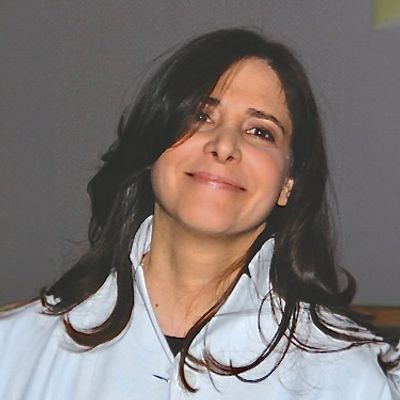
Dori Berinstein is a four-time Tony Award-winning producer, Emmy Award-winning director, and Robert Whitehead Award recipient from the Commercial Theater Institute. She began her career at Morgan Stanley in Mergers & Acquisitions before transitioning to strategic planning for NBC and Paramount... Read More
From the show: The Theatre Podcast with Alan Seales
Guests
Featured Shows
About
Dori Berinstein is a four-time Tony Award-winning producer, Emmy Award-winning director, and Robert Whitehead Award recipient from the Commercial Theater Institute. She began her career at Morgan Stanley in Mergers & Acquisitions before transitioning to strategic planning for NBC and Paramount. After graduate work at Harvard for Business, The Kennedy School of Government (Public Policy & the Arts), and later at the Yale School of Drama, she immersed herself in film and special effects before taking an opportunity to run a division for Walt Disney Imagineering. Dori is now producing The Prom on Broadway.
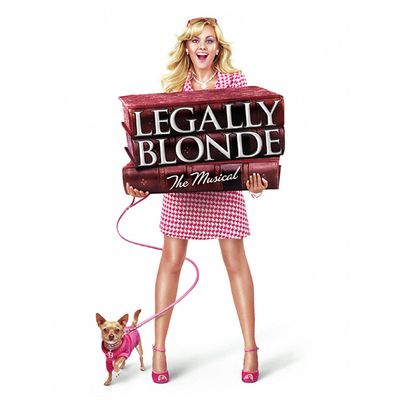
Her theatre credits include Thoroughly Modern Millie, One Flew Over the Cuckoo’s Nest, The Crucible, Flower Drum Song, Legally Blonde, Who’s Afraid of Virginia Woolf? And The Prom.
Her film & tv credits include Carol Channing: Larger Than Life, Marvin Hamlisch: What He Did for Love, Gotta Dance, The Last Blintz, Some Assembly Required, ShowBusiness: The Road to Broadway, Eavesdropping with Alan Cumming, and The Isaac Mizrahi Show.
Connect with Dori:
- Instagram: @dori.berinstein
- dramaticforces.com
Connect with The Theatre Podcast:
- Support us on Patreon: Patreon.com/TheTheatrePodcast
- TikTok: @thetheatrepodcast
- Twitter & Instagram: @theatre_podcast
- Facebook.com/OfficialTheatrePodcast
- TheTheatrePodcast.com
- Alan's personal Instagram: @alanseales
- Jillian's personal Instagram: @jillianhochman
- Email me at feedback@thetheatrepodcast.com. I want to know what you think.
Thank you to our friends Jukebox The Ghost for our intro and outro music. You can find them on Instagram, Twitter, and Facebook @jukeboxtheghost or via the web via jukeboxtheghost.com.
A very special thanks to our patrons who help make this podcast possible!
If you would like to see your name in this show notes or get a shout out on the pod itself, visit ttp.fm/patreon to become a member and show your support!
Transcript
This transcript was automatically generated and might contain errors.
[0:00] Alan Seales: Welcome to The Theatre Podcast, intimate personal conversations with theatre's biggest names.
[0:12] Alan Seales: This episode, I'm so excited to share with you, this is the first producer we've had on the podcast here with Dori Berinstein. She's a four-time Tony Award winning producer. She's won Emmys. She's won the Robert Whitehead Award from the Commercial Theatre Institute. Gosh, she worked in Morgan Stanley and she's been to Harvard Business School and Yale School of Drama. I'll get into all of this in the interview. It was such an amazing conversation to talk with her. She got her start as the production supervisor for Dirty Dancing years and years and years ago. I guess that wasn't her start, but that was one of the first big projects she was involved with. Just a super nice woman involved with everything, currently producing The Prom on Broadway.
Of course, we hope that that gets some Tony attention coming up in the upcoming season. Gosh, Dori just impressed me so much. Researching her, I would have not have guessed that she would have been as humble as she was. You'll hear in the interview, I had to pull this information out of her because she's not one to toot her own horn. She's not one to really promote herself. She just does what she does and she does it really well. She's very focused and she gets stuff done. So, enjoyed this episode here with Dori Berinstein, a theater producer. She does documentaries, she does film, she does everything. I'm so excited to share this with you. So, please enjoy this one. As always, you can find me online, theater underscore podcast on Instagram and Twitter.
Send me some feedback via the, sorry, via feedback at the theater podcast dot com. Of course, the theater podcast dot com on the web, facebook.com slash official theater podcast. And maybe that's it. Maybe there's more. I don't know. I see this all the time and I still forget everything. So, anyway, enjoy this episode with Dori Berinstein. Here you go.
[2:21] Alan Seales: Dori Berinstein, thank you for sitting with me today. You are a four-time Tony Award winning producer, Emmy Award winning director and a recipient of a Robert Whitehead Award from the Commercial Theater Institute. And we'll get into your past, but it's been phenomenal. You worked at Morgan Stanley, then Strategic Planning for NBC Paramount. You've been to Harvard. You've been in public policy. You went to Yale. I want to talk about all this. This is incredible. I'm shortening your bio because I just want you to tell this story. So, first of all, again, thank you for being here.
[2:57] Dori Berinstein: Thank you for having me. This is incredible, actually, and your office is here in Midtown. So, thank you for having me, actually. But yeah, let's start at the beginning again, like we always do. Where did you grow up?
[3:06] Dori Berinstein: I grew up in Los Angeles. And I'm very fortunate because my parents loved theater. And so I spent a lot of time at the Dorothy Chandler Pavilion seeing all the touring shows and fell in love with it very, very, very, very early. And it was just, that had to be part of my life.
[3:30] Alan Seales: Do you remember your first show?
[3:31] Dori Berinstein: Well, there were a lot of shows. There were puppet shows. There were many, many shows. But the first one I really remember being transported by was Carol Channing in Hello, Dolly.
[3:44] Alan Seales: I love that you used the word transported. And we'll get to that, too, because you've done documentaries. You tell stories. And I think that that's, telling a story in your own way, feeling something is very important to you. That's my take on your career so far.
[4:00] Dori Berinstein: And you're right.
[4:02] Alan Seales: Yes, one for me. And most kids dream of being on stage, not behind the scenes. So, where did your, I guess, what point did you realize that you wanted to do producing, writing, directing? Or did you originally want to be like the actor on stage?
[4:18] Dori Berinstein: Well, I think I was completely captivated by how did they make this happen? What's going on backstage? They just, you have completely new costumes and there's a new set. How did that happen? And so, literally, at five years old, it was just, how does it work? And how many people are behind the curtain? What's the choreography back there? And how did it get to, why is the show here and another show coming in next week? And where were they before? So, it captivated me very, very early on. But it was a good thing that it did, because probably fairly soon after that, I realized I had no talent at all to be on stage. So, I'm very happy that I was captivated by the behind the curtain, because there would be no hope and no future if I was determined to be on stage.
[5:15] Alan Seales: Wow. So, at five years old, I guess you were already looking behind the curtain.
[5:20] Dori Berinstein: Yes.
[5:21] Alan Seales: And I wouldn't say you have no talent. You have many, many talents.
[5:25] Dori Berinstein: Not as a performer.
[5:27] Alan Seales: Right, right. And your parents, they took, you said they took you to a lot of theater. What did they do to kind of get you, or what was their background to know to bring you to lots of theater?
[5:39] Dori Berinstein: Well, I think it was just part of their life. They grew up loving theater and film. And I know that they always felt that theater had the power to tell important stories. And there have been times, there were times in my childhood where I was taken to see a show, because my parents were eager for me to understand the way the world was working in a particular area or, you know, social issues. And they felt that theater really could tell these stories in an impactful way. So, I think it was a joy for them. And also, there was so much learning to come from theater. So, it was part of my education, as well as part of my entertainment.
[6:28] Alan Seales: Well, kudos to your parents for instilling that need for storytelling.
[6:32] Dori Berinstein: Very, very true.
[6:34] Alan Seales: So young, yeah. And then kind of fast forward a few years, you stayed in LA all up and through high school and everything?
[6:42] Dori Berinstein: Yes, yes.
[6:43] Alan Seales: And then, what was college?
[6:45] Dori Berinstein: College was, well, I had, in high school, took a path because there was no opportunity for the behind the curtain at my high school. I went to Pali High, which there were a lot of television shows and films that were made there. And I was an extra in Rocky and Carrie, which is ironic, given the prom. But there was no opportunity for somebody who could not be on stage, you know. So, I channeled my eagerness to produce, I guess, to student government and journalism. So, I was student body president, edited the paper and all that. And so, that was kind of the trajectory I was on when I went off to college, and also an athlete. So, those are the areas that I really focused in in college and high school.
[7:41] Alan Seales: What sports did you play?
[7:42] Dori Berinstein: I was a gymnast.
[7:43] Alan Seales: Yeah?
[7:43] Dori Berinstein: Yes.
[7:44] Alan Seales: Oh, that's fun.
[7:45] Dori Berinstein: Yes, I loved it.
[7:46] Alan Seales: I did rings.
[7:48] Dori Berinstein: Rings and parallel bars?
[7:51] Dori Berinstein: Yes, absolutely.
[7:52] Alan Seales: God, that was so long ago, when I was a wee lad. Yeah, that was a lot of fun. Okay, so then go to college. And you went to Harvard Business at this point?
[8:04] Dori Berinstein: Yeah, well, a Smith undergrad, and then Yale and Harvard Graduate School. And what was so great in college is I was able to combine majors. And I put economics and theater together, and they let me do that, which was so great. And so, I really was able to study the economics of theater, because it was not a theater school, by any means. I mean, they had a great theater program, but not the business of theater. And there was no film program. And so, it really was an excuse to seek out people who had this expertise and to learn as much as I could, because I didn't have any access to that world. So, it was a great opportunity just to immerse myself in reading and talking to people about the business of our business.
[8:55] Alan Seales: And were you teaching yourself kind of as you went? Because there was nobody there who was an expert on this?
[9:00] Dori Berinstein: Well, yes, but I also had incredible mentors that they guided me to focus on the public policy and the arts. And there were people that had expertise and that sort of thing. And that's something that led me to the Kennedy School for Graduate School at Harvard, because I was able to really immerse myself in understanding government support of the arts and the power of arts and arts education. And all of that fascinated me. And it wasn't exactly producing or anything like that, but it really was my love of the arts and helped me have a broader appreciation and understanding for how art is created and how art is funded.
[9:42] Alan Seales: So, at this point in your life and your career, I guess you hadn't really started working yet. Was producing always the end goal, or were you just looking to get into the economics? What did you want to do with this education you were getting at this time?
[9:58] Dori Berinstein: Oh, I desperately wanted to either run a studio, be a film director, and at the same time be a Broadway producer. That's what I really, really wanted, and for a very long time. But it was a not knowing anybody in those worlds or not knowing anybody in New York even. It took a while to get there. So, it was a kind of roundabout trajectory that landed me here. And when I graduated from school, the job to have that would really propel your career in whatever was investment banking. And Morgan Stanley in mergers and acquisitions was kind of the dream job. I had no interest whatsoever in being an investment banker, but all of the people who I admired, mentors, my dad, they all felt getting a foundation in business and finance was a very smart thing to do, whatever my future would be.
So, that's what I did. And it was wonderful because it brought me to New York. And so, the way it worked way back then before cell phones and email and all that is we had beepers. And when you were on a deal, it was full focus. It was 24 hours a day. You lived at the office, but when you were not on a deal, you were on a beeper. And so, I could live at theater. And it was the first time I could immerse myself in everything Broadway and see every show I could until I got beeped out. And then I'd have to go back to the office. So, I saw the half of many shows, unfortunately. But it really served me well. I think it was great to have that as a foundation for all sorts of things I did in the future, but it was not my destiny.
[11:50] Alan Seales: Yeah. I don't think you, knowing what I know about your personality, doesn't sound like you would have fun there. And I think you and I sort of had a little bit of similar paths in the same way. I got a computer science degree. So, kind of like the investment making of my time graduating college.
[12:04] Dori Berinstein: Absolutely. Yeah. So, that's what I fell back on when I realized my talent wasn't going where I wanted it to go. So, it's been an interesting trajectory, to say the least.
[12:15] Dori Berinstein: What a great skill to have.
[12:20] Alan Seales: Oh, yeah. No, I mean, it allows all sorts of knowledge and technical side. And that's part of why I, too, am interested so much about the behind the scenes and how this comes to fruition. And I chat with all these people and these casts, and it takes years and years and years for a show to get to Broadway, if it gets to Broadway. And nobody talks about that.
[12:42] Dori Berinstein: And that's... So, let's talk about that, actually. I've got more career questions, but we'll stick with that for now. You're a typical show, let's take The Prom, currently just opened, amazing, getting great reviews. How did it start? How did you get involved? Tell me the whole story.
[13:04] Dori Berinstein: And Jack Fratel, who is a tremendous Broadway producer and has written a preeminent book on musical theatre, had an idea. It was basically the premise for the show, and he thought it would make a great musical. It was inspired by things that he had been hearing in the news. Not a particular idea, but many different things, sadly, that were happening in the world. But with the added glitter of the Broadway community looking to save the day, and swoop down to save the day. So, he pitched this idea, or shared this idea, really, with Casey. Casey Nicholaw, our director and choreographer. And Casey loved it, and he was working at the time with Bob Martin, and Matthew Sklar, and Chad Bagelin on Elf. And Jack felt that they'd be fantastic for it.
[14:03] Dori Berinstein: Yes, of course. With Beth. And they loved it and got on board. And then Casey and I go way back, because he was involved in Thoroughly Modern Millie, and I was a producer on Millie. And I had been working with Bob, and Chad, and Matt on another musical at the same time. We met at a bar, Centrale, and they shared the idea with me. And it was just a two-line pitch. It was a very brief discussion about what this could be. And I'm looking at these geniuses, these incredible artists. I think the idea is brilliant. I think the subject matter is important. And it's like, no-brainer, of course we're doing this. We are making this show. And that was almost eight years ago.
[14:54] Alan Seales: Eight?
[14:55] Dori Berinstein: February 2011, yes.
[14:57] Alan Seales: Wow.
[14:58] Dori Berinstein: Yeah. And then soon after that, my producing partner on the show, Bill Domaschke, joined, and we were off and running. And these things take a long time, because obviously Casey, Bob, Matt, and Chad all have many important projects that they're working on at the same time, so to get everybody in the same room takes a little while. But this, from day one, was different. Different than any show that we had all ever worked on, because it was a deep labor of love, and it was a priority in an emotional sense, not just practically. And so it was something that we all just went into eyes wide open, full speed, with a giant heart.
[15:48] Alan Seales: And, well, okay, so then that was eight years ago. What were the stages, what was the timeline of First Script and First Music, and how do you onboard it? And I guess what I'm trying to get at is, give me as much flavor as you can as to what you do in this whole process, because for someone who doesn't know what a theater producer does, what's your role in all of this?
[16:13] Dori Berinstein: Well, I'm very fortunate in that I'm a creative producer, so there's some producers that are more focused on the business side. I'm both, and so is Bill Domaschke. And so we're very involved in the creative evolution of the show, and so part of it, frankly, is wrangling everybody and getting everybody in the room to work, and everybody is on different projects, and so it's challenging to say, okay, we're blocking off this time, and you guys, locking you in a room, and you're going to work on act one. But it was part of our role was also to talk about the show, talk about where we're heading, talk about the characters, listen and actually do readings, which was so much fun, around a table, just with Bob, Chad, Matt, Casey, and hear the script out loud, hear the act out loud, whatever they were working on, and it was so much fun being the only female in the room, I always got to play Emma, which I loved.
And it was so exciting, because the discussion was very emotional, because the story was coming from a very personal place for Casey, for Chad. Casey never got to go to the prom with the person he wanted to go with, but we went to 10 proms. I have the pictures. So it really came from a place of, a very personal place, and also we would talk about that there was a need to move the storytelling forward in this area, and it should be a song, and it should be this, and it should be that, it should have this tone, and Matt is sitting there at the piano, Chad is sitting across from him, you know, with pen in hand, or on his computer actually, and by the end of the discussion, Matt would say, well, is it something like this?
And then he'd play an amazing tune, and Chad would say, and I think the lyrics are something like this. You'd see the song evolve right before your eyes, and it was magical. It was amazing. And there were wonderful moments when Casey was not there, where we would be in the conference room, and Matt and Chad would play a song, like Dance With You, for the very first time for Casey over the phone, and we'd hear his reaction, or in person live, and just to see it piece by piece start to come together and really understand who these characters are, and what's motivating them along the way, and how do we represent Broadway, and how do we represent our small town, and how do we walk that fine line, so that nobody is the bad guy, but this is a story about love, and tolerance, and acceptance.
And during this whole creative evolution, which really continued right up to opening night, the world continued to change around us constantly, and that also informed the work that was being done. And then, of course, very early in the process, everybody in the room just felt so strongly, this was all about Brooks and Beth and Chris Seber, and so our creative team really wrote the show for them, and we kept talking about that there should be someone like Angie. Casey kept saying, we need an Angie Schwartz type to play this role, and finally he said, what about Angie? Which is so great. And so, you know, it's very rare these days that the roles are crafted around great artists, and so they were front of mind very early, and that very much informed the creative evolution of the show as well.
[20:24] Alan Seales: Oh, that's great. And I love, I've talked with, of course, Beth Lovell was a past episode on this podcast, and she talked about her love of originating a role versus going into one, and when she was describing that to me, of course you can't see it on an audio podcast, but she went to a different place in her head than other topics of the conversation that we were having, and it really meant something to her to be this character in this show. She's got a very strong emotional tie to it, so I think that speaks to the love that you and your team put into the show as well.
[21:01] Dori Berinstein: Yeah, I do think that it's, you know, having been producing for almost 30 years, there's never been a show where there is so much passion on stage, behind the curtain, just so much love for a show, and the importance of the message that is getting out there, you know, and I think that hits everybody that's involved in it.
[21:25] Alan Seales: I agree, and so switching gears slightly though, how do you, going back to the creative side, how do you decide where the out-of-town tryouts go, and how do you, I guess even one step before that, how do you pick your first actors for table reads?
[21:39] Dori Berinstein: Sure. Well, Beth and Brooks and Chris and Angie were at the very first table read, and Caitlin was very, I think she was at the 29 hour, which was right after that first table read, so those, that team was part of it from the very beginning, as soon as we, actors were involved, and you know, they had already been writing these characters for these artists, so it was so exciting to finally have them in the room and hear their voices on these parts. Chad is an amazing D.D. Allen, though I have to say, he really is, gives Beth a run for her money, but it was, you know, so great to have these, the real performers in the parts.
[22:24] Dori Berinstein: And then, as far as the out-of-town goes, because of our story, it was very, very important that we find a place to do an out-of-town, first of all, where Casey and our whole team, our designers, everybody would be fully supported, and we'd be able to work the show and involve the show, and so that's first and foremost, you've got to be able to do the work. But second, it was really, really important that we are somewhere where we have a very diverse audience, an audience that is not all necessarily, as our show, our Broadway folks in our show, our liberal Democrats from Broadway, we wanted the most diverse audience possible, so that we could make sure that the show was walking that fine line, and that it would be a show that would embrace everyone and welcome everyone, because, you know, it's not a show that's just for people who, you know, are liberal Democrats from Broadway.
So we focused on Atlanta and the Alliance, and it was a spectacular experience for all of us from every angle. Susan Booth and the team there are tremendous, and they so supported our show tremendously artistically and practically.
[23:44] Dori Berinstein: It was a great home, and the food there is amazing. Everybody gained weight, and poor Ann Roth, our costume designer, had to keep, you know, letting clothes out, because everybody was enjoying the Atlanta food. But it was a great place, and we learned so much from the audience there, and that with an out-of-town is crucial, you really need to listen, because it's the first time your show is in front of an audience, and they're telling you what's working, what's not working, and if we're succeeding in walking that fine line. And it was extraordinary, because we had experiences where people that we didn't know would grab us after the show and say, this show is so important, I was Mrs. Green, and I did that to my child, and you have to get the show out there so that doesn't happen to any other child ever again.
And it was just heartbreaking, and it gave us the confidence to think that we're on the right track here, and we have a lot more work to do, but we're heading in the right direction, and this is an important story to tell.
[24:53] Alan Seales: Yeah, that's phenomenal feedback.
[24:57] Dori Berinstein: Do you see similar things now at the stage door, now that it's opened on Broadway? Do you hear about similar messages?
[25:03] Dori Berinstein: We sure do. I mean, our actors hear that all the time, and they also hear Caitlin was just telling me that she has had many people at the stage door that have come up to her kids that have said, this show has given me the confidence to come out and tell my parents who I am, and I'm terrified to do it, but I'm now going to do it, and that our show can help people be who they are, it's a beautiful thing, and at the same time, a lot of these kids are there with their parents, and so that the parents have heard the story about love and acceptance and tolerance, I think that they feel that maybe it's safer to be honest and open and tell their parents who they are, and that is thrilling if that show can help the world and make it a better place, we just would be thrilled, and I think that's what's happening, and so we're ecstatic about that.
[26:08] Alan Seales: How did it make you feel co-hosting the show?
[26:38] Dori Berinstein: Did you have a conversation from the executive level of whether or not you should cut the kiss at the end? Did you ever talk about that or did they come to you and say, like, you guys have to do this?
[26:47] No. There was actually no conversation. We said this is the number that we want to do, and we were kind of all along expecting somebody to say, well, maybe we shouldn't do that, maybe we should do this number, or maybe what we'll do is we'll pull out and go to a logo when that happens or something. And there were many moments along the way, because we didn't find out until fairly soon before the parade that we got in the parade, but they came to the show and then they came to the theater and we ran through the number for them. There were many touch points where the executives were right there and they had the opportunity to say no or please do something else or let's discuss this even, and they didn't.
[27:36] That's great. They were rock solid with it all the way through and really impressed and grateful to them.
[27:44] That's great. And I guess, again, behind the scenes, how does this work? Who chooses who goes in the parade? Do the NBC execs come and all watch the shows and decide what they like, or is it based on ratings or revenue? How does this work?
[27:59] You know, that's really a question for both, mainly Macy's, I think, and NBC, but all the NBC executives came to see the show first. And I think then based on that, we were in the running and then they discussed internally and we were so excited to hear that we got it. I don't know all the things that are driving it. I think they wanted a well-rounded group of shows to have on there, but we didn't know whether or not they'd select us and we're so excited.
[28:34] That's great. Well, Macy's, you hear that? Email me at feedback at the theater podcast.com if you want to tell your story because I want to hear it from your side.
[28:41] Okay, so let's go back to you. Your first show that you got to Broadway, was that Full Moon?
[28:50] Yes.
[28:51] Was that harder? It sounds like The Prom was like, I mean, it took eight years, but it sounds like that's normal and it sounds like you've got a creative team behind you now that you can trust implicitly with all of this work. Bringing Full Moon to Broadway, how was that different?
[29:04] Well, it was a little different in that I really, and this goes way back to '94, I didn't know anybody in the theater community and I wanted so badly to start producing Broadway shows and I met a producer, Jim Freidberg, who had done many shows that I loved on Broadway and he was looking to get into the film world. And I, at the time, had done many films and knew my way around that world. And so we talked and said, okay, you get me involved in one of your films and let me tell you here are the five things I'm working on for Broadway. And we went show by show, the various stages of the show and we landed on, it wasn't Full Moon at the time. It was Bill Irwin and David Shiner that were performing at the Serious Fun Festival and they were interested in evolving a show with the Clay Rambler band and I just fell in love with them. I just thought they were magical and so funny and I had to be part of that. I just had to do that.
[30:20] And I think if I was a seasoned Broadway producer at that point and I knew that here are these two guys, they're clowns, there's no talking, it was very high risk, but I didn't know that. I didn't have enough knowledge. So it was great because it was all about passion. It was all about believing in them and their art and it was an exciting thing. I also didn't realize that I was stepping into being a general partner producer on my first show. So I was, as opposed to many people who start as a producer in a co-producer capacity, I was like front line in the beginning, but I didn't know any better. But Jim was a great mentor and I learned a tremendous amount and I think the most thrilling thing about that is that there's so many things.
It was just a beautiful, beautiful show, but in previews it was maybe a tough show to sell because of what it was and we had maybe 50% capacity and we had very kind audiences that appreciated it, but it wasn't just overwhelming. And then opening night, and we were at the Richard Rogers Theater where Hamilton is now, I remember vividly Dan Carnes, our associate producer, came running into the theater at intermission waving the New York Times. That was before anything was digital and so he was the real newspaper and he was waving it above his head and came running through the theater and we got a review that was the most extraordinary review you can imagine. It was like peanut butter and jelly, Laurel and Hardy, Irwin and Shiner.
And it was just an incredible review and that did it. And the next night you couldn't get a seat and for the rest of the run it was just a giant hit and we ended up producing the show three times on Broadway. And eventually, because we weren't really a play, we weren't really a musical even though there was music in it, they couldn't figure out how to categorize us and after the third time they created the special Tony for us and we got a special Tony for the show.
[32:39] Do you think that's where Girl from the North Country belongs?
[32:41] Maybe, maybe.
[32:43] That's such a beautiful show.
[32:45] Yeah.
[32:46] But it's not a musical.
[32:47] No.
[32:48] But the music is beautiful.
[32:49] Yes.
[32:50] Yeah, I saw it. I saw it and I was like, this is great but I don't know how I would categorize it.
[32:54] It's a play with music. Anyway, we're not talking about that.
[32:58] Good point.
[32:59] Yes.
[33:00] But yeah, give them that special Tony. I think that's great.
[33:03] Well, it's off-Broadway but when they get to Broadway, which they will. Speaking of films, though, I wanted to touch on this. You kind of glossed over it. You worked on Dirty Dancing.
[33:14] Yes.
[33:15] Hello. That's great.
[33:16] Supervised production there. But then, yeah, you've done lots of film. You do documentaries and then on Broadway, Full Moon, of course, and then Thoroughly Modern Millie, which has been a hit, One Flew Over the Cuckoo's Nest, The Crucible, Flower Drum Song, Legally Blonde, Who's Afraid of Virginia Woolf, The Prom. Do you like film versus theater more?
[33:37] It sounds like theater is where your real passion is, right?
[33:40] I love both.
[33:41] Do you really?
[33:42] I love storytelling and sometimes the stories you're telling really need to be on stage and sometimes they need to be on screen and sometimes I love when I get to make a film about theater because it kind of brings my two worlds together and that's thrilling. But when you're working on a show that you believe in so deeply and you believe in the art and the people involved and also the message of the show, which is something that's very, very important to me because even Legally Blonde, for me, was maybe a little subversive. I was determined for my daughter, for her to have that message out there that it's cool to be smart. She was seven at the time and so most of the shows and films that I've worked on are purposeful.
So it's something that I feel is important to share with the world, a story. So it's a platform, really. Maybe a little theatrical activism is happening there and certainly is with The Prom and many other shows and films I've been part of and sometimes you just need to tell those stories in one medium or another.
[34:51] How do you decide what's film worthy and what's theater worthy? Is there a criteria you use of like, well, we can't do CGI on a film. I mean, in theater.
[35:01] Well, you know, sometimes it's clear when you're looking at Casey Nicholaw and Bob Martin and Chad Beguelin and Matthew Sklar that this has got to be a musical, but it would also make a great film. So let's start with the show on stage and let's see where it goes. Dear Evan Hansen.
[35:17] Dear Evan Hansen and absolutely, and so many other shows. So it's, you know, who is the team that's working on it and is it something that needs to sing and dance? You know, that also is easier to do on stage, at least in the beginning.
[35:36] And do you only work on musicals primarily or do you do a lot of plays as well?
[35:41] I love plays. I love plays and I've done a lot of plays. I haven't done a lot of plays recently, but I just saw Network and The Ferryman both just blew me away. I just, oh, and I am so moved by plays. So I am excited to do more in the future, but I have been part of some very special plays in the past and I was very proud to be associated with Virginia Woolf and Crucible and Cuckoo's Nest and all that. I love plays.
[36:14] And you have plays, you have plays, musicals, and then films, of course, but then the films, there's also two facets to that because you also do a lot of documentaries. You still do a lot of documentaries, right?
[36:27] Yes, yes.
[36:28] So why, I guess, it's a two-part question, I'm trying to figure out how to phrase it. One is, do you find that your attention is spread by doing so many different categories of things?
[36:39] Yeah, let's just start there.
[36:43] No, to me, it's all about storytelling. And so sometimes the way to tell the story is through singing and dancing, and sometimes it's a documentary. I've had the opportunity to tell some important stories in that medium because I've had great access to, whether it's Marvin Hamlisch or Carol Channing, and in both cases, for example there, I just felt they were extraordinary people whose lives needed to be celebrated. And there was more to their lives than people knew and because I was able to get to know them both, I was able to see other sides of their personality and I just had to, I had to tell their stories. I just had to do it. And so when you get that feeling where you have to bring something to life as a story, in those two examples, obviously, I suppose I could have done a musical on Carol Channing, but with Carol right there, it was exciting to be able to have her tell her own story. And that was really the best way to do it in a documentary film.
[38:00] And then tell me about Half Time.
[38:02] Half Time, a complete labor of love. It's based, it's a Jerry Mitchell musical and I adore him so much. It's inspired by a documentary that I made called Gotta Dance about the first ever senior citizen hip hop dance team for the New Jersey Mets basketball team.
[38:19] Which is real.
[38:20] Which is real. I watched a clip of them before I came over here. They're incredible.
[38:26] They are incredible. And I had been an executive at a lot of different studios in LA, movie studios, and I saw blatant ageism and it bothered me tremendously. And I wanted to, as a storyteller, to figure out how to say life is just spectacular no matter what your age is and you have to grab it and make the most of it and you shouldn't be treated differently because you're 60 or 70 or 80 or 90. And I didn't know how to tell that story. I didn't want to make a talking head documentary and it just sat with me for a long time. And I happened to read Cindy Adams' column.
[39:42] Dori Berinstein: And it was after they selected the team that they told them, oh, by the way, you're going to be dancing hip-hop. And it was just like, this is amazing. These people are all there to grab life and to go for it. They weren't professional dancers, but they just, you know, if not now, when? And they had such an incredible work ethic and passion and, you know, were chasing their dreams. And to me, that was it. That was a perfect way to tell this story. And so, they were very generous. The Nets and the NBA and all these incredible people let me into their lives. And I was able to tell that story in a documentary. That's wonderful. It's a lot of fun. You've mentioned storytelling many times throughout the interview here.
And it's kind of touched on the, it's a little bit of activism and the need to address homophobia and you just said ageism and there's many different things. Where does that need to stand up? Do you feel a need to stand up for people who are getting discriminated against? Is that a personal thing? Where did that come from?
[40:55] Dori Berinstein: Oh, I think it's been part of my life from early on. My parents were activists in a delicate way, not delicate, but, you know, they stood up for what they believed and human rights and it was just part of my life growing up. And that's who we all have to be and just stand up for acceptance, tolerance and compassion and help people who are disenfranchised and are not able to, you know, people who are being bullied. And it's just something that is just rips at my heart. And if I can do something that helps combat that, then it is something I need to do, you know. And so PROM certainly does that. And I think we all feel that way. And it's very, very satisfying if we're able to move the needle and help people come together with different views in our world that is, of course, so polarized right now.
And so the message of the PROM is just urgent. And so it's not just important, it's essential. And I'm thrilled to have the opportunity through the PROM and all the different things that are going on around the PROM and our incredible slate of non-profit partners, Kent Cole, that we're able to make a difference here and help change lives.
[42:26] Alan Seales: I applaud that. There's a lot of people who just simply choose to look the other way. And somebody in your position where you are actively seeking out your projects, one of my questions here was, how do you pick your projects? But it's very clear now how you pick your projects. Someone like you who is picking your projects actively to just straight up make the world a little bit better. I think that's very respectable. So thank you for that. And I'm sure people listening, of course, thank you for that as well.
[43:03] Dori Berinstein: I have one more technical question about producing, and then we'll get into our closing wrap-up here. So the technical stuff, you've mentioned a couple terms. There's producing, co-producing, executive producing. I know there's line producing. The word producing still is very big to me. And so who does what? And I guess in my mind when I was a kid, I would always think producer just brings the money. And then the director, the choreographer, the whatever, they do all the work. But that is not the case.
[43:40] Dori Berinstein: Oh, my goodness. I wish that was just me. No, I think a good way of looking at it is that when you're a lead producer on a Broadway show, and it's a little different for film, and so we can break it down in theater specifically here. If you're a lead producer of a Broadway show, you are basically the CEO of a company. And there are so many moving parts to getting that company up and running and then operating that company. And certainly raising the money is part of it, but that is a relatively small essential part, but a small part. It's every little moving part. It's the putting the team together and not just your director, composer, lyricist, book writer. It's who's the bigger team? Who are your general manager?
Who's your publicist? Who's your marketing team? Who's your digital team? All the deals that have to be done. Who are your partners? Where is this going to go? What is the scope, the budget, the theater, the relationship with the theater owners, the relationship with the folks that ultimately will tour, with international, with merchandising. It's everything. So it's nonstop. And what's exciting to me about theater, it's a living, breathing thing. And so it will continue to evolve even after we've locked the show and we've had our opening night. It lives on and it will continue to evolve and we'll have so many iterations and touring and London and beyond. And that's so exciting.
[45:24] Dori Berinstein: So you're managing this entity that has many, many, many moving parts. And then there's the creative side of it as well, because it's, whether it's the guiding the creative on the marketing plan or when we were evolving the show, continually giving notes to the creative team. So it's multifaceted. And so raising the financing is essential, but a tiny part of it.
[45:51] Alan Seales: So you're not cutting checks. You're finding people to cut checks. Like there are investors.
[45:56] Dori Berinstein: Yes. Well, any show will have your lead producers. So think of them as the CEOs of the company. And then you have co-producers and they're like your managing partners with limited liability. They're not on the line. We have the fiduciary responsibility. They don't. And there's a variety of co-producers. It's almost like casting when you put your co-producing team together. Some of them are bringing in financing, which is essential. I mean, they're all bringing in financing. Some of them are writing checks and they show up at opening night. Some of them, and we have many that are really incredible people that are bringing something to the table that makes us better and makes us stronger, whether they have their top executives at an internet company or they have experience in marketing or whatever they might do that makes us stronger.
And our co-producers on prom are so fantastic and so active. And they've elevated the show in many, many different ways. So it is like casting. And then the money that comes in, sometimes it comes in from the co-producers, but very often it is co-producers who are bringing in a lot of investors. And then, and then, you know, as lead producers, we're also bringing in investors as well. And we all, it's Bill Damaschke, Jack Lane, and myself, we all have skin in the game. You know, that's important too. So, you know, there are many different levels at the end of the day for the life of the show, which hopefully will be decades and decades and decades. We will, we're responsible for it and we'll continue to guide it throughout its history.
[47:36] Alan Seales: Do you, this is the thing now with TV and film, you'll have like the people, the big celebrities starring in it will also be executive producing. Is that, has that happened in theater? Do like,
[47:46] Dori Berinstein: Oh, sure.
[47:47] Alan Seales: Do people who are having a role written for them, are they cutting checks too? Part, you know, getting executive producer credit?
[47:54] Dori Berinstein: Not on this show. However, I think this show is quite fascinating, both on Halftime and on this show. I think people were so passionate about both shows as they were evolving that more than any other show I've ever been part of, I've had, we had people that are in all sorts of different capacities on the show that are not investors and that's not what they do. They're, they're in the music department or stage management or whatever. They have invested in the show because they just believe in it so deeply. And that was really nice because it really feels like we're all in this together. And it's such an, a tight family around these shows and that's, that's so exciting.
[48:38] Alan Seales: Well, that, yeah, the prom, prom is incredible. Everyone needs to go see it. Everyone listening here. So yeah, let's wrap up this interview. We've been going for a good while. Thank you again for coming. So standard closing questions, of course. Number one, what motivates you?
[48:55] Dori Berinstein: What motivates me? Great art, great people, great message, making the world a better place.
[49:01] Alan Seales: Nice. And what advice would you give to your younger self and younger people listening now starting out down a similar path?
[49:08] Dori Berinstein: I think that the best advice that I ever got, which I'm glad I listened to and that I would make sure I heard loud and clear and wouldn't have angst over it, is chase your dreams. Do what you want to do and just do it the best way that you possibly can. Be the best you can be, but go for it. And so if that's film or that's theater or that's, you know, whatever it might be, just, just go for it and, and surround yourself with people who know more than you do and that you can learn from and, and, and throw yourself into work that you believe in. Because if you don't believe in it, then it's work. And so for me, I don't work. I love what I do and it's not work. And I would add, be okay with rejection and learn from your mistakes.
[50:06] Alan Seales: Oh, hear, hear. I agree completely.
[50:08] Dori Berinstein: Especially in theater. It's all, all rejection until it's not. And then, and then you get great stuff. Okay. Last question. And this might be hard for you because you've made, you've created so many. If you could only see one show for the rest of your life, but you can see it as many times as you want, what show would you, would you see?
[50:26] Dori Berinstein: A show that I've been part of?
[50:27] Alan Seales: Any, anything, anything in, anything that you've ever seen or not seen?
[50:31] Dori Berinstein: Wow. Well, I have to say it would be the prom. I just am in awe of our, our, our actors and the performances they're bringing to the show. I love the music. And I race over from my office every day to, you know, here at that level, do the ladies improving and, and to hear Brooks do, Barry's going to prom and to, to watch our incredible ensemble, just kill it on the dance floor. And so I could watch that and I do over and over and over again with a giant smile on my face and be very happy.
[51:07] Alan Seales: Yeah, it is a wonderful show. So how can people connect with you on social media?
[51:14] Dori Berinstein: Ah, I'm on Instagram, dory.Berenstein. And yeah, reach out.
[51:22] Dori Berinstein: And dramaticforces.com.
[51:24] Dori Berinstein: dramaticforces.com is my website and all my films are on there.
[51:29] Alan Seales: Yeah. And you can get more of me and the theater podcast at the theater, at theater underscore podcast on Instagram and Twitter, facebook.com slash official theater podcast, right in to feedback at the theater podcast.com. If you have any comments and please give an honest review, wherever you're listening now that we are produced by Jillian Hockman. And of course, as always a big thank you to our friends, jukebox, the ghost for this intro and outro music. Dori, this has been so enlightening. You have been, you've been the first producer that I've interviewed. This, this is so good for me. I'm honored. I'm very honored. Thank you so much.
[52:04] Dori Berinstein: Thank you. Thank you. Thank you.
© Broadway Podcast Network, All Rights Reserved