

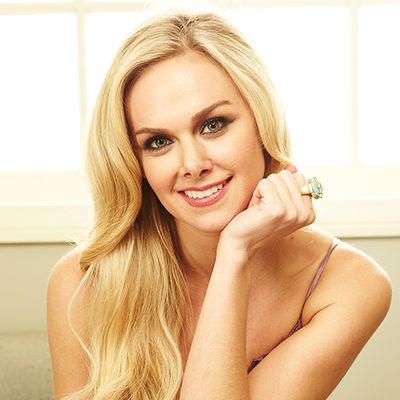
Best known for credits that include performances as the original Amber Von Tussle in Hairspray, the original Elle Woods in Legally Blonde (for which she earned a Tony nomination), Tina in Ruthless (Outer Critics/ Drama Desk Nominations), and Glinda in Wicked, Laura Bell Bundy cannot be stopped... Read More
From the show: The Theatre Podcast with Alan Seales
Guests
Featured Shows
About
Best known for credits that include performances as the original Amber Von Tussle in Hairspray, the original Elle Woods in Legally Blonde (for which she earned a Tony nomination), Tina in Ruthless (Outer Critics/ Drama Desk Nominations), and Glinda in Wicked, Laura Bell Bundy cannot be stopped. Outside of New York City her credits include the national tour of The Sound of Music, and Gypsy at Paper Mill Playhouse. Laura has appeared in over 100 hundred episodes of television including roles on Good Behavior, American Gods, How I Met Your Mother, The Guest Book, Home Improvement, Hart of Dixie, Fuller House, AJ & The Queen, and Anger Management. She has toured in concerts worldwide since 2010, released several studio albums, and penned hundreds of songs. Along with her cohort Shea Charter, she co-hosts Women Of Tomorrow, a musical podcast that explores issues women are facing today, examines the history of those issues and provides solutions for moving forward. Their album Women of Tomorrow (which inspired the podcast) is out now and available everywhere you listen to music.
Raised in Kentucky, Laura was 5 years old when she was introduced to show business as a beauty pageant contestant, which led to an unexpected modeling contract in NYC. But Laura realized really quickly that modeling was boring, and acting, singing and dancing were much more fun. Laura opens up about her early experiences in NYC as a child, renting out rooms in small apartments with her mom, and the cast of characters they encountered. She speaks passionately about the creation and mission of her album and podcast of the same name, Women of Tomorrow, and credits the work behind both for igniting her passion for learning more about women’s history. Laura also shares her thoughts on the important roles both truth and vulnerability play when you are an actor.
In this episode, we talk about:
- Her experience in the world of beauty pageants
- The importance of self-awareness
- How the 2016 election inspired the creation of Women of Tomorrow
- How women’s rights have changed over time
- Her spiritual beliefs about our collective human experience
Connect with LBB:
- Listen to Women of Tomorrow (the album)
- Listen to Women of Tomorrow (the podcast)
- IG: @laurabellbundy
- Twitter: @laurabellbundy
- Web: laurabellbundy.com
- YouTube channel
Connect with The Theatre Podcast:
- Support us on Patreon: Patreon.com/TheTheatrePodcast
- Twitter & Instagram: @theatre_podcast
- Facebook.com/OfficialTheatrePodcast
- TheTheatrePodcast.com
- Alan's personal Instagram: @alanseales
- Email me at feedback@thetheatrepodcast.com. I want to know what you think.
Thank you to our friends Jukebox The Ghost for our intro and outro music. You can find them on Instagram, Twitter, and Facebook @jukeboxtheghost or via the web via jukeboxtheghost.com.
A very special thanks to our patrons who help make this podcast possible!
Transcript
This transcript was automatically generated and might contain errors.
[0:00] Alan Seales: Welcome back to the Theatre Podcast. Intimate, personal conversations with the industry's biggest names. I am your host, Alan Seales. This episode is with Laura Bell Bundy, who, if you don't know her, she's just a goofball. I love her. I love talking with her. We've actually been working pretty closely together over the last year or so on her own podcast, Women of Tomorrow, also on the Broadway Podcast Network. It is a deep dive into women's history and women's rights and equality and the topics that we all just need to be talking about right now. She and her writing partner, Shea Carter, also just dropped their brand new album, Women of Tomorrow. Coincidentally, the same name as their podcast, which is an amazing dive into all of the topics aforementioned.
This conversation you're about to listen to is just refreshingly honest. It's amazing. Laura Bell is so funny. I know I said it at the beginning, but she's just a goofball. She likes to talk about poop. We're kindred spirits. On a serious note, we do talk about sexual assault and domestic violence, so there is a little bit of a trigger warning here in case that affects you. Before we get into this, please find me online on Instagram and Twitter, theater underscore podcast. Leave a rating, leave a review, hit that follow button, that like button, whatever you can do to help spread the word and keep the podcast going. Now, please enjoy this episode with Laura Bell Bundy.
[1:34] Alan Seales: I actually normally start my interviews with reading this whole bio and introducing the guest and kind of setting up the interview. This interview is going to be completely different. I just want to start talking because literally I went to your website and I was like, okay, what can I pick out? I'm going to write this bio and it's just too freaking much to introduce. I'm going to record all this separately. I haven't decided how I'm going to introduce you yet. I wanted to say, of course, welcome to the theater podcast. I can give you highlights.
[2:10] Alan Seales: Well, I want to start with the beginning. I've known you for a while and it, as most is happening, as is happening with most people that I get to know in the last year and a half, I've gotten to know a lot of people in this space and I've never met them in person yet because of hashtag COVID, but I know a lot about you. I know a lot about what you're into and obviously know you offline and for what I can read online. And I didn't know about your origin story of winning your, what is it, Miss Northern Hemisphere, Miss Pee-wee Hemisphere, that's what it's called.
[2:46] Laura Bell Bundy: No, Miss Pee-wee Hemisphere, just the hemisphere. There's no northern or southern, just the hemisphere.
[2:51] Alan Seales: It's just winning Miss Hemisphere, right. So you're a native of Kentucky. People obviously know you as Elle Woods from Legally Blonde and your other Broadway credits and like a hundred million TV credits. It's insane, but you do so much. You do producing, you have your own production company, you have all of these things and you're akin to my heart in that I feel like you just can't sit still. And on top of all of that, you come from the South, I do too, and then you're adding social justice to all of it. And so your album Women of Tomorrow just came out and it's all about breaking the glass ceiling, women's empowerment and it goes along with the Women of Tomorrow podcast of the same name, which I run the sessions for you and I have learned so much by doing these sessions, being in these things with you and you and your partner, Shay Carter, the two of you are phenomenal and I've talked a lot.
I want to ask a question here. All right, so we're going to talk about all this stuff, but tell me about, tell us, all of us listening now in your own words, like how did you just get into this crazy damn business and how do you do so much?
[4:07] Laura Bell Bundy: I got into this business because my mom put me in a pageant when I was five. Now, before, the reason that she put me in a pageant was her sister had won Miss Kentucky and was semi-finalist in Miss America. And my aunt had like taught herself to sing and play the piano and my grandfather was a singer and my mom was not. It was very much a Mama Rose story, like Southern Mama Rose. She's like, I don't have the talent, but my child does. And I'm going to make her a star, you know, that kind of thing, except with a Southern accent, you know. And so she put me in this pageant and I won the local and then I go to the state level, I win and I go to the national level, which is local hemisphere and then state hemisphere.
Kentucky and then the little Miss Pee-wee hemisphere of Kentucky and then just little Miss Pee-wee hemisphere. And I won a new car, F5. Yeah, don't really know what the thought process was in there. My mom was like, we'll take the money. I remember it being a hideous car. It was hideous. Then shortly after, a couple months later, my mom gets this call from the pageant director saying the Phil Donahue show, which was, you know, these types of shows, Sally, Jesse, Raphael, Geraldo, Phil Donahue, Oprah at the time, they were all doing these panel shows. And we were invited. We were going to get an all expense paid trip to New York City. We were like, let's go to Kmart and get some new clothes. My mom had a dress made for me just for the occasion.
And so we go. I stay at the Sheraton Hotel on 7th Avenue. It's very exciting. The Lindy's is right down the way and I think it's still there. And I had cheesecake. And then we get to the show. And it turns out it's an expose on children's pageants. They didn't tell you this?
[6:06] Alan Seales: No, no. We think it's a celebration of pageants. I've got my runway walk down. You should see, I have video of this. I'm doing my runway walk. I turn around. Then they have these moms on the stage. They bring on a child psychologist and they've got these people in the audience like, I can't believe you're doing this to your daughter. You're like, so ridiculous. Look at how blah, blah, blah, blah. And they're all just sort of turning on all the mothers. And my mom was not on the stage. She was in the audience and she stands up to defend herself. And then I reach for Phil Donahue's mic. I'm five. I look like JonBenet. He's like a gay man trapped in the body of JonBenet. So I'm grabbing the microphone and he's like, this little girl would like to say something.
So then I defend my mom. And I'm like, I like pageants. I like modeling. I like to dance. And they laughed at me. They laughed at me. And there's footage of this one woman doing a wind-up toy thing. And of course, I'm sure my mom coached me. I'm sure she definitely coached me what to say. And now I know the feeling that I had in that moment. Now I've identified it as shame. At the time, I just felt real icky. And I think that was the first time I experienced shame. But my mom was like, let's shine this turd. Or as my dad said, let's turn chicken shit into chicken salad. That's a horrible analogy.
[7:38] Laura Bell Bundy: That's good. You know that's good with some iced tea, some sweet tea.
[7:42] Alan Seales: Sweet tea and some pig shit, some chicken shit.
[7:47] Laura Bell Bundy: So I'm little. My mom is like, Waltz is my little took us all the way over to Ford Modeling Agency, which is like 59th Street and First Avenue, which is very far away from Seventh Avenue, wherever we were. And we go in. I remember it being kind of a gray, gloomy, rainy day. And she says, I'm here to see the children's division. And there's a guy at the front. And he's like, ma'am, do you have an appointment? And she's like, well, no. But this is Miss Peewee Hemisphere. And we're leaving tomorrow. So if they're going to meet her, they're going to need to meet her now. And he's like, OK. So he calls and has his own, you know, probably like there's a crazy lady down here. Yeah, the kid's OK. Sends us up and they sign me to a five year contract.
Seriously, right? Like they just they just say sight unseen or they just look at you and you're like, OK, they see me. And I think my mom had like some, you know, portfolio or something that she was showing them pictures of me like this is her here. This is where she won the car. This is here. This is her dancing, you know. And I remember them having me like, you know, stand straight, turn profile and maybe something else and ask me a couple of questions. And I probably did some modeling poses or something because I was pretty physical as a kid in terms of like, I think I had a little ADD. And that's why like I was, you know, my mom had me in dance. And I mean, literally, this was like a day in the life of me at five was like your dance lesson, your singing lesson, your piano lesson, your tennis lesson, your swimming lesson, your it was like your gymnastics lesson.
It was just so many things all the time. And and then I guess what I really loved was singing and dancing and and connecting with people. So I in modeling was like it was fine. But so I ended up getting this modeling contract. My mom was like, we live in Kentucky. I don't know how we're going to do this. And so they said, well, you can be what's called a summer kid and just come for the summers. And so I would go to school in Kentucky and in the summer I would come to New York. And I would also train with different singing teachers and go to Broadway Dance Center. I had a little Broadway Dance Center card when I was six years old. I would go to these adult classes and like do do my you know, where they have like the basic classes.
My mom would put me in the basics, but it was like all it was just me and a bunch of adults. And but mostly adults that didn't speak English. Right after this event at the Port of Modeling Agency, where we signed the contract, we leave. We don't have any money. So it's probably got we got a hot dog on the street or something. And my mom was like, we're going to go see a Broadway show. So she went to the she went to the ticket booth of the Palace Theater and said, what's your cheapest and best ticket? They put us in a box. And I saw Starlight Express, which was my first Broadway show. So on the same day of that Phil Donahue show, I got a contract with Ford Modeling Agency and my career began and I saw my very first Broadway show.
[11:04] Alan Seales: Wow. And I guess that's when you got the acting bug or whatnot. And I'm reading in your bio here too, that at age nine, you had your stage debut at Radio City Music Hall. It's interesting to me because the preconceived notion I have of the pageant kid is it is, I guess, coming from money, really. It's like the affluent parents that are just like, I'm going to continue the legacy and make sure that my child is better than everything that I write. And you're shaking your head, making a funny face. Obviously, that is not the case.
[11:30] Laura Bell Bundy: No, it's a bunch of moms living through their daughters wanting to win prize money.
[11:46] Alan Seales: Oh, I guess that makes sense. Yes. And to and who have had, I think, you know, I will say this in the South culturally, you know, the 50s and 60s, it was customary for women to be in beauty competitions because the focus was on our outer beauty, not on our brains. But what happened is with certain certain pageants, scholarship money was available. Like for the Miss America pageant, scholarship money was available only to go to college. And that's why my aunt did it. And she had a full ride to go to school when she won. And so I think for my mom, sort of that thinking was a part of it. Like maybe we can afford to send our daughter to college one day, but maybe she could also earn it herself by traipsing around in a bikini at five. So messed up. But but I will say it did instill in me, you know, confidence. I was I almost said competition.
[12:54] Laura Bell Bundy: And definitely it did that too. Confidence and a sense of healthy competition, right? So I won. And when you win at a very young age, you think you can win other things in life. And it gave me that belief. Now I look back and I go, yeah, I peaked at five. But really, like, I think it did instill in me some confidence. And then of course, with the Phil Donahue situation, them turning on us, I was like, wait a minute. You guys don't love me? You're critiquing me? What I'm doing is wrong? How is this? How should I feel? Why should I feel ashamed that I look cute and I can turn around like this? You know, so there, there was a lot of mixed things. But I got a lot of information. You know, I learned a lot at that time very fast.
And then we went to New York and we didn't have any money. And we're living there in the summer. And we're staying in the rat hole, the roach hole with the Russian lady who I think was in the CIA. I don't know what was going on. But it was very weird. We would find her in the closet sometime sleeping. Yeah. We have to get sublet apartments every time we came to New York in the summer. And she was sleeping in the closet. Yeah. Yeah, we found some just crazy things like once this was a two bedroom, two bathroom apartment. The woman wanted $2,000 for the summer. And my mom was like, I only have $1,000. And she's like, yeah, well, maybe I can. She didn't say it like that. She was like, Lisa, maybe I can have you come stay here.
I come every once in a while. I stay at house a couple of times in the summer. So she wouldn't tell us when she was coming. She just showed up in the closet and she'd be sleeping on like an air mattress in a in her coat closet or something. And then one time my mom lifted up the mattress of that. She she was well, she was hearing things like crunchy sound. She lifted up the mattress and there was just a bunch of condom wrappers. Yeah, not condoms, just wrappers. OK, but I guess, you know, they were going there and my mom wasn't sure what was going on in that house. You know, I mean, in that apartment and oh, I have so many stories that some stories. It sounds like you said you peaked at five and you know, you felt shame and all that.
And and all of a sudden realize that you're not as awesome as everyone's made you out to be. Most people go through that. Most people go through that in their like mid 20s, maybe around 30 or whatnot. Like you did that at such a young age that I feel like that explains so much about you, what I know about you now, because you're just like unapologetically just like, fuck it. I'm me. Take it or leave it. I don't care. And I think that's you know, that's like the older 60, 70 year old people who who have had that experience in life or just like, whatever, I'm old and I get it and nothing matters anymore. You've already like your your emotional shame happened at such a young age that now you're just like, whatever, I don't care. I don't care. I'm just gonna do it.
[16:21] Laura Bell Bundy: There's also, yeah, I think maybe there's also so many, you know, when you're a young person and you're auditioning, there's so many have to be right, you have to be this and you have to be that and you have to be this in order to get the job or in order for people to like you. And at some point, that just becomes totally exhausting. And you realize what really matters is not only being who you are, but that's really the only way you're going to connect. That's the only way you're going to connect with the material with the with the director, the casting with any the audience with anybody is a feeling of truth. And instead of a lot of pretense. And so that's why I just gave up that a lot of people, a lot of people gave all that other horseshit.
A lot of people may never get that, though, because even speaking for myself to going into auditions, I would go in and do what I thought the casting director wanted. And I thought, like you said, a second ago, you it's, everybody wants you to be this and wants you to do that. And but I, but the people that I've seen now, you know, I'm 40. The people that I've seen now and the peers at this level, the ones that have talked to me about their success and how they really got there, the ones who just like literally just said, I'm going to go and I'm making my choices. I'm being bold. I'm going to do me. I'm going to do my truth. And then that fits the part. And, you know, you hear you hear all the time that the part was people come out of auditions and they say, I lost the job.
I screwed it up. And then I think it was Michael Urie told me the job was never yours. You know, how do you how do you think you lost it? It was never yours. It was it didn't belong to you. So you go and you do your thing. And I'm just trying to say is that I think you have you had a very young age, obtained a sense of self-awareness, I guess that some people even now at our age still don't have.
[18:24] Laura Bell Bundy: Well, thank you. Listen, I take it as a compliment, because I think self-awareness is the most important thing for people to have. And I also have to say, too, that I get angry with myself for not being more self-aware. Like, I think that's kind of what the journey of life is, is becoming more self-aware. I mean, there's plenty of times where I have a total lack of awareness. I wake it up in the morning and, you know, and I make a noise and my husband's still sleeping or that's more that's more that happens at night. He's already asleep. And let's say I'm waking up in the morning doing that. But there those are those those just like thoughtfulness and self-awareness. And especially now during a time of great change and resistance and the persistence of resistance, it's so important to be self-aware.
But it's hard to know what you don't know. Yeah. And I think that that's like that's important, too, is to have a sense or just to have an awareness that you don't know it all. And there's so much more to learn. And you're going to get to be surprised, which is great. You know, one of my biggest fears is, is that my brain like studies have shown right around your mid 30s to late 30s into your 40s, your brain starts to calcify and you literally lose the ability to form new synapses. You literally lose the ability to form new synapses and essentially you lose the ability to learn. And that's one of my biggest, biggest fears. And part of the reason why I'm always trying to do new things and even challenging yourself to brush your teeth with the opposite hand, just do something different.
Right. Right. Do something that's going to make your brain go, hold on a second. I don't need to calcify here. This isn't automatic anymore. So I'm always looking for those little opportunities to like take a different route than something I've walked before or brush, try to brush my teeth with my non-dominant hand every now and then to keep my, you know, keep my brain from from getting lazy. And to keep your teeth rotting away. I can't get the back teeth. I forgot about this molar.
[20:49] Laura Bell Bundy: Well then. Okay. So talking about the self-awareness, I want to bring that to Women of Tomorrow and the whole album and the podcast and everything, the description, you know, it says was born out of the 2016 election and just the, just the, well, I guess have you, you explain it as to why, why all of a sudden was it like a light switch or was it something gradual where you decided like, I actually need to start learning about this or I'm just not okay with it anymore. And then how did that translate into what became Women of Tomorrow? Well, there is a light switch for sure. There was a moment where I went, holy crap, have I been living under a rock? Why do I feel like we are as women collectively hitting a glass ceiling together?
When the election was going on between Hillary and Donald Trump. And part of it was just seeing the way that she was treated in the media versus him, the way that she had to behave in order to be considered serious versus him. Her ability, her background, all of the work that she had done to get to that place versus him having really not done anything. And some of that was just so mind blowing to me. And I understand that the, that the party that he was, was going for felt like they had been betrayed by the government. And, and so there was almost like an acceptance of the fact that he wasn't qualified. They, that was like, that was a good thing. But to me, that was really glaring where you have this person who might've been the most qualified person ever to be president being treated in a way like, oh, she's wearing this, her hair, her voice is shrill, you know, just things like that, where the con that she's acting bossy.
She's not smiling enough. She's smiling too much. Like these things have nothing to do with her ability to do the job properly. And some of that stuff really bothered me. The double standard became glaring. And, you know, it's interesting, like as an actress, I'm always up against women. I'm very rarely up against men for the same role. So I don't see as much of that. I don't get it in my world for as an actor or as a singer. What I, what I can say is that the juicy meaty roles up until recently were always written for men or the substantial ones are ones that weren't based on being a sex object or a dumb blonde or a whatever, whatever. Those types of roles would be really, it would be awesome if there were more for women.
And there are more being written for women. So that that was some of the things I was realizing. But then I did this concert called Double Standards. It inspired me to have this idea, that moment where I did a concert that was like, you know, the Broadway gals version of Women's March, where two female singers would come together to sing a duet on a jazz standard, all in the name of women's rights and women's health. And we raised over $100,000. We did it at the town hall for ACLU Planned Parenthood and the National Breast Cancer Coalition, because it was for women's rights and health. And I started to, I decided to do little tidbits about women and women's history in the intros. And I was overwhelmed at the things that I was finding out that I didn't know.
Like it wasn't until 1974 that a woman could take out a credit card without the permission of her husband or her father. 74. 74. Yeah, 74. That was seven years before I was born. No wonder my mom felt like she had to get married early. When was the date that birth control became legal for non-married couples? In 1972, single women, unmarried couples could legally obtain birth control. And that included the birth control pill, which also had been available for married couples since 1965. And research to make a pill had been underway for, I think, 60, 50, 60 years. So this, these facts, facts like these were really overwhelming to me, things that I didn't know. And the women that had to fight for these rights that I currently have, I completely
[25:49] Laura Bell Bundy: Legally Blonde, Hairspray, Wicked, and TV-Film credits out the wazoo!
[26:19] Laura Bell Bundy: Legally Blonde, Hairspray, Wicked, and TV-Film credits out the wazoo!
[26:49] Laura Bell Bundy: Legally Blonde, Hairspray, Wicked, and TV-Film credits out the wazoo!
[27:09] Laura Bell Bundy: Legally Blonde, Hairspray, Wicked, and TV-Film credits out the wazoo!
[27:39] Laura Bell Bundy: Legally Blonde, Hairspray, Wicked, and TV-Film credits out the wazoo!
[28:09] Laura Bell Bundy: Legally Blonde, Hairspray, Wicked, and TV-Film credits out the wazoo!
[28:19] Laura Bell Bundy: Legally Blonde, Hairspray, Wicked, and TV-Film credits out the wazoo!
[28:29] Laura Bell Bundy: Legally Blonde, Hairspray, Wicked, and TV-Film credits out the wazoo!
[28:39] Laura Bell Bundy: Legally Blonde, Hairspray, Wicked, and TV-Film credits out the wazoo!
[28:49] Laura Bell Bundy: Legally Blonde, Hairspray, Wicked, and TV-Film credits out the wazoo!
[28:59] Laura Bell Bundy: Legally Blonde, Hairspray, Wicked, and TV-Film credits out the wazoo!
[29:09] Laura Bell Bundy: Legally Blonde, Hairspray, Wicked, and TV-Film credits out the wazoo!
[29:19] Laura Bell Bundy: Legally Blonde, Hairspray, Wicked, and TV-Film credits out the wazoo!
[29:29] Laura Bell Bundy: Legally Blonde, Hairspray, Wicked, and TV-Film credits out the wazoo!
[29:39] Laura Bell Bundy: Legally Blonde, Hairspray, Wicked, and TV-Film credits out the wazoo!
[29:49] Laura Bell Bundy: Legally Blonde, Hairspray, Wicked, and TV-Film credits out the wazoo!
[29:59] Laura Bell Bundy: Legally Blonde, Hairspray, Wicked, and TV-Film credits out the wazoo!
[30:09] Laura Bell Bundy: Legally Blonde, Hairspray, Wicked, and TV-Film credits out the wazoo!
[30:19] Laura Bell Bundy: Legally Blonde, Hairspray, Wicked, and TV-Film credits out the wazoo!
[30:29] Laura Bell Bundy: Legally Blonde, Hairspray, Wicked, and TV-Film credits out the wazoo!
[30:39] Laura Bell Bundy: Legally Blonde, Hairspray, Wicked, and TV-Film credits out the wazoo!
[30:49] Laura Bell Bundy: Legally Blonde, Hairspray, Wicked, and TV-Film credits out the wazoo!
[30:59] Laura Bell Bundy: Legally Blonde, Hairspray, Wicked, and TV-Film credits out the wazoo!
[31:09] Laura Bell Bundy: Legally Blonde, Hairspray, Wicked, and TV-Film credits out the wazoo!
[31:19] Laura Bell Bundy: Legally Blonde, Hairspray, Wicked, and TV-Film credits out the wazoo!
[31:29] Laura Bell Bundy: Legally Blonde, Hairspray, Wicked, and TV-Film credits out the wazoo!
[31:39] Laura Bell Bundy: Legally Blonde, Hairspray, Wicked, and TV-Film credits out the wazoo!
[31:49] Laura Bell Bundy: Legally Blonde, Hairspray, Wicked, and TV-Film credits out the wazoo!
[31:59] Laura Bell Bundy: Legally Blonde, Hairspray, Wicked, and TV-Film credits out the wazoo!
[32:09] Laura Bell Bundy: Legally Blonde, Hairspray, Wicked, and TV-Film credits out the wazoo!
[32:19] Laura Bell Bundy: Legally Blonde, Hairspray, Wicked, and TV-Film credits out the wazoo!
[32:29] Laura Bell Bundy: Legally Blonde, Hairspray, Wicked, and TV-Film credits out the wazoo!
[32:39] Laura Bell Bundy: Legally Blonde, Hairspray, Wicked, and TV-Film credits out the wazoo!
[32:49] Laura Bell Bundy: Legally Blonde, Hairspray, Wicked, and TV-Film credits out the wazoo!
[32:59] Laura Bell Bundy: Legally Blonde, Hairspray, Wicked, and TV-Film credits out the wazoo!
[33:09] Laura Bell Bundy: Legally Blonde, Hairspray, Wicked, and TV-Film credits out the wazoo!
[33:19] Laura Bell Bundy: Legally Blonde, Hairspray, Wicked, and TV-Film credits out the wazoo!
[33:29] Laura Bell Bundy: Legally Blonde, Hairspray, Wicked, and TV-Film credits out the wazoo!
[33:39] Laura Bell Bundy: Legally Blonde, Hairspray, Wicked, and TV-Film credits out the wazoo!
[33:49] Laura Bell Bundy: Legally Blonde, Hairspray, Wicked, and TV-Film credits out the wazoo!
[33:59] Laura Bell Bundy: Legally Blonde, Hairspray, Wicked, and TV-Film credits out the wazoo!
[34:09] Laura Bell Bundy: Legally Blonde, Hairspray, Wicked, and TV-Film credits out the wazoo!
[34:19] Laura Bell Bundy: Legally Blonde, Hairspray, Wicked, and TV-Film credits out the wazoo!
[34:29] Laura Bell Bundy: Legally Blonde, Hairspray, Wicked, and TV-Film credits out the wazoo!
[34:39] Laura Bell Bundy: Legally Blonde, Hairspray, Wicked, and TV-Film credits out the wazoo!
[34:49] Laura Bell Bundy: Legally Blonde, Hairspray, Wicked, and TV-Film credits out the wazoo!
[34:59] Laura Bell Bundy: Legally Blonde, Hairspray, Wicked, and TV-Film credits out the wazoo!
[35:09] Laura Bell Bundy: Legally Blonde, Hairspray, Wicked, and TV-Film credits out the wazoo!
[35:19] Laura Bell Bundy: Legally Blonde, Hairspray, Wicked, and TV-Film credits out the wazoo!
[35:29] Laura Bell Bundy: Legally Blonde, Hairspray, Wicked, and TV-Film credits out the wazoo!
[35:39] Laura Bell Bundy: Legally Blonde, Hairspray, Wicked, and TV-Film credits out the wazoo!
[35:49] Laura Bell Bundy: Legally Blonde, Hairspray, Wicked, and TV-Film credits out the wazoo!
[36:19] Laura Bell Bundy: Legally Blonde, Hairspray, Wicked, and TV-Film credits out the wazoo!
[36:29] Laura Bell Bundy: Legally Blonde, Hairspray, Wicked, and TV-Film credits out the wazoo!
[36:39] Laura Bell Bundy: Legally Blonde, Hairspray, Wicked, and TV-Film credits out the wazoo!
[36:49] Laura Bell Bundy: Legally Blonde, Hairspray, Wicked, and TV-Film credits out the wazoo!
[36:59] Laura Bell Bundy: Legally Blonde, Hairspray, Wicked, and TV-Film credits out the wazoo!
[37:09] Laura Bell Bundy: Legally Blonde, Hairspray, Wicked, and TV-Film credits out the wazoo!
[37:19] Laura Bell Bundy: Legally Blonde, Hairspray, Wicked, and TV-Film credits out the wazoo!
[37:29] Laura Bell Bundy: Legally Blonde, Hairspray, Wicked, and TV-Film credits out the wazoo!
[37:39] Laura Bell Bundy: Legally Blonde, Hairspray, Wicked, and TV-Film credits out the wazoo!
[37:49] Laura Bell Bundy: Legally Blonde, Hairspray, Wicked, and TV-Film credits out the wazoo!
[37:59] Laura Bell Bundy: Legally Blonde, Hairspray, Wicked, and TV-Film credits out the wazoo!
[38:09] Laura Bell Bundy: Legally Blonde, Hairspray, Wicked, and TV-Film credits out the wazoo!
[38:19] Laura Bell Bundy: Legally Blonde, Hairspray, Wicked, and TV-Film credits out the wazoo!
[38:27] Laura Bell Bundy: Legally Blonde, Hairspray, Wicked, and TV-Film credits out the wazoo!
[38:35] Laura Bell Bundy: Legally Blonde, Hairspray, Wicked, and TV-Film credits out the wazoo!
[38:43] Laura Bell Bundy: Legally Blonde, Hairspray, Wicked, and TV-Film credits out the wazoo!
[38:44] Laura Bell Bundy: It's believed that women were the ones who noticed that the seeds would then grow the plants to grow more fruit and more crop. So they created farming. And then because of this food and the availability of the food, it wasn't as necessary to hunt.
[39:11] Laura Bell Bundy: But also they had to stay in one place. So these lands had to be cultivated. And they also had to use animals to cultivate. So the men would then be like training the oxen and this type of thing to help with the farming and all of that.
[39:33] Laura Bell Bundy: And the land, because they were doing this, this level of labor on the farm in the one place, they considered the land theirs. And that was the moment that women came inside and were doing the weaving and were taking the crops and turning it into the food and the flour and things like this.
[39:53] Laura Bell Bundy: And her job became in the house, and the land became his. And to ensure that this land was going to be passed down to his own children, he needed to guarantee the virginity of the woman that he had children with. Make sure the kids were his. Because prior to that, nobody really knew.
[40:15] Laura Bell Bundy: There are accounts very, very early on of women being regarded as goddesses because they did not know how babies came to be. They did not know that women had ovaries and men had sperm and that's how it worked. They did not know that. They just were like, and she's growing and she will give birth and she is a goddess.
[40:40] Laura Bell Bundy: All on her own. And so she was regarded in that way. So if you see stories have been collected and listen, all I want to say about anybody who's like Adam and Eve and Adam came first, was it the chicken or the egg? The chicken is always a female.
[40:58] Laura Bell Bundy: That's true.
[41:29] Laura Bell Bundy: That are used to control women and to guarantee the passing down of money.
[41:37] Laura Bell Bundy: Money. And this is what I'm seeing now. I literally makes my stomach turn. The realizations I'm having about our country.
[41:47] Laura Bell Bundy: And the problems that we have really come from greed.
[41:54] Laura Bell Bundy: Women's inability to have rights come from greed.
[42:00] Laura Bell Bundy: Yeah, yeah.
[42:01] Laura Bell Bundy: The people of color's inability to have rights comes from greed. And the people that are doing this and not seeing this go to a church every Sunday, put their hand on the Bible and don't see the connection.
[42:18] Laura Bell Bundy: That greed built the country they live in and greed is the root of our problem. Greed is why women didn't have rights.
[42:28] Laura Bell Bundy: And we're talking mostly as we're saying these dates of things that have that have happened. It's primarily been focused on white women, too. So women of color have it that much harder.
[42:42] Laura Bell Bundy: Absolutely. We have to be really careful and it's really hard because history is written by the people who win history, which is historically been straight white men.
[42:54] Laura Bell Bundy: And and the way that history is written, you know, you just if you don't have power, you don't get yourself written into the history books.
[43:04] Laura Bell Bundy: People don't people don't necessarily notice your accomplishments. In 1848, we were dealing with entirely different issues when it came to people of color.
[43:15] Laura Bell Bundy: We celebrate women getting the right to vote in 1920. But women of color did not have the right to vote until 1965.
[43:23] Laura Bell Bundy: Right. And here's something that I just learned from our podcast we did about money that I thought was really interesting.
[43:31] Laura Bell Bundy: There was the the Mother's Welfare Act in the 20s because women had begun to get into the workforce, especially shortly at the end of the 1800s and the ability to own.
[43:47] Laura Bell Bundy: I mean, sorry. Yes, the ability to own property and earn a living wage. And so women were in the workplace. There began to be union organization.
[43:57] Laura Bell Bundy: And then there were also very poor single mothers who were eligible for the Women's Welfare Act.
[44:08] Laura Bell Bundy: But black women were not eligible for that. So if you were a black woman who had children, the assumption was that you were going to work.
[44:18] Laura Bell Bundy: What was happening with their children? And the other thing is that after the end of the Civil War, when black people were trying to figure out how to earn a living wage and how they were going to acclimate into society,
[44:34] Laura Bell Bundy: which the reconstruction was terribly reconstructed, it was awful. We know that these problems persist today.
[44:42] Laura Bell Bundy: And now we're hoping for a new reconstruction. What was happening is that black men were less likely to be hired than white men.
[44:51] Laura Bell Bundy: And so black women were forced to also work. So this was a two parent income for most, I would say, I think, 40 percent of black mothers were working.
[45:09] Laura Bell Bundy: And they were working basically in domestic service. So taking care of white women's children.
[45:16] Laura Bell Bundy: And those jobs historically and to this day do not have benefits. They do not have paid sick leave.
[45:26] Laura Bell Bundy: We could go we could go on. There's there's always a different. You always have to. I found that it's very hard to get the information.
[45:35] Laura Bell Bundy: You really have to go down rabbit holes to find you have to do your research. And I certainly hope that I'm giving fair and balanced history lessons on the podcast.
[45:47] Laura Bell Bundy: It's always a struggle. And I wish that this stuff was taught in school so that we could feel like we had a really strong sense of our history in totality.
[46:00] Laura Bell Bundy: Well, there's just there's just not enough time to teach everything. And I agree that something needs to be taught. Right.
[46:07] Laura Bell Bundy: And it comes. It's regional. It's regional history, because wherever you're from, they teach your local state history or North Carolina.
[46:17] Laura Bell Bundy: No joke. My seventh grade social studies teacher presented the facts. I put in air quotes of the Holocaust and asked us to decide for ourselves if it actually happened.
[46:27] Laura Bell Bundy: What in seventh grade public school and then in high school, there was a giant picture of Jesus in the library.
[46:37] Laura Bell Bundy: Again, public school, North Carolina. I mean, I think that the social media age and the Internet age, of course, is bringing everyone closer together and we're able to find things and connect more.
[46:46] Laura Bell Bundy: But, you know, look at our parents, these generations of people who didn't leave.
[46:50] Laura Bell Bundy: They didn't travel or maybe they didn't have the funds or whatnot. And maybe they just never knew an actual gay person or an actual trans person or an or, you know, you just read about these things and their stories.
[47:05] Laura Bell Bundy: And again, history is written by the victors. If you hear a story about someone who doesn't like them, then that's your that's your view of them. That's your view of who these other people are.
[47:13] Alan Seales: Exactly.
[47:15] Laura Bell Bundy: So, again, I guess what I was trying to say is, is I don't know how on earth and we're not going to solve it in this conversation, but how on earth we could possibly learn everything we need to learn.
[47:29] Laura Bell Bundy: I mean, they don't even teach cursive in schools anymore. Right.
[47:33] Alan Seales: Well, I this is well, this kind of goes back to what you were saying before about our brains calcifying.
[47:41] Laura Bell Bundy: OK, in our 30s. And I think that's happening because we think we go to college and we've learned everything we need to know.
[47:50] Laura Bell Bundy: We've picked our trade. We're good at it and we don't have to learn anymore. And I remember reading something when I dropped out of college.
[47:58] Alan Seales: I didn't know you dropped out of college.
[47:59] Laura Bell Bundy: Yes, I dropped out of college that.
[48:04] Laura Bell Bundy: That being an educated person is being a well-read person is continuing to educate yourself.
[48:13] Laura Bell Bundy: And I think maybe my feelings of inadequacy about not having a college education and my father always wanting me to have one has made me lean into more my personal growth and this and and my absorbing more knowledge and information throughout my life.
[48:32] Laura Bell Bundy: And man, there is so much to learn. There is so much that we don't know.
[48:39] Laura Bell Bundy: And like we were saying about growing up in North Carolina, listen, I grew up in Kentucky.
[48:45] Laura Bell Bundy: Thank God I came to New York when I came to New York and I was exposed to so much culture and I had personal relationships with people who were gay.
[48:59] Laura Bell Bundy: Gay. Asian. Black. Dying of AIDS. I saw with my own eyes my my first singing teacher die of AIDS.
[49:11] Laura Bell Bundy: And so my.
[49:14] Laura Bell Bundy: Understanding of the complexity of life and people who come from different backgrounds and origins and socioeconomic differences like I, I have a very different view.
[49:27] Laura Bell Bundy: Then my friends that were raised in the one small town and never left.
[49:34] Laura Bell Bundy: And yet I still am that girl that was raised in the small regionally southern town by conservative Christian family.
[49:44] Laura Bell Bundy: And I sometimes think.
[49:47] Laura Bell Bundy: That you got to give people credit when they come from.
[49:52] Laura Bell Bundy: A place where it was harder for their minds to be open and people who were born by parents with open minds.
[50:00] Laura Bell Bundy: Do you know what I mean?
[50:01] Alan Seales: Yeah, it's a lot of extra work.
[50:03] Laura Bell Bundy: They don't know. Again, like we said, they don't know what they don't know.
[50:05] Alan Seales: Right.
[50:06] Laura Bell Bundy: So there has to be some grace.
[50:09] Laura Bell Bundy: I know we don't want to say that it right now.
[50:11] Laura Bell Bundy: Everybody's, you know, but there has to be some grace.
[50:15] Laura Bell Bundy: Well, there's there's the whole thing of like if you disagree with somebody instead of just saying you're wrong, you don't understand.
[50:22] Laura Bell Bundy: Like that immediately puts them on the defensive and you're never going to get anywhere.
[50:25] Laura Bell Bundy: But when you disagree with somebody, I think the next step should just be.
[50:29] Laura Bell Bundy: Well, tell me.
[50:30] Laura Bell Bundy: Tell me why you think that way.
[50:32] Laura Bell Bundy: And then you get into an actual conversation that's more like give me your information versus I'm attacking you with mine.
[50:38] Alan Seales: Right, exactly.
[50:39] Laura Bell Bundy: And can I tell you what I just learned about that thing you're talking about?
[50:42] Laura Bell Bundy: Right.
[50:43] Laura Bell Bundy: Here are some facts.
[50:45] Alan Seales: We're going to take a short break.
[50:47] Alan Seales: Stay tuned for more of the episode.
[50:54] Laura Bell Bundy: I just had it.
[50:55] Laura Bell Bundy: I will tell you, I just had a a political conversation with family in the kitchen.
[51:04] Laura Bell Bundy: And we saw things very differently.
[51:08] Laura Bell Bundy: And I all I did was there was no judgment.
[51:14] Laura Bell Bundy: It was simply, well, based on what you're saying here, you're ignoring the fact that in blankety blank year, this happened.
[51:24] Laura Bell Bundy: Or did you know that?
[51:26] Laura Bell Bundy: I mean, really, I got to tell you, Alan, this podcast and all this is a podcast.
[51:29] Laura Bell Bundy: And all this historical information is really serving me and those like political family arguments.
[53:08] Alan Seales: You’ve been a licensed podcast producer for over 20 years now. You’ve been engaged in content creation from 2017 to 2020 and the podcast production of "It's All About the Money." It’s like you’ve done a complete 180, right? And I didn’t know you didn’t finish college, and you mentioned that you have guilt about that, you know, with your dad wanting you to have a college education.
[53:58] Laura Bell Bundy: I did get an honorary degree from Michigan State University when I taught acting for them.
[54:04] Alan Seales: Did you? Well, then coming from a world that is so looks-focused and superficial, I feel like maybe I just don’t know enough people that have come from that world. But a lot of people I see from the outside think, “How many Instagram followers do I have? How many people liked this post? How many people think I’m pretty in this particular thing or I look good and my six-pack abs are reflecting the light in a way that makes my ears not wiggle?” Right? So all of these things put together, while at the same time looking over your bio, you’ve got all of these incredible activism and strength, and you’ve created your own production company where you’re doing sketch comedy and all the stuff that has nothing to do with basically the fundamentals of how you were raised as a kid.
I guess what I’m trying to ask is how much of that is conscious, of just trying to separate yourself, and I guess when did you sort of realize the irony of what your activism is trying to get across now versus who you are as a kid?
[55:23] Laura Bell Bundy: So I think what I realized really quickly was that modeling was really boring and that it wasn’t fun, but acting was fun and dancing was fun and singing was fun. I remember I was very good at mimicking as a child, mostly accents. I would hear accents, especially coming from Kentucky to New York, and I walked home with a bunch of different dialects after that first summer. I would do them, and people would laugh, and they thought it was funny when I would impersonate. I was like, “Oh, this feels much better than being pretty.” I much prefer getting a laugh than getting applause, and I don’t know where that just like that was like so much more fun to make because that felt like people genuinely getting a sense of joy.
To be like a cut-up and to be goofy and to make a fool out of myself started to become more of who I was. But I still, of course, was raised by a woman who was raised by another woman that’s like, “Oh, I don’t have my face on,” you know? The way things appeared on the outside took precedence to the way that your insides shine outward. But my father was very focused on internal beauty, internal beautification, and asked me what the meaning of life was at five years old, and that conversation continued till the day he died. So there was this part of me where I think that the sort of deeper parts of me were instilled by my father, and the goofball was just that I liked to get that attention. Then it began to evolve in terms of my artistry and having ideas, and I love to create.
That’s when I feel the most connected to God. I guess if we’re talking about the Bible already, we can talk about it again. I believe that when the Bible says we’re created in God’s image, that does not mean that God also has a face or looks like Ariel’s dad or has a trident in the sky with a pitchfork like Zeus or something like that. It’s that we are creative too, and when we get out of our own way, when we sort of dispel our own fear, when we get self-doubt, we just allow those moments of inspiration, those ideas to come, then we expand the universe, you know? So that’s what I like to do. That’s my connection; my creativity is my spirituality.
[58:48] Alan Seales: I was going to ask you what your idea of spirituality is, and literally that was my next question. I agree with that. I’m going to add to that and also say my spirituality is going on emotional journeys with strangers. Whatever that energy is when you’re sitting in an audience and everyone’s crying or everyone’s laughing, or you just feel like people all the time, performers are like the energy of the room. The room takes on the energy of the people in it collectively. Or when you walk into a room or you’re walking somewhere and all of a sudden you’ve never met somebody before, but you know them. Whatever that is, I don’t know what that is. Scientifically, there’s probably a reason, and in a hundred years maybe we’ll figure out what it is if we haven’t destroyed the planet by then. But we’ve got the ability to connect with people in a way that are tuned into the same frequency. That, to me, is spirituality.
[59:52] Laura Bell Bundy: I agree with that. So one of my beliefs is that it has to do with the fact that this life is a sensory experience and that our life prior and post this physical life is not. The only thing that makes us believe and know that we’re separate from each other is our five senses—the fact that I can see and hear you, that I can feel that I’m different from you. But if I didn’t have my five senses, like if I literally was closing my eyes right now and just in darkness, I wouldn’t know where I ended and you began or that my hand, if I could not feel that my hand hit this desk, I would believe that my energy went through it. So the reality is that we are all one having this experience together, but our five senses are telling us that we are separate.
One of the things that was really interesting about the developmental books I was reading about motherhood is that newborns don’t know they’re separate from you until they’re almost one. The toddler years are when they’re figuring out that they are a whole separate entity, and that’s where a lot of that separation anxiety comes in. That’s also where that sense of independence comes in when they’re like two and they’re like, “Mine, yours.” They know the difference. But I was like, “Whoa, how cool is that?” Because I had that belief that we’re really all connected. I think when we get past the pretense, which isn’t just our five senses, now we’ve created stories. Each and every one of us has a story, and that story is created from deep, deep beliefs and habits, and they continue to get reinforced.
Then we see these patterns in our lives we don’t want anymore. A lot of that time is that we believe it’s a lot of the reason for that is that we believe our story collectively. We have stories, a lot of these stories, and this is ironic coming from me who is just talking about women’s stories, but a lot of these stories can be our personal stories, and this can keep us from the connection. But when we get down to the root of it, it’s all about the truth, right? When we’re on stage, the truth is what connects us with our other actors. It connects us with our material, and it connects us with the audience. When we speak the truth and we are truthful in our performance, when we are truthful about our collective stories, we can connect.
When we begin to tell the truth and acknowledge the truth, we then can connect, and at the source of that is love and collective suffering, which is a very Buddhist concept, but it is true. We’ve got a couple of constants in life; those are change and suffering, and there is no change without suffering.
[1:03:39] Alan Seales: I was going to say truth also comes with vulnerability because to be truthful, especially in a painful moment, it’s vulnerable. It’s very vulnerable, and if you’re doing that eight times a week, come on.
[1:03:54] Laura Bell Bundy: Well, you know what I always found? Being an actor was a little less scary to be vulnerable and tell the truth because I was only revealing these parts of myself housed inside of a character, right? It really wasn’t until I was writing a lot of music where I was like, “Ooh, now this is scary because they know I’m writing about myself.” But again, I believe—and this is so interesting that you say this—because one of the things that I truly believe as a songwriter is if you... it has to scare you to write it. It needs to terrify you.
[1:04:33] Laura Bell Bundy: The greatest comedians say the things that everybody else was afraid to say. And the greatest songwriters do it too. And the greatest authors, playwrights, everybody. But when we go to the place that terrifies us to admit, which requires pushing through our fear, requires vulnerability, that's the biggest payoff in terms of connection with our audience, but also the greatest relief. I mean, the greatest relief. And I would find that in any relationship, even with my husband, like when I finally admit, yeah, it was me. I did the thing. I did that thing that I've been saying I haven't been doing it. I did it. And it's like, oh, wait, I was terrifying. I pooped a little when I admitted it. But I feel so much better.
And even if it's the smallest thing in my, my husband's awesome, because he laughs every time. I knew it, you know, and then it, you know, and then it just dispels it and we laugh and we move on. It's the biggest problems we have with people. They're ones that can't admit. Right. The truth. Right, right. They're afraid, you know, people are afraid of the truth because they're, they're, they're afraid to not be perfect. They're afraid to fail. And ironically, their failure is the inability. That's something, that's something I personally had to get over with, with my close friends and the people I'm in, I've been in relationships with is, is the more I care about somebody, I fell into this trap of holding more back, because I was more and more afraid that being by being vulnerable, they wouldn't like what they see, or they wouldn't, they wouldn't want, they wouldn't accept me for with mistakes anymore.
Like when you don't care about a friendship, or not, not a friendship, but you don't care about like, ultimately, somebody that you don't spend a lot of time with, right? It, the standards that you hold yourself to, I think are a lot more, at least for me, we're a lot more lax, because I'm like, Oh, you know, they don't know me so much. It's, it's not this culmination of, of mistake after mistake, or I feel like I'm about to make mistakes all the time. And I'm just afraid that the people that care about me will eventually see kind of what a hack that I feel like I am. Right? Every single one of us is a hack. We are constantly making mistakes. This is the thing that I definitely know for sure, is that the biggest mistakes we make are the risks we don't take. And the greatest lessons we learn are from the mistakes we make.
[1:07:16] Alan Seales: Yes.
[1:07:19] Laura Bell Bundy: But, but I wouldn't, but to not take the risk is, is, you don't really learn much from that. Do you know?
[1:07:32] Alan Seales: All right, so we wrap up every episode with three standard closing questions. The first one very simply is what motivates you?
[1:07:39] Laura Bell Bundy: Well, I think love motivates everyone. The need for love motivates everyone. And our habits and our patterns get formed as a result of in what way we go about getting that love. So whether, whether your base human emotion is fear of abandonment, or need for approval, that will be your way about going for, or any other base human emotion, that'll be your way of, of, of looking for love. So for me, I think what motivates me, you know, by saying, I say that it obviously love is motivating, connection is motivating, because those things make me feel good. And so yeah, on some level, I'm hedonistic, and I want to feel good. I want to have fun, and I want to feel love. And I get those things by being creative. And I get those things by being with my friends and family. And I also love the element of surprise, because that to me is fun.
[1:09:01] Alan Seales: Right, right.
[1:09:03] Laura Bell Bundy: So, yeah, so I would say I'm motivated by what inspires me and the ideas that I have. And lately, obviously, the things that you and I have been working on with the podcast and, and the album is I'm motivated about educating and empowering women, and to get the right information. I'm motivated in that way, too. So lots of things motivate me. I don't have any reason not to get out of bed. I'll tell you that.
[1:09:25] Alan Seales: That's true. You're always busy. And the kid, the kid, Huck won't let you sleep anyway, in the morning.
[1:09:31] Laura Bell Bundy: Yeah, sometimes I just want to watch TV. But, you know,
[1:09:34] Alan Seales: Yeah. Okay, so second question is, what advice would you give to your younger self and younger people listening now starting out down a similar path?
[1:09:42] Laura Bell Bundy: Well, I really believe after 35 years of being in this business, and having a professional performing career, that as an actor, performer, artist, you have never arrived, there is always something to learn. And that the point has evolved into for me, growing, learning, and not being perfect. So I think for a lot of people, it's like one day, I'm going to be on that billboard and starring in that show, I'm going to get that award, I'm going to say I did it. I know best and nobody knows better than me. And what I've learned is that you never know everything. There is always something to learn. And the goal should be the growth. Because then everything, even the kind of uncomfortable bad stuff is serving you.
It's teaching you something. And especially as an actor, when you're supposed to be able to connect with characters who are awful, and experiences that have conflict, you need conflict in life, you need to have a variety of experiences to better understand human behavior. And so even your pain, especially your pain is usable. Um, and your mistakes are required. I like that. So that's, that's my big lesson is just like, go with it. Go with the flow. Learn what you need to learn.
[1:11:34] Alan Seales: All right. So the last question, this is the hardest one. If you could only see...
[1:11:37] Laura Bell Bundy: Stop resisting.
[1:11:39] Alan Seales: Stop resisting. If you could only see one show for the rest of your life, but you can see it as many times as you want, what would you see?
[1:11:45] Laura Bell Bundy: Oh, no. Oh, oh, no.
[1:11:57] Alan Seales: You're stuck on an island. Everything you need to live and be happy. And you have a DVD player with power. And you have one show on that DVD. What show is it?
[1:12:09] Laura Bell Bundy: Oh, a show. I thought you meant Broadway show.
[1:12:11] Alan Seales: It could be anything, anything, whatever you want it to be.
[1:12:15] Laura Bell Bundy: Not that this is my favorite, but I do think that Hamilton is so freaking dense that it would take me a long time to be able to absorb all that information and learn the show. So I could say that show, um, just because I would be entertained for a while, or at least I would be, uh, I would have, I wouldn't be ahead of it. Right. I'm thinking, Alan. I'm thinking, Alan.
[1:12:37] Alan Seales: It would have to be funny. If I was if I had to watch it forever, but then I would get sick of the jokes.
[1:12:49] Laura Bell Bundy: Um, something with improv, whose line?
[1:12:53] Alan Seales: Whose line is it anyway? That's pretty fun.
[1:12:55] Laura Bell Bundy: Yep. Freestyle Freestyle of Supreme. I have to tell you, like, I really like stylized period type shows. So I like things like Marvelous Mrs. Maisel. And I'm just sort of fascinated with the design. It's so like juicy and fun for me. I love those types of jokes. Um, something with a musical element would be really nice. I got, I don't know.
[1:13:21] Alan Seales: It's okay. Don't stress yourself. Don't stress yourself. It's fine.
[1:13:25] Laura Bell Bundy: All right. So I'll tell you, if I had to be stuck alone on a desert island and I couldn't watch anything ever again, except for this, the Carol Burnett show.
[1:13:37] Alan Seales: That's that would be it. The Carol Burnett show or like SNL.
[1:13:42] Laura Bell Bundy: Because then I would be if you let me see like every single episode of SNL from the beginning of it, what a study on comedy too. Oh, yeah.
[1:13:53] Alan Seales: 45 years of, of sketch comedy.
[1:13:56] Laura Bell Bundy: Yeah, that was that would be a lot of fun. I love sketch comedy. I also love bad talent videos on YouTube. Just watch or like plays gone wrong mishaps. That is my fave. I live for a mishap. I live for a note gone wrong. That's I, I have to say, I am a fan of the streaming of the streaming society that we are in on the on demand this and everything. But I miss the bloopers that used to come with DVDs. That was that's the whole point for me of still getting a DVD when when you could still get them easily is because of all the bloopers and the outtakes.
[1:14:40] Alan Seales: Well, I think they probably because what I'm noticing now is that most television shows have their own YouTube channels. And I think that some of them do show bloopers. So I think they're still out there because I know every single television show I've ever done. At the end of the season, we have a party, and they always show a blooper reel.
[1:15:01] Laura Bell Bundy: Yeah, yeah.
[1:15:02] Alan Seales: They always show a blooper roll. They try to feature everybody that's been in the show. And then you're like, I had one where I was like, Oh, that's the only thing they had of me.
[1:15:09] Laura Bell Bundy: That year, I didn't make any mistakes. But like, you want to you want to make the blooper reel. So you need to kind of like, get it wrong a couple times.
[1:15:22] Alan Seales: There are some really, I live for a blooper reel, too. I love that.
[1:15:26] Laura Bell Bundy: So where can we find you online? And where can we get the album?
[1:15:30] Alan Seales: Well, you can find me at at Laura Bell Bundy, on Twitter, Instagram, Facebook, and TikTok.
[1:15:43] Laura Bell Bundy: You're on TikTok now?
[1:15:45] Alan Seales: I am listen, when you are a recording artist, you have to be on TikTok. Um, I started out pretty strong on TikTok. I did like a parody of Mama's got a pump. Mama's got a nurse. Mama's got a, you know, yeah, of moms. And then it kind of went down from there. It requires a lot of time and some creative ideas. Mama's got a pump.
[1:16:10] Laura Bell Bundy: So the album Women of Tomorrow is available on iTunes, Spotify, Amazon, Pandora, YouTube, wherever you get your music. And, uh, and the podcast is available on the Broadway Podcast Network. EPN.FM slash WOT for Women of Tomorrow. It's a great podcast.
[1:16:29] Alan Seales: What?
[1:16:30] Laura Bell Bundy: What? What? What? What?
[1:16:34] Alan Seales: You can get more of me at the theater podcast.com. I'm on Instagram and Twitter at theater underscore podcast. Please leave a rating, leave a review, share with your friends. Thank you to Jukebox the Ghost for the intro and outro music. And Laura Bell, thank you so much. This has been such a long and fun and exciting conversation. I every time I talk to you, I learn more about just the world and what everybody should know. You are such an amazing person.
[1:17:04] Laura Bell Bundy: Well, thanks, Alan. Um, I don't know that much, but, uh, I told you everything I know on this podcast. Uh, you're the best and I love working with you. And, um, this has really been fun. Thank you. Take a deep breath, make the world a little colorful.
© Broadway Podcast Network, All Rights Reserved