

A witch, a squirrel, and soon a mom, this actress opens up about climbing the ranks since she was a teenager, and shares the joys and challenges that have accompanied some of her most notable roles... Read More
From the show: The Theatre Podcast with Alan Seales
Guests
Featured Shows
About
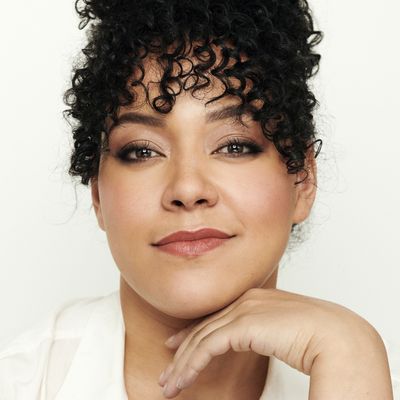
A witch, a squirrel, and soon a mom, this actress opens up about climbing the ranks since she was a teenager, and shares the joys and challenges that have accompanied some of her most notable roles.
Lilli Cooper is an actress and singer who made her Broadway debut at age 16 in the original Broadway cast of Spring Awakening, originating the role of Martha Bessell, and recently earned a Tony Award nomination for her role in Tootsie on Broadway. Lilli’s other stage credits include the Elphaba standby for the North American tour, Australian tour, and Broadway productions of Wicked, originating the role of Sandy Cheeks in the Broadway production of Spongebob Squarepants, and playing Hélène Kuragina in the American Repertory Theatre production of Natasha, Pierre & The Great Comet of 1812. She has numerous TV and film credits, including The Good Fight, Bull, Elementary, Instinct, The Post, Dynasty, and Indoor Boys. Coming up next, Lilli will debut a brand new solo show at 54 Below at the end of July.
Growing up in the Hell’s Kitchen neighborhood in midtown New York City, and with two actors for parents, Broadway and the arts were ingrained in Lilli and her brothers at a young age. When she was 15 and a student at LaGuardia High School, an agent took notice of Lilli and opened the door to her first professional audition and Broadway credit - Spring Awakening.
Lilli opens up about the triumphs and challenges of landing Spring Awakening while still in high school, pointing out that while she didn’t really have a support system at school for being a working actor at that age, she luckily had that support at home with her family. She also reflects on the profound experience that was being in a musical about teenagers while being a teenager herself. Looking back on originating the role of Sandy Cheeks in Spongebob, Lilli tells us how she first heard about the project, and why it was such a magical process. And she also shares her feelings regarding her Tony Award nomination for her role in Tootsie, and why she struggles at the same time she celebrates.
In this episode, we talk about:
- Developing her solo show for 54 Below while pregnant
- Singing in concert with her father, Chuck Cooper, and Seth Rudetsky
- Life as a standby for Elphaba
- Booking Spongebob Squarepants with college friend Ethan Slater
- Hopes for major cultural shifts within the theatre industry
Connect with Lilli:
- IG: @lilcoopz
- Twitter: @LilliCooper
Connect with The Theatre Podcast:
- Support us on Patreon: Patreon.com/TheTheatrePodcast
- Twitter & Instagram: @theatre_podcast
- Facebook.com/OfficialTheatrePodcast
- TheTheatrePodcast.com
- Alan's personal Instagram: @alanseales
- Email me at feedback@thetheatrepodcast.com. I want to know what you think.
Thank you to our friends Jukebox The Ghost for our intro and outro music. You can find them on Instagram, Twitter, and Facebook @jukeboxtheghost or via the web via jukeboxtheghost.com.
Transcript
This transcript was automatically generated and might contain errors.
[0:00] Alan Seales: Welcome to The Theatre Podcast. Intimate, personal conversations with the industry's biggest names. I am your host, Alan Seales. This episode is with one of my favorite people, Lilli Cooper. She's got a brand spanking new show at 54 Below that's happening on two nights, July 28th and August 15th. Definitely go to 54Below.com, get your tickets for those because this is a show that she's never done before. Completely original and she's going to be like eight months pregnant while she's doing this. It's going to be a lot of fun. I can't wait to see. A lot of people may know her from Spring Awakening, which actually was her first professional audition ever. It got her the job and her life has been changed forever.
Something that we talked about that actually kind of really surprised me was that it's very ironic. She went to a performing arts high school. I'm not going to name names here in the intro, but we did get into it in the interview. Ironically, being that it is a performing arts school, she did not feel supported by this school when she got Spring Awakening. She had to go back and forth between school and a Broadway show. Her school about performing arts and trying to get into this industry did not support her being in this industry. At least, that's how she felt at the time. Her story behind that is really just quite amazing. Working through that to get where she is now is just a really fun story.
I hope you enjoy it. Find me online on Instagram and Twitter at theater underscore podcast. Show your support for the podcast at ttp.fm slash patreon p-a-t-r-e-o-n. All of the proceeds go to ongoing transcriptions and production costs and editing costs and running a podcast ain't cheap. For those of you who have one, this is hard work. So please show your support. Every little bit is appreciated. Thank you to everybody who has already given a little bit because it goes a long way. Leave a rating and a review wherever you're listening now. And everybody, please enjoy this episode with Lilli Cooper.
[2:16] Alan Seales: This episode's guest needs no introduction, but I'm going to give her one anyway. She made her Broadway debut at age 16 in the original Broadway cast of Spring Awakening, was the standby for Elphaba in Wicked, originated our favorite squirrel in the Broadway production of SpongeBob SquarePants, and recently got a Tony nomination for her role in Tootsie. She has TV and film credits including Bull, Elementary, Instinct, Indoor Boys, and Dynasty, and soon will be debuting a brand new solo show at 54 Below at the end of July. Lilli Cooper, welcome to The Theatre Podcast.
[2:48] Lilli Cooper: Hey, thanks for having me.
[2:50] Alan Seales: How are you doing? How are you feeling? You are pregnant. You are very pregnant now.
[2:55] Lilli Cooper: I'm very pregnant, yeah. I'm feeling great. I'm feeling really good. It's a strange time to be pregnant because it's very isolating, but it also is a perfect time because I really have a break from working and I don't have to worry about taking off of work. So it's a blessing. But I'm feeling really good. My first trimester really sucked. I was really sick and exhausted all the time. So now I'm like, oh, I have energy. I go for walks and I try to work out and it's feeling way better. So I'm really appreciative of how much better I'm feeling now.
[3:31] Alan Seales: So you were saying a second ago before we started that you're going to be eight months pregnant when you're doing your 54 Below show.
[3:36] Lilli Cooper: Oh, yeah. So I have one in the end of July and then I also have one in August. So I'm going to be like around eight months in July and then August. I mean, who knows? I might even go into labor at 54 Below. That'll be a fun show.
[3:56] Alan Seales: That would be very cool. I hope that you're recording both of them. So at least you have that moment to show your child of like, this is what kicked you into, this is what brought you into the world.
[4:03] Lilli Cooper: This is what brought you into the world, child.
[4:07] Alan Seales: That's so cool. Do you have an idea of what the show is going to be yet? I mean, how far in advance do you start planning this kind of thing?
[4:16] Lilli Cooper: You know, what's really fun about having the time is that I can really kind of develop it as we go. I'm working with my awesome music director, Julie McBride, who was the conductor for SpongeBob on Broadway. And we're really going to like collaborate and kind of throw ideas back and forth. And I have some kind of loose ideas, but I'm excited to really kind of flesh it out. I think the broad strokes is music that I love and that I love to sing. And when you're given this opportunity to stand on a stage and sing for people for an hour, which I haven't been able to do in a year and a half, I just was so excited about it. And so I just want it to be kind of like a joyous, entertaining, fun night. So I think that means a broad spectrum of music. I have a pretty eclectic taste in music, I think. So it's going to run the gamut.
[5:09] Alan Seales: I thought I guess it was, well, I guess maybe had assumed it was going to be like pregnancy focused and that you had planned the whole thing to be like, I got to do this while I'm definitely showing and while everything is out there.
[5:21] Lilli Cooper: Right. So obviously you got to throw some sort of like baby number in there, baby.
[5:27] Alan Seales: Oh, hell yeah. Of course. I mean, I definitely think it's a fun perk that I'm going to be pregnant. I'll definitely make reference to it. I won't be hiding the fact that I have a gigantic belly. And maybe I'll sing a song or two to my baby boy.
[5:49] Alan Seales: Did you know, speaking of gigantic, that the Internet says you weigh 105 pounds and are seven foot 11 inches tall?
[5:55] Lilli Cooper: That is not real.
[5:56] Alan Seales: Really? Yes. What Internet says that?
[6:01] Lilli Cooper: I was looking, you know, of course, I Google people for these interviews just to see what I can find. Famousbiography.io says you are 7'11 and 105 pounds.
[6:13] Lilli Cooper: Wow, that would be terrifying if someone was 7'11 and weighed 105 pounds, even if I was my height and was 105 pounds. I think I was like 10 years old when I was 100.
[6:26] Alan Seales: I know. I can't remember. I got my son. He's like almost six. Wait, how old is he? Yeah, six and a half. And he's close to that. But yeah, I don't believe everything you read on the Internet, folks.
[6:38] Lilli Cooper: Yeah. Lesson here. Seriously. But I want to go back to what you said. So the show, the songs that you like, the shows you like, you like a lot. I'm in a very poor way trying to tie this into your childhood, right? Because, of course, 16, you make your Broadway debut in Spring Awakening. But before that, you come from, you have a family lineage of performing and whatnot. And I guess your father being Chuck Cooper, he has his own Tony win. Is that where you got your love for performing and love for Broadway from? Or did they try to keep you and your parents, did they try to keep you out of it? Because I don't know if someone who was in it would be like, this is really hard, child. Do not do this.
[7:23] Lilli Cooper: Exactly. Exactly. No, they were incredibly supportive of what I wanted to do my entire life. I definitely think it is part of why I got into it. I think that it's kind of in my blood. My mom was an actress and both of my older brothers are actors. We all went to LaGuardia High School, which is the fame high school in New York. So we were really just immersed in theater and in the arts our entire life. I mean, we grew up in Midtown, in Hell's Kitchen in New York. So we were blocks away from Broadway. We literally could see Times Square from our terrace. And that was our life. That was our upbringing. So it was something that was just ingrained in me from such a young age. And I loved it. And I think that without telling my life story, I think my 54 Below show will definitely pay homage to my upbringing and my love for music and maybe a show or two that I was raised on.
[8:18] Lilli Cooper: And I actually just did a concert with my dad with Seth Rudetsky. We did one of his concert series. And he sprung a hilarious idea on us last minute, which was for us to sing The Oldest Profession from The Life, which is the show that my dad won a Tony for. And it's a very dark show. It's about drug dealers and sex workers in the 80s in New York.
[8:45] Alan Seales: So family-friendly.
[8:46] Lilli Cooper: Right, family-friendly. I was seven when that show was out. And one of my fondest memories of the theater is being backstage at The Life, like making friends with all the ensemble girls who were, you know, prostitutes. Little seven-year-old Lilli is just like walking around backstage at the Barrymore Theater. And so my dad and I sang this song about The Oldest Profession together. And it was so much fun that I'm pretty sure I'm going to have to put that in my 54 Below show.
[9:16] Alan Seales: Are you going to bring in your dad for a cameo on that?
[9:19] Lilli Cooper: I don't know. Maybe.
[9:23] Alan Seales: That's so cool. That's cool. Yeah. And I was reading too, there was an interview that you gave in 2007. So I think you were 17 at the time or thereabouts. You mentioned you went to LaGuardia, but it was funny because in the interview you said that your teachers from a performing arts high school didn't seem to be supportive of you moonlighting as a Broadway actor.
[9:48] Lilli Cooper: Nope. It was kind of surprising how challenging it was to work outside of school, even though I went to a performing arts school. They had a very conservatory mentality where they were like, you know, you must get your theater education before you go out into the field. And I kind of thought that was bullshit. So I made it work and I wanted to make it work because you get an opportunity to be in a Broadway show when you're 16. I'm not going to be like, nah, I'm good. I'd rather go to trigonometry. So, you know, we, my mom was amazing. She was so supportive. We figured out a way to get all of my homework to me when I was in rehearsals and not doing, not going to classes. I think the theater department was more helpful than the academics were for sure.
They just, the academic department just didn't understand absences. They were like, well, if you're absent, then you're not here and you're not doing any of your work. And even if you handed in on time, you're not here. And so there was just no, there was just no understanding of how it could, we could make it work. And that was frustrating. And then I had this terrible drama teacher who I truly believe was like vehemently jealous of the fact that I was, you know, working and made my life a living hell. And I actually considered homeschooling for a while because of how awful he was to me. And that was really crappy. So yeah, that was lame. That was my junior year. And then my senior year was better.
I had better, I mean, most of the teachers at LaGuardia I loved and adored, but there was just one who was really a monster. So yeah, that was tough that, you know, I didn't really have that support system at school, but luckily I had the support system at home with my family.
[11:44] Lilli Cooper: You can't be the first person at LaGuardia, a performing arts high school, to have a job on Broadway. You'd think, right? I mean, I was the only one at the time. I don't think I was the first in history, but it was not a precedent that had been set. There are other performing arts schools in the city like PPIS and Professional Children's School that are specifically for working kids and are designed around kids getting work and going to school at the same time. And LaGuardia, I think, was pretty adamant about not being that. So I don't know. They just tried to like make it hard. But what I'm really proud of is the fact that after me, there were quite a few kids who were on Broadway and who were working professionally. And so I thought I, it felt kind of like I opened the door for it. And so I'm really proud of that. And that was an exciting kind of shift the school had after that year.
[12:58] Alan Seales: The Broadway at that level, Spring Awakening, eight shows a week, highly, highly demanding. And the cast ranged, I think, it was 16 to 24, so it was all relatively young people, right?
[13:11] Lilli Cooper: Yeah. A lot of people made their debuts there.
[13:15] Alan Seales: But in terms of before that, how often were you auditioning and how often were you working to build up to this? I guess, so what I'm trying to get at is, was all of a sudden out of the blue, you've got to go to your teachers and you say, like, oh, I've got a job now on Broadway? Or before, were you doing, I mean, I'm sure the high school itself does productions, but outside of the high school, were you working?
[13:41] Lilli Cooper: Yeah. So Spring Awakening was my first ever professional audition. I had never gone on a professional audition before Spring Awakening. Yeah, it's kind of nuts. I had done shows at school. The story goes, I was doing a production of Hair at LaGuardia, it was my sophomore year. And the ironic thing about the school, you know, being that they weren't very supportive of people working outside of it, they still invited agents and managers to come see shows at my school. So I had this wonderful agent give me her card after seeing Hair. And I wasn't really interested in delving into the world of the professional theater quite yet. But, you know, this opportunity was thrown at me. And so I called her and she straight up goes, oh, I'm so glad you called.
I have this perfect project for you. We don't really know much about it, but it's this show about young people. And I think that you'd be perfect and you should just go in and audition. So I go in to Carnahan's office and my mom comes with me because I'm 15 at the time. I'm, you know, a minor and I need her to be my guardian. And I go in and I audition for this little show called Spring Awakening that no one knew anything about. And it was a workshop prior to the Off-Broadway production. And the coolest thing that happened to me in that room was, you know, I think I sang Mama Who Bore Me or something and I did a set of sides. And then they were like, hey, will you stick around for a minute? We want to teach you a song.
We want to teach you The Dark I Know Well. And so Duncan Sheik and Kim Grigsby took me into another room and taught me this song on the spot. And I didn't even know that that was a thing that anybody did that, you know, I thought you just prepare your music and you go in and you audition. So I learned this song and I sang it. And then a few, I think it was actually a few weeks later, I got the phone call that I got this workshop. And I remember the timing was crazy because I was just about to come up on spring break and I was just about to be out of school for a week. So I literally did have to go to my teachers and be like, hey, so I got this job. It's going to be about three weeks after spring break.
So I'm not going to be here for a month. Bye. And that was it. And we just figured it out. You know, we had tutors on set and everything so or, you know, at rehearsals. So yeah, it was really this crazy whirlwind, fast process that I didn't really have much time to think about. It just kind of happened and all fell in my lap and I felt very lucky. And we just had to kind of roll with the punches and figure out how to make it work. And luckily we did.
[16:35] Alan Seales: Was there any, I guess, parallels in your real life to what was going on in the show in so much as that it's a show about coming of age and it's a show of young people discovering themselves and learning about sexuality and sensuality and all of this? And it seems like it was a bold choice that worked in the end, of course, to cast children of, children, literal children, to play these parts of children, yeah.
[17:05] Lilli Cooper: I mean, do you do you look back at this and sort of and be like, oh, that shaped this and I did this because of what I learned there? And I mean, even it's so advanced for its age when you even have, you know, nudity on stage in a show about kids, right? There's just so much to unpack in all of this.
[17:25] Lilli Cooper: Yeah, it was really deep. I think it was it was one of those experiences that I didn't realize how profound it was until I was outside of it, because it was also glitzy and exciting and, you know, I was making money for the first time and we were these young people that were just like, we're so cool. Look at us. We're on Broadway. And it wasn't until we stepped away from it where we were like, whoa, this made a huge impact on Broadway, on everyone who's seen it. I mean, I still talk to people to this day who talk about how it's their favorite show and they listen to it all the time. And, you know, I've seen high school productions that are based on our original production, you know, ideas that we came up with in the rehearsal room that wouldn't have existed if we weren't cast in that show.
So it really was a profound experience. And to answer your question, like there were so many parallels. I mean, the show is about, I like to think that the show is a kind of about like angsty, horny, you know, troubled teenagers. And I was very much an angsty, horny, troubled teenager at the time. So it was very surreal, you know, telling this story that was quite similar to some experiences that I've had, experiences that my friends have had. Pretty dark storylines that I'm lucky enough not to have experienced hands on, you know, like suicide and incest and all of those things were really dark subject matters to delve into, especially as a 15 and 16 year old. And I realized afterward that it was very cathartic, very therapeutic for us as these young people experiencing these things.
And it was also very cathartic and therapeutic for the audience members. You know, we would see, talk to people at the stage door after who were just weeping and would tell us their stories and would talk about how much it helped them to open up about their stories. And it was a really miraculous thing to be a part of at such a young age. And something that I'm just so eternally proud of, because it really made an impact. And I wasn't, I don't think any of us were expecting that, you know, it was the little show that could. We kind of thought, we will run as long as we run and we'll have a little money to go to the movies. And, you know, that's all we really thought was going to happen. But it kind of blew up and became this thing so much bigger than any of us could have imagined.
[20:01] Alan Seales: Oh, I totally can relate to that. I mean, that's this, again, listening to the cast album, I still listen to, My Junk is one of my favorite songs.
[20:09] Lilli Cooper: Yeah. It's a good one.
[20:12] Alan Seales: And I still listen to that. If I'm like, I'm tired of this stuff, I'm tired of this, I'm tired of this new stuff. That's one of the old ones that I go back to. The old cast albums that reminds me of, you know, I was in my, I guess, yeah, my mid-20s, I guess. And so I was an angsty, horny 20-year-old who hadn't quite dealt with my angsty, horny teenage years yet. And yeah, it's all there. There is something on so many levels. And I think, I mean, it speaks to the depth of the music that Duncan wrote and then Steven Sater with the book. I mean, this, it's incredible. It's absolutely incredible. And I think he is an incredible writer.
[21:02] Lilli Cooper: And then sort of continuing the angsty journey, I guess, we would call Wicked an angsty witch.
[21:04] Alan Seales: Yeah, I actually think it is pretty angsty.
[21:06] Lilli Cooper: Right? There are these like two young girls in school figuring out all their problems. It's pretty angsty.
[21:11] Alan Seales: Right. Right.
[21:12] Lilli Cooper: And well, you originally were in the Australian tour, right?
[21:16] Lilli Cooper: The original production I was in was the North American tour, the Munchkinland tour, actually.
[21:21] Alan Seales: Oh, cool.
[21:22] Lilli Cooper: So I started out as the understudy, I was in the ensemble, and I did that for a year. And I was hired as the understudy for Elphaba. But the weird thing about being an understudy, at least for Wicked when there's a standby, is that I was the second cover. So I only went on as Elphaba twice in an entire year. So it was really, you know, every time I did go on, it was terrifying.
[21:43] Alan Seales: That's the best thing.
[21:49] Lilli Cooper: Yeah. I mean, imagine, right? Like you're in rehearsal all day, every week, but you only get to do it for your audience of 3000 people once every six months. It gets crazy. So you know, I remember the very first time that I did it was my put in rehearsal, which is our rehearsal with all the elements and costumes and everything. And I go up on the, we call it the cherry picker, the Defying Gravity lift. And all of the ensemble is in the wings, and they're all filming me and cheering. And I'm just like, weeping, singing, trying to sing Defying Gravity, because it was just so crazy to think that like, this was actually happening to me. So yeah, after that, after playing the role twice in a year, I got asked to go to Australia, where I was the alternate, where I played it twice a week.
[22:40] Alan Seales: Wow.
[22:41] Lilli Cooper: Yeah, so that was a big shift. It was terrible, so scary, but really awesome to delve in and be able to actually do it, you know, a few times in a row.
[22:52] Alan Seales: Does the Broadway cast currently, or not currently, because it's shut down, but when it comes back, and I guess before COVID, did it have an alternate? Was there?
[23:00] Lilli Cooper: No, you know, I think only the non-American productions have alternates. The North American tours and the Broadway production have a standby, and the Elphaba, you know, is contractually supposed to do eight shows a week, which is crazy. I don't know how anybody does it.
[23:19] Alan Seales: Yeah, that's a lot.
[23:20] Lilli Cooper: It's a lot. It's really, really insane. So I was really lucky that I got to be a part of the Australian production, because I had two shows a week built into my contract.
[23:29] Alan Seales: Mm-hmm.
[23:30] Lilli Cooper: Yeah. So it's different.
[23:32] Alan Seales: Yeah, it's different.
[23:33] Lilli Cooper: It's fun. I think alternate, I mean, for your own physical health, too, I think, too, I keep relating things to the Moulin Rouge cast now, because I think the leads have the easier track.
[23:48] Alan Seales: The ensemble is dancing their butts off.
[23:51] Lilli Cooper: For two and a half hours.
[23:52] Alan Seales: For two and a half hours.
[23:53] Lilli Cooper: And in those corsets and heels, and the sets that they're climbing up and down, it's crazy.
[23:58] Alan Seales: Yeah, yeah.
[23:59] Lilli Cooper: So I'm thinking about, you know, of course, Evan Hansen has an alternate, and I forget that there's one more that I know of that has an alternate. I think Hamilton has an alternate.
[24:06] Alan Seales: Do they now?
[24:10] Lilli Cooper: It did at one point. Maybe I'm wrong. Because that's a lot. I don't remember. But yeah, it makes sense to me.
[24:16] Lilli Cooper: Oh, it's Tina.
[24:17] Alan Seales: Tina.
[24:18] Lilli Cooper: Tina, yes, of course.
[24:19] Alan Seales: Yes.
[24:20] Lilli Cooper: Oh my God. Yeah. Totally. God, Adrienne Warren, her legs are literally going to fall off. Side note. I'm going to go off tangent. When I saw Tina, I was waiting at the stage door for one of the casts, because we were going to go out afterwards. And Adrienne Warren comes out, and everyone's been waiting on her the whole time. And she comes out, like, just walking, like, sort of her legs had just been in a cast, because she doesn't do stage door afterwards, because she comes immediately off stage. I don't know if you know this, she comes off stage, puts her legs in like these compression sleeves.
[25:09] Alan Seales: Compression sleeves.
[25:10] Lilli Cooper: Yeah. I've seen those. It's crazy. Because that's how hard she's working. Like, the blood that's flowing through her veins. She needs to actually have a recovery after each show.
[25:15] Alan Seales: We're going to take a short break. Stay tuned for more of the episode.
[25:56] Lilli Cooper: Get that vocal rest. Yeah. That you just don't ever have the opportunity to get. Samantha Polly from Six, she was about to open with a dislocated rib. What? Yes. She had a...
[26:10] Alan Seales: Oh, because it was opening night when it closed down, right?
[26:13] Lilli Cooper: Yeah, yes. Five o'clock on their opening night when Broadway shut down. She had... I saw their final preview the night before and I could tell something was off. I was watching her and I was like, her face isn't quite in it. And she was in so much pain because one of her ribs, like she had a floating rib or something. It was a dislocated rib. And that's the kind of shit you do for your craft. Yep. The show must go on. That is the kind of shit that people push through. And that's the hardworking mentality that Broadway actors have. It's really incredible.
[26:45] Alan Seales: Yeah. Yeah. But to be honest, I don't envy people going straight back into shows right now just because I would not be in the shape to do eight shows a week. I would need to go into a boot camp to get the energy back. Because getting off the couch is hard enough. Let alone doing eight shows a week. My God.
[27:02] Lilli Cooper: Yeah. Yeah. Well, I think that's why a lot of these shows are going back into rehearsals in July to open in September. And it's even kind of a longer ramp up period than you might normally have because people just haven't been performing at all.
[27:17] Alan Seales: Right. So you originated in Spring Awakening and then took over existing roles in Wicked. And then, of course, we go next to SpongeBob if we get to originate a squirrel.
[27:33] Lilli Cooper: Yeah. How many people get to say that? That looked like so much fun. I saw that show multiple times.
[27:39] Alan Seales: Yeah. And loved it. Absolutely loved it. And I mean, so I actually want to know, do you remember the first time you were approached about it? You're like, you know, we're making a SpongeBob musical and we want you to be Sandy Cheeks. Were you like, what the hell?
[27:57] Lilli Cooper: I do vividly remember the first time I remember hearing about it. I knew about it for a while because Ethan Slater and I went to college together and he had actually been doing workshops since we were in college together. And so he's been a part of it forever. So I knew that it existed and I knew how amazing Ethan was and how awesome he'd be at that part. So I had sort of, you know, heard about it, heard whispers. I didn't know that it was like eventually going to make it to Broadway or how far it would go or what it would turn into eventually. But it was something that sounded just really cool and new and different than anything else. So when I finally got the audition for Sandy, I was so stoked because mostly because of the opportunity to get to play with my friend again and to really play opposite him.
And when I got my audition appointment, I called him and he's like, what are you going in? Oh my God, I'm going to be there. And he was at my audition. So it felt so safe and so comfortable and fun to go into this audition and have your friend there reading with you to be able to play off of him. And so it was already an environment that I was like, this is dope. I feel like I'm going to fit right in and I feel like I'm like very excited about this process. And I want to, I want to do like, of course, every audition you want to do your best. But this audition was like, I need this job. I need to book this. This is, this is for me. This is straight up for me because I could tell that the goal was to find a group of weirdos that all fit together in this crazy puzzle to create something magical.
And I was just like, oh, I want to be one of those weirdos so badly. And so we did, Tina threw fun stuff at us in the audition. Like she told me to do a, to just improv a karate dance. I was like, okay, what's a karate dance? And what I realized was she just wanted the actors auditioning to be willing to make fools of themselves and not hold back. Right. And so how cool is it to step into an audition and be like, all right, I'm not afraid to fail here. I just want to be wacky and make up crazy stuff. And hopefully it makes them laugh and see what happens. And so it was the most fun, by far the most fun audition process I had ever had. And that's part of what made me think like, oh, I need this job.
This is like, so for me, if the audition is that much fun, you can only imagine how fun the rehearsal process is. Finally, I got the call and I was just so, so excited because I knew it was going to be a pretty magical process.
[30:56] Lilli Cooper: It was, it was a great show. And it was, I think it was executed so unbelievably well. And I mean, again, going back to a group of weirdos, you are 100% right now that you put that in context. You know, because like a Stephanie Shue, your computer, how are you going to, how are you going to go over the top and be a computer? She figured it out.
[31:21] Alan Seales: She figured it out. Wes Taylor is a plankton. Like how do you act to be a plankton? And I know he did that.
[31:31] Lilli Cooper: I know that the two of them together were magical. Absolutely magical. I mean, the whole cast was just absolutely so much fun. And you got, you know, your crab, crabs, right?
[31:43] Alan Seales: Yeah. Mr. Crabs.
[31:44] Lilli Cooper: Mr. Crabs. Yeah, those big boxing gloves.
[31:48] Alan Seales: Boxing gloves. Yeah.
[31:50] Lilli Cooper: The design of it, I think was what really was another element that made it so beautiful and imaginative and new. David Zinn is such a brilliant designer. He did the set and the which I think was such a smart idea to have one person do all of that because it was creating this world that was so kind of seamless. You walk into the theater and you're like, oh, I'm in Bikini Bottom. 100%. I believe it. And that's because of David Zinn.
[32:20] Alan Seales: Yeah. I loved how all of the set was made pretty much out of everyday items. Like there were pool noodles in there and beach balls and other things that you might actually find at the bottom of an ocean. And they made this a beautiful, beautiful set. I loved it.
[32:36] Lilli Cooper: So then Tootsie, maybe controversial, a little. Did have some controversy around it. The timing of it, I wonder if it would happen now. Because post-pandemic, post-George Floyd, post-anti-Asian hate, like everything that's going on right now. I don't know if the show would happen now.
[33:04] Alan Seales: Yeah, no, that's a good point. I don't know that it would. Or if it did, I think it would happen in somewhat of a different rendition. I think that we tried to make it as present day as possible and bring in the kind of political climate of the world that was happening at the time. And I think we succeeded in making it a feminist show. I do. It was problematic. I mean, the fact that we wanted it to be this feminist story, it was being told by a white man. And that in itself is a problem. So our entire creative team were also white men. So yeah, I think it was kind of eye-opening to be a part of, to hear people's opinions who disagreed with it. I learned a lot. And I was really grateful to the people who were willing to have open, honest conversations about how they felt about the show. And I think it's something that we learned from. And hopefully the trajectory of theater will take that into account and shift.
[34:25] Lilli Cooper: That's what I'm hoping for when we come back.
[34:33] Alan Seales: Yeah. I love now that, I mean, it's yet to be seen how much this is going to stick, but there is a huge push and a huge demand, I think, for diversity, not just on stage, but in the creative teams too. You brought up that the creative team of Tootsie was all white men, that even having one woman on the creative team probably could have shifted the whole story a little bit in a way that may have made it more palatable for the people who disagreed with it. So the fact that too, gosh, I mean, I think Jeremy O. Harris, Slave Play came out in December, January of 2020, December 2019, January 2020, and then the pandemic hit, shut everything down. Then there was this racial, social awakening, which pulled the band-aid off of what was already there. I think that's what is a common misconception of like, oh, since George Floyd, all of a sudden this stuff's been happening. Like, no, it's always been there.
[35:27] Lilli Cooper: Yeah, right. And it's always been there and present and prevalent, but it's been kind of swept under the rug for centuries. Right. And so now you've got the Scott Rudins who have to step back and you've got shows that are being written like Slave Play that literally you put a mirror on the audience and make you evaluate yourself. My God, I love that show. I love that show so much. So much. And we need more of that. And we need more of that on Broadway. We need more of that. Unfortunately, right. Oh, I guess I don't know right now because there is no Broadway right now. When we come back, we have our staples that are coming back. Everything big, everything big budget, all this stuff's coming back.
But I think the 2022-23 season, I really, really hope that maybe in maybe 23-24, because it takes a couple of years for these things to make it to Broadway sometimes. But the things that come are, they have as much energy and as much budget and as much effort put into something when it makes you feel uncomfortable. Because the uncomfortable things don't tend to last as long.
[36:49] Alan Seales: No, unfortunately. Unfortunately not, right. So that's why a lot of them are plays. A lot of them have limited runs and you get into this kind of stuff. And I just, I really hope, I'm putting out the call now, I'm putting it out in the universe that I think it's all going to start with diversity in the creative teams, diversity in production, which that's going to take a lot longer, I think, to catch up with.
[37:02] Lilli Cooper: Absolutely. Because you need to, I guess, get the word out and show representation in the industry so that people can, if they can see it, they can be it, right? So you need a couple people to be the game changers, then everybody else to say, oh, I can do that too, because then they see it. And then they have to get the income and the production credits and all the stuff that happens. But the more we can start now, and I like to talk about this on the podcast here too, because if any young people are listening now, that I want to plant the seed that especially if you are not a white man, you can produce, you can create, you can be involved without stepping on stage. Right. And just because you don't, you haven't seen it yet, doesn't mean it can't exist.
And I think you're so right that it has to do, because it has to do with the ground up. We're talking about casting directors. We're talking about producers. We're talking about the money people who let the show happen, theater owners. This is going to take a long time to shift because this is how ingrained the system is and how Broadway has been built. So it's not an overnight change. As much as we wish that it could happen quicker, we have to invest the time and commitment to this change, I think, and accept the fact that it will take a while. And I'm excited about what Broadway will look like in the next 10 years. I don't know that it will be the inclusive, you know, miraculous thing that we want it to be in September. But in the next few years, I see these changes happening and I really hope for them.
[38:54] Lilli Cooper: And I think that we have the potential, because we're talking about it, because we're opening doors for people on the ground level, I'm talking about like, I want internships for people of color, for different socioeconomic backgrounds, for people outside of New York, you know, all of these things, so that from the ground up, we can really start changing how Broadway is created.
[39:22] Lilli Cooper: Part of this too, and this just occurred to me, can come, could be like a government subsidy sort of project, because right now ticket prices make Broadway inaccessible to a lot of people.
[39:35] Alan Seales: Absolutely.
[39:36] Lilli Cooper: Like one of the things that was so frustrating to me about seeing Hamilton was that I didn't see a brown, when I first saw it, you know, I forget when that was, I didn't, I like maybe, I didn't see a brown face in the audience. And that, I mean, that has changed over time, I think that they've done a lot of outreach, which has been wonderful, but the fact is, these premium tickets that cost thousands of dollars are being bought by one group of people, and we all know who that is. And that's really unfortunate, I wish that there were, it was a wider variety of audience members being able to see things.
[40:14] Alan Seales: Yeah.
[40:15] Lilli Cooper: Yeah, I do too. And even the Edge of Ham, the Ham for Ham, all the stuff that they're doing to bus in students and all that, it's still, it's a very small amount of students, which then goes back to what you were saying about the cost of putting up a production, a Broadway production is so astronomical, that you can't give away half your house to underprivileged students or underprivileged people or people of a certain socioeconomic background, simply because you have to be able to put on your show tomorrow as well as today.
[40:49] Alan Seales: Absolutely.
[40:50] Lilli Cooper: And you have to be able to pay your actors and your crew, like, it totally makes sense. Then, you know, maybe the question is like, can we not be spending $30 million on musicals anymore? Like, it's ridiculous. Do we really need that? Like, do I really need a custom $10,000 dress? Like, no, probably not. Maybe we can budget a little bit better.
[41:15] Lilli Cooper: I was trying to think back to the OBC of Spring Awakening, were you the only person of color in the original Broadway cast?
[41:21] Lilli Cooper: I was. I was. Robbie Hager was a swing. He was in it for a little bit. But yeah, on stage, I was the only person of color. I have been, in the four Broadway shows I've been in, I have been the only person of color either in the entire show or in the principal cast of every show I've been in. So in different renditions, I mean, I was in Wicked for a while and that kind of shifted, but there were moments where I was the only one. And that is so deeply troubling.
[41:56] Alan Seales: Right. So at the time, when you're 15 doing the workshop, 16 doing the show, I mean, did you, I guess props again to the casting team and because I easily could have said, oh, this is set in Germany, obviously they're like, this has to be all white people because it's in time of the world. But we're also pulling microphones out of our jackets and singing songs. So it's an imaginary world, you guys.
[42:23] Lilli Cooper: Right.
[42:24] Alan Seales: Right. So at that point, I mean, I don't, I don't want to say, well, I guess it was unusual then to sort of, to sort of bring that in. But did, was that ever spoken about at that time? Do you remember anything about just kind of looking around and being like, oh, this is normal for me to be the only one or was it addressed at all?
[42:42] Lilli Cooper: I think the tricky thing about being the only one is that it's very easy to slip into the idea of becoming the token who checks a box for, you know, representation in the show. And that can be a really tricky thing, I think, for actors' self-esteem and for our belief in ourselves that we deserve to be there because of our merit and not just because we check a box. That can be really challenging. I think when, when people talk now a lot about like, oh, well, everything is so diverse now and like white people can't get jobs. Like, like there's so many people that talk to me about that that are like, well, I can't, I can't really book a job now because, you know, you got to be of a certain blah, blah, blah to get a job.
And it's like, really? Is that, is that how we're going to qualify this? That people aren't getting jobs because of their merit, but just because, you know, boxes need to be checked? Like it's awful. And I remember feeling like that when I was 16. And I remember being referred to in the show as the splash of color that it needed. And that sticks with you. That really affects you, especially at such a young age. And it's tricky because it was a wonderful thing that I was cast and that young brown boys and girls in the audience saw somebody who looked like them. But at the same time, it was, it was really troubling to know that maybe there was any form of, you know, wanting to fill a quota. And we kind of need to navigate that and figure out how to be inclusive without falling into tokenism.
[44:41] Alan Seales: Yeah. So, taking it then, current, the Tony nom for Tootsie, that's, to get nominated for a Tony, you're the best of the best. Was this the other end of it? Or did you still have a little bit of like, well, did I just get nominated because I was the only one? I mean, so was that still with you?
[45:04] Lilli Cooper: I think it's kind of like a daily struggle that I navigate. I wasn't expecting to get nominated, but I worked my ass off and I thought I was really fucking good in that show and that I deserved it. So I was just very proud and I tried not to lessen that in any way. I tried to live in that pride and excitement for myself because I felt like I deserved that. You know, I've really been climbing the ranks since I was 15 years old and I've been working really hard and to get the recognition like that felt really wonderful. I mean, four of us in that show were nominated and that's not common. And two of us in the same category, that's really not common. And it was a really, really competitive year also.
So I felt like, wow, if this is really happening, like I really deserved this. And this is something that I've been working for. I mean, you never want awards to be like your goal in life, but it certainly feels good when it happens. So yeah, it was a pretty rewarding thing to happen and it puts you into this new group of people, a much smaller echelon of people and they can't take it away from you. You're a Tony nominee forever and so that's pretty cool.
[46:39] Alan Seales: That is cool. I'm happy to hear that you were able to, that you took it for what I would hope that you took it for, which was an actual recognition of true talent. Because I mean, I've seen you actually, other than Wicked, I've seen you in the other three shows and I actually saw you in the OBC cast. I came up at that point in my life, I wasn't in New York yet, but I came up, I remember seeing it. And just to remember, I remember you, I actually really do remember you from the OBC. And I was like, she is really good, really, really talented. So congratulations, if I haven't said it again yet. So we'll wrap up here with the three closing questions I ask everybody. The first one is very simple, what motivates you?
[47:29] Lilli Cooper: What motivates me? Young artists have really been motivating me recently. This past year has been really challenging to find any inspiration, any artistic fulfillment. And one of the things that has really helped me survive has been teaching and working with young artists, masterclasses, voice lessons and such. And seeing the fervor and talent and excitement and love of the theater and young artists is something that just fuels me. And it makes me so excited about the future of what theater will become. So yeah, I think like one of the biggest motivating factors for me right now is young people that are just ready to burst into the world.
[48:24] Alan Seales: Literally like the one you are carrying in your stuff, in your belly. What advice would you give to your younger self and younger people listening now starting out down a similar path?
[48:37] Lilli Cooper: Advice to my younger self, I would tell myself that I am worthy, that I am gifted, that I have a gift that I can share with people and to remember that. And that being in a room where you're surrounded by, you know, people that you're impressed by or intimidated by is of course a privilege, but you also belong there and you're there for a reason. And it's really good to remember that. I would also remind young artists to be just brutally honest with themselves. And I think those are kind of two sides of one coin, where if you have that talent and you have that drive, then you should be able to push yourself into the next level of whatever it is you're doing and challenge yourself, surround yourself with people who are better than you so that you want to get better constantly.
You know, take the dance class that's one level harder so that you're not the best in the class. And that's being really honest with yourself. Just saying, okay, I have things to improve on. And once you see those improvements, then you can pat yourself on the back and say, look at what I did. It's pretty awesome.
[50:10] Alan Seales: Yeah. Never stop learning.
[50:11] Lilli Cooper: Never stop learning, ever. All right. So the last question, hardest one. If you could only see one show for the rest of your life, but you can see it as many times as you want, what would you see?
[50:20] Lilli Cooper: Ooh, wow, that is so hard. Oh my goodness. How do I answer that question? That's so hard. You know what? I'm going to choose one that I actually never saw because I, and I've always loved it, which is the original production of Ragtime. So if I could just like live in that world and watch that all the time, I would love it. Because I've never seen it.
[50:51] Alan Seales: All right. Where can we find you on social media?
[50:55] Lilli Cooper: I'm on Instagram at Lil Coops with a Z and Twitter at Lily Cooper. Uh, yeah, that's me. And of course, get tickets to the show at 54 Below, which is going to be a very tired and pregnant Lily, which is hot and sweaty, probably short-tempered, pregnant Lily. I cannot wait.
[51:20] Alan Seales: You can get more of me at the theater podcast.com. I'm on Instagram and Twitter at theater underscore podcast. Please leave a rating and review wherever you're listening now. This has been edited by Well Rounded Hoodlum Productions. Thank you to Jukebox the Ghost for the intro and outro music and Lily Coops.
[51:37] Lilli Cooper: Thank you so much. This has been so much fun.
[51:40] Alan Seales: Thank you, Alan. It's been awesome. Thanks for having me.
© Broadway Podcast Network, All Rights Reserved