

From the Broadway stage to the television screen, this performer opens up about her undying love for live theater, as well as the new bug she caught for doing TV while filming her new series... Read More
From the show: The Theatre Podcast with Alan Seales
Guests
Featured Shows
About
From the Broadway stage to the television screen, this performer opens up about her undying love for live theater, as well as the new bug she caught for doing TV while filming her new series.
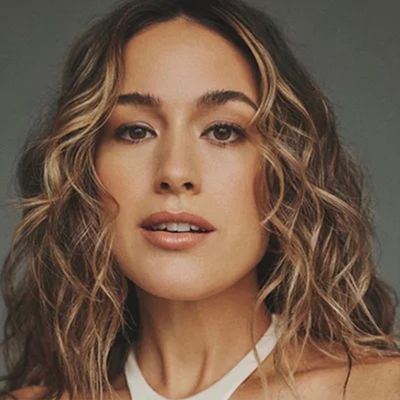
Alison Luff is a Broadway veteran, maybe best known for her roles as Jenna in Waitress, and Elphaba in the First National Tour of Wicked. Her other Broadway credits include Matilda (Miss Honey), Les Mis (Fantine), Ghost, Scandalous, Escape to Margaritaville, and Mamma Mia (her Broadway debut). On TV she has appeared in FBI and New Amsterdam. Alison now has a starring role as Staci Spade in the Starz wrestling drama Heels, which was just released on August 15.
Alison began performing professionally at age 10 in Texas, and opens up about the journey that took her from Houston, to New York City straight out of high school to pursue her dreams. From understudying greats like Carolee Carmello, to earning star billing herself, Alison charts her career by a series of brave decisions. She recalls the first time she read sides for her starring role on the new Starz series Heels, what attracted her to the role, and what the audition process was like. Alison also chats about what draws her to performing onstage, and while she will always return to the theatre.
In this episode, we talk about:
- Following her gut while auditioning for Elphaba
- The Margaritaville connection that lead to her Heels audition
- The stunt performances on Heels
- Being one of the first shows to begin filming during COVID
- Performing emotional scenes on stage v. on camera
Connect with Alison:
Connect with The Theatre Podcast:
- Support us on Patreon: Patreon.com/TheTheatrePodcast
- Twitter & Instagram: @theatre_podcast
- Facebook.com/OfficialTheatrePodcast
- TheTheatrePodcast.com
- Alan's personal Instagram: @alanseales
- Email me at feedback@thetheatrepodcast.com. I want to know what you think.
Thank you to our friends Jukebox The Ghost for our intro and outro music. You can find them on Instagram, Twitter, and Facebook @jukeboxtheghost or via the web via jukeboxtheghost.com.
Transcript
This transcript was automatically generated and might contain errors.
[0:00] Alan Seales: Welcome back to The Theatre Podcast. Intimate personal conversations with the industry's biggest names. I'm Alan Seales, the host of the show, and our guest today is Allison Luff. She made her Broadway debut in Mamma Mia! She was Elphaba in the first U.S. national tour of Wicked. She was recently Jenna in Waitress right before the Broadway shutdown and through a little bit of survivor's guilt, which we do talk about, she's making a major splash in the TV scene with a new show called Heels, all about the ins and outs of wrestling. It's an incredible drama on Starz. I cannot stop watching it. It's so good and she is incredible. One of the fun things she dropped in the episode was that her character actually sings in the church in the show and that's something that originally wasn't in the script because she can sing obviously so well.
They made her character be able to sing. The rest is history. It's just so, so, so great. Find me on social media on Instagram and Twitter at Theatre Underscore Podcast or on Facebook slash Official Theatre Podcast. Please leave a rating and a review wherever you are listening now. Everybody, please enjoy this episode with Allison Luff.
[1:28] Alan Seales: Today's guest made her Broadway debut in Mamma Mia, may be most known for her roles as Elphaba in the first U.S. national tour of Wicked and Jenna in Waitress and she has also other Broadway credits that include Ghost, Matilda, Les Mis and Escape to Margaritaville. She now has a starring role as Stacey Spade in the incredible Starz Channel wrestling drama called Heels, which was just released on August 15th. Allison Luff, welcome to The Theatre Podcast.
[1:56] Allison Luff: Thank you. Thanks for having me. Oh, and I have to say, you missed one show and it lasted a whole two months. It was called Scandalous. Have we heard of it?
[2:12] Alan Seales: You were understudying Carolee Carmelo. I was going to get into this, didn't include it in the bio, but yes, Scandalous was in there. And okay, so you brought it up. Let's start with this kind of stuff because Broadway debut in Mamma Mia was an understudy. Scandalous, you were understudying Carolee Carmelo. Ghost, understudying Casey Levy. You're doing show, show, show, great shows as understudies. And as someone myself who at one point was like, I'm going to be on Broadway, I had a different view of understudies and swings before I actually got to be a swing. And so let's start with that because you're understudying amazing people in these shows. And Scandalous, like you said, only lasted for two months. At what point, or was there a point I guess, where you were asking yourself like, when's going to be my time? What's going on? I thought I was going to have a different path.
[3:11] Allison Luff: I don't think so. I grew up doing theater professionally since I was 10 and community theater wise even before that in Houston. I grew up in Houston and I didn't go the college path. I moved straight to New York and I moved to New York non-equity and I booked my first show the day after I moved here. So I moved here with a one-way ticket and an audition for a new musical at Gallery Players in Brooklyn. You might know of it because Brooklyn. And I was fortunate enough to kind of get the lead in that, which got me my agent. So I kind of knew like, all right, there's a process here. I mean, and so then when I did Mamma Mia, I understudied and I started actually with the tour. I did the tour first and I did the tour for a year.
And it was, I'm kind of all about, there's a pattern here. I'm all about following your gut and being brave and saying no when it doesn't resonate with you. So I was doing the tour for a year and I was in the same track as the one that I made my Broadway debut in. And I was understudying. We were on a layoff and I decided to audition for other things. And I was cast as, I forget the name of the young girl in Next to Normal. And it was only going to last two months or whatever, but I decided, you know what, I'm going to leave this cushy paycheck on tour and I want to go, I want to be in a lead role. So I'm going to go and I'm going to do that. And it was that brave decision which brought me to the next phone call, which was an hour after I put in my notice.
And that phone call was, okay, well, hey, since you're leaving tour, your track is actually opening up on Broadway. Do you want to come do it on here or do it here? And I was like, yeah. So that was the first brave saying no, things fall into place. While I was doing Mamma Mia!, I had a six week, you know, out at any time. I was on a typical ensemble contract and I auditioned for Ghost. And so right at four weeks into being in Mamma Mia! on Broadway, I put in my notice because I got to go understudy Casey Levy in Ghost, which I loved that role. And it was the, you know, I was part of the original cast, which I've never done before. And that was epic and so cool. I mean, they flew us to London to watch the show in London.
It was insane. And I mean, I loved that track and I loved singing that track and was a huge fan of Casey. So I was like, this is cool. And, you know, then Scandalous fell into place. And I was like, well, I guess the part that I understudied, the Carolee Carmelo part, it was originally when they were doing it in Seattle, it was or maybe before Seattle, when it was being developed, it was originally played by two women. You know, the first act was Amy as her younger self and act two, because the role spanned from, I think, age eight or 16 to 35. Did she die at 35 or 37 or something? And so they had played by two actors. And I think it was Carolee that was like, no, I want to do, you know, I want to do the age range.
So I also knew going into it, I was like, well, it's Carolee Carmelo. Like, that is insanely epic. And I learned so much from understudying her and just watching her perform every night is just a whole other level. And yeah, then I was lucky and auditioned for Wicked while we got our closing notice for Scandalous because it wasn't wildly successful. But and it was actually my Wicked audition. I went in and I got it. I was like, wow, I know I'm meant to play this role. Like I've got it in me. I'm meant to do it. Right. Sure. Many women think that and many women are. Right. There's been so many women that have done this role. And I was called back. And it was it was the day of the callback. They were like, can she come and dance and do the ensemble dance?
You know, the chorus card that come and dance the, you know, the ensemble to understudy the track. And that was the time that was the next brave no. Right. So I told my agent, I was like, you know, I'm really in my gut. I feel like I want to play this role. I don't want to understudy it. But I also know that it's one of those roles that usually you start out understudying and it's a stepping stone character. You start out understudying, then you get to stand by. And I know it's you kind of got to start from the bottom a lot of times. But I also know I can't go into this dance call and not know it beforehand and be any good at it. So I said, you know, I really only want to be considered to play the role.
And that was when the casting came back and said, well, you know, it really is people start out in the ensemble and build their way up. And she's never been in the show. So it probably won't happen. And I was I had to mourn that loss. And I said, OK, well, then I really think that if it's meant to be, it'll happen. And I don't think I want to go in for the dance track. I just I think that I'm not I'm not right for that track. I really want to play the role. So I was brave and said no. And then a couple of days later, they're like, all right, come in and audition for the role. And so that was another brave one. And I kind of knew, like you said, I had this feeling of being a swing and being an understudy is the most valuable thing you can be for any production.
So if you set yourself as the as a swing who can play every part and which I could never do or an understudy, which I actually really loved doing, I loved that pressure and I loved kind of saving the day. And I loved also then getting to go back in my ensemble track and be with my friends. And but I just knew I had to be brave and kind of say no if I wanted to step out of that. And luckily, Elphaba was the perfect track to do that with because I knew I wasn't going to be very good on the ensemble dancing, even even as the study track. I don't think I could do that.
[9:34] Alan Seales: I'm not champagne hands. Well, like the Elphaba's and the Glinda's, I mean, I that takes that takes a lot of strength to to go back and say I'm going to turn down like a cushy paycheck because you could be in the ensemble in in Wicked like a cushy paycheck in a show like Wicked, right? Because you could you could do that for years. You know that show's not going anywhere. But to say, no, this is who I want or this is what I want. This is who I want to be. I think that I applaud you for that because it takes it takes a lot of strength. And now I want to sort of continue on this track of following your your instincts and and whatnot, because this role you have now in Heels is it's such a departure from from the Broadway side of life, from the from the stage side.
And it's such a big deal. It's a great role in a great show. And and I'm looking at previous credits like there's very few TV and film credits previous to this. So tell me how you got involved with this, because it seems like this is one of those opportunities that the universe has kind of came into alignment and said, here you go. Here's your next best thing or here's the next thing for you that is going to push you to the next best level.
[10:47] Allison Luff: No, it I mean, it for sure was kind of an alignment. I mean, at the time I was doing I was doing Waitress and my run was cut short, shorter than I was originally planning on being in the show. And that was a huge disappointment that I had never faced before. And and Jordan Sparks replaced me, who was the most divine human being to ever come in and replace another person because she just her spirit is for someone who is, you know, contract is cut short and kind of sad about it and very confused. And that's never happened to them. And Jordan Sparks comes in and is she's like, she first I just had to applaud her because she's just an incredible.
[12:04] Allison Luff: And I want you to read the script. And if it connects with you, I really want you to put yourself on tape and I want you to audition. And I was like, okay, cool. And so I met Mike O'Malley doing Escape to Margaritaville. He co-wrote it with Greg Garcia. And so I already knew I loved his writing. He's an incredible advocate for actors. He's the biggest cheerleader in the world because he's an actor himself, you know. And I read these scripts, and it was within the first page. I read the intro line of Stacey Spade's entrance, Georgia Peach walks in, beer splashes on her legs. She's the only one cheering for the heel, which the heel in wrestling is the bad guy. And I loved that the story was set in the South.
I was extremely drawn to that because I'm from the South, and I just got done playing Jenna, also Southern. And I was like, I love playing these Southern women that have some grit to them. And so this kind of came about through the fact that I met Mike O'Malley doing Escape to Margaritaville. And yeah, so I read these scripts. I was extremely connected to them. And I wrote him back. I was like, yeah, I want to audition for this for sure. And put myself on tape, several scenes. I, several months later, went and screen tested. I think there were five other women that were screen tested for the roles. And I mean, I'm pretty sure everyone left that. I was told everyone left that audition feeling like they had the part.
Because the company that was in that room, the producers, and Pete Siegel, the director, and Steven, they just made everyone feel so at home. And so in an audition setting, it can be really scary. And I think I was the only one that was flying from New York to LA to audition. And yeah, I mean, that was another one. The stars aligned. I came from Waitress, where I thought my run was going to be longer, to literally the next morning getting a text with what I did not know at the time was my next job.
[14:10] Alan Seales: That's so cool. That is so cool. And the show is, it heals, just to dig into this a little bit, it's all about the creation of this family of, well, it's a wrestling family. But it's going around, and there's a micro and a macro level, right? So the micro is what's going on between the brothers and between the actual literal family. And then the wrestlers and the wrestling organizations, the macro level is the family there too. And I cannot stop watching this, because I've got to know what's happening next, I've got to know what's happening next, because everything is so real, which coming from wrestling is, it could be taken a little bit ironically. But the storylines, the family conflict, the struggle for just making it to the next day, right?
Like, where's this money coming from? How am I going to survive? I think so many people can relate on many levels to this sort of thing. But for you, obviously, you do some singing in there, which I think is partially why, obviously, you've chosen for the role.
[15:21] Allison Luff: When I read the scripts, she never sang.
[15:28] Alan Seales: Really?
[15:29] Allison Luff: Yeah, so there's a fun fact. Stacey Spade was never a singer. There was nothing in the scripts about her singing. It wasn't until I was cast in the role that the producers were like, all right, well, we want to utilize something else that you do. So they wrote it into the script that she sings at church. And I love that about the character, because when I first heard they want to utilize the fact that you sing, I was like, oh, don't go make her a singer. I'm really excited to just play this woman, and I step outside my comfort zone. And they're like, no, no, no, she's not this professional singer. She plays in church. We think it'd be a really cool aspect. She's... And I loved it, because I loved that she... On the page, you can look at Stacey and you can see like, oh, she might be like this pious or just really religious Southern woman.
And she's not that at all. She looks at church, I think, as a sense of community and tradition that she gets to bring. It's a time for her family and her friends to come together. And then I looked at her singing. That's just kind of her way of paying tithes. They don't have a lot of money. She's always pinching pennies. It's like her contribution to the bake sale. And it's not until possibly, who knows, later, that she might find her voice through that. I think she... The way that I developed it was, she probably grew up singing in church and maybe was in the a cappella group in college. But that's kind of all it went. It was just kind of a thing that she did. I think she's this suppressed artist and creative being underneath.
And maybe had that been cultivated, she'd be in a different place. But Jack is also super creative being in a writer and with wrestling. But yeah, so fun fact, she actually did not sing until I was cast.
[17:16] Alan Seales: That's so cool. How much of the wrestling is actually the actors versus stunt doubles? Because obviously, we're seeing Ace, the actor playing Ace, doing his own backflips without any cuts. He's doing those. But how much of this is real versus trained wrestlers, etc? Or are they one and the same at this point?
[17:35] Allison Luff: Well, I mean, first of all, we have an incredible stunt team. And one of the really cool things filming this show was, especially with COVID and everything, they wanted to keep us safe. They wanted to keep us in a close-knit group and keep us from going anywhere really other than set. So they built us a gym, a heels gymnasium at the studios. And it was epic. And even though I don't wrestle in the show, I worked out with all of them all the time because I was like, well, hey, I want to work out. And so we all worked out together. And that was really cool because I was watching these incredible stunt men and women train with their actor that they're stunting for. And with the heels gymnasium, they also built a ring in that so they could practice and they could run the ropes and hit the mat.
And yes, we have an incredible stunt team. But for the most part, these guys are doing their own stunts. I mean, James Harrison has a football background, so he knows how to tackle and I would never want to be in the ring with him. So terrifying. I don't think Robbie really had a lot of combat or physical training going into this. And he worked his butt off and you see him doing things. Alan Maldonado is extremely athletic and he's doing a lot of things. The first day I saw Xander do a backflip, I was like, when did you learn that? He's like, oh, I just taught myself because I wanted to be the one that did it. But he grew up doing, I think it's like snow skiing or like, I don't even know what you call it, sports skiing, like when you ski and you flip and you, you know, like the Olympic style.
He's an insane athlete. You know, Steven obviously has been in actual wrestling ring and yeah, Duke has a history of fighting and Trey Tucker was doing his own stunts. So these guys worked really hard. And yes, with this, you know, the stunt, the stunt folks went in there and they did their thing too. But for the most part, all these people, Kelly, all these people were learning to run the ropes, take the hits, take the bumps. And I will say, I mean, James said it in a talk back yesterday. He's like, you think it's fake, but the only thing that is predicted about it is the ending. I mean, the mat is not as soft as it looks. All my reactions in the show, watching them are completely authentic. In fact, I probably had to like, try to mask my face, you know, crazy because it's terrifying. But yeah, they are, you know, they're doing it. They're taking the hits.
[20:21] Alan Seales: Oh, that's so incredible that it makes me happy to hear that because I love, I love being able to see actors going through this and going through the training. And then as personally to like what you were saying about being able to take your personal talents into the screen, like being able to sing, right. I think for them to bring in the athleticism that they naturally possess, it's going to just enhance the character and it's going to enhance the show. And I've got to say the way it comes across on screen is just beautiful. It's brilliant. And yeah, the cast together, you all feel like such a tight knit family. And after you're explaining how the filming went and how the process went, it's, it's no, no question.
Why? Because you got to know each other so well. I, it didn't even occur to me that, yeah, you were filming during COVID. So you said what, 2018 was the audition, right? Or the text that you got? So let's see. Oh my gosh. Like where did the last couple of years go? You know, I have no sense of time anymore. Um, I think, no, I think that would have been 2019, right? I think I finished Waitress in 2019. Yes. Yes. Because it closed, it closed right before COVID shut down.
[21:31] Allison Luff: January or something? Yeah. Yeah. Yeah. So it was, um, I guess it was the summer or beginning of fall. I don't remember that I, that I finished Waitress, but I, you know, I, it was a long process from when Mike texted me. So Mike texted me, I put myself on tape and it wasn't until a few months later that I was told like, Hey, you have a screen test. And I think I went sometime in November, what year that was would be very hard to say. Uh, 19, 2019. I think I screen tested in November, 2019 and, or yeah, November. And then we had our holidays and we began, we were originally supposed to start shooting in March. So we were, I was a week away from flying out to Atlanta to shoot when the shutdown happened.
The shutdown happened a week before I was supposed to fly out. And I was actually in LA at the time, um, working on something else. And I was staying with Mike O'Malley, the showrunner. I was staying in his guest house and it was, he and his wife were like, you know, uh, LA is shutting down. I don't know how long you want to stay here. And I was like, Oh, it's probably just for like a little bit, you know, that's what we all thought. Right. Um, and he was the one that told me, yeah, we we've postponed production. We're not flying out next week. And I said, okay. And of course within you, you're just like terrified. Oh my gosh, am I about to like lose the biggest job that I've had in this capacity? And, but we ended up, I think we were the very, I think we were either the very, or one of the very first shows.
[23:07] Allison Luff: We began shooting during COVID in June, July, August. So I flew out there. We all flew out in August to begin filming. And yeah, August 2020. And it was crazy. I think filming during COVID probably brought the cast closer together because we weren't able to fly home on the weekends when we weren't filming to see our family. We weren't able to hang out with our family that was in town or have friends come in town or go out on the town and meet new people. We were kind of confined to the space and we were all trying to do our due diligence and keep it amongst the group. And so I think it did bring the cast closer together in a way.
[24:04] Alan Seales: Well, let's rewind a couple of years to back when you were little Allison. And let's talk about what got you into singing. You came from Texas or grew up in Texas, right? So what got you into singing? What got you into performing? And what about it? And I'd love everyone's answer on this because it's so different. But why theater? What does singing and performing do to you that speaks to you and makes it part of you?
[24:45] Allison Luff: Yeah, so I grew up. The thing that got me into theater was my parents took me to the pre-Broadway run of Beauty and the Beast. The pre-Broadway run happened in Houston and a very, very cool full circle moment for me. Kim Huber played the broomstick and understudied Belle in that production. And fast forward from four years old to 18 years old, I ended up doing a production of Beauty and the Beast where she played Belle, which I thought was a really cool full circle moment. So, yeah, it was Beauty and the Beast. I think I was four years old and my mom and dad just said I was enamored. No one in my family is in the business whatsoever. They don't know anything about the business. They just took us to see a show.
You know, they have two young kids. They took us to see Beauty and the Beast. And are they three young kids? Sorry, I forgot one of my brothers. I've got, you know. And so they took me to the show and I was enamored with it. And my mom and dad said that I just afterwards, I looked at them and I was like, I want to do that. They're like, okay, sure. And they noticed that I would always sing around the house. And my mom noticed, you know, she doesn't have like an annoying voice. She's actually kind of like she's singing off pitch. I think she might be really want to do this. I think she's being serious. And so, you know, she went to the library, looked up, okay, how do you do this? How do you audition?
What are you in? She put together. She's like, all right, you need a little song to sing. She put together a little book for me. And I auditioned for this singing performing group that toured around to like different festivals. And I think I was a year too young to do it. And my dad reminded me when I was home recently, he was like, you know, you probably don't remember this, but on your way, he's like, you know, you're begging for weeks that you wanted to perform. And on your way to this audition, you got there and you were told that your mom can't come in with you and you were so upset. You're like, I don't want to do it. I don't want to do this. You know, you were four years old and your mom said, look, you've made a commitment to something.
You have to honor a commitment. And if you don't want to do it afterwards, we'll talk about it. But right now you're here and these people are waiting for you and you need to go in and be brave and you need to honor your commitment. And had she not told, had she just been like, okay, you're scared. It's okay. Who knows where I'd be like that? That's crazy to me to think that. So I went in there saying a whole new world. I was a year too young to do it. And they were like, you know what? She can do it. Like, we'll put her in. So then, you know, I started doing theater. But when I was seven, that kind of opened the doors. Other kids were doing theater. And then one thing led to another. I was doing community theater. That director was directing a professional production of Wizard of Oz and, you know, pulled me into that.
[27:45] Allison Luff: And I think the thing that draws me to theater and just being on stage is it's a very selfish reason, actually. It's just extremely cathartic to me. I find it a therapy in a way. You know, I like telling a story from beginning to end and I like the intimacy of it. I like the idea that the only people in this building at this time are witnessing this experience. And that to me is just magic. And I've learned to really love them. And I've always kind of loved when things go wrong, you know, and figuring out how to save that. I like having the trust in another person and being here and now with the person you're on stage with and the audience. And I just think it's really, really special. And that's something that I'm learning to find other ways.
I've fallen in love with, you know, on camera now and in a different capacity because that's something that I kind of really mourned while I was filming Heels and missed was the theater aspect of getting to tell the story from beginning to end and being in control of how that story is told. So I really, that's I just find it extremely cathartic. And I was actually, we had not to make a novel out of this answer, but we had a premiere and a screening last night at 92Y and we had to talk back afterwards. And I was standing in the wings and I was just, I got kind of emotional and I just thought, wow, I really missed theater. Like I was just standing on the stage getting ready to talk about a show. But there was something about being on stage that just felt so good. And I just hope I get to do it again sometime soon.
[29:25] Alan Seales: I was going to ask about that during COVID. You fortunately had Heels to go film and rehearse for and whatnot. But the majority of Broadway and theater in general is shut down, still shut down as we're recording this. And I've talked to so many people literally now over the last year and a half who have just been like there was a time when I didn't know who I was anymore. I didn't know how I was going to express myself. And the fact that you said it's cathartic, I don't think that's selfish at all. I think everybody needs catharsis. They need to be able to find something in their life, whether it's providing for family or as Stacey Spade does going to sing in church. Right. Your character, Stacey's giving back to the community, giving back to her family that way.
That's probably her catharsis, I suspect. And then you, you are. You know, whatever it is, it's allowing us, allowing you to feel, allowing us to feel with you. And I've said this, I'm sure my listeners are tired of hearing me say this, that I miss so much about the theater is sitting in the audience and going on a shared emotional journey with sometimes literally thousands of strangers. And it's being able to feel the same thing at the same time and saying, is it okay to cry? Oh, they're crying. All right, I'm gonna cry too. Or, you know, we have so many walls that we put up every day and the things that we think we need to do because we think other people expect us to be certain ways. And then when we go on stage as performers, all that's gone because you get to be somebody else just for that short amount of time. And as the audience, everything else gets forgotten because we're watching, we're watching all this come out of you.
[32:11] Allison Luff: It's so true. It's, I would always, when I was doing Les Mis, I loved, it was, it was the best because, you know, my husband's also an actor and, and he comes to all, you know, he comes to the shows, you know, if he's not doing anything, he's like, can I see the show tonight? He's one of those people that he's like, he would just see the show always if he could, any chance to be in a theater. He just is such a theater goer and such a great student, which makes him such a great actor. But he, during Les Mis, he would always text me at intermission. He's like, every time that overture comes on, he's like, I just weep. He's like, I weep. It's like such great, like it's such a release for me. He's like, there's just something about Les Mis.
He's like, it just, it gets me every time that overture. And, and I love it because he's this guy that I think he's sitting next to all these people and he gives them permission. Like you said, you get permission from this stranger. It brings like strangers together and I love that. And yeah, it's not lost on me that I feel extremely fortunate and even a bit of survivor's guilt a little bit that I, you know, I've only ever made a living from, you know, I was a nanny. I've had some side hustles, but I've made, the only way I've brought in income for a very long time is through theater. And so it is definitely not lost on me that I was very, very fortunate to have Heels to go to. The timing is, is, you know, I obviously couldn't have asked for anything better, but it's crazy. And I really, I just, I can't wait for theater to start back up. I really can't.
[33:49] Alan Seales: Well, now that, now that, I mean, Heels just came out, right? And theater is just coming back. And I feel like hopefully at this point, you're going to be able to have a nice choice, right? And, and you said you're in LA working on something else and you know, there's the whole like, what are you working on? Oh, I can't tell you right now. I'm sure there's stuff in the works. And I suspect that you're going to start to be able to bounce back and forth between TV and film and theater in a perfect world. But if you had to choose, I guess career-wise, like this is probably different answers. And I I'm, this should be an easy question to answer, I suspect, but perfect world money aside, what would you want to do? But then, where do you think you're going to continue to focus on right now, given the current state of life?
[34:47] Allison Luff: Yeah, well, I definitely think I've caught the bug. I've caught the bug for on, you know, for doing TV. I have definitely fallen in love with that medium, but there's just, there's nothing like theater for me. And I will, I will always, I will always go back to theater and I will always, I probably will always, I hate saying favorite, but yeah, there's nothing like theater for me. And I will always, that will always be top for me. You know, there's a self-discipline in theater that I don't think there is in any other kind of artistic medium. And a sense of community, you know, with that, that's another thing I really missed doing. And I loved, I loved filming Heels. And like I said, I've definitely caught the bug. I'm, I would, I would, man, I would love to do both forever and ever and ever. But, um, that's one thing I did miss was there's.
[34:42] Alison Luff: With the cast, a theatre cast. So I don't think you get with, um, a cast in TV and film, and we got extremely close during Heels and I'm sure many casts, you know, for TV and film get really, really close. But there's something about rehearsals and that's the thing I missed most. I found myself missing most and there's quite a bit of theatre people in Heels. You know, Chris Bauer is a theatre vet. Um, Robbie Ramos also comes from the theatre world and I'm sure many of the other actors are, you know, have done a lot of theatre, but those guys have for sure done a lot of New York theatre and elsewhere. But that's the one thing I missed and that I was shocked by. I was like, what? I miss rehearsals.
Like there's something about, I miss, I used to call it so corny, but since I was a little girl, I would call it my character click day. I would come home to my mom and I'm like, I had my character click day. She's like, what's that? And I was like, it's like that day that it's just kind of, it clicks, it works. I understand how everything falls. And I know how she thinks. And I just, I get her. Um, and that usually happens in rehearsal, right? Or you get close during tech and with TV and film, you only see the people that you're filming those scenes with. And maybe you'll see them in the makeup trailer or the hair trailer. But other than that, you're going to see them when you're on set and you're not going to rehearse.
And, you know, sometimes we'll go through a scene like once, but it's, it's more, and it's a whole other level of self-discipline, right? Like you've got to work on your script nonstop on your own, which is also really hard because there's only so much you can do on your own until you hear the person you're playing with, how they play the scene too. But that's another challenge, right? You have to know your material so well that you can just, you have to be able to drop in like that. There's no warmup. There's no chance to walk on stage and figure out like, okay, what is this audience? Who is this audience? How are we dealing with them? Where is my actor at today in order in this scene? What are they bringing to this love scene?
Oh, they're in a fight with their significant others. So, oh, they're bringing me some heat tonight. Like we do it every night to think about what do I want to change? What do I want to, oh, I'm going to just change this a little bit. And it's just changed the whole trajectory of how the show is going to go for me. And it's, it's tiny. It's minute, right? Nobody knows the difference, but to us on stage, it's like, oh my gosh, that was a revelation. Like my performance was so different. Yes. Anybody else feel like, huh? Uh, no, I didn't notice anything. Um, but yeah, I, that, so that, that in itself for TV and film, that's, that's a whole other ball game and a whole other challenge of you've got to be able to drop in at, you know, in a matter of seconds, as soon as you start. And, and that was, that's, I think only gonna behoove me and benefit me and, and get me into a better place now when I go back to theater.
[37:44] Alan Seales: Right. Right. Right. Uh, you couldn't have said it any better. I can agree completely, 100%. I've said it again, so many times that Broadway actors are the Olympians of theater, right? You got to do eight shows a week, often talking and acting and singing about content that is harmful to the average person, right? Like I always go back to, um, Elizabeth Stanley in Jagged Little Pill. Did, uh, did you ever get to see her in that?
[38:10] Alison Luff: No, and it just kills me. We have the same man and, you know, we have the same management and I just, I just know that she's brilliant and I'm a huge fan of hers, so I can't wait to see it. I mean, the character goes through so much of, of dealing with sexual abuse and, and substance abuse and self-loathing and just to do that and come out and be normal Elizabeth again, after every show eight times a week. I mean, that's, that's one of the extremes, right? But when you think about, again, you brought up earlier Next to Normal, like these shows that just dig so hard into you as an audience. Imagine what the actors are going through. You get, literally you can, you go, you know, you being an actress, uh, going through this and then you have to be the best and I'm not knocking TV and film at all, but like you said, there's a, there's an aspect of, of, uh, I guess presentation that changes because you have a director that then influences the editor that has their own influence and what you do, if you flub a line or you miss a mark or whatever the case is, TV or film, then you can, you do it again, or you can just edit around it or whatever the case is.
But I love live theater for the exact reasons you said, because fixing something that goes wrong is so fun. It's so exciting. And then especially if, you know, like your husband's coming to see Les Mis show after show after show, I'm sure he'd come home and see like, man, I love how you sang that a little bit differently last night. Or, you know, you were doing this a little bit differently. Like the people start, the people around you start to see it a little bit differently and it's so exciting.
[39:50] Alison Luff: Yeah, for sure. And, and with that being said, I also feel like, yeah, you all, you have those roles and, and, and of course those roles that are so demanding emotionally are the ones that we crave, right? Those are like our favorite, cathartic and it was actually Miss Honey weirdly for me for that one. That was a weird one because I think it was just repeated, you know, repeatedly saying I'm pathetic, I'm pathetic, I'm pathetic and not getting to play. I'm used to playing these women that are like these strong, you know, resilient. I mean, Miss Honey is very resilient, but these like force, forceful women and Miss Honey just kept like self-deprecating and that weirdly enough really got to me.
But with, you know, being on camera, yeah, you get to say cut and you get to, you know, go again. But that being said, when it comes to a really, when it comes to a really emotional scene, you also have to do it with theater. It helps, right? You know how to do it over and over again. You don't have to, I never understand the like, we'll save it, save it for your coverage. It's like, well, no, no, this is, this is what you do. You know, like this theater helps you with that. Like you don't have to save it for coverage. You can do it every time. But that being said, you do kind of have to have the self-discipline or at least I do. It's different for everyone, but kind of, I would find myself in emotional scenes for Heels.
You know, we do one coverage, then, you know, sometimes it takes 20 minutes, 30 minutes to set up for the next coverage. And you want that same, you want to be in that same emotional place that you were in when you shot the last coverage. And it's really hard when you go back to your chair and they're like touching up your makeup and they're touching up your hair and, you know, your friends on the phone and showing you a video or this or that, you know. So I would always kind of have to find myself, I'd come out of something, I'd have to go in a little corner and like pretend I was still in in the play, so to speak, and just like stay in that world. Because with theater, you know, you're, you are automatically staying in it. You don't have to, you know, you might have to go backstage for a second, but you get to come back and it's where you left it. It doesn't stop. You still hear it. You still, yeah, you still feel it.
[42:07] Alan Seales: Yeah, I completely understand. So let us wrap up the episode here with three closing questions that I ask everybody to finish out. The first one, just very simply, is what motivates you?
[42:18] Alison Luff: What motivates me is the fact that this has been my dream since I was a child. And it's the only thing I've dedicated my life to. And it's the only thing that I know that I'm one of the very fortunate people that get to do what they love to do. And it motivates me to see that there are just as many people, there are so many people surrounding me that are just as talented, if not more talented, that don't get the opportunity in this scenario. You know, it's honestly, what motivates me is the opportunity. And that is not lost on me that there are a lot of people that can have this opportunity. And so you better rise to the occasion.
[42:51] Alan Seales: I love that. Okay. What advice would you give to your younger self and younger people listening now starting out down a similar path?
[43:04] Alison Luff: I think, kind of going back to what we were talking about, be brave and go with your gut. Always go with your gut. And the only thing you can do is stay authentically you. I think that the moment I saw my career change was the second I realized, oh, I need to stop trying to be like so and so, even though I can respect their career, I can like their career, I can understudy their career, I can love it and I can think that they're really cool, but I need to find myself because once I find myself, that is the only thing that I can offer and bring to the table that no one else can bring to the table. No one else is going to do Alison Luff as well as I can do Alison Luff. So that's what I would tell myself.
[43:46] Alan Seales: All right. So the last question here is the hardest one. If you can only see one show for the rest of your life, but you can see it as many times as you want, what would you see?
[43:57] Alison Luff: You know, I've never seen it, but I've been in it and it's one of my favorite all-time musicals. This is going to sound extremely depressing. Parade.
[44:07] Alan Seales: That is the first time I think that anyone has ever said Parade.
[44:11] Alison Luff: Isn't that horrible? It's just like I'm choosing the most depressing thing. I really am just love to be sad, I guess. Maybe. Why do you think that is? Is it perspective? You don't know you've been hot unless you've been cold. You don't know you're in unless you've been out. Does being sad help you be happy?
[44:32] Alison Luff: I really did love The Ferryman. I could have seen that over and over and over. No, I just don't know. I needed an answer. And like you said, it was the hardest answer. And I that's one of my favorite musicals of all time, even though I've never seen it. I think, well, I'd love to see it because I loved being in it. I just I think that story is just incredible. I love that. I love I love anything with history behind it. And yeah, I don't know. I'm just going to go with that answer, Alan. I'm sticking with it.
[45:58] Alan Seales: You said Miss Honey was enjoyable because you got to be self-deprecating. So I was I was going along this thing, but I think I think there's something there to dig into. But we'll save that. We'll save that for the next therapeutic episode. All right. So where can we find you online?
[46:10] Alison Luff: I'm very original, Alison Luff on Instagram. And I also have a band and my band name is Big Sur Bound Official on Instagram. Big Sur Bound Official.
[46:30] Alan Seales: Yeah, that's if you go to my personal page, Alison Luff, you can then go to my bio or any photo. And we'll we'll put everything in the show notes for this episode, too, including the link to go watch Heels on Starz. Gosh, it's such a great show. So you can get more of me at thetheatrepodcast.com. I'm on Instagram and Twitter at theatre_podcast. Leave a rating and a review wherever you are listening now. It helps spread the word. This has been edited by Well-Rounded Hoodlum Productions. Thank you to Jukebox the Ghost for the intro and outro music. And thank you to Alison Luff for the wonderful conversation. Take a deep breath, make the world a little colorful.
© Broadway Podcast Network, All Rights Reserved