

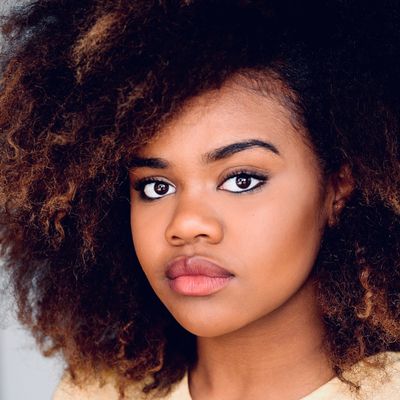
“I feel like, as an artist, and doing my art, that is how I am seen... and I want to do that for others by creating a safe space for them”. Ciara Renée made her Broadway debut in 2013 as The Witch in Big Fish, before joining the Broadway revival of Pippin as the Leading Player... Read More
From the show: The Theatre Podcast with Alan Seales
Guests
Featured Shows

About
“I feel like, as an artist, and doing my art, that is how I am seen... and I want to do that for others by creating a safe space for them”.
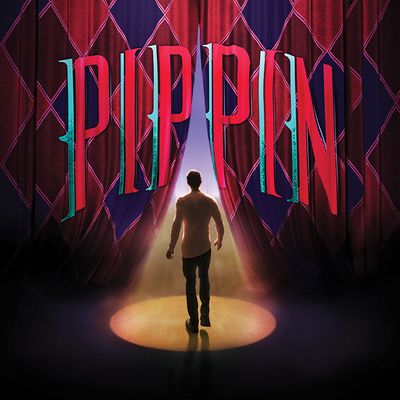
Ciara Renée made her Broadway debut in 2013 as The Witch in Big Fish, before joining the Broadway revival of Pippin as the Leading Player. She also starred as Esmerelda in the Hunchback of Notre Dame at Papermill Playhouse and La Jolla Playhouse. Ciara can be seen on TV as Hawkgirl in the CW series DC’s Legends of Tomorrow, a spin-off of Arrow and The Flash, and has additional credits which include Law & Order, Master of None, and The Big Bang Theory. She was most recently seen on Broadway as Elsa in Frozen, and can now be heard as one of the leads on the new studio cast album IN THE LIGHT, A Faustian Tale.
Originally from small town, Pennsylvania, where she felt like she never fit in, Ciara knew early on it was “music or nothing”. She opens up about being one of the few people of color in her town as a child, which led to feeling “in between worlds”, but also to embracing musical theatre. She takes us back to the days she spent simultaneously training and preparing to play the Leading Player in Pippin, while performing in the final lab of Hamilton before it moved to The Public Theater. Ciara also speaks candidly about her short but sweet time playing Elsa in Broadway’s Frozen, and the opportunity it provided for little girls who look like her to see themselves as Queens.
In this episode, we talk about:
- How her duel passions, psychology and theater, go hand in hand
- Why theatre speaks to her more so than other mediums
- Training to do 20 pull-ups, and fly on trapeze in Pippin
- Choosing Esmerelda and a TV show, over Peggy in Hamilton
- Joining the cast of IN THE LIGHT, A Faustian Tale
Connect with Ciara:
- IG: @CiaraRenee8
- Twitter: @CiaraRenee8
- Listen to In the Light
Connect with The Theatre Podcast:
- Support us on Patreon: Patreon.com/TheTheatrePodcast
- Twitter & Instagram: @theatre_podcast
- Facebook.com/OfficialTheatrePodcast
- TheTheatrePodcast.com
- Alan's personal Instagram: @alanseales
- Email me at feedback@thetheatrepodcast.com. I want to know what you think.
Thank you to our friends Jukebox The Ghost for our intro and outro music. You can find them on Instagram, Twitter, and Facebook @jukeboxtheghost or via the web via jukeboxtheghost.com.
Transcript
This transcript was automatically generated and might contain errors.
[0:00] Alan Seales: Welcome to The Theatre Podcast, intimate, personal conversations with the industry's biggest names. I'm your host, Alan Seales, and your guest is Ciara Renée. I am so impressed with her. This is such an amazing conversation that I hope you enjoy as much as I did. Little known fact, she was in the workshop of Hamilton before it went to the public off-Broadway. Did you know that? I didn't know that. We talked about that a little bit. She actually took a break from theatre after doing a couple things, and she was Hawkgirl in the DC Comics Flash universe, of course, and then she came back to Broadway as we know her Queen Elsa on Frozen. She was in that role for less than a month before COVID shut it down and then the show closed.
So, that is an unfortunate turn of events that, of course, we discuss. She made her Broadway debut in Big Fish. She was the leading player in Pippin, of course, left. I'll let her tell the rest of the story, but as always, before we get into this, find me online on Instagram and Twitter at Theatre underscore Podcast on Facebook at slash Official Theatre Podcast. Show your support at ttp.fm slash Patreon. P-A-T-R-E-O-N. Everybody, please enjoy this episode with Ciara Renée.
[1:31] Alan Seales: My guest today made her Broadway debut in 2013 as The Witch in Big Fish before stepping into Pippin as the leading player. She's played Esmeralda in The Hunchback of Notre Dame at Paper Mill Playhouse and La Jolla. She can be found on TV as Hawkgirl in the series DC's Legends of Tomorrow, Arrow, and The Flash, and has additional TV credits including Law and Order, Master of None, and The Big Bang Theory. She was most recently seen on Broadway as Elsa in Frozen and can now be heard as one of the leads in the amazing new studio cast album In the Light of Faustian Tale. Ciara Renée, welcome to The Theatre Podcast.
[2:12] Ciara Renée: Hi, thank you so much. I think that's the fastest anyone has ever gone through my resume.
[2:17] Alan Seales: It was very good.
[2:18] Ciara Renée: I'm a quick talker, sometimes. And there was still stuff I left out, of course.
[2:23] Alan Seales: It's very efficient. Very, very good.
[2:25] Ciara Renée: Thank you. I'm trying to get straight to the point. I read once in podcast land that it's like, take the advice from Wheel of Fortune. Within every episode of Wheel of Fortune, people get to the content within, the show gets like playing the game in under a minute, every single episode.
[2:40] Alan Seales: Oh, I love that.
[2:41] Ciara Renée: Think about it, right? I got a good formula, yeah.
[2:44] Alan Seales: Right? Like, hey, I'm Pat Sajak, this is Vanna White here, our contestants. Let's spin that wheel. Let's go. So here we go. Spinning the Ciara Renée Wheel of Fortune. So I want to start out actually with growing up. You were born in Harrisburg, PA. Did you actually grow up there, too?
[3:03] Ciara Renée: I did. Yeah, I was a Pennsylvania gal. Didn't really leave much until I went off to college in Ohio. But yeah, yeah.
[3:10] Alan Seales: That's fun because in Pennsylvania, I performed at Dutch Apple and a couple other places out there. It's a lovely area. And I don't know how Harrisburg is in terms of the representation of multicultural sort of facets. Where I was was very Amish and very, very white presenting. And I was reading your mother is from mixed European cultures. Your father comes from African, Middle Eastern, Native American, European. You've got so much mixed into your family. I absolutely love it. So for you, were you sort of, I guess, physically an outsider growing up? And then how did that relate to the theater and starting to sing and perform?
[4:03] Ciara Renée: Yeah. I mean, I think I've actually been talking about this quite a bit and sort of dissecting it in my own life, especially after having this long year of nothingness to really be in my thoughts and my feelings. I grew up mostly with my white mother. And so, and I was very much like the only person of color or one of two most of the time, especially in like musical theater and music because it took money and resources and like having a car or a parent who can transport you places to do a lot of the stuff that I did. And even though we did not have a lot of money and my mom was often working, like I was just like so adamant about it that I was like, I'm going to figure out how to make this happen.
So I was, I did very much feel in between worlds. And there's also, you know, there was a big sort of divide between black and white. I went to a school that was, you know, probably 50-50. And then there was like a pocket of like me and like a couple other like mixed people that like just didn't really know where they fit. I definitely wasn't cool in high school at all. Definitely awkward. But yeah. So, I mean, I think in Harrisburg, there was unfortunately a lot of, and there still is a lot of racism and it felt like there wasn't a lot of mixing that was happening. So for me to have, to be born of the mixing was like a confusing place to be. And I think sort of, you know, thinking of like my career and the industry at large, um, I don't know that it like dawned on me that I would come up against as, as much, um, pushback racially, and also as a woman in this industry, as I have, um, you know, as a young person, I was like, Oh, well, like, I'll just be like, you know, Whitney Houston or something like she did it.
I can do it. Right. Like, I'll just do that. Um, the dreams, the dreams. So yeah. I mean, in a nutshell, like, I don't know that I understood as a young person, how hard it was going to be outside of Harrisburg. I thought Harrisburg was like this bubble of like, things aren't great here. And it would be different in the larger world. And it is, and it isn't, you know?
[6:31] Alan Seales: Right. Yeah. That's, that's something I think that especially 2021 has or 2020, uh, sort of ripped the bandaid off of, of something that a lot of people didn't want to talk about that, that it's interesting to me because on, uh, as a, as a, I say this so many times on the podcast and, and it's me trying to sort of, uh, understand this better and have real conversations about it. So I apologize if anybody's heard me talk about this before, but as a white presenting CIS man, my experience, I didn't realize how different my experience was to a lot of people that I now consider very close friends and peers, um, until the last few years of my life. And I'm, you know, I'm 40 now. So to be able to, to, um, I guess have these conversations and understand what everybody's experience is to the best of is the best we can, I think is really, really important. So it's, it's nice to, to hear all these conversations happening now, I think.
[7:35] Ciara Renée: And, um, just like you though, I thought that I grew up in a small town in North, in North Carolina and I, and I, there was close-mindedness and there was racism and there was all sorts of, of that, you know, you want to get current, there's anti-vaxxers and Trump supporters galore still where I grew up. And, um, I thought that my experience there would carry, would be the same when I came to New York, that it would be the same thing. And, and sort of, it's been a little bit of the reverse for me in that I've come here and had more doors open.
[8:06] Ciara Renée: Yeah. And, and I don't think that's ultimately fair.
[8:08] Alan Seales: Yeah.
[8:09] Ciara Renée: It shouldn't be like that, but, um, but it is. And, and you're right that I think a lot of people are finally being forced to wake up and confront the fact that we live in different worlds in the same society, in the same cities as neighbors. I live in a different world than you. Um, and I have different things that I have to think about on a daily basis for my survival, you know? Um, like so many people do, people who are darker skinned than me have more things to think about than I do. You know what I mean? Like we have to always be keeping that in mind.
[9:04] Alan Seales: Um, but I, you know, even though you're 40, like, I'm glad that at any point you can, you can learn, right? At any point you can grow at any point, you can change at any point you can expand and you know what I mean? Like make different choices about your life or like get to the bottom of your biases and prejudices or whatever it is. Like at any point it's never too late.
[9:26] Ciara Renée: Um, you know, and I think what, something that like has been really frustrating for me in my entire life is when people are like, yeah, but this is how it's always been.
[9:31] Alan Seales: Right.
[9:32] Ciara Renée: Like, that's like the excuse, right. I was like, that's the excuse for like, oh, well we can't do anything about it or powerless to, to fix it. Or, you know, what, what's the point or whatever. And it's like, that, that always comes from the mouths of people who are privileged enough to not experience the thing that I'm saying needs to be fixed. Right.
[9:46] Alan Seales: And I'm like, yeah, that, that's just never a good excuse at all.
[9:49] Ciara Renée: Yeah.
[9:50] Alan Seales: And I guess thinking about your childhood and whatnot, relating it to theater and where you are now, where, where did this need to perform or did you have a need to perform? Or did it, how did this story start of you just saying, I'm going to learn to sing and I want to be on stage because like, again, comparing it to so many other people, it was a need to find a home and need to find a tribe and a chosen family because where they were going to school or whatnot didn't fit with who they were inside.
[10:30] Ciara Renée: Yeah. I mean, I've, I've never felt like I fit in Harrisburg, Pennsylvania. I always wanted to be in a big city. I always like wanted to be connected to a lot of people. I felt very closed off where I lived. But like, honestly, we have, like, we used to have these tapes of me singing, like before I could really say a lot of words, I was singing. So like, I've always had sort of a gift, but also just like this passion for music. It's always been like, it's my first love really and truly. So I always thought I was going to be a singer in some capacity. I think for a long time, I was thinking of going sort of the Christian pop artists route for, you know, I grew up in conservative Pennsylvania, very Christian.
And then I was like, honestly, that feels limited. You know, when I got into middle school, I was like, that feels like limited. Like I want to cross over and do everything. I want to be able to do everything. So I started working with a producer in high school, a Motown producer. He's written music for like J-Lo and like, you know, like Lil' Kim or something like, you know, like people like that. And obviously Motown and all those things. But he was like, you have to write music. You have to write your own music. And I was like, I don't know what to say. So I really struggled with self-worth in high school. Like I said, I wasn't very cool. And I also felt in between and like I didn't belong anywhere.
And it was my talent of singing that sort of allowed me to connect to people and also to be like praised for something and not made fun of for something. And so, you know, when it, when I kind of came up against the roadblock of like, well, I have to now use my actual voice and who I am to like fill in the rest of this career of being, or this dream of being a pop star, I just shut down. And at the same time, like the auditions for the musical were coming up and everybody that I knew in the music hallway was going to do the musical or like audition for it. So I was like, okay, I'll do that. And I loved it because here it was a character. I didn't have to be myself, a person that I didn't like.
And I got to tell a story outside of myself and I didn't have to write any of the words. I was like, bingo, that's for me. Um, so, you know, struggling, awkward, bullied, young Ciara thought, okay, this is something I'm good at. And people have told me I'm good at, it makes me feel good. I already,
[13:07] Ciara Renée: And if I can get good at being like a character or telling a story or whatever, like this could be my end to getting out of Harrisburg, to being a star, to whatever. So yeah, so that was sort of my journey into theater.
[13:22] Alan Seales: That's so fun. If you hadn't, I guess if that musical had happened or if you hadn't gotten in this path, do you think that, what else would you have done? Did you have anything else that interests you?
[13:35] Ciara Renée: No, I really didn't at that time. I mean, music was my entire life and my full obsession. I would annoy everyone. I was singing constantly. It was trouble in school because I'd be singing to myself in class and they're like, Ciara, shut up. And I'm like, but this song is so good. I hear it in my head. Come on.
[13:59] Ciara Renée: Yeah, there was nothing else that I was really passionate about. I think in college, I also learned that I was really passionate about psychology because of my own experiences with therapy and healing and then taking some classes in psychology. I was like, oh, I'm really interested in that.
[14:19] Ciara Renée: So now, as I've gotten older and expanded and felt more comfortable in myself and that I didn't need music as the one thing that made me worth something, I don't believe that anymore, thank God. Now I'm like, I love psychology and I watch TED Talks about it and I read articles about it and probably will go back to school for it at some point. So I have other things now, but as a kid, I was just like, it was music or nothing.
[14:45] Alan Seales: That's fascinating because of a similar mindset, I got a psych minor in college.
[14:51] Ciara Renée: Yeah, nice.
[14:53] Alan Seales: Love, love, love psychology and it goes into the technical aspect of dissecting and taking things apart. And I want to know how everything works.
[15:01] Ciara Renée: Yeah.
[15:02] Ciara Renée: So when it comes to the human brain, I'm just fascinated by, I mean, there's the science part of it, right? There's the chemicals, there's all the electrons flying around, electricity flying around, right?
[15:16] Ciara Renée: And then there's the emotional need and I was reading something the other day that's like, we've evolved so quickly into this technologically dependent society that has allowed us to be so isolated and I guess not follow in the steps of our ancestors that evolutionarily, we're herd animals.
[15:37] Alan Seales: Right.
[15:38] Ciara Renée: We need to be together.
[15:39] Alan Seales: Right.
[15:40] Ciara Renée: You know, like, you know, Croods, if you've ever seen that movie, like family sleep pile, we all need to be at a family sleep pile.
[15:46] Alan Seales: I want a family sleep pile, that sounds nice.
[15:48] Ciara Renée: I know, I know, right? I'm like, oh, I just want someone to lay on me and just like.
[15:53] Ciara Renée: That's why I have my dog.
[15:56] Ciara Renée: So, but now theater attracts so many people, I call us misfits in the best way possible because it's all of these individual people that don't quite fit with the larger group of jocks or cheerleaders or goths or whatever your stereotype is, right?
[16:20] Alan Seales: Right.
[16:21] Ciara Renée: And all of a sudden, you can come and be somebody else just for a little bit.
[16:25] Ciara Renée: And that's acceptable. And through that, your true self gets to find other people, you get to find your friends and your family and the rehearsal process and going through shows sometimes is so stressful and so strenuous that it brings people together in a way that you can't experience through other sorts of things.
[16:44] Ciara Renée: Things with sports teams and dance troops and like when you're going through a shared experience.
[16:48] Alan Seales: Yeah.
[16:49] Ciara Renée: God, nothing beats that.
[16:50] Alan Seales: Yeah.
[16:51] Ciara Renée: Right.
[16:52] Ciara Renée: Yeah. Going, yeah. Going, having like to face a challenge, a collective challenge together of putting up this, this work, this art or whatever.
[17:01] Ciara Renée: And also, like, it's not just a physical challenge. Like, it's so much of an emotional, mental and discipline challenge.
[17:10] Ciara Renée: So like, that, of course, is going to like, it brings everything up to the surface, and then you're all dealing with each other's crap.
[17:17] Ciara Renée: Collectively, you know, it's, it's collective therapy in a way, you know, it's actually, it's a healing modality that a lot of therapists use, you know, acting things out, acting out conversations or, you know, scenarios or whatever.
[17:33] Ciara Renée: It's very, very healing.
[17:34] Alan Seales: It makes a lot of sense that people who have, who struggle and feel on the outside would come to this place, not just for community, but also just for expression and feeling to be, to feel seen, you know?
[17:46] Ciara Renée: Right.
[17:47] Ciara Renée: Right. I think it is, it's such a, an accepting place.
[17:52] Ciara Renée: I mean, like you said, too, earlier, though, there's a, there's a point where you get here and you realize that it's not the perfect utopia that you thought it was.
[17:59] Ciara Renée: And a lot of things still need to change.
[18:00] Ciara Renée: And that's very apparent and stuff as Broadway comes back.
[18:04] Ciara Renée: Side note, I hope this all changes.
[18:07] Ciara Renée: It's not going to change immediately.
[18:08] Ciara Renée: So people are going to all of a sudden be up in arms when Broadway reopens that nothing's different, but it will take time.
[18:14] Ciara Renée: So with that aside, the ability to go see a show and go on a shared emotional journey with an entire group of strangers, and that's normal, while on stage, we're seeing a bunch of strangers expose themselves in an emotional way and sometimes physical, depending on the show, expose themselves in a way that we can either see mirrored in ourselves, or we can take inspiration from.
[18:43] Ciara Renée: I mean, the gift that art is, and that musical theater is, is bar none.
[18:50] Ciara Renée: You know, it can't be beat.
[18:52] Ciara Renée: Art heals.
[18:53] Ciara Renée: I said this all throughout the pandemic.
[18:54] Alan Seales: Yeah, yeah.
[18:55] Ciara Renée: It's just so interesting.
[18:58] Ciara Renée: You know, there was a lot of talk, especially about like, how do we support artists?
[19:03] Ciara Renée: Because it's like, if you didn't have artists, you wouldn't have the books or the TV shows or the movies or the albums or anything that you use so much during the pandemic to bring you a little bit of joy.
[19:16] Ciara Renée: You wouldn't have any of that without us.
[19:19] Ciara Renée: It is a part of our humanity to look to these stories.
[19:24] Ciara Renée: I mean, storytelling is what we've always done, and now we've turned it into these incredible big productions and incredible albums and movies and books and sagas and series and everything like that.
[19:37] Ciara Renée: Like, yeah, it's so powerful.
[19:39] Ciara Renée: And like, you know, and I've worked in so many different mediums now, and they're all cool.
[19:44] Ciara Renée: They all have their cool parts.
[19:46] Ciara Renée: Nothing speaks to me the same way that theater does, because like you said, you're in the room, in communion with other people's energies and spirits and emotions, and you just can't help but be moved.
[20:00] Ciara Renée: I mean, you have to have some real crazy defenses if you're not moved at all by just being in this space with other people, you know?
[20:08] Ciara Renée: And it's been so lovely to, you know, I've been doing concerts and things now that's sort of been coming back, especially now that it's the summer.
[20:14] Ciara Renée: We can be outside and do it, sweat our butts off while we're doing it.
[20:20] Ciara Renée: But it's so nice to be in the room with people and feel that energy again in a way that you can't necessarily on like a Zoom call or you can't, you know, over Skype or whatever, you know?
[20:30] Ciara Renée: Talking postage stamps.
[20:32] Ciara Renée: That's what I call the Zoom concerts.
[20:36] Alan Seales: Yes. Oh, my God.
[20:38] Ciara Renée: That's what it is. I'm like, I need a different camera angle, please.
[20:43] Ciara Renée: Stop staring at the camera.
[20:44] Ciara Renée: Something else, something.
[20:45] Ciara Renée: I need to look, because like even in conversation, you know, you look around.
[20:49] Ciara Renée: But anyway, just either here or there.
[20:51] Ciara Renée: Going to Pippin, I actually, I want to bring it back to that for a second.
[20:57] Ciara Renée: Bring it to that for a second, because that is such a unique role.
[21:00] Ciara Renée: The leading player is such a unique role because it's so physical, like on your body and your voice.
[21:08] Ciara Renée: So and then, of course, coming in and taking over a role that was originated by Patina Miller is just a challenge in and of itself.
[21:18] Alan Seales: And so talk to me about about entering Pippin, because it was such a different production anyway than what had been done before, because it used actual like Cirque type performers.
[21:28] Ciara Renée: And it was very, very circusy.
[21:30] Ciara Renée: And yeah, I mean, just speak on that a little bit.
[21:32] Ciara Renée: Like, were you sort of intimidated going into it? Or you're like, yeah, I got this. This is great.
[21:36] Ciara Renée: I mean, I definitely I think the physical challenge part of it was intimidating, but also so exciting.
[21:41] Ciara Renée: Like, I love to be challenged.
[21:44] Ciara Renée: I mean, I think most people do, but like like healthy challenge.
[21:47] Ciara Renée: You don't want to be challenged where you're like, there's no possible way I could ever make this happen.
[21:52] Ciara Renée: But like I was like, this is going to be difficult, but I'm definitely going to do it.
[21:55] Ciara Renée: So I was like working out two times a day in between, like having rehearsals and trapeze and magic rehearsals because there's all the magic in the show, which is super cool and fun to learn.
[22:05] Ciara Renée: And all of the like dance stuff.
[22:07] Ciara Renée: I do not credit myself as a dancer.
[22:09] Ciara Renée: I can dance.
[22:10] Ciara Renée: I am capable of doing it.
[22:13] Ciara Renée: And I am wowed by it and in awe of people who do it really, really well.
[22:17] Ciara Renée: I do not put myself in that category at all.
[22:22] Ciara Renée: So I had I had to really, really, really work even for like the auditions.
[22:27] Ciara Renée: I was seeking out people who have worked, you know, who are like Fosse aficionados and like was like, I need train me, please.
[22:35] Ciara Renée: Leading up to the audition.
[22:36] Ciara Renée: I don't think I would have gotten it if I hadn't done that.
[22:39] Alan Seales: Yeah.
[22:40] Ciara Renée: So it was like I just was like I was on every day without stop.
[22:45] Ciara Renée: I actually was doing at the same time that I was rehearsing or the first when I opened Pippin, I was also doing The Lab of Hamilton.
[22:52] Ciara Renée: And I think Lynn had he was like, you're like a shark.
[22:54] Ciara Renée: You like can't stop moving.
[22:56] Ciara Renée: Like if you stop moving, you're dead.
[22:57] Ciara Renée: And I was like, yeah, kind of right now.
[22:59] Ciara Renée: It's like a really good analogy.
[23:01] Ciara Renée: I'm like rehearsing this thing all through the day, working out at lunch, working out before the show, doing the show.
[23:07] Ciara Renée: Like it just it had to be that way or else I wasn't going to be strong enough.
[23:11] Ciara Renée: Like they're like, you can't we can't put you up on the trapeze until you can do 20 pull ups.
[23:16] Ciara Renée: And I don't know about you.
[23:18] Alan Seales: Yeah.
[23:18] Ciara Renée: Like by yourself, unassisted, if you can't do it because I didn't have a harness or anything like everyone was like free.
[23:25] Ciara Renée: Like you had to.
[23:26] Ciara Renée: It was on based on your own ability to take care of yourself.
[23:30] Ciara Renée: Like all the people are incredible and train a bajillion hours every day.
[23:35] Ciara Renée: Right. Like and they've been doing it since they were three years old.
[23:37] Ciara Renée: And I was like, I've never done this.
[23:39] Ciara Renée: And I like the last time I did a pull up was like in high school for gym class.
[23:44] Ciara Renée: And it was I think I did one or two.
[23:46] Ciara Renée: OK, so I have to do 20 now.
[23:48] Ciara Renée: OK. Yeah. No, it was it was definitely really challenging.
[23:52] Ciara Renée: But like so much fun and.
[23:56] Ciara Renée: You know, beautiful. It was a beautiful show.
[23:58] Ciara Renée: I wish I had had more time with it.
[24:00] Alan Seales: Yeah. Yeah. I didn't realize that you were doing the you say the lab or the workshop for Hamilton.
[24:06] Ciara Renée: That was that was the final lab before they went to the public, I think.
[24:14] Alan Seales: Yes. So was there and I don't know if you're allowed to say it was there an option to go with it.
[24:21] Ciara Renée: And then you and you chose.
[24:24] Ciara Renée: So I chose. No, actually, I chose Esmeralda.
[24:30] Ciara Renée: Hmm. Right. Because I was I was Peggy Mariah.
[24:33] Ciara Renée: And I was like, look, I know that this Hamilton's about to pop off.
[24:36] Ciara Renée: And it's going to be cool. But I don't I didn't want to be Peggy Mariah.
[24:39] Ciara Renée: Like if I was Eliza, I would have made me thought about it.
[24:44] Ciara Renée: Or, you know, or the other one, I forget her name.
[24:49] Ciara Renée: Angelica.
[24:49] Ciara Renée: Yeah. So I was like, I could be a lead in the Hunchback of Notre Dame and then also do this TV show where I'm the lead or I can do Hamilton and be the third lead.
[25:00] Ciara Renée: So like that was the choice for me. And I was like, I'm going to I'm going to go with the two leads, which at the time that was absolutely the right choice for me, you know.
[25:11] Alan Seales: So, yeah. We're going to take a short break.
[25:19] Ciara Renée: Stay tuned for more of the episode.
[25:34] Alan Seales: I didn't I didn't realize that, I guess.
[25:40] Ciara Renée: I guess. Yeah. So so the TV and the TV series were coming at the same time.
[25:46] Ciara Renée: And what was that? I guess for that, those those were happening in parallel.
[25:51] Ciara Renée: And was one influencing the other in terms of like success on stage was influencing TV or they both just sort of materialized at the same time?
[25:54] Ciara Renée: It's really interesting. I actually feel like the Broadway world, like your success in the Broadway world doesn't really translate into the TV and film world, but the other way around it does. Right. So if you're very successful in the TV film world, then, of course, they're going to put you in a Broadway show, whether you deserve to be in the Broadway show.
[26:42] Ciara Renée: I sort of know everyone and there's a level of respect and appreciation and just community. And they want you to succeed and they want you to be the right fit.
[26:53] Alan Seales: Right. That's what I was thinking with TV and film. I was going to say that it seems like it's easier to become a TV and film actor because you don't have to know how to dance per se, or you don't have to know how to sing. And in a lot of cases, you don't really need to know how to act either.
[27:15] Ciara Renée: This is true. But then it comes down to what you look like. So then it's actually not easy unless you're like, I'm going to get plastic surgery and really make my face look completely different than it looks and eat nothing and weigh 10 pounds. I don't know. It's not all like that, but that is like a sort of a prerequisite. And I feel like for all the people who are like, I don't want to do that. And I like music. They're like, I'll do music. That's how I feel at least.
[27:47] Alan Seales: Yeah. Well, I dabbled in TV and Film for a few years too. And it was sort of the same thing is that it was like, oh, yeah, you can hit a mark. Okay, go be background or a couple hundred bucks for the day. And depending on where you live, you can have a pretty shitty living off of that, but you're not going to like, especially in New York, you can't support yourself that way.
[28:09] Ciara Renée: No, there's not enough. So you've got to go do the other stuff, the singing and the dancing and the acting classes. Oh, God, the industry is so messed up. I'm thinking back to all the crap that people have to go through to get even like their foot in the door sometimes. But okay, so Hot Girl. Again, Hot Girl for the CW, the whole Flash DC Comics universe. And that was another very physical role. So yeah, I feel like training for that probably helped you for Pippin or vice versa, right?
[28:41] Ciara Renée: Oh, well, I think yeah, Pippin definitely sort of set me up to be ready for Hot Girl. Because I was working, I was training, I was really working with a trainer kind of for the first time for Pippin. And so I sort of had like, this like baseline of like, oh, this is how you actually like work out safely and healthfully. So then when I, you know, booked Legends, I was like, okay, I really want to make sure I look really, really great. And I'm able to do stunts. Because I love stunts. I love action films. I love superheroes. Like I want to be able to do all that stuff. And I was very lucky to be able to do quite a bit of it. A lot of the flying, though, the stuff that was like, this is very dangerous.
And if you hurt yourself, we will be screwed. So we're gonna put the stunt double in, you know, and she was incredible and always worked with me and helped me so much. But yeah, I mean, I was, I started boxing at that time. So my body was just like, together, together, together. She was spelt. Okay, it was really, really great.
[29:42] Alan Seales: Oh, I love boxing, like full body cardio. It's just now I'm just really mad at myself for not going back to the gym.
[29:52] Ciara Renée: No, you can't you cannot be mad at yourself. Absolutely not. We're not allowed to be mad at ourselves after this year. I don't care what you did this year, you could have sat on your couch and done absolutely nothing. It's okay. You survived a pandemic, you are allowed to do whatever. Look, however, okay, it's 2021. We're letting go of this crap of like, we have to we should have blah, blah, blah, blah, which I'm a hypocrite for saying this, because I still struggle with this myself. I'm not saying this from a place of like, I'm so enlightened. I'm like, actually mad at myself all the time. But I just watched this TikTok recently. And I know everyone's like TikTok. It's for kids. You know, there's actually like, there's an older segment, right?
There's for us, millennial, elder millennials, there's a place for us. But this really great chick, I think it's the sage soul or something like that. She was like, you cannot hate yourself into a version of yourself that you love. And I was like, I was like, I was so convicted by that. Like, thank you for saying that. Because I'm, I'm a very critical person of myself. Like I hold myself to a very high standard. And so when I don't meet those standards, especially during a year where there's so much collective trauma, and nothing is the same, and I've lost so many things, I really was beating myself up. Like, what did I do with myself this year? And I was like, survived. I survived. And, and I did other things.
I taught and like, whatever, you know, like, if I really want to sit down and like, make a list, like, I did good things. And so did everybody. Existing was enough. You know, staying alive is really okay.
[31:35] Alan Seales: Oh, I agree with that. Josh Lehman is very good about this. He, I've, I work with him on his podcast, too. And he always like, sort of begins, and especially ends everything he talks about. He's like, if you woke up today, you're nailing it. If you got out of bed today, you're nailing it. You know, just whatever you did, if you get if you ate breakfast, you're nailing it, you are doing a good job. And it's, it's very much again, like we talked about mental health, a bunch. And it's, it just comes from a place of just needing, needing encouragement and not feeling alone. And ironically, during the pandemic, another epidemic was loneliness. And the irony of loneliness is that so many people were alone, we were all in it together. But the definition of loneliness is feeling like you're alone, right?
[32:22] Ciara Renée: We can't get together and, you know, have a family sleep pile, because we test COVID and die.
[32:28] Alan Seales: But that would, that would be bad. That would not be good.
[32:32] Ciara Renée: So COVID shut down your open ended run in Frozen, which I am really upset about it. You began, I believe it was February 18, 2020, right? And then, and then Broadway closed its doors March 12, 2020. And as of recording, this is still not reopened, except for Springsteen, but we don't count that. You were, you were in Frozen for less than a month.
[32:59] Alan Seales: Yeah, yeah.
[33:01] Ciara Renée: Like, again, I guess, in terms of like beating yourself up, this isn't something that you had any sort of control over. But like, going from the high, I imagine of being a Disney princess, you now have Disney princess on your resume.
[33:13] Alan Seales: I have Disney queen on my resume.
[33:16] Ciara Renée: Right? Disney queen, right? To all of a sudden, just like, I don't know when my industry is going to come back.
[33:29] Alan Seales: Right. Yeah.
[33:32] Ciara Renée: It was a lot to process. It was a lot to process. I mean, this year in general has been a lot, but I'm sort of almost glad that Frozen, like if it was going to close, I'm glad that it closed sort of like the month after the pandemic started. So then it wasn't like me being like, I hope, I wish, I hope, I hope, I don't know what's going to happen. Like when we come back, is it going to be there? I don't know. Like that, that drama, I don't think I would have been able to sustain. So I'm actually kind of grateful that it happened when it happened, if it was going to happen, which it probably was. So I had sort of time to be depressed and lay on my couch and eat a bunch of chocolate and feel really bad and not have any real obligation to do anything, you know?
I just was like, okay, this is a perfect time for me to be sad AF. So, you know, and I was, I was just so, it felt like it was so nice to be back on Broadway. I'd really kind of taken a step back from acting after the superhero show and had only kind of popped in to do some off-Broadway stuff or whatever. So it felt really nice to like, feel healthy, feel mentally prepared and like in a good place and like stepping into a show like Frozen. I'm like, I'll always be a Disney head. I love Disney so much. And to be a queen, like it was, it was all the dreams. And then it wasn't. And now I have to make new dreams, you know?
[35:09] Alan Seales: I love that at least for less than a month, but there was time when little girls that are not your blonde, blue-eyed white girls can say, oh, look, that queen looks like me. I'm going to do that now.
[35:24] Ciara Renée: Yeah. And it's even been beautiful. Like, you know, I posted a version, like I had actually sang, let it go, um, for a little girl, like back in 2015, when I was playing Esmeralda, like on my guitar and I had a video of it. And I smashed that together with like a bootleg of me doing let it go. Then, you know, in 2020, it's like so cool. Five years later, I'm like doing it for real and posted that on TikTok and it blew up. And just the amount of comments are just like, oh my gosh, my daughters are obsessed with this. They watch it all the time. They're like, she looks like me. She looks like me. And just seeing all the little girls come to the theater and they're, you know, Anna and Elsa costumes and just, you know, look any which way they just, they looked like anything and everything, you know, it was just so, and they just, it's so funny to me.
They, they saw no difference really. Like they were just like, of course she's, she's, you know, she's doing, she's singing and she's pretty and she's in the beautiful dress and like, of course she's Elsa. Yes.
[36:29] Alan Seales: Yeah. I see the powers. It's like, it's always like, so funny to me when you hear sort of the rumblings of like, she can't play Elsa. She's not from a Nordic country, which is also not true because actually I have a lot of that in me. I was like, but okay. I was like, yeah, no, I don't traditionally look like a Nordic queen or whatever. I was like, but I'm pretty sure children either don't care or think it's really cool because it's sort of different than what they've always seen. It's just like with Olaf when the, the actors who would come out, um, at the stage, yeah. When Ryan would come out, maybe the parents would go, she played Olaf. And they were like, there was no person playing Olaf. Olaf is the snowman, just the puppet. They like, didn't see the person behind Olaf.
[37:10] Ciara Renée: No kidding. No, they were so confused. They're like, no, I don't think so. Mom. There was like, literally you've heard, I've heard kids be like, there was no person. What are you talking about? Olaf was like, just the puppet. And it's like, clearly there's a person behind it for us, but kids are so, they're just so much in the magic of it. And they don't have those, that's, you know, the biases, it's not, it's so trained. It's not something that they've learned yet. So they're like, as long as you wear the costume, I'm down.
[37:45] Alan Seales: I love that you said they have biases. You're taught. I've always said, I've always said shame is taught to embarrassment. Kids want to run around naked all the time. And I have two little boys and like the amount of times I catch them just like playing with themselves. I'm just like, just don't do that outside.
[38:02] Ciara Renée: Yeah, maybe not outside. Don't do that outside, but wherever you're comfortable at home, do your thing and put some underwear on before you go on the porch.
[38:13] Alan Seales: But yeah, I try to encourage, of course, self-discovery, self-exploration, and because it's so important in general, right? But then when you get these, again, these biases that are inherited in not a genetic way, it's taught from your, from who you're around most. And sometimes that's your small town, sometimes, or even big town, depending on where you are. But it's your town, your parents, your other siblings, whatever the case is. And so I love that you said that because biases, just like they can be taught, they can be untaught. You can learn to be all accepting and everything. So anyway, I've been in a bunch of soapboxes in this episode.
[39:05] Ciara Renée: Hey, they're important soapboxes, right? So let's talk about in the light of Christian tale. Michael Mott, I've known this dude forever. I love Michael. How did you get involved with this? Well, I guess, okay, so let's back up. It's a kind of
[39:18] Ciara Renée: So, I've also known Michael for a while. I can't even tell you all the concerts and things that we've done together of a lot of his pop music. And so this was sort of different for Michael and I to kind of do a more like musical theater thing together because we normally did pop stuff. But it was really fun and interesting. And I think, you know, we had the time, so why not? If we can't put it up on stage, we should just record all the things because everyone has a recording studio in their closet now after this year. So yeah, so it was sort of a change in pace for me and Michael, but I'm so grateful that I got to be a part of it.
[40:17] Alan Seales: So I guess that was my question then. It sounds like you were just personal friends beforehand. Some people he reached out to and asked to be a part, but yeah, it sounds like...
[40:24] Ciara Renée: No, we've known each other for several years. I think just kind of like the 54 Below concerts and things like that. He'd reached out to me many years ago and I was like, oh yeah, I like the song. I'll definitely do it. And then we've done several things since then. So yeah.
[40:42] Alan Seales: That's cool. So the fully produced album, I believe, I forget what platform it was. It was a GoFundMe, I want to say? Or how did he raise money for it?
[40:50] Ciara Renée: I actually don't know that part. That's a good question. I don't know. I remember him posting about it a while back, but I think it was mostly crowdsourced to get it made.
[41:08] Alan Seales: Yes. And so now it's out and it's beautiful. And you are phenomenal on it.
[41:14] Ciara Renée: Thank you.
[41:15] Alan Seales: And it debuted, I think at number eight on the charts in the theater charts a couple days ago, which is amazing. And I guess, was there a plan? It sounds like that you've worked with Michael a lot and were in this with him from the beginning, but do you know what the plan was with this if COVID had not hit? Because obviously, he's been working on it for a while.
[41:31] Ciara Renée: Yeah, yeah, yeah. I mean, I can't say for sure, no. But I mean, I think obviously, yeah, if COVID wasn't here, it's a full show. It's ready to start really putting it up and looking at it and seeing what works and restructuring whatever we need to do. But yeah, it needs to get on its feet. It's ready.
[42:02] Alan Seales: I agree. I agree. I think I would go see it and I would see everybody who is on the album. I think it's absolutely phenomenal. I mean, just all the star power yourself included that is on it.
[42:15] Ciara Renée: Yeah, I'm in good company. Jeremy Jordan, Soleil Pfeiffer, it's good stuff. Antonio Cipriano is just a beautiful, beautiful voice. But then I would like to wrap up here with three standard closing questions that I ask everybody to finish out the episodes. The first one, very simply, is what motivates you?
[42:34] Ciara Renée: I like that question. Because I think it changes, especially as you get older. I think what motivated me as a young person was getting out of Harrisburg, Pennsylvania. Freedom, right? Expansion, getting to experience something outside of what I had experienced for the first 18 years of my life. And so then I did that. And I was like, okay, what's my motivation now? And I think one of my core motivations is to be seen and to see others. Because I just know how important that is to me. And me feeling good and safe in the world is to feel seen. And I feel like as an artist and doing my art, that is how I am seen. And I want to do that for others by creating safe space for them. Like you said, being in a dark room with a bunch of strangers, feeling your feelings.
I love that. I love creating that safe space where people feel like they can do something that they might not normally do on an everyday basis of really experiencing their feels in a safe way. So that definitely motivates me. But also, I would say, I think blazing trails where there haven't been before. Playing Hawk Girl, who's normally a white woman, playing Elsa, who's normally a white woman playing, just bending people's concepts of what's beautiful, what's acceptable, what makes sense, what should be, all of those things. Pushing limits and boundaries, that's always been a big part of what motivates my work.
[44:32] Alan Seales: There's a question in there that I'm trying to formulate. It's something about what makes you feel seen? I know you said being on stage and performing, but what is it? And I don't even know if I can answer this myself. But when you say, I want to be seen, what would make you go to bed tonight and allow you to say, I was seen today?
[44:56] Ciara Renée: Hmm. That is a really good, deep, big question. Yeah, that's really hard because it isn't just having people clap for you or validation or whatever. That's not even necessarily being seen. I think more so it's when I have the conversations at the stage door where people were like, you helped, you being vulnerable and showing your authentic experience or self, especially in my concert work because I get to be me. It's not a character. I'm talking about me and my life, right? And then singing songs and being characters. So it's both. But when I talk to somebody and they say, that listening to your struggle or your story has inspired me or it touched me and made me feel like, oh, I'm not alone in this.
That also, I'm like, okay, cool. You saw me and I saw you in that moment. And that's dope. That feels the best out of anything. Acknowledging weakness and being accepted for it. That's what I think it is. Acknowledging that even though we're supposed to be perfect and post nothing but great pictures on Instagram and TikTok all day long, we're all insecure weenies with imposter syndrome.
[46:26] Alan Seales: Yes. Yes, we are. All of us. It's like the weirdest thing when people are like, you're so confident. And I'm like, oh, if only you really knew what's going on. And I try to be very honest in my social media. I talk about mental health. I talk about when I'm struggling. I talk about when I'm having crises of confidence. I am not. I've never been the cool girl. I don't know what y'all are talking about. Yes, I have talent or whatever. That's so cool. But I'm much more interested in my humanity and the things that I struggle with and the things that you struggle with in your humanity than anything else.
[47:07] Ciara Renée: Well, I see you. I hear that. I hear that. Yay. All right. Next question then. What advice would you give to your younger self and younger people listening now starting out down a similar path?
[47:11] Ciara Renée: Oh, my God. Just don't listen to anybody. Just don't. And I mean this in like find a balanced way to do that, right? There are people who know more than you. Do listen to what they say. Don't necessarily follow what they say, right? It's important to take in all the information. And then you got to like really trust your gut. I think especially as a woman and especially as a person of color, we are very often trained out of trusting our guts in order to make other people feel comfortable. And that's so dangerous. And when you lose touch with that, it is very hard to tap back into it. So I implore you, especially young people of color and young women, trust your gut when something feels wrong.
Get away from the thing or talk, you know, or like use your voice, you know, and just don't allow other people, older people, jaded people to say, well, this is how it's always been or you're never going to be able to change it or both. Don't listen to any of that crap. Just don't. We need younger people to have hope. We need you guys to balance us out, us jaded folks, okay? We've seen too much and experienced too much and are tired, okay? We need you to be the opposite of us. So don't listen to us if we're trying to shut you down. We're trying to keep you safe. Listen to it and then figure out the best way to sort of alchemize that information.
[48:50] Alan Seales: Beautiful. I love that. Okay, so last question. This one's super hard. If you could only see one show for the rest of your life, as many times as you want, what would you see?
[48:55] Ciara Renée: Oh, that's really tough. Like, because I'm a huge Wicked fan, huge In the Heights fan, huge Rent fan. So I'm trying to narrow it down between these three. They sort of have everything in them, right? They have joy and dance and movement and epicness, right? And then they also have tender sadness and anger and the deep emotions. They all have that and they have great narratives that I really respond to. Okay, here's what I'm going to say. I'm going to say probably In the Heights, only because every time I go to listen to a musical theater album, it is the one album that I can listen to every song but one over and over and over again and not get tired. All right. Yeah. I'll go with that. Yeah. I accept. I accept.
[50:05] Alan Seales: Wait, what's yours? Now I want to know what yours is.
[50:08] Ciara Renée: Mine, I think I have to say is Rent.
[50:12] Alan Seales: Yeah, right?
[50:20] Ciara Renée: Because it changed my life in that it's what got me interested in theater.
[50:25] Alan Seales: See, In the Heights did that for me. Rent got me interested and way more interested in theater because I was like, oh, it's not just Oklahoma and Carousel. You can do this. That's so cool. But In the Heights was the thing I went and actually saw. It was one of the first musicals I saw in New York. And I was like, oh, look, people of color. Oh, oh, like all just all people of color. Oh, we can do this. I was like, I can do this. Okay, great. Perfect. I love it. So yeah. Oh, yeah. I love that. I love that.
[50:53] Ciara Renée: Okay. So of course, listen to Sierra In the Light, a Faustian tale everywhere streaming music is found or visit broadwayrecords.com slash in the light with dashes. I'll have the link in the show notes in case I went through that real quickly. Where else can we find you on social media?
[51:11] Ciara Renée: I'm essentially I'm Sierra Renee 8 on just about everything. Well, that's not true. On TikTok, I'm so fresh and so queen. And then on Twitter and Instagram, I'm Sierra Renee 8. Facebook, I'm Sierra Renee. Find me all the places all the time.
[51:33] Alan Seales: Were there seven others? Is that why you chose eight?
[51:36] Ciara Renée: No, they're just there. Sierra Renee was just taken and eight's my favorite number. So wonderful, wonderful. Find more information about me at the theater podcast.com. I'm on Instagram and Twitter at theater underscore podcast. Leave a rating and a review. Now, wherever you are listening, this has been edited by well-rounded hoodlum productions. Thank you to jukebox the ghost for the intro and outro music. And thank you to Sierra for the wonderful, wonderful conversation. You're a jukebox fan, aren't you?
[52:01] Ciara Renée: I'm a jukebox and ghost fan for sure. I love that.
[52:05] Alan Seales: Hell yeah. Thank you. Thank you so much. And I see you're nailing it today, Sierra.
[52:10] Ciara Renée: Oh, thank you so much. Thank you.
© Broadway Podcast Network, All Rights Reserved