

A LIVE panel discussion with Rob McClure, Brad Oscar, and Analise Scarpaci of “Mrs. Doubtfire” talking about the roller coaster of being part of a Broadway show during a pandemic and the bond formed as they all dealt with the effects of COVID, including their show getting postponed... Read More
From the show: The Theatre Podcast with Alan Seales
Guests
Featured Shows
About
A LIVE panel discussion with Rob McClure, Brad Oscar, and Analise Scarpaci of “Mrs. Doubtfire” talking about the roller coaster of being part of a Broadway show during a pandemic and the bond formed as they all dealt with the effects of COVID, including their show getting postponed. Rob recalls what it was like playing a role originally played by Robin Williams, and why he thinks the greatest adaptations of either material or performances are those that try to imitate how it made the audience feel. Analise shares her experience working with Rob and Brad, and how she helped her younger co-actors in the show. Coming from two shows back to back that dealt with serious matters in a comedic way, Rob shares the positive reception they got from people, and why comedy is such a good genre in that "you come to laugh and then through laughter we crack you open so that in the end we can deliver a message". Brad supports this by sharing how doing comedy is a means of catharsis. Rob explains the term "actually actually" that he cherishes particularly in comedy, and how acting is "reacting truthfully to imaginary circumstances". The three also talk about their favorite scenes, rehearsal as playtime, and the learnings they got from being in “Mrs. Doubtfire”.
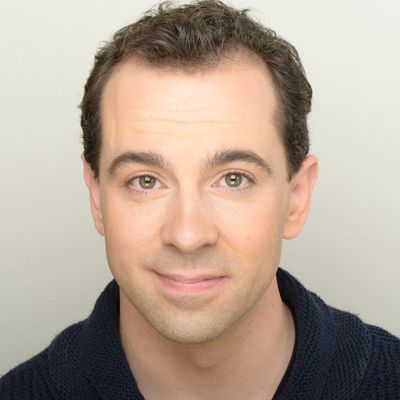
Rob McClure is an actor best known for his roles in musical theatre, particularly as Nick Bottom in "Something Rotten!" and Adam Maitland in "Beetlejuice". His performance in the title role of the musical "Chaplin" has earned him a nomination for the 2013 Tony Award for Best Actor in a Musical and has won the Theatre World Award. His other theatre credits include "I'm not Rappaport", "Avenue Q", "Noises Off", "Honeymoon in Vegas", and the latest one, "Mrs. Doubtfire" where he was nominated for the 2022 Tony Award for Best Actor in a Musical. He won Best Actor at both The Queen’s World and Williamsburg Independent film festivals for the movie, "Recursion". His TV credits include "Person of Interest", "Elementary" and "The Good Fight".
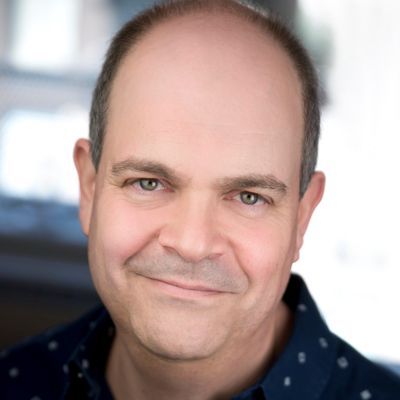
Brad Oscar has been seen on numerous Broadway shows, including "Something Rotten!" and “The Producers” where he earned two Tony Award nominations for his performance. He has also performed in "The Big Fish", "Nice Work...", "The Addams Family", "Spamalot", "Jekyll & Hyde", "Aspects of Love", and “Mrs Doubtire” among others. His Off-Broadway and Regional credits include “Damn Yankees”, “Forbidden Broadway”, “Sweeney Todd”, and both the “Phantom of the Opera” and “Young Frankenstein” national tours. He has also appeared in movies and TV shows such as "Ghost Town", "The Producers", "Madam Secretary", "Smash", "The Good Wife"', and "Law & Order".
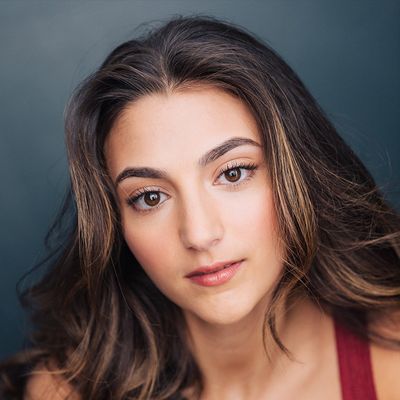
Analise Scarpaci made her Broadway debut in 2012's “A Christmas Story, The Musical” where she played the role of Esther Jane. Her other stage credits include "Matilda the Musical", "Lolita, My Love", and "Mrs. Doubtfire" which was her first principal role as Lydia Hillard. Analise has also appeared in the short films, "Thespians" and "We're Gonna Come Back". She recently released her debut EP, "Pathetic Little Dreamer" which received positive reviews. Apart from performing, Analise has also done activist work and raised money with her walking group, Broadway for Bellies, and is currently giving private coaching and lessons to teens and kids.
Connect with The Theatre Podcast:
- Support us on Patreon: Patreon.com/TheTheatrePodcast
- Twitter & Instagram: @theatre_podcast
- TikTok: @thetheatrepodcast
- Facebook.com/OfficialTheatrePodcast
- TheTheatrePodcast.com
- Alan's personal Instagram: @alanseales
- Email me at feedback@thetheatrepodcast.com. I want to know what you think.
Transcript
This transcript was automatically generated and might contain errors.
[0:00] Alan Seales: Hi, everyone. Welcome back to the Theatre Podcast. I'm Alan Seales, and this is a very special episode, which will be the first of three episodes released from my live sessions at BroadwayCon 2022. Joining me for a special little mini Mrs. Doubtfire reunion, this episode is a panel discussion with Rob McClure, Brad Oscar, and Analise Scarpaci. We had some really touching moments and, of course, lots of laughs. If you're listening in Apple Podcasts or Spotify, tap those five stars right now. Leave me a great rating like I'm your favorite Uber driver. And now, everyone, please enjoy this episode with Rob, Brad, and Analise.
[0:47] Alan Seales: This is such an awkward bunch of chairs here. All right, so not people, just chairs. So our panelists, I'll introduce Analise first. She made her Broadway debut at the age of 13 with A Christmas Story before jumping into Matilda the musical, and now she had the pleasure of playing the oldest daughter, Lydia Hillard, Analise Scarpaci. And next, two-time Tony Award nominee with previous credits that include The Producers, Something Rotten, Damn Yankees, Adam's Family, and Spamalot, playing Frank Hillard, the brother we all wish we had, Brad Oscar. And that's it. There's nobody else here. Last but not least, our final guest is a two-time award nominee, Tony Award nominee himself, who is joining us literally out of his put-in for Little Shop of Horrors.
He just ran here, wiped off the sweat, came out here, and a few of his previous credits, in case you didn't know, Avenue Q, Chaplin, Something Rotten, Beetlejuice, and of course, now he was the recent caring and loving Daniel Hillard, a.k.a. Euphigenia Doubtfire, Rob McClure!
[2:16] Alan Seales: So this show, I love the show. I love Mrs. Doubtfire, and the three of you together have been three of my favorite characters in general, and three favorite actors. So I want to start out, though, just very kind of at the beginning of how each of you got attached to this show, because I feel like when first approaching something that is a story that is as iconic as this is, and then originated from someone as iconic as Robin Williams, and then everybody else that is filling these iconic roles, there's got to be a lot of pressure. There's got to be a lot of work that goes into developing these characters. So Brad, we'll start with you. When did you first get attached to the production?
[3:00] Brad Oscar: Well, as Rob will probably tell you, right? Five, seven years ago. How long? My goodness. It was right after Rotten opened. So it was 2015, and Kevin McCullum, our lead producer, had optioned the property then, or prior to that. So I was invited into the room right after Rotten opened in the spring of 15 with Rob, and we did a reading of a version of Mrs. Doubtfire, the musical, written by three other collaborators. Needless to say, that didn't go so well. So then flash forward to, for me anyway, literally getting an audition for the soon-to-be out-of-town tryout and Broadway run. They had done a previous workshop, reading, whatever you want to call it, that I was not involved with. I was a little sort of jealous, of course, because it was the Something Rotten creators. I knew, of course, Rob was involved, and anyway, and then wouldn't you know, things happen in show business. But I went in and auditioned for Jerry Zaks, and yeah, and got it in that way.
[4:11] Alan Seales: Annalise, what about you?
[4:14] Analise Scarpaci: Okay, so this is kind of a crazy story, but—
[4:16] Alan Seales: We got time.
[4:17] Analise Scarpaci: I was new. I'm the newest, I guess, as of Seattle. So they had done the reading in 2019, and I could not get seen in that room. For whatever reason, the business, and I was very upset about it because I love the movie. It's one of my favorites. And then I went in for another project that had the same casting director, Telsey and co, well, Telsey Office now. And they called me in for Lydia Hillard, and I was like, great, that's really cool because I've been dying to at least be seen by that show because I love that role. And I went in once, and the next day they called and said, I got the role. And that was it.
[5:05] Analise Scarpaci: Yeah, it was very strange. That has never happened before to me ever.
[5:10] Alan Seales: It's called nailing it.
[5:12] Analise Scarpaci: That's how it should happen.
[5:13] Alan Seales: No, I, yeah, I was very confused. I'll never forget my audition. I went in for the role, and they, you know, Jerry said, I love you. And I was like, okay.
[5:26] Analise Scarpaci: I love you too, Jerry Zaks. That's the only problem.
[5:30] Alan Seales: I was very confused.
[5:31] Analise Scarpaci: Sure, because when you want a role, nothing crosses the line.
[5:35] Analise Scarpaci: I was like, okay. And he was like, okay, can you go like sit five minutes in the hallway? And I was like, yeah, okay. And I left. And all of a sudden I heard them hysterical laughing. And I didn't know what I did wrong, or—
[5:46] Alan Seales: That's what they were saying. She's terrible.
[5:50] Analise Scarpaci: She's terrible. It was either she's terrible. She is definitely from Staten Island or—
[6:00] Alan Seales: That's true.
[6:01] Analise Scarpaci: Yeah. And I was like, I don't know. The most important thing is like, did my accent slip far enough that it's like, oh my God, this is terrible. She cannot be from San Francisco. But apparently what happened was, is that they all turned to each other and said, there she is.
[6:16] Brad Oscar: Yay.
[6:17] Analise Scarpaci: Yeah. Unanimous.
[6:22] Brad Oscar: So Kevin McCollum and I had worked together on Avenue Q for years and then Something Rotten for years. And I caught wind of the fact that he had optioned the property for a musical. And I told him at the time when I heard, I basically just sort of threw out into the universe. Hey, if you, if you ever need to hear pages out loud, I'll be a reader. I was like, I'll, I'll, if you want to just put it up, put the pages on a table and hear it out loud, I would love to. So they took me up on that for that very first reading that like you said, it was like seven years ago. And it, it, it didn't work and it went away. And I thought, damn, what a great, what a great role to get to take a swing at. And, um, and it went away.
And then I was doing Beetlejuice and, um, they asked, they said the Something Rotten team has written a draft and we want to do a reading at the Westside theater. Can you do it? I saw it. Sure. So I'm doing double duty. I'm doing Beetlejuice and doing this reading of Doubtfire during the day. And we did two presentations, the Westside theater, which strangely enough is now where I'm doing a little shop, small world.
[7:23] Rob McClure: Um, but I went and in the Westside theater, we did those two presentations and 20 minutes after that reading, Kevin called me and said, Hey, you need to get out of Beetlejuice. Cause we have an out of town venue. We have the money and we have a Broadway theater. And I was like, Oh, Oh, okay. Oh, okay. And I went to be at the Beetle. The producers of Beetlejuice were so gracious and Alex Timbers was so gracious and was like, it's Mrs. Doubtfire. You have, you have to go. Um, but strangely enough, what Kevin McCollum did end up telling me is that I'm lucky that the first draft didn't work because that long ago, he didn't believe I was old enough to have a 15, a 15 year old daughter. But by the time that Something Rotten collaborators had a draft, I, he bought it. So he said, had that been ready, then you wouldn't have been the guy. Um, so it's amazing how things take the time they're meant to take in this case for me.
[8:12] Rob McClure: Um, but, uh, it was a role that I was always sort of passionate about and yes, of course it's intimidating as you, as you were saying. Um, but those are the type of things that you, you can either be scared from and run away or scared of and go, gosh, how do I make that work? How do I do that? How would you make that work when you're looking at somebody as iconic as Robin Williams? And, uh, the thing I sort of just set out to do from the beginning, was not imitate him, but to try and imitate for the audience, the way he made me feel. If I can make the audience feel the way I remember his performance, making me feel that's the thing of his that I wanted to tap into most.
[8:54] Alan Seales: That's really, that's a really sweet way of putting, uh, of thinking about it because you're not trying to be somebody else. You're never going to be somebody else. And then you're not being your authentic self. Of course. I mean, I think the greatest adaptations of either material or performances are those. I mean, I was so in love with the stage adaptation of once because it was nothing like the movie, but made me feel the exact same way the film did in two completely different mediums. And that's when I think it works best.
[9:18] Alan Seales: So Brad going, looking at the, the role that Harvey Fierstein, uh, originated as well. Um, the Rob, what you were saying, like in, in this new medium of, of, uh, theater that are on the Broadway show that the role that, uh, that you have, Brad was so much bigger and so much more built out and expanded. And did you, did you know that this was kind of coming when you stepped into the role or was there ever sort of any pressure or anything to be like, do what Harvey did? Or is it—
[9:50] Brad Oscar: No, no. I mean, no, look, let's, let's face it for the most part. I mean, we are, we are hired for who we are. I mean, Harvey is such a unique presence. And believe me, when someone did ask me when they heard I was doing this and playing the role and they said, are you going to do the voice? For a second, I had no idea what they were talking about because to me, it's Harvey. I mean, Harvey always has the voice because that's Harvey's voice. So anyway, I, and then I was like, oh, geez, of course that, you know, and I guess I can understand again, I, because he's such a presence, my God. Right. So anyway, um, but no, as an actor, that is the, to be honest with you, uh, the, the, the bigger challenge, that's not my, my job isn't to be hard.
My job is to play Frank Hilliard as you know, the only Rob's job and why Rob succeeded so brilliantly above and beyond his, his skill and his talent and who he is as a person is that in the first 20 minutes of the show, Rob McClure became Daniel Hilliard, a Daniel Hilliard that we were just meeting that night, not Daniel Hilliard from the movie in 1994, Daniel Hilliard, who wanted to be with his kids and was trying to do everything he could. So by the time he walks through that door as this iconic character, you know, this, that we, that we know with an accent that is very identifiable and helps you hone in on that too. It was like, when I went into Adam's family playing uncle Fester, you're filling a shell of something that sort of, and it's your job to, you know, so anyway, but Rob had built up so much goodwill, I think, and such, uh, laid that groundwork as this Daniel Hilliard that when that door opened, we knew it was Rob behind the, playing, I think, you know, because that's our job ultimately.
And when the material supports you and gets you there, then people shouldn't be thinking about the movie ideally. They should be, you know, seeing the story they're being told. And, and, uh, so yeah, so I try not to, it's harder. My challenges in that way have been like when you're on, like when I understudied Nathan and the producers, you know, that was a, that's, that's a different kind of like filling shoes and an iconic and an idea of what people want us to, what that is and trying to meet that halfway, you know, is a very tricky sort of thing. Um, but, um, but yeah, ultimately our responsibility as actors is to go out, tell the story, play the role and try to get all those other.
[12:10] Rob McClure: Welcome, everyone, to BroadwayCon! We're so excited to be here with you today.
[12:40] Brad Oscar: Yes, it's great to see all of your faces. We’ve missed this energy!
[13:10] Analise Scarpaci: Absolutely! It feels amazing to be back together in person, sharing our experiences.
[13:40] Rob McClure: You know, being part of "Mrs. Doubtfire" during the pandemic has been quite the roller coaster.
[14:10] Brad Oscar: It really has. The ups and downs of it all, from postponements to finally being able to perform again, has created a unique bond among us.
[14:17] Analise Scarpaci: And I think that bond is what makes our performances even more special. We’ve all gone through so much together.
[14:26] Rob McClure: I remember the first time I stepped into the role originally played by Robin Williams. It was both thrilling and daunting.
[14:33] Brad Oscar: It’s a huge legacy to carry, but you’ve done it with such grace, Rob.
[15:03] Rob McClure: Thank you! I believe that the greatest adaptations are those that capture the feeling of the original material.
[15:13] Analise Scarpaci: Exactly! It’s about how we connect with the audience and make them feel something real.
[15:23] Brad Oscar: Comedy is such a powerful tool for that. You come to laugh, and through laughter, we can deliver deeper messages.
[15:33] Rob McClure: Right! It’s like we crack you open with humor so we can share something meaningful in the end.
[15:43] Analise Scarpaci: And it’s been so rewarding to see the positive reception from audiences. They really appreciate the blend of comedy and heart.
[15:53] Rob McClure: I cherish the term "actually actually" in comedy. It’s about reacting truthfully to imaginary circumstances.
[16:03] Brad Oscar: That’s such a great way to put it. It’s all about authenticity, even in the most absurd situations.
[16:13] Analise Scarpaci: And that authenticity shines through in our favorite scenes.
[16:23] Rob McClure: Yes! Those moments in rehearsal feel like playtime, and it’s where we discover so much about our characters.
[16:33] Brad Oscar: I love that! It’s like we’re kids again, just having fun and exploring.
[16:43] Analise Scarpaci: And the learnings we’ve gained from being in "Mrs. Doubtfire" are invaluable.
[16:53] Rob McClure: Absolutely! Each performance teaches us something new, both about the show and ourselves.
[17:03] Brad Oscar: It’s a journey, and I’m grateful to be on it with both of you.
[17:13] Analise Scarpaci: Me too! Here’s to many more performances together!
[17:23] Rob McClure: Cheers to that! Let’s keep sharing our stories and making people laugh.
[17:33] Brad Oscar: Yes! Laughter is the best medicine, especially during these times.
[17:43] Analise Scarpaci: And we’re so lucky to be able to provide that for our audiences.
[17:53] Rob McClure: Thank you all for being here with us today. We appreciate your support!
[18:03] Brad Oscar: Let’s keep the conversation going. What questions do you have for us?
[18:13] Analise Scarpaci: We’d love to hear from you!
[18:23] Rob McClure: Yes, don’t be shy! We’re here to chat and share.
[18:33] Brad Oscar: It’s all about connection, after all.
[18:43] Analise Scarpaci: So, who wants to kick things off?
[18:53] Rob McClure: We’re ready for your questions!
[19:03] Brad Oscar: Let’s dive in!
[19:13] Analise Scarpaci: We can’t wait to hear what’s on your minds.
[19:23] Rob McClure: This is your chance to ask anything!
[19:33] Brad Oscar: We’re an open book.
[19:43] Analise Scarpaci: So, what do you want to know about "Mrs. Doubtfire"?
[19:53] Rob McClure: Or about our experiences during the pandemic?
[20:03] Brad Oscar: We’re here for all of it!
[20:13] Analise Scarpaci: Let’s make this a fun discussion.
[20:23] Rob McClure: We’re excited to share more with you.
[20:33] Brad Oscar: So, who’s first?
[20:43] Analise Scarpaci: Don’t be shy!
[20:53] Rob McClure: We’re all friends here.
[21:03] Brad Oscar: Yes! Let’s chat!
[21:13] Analise Scarpaci: We’re looking forward to your questions.
[21:23] Rob McClure: Let’s keep this energy going!
[21:33] Brad Oscar: We love connecting with you all.
[21:43] Analise Scarpaci: So, what’s on your mind?
[21:53] Rob McClure: We’re ready to answer!
[22:03] Brad Oscar: Let’s hear it!
[22:13] Analise Scarpaci: We’re here for you.
[22:23] Rob McClure: What do you want to know?
[22:33] Brad Oscar: We’re excited to engage!
[22:43] Analise Scarpaci: Let’s make this a memorable conversation.
[22:53] Rob McClure: We appreciate your enthusiasm!
[23:03] Brad Oscar: Yes! Thank you for being here.
[23:13] Analise Scarpaci: We’re thrilled to share this moment with you.
[23:23] Rob McClure: Let’s keep the dialogue flowing!
[23:33] Brad Oscar: We’re all ears!
[23:43] Analise Scarpaci: So, who’s ready to ask a question?
[23:53] Rob McClure: We can’t wait to hear from you!
[24:03] Brad Oscar: Let’s do this!
[24:21] Rob McClure: Reading. It doesn't matter what it is. The fact is, yeah. So it's like we're still living in a world of being very, very aware of this, whereas a lot of the world has sort of moved on. And I'm not, you know, no judgments there because everybody has to make their own. And, you know, God willing, you're vaccinated and you won't get terribly sick and whatever. But for us, again, business-wise, you know, as far as what we do, it's, yeah, it's still very tricky and exhausting. So, yeah. Well, the show deals with, actually, Rob, you've come from two shows back to back, like Beetlejuice dealt with some very serious matter in a comedic way. And this as well deals with divorce and separation of families in a very, in a lighthearted way as well.
And I remember, I don't remember the exact details, so I need you to tell the story, obvi, about the, there was a letter, a scene where you're reading a letter and there was an audience member that was going through, Katie, right? Yeah, yeah. At the end of the show, it's taken from the movie. Once Daniel Hillard has gotten his own TV show as Mrs. Doubtfire, he starts to read letters from viewers, kids going through things. And one of them is a letter from a little girl named Katie, whose family's going through divorce. And Daniel Hillard, on the other side of having gone through this with his family, imparts wisdom to her about, you know, families can look like anything and you're going to be okay.
And over the course of the runs from Seattle to Closing Night on Broadway, I got over 200 letters from people all over the world who came to see the show. And one of them was from a girl named Katie, who was actually in her 30s, not a kid, and said, I realized that I hadn't dealt with my parents' divorce a long time ago until you were talking. And she said, just so you know, the Katie you were talking to last night was me. And those letters go on from there to talk about, you know, two months ago, I found out that I can't have children. And I've been trying to broach the subject of adoption with my husband, and there hasn't been the right moment. And right after your show, we discussed it on the car ride home because of the subject matter of the show, and now we're adopting a kid.
Hundreds of letters of people who talk about, you know. And so that's why I tend to, I try not to bite back when the Twitterverse comes at, you know, new adaptations of things, going, why? Why are you doing that? Why are you changing? Why are you making that into a musical? Who cares? Why? What's the reason? I have 200 reasons sitting at home. And I don't think it's up to anyone to decide what can be cathartic to someone else. And if it's not cathartic to you, that's fine. But I guarantee you that things are landing for people who are going through things you may not be going through. And our show, it was deeply moving to be a part of it and to feel firsthand how it was landing on people. And comedy is so good at that.
Comedy is subversive. And that's why a show like this, you come to laugh, and then through laughter, we crack you open so that in the end, we can deliver a message. And it's just a subversive tool in landing a message. And I think our show and Beetlejuice does that well, too. It's hard to do good comedy. Yes. It's very hard.
[27:43] Brad Oscar: That's why you need Jerry Zaks. Yes, you do. It is very hard. And, you know, Brad and Rob, like you two have made, so credit after credit, made careers now out of doing comedy is, I guess, where is the, is there catharsis in this for each of you when you're, for each different role? Like, even something is kind of, I will say, Spamalot, right? You take something like Spamalot, which is—
[28:10] Rob McClure: No, that's where I draw the line.
[28:14] Brad Oscar: You think I'm joking. You think I'm joking. Gosh, is it cathartic in a, in—
[28:19] Rob McClure: Like what, what, what is it about doing comedy that makes you feel whole at the end of the day?
[28:24] Brad Oscar: Oh, oh, well, I mean, cathartic in a way that it's, look, live theater is an exchange of energy, first of all, with the audience, any live theater, you know, dance, music, as we know. So the difference between doing Death of a Salesman for three hours and having that exchange of energy and then doing Noises Off for three hours and having that exchange of energy are two very different things as an actor, as a performer, as an audience member, right? So there's no question that loving musical comedy and having had opportunities to be on stage and perform material that you do not have to work to make work. The material supports you and it works and you have to go from there. I've, we've all done plenty of stuff where you have to work to make it come to land, make it sound right.
And you know, and you, you feel that and it ends, and most times the audience feels it too. So, you know, so to have the joy of great material to sink your teeth into, yeah, then there's nothing better than the sound of an audience laughing and roaring and participating in, you know, that wave of, of just that, that continues, you know? And yeah, and yeah, Something Rotten was, and I think because Something Rotten was so unexpected, people didn't know what it was going to be. They had no expectations. Who would name a show Something Rotten to begin with? So, so the delight in audiences sort of discovering that, and then again, being like really smart and tight and sharp, and God, that show was whipped into shape by those creators and Casey Nicholaw in New York, in previews basically.
We did not go out of town. So anyway, yeah, when you get to do material like that, yeah, there's, to me, yes, there's nothing greater because it's, it's such a joy. I mean, you, you really, it fills your soul. It's what, it's sharing this extraordinary emotion and high with, yeah, with, you know, 1500 people, God willing. Rob, do you have anything, I guess, specifically about sort of the, Robin Williams, you said he influenced so much of who you are, who you were at the time, right? And, and you hear this a lot where some of the happiest people on the outside are some of the not happiest people on the inside, case in point, Robin Williams.
[30:36] Rob McClure: Yeah, yeah. Yeah, I think, I think that goes, you know, I don't, I don't think that is a general rule in terms of comedians. I don't know. I, you know, everyone's going through their own stuff, but, you know, I, the thing that Robin Williams had that I, it so inspired me was the unfiltered impulses, right? He, there was nothing, he was a live wire, right? If he, if he had an instinct, he was going to do it. Just, just yesterday, I was watching bloopers of him on Sesame Street with Elmo and he had to do, and he had to do 600 takes because he could not keep himself clean for Sesame Street. He kept on doing jokes and going, well, we're going to have to do that again. But he didn't, he doesn't, he did not have the filter with which to go, don't say that.
He could only do it after the fact, right? So in honoring him, I felt a responsibility to take out my filter, but not to do what he did, but to just to let my live wire, take the cap off my live wire and let it spark. Because that's the thing that he did so beautifully is that he just let the neurons and the electric, you know, let all of that fire on all cylinders in a way that was pure. And I feel like that's some of the best comedy. And he also, Robin Williams, if you look at his career, he was also, it was all subversive comedies, right? I think about things like Patch Adams. My God, you like, you watch it to laugh and by the end you are a puddle. This is Doubtfire. You watch it to laugh and by the end you're a puddle.
I mean, he was a master at that. Aladdin, for God's sake. You know, by the end, him going like, I'm free, I'm free. You did not know at the beginning of that movie that when Aladdin lets him free, you're going to well up, you know? And that's, that was a credit to him. And I think the way in is how seriously he took those comedies, right? I worked with a great director, this guy named Aaron Posner, who uses a term that I love and I cherish particularly in comedy, and he calls it actually, actually, right? Abbott and Costello were masters at actually, actually, right? Who's on first is a masterpiece just because Lou Costello actually, actually wants to understand. And the more he's actually, actually frustrated at not understanding, the harder we laugh, right?
So Daniel Hillard, what would it take to actually, actually put on a fake face in front of my family? And the more you believe that I've gotten to a place of actually, actually, the harder you laugh at the absurdity, right? If I am responding, you know, they say the acting, right? Reacting truthfully to imaginary circumstances. But when the circumstances are so ridiculous, the responsibility to behave truthfully under those ridiculous circumstances becomes even more important. Because if we don't buy the people inside the insane pinball machine, then the pinball machine doesn't seem so crazy or so believable, or you can't enjoy it as much as what if somebody was actually thrown into that? Honeymoon in Vegas.
What would I do if I was in a plane and a bunch of Elvis impersonators told me the only way out of this plane is to jump? What would I actually, actually do? And that's where the comedy comes from. The actually, actually.
[33:46] Analise Scarpaci: Wow. Yeah, I never thought about it like that. I like the quote too, reacting truthfully to imaginary circumstances. Let me get that tattooed on my arm or something.
[33:55] Rob McClure: And trust me, nobody was more alive in that room than Rob McClure. I would venture to say 20% of the text is yours. Let's say it. Let's say it. No. The genius of Rob McClure.
[34:08] Brad Oscar: No. Well, all I have to say, when I sit there and I'm like, I'm not funny. I'm not funny. I'm not talented, and I'm not funny. Because you watch Rob McClure in action, in rehearsal. I'm not kidding. Whatever. Let me blow a smoke for a second. With Jerry Zaks at the helm. Again, a director who's a master of comedy and comedic impulse. So Jerry was so delighted. Hi, Emma. Jerry was so delighted by Rob constantly being so alive in the moment and coming up with...
[34:42] Rob McClure: It was Rob. I talk about it because you talk about Robin Williams being that way. And yes, we all saw Robin in action. We know how crazy and frenetic he was. And to a point where sometimes you'd be like, geez, Louise, just let me take a breath. But the idea that you can free associate, the idea that you have life experience that you can pull from all of this other stuff, whatever it is, and be that present and available is extraordinary. And it's why I love being in a... It's why I want to work with someone because it challenges the hell out of the rest of the actors in a great way. Because you know that that ball is going to be caught and thrown back. You know that you are playing tennis with one of the best.
And it's a joy to watch and it's inspiring in that way. And it's how great material is created because nothing is more of a collaboration than a musical. I'm sorry. Nothing is more of a collaboration. There are so many people involved and people don't realize, especially because we do so many workshops and readings and shit, how much actors actually contribute. Because our names aren't in the... We're not listed as writers or creators or inspirers. We're not. We're in the show for as long as we're in the show and then we leave. And so yes, it's really important for people to know in certain cases that, my God, the creative brilliance that was. And if you saw the show, believe me, it was very apparent, I'm sure. So yeah.
[36:03] Rob McClure: Very sweet. That's very sweet. Thank you. Thanks to you. You were, Rob. Just telling the truth, baby. What's the literal process of this? You're like, all right, here's three lines that are on a page. And then you're like, I'm going to start with the first word of the first sentence. And then what happens next?
[36:22] Rob McClure: I don't know until it's already out of my mouth. You can tell when something is meant to be a bit and you can tell if the bit is playing or not. And if the bit's not playing, you have to change the...
[36:33] Rob McClure: Until it plays, and if that means saying something a little bit differently, and see rehearsal for me is playtime. Rehearsal is not about repetition. Right. It's not about doing something over and over again to get it right. Rehearsal is the chance where every time we hit a scene, I'm going to do it completely differently so that I can find somewhere along those 22 times we get to do that scene before an audience sees it, I found gold. Because if it's about repetition for repetition's sake and getting it in your body, there's so much untapped goodness, and Alex Brightman is that way where rehearsal is a sandbox, and he's gonna do something. So yeah, to answer your question, they eventually asked me to enter the play in "Mrs. Doubtfire" dressed like a pirate.
The family is setting up a family photo, and the thing that goes wrong is that Daniel wants the family to dress like pirates for the family photo, and his wife does not. She wants it to be a Sears family portrait, and Daniel does not. Well, in that first scene, there's a couple of written jokes, and the whole point is that he has fun with the kids, but he sabotages the family dynamic because he's a child. He's a man-child and not a good partner. So looking at all of those ingredients, I went home and I came up with as many bad pirate jokes as I could. And every time we came in, I would throw a different one at the kids. I remember the first rehearsal I did, and I went to little Avery, and I literally just went, "LMNOP Q," and pointed at her.
And little Avery, who has never improvised in her life, was like, "What?" I was like, "Well, we'll get there." So by the end, they knew that whatever I threw to them, the response was gonna be "Arr!" So I would never need them to go crazy off a ledge with me. No, whatever I came at them with, the answer was gonna be "Arr!" And one time I wasn't near far, wherever ye, and then I said, "Directed by Mr. James Cameron, who also made the film about the big blue people," you know, "Avatar." So I can't, there were five million of those variations, but those, to answer your question, you spot moments like that, and any given comedy probably has about 50 of those moments, 25 of which are already landing on the page, but 25 that need ironing.
So sometimes the writers are ironing out there, and sometimes they invite you to iron with them. But that's when that collaborative spirit takes over. I don't know how you can do something like this without the collaboration. That's it.
[39:15] Brad Oscar: No, I mean, ideally, you can, of course, the final collaborators are the audience. So ultimately, the audience is going to tell you what's working or not working. It's previous.
[39:25] Rob McClure: Sure. Exactly. Yeah.
[39:27] Brad Oscar: Yeah.
[39:29] Rob McClure: So, Rob, the looping scene. Oh, I remember seeing the show.
[39:33] Brad Oscar: Who's...
[39:35] Rob McClure: That is real. Real, real, real.
[39:40] Brad Oscar: It is real. I remember I messaged you on Instagram. You remember this after I saw the show? And by the way, I don't know if you know me, who I was, but I think he responds to everybody who messages him, so don't tell them that, please.
[39:52] Rob McClure: So only so many.
[39:54] Brad Oscar: Yeah, never it.
[39:56] Rob McClure: But no, I remember I was like, I had to message you and tell you how much I enjoyed that because I could tell. I could tell it was you. Also told me, I get you're one of the few people who are like, "I know that that was real." I'm watching your fingers, and I know you were doing that. I know what that equipment is. I know how it works, and you were doing that.
[40:11] Brad Oscar: Yeah, so what, where did that, I just want to talk about the whole scene, and then we'll talk about the flamenco scene because holy crap, that was great.
[40:20] Rob McClure: Yeah, but the looping, where did that begin, and did it start with the idea of where it ended up, or was that another moment where you're like, "I'm just going to play?"
[40:28] Rob McClure: Well, so the workshop at the Westside Theatre while I was doing "Beetlejuice," they were trying to, you know, when looking at the movie, you have to decide which moments sing, right? What moments are we gonna musicalize? And one of the most iconic moments in the movie is when Robin Williams is left alone at that TV station with the dinosaurs. You remember, "I eat wood, dinner, dinner, dinner, dinner, it tastes good," that scene. And they said, "Well, how can we musicalize one person alone being sort of prodigiously funny by themselves in a musical? How do we do that? How do we show a person sort of being unhinged solo?" And Wayne Kirkpatrick had the idea. Wayne is a Grammy-winning songwriter who was part of the songwriting team for the show.
He had the idea, and being exposed to the loop machine and other mediums, that what if there was an artist on, you know, similar to the old-school Mr. Rogers episodes? What if there was an artist who was trying to teach Mr. Rogers what a loop machine was, and outdated Mr. Rogers has no idea what the hell he's talking about, and it goes terribly wrong, but that Daniel Hillard might be left alone with a loop machine, and what chaos could that provide? Well, during the workshop, they had sort of a loose verse written of the first thing about telling time that then that would be a lesson for children about how to tell time, and what they were going to do for the reading was say, "And then Daniel Hillard does something amazing with a loop machine."
That's what they were gonna do for the reading, and I was like, "Wait, wait, does anyone have a loop machine? Can I at least play with it?" And Wayne said, "At my hotel room, I do. Do you want to come over?" And I went over, and he taught me the basics on how it worked and then gave it to me to take home, and I had 48 hours before our first presentation to come up with something. And I came up with the sort of generic structure of it that I could then improvise within, but then it became crazy because I'm also puppeteering a mouse and a rat puppet that are on both hands that also need to be operating the machine. So it became this crazy multitask. But once I understood sort of the structure of what the song would be, I could play within it, and then just like anything else, you rehearse it, and you find the gold along the way that you want to keep, and you find the moments that you can play within.
But it was like playing a video game, like Dance Dance Revolution or Parappa the Rapper, or, you know, that's before your time at least. Parappa the Rapper was for Sega Genesis. But any of these musicalized video games where you're pushing buttons on rhythms and trying to make it, in a weird way, feels like that. And once you understand the video game, you can play within the video game. But it was a privilege that they gave me the freedom to mix it up every night, and things went terribly wrong, but the audience delighted in watching me get out of it.
[43:17] Brad Oscar: So it was, it always worked because the audience was in on the fact that that it was really happening.
[43:22] Rob McClure: What happened in the workshop when you debuted this? It was pretty amazing. Like they, I don't think, I think also looping as a thing has sort of become a little bit more popular since that first, but no one in that audience had ever seen one before. Like now if you go on Instagram or TikTok, there are people who are really amazing and have whole careers around loop machines. When we did this workshop, that was not the case. So people were like, "What is this thing?" And because it was a tiny room like this, they could see the machine, they could see the buttons light up, they knew that I was really doing it. And in a weird way, once we got into the theater, we had to chase that feeling again because so many people coming to see a Broadway show assumed it was tracked. So we had to find as many ways as we could to show the audience that it was in real time, and part of the writing of it became how can we write beats for them to see that this is actually happening?
[44:14] Brad Oscar: Interesting because almost every, I mean, there are people at Broadway shows who still think we're lip-syncing. So, you know, why would you pay to see us mouth?
[44:26] Rob McClure: Anyway, funny story. I went to see "Something Rotten" when I was gonna replace Brian Darcy James. I was watching them, and I was sitting under the balcony, and right under the overhang, there are those two TVs. And the woman next to me during intermission turned to her friend and said, "What are those two TVs above our head?" And the other woman said, "It's a teleprompter. In the olden days, they had to memorize it all. Can you imagine?" For anyone listening, they are not teleprompters. They are conductor monitors.
[45:01] Rob McClure: Oh.
[45:04] Brad Oscar: You had to do all by yourself.
[45:04] Rob McClure: The flamenco scene was my other favorite scene, and near the end, you know, it builds and builds as any good show should. And I want to go to the prosthesis in general because a side question was, was it like full-on high-end makeup, like plastered face and then your understudies and everything, they had to get their own versions? Yes, sure. Okay. Yes, they did. Okay, so you didn't share faces. No, okay, good. Good you didn't share a face. Yes, especially during COVID. Yeah, no, no face or teeth sharing during COVID.
[45:40] Brad Oscar: So the process, and Brad, you were heavily involved with this.
[45:46] Rob McClure: Yes, because you're helping.
[45:48] Brad Oscar: Oh, yeah. Well, they get out a couple times.
[45:51] Rob McClure: Yes, exactly. Onstage dresser.
[45:54] Brad Oscar: Yes, you became an onstage dresser.
[45:56] Rob McClure: Yes, exactly.
[45:58] Brad Oscar: And the timing, you had to, how many times did you try to rush putting on and off?
[46:02] Rob McClure: Doubtfire, the Doubtfire costume, and then you have to time that to beats. Yeah, and just the whole thing again, knowing, Brad, what you said, the amount of collaboration, right? It's going to make that happen.
[46:09] Brad Oscar: Well, each change was its own change for Rob because each change happened in a different place in a different way. Perhaps this one was 30 seconds, and this one was 37 seconds.
[46:18] Rob McClure: Oh, what a delight.
[46:20] Brad Oscar: And that's a new order, the order in which pieces were put on, taken off, where it's always different depending on what then with the onstage business was going to be. So for example, there were sometimes where the bodysuit could be built into the clothes, so you can put that on all at once. But if I then have to go out in front of the audience and take off just the clothing and leave the bodysuit on, they can't be attached because for that scene, you're gonna have to see the bodysuit. So in that change, what used to be put on the bodysuit and the clothes is now put on the bodysuit, then the skirt, then the thing, then the face, then this, then your earrings. But for the next change, it's just gonna be bodysuit and clothes then.
So every one of the 31 changes had a different structure to it. The longest one was 90 seconds, which is the first time you see Mrs. Doubtfire, and then the shortest one was 18 seconds during that flamenco. But it was a full head-to-toe, and I owe it to what we call Team Effie. Team Effie was four dressers backstage, three dressers and a hair and makeup person.
[47:13] Rob McClure: Do you ever not make it? Did you miss the cue?
[47:20] Brad Oscar: Never, like tragically. But here's the nice thing, though, is that the thing we had over the movie is that the audience knows it's real. In the movie, they yelled cut, and he went into a trailer for three and a half hours. When I have 18 seconds in the show, the audience knows I have 18 seconds in the show. So if I'm coming back on stage just getting my glasses and earring on, they delight in the fact because they know I really just did that. So if I start a line in the wings and then get on what I was just doing, you know what I mean? So I never missed in a way that stopped the play, but there were times where I came in in various states of disrepair depending on how the change had gone.
[48:06] Rob McClure: Because there's one where it's not you, yes, there's one tricky one.
[48:11] Analise Scarpaci: Yeah, and my grandmother called me up and was like, "Annalise." I was like, "Yeah?" And she was like, "Listen, let me tell you about that change. I couldn't believe it." I said, "Yeah, a lot of them are great." She goes, "No, he came out like one second had..."
[48:23] Rob McClure: They do that, he's like, "No, it's fully another person."
[48:27] Analise Scarpaci: Make Nana sign an NDA now. Well, she's from the time when they had to memorize all your lines.
[48:34] Rob McClure: Get out. Can you imagine? Can you imagine? All right, we're gonna take some audience questions in a second, so think about anything you want to ask any of these two wonderful individuals.
[48:43] Analise Scarpaci: Real quick, I just want to go down the line. Are there any moments from the show that are your favorite, that are standouts, that do not have to do with your own character?
[48:51] Rob McClure: Oh God, yeah.
[48:53] Brad Oscar: No.
[48:55] Analise Scarpaci: Does not have to do with my own character. Analise, you start.
[48:57] Analise Scarpaci: Big, fat no. My favorite number in the entire show, specifically because of what happens backstage. Sorry.
[49:07] Rob McClure: Go ahead.
[49:08] Analise Scarpaci: But because, well, first of all, when we first saw that number, because it was new for when we came to Broadway, it was a different number in Seattle.
[49:16] Rob McClure: Was it Real Man?
[49:17] Analise Scarpaci: Yes. So it was called a different, it was a different thing, totally different number. And just watching that in development, because that was really the first new number that we had for me specifically watching, you know, it was the coolest thing to watch. And also the backstage stuff was, I was just fully in my dressing room, belting along with Charity Dawson. And I was Mrs. Doubtfire and Charity was Stuart. And we would do it every night.
[49:45] Brad Oscar: Is there a video of this?
[49:46] Analise Scarpaci: I don't think so.
[49:47] Rob McClure: Oh man.
[49:48] Analise Scarpaci: I know, it's very sad, but I will, I'm guilty because I do it to the soundtrack as well. And I do both parts.
[49:54] Rob McClure: All right, so the video is not too late.
[49:56] Analise Scarpaci: No, it's not too late. That sounds like a TikTok waiting to happen.
[49:58] Rob McClure: Exactly. Listen, I was going to make it a try, but then we closed, so.
[50:03] Brad Oscar: You can try.
[50:04] Brad Oscar: Um, oh gosh, you know, I, questions like this are always so tricky, because there's so many parts of the show that I loved. And so many, you know, I, uh, I think what we talked about earlier, the scene at the end of the play with the two of them and the song is really, it's just so beautiful. It's, you know, again, when things are so well-constructed and when the story is told in such a lovely way, when the music and the lyric and the dialogue are all add up, everyone's on the same page. And, uh, that was always beautiful. Always, you know, just always touching.
[50:35] Analise Scarpaci: Yeah, really.
[50:35] Brad Oscar: Um, and, you know, and then like the Easy Peasy number, which also is its own crazy every night with a, with an ensemble, you know, again, we had such a, it's not, you wouldn't think of the show as an ensemble show, but there were several, you know, big numbers in the show. And, and this very talented and varied ensemble of people, you know, work their asses off, right. And changing clothes and all that. And so Easy Peasy was, was a delight because so, you know, again, you got to see everybody shine. It was a big old musical comedy number watching, you know, I mean, yeah. So, uh, yes, that I loved as well.
[51:06] Rob McClure: Yeah. I think mine, I, I was, I, I was never off stage, but the, the, um, the one that I think of is, uh, during the song, uh, you've been playing with fire. I get knocked down center stage on zero, but I get to face upstage on my back, watching the rest of the company with Charity down front wailing. And I always used to say like, I wish I could wear like recording glasses so that you all could see my point of view of that number. Because it was like, I wanted to put a GoPro on my forehead because I was like, this is the best seat for anything I've ever seen. Cause Charity is just wailing three feet from my face. Um, and, uh, and the lighting cue in that part moment in particular was gorgeous. And all of my dear friends dressed like Mrs. Doubtfire. Um, it's just like the, the mental snapshot I have of that. I'll keep for a long time.
[51:55] Analise Scarpaci: Oh, that's fun.
[51:56] Rob McClure: All right. Any questions out here?
[51:57] Audience Member: Yes. So all three of you have been in shows before and will be in more shows to come. Bless you. I imagine with like sort of each show, you pick up things along the way that you learn and take with you and stick with you. So what is something from Doubtfire that you think will stick with you or something that you learned while being in the show that will influence your work in the future?
[52:22] Rob McClure: That's great. Well, um, no question for, I mean, as far as working with Jerry Zaks, it was my first time working with Jerry as a director. And as far as, you know, Jerry directing comedy, um, I learned an enormous amount about the power of stillness in comedy. Um, the way, uh, especially stage comedy, um, because of the way the audience's eye and ear, uh, needs to, you know, again, the specifics. We had a scene in the show that we, from the beginning was referred to as the farce scene, which was very stressful because if you call a scene a farce scene, you're hoping it's, you know, going to play in a certain way. Um, but anyway, um, uh, that is as far as, uh, performance. And as far as learning something as an actor, the simplicity of something like that at, you know, at this point in the process is, uh, is yes, something that I will certainly take with me.
[53:14] Brad Oscar: Yeah. That, that stillness thing he's talking about, Jerry Zaks used to say, don't move when a joke lands, don't move. And usually if you wait long enough, a second wave of laughter will come because you have to give the audience the pleasure of wondering what the two of you might be thinking.
[53:33] Analise Scarpaci: Totally. Totally. It just happened.
[53:35] Brad Oscar: Yeah. Right. It's, it's, it's this amazing thing. And, and when Jerry gives you a note like that, he then backs it up and says, you know where I know that? Cause I was playing Muddle on the Fiddler on the Roof tour with Zero Mostel and Zero told me, that's what we're dealing with when you talk to Jerry, right?
[53:50] Rob McClure: So the power of stillness, the other quote that Jerry gave me, that I will keep for the rest of my life and any other show I do from here on out is you must preserve the possibility of a happy ending. Your character at all times must be desperately attempting to preserve the possibility of a happy ending for themselves, because that's the way humans are. Humans will never sit still in their own tragedy. The second that things are not going the way they need to go. The next thing is how do I preserve the possibility of this going well for me? And you chase it as long as you possibly can. And then usually when the chips fall, it's that much more impactful because the character has done everything they can and spun every way they can to preserve the possibility of a happy ending.
That's something that is really, uh, I will keep with me for a long time because the second your character is sort of satisfied in their discontent, the play stops for a moment. You have to continue to chase happiness.
[54:46] Analise Scarpaci: Yeah, at least for me.
[54:49] Rob McClure: I mean, Jerry, just Jerry in capital letters. Everything that Jerry taught me was just something that I will carry with me for the rest of my life. Specifically projection, which is so silly. And, you know, you always think project, but there are times where there was like a time where the entire time, every day, louder, louder, louder. And in my head, I'd be like, Oh my God, Annalise, what is wrong with you? Like, why can't you speak louder? And then eventually I got the hang of it and the volume that he needed me to be at. And it just volume specifically changes the way your character is. And I never had any idea. And that's what he was trying to really get at. Clarity.
[55:34] Brad Oscar: He just needs clarity.
[55:36] Analise Scarpaci: Yeah. And, you know, and going to the end of the line, which is, again, something so simple and so silly, but it's something that not a lot of people think of all the time at every second of the time when you're on stage. But also on a technical thing for me personally in the show, this was the first time that I didn't have a guardian. I was doing everything by myself. There was a time, I mean, it was kind of helpful. Well, not that she did anything, but Felicia, who was the kid's guardian, I basically spent my entire show with those kids. So it was kind of like I did have a guardian in a way, which came in handy sometimes. One time I did miss a cue because I was thinking about the football game that was happening. But I was okay. I went right on stage. It was great. But yeah, learning how to navigate a show by yourself without somebody telling you to, about making your own track was something that I never had to do.
[56:36] Rob McClure: That's so fun.
[56:36] Analise Scarpaci: That's so fun. That's great.
[56:38] Brad Oscar: It's funny too, because this is the first time you have had a guardian.
[56:42] Analise Scarpaci: That's right.
[56:44] Rob McClure: Right, Team Effie was my guardian.
[56:44] Brad Oscar: Yes, right, exactly. But to tag on to what you were saying about Jerry with the play to the end of the line, also he is hyper specific about punctuation, which I love. Like if your line is, I've never been there, so I wanted to check that restaurant out. And you say, I've never been there, so I wanted to check that restaurant out. He would say, is there a question mark at the end of I want to be there? I've never been there? No. Then it's, I've never been there, period. I've never been there is a question. Don't ask a question until you see a question mark. That's, if the writer intended the line to be said that way, there'd be a question mark at the end of it. Being true to punctuation. If there's a comma, if there's an ellipses, if there's a dash, why are they there? And not letting contemporary speech patterns muddy. Intended punctuation is pretty, it's a valuable thing.
[57:40] Analise Scarpaci: Something you said about letting the audience wonder what's going to happen next. When something lands, hold still. I think the best I ever saw that exemplified was Christian Borle in Peter and the Starcatcher.
[57:53] Brad Oscar: Yes.
[57:54] Analise Scarpaci: When he slams his hand on the trunk.
[57:57] Brad Oscar: When the trunk slams on his hand and that's, you know, like he would, I saw that show four or five, six times. I don't remember how many times. And he would milk it longer and longer and longer every single time.
[58:08] Analise Scarpaci: Yes.
[58:09] Rob McClure: I just had to put in where I'm watching Christian Borle make a whole bunch of crazy things happen in Little Shalva Forest. And it's a wild ride to be on with him because he is, again, it's another live wire.
[58:22] Brad Oscar: Yeah, yeah, yeah.
[58:23] Rob McClure: All right, we've got time for one more question over here.
[58:24] Audience Member: Yes. So you talked about stepping into characters like Bialystock and Doubtfire, but you've also played real people like Chaplin. And was it you just Fred Rogers?
[58:36] Rob McClure: Yes.
[58:37] Audience Member: Is that more of a challenge or less of a challenge, playing somebody that we all know well who's a real person?
[58:43] Rob McClure: The weird thing about real people is that you have an accountability to their legacy. Like when I was doing Chaplin, Chaplin's family came to see it. You know what I mean? So you're there, you know, you've got his grandchildren going like, Grandpa didn't walk that way if you don't get it right. You know what I mean? There's a weird accountability to the legacy of that person. Fred Rogers, my gosh, maybe the most beloved person around. And luckily, in the case of Julia, I had Sarah Lancashire playing Julia Child. And if any of you have seen Julia on HBO Max, the performance that she is giving is so astonishing that any question for me as to like, how far of an imitation of Fred Rogers should I do?
She was the perfect barometer. Because I walked in and saw what she was doing in terms of Julia Child, and I went, oh, that much. I need to do that much of an imitation, which is not a full one, but one that feels so rooted and true and honoring of that person. But that's the only big difference for me is that you have an extra responsibility to the people who knew and loved them, who may or may not be in the audience at any given moment. So you just, you feel that much more pressure to get it right.
[59:56] Alan Seales: That's wonderful. That's absolutely wonderful. Brad and Annalise, you've already answered this question. I always usually end my podcast with three questions, one of which I'm going to bring out now. So I don't know if you remember what you've said, but you can say it again. And it'll give you a chance to think about it. If you could only see one show for the rest of your life, but you can see it as many times as you want, what would you say?
[1:00:17] Brad Oscar: Brad and I.
[1:00:18] Analise Scarpaci: Yeah, I mean, yeah.
[1:00:19] Rob McClure: Ready?
[1:00:19] All: One, two, three. Sweeney Todd.
[1:00:24] Analise Scarpaci: I think I said Billy, right?
[1:00:27] Rob McClure: Yeah, you said Billy Elliot.
[1:00:28] Analise Scarpaci: I did, it's Billy Elliot. And I heard that they're doing a new production in the West End, and I think I'm just going to make a trip specifically to see it.
[1:00:35] Alan Seales: Awesome. All right, everybody, help me give them a round of applause. Thank you.
[1:00:38] All: Thank you, everybody.
[1:00:39] Alan Seales: Thanks so much. And we should all get in the center and we'll take a little selfie.
[1:00:45] Rob McClure: Oh, sure.
[1:00:46] Analise Scarpaci: We'll post it on Instagram.
[1:00:47] Brad Oscar: Sure.
© Broadway Podcast Network, All Rights Reserved