

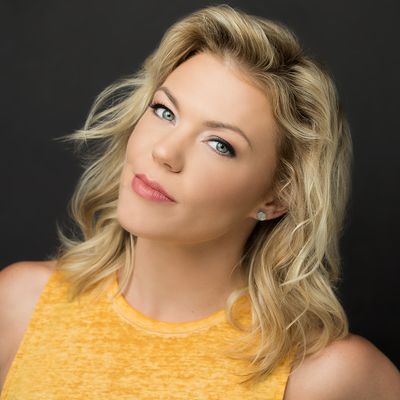
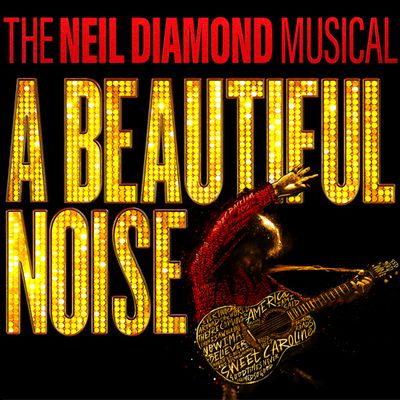
Currently playing the role of Marcia Murphey in the Broadway show, "A Beautiful Noise, The Neil Diamond Musical", Robyn Hurder shares how she got involved with the show and how she never thought it would be her biggest role to date... Read More
From the show: The Theatre Podcast with Alan Seales
Guests
Featured Shows
About
Currently playing the role of Marcia Murphey in the Broadway show, "A Beautiful Noise, The Neil Diamond Musical", Robyn Hurder shares how she got involved with the show and how she never thought it would be her biggest role to date. In fact, she auditioned for a different role but didn't think much of it because she felt like she wasn't right for it. Robyn speaks candidly about her love of performing, what it's like to work during the pandemic and the physical demands of it. She recalls how she got into theatre and how growing up with a supportive family, especially her mom, was one of the main reasons why she was able to follow her dreams. From doing community theatre productions in her younger years to playing the role of Mary Magdalene in a production of "Jesus Christ Superstar", it was that first taste of being the star of the show which pushed her to pursue performing as a career. Robyn also talks about having the “it” factor, the importance of believing in yourself and your talent, and that if you remain true to yourself and what you want, you’re going to be okay.
Robyn Hunter is an actress best known for originating the role of Nini in "Moulin Rouge! The Musical", which also earned her a Tony Award nomination. Her other Broadway credits include "Chitty Chitty Bang Bang", "Chicago", "Grease", and "Nice Work If You Can Get It". She's also performed in numerous Off-Broadways shows such as "Play It Cool", "Paint Your Wagon", "The New Yorkers", and "A Chorus Line" among others. Her tv credits include "The Right Girl", "Fosse/Verdon", and "Starlight Express". Robyn recently finished originating the role of Marcia Murphey in "A Beautiful Noise, The Neil Diamond Musical", which has now transferred to Broadway at the Broadhurst Theatre.
Connect with Robyn:
- Instagram: @robynhurder
Connect with The Theatre Podcast:
- Support us on Patreon: Patreon.com/TheTheatrePodcast
- Twitter & Instagram: @theatre_podcast
- TikTok: @thetheatrepodcast
- Facebook.com/OfficialTheatrePodcast
- TheTheatrePodcast.com
- Alan's personal Instagram: @alanseales
- Email me at feedback@thetheatrepodcast.com. I want to know what you think.
Transcript
This transcript was automatically generated and might contain errors.
[0:01] Alan Seales: Hello, fellow podcast listener. You listen to podcasts. I listen to podcasts. We're twinsies.
[0:13] Alan Seales: I'm your host, Alan Seales, and our guest for this episode is Robyn Hurder, who you may have seen recently, of course, in that little show called Moulin Rouge!. She was NeNe and got her Tony Award nomination for that phenomenal performance. I saw the show several times and was just blown away by her performance every time. So she, of course, is going into A Beautiful Noise, the Neil Diamond Musical, this fall. And as I'm recording this intro, they just started rehearsals. And warning, though, as we recorded the interview, as you'll hear, my voice is a little bit different because I was still getting over COVID. We recorded it a few weeks ago, so my voice isn't back to where it should be during the interview.
So there you go. You got it. Robyn is such an awesome person, and I'm truly happy to see that she's finally getting the attention down center stage that she deserves. She's one of the leads now coming up, as I mentioned, in A Beautiful Noise. And God, I cannot wait to see it. She is so fun to talk to. Connect with me online on Instagram and Twitter, theater underscore podcast on TikTok at the theater podcast and leave a rating, leave a review, you know, do what you do. And now, everybody, please enjoy this episode with Robyn Hurder.
[1:37] Alan Seales: Today's guest is truly one of my favorite people. She just seems so incredibly nice. She may be best known for originating the role of NeNe in Moulin Rouge! The Musical, which earned her a Tony Award nomination. The pure embodiment of a triple threat past Broadway credits include Chicago, Chitty Chitty Bang Bang, The Wedding Singer, Grease, Nice Work If You Can Get It. And she just recently finished originating the role of Marsha Murphy in the world premiere of A Beautiful Noise, the Neil Diamond musical, which is now set to transfer to Broadway, beginning previews on November 2nd at the Broadhurst Theater. Robyn Hurder, welcome to the theater podcast.
[2:19] Robyn Hurder: What an introduction. My face already hurts from smiling. Why, thank you.
[2:22] Alan Seales: Well, okay, you want to smile? All right. So I'm gonna kick in real quick to a little icebreaker here. Let me share my screen. And I just want to play a little memory for you here.
[2:36] Alan Seales: I am old school and I stuff my turkey. I jam her. I do not do the aromatics. I don't do any. I put the stuffing in the turkey.
[2:44] Robyn Hurder: You do. Hold on one second. Stay. Stay. Don't you fall down, girl. Oh, she's falling.
[3:02] Alan Seales: All right. You cannot write that shit.
[3:08] Robyn Hurder: Like I was blessed by the content gods that evening.
[3:14] Alan Seales: So for those listening and not watching, that was Thanksgiving 2020. What was a 10-pound turkey?
[3:21] Robyn Hurder: It was 24 pounds.
[3:24] Alan Seales: 24-pound turkey in a bag, fully brined, fell off your kitchen counter and burst.
[3:31] Robyn Hurder: After I had an entire bottle of wine.
[3:36] Alan Seales: After you had an entire bottle of wine. So this was going to be my nice little icebreaker moment because the things that people may not know about you or maybe they do now is that you like wine. You like to cook and you have an incredibly understanding husband who continues to mop up your kitchen while you continue to live stream on the internet.
[4:03] Robyn Hurder: Literally, like he did not want to be on camera. He was silent and he was so upset, but still understanding at the same time. He is. He is truly amazing. Just like I'm and I think there's one part in there that I'm barefoot and I'm like tap dancing in turkey juice. Like I'm a disaster. Like that. It was a it was a trash bag. You had a it was a full trash bag of brine and 24-pound turkey that literally burst on your kitchen floor.
[4:25] Alan Seales: It was like five gallons of liquid and it just went everywhere. And it just in like turkey juice is kind of greasy because there's a lot, you know, it took forever to clean. And then I had to do it all over again. I mean, that was.
[4:41] Robyn Hurder: You still had to make the turkey again because that was your actual Thanksgiving turkey.
[4:45] Alan Seales: I did the brine all over again. I mean, thankfully, I had enough of the ingredients, but I had to do it all over again. I mean, it's historic.
[4:54] Robyn Hurder: Was he. Did you laugh about it after the fact or was he angry with you?
[5:00] Robyn Hurder: He wasn't he. No, he wasn't angry with me. He was just very quiet. Like it's not what he wanted to do on a Tuesday night at midnight. So live on the Internet. And it's and I'm like, babe, you just got to you got to go with it. I love you. I love you. I love you. You have to do the show. The show must go on. Obviously, I still am getting over my own covid experience and I want to throw my my hat off. I'm wearing a hat. I'm not going to throw it off, but I want to metaphorically throw off my hat to you and the performers. And I remember when March 20th is 2020 when Broadway shut down earlier that day, Moulin Rouge had already canceled performing at the performance.
[5:41] Robyn Hurder: Yeah, we were ground zero. Yeah, we blame it on Tam Mutu. We always blame it on that. He's the one that started covid and he shut down the world because he was the one that had like symptoms. Mind you, like five other people before, like in February, January, February were out with this mysterious sickness that they were testing negative for the flu, but they tried to come back to work and then they couldn't work because they were just so weak and, you know, so it was already in the company. And then we all got it like I tested positive March 16th and that was a deuce.
[6:24] Alan Seales: Yeah, well, that's what I say was that I mean before vaccinations and boosters and everything like you guys got it and I've been double vaxxed and boosted and this was my first time getting it this past week and it knocked me out and at my age and I'm 41, right, still I'm almost there, yeah, and like I, you know, I do the opening number of Moulin Rouge as a morning routine just because I can, right, you know, and I've got the, I'm like getting out of bed high kicks like Robin Hurter. What am I, what else am I going to do with my morning? And I cannot freaking imagine you guys having to do that eight shows a week coming back after all that fatigue. What, how do you, how physically do you power through that?
[7:12] Robyn Hurder: It was, so when we, when we did the reboot when Broadway came back and then we all got hit with it again in December of 2021, yes, December 2021 Omicron, she wiped out our company again. Coming back from that in the new year, you know, it's a, it's a double whammy because your lungs, I feel like we all have kind of like scar tissue in our lungs from coughing from the first round. Not being able to really have your full breath and then also like slap a corset on you. It's just like, it was pure hell trying to go back and you just, you have to build your stamina up all over again and it's even harder because you've got this restriction in your chest and you're still coughing up mucus and all that stuff.
I have to say the Omicron one, it was not that bad for me. It was like a day, you know, um, I didn't feel well, but I still had to be out of work for 10 days. Um, or back then, was it 10 or 14? I can't remember. It was 14, but still. Yeah. But, um, this past, um, this past round, that's right folks, I've gotten it three times. I'm so good at it. Um, should be a special, my special skills on my resume. Um, this one was so weird. Um, during, cause again, it's like every show they get wiped out and, uh, we had to stop production for about a week and previews in Boston for a beautiful noise. And, um, I was the latecomer to the party. Everyone got it. And I was praying every day. I was like, just let me get it.
Just let me get it now while I'm off. And then of course we opened and then I got it. I was the only one that, um, got it late and it was fine. And then I came back to the show and that was very difficult for me to go back because I'm, I'm, I sing a lot of high shit in the show. Um, especially at the end of forever in blue jeans. So it was a constant challenge, but I felt okay. But then it kept coming back. I've, I've been sick off and on for a solid two months and I still, and I still have this weird spot on my, uh, like sore throat. I just went to the ENT yesterday. So my cords are fine. I got scoped for the first time. It was terrifying. I almost passed out. But, um, cords are fine, but it's still like, this is a little bit, she is, she is lingering. I hope it's not this way for you. I hope you get better fast, but it's weird.
[9:38] Alan Seales: Yeah. I don't know. I mean, for me, my, my head feels okay. My body feels okay. And it's just like my throat and I've got this constant like faucet of mucus that is just like coming out of both ends of my nose, you know, and that's, yeah, that's the thing. It was, it's this constant drippage in the back of the throat. That's awful. I'm sorry.
[10:01] Alan Seales: Well, welcome to the COVID podcast with Alan Seals. Wonderful to have you. We're talking about COVID for the rest of the year now. Uh, so we'll get into beautiful noise because I'm super, super excited to hear about that, but I want to back up a second and learn about Windham, Maine, which is where you, you grew up.
[10:19] Robyn Hurder: Yep. I grew up in Windham, Maine. Um, I, well, I moved to Maine, uh, when I was six, we first moved to Scarborough. And then when I was 11, we moved to Windham and my parents are still there in the same house. Um, and it's a great place to grow up. Very small town, simple. People are nice in Maine, you know, it's, uh, I'm very grateful to be able to call it home.
[10:44] Alan Seales: So where did the, the, the love of performing or the start of performing, where did that all start moving its way into your life? And, and I guess, did you start with dancing? Was that number one?
[10:52] Robyn Hurder: Yeah. My, um, my mom was, was pretty awesome that she, um, always would put on all different kinds of genres of music, whether it was ABBA, classical music, um, rock. And of course she loved show tunes. Um, nobody in my family is artistic like into the, you know, musical theater arts. Um, but as a small kid, I was wild. Like I was just such a spaz and all I would do is dance around the house. And it's so funny. I get so annoyed with my own son Hudson and I'm like,
[12:26] Robyn Hurder: But yeah, it wasn't until I was about 16 that I started taking voice lessons and really, like, doing little community theatre productions. And it was when I was 18, my community theatre Portland Players, Ed Reichert was the director of Jesus Christ Superstar. And he gave me the role of Mary Magdalene. And then I quit ballet. I was like, this is what I want to do. I want to be a it was like my first taste of like, being a star, like a, you know, like a principal, like I was a star of the show. And that was it. That was that was my growing up in Maine. Just like, you know, cats is a is a very dangerous gateway drug. Because because you can either it can make you either even want to go dancer or singer, which are two equally dangerous and hard professions, or do both, which is what you've ended up doing.
It's, it's very funny. So you started dancing. And then do you think at that point, you wanted to continue? You said you didn't like ballet very much. But before you started taking voice lessons at 16, I guess, did you know you wanted to do musical theatre or more traditional dance? Like what was what was the end goal? Originally, I wanted to be a star on Broadway. Like I just was like, I don't I don't want to be I want to work my way up. I'm a classic goat Capricorn. I like to take I like to climb up the mountain. I don't want to just like get there. I want to go on the journey and learn as I go. I do. It's so true. Climbing up the mountain, I like to take my staircase. I always wanted to do it.
But I knew I just I dance was always my first love. And I knew I was a very, very dedicated hard worker. And I knew that to stand out when I wanted to finally audition in New York, I needed to have the proper technique. Not just a jazz dancer, even though that was what I really love to do. When it was really when I saw my first Broadway show is Damn Yankees. I've told the story a million times, but I don't get sick of it. I was starring Bebe Neuwirth as Lola. And when she came out of the ground in a on a chaise lounge chair and pink bustier and garter belts, and I I just said to my mom, I'm like, that's what I want to do when I grow up. And she's like, Okay, honey. And I did it. I'm on stage, wearing a bustier and garter belt, being bent in half and, you know, living my dreams.
[15:11] Alan Seales: So did your parents show a lot of support? Initially? I mean, you kind of joked around that they were like, All right, yeah, sure, Robin. But were they like, you need to get a fallback? Or you need to go all in? Or did they were they indifferent?
[15:21] Robyn Hurder: No, you know what, they, um, they're so amazing. They never, they never, ever said anything about a fallback. They never pressured me going to school. After I graduated high school, even though I did end up going I, you know, I auditioned around I could have gone to Boston Conservatory, or AMDA, or Marymount, Manhattan. But I ended up going to University of New Hampshire, because I'm a normal person. And I really just, I wanted to party and like be take a little like step away from the parents, but not too far. And I did the theater program there for a little bit. But I just my second year, my sophomore year, I told my mom, I said, I think I made a mistake. And I need to go to New York. I there's a there's a week of auditions.
Can I just skip school? And just try it. I'm so sick of just sitting in a room, having people critique me about my auditions. I just want to like do it. So I can learn that way. And she said, Go right ahead. And I did. And I got all the jobs except one. Like I got five job offers that week, because I was just an asshole. I didn't know any better. I was just like, we Broadway, like, like ignorance is bliss kind of thing. Like I was, you know, I was 19 years old. And I asked my mom, Can I take one? She says, Of course, go like this is what you want. They always believed in me. My parents always they never ever doubted my decisions, like all through my teenage years. I was so aggressive, in a sweet way.
And you know, but I was so aggressive and determined. With everything I did with the arts with with ballet with taking voice lessons with getting into the community theater area, or you know what I mean? Like, I just, they never ever doubted me. And thank God they never they were just such a supporter, but they saw me on stage. And it was really when I was on stage performing in my dance recitals. My parents were like, you're, you're special. Like, I know you're my daughter, but we can't take your eyes. We can't take our eyes off you. Like, you know, she's there. So I think they just they trusted me. And they still do, you know, everything, everything that I, I get what I auditioned for what I want to do what I don't want to do. They are have always been so supportive. Always.
[17:42] Alan Seales: Have you have you ever taught? Do you teach young kids?
[17:46] Robyn Hurder: I that was my only job in high school is I taught dance. And I and I Yeah, and I'm good at it. I really do love teaching. And I've taught a few, you know, master classes here. I've gone to workshops, but it was not lately. I haven't done it probably. Well, I did it a lot. I did a lot during COVID.
[18:04] Alan Seales: The reason I asked is because I mean, I've seen I saw Moulin Rouge with you in it several times. And in you're right, like even with the with the the tango number aside, where obviously, you're two of you on stage, but in an ensemble, you're the eye is drawn to certain people for certain reasons. And I can always pick Robin Hurder out of the ensemble, I can always pick you out of a crowd. Because there's, like your parents were saying, yeah, you're our daughter, but there's something special. There's an it that we always talk about, you hear about the it factor, whatever the case is. So when you're, when you're teaching, when now at this point in your career, Tony nominated, you're originating now your second role.
And like, you're at this great place. And looking back, we're talking about young Robin, where you're like, all I want to do is be on stage and do this and this. And now you've done it, and you're doing it. So how are you translating that back to, to teach? Can that be taught? Are you translating this back? Because there's like, there's people doing the moves. And there's people embodying the moves. And I that's, that's distinctly different. And I don't know how I would not know how to teach that.
[19:10] Robyn Hurder: Yeah, well, I mean, I think that when you say like, something like I always when I'm, when I'm outside an audition door, and it's the worst, I hate auditioning, I have to, I always breathe. And I always say, Robin, you're special. Like, just remember that. And it's not I don't want to say it's not something that can be taught. I just think that if you have the capability of truly, truly believing in yourself, and really, really wanting it so bad, it can happen. I truly believe that. And when it comes to like, dance and movement and being on stage, I always say this, like in my classes, when I do teach, I said, you know, you do steps to count, you dance to music. So, and that's usually what I really focus on.
And what really gets me jazzed, no pun intended, when I do teach classes, and I see the kids or, you know, or young adults, when it switches, where they listen to the rhythm of the lyric or the the baseline, and they start dancing to that. That's how I've always been with dance. And that's why I never use counts. I'm always like, you know, we're gonna take a short break. Stay tuned for more of the episode. You can teach it in a way that like, you can let them relax, let their hair down and let them actually go into the music and feel it that way. Then you're actually truly like expressing your true self rather than just doing steps. Does that make sense?
[20:52] Alan Seales: Yes. And, and my silence came from the fact that I was trying to figure out if I wanted to ask you about LSD and psilocybin. Literally, when people are, people are on, when they're tripping, or they're on psilocybin or whatnot, they've unlocked this extra perception in their brain, right? And people who are blind take acid and report seeing colors. And people who are, who are deaf can hear like, it just reactivates all these other different parts of you. So when you're talking about dancing to music in a way that's not count based, it's not rhythm based, you're feeling your music in a way. I was, I was just gonna ask you, I was like, I think you would be amazing, like doing an ayahuasca journey and choreographing a dance, or doing something where you've like a super high, just on pot, which is legal here in New York. And, and just choreographing going so far down the emotional rabbit hole of feeling the music and just seeing what comes out.
[22:05] Robyn Hurder: Well, I mean, I could, but dance is kind of the drug itself when they're combined, like, like it, like with, okay, with Cassie, with the dance break, there's a certain, there's a certain part in the, the dance where you're dying. Like I, it's like, I'm going to piss my leotard cause I'm so tired and I feel like my legs are going to give out. But there's this moment where you've just done this menage around, you do this big circle and then you do this big jump and then you put your arms up and you put your arms down and this whole stage turns red and it's called heat wave. And there's a few moments. Well, it was every night in New York city center that I, it's like, it's outer body.
[22:50] Robyn Hurder: I don't even know. The music and the lights and the stage, and you can feel the energy of the audience behind you, it literally transports me into a different world where I start to forget about the fatigue and the pain that I'm going through at that moment, because I've been dancing for six minutes now. That is like a drug to me. I don't do drugs, so I don't really know what it feels like. I mean, I do drink a lot, but I'm not a drug girl. But that to me, it's so euphoric that I guess that's how I would think it would be to be on drugs.
[23:29] Alan Seales: It sounds like your version of runner's high.
[23:32] Robyn Hurder: Yes. Yeah. And there's moments in Roxanne, like when I am being, man, I mean, it's again, so painful, and I'm so tired. But when I'm being flipped up, so the boys are throwing me up in the air, slamming me down on the ground, taking my leg, dragging me across the floor, and you just hear this music. You hear all the violins, and it's like, there's nothing better than that kind of high. It's crazy. I mean, it was very painful, but I'm so grateful that I get to do that. That's my job, and I got to feel that every single night.
[24:09] Robyn Hurder: Someone asked me literally yesterday, they're like, why is theater important? Just general, open question, why is theater important? And I was like, storytelling, dancing, and singing are some of the oldest forms of communication. And to add on to that, what you just said, I think it's probably some of the oldest form of dopamine release, right? Of chasing that high, of getting that validation of like, edge of my seat, edge of my seat, horror story. We all went on this journey together, and let's do that again. That felt so good, right?
[24:46] Alan Seales: Yeah, and the thing is, we're not watching it on a screen. We're human bodies, and I don't think people understand just how powerful and important energy is between humans, and that's really why I perform. I love human connection. I just love talking. I'm very straightforward. I'm very transparent and authentic. You will always get me. I don't ever put up a front. And I think that's also a reason why maybe people are attracted to me on stage is because I am, especially in Moulin Rouge, I'm looking into your damn soul. I will grab your eyes. Or in Chicago, you can break that fourth wall in shows like that. But even in any other show I've done, it's always about the audience and that type of live human energy connection that just keeps rotating, bouncing back and forth, bouncing back and forth.
We're making the audience feel something, and that energy vibrates, and that comes back at us, and it's just like fuel, and you just keep bouncing back and forth. I mean, it's a pretty awesome job to have.
[25:55] Robyn Hurder: Yeah, I agree with that, and it's hard work, but the reward is so incredible. I mean, I've said it. And you're making people feel good. You're making people feel good, especially in the next show I'm about to do. Well, let's pivot there, I think. A Beautiful Noise, Neil Diamond musical. Tell me about how you got involved in the first place because it was originally announced in 2019, and then the pandemic came 2020 in March, shut down Broadway. Were you already part of readings, workshops, the secret stuff while you were still in Moulin Rouge?
[26:35] Robyn Hurder: Nope. I had heard about it, and I was like, cool. I had a couple friends that did some of the workshops, and they were like, Robin, this is going to be a really good show. The arrangements are amazing. And I was like, oh, cool. But am I the biggest Neil Diamond fan? Well, now I am. But before, it's the classic, oh, yeah, my parents love him, and I know a couple songs. But I never in a million years would think that I was going to have my biggest role to date in the Neil Diamond musical ever. I wasn't a part of it at all. I had left Moulin Rouge in February of this year, and I was chilling out. I had a couple things planned for the summer. And then it was mid-April, and I got called in. Oh, hold on.
Let me back up because this is very funny. I actually did audition for it, and it was for the Ellie Greenwich and Rose part, which is a Brooklyn – Ellie is a Brooklyn record producer, and Rose is Neil Diamond's Yiddish mother. And I was like, this is not correct. But my agents were like, no, I think this is the right move. But we didn't know what the musical was about, and I was like, I just don't think I'm a 50-year-old Jewish mother. And I went in. I was a good sport, and I went in, and it was the weirdest audition. As I left the room, I was like, bye. And I just kind of with my tail between my legs, and I just ran out of the – I was like, that was so wrong. Anyway, cut to – that was July of 2021.
Yes, cut to April of 2022. I get an email that says a beautiful noise, and I roll my eyes. I'm like, if they're going to call me back in for this, I'm just not right. It's embarrassing. I can't do it. I can't do a Jewish – a Yiddish accent. It was terrible. Anyway, then I see that it's for Marsha Murphy, and then I call up my friend. I'm like, hey, is this the role that you said I should be doing a couple years ago? And she's like, yes, you'd be great for it. She sings This Is This. So I go in, and I get the job. And rehearsals started two weeks later. It was a last-minute replacement.
[29:06] Alan Seales: I thought you had left Moulin Rouge to do this, with this knowing it was coming.
[29:13] Robyn Hurder: No, no, I didn't. I actually – because I speak about this openly. I actually left Moulin Rouge because I was pregnant, and then I had to leave immediately because, you know, corsets. And then sadly, I did have a miscarriage. So I just kind of laid low, and I was like, well, I have a couple gigs in the summer. I'll just chill out. And then this happened, and I just have to throw your hands up to the universe and be like, okay, I'll get in. I'll take the ride. And, you know, I'm just kind of going with it. And it's been such an incredible experience working on this show. It's a gift. You don't understand why things happen in your life at that moment, and then you don't even realize that you've been given another kind of gift.
My other love, you know, I love family. That's my number one. But I'm also like, I can't survive without this. You know, this is part of my blood as well. So it's just an amazing opportunity, and I'm really, really grateful. And it came – it just came out of the blue. It literally, like, fell into my lap out of nowhere. And I was like, Neil Diamond, okay. I know those words.
[32:12] Robyn Hurder: So Marcia was his second wife, his longest marriage. She was the one that really – not necessarily made Neil Diamond Neil Diamond, but she was extremely supportive. And she saw something in him. And she was the one that got him out there and like really performing and kind of helped peel away all these layers of Neil and exposed the sequin-clad performer, extraordinary man that we all know now. But with that, she helped support and push and create him. But with that, he grew and he was a massive superstar, rock star. And he was always on the road. And eventually, when you just don't spend time with that person – and this went on for decades, literally, or like, you know, years of him being on the road, you know, the relationship suffers and they parted ways in '94 after 25 years of marriage.
Very amicable. To be honest, there is not a whole lot of information on Marcia Murphy. She's a very private person. But what we do know is that she was always very supportive. And I think they still have a deep, deep love for each other. I mean, even Neil mentions, you know, mentions her in his past interviews that she's worth everything that happened, you know, because it was like a rumor that it's like the most expensive divorce in Hollywood. And he's like, it's not what you think, but she's worth every penny. He owes like everything to her. Well, yeah, if she was the one who supported him and pushed him and made him put him out there, then yeah, like she's half of the image that is Neil Diamond, because there's the person privately who poops, and there's the public person who sings and earns tons of money. And the person took over the person, you know, and that's one of my, the my big number in the second act is forever blue jeans.
[33:33] Robyn Hurder: Yeah, I know. So yeah. And now I cannot believe – I cannot believe – because that audition felt like two weeks ago, and we're about to start. I'm going to start rehearsals in, like, three weeks, two and a half weeks. And he's been part of the rehearsal process, too. So you're singing Neil Diamond to Neil Diamond while he's shaping the Neil Diamond show. Well, he came in – he saw our last couple run-throughs in the studio, and he's the sweetest, most adorable man. So supportive. It was pretty surreal sitting on the side watching him watch Will sing his songs, and he's singing along with him. It's just – I'm like, what is happening? Wow. You know, it's just – it was really – it's these moments that you're like, how did I get here? And then you call your mom and your dad. You're like, Mom and Dad, I don't have to wear corsets anymore.
[34:28] Alan Seales: It's just – my butt is covered now.
[34:32] Robyn Hurder: That's fair. That's fair. And I guess – so Marcia Murphy is the character that you play, which is Neil's second wife. So what is the significance of Marcia, of the second wife in Neil's life? Because I don't know – like you, I know his music. Of course, I can sing Sweet Caroline, because I'm a white guy who went to college. But so like – everybody knows that song. But I don't know the facts of Neil's life, which is why – another reason I'm really excited to see the show. And so I guess explain to me and listeners now, like, why is Marcia one of the biggest characters here other than Neil?
[34:45] Robyn Hurder: And your vocal about is your family. You've mentioned this multiple times and something that I truly respect about you and others like Cara Cooper and Jessica Rush is that you're so vocal about how freaking hard it is to be a mom and a Broadway star. So for you, did you ever, I mean, I was gonna say, did you ever feel like you had to choose? I'm sure that's every day, but at some point, I don't want to put words in your mouth, but like with Moulin Rouge, as demanding as that is when you have a newborn, you're missing bedtime and what that like, how, how is that for you as a mom, uh, um, trying to maintain your always growing career? Cause Broadway is in theater and TV and film. Everything is just so up in the air and then still trying to maintain that family.
[35:31] Robyn Hurder: Um, I think every mother feels the same exact way that, um, maybe they don't, maybe, maybe some moms think that they're just nailing it all the time. Um, I think I'm a disaster, uh, but I, it's because I care so much. I love so fiercely and I'm also a perfectionist and I want to be perfect at everything and it's just not a reality. So every day I think I'm failing at something. I'm either being a crappy mom or I cracked on stage. You know what I mean? Um, I, there's always this balance. I talk about these scales, um, and they're never, ever equal. They're never, they're never 50 50 ones up, one's down. Um, and it's just constantly, um, trying to find the balance. And to be very, very honest, I am, um, struggling with it the most right now.
And for the next year I will be, um, I think as you get older, you know, I'm 40 and my son is getting so into soccer, like he's really, really good. And I'm going to be, I miss, I miss his games. I miss his practices. Um, and it's something that's so important to him. Um, that's like a, a, a knife in the heart and the gut and you know, um, but he also, sorry, I'm all over the place. He also knows he has seen what I've done. He saw Moulin Rouge. He's seen, um, he saw Beautiful Noise in Boston and I know he is so proud of me and he's, he's, I, I hope that when he grows up, he's going to be like, my mom was such a badass. Like she just like went to New York, every single New York city every single day.
And she was like the star on Broadway. And she just like made a living for herself. And she gave me this amazing life, um, because she's dedicated and she's a hard worker and she, she is following her passion.
[36:30] Robyn Hurder: Um, but I am, uh, really getting nervous about leaving again because you get so used to being home and it's, even though I was in Boston for the summer, um, this is different. I will be, I will not see him after school at this point, you know, and I just, I'm going to see him in the morning for a second and then I have to go into the city. So I don't know. It's always, it's always, you're never going to, I'm never going to nail it. It's, it's always trying to put the puzzle together correctly. Um, and you just have to take it. I've said this from day one, the minute he was born and I was like, I'm not good at this, but it's like one second at a time. Like you just have to put one foot in front of the other and take a deep breath and don't worry so much about what tomorrow is or what the next six months are going to be like or what next, you know what I mean?
What the, how are we going to figure out the holidays? It's just like breathe, pour yourself a glass and just deal with this moment at this time. And I think that's a healthy way to live. Sorry, that was a big tangent.
[38:31] Alan Seales: No, no, I, it's perfect. And I think it's, it's spot on too, because I see this in my own family and with friends who are also parents. It's, it's funny because as soon as you, uh, like when I started having my children, all of a sudden, all these like really scary sort of questions and stories and not scary in a bad way. Just like, wait a second, adults and parents don't have everything together. They don't have all the answers. I mean, I still remember that moment in high school when I was like, wait a second, I'm smarter than my parents. This is weird. Like, do you remember that moment where you were like, I can do these things better than my parents now? What the, and then, but that ended as, so as me, Alan, like imposter syndrome, always trying to figure out how not to screw up.
Like it's a fear of, of going through and making sure that I do do my best while at the same time, my two kids think I'm a superhero and that, and that's the extra responsibility, right? Like just by being me, you know, they're like, daddy, can you lift? I bet daddy can lift that. Like the, the, my dad can beat up your dad thing like that. That is so true in their minds like that metaphorically, right? That everyone thinks their dads are the best and their moms.
[39:44] Robyn Hurder: Yeah. And I look at Hudson and I, I look at him and I, I sometimes I get so scared because I'm like, I still feel like I'm a kid. Like I'm a kid raising kids. I'm like, how did my parent, you know, and now you, you think back to like when you, when I was his age and how I looked at my parents and I had no idea my parents had these worries that they, we were this month, we were low on money or how are we going to figure how are we going to pay for that? How it's like, holy crap, it's stressful. And then trying to do, you know, a career.
[40:20] Robyn Hurder: Yeah. It's a, it's a constant, it's a constant, uh, balance game. Um, and I just, just keep showing him videos of dropping food off the kitchen counter and like, look, mommy's not perfect. Mommy's not perfect, but mommy's always going to love you. That's all he's got here. He loved watching that. He laughs so hard.
[40:38] Alan Seales: Oh man. All right. So three closing questions I use to wrap up every episode. The first one just very simply is what motivates you?
[40:47] Robyn Hurder: Oh my gosh. What motivates me? I, my, I, it's my family, you know, I just, my home life. I, I, I wake up every morning and I look at my house and my family and we're all healthy and it keeps me going. I'm like, it's like a drug and I'm like, Ooh, I'm going to keep working hard so I can have more of this.
[41:15] Alan Seales: All right. So then the second question, what advice would you give to your younger self and younger people listening now starting out down a similar path?
[41:19] Robyn Hurder: Oh, well, honestly, what I would say to my younger self is, um, keep, keep doing what you're doing. I, I seriously, like I wouldn't have done it any other way. Looking back, I think I really had a good head on my shoulders. I didn't give a shit what anybody said. I was going to get what I want. And I, I had a, I had a straight path forward and I'm doing it and I just keep, and I keep doing it. So I'm like, keep doing what you're doing kid. Cause it's going to work. Um, and for, for people who, this is such a, this is the most difficult question to ask because there's, you could talk about it for hours of like, what advice do you have for someone who's, you know, wants to be on Broadway, who wants to be in the arts, who wants to perform? And generally my general advice is that there is only one you and don't try to be anybody else.
[42:20] Robyn Hurder: It's very easy to walk into an audition room and if it's a dance call, you're looking at every other girl. I never looked at the girls. I looked at myself in the mirror. I literally, I, it's like, if you just, if you just focus on yourself and as cheesy as it sounds, if you truly believe you have something special, like, and you're, you're going to, you're going to show them. I truly believe they, it, it reads, they know an imposter when they see one. They know when someone's desperate. They know when someone is not being their true self. If you just remain true to who you are and really, really know what you want, you're going to be okay.
[43:03] Alan Seales: All right. So here's the hardest question. Last one. If you can only see one show for the rest of your life, but you can see it as many times as you want, what would you see?
[43:08] Robyn Hurder: Damn Yankees. That's a new one. I don't think I've ever heard that.
[43:16] Robyn Hurder: Well, this is the thing. It was my first Broadway show. I saw Lola. I saw Baby North. I was like, I, that's what I want to do. I love the music. I love the story. I wish that it needs to be rewritten, but I, it is my dream role. Like I need to do Lola on Broadway before I die. So someone needs to, I've been squawking this for like five years to, to, to zhuzh it up a bit, make it appropriate. Not make it, you know, so white. And I don't know. I just love the music. I love, I love the, like the production I saw. Like I just, I, I just love the show so much.
[43:54] Alan Seales: Wonderful. So where can we find.
[43:55] Robyn Hurder: But that's a really hard question.
[43:57] Alan Seales: It is hard. It is hard. And, and it's, it's strange because the answers have changed pre and post pandemic. So people like before the pandemic, it was mostly Sweeney Todd. After the pandemic, it's been much, much brighter, happier things. So it was funny because that was the turning point.
[44:14] Robyn Hurder: Wow. No, I like, I like I, I want classic big band musical theater. I like to feel happy when I leave the theater.
[44:27] Alan Seales: So where can we find you on the social medias?
[44:30] Robyn Hurder: Oh, you can really Instagram. Instagram is like my, my website. It's just Robin Hurder. It's, it literally is. People are like, do you have a website? I'm like, yeah, it's called Instagram. I made it. It's cool. Facebook bought me. Everything. I put everything on there. You know, I'm very, I'm an idiot. Um, but I like to mix it up. I like to be, you know, I want to give humor mostly, you know, I look at Instagram like candy. It's like a candy shop.
[44:52] Alan Seales: Well, I have, yeah. Um, I'm on the theater podcast.com. I'm on Instagram and Twitter at theater underscore podcast, uh, on Facebook for, you know, our parents slash official theater podcast. Um, rate and review spread the word. I'm on Tik TOK. I don't know what I'm doing there, but I'm on Tik TOK. Thank you to jukebox, the ghost for the intro and the outro music and Robin Hurder. Thank you so much. I apologize for my COVID voice and my COVID brain fog and my inconsistent ramblings. You've been incredible.
[45:25] Robyn Hurder: That's been a lot of fun. Thank you. Thank you. Thank you. And break so many legs. I'm looking forward to seeing the show and it opens on Broadway. Thanks.
© Broadway Podcast Network, All Rights Reserved