

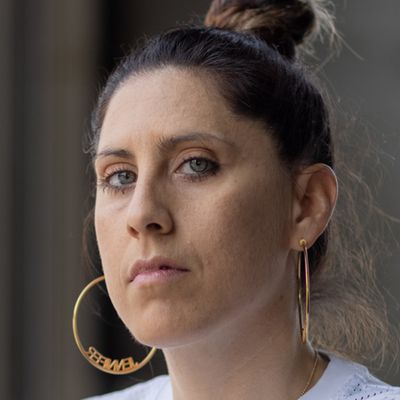
Luke Sheppard and Jenn Weber are two creative geniuses currently teaming up for the smash hit, "& Juliet", as the show’s director and choreographer, respectively. The two discuss the instant connection they had and where the concept for the show originated... Read More
From the show: The Theatre Podcast with Alan Seales
Guests

Miniseries Inclusions

Featured Shows
About
Luke Sheppard and Jenn Weber are two creative geniuses currently teaming up for the smash hit, "& Juliet", as the show’s director and choreographer, respectively. The two discuss the instant connection they had and where the concept for the show originated. While making "& Juliet" was originally a stretch for him, Luke recalls how it was also the most satisfying and fun he's ever had directing a show. The two recall how their journeys with "& Juliet" began, and how the workshops helped in getting the story and tone right. For Jenn the most exciting part is collaborating with the director and writer. The two take pride in the show’s culture where there’s room for support and honesty for each other. While Jenn and Luke’s stories on how they got into theatre differ, the two share a common approach when it comes to pursuing their dreams: not taking no for an answer—a true testament that rejection doesn’t mean failure and that you don’t have to follow the traditional path that most people take to get to where you want to be.
Luke Sheppard is a British theatre director known for his work in the West End and on Broadway. He studied at the University of Warwick before going on to train at the Royal Academy of Dramatic Art (RADA). Sheppard's directing credits include the West End productions of "In the Heights," "The Secret Diary of Adrian Mole Aged 13¾," and "The Comedy About a Bank Robbery." He also directed the Broadway production of "& Juliet," which opened in 2019. Sheppard has won several awards for his work, including the Olivier Award for Best Musical Revival for "In the Heights" in 2016.
Jenn Weber is a choreographer and director who’s also a double Tony Award nominee for the 2022-2023 Broadway season with nominations for Best Choreography for her Broadway debuts of “& Juliet” and “KPOP”. She made her West End debut as the choreographer of “& Juliet” and collaborated with Disney+ as an Executive Producer and Choreographer for a new film version of “The Hip Hop Nutcracker”. Her Off-Broadway choreography credits include “KPOP”, “Teenage Dick”, “Cruel Intentions”, and “Stockholm”.
Connect with Luke and Jenn:
- Instagram: @jenniferwebernyc
Connect with The Theatre Podcast:
- Support us on Patreon: Patreon.com/TheTheatrePodcast
- Twitter & Instagram: @theatre_podcast
- TikTok: @thetheatrepodcast
- Facebook.com/OfficialTheatrePodcast
- TheTheatrePodcast.com
- Alan's personal Instagram: @alanseales
- Email me at feedback@thetheatrepodcast.com. I want to know what you think.
Transcript
This transcript was automatically generated and might contain errors.
[0:00] ♪ Musical number: "Roar" — performed by Katy Perry ♪
[0:26] Alan Seales: Hey everyone, welcome back to the Theatre Podcast. Intimate personal conversations with the industry's biggest names. I'm Alan Seales, and our guests, two guests, for this episode are continuing the & Juliet Broadway takeover. This is episode 3 of 5 of the takeover, and we have with us Luke Sheppard and Jenn Weber, Jennifer Weber, who are the director and choreographer, respectively, of the show, both on the West End and here on Broadway, and actually right before we had recorded this interview, they had just opened & Juliet in Melbourne, Australia. So this show is exploding. It's really cool to talk about this process they put together, making this show, and there's a few shows that when you put all these pieces together, they just make lightning in a bottle, and I really think personally that & Juliet is one of these shows that's gonna last for a long time, cause it has all the elements of one of these shows that everyone's gonna wanna see, no matter what their background is.
So, you know, it's as much the luck of the people that you work with as your own individual talents bringing it all together to make this happen. Please go see & Juliet. It's the best. Find me on TikTok, Twitter, Instagram, Facebook, all the places. Leave a rating, leave a review, and everybody, please enjoy this episode now with Luke Sheppard and Jenn Weber.
[1:55] Alan Seales: Today's guests are two of the creative geniuses behind the runaway Broadway hit & Juliet. Luke Sheppard, who directed the show here on Broadway, also directed it on the West End, where it already has won three Olivier Awards, and he was also the associate director for Matilda the Musical here on Broadway a few years ago, a little fact I did not find out about until recently. Jenn Weber, who choreographed & Juliet, also choreographed K-pop on Broadway, and is the co-creator, director, and choreographer of the hip-hop Nutcracker, which will be available on Disney+. And the previews, everything I've seen about it, look phenomenal. Luke and Jenn, welcome to the Theatre Podcast.
[2:43] Luke Sheppard: How's it going?
[2:45] Alan Seales: Luke, where are you joining us from? You were just saying you're jet-lagged. Are you in some remote, fun location?
[2:51] Luke Sheppard: Right now, I'm home in London, but Jenn and I were both just in Australia opening & Juliet in Melbourne, and I got back, I think, yesterday. Although I'm so topsy-turvy, I can't really work out what day is what at the moment.
[3:05] Alan Seales: Jenn, are you still in Australia?
[3:07] Jenn Weber: No, I'm back in New York, but I got back a few days earlier because Luke went on an adventure after we opened, and I went on an adventure before we started rehearsal.
[3:17] Alan Seales: So you took the time to at least get a little bit of vacation, it sounds like.
[3:21] Jenn Weber: Australia is amazing. We had the absolute best time putting up the show in Melbourne, so all the crazy travel was totally worth it.
[3:29] Alan Seales: Did you guys do the Bay Harbour Bridge climb?
[3:33] Jenn Weber: Well, I went to visit Sydney at the end, and the taxi driver was like, the one thing you must not do is climb the bridge.
[3:41] Alan Seales: Why?
[3:42] Jenn Weber: He said it's so expensive, and it's so overrated. He was like, go to the beaches, go and do everything else, but don't waste your time doing that. He said you could walk across it, and you'll get the same experience. I'm sure it's brilliant. Save something for next time.
[3:55] Alan Seales: Well, that cab driver, I don't like that cab driver. When I went to Sydney, that was one of my favourite experiences, and I also did the bridges and the zoos and all the other, like, hold a koala, you know, the typical things that you do when you do go to Australia.
[4:08] Jenn Weber: You talked about this podcast before I went, and then out of nowhere.
[4:12] Alan Seales: Well, I don't think I've ever talked about that on this podcast before, but now, you know, now we have. So, Andrew, I didn't know it was opening in Australia, but is it normally this close together between opening on Broadway and then, like, another major city like that? Or is it just like, this is so freaking successful, we just have to put it everywhere?
[4:33] Luke Sheppard: I mean, I think it's quite unusual. And we've got an incredible producer in Australia called Michael Castle, who also produces Hamilton over there. And he saw Ann Juliet very early on in London before the pandemic hit, and I think just fell in love with it and was like, I want to do this. And so, yeah, I guess, like, it probably at the time felt quite far away, but because of the pandemic, which pushed back Broadway, they've ended up a little bit closer. But yeah, I think it's quite unusual. But I have to say, I'm really enjoying it. It's been amazing to go from New York to Melbourne and to see that kind of that journey for the show.
[5:13] Alan Seales: Do you do either of you have the full context around where the concept for the show even came from? Because jukebox musicals are not a new thing. And you can either kind of go jukebox musical format of the story is about the person who wrote the songs like A Beautiful Noise, Neil Diamond, right? It's Neil Diamond songs in a Neil Diamond musical, whereas something like Jagged Little Pill is a completely original story being told through Linus Morissette songs. So the concept here of Ann Juliet being a collection of songs all by the same songwriter seems so out of left field to me, but it putting putting them all together and taking your typical songs that are sung as solos like I Want It That Way and making them an argumentative duet just in context of the show are brilliant. So I will stop rambling here. Can either of you talk about where this even came from?
[6:11] Luke Sheppard: Well, maybe I'll go first and then Jen can pick up the next part of the story. I mean, Max Martin is just such an inspiration and also the nicest, nicest person. I had never, ever heard of him when I got sent this through. And as soon as I did kind of Google him, I thought, oh, wow, this guy's written a lot of great songs. Yeah, but I've never been like a pop geek. Like I'm a theatre nerd. That's my thing. I listen to show tunes to the point that like when I had my interview for this and one of the kind of music producing team was like, hey, Luke, what's your favourite pop song? I literally blanked and did not know what to say. And I said Despacito, which I think is a brilliant song. And actually, if I'd have been really honest, like the first single I ever bought was like Barbie Girl by Aqua.
Like that is the extent of my pop experience. But I think what drew me to it and everyone to it is that it does have this voice to it, this unifying voice of Max Martin. And he works with his collaborators and we're very proud. And these songs are made with Max's collaborators as well. But he is the common thread through them. So I think you do have this kind of authorial voice in those songs, a composer's voice in those songs. So it is really a new musical. It just happens to be the songs were written by someone, but they were written before the show existed. And it is really weird when you dig into it, like you have like Juliet singing, Hit Me Baby One More Time, My Loneliness Is Killing Me.
And then in Stronger, she sings, My Loneliness Ain't Killing Me No More. You have these like dramaturgical arcs that are in Max's music. You know, I want it that way. Literally, I want song that way. The only thing we had to work out was exactly what it was that they wanted. So there was always a musical there to be made. And really, it was just about kind of unravelling that. And the true genius behind making it work is David Westbreed, the book writer who dreamt up this world. He'll say that he dreamt it up while he had a concussion. And that probably explains a lot of the kind of extraordinary places that the show goes to. But ultimately, we have something that is proud to be a piece of pop and also very proud to be a piece of theater, which is why the first thing you see on stage is a jukebox and a writing desk. We own both of those forms.
[8:59] Alan Seales: And Jen, then where how did you come into the picture and and both of your Broadway credits, this and K-pop are both very pop focused. Like there's a there's a style to like sort of the pop world. So tell me how you got attached to the show as well. But then I also want to know what your background is in terms of the like commercial dance versus sort of traditional dance, because I feel like those are different paths that don't often merge.
[9:28] Jenn Weber: Yeah, totally. You know, I got I got sent the script of the show originally by someone who had actually seen K-pop when it was off Broadway and thought that I might be a good fit for this. And, you know, unlike Luke, who was not familiar with the songs, I was like, these are like my dream songs. I mean, Max has written so many of my like most favorite songs. So, of course, I was like so, so, so excited. And I ended up having my first meeting was in L.A. at Max Martin Studio. And I had no idea that's where I was going. I just had an address. And when I got there, boy, like it was not where you have a normal like Broadway type meeting. But it was just it was like so inspiring. Just everybody that that I met with on the project is such amazing, interesting people like our producers are so incredible.
And then I got to meet Luke and we just really like had an instant, I think, connection in our desire to use movement to tell stories. And I think that's sort of where my background of working both in the commercial industry, but also in theater, it's sort of like all kind of comes together. And Anjuliet, like when I watch the show on stage of all the shows I've ever made, it's like feels the most like me on stage because it's like my two loves of like, you know, sort of like a big pop dance explosion, but also like really clear storytelling and how those two things come together. And Anjuliet is something that's so it's so unique and so exciting because you get to sort of like think about like, you know, in a musical.
Normally, like when the emotion rises, people sing and in our show, people sing and then they dance. And it turns into this like, you know, we have like a whole nother level that we can kind of get to when that's appropriate. And it's not always the right choice. So there's also moments in the show that are very still and very quiet, you know, so it's it's it's it's like movement can be so powerful, but also like the still moments, I think, really anchor the show as well.
[11:33] Alan Seales: That's a really interesting call out that as soon as you said it, it makes sense. It's like they start singing, then they start dancing, then they start partying. The whole show becomes a party. Luke, is that is that from from your lens?
[11:48] Luke Sheppard: I maybe I guess it's I went to see a lot of pop concerts for research because I'd never been to any ever. You had to. It's you had to go to pop concerts. Max's team were like, hey, theater kids, we think you're great. You need to go and see some pop concerts. So I went to see them and like just lit up at the the things that I witnessed. And I guess kind of sort of magpied a little bit and borrowed all of the things that made it really exciting and then hopefully took them to the next level. And there are kind of moments in the show where like if we take the logic of the pop party taking over, you can see.
[13:00] Luke Sheppard: The pop essence and the pop party is elevating her out of the story, elevating her out of this piece of theatre. And so yeah, I guess it's a very conscious choice. And I think also, it speaks to maybe where I was and where everyone who's worked on this show was when we made this. And I'm sorry to say this podcast will probably be quite sort of sycophantic and full of Jen and I telling everyone we've had the time of our lives, but it's because we really, really, really have. And sometimes it's like making new musicals is really hard. But this, it was hard, but in the most satisfying, brilliant, happy way. And I think we were always challenged to make a piece that was full of joy. And yeah, I think that's how we felt making it is what I tend to see on stage every night and in the audience every night.
And yeah, I think that there is a kind of cumulative effect of how those affect each other. When did the journey, the creative journey start for both of you in terms of like Luke, you said you got interviewed, but when did you even get the script? When was that interview? Because it's always so strange, not strange, I guess, but it seems there's no set path between if it goes to Broadway and then West End or West End and then Broadway, or then it may do regional and like even The Wiz this fall, right, is going to do a national tour and then come to Broadway. So it's kind of all over the place. And I'm always so curious to see when everyone gets involved, because sometimes it takes like literally a decade to bring something to Broadway. And sometimes you can fast track it in two years.
[14:45] Luke Sheppard: Well, I think it was about five years ago. And I got the script, and I read it through. And I had some kind of some thoughts on it, which I knew would go kind of either one way or another. And so I had this phone call. And I dialed into it, I actually subsequently realized that phone call cost me like 300 pounds, because it was like calling like a conference line in America. But I'm very glad that I found that 300 pounds to have that phone call. I should have just asked for a cheaper line. And I said, look, this is what I think we could do with it. And speaking to the producers and David, what I hope to do with it really aligned with, I think, with where they wanted to go. So it was very surreal.
A week later, I was in Sweden and like with Max, like talking about the show. And then a couple of weeks later, I was in LA doing the first workshop. It continues to blow my mind how that all happened. And for a long time, I thought I was in some like crazy, like hidden camera show, because the whole thing was so surreal and like such an adventure. But we did the first workshop in LA. And then we did some more workshops in New York. And then we brought the workshops over to London. And that's really where the path became clear that we were going to open it in the UK first. And yeah, then we opened in 2020. And then obviously the pandemic hit, which, you know, was a scary moment for a show that was just finding its wings.
Because we're a new show, a lot of people didn't know what we were, what we are, and people still don't. We're a title that it takes a moment for people to get their heads around it. But we were just starting to sell out as the pandemic hit. And one of the themes of the show is second chances. So it feels like we've had this second chance after the pandemic. And, you know, fingers crossed, it feels like we're starting to fly again, which is amazing. But yeah, I guess for me, it was sort of five years ago. And it really was one of those shows that changed every single workshop. You know, we'd come back in and it would be different and we'd find new ideas and different approaches. And Jen, I think, you know, you joined quite quickly in that workshop process as well. So you would have seen it evolve every step of the way, right?
[16:59] Jenn Weber: Yeah, I mean, I came in for that first London workshop. So I think after the New York workshop is when I think everyone probably realized that it was time to bring on a choreographer. And so, yeah, that was my introduction. I remember so clearly like going over to London, and we set like act one, basically in a probably three week lab. And there are some things from that workshop that are definitely still in the show. And there are some things that have like evolved so far from where we started. And I think that's always been like the joy of this show. And this project is, is like everyone continuing to like challenge themselves to push themselves, all of us, like every designer, every, you know, every creative, every actor who's been a part of it, you know, to keep finding new, you know, new things in it and not say, Okay, well, that's the show. Like, you know, we've always been like, Okay, how can we make it better? How can we make it stronger? No pun intended.
[18:04] Luke Sheppard: Yeah. I think a lot of that comes from, we're a team with something to prove like we're not, I've never directed a Broadway musical before. I mean, I've not really directed a West End musical of this scale in any stretch of the imagination. I've never worked on a show with this budget or this ambition. And we were trusted, we were trusted with this opportunity. And so we took it and we ran with it knowing that we had something to prove. And we felt like we were the right people to do it. But I think that's why it as a team, we've really bonded together is because we all had a hunger and a passion for it. And also, it's, it was such an unknown, it is such an unknown, that we also had to work really hard to tell people what it was going to be and to find a way to communicate that to the world.
[19:45] Jenn Weber: Did you say that the workshop in LA didn't have any choreography?
[19:48] Luke Sheppard: Yeah, there was no choreography. I literally walked off a plane. I've never been to LA before. And yeah, walked into a rehearsal room with this group of actors who all looked at me as the sort of, you know, British director, who didn't know any of them, or any of the songs. And somehow I had to like shape it into a thing. And also you folks have very different rules over there. Like you can only do certain things in workshops, like you can't stage some of it. And you can only work a certain amount of hours, which I had to get my head around as well. But yeah, the early workshops didn't have any choreography, or they might have had some choreography, but it would have been very bad, because it would have been like some hand gestures that I put in or something.
[20:45] Jenn Weber: Well, that's what I was gonna bring up, is that the show is so dance heavy, that I think without, without the dancing, that's, that's, you know, a third of the triangle that makes it whole is completely missing. It's not a, it's not what it is without the choreography, without the dancing, because it, it's just perfect. I want to say like, it fits everything in so well. And I guess, yeah, the workshop, I guess, is just to what, figure out what, what scenes you want to add, what you want to cut, like, what do you, what are you first doing in those workshops? I guess it's saving budget, because you don't have to hire a choreographer yet if the whole thing is going to fall on its face. But is, I mean, what's, what's the standard in a workshop like that?
[21:28] Luke Sheppard: I think the key thing is, without the story, you don't have anything. Without the story, none of it makes sense. Like, you can be dancing, but it doesn't mean anything. And so those workshops were really about getting the story right, and the tone right. And that came from Max. Max was like, this show cannot live alone on the songs, because you can, you can go onto Spotify and listen to the songs, and that's a lovely evening's entertainment at home by itself. Like, the piece had to argue for its own existence. And so, yeah, the workshop was about digging into the story at every level, and making sure that every song had its place, and tonally, what were we trying to achieve? And the most exciting thing about having Jen join us wasn't actually about just layering in dance moves.
It was about having a choreographer's perspective on story, to say, well, actually, if you like, let's dig into the story. Yeah, we can make steps up for forever. But like, finding those story moments.
[21:30] Jenn Weber: Yeah, I mean, I was gonna say, I think that's like, so, it's so true. Because like, to me, the steps are like, the least exciting part of choreography. Like, to me, the most exciting part is the collaboration with the director and with the writer. And like, coming up with how the dance moves the story forward, or how the dance pulls you into the relationship between two characters, or how, you know, the dance tells you something that you really want to know, but isn't told, like, literally in the, in the text of the script. So, I think like, that's where, that's where all the fun is. Like, the steps are like, the icing on the cake. But like, exactly as Luke said, you know, we could, we could have made tons of like, just big dance numbers with no emotion or like, no narrative purpose.
But I think the show would be so boring with that. I think, I think like, you wouldn't be pulled into it in the way that you are, because we spent so much time, you know, finding the way that the show can move and the way that the language of pop can, can help us tell our story.
[22:41] Jenn Weber: When, Jen, when you were first, like, sent materials to start working on it, and coming up with the choreography, what do you, what do you get sent? You get a, do they record a workshop and send it to you? Do they send you the score as like a rough recording? Or they're just like, here's the script with the list of songs, do your thing.
[22:59] Jenn Weber: Um, it's sort of like a mix of things, you know, it's sort of like, sometimes you get like a recording of a workshop and sometimes like, you know, there's, there's even since the last workshop, things have changed. And so then you're going, you know, you're just using like, I mean, luckily these songs all exist in the world. So even though, you know, there's many, um, many of the songs in our show are orchestrated very different to the original, but at least there was some sort of like starting point for, for the music to, to exist. And then, you know, like I always work with, with, with the skeleton crew and start building some of the ideas. And then, you know, Luke and I would like riff off the ideas and Luke would come into rehearsal and throw new ideas into the, into the soup. And then we would, you know, explore that new idea. And, and, you know, it's a, it's a, it's just a dialogue like everything else. You just, you know, throw it back and forth and, and best idea wins.
[23:53] Jenn Weber: And I think one of the most important things is also knowing when you're, um, I was going to say getting it wrong, but that's not a good way of phrasing it. Knowing when you've tried something and it's less successful than it could be. So for example, we spent a lot of time in one of our workshops and played a whole tap number to I Kissed a Girl. There is a whole version of I Kissed a Girl, which is a tap number that exists on Jen's iPhone.
[24:18] Luke Sheppard: It's true. If you have a lot of money, I'll show it to you.
[24:23] Luke Sheppard: And, um, like, it was like, it was like a tap, tap number meets stomp. Like, you know, it had like people like banging on bins and it was the whole thing. And we, we worked really hard on it. But then because of the joy of the workshop process, we were able to go like, you know what, that's not the most.
[25:30] Luke Sheppard: To fall in love with the piece, fall out of love with the piece, and then fall back into love again with it. And also fall in love with your team, fall out of love with your team, and then fall back in love with them as well. Like, it's, yeah, you can't make new musicals without having that space. You just can't. In a situation like that, where you completely threw out the movement concept behind a song, at what point, I mean, I guess, yeah, who makes the call to say, like, you know what, we're starting over from scratch. We're gonna, we know we want this song, we know we need this moment in the story, but the stomp-esque tapping isn't working, I'm gonna do something else. Or versus just saying, oh, let's change the instruments, or let's do, let's tweak it versus wipe it out and start over.
[26:16] Jenn Weber: Cool. Go on, you go, Jenn.
[26:18] Jenn Weber: I think we just agreed that it just wasn't, like, I think it was very obvious. I think it's like, even when you're in a workshop, right, and you have bare bones stuff, you know, it's pretty obvious when something, like, works and when something doesn't work. And sometimes you think you just need to, like, work harder on something, and then other times you're like, no matter how dope we make this, it's just not the right tone, you know, for whatever reason. And to be honest, sometimes that's easier, because sometimes when you're, like, close to having it right, but you don't quite have it right, it's almost harder. Like, I'm thinking about, like, how many versions we made of "Confident" over the many, many versions of the show.
And I think it's like, you know, so much of "Confident" as a number, it involves the turntable. And we were only lucky enough to have that turntable in, like, our sort of, like, pre-Manchester opening rehearsals, but we didn't have it before, and we never had it again in rehearsal. And so some of the stuff is like, you know, you can't really make it without the thing. And so that's, like, a number we've adjusted many times to figure out how the choreography, the storytelling, and also the, like, mechanics of the stage can work together. And that's almost harder than just, like, throwing out the whole tap dance thing.
[27:38] Luke Sheppard: Yeah, I think as well, like, there's a culture on our show very supportive of each other, but also being very honest. And I think that all comes actually from us all living in different places. You know, you have Max, who's from Sweden, you have myself from London, you have Jen, who's from New York, you've got David, the playwright, who's from Canada. You've got all these different cultures. And so even though we all speak the same language, we're also negotiating around each other's work practices and ways of speaking and experience levels. And so I think, yeah, we did hit on this kind of magical way of communicating with each other, which was like, oh, from my perspective, I'm feeling this.
Oh, great. From your perspective, you're feeling that. And I think, yeah, honesty was something that got us through that and not being precious about your own work. And again, I think that comes from Max. Like, you know, Max gave us this great gift with these songs, but at no point was he ever like, hey, don't do that to "Hit Me Baby One More Time." That's my song. He was like, yeah, great. Try that. And like, you know, and so I think because he wasn't precious about his work, it allowed us to all be generous with what we were doing and see the fun side in it. Also, with the tap dance, we had a whole room of actors looking at us going, really, is this what you want? So I think we got the message quite loud and clear.
[29:14] Jenn Weber: Oh, that's fair. Yeah, I guess if you're feeling it energetically like that, then yeah, that makes a lot of sense. I want to back up to conversations I normally have on these episodes. We dig into this a lot earlier when it's one on one, but one on two here, it's a completely different structure. So going back to little Luke, what got you involved in theatre and love for performing at first? Was it performing? Was it singing, acting? Or did you always know you want to go in directing?
[29:44] Luke Sheppard: Well, so I was born with my left leg kind of sort of turned in and sort of around the wrong way. So I went to ballet as a kind of form of physiotherapy to help turn my left leg out. And of course, I absolutely loved doing the ballet and hated doing the football. And so I was like, I don't want to go to football lessons. Let's just do more ballet. And so you're talking about soccer, right? Not American football. Okay, good. Remember your language here. There we go. And while I was there, I sort of got spotted to be in like a show, which was great. And then like from there, I did some more shows. So I was really lucky. I did some stuff in the West End and I made some films and like TV series and things like as a kind of child actor.
And then I guess sort of got into like my teenage years when I wasn't quite so sort of cute looking and sweet and sort of was suddenly like a knowing teenager. I was like, I don't really want to. I don't want to do these parts anymore. It doesn't feel very me. I think the last thing I ever did was a Doritos commercial where I was trying so hard to be something I wasn't. And I was like, that's not how I want to spend my life. And so, yeah, switched over to asking the sort of questions directors ask, like, well, how can we tell this story clearer? How can we how can we create like a full world? And, yeah, while I was at university, got on some shows and then, yeah, left left uni and did a balance between assisting on projects and trying to get my own work on on the fringe, like off West End. And I was very lucky that "Matilda" was my kind of space where I grew up. You know, I started working as the associate director on that at the age of 22, 23.
[31:37] Jenn Weber: Wow.
[31:38] Luke Sheppard: I was quite precocious in my early 20s. I think I'm probably still quite precocious in my mid 30s. But I feel very lucky to have learned so much on that show. And yeah, it taught me everything I know. And because of "Matilda," I think that's why I can walk into a show and not be intimidated by the scale of it, really. So, yeah, that's that's my story.
[32:01] Jenn Weber: Like when I was a kid, I used to love to watch dance shows on television. And I used to record music videos and try to learn the choreography. And then I would teach it. I would teach choreography to my little brother, who was a much better dancer than me, if I'm being totally honest. I wasn't particularly good at dance, but I was really passionate about it. And then I finally started taking some dance classes. And I grew up in a very small town in Massachusetts. And it was just like, I just like, really, really fell in love with the idea of movement, because I was really, really shy as a kid. And I felt so comfortable in dance as like a language, whereas like, I never, ever raised my hand in school.
And then I went to college. And I thought, here's my moment, I'm going to like audition for all like the student performing arts groups at the University of Pennsylvania, where I went to school. And I was rejected by all of them, that I really was not good at dance. And then I wouldn't let that rejection stop me at all. And I started like a student company called Strictly Funk, which still exists at Penn. And that's really where I got my start as a choreographer. So, you know, I started choreographing because no one else was going to hire me as a dancer. And then when I when I was in school in Philadelphia, I sort of really fell in love with hip hop. And that became my sort of like language.
And then I moved to New York, and I ran a dance company for many, many years. And that sort of became my way into theater, because I also grew up going to theater. Like as a kid, my parents took me to Broadway, my parents were New Yorkers living in Massachusetts. And they always went to theater when they were kids with their parents. So that tradition just continued. And I always loved theater and storytelling. And I didn't ever think that like, like my sort of like commercial dance world was going to like crossover with theater. But then once they started kind of coming together, it just felt like such a such a natural fit. So I think all my all my work is sort of a response to all the people who said no to me.
[34:11] Luke Sheppard: Well, that's really interesting, because the rejection and that sort of thing often gets most people down in a way where they're like, I'm gonna give up, I'm gonna go ahead and do something else. And what was it about it, about your life or your situation at that point that said to you, like, Nope, I'm doubling down on this, I'm gonna prove them wrong.
[34:30] Jenn Weber: I mean, I wish I knew, like, to be honest, but there was definitely like a moment when I was in college when I got rejected from all the dance companies. And I decided I was going to make flyers and hang them around campus and hold my own audition. You know, like, I don't know really, like, what made me do it, I guess it's just, I guess I just really wanted. I wanted to dance, I wanted to choreograph, I wanted to, like, create things with people, you know, I think that's one of the things also about like, being choreographer is like, you don't really work on your own, you always work with like groups of people. And that, you know, that that group, like my college, like dance group became also like my closest friends.
And like, you know, it was not just about it was like the art, but it was also like the art and like the social world of it all. And like the whole thing. And I wish I wish I knew when I was, you know, 18, what made me be so, so bold. But, you know, I guess I just really wanted to do it. You know, it's the same thing as coming to New York and deciding I'm going to start a dance company. I basically did the same thing. I like made posters and hung them at Broadway Dance Center. And I was like, I'm having an audition. It's for my company. You know, there was no company, but like, there was a lot of passion and there was a lot of ideas and there was a lot of drive. So, you know, that's that's how that's how you get started.
[35:45] Luke Sheppard: That's so cool. Jenn, I want to take that back to you too, that you were saying that you left uni and university college, as we call it here in the in the America, then you, I think, skipped over the part where you just randomly started working for "Matilda," the musical. But how did that opportunity come about?
[36:02] Luke Sheppard: Well, yeah, I mean, Jen and I never talked about this. So when I graduated, I was meant to go and do a master's course in directing. I was really excited about it and I thought I had a scholarship and that was all going to work out. And then the day that I started that course, I was told that the funding had been cut in half and that I wasn't getting it. It was going to somebody else. I had to leave that course. And so I actually I set up my own company as well, which I sort of had left over from college. And Jen and I have never spoken about this. And I literally invented like email addresses. So like accounts at the company name dotcom and like casting company name dotcom. And it was literally me.
So when people would be like, hey, can you pay this invoice? Oh, yeah, just email the accounts team. But yeah, so I ran that company not very well. But alongside that, just like had this chip on my shoulder and wrote a lot of letters, basically didn't take no for an answer when it came to "Matilda," because when it was announced, my everything just in my heart was like that show is something I have to work on. I loved working on musicals. I loved working with kids. I loved the idea of being doing a show at the RSC that wasn't Shakespeare. Yes, I just I.
[37:31] Luke Sheppard: I think they told me no six times. And then on the seventh letter, they were like, okay, like, come and have a chat. And yeah, it kind of went from there.
[37:40] Jenn Weber: But wow. Ironically, you're back in the Shakespeare world again with & Juliet.
[37:45] Luke Sheppard: Yeah, but not Shakespeare as you know it.
[37:48] Jenn Weber: No, I like how you call him Will Shakes in the show. That's what I've always called him forever.
[37:55] Luke Sheppard: No, it's beautiful. I guess testaments both of you to taking, I mean, it's stupid and cliché to say, like, when life gives you lemons, you make lemonade, right? But I mean, that's the simplest way to put it is that if you're not able to follow the traditional path that most people are able to follow to do something, you make your own. And we're seeing you two are two of the latest incarnations of these stories that I've now heard of, like some of the most successful people are the people who make themselves the best versions of themselves. They're not trying to be anybody else. They're not trying to imitate somebody else or do somebody else's path. You do what you love, and you follow that and you don't take no.
[38:42] Luke Sheppard: I'd say for me, it took me a while to work that out. And maybe I am still working that out a little bit. You know, probably for the first 10 years of doing this, maybe a little bit longer, I thought a lot more about the work that I should be doing or the work that, like, I was looking around and everyone else was doing. I was like, I should be doing like, I should be putting on that type of work. That's what everybody will want and take me seriously. And I think Juliet has taught me a real lesson, actually, about being really like honest to who you are. And, you know, like, and Shakespeare is that in the piece, he worries a lot about, you know, what will the critics say? You know, will people think my work is highbrow enough?
And actually, one of the points of & Juliet is like, don't be afraid to make work for the people. And of course, Shakespeare's work is populist in its own way as well, just like pop music. But I think, yeah, Juliet has been the show that has given me the confidence to really embrace who I am and the work that I want to make and not be afraid of that and not to just spend time worrying about what I should be doing, focus on what my heart is telling me it should be doing.
[39:52] Jenn Weber: Yeah, it's so hard to like, to think about like, you know, the sort of like experience of Juliet and how that is impacting things in the future, because it's just been so amazing. You know, it's hard, it's hard to like, think of anything that's less than that, that project and the people and the work and the experience, because, you know, it's just been it's like, like Luke said, we could just gush forever about our time making the show. But it's kind of ruined us a little bit, I think, because now our standard of like, what we want to do is, is, you know, it's the show has, I think, definitely influenced that.
[40:35] Luke Sheppard: Yeah, and we were given, you know, we were given permission to think big. Like, I walked into the room one day, I was like, joking, I was like, and then Romeo's gonna like descend from the ceiling. And the producers like, great.
[40:51] Jenn Weber: I was gonna bring that up. I literally was like, I love one of my favorite surprise moments is Romeo's entrance, which he literally descends from the ceiling.
[41:01] Luke Sheppard: I might have said Romeo descends on a jetpack, originally, and I didn't get the jetpack. So there we go. I did make some compromises. But yeah, like, we were given like, permission to think big to think bold, you know, you'd like, we, you know, let's have 16 confetti machines. Okay, let's make it happen. And ironically, they're the cheapest thing in the show, like those confetti machines, we get a lot of value out of those. But yeah, we were given, we were given space to think big, and we're very spoiled by that.
[41:31] Alan Seales: That's very cool. That's very cool. Okay, so I want to also note that, I mean, you can continue to make all of this amazing, continue the experience, because then you're gonna now have the first national tour you have to put together. And then the first interstellar tour, because like, we need to, we need to perform on the moon, and then our colony on Mars. So it's just going to continue forever, you guys going to be there forever. But I want to wrap up here with three closing questions. I ask everybody on the episodes, and you'll each get to answer. So we'll go back and forth. The first one, Jen, we'll start with you just what motivates you.
[42:08] Jenn Weber: I think what motivates me is the people that I have in the room. I think that's where motivation comes from. It's like, in that moment, like being inspired, like no matter how much you prepare, sometimes you end up just throwing it all out because of what you're feeling in the moment and just being open to that. And that's what, that's the motivation for me. Luke?
[42:29] Luke Sheppard: I think audiences, because without them, we have nothing. And I don't think we can take audiences for granted. We have to continue to make work that they want to see. And I think about like the joy that I get from seeing theatre that really excites me and also the joy that little Luke got from seeing theatre a long time ago, which is why he does this job. So yeah, I think it's about speaking to audiences and particularly new audiences, new audiences who might feel that theatre is something that's not for them. I'm motivated by trying to convince them that it can be.
[43:03] Jenn Weber: It's ironic you said that. I had a friend just this morning reach out to me after I convinced her to go see & Juliet, because she's not a theatre person. And I said, if you're going to go see one show, like see this show, because it's different. You're going to like it if you already know all the songs, I promise. She's like, fine. So I heard this morning. She's like, I love it. It's the best thing. Thank you so much. Thank you. Thank you. So you've already swayed at least one that I can report on. Thank you. I appreciate that. Yeah.
[43:35] Alan Seales: All right. So Luke, we'll start with you for this next question. What advice would you give to your younger self and younger people listening now starting out down a similar path?
[43:39] Luke Sheppard: Make sure you get your sleep. Because I think it's really interesting talking earlier about not taking no for an answer and, you know, working really hard. And that's not always a healthy way to approach it. And I look back and there's definitely times where the chip on my shoulder and like the determination to do what I wanted to do, like probably wasn't always a healthy way to approach things that like sending emails through the night and not sleeping is not a great thing to do. So, yeah, I would probably tell myself to just get a little bit more sleep because I'm, you know, I'm losing my hair now and I might have held on to it a little bit longer if I'd have got a bit more lost. Jen, what about you?
[44:27] Jenn Weber: I think it's so important to like for people as artists to figure out what makes them unique and to really like cultivate that. I think especially today with so much like on the Internet, it's so easy to just constantly like compare yourself to other people and to just try to be like other people because you see what they're doing on social media and you just think you should do exactly that. And I think that's not going to work necessarily. I think it's much more important to like really figure out what makes you not like everyone else on social media and then go with that as like, you know, what's going to put you ahead.
[45:06] Alan Seales: That's beautiful. OK, last question. This is the hardest one. Luke, if you could only see one show for the rest of your life, but you can see it as many times as you want, what would you see?
[45:11] Luke Sheppard: That's not fair. It's Jen's turn to go first.
[45:21] Jenn Weber: You ask that to everyone. Yeah. Does everyone get as cross about it as I am?
[45:26] Luke Sheppard: Yeah, they get angry. They get mad. They say it's an unfair question. It's not a fun game, which is this isn't a game. This is life, man. I'm just going to go. I'm just going to go with & Juliet because obviously that's the show I want to see the most amount of times. I've also I'm pretty sure I have seen it the most amount of times and I still don't get bored of it. Like, you know, we just you know, like we just came from seeing it a million times in Melbourne and it was amazing every single one of those times. And I cannot wait to see it this week on Broadway.
[45:55] Luke Sheppard: You see, I'm humble and British and have a sort of false modesty, so I can't really say.
[46:01] Jenn Weber: Oh, you totally can, because you totally can.
[46:03] Luke Sheppard: I am going to say & Juliet, but I think I'm going to say that because seeing it in Melbourne was like watching it have its own like inertia and its own sense of momentum now. And I can say it because I don't think it just belongs to us anymore. That show belongs to a whole host of people, hundreds of people now who've touched it in London, in Manchester, Toronto, New York, Melbourne. It now lives in the hands of others and it lives in the hands of people who find something in it that speaks to who they are. And I find that really exciting to watch. And there's moments now where I watch it and I go like, I see things in it that I've never seen in it before because it's in the hands of people who are discovering what it means to them. So, yeah, I am going to say & Juliet and be very un-British about it, but because I think it now belongs to other people and not just to us.
[46:40] Alan Seales: It's interesting you mentioned the audience finding themselves in it, too, because something really interesting that I forgot to touch on earlier was Max Martin's songs, all of the songs in the show, their top 10 Billboard hits from the last three decades, 30 years. So you can find if you don't already know the songs, you know some of them, if not all of them. And they're top hits. They're already proven chart toppers. So there's nostalgia and memories that come back accompanied with almost every single one of these songs for probably every audience member, right? So I didn't know some of the new, new ones that have come out in the last few years because I've shifted into listening to Broadway.
But everything I heard in high school and college, I was just like, oh, my God. Yeah. These songs brought back so much great, great, great memories and nostalgia and like the energy, the feeling of connecting with this along with a story, of course, that we've known in different forms for a bajillion years and presented in a pop concert way. It's just chef's kiss. Beautiful. Hats off to both of you.
[48:13] Alan Seales: So online, social media, do you guys do that? Where can we find you both?
[48:19] Luke Sheppard: Well, I sort of, I sort of lurk on it, but I'm not very proactive on it.
[48:26] Jenn Weber: Humble and British, humble and British.
[48:27] Luke Sheppard: Well, Jen's very good at it. Every now and then, Jen will do a story and I'll share Jen's story. So if you're going to find anyone, you can find Jen on social media and then you can, you'll probably find me lurking around there somewhere.
[48:44] Jenn Weber: My Instagram is Jennifer Weber NYC.
[48:47] Luke Sheppard: With one B. Webber with one B.
[48:49] Jenn Weber: Yeah, yeah. I think mine's like Luke J. Shepherd UK or something. We're obviously very proud of where we're from. You'll find us there somewhere. Say hello.
[49:02] Alan Seales: All right. You can go to the theatrepodcast.com, find more episodes like this and the others from the & Juliet Podcast Takeover. I'm on Instagram, Twitter, Facebook, TikTok. Still don't know what I'm doing on any of them. Leave a rating wherever you're listening now. And Jen and Luke, thank you so much. This has been really great meeting you both.
[49:21] Luke Sheppard & Jenn Weber: Thank you.
© Broadway Podcast Network, All Rights Reserved