

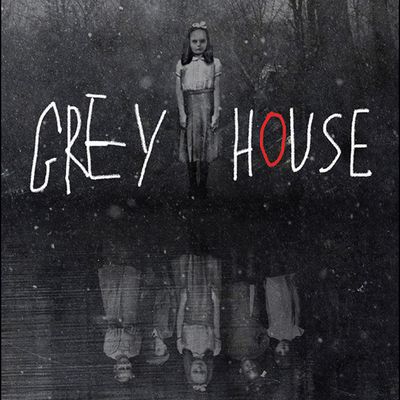
Sophia is a talented and multifaceted actress currently creeping up the stage as Marlow in the hit Broadway show, “Grey House”. She talks about her role as Marlow, the complexities of her character, and her deep appreciation for the creative freedom provided by the playwright, Levi Holloway, the open-ended nature of the play being open to interpretation... Read More
From the show: The Theatre Podcast with Alan Seales
Guests

Featured Shows
About
Sophia is a talented and multifaceted actress currently creeping up the stage as Marlow in the hit Broadway show, “Grey House”. She talks about her role as Marlow, the complexities of her character, and her deep appreciation for the creative freedom provided by the playwright, Levi Holloway, the open-ended nature of the play being open to interpretation. With her innate ability to tap into the dark side partnered with her empathic nature, it’s no surprise that she’s able to perform and connect to both her character and the audience. She shares how she embraces curiosity as a driving force and how this allows her to explore different emotions, and the importance of balance between her personal life and maintaining a healthy separation from the characters she plays. She also delves into generational differences and why she’s a fan of Gen Zs despite the bad rap they get. Apart from acting, she unveils her love for painting which she considers as a meditative practice that keeps her aligned. Despite the chaos the industry brings sometimes, curiosity has been a driving force for Sophia, and this curiosity is what keeps her going.
Sophia Anne Caruso is a talented actress with tv and film credits such as the Netflix hit feature, “The School for Good and Evil”, "37", "Jack of the Red Hearts", "I Am Number Four", CBS’ “Evil”, and the NBC's hit series “Smash” among others. Her stage credits include "Beetlejuice", "Lazarus", "Runaways", "Blackbird", "The Nether", and "The Sound of Music Live!". She’s currently playing as Marlow in the hit Broadway show, “Grey House”.
Connect with Sophia:
- Instagram: @sophiaannecaruso
- Twitter: @sophiaannecaruso
Connect with The Theatre Podcast:
- Support us on Patreon: Patreon.com/TheTheatrePodcast
- Twitter & Instagram: @theatre_podcast
- TikTok: @thetheatrepodcast
- Facebook.com/OfficialTheatrePodcast
- TheTheatrePodcast.com
- Alan's personal Instagram: @alanseales
Transcript
This transcript was automatically generated and might contain errors.
[0:01] Alan Seales: Welcome back to an all-new episode of The Theatre Podcast. I'm your host, Alan Seales, and our guest is Sophia Anne Caruso, who is now on stage on Broadway again as Marlo, the creepy, creepy child in Greyhouse. This show made me jump. It was scary, and it's so funny when everyone collectively goes, ah! Oh, wait, we were scared. It's okay to laugh at ourselves now. That's cool. That's cool. It's an experience I haven't had in live theatre like that in a very long time. Sophia knew as a young kid that performing and being involved with art—she's a painter too—performing and artistry, and I guess just art in all of its forms, it's what she had to do. She talks about that a lot in this episode. It's just like she's had this calling that draws her to being an artist.
And make sure to check out her TikTok account because that's where she actually posts her painting stuff. She focuses more of her actual painting side of herself on TikTok. And something else that's really interesting is this through line of the types of roles she gets going from one show to the next and just leans into all aspects of emotion, the good and the bad, and likes to explore it. And the bad, she says, she leaves at the theatre because that's part of her character. It's not who she is. But the good side, the bad side, the light side, the dark side, everything, it's all there and we all need to acknowledge it. And it's just really kind of nice to hear her perspective on all of this.
In case you haven't heard, Instagram launched a new platform called Threads. They're in Twitter, I guess. I'm on there. So find me on Threads. Find me on Twitter. Find me on Instagram. Find me on Facebook. You know what you need to do. Leave a rating. Leave a review. Tell a friend. Now, everybody, please enjoy this episode with Sophia Anne Caruso. Our guest today is a star of equal parts Broadway and TV who can be seen in the Netflix hit feature The School for Good and Evil, CBS's Evil, NBC's hit series Smash, alongside Bernadette Peters, I might add, and The Sound of Music Live, starring Carrie Underwood. Her stage credits include Beetlejuice, David Harrower's Blackbird, the David Bowie and Edna Walsh musical Lazarus, Jennifer Haley's The Nether, The Secret Life of Bees, opposite Uzo Aduba, and can now be seen creeping up the stage as Marlo in the hit Broadway play Greyhouse. Sophia Anne Caruso, welcome to The Theatre Podcast.
[2:41] Sophia Anne Caruso: Hi, I'm happy to be here.
[2:43] Alan Seales: Dude, Greyhouse, jump scares. I've never experienced a jump scare on stage before, and we're definitely going to get into the creep of Greyhouse because everyone wants to talk about that. It's a phenomenal cast, yourself included, but I want to back up to the beginning to start off the interview and talk about your time in Spokane, Washington, right? That's where you're from?
[3:07] Sophia Anne Caruso: Spokane, yes.
[3:09] Alan Seales: Oh, Spokane, my fault, my fault. A lot of East Coast folks get that one a little mixed up on the cane or can. Spokane, Washington, yep, that's where I was born, and my childhood was there, and then I grew up in New York City, all around New York City, so that's where it all began.
[3:28] Alan Seales: I mean, you're still young, and you said your childhood was in Spokane, and then you grew up in New York, so there's not a lot of time in here to do things, to do life yet, so let's see. I'm pulling your birthday from Wikipedia, if I may. You're 21 now, and is that still accurate? Your birthday hasn't changed?
[3:56] Sophia Anne Caruso: My birthday hasn't changed. I'll be 22 in just a few days now.
[4:02] Alan Seales: Oh, right, right. Happy early birthday.
[4:05] Sophia Anne Caruso: Thank you.
[4:06] Alan Seales: Tell us about, then, in Spokane, your parents were not into performing. What got you into performing? Because your dad was a golf pro, right, and mom is a jewelry store owner or was?
[4:21] Sophia Anne Caruso: Yeah, so not a single person in my family is in the industry or has anything to do with the arts, really. My dad was a golfer, and amongst other things, I'm sorry, my French bulldog sometimes snorts. I'm just going to give her a nudge.
[4:37] Alan Seales: Oh, what's her name? His, her?
[4:40] Sophia Anne Caruso: Iris. My French bulldog is named Iris, and I adopted her. She's really special. Yeah, so like I said, none of my family was in the industry, and my dad golfed, among other things, and my mom owned a small antique shop with antique jewelry and furniture and clothes. She really is artistic, and she played jazz music in her store. My mom is the first person who ever believed in me, I'll say, and she let me skip school to watch films and listen to jazz music in her store. She taught me all about antiques, and so I'd say my mom was the first person to sort of indulge and nurture my artistic side, and my dad as well. He would get out the home video camera and record me singing or talk to me, give me little interviews, kind of like we're doing now, ever since I was super little.
It was never something that I was pushed into. It's something that I always wanted for myself, and my mom would drop me off at the local community theater to just, you know, sit and watch. She was friends with the woman who ran the place, and I would just sit and watch, listen to people sing and act, and I wanted to do it for myself, and so I started doing community theater, and then my first professional production was The Miracle Worker, directed by Patty Duke. That was the first professional contract I had ever had, and then I saw online, me personally, I saw online that there was an audition in New York City for Annie on Broadway, and I said to my mom, I really want to go. I want to try.
I want to do this, and she said, you know what? Let's roll the dice. What the hell? Let's go for it, so my mom and I went to New York. She'd never been. It was our own little adventure, and I did a good job, I'll say. I didn't get the part, and then I saw, you know, months later that they were doing another audition in LA, and I said to my mom, well, if they haven't found what they're looking for, how can they say no? I want to try again. I'm going to do better this time. I'm going to get there earlier to this non-equity open call, and I'm going to do better, and she said, okay, all right. Let's give it one more shot. What the hell? Let's roll the dice, and so I went to LA. I scored myself a final callback in New York, and again, I didn't get the job, but Bernie Telsey, I'll give him also a lot of credit, one of the first people, I think, to believe in me.
He took notice in me and, you know, reached out to have me audition for a reading in New York, which I did, and I got the job, and I came to New York for about a month with my mom anticipating leaving after that, and we just stayed. Do you remember what year this was?
[7:59] Sophia Anne Caruso: Oh, my God. I don't know, maybe 2010, 2011?
[8:07] Alan Seales: Wow, okay, 13 years ago. All right, so you're not even 10 yet.
[8:11] Sophia Anne Caruso: No, yeah, I think I was about 10 and something like that, and my mom and I just stayed, and my dad held fort down in Washington, and my mom stayed out here. I think that the best gift a parent can give or anybody can give to somebody is the opportunity to succeed. I don't think it's handing them things. I think it's opportunity, and, you know, I came from a small place, and I didn't come from a whole lot. I didn't come from an abundance of wealth or nepotism or anything like that, and so what they gave me was the greatest gift of all, which is an opportunity, and they made ends meet so that I could try my best, and they gave me a good shot, and I certainly seized that opportunity, and I worked my ass off.
I started doing dance classes. I was a ballerina for a while. I would train every day, you know, five, six hours a day, and then after that, I would go and have an acting lesson, and acting was always my favorite. The ballet was kind of an asset to it that became a bigger part of my life, and that's when I went to D.C. to do Susan Stroman's Little Dancer with my ice machine, Tyler Peck, and Rebecca Luker, and, you know, some wonderful legends in there, and so I sort of nurtured all of these things, and along the way, I was always writing and just completely embracing every side of artistry I could, acting, singing, dancing, writing, painting, among other things, improvising, whatever, so I did that, and I focused on these, you know, all of these artistic sides and just worked hard, and eventually that paid off, and I, you know, after Little Dancer, I went and did The Nether, which was, I think, a huge acting breakthrough for me.
It was the moment that I really realized that acting was what I wanted to do, and I liked doing musicals, but what I really loved was doing plays and acting, and I found the most fulfillment, and then after that, I went and did Lazarus Downtown. I think I really flourish in downtown theater. I think there's a lot of artistic freedom, and I think—
[10:44] Alan Seales: It's a little bit grittier.
[10:46] Sophia Anne Caruso: Uh, yeah, I think so, but, you know, to bring it into Greyhouse, um, Greyhouse, when I first read it, I thought, this feels like a downtown play, and I was like, this is epic because it's going to be on Broadway. I think it's going to change things. I think it's going to bring something new, something less commercial, and obviously, I knew Joe from doing Blackbird, um, and I've always been into the sort of dark entity stuff, you know, from The Nether, which is certainly one of the darkest plays I've ever read, um, and also done, and then, you know, to Lazarus, which also had its dark sides and its quirks, and then to Blackbird, also very, um, intimate, dark play, and then, um, to come to, to come to Greyhouse after that, it felt like a real treat, and kind of going back to something that was my favorite because, you know, I did, I did Beetlejuice, I did these more commercial things, which are absolutely fulfilling and beautiful and wonderful opportunities that I had, and, and I loved it.
I love every moment of my job, but then to come back to something like Greyhouse feels really special. I haven't enjoyed doing something like, um, like this much in a long time, so it's really exciting. And even TV too, uh, like School for Good and Evil, like, next to Charlize Theron and Kerry Washington and Sophia Wiley, and you've worked next to Uzo Aduba and, uh, Carrie Underwood on The Sound of Music Live, right? Like, you've been working next to these amazing people. Um, is this, I mean, thinking back to your time in Spokane, right, uh, you just wanted to be, it sounds like, to me, and I want to come back to the, like, the dark and evil side of things, which you brought up, because that, that is a sort of a through line, but, um, thinking back to that little girl, right, in Spokane, and now you're about to be 22, you'll be 22 by the time this episode airs, uh, can you, um, is, are you where you thought you would be at this point in life, or is it just like one of those holy shit kind of moments?
[13:02] Sophia Anne Caruso: You know, whenever I feel, uh, down or, uh, the industry gets tough, I think about what little Sophia would have thought of where I am today, and I, or, and also, you know, aside from even where I am today, just what, um, I've been through to get here, I think that I could have never known, and even through all of the, the rough patches of the industry, just the ups and downs of it, the rejection, um, it's the greatest blessing because I've learned so much, and it's made me the person I am today, so whenever I feel frustrated with the industry, or, or lacking in some way, I think about that, and, and I think it's beyond what I could have ever dreamt up for myself. I remember the first time I came to New York with my mom, and I was just singing and dancing down the street, and looking at all the theaters, and, um, and it was just, yeah, I think about her, um, and I remember what, what I do it for, and all of the young girls who come to see, you know, Beetlejuice, or, or whatever it is, Greyhouse, um, which is cool, there's, you know, young, young girls in the cast as well, to meet those girls at the stage door, who, you know, are exactly where I was when I, you know, first came to New York, was the girl at the stage door asking for an autograph, saying, you're my biggest inspiration, I want to be just like you, um, and I was that little girl, and now I am where I am, so I treasure those moments, and, and fan mail, and all sorts of stuff like that, it makes me, um, happy, and reminds me part of what I do it for, you know, it inspires me, uh, for sure, and try to set a good example as much as I can, um, for the girls at work, um, we have a fantastic cast of kids at Greyhouse, I mean, their talent just exceeds what I—
[14:45] Sophia Anne Caruso: What I had imagined working with these girls would be, I knew they were, you know, of course, Jo is going to cast only, you know, the best actors. And these kids, I mean, wow, they just, I watched them grow and, you know, their talents just expand in rehearsal. And it's really special to see, you know, young girls, just how I was sort of, you know, coming into their own. I really enjoy the girls in the show.
[15:14] Alan Seales: Yeah, I enjoy everything about the show. And, I mean, Laurie Metcalf is brilliant, and Tatiana Maslany, and Paul Sparks, and everybody else. It's this older, this, I guess, established generation of talent that comes. The yin to the yang of, like you were saying, the children in the show hold their own, and it's truly an ensemble cast with everybody in there. And I absolutely love it. But I want to put a pin in this real quick, because I love Greyhouse. I want to come back to it. We'll dive into it. We're going to take a short break. Stay tuned for more of the episode.
[15:54] Alan Seales: The through line of the dark and sinister, right, that's going through, like, the roles that you're being given is that, are you attracted to this stuff? Or is it sort of just like, you know, in the industry, once you're known for something, that's what they throw at you for a while?
[16:13] Sophia Anne Caruso: Yeah, I mean, I wouldn't say I'm typecast, necessarily. I think that, you know, ever since I was a kid, people sort of felt that I was, you know, ancient, and also 12 years old. And this is what, you know, I've been told my whole life, you're an old soul, like, you have this sort of, you know, whatever, otherworldly quality, or this, you know, a depth or whatever. And I think that that was true. I think often people forgot that I was a kid, which added a lot of pressure as a young person in the industry. But I think that I'm as drawn to it as it is to me. And I do seek out projects. Oh, that's my, that's my dishwasher making that sound. I know, I've got all sorts of sounds in my house right now.
It's almost alive, like the Grey House is alive. So creepy. Yeah, I think I seek out these projects just as much as they seek out me. And I think that all the people I've come to know and work with in the industry know that this is what I'm attracted to. So when they find a script like this, they come to me. And that's really an honor and special. I remember when I got the Grey House scripts through from my agents from Joe, I was, I was, you know, totally thrilled. I saw it was Joe and Laurie Metcalf. And I was like, that's enough. I hadn't even read the script. I was like, I'm sold. I'm in I don't care what the size of the role is, whatever it is. I'm, you know, I'm in on this. And I was, you know, told it was very dark. So I was like, yeah, I'm sure this is exactly what I want to do. And then I read the script. I was so in awe. So, yeah, I think that I'm just as drawn to it as it is to me.
[17:58] Sophia Anne Caruso: I took a camera to the lobby of Beetlejuice when it was resurrected at the marquee. And there was somebody who told me at that point, Beetlejuice literally saved my life, like they were going through their own depression. They were going through their own issues. And I don't think this story is uncommon at all. There's a lot of people I think that can find happiness, can find delight in death in accepting and talking about, you know, it's a show about death. And when you were talking about the stage door and the little girls and being an inspiration to people, I think especially Beetlejuice struck a chord in a good way with so many people. So like when you're going through that experience and it's this major, huge budget musical with a phenomenal cast.
Like what kind of experience was that for you to go through that and to live this experience eight times a week of being sort of a, I guess what a depressed teen with a dead mom? You have a whole great song about it and dealing with that night after night.
[19:17] Sophia Anne Caruso: Yeah, I think what was really cool. I remember when I started working on Beetlejuice, I did all of the readings and labs of that. When I first, you know, was told about it, I thought Beetlejuice the musical. Hmm. Yeah, same reaction. I was like, what? And then I was very curious. I was like, how are they going to do this? And obviously, Alex Timbers is a fantastic director and the team was very cool. I was like, I think this might be really good. So I agreed to do a workshop of it, a reading. I can't remember. But what was cool is from the beginning, there was an interest in the story of Lydia. And in the film, you know, the Tim Burton film, there wasn't such a plot line for her sadness. I think it was more aesthetic.
And throughout developing it, I was also persistent about keeping her truthful to a teenage girl's experience. I was a teenage girl, and very much so at the time. So I was really concerned with it being authentic and developing it in that way. And the writers, you know, it was an all male writing team, but they were so perceptive of a lot of the things I had to say about it. And I think that it developed really beautifully a plot for Lydia that has, you know, depth and fun aesthetic, you know, it's, you know, it's glittery, but it's also true. And, and I enjoyed doing that eight shows a week, I enjoyed, I enjoyed doing that and always tried to keep it as natural and truthful as I could. I think that Alex Brightman and, and Leslie Kritzer, and Dana Steingold, all of these people bring such a comedy, and a glamour to the show.
And I, I was so concerned with it, you know, being truthful, and honest, and certainly I would be overtaken, you know, by emotion in home or whatever it was, it's just, you know, me alone, completely on a bare stage at the Winter Garden in front of how 1500 people every night and to bury your soul in that way, is intense, it's an intense sensation, and beautiful and healing. And, and I think that it was very truthful to a teenage girl's experience. And I think that's why so many girls connected to it. And so many people did, you know, I had somebody come to the stage door at Grey House a few nights ago. And they said, Can I show you my tattoo? And I said, Well, sure, go for it. And it was the first few lines of the song I sing Invisible, and it looked like my handwriting.
And I was like, that's interesting. What, you know, and he's like, it's your handwriting you, I asked you, I sent you fan mail asked you to write it down for me. And I got a tattooed on my arm. And I was like, Wow, that's crazy that this, you know, short song at the top of the show affected so many so deeply that they want to put it on their body permanently for the rest of their life. It was it was very touching and moving and made me feel, you know, good. See, I think it did move a lot of people, even though it is a very glamorous, camp musical, I was concerned with the truth of it. And as I am with everything, you know, even something like School for Good and Evil. It's so camp, it's so fun.
But I tried to keep the story of friendship truthful. That's another thing that is so important to teenage girls. And I think also something that I seek out and stuff I do is the connection between girlhood. I think that I am such a big fan of my fans, which my demographic, you know, is teenage girls. So I want to pick work that I think that they'll, they'll relate to and like, I do it for, you know, I do projects for me that I love, but I also, you know, do stuff for them, too. And Greyhouse has its own version of that, you know, we're a bunch of girls in a house, you know, ranging from me to like, not, you know, I guess their characters would be like, nine or 10 through 16 below me, say my character something like 18 or 19, something like that.
And, yeah, there's definitely a sisterhood amongst us on stage and off stage. But on stage, I think that they're the young girls who do come to see this, you know, dark and twisty play, I think really like that. So, yeah.
[23:42] Alan Seales: It's, it's really, it is dark and twisty. And I'm gonna, I'm gonna ask some things that may be spoilers, but not yet. Spoilers for those who haven't seen the show. But the show, I didn't know what to expect. I knew it was creepy before I went into it. Creepy in a good way, right? And, and so we show up and it's just like, there's look like snot stalactites hanging from the ceiling. Like it's, it looks organic. The house, the house breathes, the house is alive, the set is phenomenal. And I guess we're, there are so many discussions and even the website points you to a Reddit, a subreddit, where you can join the discussion about people are like, what did I just watch? What's going on? And I love that in general, the show, ultimately, I believe is open to interpretation of what ultimate of what like the upstairs, the basement and what the purpose of Max is that shows up and takes over for Raleigh, you know, Laurie Metcalf's character.
And for you, though, for you as the cast, did anybody ever tell you what exactly was going on and then said, don't tell anybody, but here's what it is? Or were you still open to your own interpretation? Do each of you on the cast have your own idea of what the story is?
[25:06] Sophia Anne Caruso: I think so. I think we all have our own play that we're living in. And there's intertwinings, you know, Levi Holloway, the playwright was with us throughout the whole process, which was absolutely amazing and such a tool. He made clear so much for me, and also left things up sort of for interpretation of the actor, which I really, I really enjoyed. I like having that freedom to create because that's what I do in all aspects, whether painting or writing or acting, I think I create things and don't like to be bound to one small thing. And so I think that's part of something I really enjoyed about this process. And all of the different theories are amazing and similar to Lazarus in that way. Those people and audience members had a lot of theories about what it was about.
And I think it is open for interpretation. And I think there's different characters that depending on the person they follow throughout the play and relate to, you know, my dad saw it a couple of days ago. And after the show, I said, what do you think? And he was sort of speechless. And the next day, I feel like we kind of had this brief conversation about having to be open to the play, and open to the dark side. And I think people who are opposed, you know, to darkness, and don't want to go there. I think maybe they don't, it doesn't quite click for them immediately. But I think if you go into the show, with a completely open mind, everything is very clear. I think maybe Levi once said something like, I think I've read somewhere, maybe, I don't want to misquote him.
But, but then when as soon as the curtain comes up, everything is in front of you. You just have to be open to seeing it. And I think that's really true. I think that's really true. I think you just have to go in completely open to the darkness. And I remember, you know, I have this friend, China, and she was giving me a tarot reading. This was before I started, she knew nothing about the play at all. I just, you know, I just been offered the role. And I said to her, she wanted to give me a reading. I said, well, tell me something that's guards about my new job. And she's pulling them like, wow, what, you know, what's going on? And she was like, is there something to do? Just it's these are this is dark, you know.
And she basically told me after pulling all these cards, she's talking about the spiritual world. And she was saying that the cards are saying to protect myself in a way from the spiritual world and that my openness to it could be all consuming. And that was really interesting to me. And she suggested I burn a black candle at night and have some positive omens, you know, by my bed, because I had been having nightmares just after reading the script so many times at that point, I had been having nightmares. So anyways, I think that I have a fine balance of completely opening myself up to the darkness. But when I am at work, I'm completely present in that and open to it consuming me. And I think that that's such an important part of acting, but I leave it, I leave it at the theater.
And I try not to take it home with me. But I think it's wonderful for people to come to the theater and have a completely new experience. I think that's what a lot of what it's about to go see, to go see something to be transported somewhere and to feel things. And I think that this type of darkness and spiritual side is, is something people don't often open themselves up to maybe as skeptics or whatever.
[28:48] Sophia Anne Caruso: Yeah, people just don't always like to go to the dark side. And it's a place that I often go for roles. It's a place that I often visit. So I'm familiar with it. And I think that's part of maybe, you know, maybe part of why this was a good fit for me as a job.
[29:05] Alan Seales: We'll dive into that for a second. If you're comfortable that you often visit the dark side, is it a comfortability thing there? Because some people like that type of energy. And I was going to ask too, if you consider yourself an empath as well, but there's something, energy level, there's something, of course, like a spiritual level, like you're talking about of connecting.
[29:30] Sophia Anne Caruso: Yeah, I wouldn't say that, you know, staying in the dark side is a comfortable place. I think that I, as a person and as an artist, get chronically bored, but always I'm curious. And I think I understand joy, I understand all these things. But just exploring every aspect of emotion, I think is important to me. And I don't think that it's a comfortable place for me. I think that it excites me. And things that I am curious about, and seem to have an endless possibility. You know, happiness is a simple emotion, whatever. But exploring the side of things is, I'm very curious, always have been about. I think it's just something that people can't quite grasp in their psyche, and that I'm constantly trying to. And I think that that keeps me coming back to stuff like this is just curiosity. And knowing that I certainly won't be bored doing it.
[31:01] David Erickson: Yeah, it's funny, you had said the other conversation with your dad the other day after seeing the show, because literally yesterday, I was having a conversation with somebody about the generational differences between the basics around just being okay with therapy, for one, right, like talking about your feelings and talking about the good and the bad. And, you know, my parents are in their 70s. And to admit they're wrong is like getting hit by lightning. It just doesn't happen. Right. And, and, but then there's people like I'm, I'm in my early 40s. And I've done trying to do the work and it's, it's hard. And then there's people like, again, you're about to be 22. And you're growing up with the internet in your pocket, and, and not knowing the analog age at all.
It's just there's a level of communication and awareness and expertise that that I am so envious of, that you seem to just like you, you and your peers seem to just be able to be like, yeah, like, I know there is so much more out there. And I need to explore all of it. We're going to take a short break. Stay tuned for more of the episode.
[32:20] Sophia Anne Caruso: I'd say I grew, I am a big feeler. I'm a very emotional creature. And I have this little thing that I said that I say and tell my friends when they're feeling down, I say, you have 48 hours to experience this emotion to its greatest extent, and feel it. And then you let it go. And then you let it pass. Because to linger in such intense feeling can be overwhelming, I would consider myself an empath, I guess. I mean, I just am a big feeler. I wouldn't say that I take on everyone's emotions. I think I have good boundaries, but I do. I am a very deep feeler. And I think that comes from both of my parents. They're sensitive, and also strong. And I think that even though their generation is different, I was, you know, raised in a way that I could talk about my feelings.
And I think that Gen Z, I'm a fan of Gen Z. I think sometimes you get a bad rap. But I'm a fan of Gen Z. I'm not ashamed to be Gen Z. I do know a bit of the analog days, though, because I, you know, we got a computer when I was a kid. But I, you know, I was more just listening to CDs, and whatever, and painting, and films, which existed in the analog days. And I watched old films, too, you know, so I wouldn't say that I only grew up with the internet in my pocket. That wasn't there until I was, you know, 13, which is still, you know, young, maybe that's like around when I got Instagram. And I think there is a lot of darkness on the internet. And, and certainly much of it to be avoided. I think it's a dangerous, the dark, the darkness on the internet can be a dangerous place for the youth.
And I think that I think that we should have a little more protection. But I think there is a freedom, you know, there's a there's a rectangle, a skinny rectangle in my back pocket that I can learn anything I really want from. I think it's an amazing tool. And when used wisely, I think that there's so much to be learned. I use this app recently called I think it's called nimble or nimble mind or something like that. And you can learn different things. Like I'm looking through some art history stuff, I was doing a lesson on why medieval babies look so weird. And I learned some I didn't know they look weird. Why do they look weird? Well, there's a lot of reasons that medieval babies look weird.
First of all, the I'm remembering right from last night, this is supposed to help you with your memory recall, which I'm working on. So let me see what I can remember. But you can't remember what it is. No, I can remember, I'll tell you. So it's beauty standards were different back then long foreheads and basically gone eyebrows were in. And a lot of art from from then was religious based. And you look at a picture or a painting, excuse me, of the Virgin Mary and baby Jesus. And, and they were giving examples of the proportions, and how they look strange. And I really realized because they told me this, it's not a matter of skill, in the proportions that the painter was making, it's intentional.
And so a lot of baby Jesus are almost looked like little tiny men, which relates to how they perceived Jesus is like fully formed in a way like this tiny little man, which was interesting that they, you know, mess with the proportions of that child that way. And also children were kept inside till they were a lot older back then. And a lot of the religious art was made by monks, you know, and whatever. And they didn't really see children at the same time. So there was all of these different factors. I guess that's what I was kind of learning about last night. And I'm sure some art historian will make a comment on that and be like, she's incorrect. But that's what I learned last night. That's cool. I really love that you're into art history.
[37:09] Alan Seales: Well, I paint so I'm a huge fan of just learning more about that all the time. I love, I love paintings. And they're... What style? What style do you paint? What do you normally like to paint?
[37:22] Sophia Anne Caruso: Lots of different things. Right now I'm working on a bunch of paintings that feel very Georgia O'Keeffe sort of floral and nature details that also sort of touch on like the female body or create a landscape of female body, which I think is I'm having a lot of fun with. I'm working with lots of different mediums, oil paints, chalk pastels. I just finished a painting this morning that is a mixture of watercolor, acrylic, chalk pastels. What else? I don't know. And it's very blendy and cool. So I love oil paint. My mom painted when I was little. So it's something I've always enjoyed for myself. But I'd love to have a gallery at some point. I think that would be really fun.
[38:15] Alan Seales: That's so fascinating. Yeah, it's what I it's my it's my meditation. If I had to say one, one mental health thing I do specifically that keeps me aligned is painting. Every morning I get up and I paint. It's one of the first things I do. It's meditative. It's expressive. And that is one of my favorite things to do alongside acting.
[38:35] Sophia Anne Caruso: That's cool. Well, you need to like, get somebody to put you in a show where you're painting on stage. So you just combine everything all at once.
[38:40] Sophia Anne Caruso: I thought about that we actually have a on the set in Grey House when we were in tech, there's this sort of wall, and Joe passed me some chalk and was like, you know, draw on there. So I sort of drew on there in the style of little kids and what our characters would kind of do. And then on top of that, the kids came over and started adding and it was so much fun to do that. I love doing that. I love to paint on stage. But I also made Laurie Metcalf a big, big painting for her dressing room. She was saying she needed more art in there. And I was like, I could, you know, I could paint you something. And she was really excited about that. So I made her this Grey House inspired painting. And it's cool.
It has lots of hidden messages. And it's sort of a different abstract style that I hadn't tried before. And it was a huge painting, but I ended up making it in like two or three hours because I was just so into it. And it hangs in her dressing room. And you know, she said she's going to give it to her daughter to go to, you know, her dorm or whatever. And then they're going to ship it back to LA. So I'm really happy that she'll, you know, keep it and enjoys it. Because painting is such a personal, a personal thing.
[39:51] Alan Seales: Wow. Well, thank you. Thank you. I think that's really cool. We are coming short on time. So I want to wrap up with the three questions. I ask everybody just to end the episodes. The first one just very simply is just what motivates you?
[40:06] Sophia Anne Caruso: Um, what motivates me is curiosity, I'd say. And just my overall drive, I think is just instinctual. I love what I do so much. And it keeps me going no matter how hard it gets, because I love it so much. I think you really have to love it to be in this industry. Because it can get tough at times. And I think my curiosity and love for what I do is what keeps me going. And my necessity, I mean, I need to paint, I need to act, these are things I need. And so I just have to get them just like food.
[40:46] Alan Seales: What advice would you give to your younger self and younger people listening now starting out down a similar path?
[40:55] Sophia Anne Caruso: For young people, you know, if you if you really love it, you can make it happen. And just to if it's what you really want, and you know it in your heart, just to not give up and keep working hard and, and focus and you have to make sacrifices for sure. But I'd say just never give up and keep working hard. And it will pay off.
[41:17] Alan Seales: So now if you could only see one show for the rest of your life, but you can see it as many times as you want, what would you see?
[41:24] Sophia Anne Caruso: Oh, wow, that's a awesome question. Well, my gosh, right now it would be Greyhouse, because I'm so in it. And I love exploring it every single day. Every single day something new happens. There's something that shifts or something I discover. So it's such a complex, beautiful play. I'd say I would like to live in Greyhouse for, for quite some time. For now.
[41:54] Alan Seales: Have you been able to swing out and watch it in its entirety yet?
[41:59] Sophia Anne Caruso: No, no, I just don't. I don't miss the show unless I'm feeling I'm feeling really ill. And so yeah, truly, you know, I, you know, with musicals, especially it's like it takes such a toll on the physical body, you have to take care of yourself. So that's the only stuff I've ever, you know, called out of was musicals, but I just love what I do so much. And so fulfilling, and I would love to watch it, but I'm in it, which I feel like is, and I've watched so much in rehearsal. So I feel I feel good about what I have have seen of it. And I think it might change things. If I watched it, you know, I'd be like, aware of certain things that I don't want to be aware of. So I don't know that I would want to watch it just because I'm in it.
[42:42] Alan Seales: That's interesting. Yeah, I never thought about that. Yeah, when you watch it, you're going to start being aware of things you never noticed before. And it takes you out. I get it. I get it. Okay. So where can we find you online on social media? Do you play that game?
[42:54] Sophia Anne Caruso: I do. I have social media. I've been wanting to experiment more on it and show some different sides of myself. My Instagram specifically, there's, you know, a lot of images of me or whatever the algorithm wants me to be one thing and I'm simply not so I haven't been posting so much because I'm sort of scheming on how I want to present on that. But my Instagram is just my full name at my full name. I have the tick tock, which I make little painting videos on recently. I think that's kind of fun because I never know. So that's just at Sophia with a pH. And then I think my Twitter is the same as as the Instagram, which I I troll on sometimes just to look at stuff, but I don't, I don't tweet much. I'm more of a, you know, a sleuth.
[43:38] Alan Seales: Well, Twitter's dying anyway. Um, well now as of two days ago, you got to get on threads. That's, that's the new thing. Um, you heard about that? That's Instagram's answer to Twitter. Uh, I just joined threads. So find me there. Uh, you can get more of me on Instagram and Twitter at theater underscore podcast, facebook.com slash official theater podcast. Leave a rating, leave a review, tell your friend it helps, uh, the podcast grow. Thank you to jukebox, the ghost for the intro and outro music. And Sophia, thank you most of all for this lovely, lovely conversation. I appreciate it. It's been super fun.
© Broadway Podcast Network, All Rights Reserved