

Miriam Silverman’s journey through the world of theater traces a path from graduate school to regional theater and eventually to Broadway. She reflects on the complexities of balancing motherhood, acting, and teaching, highlighting the building of her teaching career while prioritizing her passion for acting at the same time... Read More
From the show: The Theatre Podcast with Alan Seales
Guests
About
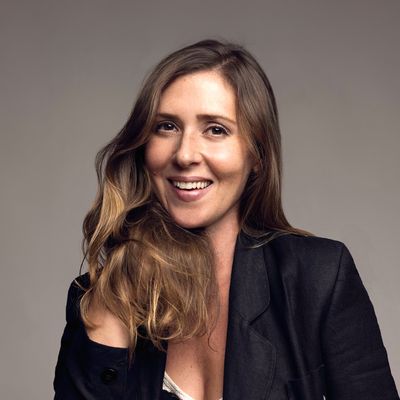
Miriam Silverman’s journey through the world of theater traces a path from graduate school to regional theater and eventually to Broadway. She reflects on the complexities of balancing motherhood, acting, and teaching, highlighting the building of her teaching career while prioritizing her passion for acting at the same time. Miriam reveals the heartwarming and humorous aspects of involving her children in her profession, sharing their reactions to her performances and her recent Tony win. She offers insights into portraying complex characters, like her role in "The Sign in Sidney Brustein's Window”, and recounts the unique trajectory of the show from an Off-Broadway run that was thought to be its conclusion to a surprise Broadway transfer. Miriam's portrayal of Mavis garnered praise, and she humbly shares her disbelief at receiving the Tony Award for her outstanding performance. Through her experiences, Miriam emphasizes the communal power of theater and the value of meaningful work, and embracing the beautiful chaos along the way.
Miriam Silverman made her Broadway debut in 2017 in “Junk”. Her TV credits include “The Marvelous Mrs. Maisel”, “Fleishman Is In Trouble”, “Dead Ringers”', “Blue Bloods”, “NOS4A2”, and “The Blacklist” among others. She's also an acting coach and currently a theater professor at NYU Tisch School of the Arts. Miriam just won a Tony Award for her portrayal of Mavis in the recent off and on Broadway revival of “The Sign in Sidney Brustein's Window” alongside Rachel Brosnahan and Oscar Isaac.
Connect with Miriam:
- Instagram: @miriamsilverman
Connect with The Theatre Podcast:
- Support us on Patreon: Patreon.com/TheTheatrePodcast
- Threads, Twitter & Instagram: @theatre_podcast
- TikTok: @thetheatrepodcast
- Facebook.com/OfficialTheatrePodcast
- TheTheatrePodcast.com
- Alan's personal Instagram: @alanseales
Transcript
This transcript was automatically generated and might contain errors.
[0:00] Alan Seales: Hey everyone, welcome back to The Theatre Podcast. I'm your host, Alan Seales, and our guest today is Miriam Silverman, who just won a Tony earlier this year for her role in The Sign in Sidney Brustein's Window. And in full disclosure, we're releasing this episode here end of August, and I actually recorded with her beginning of July. I thought it was very, very important to talk with her as close to the Tony win as possible because I wanted to be able to capture that joy, the excitement that she had coming off of that Tony win. So that's why we recorded so long ago. And obviously there's other things that have been released since then, but now finally releasing this episode with Miriam and just an absolute joy to talk to.
She's grounded. She's got this great head on her shoulders. She just understands the business and understands that it is a business and just continues trucking. And gosh, I can't say enough. I just had such a great time talking with her. So you know what to do. Find me online, Instagram, TikTok, Threads, Facebook, all the places. Leave a review, tell your friends and know everybody. I hope you enjoy this episode with Miriam Silverman.
[1:32] Alan Seales: Today's guest is no stranger to stage and screen, having her literal birth televised live on Good Morning America some years ago. She made her Broadway debut in 2017 in Junk and has TV credits that include Bernice in Marvelous Mrs. Maisel, Fleischman is in Trouble, and Dead Ringers on Amazon. She's also an acting coach and currently a theater professor at NYU Tisch School of the Arts. And she just won this little thing called a Tony Award for her portrayal of Mavis in the recent off and on Broadway revival of The Sign in Sidney Brustein's Window alongside Rachel Brosnahan and Oscar Isaac. These two up and comers, check them out too. Miriam Silverman, welcome to The Theatre Podcast.
[2:15] Miriam Silverman: Thank you so much. It's so nice to be here.
[2:18] Alan Seales: Man, you are fresh off of your Tony win. I remember it was in the media room with all the other pool of very unenthusiastic reporters and news people. Like, I want to paint this for the average person who's like, it must be so great that moment you win a Tony and you get to go up on stage and you give these great speech in front of like a thousand of your closest friends. And then you get whisked away to like outside the building sometimes, sometimes now. It's inside the building now, like down in the Heights. You take a car up to a 10 minute ride where I was with the other news outlets that were... And then you go into this room where everyone's like, been there since four o'clock. It's 10 o'clock where everyone's tired. And you're just like, hey, hey, hey, who's got a question? Everyone's like, I guess I do. Walk me through that night because... Yeah, let's just start there. Walk me through the Tony win.
[3:23] Miriam Silverman: It was surreal and bizarre. And they send you all this information in advance, like, if you win, blah, blah, blah, blah, blah. And I would like to assume that no normal, sane person who has like a shred of modesty actually reads all of it. At least I didn't, because you're not going to be like, oh yes, let me be prepared for all the steps that are going to happen. Now, maybe if I were like, you know, Victoria Clark or Audra McDonald, or somebody who had done this a million times, or like everybody said was going to win. I don't know. But I did not read that information closely at all. The only thing I had read and really paid heed to was to have a script in my hand that I was sort of told numerous times that I would go into a kind of, well, I went into a kind of fugue state, really.
Blackout, no idea what's going on. So I was glad I had my little safety net of my script in my hands. But I hadn't really read all the details of what happens. I had a vague idea that yeah, you get taken off to do press for a while. But I really didn't know what it was going to be like. I did my speech, I get brought off stage. There's this amazing picture that Jenny Anderson is just one of the best photographers in theater and in general. Jenny has this amazing picture of me where there's like, kind of like empty Mountain Dew cans behind my head and some other like detritus and all this electrical equipment. And it's like, I'm in my finest high heels, holding my Tony, my adrenaline just like going berserk.
And Kenny Leon and David coming along like squirting me off. No idea really what had happened. And then you sort of get, I had to take tiny little baby steps because of my shoes and my dress and I get brought into a, like the first reactions interview, which is great. And like a little mean, it's like a little mean to do that. I understand the theory of it. And you know, if I win a Tony again, someday I'll be better prepared. But it's like you, it's designed to catch you when you're in that moment of just deer in headlights, like, did that happen? And so anyway, ill-prepared for that, even though I knew it was going to happen. I don't even know what I said. I haven't had the heart to go back and watch that interview because I'm too nervous about what an idiot I must have sounded like.
I got put in an Escalade and driven what I swear felt like 30 minutes. It was probably closer to 10, but it felt like an eternity. And I got handed a bag. I got handed a bag with a bottle, like room temperature, meaning hot. It was a hot night. A bottle of Vodka from the, from the, you know, theater, we may have completed a ring as a congratulations and a bottle of water and a phone charger, which I incidentally didn't realize was nicely charged. So of course, like didn't use it that night, even though my phone died, but I didn't have my phone at that moment. Because of course, when you're, when you're, I don't know if I had known what I was in for, but your name gets called and you bolt up and try to get to the stage in time to get your 90 second speech out.
And of course, left my purse and my phone and everything with my husband and then didn't see any, any of them or any of it again for hours, it felt like. I'm in the back of the car with my little bottle of water, desperately wanting someone to hand me a drink or something. I had it, you know, almost wishing I'd had like a cocktail or sitting there waiting at the beginning of the ceremony. The car took forever at one point. And I'm just like, everything is like, going up and down. Like, did that just happen? Did that just happen? I don't know. I'm alone in the back of a car. Did that happen? Did I win a Tony? Where am I being taken? It's where are we going? We're driving forever.
[7:30] Alan Seales: You're alone? There's not like a Tony chauffeur, a Tony rep in there?
[7:36] Miriam Silverman: No, the driver. And I almost I should have said, Hey, I just won a Tony. But I think he knew and like was unfazed about it. At one point, I did say, Are we almost there? Because it felt like we were in the car forever. He said, Yeah, yeah, just a few more minutes. So finally, after what felt like an interminable journey, we get there to some random hotel. Yeah, and I get brought up there. And there I'm not by my publicist, who's other client had one that she was there. And then everything started to feel a little more normal. Like I got to hug Bonnie Milligan and do a bunch of more pictures. And yes, by the time I got to the room where you were just sort of like, did you and it was, you know, funny, I had done one of those big press rooms and the Tony junket, where I maybe I'd gotten in there earlier in the day.
So it wasn't such a wasn't the energy was more up. But yes, I felt like everybody was kind of done. And I was like, Oh, wow, we're only like, a third of the way into the ceremony. It's a different vibe. It's a much different vibe. Because if the press, the meet the nominees junket, it's, yeah, it's a bunch of people were not there as long. I was there at that one, too. And actually, I was running camera when you talked to Kerry Butler. Okay, yeah, yeah, yeah, for Broadway Podcast Network. So, so we were there. But remember, it's like everyone's close, all close together. There's nothing else you're trying to watch. Because part of what we like we're wanting, we're wanting to watch the actual Tony awards, while they're happening while listening to people coming through for their speeches. And it's it's weird. It's weird. But it's a night like I wouldn't. I just love it. It's such an energetic night. But anyway, congratulations.
[9:24] Miriam Silverman: Thank you. Thank you. I mean, the weirdest part, aside from being in the car by myself with like, no, no way to like, call my dad or call anybody. Well, getting back to the Tonys and getting brought ushered back inside, and having no idea what had happened or how much I missed. Oh, yeah.
[9:44] Miriam Silverman: And so I remember like walking, I went out to go try to find my dad at one point, because he was sitting up in the balcony. And I walked by Amy Herzog. And I was like, Hey, I was like, are they doing your students? No, they already did it. I didn't win. I'm like, Oh, I had no idea when, when, what at that point, because I missed like an hour of the ceremony. But yeah, it was worth it.
[10:08] Alan Seales: It's rough, because even in for those in in musicals, or anyone performing, sometimes you have to come in, you have to schedule all of this press stuff around the changes of your costume, because you have to change in or out of your costume to do your performance while because you might also be a presenter, you might also be a nominee, or like, it's it's a mess. So it's a scheduling nightmare. But you won the Tony. Where is it sitting?
[10:33] Miriam Silverman: Um, well, I have you named? Oh, no, maybe I'll let my daughter do that. Okay, probably want that honor. That's, that's a good idea. My Tony is actually not in my possession. I did get it back. That was also jarring that I got to take it home and then had to bring it back in the next day to have them send it away for engraving. But I did get it back. We closed our show a week ago, Sunday, I got it back right before we closed. And then I think we wanted to show it to my dad. So I brought it up to his apartment. And I was going somewhere where I didn't want to carry around the heavy Tony. So it's still there. So I haven't actually brought it back to my home yet. But when I do bring it to my home, which will happen this week, it's going to live on our piano.
[11:23] Alan Seales: Nice. Nice, nice. I, I love I love the various places people put it in Brandon Uranowitz in his media room, or in his speech. And somebody asked about it in the media room, too. They were like, I'm going to give this to my parents. This is for you. And then because so his is probably going to live in his parents house for a little while. But it's really funny how that stuff happens. But let's back up because you were born on live TV. And I'm sure you've told the story a million times. But when your mother gave birth, it was because I think this is hilarious. It was because what GMA was doing a story or something was your mom was in film because she was 35. And at that time, it was I put in air quotes, super old to have a baby. So like, look out, look how hard it is to have a baby at 35.
[12:03] Miriam Silverman: Yeah, exactly. She was she was having her first child me at 35. And yeah, it was considered like, yeah, scandalous and crazy and newsworthy, I guess. So they GMA followed a small group of women in New York City around to their doctor's appointments into their Lamaze classes. And I think I don't actually know if it was more than my parents in the end who were the birth, my birth was filmed, and then they had them on the show a week later. And my dad actually just dug out the VHS recording for me to ask if you had watched it.
[12:59] Miriam Silverman: I watched it when I was way too young. I think they showed it to me because I was curious. And then I'm like, I don't need to do that. Because I got the unedited version. I'm sure they did not show the graphic version on national television. But the version that we have, as far as I can remember, showed a lot.
[13:18] Miriam Silverman: Yeah, it's weird to see like your own birth. I don't think I would want to see that crazy on that.
[13:24] Miriam Silverman: Part of my mom. Yeah, not so cool. But then, I mean, did this, I guess, how did your parents get involved with this? Because I think it was reading your mom was like an activist or...
[13:40] Miriam Silverman: Super random. Yeah, my mom was a public school teacher and an optimist. No, it was purely by chance that OBGYN practice that she ended up at in New York City, that doctor was, I guess, well known and had been approached to ask, to see if he wanted to ask some of his patients to volunteer. And my parents were like, sure. So that was the only connection. I think they got like free lamaze classes out of it or something. I'm not sure, but...
[14:06] Alan Seales: Oh, that's pretty cool, though. I mean, it's my first son was born when my right before my wife turned 35. She was 34 at the time. Yeah. And it was it was no big deal. Like now...
[14:18] Miriam Silverman: Same. That's exactly the same for me with my first. Yeah, it wasn't a big deal because times have changed, but that's fun.
[14:25] Alan Seales: Yeah. Yeah. And then so you're one of two, you have a brother, right?
[14:28] Miriam Silverman: I have two brothers, actually.
[14:30] Alan Seales: Oh, two brothers.
[14:31] Miriam Silverman: Yeah.
[14:32] Alan Seales: So you have one brother, one brother who's an FDNY lieutenant.
[14:35] Miriam Silverman: Yeah.
[14:36] Alan Seales: Fire Department. And then I thought they were, I thought it was one brother who did both.
[14:41] Miriam Silverman: One was a lieutenant and one is a poker player. But one is a poker player. I mean, okay, yeah. So you've got Fire Department, you've got pro poker player in the family, and then Tony Renner?
[14:52] Miriam Silverman: Yeah. I don't know what my parents did, you know, they were my dad was a journalist, my mom was a teacher, but somehow the three of us ended up like real weirdos. But hey, you know.
[15:06] Miriam Silverman: Listen, when my kids call each other weird, I'm like that as a compliment. You take it and say thank you. Because I think weird is different and different is good. And I enjoy it.
[15:17] Alan Seales: I agree. I agree.
[15:19] Miriam Silverman: So born and raised in New York City, a product of New York City, let's see, public schools. So then where, growing up, were you involved with the performing arts? Did you get into acting, theater, anything? Like, where did this all start?
[15:33] Miriam Silverman: It's so funny how I've been sort of recreating this history recently, because I've been asked to talk about it a lot. And I've kind of, every time I talk about it, I remember a different element in the whole puzzle piece. But the short answer is no, I was I wasn't into acting as a kid kid, I was in dancing. I started taking ballet at age three, and was definitely into performing. I played piano also. And I like to sing and my dad and mother both brought me to a lot of shows. My dad brought me to musicals, like I was definitely into consuming dance and musical theater and the arts for sure as a New York City kid. But I and my junior high school, I went to a little junior high school, just on the edge of East Harlem.
And we had a fabulous drama teacher. And so I did do some acting there. But in like, the Vietnam War Memorial show, like the Black History Month show, I think there was one kind of abridged production of Grease that we did where I got to play Rizzo, that usually was just like teen three classes. So I remember doing a monologue, like Emily's final monologue in Our Town as a seventh grader and, you know, feeling like, oh, I'm good at this. I like it. Everybody likes what I do. And so I, I auditioned for LaGuardia for the performing arts high school. And I got in. I, and I really wrestled with where to go. And at the last minute, the night before I decided to go to Bronx Science.
[17:19] Alan Seales: Really? Yeah. I don't know. I was a real nerd. I really was academically engaged and precocious. And back then, in what would have been the like, mid late 90s, it, the LaGuardia's academics weren't so hot. I think they're much better now. But I really wanted to go somewhere where I could keep being a nerd. And I figured I could also opt eventually. And I'm grateful for it because I, of course, Bronx Science had no drama department, none whatsoever, which I had to remind the former principal of Bronx Science who came to see Sidney Brustein's Window randomly recently and like, asked to come see me backstage. And he's like, were you involved? And I said, there's no drama program. There was nothing. There was not even like a camera ray during my time. The only thing there was is speech and debate.
[18:10] Miriam Silverman: We're going to take a short break. Stay tuned for more of the episode. There was a speech and debate team. That's not performing. I mean, I guess it is performing. It's politics. There you go. Well, but here's the funny thing. In the speech section of it, there were a couple of categories that were like the dramatic interpretation. Wait, wait, wait, explain that. It is the dorkiest thing. And you know, what's brilliant is that Billy Eichner was actually at Stuyvesant at the same time. And we competed against each other. And I've seen him a lot recently. And we have just laughed our asses off about the fact that we used to do this bizarre form of performing where, you know, I'd be giving a scene and there are really strict rules because it was a speech competition.
So your scene partner, you had to stand side by side and you couldn't ever turn to each other or interact with each other or touch each other. You had to stand there with binders with your script, even though everybody was memorized, but you had to give the illusion of using your script and look straight out at a point on the wall. So I would be talking to my scene partner here against like over there. So we were pretending to act with each other. It was so insane. And then there was also a category where you did the same. I should have asked them because the entire Bronx High School Science speech and debate team came to see my show also recently. And I met all these adorable juniors and seniors.
I should have asked them if it's still the same because dramatic interpretation was the other category. And that was like solo performance, essentially, where you did a scene by yourself. So I remember the thing that I think I won, I won, but I mean, I went to the state championships, national championships. And I did a scene from a couple of different plays, but I would play like three characters. So I'd like have one focal point and one voice to be one character. This is so embarrassing. I can't believe I'm explaining this.
[20:24] Alan Seales: This is fascinating.
[20:27] Miriam Silverman: This is why someday, someday I'll do like, you know, for intelligence. I'll do some crazy one woman play and people be like, I'll be able to say that that started in high school in the Bronx Science speech and debate team. Yeah, no, it's crazy. So you it was performance, but it wasn't like acting with a partner. That didn't happen until college. In college, I auditioned for the very first play that I could and I got cast. And that was, you know, that's all she wrote.
[21:02] Alan Seales: Like, who came up with this? That's what I want to know.
[21:07] Miriam Silverman: Like, we're gonna get some performing in here. But you can't look at each other. That's category number one. And number two, you have to make it all up and do it yourself.
[21:11] Alan Seales: Yeah.
[21:14] Miriam Silverman: That makes no sense. Oh, well, I guess. Whatever. Okay, so then science, science, science, and put singing and piano, which is what you're accepted into LaGuardia for. And then you go to you then you get accepted into into Brown University.
[21:30] Miriam Silverman: I was accepted into LaGuardia for acting, piano, and music. And if I had been allowed to audition for dance, I would have auditioned and probably gotten in for dance too. The only category that I never would have gotten into was visual art, because I don't have that talent. But yeah, no, I was annoyingly precocious. But yes, I skipped it all, didn't do any of it and then ended up at Brown and started doing theater.
[21:59] Alan Seales: So you get to Brown, what do you think you're going to do at Brown then? Because you're doing the academic route at this point.
[22:03] Miriam Silverman: Yeah. Well, I wasn't sure. I really didn't know. One of the reasons I was so excited about going to Brown is that it felt like an easy place to figure it out. I started studying Chinese in high school because at Bronx Science, they offered Mandarin because, you know, some significant portion of the student body were Chinese American. And I just had, whatever, yes, nerd. It was like, the commute to Bronx Science took an hour on the train every day from where I live. And I had a crew of friends that I met up with and took the train with. And my junior year, my first period ended up being free. So unlike a lot of kids at schools where they would just sleep for an extra 45 minutes, I wanted to take the train with my friends.
So I got there and decided to try to fill it with a class and I want to do language. And the language that was offered at the time that was beginning level was Chinese. And that's how that started. I was studying Spanish. I was like, oh, I could start French or Italian or something else that would make sense with Spanish. And the only language, yeah, was Chinese. And the head of the department was like, oh, just go, just go take a class. Just try it. And I'm like, no, make no sense with Spanish. But I took one class and I was hooked. And I loved it so much that that was the one thing I knew I would do. I didn't think I would major in it at Brown, but I loved studying that language so much. And I ended up being an East Asian Studies major in college.
[23:41] Alan Seales: Wait, wait, you got your degree in East Asian Studies?
[23:45] Miriam Silverman: Yes. Yes. And Chinese, like Chinese literature and language being my focus.
[23:50] Alan Seales: Wow.
[23:52] Miriam Silverman: And I know it was great. I definitely only did that because I was able to do all the theater and take all the acting classes I wanted to without being a major. That was the nice thing about that college is that you can sort of, there were lots of programs that I was aware of that friends went to where you had to be a major in order to take the good classes, but that wasn't the case there. So I got to do everything. I even took a year off after my sophomore year and lived in Hong Kong and traveled around China. I was like, yeah, it was like junior year abroad, but just a year off and traveling and doing nothing to do with theater. It was great.
[24:27] Alan Seales: Wow. So you're going out, discovering yourself in China while discovering yourself at Brown and figure out what you really want to do while still majoring in East Asian Studies.
[24:39] Miriam Silverman: Yep.
[24:40] Alan Seales: And I love this through line in your life of like utter... I mean, this is an absolute compliment, but utter nerddom, like the epitome of nerding out over knowledge. And I respect that so much because it's one of those things where in life, as I get older, I feel like you will only slow down if you let yourself stop learning.
[25:04] Miriam Silverman: Yeah, absolutely.
[25:04] Alan Seales: And I feel like now you're constantly just trying to be like, well, okay, well, I can do that too. And I'm going to do that too. And I'm going to learn about this because it might lead to that. And so then you get out of Brown and you've got this major in East Asian Studies. And I mean, eventually, you know, you've got this major in East Asian Studies, but you're in love with theater. So what then? And we're about the same age. So I think I remember in 07, when I was, my regional career was starting to exponentially grow. I was totally derailed by the writer's strike that happened at that point. So that set me back on a completely different path. But where were you at this point in life?
[25:41] Miriam Silverman: Well, I actually, by senior year at Brown, I knew that acting was it for me. And I wanted to go to grad school because I figured I had taken some classes and gotten some experience, but it felt very much like part of the ethos of, I guess, the Brown undergrad education that all the great actors that had come before me went on to graduate school, got their MFA, but just felt, I don't know what, or maybe it was also like the nerd in me that felt like I need to actually pursue more study. But, and I also knew that I probably, I think on the back of my mind, I knew that I probably would want to be able to teach because even in college, you know, I did some volunteer teaching with some arts organizations in high schools and I knew I really loved it. So I started, I did some for graduate programs and because of the relationship that was forming with Trinity Literary Company in Providence.
[27:19] Miriam Silverman: And then I think I had a small part in two shows at Trinity Rep that season, as I was getting ready to go to grad school. And then I went to grad school for three years. So I did that. And, you know, in making that decision, that was me kind of, yeah, I'm going to be an actor. And that's what I'm going to do. So then, okay, you've got this path, and you're embracing this, and this is wonderful. And then you go performing, and you go perform. And then in the mid-naughts, you meet a man who is now your husband, have two kids, I believe. And then at some point, become an adjunct professor again at NYU Tisch. And with two kids, you're now auditioning, and you're doing the mom life, and the teaching life, and the Broadway life, which on paper seem like they're all mutually exclusive.
It definitely makes for a chaotic existence sometimes, I will say that. But in some ways, we built it all slowly. You know, it feels like in some ways, when I got right out of graduate school, I did mostly regional theater, just because it paid better than the kind of off or off-off Broadway shows that I had access to. I had student loans to worry about. And it was like going to Arena Stage, which was one of my first, you know, big job away from Trinity Rep and Brown, going to the Guthrie, going to the Shakespeare Theater in DC, which actually, the Shakespeare Theater became kind of an artistic home for me for a bunch of years. Michael Kahn really took me and my husband under his wing, made us company members.
And I think I did a show, like one show a year there for a while, which was also an interesting thing, because in the graduate program at Brown, Trinity, the focus had been new plays, had been new work. We worked with the MFA playwrights at Brown, many of whom you would term kind of experimental or innovative, or just, they weren't writing traditional plays. And that was the work that I kind of was trained with. And so it was fun. And we did plenty of Shakespeare in the classics. But the stuff that I figured I would be doing out of school was not a bunch of Shakespeare and Ibsen, and all the things that I, a little bit of Vega play. But I'd say during those years, it was, I'd kind of do two or three shows out of New York, and then I would temp, do a temp job to be able to do some off-off-Broadway play in the city.
And it was like that negotiation of being in and out. And then really that, and I would teach, I was always sort of trying to teach when I would, if I knew I was going to be in town and was off. I was lucky in that I had assisted the voice and speak teacher we had in grad school my final year. And so I had a little bit of teaching experience to kind of put forth on my resume, and just got lucky people, friends of mine who were a little bit deeper into the teaching world would occasionally throw me substitute opportunities. And eventually, like I got my first class, I think the first proper course I taught was at Brooklyn College in the BFA program years ago. And you just sort of build it, like I just slowly started building my teaching career that way without being, being really non-committal, frankly, because I was always and still do prioritize acting.
So it took a number of years to find the right situation where the university, and the program, and the department, and the chair would be truly supportive of the fact that at a moment's notice, I might have to go. And there's a lot of, I had a lot of bad situations in the years at certain institutions, and some really positive ones. And so I am very happy I landed at Tisch in the department that I work in because it's been, everybody's been really supportive and understanding because it is kind of thing where I can say I'll teach for the whole year. And then, actually, I can only teach one semester, actually, I'm going to need to sub out this six weeks. And so people have to really be willing to go along with that.
But it was that built slowly, as well as the decision to stay in New York, which really was when I found out I was pregnant with my daughter. I was doing a show in New York. And it was kind of, it was at that point, the first little moment of buzziness, I guess I had ever had, it was at ESP. And I got a great review in the paper, and I got a Drama Desk nomination. And it was kind of a perfect part in this wonderful play called Think about actors in the blacklist. And it, it was a little moment that felt like, oh, maybe some doors are opening. And in the same week as I found out about the Drama Desk and the Times Review rave, I found out I was pregnant. And then I thought, well, I guess I should keep the job that I have lined up because I'm going to need the health insurance.
You know, a lot of people would have been like, great, I'm here in New York, I'm going to start making moves. And I had plans to go do a play at Berkshire Theatre Festival, and then to go play Isabella in Measure for Measure at the Shakespeare Theatre, which I did. And I did up through almost my seven months, seven months of pregnancy, seven months of pregnancy, I played the virginal non-Shakespeare problem play. Oh my goodness. Yes, which was a wild experience. But after that, I had, I went and had a baby, I had a baby. And then things changed, because there wasn't like, gallivanting around doing regional theatre. So in a way, like, the life choices started to force the other choices, and it became simpler.
And things, I don't know, things just started to fall into place in a nice way where I, I actually got cast in a Claire Barron play called You Got Older, that Annie Kaufman directed, that was my first time working with Annie. And so when you also trace back this, this Tony win, started in some ways back in 2014, when we did this play together, you know, nine years ago. And yeah, that just, just started to change things and, and having, having less ability or and less desire to go off and do shows. And I sort of figured, well, maybe I'll work less as an actor, but I didn't in the end, I just figured out ways to make it work. I had incredibly supportive parents who were willing to come babysit and, and theatres that were willing to make it work.
So I don't know, we didn't have a second child right away, like Claire, it wasn't until my daughter was like, four that we even thought that we possibly could. And in my son, my son is now four, but in his first year of life, I did three plays, three plays. You know, I did and when I was pregnant with him, I did a bunch of TV and film when I wasn't on stage, you know, and I don't know, I just figured out a way to make it work. I remember when I was pregnant with my daughter, initially being sort of confronting some what I felt was like old fashioned reactionary attitudes from older actors, slash theatre people that sort of seemed to suggest, well, like, you start having kids, it's going to be really hard to keep your career. And I don't know, I'm stubborn, and I'm persistent in some ways, having a kid changed everything for the better for me. And yeah, and then having two three next to be a good idea, too.
[35:22] Alan Seales: So your daughter now, if I'm doing math right, it's probably about eight and a half, nine?
[35:25] Miriam Silverman: She's nine, yeah, she's nine.
[35:30] Alan Seales: Yeah, so, so are, my oldest son's the same age. Do they, does she, does she realize what mommy just won? Does she realize what, what's happening with mommy?
[35:36] Miriam Silverman: She does. It's amazing. Because I hadn't done a play since, the last play I did before Sidney Brustein was at the Atlantic and got ended early with COVID, right? It was one of the plays that was running, and we were almost done with our run, but it, it was running in February and March of 2020. And she was only, what, six then, and so understood, had a, newly six, and had a very different relationship to it. She liked coming to the theater. I have pictures of her in every dressing room, on every set of anything I'd ever done, and she loved it, but she didn't quite understand it in the same way. And coming back with a three-year break, and having her really be part of this process has been amazing.
She's been, she was just excited when we were at BAM. She would come and hang out and watch the warm-up, and she watched the show. She saw it, which was definitely a little young for the subject matter, but she came. Yeah, just a bit. Yeah, but she, and then she, she was, she came to Broadway and hung out in my dressing room all the time. She totally got all the hoopla about the Tony. She's so excited. She has announced many times that she is going to be, she's going to win a Tony someday, and she's going to play Mavis the next time it comes back to Broadway. She knows all my lines. She makes me pretend to be Oscar and do the scene with her sometimes. It's very cute.
[37:05] Alan Seales: That's so cool. My kids now, they came to me the other day, they're like, Daddy, are you famous? I was like, no, why? They're like, because we put your name into Google and you're there. You're famous, aren't you? I was like, no, not how you think I am.
[37:22] Miriam Silverman: There's a lot of that. There's a lot of like, God, how do you even know about this concept, and why are you obsessed with it? Because I never have been, so let me try to expel this.
[37:33] Alan Seales: I know. It's so interesting to me. I love that you're taking your kids into that realm, because I think it's so important just to see how hard it is, and to see you can work hard. I assume she's been there for rehearsals, and there's times when she's got to sit there quietly with a coloring book or something, right?
[37:46] Miriam Silverman: Totally.
[37:55] Alan Seales: Then to see it come together and to see this recognition, it's got to be so rewarding as a parent too, not only as just a regular parent, but also as a parent of a working mother in an industry that's one of the hardest to exist in, in general. You know what I mean?
[38:10] Miriam Silverman: Yeah. No, it's been really, really nice. I've been really grateful to be able to just share it with her and have her understand. It's really different with the four-year-old. I don't know how old your youngest is, but the four-year-old is the sweetest little boy, and he doesn't really understand. The main relationship he has to it is that it's this thing that takes mama away, and I can never do bedtime. I've been celebrating how much she can appreciate it, but it also does tug on the heartstrings a bit. But now I prefer the foreseeable future to do bedtime all the time.
[39:00] Alan Seales: Well, your character of Mavis is kind of a racist bigot. That kind of is.
[39:05] Miriam Silverman: So I guess I was going to ask sort of how you approach something that seems to be so different from who you are as a regular person, but now I'm very curious. You said that your daughter's seen it, and obviously they absorb, as children, they absorb everything they see. Were you able to sit down with her? Have you had that conversation of like, these lines aren't real, this person isn't real, I'm saying things to teach a lesson or whatever it is? How did you approach that?
[39:25] Miriam Silverman: Totally. No, we talked about it a lot. I'm lucky that she goes to this pretty magical little school where they are very proactive about talking about everything to do with race and social justice and prejudice, and I feel like she already had a really good foundation for that. But I definitely had to talk to her a lot about the fact that my character has some really wrong beliefs and says a lot of flawed and problematic and hurtful things. It's funny, though, her main preoccupation was the fact that I smoke a cigarette in the book. Not the fact that I say anti-Semitic things, you know, and she's also like...
[40:12] Miriam Silverman: Very, um, been sort of waking up and enjoying being Jewish, you know, and so that, that didn't seem to be a hiccup at all for her or the fact that, you know, I explained that my character had a very, a wrong way of thinking about race and didn't think that her white sister should be with a black man. And, you know, she, she got all that and didn't seem to be fazed by it, but watching Mommy Smoke, even though I explained it was a fake herbal cigarette was problematic. Also, just to, to, you know, to fully out myself here in my failure as a mother, I completely forgot to brief her or prepare her for the whole sex worker suicide aspect of the play. I don't know how that just completely escaped me, but I think I was so worried about talking to her about the things my character was doing, right?
About the racism and the antisemitism and all of the homophobia, but that I just forgot to mention the fact that the younger sister was a prostitute and killed herself in the play. So that was the main topic of discussion after she saw it, which she sort of took in stride and was surprisingly mature about. How do you explain sex work to an eight-year-old? I didn't really explain sex work. I didn't really explain it. No, I didn't explain that. Okay. Okay. Okay. Suicide is strangely like an easier concept to explain, not to get too dark about it, but like somehow that was, I found as a parent easier to just sort of talk about that rather than sex work.
[41:56] Alan Seales: Yeah. My older one now, well, just a matter of fact, it's just like roses are red and violets are blue. I know how sex works now, daddy. I'm like, okay. Like the anatomy of what happens.
[42:10] Miriam Silverman: Yeah, right. The mechanics of it.
[42:12] Alan Seales: Wow.
[42:13] Miriam Silverman: He understands because they learned about it in science. That's what he says.
[42:15] Alan Seales: Okay. All right. Why people do it, we haven't touched on yet, but how it works, he's like, man, I don't know why people want to do it. That's cool. We'll find whatever. So that's a whole, that's a separate conversation, but yeah. And you're right. And then my younger one, my kids are 20 months apart. So my younger one's about to be seven in two weeks actually. And he's strangely, like in a healthy way, asks a lot of questions about death. Not in a morbid way, but he's very much, he's like, so one day you're going to be gone, right? And I'm like, well, yeah, I'll be gone. Or like the animal, like those bugs, when you squish them, they're dead. They don't come back? Like, no, they definitely do not come back. Like he's, yes?
[43:02] Alan Seales: Yeah.
[43:03] Miriam Silverman: Good questions. So yeah, I totally understand how suicide death is an easier binary concept to understand.
[43:13] Alan Seales: Yeah, absolutely.
[43:14] Miriam Silverman: Real quick too, I just want to ask, because I actually don't know this. Was the original intent to stay off Broadway? Was the Broadway one run ever expected?
[43:24] Miriam Silverman: No, it wasn't. It's funny. A lot of people, when it got announced and a lot of friends of mine knew that and being like, oh my God, I guess we're just in this, we're conditioned to assume that everything has Broadway aspirations, but truly it did not. It was actually very specifically chosen to fit into Oscar and Rachel's schedules, to fit into the band season, to do that limited run. It felt like BAM was the right home for it without the pressures of doing a commercial production. It's funny that the play actually almost got done on Broadway at the Roundabout once or twice over the years. I was part of a production that the same director, Annie Kaufman, directed in Chicago at the Goodman in 2016.
It was such a success that there was interest in New York and she had been trying to drive a production to New York for a while. We did a reading at the Roundabout with Ben Stiller in the lead, actually. We were going to do it. He was excited about it and we were going to do it. Then as things happened, schedules changed. I think something that he was, when it was TV series he was directing, changed the timeline and then it didn't fit in with Annie's schedule. That was probably in 2017 or 2018. Then it all fell apart. I think she had been trying to get it back ever since. I just learned this recently at BAM. Sometime during the pandemic, BAM said, we're ready to do it when we come back. I think Annie actually went to Ben initially because he had been attached to it.
He wasn't free, even though he had loved it. He suggested Oscar Isaac. He was friends with Oscar. He's like, he'd be better. He's perfect for this. Then it all started to happen. Once Oscar was in place, and I think I did a reading of Oscar and Rachel before it was programmed at BAM, but when they were thinking about it. It was never going to be more than that. That was kind of wonderful. In some ways, what that meant is that we just made it for BAM, which means that nobody was worried about it being commercial or even palatable or easy. It's not an easy play. It's really thorny and complicated and chaotic. In some ways, we were just fully able to just be in the full experience of the play. It was three hours.
Nobody batting an eyelash. BAM, they're used to going and sitting through seven hour long plays. In some ways, it was the perfect way to create something. It wasn't until I think in our last week of performances at BAM, both Rachel and Oscar, other projects had either gotten moved or fallen apart. Suddenly, they were free. I think just that sort of energy of, oh, no, this shouldn't be ending. It's so good. People just started, I think, in the last couple of weeks, reaching out and making calls. It really was very last minute. We closed the show thinking that it was done. BAM, I mean, throughout the set, it was done. I went on vacation with my family. Five days after we closed, I got a call that we might be moving to Broadway.
So many things had to line up. I know that a theater had to become free unexpectedly. Jeremy O'Hara, from Italy on a writer's retreat, called all his people and got in the decor last week of performances and got everyone fired up. They had somehow raised the money. I mean, it's really sort of a perfectly romantic, amazing story of how that happened, because it was never the intention. It was a kind of glorious surprise. I think a pretty historic turnaround time for how quickly it all happened.
[47:27] Alan Seales: That's so insane. I thought that they knew. I thought there was probably something like in the works and off Broadway. BAM was just the precursor, but they threw out the set even. That's how definitive it was.
[47:36] Miriam Silverman: No, we were done. We were done. We had, yeah, the last week there was like memories about, oh, well, maybe we'll take it to Broadway. Or I think some theaters from London had come and were quite interested in bringing. So let me be clear, the costumes, like it's not everything that it's thrown out, but the set itself, which is all these big steel beams and this massive structure, there was nowhere to put all that. So no, it was, we thought it was done.
[48:04] Alan Seales: That's, oh, that's so cool. I saw it at BAM because BAM's only a couple blocks from my house. I live there in Brooklyn. And so, yeah, I saw it at BAM and just loved it. It's such a beautiful, it was a beautiful production in a beautiful house and it just, you're right, it just worked. It was built specifically for that space and that audience and to see it transfer over was great. I think it opened, I think it was like two or three days before the Tony eligibility cutoff, like it was under the wire.
[48:32] Miriam Silverman: It was the day. We had our first preview, I think, April 25th. And we had like three or four previews before opening and Tony cutoff.
[48:44] Alan Seales: Yeah. Wow. Okay. That's insane. Well, cool. It was the same, but a lot, we had to change a lot. And also just being in that different space was a huge adjustment for all of us.
[48:58] Miriam Silverman: Yeah. Yeah. Oh, that's so cool. Well, we're going to take a short break. Stay tuned for more of the episode.
[49:13] Miriam Silverman: I feel like I could talk to you forever, but obviously we need to wrap up here at some point. So I'm going to, I have three questions. I ask everybody to end the episodes. The first one is simply, is just what motivates you? As an actor?
[49:29] Alan Seales: Sure. It's open to interpretation. So take it as you will.
[49:33] Miriam Silverman: I think it is an actor. What motivates me, of course, I'm thinking about theater specifically, because it was my first time back on stage in three years. And I had this experience, one of our last nights of just watching Oscar and one of his big, incredible speeches that he was giving, experiencing the audience with him and all of that, and a lot of energy and community. And I just, that, that experience, that sort of breathing together, sharing with a thousand strangers, that having the shift in molecules that can happen in those moments, that motivates me. Experiencing that and being part of that and like driving that and bestowing that, all of it.
[50:25] Alan Seales: Oh, I love that. I said that so often in the pandemic. I was like, I miss the shared emotional journey you take with a room full of strangers.
[50:34] Miriam Silverman: Totally.
[50:34] Alan Seales: It's cathartic. It's great. All right. What advice would you give to your younger self and younger people listening now starting out down a similar path?
[50:41] Miriam Silverman: Okay. I was definitely told by several different people that it might take some time. And, you know, there are many different paths to a career. And I will say I took that in and I listened to it. So I would, I would just remind my younger self to, to not be offended by the suggestion that I wasn't going to be a star at 27. And that doing meaningful work and feeling proud of the community you're building and looking, I mean, the thing is, the irony here, right, is that the Tony, it's, it's sensational. It's such an honor. It's so incredible. And I'm so happy about it, but I'm really also happy to be able to look back and name so many shows and so many experiences that I've been so proud of and the people I've gotten to work with and the, the work itself.
And so that is like, that's the thing to cling to. That's what it's about. It's not about like, yes, being 45 and winning a Tony is amazing. It's amazing. But I'm just as proud of so many other things that have happened along the way that weren't like on the radar, you know?
[52:00] Alan Seales: That's beautiful. Okay. Last question. Hardest one. If you could only see one show for the rest of your life, but you can see it as many times as you want, what would you see?
[52:12] Miriam Silverman: That's impossible. God, what would it be? I'm just gonna go out on a crazy limb and say some musical that I love to listen to because you'd have to like the music. So let's say Carousel. It's a lie. I'd probably get so sick of it, but I love the music in that. It came to mind. It was a formative experience seeing that as a little girl. So there you go.
[52:42] Alan Seales: All right. So where can we find you online? Do you do the social media game?
[52:47] Miriam Silverman: Yeah, I have an Instagram account. It's just my name, I think. She checks.
[52:56] Alan Seales: She looks down and checks.
[52:57] Miriam Silverman: Yeah, I'm online. I'm on Instagram for the rest of the day.
[52:59] Alan Seales: Well, now because you have Instagram, you can get on threads.
[53:02] Miriam Silverman: I know. I haven't done that yet. I guess I should.
[53:05] Alan Seales: You can get on threads. Yeah. I just joined threads. It's actually kind of nice.
[53:09] Miriam Silverman: Is it? Okay.
[53:09] Alan Seales: It really is. Yeah. I'm on Instagram, Twitter, Facebook, TikTok, Patreon. Leave a rating, leave a review wherever you're listening. Music by Jukebox the Ghost and Miriam. Thank you so much. I've had so much fun chatting with you.
[53:23] Miriam Silverman: Thank you so much. It's been lovely.
© Broadway Podcast Network, All Rights Reserved