

Originally released as episode 48 on Aug 20th, 2019, here's another episode from the vault with Once Upon A One More Time's Prince Charming Himself, Justin Guarini! Original description as follows: Justin Guarini’s robust performance career launched with the first season of American Idol in 2002, performing alongside Kelly Clarkson... Read More
From the show: The Theatre Podcast with Alan Seales
Guests
About
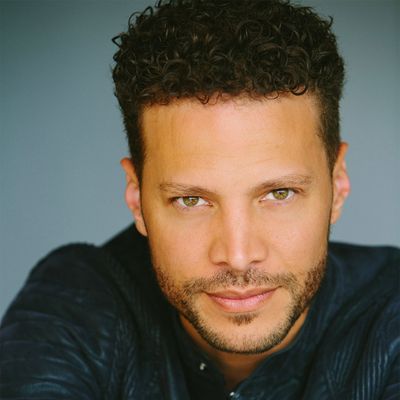
Originally released as episode 48 on Aug 20th, 2019, here's another episode from the vault with Once Upon A One More Time's Prince Charming Himself, Justin Guarini!
Original description as follows:
Justin Guarini’s robust performance career launched with the first season of American Idol in 2002, performing alongside Kelly Clarkson. His stage and screen appearances since then include Broadway productions of American Idiot, Romeo and Juliet, Wicked, and Women on the Verge of a Nervous Breakdown. Justin has hosted shows shows like Idol Wrap and Idol Tonight along with live events for the TV Guide Network, the Oscars, the Emmys, and the Grammys. He continues to reprise his role as the lovable Lil’ Sweet in commercials for Diet Dr. Pepper while branching out into the new world of podcasting, book writing, and audition coaching.
Growing up in Atlanta, he was exposed to the entertainment industry at an early age. He moved to New York and actually turned down his Broadway debut when he was offered a spot on American Idol, a show no one had heard about at that time. After his success on Idol came, he was left feeling empty and wanting more as he dealt with the struggles of overnight fame and fortune.
Connect with Justin online:
Connect with The Theatre Podcast:
- Support us on Patreon: Patreon.com/TheTheatrePodcast
- Threads, Twitter & Instagram: @theatre_podcast
- TikTok: @thetheatrepodcast
- Facebook.com/OfficialTheatrePodcast
- TheTheatrePodcast.com
- Alan's personal Instagram: @alanseales
Transcript
This transcript was automatically generated and might contain errors.
[0:00] Alan Seales: Hello, everyone. Welcome to the Theatre Podcast. This is another episode from the vault that I am bringing to you because I'm on vacation. So I scheduled this before I left because I needed a vacation. So we're throwing back this episode to episode 48 with Justin Guarini, which was originally released August 20, 2019. Why are we throwing back to Justin for this episode? Well, as of two days ago, as of when this episode dropped, Once Upon a One More Time just closed. If you did not get to see Justin in that show, along with fellow BPN podcaster Salisha Thomas and all of the rest of the phenomenal cast, you were missing out. This show, I think, suffered from the curse of the marquee theatre being that it's just so hard to survive in that theatre.
Almost nothing does. And Justin, gosh, I mean, I'm hoping that there's Tony nominations in his future. Fingers crossed. We knew he could sing. We knew he could act. But he's a true damn triple threat. After seeing him dance in this show. Oh my god. So without further ado, let's throw it back to August 2019. Here's Justin Guarini, episode 48. Here you go. One, two, three.
[1:32] Alan Seales: You probably know my guest today from the very first season of American Idol back in 2002. Or you may know him from his appearances on the Broadway stage, including Wicked, American Idiot, Romeo and Juliet, Women on the Verge of a Nervous Breakdown, and most recently In Transit. He's also Lil Sweet in the Diet Dr. Pepper commercials and now the host of his newly launched Audition Secrets podcast. Justin Bell Guarini, welcome to the Theatre Podcast.
[1:58] Justin Guarini: Thank you very much. It's very nice to be here.
[2:00] Alan Seales: So I want to start real quick. Why add Bell? Because you're just Justin Guarini.
[2:05] Justin Guarini: You know what? It's really interesting. Yeah, I'm actually getting rid of that. I added it. And then I realized that the reason why I added it is because it's actually my name. I originally on the Idol paperwork had put that in there, but I think it got lost in translation. And so it's my maiden name. I took on Guarini because that's my stepfather's name out of respect for what he's done for me and for my family and continues to do. And mean no disrespect to my father, who's awesome and amazing dad. You know what I mean? It's not like one of those sob stories, but it just somehow got lost in translation. And like, you know, once you get known for something in your name or whatever it is, you got to keep it.
And so I was like, well, let me, as I start this new chapter in my life with Audition Secrets, let me see if I can throw the Bell back in there. And it just seemed like one of those things where it's like, Hi, I'm Justin Bell Guarini. And people are like, wait a minute, Bell. And they've missed all the information that's come after that. Right. So anyway, that that won't be there for long.
[3:06] Alan Seales: Oh, interesting. Okay. So Justin Guarini, welcome to the Theatre Podcast.
[3:10] Justin Guarini: Thank you very much. It's lovely to be here.
[3:13] Alan Seales: I have to say, seeing you in person, you have some great skin.
[3:17] Justin Guarini: Hey, thank you very much. Yeah. Hey, black don't crack. But, you know, I take very good care of it. I try as best I can. I pass it on to my children. You know what I mean? I'm constantly slathering them up. My wife and I both are slathering them up every single day with sunscreen.
[3:33] Alan Seales: I, you're a better parent than I am. I'm just like, get out of the house. You're annoying me.
[3:38] Justin Guarini: Oh, there's that too. Don't worry. Well, okay. So let's talk, speaking of kids, talk about you. As a child, where did you grow up?
[3:47] Justin Guarini: I was born in Columbus, Georgia, and my mother was a news anchor on one of the local, I think maybe ABC affiliates, funny enough. And my father was a police officer. And so fast forward, a couple of years later, this news company started by Ted Turner that no one had ever heard of called Central News Network started. And my mom was tapped to be one of the anchors on CNN when it first started up. So I've got James Earl Jones. Yeah, exactly. Right. Yeah. And so that was kind of my childhood growing up in front of the cameras. And I would go play on the balsa wood set of the news sets. If you've ever been on a news set, you know what I mean? Like the most flimsy, scrappiest things, but they look great on camera.
And so I would do that and would wake up at like five o'clock in the morning and she'd be putting on like the extra thick makeup that you could wear back in those days. And then my dad became chief of police in Atlanta. And so I was constantly surrounded by dignitaries, famous people, lights, cameras. When I was five, I'll never forget somebody let me run the teleprompter at CNN, which at the time was like, you know, when you go to the grocery store and you have a grocery belt, you put your stuff down on. Well, it was like that. Now we use computers, but then it was literally you had to put out printed pages onto said grocery belt, had a little knob that made the grocery belt go slower or faster.
And then over top of the grocery belt pointing down was another camera that would then beam the picture to the anchor. And some idiot let a five-year-old run that during a live CNN protest. It was crazy, but it just, that's, that's kind of how I grew up.
[5:40] Alan Seales: Wow. But okay. So that was five and you were controlling everyone's perception of the news. Hello. And, but at four, you joined the Atlanta Boys Choir.
[5:46] Justin Guarini: I did. Yeah. They let me audition a year earlier because I guess I could carry a tune in a bucket, as I say. And yeah, they accepted me a year earlier and it's, it was a really amazing and also terrifying experience because here I was this four-year-old going into this situation where like literally my conductor's name was Wolfgang, you know, and like, he was very, very stern man. And, and all the things that you think of, like those, those choir directors being like the stereotypical, like choir director of a really prestigious choir and organization. Like he was that, but he was also brilliant. And here I am, this little shrimp walking in as a soprano. And I'll never forget the first time I was late to a rehearsal because here I am walking in, like literally toddling into the door and terrified. Even, even then I knew that that was not a cool thing to do. Yes. He's walking in and you're like, yeah, he's scared of Wolfgang. Was it, was it all little kids or were there big kids?
[6:57] Justin Guarini: Yeah. Yeah. Yeah. Cause it was the, the boys choir. So I was in it with, you know, I don't, I don't know if they were like men, I was four. There's only so many memories I have, but I just, that, that moment, whatever happened, I remember being terrified. That was most of my, most of my boy choir experience was just being terrified, praying I sang the right notes.
[7:20] Alan Seales: Okay. So how, how old are your kids now?
[7:27] Justin Guarini: Uh, six, eight. And my stepdaughter is 14.
[7:32] Alan Seales: Wow. Okay. So six and eight, I have a, uh, an almost three year old and a four and a half year old. And now like things are happening that they will remember now. Yeah. Like walking into the boys choir late. Yes. Yes. Yes. And bad memories. Do you think, do you think about that when, like, as a dad, you're like, oh man, I'm going to take them to, you know, see behind the scenes or like meet Patti LuPone or whoever it is. Like, are you thinking about that?
[7:47] Justin Guarini: You know, one of the greatest things that my father ever did for me was he exposed me to the world. He exposed me to the entertainment industry. Of course he kept me very safe while all that was happening. Um, and so I got to see things from, I don't know what to say, like be in it, but not of it. Um, and so I'm always thinking that I'm trying to bring my kids to my shows, uh, that I'm in like, uh, during In Transit, for example, you know, they have, you know, Broadway babysitters is this great service, right. That, um, will babysit your kids during the show. Brilliant business model right there.
[8:24] Alan Seales: Oh, it is, isn't it? Yeah. I mean, it's so, so great. And what a niche. And so I, you know, I clacked on my phone. It was like, well, my babysitters, can you please send a babysitter? And like they have the most wonderful and their actors are the actual babysitters themselves. Right. And so, um, my kids got to go hang out in the lobby, play fun games, be there sneak in to see me singing some of my songs. And then, and I love bringing them backstage. I love exposing them to as much of my world as I can. I remember I recorded the, uh, soundtrack for Paint Your Wagon, which I did at Encores and there's this beautiful, like 30, 40 piece orchestra. And, you know, Rob Berman is up there and doing his thing and it sounds so gorgeous.
And I felt so lucky that I could bring my oldest son to see that. And to hear that, because it's just like, that doesn't happen anymore. I mean, the expense of just getting any musicians into the studio, I mean, myself included, but really like orchestral musicians in this, it's just so, so expensive and nobody does it anymore. Um, and to be able to show him that and just have him be a part of that, um, just made me feel so good.
[9:41] Alan Seales: That's so cool. Okay. Okay. So back, back to you for a little bit. Enough about me. So when did you, when did you actually start performing on stage or did you, did you, how did you fall into this? Cause you were in boys choir and then...
[9:50] Justin Guarini: Fall into it is a really interesting way. I remember singing and performing. Um, I mean, the first time I ever really like really remember that was being in the car with my dad and singing Ashford and Simpson's Solid as a Rock, which most of the people listening to this podcast might not be old enough to remember. Um, and so saying that, and then got into the boys choir. So the boys choir definitely was my first stage experience, but I had a very interesting, uh, sort of, um, entree into theater. I was in elementary school and junior high, and we would always sing on the stage and elementary school. I remember there was this, you know, those divider walls that kind of fold into the, into the wall.
Well, we had one of those in the lunchroom and literally there was the lunchroom on one side and the choir room on the other side. And we would sometimes have these performances where they'd fold that wall back and we'd be singing for the lunchroom, which is like, you know, really, truly prepared me for my first theater gig, which was a dinner theater. But, and so I really think my first sort of like, oh my goodness, I can't believe this is so awesome. And like, how did I never was when I was 15 and I worked at the Capers Dinner Theater in Pipersville, Pennsylvania. And I live probably about 20 minutes away from that right now, my wife and I and three kids. And we, we were there because it's just like, it's like Brooklyn Heights in the woods, the town that I live in.
And, and so I was 15 and I get this gig at the dinner theater and it opened my eyes to so many things. Like I had fallen in love with Phantom, right? That's my, that's my first memory of musical theater. And, and the memory that goes along with that was running and hiding underneath my sheets as a little, little boy, because I was so terrified because I think Sarah Brightman, at many points, you know, Christine screams throughout that, you know, right? Soundtrack and other people are screaming throughout the soundtrack and then that big, huge organ and just terrifying for a small kid. And then fast forward to 15, I find myself in high heels, a sequined dress.
[12:04] Justin Guarini: ...with fake boobs and a big like sort of fruit hat like one of those big sort of Carmen Miranda deals singing I am what I am from La Cage and like loving getting to screw around with like the old farts who are coming to the dinner theater and like we just and it just opened my eyes to so much theater and musical theater that I had not experienced up to that point and I fell in love with it after that. And you were playing instruments already by this point? Because I read that you played piano, guitar, and banjo. Where did you see banjo? I can play one of the one of the fake banjos like the guitar banjos. Wikipedia maybe? I don't know. Wikipedia lied to you man. I don't play banjo to save my life.
I probably could do and then that would be it that the gun would go off. No, I play guitar and piano but I would say I was you know struggling through piano at that point and I say I say guitar and piano especially lightly. All of my theory my theoretical knowledge is based on piano but you know guitar I stay in what's called cowboy corner which is right down by the neck and the you know a lot of the the the basic chords down there. But I do love it and I do think that if your listeners are like thinking hmm should I play an instrument hopefully they don't talk like that but um you should yeah that's a whole nother we'll talk about that later but um yeah you should definitely learn to play an instrument because one of the best things that I've ever done and I had to learn it in the boys choir I had to learn it all throughout my life was to learn how to read music to learn how to sight sing music and to know musical theory it is it is vital especially in how fast the theatrical world moves you have three weeks on Broadway to learn a show yeah before they put you in front of an audience yeah and god help you if you don't have some musical uh theoretical knowledge because it's it would be a hard road much harder road to hope huh right road to hope and then so in in college then where did you go to school I went to University of the Arts in Philadelphia and then I went to the School for Film and Television here in New York right and um what used to be called the School for Film and Television and you were in an acapella group was that in yeah that was in high school I was a high school actually yeah yeah the Midnight Voices you're wikipedia and you're like oh I was in it I'm in it deep into wikipedia yeah so that was called the Midnight Voices and that was my real first entree into the acapella world and that came back to serve me so much doing a show like in transit which was Broadway's first truly acapella musical and so yeah what that was born from is like you know the men's ensemble in high school and uh then a couple of people I was uh like a sophomore or something like that and a couple of the seniors had this tradition where the night before graduation a bunch of the guys from the men's ensemble would go out and at midnight serenade girls that they knew girls that they liked their girlfriends you know typical throw the rocks at the window sing really gorgeous songs to cute girls and so that was what I ended up being falling into that being like yeah sure I'll help you guys do that and it ended up uh that my best friend uh said hey why don't we just make something out of this why don't we make a record and and it just ended up that we knew the right people and I think we were we recorded it to dat digital audio tape look that up kids look up dat um and we ended up recording it to dat and it was just one of these really crazy experiences where we took all this beautiful music that we'd learned in high school in our choir program and um put it down on record and then we toured around a little bit we ended up going to competitions and it was just so so much fun I got to choreograph a number for us um so many really cool experiences came out of that this is all still all still in high school yeah wow I mean that was hard when like now it's like we're sitting here with you with your laptop and on most laptops I mean especially mac laptops you can make a record very easily I mean and you don't even have to burn it to disc anymore right you just they don't even have disc drives yeah I know mine doesn't either it's like crazy so that was a that was a fun challenge we recorded that with microphones in a church basement I mean it's like oh my god are we in footloose like I mean I mean like I felt like it was uh it was a really awesome experience oh that's great okay so then fast forward you're in New York for college right and then um you graduate and then you're like heading for for Broadway is that your trajectory no no I was a terrible student really horrible student um I had talent coming into college and I think sort of the the other side of growing up the way I did around the entertainment industry around a lot of famous people around um a lot of extremely talented people having a really good reputation in my town and coming kind of being a a big fish in a small pond going into college I thought what could college do for me what does college do for me and believe me if your listeners are out there and they're in college and they're kind of like listen take it from me look I am made it out I've had a successful career but I could have been so much further ahead and so much more prepared had I really said okay what can I do with the resources I have in this program to be the best that I can be and had I done that I don't think it would have been as much of a challenge at certain points I think that um you know especially now in a world where you can like we said with the laptop you can just plug in a little keyboard and you can play something and sing on a mic that is just the quality that we're talking on and you can literally put that out to the world and sell it and or do whatever you want with it and so that would have been much easier for me to do but I got on this program and so I quote-unquote graduate you know after my three years of studying musical theater vocal performance and then film and television acting and there was a show that came along called um the lion king have you ever heard of it yeah yeah yeah it was yeah it went right on and then right off broadway um and so I auditioned for that and the audition was great and Jay Bender I think was casting still is casting that and there was a another very famous uh casting director in New York City who still is doing their thing and I'll never forget that moment when I auditioned for the first time for them because I had this thing where I like I closed my eyes I put my head down and I really got into the moment and I did like the most actory actor thing in the world right like short of putting my fist up to my head and like really like really getting into it like and I'll never forget I take this breath ready to let out the the sounds of choirs of angels and the casting director does this purposefully and it was like that moment that you see in the movies where somebody walks into the saloon and it's like and everyone looks at you it was that glass breaking moment and I'll never forget that because she taught me such a good lesson to never ever ever do that you know in an audition to just come in and deliver and be authentic not that I wasn't being authentic but I thought like that was the way to like get into it right now to just come in and deliver and be authentic and then years later I would be sitting in my car ready to go to Hollywood for this show called American Idol which nobody had ever heard of and I get this phone call from Binder's office saying hey I mean this is like four years later oh it was that three four years later yes wow Lion King was like we I went I came up to New York I did master classes I did all the things other than and signed the contract basically and they're like we would love it and so every couple of months every six months or so I get this hey you're still around how's it going we don't have a place for you yet but we really want you to do that and I would audition and never quite get it and it wasn't until I actually booked American Idol that they called me and said hey we want you to be in the Lion King on Broadway we finally have this great role and it's a chorus role it would have been perfect for me because I'm you know 22 at the time and I said well there's this show I'm going out to LA I might get cut can I call you back in a week so literally Broadway called and I was like could you hold seven days could you just wait so you turned down your Broadway debut I did for American Idol Broadway called and I said no which you know I mean but I had this instinct this feeling and I was doing really well uh in the the the first few rounds of the show and I literally remember walking down the aisle in the Pasadena Civic Center where we filmed Hollywood Week and where they may still film it now and I just started to cry and it was the weirdest thing because I mean it's 22 years old um first time out to LA all these new amazing experiences um not a person who cried easily at the time and yeah I just bust out crying because that stage was the stage where you know for better or worse you know Michael Jackson did the moonwalk for the first time during the Motown 50th that stage was where so many people that I grew up knowing grew up uh really wanting to emulate and and just loving and being shaped by had had performed and so I just followed my gut and I said you know what thank you so very much for this opportunity I've always wanted to be on Broadway but there's this I just I gotta I gotta follow my my heart on the show and it ended up working out really well because almost 10 years later I was in uh the opening uh the opening night party for Women on the Verge of a Nervous Breakdown my very first Broadway show and I was in the hotel in Times Square in one of the conference rooms I had sat and waited to audition for American Idol and I was like the perfect 360 moment wow wow well tell me about the the Idol audition how did you how did you get out to LA how did you audition for Idol oh no who's here yeah I mean you auditioned here yeah and it was just a a cat a cattle call literally a cattle call it was the coldest summer day in New York just like today it was like you know we've had this heat wave and then today's just kind of a little like right it's cold and and it was I was standing in line reading the first Harry Potter which tells you how long ago it was and I was like I don't want to be here don't want to be doing this it's freezing cold but I stood there for like eight hours outside standing on I mean you had to get there super early right do you remember what the casting call said because nobody knew what Idol was at this time yeah you know I don't remember what it said but I remember that my mom was upstairs doing something that she hates to do and never does ironing and she saw on the tv that there was this show that I mean and like literally Fox must have spent like five bucks on promo for this thing because I went to the website after she told me to go to it and like links were broken like things didn't work and this was like you know social media didn't exist I mean the web was kind of like what people didn't quite know what it was or how to operate it and or nearly as much as I do today anyway and so I don't remember what the heck it said but I just said I'll give it a shot why not and so I end up standing you know I fill out the forms that sign my life away and end up standing
[24:08] Justin Guarini: In line for eight hours and that was just to get into the chorus line-esque sort of audition where you know we wait in a huge holding room and then we go downstairs and somebody interviews us and we're all sitting in the room together literally it's like this rectangular room with two chairs in the middle of it and everyone's sitting around you while some producer is interviewing you in the middle and then you go step in the room and it's four or five kids across and you literally step forward sing a verse and a chorus and you step back. Yeah, yeah, cattle call.
[24:43] Alan Seales: Wow. And then, okay, so that was '02 you said?
[24:51] Justin Guarini: Yes, '02. Wow, okay, so you go to LA. Yeah, and as it started to ramp up obviously you felt something, you felt that it had momentum because you turned down your Broadway debut for it. Hello? Yeah, I mean like crazy, right? So at what point was it a lot when it started to go live, I guess?
[25:02] Justin Guarini: Okay, so back up. How long between when they're airing the taped episodes and then the catch-up to the live stuff? Yeah, what we did was we taped all the stuff and then we went back home and they're like, "If you talk about this, we're gonna kill you." And I'm not really, but like that was the thing that like you signed away your life, do not tell anybody about what you've done. And so I would say like a couple months, you know, they really—
[25:27] Alan Seales: That long?
[25:28] Justin Guarini: It was, they taped it and then they just started airing all the stuff maybe a couple months later and then they revealed the top 30 or whatever it was. And what was really interesting about that season was they were still trying to figure everything out. So once they revealed who the top 30 was, they flew us out and all of us were in this one hotel and instead of flying us out here and trying to mess with schedules, they flew us all out. So I was in the last group of 10 to go, so they did, you know, three weeks, 10 contestants, we whittled that down to, you know, whatever the top 10. And so I was in the last group to go, so I had like two weeks in LA, 22, fully put up in a hotel. I think they even gave us per diem and we're just waltzing around LA.
It was the craziest thing because I'd never been to California before and the first time was with Pasadena and here I am this 22-year-old kid with all these other—it's like it was like the cast party that never ended, right? It felt like, and we're right near like the Beverly Center if you've ever been to LA and they're giving us money, they're giving us this amazing hotel and all these rooms, we're all together and like, you know, we're going over to CBS television. It was the most surreal experience and then you get to be on live television.
[26:57] Alan Seales: Wow. What was that like? Is that when you figured out that the show was really going to be something?
[27:03] Justin Guarini: No, we didn't know the show did—I mean, I don't know the numbers, but like the show did well because we're like, "Oh, interesting, what's this?" But it really didn't hit me until it was the top 10. We were living up in a house on Mulholland Drive, which is a beautiful mansion up there with a huge pool. And it wasn't until after the first live episode, the top 10, that first episode where we got to see it on TV and we saw it back. And it was always so funny because if we thought we sounded good in the studio, like the sound kind of like sucked on TV. If we thought, "Oh man, I'm gonna get voted off," that sounded so terrible, it ended up sounding good on TV because we would watch it afterwards because it would air East Coast Time live and then it would be taped for the West Coast.
And so we always got to check it out and it wasn't until I saw that and really saw people's reactions on the news and how they framed everything when I was like, "Oh my God, this is gonna—this is something." And then it just was like being on a moon rocket from there.
[28:09] Alan Seales: Wow. And you made it down obviously to the final two, came in second to Kelly Clarkson. Are you still close with Kelly? Do you talk to her?
[28:14] Justin Guarini: Well, I'm close in terms of we were in like completely different universes, but yeah, we're friends. We've been friends for a really long time and I think the last time I saw her was like at some Disney event, I think the opening of the American Idol experience.
[28:28] Alan Seales: Wow, that's crazy. We had—we interviewed Lauren Lott on this podcast a while back. She was on season 14 of Idol. God, can you believe? And she—yeah, gosh, and that was even years ago. But she was saying that like the behind-the-scenes stuff, it's just intense and they have like a counselor on site to deal with aggression management and should—because think about it, you're plucking people from obscurity. I was lucky that I had at least—I was the guy, I was like the ombudsman. Like whenever there was any sort of media or like somebody asked, all 10 of us are sitting there on the couch and someone's like, "What do you think of this?" All the heads would turn my way and I was the guy who was tasked with giving the responses to uncomfortable questions because I knew how to kind of get out of things.
And so yeah, having counselors and stuff like that, of course, because it is so—I mean, I did it before the advent of social media as we know it. It was just like crappy MSN message boards, right? I mean, I'm serious. Like it was like nothing compared to what it is now. And you got to think, okay, not only is it hard enough for artists to just put themselves out there, but you're doing it in a way where people have more access to you and worse, I think you have more access to them and to their ideas and their thoughts and their feelings about stuff. And you go on now and it's like you get on the show and boom, you have 300,000 followers, right? And they're saying all kinds of stuff, good, bad, and indifferent and everything in between.
And so yes, part of what they do now is they make sure that people are of sound mind and body to be able to experience this because it is super intense. You have got to not only quickly learn a song and perform it in front of millions of people, but you have also got to deal with the rigors of interviews. You got to deal with the rigors of just filming commercials and doing—I mean, it is a non-stop process. You probably get a few hours of sleep each night.
[30:35] Alan Seales: That sounds horrible. And then you gotta sing on top of that, right? And like audition every single week for America, right? So you come out of this at—you're still 22, right?
[30:47] Justin Guarini: 22, yeah. I turned 23 on tour. Yeah, 22, 23. And you're basically—you are a millionaire at this point, yeah? Like the money comes in from the touring. And is it actually—I heard someone tell me once that it's actually better not to win because then you don't have to sign to the label.
[31:04] Justin Guarini: No, I don't know about that. Maybe now that might be the case, but I think, you know, it's my season. I think everything happened the way it was supposed to happen for sure. But I know that if—and I can't say this for certain—but if I were them, when you have your first American Idol, you got to make that work, right? When you win, that person has to go to the top. And when you have someone as talented and as lovely as Kelly Clarkson, that's easy to do. But it's still like you still got to make sure that you prove the model works, right? And so, yeah, I mean for me, I think it was better that I didn't win because I was not prepared for the business aspect, the business side of the record industry, and it is killer.
And Kelly certainly was, without a doubt, she knew how to deservedly get her way when she needed it. She knew how to pick and choose her battles and she knew that from a very young age. Me, I was just like, "Hey, I'm gonna sing and be kind to people and they're gonna take care of me," right? And like, you know, that was—that would have been a recipe for most likely literally death for me had I won.
[32:28] Alan Seales: Wow. Well, yeah, I guess then it's much better that you did absolutely or did not win, I guess. Yeah, got second place. So after that though, they continued and so you had a film with Kelly from Justin to Kelly that was not so well received by critics.
[32:46] Justin Guarini: Not by the critics, but I'm telling you, people come up to me. Matter of fact, I was just in Times Square. You're nodding your head. People come up to me. I was just in Times Square and like, "Are you the guy from Justin to Kelly?" Really? Like crazy. Someone came up to me just today when I was in Times Square, like just taking some photos for like social media. And so someone came up and talked. I mean, that's, you know, one out of a hundred thousand people, but like you can't buy that kind of impact. And even though that movie went in and out of theaters very quickly, it still has an impact on people and they're like, "Yeah, I've got the VHS at home," which kind of makes me want to barf a little.
Better than Laserdisc at home, I suppose. But yeah, it just was one of those really, again, a really wonderful experience that was not received well by critics but had that impact. And that was really—that first season, we just had such an impact and you can't buy that. And I'm still able to work and still able to leverage all of that impact so many years later, almost 20 years later now, right?
[33:50] Alan Seales: So yeah, you had that and then RCA actually signed you.
[33:55] Justin Guarini: Yeah, they did. Yeah, RCA signed you and you put out a self-titled album, which I mean, I'm kind of getting at how crappy, how up and down exactly. As soon as the lights went off on American Idol, that was when everything started going downhill for me, really. I mean, the film tanked, my album tanked, there was bad press. I had gotten at the time, there were so many things that just went completely wrong after things going so wonderfully right. And unlike today, it's like the beautiful thing about social media is that we can control our own narrative and it allows us to put out the pictures, the stories, the whatever that—how it allows us to define ourselves. Whereas then, now, you know, that it was—it was really challenging.
And when you have a couple of commercial, you know, quote-unquote failures, that really begins to define you in the eyes of the media. And then you put that up against the, you know, skyrocketing success of what Kelly had and it just was like, "Oh man." It got to the point where I was just like, "I just want to sing and I'm nice to people and why is this happening?" You know, poor me, victimizing sort of thing. And I just said, "Okay, I had enough of that." And I literally just stopped. And I'll never forget the day when I was in Beverly Hills in a mansion, which I did not own, I was staying at a friend's house and I was watching SNL and Tina Fey, back when she was on the weekend update, all of a sudden my face comes up next to her head and whatever that—it's on a deco, whatever that picture is that comes up next to the newscasters. And she said, "News today, Justin Guarini was dropped from his label at RCA." And that was the way I found out.
[36:03] Justin Guarini: No kidding. I was dropped from my record label. Wow, crazy, right? I mean, and so it just goes to show you that I had money, I had fame, I had all the trappings of what I had.
[36:12] Justin Guarini: I was in this beautiful compound in Bel Air, and yet I wasn't happy. I was obviously not in communication with my record label. They didn't really bother to tell me that they dropped me. And I felt like a failure. And I was just at this crossroads in my life where I was like, okay, you know what, I need to stop this. And so the record label dropped me and because of the way the contracts work, the management company, the contract terminated with them. They wanted to continue on with me, but I was like, F this, I'm out. And I literally left the country for a week. I went to New Zealand by myself and jumped out of an airplane and bungee jumped and all this. Just so I could feel alive. And it's so crazy because we're such a fame obsessed culture.
And yet, I had everything everyone thinks they want. And it made me feel like nothing. I felt nothing. Is it because everyone kind of wants a piece of that? I feel like if I was in that position, I wouldn't know who to trust.
[37:16] Alan Seales: Sure. Yeah. I mean, least of all yourself.
[37:21] Justin Guarini: Really? That's the challenging thing. It's that feeling when you can't even trust yourself. That is the worst side of fame. And I was in a place where it's just like, everything and anything that comes out of my mouth seems to be the wrong thing. And everything that I try and do ends up blowing up in my face. And so I just want to do nothing. I don't want to be famous anymore. I don't want to be in LA anymore. I don't want to, I don't want to be in this country anymore. I just want to be nobody for once. And that was a year later. I mean, maybe even less than a year after the lights went down. And I mean, I'd been on a national tour and I'd done a film and done all this other stuff and been on Oprah and all these, all the things that you want, you think you want. And I had to learn the hard way that that is not what brings success. That is not what brings you satisfaction. Fulfillment.
[38:20] Alan Seales: Business and fulfillment.
[38:29] Justin Guarini: Yeah. Yeah. Oh man. Yeah. You hear that a lot. And I, I, I, we see stories and now, like you were saying, now with the advent of social media that, uh, I, I love when people that, um, you look up to your heroes talk about struggle and are just transparent and honest about their own mental health issues or, or whatnot.
[38:47] Justin Guarini: Well, that's it. I mean, that's amazing. I come from the generation of entertainers who, you know, really heralded enigma and not wanting to, uh, be, um, uh, accessible to the fans, right? Because then the fans are like, Oh, I wonder what they're like. And Oh, those things like stars are just like us. Like, you know, pushing the cart, you know, in the mall or wherever they are, like grocery shopping. It's like, Oh my goodness, they are just like us. Whereas now it's the opposite. You know, look at Busy Phillips, right? I mean, Busy Phillips had this really great career when she was young and then like, was just in the wasteland of like not working for a long time. And then she gets on Instagram, she gets on social media and she just lives her life in front of everyone.
Good, bad, indifferent, good day, crying, all kinds of things. And she led us into her life and it was so impactful that they gave her a TV show. I just saw she's in Olay ads now and everything like skincare ads. And like, it's, it's just amazing how, like you said, like we now myself included, I feel so much more willing to invest my time, my money, my everything in someone who is real and who's vulnerable as opposed to that untouchable star.
[40:03] Alan Seales: Yeah. Yeah. I, I really, I admire that. I actually, one of the things that, um, I love, uh, Caitlin Kinnunen from The Prom we had on this podcast too. And she, um, we talked about a video she posted of herself crying into her cell phone when she found out she got the Tony nomination. And she's like, yeah, I use Instagram as like to document my own life. So I don't forget about my, my life later.
[40:26] Justin Guarini: Absolutely. My kids, I do that the same thing. And I, it's like, you know, they're so lucky because like their entire lives are going to be documented. Like I have, fortunately my parents took a lot of video, but like for most people, my age and above, it's just like, you got, you got some, some of those like red toned photos, you know what I mean? Right. And like you guys, if you're lucky, right. And then maybe a little bit of that shoulder mounted, uh, VHS tape stuff. And, but now it's just like, you know, you document everything. And I think it's such, that's brilliant.
[41:03] Alan Seales: Yeah. And it's so easy.
[41:08] Justin Guarini: Yeah. Cause yeah, you carry it in your pocket anyway. So podcasting. Yeah. I want to, I want to get onto that. So, so your podcast, Audition Secrets podcast, tell me about that. And why did, why did you start it? Why, why come out of all of this sort of transformation that, you know, you're going from your caterpillar to your butterfly. Now you're, you're in butterfly stage. Why not go back to Broadway? Why do what you're doing?
[41:28] Justin Guarini: You know what? I'm, I will go back to Broadway. It wasn't like I stopped. I took the opportunity that Lil' Sweet has literally afforded me. Oh man, Lil' Sweet, we didn't even talk about that. We'll get there. We'll get there. Right. And so, you know, being in a national campaign like that and doing it for five years now has really given me the chance to say, okay, you know, it's like, even I don't care what level of success you're at, unless you're like in the stratosphere, it's a feast and famine business. Right. And so I've been in six Broadway shows. But it's still like, okay, when's the next show? When's the next paycheck? When's that? And so when you are fortunate enough to get something like a national commercial campaign on television, it just gave me a little bit of breathing room.
So I said, okay, how can I do something and be part of something that's a little bit more legacy oriented? Right. Because I just turned 40, not all that long ago. And while I still have plenty of time left in my career, I'm just looking at looking at that hill coming up. Right. And, you know, wondering what I'm going to crest at. And so two things that gave me the ability to step back and say, okay, I want to do work that I want to do, as opposed to sometimes the work that we have to do or feel like we have to do. And then on the other hand, I had this audition for a really huge Broadway show where I had to learn 20 songs and very complicated music. And I went in over a period of about three months and auditioned for, I love them so very much, great group of people.
And they basically made me do everything other than put on a tutu and jump through a flaming hoop. I mean, they put me through my paces. I love this show. I will always love the show. I will always love the people who are involved with this show. And I would still want to do this show. And yet through that period, I got, you know, go this way and then do that. And like, sometimes I would go in one audition and they would tell me to do the exact opposite that they did, which happens, right? Just to see, put you through your paces. You never know why they make the choices that they do on the other side of the table, but you go with it. We're actors. It's our job to deliver what is requested of us.
And so at the end of this three, three and a half month period, I wait to hear back and I don't hear anything. More weeks go by and I'm bugging my agent who bugs the casting director, who bugs the creative team. And eventually from upon high, the answer is no. Rejection is just part of our business, right? That's what we face as actors all the time. But the fact that they made me come in over a period of months, asked me to do all this stuff, learn all these songs, which I said, Hey, look, I'll, I'll learn all these songs. I don't mind. So it's not like it was like I'm a victim or anything. And yet at the end of all of that, didn't give me something to take away that I could be better, that I could learn from.
It just was a, Oh no, made me feel so disrespected. And so just kind of like just another, you know, a herd, just another cow in the herd. Right. And the reason why they call it a cattle call. And so I said, I stepped back and I was like, do I even want to be doing this anymore? Like what the, that was so wrong and so rude. And how, like, I don't ever want to feel this way again. And as I started asking myself those questions, I asked better questions. And another one was, well, wait, if I, at my level, and I'm certainly not the top of the charts, but like, if my level, I can experience that kind of disrespect of my time in my artistry. Imagine what people who are going to those cattle calls sometimes two, three times a day are experiencing.
And it's like, I know I have nerves before I go into auditions. I have all these things that happened to me. How can I not only help myself and be better and not feel so gypped after an experience like I experienced with the show, but how can I also help other people and from that came Audition Secrets, the book. And so I started talking to all my shiny friends, the famous people that I had worked with in the theater legends and casting directors and coaches and my mentors and other hardworking actors. And I started talking to them about how they auditioned, the things that they went through, how they overcame all kinds of scenarios. And I started mixing that with my own experience. And out of that came the book Audition Secrets.
And out of that came the podcast. And out of that came this coaching program and mentoring program that I'm going to be releasing in a few weeks. And so many wonderful responses I've gotten to that and so much, like I really love teaching. Like I really, really, really love teaching. I love performing. Nothing will ever beat performing on the stage. And I'm continuing to do that. I love doing that. But I love being able to see that light bulb go on over a student's head and like, oh, I get it. And to save them from the pitfalls that I fell into and that so many actors fall into on a daily basis, because we are treated like just another number. We are treated like cattle at various levels of success.
And if there's anything that I can do to help save someone from feeling that way or from casting themselves as that way in the audition room, then I'm going to do that. I hear stories all the time about people who go in for roles they feel they are so wrong for and end up getting this great career shift out of it.
[47:35] Alan Seales: Yeah. Yeah. One of those.
[47:38] Justin Guarini: Yeah. Yeah. So Lil' Sweet is one of those. Yeah. Tell me about Lil' Sweet. Diet Dr. Pepper. How did this happen?
[47:45] Justin Guarini: I was just coming off of a nine month stint on Broadway in Wicked as Piero. And that's a challenging show. Really much more dance heavy than any other show that I've been in. And while Piero doesn't work nearly as hard as the ladies work, let me give it up for the witches, because, oh, my goodness, not only do they have to sing all these crazy numbers, but they have to do it with 40 pound dresses on, literally 40 pound dresses. And so it was challenging, but it was fun.
[48:16] Justin Guarini: I was in a lot of pain because it's just like when you swing out on the rope, when you're dancing on the rake, when you're doing all this stuff. And like, I just was worn out. And so I get this call that says, hey, there's this commercial thing you should go in for. And I was like, look, hey guys, to my team. I was like, hey, I'm just going to relax. I'm going to take some time off. I don't want to go do it. And they continued to badger me. Like, just go in for it. I was like, no, I don't want to go. Please just go in for it. Do it for me. I was like, fine, I'll do it. Fine. I'll go in. And so I come to New York and I'm in the casting office. And the description, the breakdown, had all these 80s rock star names in it.
And this really funny, quirky description. And I was like, this has nothing to do with me or anything that I can do or who I am or anything I've ever done before in my life, let alone in front of anyone of merit. And so I go into the room and the greatest thing that I think I could have ever done was not care. Now, I want to deliver a good performance, not care like walking to be an a-hole, but like not care in the sense of like, I don't care whether I get this or not. I'm just going to go in. I'm going to have some fun and I'm going to be able to satiate my agent's thirst and lust for me wanting to be in this game audition. Right. And so I go in and it's just a casting assistant and a camera and a couple of LCD screens turned vertically so I can read the copy.
And in parentheses, it says Lil Sweet slides in on his knees. And I was like, oh, all right. Hey, am I out of frame? Am I out of frame? I asked him, am I out of frame? Yeah, you're out of frame. And then I literally slid in on my knees and I was like having a good time. You know, all the things that you hear sung in the commercial, I was making that up. I was making it because I didn't care. I was doing things that I do to entertain my children and my wife, which is mad at me in the living room of my own home. And it was one of those things where literally they called me that night and they're like, please come in tomorrow. And I did it for all the creatives. And they called me that night and said, can you get on a plane tomorrow and go to L.A.? And I said, OK, wow.
And that was it. And here we are five years later. And it's been it has been one of the greatest jobs I've ever had in my life. I was binging them on YouTube last night. It's so ridiculous. It's so they're so funny. And all of you just hit on the ladies. Yeah. And the thing is, is that I don't really have to act because anybody who knows me knows that like I'm really animated. You can't tell. And I just love to be a goofball. And it's just like I just get to step into a little suite. And when they put the rug on my head and I grow out a beard, which literally takes me like you look like you could grow a beard like you could just have a sneeze and all of a sudden it'll come out. But like for me, it takes me like three, four weeks to like get I'm not even getting to get like any sort of like that's a real beard. No, it's a real thing. But like literally they have to tell me at least a month in advance before we start shooting my beard. And then it goes to that horrible patchy sort of like vagrant phase.
[51:49] Alan Seales: That's so funny. You have a lot of humanitarian work. Sure. So I want to touch on real quick because we're running short on time here. But yeah, so humanitarian, like you're an advocate for musical educational funding. You've done lobbying. Like tell me about that.
[52:03] Justin Guarini: I went to Capitol Hill. I went to Capitol Hill to get into that. How does one get into lobbying? There's a few New York Times articles about that. But like basically what I did was I worked with this wonderful group of folks in L.A. who were really fighting to keep music in our schools. And because music was such a big part of my life in school and completely shaped my the whole rest of my life, my career and everything. It's so important to fight for musical theater programs, to fight for music programs in our schools because they're being cut. And it's like not just from a self-expression standpoint, but from mathematics, from English, from social studies, from just being able to work, play well with others.
There's such important facets of a child's life. And even if you don't go into theater, just being a part of that can have a huge and lasting impact if nothing else for an appreciation of theater. And so that's why I went to Capitol Hill and I sat down with our lawmakers and I was like, please keep music and arts funding going in our school because my life would be completely different had that not been there for me.
[53:25] Alan Seales: Yeah, I love that. So we have just soft launched Broadway Podcast Network. broadwaypodcastnetwork.com for those of you who want to listen or bpn.fm is short right now. The Theatre Podcast is a proud partner, a proud member of BPN and now Audition Secrets. Yes. Is also part of BPN. I'm so excited to be a part of the family. Yeah. You know, it just kind of, I was looking for exactly what the Broadway Podcast Network is, which is not only a place to find amazing theater podcasts, because that was a big challenge for me when I was like, I want to do a podcast as one does. Right. I was like, let me listen to some other theater podcasts. I'm like, I had to search around everywhere and it was so hard to find. But now with the Broadway Podcast Network, you can get it all in one place. And I'm so excited to be a part of the family.
[54:21] Justin Guarini: That's wonderful. And you already had a couple episodes out, like with Patti LuPone and Laura Osnes. Yeah, you've heard of them, right? Yeah. Not bad. Small potatoes. Gosh. I listened to the one with Patti already. It's such good information. And people who want Broadway just binge this stuff. I love it. I love the Broadway tribe. It's so good. It's great. And there's so many great, I mean, like what, you know, Broadwayasted and The Ensemblist and Ilya Levine and like so many really great shows. And I'm just really, really, really glad to be a part of it. And that at the end of the day, it's about service for me, right? I want to make sure that I get this information out to people so that when they get the material in their inbox, they get their audition. They know exactly how to set themselves up for success throughout the entire process, from the moment you get it to the moment you leave the audition room.
[55:13] Alan Seales: Yeah, that is beautiful. Okay. So welcome to the family. All right. So we've got the three standard closing questions that we always use to end every episode on the theater podcast here very simply. Number one, what motivates you?
[55:27] Justin Guarini: Oh, man. Passion was the first word that came to my mind, but that just sounds so corny. But I'll go with it. I mean, it really is passion, being passionate about what it is that I do, like having a passion for, you know, when we talk about in this context, theater, and it excites me and I have a passion for live performance. And that's it. Passion, passion, passion. And when it comes to auditions, when you have that passion for the work, it shows when you step into the room.
[55:59] Alan Seales: Yep. Yep. Okay. So second question, what advice would you give to your younger self and younger people now starting out down a similar path?
[56:03] Justin Guarini: Know your story. I mean, it's like we always hear that, you know, know thyself. And that really, truly is timeless advice. But where I came from, you know, whether you want to start with the Boys Choir or from American Idol or from Broadway or wherever, knowing your story is so important. Being able to walk into a casting room and have an idea of who you are and what it is that you have to deliver, you know, with, for example, like people, I was talking to them today during the auditions for American Idol. And I was like, if I was a record label executive and I handed you a contract and I said, you can make any record you want, you can wear any clothes you want. Who do you want to be singing to?
You know, what's your demographic and all those stuff. I think you should have those answers ready to go before. Now, they'll change, right? They'll change as you change as an artist. But knowing those things, walking into a room, auditioning for musical theater, even having an idea of who you are, being able to own your own power and own your own story is so vitally important because we tend to, when we don't, when we own our story, when we know about ourselves, instead of playing a character, we allow the character to play through us more. And I mean, I could go talk on forever about that. I won't do that right now. But it is a huge shift when you walk into a room and you own your own power. And part of that is knowing and owning your own story.
[57:44] Alan Seales: Okay. And last question, if you could only see one show for the rest of your life, but you can see it as many times as you want, what would you see?
[57:51] Justin Guarini: If I could only see one show? Oh, man. The prom. The prom. How did you know? Which I want to go see. By the way, I've got some great friends in that show. If I could see one show over and over again as many times and oh my gosh, I'm like, I'm getting a little weepy just thinking about seeing it over and over again would be my very favorite show of all time. The one that after I saw it, I was in elementary school, I'll never forget it, Bonnie Bray Elementary in Virginia. And I felt like when I saw that, I could like, I could fly. I went outside and I did my version of the choreography, which felt amazing, but probably looked like hell. And that's West Side Story. If I could see West Side Story over and over again, I could.
And if I could play any role in West Side Story, it would be Bernardo. I don't know if I am qualified as a dancer enough to be able to do that. I'm one of those actors that moves right. But I love, love that show. And it is like it literally, even just talking about it, like makes me get a little choked up because it is like, it is my musical theater beating heart. I wore out the VHS of West Side Story. It is. There's nothing like it in the world. Singing in the Rain, Music Man and West Side Story were my three when I was a little, a little boy. Yeah. Before, right after Dat, before, you know, before CDs came out.
[59:24] Alan Seales: Yeah. All right. So we can find you online on Twitter and Instagram. Just Justin Guarini. No bell in there. JustinGuarini.com. Of course, you can find the podcast there or also head over to BroadwayPodcastNetwork.com to find the podcast there. Find more of this. You can go to TheTheatrePodcast.com. You can find me online, Theatre Underscore Podcast on Instagram and Twitter on Facebook slash Official Theatre Podcast. Of course, share with your friends, leave a rating. They all help. This is produced by Jillian Hockman, edited by Matthew Hendershot. Thank you to Jukebox The Ghost for the intro and outro music you're hearing right now. And Justin, oh my God, this was so much fun. Thank you for coming on the podcast.
[1:00:09] Justin Guarini: Thank you so very much.
© Broadway Podcast Network, All Rights Reserved