

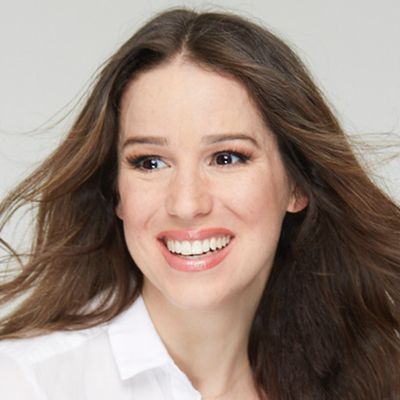
From playing iconic people to trying different artistic endeavors, Chilina Kennedy is just getting started. Growing up in different parts of the world, she discusses her early experiences and influences that ultimately led her to grace the Broadway stage... Read More
From the show: The Theatre Podcast with Alan Seales
Guests
Featured Shows
About
From playing iconic people to trying different artistic endeavors, Chilina Kennedy is just getting started. Growing up in different parts of the world, she discusses her early experiences and influences that ultimately led her to grace the Broadway stage. From portraying iconic people like Carole King to releasing her own album called “What You Find in a Bottle”, she talks about how she splits her focus between joining other people’s works and creating her own, and why she finds it way harder to play a real person on stage. She also gets real when asked if she ever gets tired of playing the same role over and over, and why she loves it when people don’t recognize her from the previous roles she played. Putting your work out there can be nerve-wracking, but for Chilina, it’s the point of being creative: to be confident and bold and not be afraid to make mistakes. She explains why auditions are a bit like dating, the complexities of casting, and how perseverance can create luck!
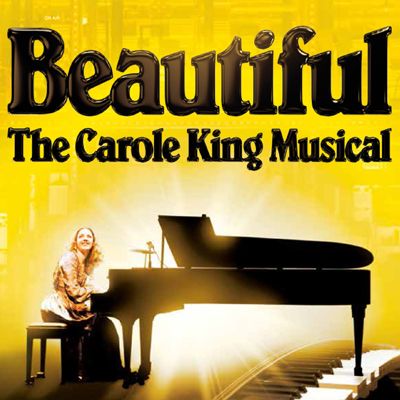
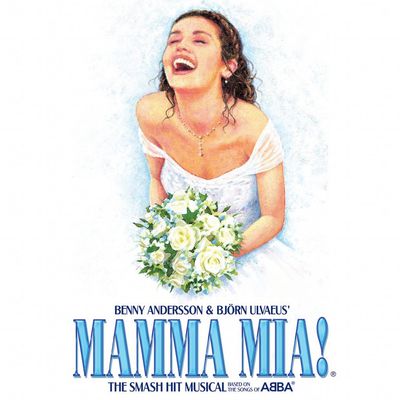
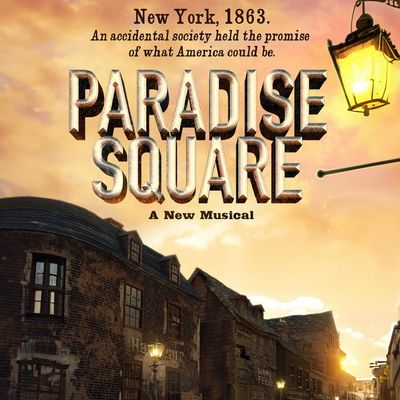
Chilina Kennedy is an actress, singer, and songwriter known for playing Carole King in “Beautiful: The Carole King Musical” on Broadway. She made her Broadway debut in 2012 in “Jesus Christ Superstar”, and originated the Tony Award-winning role of Dina in the first Broadway National Tour of “The Band's Visit”. She was most recently seen on Broadway in “Paradise Square”, and was part of the originating cast of the first National Tour of “Mamma Mia”. She has her own full-length album called “What You Find in a Bottle”, and has co-written a new musical called “Call It Love”. Chilina is part of the upcoming release of the world premiere recording of “Wild About You”.
Connect with Chilina:
- Website: www.chilinakennedy.com
- Instagram: @chilinakennedy
- Facebook: @ChilinaKennedyOfficial
Connect with The Theatre Podcast:
- Support us on Patreon: Patreon.com/TheTheatrePodcast
- YouTube: YouTube.com/TheTheatrePodcast
- Threads, Twitter & Instagram: @theatre_podcast
- TikTok: @thetheatrepodcast
- Facebook.com/OfficialTheatrePodcast
- TheTheatrePodcast.com
- Alan's personal Instagram: @alanseales
Transcript
This transcript was automatically generated and might contain errors.
[0:00] Chilina Kennedy: Hi, I'm Chilina Kennedy. Welcome to The Theatre Podcast with Alan Seales.
[0:10] Alan Seales: Hey, everyone. Welcome back to The Theatre Podcast. This is an all-new episode with Chilina Kennedy. I am your host, Alan Seales, and we've got some great conversation that I'm about to share with all of you. Quick shout out to all of my Patreon peeps who are diligently supporting the podcast. It helps everything happen and keeps this going, so big, big love going your way. Chilina is maybe best known for taking over the iconic role of Carole King in Beautiful: The Carole King Musical, but she does not stop creating. She's got so much in the works right now that we dive into, and coming out of the pandemic, and of course, being a relatively new mom of a growing young'un keeps her very busy. But our conversation is actually really impressive.
She just dives into what makes her tick and what makes her unique, which of course is what I love to share. So find me online, Instagram, threads, Facebook, Patreon. You know, do what you do. Leave a rating, leave a review. They always help share this podcast with your friends so it can continue to grow and we bring you more great episodes. And everybody now, please enjoy this episode with Chilina Kennedy. Today's guest is known for playing Carole King in Beautiful: The Musical on Broadway for over 1,200 performances. She also recently originated the Tony Award-winning role of Dina in the first Broadway national tour of The Band's Visit. She made her Broadway debut in 2012 in Jesus Christ Superstar, was most recently seen on Broadway in Paradise Square, has toured nationally with Beautiful, originated the touring role, oh I already said that, and was part of the originating cast of the first national tour of Mamma Mia.
She's a singer-songwriter with her own full-length album called What You Find in a Bottle, has co-written a new musical called Call It Love, and is part of an upcoming release of the world premiere recording of a new musical, that's a mouthful, currently in development called Wild About You. Chilina Kennedy, welcome to The Theatre Podcast.
[2:20] Chilina Kennedy: Thank you so much. Thanks for having me.
[2:21] Alan Seales: Oh, of course. And good God, on top of all of that, I didn't even mention you're a mom. And so—
[2:28] Chilina Kennedy: Turns out.
[2:30] Alan Seales: Turns out. I'm so impressed with people like you who pursue the creation of original works as much as or more so as the, I guess, the auditioning and the daily, what we think of as the normal theater grind, right? The auditioning and the wanting to be cast in other people's works. So I guess that's a good place where we can start, I guess. Like, where and how do you split up your focus between, you know, joining other people's works versus creating your own? And then I'll add to that, did it change after COVID? Because a lot of people like re-evaluated a lot during that point.
[3:15] Chilina Kennedy: Yeah. I've always been very passionate about new works and, you know, whether I'm writing them or somebody else is writing them, but I just think getting something brand new off the ground is incredibly exciting. Like I just played Billie Jean King in the new Anna Deavere Smith play, Love All. And it's so exciting. I mean, just to be able to be in that room with her and to watch her work and, you know, to work with some of my favorite people. It's just like, that's the part that excites me the most, is being in the room and doing the work. And then the run is, you know, it's, that's another animal at the run of the show. But I do love rehearsing it. It's really fun.
[3:49] Alan Seales: Right. I was going to bring up Love All as well, which I want to touch on that since you just mentioned it real quick. The Extraordinary Life of Champion Billie Jean King at La Jolla that just ended, right?
[4:00] Chilina Kennedy: Yes, it did.
[4:05] Alan Seales: And I guess, so when you're doing your work focusing on, I mean, you've got your album, you've got your own musical that you're trying to still develop, and we can get to that as well. And then being part of other concept work like Wild About You, which is also in development. I mean, it's development, development. So I guess, is it easy, or easier for you, or harder, like, ego-wise, to just show up and say, all right, now I'm going to embody Carole King. Now I'm going to embody Billie Jean King. And are you also only choosing roles that end with King?
[4:41] Chilina Kennedy: Yeah, I'm only playing characters who are real. Like, it's funny, because I also play Carole Pope in this new musical, it's Canadian, called Rough Trade, which is based on the band from the 80s. But I mean, it's funny, because I'm like, I only play, it seems like characters that are either named Carole, or King, or a combination of those names. And that are, you know, icons. But it's wonderful. Listen, you know, you try to take ego out of it, if possible. I mean, listen, we all have egos. And it's always wonderful to, you know, to have your own words and music out there and to hear people sing your own stuff. But I mean, really, it's just about the work. The work is the work is the work, no matter where you do it.
And I just get excited about doing projects that speak to me and playing roles that are difficult. You know, I think it's a big challenge to get inside somebody's skin, who, especially who is still alive. I mean, somebody like Carole King, it's a prime example, because, you know, everybody knows her voice, they know who she is, and or they think that they know who she is and what she means to them. And I mean, I gosh, I used to meet so many people outside the stage door afterwards who were like, Oh, my gosh, you know, this album was when I was going through my divorce, or this is when my best friend and I took a road trip across the country. And like, Tapestry was everything. And I, I wore out my first album, and I had to get another one.
And like, they just are, people are obsessed with that woman and her music. And I was too, I did, I had no idea what a huge fan I was of hers until I started doing the research. And I realized just how many number one hits she had. But then, you know, there's a ton of pressure that goes along with playing somebody like that. Same thing with Billie Jean King, you know, that everyone's like, gosh, you're taking, you're taking tennis lessons. I'm like, I don't know anything about tennis, but I certainly have to kind of pretend like I know what I'm doing. But really, you know, it's sort of your ego aside, and just trying to show up and do the best work possible, and stay true to the task at hand.
[6:36] Alan Seales: Well, it is, when you're drawn to projects, are you drawn, you said you're drawn to things that are challenging, right? And, and I guess, are you drawn to, do you find it harder or easier to play real people versus, take for example, you know, like, like the witch in Into the Woods, or something that is, it's, it's an archetype. It's like, hey, am I pretty? And I was like, one of those. I mean, obviously, or not obviously, but like, these days with Disney and movies and everything, like everyone's got an idea in their head of what something like that could be. And it's a caricature of something, or someone that could be real. But when you're playing a real person, you can't exactly do that.
[7:12] Chilina Kennedy: Yeah, you can't. No, I think it's way harder to play a real person. I mean, just because of the expectations, the pressure that you're under to get it right, you know, like, and also, you don't want to do, it's funny, like, for a Broadway production, you know, you don't want to do a Saturday Night Live version of the person. So you want to kind of get inside of their bones and do like, I always think that there's little ways in, you know, the mannerisms that they have, or certain tics that they've got, or timber of their voice, or the way that they move their body. But you know, you don't want to sort of do like an impression, you want it to sort of move organically through you and who you are.
So I always say like, you know, upon the rainbow of personality, you know, Carole King is like, is a yellow and I'm a red, well, then I'm probably going to be an orange, right? Like that version of my Carole is going to be somewhere closer to yellow on certain days and a little closer to red on other days, but it's always hopefully going to be truthful. But it's terrifying, you know, because people love these, these, these women. And so, you know, you just want to do the best that you possibly can just to, you know, just out of respect for who they are and the legacy that they've left for us. I mean, I was just at the US Open the other night, and we sat in Billie Jean King's box with her wife Alana.
And, you know, and I just thought, like, the whole way through, they just kept showing her face and this footage of her playing. And I, I don't think I realized, I mean, you sort of you'd know what an icon she is. But yeah, and then you see the 50th anniversary of equal prize money, and you go, Oh, no, I actually, I don't think I ever really appreciated how many lives she touched and how she made the world better and how she made everything better for women. I mean, not just in tennis and in sports, but you know, women everywhere. So, you know, you just want to, you want to do that justice.
[9:55] Alan Seales: Really? So you went through the run? I mean, the run that we're as we're recording this, this is, you know, early September, so US Open just happened. So like, really, even the run is over, and you're still learning more about Billie Jean King at this point? The impact?
[10:09] Chilina Kennedy: Yes. Well, I mean, there's also there's, you know, hope for the for the future for the show. It's not it's not over. So you know, the work continues all the time. I, you know, I keep I keep reading things and experiencing things and trying to, you know, keep the education going, the research going. Yeah.
[10:27] Alan Seales: Well, that Okay, so going back to the the second part of my first question about COVID, did that change your, I guess, your evaluation of yourself or where you wanted your career to go?
[10:27] Alan Seales: No kidding.
[10:27] Chilina Kennedy: —but I didn't know what I could do. I mean, honestly, this is the only thing I've ever done since I was four years old. So I don't know what I could possibly do if I didn't do this. So it's a little terrifying if I'm being completely honest.
[10:38] Chilina Kennedy: Absolutely. I mean, I think, listen, I mean, especially now, too, with with the writer strike, there's just so little, I mean, you know, there's no film TV right now. So it's sort of like theater is is it right now. And for the longest time theater, nothing was happening. And so, you know, a lot of the stuff went online, but I thought to myself, my goodness, what am I going to do if this doesn't come back for a while? Like I was sort of, you know, I was a bit in a privileged situation where I have a house and I had a place that I could go and shelter and I could be comfortably to sort of weather it out. But it was really hard for all of us, you know, especially, especially artists during that time for lots of people, but artists in particular.
And I've always wanted to be a writer. I mean, I've been a writer songwriter for a long time, but I definitely started thinking, you know, maybe I'm going to be teaching more. I just wasn't sure. I mean, I literally thought about completely abandoning everything and just going—
[11:39] Alan Seales: That's really interesting, because it's just really odd to me as someone I will I will say, OK, I've never I'll put in air quotes, made it on Broadway. Right. I've never done a role for twelve hundred performances in on the highest level possible in the world for my craft. And then but this person you are like, you know what, maybe I don't want to do it anymore, like maybe I can't do it anymore. This is it's unfathomable, I think, to some people who who dream of being where you are. And and I think I want to call just shine light on the fact that even when you're at this level and I say this all the time, speaking of Billie Jean King and other great athletes that I think Broadway performers are the Olympians of theater.
I think you are the best of the best at the top of your level and you take everything into account. You're eating, you're sleeping, your social life. Everything revolves around maintaining your physical presence and emotional stability to maintain your character in your show. So I'm just going to stick a pin in that. Yeah. Unless you comment on that if you want. I know that's shaking your head. You're nodding your head during the whole thing. That is true. Yeah, that is accurate. Yeah. I forgot where I was going with that. Anyway. Anyway, so since you were four that you mentioned that that was this is all you ever wanted to do. So, yeah, well, you're Canadian.
[12:05] Chilina Kennedy: Yeah, I am. Yeah. Well, it's funny because like during the pandemic, it's not that I wanted to stop doing it. It's just that I didn't know if, you know, if we would ever recover to such a, you know, to in such a way that I would be able to do it the way that I'd done it before, I guess. And so the stories that we were telling became even more important. Well, if, you know, if we are going to do this, and especially because the world changed so much, I wanted to make sure that the stories that I was telling and the projects that I was involved with felt, you know, that I felt a connection to them and that I really felt like it's hard, though, too, when you're trying to make a living, right? Like you just you need to be able to make a paycheck, but you also want to be, you know, maintain your integrity as an artist. So it's tricky. But yeah, that I have been doing it since I was four to answer that question. And
[12:48] Chilina Kennedy: I lived all over the world. I was raised all over Canada and Australia and England. And then my dad moved to the States when I was in high school. And so I spent a lot of time in the States. So, you know, sort of all over the map. Army brat, right? Yeah, yeah, yeah. Wait, so is your dad U.S. military or Canadian military? Canadian military.
[13:09] Alan Seales: Okay. Oh, interesting. So as Canadian military, you moved to England and then yeah, I guess that makes sense.
[13:13] Chilina Kennedy: Yeah, I mean, he didn't really go, he didn't go to the U.S. until he went to the War College in Carlisle, Pennsylvania, when I was in high school. But I didn't actually go with him. I just went to go visit him there. I stayed in Canada to finish out high school. So it was quite the life.
[13:29] Alan Seales: Asking for a friend, what's the War College?
[13:31] Chilina Kennedy: Oh, it's just where they go and they train, they study. I don't really know, to be honest. They study war and how to, you know, I mean, I'm not sure. They do a lot more than that. My dad's also a writer. He got a big, you know, award when he was there for his writing and he's also a big peacekeeper. You know, it's interesting because my mom was a peace-loving hippie and my dad was this army guy and, you know, they got together and had me and so I'm sort of like, oh boy, those are two very different, you know, ends of the spectrum.
[14:03] Alan Seales: Well, okay, okay. So the peace-loving hippie part, I want to come back to that because that's related to something else that I want to dig into with your son, Ebenezer, which we'll get to that story as well.
[14:15] Chilina Kennedy: Going back to four, what at four years old was like, this is what I want to do?
[14:20] Well, I was a dancer. I was like, I want to be a ballerina. I was playing piano. I was singing all the time and I just wanted to do everything that had to do with performing. That's literally all I ever wanted to do. And then I started acting when I was in high school. But I was classically trained in all the ways. I was, you know, a classically trained dancer. I was a classically trained singer. And, yeah, I guess it wasn't until college that I learned how to belt or I learned how, I mean, I remember I almost failed my pop class and that was the only class I almost failed. Every other class I aced and it's because I didn't know who I was as an artist, you know, the wonderful woman running it.
She was like, you know, you're playing it safe and you're doing all, you're recreating these sort of, you know, Joni Mitchell songs, but you're not really putting your stamp on any of them. You're just kind of playing it safe in the shadows and you have to take a brave kind of step forward and figure out, you have to flop a little bit and decide who you want to be as a vocalist. And I was like, oh gosh, I hadn't thought of it that way. So it's funny, actually, because of that advice, I really, you know, jumped out of my comfort zone. And then I ended up basically the rest of my career was like playing Carole King and doing Mamma Mia and all of these pop shows or these, you know, these rock artists now playing Carole Pope in this rough trade concert. I mean, my God, and this show that we're doing, it's insane. I mean, I definitely found my rock voice, so that was exciting.
[15:47] Alan Seales: Are you, side note, are you tired of talking about the same thing? Like Carole King, if somebody's known for something, are you tired of just being asked about it all the time as I'm asking you about it?
[15:51] Chilina Kennedy: No, you know, you know what, that's a good question. People used to tell me or ask me all the time if I was sick of doing the show, like after 1200 performances, it's a lot. But I always think of like, listen, playing Carole King was one of the best things that ever happened to me. I love her, I love the role. I mean, I got to meet her, I got to sing with her, I got to have great conversations with her, I got to meet her whole family. And so, you know, that was, it's a dream come true. She's a huge role model for me. And the biggest takeaway from that is just how humble she is and how she does so much more than any one thing. I mean, she's an environmental activist, and she's, you know, involved in politics.
And she just does so much for women. The list just goes on and on and on. And she's just one of the most humble, kindest people you've ever met. You know, she'll sit down and talk to you and be quite candid about love and loss and life and, you know, very free with her advice. And I just love that. So no, I never get sick of tired of talking about her. I think she's one of the greatest artists ever to, you know, to live and I feel very lucky for all of the things that happened because of knowing her and playing that role.
[17:11] Alan Seales: Something that I have noticed in this episode as we're recording, I think this is going to be in the 280s when it's released in the next couple weeks. So I've got almost 300 episodes of talking with amazing people like yourself and talking about amazing people that the people I've talked to, I've got to portray such as Carole King. And this through line that I'm seeing is, again, it's be the best you you can be, right? So don't like the advice that you gave that you got from your teacher was you got to put your stamp on it, right? So best that don't be somebody else, be the best you. And so taking that, I guess, in, in, into, into the current sort of, uh, zeitgeist of, of this, of this profession, right?
Like how often, how often are you legitimately trying to, uh, create something new versus, um, be somebody else versus do this combination of both of them? Or, or is it always just one of those things where you're like, I'm just going to show up and be me. And like at this point now, are you so comfortable with showing up and making a mistake that maybe that mistake is what gets you in the door? Maybe that mistake is what gets you the part.
[18:23] Chilina Kennedy: Yeah. I mean, I listen, I think my favorite thing was there, there are certain actors who are just known for the way that they do something. They, they are, you know, they're like huge personalities.
[18:31] Alan Seales: Hang on everybody. We're just gonna take a quick break.
[18:33] Chilina Kennedy: All right, now we're back. Patti LuPone. Okay. Like Patti LuPone is unbelievable and she can play anything, but she's always got this version of like Patti LuPone that everybody knows and loves like Burnett Peters, you know, like all of these really, um, you know, very famous Broadway stars. And, and I guess the thing that I like best is to get completely lost. My favorite thing is when nobody recognizes me. If I come out of the stage door and they're like, who are you? They're like, Oh my God, you were the person who played that role. And they have no idea that that was me. I love getting lost in, in parts and, and being completely unrecognizable. Like to me, that is, I love that it's a job well done.
And you know, it's, it's exciting. Like, you know, when I played Billie Jean King, like people had no idea. They're like, Oh my gosh, we didn't even know that was you. And that's what I just love. I mean, I had blue contacts, like you, you know, I changed the shape of it just changes everything about your look and my voice changed. And so I just, I feel like that's kind of exciting, you know?
[19:28] Chilina Kennedy: And, um, and I think also when you're to go back to an earlier question that you asked me, um, when you play characters that are not, you know, real people, like the witch in Into the Woods, or, you know, whoever, like Phileon, funny thing happened on the way to the forum. I mean, you get so much freedom because nobody, uh, you know, you don't have necessarily, I mean, sometimes with roles like Evita, it's hard because you've got that Patti LuPone in your mind. And so everyone's comparing you to her. But oftentimes with those roles, you can sort of do whatever you want. Like you've got the world's your oyster. You can sort of make, you can make them whatever you want them to be and, and just get as creative as possible.
And I always think like the worst thing that can happen is people go, Oh, you know what? That's not quite the right direction. Like go further or, Ooh, that's a little too far. Like, why don't you try this, you know, this color. Uh, but that's kind of the point of being creative. It's like just to throw it all at the wall and see what works. And you just have to kind of be confident and bold and don't be afraid to make mistakes. You know, I think we're so afraid of making mistakes in this world. Like we're so afraid because our egos are so big. We want to be told that everything we do is great. Uh, and you know, myself included, I have to remind myself constantly that like, it's okay to not always make the right choice, like better to have tried and to have gone all the way and to have to be brought back or have somebody help me change direction than to not have tried. Cause maybe I'll come up with something that's really brilliant or maybe it'll be funny or whatever. Maybe it'll just be great or maybe it'll be terrible, but at least I tried.
[20:56] Alan Seales: Well, that's something that, that, that I've noticed too, from people talking about their audition experiences, they literally just go in and the people, uh, I've heard it countless times now that the, it's somebody who, who is just struggling and they haven't landed anything. And then they go into that last audition. They're like, you know what? Screw it. Like, this is it. I don't, I don't care anymore. I'm just going to do this. And then I'm gone. I'm going to go be a librarian. And that's the job they booked that changes their career because they're going and having fun because they've stopped caring about whether or not it's good.
[21:25] Chilina Kennedy: Yeah. You know what? I have to say, you know, and people sort of roll their eyes at me sometimes when I say this, but like auditions are a bit like dating and you have to, you have to flirt a little bit with, you know, the material and what you're doing, like, especially on camera auditions too. If you're, you know, if you're auditioning for film TV, like you have to sort of treat the camera like it's your, like, you know, it's your sort of secret lover who's staring at you from across the room, but also the same thing. I found this with the, I auditioned for this off Broadway show called the St. No Disco. And, um, and I just, I just went for it. I made like the boldest choice. I wore these crazy seventies glasses and like this big for fake for thing and like bell bottoms.
And I just went in and I was, I was just a, I don't know. I just went like full out 150%. I thought, well, this could just fall on its head, but I booked the job. I mean, I just, you know, I did it and I was like, you know, I was super flirty. It worked in my favor. It doesn't always work in your favor, but yeah, there's a, there's just a way of kind of like when you're on a date with somebody, you, you know, you have to have confidence and you have to kind of always keep a little bit to yourself. Like a secrets are always good or like a little bit of mystery. You don't like just throw everything out there. You want people to know more. You want people to lean in a little bit and, and you know, want you to reveal a bit more.
[23:39] Alan Seales: Yeah. That's what I think good headshot photographers have always told me too, or like, what's your secret? Like think of, think of a secret, think of something really fun in your mind and just hold it there. And that's, and then like, those are the pictures you end up using because you're, you're, you're in, you're feeling something legitimately in, in, in your mind that is then captured. And I think if you can bring that live to an audition, that's the hardest part, especially self-tapes now. Good God.
[23:56] Chilina Kennedy: Yeah. So self-tapes are the worst because you don't get eyes to look back at you. At least when you're in person, you have people to look at across the table. Even if they're not looking back at you, you can like feel something. But like the camera is just this fricking piece of machinery and it's reflecting and you're like, I don't know. I know you have to like, imagine, it's like imagine somebody really great. You should paint like a, put a little picture of somebody you really like right above it.
[24:31] Alan Seales: That's a really good idea. Actually, that's an excellent idea. I should, I should do that. Yes. Print a little five by seven, tape it like right above your camera.
[24:39] Chilina Kennedy: There you go. There you go. So your next job, you book when you're staring at your favorite person. Think of me. There you go. Or think of the person, whatever.
[24:53] Alan Seales: Okay. So you have a slew of Canadian career credits that I didn't even list. Cause we'd be here all day. Um, how often, I guess, are you located, uh, based out of New York or Canada now? Or like, do you go back and forth?
[24:59] Chilina Kennedy: I go back and forth. I'm always back and forth. So like right now I'm in Canada, like just for a little bit, but I'm like, I'm literally back in New York, like in, you know, three days. So, and then back here again. So it's just always all over the map.
[25:12] Alan Seales: What do you prefer? Do you prefer, or is it just wherever the integrity of the job takes you?
[25:15] Chilina Kennedy: Yeah. It's just whatever project, you know, uh, uh, I'm doing a reading of a, a, a brand new show in Toronto, a workshop of at the end of the month called Maudie. Uh, and it's a, it's a film and they're adapting it into a musical and I'm super excited about that. I've been talking actually for quite a long time about doing that. So, you know, that, that takes me to Toronto and then I'm going back to New York to work on a new piece that I've been commissioned to write. Um, and then, you know, just, there's always just, there's so many, I mean, I guess, and to go back to another thing that you said before, like, I think I was not the only one. I think I, I think everybody came out of the pandemic with a renewed sense of why are we telling these stories and we're like, what is important now?
And we keep asking ourselves these questions, you know, with Wild About You or with this other show that I'm writing, like, what, why, why do we need to hear this right now? What is relevant about this story right now? And what is going to make people excited about, uh, about the music and about jumping into these characters? Like, what is it that we have to say? And I think it's important that we do have something to say, you know, you can't just sort of tell any old, you know, dusty story you got, it's gotta be for a reason these days, you know? And I think that's a good thing.
[25:36] Chilina Kennedy: March of this year in 2023. And then like immediately out of that, Green Linen album. Like that coming out of the pandemic, one of the great things is, is that now we're getting albums and even just straight up concept albums before the show's ever starting to be staged. Yeah, well, this is this is one of the things I'm most excited about. I mean, I've been working on the show for the past probably like five years. My writing partner is Eric Holmes is one of the writers on The Good Fight, and he's one of the writers on Smash and just great guy. And, and Daniel Edmonds is doing the arrangement. So he and I've been working like crazy on the music. But we the show used to be called Call It Love.
So now we've we've retitled it Wild About You. And, you know, our we have a fantastic lead producer, Brian Spector. And he was like, you know, we should do a concept album. And then when we started asking around, I mean, we've got, like, literally my dream cast of people like we've got Jesse Mueller, Lea Salonga, you know, Kat McPhee, we've got all of these incredible, like Alex Newell, who just won the Tony for Shucked. I mean, we just Eric McCormack, you know, from yeah, Joaquina, who I shared a dressing room with, and she, you know, she won the Tony last year. She's brilliant. And I mean, Paul Nolan, Jackie Burns, like the list just goes on and on and on. And, and I just, you know, from the time that the first person said Jen Colella, you know, that they would do it, I just flipped out.
And it just kept getting better and better and better. You know, Jay McKenzie, Kennedy Coggle, we've even got a child, which is really, really exciting. You know, we've got Rachel Gordon, who's a magician, and she's been on Broadway, and she's just the sweetest little girl. And so we've got our child's voice on it for the first time. So you know, we've really conceived of it as a as a pop record, and it's going to be released under it's going to be it's a Broadway records. That's the label. And Michael Moritz is, is the one who's he's won a million awards. So it's in his hands right now. And he's doing the final mixing and mastering. And hopefully we'll release it in October is when the plan to release it is.
And I'm so excited for everybody to hear it. I mean, it's just it's literally the most terrifying thing because it's like you've birthed this very, you know, vulnerable baby that everyone's about to sort of look at and judge. But you know, I think we're also, we're confident that you know, what we did was, was good and came from an authentic place.
[28:05] Alan Seales: How does that work? Plus, Lauren Lataro, by the way, love her. Oh, yeah. Directed by Lauren Lataro. I, I would be nervous putting out a cast album, or even a concept album knowing that there was like a concrete sort of like, you know, it's being developed now a concrete sort of 2425 timeline to get it onto stage. So putting out all of the music with a story that I mean, does that fix the story? Does that set the tracks? Because part of the development process is adding and cutting and changing and updating and blah, blah, blah. So by the time it gets to an out of town trial, and then the Broadway run and fingers crossed, are we going to have half the songs on the on this album that may be cut is like, is that a nervous thing, a bad thing, a good thing?
[28:42] Chilina Kennedy: No, I think the way that we've kind of, you know, designed this album is that, you know, the songs, I mean, a lot of the songs are just sort of songs that exist on their own on the album. So you know, in the show, it might be a duet, or it might be very, very different. And so we've just sort of taken the songs that we've kind of carved them out. And we're just really presenting the music in its most idealized form, right? Like, if we were just going to do the concert, it would sound like this with all these big stars. And then when people come to see it in the show, it's going to be it's going to sound the same, but it's going to be different in the context of the show. And because we've been working on it for five years, I mean, a lot of these songs have been on the chopping block already and come back, or these are brand new songs that I wrote for for this version of the show.
And I think, you know, what we learned from the last reading is that this version of the show, what we've got now is working really well. I mean, there will be tweaks for sure, there's going to be some rewrites, things might swap places, there might be one or two new musical moments, but for the most part, it's going to be what we have. A lot of these songs have been there and have not changed for the past five years. So I don't imagine that in the next, you know, 12 months, they're going to be they're going to be pitched. But we might have a few. But also, that's interesting for people if they're like, oh, that song wasn't on the album or whatever. It's just like a bonus.
[30:01] Alan Seales: Yeah. Yeah. You mean the last five years, but you know, but I'm changing. So being on the other side of the creative process, right, as a performer who has been the recipient of contracts and negotiations for shows and whatnot, are you being now on the creative side? Are you approaching these relationships with your peers and whatnot, like Joaquina and Jen Colella and everybody else who's on the album? Is there any guarantee, given their availability, that they're going to continue to follow this through the evolution?
[30:31] Chilina Kennedy: Well, listen, you know, we, you mean like in terms of casting it for the, you know, the future of the show. I mean, it's like, it's tricky, right? It's really, it's made me extremely sensitive to the complexities of casting anything. Like, you know, it's funny, like Jen used to say, it's a miracle that anybody gets cast ever. In fact, I think that that's something that Lonnie Price used to say. It really, truly is a miracle because, like, to get everybody to agree on any one person for anything, it's just so impossible, because there are so many freaking talented people everywhere. I mean, especially in New York City. Like you could, I can think of, you know, 10 people who would be, I would be so lucky to have for any of these roles.
And, you know, like sometimes it just comes down to like, you really love somebody and they just don't work as well with this other person as this person does. And it's not because that person is not good. They're probably all fantastic and you'd be lucky to have all of them. But, you know, it's just a matter of balancing and, you know, mixing personalities. And so I guess it's made me realize that when I haven't been cast in the past, it's probably because I, it's not because I sucked. It's because, you know, like the, the Tetris of it all just didn't quite work.
[31:42] Alan Seales: Yeah. Yeah. I've heard that. I've heard that all the time. And, and that's something that's still to this day, even, even professionally outside of theater, right? Just business wise, relationship wise. Sometimes it's just all about the relationship. It's about, it's about the chemistry. And that's why, I mean, you hear famously about, especially for film, like, got to go in for the chemistry read and make sure that these two people even like each other. Hang on, everybody. We're just gonna take a quick break.
[32:07] Chilina Kennedy: All right, now we're back. I was on Reddit yesterday, reading criticism about Moulin Rouge, someone who saw it the first time, enjoyed the show, but thought that the people, whoever was the Satine and the Christian had no chemistry together. And so that took them out of the moment.
[32:27] Alan Seales: So that's it. I mean, you, that's bang on. I mean, it's all about chemistry. It's also, also about how you are in the room, like with a brand new piece. For me, it's all about being somebody that you can collaborate with. Like you, you want positive people who know how to give the right criticism at the right time, that know when to sort of just hold back and just sort of, you know, read the words on the page and just sort of let the creative team figure it out. But then, you know, when there, when there are moments that they can give feedback and you want, you want those minds in the room. And we've been so lucky to have really smart people and talented people in the room, but also people that have great, you know, personalities and that just want the best for the piece.
And so that, that factors in as well. I think that's, I think it's brilliant. And I mean, again, it's, it's one of those things like be the, be the person that people want to work with the next time, because that's, what's going to make them want to at least call you in to get the audition.
[33:21] Chilina Kennedy: Yes. Or, or, you know, like that's the other thing too, is that even if you don't get that job for whatever reason, probably not because you're terrible because you're great, but there's just, you know, you're thinking of somebody else for it. Oftentimes there will be another job that comes as a result. Like I know that there was somebody that we had originally, who's fabulous, who played one of the roles in, in Wild About You back when it was Call It Love and we didn't move forward with her, but then she ended up getting a job on Eric's TV show. So it's just like, you just never, like, you know, because we all loved her so much and he loved her so much. He was like, oh my gosh, we have to use her in the next thing.
And I mean, that happened to me as well. I didn't get once, you know, I went in for once and I didn't book it, but then the same casting people brought me in for Carole and then I ended up booking Carole King. So you just never know how it's all going to work. So you always just have to do a great job.
[34:01] Alan Seales: You would have been a great girl. Sorry, go ahead.
[34:07] Chilina Kennedy: Oh, thanks. I would have loved to, you know, I was, but again, it just didn't, I don't think it's because I did a bad job. It just is because somebody else was more right for it. It just wasn't meant to be mine at the time.
[34:16] Alan Seales: Yeah. What is it? It's a third, the cliche thing, right? It's a third talent, a third, a third drive and a third luck. I think those are the three things that make, that make you successful.
[34:27] Chilina Kennedy: Yeah. So there is a big chunk of that. I just think this is, this is so interesting, uh, to go through the process of creating a show. I mean, just being, being sort of like I'm, I'm in the producing side a little bit now, the co-producing side and even just being on the peripherals now, it's just, it's fascinating to me, all the different people, like you said, the, the amount of collaboration, coordination, and again, from the creative side to luck, like you could have everything lined up and you just don't have a theater. There's no theaters in New York.
[35:03] Chilina Kennedy: Oh, I know, I know. That you would go into. It's crazy. I mean, that's it. Or, you know, like, yeah, it's so true. I mean, they're just, you have to have everybody on your side. It's just, you need so much luck to be able to get it done, but also, you know, perseverance, because I think that also creates luck. If you just, you know, you keep at it and you keep looking for the open door or the little crack in the window and you, you know, you get in there. So, uh, I, I agree with that. Um, rewind a little bit to 2015. You released What You Find In A Bottle. That's your, your full length, uh, album that, that you've released. Is that the, that's the only album you released, right? I got my facts, right? That is the only one. Yes. And, and, uh, uh, would you do it again knowing, or will you do it again, knowing how hard the first one was, assuming it was hard?
[35:45] Chilina Kennedy: I certainly will. Oh my gosh. Well, you know, I'm such a perfectionist too. And so when I go back and I listened to that album, I mean, it was, it was, I had incredible musicians and Rick Fox, uh, did the arrangements and we had, you know, Inception Sound, uh, they were the producer and it was just, it was amazing for the time. And I mean, I have grown so much. I mean, I think it was actually, we recorded it in like 2013 or something, or 2012. And so that was a really long time ago. That was like over a decade ago. And I have changed enormously as an artist since then. And I, you know, I, I think I'm a better singer now than I was back then. And, you know, and I think that was definitely a timestamp of like who I was in that moment, but I certainly would love to, to take a crack at, you know, what things would sound like now being, you know, who I am now with all the influences that I have now. Uh, I would definitely love to do another album maybe in the next sort of five years.
[36:35] Alan Seales: Well, I was going to say, what's your, in your free time, assuming you have any free time, what do you like, what do you listen to and what, or are you writing? What do you like to write about now?
[36:42] Chilina Kennedy: Well, I mean, to be honest, I, I have no free time right now. So I, I've just sort of writing for these projects that I, that I, uh, that I'm working on, but I, um, I'm a big fan of like, oh gosh, like I went through a big Dan Mangan phase. He's a, he's a buddy of mine and we were working on a show, uh, uh, two hander, and we actually ended up shooting a short film, he and I, but he's a wonderful songwriter from Vancouver and he's got a kind of a bigger following now in New York. And, uh, I just think his songwriting is so incredibly soulful and, um, he's such a poet. And so I just, I love, you know, going out and looking for these, you know, these interesting sort of off the beaten path artists.
Yeah. It's, it's kind of, it's exciting. Like, I don't know, I have so many different influences and sometimes I'll go back to like an eighties playlist or I'll go back to like, you know, you don't see or something like it depends on what I'm working for. I, I, I can't tell you sort of what I listened to because it changes literally daily.
[38:00] Alan Seales: Well, that's so cool. Yeah. I like, um, I like the music coming out of like the mid 20 somethings. I call them kids now cause I'm really forties. Uh, you know, the, these mid 20 somethings that are, that have now grown up with the internet in their pocket and have access to so many influences and so much, uh, you know, so, so many, so much access to different styles. Right. And so it's coming together now. So I was talking with, I was talking with Javier Munoz the other day about, um, the concept album he was just part of called my, my heart says go. And it was written by this again, early something, uh, twenties, 20 something. Uh, I call him college kid, I think. And, um, and I was listening to this album and it's very much influenced. It's very Lin-Manuel esque. It's, it's kind of like Hamilton meets here.
[40:29] Chilina Kennedy: He loves live things, like old fashioned cars. He loves real instruments. He wants to sit down and play guitar with me, and he wants to do things with me. But he doesn't like his little electric drum set that we had in New York. He was not interested in it. As soon as we came back to the house in Canada, he's got his full drum kit down in the basement. He immediately went down there and started playing. So he's still very much interested in it. But he's also, he's a little scientist. He's an engineer. I have no doubt in my mind that he's going to do something in his life with engineering or science. I literally have zero experience or interest really in that. I mean, I'm obviously interested because he's interested, but he's teaching me.
I am not teaching him at all. He is really smart in that department. My kids just started second and third grade, so they're right at that age where their interests are definitely coming out, what they really like versus what they don't. I guess they're two peas in a pod, very similar, very different with so many things, but the difference is in what they like and don't like. It's really incredible. But then like younger child syndrome, my little one is like, I think I should like that because my older brother does. But you can tell he's forcing himself to like it just because he wants to be with older brother. I can relate to my own childhood being an older brother. My younger brother did a little bit of that to me too, but it's just really interesting.
[42:00] Alan Seales: And I love that you're letting him be his own, he's following his own path. And even though your whole life is art, he's still finding ways to dive into the engineering and to dive into science.
[42:06] Chilina Kennedy: Well, that's what I was going to say. It's so easy to want to push them into what you do because that's what you know, that's what you love. And I just sort of assumed that he would want to do all that stuff. And he does have an interest. I've always said that every child should at least know how to play one instrument or know a little bit about music just because it makes them a well-rounded human being. And I also think that it's good to know another language. But other than that, I really think it's important to just let them be their own little people because he's got so many talents that are not my talents. And he's also a really good filmmaker. He's been doing these like stop motion films.
And I'm just like, where did that come from? He's really good at it. And technology, like he wants to learn how to use a green screen. And he's pretty amazing. My third grader now speaking of green screen, he's like, I always ask him because I'm checking in to see if this has changed because I don't know if I'm happy with it yet. I say, what do you want to do when you grow up? He's like, I want to be a YouTuber. I'm like, oh, oh, okay, okay. So, and then my younger one, because my older one wants to do it, the younger one's like, can we make a YouTube channel today? And I'm like, okay, well, what do you want to record? What do you want to do? You have to think about what you want. And so, I'm trying to help them realize, even when we're watching movies and things, I sit through some of the credits and my older one now is very good about saying like, oh, wait, that's the voice of so-and-so.
I recognize, like, I forget what we were watching the other day, but it was Idina Menzel was the voice of something. And he was like, that's the, that's the Elsa voice. That's the, that sounds like Elsa. And I was like, yeah, yeah, it is. So, he's like, he's picking up on this little stuff. And so, I'm like, yeah, there's animators, there's programmers. And now the first live action movie that he watched end to end twice. Now, last week, we saw The Haunted Mansion, Disney's Haunted Mansion. And there's a kid in there. If you haven't seen it, there's a kid, I think he's supposed to be eight or nine, I forget. But my son turns to me afterwards and he was like, Daddy, is that a real kid? And I said, I said, yeah, what do you mean?
He goes, well, I didn't know kids can be in movies. I said, yeah, oh, man, of course they can. And so, like, this opened up this whole conversation about, like, you know, when we see ads and there's all the people, like, if you're watching somebody in a restaurant, all the people, look in the background, all those people are paid to be there. They are there, well, they're extras, maybe they're not paid. But they are, they are there because they're hired to do a job. They're all working. And they're like, and you could see it starting to unfold in his mind of like, wait a second.
[45:01] Alan Seales: Do you think he wants to do that now?
[45:04] Chilina Kennedy: I don't know. But I think for the first time, he's, you know, stepping out of the animated, animated movie box and realizing that there's real people doing real things.
[45:05] Alan Seales: Right, right. You know, and, you know, one of the first things I think that sort of clicked was I showed him a picture of me and Hugh Jackman once when I was doing the carpet coverage for Music Man. And I was like, because he loves Greatest Showman. Both my kids love The Greatest Showman. And I'm like, look, it's me. It's me and the and P.T. Barnum. He's like, are you famous, Daddy? I'm like, nope, nope, promise you I'm not.
[45:33] Chilina Kennedy: But yeah, it's like he's finally the kids are finally starting to connect the dots. Does your does Henry do that with you, too? Does he know like that that people will know who you are, if especially if mentioned by name or whatnot?
[45:45] Alan Seales: I don't know. I mean, there was there was a little while it was really funny, like for a little while my face was all over every trash can in New York City, you know, and there's like this picture of him going as my mom. So I don't know. I don't know that he really like, you know, I we always you know, we try to be really down to earth with him and not to kind of focus on that stuff. So I don't know that he really kind of clocks it, although he does. He does an impression of me, which is really funny because I have these glasses. And when he was little, he was like he put them on. He was like, my name is Lena Kennedy and I run a theater and I do this and I'm a choreographer and blah, blah, blah. And I was like, oh, my gosh, it's like me being so busy. So I think he gets that, you know, what I do for work, you know, but I don't think that he sort of associates it with anything other than that, you know, what he what he knows of that.
[46:35] Alan Seales: That's so cute. Well, kids got to love them, got to hate them. So let's wrap up here with three standard closing questions that I ask everybody to end the episodes. The first one just very simply is what motivates you.
[46:45] Chilina Kennedy: What motivates me? I love to be a part of projects that I'm passionate about, and to work with the best possible people. Like I get so excited when the people around me are so talented, and I really have to work to get up to their level, you know, and that they teach me something that they challenged me to be better than I am or to grow in ways that are super scary. So that motivates me. I just think there's so many incredibly talented people around, and I just want to be working with all of them and have them around me because I think it makes me better.
[47:32] Alan Seales: Always be learning, right? And it's never too late to learn something new.
[47:35] Chilina Kennedy: Yeah. So what advice would you give to your younger self and younger people listening now starting out on a similar path?
[47:40] Chilina Kennedy: Hmm, that's a great question. I mean, I guess we kind of tackled it already, and it sounds probably really cheesy, but I always say the same thing, and I'm trying to see if it still resonates. But yeah, it resonates. You just, you know, be yourself. Like obviously when you're playing a role, you're not playing yourself. But I think to tackle it authentically as the artist that you are instead of trying to be somebody else, like you're never going to be somebody else. I'm never going to be any other artist than myself. I mean, I used to think about this all the time when I took over Carol from Jessie. I'm like, I'm not Jessie, and I'm not never going to be Jessie. And Jessie was amazing in the role.
And the only way that I'm also going to be amazing is to do it my way. And, you know, I think we just have to have faith. And if I could have told myself that to chill out a little bit more, maybe take myself less seriously and just trust my instincts and that I am enough, you know, that I don't have to be somebody else. I don't need to be validated by that. I can rest easy in my own skin and my own artistry that it is enough.
[48:32] Alan Seales: Okay, last question. And this is the hardest one. If you can only see one show for the rest of your life, but you can see it as many times as you want, what would you see?
[48:42] Chilina Kennedy: Oh, see a show. Oh, that's a hard one. That's a really, really hard question. I mean, it just sounds so dorky and so sort of traditional, but like my favorite musical of all time was Fiddler on the Roof. And I guess I just, it's so long and it's so, but I don't know if I could just watch that over and over again. I don't know. I mean, Hamilton is pretty great.
[49:07] Alan Seales: I agree.
[49:08] Chilina Kennedy: I don't know, maybe Hamilton. I love Hamilton. It's one of the only ones I saw twice. I never see a show twice because there's always so much to see and definitely saw that one. Or, oh gosh, what was that amazing one? Oh, David Byrne, you know?
[49:22] Alan Seales: Oh, No, not Here Lies Love. Well, Here Lies Love is David Byrne now, but Utopia.
[49:29] Chilina Kennedy: Utopia. Yes. That's another one that I saw twice because I just loved it. So I might see that one. I might say that one.
[49:35] Alan Seales: Okay. That's the first for Utopia. I like it. I like it. Okay. Let's see. So you had mentioned a while about you that the album's coming out planned in October-ish timeline, right?
[49:48] Chilina Kennedy: Yep. Yes.
[49:48] Alan Seales: And then if all goes well, it's going to be staged in the 24-25 season. And we're also going to the UK to do some concerts in the UK in London. Of the concept album once it's released. So that's exciting.
[50:02] Chilina Kennedy: Nice. Well, that'll be fun. Okay. Where can we find you on social medias? Do you play that game?
[50:08] Chilina Kennedy: I do. I'm on the Instagram. So if you want to find me on the gram at Shalena Kennedy, I have a Facebook page. That's kind of all I do. Insta's really my big one. I like Threads now. Threads is sort of like my new new because it's still so small-ish that it's you can have some personal connections with people. You should try it. Give it a try.
[50:29] Alan Seales: Oh, that's good. Okay. I'm going to write it down. Threads.
[50:31] Chilina Kennedy: Yeah. Threads. It's Instagram's answer to X, like shitting the bed. So there you go.
[50:38] Alan Seales: Got it.
[50:39] Chilina Kennedy: Yeah. I'm on Facebook, Threads, Instagram. I guess X can take a long walk off a short pier. I don't really care about that anymore. We have a rating and a review. Wherever you're listening now, find more about me at thetheaterpodcast.com. Jukebox the Ghost gave us our intro-outro music we are listening to right now. And Chilina Kennedy, thank you so much. I've enjoyed this conversation so much.
[51:02] Chilina Kennedy: Me too. Thanks for having me. You've been awesome.
© Broadway Podcast Network, All Rights Reserved