

For Stephanie, she was either going to be a nun or a musical theatre actress. She elaborates on this as she looks back on her early days and her influences growing up, including her mom... Read More
From the show: The Theatre Podcast with Alan Seales
Guests
Featured Shows

About
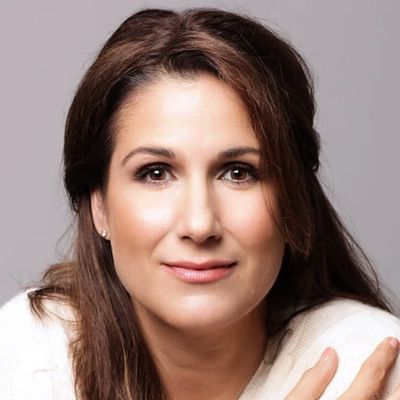
For Stephanie, she was either going to be a nun or a musical theatre actress. She elaborates on this as she looks back on her early days and her influences growing up, including her mom. She reflects on her journey as an actress, moving to New York in her early 20s and being intimidated by the city, leaving and eventually finding her way back. Being involved with the original creation of “Wicked”, Stephanie recalls how she dealt with rejection and why she believes that rejection is protection. She shares more anecdotes, including the two-hour work session she had with Hugh Jackman, meeting her now husband Sebastian Arcelus on the Wicked 1st Nat’l Tour, what made her say yes to playing Cher, and getting the right speaking voice for the role… with the help of Crest Whitestrips. She also talks about balancing motherhood and a performing career, revealing how they give importance to portraying a sense of teamwork with her family. She recently released a Christmas album called “Merry Christmas, Darling”, and shares the process of recording it, while on tour for “Into the Woods”.
Stephanie J. Block is a three-time Tony Award nominee and six-time Drama Desk Award nominee for her work on the Broadway stage. She has originated or starred in many Broadway productions including “The Boy From Oz”, “Wicked”, “9 to 5”, “The Mystery of Edwin Drood”, “Falsettos”, the recent revival of “Into the Woods”, and the first national tour of “Wicked”, and of course, “The Cher Show” where she won a Tony Award in 2019. Her TV and film credits include “Madam Secretary”, “Orange is the New Black” and “Homeland”. She recently released her latest album, “Merry Christmas, Darling,” available everywhere you find your music.
Connect with Stephanie:
- Instagram: @stephaniejblock
- Stream “Merry Christmas, Darling” everywhere you listen to music
- Listen to the “Stages Podcast”
Connect with The Theatre Podcast:
- Support us on Patreon: Patreon.com/TheTheatrePodcast
- YouTube: YouTube.com/TheTheatrePodcast
- Threads, Twitter & Instagram: @theatre_podcast
- TikTok: @thetheatrepodcast
- Facebook.com/OfficialTheatrePodcast
- TheTheatrePodcast.com
- Alan's personal Instagram: @alanseales
Transcript
This transcript was automatically generated and might contain errors.
[0:00] Stephanie J. Block: Hi, I'm Stephanie J. Block. Welcome to The Theatre Podcast with Alan Seales.
[0:12] Alan Seales: Hey, everyone. Welcome to The Theatre Podcast. This is Alan Seales. And if you had asked me five years ago if I thought I would still be podcasting, I don't know if I would have said yes. This is episode 300, and my first episode came out on October 26, 2018. I've been doing at least one a week since that time, and I gotta say, I love it. I love you for listening. I love everything that I've been able to bring to the world and the conversations that have been captured. It's just been this incredible journey of self-discovery, of just learning about friends that I knew in the industry already and making new friends that I didn't know I needed in my life. This has just been an incredible, incredible experience that has taught me so much, and I feel so fortunate that I've been able to share it with all of you.
If you've been here from the beginning, I thank you. Even if this is just the very first time you're tuning in, thank you for listening. And it means the world to know that there's people out there that still want to listen to everything that all of us want to talk about. All right, Stephanie J. Block for episode 300. She's been somebody that's been on my radar for such a long time, and now she's got this amazing Christmas album. She herself is an incredible lover of the holidays in general. She told me she's only putting up four Christmas trees this year. Normally, she does more. We actually got into a story that I didn't know the full details of, but she and Stephen Schwartz and Kristin Chenoweth, of course, were part of the original company that was developing Wicked.
And then, spoiler alert, it went to Idina Menzel for the Broadway debut. And so we actually get into the how and the why behind what went on with all of that. And I mean, just the honesty, the transparency, everything about this woman is just phenomenal. So had to have her on 300. Great episode with a great person. Please find me online, Instagram, threads, TikTok, Facebook, all the places. Leave a rating and a review wherever you're listening now. And once again, I cannot stress enough how thankful I am that you are with me on this journey. I don't know when it's going to end. I don't plan on it ending anytime soon. It's fun, and I'm going to keep going until it's not. So all right, everyone, without further ado, here is Stephanie J. Block.
[2:28] Alan Seales: Here you go. One, two, three. To celebrate episode 300 here on the podcast, an incredible milestone, of course, we have to have an equally incredible guest, a three-time Tony Award nominee and six-time Drama Desk Award nominee for her work on the Broadway stage. Our guest has originated or starred in many Broadway productions, including The Boy from Oz, Wicked, 9 to 5, The Mystery of Edwin Drood, Falsettos, the recent revival of Into the Woods, Elphaba, and the first national tour of Wicked, and of course, The Cher Show, which nabbed her her Tony Award in 2019. Select TV and film credits also include Madam Secretary, Orange is the New Black, and Homeland, and now her latest solo album, Merry Christmas, Darling, is now available everywhere you stream your music. Holy cow. Stephanie J. Block, welcome to the theater podcast.
[3:22] Stephanie J. Block: Thank you. I thought you were going to say, and here's Brandon Uranowitz.
[3:26] Alan Seales: Brandon's got a Christmas album, too? That's incredible.
[3:31] Stephanie J. Block: Look, he's omnipresent. He just does everything, and I love him so much, that idiot, idiot human. He's one of my absolute favorite people.
[3:40] Alan Seales: Me too.
[3:42] Stephanie J. Block: Like, legitimately, and of all the people that I've interviewed, I would now say, Brandon Uranowitz and Stephanie J. Block, already top of my list.
[3:51] Alan Seales: Oh, man, thanks. I'll take it.
[3:54] Stephanie J. Block: Okay. Well, okay. So, let's go back to the very beginning, which is, I hate saying this, a very good place to start.
[4:04] Alan Seales: Yeah, but we're musical theater nerds, so if you didn't, everybody would be disappointed.
[4:09] Stephanie J. Block: That's right. So, little SJB, where did you actually grow up?
[4:14] Stephanie J. Block: I grew up in Orange County, California, and a very small family, mom, dad, my sister, myself, loving, supportive, very religious. I'm pretty open in saying that the highest stock in our family, at least to my mother, was being beautiful. That would get you anywhere, anything. That was the future of her sweet daughters. It must have been something that she strove for in her youth, a generational thing, perhaps a cultural thing, perhaps. I don't know.
[4:49] Alan Seales: The California thing?
[4:51] Stephanie J. Block: Maybe, and again, not shy in saying this, my mother would always introduce what Seth says, this is my beautiful daughter, Renee. This is my talented daughter, Stephanie, because right off the bat, right off the bat, I knew my place, but I also knew that when I sang, people would kind of sit up and listen, and I was seen in a different way, and I had a moment in time that was just kind of all mine, and that always happened when I sang, and I was a little kid with a huge voice, no control over that huge voice. Everything was just forte, forte, forte all the time. When you're a kid, it's supposed to be.
[5:29] Alan Seales: That's right. That's right. We're all supposed to want to just belt and be Annie. That is where we're meant to be when you're seven, eight, nine in Orange County, but yeah, that led me to having still their support and their love, and then noticing it was more than just a fleeting bug, and then getting me into lessons, and from there, once I was 11, that was it, Alan. That was it. I was either going to be a nun, no joke, or I was going to be a musical theater, MGM star in my little mind, and for some reason, my upbringing allowed those two.
[6:08] Alan Seales: You started, a very good place to start. My nuns, when I grew up, were like that. They were these really cool, open-hearted, carried guitars. I went to a Catholic grade school and an all-girls Catholic high school for my first two years, and that sort of ecosphere drenched in religion, but also in kindness and open-mindedness. It was never this sort of hell, hell, hell. It was always love, joy, celebration. That idea of being a nun and carrying a guitar and singing and teaching people that way was beautiful and really attractive to me.
[6:50] Stephanie J. Block: That's incredible. I want to go back to your mother a second, who put so much emphasis on beauty while still being very religious, which seems sort of ... Well, I actually don't know. I was going to say it seems sort of like at odds, but I've never been a religious person or from a religious family, so I don't know. Aren't you supposed to accept everyone?
[7:12] Stephanie J. Block: You're right. I think as people have started to, I'd like to think anyway, evolve in their faith and come to terms with how we're created is exactly the right way, your uniqueness and your authenticity and how you were made is, quote unquote, it's perfect. That's exactly who you're supposed to be. So I think I do have to go back to it has to be a sort of generational thing, right? That however my mother was raised, and she too was raised in great love, I think, and great support. I can't speak for her because we all have our obstacles and hurdles to get over, and I hope that we're all in therapy. I'm for it, people. I'm for it.
[7:58] Alan Seales: Me too. Me too.
[8:00] Stephanie J. Block: But in that, yes, a gal's worth was literally as to how she was perceived, and all of the aesthetics of that person. That was not anything that was quiet in our household. That was not anything to even be ashamed of. It was all about the look of her daughters, and even the look of her home, and the look of her yard. I think it was maybe, again, not to be an armchair psychologist, but whatever she could lovingly control and package in a way that would reflect her, and that meant we had to sleep in sponge rollers and make sure our hair was curled, and the outfits were perfectly put together, and we showed up everywhere on time and clean and well-dressed. That was really, I can't stress how important that was in our home.
[8:57] Alan Seales: Did your mother ever blow smoke up your ass in terms of your talent?
[9:01] Stephanie J. Block: Oh, heavens no. Oh, no.
[9:03] Alan Seales: That's what I thought.
[9:04] Stephanie J. Block: Still to this day, she likes to believe that her love is grounding. Her presence in my life is the one to keep my feet on the ground. I was like, ma, I've never been the one to float above. That's just never been me, but I do believe she thinks that is her purpose, and with that purpose, it is how she shows her love and her presence. I'm here as a fortifying person in your life.
[9:38] Alan Seales: That makes a lot of sense. Looking back now through your own self-reflection, therapy journey, have you been able to sort of interpret your actions now coming out of your childhood and attributed any of it to your success? Because if you were saying at 11 years old, this is what you wanted to do, but yet you're growing up and being raised in a structured environment so much so that you're sleeping in curlers and your outfits are laid out, I feel like there's no room to just screw around and not take it seriously.
[10:10] Stephanie J. Block: Yes, and I will say that's who I took myself and my craft so much more seriously in my preteen and teenage and early 20 years than I do now. I would attribute that, like you just said, through my own personal growth and my own acceptance of my messiness, my incompleteness, my brokenness. And I will say that's kind of where the career really started to spark because I was no longer in the audition room or the rehearsal space or the theater to make anything perfect, to make anything shiny. It was really just to tell the story and relate with those that are in the audience, to be of service to that character in the story and the messier and more vulnerable and human I got, then that's when the awareness of my co-actors, my audience members, casting agents, whoever kept going, man, something is different about you.
And I was like, it's because I've finally taken away, like the patina is gone. The shine is gone. I have no time or energy for it. It has not been of service to me. And now here I am. And the here I am part of it is what really kind of thrusted things into a fast forward.
[11:32] Alan Seales: What age were you? Do you remember about when that started to click?
[11:36] Stephanie J. Block: Yeah, it wasn't until I would say after Boy From Oz.
[11:41] Alan Seales: Really?
[11:41] Stephanie J. Block: Yeah, that's the truth. So I attempted to move to New York when I was 22, thinking I was ready. And if you looked at me on paper, again, the optics of it all, I was really ready. My resume was there with all the regional theater credits you could ask for. I had an agent, I had my equity card. And yet, Alan, I was so intimidated by the city, by anybody who I considered competition. And I kept shift-shaping at every audition, wanting to give the people behind the table exactly what they wanted. And every time I did that, I completely lost my sense of self and what made me special. And I would say about nine months later, I left the city, took a little bit of a detour to some other states and other opportunities and other mistakes and landed back in California.
And it wasn't until I got a call from Stephen Schwartz when they were doing a new project. And he happened to be in Los Angeles, creating this new project. And he wasn't really familiar with a lot of the musical theater talent in the West Coast. Story has it, he went to dinner with five other pals. Those pals, four of them at least said my name and said, this is the voice type you're looking for and the physical type you're looking for. And met him there shortly after, and that happened. But that didn't happen the way I envisioned it happening, right? So for two years on and off, we worked on the
[13:09] Stephanie J. Block: This project on the West Coast, and when it came time to do that final presentation and then move on to out of town and then Broadway, it landed into somebody else's lap. And I was still trying to polish everything and make everything look like I knew what I was doing. I belonged there. It's like I had put on this costume, even though I can honestly say that the work I had put in, the decades at that point I had put in, I was doing the work truthfully. But somehow this little voice in my head was like, you don't know what this is. You've never built a brand new show. You're sitting beside Kristin Chenoweth. You're shaking in your boots. Even though you have the goods, the merit, you may not have the practical knowledge of feeling comfortable enough to be amongst this, you know, these really seasoned professionals of Broadway, TV, film, whatever.
And I kept polishing even then. And then with Liza, when that came, I kind of knew I had knocked it out of the park at the audition. And I will say that for my final callback, which was a two-hour work session with Hugh Jackman, he disarmed me in a way that I couldn't be my polished self. He took my sides, he threw them in the air, and he said, we know what the story is. We know what the scene is from beginning, middle, end. Let's just play. And that's what we did. And I honestly think that's why I probably got the gig. He stripped me of everything, and he made me present in the moment, and we connected, and there was the chemistry. There was that sort of crackle they were looking for because my pages were on the floor.
There was nothing to read off of or recite from. It just was being. But then to be Liza and not really be myself quite yet, be in my own body at 29 years old, I was still trying so hard. So it wasn't probably after that until I started to break through and go, oh, God, it's too exhausting to be this other human. I have to just be me with all of the quirks and mess. I did not know I should have. And I didn't know that you were involved with the original creation of Wicked on the West Coast. And that has got to have been devastating for your ego, just to create this entire show and then see it go to Idina after working with Kristen Chenoweth for the whole time, and she went on.
[15:39] Alan Seales: Yeah, sure. Right? How were you dealing with that at the time?
[15:45] Stephanie J. Block: Well, at the time, when Stephen Schwartz literally cold called me, it just seemed like a godsend because anybody that's on the West Coast or has to work, or I should say gets to work regionally and can make their livelihood doing all these different gigs. And for me, that was dinner theater, Disneyland, Universal Studios, voiceover gigs. I mean, I had to stir 12 pots in order to get three paychecks, right? That's just the way it works. So I had literally just come home from doing five shows at Universal Studios at the Rocky and Bullwinkle show, and I played Natasha, of course I did. And to have this call, I thought, God, how could you go wrong? I mean, just the opportunity in and of itself is such a great, unexpected gift.
And then sitting with him at the piano, and I remember him playing three songs for me. The first one was Making Good, which didn't end up in Out of Town or Broadway. It later became Wizard and I, One Short Day and As Long As You're Mine. And my hairs were standing on end. And I thought, oh, this piece is, I mean, whoever gets this is going to be the luckiest broad. And then six months passed. And then we did a reading of Act One at a theater, actually just kind of a room on Lancashire. And it was a whole cast of characters now and myself as Elphaba. And then months passed, and they trimmed Act One, added an Act Two. Again, I was the only person that remained and the cast of character changed with different actors.
And then a couple months passed. And now we're doing two weeks of a workshop on the Universal Studios lot. And Kristen has joined on and Lenny Wolpe is there. And David Burnham is my Fiero. And, you know, it went over like gangbusters, all these suits and money people with their arms crossed, probably not expecting to show any sort of emotion whatsoever, are at their feet, giving us huge ovations. And of course, of course, no matter how ground, even if Rosemarie Block was in the room, keeping me grounded, there was no way for my spirit to not think, this is it. This is my moment. This is the vehicle. This is it. And Chenoweth lovingly saying, you know, this is it for you. They don't need a star.
And she said this in great humility. They've got me. They've got the storyline of, you know, the Wizard of Oz, like they've got universal pictures behind it. And so when it came time to audition for New York, I flew out to the East Coast, met with Joe Mantello. Tara Rubin was casting at that time. It wasn't even Bernie Telsey. It was Tara. And it went over great. I got on a plane. I had to fly back in order to finish a show that I was doing in Los Angeles. And it was about a week later, Schwartz himself called and Steven just said, look, we love you. You know, we love you. But you've never done this. You've never started from the ground up building a show. And Adina brings something very different.
She's got an edginess and, you know, all of the things that Adina is, and it's undeniable, right? All the things that she can do, and I can't, and what makes her special, makes me different in a different way. But he said, this song, the songs in this show, they're a beast, right? So we don't know. We may need a matinee girl on Wednesdays and Saturdays. But we would love for you to stand by and be our understudy.
[19:17] Alan Seales: Arguably still do.
[19:18] Stephanie J. Block: Yeah, right, right. And so being a religious, prayerful girl, I was devastated. That's the word you use, but is exactly right. And I cried and I prayed and I spoke to my ego and I spoke to my younger self, like all of the things that you have to do to make that decision. And I thought this piece is worth it. And if it gets me to New York, allows me to learn the city, allows me to bear witness to what it is to build a Broadway show from the ground up. Nobody can ever tell me again, you've never originated, you know, a Broadway show. And if I ever get the opportunity to go on, I will be so ready, not polished, although I still was, but ready. And sure enough, in San Francisco, Idina took off one night and I was able to go on in Sam Fran and Winnie Holtzman was out there.
And I think Mark Platt and Stephen Schwartz, I did it once and they said, okay, go do Boy From Oz and then come back to us as soon as you can. And whether that's replacing Idina on Broadway, or the national tour, just know that Elfie is going to be waiting for you. So yeah, all in all, from the get go, it was February of 2000. And then I took my last bow as Elfie in 2008. So she was a big part of the whole beginnings of my Broadway journey.
[20:44] Alan Seales: That's phenomenal. That is phenomenal. But again, going back to, I guess, the religious side of it, or fate, or whatever may be.
[20:53] Stephanie J. Block: Yeah, whatever God of your understanding, however you want to phrase it. Yeah, something bigger than yourself.
[20:59] Alan Seales: For me, it's the spider verse right now. That's what I'm into.
[21:02] Stephanie J. Block: Okay, that's fair.
[21:02] Alan Seales: Yeah, yeah. So you went out on, originated Elfie on the first national tour of Wicked, and then who none other than your now husband was, Fiyero.
[21:11] Stephanie J. Block: Exactly right.
[21:12] Alan Seales: So if you had not done that, if it had not gone to Idina, and you had gone to Broadway, you wouldn't have the family you have now.
[21:19] Stephanie J. Block: Exactly right. I'd like to believe that he and I would have found our way to each other somehow, some way. But yes, it would have looked a lot different. And I always joke, Idina got the Tony, and I got Sebastian. So who's the winner?
[21:35] Alan Seales: You got the Sebby, she got the Tony.
[21:37] Stephanie J. Block: That's exactly right. Yeah.
[21:38] Alan Seales: And now you have your own Tony.
[21:39] Stephanie J. Block: But don't you feel similarly if you, sometimes I really believe that rejection is protection.
[21:45] Alan Seales: Oh, yeah.
[21:45] Stephanie J. Block: And when you look back, you go, that's exactly why that happened.
[21:50] Alan Seales: Yeah.
[21:50] Stephanie J. Block: It wasn't meant to go that way. It was meant to go this way. And it hurt at the inception. But then however many years or however many months later, you look back, you go, oh, that wasn't meant to be mine. And this is why. Yeah.
[22:02] Alan Seales: Yeah. Yeah. That's one of the things now. I mean, at the very beginning, I said, this is episode 300. I've been interviewing and talking to people and getting advice and hearing their stories for over five years now having these very intimate one-on-one conversations. And what I have pulled away with, if I were to summarize everything, it would be embrace who you are that makes you unique. Don't try to be anybody else because then you're not the best version of yourself. And failure is not the end.
[22:32] Stephanie J. Block: No.
[22:32] Alan Seales: And it's not even technically failure. It's just a different path.
[22:37] Stephanie J. Block: Yes. And probably the greatest learning opportunities you will have. If you can find your way to a quiet self-reflection, what you can learn from literally air quotes failure is far more than your successes, at least for me. I will attest to every quote unquote failure. These were monumental moments in my life that only added to whatever came next, made it more rich, made it more deep, made me a far more confident, self-reliant person that I mean, fail, go out everybody and just keep failing big because that's the way you're going to grow.
[23:22] Alan Seales: Yeah.
[23:22] Stephanie J. Block: Yeah. And then, I mean, it's a common phrase in engineering too. And in my other, my left brain world is fail early, fail fast. It's take chances, learn from it, pivot and move on.
[23:31] Stephanie J. Block: Yeah. I swing big too. I make like literally 150% from the get go. It's going to be big and it could be a massive failure or it could just be the best choice ever. And I usually always have to pare down most directors. I'll walk into a room and I think now most people know what they're getting when they hire me. So there will be like a cornucopia of choices and then they just have to start peeling away to make it a more simple, again, air quotes, performance, a cleaner, streamlined performance. But that's me. I swing large and fast and I fail big.
[24:13] Alan Seales: Hang on everybody. We're just going to take a quick break.
[24:15] Stephanie J. Block: All right. Now we're back. In something like the Cher show where you are portraying somebody who is alive and very iconic and very different in her own right. Cher is Cher. There is nobody else like Cher. So when you are being your best Stephanie portraying Cher, how did you approach that sort of conflict? Because you can't, again, we're saying embrace what makes you different, but then you have to be Cher because it is the Cher show. You're being Cher.
[24:50] Stephanie J. Block: That's right. It's interesting because again, I go back to my debut, which is playing Liza Minnelli and all of the lessons I felt that I needed to learn in that process to step into the shoes and tell the story of a living, breathing icon. I felt like I had done that in 2003. So when this was approached to me, I just thought, thank you so much. I am not your gal. I'm not your artist.
[25:17] Alan Seales: Yeah, you turned it down.
[25:20] Stephanie J. Block: Yeah. Three times I had to say no. And Jason Moore, the director finally said, look, we had you in mind when Rick Ellis and I came up with the device, which is going to be used to tell this story, which was three Chers, right? In the sense that we called it Cheropee, if you like therapy, it was Cheropee because we shared the stage together. It wasn't a linear storytelling. The younger Cher would pep up the deflated, older, tired Cher. The older Cher would speak to the middle Cher and said, we've learned that lesson. The middle Cher would say, these are the trials and tribulations we had and this, so now let's make sure we use them. It was this beautiful conference between the three Chers. And it took that meeting with Jason Moore after the three asks for him to say, there's something really spiritual. There's a sisterhood about the story.
[26:18] Stephanie J. Block: Just feel like the audience is going to embrace a sort of one-dimensional storytelling. She has done so many things over her 60-year professional span. When he described this storytelling to me, that's when I said yes, and he said, we're not even going to impress upon that you have to look like her or necessarily have to speak like her. Those first two weeks when we were trying this out, we kept growing in posture, more like Cher, and gestures, more like Cher, and speech, more like Cher. But when we started, it was Stephanie, Teal, and Michaela just doing their thing in strength and vulnerability and saying the lines. Now the songs would come on, and we'd sing a little more with affect. That sounds like Cher because we had listened to her songs so much that it kind of just soaked into our every pore, right?
So that was coming naturally. Before we knew it, after two weeks, all of us were bending the wrist at the same place and putting the tongue to our lip with the hair flip in the same place, and we were starting to become this unit. It was beautifully creepy. We had to then present this to Cher at the new 42 West Studios in fluorescent lights with her sitting five feet away. But pardon me, at that point, it was not Teal Wicks, pardon me, pardon me. It was Lena, Lena Hall. So the three of us were finding our way together in presenting it to Cher right off the bat. Cher seemed moved by it, and we knew we were going to continue. They kind of looked at me like, are you going to continue with the project?
I thought, yeah, because really at that age, I think I was in my mid to late 40s, and I just thought, F it. If not now, when? Do you know what I mean? If people judge, they're going to judge. If I don't look like Cher in the Bob Mackie costumes, I don't look like Cher in the Bob Mackie costumes. But you did. But the story is definitely worth telling. Then all of a sudden, I did a full deep dive in her speech, in her life. I fell in love with her more and more with every hour of the homework I was doing. When we came back for full Chicago rehearsals, I'd become more like Cher. Then after Chicago, there was this complete work through of the script that looked almost 80% different. I crap you not.
Then when we got to the Broadway rehearsals, I was sounding even more like Cher. Jason Moore was like, you need to put on the brakes. This is not what we were supposed to do. We were supposed to just kind of give them the energy and the essence and the idea. I felt so strongly. I said, Jason, you've crafted a show that I step up on stage dressed in the turnback time leotard and leather jacket and my bun cheeks hanging out. If I am not full, full voiced, full wigged, full postured like Cher, they're not going to go on the ride with us. It's going to be a really long two and a half hours of them kind of figuring out, do I feel comfortable with this actress? Can I trust this actress? So right off the bat, I've got to just grip them in a way that lets them know they're in the ride with us and I've got them covered. And now we can tell the story. And he was like, okay, let's try it. And then it just kept growing and growing from there.
[30:12] Alan Seales: Didn't you find the voice using Crest White Strips?
[30:15] Stephanie J. Block: Yes, that is correct. Thank you, Crest. And I now have literally, I think I may have finished my last toothbrush and my last Crest strip because it was years supply, but I was bleaching my teeth and I was reading the script over a summer vacation and I was having so much trouble. I kept placing it. If anybody, if there are singers out there, you know, when you do the sob, it's almost like you open up your larynx and it's like a cry. It's almost like a yawn and a sob. And I kept trying to do that for Cher's voice and it was just sounding funky half the time. And then I was using Crest White Strips and all of a sudden, oh my God, everything was kind of forward. And I found this sound that I was like, Sebastian, I'm not sure.
And he's like, I don't know what you're doing, but I think you found her. I was like, oh my God, I don't know what I'm doing either. And he's like, what are you doing? And I said, I'm bleaching my teeth. So everything then from that point on was like forward on the gum line. And that's literally the key to how I found her speaking voice.
[31:19] Alan Seales: That's incredible. Whenever I think of Cher, I always think of Jack from Will & Grace, Sean Hayes.
[31:30] Stephanie J. Block: Yep. And Sean Hayes is like, you're not even close.
[31:35] Alan Seales: And I think she's like, whatever, dude. And then she does the famous hair flip and walks out.
[31:40] Stephanie J. Block: Yeah, she's an incredible human and a creature of her own right. I don't know of any other word because there is such an essence to her. And she walks into the room and the whole molecular structure changes in the room. It is undeniable that somehow she's this otherworldly thing, yet is the most pedestrian, normal human you could meet. Like the same way she acts in a Bob Mackie gown is the same way if she's walking across the street in a pair of jeans. I don't know how to define it, but it is singularly her. She's just the best her she can be.
[32:22] Alan Seales: That's exactly right.
[32:24] Stephanie J. Block: That's incredible. You and Sebastian, your husband, got to go on tour with Into the Woods. You were on Broadway together, Into the Woods, and then went on tour with Into the Woods. And I want to tie in your daughter in all of this as well, because that's going to tie back into the Christmas album because she sings with you on the album.
[32:44] Alan Seales: Well, look at you tying it all in.
[32:47] Stephanie J. Block: See, I do the segues.
[32:48] Alan Seales: You do the segues. Yeah, that was wild. That was a call I wasn't necessarily expecting. During COVID, my family and I moved to Northern California for a whole host of reasons. We were on vacation. We were actually on a Seth Rudetsky big fat Broadway vacation with Seth in Norway. My phone rang.
[33:09] Stephanie J. Block: Like you do.
[33:10] Alan Seales: Yeah, like you do. And we were on the Trail of the Trolls, bringing it back to Adina, so frozen on the Trail of the Trolls. And my phone rang and I was like, why would my agent be calling me when they know I'm in Norway? Must be something. And sure enough, it was. It was, do you have interest in coming and replacing Sarah in Into the Woods? And yes, because that was a dream role since I was 16. I got for my 16th birthday, the album that opened up with the cast picture in the center. And, you know, I learned probably every role. And at one point in my life, I thought, oh, maybe I'll play the witch. But the older I got, I just all of my sensibilities kind of leaned toward the baker's wife. So I was thrilled.
And I don't think Sebastian will be embarrassed by this at all, but in the same breath. And I said, and is Brian Darcy James staying or what does that look like? And in fact, they said, no, he is staying, but he's off for eight weeks to go film a movie. And I said, well, I would love to continue this conversation where maybe he and I, you know, could do this together. And we're great friends with James Lapine. Jordan Roth is also a dear person in our life. And it just all seemed to make sense. So he and I would literally start rehearsals on the same day. We would open on Broadway as The Baker and The Baker's Wife on September the 6th, the same day I would carry on for a couple more months. But then Sebastian got to come back for the last week of Broadway.
And we took our final Broadway bow together, husband and wife. And with that, then, yes, there was talks of I have to correct you. They did not want to refer to it as a tour. It was a special engagement in major market cities. Doesn't roll off the tongue, but that's how they wanted to pitch it. Not a tour. And Gavin Creel was the first one to get on board. He wanted to continue because he was developing this incredible show. Not only he loved the role, but he was developing this incredible show called Walk on Through, which is now a massive hit at MCC. And he wanted to get out and meet people and, you know, garner a fan base and introduce his material to Washington, D.C., to Philly. And so he had this master plan for himself, but he wanted us all to go on this special engagement in major market cities with him.
And he then started to just say, well, would you be interested? Would you do this? What would it take for you guys to do this? And before you know it, that charming dum-dum got us all to say yes. And I would say the cast, the Broadway cast that took the final bow on Broadway, 90% of us said yes and went on tour. And apparently that hadn't happened since the 1940s. And that was all Gav. No, not all Gavin, but because we love Gav so much and he was going to do it and he painted it in such a beautiful, familial, communal way. And there just was no way to say no. We weren't done telling the story. So we said yes, but boy, did we, it was a gift, but boy, did we underestimate what that meant to go on tour with your eight-year-old child and a nanny and he and I, you know, doing eight shows a week, traveling from city to city.
As all the highs that you can expect, they hit all the highs, all of our expectations of what that looked like and getting out into the world and sharing these gorgeous cities with our daughter. But then you also have to consider, we're going to sleep at one. She wakes at six. We homeschool at nine until 1230. We go out into the city to do practical learning till about four. We come home, we make an early dinner. We look at each other like, are you as tired as I am? And he would say yes. And now we have to go do the most wordiest, heartfelt Stephen Sondheim musical in the history of Stephen Sondheim. Yes, that's correct. Okay, let's go. So the highs were highs, the lows were lows, and I wouldn't change it for anything. She'll never forget that.
[39:20] Alan Seales: No, she won't. And she'll never forget. You talk about communal, the way that company of Into the Woods, and not just the cast, but the company enveloped and loved on and lifted up my daughter. I can't even explain to you. She felt like she was one of, well, she felt like she belonged everywhere. She went backstage, front of house, the wardrobe department made her a costume as the Baker's daughter. Stage management had her own little like dressing room tag and makeup mirror tag. And she would bring her makeup kit and set it all up in every city. And that was her space. It was so heartwarming as a mom, I can't even put into words. And then when we were done, it felt done. It felt complete. And it felt beautiful. And we came home and we were able to rest and we still, I'm sure we will romanticize it more and more the sort of further away we get from it. But my God, I love those people.
[39:23] Alan Seales: It makes me want to cry. That is just like this perfect setup for this child to experience something, be with her parents, given family plus chosen family, and just be accepted in everything. This is going to shape everything about her.
[39:38] Stephanie J. Block: I think so. Because we never use the word job. We always tell her we're a team. She's not the captain, but we are a team. And so we kept saying, we're just so appreciative, Vives, that you are allowing us and being a part of fulfilling our dreams, because this is how it's going to be our whole lives. We will help fulfill your dream. We will do everything we can. When daddy needs to do what he needs to do, we're going to help in his dream. So it's never like, we got to go to work, we got to do the job, we need to earn the money. It's about shaping, using a word that you use that I think is perfect, shaping this little spirit to know that the dreams are possible if we all support one another. We're going to do it.
[39:27] Stephanie J. Block: You were flying to Nashville to record this Christmas album. Nashville and LA. So we did have a stop in Nashville. And then I was working a lot with the songwriters and the musicians while we were doing the show. And then we had a week layoff, maybe two weeks, because I think we did Disney World also in that same layoff. So I stayed on for, and Seb and Vivi did as well. And we stayed on and we got to work with these musicians who are incredible. And so they just work so differently. You know, it's not about the notes on the page. It's about feeling the vibe of the room and then setting the tempo and what sort of, oh, you want a cakewalk here? Okay, you want to, you know, they're using all these terms.
I'm like, Mm hmm. Really, what I want is just dripping caramel, or I need this to feel like a warm, cozy blanket. And then they would, you know, bring in all of the musical terms. So yes, we laid that down. Vivi was able to lay down her track for Little Drummer Girl. I laid down my track for Little Drummer Girl. And then I think one or two other songs. Then we got to LA. And luckily, we were sitting in LA for five weeks. So we felt like we were stationary. And we went to an incredible studio there called East West. And that's when I laid down the majority of the other vocals, I would say probably eight or nine tracks in LA. And by then, the producers, Wayne Han and Joel Lindsay had laid such a beautiful support of musicians, the instrumentation wasn't complete, but it was enough that I could feel what I needed to feel to lay down.
Because I don't know about other artists, but for me just to kind of have a dry track and a click track and, oh, but we'll, you know, we'll flourish with horns here. And then the cello will come in. I need to hear it in order to really live in it. Because, you know, a recording booth can get real dry and real stale very quickly. So in order to bring life to that space, having most of the tracks already done made a huge difference. And then I was able to sit in the room in the engineer room and help mix and master. And yeah, from soup to nuts, I'm pretty proud of it. It's incredible. And I can tell certain tracks where you brought in the white strips. Hang on, everybody, we're just gonna take a quick break.
All right, now we're back. It speaks so much, I think, to your level of talent and the way you're able to sustain yourself performing eight shows a week, being a parent, traveling in a limited engagement in major market cities. Yep, good for you. Thank you. And while flying back to lay down essentially a cast recording, right? You're making your own album at the same time and your vocals sound pristine. Thank you. It was wild. But it was, again, in our industry, it's like, I don't want to say it's feast or famine, because it doesn't have to be that drastic. But when opportunities arise, and it feels like it's an obvious yes, you have to say yes. When it feels like I'm scared, but why am I scared?
Oh, because it's going to lead to bigger things, or it's going to get me out of my comfort zone, or it's just going to be an incredibly hard schedule for two weeks, a month, whatever. But there is an end in sight. I have to say yes. And this, when I'd laid down Oh Holy Night about two years ago, the goal was to complete the entire Christmas album. But life got in the way. And that's where my priorities needed to be. And so when Club 44 came and said, we would love to complete this album with you. And yeah, looking at my schedule, we think, how are we going to do this? But somehow it did. And that to me is when you know, you're meant to say yes. And you know that it's right. Because everything just starts to line up in a way that, for me, you have to describe it as divine, right?
Because anything could go wrong at any moment. Nobody's promised anything. But when things just start to build on each other, with a lot of hard work, but also a lot of beautiful ease, and artistic understanding, and oh, you have to reschedule. Okay, I think we can do that. And then 19 different pieces that needed to come together in order for that rescheduling to happen. And it happens without a hitch. You go, okay, this is all just meant to be. And this album, that's what it felt like to me. That's amazing. Absolutely amazing. And then, like you said, it's a team effort with you and your family. And Sebastian's on the album, and Vivi's on the album, your daughter. And like, it's just this perfect combination of who you are, what you want to convey.
And it's embodying this teamwork sort of, I guess embodiment, right? Of just what your life is. It's really, really brilliant. And on top of all of that, too, you're also a big lover of the holidays in general. How many Christmas trees do you have? This year, we're just going to do four, Alan. I have three up thus far. If you want to put a link onto this interview, I will take pictures. Today, we're decorating the outside. But yeah, it takes a couple days. And then taking it down, that's the real time investment, right? Putting it up is the joy, and the mess, and you unwrap, and you go, oh, and that takes about three or four days to set up Christmas in our house. But taking down, oh, man, I am married to a saint.
That he indulges me in this way is really something. And to go back to the album, if you talk about that track, He and I, right? It's called When You Hold Me in Your Arms, It's Christmas. It was meant to be a solo song. I asked, David Zippel wrote it with Wayne Hahn, and I said, can we make this a duet with Sebastian and myself? And then the banter at the very tip, which feels to me like a Stephen Eady, a hearken back to those old husband and wife chemistry banter. I just got into the booth and started saying things, and it's us decorating. And then he got into the booth without knowing what I was going to say and just started to answer the things that I was saying. And it feels so us, and so organic, and so ridiculous. So, if you don't know us as a couple, just go ahead and listen to track seven, and you will know us more than you'd probably want to.
[46:16] Alan Seales: Oh, my gosh. I just love when you wear that little Santa hat. So cute, babe.
[46:21] Stephanie J. Block: Oh, thank you.
[46:22] Alan Seales: Hey, would you pass me that box of the one that says memory ornaments?
[46:27] Stephanie J. Block: Oh, this one?
[46:28] Alan Seales: Yeah.
[46:29] Stephanie J. Block: Thank you. It's looking pretty good in here.
[46:32] Alan Seales: Sure is.
[46:35] Stephanie J. Block: Oh, I love it when we make the neighbors jealous with our decorations.
[46:42] Alan Seales: How do I know?
[46:44] Stephanie J. Block: Well, I love listening to it. I will continue to listen to it. My younger one, who just turned seven, he's been asking us to put up our tree. So, we'll put it on while we put up our tree.
[46:53] Alan Seales: How many kiddos do you have?
[46:55] Stephanie J. Block: I have two. Just turned seven back in July, and then older one's about to be nine in 10 days.
[47:02] Alan Seales: Beautiful. It's fun age though, right?
[47:05] Stephanie J. Block: Yeah. Two boys, they are wild and all over the place, and they give me a run for my money, that's for sure.
[47:11] Alan Seales: I was going to say, if I feel 300, you also must feel 300.
[47:16] Stephanie J. Block: I do feel 300, and that's why I tell people I am a better father when I don't see them 24-7. I need them to go to school. I need my own little time to recoup, build up my energy, and then I can give them all my attention when they come home.
[47:30] Alan Seales: Yep. I think that's very human of you to say that, because it is the truth. Being on tour with a little one, yes, we were with her all day long. But the crazy thing was, because we could only put her to sleep, really, to bed one night a week, she'd look at us and be like, I never see you guys. And Seb and I would be, are you kidding? We are with you 12 hours a day. You're sleeping most of the time that we're away. But for some reason, if you don't do the, you know, the bath and the bedtime and the story, and then the sort of, she decompresses at the end of her day when she's lying in bed, she felt like that hour and a half that we weren't with her, that's when she needed us the most. So, that's going to be a conversation from here on out, what that looks like for Sebastien and I to share the same schedule.
[48:22] Stephanie J. Block: Interesting.
[48:23] Alan Seales: Yeah. She's got to be, I think, a little older before we can do that again, because that bedtime, nighttime ritual with both of us being gone, she really felt our absence.
[48:35] Stephanie J. Block: Yeah, it's the cuddling. For me and my kids, it's the cuddling. And it's like, when they're awake, they're active, they just want to run around. And especially, like mine too, specifically, they do not sit still. They cannot. And then at the end of the day, that's the one time when I'm reading to them, and they put their head on me, or my younger one will literally burrow like a hamster into my armpit. And I just hold them, you know, we're sitting there reading, and that's like the quiet time when they're just listening, and they don't want to move anymore. And I'm like, this is... You're all regulating yourselves, and all your heartbeats are going at the same pulse. It's a really special, special time as a parent, for sure.
[49:13] Stephanie J. Block: I agree. I agree. Well, everybody, please stream Merry Christmas, Darling, everywhere you can. Hang on, everybody. We're just going to take a quick break. All right, now we're back. And I now want to wrap up with three closing questions I ask everyone to finish up the episodes. The first one, just very simply, is what motivates you? You know, recently, I'm going to speak recently, the idea of time, because everything behind us has made me who I am now, and nothing in front of me is promised. So, what motivates me is all I have is this very moment, and you better live it to its fullest, because before you know it, it's gone. What advice would you give to your younger self and younger people listening now starting out down a similar path?
Well, I'm going to go back to how I started, and I'd look at that little girl and say, you are worthy. No matter how messy you are, how dirty you are, whatever you're wearing, you are worthy. And similarly to those coming up in the business now, don't worry so much about what you look like on the outside. Do not float above yourself and edit and in the moment think, I should have held that note longer, or I should have pulled my shoulders back, or you're not in the moment then. If you're editing, floating above yourself in real time, you're not living the truth of the moment, and you will only win, and I really call it winning, the audition, the day, the callback, whatever, if you are fully present in your body.
That means feel your feet, feel your breath, and don't edit. Just don't do it. All right. So, last question. This is the hardest one. If you could only see one show for the rest of your life, but you could see it as many times as you want, what would you see? The first thing that came to my head is Once on this Island.
[51:08] Alan Seales: Oh. Oh, yes, yes, yes, yes. I know. I know. It's got kind of everything that you need for a musical. I agree. Good choice. Thank you. All right. Where can we find you online on social media?
[51:21] Stephanie J. Block: Thank you. I'm at stephaniejblock. I'm only on Instagram. I don't do the ticket talks, but also, can I promote very quickly a podcast as well? I host a podcast called Stages Podcast with a dear friend named Mary Lee Fairbanks, and we're entering our fourth season. Not close to you. I think we've got 70 or 80 interviews, so we still have a lot of chats to continue, but we love it, and our interviews as well are very intimate, very conversational like this, so if you love Alan, please check out Stages Podcast as well.
[51:56] Alan Seales: Absolutely. We'll link to it in the show notes. You can find me on Threads, Instagram. I try to do the ticky ticks, but I don't do it very well. I'm on Facebook. Leave a rating and a review wherever you are listening. Thanks to Jukebox the Ghost for the intro and outro music, and thank you for listening to 300 episodes if you've been with me for all 300. Holy cow. Thank you, thank you, thank you, and then lastly, of course, stephaniejblock. This has been such an incredible conversation. It was so nice to talk with you.
[52:25] Stephanie J. Block: Thank you. You as well. I appreciate your time.
© Broadway Podcast Network, All Rights Reserved