

An actor, writer, and Shakespeare enthusiast, Ellen Adair shares their journey into acting and the profound impact it has had on their life. From their early fascination with Shakespeare to experiences in various productions, they emphasize the importance of connection in their work and the collaborative aspect that comes with it... Read More
From the show: The Theatre Podcast with Alan Seales
Guests
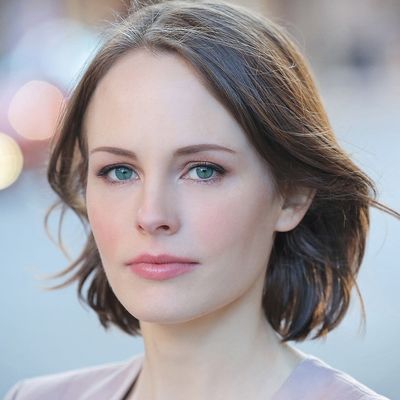
About
An actor, writer, and Shakespeare enthusiast, Ellen Adair shares their journey into acting and the profound impact it has had on their life. From their early fascination with Shakespeare to experiences in various productions, they emphasize the importance of connection in their work and the collaborative aspect that comes with it. They find joy in interacting with fellow actors, exploring characters, and being present in the moment. Ellen also delves into the challenges artists face, highlighting the necessity of mental equilibrium for navigating the unpredictable nature of the industry. Starring in the 2023 horror movie “Herd”, they reflect on the message of the movie and how it reflects our society today. Ellen shares personal anecdotes, from their aversion for anything with tentacles to growing up with no TV. They get personal as they talk about gender identity, the joy of being an actor, and connection as a form of motivation.
Ellen Adair is a star of stage and screen with TV credits that include “Bull”, “The Good Fight”, “Billions”, “The Sinner”, “Homeland”, and “Nurse Jackie” among many others. Her stage credits include off-Broadway and Regional Productions of “Sleep No More”, “Romeo and Hamlet”, “As You Like It”, “The Importance of Being Earnest”, “A Doll's House”, “Macbeth”, “Taming of the Shrew”, and “The Merchant of Venice”, among many more other credits. You can now watch Ellen in the lead role of Jamie Miller in a new horror film called “Herd”.
Connect with Ellen:
- Website: www.ellenadair.com
- Instagram: @ellenadairg
- Twitter: @ellen_adair
- TikTok: @ellen.adair
Connect with The Theatre Podcast:
- Support us on Patreon: Patreon.com/TheTheatrePodcast
- YouTube: YouTube.com/TheTheatrePodcast
- Threads, Twitter & Instagram: @theatre_podcast
- TikTok: @thetheatrepodcast
- Facebook.com/OfficialTheatrePodcast
- TheTheatrePodcast.com
- Alan's personal Instagram: @alanseales
Transcript
This transcript was automatically generated and might contain errors.
[0:01] Alan Seales: Hey, everyone. Welcome back to The Theatre Podcast and welcome to the first episode of 2024. Can you believe it? I can't. Well, I guess I can. I thought we'd have flying cars and hoverboards by now, but if nothing else, we still have podcasts. So to kick us off of the new year is Ellen Adair, who is now one of my new favorite people. They have such an interesting story, having grown up to super smart parents without a TV and even without having entertainment in front of them throughout their childhood, made their way into TV and film and just found, of course, this love for Shakespeare. As we get into, they've done tons and tons of Shakespeare. But something that was really interesting they talked about is that they don't want to be other people.
They want to explore the part of themselves that is other people, if that makes sense. Maybe it doesn't the way I'm explaining it, but the way they do is absolutely incredible. So stay tuned for that. Brand new for 2024, I'm experimenting with having a broadcast channel on Instagram. So go over to my Instagram account, theater underscore podcast and join the broadcast channel. I don't really know what I'm doing with it yet, but it's just another way to keep in touch and probably gather some questions for upcoming guests, which would be very cool to have your input on and find me everywhere else. Threads, TikTok, YouTube, you know, all the things. Leave a rating and a review wherever you're listening now. Hope you had a safe and happy New Year's. Here's to a great 2024. And here's our episode with Ellen Adair.
[1:39] Alan Seales: Today's guest is a star of stage and screen with TV credits that include Bold, A Good Fight, The Sinner, Billions, Homeland and Nurse Jackie, among so many others. Stage credits include Off-Broadway and regional productions of Sleep No More, Romeo and Hamlet, As You Like It, The Importance of Being Earnest, A Doll's House, Macbeth, Taming of the Shrew and The Merchant of Venice, among a bazillion more credits. And you can now watch them in the lead role of Jamie Miller in a new horror film called Herd. Everywhere you stream your movies, Ellen Adair, welcome to The Theatre Podcast.
[2:10] Ellen Adair: Oh, my goodness. Thank you so much for having me and thank you for making me sound so fancy.
[2:14] Alan Seales: You make yourself sound fancy. Listen, I was just like, I don't know which credits to pull out because you're one of those fortunate people that like, if I dove into all the credits, we would just be here all day long. And that's not the long form podcast that I do.
[2:29] Ellen Adair: Definitely boring.
[2:30] Alan Seales: Yep. Yes. No, no, not at all. I actually wanted to start with, let's see, the last couple things I read. Let's see, Macbeth, Taming of the Shrew, Merchant of Venice, you got like Shakespeare out the wazoo. It's actually like, do you like doing the Shakespeare? Were you classically trained in that way?
[2:47] Ellen Adair: It's my favorite is to do the Shakespeare. Yeah, it's been a long time and I have this, I have immortal longings in me is really what the Shakespeare nerd in me should say. Yeah, I have just like, I miss it so much. It feels like a homeland to me, Shakespeare, doing Shakespeare. And I think, you know, part of that is, I don't know, I've just been this weird my whole life. My parents took me to see Kenneth Branagh's Henry V, the film, when I was, I believe, five or six years old, because they had already taken me to see other Shakespeare, like live Shakespeare. And they were like, our kid can probably deal with this. And it was my favorite. I was immediately like, this is my jam. And I made them take me back five more times. And I like, you know,
[3:44] Alan Seales: How old were you then?
[3:46] Ellen Adair: Like, I think I was six.
[3:48] Alan Seales: Really?
[3:49] Ellen Adair: Yeah, I just, I just loved it. I just loved it. In fact, it's funny, because I was just having this conversation with my family over Thanksgiving. I was like, it's, it was perhaps the first movie that I saw that didn't terrify me. I feel like so many other sort of movies that are meant for children are like deeply terrifying. But I was like, well, yeah, but just like normal colonial war, like, that's fine, whatever. Yeah, I don't know, I was completely terrified by like, The Little Mermaid and Who Framed Roger Rabbit and The Princess Bride. But Henry V, Kenneth Branagh's Henry V, I was like, sign me up for this.
[4:28] Alan Seales: You are a strange child. Although, I gotta say Who Framed Roger Rabbit, that did give me a little bit of like, when I was a kid, because when it took me a second to realize that Christopher Lloyd was a tune inside his human body. And when I got all like, spoiler alert for those who haven't been alive in the last 40 years. Christopher Lloyd's the bad guy. Yeah, that that freaked me out. But Little Mermaid? Oh, my gosh. Oh, my gosh. I mean, I think that it is possible that my deep aversion for anything with tentacles, like I have a hard time sitting at a table where somebody else is eating calamari. I think that that might come from Ursula the Sea Witch, so terrifying. When she becomes big at the end, like, like the absolute stuff of nightmares. I can't imagine anything scarier.
[5:23] Ellen Adair: You're afraid your voice is going to get taken over calamari appetizers.
[5:28] Alan Seales: I mean, no, I get it. Yeah, I guess. I don't even know that I was that terrified of my voice being taken than just like, the whole yeah, blah. Well, my kids now are into Haunted Mansion, the live action. This is the first live action movie they've really gotten into. So they're just at that age now where they're like, all right, there's more to there's more to life than animated stuff. And so it was funny the other day, my older one, he asked, there's a kid in the Haunted Mansion, right? Have you seen that one yet?
[6:01] Ellen Adair: I have not seen it. No.
[6:01] Alan Seales: How old are you?
[6:01] Ellen Adair: Seven and almost nine.
[6:03] Alan Seales: Okay.
[6:03] Ellen Adair: And my older one, there's a kid that's like, I think he's supposed to be 10 in the movie. And he turned to me, he goes, Wait, is that a real boy? And I said, Yeah, what do you mean? He's like, I didn't know kids could be in movies. And it was just like this light bulb moment went off where he's like, Oh, oh, yeah, like kids do this too. And so now his whole thing is like, is that animated? Or is that real? And if that's real? Is it computer help? Did computers help make that? So he's like starting to piece all this together. It's really interesting.
[6:31] Ellen Adair: I mean, those are all of the most important questions that I think all of us are asking right now. So what a precocious child you have. I'm not remotely surprised.
[6:40] Alan Seales: Well, thank you. We're going to your childhood, then I know that you had a little bit of sort of an unusual, unusual identity growing up or just didn't quite kind of feel like you felt you fit in. You identify as non-binary, correct?
[7:00] Ellen Adair: Yeah.
[7:00] Alan Seales: Yeah. So where did that come from as a, I guess, where did you start? What's the what's the right way to actually ask this question to realize it to to phrase it to, to experiment with it? Like, how does one dabble in the world of non-gender conforming?
[7:15] Ellen Adair: Yeah, no, it's such an interesting question. And, you know, I think, for me, I think for many people who don't feel like they totally fit in a gender box, it is often an evolving one. And I think for me, it's certainly an evolving one. And, you know, it's to be to be completely frank about it. I have actually a lot of, hmm, I don't know what the nice way is to say this, like a lot of, of guilt, and shame about what I feel like was my capitulation to the gender binary, even though I felt like always, it didn't quite fit me. And so I think that, like, I feel complicated about the fact that it's not something that I knew existed, until I was like an adult, like, like fully, I mean, I don't know, fully into my acting career, right?
Like, not just like, oh, I was a grown up, like, I had already been an actor for, I mean, over 10 years at that point. And, and it was just that I met a non-binary person. And I was like, Oh, I mean, the first thought that I had was, I was like, Oh, if I had known that that was an option, that's what I would have been this whole time. But I just didn't know that that was an option. And, you know, if I if I sort of then go back into my childhood, certainly, like when I was, when I was a very young child, and, and so didn't, didn't feel like I had, like there were any expectations on me. I just always played pretend that I was people of all or both genders. And I don't know that that's not normal, right?
But I but I'm not sure that it is. For me, it was very much like, you know, I loved Henry V. But like, I wanted to be Henry V. So I would like run around the house playing like I'm Henry V. And, and I really wanted to be Peter Pan. Yeah, huge, huge, I want to be Peter Pan phase. But like, it wasn't exclusively those things. You know, I also just like enjoyed, like putting on a princess dress. And I just liked being some like, exploring the part of myself that is somebody else, I guess would be maybe the most accurate way than to say, being somebody else was just like always my favorite thing. But that that as a very young child, I didn't see that in any way confined in terms of gender. I was just like, Oh, like, yeah, I just want to be these these parts of myself.
And so I think then, like, you know, heading into the awkwardness that is puberty for everybody, right? Like, puberty just sucks. Like, let's be honest. Nobody's like, this is great. I'm having a ball. But I was definitely like, oh, I don't want to be a woman. Like I know for sure. Like, I, it felt like something that I couldn't escape. Like as a child, I was sort of able to escape it. And that suddenly, there are all these like other responsibilities and like things you have to do to kind of like make yourself into a girl as opposed to just like, being the thing that you are. And I and I just I hated I hated all of those things. And so I spent a lot of my sort of high school life trying to be like, I have no body.
Like, there's no body here. Right? Like just wearing like, like very voluminous things. And, and just denying the existence of, of a body or gender of any kind. But I, you know, I always wanted to be an actor, which is I always say, like, belies some lack of personal development. And in high school, like I had this, I had this kind of aha moment, which was which was around the roles that I was normally cast in. And like, sometimes those were wonderful and very freeing. And sometimes I was like, I never get to like, play the some of the parts that would be very interesting for me to play. And I was like, maybe I just have to make myself into a girl in order to do that, right? Like, if like, if I'm going to like really play a girl, then I need to like figure out how to do that thing.
And so I was like, okay, I'm gonna, you know, try to, to just in my life, like, figure out how to wear makeup and like, put on sort of normal clothes. And be lying, if I said that it 100% had to do with being an actor, I think there was also a certain point where I was like, Oh, I'm like, 16 years old, and I am invisible to everybody, because that is the choice that I have made. And, and maybe I would like to just not even be like, super shiny and seen by everybody, but just like, literally, like you could pick me up on a scan of the area, as opposed to blending into the wall. But you know, I do think a lot of that a lot of it did have to do with like, Oh, well, if I if I want to be an actor, then I have to learn how to be a girl.
To some extent. I think that that continued or continues. You know, I remember my first agents when I got to New York, they were like, you do not know how to dress yourself like you have to dress in like a particular way when you walk into the audition rooms. And I mean, I've just always been like, Okay, well, like, whatever I need to do is the thing that I will do. Sort of like pragmatic for my career in that way. And so I was like, All right, well, you know, so it's complicated being in an industry that is very much driven by what you look like you are. And also like, do people want to look at you? Right? Like, it's just it has to be driven by those things.
[13:06] Ellen Adair: People want to look at you. That is a horrible way of putting it, but you're 100% correct.
[14:34] Ellen Adair: There have been times in my career, both in my, you know, in college and also a few professional opportunities that I've had where I get to have gotten to play a male character, usually sort of like along with, you know, double cast in a couple of different roles have been really meaningful for me, even before I knew that non-binary was a thing, that I knew that there was really something about myself that I was getting able to express and explore by playing those roles. And I'm just immensely grateful for them, like, essentially immensely grateful for getting to be an actor at all for the fact that anybody ever was like, yeah, we'll pay you to do this. Just incredibly fortunate. So I think that was a very long and rambling answer. And probably like I could talk about this sort of complexities of non-binary identity and as it relates to like a life in the theater for a full three hours. So I will try not to do that.
[15:42] Alan Seales: I was going to go back to one thing you said near the beginning of your story. And thank you for sharing. And I had so many questions. But one of the things I want to go back to was you said, you like being an actor, you like pretend you like exploring the part of you that wants to be other people. You don't want to be other people. You don't want to pretend to be other people. You want to explore yourself, the part of yourself that wants to be other people. And I think that's an important distinction. Because you're not. Well, let me jump. I'll play Jeopardy. And I'll phrase this in the form of a question. Are you? You're amazing. Thank you. Do do you? By being an actor, you are by default, putting yourself in a place to be seen, while at the same time in real life, not wanting to be seen, you're saying you were trying to blend in and you want to at least show up on a scan of the room, you want to, you know, you're alive, you'll show up at a heat scan, don't worry about it.
You've got this dichotomy. And how were you balancing the need to explore yourself and figure out who you are by playing these other people while at the same time wanting to sort of not draw attention to yourself? And at the time when you were younger, you even said you had already wanted to be an actor, but at the same time were pretending you didn't even have a body because you didn't like your body. So how are you? It seems like this internal struggle that's all that was taking place for years.
[17:12] Ellen Adair: Yes. Perfect. End of podcast. Yeah. And scene. Yes. And scene. This has been the theater podcast with Ellen Seales. Yeah. I mean, 100% you got to I think what was a certain amount of agony for me, I would say as a teenager, right? Like as a child, I felt like I just existed and like, yeah, let's play pretend like I'm Peter Pan. And there was no amount of sort of friction for that. And I think it was that sort of like, as a teenager, suddenly, I was like, oh, no, I please I don't want to have a body, except for if I could use my body to be somebody else. And that was cool. And I and it could be because it's sort of like, it didn't have to trap me. I think that's really what it is, right? I think that, like, I felt like, oh, now I'm going to be trapped into being a woman.
And that's not what I want. And so I don't mind sort of like, going through and occupying the space. But to be trapped into, like being myself all the time is something that I think is still one of my primary motivations is to not be trapped in being like, literally the sum total of my experience, because that's boring. But I think something that I was getting at earlier is a kind of a distinction between being somebody else in quotes, and being the part of yourself that is somebody else. Right? Because I think that my view of every human being who lives is that we are all infinity, that we all have infinite capacity to do anything. And that's crazy. And that we have so much space in our imaginative plane that is occupied by like beasts and castles.
And that is why we need stories like I mean, I think for anybody who creates stories, or embodies them, why that feels like such a crucial thing. But also, I think just for audiences, why audiences need stories. And I think it's why we need so many horror movies and superhero movies, because we're like really looking to exercise that part of ourself that exists that that was made when there were a lot more immediate dangers around us than there are now, as human beings. And so it's like, we still have that energy, and we still just need some way to exercise it. And so I think that I have always been, you know, since I was five years old, and I didn't quite have this like theory of human existence, but like very much like, oh, but I need to be all those other parts of myself too.
And in some ways, yes, it's like being somebody else. But I think there's no really no such thing because like we are infinity and could be anybody. So that's sort of, for me, I think an important distinction is that if you're like, I want to be somebody else. And I think this is where I was as a teenager, that expresses a certain amount of loathing for who I am, right, that that I don't want to be me, I want to be somebody else, because somebody else would be better or more interesting than me. Whereas if it's like, oh, I want to be the part of myself that I don't get to be on a daily basis, that is about like, radical self-acceptance, and self-love, and love of that exploration instead of some kind of self-negation.
[20:47] Alan Seales: Hang on, everybody, we're just gonna take a quick break.
[20:51] Ellen Adair: All right, now we're back. Can I draw a really ridiculous parallel?
[20:57] Alan Seales: I'm so excited.
[21:00] Ellen Adair: A, I love that you say that we're infinity. I think that's super cool. B, I want to do mushrooms with you one day that that I think you would be incredible to sign me up. But the parallel I want to draw. So I just got Hogwarts legacy on PlayStation five. It's a it's a quest based game and you develop your character based on how you answer questions and have conversations and every conversation you have. You're allowed to take like sort of a really good or really bad or sort of in between answer. And there's other games. This is not the first game to do this. But I love how like, I'm, I like to think of myself as a nice person. And I like to think of myself as doing right things. But every now and then, when I know it's not going to harm anybody, I want to explore that little part of my character, my who I named myself Sir Dad's a lot McGee.
So Sir Dad's a lot is sometimes is a little mean to his fellow students. And, and it's a little bit cathartic in a way, if that makes sense. So I'm not, I know, I'm not really explaining this well, but I'm, I'm picking up what you're putting down that sometimes there's all these little bits inside that you just have to uncover and see how they feel you try them on a little bit.
[22:13] Ellen Adair: I mean, I think you're explaining it extremely well, or perhaps you're just explaining it to the right person, because I understand exactly what you're talking about. Yeah, I think that I think that, you know, the joy of being an actor is the joy of being able to live every kind of conceivable life without doing actual harm to yourself or to your fellow people, right. And instead, ideally, you're doing good for other people by allowing them if they're not the acting type, but simply the viewing type, like to also experience that to also experience the extremity of the imaginative plane, which is I think the term that I used for it earlier. Yeah, yeah, it's why it's so fun to play bad guys, and why it's so fun to, you know, to like watch action movies or horror movies or whatever.
[23:36] Alan Seales: Yeah. And, and someone said something to me once that, that kind of put things in perspective to that bad guys, when playing a bad guy, you still play their truth, because the bad guys don't wake up in the morning thinking, I'm going to do bad to people, they wake up in the morning thinking, I'm doing what's right, when you approach it with truth. And you apply, like exactly what you said, just applying that piece of yourself that you get to experience without actually doing it. And then without actually harming people, you get to have so much fun. It's really, it's really fun to play bad guys.
[24:06] Ellen Adair: Yeah. And I think, you know, for actors, it's very natural, because we're used to a kind of emotional transference, right? So, or, I mean, Bob Krakauer would call it personalization, although I know there's plenty of people in the Bob Krakauer space who are like, don't use the word personalization anymore. But it's essentially like, what this thing means to this character, what is that thing for me? So like, because I love metaphors, they're my native language, I always kind of think of it like, here's a map of what this character cares about the things that they hurt, like the things that have hurt them, the people that they love the people that they, you know, have have wounded them. And then where what is my map look like?
And how can I kind of like line them up so that when I'm playing this character, and this thing presses on me, I'm like, oh, I don't have literally that same wound of that same person with that same relationship. But where is my similar wound? And like, how can I press on that too? So when you're playing a bad guy, you just make alignments that nobody else would make, right? You're just like, oh, well, for me, this is like, whatever your nefarious bad guy goal would be like, I want to get this like nice part in a television show, right? So you just want those things in the same degree. And the reason that it's creepy is because the person is acting like something that should be nefarious is just the most normal and natural thing to want.
But like, you know, any actor is capable of doing that. And I think yeah, exactly. It's exactly like the dissonance of like, oh, you shouldn't be okay with doing that. But you're okay with doing that. That is, yeah, the fun, the fun of playing a bad guy.
[25:16] Alan Seales: I think that's a great transition to Herd. Because, excuse me, I forget the character's name. Who's the guy? Big Beard, who's like the number two, he's trying to be number one.
[25:28] Ellen Adair: Bernie?
[25:29] Alan Seales: Bernie, is it?
[25:31] Ellen Adair: Big John Gruber, that's that's Jeremy Holmes character. He's sort of like, in charge of their kind of militia group. And then and then there's Bernie and Tater are the like main two other militia guys.
[25:42] Alan Seales: Yeah, not Tater, not Big John. So it's got to be Bernie. And so Bernie is this guy, I think, who exemplifies what you just said perfectly in his in this performance is incredible. He's just laying out these lines. Like, I believe what I'm doing is right. Like, we got to go kill all these people. And like, I don't see anything wrong with it. But on the outside, he's a complete asshole. But he doesn't believe that. That's just what he knows.
[26:05] Ellen Adair: Yeah.
[26:06] Alan Seales: And in the way that he just plays it, like, I'm just going about my day. I don't know that I'm hurting people. I'm from North Carolina. So whenever I think about Herd, I get my southern accent back.
[26:18] Ellen Adair: Yeah, that actor is Brandon James Ellis, who's like, you know, done a number of things on Broadway, and he's immensely talented. And he's so sparkly in the film. He's just like, insanely charismatic. I think definitely threatens to walk away with the film and just how magnetic he is every moment that he's on screen. He's wonderful.
[26:38] Alan Seales: Yeah, yeah. Oh, I can't. Amazing. Yeah, your scenes with him. Absolutely incredible. But so Herd, you're a lead character. Let's see, your character is in a lesbian relationship that is on the rocks. And you don't often see gay storylines, queer storylines in horror at all. And I didn't know what to make of it at first when I was reading the log line. And I was like, Okay, this is interesting. We got a little bit of that going on a little bit of this going on. And then like, I'm expecting Walking Dead kind of zombie sort of thing. And then I didn't know if I needed to be more scared of the infected, or of the frickin militia. And that's what really left me feeling uncomfortable in a in a good way. I'm comfortable in a good way. Because I was like, Oh my god, I don't want these. I don't want the unsick people to do harm to these two characters that I care about.
[27:36] Ellen Adair: Yeah, no, I think that's exactly the story that the filmmakers were trying to tell. This is written by Steve, Steve Pierce and James Allardyce together. And it was, you know, partly inspired by it was shot in the place that Steve is from, it was literally his town. And so he's sort of feeling like he's kind of, you know, he's lived a lot of time in the city now. But he's also, you know, has so much of his life that is like from that community, that he just sort of feels like he doesn't quite belong to either anymore. And that was sort of the genesis of the story, which I think is really interesting. But in terms of the fears that you have in the movie, I think that's 100% what they were going for.
I mean, I think it's, this is something that happens in a lot of great zombie movies, where it's sort of like, Oh, is the real terror actually other live human beings, right? So yeah, it is not the first movie to do that. But I think it does it really, really well. And I think one of the ways that I think it does it so well is that I think it's really, it's an entertaining zombie movie. But it is also really, in my opinion, holding the mirror up to our society right now. That I think the story is very much about the way in which adversity ought to bring people together. And yet it seems to only divide people, at least right now. So I think that this movie is really a picture of, and I'm not going to say the
[29:08] Ellen Adair: Human tendency to divide in the face of adversity rather than come together.
[38:26] Ellen Adair: But yeah, I really love the spontaneity in on-camera work as well. The kind of notion that this time I ought to do it differently than I did it last time, because they've already got that one, so I might as well do something different. I think that that's really, both of those are things that just really appeal to me from a craft perspective.
[38:44] Alan Seales: That's pretty cool. Hang on everybody, we're just going to take a quick break.
[38:48] Alan Seales: Alright, now we're back. And then, backing up even more though, when you were a little kid, you said that I guess, was it going to see the movie when you were 5 or 6, right? Was it that that made you want to become a performer in general? Like, you were like, I want to do that?
[39:08] Ellen Adair: You know, I think it might have been. I had a sort of a weird opportunity to meet Kenneth Branagh when I was working on Cymbeline at the Barrow Street, and he saw it. I was understudying and I was lucky enough to get to go on a few times. But that was not one of the days, so I went and I knew he was there. People told me he was there and I found him in the lobby, in the intermission and I was like, I'm an actor because of you! And he was just like, that's very nice. So, that was the story that I told to Kenneth Branagh when I just accosted him out of nowhere. But I think that it was probably, you know, my parents took me to see that movie because they knew that I was already into it. I think what I remember as being a couple of the early formative experiences was that we went to go see a family friend in, I think what was probably like a community theater production of The Mikado.
And he was playing The Mikado. I thought that was so cool. I mean, so I was young, like I was a toddler. I was just like, oh wow, like grown-ups also get to do the thing that is my favorite thing, which is, you know, pretending to be other people slash, you know, the parts of myself that I don't get to be. And so, I remember that was the first time that I was like, wait, I know that person, but like he gets to be different with like a lot of other people who are also getting to be different and that's really fun. And so, I think that was kind of my first notion that it was a thing that grown-ups did and not a thing that just kids did. And I was like, yep, that's what I want to do.
[40:48] Alan Seales: That's fair. I mean, I wore out my VHS tapes of Music Man, Singing in the Rain, and West Side Story. Those are my three that I went to all the time because we didn't have on-demand. You hear that, kids? You couldn't just dial it up. Look, I also loved West Side Story, but and this is, my parents are both Luddites. They're Luddite college professors. That's why we didn't have a TV. I feel like I always need to explain that in case they're like, are they Amish? So, I had my mom's record of West Side Story. I wore that record out literally, which like you can't, obviously, like kids in the old days, you could wear out the media, right? Like you could literally wear out the VHS tape. There were so many skips on Dear Officer Krupke from me jumping around to that song. I always wanted to be Riff.
[41:44] Ellen Adair: You'd be a good Riff. I think of myself as a single threat, really. But I appreciate you saying that. I would love to be. Do you sing?
[41:52] Alan Seales: Not well enough for musical theater. I have done a lot of singing in plays where they're like, we're going to give you a musical number. And I'm like, you've seen the no musical theater that's on my resume, right? And they're like, yeah. So, I have done that, but I do not consider myself to have a remotely competitive for musical theater voice. Like, if you need me to sing a song in a play, I can do it. People will not leave the theater with blood streaming from their ears. That's my review of my singing voice.
[42:24] Ellen Adair: Jesse Green from the New York Times says, blood did not stream out of my ears. Four stars.
[42:28] Alan Seales: Okay, so on that, let's wrap with three questions I ask everyone to end the episodes. Exciting. Yes. The first one, just very simply, is what motivates you? What a great question.
[42:40] Ellen Adair: So, I think if I'm going to try to think of like an umbrella concept for this, and this is maybe so umbrella-y as to not even be helpful, but I feel like the thing that motivates me is connection. So, I think that one of the aspects of that is my favorite part about being an actor is, in fact, not being other people. That's slash part of myself that I don't get to be. But my favorite thing is other actors. It's just getting to watch what the other actor is going to do tonight and listen to them and play with them. It's just the best thing in the world to me. I just think it's the absolute best thing in the world. Obviously, audiences are wonderful and directors are always important and often such a great collaborator to getting all of us more into the space of the outer space of who we are, right? But I think for me, really like day after.
[43:43] Ellen Adair: The thing that keeps me crawling back is like, what are my co-stars gonna do today? So I think that that's the kind of connection but that I also do think that then all of the things that I was blathering about earlier, right like connection to the other parts of myself that I don't get to be through, you know getting to literally embody a story or for me, you know I've been writing a lot more and so also to really get to try to like inhabit somebody else's point of view by writing it is also wonderful, and I think that connection is part of that in terms of like a holistic view of the self. But then also in terms of the fact that I think that art has this incredible capacity to connect people through interpretation of stories.
Our output as human beings is carbon and stories, right? Like we are always turning everything that happens to us into a story of who we are in the world, you know what the world is even if we're not aware of it and that the thing that art can mean to us can be so transformative. If I think about what other people's stories have meant to me, the way that they have transformed my inner landscape or the way that like that, you know a painting can transform your mood or like, I mean gosh for everybody like a piece of music and that what I'm doing is not just connecting to the piece of art but I'm like connecting to the mind on the other side of it, right? It's this incredible way to have a web of humanity essentially, right?
Like being connected through art, being connected to the minds of the people who have made the things and that I really feel like connection is the substance of miracles. Any kind of connection whether that's like human connection or whether that is like connection through story through art, I think that's like it's the magical substance that binds the universe.
[46:00] Alan Seales: Wow, what I think. Wow, I'm just letting this sit for a second. One of the things that I truly, truly miss about performing regularly myself something very similar is the reaction, being able to react to what your co-stars are doing, what your scene partners are doing and I think it's along the same lines. It's just genuinely listening and just waiting like it's exciting. It's titillating to wonder like what are they gonna do now? How are they gonna do that differently this time? And then you just let it go, man. I've had some of the best scenes from completely unexpected moments and you just roll with it and it's the best. I agree. It is the best.
[46:40] Ellen Adair: Yeah, or like absolute delight that it is when something very fixable goes wrong. Yes, right? But to be like, all right. Oh look, it's different today.
[46:55] Alan Seales: Yeah, a little excited.
[46:56] Ellen Adair: Yeah, like if the lights go out and you know, you're in a play from before there was electricity, hard to work your way out of that one. A lot of things, you know, like I am not above adding text in a Shakespeare play to be like that fell down. Just acknowledge the thing that's happening so that we can all move on.
[47:18] Alan Seales: Delicious. Okay, let's see. So second question then, what advice would you give to your younger self and your people listening now starting out down a similar path?
[47:25] Ellen Adair: Hmm. Oh, that's also really great. And you know, interestingly, I well, I sort of feel like like two things. I feel like, you know, having just had the conversation that we just had, one is like figure out how to take care of the light inside you. Like the world generally, but I think particularly the world of this industry is one of wild swings in one direction or another and so kind of figuring out how to have your own mental equilibrium is the thing that will keep you in it because ultimately I think that tenacity or just literally staying on the ship when the tide is roiling like it has been for all of us for a few years at this point, like that is the thing that is going to make your career whatever that career ends up being.
But if you stay in it, that's what a career is. That's what it actually is. But what just occurred to me was I went back to be you to the theater group that I was in in college for a screening of Herd and I got sort of the same question and I think I gave a less good answer to it than the one that I just gave but I will also go ahead and offer this one, which is just whatever lesson you learn or whatever you feel like is your lesson, you're gonna need to keep learning that lesson. And I feel like that would have been very helpful for me as a young person to be like, oh, it's not like I flipped a switch and all of a sudden like I am fixed and I am now a good actor forever. And like for me, for everybody, I think you know for every artist it's gonna be a different thing.
But for me just to give an example so that I am clear with what I'm talking about, I was, it was my first summer at Shakespeare and Company and the wonderful late Dennis Krosnick, I was you know talking to him about like, oh, I feel like I haven't done any good work in like a while. And anyway, he having observed me for the summer, he said, you know Ellen, what I think you have to know is that the best student does not necessarily make the best actor. And I was like, whoa, because I and I think it's very true and I think to go back to baseball for a second, I think that this is a thing that's a parallel between baseball and acting that has increased my love of baseball over the years is that they're both things where like if you try too hard, you will not succeed when you're in the moment of doing the thing, right?
Like so it's very important if you're a baseball player to like figure out how to tinker with your pitches and like take your batting practice and working on your swing mechanics and for actors, it's very important to do, you know the parallels of all of those things. You know, like you need to keep training and you need to keep sort of like working on your instrument, which I know sounds sort of pretentious to say it that way, but like it's just true. So you need to do all of those things. Obviously, you need to do all of your work. You really need to do your script work. You really need to know your lines. You really need to like have dug into your character and have personalized and all of those things and then when the moment comes that you as an actor step into your actor's batter's box, you have to just like let all of that go and just exist in the moment.
And I think because I like I'm the child of two college professors and like I really like love being a student and I really like love just working really hard, that is not helpful as an actor to work really hard like when you're in the moment of performance. So this is not everybody's journey, but this is my journey and I will continue to fall into any number of like, you know, I just studied with this teacher and like look at me doing the things that they taught me instead of like I'm just going to be present and do the thing. So I think for me at an early age to know like, oh, there's not going to be a moment when this is fixed. Like I'm gonna always have to sort of apply myself to whatever is my, I don't know, particular foible, right?
And so you can just get to a point where you sort of recognize it sooner and adjust faster like, oh, here's me, I'm doing this thing again. So yeah, I think those are the two. Those are the two main things that I would say. Obviously, I feel like this is another topic that I could probably talk about for three hours, but I'll try not to.
[51:52] Alan Seales: Okay, well I will ask the last question here and it is by far the hardest one. If you can only see one show for the rest of your life, but you can see it as many times as you want, what would you see? Is this one play?
[52:06] Ellen Adair: Well, I mean or like show or is it like a specific production of a show? You can be as specific as you'd like.
[52:15] Ellen Adair: That's the hard part. Oh, that is the hard part. Well, I'll tell you the thing that's coming into my heart is the Mark Rylance production of Twelfth Night, which I saw first when I was at Oxford and like made a trip into and like didn't know who Mark Rylance was just like, oh, I'm gonna just go to the globe and see what's ever is on and just my life was changed by seeing Mark Rylance play Olivia. And I mean Stephen Fry was also great, right? Like the whole production was incredible, but there's just something again, I guess we've been talking about this thing like so radically present about Mark Rylance like that's what his charisma derives from that there's absolutely nothing, it seems to me put on.
He's just like complete response to the moment. I mean it, yeah, I think I, he's my favorite actor and so I, you know, whatever it is, I will go see Mark Rylance in something and so if I could only see one thing for the rest of my life, I think I would probably choose to see him in that particular performance because also like I'm going to pick a Shakespeare play if I can pick only one thing just because you know the poetry of it and like the depth and the multitudes and I feel like there's so many different ways that there are to watch Shakespeare could makes it really fulfilling to watch multiple times.
[54:03] Alan Seales: I love the way you think. Think about like molecular levels and just that we are infinity and I could just listen to you speak forever. I really could.
[54:09] Ellen Adair: Well, you almost did.
[54:12] Alan Seales: So, are you online? Do you play the social media game?
[54:18] Ellen Adair: Oh gosh, I try. I do try and unfortunately, my handle is different on like almost all of them. Yeah, so on the artist formerly known as Twitter, I am at Ellen underscore Adair and I am on Instagram and Threads as Ellen Adair G. There's just like the G, just the letter G after that and I am on TikTok newly that's just at Ellen Adair and I am on Blue Sky at Ellen Adair. There's too many social medias to figure out what they're doing.
[55:02] Alan Seales: Yeah, I post on Blue Sky for like three minutes and then I was like, what am I doing? I've even mastered TikTok, but I follow you on the Instas, Ellen Adair.
[55:08] Ellen Adair: Yeah. Yeah. Yep. Ellen Adair. That's how I should start saying it.
[55:14] Ellen Adair: Yeah, it is. It is for my married last name, which is Guilty. So that it's, I did, I would go with the pirate motif like I'm Ellen Adair.
[55:20] Alan Seales: Can I tell you my favorite joke, please?
[55:26] Ellen Adair: What's a pirate's favorite letter?
[55:31] Alan Seales: Ah, you would think that, but it'd be the sea.
[55:36] Ellen Adair: I always do that. You get to do a voice, you get to do a voice in the joke. I always like pirate's favorite subway train and that's the R.
[55:42] Alan Seales: But then I like you think that would be the sea.
[55:46] Ellen Adair: Damn it. Oh, how did that see that coming? I also like what's Fonzie's favorite train? Hey!
[55:53] Alan Seales: Oh yeah, that's pretty good. That's pretty good.
[55:56] Ellen Adair: So much time spent waiting at subway platforms where we can entertain ourselves with those jokes.
[56:02] Alan Seales: Well, if you're still listening, everybody, what are you doing? We're just telling bad jokes now. I love it. Um, what did one hat say to the other hat?
[56:10] Ellen Adair: You're looking very nice today. You stay here. I'm going on ahead.
[56:13] Alan Seales: I think at first I thought you said you stay hair like I thought that like I was like, oh, oh, there's so many things and then I was like, oh no, it's actually the end is the punch line.
[56:22] Ellen Adair: Yes.
[56:28] Alan Seales: You said, oh, don't you stay hair? No, that's the southern accent. You stay here. I'm gonna hit. Okay, what's an Irish dentist's favorite time of the day?
[56:44] Ellen Adair: 230.
[56:45] Alan Seales: 230 tooth hurty. And then my last but it does depend what part of Ireland you're from because you might just say 230.
[56:53] Ellen Adair: 230.
[56:55] Alan Seales: Well, yeah, that screws up the joke. You have to go with the most offensive accent for it to actually work.
[56:59] Ellen Adair: Let's see. Okay, last one. Um, bear walks into a bar. He's looking for Lauren. He just crawls up to the bar bartender says, what are you having bear? You look pretty sad. There says I'll have a beer. Bartender says why the big pause? He goes, I've had him all my life.
[57:28] Alan Seales: Very good.
[57:30] Ellen Adair: And with that, find me online on Instagram and TikTok and Facebook and all the other bad places that I sell tell bad jokes. I'll leave a rating in a review, hopefully if it's a five-star if you like my jokes, if not, it's still a five-star please and thank you. Thank me to Jukebox the Ghost for the intro and outro music and Ellen, thank you so much. I had so much fun talking to you. I'm literally good like just listen to you pontificate for hours. You're incredible.
[57:48] Ellen Adair: You are so kind. You are so much fun to talk to and tell jokes to and I, I too, I would happily pontificate at you for hours.
[58:04] Alan Seales: It's like what did what happened to you today? I got pontificated at.
© Broadway Podcast Network, All Rights Reserved