

A globally renowned actor known for his iconic roles in shows like "Quantum Leap", “Star Trek: Enterprise” and "NCIS: New Orleans," Scott Bakula looks back on his fruitful and diverse career, including his time as Dr... Read More
From the show: The Theatre Podcast with Alan Seales
Guests
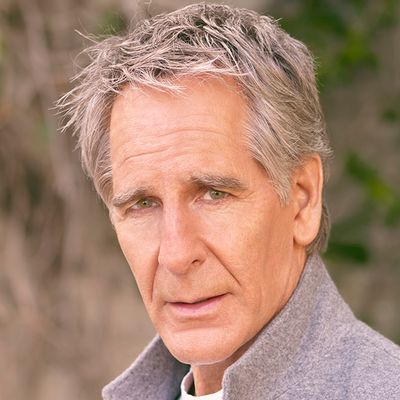
About
A globally renowned actor known for his iconic roles in shows like "Quantum Leap", “Star Trek: Enterprise” and "NCIS: New Orleans," Scott Bakula looks back on his fruitful and diverse career, including his time as Dr. Sam Beckett (Becket?), and some interesting behind-the-scenes details including whether or not that final end screen of the series actually has a typo! With so many changes that occurred post-pandemic, he shares his thoughts on doing self-tapes for auditions, why he thinks it’s become an empty experience, and why it can be limiting and isolating. He talks about his current role in the new Jason Robert Brown musical “The Connector”, his view on journalism after doing the show, and the reason behind their incredibly designed double-raked stage. With his family and the joy of connecting with people as his driving forces, Scott advocates theater as a foundational learning ground for aspiring actors.
Scott Bakula is an actor who commanded the leading role of Dr. Sam Beckett in “Quantum Leap” from 1989 to 1993 and has earned him a Golden Globe Award and multiple Emmy Nominations. His other TV and film credits include “Star Trek: Enterprise” where played Captain Jonathan Archer, “American Beauty”, “Necessary Roughness”, “Murphy Brown”, and Ray Romano's “Men of a Certain Age”. Aside from lending his voice to animated series such as “American Dad”, “The Simpsons”, and “Archer”, he also has a Tony Award nomination for his performance in the 1988 Broadway production of “Romance/Romance”. His additional stage credits include “Is There Life After High School” in 1982, “Marilyn” in 1983, and “Three Guys Naked from the Waste Down” in 1985 for which he received a Drama Desk Award nomination. Apart from acting, he’s now showing off his dancing and singing skills eight times a week as Conrad O'Brien in “The Connector”, extended through March 17th at MCC Theater in New York.
Connect with Scott:
- Instagram: @scottbakula
Connect with The Theatre Podcast:
- Support the podcast on Patreon: Patreon.com/TheTheatrePodcast
- YouTube: YouTube.com/TheTheatrePodcast
- Threads, Twitter & Instagram: @theatre_podcast
- TikTok: @thetheatrepodcast
- Facebook.com/OfficialTheatrePodcast
- TheTheatrePodcast.com
- My personal Instagram: @alanseales
Transcript
This transcript was automatically generated and might contain errors.
[0:00] Scott Bakula: Hi, I'm Scott Bakula. Welcome to The Theatre Podcast with Alan Seales.
[0:15] Alan Seales: Hey, everybody. Welcome to The Theatre Podcast. Intimate personal conversations with the industry's biggest names. I'm your host, Alan Seales, and our guest today is none other than Scott Bakula. If you are of a similar age as me, you probably remember Quantum Leap, one of my all-time favorite shows as a kid, which of course we're going to cover. But in case you didn't know, Scott was a singing and dancing man first before he ever made it into TV and film. So that story is actually really, really incredible. And did you know he's also got a Tony nomination for some work that he did even before he was in Quantum Leap? That's kind of insane. So his story's amazing. Can't wait to share it with you as always.
You know what to do. Find me online and all the social medias. Tag me in your stories. Let me know you're listening. And do the thing. Tell your friends. Help this podcast grow. Leave a rating and a review wherever you're listening. And please enjoy this episode with Scott Bakula.
[1:12] Alan Seales: Oh, boy, guys. Oh, there we go. I didn't mean that, but now I'm going to use that. Oh, boy. I am absolutely thrilled to introduce today's guest, who for five years from 1989 to 1993 commanded the leading role of Dr. Sam Beckett in one of my all-time favorite shows, Quantum Leap, which earned him a Golden Globe Award and multiple Emmy nominations. Other TV and film credits include, of course, Captain Jonathan Archer on Star Trek Enterprise, American Beauty, Necessary Roughness, Murphy Brown, and Ray Romano's Men of a Certain Age. Aside from lending his voice to animated series such as American Dad, The Simpsons, and Archer, this guy also has a Tony Award nomination for his performance in the 1988 Broadway production of Romance Romance, having made his Broadway debut in a show called Is There Life After High School in 1982.
And additional stage credits include Marilyn from 1983, Three Guys Naked from the Waste Down in 1985, for which he received a Drama Desk Award nomination, and not just an incredibly handsome face. He can sing and dance, folks, and is now showing off those skills eight times a week as Conrad O'Brien in The Connector, which was just extended through March 17th at MCC Theater here in New York. Scott Bakula, welcome to the theater podcast.
[2:29] Scott Bakula: Thank you. I'm exhausted from that introduction. I don't know how you're doing it.
[2:33] Alan Seales: Well, I had my coffee. And we need to point out that, do you know what day we're recording this? Do you realize what day this is?
[2:41] Scott Bakula: I do. It's Leap Day.
[2:42] Alan Seales: Leap Day.
[2:44] Scott Bakula: Yes, yes. We used to have special kind of leap every four years. We had a leap one Leap Day during the time when we were shooting Quantum Leap. So that was a big deal. We had some event festival kind of thing, which was cool.
[2:57] Alan Seales: That's cool. Yeah. When your team confirmed this on the 29th, I was like, I hope they did that on purpose. I highly doubt they did. But I thought it was such kismet. I was like, I had to call that out.
[3:08] Scott Bakula: So under the subconscious world, I was like, yeah, we got to do that. Because somebody else had called and specifically asked, can we do something for Leap Day? And I said, I don't have time to do that. But I'm here doing this with you.
[3:21] Alan Seales: Oh, I appreciate it. I appreciate you. And seriously, though, I mean, I know you're tired. You've got to be tired talking about Quantum Leap. We'll touch about it a little bit because we'll go through your career and everything. But I have to say, though, there are very few people that I, in this, in, I guess, with everybody that I've interviewed in the circles that I am fortunate enough to kind of be part of these days, there are very few people who still like kind of make me a little bit nervous. One might say fanboy. And so you are one of them because it's, I realized that it's the people who were in the shows or did things that influenced me as a young child. And I'm 43 now.
[4:02] Scott Bakula: You're still a young child, still a young child.
[4:05] Alan Seales: Yeah, Quantum Leap was just, it got me into appreciating sciences and science fiction and like the possibilities of time travel and all sorts of other things. I just love that kind of stuff. And then side note, I met Mark Summers the other day, too, because Mark Summers has a show off Broadway as well. So like meeting you two back to back, I can die a happy man now.
[4:25] Scott Bakula: Well, let's not talk about dying anything.
[4:29] Alan Seales: Okay, okay.
[4:30] Scott Bakula: No, it's, you know, I grew up with just a love of science fiction myself. So ironically, I've been so lucky and fortunate. I've done a bunch of sci-fi work in my career. And I don't know why that is necessarily, but I'm certainly open to those kinds of ideas. So maybe when I get a script, I'm not like, I don't get this or I can't do, I don't want to do this. I don't like, you know, I'm always like, yeah, you know, get it and bring me more. So that show was simply, I mean, we talked about big concepts, but it was a very simple, subtle kind of show and reduced to its bare, you know, the basics. It was just about trying to, you know, walk a couple miles in somebody else's shoes and see what that life, their life would be like and how that affects everybody else's lives.
And it was a, it was a great, really a great show to be a part of because it was Don Bellisario, who's a legend and, and then Dean Stockwell, who was just a buddy of mine. And then we had the best crew and directors and people that I'm still friends with that still direct me and, you know, NCIS and stuff like that, that I've just, I've kept, you know, up with because they profoundly affected my journey.
[5:40] Alan Seales: Well, Dean became a mentor to you, yeah?
[5:47] Scott Bakula: Yeah, very much so. I mean, I, you know, I lived in New York for 10 years. I'd gone to LA with a show called Nightclub Confidential, a musical. And, and of course, as, as life goes, two years into being in LA, and I'd been getting some work in LA, and I'd done some guest spots at Designing Women, and I'd had my own nine episode failed series called Gung-Ho based on the movie. And then I did Eisenhower and Lutz with Alan Burns and all these great, Henderson Forsyth, a very famous, well-loved New York actor. And we, we became fast friends, but he came out to LA and, and Pat Richardson and Delane Matthews. And I had such, such great early success there. And then bang, I get Romance, Romance, and I come back to New York, get a Tony nomination.
And we had, you know, a very kind of high profile for a little tiny show, a lot of attention. And then I, after six months or so, I decided it was time to go back to New York. And a month after, I mean, back to LA, and a month after that, the Quantum audition showed up.
[7:00] Alan Seales: Really?
[7:00] Scott Bakula: Yeah. And I don't know, you know, I always think, I wonder if I'd stayed in New York and been put on tape, and if I would have still gotten it. And I don't, I don't know. Steven Weber was one of the guys who flew out from New York, and we've become buddies over the years. And I always thought if that had been me, I don't know. I just don't know if I would have gotten it or not. But...
[7:20] Alan Seales: I hear that a lot from people now, especially post-COVID or during COVID. And then now it's continued out of COVID that there's so many casting directors just find it easier for them to accept all these self-tapes and everything.
[7:30] Scott Bakula: Oh, yeah.
[7:31] Scott Bakula: It's so much harder on the actors, because they have to be their own lighting designer and audio engineer and videographer, and then get into character and learn the lines and all that stuff. It seems impossible.
[7:41] Scott Bakula: It's a terrible state of our business, and it's been perpetuated. It was kind of going there before COVID. Just being, I'm on the other side of the camera, you know, a lot. I have been a lot during other projects. And you just don't get the same vibe as when somebody's in the room. There's no way to do that. And I've seen so many self-tapes, and I feel so bad for everybody that's doing a self-tape, including myself. I think that one of the last self-tapes I did, which has been a minute, but was for the revival of Annie. And I was in my living room in Los Angeles singing, I don't know if it was NYC or whatever it was. And it was just like, what? I'm never going to get this. And I didn't. And that's fine.
But I just feel, especially for the young people who are trying to get started, it's such an empty kind of experience. And the reality is, in the old days, and I'm old, but you develop a relationship with the casting people when you go in and meet them. You develop a relationship with a director who may say, you're too tall for this part, but I'm going to remember this guy for another time. Or you go in and you have a terrible audition, but all of that is live experience that you add to your mechanism, to your instrument, and you build off of that. And there's a kind of, oh, well, I'll throw up my little gray tarp and get my little circle light and do it. And I'm done moving on to the next thing. And it's very limiting, in my opinion. And I always want to be with people in the room.
[9:42] Alan Seales: Huh. That's really interesting. I agree, too. There's so much you can pull from someone's energy and the way that someone else responds to a line or whatnot. I mean, chemistry readings are a real and necessary thing. Because you could be the greatest actor, and then go back to Dean Stockwell, right? If you guys could have been like oil and water, and then the scenes don't work.
[10:02] Scott Bakula: Right. And we read together for Quantum. And there were other beautiful actors that were reading for that part. I was already cast, and then they were looking for Al. And Dean and I rode down in the elevator when it was over, and I just said, I just can't imagine that we're not going to do this together. Because he was so good. And I was blown away. And it just felt like it was going to happen. And thank goodness it did. But that's a big part of it, that you get chemistry. You also are allowed to be directed by, if the director is in the room, because that used to happen in the old days. And now that doesn't happen anymore. I think a lot of directors, no offense to them, but they're not that comfortable with actors.
And a lot of directors don't necessarily, a lot of directors don't come through the theater, where they're forced to work with actors. And they're able to, when you have the ability to sit on a monitor off, away from the set and watch somebody, you're not really experiencing what they're doing, because you're not next to them. You're not feeling it. A lot of people just, they're not that comfortable with actors. And the business is losing a huge element of what we all got into the business for in the beginning was to be in these interesting relationships with people and develop characters and work on things together and create a role and create a character. And there's a little bit of this that's crept into our world.
Witness us doing this on Zoom, instead of being in a room together. But that's where the podcasts are. That's where people get their information, the TikTok world, all of that stuff. So, we are slowly kind of insulating ourselves, whether it's intentional or not. And there's a loss there in the creative process, I think.
[12:01] Alan Seales: Oh, I 100% agree. And it comes from, I think, a fundamental loss of being able to connect with somebody literally at the basics of human connection.
[12:14] Scott Bakula: I can eyesight looking somebody in the eyes, physical touch of like hugging somebody, greeting somebody. It's so isolating to be in Zoom all day with people and never be able to bump into them, like literally bump into them. Whether it's affectionate or not, like you step around people, we're just, we're herd animals and we need companionship in whatever form that takes. So I, I 100% agree with you. Um, I want to, I mean, just the reality that you and I got to meet each other last night. I have a different, we have a different relationship today because we, we shook hands and said hello. And we were milling around with a bunch of people and, and you were kind enough to come see the show and all that stuff.
So there's a, there's a, there, we already have history, you know, and, and if we met again or talked again, the third time we'd have more history. And that's just the nature of what we do. I want to, I want to go back to, to little Scott, because you mentioned that you were in, you were into sci-fi and I know you were born in St. Louis. I think you grew up in the St. Louis area too, right? So around Missouri, into sci-fi, and you said something a second ago that, that made me think, yeah, you're a theater dude. It's creating together. It's connecting. It's being with other people in the same room and bringing this art form together. How did you get into, I guess, get out of St. Louis into TV, film, musicals?
And it sounds like you always wanted to do theater first. Yeah. Well, I start, you know, I'm a singer first. I started doing things with my, with my, and I'm a musician, I'm a piano player. And so I had a rock band very early and I was, I was comfortable and liked doing that a lot. And then I, I sang in with a, with a kid's choir, with the symphony when I was in fifth grade. And somebody that the, the music teacher had suggested that I do this symphony thing. And I did that. And that was fun. And she went to the same, I went to this Presbyterian church in St. Louis. They were doing a, a Christmas operetta, Amal and the Night Visitors, if you're familiar with that. And she suggested to the musical minister of music at that, at the church that I could possibly play that part.
And so that kind of, that was it for me. I was with some beautiful, fantastic, gifted actors and singers, especially in musicians. And so that was kind of the bug. And then I just started doing plays and continued with the rock band. And then that led to Godspell and Joseph and shows like that and other, and plays. And I just kept pursuing and pursuing it. And then I had a decision to make when I quit college because I was, thought I was going to do a national tour of Godspell that fell apart, which was, that's a whole nother story. But I think I want to go to New York because I don't know anything about the TV and film industry in St. Louis. And off I came to New York. And I, my intention was never, I never thought I would, I wasn't interested in film or TV.
That wasn't part of a dream of mine or anything. I just thought, I wonder if I can get to New York and make a living as an actor in the theater. That's insane. I mean, you don't think about the stuff, especially as a kid, right? So in 89, I was eight or nine, depending on when it started, when I started watching, but nine-ish, we'll say. And then you think that everybody you see on TV has just always been doing that, especially when you're nine years old and you had already been headstrong or headfirst into theater and playing piano in a rock band, I assume, right? You were playing piano? That's insane. Electric keyboards and piano, yeah. Yeah, yeah. Just all of this that people don't hear about.
They're just like, oh yeah, this guy shows up and all of a sudden he gets this great show. And then the career is made. But no, there's just years and years and years of struggle and hardship and trying and rejection. But the New York years, it's been kind of profound to come back here. I think we hear more often, we hear the story of the, oh my gosh, that's a child actor and they've been doing that their whole lives and they were in this show. We saw Sweeney yesterday and I was looking at Aaron's bio and he's been killing it for years. I mean, we all know Sutton's story, but most of us, it's not immediate, it's struggle. I also had to, I had a lot to learn. I was kind of off the boat from St. Louis with not a lot of, I remember somebody very early saying to me, I think it was in St. Louis before I left, but somebody came to see a cabaret, I had done cabaret.
Somebody said rudely, but honestly said, you don't even know how to stand on stage. And I was like, what's he talking about? I hadn't even thought about it. And I was like, oh, okay, well, there's more to this than just showing up and knowing you're singing your songs. But I've been so lucky. And what I was going to say was I'm so struck by the struggle of New York, the greatest city in the world for theater, in my opinion, folks in London might disagree, but it's really hard. It's really, really hard. And nowadays it's way harder than it used to be because there's so many fewer options. The summer stock theaters and all those, so many of those are gone. And every summer, we would run in March and April, and you'd have three or four or five auditions a day for all these different summer stock shows that were going out.
And you'd just see everybody everywhere. And it was this kind of communal thing. And that was just like, oh, that's a training ground. I can go there and I can do Shenandoah for a summer in 10 different theaters around the eastern, up northeastern seaboard for a week each place and have a ball and make a bunch of friends. And some of those people went on to be directors, and then they'd hire me for something else or whatever. And you built that community. And here, going back to what we were talking about, just the isolation of the business, it's just harder to find your way through it. And Fergie, the regular Willis in the show, and he was asking me, he said, how do we navigate this stuff? I said, I can't really tell you because I didn't have to figure out a website and followers and people to sample my recordings of a thing I did at a club and put all that together and keep adding information every day to keep myself hip and vital and current.
And I was just like, I went to my singing lessons, I went to my dance classes, I went to my acting classes, and then I went to auditions. And I cobbled together enough food to pay the rent of 150 bucks for my little stupid studio up in Spanish Harlem. And that's all I kind of had to worry about. And there's so much more. And do your own auditions now and figure out all of that stuff. And the agenting thing has changed. And it's so much more complicated. And there's a lot more competition. And these young kids coming out of schools, they're good. You know, they're not just hacking around. I was kind of hacking around when I got to New York a little bit. I can remember just horrible early auditions where, you know, 16 bars. And I was like, oh, my God, how am I going to whittle this down and do that? You know, it's just disasters. Hang on, everybody. We're just going to take a quick break.
[20:17] Scott Bakula: All right, now we're back. I just feel for the people that fight to be in New York and try and make it in New York. It's not easy. It's tough. And I love Fergie, too, Fergie Philippe, because he's got a podcast with Broadway Podcast Network, too. It's called It's Time to Meet the Muppets. He's a huge Muppets fan. I don't know if you two have talked about that. Yes, I know. Well, I do, because I'm good friends with Frank Oz, who directed me. And Fergie has become friends with Frank and his wife, Victoria. And we had dinner just two weeks ago, all of us together. And we just had a ball. Frank's personality is hard to break into. Oh, yes. You are 100% correct. And that's intentional. That's intentional.
He directed the Juggler Factory in London a few years ago. And people would come from far and wide with a poster of Yoda for him to sign. And he would be out the back door going the other direction. And he's got his own rules. He's got his own standards. And I applaud him for that. He's got boundaries. And I could use a few lessons from him really on that, because I'm not that good about that stuff. Well, I think you're doing great. And that's why I said at the beginning, I always give people an out. I assume they're always asked questions about things like, in your case, Quantum Leap. I'm like, I'm sure you're always tired about it. So that's your chance to jump in and say, yeah, I'm kind of tired.
So I take the hint and move on to something else. But yeah, it's just interesting. I appreciate that. And I want to move over to The Connector. You brought up The Connector with Fergie. It's such an amazing show. I knew it was good. I didn't know it was this good. And I saw it for the first time last night. Well, it's a fictional story based on true events, right? So it's basically, you own a magazine company. This whole thing set in the late 90s, where like the big magazine boom was happening and the internet was just becoming a big thing. So there was all that competition. And so you own the company. There's this new hotshot comes in from Stanford and just blows it all up by creating what we should call alternative facts.
Because that's the word being thrown around today in 2024, unfortunately. So I guess The Connector, for you, has your view on journalism changed after doing the show? Because I think the whole show in general sort of throws to the audience, what's more important, literal truth or what seems to be the truth, perceived truth? Yeah. The show is so dense. We can sit and talk about the difference between truth and facts for the rest of the time that we're chatting here. And what does that even mean? And who's sitting around contemplating that? But because some of these issues have been thrown into our face in the last few years, when somebody uses the expression alternative facts, it just sets the world upside down.
The show is so poignant. And yes, I've learned a lot more about how often this happens in the literary world, how often it has happened. Oh, my gosh. The first day of rehearsal, we came in and Daisy had sent me, Daisy Prince, who directed it beautifully, and conceived it. It's her baby, birthed it before she gave it to Jonathan to write, who did a magnificent job. I'm not even talking about Jason because, you know, he's the reason I'm here. The score itself is so good. It's spectacular. But she had on a bulletin board, I think maybe 20 different articles or different events that had happened. And many of them were from the New York Times, of people that had misstated, misjudged, or written things too.
[25:59] Alan Seales: Alan Seales is a creator. He has a great line at the end of the episode, where he says, I didn't do anything wrong. And to him, that was true. He didn't hurt anybody. He found out, you know, he got a mayor to retire. He was part of that. But it turned out, the mayor actually was crooked. And much like the mayor in Washington, D.C., who went down a few years ago, smoking crack and dah, dah, dah, dah, dah. So, these things are pulled from real life experiences. They're not just, you know, casually made up. So, it's a crazy show. And it's a musical. You know, when I got the script, I just thought, this is one of the best scripts that I've read for anything, you know. But this felt like more of a play with music.
And come to find out, when Jason was talking about it a couple nights ago, Jason Robert Brown, who wrote the unbelievable score for many things, but this included, that in the original conception, the only music they were going to have in the show were the three specialty numbers. The three made up. And then, that was how it started. And then, it grew and grew and grew from there. So, you know, it's fascinating to see, you know. And those three brains, Jonathan and Daisy and Jason, are just, they're all three very smart. And we just kind of, I just kind of sat back and said, yeah, you know, bring it on. Let's do this. And I'm so fortunate to be a part of the show. Well, Daisy Prince is the daughter of Hal Prince, legendary Hal Prince.
And then, Daisy, I mean, like the apple does not fall far from the tree there. And why, I mean, there's little things about the show that I just love. And I don't understand, were you ever told why, you know, stages are raked often, which means that the back is higher than the front. Why is your stage raked and, it's raked from the front to the back and left to right. Yeah, it's a double rake. It's a double rake. Sidebar, before I answer that question, we had a physical therapist who came in and to help everybody, when they have a rake on a stage, they want to talk to the dancers and because your body gets affected by that. Yeah. And we met on the stage and she said, basically, you guys are screwed.
She said, I'm used to one rake, you know, back to front going down, but this is, you know, you turn one way and you're this way and you're at the top over here and you're down over there. The point of it is, the reason for it and the reason for a lot of things in the show, Daisy wanted people to feel somewhat disoriented and uncomfortable and things are, everything's a little bit out of whack. Like my desk in the opening scene, I've got a square room, but it's put in a funky angle in the room and at other scenes, it's straight on. And so she wanted everything to be some, a lot of the movement early on in the opening number, the whole world changed. It's a little stilted and a little, the other actors have their backs to the audience and it's a little, what's going on?
So she wanted that to feel a little, not comfortable. People aren't totally comfortable. Oh, I get what the show is because you don't know where the show's going. And that's been fascinating to watch audiences because the space is so intimate. I can see people's faces and there are times I'm talking to the audience in the beginning, especially, and you just watch people get sucked into the show and they're leaning in their seats. Oftentimes I see mouths just kind of open, just, what's happening now? It's really a journey we all go on together and a lot of people aren't expecting it because they've come to see a Jason Robert Brown musical. They didn't really think it was about a magazine, whatever, and then bang, it takes them places they weren't expecting.
Well, we have to go there. We have to think about it. And I love how it reflects back on the audience. Like we were talking about the very beginning, what's more important, perceived truth or literal truth? Because, I mean, as a parent, you have to tell little white lies sometimes to not just destroy your children.
[30:29] Scott Bakula: Yeah. And so that I would classify as perceived truth, not literal truth. But when you're doing journalism, God, I mean, how do you train someone, the general public, how do you train them to be their own fact checkers? And I love how this throws that back at you of like, you need what your son is doing for you and your wife. You actually have to question, even if it is from a trusted source, just step back and question where and why this is being presented to you. The why is important, too.
[30:50] Alan Seales: Yeah. Well, and it pops up everywhere societally now. For instance, the same son, his first year in high school, he had a history teacher. And the first day of class, the history teacher said, OK, here's your history books. OK, close your books. Look at the front of the book. Does anybody know Daniel Friedkin, the writer of this book? No, nobody knows who he is. OK. I want you all to understand that what's in this book is his opinion about history. So don't believe any of it. Check it. Find other sources. This is the text that we're using. But it's this guy's opinion about history. And of course, I mean, I grew up in a time when nobody talked about so many things in U.S. history. And we find out more and more things that are buried.
I mean, I grew up in the Midwest and we're watching the new Scorsese film, Flower Moon. That just happened. That was in Oklahoma. I mean, I never got educated about Juneteenth. I didn't know anything about this whole Indian massacre, that whole thing that was going on down there. And that's just I didn't know about the Japanese internment camps in Utah. I came to L.A. I worked with a Japanese-American actor. I said, where were you born? He said, Utah. I said, Utah. That's interesting. And he said, well, that's where my family, we were in the camps there. And I'm like, what are you talking about? And I felt like a complete idiot, but that my school didn't teach. That wasn't part of our learning.
And now we're getting this little, you know, everybody's squeezing down on what we can learn, what's true, what's, I mean, the end of the show and he says, there never was a Holocaust. We know there's, you walk around New York City and you see the billboards and they're those little moving signs that change. They're new since I've been here that give you interesting facts. And, you know, oh, 38% of the people between the ages of 18 and 49 believe that there's no antisemitism in the United States of America. 28% believe that there wasn't a Holocaust. And you're like, what's happening? The sidebar on that real quick. My seventh grade, North Carolina, first in roads, last in education. That's our official slogan.
Could have changed since I've been in high school. My seventh grade social studies teacher asked us to make our own decision as to whether or not the Holocaust happened. And I went home to my Jewish mother who flipped her shit. Yes. Yeah. Anyway, so that's there. That's there. And and and is growing kind of like a wildfire. And it's scary.
[34:43] Scott Bakula: Yeah, it is. It is. It's well, there's confirmation bias that people look for there. There's again, going back to what we're talking about the very beginning. Herd mentality means you want to connect with people. And often that means you want you're unconsciously looking for people who share your same beliefs and your shame, your same viewpoint. And if you are in a bubble and there's no offense, I'm not trying to be offensive to anybody who lives one way of life or another. If you live in a certain bubble and you're not open to people outside of that bubble, everyone is not going to grow. You're just going to continue to repeat the same bubbly behavior.
[34:46] Alan Seales: All right, now we're back. And also, we're we're we're pulled, we're pushed and pulled by all these sources now, because being the age that I am, I can remember when the internet was starting and Wikipedia was starting and people were just feeding. They were writing stuff and throwing it on there as fast as they could. Who was doing that? They were interpreting whatever they wanted to and say, well, let's we just got to make code. We got to load stuff on there. We got to fill up our site and hurry, hurry, hurry. And there's stuff that stayed on there. For instance, people threw stuff on there about me that stayed on there for years. It was inaccurate. Then I used to say people would start an interview a certain way.
And I was I knew immediately that they all they'd done was gone to Wikipedia and they'd read the misinformation that Wikipedia had printed on there about where I lived and etc. And they were always asking me the same question. So what's it like living up there? I said, I haven't lived there in eight years. That's old news. And you guys, I know you didn't do any any other further research than that. To prepare for this interview. But that's the world we live in now.
[35:27] Alan Seales: Yeah. Yeah. Again, another great line from the show. We look for people who believe the same things that we do.
[35:31] Scott Bakula: Yeah. Which which Ethan sings at the at the end of the show. But yeah, it's I mean, fascinating times, but it's it's it's hard to to digest a lot of the times. Hang on, everybody. We're just gonna take a quick break.
[35:50] Scott Bakula: It's sad. Well, Wikipedia, at least they they're like, you have to cite your sources, but then the sources you're citing, if they're not fact checked, then it becomes this compound problem.
[36:04] Alan Seales: Yeah, I agree. 100% agree. Okay, so I know that we are running short on time and we need to wrap. I want to close with-
[36:07] Scott Bakula: We're doing fine. We're doing fine.
[36:08] Alan Seales: I want to close with three questions that I ask everyone. Actually, no, no, no, no, no, no. Before I get to the standard questions, there was something you said we're doing fine on time. So I want to bring this up.
[36:15] Scott Bakula: Yeah. Back to Quantum Leap for a quick second. The final title card, Dr. Samuel Beckett never returned home. A typo! Who's going to live there?
[36:22] Alan Seales: Yeah, did you? Did you know about this?
[36:31] Scott Bakula: No. Dr. Samuel Beckett, they spelled it with one T. The final, final title card has a typo.
[36:36] Alan Seales: No, we always spelled it that way.
[36:42] Scott Bakula: No. Hold on, hold on, hold on.
[36:43] Scott Bakula: Don never spelled it with two T's. People spelled it the way they wanted to because they wanted to be like the writer. So listen, when I do Dr. Samuel Beckett in Google, here we go, here's misinformation that has perpetuated for decades now. Sam Beckett with two T's is the official spelling here as the fictional character played by you in... Yeah, so if you look this up... I gotta get an old script and just look in a script. I swear to you that final title card, it's been a cult thing for decades of that final title card has a typo in it. I kind of, as you're saying this, I feel like somebody has maybe said this to me once before, but it hasn't been like a big topic of conversation. But I thought I remember thinking the same thing and I looked it up and Don spelled it with one T because he didn't want it to be... He was purposely confusing himself with Samuel Beckett, but he wanted it to be his own character. I don't know. I'll have to check it out. I gotta look it up. Let me know. Let me know because I want to set the record straight on this. I want to know. But that was such a heartbreaking finale.
[37:53] Alan Seales: It was. A, because the show... I think the cancellation was unexpected, right? In the works for season six, I think one of the cancellations came in. It was one of those things where the classic Hollywood ending where Don, I always said that Don should have won an Emmy for writing, which he never does, never has. From all the hundreds, thousands, they just celebrated the... We just did a special on the thousandth hour of NCIS, the combined series.
[38:27] Scott Bakula: Jesus, that's so many hours.
[38:29] Alan Seales: Yeah, think about that. And three of them are still on the air. So we were finishing the season. There were rumors that we might not continue. So Don had to write a script that could serve as the last ever, would allow us to come back for the next season if they chose to renew us, and would also leave the door open if they wanted back then. Sometimes people did little movies of the week. People would do a wrap-up, or spin it off into a film, or do da-da-da-da-da-da. So he carved that last episode out that gives you all of the possibilities of the show continuing. If it's over, it's over and it's sad. But then at least Sam's, like I always said, Sam's out there doing good work to this day. That's the hope, even though he never got home, that he's still out there doing his thing.
And that's a happy thought, as opposed to, he never got home. Because we showed that to our children when they were younger, and my one son just burst into tears at the end. He was just like, what? And he felt like he'd just been injured. I could just see it on his face. He was so hurt. You never got home.
[39:45] Scott Bakula: You played that character with so much love and empathy. We fell in love with Dr. Beckett, with Sam Beckett.
[39:54] Alan Seales: Yeah. Well, it was a great character because he was so immature in his life experiences. So he was able to kind of go wide-eyed into everything. And in a way, it's that Midwestern kind of naivete. When we go do the LA Riots episode, it's like, what the heck? What is this? I'm in the middle of a riot. We don't have those back in Iowa or whatever. And he was just like a blank page. You could just try anything on him. And he was willing as a scientist, willing to explore. And he was open to taking it all in. And he had a big heart. And that kind of just got him through. It counterbalanced beautifully by the sarcastic, hard-living Al Calavicci, which was just a beautiful match. And again, stuff that you can't really bring it back today because it's just not appropriate.
I mean, Dean's character is hard to write somebody like that these days and have people accept them and love that character as much as people love that character. And he definitely was inappropriate in our worldview today.
[41:19] Alan Seales: Do you think Sam... Because at the end of the series, Sam Beckett learned to control his leaps. Do you think that he purposely chose to never come home?
[41:28] Scott Bakula: Well, I don't take that from that last episode that he learned how to control him. I think he understood. I felt the opposite, that he realized that he could never control them. We spent four and a half seasons trying to figure it out. And Ziggy's going to do this, or we're going to get it and figure it. And the 98% chance, if you do this, you're going to get home. We did all that. And at the end, he meets God, Bruce, in the bartender. And he just really, he kind of gives it up then. Just like, oh, okay. I'm a servant. I'm serving a higher, whatever you want to call it, a power. That's my mission in life. And that's kind of the way I took it. So again, if we'd gone on, it would have been interesting to see how Don would have dealt with that.
And at the same time, we had the built-in gimmick that you could always say, the last leap, I got Swiss cheesed again. And I don't remember what happened the leap before that this happened in a coal mine. I don't remember it. And off Sam goes to the next. We had a lot of fun stuff planned and they were thinking about more out-of-the-box kind of stuff. But it's a show that I'm happy it still holds up. I'm happy when people find it still because it's in reruns and people can find it. No, I'm going to start showing my kid this show. Just like The Connector too. It deals with some serious things in some lighthearted ways and some funny ways while still keeping very true, very true to the purpose and the meaning of just doing good. It was always about just doing good.
[43:13] Alan Seales: Well, the old-timey guys, Cronkite and those guys, there was such a high moral bar code that those guys lived under that we felt or we assumed. So we assumed that when they turned on the TV and they spoke to us about whatever, the moon landing or Vietnam or whatever, that it was true and that we could trust them and that they were giving us information that wasn't bought for or paid or anything like that. And who do you turn on for that? Who do you believe? I mean, who could you point to and say? You can't anymore. You can't.
[43:55] Scott Bakula: Some of the old guys, yeah, but it's hard because they work for a network and the network's trying to get ratings. Because there are more than three channels, people are doing things to sensationalize and attract people to sell their toothpaste. And therefore, they have a different motive than just simply the facts. The facts, just the facts.
[44:24] Alan Seales: Yeah. And it's omitting details is almost, if not worse, arguably worse sometimes than telling the whole truth. Because you could stand behind a network or somebody could stand behind something like, oh, well, we didn't lie about anything. We didn't make up anything. But also on the flip side, you didn't tell the whole truth either. You left out some of the most important facts that then allow people to maybe make a decision that would hurt your ratings later on.
[44:54] Scott Bakula: Yeah. No, definitely there's shaping going on and curating going on. And it's like, okay. And we've, as divided as the country is, we've divided the news up also. And that in itself is just like, no, we've got to somehow find a way back to center where we can accept certain things. The sky is blue with white clouds in it today for the most part. And everybody says, I agree with you. That's true. For the most part. Okay. Now, final closing questions. I think I need to do that in my Walter Cronkite voice. Let's see. Closing standards. First off, everyone go see The Connector extended through March 17th. Okay. I'll cut that out. I'm not going to cut it, but I'll stop doing the voice. Okay. First question, very simply. Well done. Thank you. Thank you very much. I'm Walter Cronkite. I also do big mustache banker guy. You got it. Okay. First question, just very simply is what motivates you?
[46:16] Scott Bakula: My family, my kids, my wife, and people. People motivate me. What advice would you give to your younger self and younger people listening now, starting out down a similar path? Stick with the theater. I say that to people all the time, that if you want to learn, build your instrument and build character and an understanding of how hard it is to do what we do, discover the theater, get into the theater on any level, any level that you can, because there's great joy. People say this all the time. When I was in high school and did the production of that was the most fun I ever had doing that. When we built our own sets and we were figuring out how to, my mom made the costume for Godspell and dah, dah, dah, dah.
That's the best time, outside, summertime, sweating, doing La Mancha in the middle of a hundred degree heat in St. Louis. The mustache is sliding off my face because the glue won't hold it on. That's the best time. Try and find those kinds of experiences if you can and tuck those away because you can build off of all of that stuff. It's pure. The further along you get, it gets less and less pure.
[47:35] Alan Seales: Okay. That's such a beautiful answer. All right, last question then.
[47:39] Scott Bakula: Yes.
[47:39] Alan Seales: If you could only see one show for the rest of your life, but you can see it as many times as you want, what would you see?
[47:44] Scott Bakula: Oh my God. Well, I just saw Sweeney yesterday, so I'm kind of all Sweeney'd up right now, but that's one of my favorites. I'll leave it there. Sweeney.
[48:00] Alan Seales: It's grim and dark and messed up. There's so many elements of that show that I just...
[48:08] Scott Bakula: You're not alone. A lot of people have said Sweeney.
[48:11] Alan Seales: Yeah.
[48:11] Scott Bakula: Yeah, that's good. All right. Where can we find you on social media?
[48:15] Scott Bakula: I'm there. I've got an Instagram. Well, I am on Instagram, threads, TikTok, Facebook. I don't know how to do any of them still. If you're listening and you want to help me out, please send me a DM or something. Let me know you want to help. Leave a rating and a review wherever you are listening. Now, thank you to Jukebox the Ghost for the intro and the outro music, and Scott Bakula. Holy cow, man. It's been such a pleasure and an honor to meet you, and you are every bit as nice and charming and fun as I hoped you would be.
[48:47] Scott Bakula: Thank you, Alan.
[48:48] Alan Seales: It was really a pleasure to talk to you.
[48:49] Scott Bakula: It was a ball. Thank you so much.
© Broadway Podcast Network, All Rights Reserved