

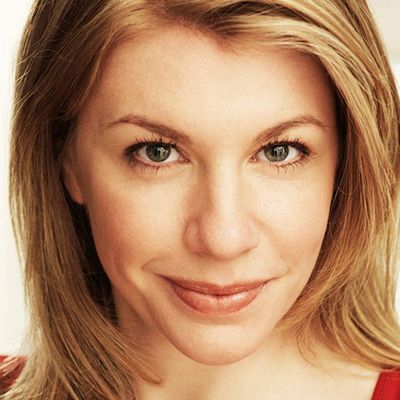
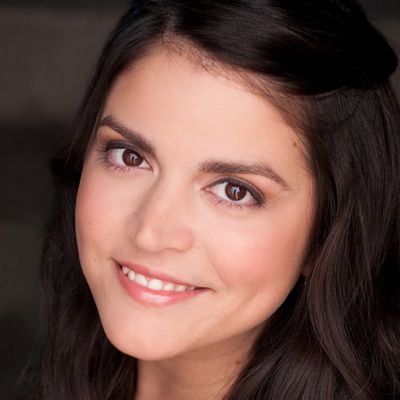
Powerhouse actors Cecily Strong and Andrea Syglowski provide insights into their acting careers, and how they navigated life’s complexities throughout their journey. The two talk about the show they currently co-star in,“Brooklyn Laundry”, their admiration for playwright John Patrick Shanley, and the play’s portrayal of women... Read More
From the show: The Theatre Podcast with Alan Seales
Guests
Featured Shows
About
Powerhouse actors Cecily Strong and Andrea Syglowski provide insights into their acting careers, and how they navigated life’s complexities throughout their journey. The two talk about the show they currently co-star in,“Brooklyn Laundry”, their admiration for playwright John Patrick Shanley, and the play’s portrayal of women. Cecily opens up about how she relates to the play’s themes, reflecting on her own experiences of loss and self-discovery, particularly the loss of her cousin to brain cancer and the impact it had on her outlook on life and love. This loss inspired her to write her memoir, "This Will All Be Over Soon". She recalls her time on SNL, and what made her shift from comedy to “serious acting”. Andrea shares her love for teaching acting, how she deals with uncertainties. Both recall their motivations for pursuing careers in the theater, highlighting the joy of storytelling and the opportunity to connect with audiences, and perseverance.
Andrea Syglowski is an actress who was last seen in “DIG” at Primary Stages. Her additional stage credits include Broadway's “Passover”, off-Broadway’s “Halfway Bitches Go Straight to Heaven” and “queens”. Her TV credits include “Evil”, “New Amsterdam”, “Blue Bloods”, “Elementary”, “The Good Wife”, and “How to Get Away with Murder”.
Cecily Strong is best known for her work as a cast member on Saturday Night Live from 2012 to 2022, which garnered her multiple Emmy Award nominations. She was most recently seen on Apple TV's hit musical series, “Schmigadoon!”, in addition to film credits that include “The Female Brain”, the recent “Ghostbusters” reboot, as well as Melissa McCarthy's “The Boss”, “The Bronze”, and “The Meddler”. She made her New York stage debut in 2021 and hasn't looked back since.
Together, Andrea and Cecily are 50% of the four-member cast of “Brooklyn Laundry”, a world premiere play written by Tony and Pulitzer Prize-winning author, John Patrick Shanley.
Connect with Cecily and Andrea:
- Instagram: @justcaseylikes
- Twitter: @justcaseylikes
- TikTok: @justcaseylikes
Connect with The Theatre Podcast:
- Support the podcast on Patreon: Patreon.com/TheTheatrePodcast
- YouTube: YouTube.com/TheTheatrePodcast
- Threads, Twitter & Instagram: @theatre_podcast
- TikTok: @thetheatrepodcast
- Facebook.com/OfficialTheatrePodcast
- TheTheatrePodcast.com
- My personal Instagram: @alanseales
Transcript
This transcript was automatically generated and might contain errors.
[0:00] Alan Seales: Hello there, you fancy podcast listener. Welcome to another all-new episode of The Theatre Podcast. I'm Alan Seales, and we have two guests for this episode today. Cecily Strong, who you most likely know from her decade on Saturday Night Live, and one of her current co-stars, Andrea Syglowski, two amazing women playing equally amazing characters in a new play called Brooklyn Laundry, which is at the Manhattan Theatre Club here in Midtown New York. Interestingly enough, the show itself revolves around a cast of four who are all grappling with middle age and their internal struggle of trying to be good enough, I put in air quotes, and as fate would have it, art imitates life. The three of us in this episode got into a conversation about pretty much exactly that, the two of them being successful in their careers, yet still wondering if the choices they've made are good enough.
So before we dive in, make sure to find me online, Instagram, TikTok, Facebook threads, et cetera, et cetera, et cetera. Now everybody, please enjoy this incredibly insightful episode with Cecily Strong and Andrea Syglowski. We are lucky enough to have two guests today, both starring in the current production of Brooklyn Laundry at the Manhattan Theatre Club. Andrea Syglowski was last seen in Dig at Primary Stages with additional stage credits that include Broadway's Passover, one of my favorites of that season, Off-Broadway's Halfway Bitches Go Straight to Heaven, and Queens, in addition to a giant swath of regional credits that if I read would keep us here all day. TV credits include Evil, New Amsterdam, Blue Bloods, Elementary, and How to Get Away with Murder, and The Good Wife, all of my favorite shows.
Cecily Strong is best known for her work as a cast member on Saturday Night Live from 2012 to 2022, which garnered her multiple Emmy Award nominations, was most recently seen on Apple TV's hit musical series Schmigadoon, in addition to film credits that include The Female Brain, the recent Ghostbusters reboot, as well as Melissa McCarthy's The Boss, The Bronze, and The Meddler. She made her New York stage debut in 2021 and hasn't looked back since. Together, Andrea and Cecily are 50% of the four-member cast of Brooklyn Laundry, an amazing world premiere play written by Tony and Pulitzer Prize-winning author John Patrick Shanley. Andrea and Cecily, welcome to The Theatre Podcast.
[2:28] Cecily Strong: Thank you for having us. I hope I did that justice. What an intro. There we go. Wow. I feel great about myself today now.
[2:35] Alan Seales: In the podcast here, we always like to start back at the beginning of what got you into performing and interested in acting? What made you have the bug? So Andrea, let's start with you, flip the coin backstage. Boom, heads, you're first. What got you into performing?
[2:54] Andrea Syglowski: Oh, you know what? I think a couple of things. Well, mostly I grew up in Delco, outside of a town outside of Philadelphia, which is now famous because Mayor of Easttown takes place there. And there wasn't a whole lot to do. And Cecily and I have a lot in common, as you'll probably learn as we talk today. But I saw a production of Our Town at this small theater called Hedgerow Theater, which actually is one of the first theaters founded in the United States of America. And I loved it. I just, and I knew, like, even before I ever spoke a word on stage, I just knew I was going to be an actor. And I just, yeah, I just decided, you know what, that's what I'm going to do with my life. And then that's what I went and did.
The singing, the acting, the attention, like everybody kind of gets at it for a different reason. No, I'm just like, as Cecily will probably can say, I'm just like an emotional creature. And I just, we both, can I say this, Cecily? We both really liked the Titanic.
[4:07] Cecily Strong: We grew up at a time where the Titanic.
[4:12] Andrea Syglowski: No, I wasn't. No, no. Titanic wasn't mine. Romeo and Juliet. Romeo and Juliet was Cecily's. But we loved Leonardo DiCaprio. Yeah. And I really wanted to fall in love. Let's set the record straight. Let's set the record straight. Okay. I was a Titanic girl. She was, we grew up the same time. She was a Romeo and Juliet girl. I love Leonardo DiCaprio. I wanted to fall in love. I loved Romeo and Juliet too. I just loved everything about it. I just wanted life to feel bigger than it felt in my small town.
[4:39] Alan Seales: Well, first of all, why is it a secret that you love Leonardo DiCaprio? Are you both? Let's dive into the shame that obviously that company is this.
[4:45] Andrea Syglowski: I don't know, right? I don't think we were the only ones in 1997.
[4:50] Cecily Strong: No, every girl I dated, I was competing with Leonardo DiCaprio.
[4:54] Andrea Syglowski: Well, that's awful. That's too tough.
[5:00] Cecily Strong: Yeah, I always lost.
[5:00] Andrea Syglowski: I mean, he was my first love because of Romeo and Juliet. That's why I was like, oh, I know what love is now. It's what I feel. It's devastating. I sobbed in the bathroom of the Lake Theater in Oak Park.
[5:12] Alan Seales: So Cecily then, you were also in a small town in Illinois, I want to say?
[5:18] Cecily Strong: Yeah. I don't know if it should be called a small town. I grew up in Oak Park, which is just the green line end of the train in Chicago. Frank Lloyd Wright, Ernest Hemingway, Kathy Griffin, Dan Castellaneta, Betty White, John Mahoney. These are all other Oak Parkers that I've learned. I was just like a weird kid. I would sing weird songs when I was three and my parents were like, we'll put you in a drama class. We don't know what this is going on with you. So let's try that. And Oak Park is a very liberal, progressive town too. So I went to a preschool called Suburban Child Development Center and they had a drama class. So I started then and then I did community theater in Oak Park. My first role was Ruthie Jode in The Grapes of Wrath when I was eight and Ruthie was 12.
So I was like, clearly, I'm very mature. And then I did equity theater in Chicago. I did a show at the Goodman when I was going into seventh grade. So I was like a child theater actor. And then I went to school. I got my BFA in theater from CalArts. And then it was comedy that came later in life. I didn't start taking improv classes till after I graduated. I had a teacher at CalArts who was like, you should take a class at the Groundlings. And I was offended at first because I was like, excuse me, I'm a serious actor. And then I took a class at the Groundlings and I loved it. And I felt like LA was not the scene for me after graduating. I was like, I don't know how anyone navigates this. I feel like I'm up against actual models.
And I'm like, I just played Rosalind and now I'm begging. I'm like, do I have to go on dates with old producers? It was just all gross and ick and this is not how this is going to work for me. And I moved back to Chicago and I took classes at Second City and IO and got into that world.
[7:36] Alan Seales: Well, I love that you said you were a weird kid because weird kids grow up to be weird adults. And some of the best people on TV and film and theater are weird adults. So lean into that and embrace it because I love all of that. And well, you said you were a serious actor. That reminds me, Big Ang, you went to Juilliard. You are a serious actor as well.
[7:55] Andrea Syglowski: Yeah, I went the serious...
[7:59] Cecily Strong: She is the actor. That's stupid.
[8:03] Andrea Syglowski: She is like the most actor of all people. And I'm sorry to interrupt because I have to tell this story because Ange at one point was like, I don't even know. I don't know that I see myself as an actor or something. And we were like, excuse me? You are the most, you are an acting coach. You are, you talk about everything like from an actor's perspective, like how would an actor approach this? She is the most actor of any actors I've ever met.
[8:31] Andrea Syglowski: Oh my God, my face is so red. Yeah, Cecily outed me. But you know what? This is a fun fact about Cecily. When she was at CalArts the same four years, I was at the University of Southern California. And she was smart because somebody was like, you should take classes at the Groundlings. And she was Groundlings. She was like, I'm a serious actor, but she went and did it. And then she was on SNL for 10 years and made a whole lot of money. And I was like, I'm a serious actor. And then I went to Juilliard for four years and spent more money on training.
[9:05] Cecily Strong: Now, make the big bucks in the American theater.
[9:11] Andrea Syglowski: No, so let me just tell you something. Just let me crush a lot of dreams here. SNL is not the money-making machine. Everyone may think it is. That's the commercials, honey.
[9:18] Cecily Strong: Right, right, right. We're talking about getting a, I have to get a branding. Andrea Syglowski, the most actorly actor, selling you Evian.
[9:31] Andrea Syglowski: No, I did. I went to Juilliard and I am really grateful. I had great training and great teachers and most and everything. People come out of that school and they work and they're really good. You know, even Cecily and I have a mutual friend, Gayle Rankin, who's going to be in Cabaret on Broadway, which is the most exciting. I'm most excited to see her in that.
[9:53] Cecily Strong: Oh, yeah. Can't wait.
[10:00] Andrea Syglowski: Yeah, no, I was really fortunate. And I loved my time there. Truly. A lot of people call it the jail yard, you know? Do you come out sort of overqualified?
[10:07] Cecily Strong: I mean, can you be overqualified for?
[10:14] Andrea Syglowski: No, no, I don't. Some people think you can. I mean, I remember I had a teacher in undergrad who was like, don't go to Juilliard. They're just going to ruin you. They're going to ruin you. And it was like, the idea was like, you know, you're going to get too much training and you're going to be like a robot. And that's the opposite, I think, of what I do for sure. And what a lot of people do that come out of that school. I also was there during a very specific time when Jim Houghton, who unfortunately passed away, I guess, seven years ago now. He ran that school for seven years. And he also ran the Signature Theatre Company. He loved playwrights. I mean, Brandon Jenkin and Brandon was there. Josh Harmon was there.
Molly Smith Metzler was there. There was just like amazing writers and amazing actors all working together. And Jim cultivated those relationships. When you get into a real conversation about creating a character with someone who takes it very, very seriously, they don't assume it's just showing up and easily throwing words out in front of a camera. Like the amount of depth—
[11:18] Cecily Strong: —Cecily does too. She is a serious, serious actor. Even though she's throwing that at me, I'm going to throw it right back at her because she doesn't have a dishonest moment ever.
[11:27] Andrea Syglowski: Oh, no. Ever.
[11:27] Cecily Strong: And I'm going to bring this completely to Brooklyn Laundry because it's a side of Cecily that... I'm calling her Cess now.
[11:34] Andrea Syglowski: We're Cess now.
[11:36] Cecily Strong: I call her Cess. I'm sorry.
[11:37] Andrea Syglowski: Big Ang and Cess. It's a side of Cecily that, of course, we're not used to on the general public. So I promise I will get there because Brooklyn Laundry...
[11:49] Alan Seales: Both of your performances, just absolutely phenomenal. But to finish my original thought, did you feel like coming out of Juilliard that you were overanalyzing? Or were they talking to you about any of that? You still have to be yourself?
[12:06] Cecily Strong: Oh, yeah. No. I mean, the acting training is trying. I think the training is there to try to get you to tell the truth. And to tell the truth, so that you're transformational, so that you're not playing yourself all the time. I'm certainly nothing like this character in Brooklyn Laundry. Really. I mean, maybe Cecily will disagree. But no, I don't think. And I think like the best thing that Richard Feldman said at Juilliard was that the training is there when you are uninspired. The only way you go to the tools is if you need them, because you're stuck. But if you're extremely gifted, and like Viola Davis went to Juilliard, right? And she had an undergrad degree. She's like, incredibly gifted, right?
So she's not gonna, I don't think she's going to use the tools unless she really has to. And I think that's what that's there for. And also you play like a million different parts when you go to a school like CalArts and BFA program or at Juilliard. SNL, I mean, come on. Cecily's played every single dialect, every single role. So when something's asked of you, you've already done it in like another setting. So you're like, feel a little bit more confident. I just lacked confidence. Juilliard gave me confidence.
[13:30] Alan Seales: That's interesting. That's really interesting. Okay. And I guess, yeah, the more you do something, the more confidence you should get behind it. And it propels you forward. That's a really good way to look at that sort of thing. And yeah, so Cecily, I guess, you didn't want to do comedy, it sounds like at first, or you didn't think you would be good at it? Because you're like, how dare you? I'm a serious actor.
[13:50] Cecily Strong: Yes. Well, I felt it was like, right. It just, or I was sort of like, listen, I do, I'm a comedic actor. That's fine. But to like, go do that specifically, when I was like, I like drama too. But improv, listen, CalArts also was, had real hippy-dippy avant-garde, like Wooster Group, Stacey Dawson, you know, a lot of movement, gesture work, puppetry. So that was, I felt like that led in more naturally into improv and sketch comedy and improv. And a lot of people at Second City, and they'll tell you like that training, it's the confidence there, it teaches you how to fail. You go on stage, there's like, okay, the worst that can happen is like, I'm going to make something up, and it's going to eat shit, and I fail. And you can do that every night. And then you're like, okay, I know what it is to fail. I know what it is to like, not succeed on stage, and I survived it, and I'm okay. And it's sort of, so there's that way of gaining confidence too.
[15:21] Alan Seales: That's really, that's cool. Yeah, I just heard the other day that, you know, stand-ups, right, when you go out and you do sets that just bomb, or you do things that just bomb over and over again, that you get a heckler, and that's like, that's give you something to work with, because now you're pushing forward through something fun. And the worst that could happen, you bomb, that's already happened, you're used to it. You've got such thick skin, that that's just part of the job.
[15:53] Cecily Strong: And there's so much in like, I went to like auditions throughout life that are just so humbling. I feel like I'm humbled constantly. And that's what you get used to. And just like, corporate gigs where you're like, this is, I would be humiliated if I hadn't already gone through this humiliation before. And it's just like, let go and let God, I'll get a paycheck at the end of it. But you know, it's like, we have to do a lot of things that you don't feel great about. So it is such, it's a huge, it's a huge payment, I'm using quotes, to get to do a show that you that feels this good, that feels meaty with working with other actors that feel like, I said this before, and I'm going to stick with this for a while until I stop.
But it's like, what I imagine, like a great tennis game would feel like, like, where you get to play with another person that you really respect, you know, like, the vibe, I feel like that would probably feel like what it feels to me to like work with this cast.
[16:27] Alan Seales: Hang on, everybody. We're just gonna take a quick break.
[16:31] Alan Seales: All right, now we're back. I mean, the play itself is so, it's so cool. And I walked away with just trying to make a list of everything I was thankful for in life. This subject matter, and I don't want to give too much away. It's like, really bad things happen to really good people. And there's nothing in life we can do about it. We just have to deal with it and move on. And I love how it's presented. And Cecily, especially, you're the through line. We're following you as the audience. We're following your story through the whole thing. And just the humanity that is brought to this character of Fran, your character of Susie, too. Everybody just, they want to live, they want to survive, they want to be happy.
And they're just dealing with all of the shit that keeps getting thrown at them in the best way that they can. And I feel like coming out of COVID, coming out of the pandemic, in this new age we're in, there's a lot of parallels into what's happening in real life. So the two of you are approaching these characters. Did you, I mean, Andrea, did you have to go back to the tools? Or were you literally inspired by like, I just went through something similar in COVID, and we lost our industry and all this. And Cecily, you coming back into the serious, I put in quotes, serious acting world after leaving SNL in 2022. Both of you coming into this, was that hard or easy?
[17:59] Cecily Strong: Wow, Cecily, do you want to go first, honey?
[18:02] Cecily Strong: Sure. I feel like there's a couple questions, I think. I tend to ask a lot of compound questions. I'm sorry.
[18:06] Alan Seales: Well, let me tell you, my brain tends to get confused easily. So we're a good combo.
[18:14] Cecily Strong: I think, listen, I think the things that I really felt immediate connection to was with Fran sort of being 30-step, feeling like I'm at a, she's at a rut in her life anyway. And I feel like there is, I have a lot of, especially maybe it's the business I'm in, I have a lot of friends, we're a lot like late 30s, early 40s, and still not quite like not, not the way people were in their late 30s and early 40s 20 years ago. It's sort of like, we don't have kids, we're not married, we're like, what have I done with my life? I focused on this, I don't know where my life, and then COVID happened, and it stopped everything. And we lost three years. And maybe it's like, I do feel a little silly or selfish saying we lost it.
But I'm just going to say that and hope you know what I mean by that. But just sort of, there's just an arrested development, and then not knowing what to do. And then there is, she really is, you know, her oldest sister gives her this advice that moves her that's like, here's what you take your life by the reins, go, you know, she's inspired to do that, and is going to try to do that for the first time. And then, and then life just, listen, the bad, bad things will happen. It's just inevitable. And I feel that way, too, in this day, I feel a bit overwhelmed by health problems with family by losing people by my own feeling my age feeling, you know, that's sort of like life's gonna keep going that way.
So I can either be beaten down by the depression of that and like sink into the swamp of sadness. Or what I love about this show is that there's a love story within that that's sort of like there's still magic that can unfold even though these are the circumstances and even though life feels this way. And even if you feel like this is a very hard chore that there is still some that you know, there's a magic scene in the middle of the show. And I just think that's, for me personally, it's like the kind of optimism and realistic optimism that I really appreciate right now.
[20:29] Alan Seales: Talking about the first date?
[20:31] Cecily Strong: Yes.
[20:32] Alan Seales: Yeah. I love that. And now I want to recreate that.
[20:38] Cecily Strong: The ad for the show.
[20:40] Alan Seales: We sold anything in the show. I think that's the result.
[20:44] Cecily Strong: Selling psilocybin. Yeah.
[20:46] Alan Seales: Yes.
[20:48] Cecily Strong: Yeah. Okay, big edge.
[20:49] Andrea Syglowski: Yeah, I mean, I think one of the first questions was like that you said, and correct me if I'm wrong. It's like, did you have to use any of your tools? And so, well, I've really before I got to the first rehearsal, and I was reading this, I was doing another play. And I felt like so connected to that last character. And when I read the script, I was like, I don't know how to do this. I have no idea how to do this. And I was like, really worried about it, actually. Because when I was first offered this play, I was offered Trish, like by accident. And then I was like, oh, my God, I'm going to play Susie. Okay.
[21:25] Cecily Strong: Trish is the younger sister.
[21:28] Andrea Syglowski: Trish is the oldest.
[21:29] Cecily Strong: Oh, the oldest. Yeah, right.
[21:30] Andrea Syglowski: But not as written. It's confusing. It's a confusing...
[21:33] Cecily Strong: Yes, it is as written.
[21:35] Andrea Syglowski: She's the first one we see.
[21:37] Cecily Strong: Susie, we talk about this all the time. I thought I was the oldest forever. No.
[21:41] Andrea Syglowski: This is insane.
[21:41] Cecily Strong: Trish is the oldest.
[21:42] Andrea Syglowski: Sorry to interrupt, but we have to say it's a funny story. Andrea being Andrea, which is why she says she's not like Susie. And I'm like, okay. Trish is the oldest sister. This is written. We have talked about it. Susie is the middle sister. Fran is the youngest. And then the other day we were talking, like a week ago, we've been doing the show now for two months or something. And she went, well, you know, well, Susie's the oldest. And I was like, excuse me? You think you're the oldest? You aren't the oldest. But, you know, that's how Susie would see herself.
[22:16] Cecily Strong: That's right. She is the most responsible.
[22:24] Andrea Syglowski: No, I did. But to get back to your question, I think that when I came into the first rehearsal, Cecily was so present. And I immediately liked her, like the second I sat down so much. Because as you can see, she has a very dry sense of humor, which I appreciate. And a whole lot of other things going on. And they were immediately present in her acting. And when we got to that scene, I was like, oh, shit, she can act. So I was like, I'm fine. I just have to be with her and I'll be fine. I knew what to do because of what she was doing. And that's the thing is that we don't act in a vacuum. I mean, she just did a one person show, which is really challenging. But we don't act in a vacuum. You know, we act with other people. And if an actor shows up and they're like amazing and fantastic and totally connected, your job's basically done.
[23:14] Cecily Strong: Yeah, that's actually one of the things too that, you know, over the years, I've learned that being a good actor is what is it? What do they say? It's 80%, 70% listening, whatever it is. Like, all you got to do is just react authentically to whatever your partner is giving you in the scene. And if you're with somebody who is connected, then they're going to bring you in that much more. And it's this compound energy that sucks in the audience.
[23:39] Andrea Syglowski: All of Brooklyn Laundry does, I mean like, yeah, I'm thinking back again to my experience seeing the show and I just went, I was leaning in literally and figuratively the whole time. Didn't know I was like a bad thing. Is death gonna come? Is happiness gonna come? Are they gonna get together? What's going on? And then, all of us, the end, I'm like, well, you know what? It's not a Disney ending, but it's happy in its own way because it's real life.
[24:08] Cecily Strong: I think it's a bit, yeah, I think it's a very happy ending. Shanley also, like, he's just a brilliant writer and he writes really incredible women. I could relate to all three of these women actually, like a hundred percent at different times in my life and different circumstances could see myself being Trish, Suzy, and certainly I think everybody, a lot of women my age relate to Fran because of what Cecily was saying. And it's crazy that John Patrick Shanley wrote that because I haven't quite seen that story told so specifically because the way that our mothers lived in the world is very different from how women our age, late 30s, early 40s, are trying to navigate.
[25:00] Andrea Syglowski: Cecily really spoke to it about losing three years to the pandemic and then going, oh shit, well how I need, I'm behind. I'm behind this feeling of really constantly being behind and then it's over. I mean, that's kind of what the play is. Well, sorry not to give anything away, but I don't know how Shanley was able to really get, do you know Cecily?
[25:22] Cecily Strong: No, I feel like he really got that existential crisis that we're having, women my age.
[25:28] Andrea Syglowski: Right, not all, I mean, I'm speaking vast generalizations, but I can only speak for myself and say I can relate to the characters. But I've also, there's been people that aren't women that have said, I really relate with Grant, you know?
[25:42] Cecily Strong: Yeah, my place in life right now is like I have this responsibility thrust on me. That's just family.
[25:49] Andrea Syglowski: Yeah, so I think that is a thing everyone can relate to of all ages and whatever your unfortunate or fortunate circumstances are.
[26:00] Cecily Strong: Yeah, that's interesting. I mean, I'm 43. My parents are aging, my dad's health is not as where I would like to see it. Like it's not doing well, right? And like we're now starting to see all these things happen to us that as people who are younger, like in my 20s, I was fortunate enough to feel like I was invincible. I didn't have the trauma.
[26:25] Andrea Syglowski: Yeah, no, it was, yeah.
[26:28] Cecily Strong: Or family issues or trauma or anything that I'm now experiencing or have seen just living a normal day-to-day existence, especially in New York. And nothing, you mean like you could say the worst things ever happened to me has had my laundry lost in Brooklyn, you know?
[26:39] Andrea Syglowski: Like everyone's had their laundry lost in a laundromat.
[26:42] Cecily Strong: Especially what you're saying. I think now is the point where this is middle age speaking statistics in averages and we're halfway done. And do we feel like we've done enough? Will we ever feel good enough? That's the existential reason why I have this podcast, why I want to have conversations. I want to learn and talk to as many people and learn and have as much conversation as I can, so to put this out in the world for everyone to experience and be better from. And I think also from a creative standpoint, that's why a lot of creatives have to create. It's their method of expressing, of being remembered, of having a legacy.
[27:22] Andrea Syglowski: Especially I was reading too that you have a book, a memoir, "This Will All Be Over Soon," which talks about your own sort of loss of somebody close as well. And did that play into like sort of the decision to leave SNL and kind of move on to new things?
[27:37] Cecily Strong: Oh, for sure. I mean, I think that, listen, in January 2020, I lost my 30-year-old cousin to brain cancer whose name is Elwin. And which was another, read this show came along, I was like, whoa, this has got brain cancer, got an Owen, and there's a lot of ties to the theater. So it just was all those like, this is a sign you should do this. But so my world was like kind of flipped upside down in January and then two months later, the rest of the world was flipped upside down. And then I also thought like there's what a great guide for me right now with the unknown of COVID, like the unknown of living with brain cancer and how he did that with such positivity.
[28:21] Andrea Syglowski: And I also like I met my current partner and now we're engaged and I was like, I don't know that I would have been like open to that. I don't know that I felt like my edges got softened a little bit. That was sort of like, I'm going to be more open to love. I'm going to be more open to being vulnerable. I'm going to choose work that I care about and not maybe try to be less hard on myself.
[28:51] Cecily Strong: I mean, that's an impossible task, but I think there were lessons to be learned in COVID too. And really writing was just kind of a great therapy for me and was like, let me try to find magical stories within this and give it some purpose or purposes around just some meaning. And like this very otherwise, again, it's like I could just drown in this and I don't want to drown in this.
[29:18] Andrea Syglowski: Yeah, I guess, yeah, it's a way to express. It's a way to express to cope. And I think just like, yeah, listen, we're active. We do this. This work means everything to us. This work is our life. I think all of us would say that's the number one thing about me is I'm an actor. I like to perform. I like to feel publicly, to go through catharsis. I like to laugh. I like to write and share things.
[29:45] Cecily Strong: And so I think it's just like, and in the worst of situations, being open to an opportunity to do that and not making these rigid rules like, well, here's what I'm supposed to do. I did SNL, this is what I'm supposed to do next. This is what my career should look like. This is what my life should look like because I've always fallen short of those markers that I have set for myself or that I have felt have been set or society has set. A million people can say nasty things about you. People can write your narrative online and I've always fallen short of that.
[30:21] Andrea Syglowski: And it's like, but I'm, I've been generally, I feel pretty lucky to be where I am, so screw those markers.
[30:26] Alan Seales: Hang on everybody, we're just gonna take a quick break.
[30:32] Alan Seales: All right, now we're back. I feel like every character that actors do, it lives with them for the rest of the actor's life because you're putting yourself into that character and then that character is imprinted on you.
[30:41] Andrea Syglowski: Yeah, I mean, well, I think a lot, I, you know, I had a, oh God, I had a Juilliard classmate who passed away at 25, really young, just a couple years out of school. I think about him every night that I do the play. You know, life is so unexpected and you really do, it's why we stick around because you never really do know what's around the corner. And yet I have, I live with a lot of fear and anxiety. And I mean, actors I think do, but I think people live with a lot more fear and anxiety than we'd like to admit because we have this idea of having to, it's getting better now when we were growing up. We're in the same generation, you know, the emphasis on mental health or that conversation isn't what it is today, which is fantastic.
[31:36] Cecily Strong: COVID made me rethink everything because I never thought that I was, I always thought as an actor if I'm not working, it's just because I'm not getting a job. I never thought the theater would be, you know, gone. And I was involved in the first Broadway show back from COVID and there was, you know, everybody was wearing masks. We were testing like every other day. It was, it still feels a little surreal and I'm still trying to navigate. But I really thought during COVID if I never act again, I just want to be happy. I mean, I got to this place where I was just like, I want to find joy. What does it mean to have joy in a cup of coffee? You know, like that, the simple things of being alive.
[32:24] Andrea Syglowski: For Suzy, unfortunately, I mean, this is a little subtextually, I'm not even sure Shanley wrote this, but for all of these characters, I think grappling with our own mortality is such a, I was going to use a curse word, but, um, go ahead. I'm just going to say mind fuck. You know, grappling with our mortality is such a mind fuck. And if you go to see movies and the plays, at some point, most characters, even in comedy, are doing it. They're trying to, we're trying to like navigate it, figure it out, try to find peace with grief, you know?
[33:01] Cecily Strong: Somebody said recently, someone be kind because someone is always grieving something at any point in their life. And I think that's so true. I just think it's so true and I can relate to that 100 percent.
[33:14] Andrea Syglowski: I do think that meeting Cecily has been a really big deal and having this experience has been a really positive one. And meeting Cecily too, like as we go through life, I feel like I'm like, I could see us as 80-year-old women, you know, going to the theater, stealing some like, you know, buns on the table and taking them home to our dogs. You know, life keeps going. The reason it keeps going is because we meet people. She met Owen, Fran meets Owen. There's always something or someone around the corner that's going to change our life or change our perspective as we lose people.
[34:01] Cecily Strong: Yeah, you know, there's always seemingly innocuous encounters, decisions, something that turns there that is a failure in the moment that turns into a success that just keeps you going. And I really enjoy exploring those conversations too of diving into the lake. Oh, that failed. I was devastated at the time. I never thought I could go on. And but because of that not doing that, I was able to do the other things instead. I was able to learn. I then instead met that person or had that experience and you just become better people because of your failures.
[34:27] Andrea Syglowski: So, and I always like to go back to in these types of conversations and quote, uh, Andre De Shields when he won his Tony Award a couple years ago when he said, you know what? He's, however, the age he is in a man of a certain age winning his first Tony Award for a lifelong career in the theater. And he says the top of one mountain is the bottom of the next. Never stop.
[34:48] Cecily Strong: You know, never stop moving forward.
[34:52] Andrea Syglowski: I, that's, that has always stuck with me so much because you're right. And then I add to it too and I say, don't forget that when you're the top of the first mountain, turn around and look and see how far you've come first. But then keep moving to the next mountain because you still have put in the energy and you've gotten to where you are because of your hard work.
[35:11] Cecily Strong: And everybody's mountain is different, you know, because you're climbing it in different climates. How about that analogy?
[35:20] Andrea Syglowski: Says wow. Right. Um, no, but it's true. It's like you can't, you can't compare yourself to other people.
[35:58] Alan Seales: So, I've got a brand new segment that I like to do. Oh, I like to do it now. This is only the second time I've done it. It's brand new. You're going to give me a random number, which is between one and ten, which is going to correspond to a popular musical. And then in 60 seconds or less, you have to give me the plot. Oh, this is all Cecily. Oh, no, I actually don't know popular musicals. And I'm going to say nine. And I feel like then, are you going to say the musical nine? No, no, no, no. I just have musicals listed one through ten. And where did my... I lost my... Sorry, I tried to guess your thing and I was wrong. This is going to be embarrassing for us. Oh, this is good. This is good. This makes it all the better. Okay, so nine... I'm going to find out why Schmigadoon got canceled. Okay, so number nine is Wicked. You have 60 seconds on the clock and go.
[36:51] Cecily Strong: 60 seconds remaining. Wicked is my beloved Kristen Chenoweth and Idina Menzel original cast. It's the Wicked Witch of the... What was she? The East? And Glinda, the Good Witch and the Bad Witch. And they meet in the College of Witches.
[37:07] Alan Seales: 45 seconds remaining.
[37:09] Cecily Strong: And it turns out, you know, the Bad Witch is bad because she's green. She's misunderstood. They become friends. They join forces. And then there's a wizard that I'm less interested in. Yes, Stephen Schwartz. Well, okay, it's Oz.
[37:23] Alan Seales: 30 seconds remaining.
[37:25] Cecily Strong: Yes, it's a female friendship, empowerment. You know, we're not so different.
[37:31] Alan Seales: So you've described the show. What happens in the show?
[37:34] Cecily Strong: Oh, well, they got... Listen, it's been... I saw it 10 years ago. It's...
[37:38] Alan Seales: 15 seconds remaining.
[37:39] Cecily Strong: Oh my God. Listen, here's the thing. I signed an NDA because of the new movie.
[37:45] Alan Seales: Does anybody die?
[37:46] Cecily Strong: Isn't that a safe answer?
[37:47] Alan Seales: Oh, that's a safe answer.
[37:49] Alan Seales: Five.
[37:51] Alan Seales: Popular.
[37:51] Alan Seales: Three.
[37:53] Cecily Strong: What happens, though?
[37:55] Cecily Strong: I can't remember what happens. They make friends at the school. And then, I mean, that's really... They make friends. It's a story of prejudice because she's different. Everybody... She's green.
[38:06] Alan Seales: She's green. That's all that makes her different. Everyone picks on her. She ends up becoming the bad guy because that's what everyone wants her to be. But she and Glinda are secretly besties. And then she flies away and defies gravity.
[38:19] Cecily Strong: Oh, right. It's a very hard song. I just did it. I crushed it. What's my favorite thing? Oh, what is it? What did John Travolta say? Adean...
[38:29] Cecily Strong: Adean Pedrod? What's his name? No.
[38:32] Cecily Strong: And she had to sing the song, Let It Go, which is apparently a very hard song to sing.
[38:37] Alan Seales: Yeah.
[38:38] Cecily Strong: And she was about to sing it and got introduced. And he said... And it's because of the setup, too. And it was like, there's only the one person that can do this. The one and only. Adean Fursell.
[38:50] Alan Seales: Oh, okay.
[38:55] Cecily Strong: Adele Dazeem. Sorry. I got it wrong. Adele Dazeem.
[38:57] Alan Seales: Adele Dazeem. There you go.
[39:00] Cecily Strong: Please welcome the wickedly talented one and only Adele Dazeem.
[39:07] Alan Seales: The one and only Adele Dazeem.
[39:09] Cecily Strong: Adele Dazeem.
[39:11] Cecily Strong: And it cuts to her and she's like, huh? She's got to sing the hardest song ever. But she does it.
[39:17] Alan Seales: That's a profesh right there. True profesh.
[39:19] Cecily Strong: She's amazing.
[39:21] Alan Seales: Okie dokie. So three standard closing questions I used to wrap up.
[39:25] Cecily Strong: Wait, Andrea didn't have to do her numbers.
[39:26] Alan Seales: Oh, you want to know?
[39:27] Cecily Strong: No, shush!
[39:28] Alan Seales: Oh, I thought you were going to... Okay. Yeah, you're right. You're right. All right. I'm not living in that shame alone.
[39:32] Alan Seales: Okay. One through eight. Big, big...
[39:36] Cecily Strong: Three.
[39:36] Alan Seales: Three. Okay. Where'd my 60 second timer go? I'm bringing that back. But you have to help because I helped out with that one, Sis.
[39:44] Cecily Strong: How? I don't remember your help.
[39:48] Alan Seales: All right. Six seconds on the clock. You have to tell me the plot now to Book of Mormon. Go.
[39:53] Andrea Syglowski: 60 seconds remaining. I don't... Actually, I knew you were going to say that. But I will say that, like, what I know of it, even though I've never seen it, never heard it, I do know that my friend, my good friend's partner of many years is in it, John, and I will get to go see it.
[40:08] Alan Seales: 45 seconds remaining.
[40:10] Andrea Syglowski: White guy Mormon goes to Africa. His life has changed.
[40:15] Andrea Syglowski: Two of them. Two friends.
[40:16] Andrea Syglowski: Two white Mormon...
[40:17] Andrea Syglowski: Another great show about friendship. Two white Mormon guys go to Africa.
[40:21] Andrea Syglowski: Josh Gant, Andrew Rannells.
[40:24] Andrea Syglowski: And they go to Africa and their life has changed and their mind is open.
[40:29] Andrea Syglowski: Written by Trey Parker and Matt Stone.
[40:32] Andrea Syglowski: Written by Trey Parker. Literally, I'm just making this up. Am I right?
[40:36] Alan Seales: Don't they bring Mormonism to Africa?
[40:39] Andrea Syglowski: Well, of course.
[40:40] Andrea Syglowski: Because they're missionaries.
[40:41] Andrea Syglowski: They go to Africa, but then they learn things. They think they know everything, but they learn things and their mind is open by the Africans. It's a story told and told and told.
[40:51] Alan Seales: Five. Oldest time.
[40:52] Alan Seales: Three.
[40:53] Andrea Syglowski: Two.
[40:54] Andrea Syglowski: And it's really funny.
[40:57] Alan Seales: It is very funny.
[40:59] Andrea Syglowski: And it's really, really funny.
[41:01] Andrea Syglowski: I actually haven't seen Book of Mormon in probably 10 years.
[41:04] Cecily Strong: I've never seen it.
[41:05] Andrea Syglowski: Okay. See, this is where I'm at.
[41:07] Cecily Strong: Have you seen it, Cecily?
[41:08] Cecily Strong: Yeah, I saw it. I saw it on a Sunday matinee with my brother after at SNL. So I was like, uh, you know.
[41:16] Cecily Strong: But I laughed a lot.
[41:18] Andrea Syglowski: It was as funny as they say.
[41:20] Cecily Strong: It is. It is. And I think they've updated it post-COVID to make it less offensive, but then it's still... I don't know how you could still be Book of Mormon and South Park and not be offensive.
[41:31] Andrea Syglowski: Right. Right. Yeah.
[41:33] Alan Seales: Anyway.
[41:34] Alan Seales: Okay. Good lesson for trying. Now, are you ready for your three closing questions?
[41:39] Andrea Syglowski: Oh, yeah.
[41:39] Alan Seales: All right. We're going to go back and forth here. Cecily, we'll start with you. Very simply, it's just what motivates you.
[41:46] Cecily Strong: Getting to share joy, number one. And then sometimes joy comes in different forms. And if it's letting people cry, if that's letting people feel something, so it's the sharing of it.
[42:01] Alan Seales: Andrea, what motivates you?
[42:03] Andrea Syglowski: That's a good question. Other people motivate me. I mean, no, that's not true. I agree with that. I think getting into a shared space and telling stories motivates me, comparing stories motivates me. And sharing joy, like what Cecily said, it's the same thing. There's just so much ugliness right now. And it's like, I don't think I'm a person that can change the world in big ways. But it's like, if you could change the 30 feet around you someday, even if you can make people smile. I know what it's like when people have made me smile, and it means a lot.
[42:44] Alan Seales: All right, Andrea, we'll stick with you for this next one. What advice would you give to your younger self and younger people listening now starting out down a similar path?
[42:51] Andrea Syglowski: Oh, uh-huh. Well, when they tell you a life in the theater is going to be hard, believe them. When they tell you it's going to be worth it, believe them. Both of those things are true. And I think if I could go to my younger self and just be like, you're beautiful, you're fine. Get off your case. Stop being a perfectionist. Stop with the melodrama. You know, just it's going to be okay. You're going to be fine. Life is going to be hard. You're going to feel a lot of loss. It's going to be difficult. But it's all going to be worth it. And just keep going. Whatever you do, just keep going. That's what I would say to my younger self.
[43:34] Cecily Strong: Winning lotto numbers, baby. I mean, it's tough because I'm like, where would I be if I hadn't done all the things, you know, without all the heartbreaks? And so it's, I guess, similarly, like, yes, you'll be, you will be okay. Tomorrow, you will smile again on days that felt hard to smile.
[44:01] Alan Seales: Yeah.
[44:02] Alan Seales: All right. So we'll start again with Cecily here. Last question. If you could only see one show for the rest of your life, but you can see it as many times as you want, what would you see?
[44:12] Cecily Strong: Oh, Andrea, you're making a face. That's an impossible question. Because I would start to hate it. And I like so many shows. And I like to be surprised.
[44:24] Andrea Syglowski: A play or a TV show?
[44:26] Cecily Strong: Anything. This is the hardest question.
[44:28] Andrea Syglowski: It is so hard.
[44:29] Cecily Strong: Okay. Then I guess I will, if there could be new episodes, this is, I'm just going to answer the thing that we have been watching lately. Although I've watched it forever. I'm very into Love on the Spectrum. So I'm going to, my answer is a reality show. But it's not really a reality show. It's a docuseries. And it's beautiful. It's so beautiful. And it's funny. And it's lovely. And it's wonderful.
[44:53] Andrea Syglowski: Yeah, I would agree with Cecily. But that's also just because that's what we're watching right now. I'm also, as Cecily will tell you, obsessed with, I'm watching The Sopranos for the first time. I mean, I'd kill myself if I had to watch that for the rest of my life. But it's incredible television. And I'm totally blown away. And yeah, we need a variation. That's a hard question. I don't want to, that's a prison. Then it becomes a prison sentence. Honestly, anything with Judy Garland is so comforting to me. Because it's like, meet me in St. Louis. My childhood. It reminds me of my grandmother. It's like warm and fuzzy feeling. It'd be something like that.
[45:33] Alan Seales: All right. Well, where can we find you both online? Cecily, we'll start with you.
[45:37] Cecily Strong: You can only find me on Instagram. And I guess it's my name. I don't know. And don't go looking for much.
[45:49] Andrea Syglowski: I just posted about my dog today. It's my dog Scotch a day. Sorry.
[45:54] Cecily Strong: Oh, it is?
[45:57] Cecily Strong: Check it out on my Instagram, guys, at Cecily Strong. Yeah, I guess you could go to Google. No, I'm just kidding. Yeah, Instagram.
[46:07] Andrea Syglowski: Instagram. And if you want coaching and teaching.
[46:09] Cecily Strong: And your OnlyFans, right?
[46:10] Andrea Syglowski: Yeah, your OnlyFans.
[46:11] Cecily Strong: How?
[46:12] Andrea Syglowski: Don't out me. My name's not Siglowski on OnlyFans.
[46:17] Cecily Strong: It's Big Ang.
[46:19] Andrea Syglowski: No. If we want to connect with you and be coached, how can we find you?
[46:23] Andrea Syglowski: Oh, you know what? Instagram is the best way to do that.
[46:26] Alan Seales: All right. Is that terrible? Should I like figure something out?
[46:30] Andrea Syglowski: You're going to have to after this.
[46:31] Cecily Strong: Yeah, reach out to me. I'm going to have you set up a website. She's a great coach. Let me just say, and this is not BSing. Andrea is truly one of the greatest actors and actor minds ever. And anyone would be lucky to be coached by her.
[46:44] Andrea Syglowski: You're a sweetheart. Thanks.
[46:46] Alan Seales: So get more of me on Threads, Instagram, TikTok, and Facebook. I'm there. Leave a rating and review wherever you're listening. Tell your friends you just listened to a great podcast. That's how this grows. Thanks, you.
[46:57] Cecily Strong: Thanks, yous.
[46:58] Alan Seales: Thank you to Jukebox the Ghost for the intro and outro music. And Cecily and Andrea, thank you so much. This has been a really enlightening conversation. I really enjoyed it.
[47:07] Cecily Strong: Thanks for having us.
[47:08] Andrea Syglowski: Yeah, thank you.
© Broadway Podcast Network, All Rights Reserved