

Welcome to a crossover episode of "Was it Chance" where Alan Seales and Heather Vickery peel back the layers of serendipity to uncover the hard work and opportunities behind what looks like mere chance... Read More
From the show: The Theatre Podcast with Alan Seales
Guests
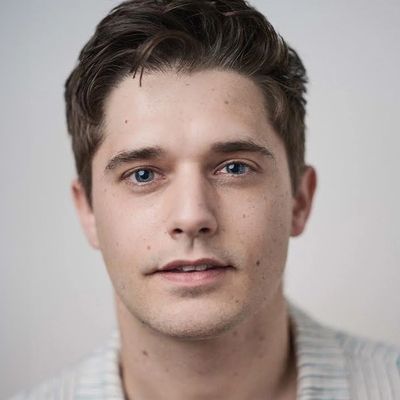
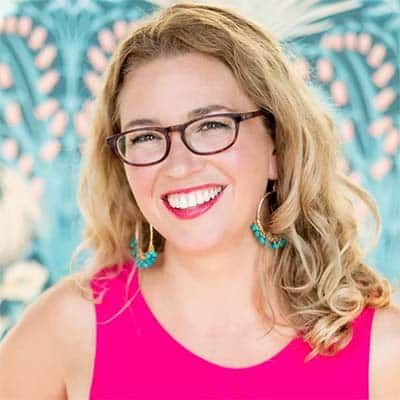
Featured Shows
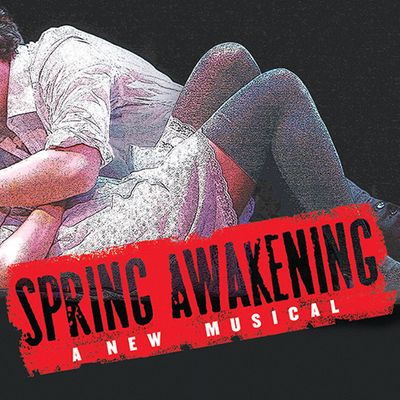
About
Welcome to a crossover episode of "Was it Chance" where Alan Seales and Heather Vickery peel back the layers of serendipity to uncover the hard work and opportunities behind what looks like mere chance. In today's episode, we bring you a conversation with the extremely handsome and talented Andy Mientus, a true maverick of the stage and screen. From accidentally becoming one of Broadway's first social media managers to his heartwarming experience with Dolly Parton on the set of Heartstrings, and one amazing Broadway production credit after another, Andy's journey is one you don’t want to miss. Andy shares with us his belief in staying proximate to your aspirations, even if the connection seems tangential, and how this philosophy led him to astounding opportunities—like touring with Spring Awakening and soaking in the Wicked Tour which felt like a "warm bath.” We're also have some juicy revelations—such as Alan Seales' surprising stance on Sondheim, the unexpected significance of The Met Gala for the theatre community, and the personal tales of failure that Andy calls his "close friends," teaching him resilience and the art of bouncing back. Moreover, Andy gives us a glimpse into his life beyond the stage lights. As a best-selling author of YA books and an actor who's not shied away from portraying significant LGBTQ+ roles, like the openly Gay character Hartley Rathaway in The Flash, Andy is a testament to the diverse avenues of artistic expression.
Connect with Andy on Instagram. Get his books The Backstagers series: Backstagers and The Ghost, Backstagers and The Theater of the Ancients, Backstagers and the Final Blackout as well as his latest book, Fraternity.
- Make sure to follow this podcast everywhere you find podcasts, leave a rating and a review, and slip into our Instagram DMs at @wasitchance.
- More about Heather via @heather_vickeryandco on Instagram, @Braveheather on TikTok, and listen to The Brave Files
Connect with The Theatre Podcast:
- Support the podcast on Patreon: Patreon.com/TheTheatrePodcast
- YouTube: YouTube.com/TheTheatrePodcast
- Threads, Twitter & Instagram: @theatre_podcast
- TikTok: @thetheatrepodcast
- Facebook.com/OfficialTheatrePodcast
- TheTheatrePodcast.com
- My personal Instagram: @alanseales
Transcript
This transcript was automatically generated and might contain errors.
[0:00] Alan Seales: Hey everyone, welcome to The Theatre Podcast. I'm Alan Seales and this episode is a special crossover episode from another podcast of mine called Was It Chance? A podcast I co-host with my amazing friend Heather Vickery. If you follow that podcast, you'll know that every now and then we do have the pleasure of having a Broadway guest or two, which of course I figured you'd want to hear about in this feed as well. So, here we are. Crossover episode context established. Boom. Okay, the guest for this episode, Andy Mientus, is a super cool guy who by embracing a love for Spring Awakening and an offer from the production team to run possibly the first ever official social media fan account, he found his way to starring on Broadway in that same show.
So, you also may know Andy from his TV roles in Smash and as Hartley Rathaway in The Flash, stories we of course get into as well. But you know what to do. Find me on the socials. Make sure to follow my other podcast called Was It Chance? found wherever you are listening to this episode right now. And everyone now please enjoy this crossover episode with Andy Mientus.
[1:09] Heather Vickery: Everyone, welcome to Was It Chance? This is the podcast about embracing opportunity and taking intentional risk for your creative life. My name is Heather Vickery.
[1:26] Alan Seales: Yes, it is that podcast and I'm Alan Seales. Heather and I started off as two perfect strangers who met by chance and then embraced opportunity. Listen in as we chat with other successful people about the risks they've taken to put themselves on a path to creative success. Heather, it's been a while since we've recorded a little bit. How you doing?
[1:45] Heather Vickery: I'm doing good, but I miss you. It's more fun when I get to see you like every week or every other week. That's more fun for me.
[1:50] Alan Seales: I know. We should record more episodes.
[1:53] Heather Vickery: We should do that. And you know what I'm excited about? So we have been deep in the author realm the last few months, which I am into because you know, I love to read, but I have missed our Broadway peeps and we have one with us today. Will you tell everyone who's here with us?
[2:10] Alan Seales: Oh, snap. Yes, it is Andy Mientus. He got, hey, well, okay. Actually—
[2:16] Heather Vickery: Easy for you to say. Mientus.
[2:19] Alan Seales: No, well, that's how you say his name.
[2:21] Heather Vickery: No, I'm not talking about that. You nailed it.
[2:28] Alan Seales: Mientus. And I said, I asked AI to write a little intro, so this is what it did.
[2:31] Heather Vickery: Oh no.
[2:31] Alan Seales: Hey, musical theater fans and superhero enthusiasts, buckle up. Today on the podcast, we've got a guest who's a true force on both the stage and the screen, the incredibly talented Andy Mientus. Andy is an actor who has wowed audiences in Broadway shows like Spring Awakening, Les Mis, and Wicked, but being more than just a theater guy, he's captivated the screen as well. He's brought his charisma to life in shows like Smash and Gone, but it's his role on The Flash that many fans know him for as the tech savvy villain Hartley Rathaway, also known as the Pied Piper. Mientus stole the show. He brought a layer of complexity and humor to the role that made Pied Piper a fan favorite, despite being a supervillain. He's now about to star in Tick, Tick, Boom! at the historic Cate Playhouse in Dennis, Massachusetts. Woo! Andy, we are thrilled to have you on the show today. Welcome.
[3:21] Andy Mientus: Can you literally send that exact text directly to my manager? Because that—
[3:25] Alan Seales: Is the perfect bio?
[3:27] Andy Mientus: It's better than any bio I've ever had. I am flattered. I feel prestigious. And damn, AI is coming for us. But if it's nice like that, I don't mind so much. I'm less scared.
[3:41] Alan Seales: The key to it is you have to frame your question, telling it what voice it needs to speak in. So I literally said, you are a podcast host on a fun podcast. Write an introduction for Broadway actor Andy Mientus. And then it's good.
[3:58] Andy Mientus: Oh, man. Could you do it again with an NPR, very self-serious?
[4:02] Alan Seales: Yeah. Yeah. You can say, in the voice of boring sweaty balls, write an intro for Andy. And it'd be like, hey, people who really like NPR, this is... Yeah. Something like that.
[4:18] Andy Mientus: Wow. We live in the future. I embrace it. I embrace our robot overlords. I think they'll do a better job than we.
[4:25] Alan Seales: What choices do we have, really?
[4:27] Andy Mientus: Right? It's coming. And we can't do anything about it.
[4:30] Alan Seales: But theater, I've been talking a lot with people about, I was like, oh, what if we're the last one left? What if theater's the last thing that you can do in person, see in person? The last way you can make a living as an artist, because you can't... Do you know what I mean? It's going to take a while for the robots to look human. We're very quickly going to sound human.
[4:52] Andy Mientus: Quote of the day. It's going to take a while, I think, unless I'm really stupid. I think maybe we're okay for a minute on stage. So that's...
[5:02] Alan Seales: Live theater, because television and movies, it's game over.
[5:08] Andy Mientus: It's all over. Yeah. No, it's all over.
[5:09] Alan Seales: Listen, as somebody who has co-founded a Broadway podcast network and has a strong technical background and is trying to introduce technical change into the industry, I have to say you are 100% correct. It's going to be the last industry to change because nobody wants to embrace it and nobody understands the tech. The people running the industry are just clueless. No offense to anyone running the industry, but please reach out to me. I can help.
[5:38] Andy Mientus: Great. When the robot overlords come for all of us, you'll be my first call.
[5:44] Alan Seales: What do I do now?
[5:46] Andy Mientus: Hi, everybody. Thanks for coming.
[5:47] Heather Vickery: Hello.
[5:48] Andy Mientus: We're so excited you're here.
[5:50] Heather Vickery: Me too.
[5:51] Alan Seales: We're going to talk about so many things. This show is all about taking intentional risk for creative success. In so many cases, we know we're taking a risk and we have no idea whether or not it's going to pay off. Can you remember, maybe, all the way back, that first really risky thing you did that led you to where you are today?
[6:10] Andy Mientus: Yeah. I feel like most of my career has been weird, intentional risks. I feel like I really stumbled in the back door of almost every huge opportunity that I've had. The first being while I was in school at the University of Michigan, musical theater. I think it was the summer between my freshman and sophomore year. I went to New York and crashed on Benj Pasek's couch and did some rush tickets for shows because I was broke. Everyone was urging me to see this show called Spring Awakening, which was playing at the Atlantic Theater.
[6:47] Heather Vickery: The story is nuts.
[6:48] Andy Mientus: It is nuts. And I got a ticket. I got probably the last ticket available. And I went and saw it, and I was like, oh, holy shit. This is it. This is all of my interests combined. This is a show that I just have to be close to and be a part of. And I just love it so much for so many reasons. And a bunch of us ended up seeing it that summer. And so I started this Facebook group, back when you could do that, for half as a joke and half as for the kids in Michigan that saw the show that liked the show to tell other kids at school about the show and to feel cool that we had seen it because it was this little buzzy thing.
[7:35] Heather Vickery: So you were like the original Spring Awakening Stan, as they say.
[7:38] Andy Mientus: Yeah, sure. And literally, guys, I think I might have been one of the first social media managers. I'm getting ahead of myself. But literally, I think I may have been one of the very first social media managers for a Broadway show because then I made this group, again, it's sort of like a half joke. And I had a little bit of acumen with editing photos. So I was able to put text on a photo and make it the right size and make it look kind of cool. And people started, people that I didn't know, started joining the group. And I was like, oh, and so it was like 10, 50, 100, 200, it really started to go. And then I get this DM from a producer, a co-producer, who I actually just saw at Illinois, it's like two weeks ago, crazy, asking me, he was like, hey, we were looking to set up a Facebook group because this show is young for young people.
And we're looking to use social media to engage young people. And we saw that you already have one. And what do you say we just make this the official page of the show and you can run it? I was like, yeah, totally. That's amazing.
[8:44] Andy Mientus: Sure, I'll work for free.
[8:46] Alan Seales: Sure, I'll work for free, literally for free, no shade to them. I expected nothing. This was way before social media was something that people paid for, certainly. And so I had this insider relationship with the production where I broke news for them. They would send me news items and tell me when to post it and casting and stuff. And I would moderate the page. And it was my little, in between my classes at school, my little gig. And then when open calls were coming up for the future of the show for both Broadway replacements and the national tour, they knew that I was an actor, that I was in school for acting. And they were like, hey, yeah, you should come. You should come around. And so I went to the open call in Chicago.
I drove with some friends to Chicago. I stood in line next to an actor named Corey Mohawk, who's in Merrily We Roll On, still one of my friends to this day in the industry. We stood next to each other in line. I got there at five in the morning. And I put on my resume, on my special skills, that I ran this page. And I'll never forget Carrie Gardner, who is still a very prominent casting director in New York, was running this call. And she's reading my resume. And she said, okay, what is this? In that exact tone. She's like, what the fuck are you talking about? I'm like, oh, well, actually. And so I ended up getting a call back the next day from Moritz, actually. And I went to that. And then I went home.
And I didn't hear anything for like six months. I was like, well, what an adventure. And then suddenly, they needed a last minute Broadway replacement, a temporary replacement for Hanschen. I'm really going on and on and on. I'll wrap this up. But basically, that led me to auditioning several times for the show. And then I got cast in National Tour, which was my first big job and my kind of big break. All because I worked for free on the social media thing that I made.
[10:34] Heather Vickery: Yeah, yeah. Wow. Wow. So yeah, you just randomly said yes to this weird outreach. How much time did it take to manage the page?
[10:47] Andy Mientus: Oh, a lot. It was a lot of work. Yeah, a lot of time. Yeah. Because again, a lot was happening with the show. I started this between their Off-Broadway and Broadway runs. So you figure everything that happened from I finally passed it off to somebody when I joined the show. I was like, well, this is inappropriate and impossible that I'd be still running this thing. So now I have to hand it over to like, I don't even remember who I did that to or whatever became of it. But for a couple of years through their transfer, the Tonys, the cast album, the reviews, all of these major events for the show, and then the huge media, that iconic Gap ad they did, just all these things. I was the one being like, go see this at the Apple Store.
[11:34] Heather Vickery: That's so cool. But what I love about that is just this reminder that doing something you have passion for can lead to so many incredible opportunities, because that might not have shaken out that way for you if you hadn't been in love with the show and started this Facebook group.
[11:52] Andy Mientus: And being close to your goals, even if they're completely tangential. I remember having an acting teacher growing up being like, if you love a theater, just be at that theater. Scrub toilets if you have to. Which I don't know that I would actually recommend that advice. She came up in the 70s. I think it was a different time. But the sentiment is there, right? To just be as close as you can to the arena in which you want to participate. And then you meet somebody, you strike up a conversation at a party. Because this sort of set the tone for the rest of my career, where there's this old adage that it's who you know, that gets you in rooms, which is really true. I always thought that meant like, oh, you got to network and be really deliberate about that.
But it's actually more organic than that. It's like, the people you meet socially who just think you're cool and smart and fun to be around, will call you to be a part of their thing. And then the risk is, yeah, putting yourself out there, I guess. And then saying, yes, when these things come along, even if you're like, I'm not totally sure how this is going to turn into my actual goals, but it's a step to take that step.
[13:05] Heather Vickery: Speaking of people liking you, I let Stephen Sater know that we were talking today to see if he wanted to come in and stream Crash. And he is unfortunately unavailable. But he did want me to tell you, he's known you since college, and he loves you, and you need to catch up soon.
[13:20] Andy Mientus: What a sweetheart. He's really a dear, sweet man.
[13:23] Heather Vickery: Little does he know, we were talking about his wonderful, quotable, Alice by Heart script right before we started recording. Now he knows.
[13:33] Andy Mientus: We sure were. He's in the air. He's a real, he's a sorcerer. He's like, there's something going on.
[13:39] Heather Vickery: He's all over the place. All of a sudden, he's just like, yeah, here's an album I did with Burt Bacharach. I'm like, what the?
[13:44] Andy Mientus: Well, that's when we had him on, was when that album came out.
[13:47] Heather Vickery: Yeah, yeah, yeah, yeah.
[13:49] Alan Seales: So, Andy, what did you love most about being part of the production of Spring Awakening?
[13:56] Andy Mientus: Wow. What did I love most about it? I loved being a part of a sea change in what musicals could sound like, and would sound like, and who they would include for the next little while, right? And what they could be about, and the tone of them. I remember Michael Mayer saying that when they created the show in development, and then mounted it in the Atlantic, there was no atom of them that thought it was going to be this big commercial phenomenon. They thought they were making, because they were making, this deeply avant-garde, deeply niche, very serious piece of chamber theater, based on this obscure, dark, sexual play about German children learning to masturbate. It's totally insane.
[14:49] Andy Mientus: That show hit the zeitgeist. We're gonna take a quick break. Stay tuned for more of the episode. And now we're back. You know, I was a weird kid. Like I went to this weird acting program in Pittsburgh. So like, I grew up in Pittsburgh. And luckily, there are lots of arts opportunities in Pittsburgh, because of like old steel endowment. And so I was exposed to lots of different stuff for free. Like they would put up a signup sheet to like, go on a field trip to see like anything. And there were like plays, the Pittsburgh Public Theatre, and there was opera, and there was ballet. And I would always sign up mostly to like get out of class because I was a bad student. But then I started to really enjoy seeing like, whatever was available, which really like broadened my palate.
And then I went to this extracurricular acting program that, again, I mentioned this already, but it was sort of run by these like ex-New Yorker actors from that were like in New York trying to make it in the 70s. And now they like moved to Pittsburgh and became these like hippie theater teachers. And so like, the first monologue I ever did, when I was like 10 years old was from House of Blue Leaves by John Guare. Like, I was interested in very weird grown-up stuff. And that's why like, Rent really spoke to me to like bring it back to Jonathan Larson, because I didn't really connect with like, you know, the Rodgers and Hammerstein catalog. Like now I love it as a grown-up. But like, I was interested in like the darker, weirder stuff.
And so even when I was in school, you know, I'm like a little guy, like my professors kept wanting me to play like our pad, and she loves me and like these quirky, which like is fun, but like, I wanted to kind of like, yeah, be that weird German kid learning to masturbate.
[16:27] Alan Seales: And did you want to learn to be German or learn to masturbate?
[16:31] Andy Mientus: You know, I'll leave that to the listener to decide. But I grew up in like a household that loved music, but didn't necessarily love musical theater. Like I kind of found that on my own. And so, you know, in school, I was learning to use what I would call my like expensive voice like, oh, you know, like vibrato. But when I like sang in the shower, I wanted to sound like Bruce Springsteen or Joni Mitchell, or you know, these like artists that I would listen to growing up. And so I was musical theater when I was studying in school for the first little while felt like a real like, put on like a, I was learning skills to like learn how to participate in this art form that I appreciated, but didn't feel organically like capable of.
And then Spring Awakening was like, oh, I can sound like me, I can look like me, I can like talk about and enact like weird, cool stuff. And these stories that are really like, the structure of it is really bizarre, and it's really out there. And yeah, just interesting, the kind of show that I would want to see, and I could like be in it. And so I loved like, getting to do that. And again, I did it on the national tour. So we're doing it in like, you know, the Fox Theater, like it's 5000 seats. And at that point, the show was really kind of at like the height of its powers, right? Like it had won all the Tonys, and then it had become this cultural thing. And so these cities were so excited to like, have it and to see it and see what all the fuss was about.
And so to see like, a show like that, play at that scale, and be embraced in that way, and to get to be a part of it, and then have that inform like, my career, the kinds of musicals and you know, shows that were gonna get made for the next like, 10 years, because everyone was inspired by that show. And that show proved that that kind of show can do well. It just felt really exciting.
[18:26] Alan Seales: And it's interesting, because you said, you know, you had a musical family, but not musical theater. And I would say, I mean, I'm a quite clearly, I think, probably a musical theater nerd. And I've raised my kids on it, but they are not musical theater nerds. Except every once in a while, it peaks out a little. So you give me hope that they'll turn into more musical theater nerds.
[18:46] Andy Mientus: You have time, you can radicalize them slowly.
[18:51] Alan Seales: Yeah. I was gonna touch on the difference between like, what you say your expansive voice and the fun voice, the voice you actually like, because Hot Take, I don't particularly groove to Sondheim.
[19:07] Andy Mientus: Whoa, this has been great, you guys. Thank you so much.
[19:11] Alan Seales: Wow, Alan, you just outed yourself to the whole Broadway podcast community.
[19:16] Andy Mientus: No, no, no, no, no. Tell me why.
[19:18] Alan Seales: Hear me out, hear me out. I want to know why.
[19:20] Andy Mientus: Yeah.
[19:21] Alan Seales: Like, I realize he's, I understand it's amazing. I realize he's got a talent. But like, for my voice, it doesn't speak to me. I don't want to sing his stuff. I like to watch it. The current production of Merrily We Roll Along is wonderful. It didn't blow me away like everybody else, because it's still just like, the way he writes is sort of herky jerky in the rhythms. And it's not melodic, singable always.
[19:48] Andy Mientus: Singable always, yes. And so till along these points, what got me into theater, what allowed me to say I want to go down this creative path was Rent, was Jonathan Larson, was him changing the game.
[20:00] Alan Seales: It's more approachable.
[20:02] Andy Mientus: It's more approachable. And it just spoke to me the way that Hamilton did, you know, in 2015, the way that other shows are, like even what Stereophonic is doing to plays right now. When something comes out that is just so uniquely different, it stands out. And Sondheim did that. And I think if I was another generation older, Sondheim would sit in that place for me. But for me, in my generation, Jonathan Larson is what got me, you know, like the end of the British invasion of Broadway is what got me into Broadway.
[20:34] Andy Mientus: Yeah, well, it's interesting because Sondheim was such an influence for Jonathan Larson. And in fact, like appears, spoiler alert, a little bit as a character in Tick, Tick, Boom. He's evoked and is in the air. But when I think about like, yeah, I think what you're touching on is like the accessibility of like, of melody and song and like the songs sounding like songs on the radio, where like, when it was R&H and Cole Porter and like in the golden age, like musical theater songs were on the radio, musical theater music was pop music, right? Like those, that was like the American Songbook. It was no different. And then Sondheim sort of changed the game to make it this more like cerebral, more composed, more like based in classical music and more like, yeah, not melodically accessible, like R&H and Cole Porter and Irving Berlin and the dudes would like kind of seduce you into hearing the story by like on the wave of this melody.
And Sondheim was like, no, don't do that. Let me like alienate you from that to like wake you up. And then I feel like Larson and some others kind of brought it back, right? Like kind of was like, we can, we can do melody again, we can do accessible and we can, and we can make it sound like pop music. We can make it sound like music that you will hear on the radio. So it's like both old and new.
[21:49] Alan Seales: Yeah. Speaking of pop music, let's talk about Dolly Parton for a hot sec.
[21:54] Andy Mientus: Yeah. Let's talk about Dolly Parton. Dolly Parton. So part of your credits too, you were on an episode of Dolly Parton's Heartstrings. Did you get to work with Dolly?
[21:59] Andy Mientus: I sure did. We had a scene together. We acted together and she was also very like present in the whole thing. She was at the table read. She had like jokes prepared based on everyone's credits. Like she had like done her research about us and like, who was in her thing and like what we had done. And so she had like, like jokes for like, Andy, I know you're gonna be a smash and like things like that. And then the day that she joined us on set for the first day, it was just like amazing. You smell her before you see her in a good way. She like smells like beautiful.
[22:42] Alan Seales: In a good way.
[22:43] Andy Mientus: Yeah. No, like in a good way. Like you smell, I don't know what her like signature scent is, but it like wafts through and you're like, oh, here comes Dolly. And then you see the hair, like the wig next. And then you see her and she has gotten very good over the years, I think, at like knowing what people, what it means to people to meet her and how to handle that situation. So she really cares for you in that moment, because everyone's kind of like, you're Dolly Parton. And she's like, let's yes, I am, you know, and she knew that I had sang Hard Candy Christmas at an event for the Trevor Project. And so she's like, Andy, I saw the video of you singing Hard Candy Christmas, and I hope you'll sing it with me right now. And I'm like, okay, and we like, she would be like stood there and she held my hands and we sang Hard Candy Christmas together. And I'll never forget it.
[23:35] Alan Seales: Well, so what chance took you to working with Dolly? Was it just a good old audition? Or did something?
[23:41] Andy Mientus: It was a good old audition. It was a good old audition. But I don't know. Yeah, maybe it wasn't a risk. Although I will say that, like, I remember the breakdown for that. So it was a gay thing, which this was a risk for her, I think like it was a, the show was an anthology series in which every episode was basically like a short movie based on one of her songs. And so like, there was a Jolene episode where like, it kind of like blew out the like, because Dolly songs are so narrative, they like blew that out into a full like the story of Jolene and the wife and the husband and you know, and ours was Two Doors Down, which is about like, two doors down, they're having a party and I'm like, sitting alone feeling sorry for myself.
And it like took that idea and blew it out into this Christmas story about a like, mother who is presiding over this family, her daughter is getting married. And so the family's coming back together. And it comes out during the party that her son who's closeted because he's Southern and you know, closeted, gets like outed. And she, the mother, like, basically like everything that can go wrong with this wedding goes wrong, including this like revelation about her son, and she's like, having a terrible time. And then through the magic of like family and Dolly Parton, they all come back together in the end just in time for New Year. And I think that was a big risk for Dolly to like include a, you know, a queer storyline in her series.
And I think that was a big risk for the series. And I think that's what people love about Dolly is that she really is for everybody. She's like the most uncontroversial person and she's able to be like, kind of radically inclusive in her like, programming and things she makes, you know, she appears on Beyonce's new album, sort of like welcoming Beyonce into country in a way that is really helpful, where like, this fan base for, you know, terrible reasons might not be receptive to that. And for me, I remember when the like, audition came in, it was like, and I hate when it says this on auditions, but it happens often. They're like, hot, like, the character is like handsome, like, like killer.
You have to go Oh, that's me. I smile like, like, you know what I mean? Like, and I'm like, Oh, like, you know, I that's flattering that anyone would think that I might be that that but like, I have a crooked smile that I'm quite self conscious about, actually. And I just like would never be like, I'm the most handsome guy in the room. But I said, you know what, it's Dolly Parton, I'm gonna be brave, and look as handsome as I can on this day and go in and just try and, and it worked out.
[26:14] Alan Seales: So we all think you're very handsome here.
[26:21] Andy Mientus: Thank you. And that was why I brought that up. Because I wanted to fish for compliments. So please DM me when you listen to this. And no, it's everybody tell me. Listen, I don't like I got married to a handsome man. I like I'm doing fine. But I also recognize I hope everyone else can that there's a difference between like, regular, you know, good looking dude and like, like TV. Perfect, symmetrical, like that's a different thing. Absolutely. Especially in the gay world. And so I was like, I don't know about all this. I met Angelina Jolie on the red carpet for the outsiders a few weeks ago. You'll talk about TV and movie perfect.
[27:56] Alan Seales: Yeah, yeah. Well, I just was performing at the Met Gala last week, which is a whole nother story. And so I saw like, kind of all the most beautiful people in the world.
[28:05] Andy Mientus: Yeah, there is. It's a different stock. And I congratulate them.
[28:09] Alan Seales: What did you wear to the Met Gala?
[28:13] Andy Mientus: Oh, I wore what they put me in. I was an employee.
[28:19] Alan Seales: But then I brought a tuxedo to wear afterward. So I put on a tuxedo.
[28:24] Andy Mientus: What chance did you and break to go to the Met Gala? I put on the clothes.
[28:33] Alan Seales: Yeah, that's fair. I, you know, for us, plebes is speaking out of my own mouth. I don't understand the purpose of the Met Gala other than to let me tell you, because I actually think this is an important thing, because I feel like, you know, the Met Gala is a very ostentatious event, I will say, and everyone can agree on. And I think that draws a lot of very valid and worthy criticism about like, you know, opulence money, where what we're putting money into when there are, you know, there's a lot going on in the world always, but you know, maybe especially right now where we could be funneling resources. The thing about the Met Gala is that it is a benefit for the Costume Institute of the Met to preserve important pieces of fashion, which are pieces of art, which you can agree with that or not.
But you know, I agree with that. I think these are important artifacts made by people that are, you know, significant to our culture, our global culture. And the Costume Institute is the only part of the Met that needs to do its own fundraising. So this is the event that does that. And so they raised $26 million this year. So it is like a benefit for a museum. And I think that's important context. And if like the celebrity, the fashion, the attention that, you know, people care maybe way too much about when there's a lot of other things to care about in the world, that gets a lot of attention, but it's for the purpose of raising a bunch of money for this museum. And it now raises like, you know, 10 times what it raised before Anna Wintour came on board.
So she's actually kind of a genius, I think, in making it this media frenzy around this stuff. So that's all I have to say about that. Being inside it, I was like, oh, I have some new context here for like what this is and what it's for.
[29:14] Andy Mientus: I'm glad you shared that because I learned that same thing last week in a Threads post from previous Was It Chance guest Lulu Picard. So I was grateful to learn that because it made me appreciate the effort instead of just kind of be a hater and think the world is literally on fire around us and we're wearing sand dresses. And I get that. And it's important that we talk.
[30:08] Andy Mientus: So yeah, you make it a contest between celebrities to see who can dress the craziest.
[30:13] Alan Seales: Right. Steal their money, guys.
[30:15] Andy Mientus: Like, steal their money for art. Like, that's cool to me.
[30:17] Andy Mientus: And also, can we get a Tony Award category for best wig design? Thank you. Because that doesn't exist yet.
[30:24] Heather Vickery: Let's do that.
[30:25] Andy Mientus: Beautiful hair.
[30:25] Heather Vickery: You can start a campaign, Alan. If anybody could do it, it's you.
[30:28] Andy Mientus: Me?
[30:29] Heather Vickery: Yeah.
[30:30] Andy Mientus: Remember that whole thing I said in the beginning about, like, Broadway being the last industry to want to change? I'm trying. I'm trying so hard.
[30:38] Andy Mientus: Do you have a favorite wig this season?
[30:40] Andy Mientus: Oh, God.
[30:41] Heather Vickery: I know. I'm putting you on the spot.
[30:43] Andy Mientus: We can come back to this.
[30:44] Heather Vickery: Good. That's good. No. Put him on the spot.
[30:45] Andy Mientus: I'm trying to remember everything I've seen.
[30:49] Andy Mientus: The problem is—not problem. This is a good thing. When it's done really well, you don't notice it's a wig.
[30:54] Heather Vickery: Exactly.
[30:56] Andy Mientus: Right? And so I see sometimes, like, oh, is that real? Is that not like Emma Pittman in The Outsiders? She has naturally red hair. I can't tell if on stage that's a wig or not, but it's beautiful.
[31:09] Heather Vickery: With women, you can almost always assume it's a wig just because it's harder to—you know what I mean? There's, like, more hair. It's more unpredictable. And so I would bet that it's a wig. And yeah.
[31:19] Andy Mientus: I like Brody Grant's wigs in The Outsiders, too, because he has to—remember, he has to dye it to go on—when they're on The Lamb, he has to bleach it. It's this horrible bleach job.
[31:29] Heather Vickery: The only wig I've ever worn on stage was in Wicked. Spoiler alert, if you've never seen Wicked, this is your chance to bow out. Three, two, one. When Bach becomes the Tin Man, that silver wig. That's the only wig I've ever had to wear on stage.
[31:44] Heather Vickery: What was that like?
[31:45] Andy Mientus: Oh, right, right, right.
[31:46] Heather Vickery: Yeah, what was—
[31:46] Andy Mientus: Wicked in general, or, like, the transformation?
[31:49] Heather Vickery: No, no, yeah, your experience.
[31:50] Andy Mientus: It was a blast. It was, like, getting into a bath because, like, you know, I've—previous to that, I had done, like, my year before, I had done Deaf West's Spring Awakening, the other production of Spring Awakening that I did, which, you know, was a very, like, niche thing. We were always trying to, like, beg people to come. And I had done this play called Bent at the Mark Taper Forum, which is this, like, deadly serious Holocaust play. And, I mean, before that, I did Les Mis, which was a real crowd pleaser. But I feel like I had done some, like, real challenging stuff that didn't always have, like, a full house, you know? And so then to do Wicked, which is indestructible, it always works, no matter, like, what weird collection of coverage is on that day, because it's a big cast, and it's difficult, and people are out all the time.
Or what, you know, city we were in and what, like, was different about that auditorium or whatever. It's indestructible. And the house was always chock full of people who had been waiting, like, all year to see it. You know, they bought their tickets, like, a year ago. So the energy was always, like, immaculate, you know, good vibes every day at Wicked. And really just fun, like, a fun show to do.
[33:01] Alan Seales: We're gonna take a quick break. Stay tuned for more of the episode.
[33:05] Alan Seales: And now we're back. Are you okay talking about HNPP?
[33:09] Andy Mientus: That was gonna be my question.
[33:11] Alan Seales: Oh, my God. Yeah. Okay.
[33:14] Andy Mientus: Would you consider that an invisible disability, like, no one would know, and how important it is to talk about that?
[33:20] Andy Mientus: I would be very cautious to claim disability, disabled for myself, at least right now in my life. So what it is, I have this neurological condition, I would say, called HNPP, hereditary neuropathy with pressure palsies, that is very rare. I was diagnosed when I was nine years old, because I woke up one morning and my foot was paralyzed. And I thought that I had broken my foot, because I remember learning as a child, like, if you can't move it, like, if you fall down and hit your arm, and you can't move it, that means you broke it. So I remember, like, waking up in the morning, walking from my bedroom to the bathroom and falling. I, like, tripped and fell. And I got up and I tripped and fell again.
And then I realized that my foot wouldn't work at all. And I was like, that's interesting. And I called my mom over and I was like, hey, mom, I think my foot's broken. I can't move it. And she was like, oh, we're going to the ER. Luckily, my mom is a nurse. And she also has this condition, because it is hereditary, hereditary neuropathy with pressure palsies. And she knew it at the time. So she, they were like, this is something neurological is going on. And I had no obvious injuries. So everyone's panicking. They're thinking I'm having a stroke. I am, I have MS, like, you know, there's any number of, like, really serious things that could be a symptom of. And my mom was like, let's absolutely test for everything.
Let me just tell you, I have this thing, I've had this exact symptom, and this might be what it is. And so then I was diagnosed. We were the first, like, parent-child pair of people with this that my neurologist had ever seen. It's that rare. And so basically, it's a demyelinating condition in which it's very similar to MS, but it's not as severely progressive, or certainly as quickly progressive. So basically, like, you have this coating on your nerves that protects them from injury. And when you have MS, or this, that coating will mysteriously just, like, vanish, it will, like, go away, making you prone to neurological damage, like you, you know, something happens up here, and then it affects what, like, your hand down the chain.
And when you have MS, those things typically don't come back. So it's, like, a progressive disease in which, like, you lose functionality in, you know, anything, basically, that your nerves can control bit by bit. And so that's why it, you know, makes people disabled, and then ultimately is fatal for a lot of folks. Whereas with HNPP, it comes back, which is very lucky. And so some things, as I understand it, will go away forever. And I have one thing that has gone away forever. Pretty much everyone's pretty sure. But like, very, very, very slowly, and probably not at all. Again, my mother is 70 years old, and is completely healthy. There's nothing wrong with her. So I'm, in all likelihood, going to be absolutely fine.
But it does weird stuff. Like, so the thing that's gone forever on me is this nerve that holds your shoulder blade in place. And so my shoulder blade, like, wings out. I'm always, like, hunched here. And it causes a lot of weird stuff up my neck, because it's, like, my shoulder is pulling on stuff in my neck. And turns out your nerves in, like, this part of your shoulder and your neck are what innervate your ear and control your spatial stuff. So I have chronic vertigo that I get, like, a lot. I have, like, terrible migraine, a lot of pain over here that I have to just manage. And then, so that's kind of the, like, constant thing that I'm always, like, navigating. But then there is always this low-level threat that I'm going to wake up one morning and not be able to move stuff, which has happened in my career.
And then you have to, like, adjust. Like, when I was doing Carrie, there was this part where we had to, like, be up on this wall. Like, spoiler alert, if you've never seen her in Carrie, everybody dies. And Carrie kills all the kids at the prom. And in our production, they did this cool thing where they wanted her to, like, kind of throw everyone against the wall with her telepathy. So, like, the lights went down. And when they came back up, we were all, like, on the wall. And we were actually, like, holding on to these, like, pieces of rebar and stuff. And that, like, was too much pressure on some, like, nerve in my forearm or something. And it knocked out my grip strength in my hand. I couldn't, like, pinch.
I couldn't grab anything. I couldn't do my buttons. And so, I had to change my costume. I had to change my blocking. I had to... And luckily, everyone was very receptive to that, open to, like, what I'm looking for. They were great about it at MCCA, about making those adjustments. Also, it's an inflammatory kind of disease where it, like, flares up. And that will mean that other things happen, too. So, like, that happened because I was in a flare-up, and I didn't know it. So, at the time, I was also getting really severe vertigo, really severe. And so, there were a couple times that I called out, like, after the opening number. Like, I would, like, get out on stage, and I would hit the first, like, move, and the entire theater would swing around.
And I would be like, I can't do this. And our stage manager, Amber White, was very gracious with me about that and took me personally to the ER one time because I was just, like, freaking out. My medication wasn't right yet. And so, you know, it's, like, luckily, I've learned how to manage it. I've learned not to panic. I've learned to just kind of, like, be like, oh, I'm having one of those days where I'm, like, a little rocky or something's up. And yeah. So, it's something I've learned how to navigate and deal with. But in college, this kind of led to a chance encounter, too, right? Because you got moved out of one class into another.
[39:05] Alan Seales: Yes. You've really done your research. So...
[39:08] Andy Mientus: We love that, Alan, and his research.
[39:11] Alan Seales: Thank you, Alan. Yes. So, my very first day of my freshman year of college, in my very first class, was ballet, like, one. And I am not a dancer. I love to dance, love to go out to the club, but do not love to learn choreography and try to execute it. Just not my thing. And so, I was very nervous about ballet, especially because I'm very inflexible. So, we're, like, doing the class, and I'm stretching, and my foot goes out. I feel it happening. And I'm like, oh, oh, oh, no. Luckily, I know what's happening. But I also know that when that happens, it can be days, it can be weeks, it can be months before it comes back. Or, like, there's a vague possibility it might never come back, but that's, you know, super rare.
I go to the ER, they're freaking out, but I'm telling them, like, what's up with me? Again, like, no one knows what this condition is, because it's so rare. And so, I'm, like, educating them. I'm like, I'm pretty sure I'm fine. You don't need to, like, keep me overnight to make sure I'm not having a major, like, neurological episode. But now I can't take ballet for the semester, because I can't move my foot. So, they take me out of the ballet class and put me in the tech 101 class, which the musical theater majors do have to take, but, like, later in their curriculum, it is a required class first semester for the theater majors. Because at Michigan, the musical theater school is through the School of Music, whereas the theater department is through a different department.
So, like, by the time you're a senior, you interact a lot, and you get to know the actors. But it's not, like, as closely married as some other programs. And certainly when you're a freshman, you're, like, kept kind of isolated. But that put me in class with my friend Darren Criss. Several buddies who are now, you know, still working in the industry, kind of, people might know this theater company called StarKid that, like, became pretty famous for, like, making these silly musicals and putting them on YouTube. They were all, like, in the theater department at Michigan. And because I was now in this tech class with them, I, like, made this whole set of friends outside of my kind of core classmates who are still my friends today.
[41:09] Heather Vickery: Wait, what was your original major then, if you weren't there for theater?
[41:12] Andy Mientus: I was there for musical theater.
[41:14] Heather Vickery: Oh, musical theater.
[41:15] Andy Mientus: Yeah. So, what he's saying is that Michigan, for whatever reason, the musical theater department is through the School of Music, whereas the theater department is in a different department. So, they're not as – you don't, like, take the same – like, there's some shared faculty, but they're kept a little bit more separate than in other schools. Not like Carnegie Mellon or something where, like, the actors and the musical theater actors do, like, everything together. It's – you kind of have to, like, go out of your way to audition for, like, the plays or, like, the play actors to audition for the musicals. You can, but it's, like, a process.
[41:45] Alan Seales: That's interesting.
[41:47] Andy Mientus: Basically, I wouldn't have gotten to know Darren as well as I do had that not happened, I don't think. So, that – well, any second now, today, I'm pretty sure it's today, it's going to be announced that he's doing a project.
[41:56] Alan Seales: Yes, it's announced. It's on Playbill. Okay, so we can talk about this. He is doing a Broadway show that my husband is directing, and they became friends through me. So, you know.
[42:05] Heather Vickery: I love that.
[42:05] Alan Seales: Husband Michael Arden.
[42:07] Andy Mientus: These things. Husband Michael Arden.
[42:09] Alan Seales: Who won a Tony for Parade last year.
[42:11] Andy Mientus: He sure did. He's directing Darren in a Broadway show this fall, and just got announced just now. And it will be – that'll be old news by the time this comes out. But just goes to show, there's, like, all these things I'm learning in life that, like, a little thing happens, and then, you know, literally, like, 15 years later, there are ramifications still. Like, you just don't know how, like, the ripple effect of your life is going to play out.
[42:35] Alan Seales: And so, that's cool. There's, like, a comfort in that. There's, like, a, you know, I don't believe in much, but it's nice to feel like there's maybe a path, you know.
[42:46] Alan Seales: Well, quickly talk about your path to The Flash. How did that kind of come in? And then we have a game to play at the end that I'm excited to ask you about. Word.
[42:55] Andy Mientus: He's introducing me to a new game. So, okay.
[42:58] Alan Seales: Yeah, Heather doesn't even know what this is yet.
[43:00] Andy Mientus: Ooh. So, The Flash. So, yeah, I was in New York a little while doing theater, trying to do theater, and then I, like, could not get on Broadway to save my life until I did a TV show about Broadway called Smash, which then sent me to LA because I was like, well, obviously, I'm doing television, and, you know, like, I would love to do some theater someday, but, you know, that is just, like, not working out for me. And while I was there, I got an audition for a guest star on the show Arrow to play a character named Barry Allen, aka The Flash, who they were doing what's called a backdoor pilot, which, like, The Flash was going to feature in several episodes of Arrow to sort of gauge the, like, fan's response to this character to then get his own spinoff and lead the spinoff.
And I was like, y'all, there is no way I am booking, like, the lead of a new superhero show in which I'm playing, like, the charismatic, straight superhero guy. Like, that is just not my gig. But they were like, Andy, this is, like, a great audition. Please, like, get over yourself and go. I was like, you're right. And so, I went and did my best. And then I heard a couple days later that, like, my tape, like, so I went into the office. Oh.
[44:28] Andy Mientus: I'm getting ahead of myself. I got word that my tape is like making the rounds in the office. They like it. It's kind of getting up through, which is a good sign. And then I get a call that I did not get it. That ultimately, I'm not the guy. But that they really liked what I did. And they think there might be something else for me down the pike. Which, to be honest, you hear a lot. And a lot of the time, nothing comes. And so, I was like, that's nice. Nice they said anything. Usually, you don't hear anything at all. They just say, thanks so much. And that's it. You don't hear like, he was terrible. He was great. Nothing. You just move on. So, I was like, okay, well, nice to get feedback. In the meantime, I get cast in Les Mis on Broadway.
And so, I moved back to New York to do Les Mis on Broadway for a year. So then, I get an audition for a recurring character. They call it like a strong recurring, meaning like they have plans that this character is going to recur heavily in the show. Named Hartley Rathaway, the Pied Piper, who I, to be honest, was unaware. I was not a comic book person really growing up. And so, I was unaware of this character. But I was quickly excited to learn that he was one of the first major out gay characters. That he came out in the 90s and that they were going to keep the character gay for the series. I'm looking at the sides and one of the very first lines that I had in the first audition scene was like, he gets kind of captured by the flash and he's in handcuffs.
And he says, well, being handcuffed by a guy in head-to-toe leather is a longtime fantasy of mine. So, thanks. And I'm like, oh, this is gay gay. This isn't like palatable. He just happens to be gay. I was like, oh, no, he's making leather jokes. Greg Berlanti is the showrunner, famous gay media mogul, writer, creator. And there's just like, I can tell there's gays on the ground. And I'm excited by that. I'm like, oh, I want this so bad. But I'm doing Les Mis at the time. I don't know if I'm going to be able to do it. And I have this audition coming up. So, I'm going to fly to LA on my day off to audition because that was back then. We weren't doing tapes yet, or at least as much, or at least not at the stakes of this audition.
I have to go in. So, I'm off Les Mis on Monday. I'm going to take the red eye Sunday night, get into LA on Monday morning, do the thing and fly back for my show on Tuesday. And in the Sunday matinee of Les Mis, as I'm working on my sides, I start to notice that my vision is getting cloudy in one eye. I'm like, oh, am I getting pink eye? What's that about? And it starts to sting and starting to close. And I go to the stage management. I'm like, guys, something's up. And I don't know that I can continue, unfortunately. They're like, let us know. Take care of yourself. By intermission, I'm like, I absolutely... Or sorry, not even by intermission. By the time I have to go from being the ensemble track to Marius, because this is a tangent, but in Les Mis, you have to be in the ensemble when you're not your principal.
And so, I'm like various villagers and things until I have this 20 minute break before Marius shows up in Paris, in which I become Marius. And I hit that break. And I'm like, my eye is swelling shut. Something is really wrong. And I'm in a lot of pain. I need to go to the ER. And they're like, go, great. So, they put Chris McCarroll, I think, who was my understudy at the time in costume. And he goes on and I go to the ER. And I have a corneal abrasion. And actually, they send me away with no pain medication and just drops. And I have to go back to the ER that night. So, I'm up until the middle of the night. I think I missed my flight because of that. And I end up getting like the morning flight, but I do not sleep.
And now I have to wear my glasses. And so, I go in and I'm like, I'm so sorry, I have to wear my glasses. This thing happened to me. And they're like, totally fine. I do the audition. I get back to New York. And I learned that I got it. And luckily, Les Mis lets me take a leave of absence to shoot the first two episodes, which was a month, took a month to shoot it. And they liked my glasses so much, they bought the exact same glasses as my prop glasses for the characters. So, the glasses that I wear on the show, they're not the same actual object, but they're the same frame.
[49:09] Alan Seales: Wow.
[49:10] Andy Mientus: Random fun fact, my youngest daughter, who is 11, is currently binging The Flash. So, last night, I was like, so, you know that character Hartley in The Flash? She's like, yeah, I was like, I'm interviewing him tomorrow. I got really big cool points last night. Anytime I work with kids, it's a big deal. Like when I did the structure of Tommy and all the little Tommies were very excited that I was on this show. So, that's fun.
[49:17] Heather Vickery: That's awesome.
[49:19] Alan Seales: All right, one more quick break. Hang on a second. All right, here's the rest of the episode. All right, all right. So, because this episode is also going to be a cross post later in my other, my solo podcast, The Theater Podcast with Alan Seales, you should check it out. A game I started doing on that feed is called Plot in 60 Seconds. So, I put 60 seconds up on the screen, and then you have to give me the plot to a musical in that 60 seconds. And normally, I would have you give me a number randomly, which corresponds to a list of shows that I have. But because of who you are, we're going to go with Spring Awakening. And go!
[50:02] Andy Mientus: 60 seconds remaining. Spring Awakening is a rock musical, alternative rock musical about German children learning how to masturbate in 1891. No, it's about German children awakening to their sexuality and butting up against a patriarchal society that won't listen to them and won't hear their pain and their cries and what happens when parents and children, when generations can't speak to each other.
[50:27] Alan Seales: Wow.
[50:28] Andy Mientus: Next.
[50:29] Alan Seales: Who's in it? What happens?
[50:31] Andy Mientus: Oh, kind of an important, it's an ensemble cast of various characters, Melchior, Venla, Moritz, Marta, Hanschen, who all represent different aspects of being young, of being unheard. Various terrible things happen to almost all of them, unfortunately.
[50:48] Alan Seales: 15 seconds remaining.
[50:50] Andy Mientus: But in the end, there's a hopeful message that change is possible and that communication between generations is possible.
[50:56] Alan Seales: Oh, wow. Six seconds left. So the normal, one of the closing questions we normally ask on What's the Chance? was just, what is your relationship with failure in general?
[51:07] Andy Mientus: Oh, it's a close personal friend because I experience it way more often than not. Many times a week do I fail. Yeah, it never gets easier. You never fail less. You think like the more times you fail, you're going to, I don't know, learn something about how to make that not happen so much. But then when you do what I do, the thing itself is always changing. If I was auditioning for the same show again and again and again, maybe I would finally crack it on the 200th time. But it's a different show every time. And so you just get better at dealing with it maybe. But then it occasionally just will sneak up on you and you can't get up off the couch for the day because you're sad. And I've learned to be better at that, like being gentle with myself when that happens and just being like, yeah, this is the gig today.
It's just sort of taking care of myself, taking the day off, not thinking about it at all, playing with my dog, like whatever it takes. And just accepting that it's, given the literal rules of mathematics and probability, the more jobs you don't get, you know, the closer you are to the one that you inevitably will get. You know, you can only flip a tail so many times before you have to flip the heads. You try to remember that.
[52:23] Heather Vickery: I love that.
[52:24] Alan Seales: Me too.
[52:25] Andy Mientus: I mean, it is. It shows up over and over again. I think it's pretty powerful to say, oh yeah, we're buddies. Like this is going to happen. We see each other a lot versus, you know, people who want to pretend, they think they need to pretend that they don't fail because that makes them stronger. It just, you know,
[52:44] Heather Vickery: Yeah, that's gonna, that's gonna bite you in the ass.
[52:47] Andy Mientus: For sure.
[52:47] Heather Vickery: Kelly Clarkson wrote a whole song about it.
[52:50] Alan Seales: Andy, this is amazing. Thank you so much. What a treat for-
[52:55] Andy Mientus: Thanks so much for having me.
[52:57] Alan Seales: How can folks follow along with all, I mean, the resume continues to grow, and AI is going to try to hard keep up, but how can folks find you and all that good stuff?
[53:06] Andy Mientus: Yeah, I have been really limiting my online presence for my own health and safety. So I am only now on Instagram. If you find me anywhere else, that's not actually me. It's just my name, Andy Mientus. I only use this platform on Fridays, so you'll only see me post very rarely, but I always try to, when I do have something to share, to, you know, sell or promote or whatever, you can find it there. I'm also an author, which people may not know. We talked about, you talked about how much you loved having authors on the show and getting back to actors, and I happen to be both. I've written three middle grade books in a series called The Backstagers and one young adult novel called Fraternity, all published by Abrams Books and available where all books are sold and on audiobook, which I read, so you can find those if you want to engage with that.
[53:57] Alan Seales: Yeah, stay tuned for whatever the hell I keep myself busy with for the rest of the year.
[54:01] Heather Vickery: Yeah, he knows.
[54:02] Alan Seales: Yeah, we didn't get a chance to cover The Backstagers. And then, is anything happening with Burn All Night, your original musical?
[54:09] Andy Mientus: Oh, gosh. Well, who can say?
[54:12] Alan Seales: Oh, that tells me there's something juicy.
[54:15] Andy Mientus: Well, who knows, but you'll have to have me back on. There's so much more to talk about.
[54:19] Alan Seales: Okay, we'll do it. Andy, thank you so much.
[54:22] Andy Mientus: Thanks so much. Bye, everybody.
[54:27] Heather Vickery: That was so fun. He's darling.
[54:30] Alan Seales: Darling. Yes, he is darling. He is very darling.
[54:32] Heather Vickery: I mean, he's very handsome, strong and handsome. Dolly got it right. But also, just kind and fun and sweet and funny. And I'm going to use the word darling. Andy, I hope that's okay with you.
[54:41] Andy Mientus: I'm Andy. I think it's okay.
[54:44] Heather Vickery: Yeah. Did you hear that? He just said that in. That was great.
[54:46] Alan Seales: You're adorable. I love it. And wow, what a vast, beautiful resume. Holy cow.
[54:54] Heather Vickery: Right? Yeah.
[54:55] Alan Seales: And author.
[54:57] Heather Vickery: And author, composer.
[54:58] Alan Seales: Is there anything this man can't do?
[55:01] Heather Vickery: That was something like I do want to have him back eventually. I mean, it sounds like there's something secret going on with Burn All Night, his original musical that we didn't have time to get into. But yeah, he's like author and this musical. And I was going to ask, too, about like in the artist world, you're often creating your own work to try to give yourself a platform to stand out. And, you know, I guess Lin-Manuel being one of the biggest examples of that succeeding is you write your own content if you can't find something that fits. But yeah, Andy, he's just this nice dude. He's darling, as you said.
[55:37] Heather Vickery: He's darling.
[55:38] Alan Seales: Totes darling. And just goes with whatever is thrown at him. And especially I'm so glad he was open about talking about HNPP because that's greatly affecting his life and his career. He's just like, all right, I'm going to put myself in environments where when I have a flare up or when I have an issue that I can adjust and continue and just adapt however you need to. And the whole crew or the whole cast is like, yeah, we're going with it. I mean, I think that's important. He did not want it to be considered an invisible disability, and I will totally honor that. But it is important to recognize that what's happening in our lives can affect other things and we need to own it and we need to be honest about it and find a way to work with it.
And that's a big deal for him for those things to pop up like that. And I love that the industry has found a way to make it all okay and that he gets to keep doing this incredible work that he's so skilled at, no matter what. And just a reminder for listeners, whatever you've got going on, find a way to make it work for you. Don't let it shut you down.
[56:44] Heather Vickery: I agree. Don't let it shut you down. Keep going and lean into what makes you uniquely different. That's the takeaway of everything in the arts world. Don't try to be somebody else because you're going to be an imitation of them. Be your best self.
[56:58] Alan Seales: That's right. Oh, I love that. That's a nice place to put a pin in it. Alan, we love to hear from all of the listeners. Can you tell folks how they can find us and where they can find us?
[57:11] Alan Seales: Sure. I'm able to. Yes, find us at wasitchancepodcast.gmail.com. We're on Instagram at Threads, just at our name, wasitchance. Leave a rating and review wherever you're listening because it helps spread the word and shoot a message in our DMs, tag us in your stories. We'll repost, we'll share, we'll respond because it's just us doing this, man. We do it for the funsies.
[57:36] Heather Vickery: And by just us, he means it's me.
[57:38] Alan Seales: Hey, I lend a voice and I edit and I post.
[57:43] Heather Vickery: He does. No, Alan does a ton of work. I'm talking about on social media.
[57:47] Alan Seales: Oh, yeah. Social media, that's all you.
[57:48] Heather Vickery: And I do talk to myself. I crack myself up. I'll post as Was It Chance and then I'll respond as me.
[57:56] Alan Seales: You're showing all your cards right now.
[58:00] Heather Vickery: You guys, I know. I'm just saying we're working really hard over here. Alan works his ass off. He does all the editing. He works so hard. I'm so grateful for you, Alan.
[58:09] Alan Seales: Thank you. I'm grateful for you, too. Let's keep this going.
[58:11] Heather Vickery: You're my BFF. I sent you a BFF post on Instagram the other day. Did you see it?
[58:17] Alan Seales: No. If it's a story, I typically don't see them because they go away so quickly. I don't check every day because I'm not that good with social media. See, that's why you do it.
[58:25] Heather Vickery: That's why I do it. Well, we really do listen. And I will say this, I screenshot and share. And I'm like, Alan, look, they love us. It's very exciting. And then we get all, you know, goofy and googly. They like me. They really like me.
[58:37] Alan Seales: They like us. Come say hi, follow, share with your friends, tell everybody about it. We have so much fun doing this show and bringing you these incredible guests. And we're really, really grateful that you join us. You have been listening to Was It Chance? This is the podcast about embracing opportunity and taking intentional risk for your creative life. And I promise you are creative. I'm Heather Vickery.
[59:01] Alan Seales: And I promise you are creative, too. I'm Alan Seales. Bye, friends.
[59:05] Heather Vickery: Bye-bye, friends.
© Broadway Podcast Network, All Rights Reserved