

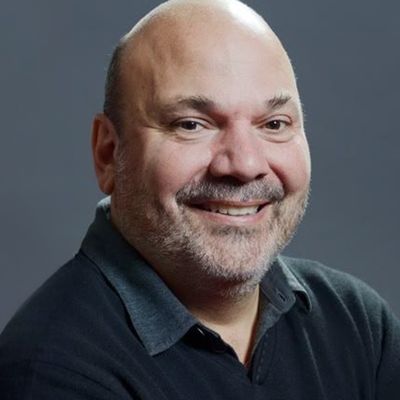
Casey Nicholaw has been credited for having “galvanized the modern form of the classic musical comedy” – Playbill.com. The nine musical comedies he’s shepherded to Broadway thus far have earned 62 total Tony Award nominations and 14 wins... Read More
From the show: The Theatre Podcast with Alan Seales
Guests
Miniseries Inclusions
Featured Shows
About
Casey Nicholaw has been credited for having “galvanized the modern form of the classic musical comedy” – Playbill.com. The nine musical comedies he’s shepherded to Broadway thus far have earned 62 total Tony Award nominations and 14 wins.
This Tony-Award winning director, choreographer, and actor began his Broadway career as a performer in 1992 in the original cast of Crazy For You, before going on to perform in shows such as Victor/Victoria, The Scarlet Pimpernel, Saturday Night Fever, Seussical, and Thoroughly Modern Millie. He has either directed, choreographed, or directed AND choreographed many iconic shows such as Spamalot, The Drowsy Chaperone, Elf, Book Of Mormon, Disney Aladdin, Something Rotten, and Mean Girls. He’s personally received 11 Tony nominations, 6 drama desk award nominations, and 6 outer critics circle award nominations. His latest show to open on Broadway, The Prom, just netted him his latest Tony nom for best direction of a musical.
Check out Casey’s shows currently running on Broadway:
Connect with The Theatre Podcast:
- Support us on Patreon: Patreon.com/TheTheatrePodcast
- TikTok: @thetheatrepodcast
- Twitter & Instagram: @theatre_podcast
- Facebook.com/OfficialTheatrePodcast
- TheTheatrePodcast.com
- Alan's personal Instagram: @alanseales
- Jillian's personal Instagram: @jillianhochman
- Email me at feedback@thetheatrepodcast.com. I want to know what you think.
Thank you to our friends Jukebox The Ghost for our intro and outro music. You can find them on Instagram, Twitter, and Facebook @jukeboxtheghost or via the web via jukeboxtheghost.com.
A very special thanks to our patrons who help make this podcast possible!
If you would like to see your name in this show notes or get a shout out on the pod itself, visit ttp.fm/patreon to become a member and show your support!
Transcript
This transcript was automatically generated and might contain errors.
[0:01] Alan Seales: Welcome to another episode of The Theatre Podcast. Intimate personal conversations with theatre's biggest names. I'm your host, Alan Seales. And I'm your producer, Jillian Hockman.
[0:14] Jillian Hockman: I just ate Bojangles, everybody. No one knows what that is. If you know what that is, please email us. Feedback at TheTheatrePodcast.com. Most people know what Bojangles is. I didn't know what Bojangles was until I met you.
[0:25] Alan Seales: All right. It's so good. Thank you for bringing it to me. This is intimate personal conversations with theatre's biggest names. Did I already say that?
[0:33] Jillian Hockman: You did. You're so excited. Why are you so excited? Who did we talk to?
[0:37] Alan Seales: We just talked to the amazing director, choreographer Casey Nicholaw, who was just nominated for Best Direction of a Musical in The Prom, which was itself nominated for seven 2019 Tony Awards.
[0:48] Jillian Hockman: Yeah. The dude was just incredible. But it was, if you listen to it, it's it was hard for me to get him to talk about himself. He's so humble.
[1:00] Alan Seales: He's very humble. He's very much someone who just likes to do what he does and does best. And the other stuff that surrounds it kind of, I don't even think occurs to him.
[1:05] Jillian Hockman: Yeah. At one point, you asked him if he gets recognized. He's like, yeah, but I don't know why.
[1:10] Alan Seales: Because you're good, man. It was incredible to me that he said he still has pinch me moments, one of his favorite of which was doing the voiceover on South Park.
[1:25] Jillian Hockman: Which is a big deal. It's a bucket list of bucket list thing for me as well. But I mean, like you said, he doesn't know why he gets he gets so nominated or whatever. But like everything he's done on Broadway has earned 62 total award Tony Award nominations with 14 wins.
[1:44] Alan Seales: Just a couple here and there. Like this guy is incredible. Everything he does is is incredible. And in another conversation we had with some of the ensemble members, I mean, they even mentioned that one of his skills is is putting together people that just work. And they not only fit the role, not only can they can sing, but they work together. They elevate the story. They elevate their relationships. Like he just knows who's going to work together.
[2:10] Jillian Hockman: He started off as a performer. So he understands that dynamic and he understands what it takes to be a performer on a Broadway show. So I think he comes with that perspective and it makes his choices both artistically and in terms of who he casts more cohesive. He knows people's limits and he knows what they can and can't do and he knows how to make something really, really good.
[2:34] Alan Seales: There was something that now that he said it is painfully obvious to me that I've never thought about beforehand. But once the show is open, the director's work is not done. I always assumed that you just walk away and you take your paycheck and that's it. But we were talking about on the episode, you go back and you check in and you make sure that the cast stays close to the original intent and you do brush-ups. And for him, he works on the directing side and the choreographing side. So he's got double duty and he's got four shows concurrently running on Broadway.
[3:09] Jillian Hockman: Aladdin, Book of Mormon, Bean Girls and now The Prom. So he's got quadruple duty of going back and doing all of this work. I don't know how he sleeps. I don't know how he sleeps.
[3:20] Alan Seales: So it was an incredible conversation. Everyone, please enjoy this episode with Casey Nicholaw. Here you go. One, two, three.
[3:33] Casey Nicholaw: This Tony award-winning director, choreographer and actor began his Broadway career as a performer in 1992 in the original cast of Crazy for You before going on to perform in shows such as Victor Victoria, The Scarlet Pimpernel, Saturday Night Fever, Seussical and Thoroughly Modern Millie. He's either directed, choreographed or directed and choreographed many iconic shows such as Spamalot, Drowsy Chaperone, Elf, Book of Mormon, Aladdin, Something Rotten and Mean Girls. He's received 11 Tony nominations, six Drama Desk Award nominations and six Outer Critics Circle Award nominations. His latest show to open up on Broadway, The Prom, just netted him his latest Tony nomination for Best Direction of a Musical. Casey Nicholaw, welcome to the theater podcast.
[4:15] Casey Nicholaw: Thank you. I hope I did you justice with that. That was a lot to take in, but yeah, it's great.
[4:20] Alan Seales: Well, you've kind of done a lot. That's great. And congrats on the nominations for The Prom. Seven nominations this year for 2019, including Best Musical.
[4:33] Casey Nicholaw: Yeah. So that must be very pleasing. I know this is a passion project for you in a way, isn't it?
[4:38] Casey Nicholaw: Oh, absolutely. Absolutely. Since the beginning, we didn't really know what we had, but we loved it and we knew we loved working on it. So it was fantastic.
[4:48] Alan Seales: Well, tell me about that. Why is this so unique? Why was this project unique compared to the other ones that you've done?
[4:52] Casey Nicholaw: Well, first of all, it's original. So it was just an idea that was brought to us by Jack Fertel, who's Artistic Director at Encores! And he called me up and he said, you know what? I have this really weird idea for a musical. Do you have any interest in the idea of two girls that can't go to their prom? And then maybe it starts in Bars and Trolley with celebrity types who are Broadway stars who feel like they've sort of had it and they need more with their lives, and they go down there and they decide to help the girls and make it worse. I said, sure. Sign me up.
[5:29] Casey Nicholaw: Well, then that was seven years ago. Yeah. Right? And then in between starting that and now opening on Broadway, you originated and put Mean Girls out.
[5:35] Alan Seales: Yeah. I mean, really, it was right after Book of Mormon that we had the idea for this.
[5:44] Casey Nicholaw: Yeah, yeah. So since then was Aladdin and something rotten, and talk of lasting and Mean Girls. So you kept coming back to this, and we'll definitely talk about The Prom a lot, because I have so many questions. But I want to start, normally on the podcast here, we start with the beginnings of who you are and where you came from. So tell me about, you were born in California, yeah?
[6:08] Casey Nicholaw: Yeah, I was born in Santa Monica, but grew up in San Diego. And so you're out in California, and then where did the performing come from? Where did your love for theater come from?
[6:16] Casey Nicholaw: I loved theater before I started performing. I just was such a complete geek about movie musicals. And then when I was in eighth grade, I had a friend who said, I'm in this thing called junior theater, and I think that you would really love it. And I auditioned and was a dancing Indian in Annie Get Your Gun, and I was sold.
[6:37] Alan Seales: So that was in eighth grade?
[6:40] Casey Nicholaw: Eighth grade, yeah.
[6:44] Alan Seales: Did your parents encourage that, or were they like, that's a phase, you'll grow out of it?
[6:50] Casey Nicholaw: No, they actually encouraged me, which is weird because they weren't really theater types at all.
[6:54] Alan Seales: Really? Yeah. What do they do, or did they do?
[6:59] Casey Nicholaw: My mom worked as a secretary, and my dad did all kinds of stuff. Oh, yeah. So I guess this was all new for that.
[7:03] Alan Seales: It was, but they were very supportive. So then what happened next? Did you go to school for theater?
[7:07] Casey Nicholaw: No, I went to UCLA as a theater major, but I lasted like a year and a quarter and decided to move to New York.
[7:11] Alan Seales: Oh, so did you ever finish school?
[7:13] Casey Nicholaw: No.
[7:14] Alan Seales: Wow.
[7:17] Casey Nicholaw: Yeah.
[7:18] Alan Seales: Wow, okay. So you moved to New York, what year was that?
[7:19] Casey Nicholaw: 1982.
[7:25] Alan Seales: 82.
[7:33] Casey Nicholaw: No, wait, yeah, 1982, February, 1982.
[7:40] Alan Seales: Okay, so 82, you came here, and you wanted to perform, you wanted to be an actor, yeah?
[7:43] Casey Nicholaw: Yeah, I had saved up my money in my freshman year in college and came to New York on vacation and just decided to go see shows. And then while I was here, I decided I'd audition for some shows, and I auditioned for Summer Stock a few places and got a job at New London Barn Playhouse in New Hampshire.
[7:50] Alan Seales: Oh, wow.
[7:51] Casey Nicholaw: And we did 10 shows, we cleaned the toilets, we made breakfast, we built all the sets and costumes, I was in the shows, and it was like the best summer of my life.
[8:02] Alan Seales: And so where did the dancing come from, the dance training?
[8:06] Casey Nicholaw: Well, when I was at San Diego Junior Theater, they had classes for us on Saturdays, and so we took dance class every Saturday. I just knew I loved it, and then when I got to New York, I just took class like crazy. So I was late to dancing, it wasn't like I grew up and went to dance school.
[8:23] Alan Seales: Well, that's incredible. I'd assumed that dancing was your primary study.
[8:29] Casey Nicholaw: Well, I mean, it actually was. I mean, musical theater was my life, but dancing when I got to New York was my primary study. I knew I wanted to sing, dance, act, but I was taking like three or four dance classes a day when I got to New York.
[8:44] Alan Seales: No kidding. That sounds tiring.
[8:47] Casey Nicholaw: Yeah, it sounds tiring to me now, that's for sure.
[8:50] Alan Seales: And then the singing, I guess, like singing lessons came in?
[8:53] Casey Nicholaw: Yeah, I took singing classes, acting classes, voice teachers, voice coaching, all of it.
[8:59] Alan Seales: Wow. Wow. Yeah, so you just went all-in, immersive.
[9:05] Casey Nicholaw: Because in college, as a theater major, I wasn't allowed to take voice and dance, which sort of made no sense to me, which is why I didn't stay in college.
[9:12] Alan Seales: Oh, yeah. Now that's ridiculous. You kind of have to do everything. I mean, you need to learn the fundamentals of acting.
[9:18] Casey Nicholaw: Absolutely.
[9:19] Alan Seales: Yeah, of course. You got to take it all. Do you have a particular genre or acting? Between acting, singing, and dancing, do you have something you like the most?
[9:25] Casey Nicholaw: Directing.
[9:33] Alan Seales: Okay. Directing actors, singers, or dancers?
[9:38] Casey Nicholaw: No, all of it. But I mean, the choreography is my biggest passion to start with. I love telling stories through dance. So there's something about a dancer that I absolutely love.
[9:47] Alan Seales: Yeah, I was reading up to prepare for this, and there's something you said about the dancing in The Prom and the ensemble. And this is my own take on it, but the ensemble, to me, feels like it is own kind of like always changing character. And the ensemble's there. The ensemble helps, but they're never secondary. And they're always there to push the story along. And the style, I noticed this, that the style of the main characters, the older actors, is more traditional, more old school Broadway. And then all the ensemble, which, by the way, 13 of them made their Broadway debuts.
[10:27] Casey Nicholaw: Yeah, absolutely cool. Absolutely cool.
[10:29] Alan Seales: These young, amazing, energetic kids with energy pouring out of their fingertips.
[10:35] Casey Nicholaw: Right.
[10:35] Alan Seales: It's like, it's all hip-hop. It's based in hip-hop.
[10:38] Casey Nicholaw: Oh, it is. It's all based in hip-hop, for sure.
[10:40] Alan Seales: So was that a conscious effort?
[10:43] Casey Nicholaw: Oh, yeah, because kids aren't going to dance the musical comedy style right now. So that's what that was. So I researched. I watched stuff. I tried to get our own vocabulary going with that.
[10:55] Alan Seales: Wow, wow. And what did you do to research? What's your style? You said you started in tap, yeah?
[11:02] Casey Nicholaw: Yeah, mostly tap and traditional Broadway. But it's fun. And actually, tap wasn't... The rhythms in tap aren't far from the rhythms in hip-hop. And that's kind of how I approached it. Because at first, it was daunting to me, because I thought, oh my gosh, that's not in my wheelhouse. But then I started really loving it and having a great time doing it.
[11:23] Alan Seales: Well, did you decide to pull in the hip-hop?
[11:26] Casey Nicholaw: Oh, yeah. Oh, absolutely. Yeah.
[11:28] Alan Seales: Well, I guess... So walk me through the original creation of the story and the whole concept. Because you're talking about Jack. Jack had the concept.
[11:35] Casey Nicholaw: Right.
[11:38] Alan Seales: Brought you the... I guess he brought you the story, the idea. And then what happened?
[11:44] Casey Nicholaw: And then we also brought on board... That's when we brought on board Bob Martin and Chad Baiglin and Matt Sklar. And then the four of us just started working on it and trying to figure out what the story was. We didn't really know everything that was going to happen in the show. We knew nothing that was going to happen in the show, except for the idea about two girls not being able to go to their prom, and then also the idea of the fake prom.
[12:06] Alan Seales: Right. Right. Okay. What does working on it mean? You guys have some shots and go in someone's apartment and start banging out some tunes?
[12:15] Casey Nicholaw: Well, I mean, yeah. Really, it starts with the outline of what the plot was going to be. And then when we got the outline of the story, Bob and Chad started working on it, and we all just kept brainstorming and figuring out what it was, and where do we want act one to end, and how do we want act two to end, and what do we want in the middle, and what do we want the story to be? And then the songs start getting written with the different song spotting and stuff.
[12:42] Alan Seales: Yeah, that's so cool to me. I've talked to a couple different creatives on the podcast, and everyone's kind of got a different take on it. I think it was Tom Kitt who was saying that Next to Normal, they wrote a bunch of songs, and they're like, I guess we should just put a story to connect to the songs.
[13:00] Casey Nicholaw: Oh, really? Oh, wow. That's cool.
[13:04] Alan Seales: Yeah, yeah. I love Next to Normal. My gosh.
[13:08] Casey Nicholaw: So at what point... I mean, I guess this is probably... Obviously, not the first time that you've created something and worked on a story. At what point are you like, all right, we're going to continue, or this just isn't working, let's scrap it?
[13:13] Casey Nicholaw: Well, I don't think I've ever done anything where I've said this is not working, let's scrap it.
[13:41] Alan Seales: Welcome back to the show. Today my guest is Tony Award-winning director and choreographer, Casey Nicholaw.
[14:11] Casey Nicholaw: Thank you for having me.
[18:07] Alan Seales: What is the story that you draw onto the most?
[18:09] Casey Nicholaw: Probably that it has to do with underdogs, I think that's the main thing. Also just something that makes me laugh, the concept of it, the idea of it, and the possibilities of the story will be very funny. So, working with Trae, Trae Parker, him not coming from a traditional theater background. Although he loves theater, and he loves musical theater, and that's where we totally cut together.
[18:36] Alan Seales: Yeah, was it a different experience working with him than your standard kind of Broadway creative?
[18:41] Casey Nicholaw: Well, I just don't think anybody is standard, really.
[18:44] Alan Seales: Really?
[18:45] Casey Nicholaw: Yeah, you know, I mean, I love working with him, and I love working with Matt, and I love working with Bobby, and we had a really great time together. And we really, we all knew how to do it together. It was a really great experience.
[18:56] Alan Seales: That's a lot of fun.
[18:57] Casey Nicholaw: Yeah.
[18:58] Alan Seales: What was your first reaction when you were approached to, or were you approached to do it, or how did you get?
[19:02] Casey Nicholaw: Oh, I was approached to do it, and pretty late in the game, too.
[19:05] Alan Seales: Really?
[19:06] Casey Nicholaw: It was like, yeah, I was offered the job three weeks before the lab was going to start.
[19:10] Alan Seales: No kidding.
[19:11] Casey Nicholaw: They'd already done a lot of work on it, you know, before then. They'd done labs and stuff like that, and they wanted some fresh eyes, and I was able to be that. And yeah, it was great, but it was fast and furious. You know, we did a six-week lab, and I found out I was going to be staging and choreographing it three weeks before we started rehearsals.
[19:30] Alan Seales: So you just didn't sleep for three weeks, basically?
[19:32] Casey Nicholaw: Oh, no, I was in tech for another show. I was working on this show in San Diego, so it was a little crazy.
[19:40] Alan Seales: Wow, that's ridiculous. I would have loved to have watched that process.
[19:45] Casey Nicholaw: I loved it.
[19:46] Alan Seales: Yeah.
[19:47] Casey Nicholaw: I absolutely loved it. And then going back a little bit for Spamalot, too, was how did you get connected to Spamalot? And of course, I'm sure you knew of MoneyPython.
[19:55] Casey Nicholaw: Oh, I mean, I loved Holy Grail growing up. Absolutely loved it. And I just got a call out of the blue from someone saying, Mike Nichols would like to meet with you about choreographing the show. And I was like, holy crap. And I heard it was, and I heard it was Holy Grail. I was like, that would be amazing. And I met with Mike, and he didn't know me at all. He didn't know my work at all. I didn't really have work for anyone to know. And we talked for an hour, and then at the end of the hour, he just said, well, you want the job? And I said, well, yeah. And then, you know, cut to me in a cab crying all the way back to my apartment because I just could not believe my luck.
[20:35] Alan Seales: Wow. Yeah, that is incredible. So many people on this podcast have their crying moments when they got the call.
[20:44] Casey Nicholaw: I think it was Joe Carroll told me when he got the call that he was going to make his Broadway debut. He had just gone through security at, I think, Newark and got to the other side of the security line and just broke down ugly crying.
[20:56] Alan Seales: Yeah.
[20:57] Casey Nicholaw: Yeah. It's fun. But I'm going to go back to you for a second. You originally were coming to New York. You were going to be an actor. You wanted to be an actor, and you were. You were acting. You were in Broadway cast, the original Broadway cast and ensembles and whatnot. And then where did the transition happen into the choreography and the directing?
[21:17] Casey Nicholaw: Well, I mean, I always knew I wanted to choreograph before I did Broadway shows. I just sort of stuck. I choreographed, like, non-equity companies and stuff and regional theaters and summer stock and that kind of thing. But then I decided I needed to not keep traveling. I needed to focus on performing. So that's when I got Crazy for You, and that's when I did the other shows. But every one of them, except for Scarlet Pimpernel, was an original Broadway company. So I got to see how they were put together, and I was fascinated by it. And I knew it was something I would love doing, and I would, you know, just feel like I was in my skin when I was doing it. And that's kind of how it happened, really.
[21:55] Alan Seales: And when you started doing it, was it like a – what am I trying to say? Yeah, you just felt more at home? You felt more –
[22:04] Casey Nicholaw: Oh, absolutely. I felt more comfortable and more in my body and in my head and confident than I had ever as a performer.
[22:15] Alan Seales: I think that's beautiful, and I think that's why a lot of people are drawn to performing and to the arts and whatnot. It's a form of expression.
[22:22] Casey Nicholaw: I was so glad to not be performing anymore. I really was. I was so happy to sort of be the papa and not the baby anymore.
[22:33] Alan Seales: Really?
[22:34] Casey Nicholaw: You do a lot of work, and then opening night comes, and you take a bow with the cast, and then you're done.
[22:40] Alan Seales: You're not done.
[22:42] Casey Nicholaw: You're not done. Oh, my gosh. It keeps going and going and going, hopefully. But, yeah, you know, but there's still a lot of work. It's not as concentrated, but there are many, many emails for every company that keep going on and on.
[22:56] Alan Seales: Well, can you tell me, like, what's going on with the prom? I mean, other than the Tony, like the build-up to the Tony Awards now, which I'm sure there's a lot going on.
[23:03] Casey Nicholaw: Well, now is sort of the golden time. I mean, you just opened, and you get to do the Tonys, and everyone's still really excited. And then what happens is if you're lucky enough for a show to run for a long time, then you go six months later, and you see that everyone is, like, you know, over the top and not connecting to the material anymore, and then you have to, like, have a rehearsal. You know, you have to keep on it, and you have to keep on the maintenance because things change, and people get used to something, and, you know, an actor will push it further or just get away from the original intention and not even realize they're doing it. It's just the nature of being a human being.
[23:41] Alan Seales: Right. So, Aladdin, Book of Mormon, Mean Girls, and now the prom.
[23:46] Casey Nicholaw: Yes.
[23:47] Alan Seales: You have four shows running on Broadway.
[23:50] Casey Nicholaw: Yes.
[23:51] Alan Seales: Right now.
[23:52] Casey Nicholaw: Yeah.
[23:53] Alan Seales: Okay, I got a couple questions around all that.
[23:55] Casey Nicholaw: Uh-huh.
[23:56] Alan Seales: Like, Aladdin's been running for over 10 years, right?
[23:59] Casey Nicholaw: Oh, no. Aladdin just had its fifth anniversary.
[24:01] Alan Seales: Oh, fifth. Fifth.
[24:03] Casey Nicholaw: Yeah, that's what it was. I knew it was an anniversary.
[24:05] Alan Seales: So do you go back still to Aladdin and do check-ins?
[24:07] Casey Nicholaw: Yeah, I do. I do, yeah.
[24:09] Alan Seales: Wow. And what's, like, the weirdest thing? You've seen someone, like, what the hell are they doing? Get back up.
[24:13] Casey Nicholaw: Yeah. Well, that's a common occurrence in all the shows. When something's been running for a long time, it's hard, or when there's new people in the show that don't get to hear the original creative team talk about the show or know what they went through trying to create it, you know, or they haven't, you know, heard Tina Fey talk about what she thought about behind, you know, what's behind that scene. And so it's different because the people that join a company four years later don't get the history of it. And they don't know exactly what's behind it. And it's more of what they're being told has morphed, and that's just natural.
[24:51] Alan Seales: It's a game of telephone, essentially.
[24:53] Casey Nicholaw: It is a little bit like a game of telephone, yeah. Because when the director leaves, the choreographer leaves, which in your shows happen to be you in both cases most of the time.
[25:00] Alan Seales: Right.
[25:01] Casey Nicholaw: Like, it goes to the dance captain to maintain the dance and the stage manager to maintain the blocking.
[25:05] Alan Seales: Right.
[25:06] Casey Nicholaw: And these days it's not on the stage manager anymore. It used to be that was the person that took care of all the acting, and now there's associate directors that take care of a lot of that, which is great.
[25:17] Alan Seales: Are they there nightly, or do they come back?
[25:20] Casey Nicholaw: It just depends pretty much. I would say most of them are there like three or four nights.
[25:26] Alan Seales: No kidding.
[25:27] Casey Nicholaw: Yeah.
[25:28] Alan Seales: That's cool.
[25:29] Casey Nicholaw: And they run understudy rehearsals.
[25:31] Alan Seales: Yeah.
[25:32] Casey Nicholaw: They're there for putting in new people and all of that.
[25:34] Alan Seales: Yeah. I knew that obviously put-ins and swings and swing rehearsals and all that. That's interesting. But going back to what I said about having four shows concurrently running on Broadway, I mean, you're smiling at me right now. My gosh. Did you ever see this coming? When you were just a little kid or an eighth grader?
[25:55] Casey Nicholaw: No.
[25:56] Alan Seales: Or a 40-year-old.
[25:59] Casey Nicholaw: I never would have imagined that this would happen, that I would have four shows running on Broadway.
[26:05] Alan Seales: Yeah. You work with Eric Idle and work with Matt Stone, Trey Parker, Tina Fey.
[26:09] Casey Nicholaw: Yeah.
[26:10] Alan Seales: Even Jack Brutell is a legend in the theater industry himself, right? You work with such amazing people and now you are up there, right? Do you realize this? Or do you have any sort of imposter syndrome?
[26:24] Casey Nicholaw: No, I don't have imposter syndrome because, like I said, I feel like I'm so in my skin as a director. But it's weird that this is my life. I pinch myself almost every day. I really do. I have moments where I go like, oh, my gosh, I can't believe I get to do this. Or I can't believe I'm going to work now or I'm talking about my accomplishments. It's wild. It still is wild.
[26:48] Alan Seales: Well, I read off your bio and I was sitting there. I was like adding. I literally triple counted all the nominations and everything. And I was like, god, there's just so many. And that was only some of the biggest ones. There's just countless, countless others. And you've got to be – I mean, thank you again for being here because I know your schedule is tight.
[27:08] Casey Nicholaw: My pleasure.
[27:09] Alan Seales: But you've got to be going all over the place to talk about this and accept that award and all sorts of things. Do you take time off?
[27:18] Casey Nicholaw: Oh, I do take time off for sure. I have to. Like every time a show opens.
[27:23] Casey Nicholaw: I'm on a plane. You know, I've got to just decompress, you know, decompose. No, I have to decompress after putting on a new show. You know, it actually, after a show opens, I get really sad. Yes, because it's sort of like you've given birth to a child, and it's something that you've been working on for, you know, five to seven years. And to just be done with that process, which is actually my favorite part, you really go through withdrawal. And it's sort of like, you know, you're the person that everybody loves in rehearsal, and then six months later, you're the person that's telling everyone they're not as good as they used to be. And so you end up, you know, it's a very weird feeling. It will never be the same as those weeks of creating altogether.
[28:17] Alan Seales: Wow. Yeah, I mean, so I don't, I don't know if you remember this, you gave me my first professional role. I did in 2004. Yeah, in My Fair Lady at North Carolina Theatre.
[28:24] Casey Nicholaw: Oh my gosh. So I gave so many people those jobs. I mean, everyone keeps telling me that. There was someone else that I was in, I was in that. Oh my god, it cracks me up.
[28:35] Alan Seales: Yeah. Yeah, that was fun with Wally. Wally was artistic director at the time. Yeah. That's hysterical. Oh, gosh, I just totally forgot why I brought that up. Oh, because I've worked with you. So I've seen your work ethic. And I've seen like, as my first professional gig, like that was regional theater. We had 13 days of rehearsal. And I was just like, you know, fourth ensemble member from the left. So funny. But yeah, sell flowers with me. Oh, my God. Oh, it was horrible. And the show wasn't horrible. I was horrible. But I am I have read so many things about you now. And now I've personally worked with you. And I know the way that you interact with your cast is incredibly unique. And have you heard this before?
[29:30] Casey Nicholaw: No, keep going. Because it's especially like, with the ensemble and the dancers, if it's a heavy dance thing, that because you've been there, you've been on the other side, you've been in the ensemble, you've been in being told what to do from a choreographer, and I feel like you treat, you've treated everybody on an equal plane, everyone's got equal intelligence and equal importance, no matter how big the role.
[29:51] Casey Nicholaw: Right. Well, I really do like to work energetically. And I think that you can't underestimate the energy of a show. And the ensemble brings so much to that. You can't discount that. They're not just like backups, doing stuff behind the principles. Their energy is so important. And it's so important in the storytelling. And it's not just about, oh, we're going to do a dance break. It has to be part of the story. And everyone has to be involved in that. You know, if you have a couple of course, people that think that they're not important, and they bring that attitude to it, and that energy to it, your eye goes to them in a terrible way. You know, you just go, because they're not participating.
They're not part of it. And I think that it's really important to encourage everyone who's in the ensemble to participate. I mean, it is their job, by the way. They're getting paid to do it. And they said it was their lifelong dream, but I don't understand why they're marking.
[30:46] Alan Seales: Yeah. No, I just, I really enjoy it. And it shows, like, especially with The Prom. I was actually, before you walked in, I was watching a video of the finale being performed on Thanksgiving Day. And God, the energy coming out of all these kids. And I say, I'm 38. I can call them kids.
[31:07] Casey Nicholaw: Uh-huh.
[31:08] Alan Seales: And energy coming out of them. But even the principals, everybody dances their ass off.
[31:14] Casey Nicholaw: Right. They do.
[31:16] Alan Seales: Yeah.
[31:16] Casey Nicholaw: And it's very funny, because, you know, you'll hear younger actors complain about this and that. And, oh, gosh, the shoes are hurting me, and the heel, I can't dance on a heel. And a lot of that is valid, for sure. However, Beth Leavel is wearing heels and being turned in circles around on a platform, and still, and belting her guts out.
[31:41] Alan Seales: Yep.
[31:42] Casey Nicholaw: And she's doing it just fine. And Angie Schworer wearing five-inch heels.
[31:46] Alan Seales: Yeah, exactly.
[31:47] Casey Nicholaw: And the bottom is to heaven and back. Yeah, geez, those people are incredible. But yeah, Brooks, Chris, Angie, and Beth, that's like a dream team of comedy leads right there. Like, how did you put them together?
[32:01] Casey Nicholaw: It really is. We just started thinking about who would be right for it. And, you know, I mean, Angie, basically, we wrote for Angie, because she's playing a chorus girl named Angie, who is like an older chorus girl. And Angie is an older chorus girl.
[32:15] Alan Seales: Yeah.
[32:15] Casey Nicholaw: And when we first did it, and I told Angie we were writing a role for her based on her, she said, well, please do it soon, so I don't have to read somewhere they're looking for a young Angie Schworer type. She said, that would be so sad. And, you know, Beth and Brooks are just incredible. And I actually didn't know Brooks before the first reading of the show. I knew I liked him, and I knew it's one of those things. Every person that I know and love was like, you have not worked with Brooks yet? You will love him. You have to work with him. He's fantastic. And everyone just kept saying that. And so I thought, great, we're doing a reading? Well, just let's see. And just there was no question in our minds that he had to do the role. And then, you know, and then Chris Sebers, he's so fantastic. And he, you know, he did Spamalot originally, and was just so good in it. And he also did the London Company as well.
[33:09] Alan Seales: Yeah.
[33:10] Casey Nicholaw: So it was, it's great. And Beth, I've just known forever.
[33:14] Alan Seales: Yeah.
[33:14] Casey Nicholaw: Since the North Carolina Theater, that's when I first worked with Beth.
[33:16] Alan Seales: Right.
[33:16] Casey Nicholaw: We did Showboat together.
[33:18] Alan Seales: Yeah.
[33:18] Casey Nicholaw: I was Lauren Kennedy's dance partner.
[33:20] Alan Seales: Oh, Lauren Kennedy. The Kennedy Center, oh, that brings back so many memories. Geez.
[33:25] Casey Nicholaw: Yeah. Beth's from Raleigh. Yeah. So that, gosh, she didn't even start performing until college, I believe. But anyway, that's episode nine of this podcast. Go back and listen to Beth Lovell.
[33:39] Alan Seales: I was going to say, oh, yeah. So you call them like your theater family. You have grown every production. I mean, when you do a production, it's kind of like, you put trial by fire, and you have these bonds with people that, like, you're spending multiple long 12-hour days with them.
[33:56] Casey Nicholaw: Yeah.
[33:56] Alan Seales: And sometimes years.
[33:58] Casey Nicholaw: And sometimes years, yeah, if the productions keep on going. And you're sometimes literally, like, backstage getting naked together, quick changes. And you get to know each other so well, and you're growing this family. But, and so in The Prom, your four main characters there are, do you consider them family? They have stuck with this from seven years ago until now for a reason.
[34:20] Casey Nicholaw: Yeah, they are. It's, yeah, it's a special one. It really is. And they're a special group. And also, the way that the four of them have opened their arms to the kids, and also the way the kids have watched our principals. And I have to say, it's more than just the four of them, because it's like, they get, because they have the flashier roles, they get all the attention in that way. But, you know, Michael Potts is a huge part of the show. Courtney Collins is a huge part of the show, and Josh Lehman. And it's really something else. And they are all such good role models to the kids that are doing this for the first time. And they get to do it in a show that has such an amazing message and is so much fun to do. And, you know, they're at the, you know, they're there at the Longacre, and it is the tiniest theater backstage. And everyone is so happy, or at least that's what they act like when I'm there. But it's a happy building. It really is.
[35:26] Alan Seales: Yeah, everyone I've talked to from the production, just like, they love it. They feel good. And then on the flip side, the audience. I want to talk about the audience reaction. When I interviewed Josh for this podcast, he was saying that there was a guy, probably late teens or early 20s, was like, he was a bigger guy. And he said, for the first time ever, I'm seeing myself represented on stage.
[35:53] Casey Nicholaw: That's awesome. By the way, I'm bisexual. And this is the first time I've ever said that. And then he just broke down crying.
[36:01] Alan Seales: Oh my God, that's amazing. And do you hear these stories?
[36:08] Casey Nicholaw: I do. You know, it's usually when I'm in intermission of the show, any show that I've done, I usually go backstage. But sometimes I don't. And when I don't at The Prom, I get so many people coming up to me and just saying, thank you so much for this. You gave me so much strength. You know, I'm about to come out to my dad as being a lesbian. And you keep hearing those stories. And that part of it makes me feel so good and so like I'm helping people. You know, I want to help people with laughter, which I know we do. We all do. But it's pretty amazing. And it's pretty wonderful.
[36:42] Alan Seales: Yeah. I guess some people recognize you in the audience.
[36:49] Casey Nicholaw: Oh yeah, they do. That's the part that pinches me, because I just never think that anyone would know who I am. I mean, I really do. I don't ever think that. And lately, I've been recognized more and more, but I really never think that.
[37:03] Alan Seales: Yeah. Well, because I'm behind the scenes too, you know, and people don't really recognize Broadway directors, do they?
[37:09] Casey Nicholaw: You? You, yes. I mean, I keep seeing you in the Tonys every year. Like, yeah, yeah, you're recognized.
[37:14] Alan Seales: Oh yeah, I worked with that guy. That's so funny.
[37:24] Casey Nicholaw: So how did you approach casting the roles of Caitlin and Izzy and then Josh's role? Well, I mean, we'll see what you can like say or not say. But well, the funny thing is those two roles, because I didn't know very many younger people, Beth Knox from Telsey brought people in. And Caitlin originally came in for Alyssa.
[37:46] Casey Nicholaw: No kidding. Yeah, and she started singing. I thought, this is not Alyssa. This is Emma. In fact, this is Emma. And we all agreed. We knew that it was going to be her, and it was from the beginning. And she ended up doing everything. Izzy was in the ensemble in Atlanta.
[38:02] Alan Seales: No kidding.
[38:02] Casey Nicholaw: She was one of the dancers in Atlanta. And then we ended up replacing the girl that played the role there, not because she wasn't good. She was incredible. But we just decided we needed to go a different way. And I just decided, well, actually, what had happened is I loved Izzy in the ensemble of The Prom in Atlanta so much. And then I asked her if she wanted to tour with Aladdin, thinking she was going to be in the ensemble and covering Jasmine. And then she auditioned, and I just was like, she's going to be Jasmine. And she was. She was the Jasmine in the first national tour of Aladdin. And then when this happened and we ended up needing someone else to play Alyssa, I just said, it has to be Izzy. And that's how it happened. She didn't even have to audition. We were just like, it's her. And then Josh. So Josh ended up taking over the role in Atlanta in an emergency, and then we just had him still play the role. Just kept him in the role.
[39:02] Alan Seales: Oh, yeah. Yeah, he's just, he's so funny. He's so funny, and he's so lovely, and he's such a good human being. I enjoy everything he does. But the show itself, he's very outspoken now about gay history and LGBTQ activity and whatnot. And in this show, The Prom, it tackles so much. You've got like, you've got bullying in social media and celebrity activism, and then queer rights in schools. And gosh, I'm still so impressed with how you handled all of this, wrote this story, and then still made it hilariously funny.
[39:34] Casey Nicholaw: Yeah, well, the thing that, Bob and I did Drowsy Chaperone together, and one of his passions is writing satire. And we're satirizing a lot of stuff. And that's what makes it so enjoyable. And that's Matt and Trey's forte, too, is satire. And I love it. And I think that the show is so funny because it doesn't take itself too seriously, even though it's about a serious issue. And then the heart comes through, because you're actually not preaching to people. You're not giving them a lecture. You're telling the story through the eyes of two different sides and two different viewpoints of people.
[40:26] Alan Seales: And I guess, has the show changed you at all in any particular way or through the whole process? Do you look at things in a different way than you did before?
[40:32] Casey Nicholaw: Yeah, I think that, for me, the fact that we're able to do a show that changes people's lives, and that sounds trite when I say it, but honestly, this one literally does. You know, from the people's stories, it feels like it's helping people, and it's giving people strength, and it's helping people become who they are, and lets them know it's okay. And also, hopefully,
[41:05] Casey Nicholaw: It's a wonderful thing. And it helps people that are, you know, adults, the parents who have gay children, hopefully it's helping them open their eyes to things too. And, and we have found that too. A lot of adults and parents saying, thank you, this has been fantastic for me. You know, my daughter was gay and I didn't want her in the house and we've come to terms, but this show just, you know, confirms how important it is. And you know, I really, it's, it's a wonderful thing. Wow. During the writing process, going along those lines during the writing process obviously our presidential administration changed, right? Did that affect anything that, that was happening at the time with the writing or the show?
[41:47] Alan Seales: It did.
[41:48] Casey Nicholaw: I mean, it certainly did. You know, it's funny because when we first wrote or started writing the show, it was very relevant, relevant. I'm sorry. It's been the longest, longest day. Revelant. It was, this is a very revelant show, you guys. That's a new word. Okay. I'll go with that. It was real. When we first started writing it, it was really relevant. And then it wasn't. And then we were into the, you know, we're in the Obama administration and then people said, Oh, the story is like, you know, it's just, it seems dated. And then it was relevant again. And then that it sort of wasn't. And then now it is more than ever. I mean, I am very happy that it took so long to do this because now is the right time for it. It definitely is. It feels it completely.
[42:35] Alan Seales: So I want to switch gears a little bit and talk about, uh, some, some of your other past work. Talk everlasting lasted for a month. I know on Broadway. So obviously great success does not come without a little bit of, of struggle. Does that like, what, what, what happened there? Like, can you talk about that?
[42:54] Casey Nicholaw: Oh, yeah. I mean, it was a beautiful story. It just, it didn't catch on. It didn't catch on, you know? And, um, it meant a lot to all of us and it was such a beautiful message and it was such a beautiful book. And, um, that was it. We were, we were pretty heartbroken again. That was another show where everyone stuck with that show for a long time, uh, because they believed in it. And I have to say the, uh, the ballet at the end of that show was one of the, one of the things I'm most proud of that I've ever done.
[43:22] Alan Seales: Wow. So did you, did, is the writing on the wall in that sort of scenario where like you're building up to opening and like previews don't go well or?
[43:31] Casey Nicholaw: Yeah, I think so. You know, again, I, I feel like I'm pretty intuitive energetically and most of the shows I've worked on have a buzz in the audience during previews. You can just feel it. I walk out of this. I walk out from the backstage area and I walk into the house. I'm like, oh my gosh. And it's electric. That never happened with talk. I would walk out of the backstage area. I would come into the house. I'd be like, well, this is weird. It's like people weren't talking. It was just a very, it was a weird energy and it just didn't feel like people were excited about seeing it or wanted to be there if they all got like half price tickets or something. I mean, it really was an odd thing, you know, and I know lots of people that were really moved by it and other people that could just care less.
[44:17] Alan Seales: Right. So it is hard because you, again, we worked on talk for a really long time.
[44:22] Casey Nicholaw: Yeah.
[44:22] Alan Seales: Do you take that, do you take that personally when that kind of scenario happens or is it just part of the business?
[44:29] Casey Nicholaw: I take lots of things personally. Um, I don't think you can take it personally. I mean, of course you can take it personally, but I think sometimes it's just the zeitgeist, what's going to hit and what isn't and what's when it's time for something or not, or, or the way it's being, you know, marketed or what, who knows, who knows if it's because so many people love that book and it was such a part and it was required reading and it was, you know, and people really loved it and it spoke to so many people. So it was, it was very, it was very odd that it didn't catch on.
[45:01] Alan Seales: Yeah. No, I, I, to me, I loved, loved the book. I, you know, it was one of my favorite books that I read when I was a child.
[45:07] Casey Nicholaw: Yeah.
[45:07] Alan Seales: So I was very excited to see it, but I mean, yeah, if I may say it's, I saw it and I was like, oh yeah, it just, if something about it just wasn't right at the time.
[45:16] Casey Nicholaw: Yeah.
[45:17] Alan Seales: Yeah.
[45:17] Casey Nicholaw: Yeah. And you've also directed and choreographed the West End production of Dreamgirls, which I saw.
[45:22] Alan Seales: You did?
[45:24] Casey Nicholaw: I was, yeah. When I was in London, uh, two years ago, I believe.
[45:29] Alan Seales: Yeah.
[45:29] Casey Nicholaw: I saw it. I loved it. Loved the production.
[45:32] Alan Seales: Thank you.
[45:32] Casey Nicholaw: I love it too.
[45:33] Alan Seales: Yeah. Is that the only time you've worked in the West End?
[45:35] Casey Nicholaw: Um, no, no. I mean, it was the first time I originated something in the West End, but, you know, Aladdin is still there and Book of Mormon is still there and Spamalot was there and Drowsy was there.
[45:45] Alan Seales: Oh yeah.
[45:46] Casey Nicholaw: Yeah.
[45:46] Alan Seales: Yeah. So I guess, and you said they continue on.
[45:50] Casey Nicholaw: Yeah.
[45:50] Alan Seales: Yeah. So you can, you go over there and you have to go through the process of, I guess it's a little easier cause it's already like the script is locked for the most part. Um, but yeah, you've go through the casting process and.
[46:01] Casey Nicholaw: Yeah. No, it's a lot.
[46:03] Alan Seales: Yeah. Wow. That's a lot of fun.
[46:04] Casey Nicholaw: But Dreamgirls was so special to me.
[46:06] Alan Seales: Yeah, that was great. Are there any plans to bring in here?
[46:09] Casey Nicholaw: Um, I hope so. We talk about it. We hope it's happening.
[46:13] Alan Seales: So we'll see. Maybe you should, uh, uh, talk to Dory. See if she wants to bring it over.
[46:15] Casey Nicholaw: Oh my gosh, yeah, yeah. Dory and Jack, you hear that? Bring over Dreamgirls.
[46:21] Alan Seales: I'd watch that shit.
[46:22] Casey Nicholaw: That's so good. But when you're, when you're over there, do you, do you find that the cultural zeitgeist, uh, or I guess the focus towards theater, musical theater is a little bit different. Cause I have a friend of mine is she's British, she lives in London and she's like musical theaters and musical theater, eh, but plays.
[46:39] Alan Seales: That's what I want to go see.
[46:39] Casey Nicholaw: Right. I think it's more important to them there than musicals.
[46:43] Alan Seales: Yeah, I do.
[46:45] Casey Nicholaw: Um, I love working over there and I love the people I've worked with, but I think that musicals aren't considered as high up on like the, the food chain of, of theater, you know?
[46:56] Alan Seales: Uh, so not like it is here.
[46:58] Casey Nicholaw: Not like it is here.
[47:00] Alan Seales: Yeah. It's interesting. Cause like here, here, like a place plays in New York. I mean, even like your big, big name plays, they only run for a couple of months in most cases.
[47:09] Casey Nicholaw: Yeah.
[47:09] Alan Seales: And yeah, it's interesting. Um, I go over there and I was like, well, every time I go over there, I'm like, can we go see a show? And she's like, really? Like a musical? I was like, Oh yeah, yeah, of course.
[47:22] Casey Nicholaw: Yeah.
[47:22] Alan Seales: I want to go see dream girls.
[47:24] Casey Nicholaw: Oh, I love it.
[47:26] Alan Seales: So much fun to work on. It's my favorite show.
[47:28] Casey Nicholaw: I want to ask you to, um, you've got a credit as the dance choreographer on the trolls movie with Anna Kendrick and Justin Timberlake, of course that movie.
[47:39] Casey Nicholaw: I've never met them.
[47:40] Alan Seales: Yeah. Right.
[47:40] Casey Nicholaw: Um, but it's an animated movie.
[47:43] Alan Seales: Yeah.
[47:43] Casey Nicholaw: They hired me to sort of, to sort of come up with ideas and choreography for some of the musical numbers. A lot of them never made it in the movie.
[47:51] Alan Seales: Really?
[47:51] Casey Nicholaw: I mean, the, the, the numbers themselves in the movie. So, um, but it was fun.
[47:56] Alan Seales: Did they do really fun? Did they do motion capture for that? How did, how do you know, basically we just talked about them and then I would just get in my dance studio with some dancers and we do pre-production and we videotape everything for them.
[48:07] Casey Nicholaw: And you wear your big hair wig.
[48:08] Alan Seales: Oh, I didn't have some big hair wigs actually, but it was actually a little distracting, but we did do that.
[48:14] Casey Nicholaw: Um, and then of course, uh, you worked on smash, which is where you met Angie Schworer, right?
[48:20] Alan Seales: You met her?
[48:20] Casey Nicholaw: No, no. I knew Angie from, uh, from Minsky's when we did Minsky's in LA and then I'm, then Angie did something rotten as well.
[48:26] Alan Seales: Right, right, right.
[48:28] Casey Nicholaw: So yeah.
[48:28] Alan Seales: Um, so you, you directed, directed, right.
[48:31] Casey Nicholaw: Yeah. One of them.
[48:32] Alan Seales: Yeah. And, and so do you want to go back to doing more TV like that?
[48:36] Casey Nicholaw: Oh, I would love it. I had a great time working on it. I really did.
[48:40] Alan Seales: Well, tell your agent, get you some more TV work.
[48:43] Casey Nicholaw: Yeah.
[48:43] Alan Seales: And then I am most impressed, I think, with the VO work on South Park because Bat and Trey don't let anybody do VO, like they do it all themselves.
[48:49] Casey Nicholaw: It was really fun. It was really fun. I was just going there to, uh, say, oh no, I know I was going there to audition someone because we were in LA and there was someone who wanted to audition and we did, and I, I was with Ann and then we walked downstairs and I was just talking to Trey and he said, do you want to do, do you want to do a voice? I said, yeah. Are you kidding me? Yes, I do.
[49:15] Casey Nicholaw: So I was like, all right, come on. And we just like walked into there and he like handed me the script and told me how to do it. I was like, I love it. Oh yeah. Direct me, works for me. And, um, it was so much fun. And I went back the next week because it was a two-parter and I did more lines. It was really fun.
[49:29] Alan Seales: That's awesome.
[49:30] Casey Nicholaw: Yeah. I know they're like so famously like actors are stupid. So that's why they do all the voices themselves, which it works. It's their shtick. But I, that's like, that's one of my all time favorite goals is to be a voice on South Park because just cause I know it was really cool.
[49:45] Casey Nicholaw: That was a pinch me for sure. And then when I was done doing the voices and said, okay, I need you to fill this out. I was like, what? I get paid to do that too? Really? Wow.
[49:54] Alan Seales: Oh yeah. That's crazy.
[49:56] Casey Nicholaw: Um, so, uh, we'll wrap up here in a second, but before we, before we wrap up can you, can you give us any hints about what you're working on next? Anything?
[50:03] Casey Nicholaw: Yeah. Um, yes. Uh, I'm doing a new musical version of some like it hot, which we've been working on. Uh, Mark Shaman and Scott Whitman are doing the score and Matthew Lopez is writing the book.
[50:14] Alan Seales: Nice.
[50:14] Casey Nicholaw: And, uh, we're, we're, we're sort of done with act one and into act two now.
[50:20] Alan Seales: Wow. Do you, do you get writing credit for that stuff too? Like when you're, no, I helped them. I helped shepherd it.
[50:26] Casey Nicholaw: Yeah. But the other ones putting the words on the paper.
[50:30] Alan Seales: Yeah.
[50:31] Casey Nicholaw: Okay. And how many, how many projects do you normally juggle at once?
[50:36] Casey Nicholaw: You know, it depends. It's, it's, it's funny. Uh, right now I'm not juggling too much, which is great. Uh, you know, but you do have four shows on Broadway.
[50:46] Alan Seales: I know it's true.
[50:46] Casey Nicholaw: But as far as, as far as new stuff goes, you know, it's because it takes so long and you never know how they're going to line up, you know, a lot of the shows I've just sort of ended doing were really where I was already, I had already said yes to when I had done Mormon. So that rash of things is sort of now coming to an end and it's time for like a new group of stuff.
[51:08] Alan Seales: Yeah.
[51:08] Casey Nicholaw: So, I mean, but in a perfect world, do you like to have 10? Do you like to have five?
[51:12] Casey Nicholaw: I would say five is good.
[51:14] Alan Seales: Really?
[51:14] Casey Nicholaw: Yeah. Really? I mean, that's pretty amazing too, but, but yeah, no, I would, I would say, I would say that's pretty good because you never know what's going to fall apart. You never know what will end up happening. You never know anything.
[51:26] Alan Seales: Yeah. I think it's, I think it's phenomenal because I feel like it all sort of cycles back and everyone's got their, their lives that they have to deal with. It's it never, the timing of things never works out as you think it's going to. And then especially for Broadway, you have to wait on a theater.
[51:41] Casey Nicholaw: Absolutely.
[51:42] Alan Seales: Right.
[51:42] Casey Nicholaw: Yeah.
[51:43] Alan Seales: Oh, that's, that actually reminds me, I know we said we'll wrap up, but like for shows, when you do the out of town tryouts, do you know at the out of town that you're going to come back and have a theater?
[51:53] Casey Nicholaw: Not always, not, not usually, you know, when we did spam a lot, we knew when we did drowsy, we did not know when we do, we didn't mean girls. We knew, um, you know, I think if you go out of town regionally, you don't usually know, like when we went to the Alliance with Tuck and we went to the Alliance with prom, we didn't know that we were going to get a theater or there was going to be two years later.
[52:12] Alan Seales: How long between, how long between Alliance and Nederlander?
[52:17] Casey Nicholaw: Um, wait, uh, for the prom. Longacre.
[52:19] Alan Seales: Longacre, sorry, yeah, Longacre.
[52:21] Casey Nicholaw: Um, two years.
[52:23] Alan Seales: Was it two years?
[52:24] Casey Nicholaw: Yeah, I think so.
[52:25] Alan Seales: Huh?
[52:26] Casey Nicholaw: I thought it was a lot.
[52:27] Alan Seales: Yeah.
[52:27] Casey Nicholaw: Okay.
[52:27] Alan Seales: Yeah. Two years.
[52:28] Casey Nicholaw: So you're just waiting.
[52:28] Alan Seales: Yes.
[52:29] Casey Nicholaw: Waiting on a theater.
[52:30] Alan Seales: Yeah, man. The process of Broadway, so complicated.
[52:34] Alan Seales: All right. So now we will really wrap up.
[52:36] Casey Nicholaw: Um, there are three questions I ask everybody to wrap up.
[52:38] Alan Seales: Okay.
[52:39] Casey Nicholaw: First of all, first of all, very simply, what motivates you?
[52:46] Casey Nicholaw: Passion for theater.
[52:48] Alan Seales: Really?
[52:49] Casey Nicholaw: I mean, it motivates me for theater or life?
[52:51] Alan Seales: Just light. What motivates you? What do you,
[52:52] Casey Nicholaw: I like to work. I do. I like to work. I like to create and I like to work. And that's my, that's my happy place for sure.
[52:59] Casey Nicholaw: And change lives. I will add.
[53:02] Alan Seales: And okay. So next question, what advice would you give to your younger self and younger people listening now starting out down a similar path?
[53:11] Casey Nicholaw: Oh, wow. I think it's going to be okay.
[53:17] Alan Seales: In what respect?
[53:20] Casey Nicholaw: Um, cause he didn't fit in. He didn't fit in in any way, you know, I was bullied as a kid and it wasn't really called bullying, but I was bullied, you know, um, yeah, that's what I would say. Hang in there.
[53:32] Alan Seales: Hang in there.
[53:33] Casey Nicholaw: Exactly.
[53:35] Alan Seales: So now the final question, this is the hardest one. If you could only see one show for the rest of your life, but you can see it as many times as you want, you don't even have to finish it.
[53:47] Casey Nicholaw: Dream girls.
[53:48] Alan Seales: Yeah.
[53:48] Casey Nicholaw: Oh God. I love that show.
[53:50] Alan Seales: It was a very, very good show.
[53:52] Casey Nicholaw: So, uh, I couldn't find you on social, social media.
[53:56] Casey Nicholaw: I am not on any social media.
[53:58] Alan Seales: Yeah. So I guess we'll just plug the prom musical.com playing at the Longacre theater right now.
[54:05] Casey Nicholaw: Buy your tickets.
[54:06] Alan Seales: Gosh, it is such a heartwarming show. I absolutely love it. And I laugh, laugh my ass off every time I see it. It's incredible.
[54:13] Casey Nicholaw: Thank you.
[54:13] Alan Seales: You can get more of me in the theater podcast via the theater podcast.com. Of course, add a slash Patreon to the end of that. And you can support the podcast. You can get more on social media, theater underscore podcast on Instagram and Twitter, facebook.com slash official theater podcast. This is produced by Jillian Hockman music by jukebox. The ghost. My gosh, Casey, this is so much fun. Thank you for coming in.
[54:36] Casey Nicholaw: My pleasure.
[54:37] Alan Seales: All right. Pleasure.
© Broadway Podcast Network, All Rights Reserved