

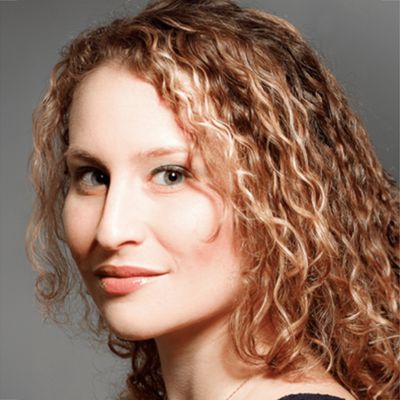
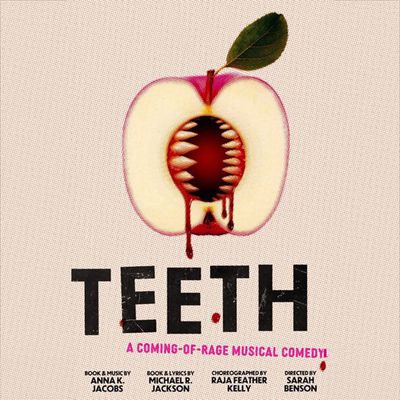
Broadway and beyond, Anna K. Jacobs is creating waves in musical theatre. A Sydney-born composer, lyricist, and educator, Anna's storytelling prowess shines through her diverse works, from the live-action adaptation of Moana for Disney Cruise Line to the boundary-pushing Teeth, a horror musical exploring ideology, faith, and desire... Read More
From the show: The Theatre Podcast with Alan Seales
Guests
Miniseries Inclusions
Featured Shows
About
Broadway and beyond, Anna K. Jacobs is creating waves in musical theatre. A Sydney-born composer, lyricist, and educator, Anna's storytelling prowess shines through her diverse works, from the live-action adaptation of Moana for Disney Cruise Line to the boundary-pushing Teeth, a horror musical exploring ideology, faith, and desire. With a foundation in classical composition and a career built through bold experimentation, Anna’s journey is as inspiring as it is unique.
In this episode, Anna dives deep into her creative process, her collaboration with talents like Michael R. Jackson, and the evolution of her musicals, including her experiences developing Teeth amidst a cultural shift. She also discusses her impactful work as an educator, her journey from Sydney to New York, and her upcoming performance at 54 Below, where she'll premiere songs from her new musical, A House Without Windows. Whether it's crafting larger-than-life stories or inspiring young artists, Anna’s artistry and passion for innovation stand out in today’s theater landscape.
Anna K. Jacobs is a celebrated composer, lyricist, and educator originally from Sydney, Australia. Her works include Teeth (co-written with Michael R. Jackson), Pop (a murder mystery about Andy Warhol), and the live-action stage adaptation of Moana for Disney Cruise Line. A recipient of the Jonathan Larson and Billy Burke Ziegfeld Awards, she is an alumna of NYU’s Graduate Musical Theatre Writing Program and a mentor to emerging artists through the New York Youth Symphony and The New School. Anna’s vibrant, daring approach to musical storytelling continues to captivate audiences worldwide.
Connect with Anna:
- Instagram: @theannakjacobs
- Website: annakjacobs.com
Connect with The Theatre Podcast:
- YouTube: YouTube.com/TheTheatrePodcast
- Threads, Twitter & Instagram: @theatre_podcast
- TikTok: @thetheatrepodcast
- Facebook.com/OfficialTheatrePodcast
- TheTheatrePodcast.com
- My personal Instagram: @alanseales
Transcript
This transcript was automatically generated and might contain errors.
[0:00] Anna K. Jacobs: Hi, I'm Anna K. Jacobs, and welcome to The Theatre Podcast with Alan Seales.
[0:04] Alan Seales: I'm your host, Alan Seales, and these are intimate, personal conversations with the industry's biggest names. This episode begins the first of four that I'll be dropping to complete a new podcast takeover with Teeth the Musical, and this first episode kicks it off with Teeth co-book writer and vocal arranger Anna K. Jacobs, someone who's making waves on land and sea, literally, pun intended, and we talk about her creative process, her thoughts on horror musicals, and the challenges of adapting cinematic stories for the stage, especially a stage that you find on the front of a cruise ship. We also dive into her time at NYU's musical theater writing program and get into her early inspirations that shaped her journey from classical composer to groundbreaking musical theater, plus she gives us a sneak peek into her February show at 54 Below, featuring new works and a bit of nostalgia for fans of her past projects.
So if you're as excited as I am about exploring the intersection of faith, culture, and razor-sharp creativity, stick around, and don't forget, follow me on social media and check out my Patreon page or Spotify now if you want to watch the video version of today's episode. Note that we recorded this episode shortly before the unfortunate closing notice for Teeth was posted, so you've got until January 5th, 2025 to go see this show at New World Stages. Now everyone, please enjoy this episode with Anna K. Jacobs.
[1:50] Alan Seales: Today's guest is a composer, lyricist, and educator whose innovative storytelling has captivated audiences worldwide. Originally from Sydney, she has co-created and celebrated works like Teeth with Michael R. Jackson and Pop, earning her critical acclaim at awards such as the Jonathan Larson and Billy Burke Ziegfeld Awards. She also inspires the next generation of artists through her work with the New York Youth Symphony and the New School, and she also just opened her stage adaptation of the live-action Moana with Disney Cruise Line, and now even has an upcoming show this February 2025 at 54 Below. Anna K. Jacobs, welcome to The Theatre Podcast.
[2:44] Anna K. Jacobs: Thank you, Alan. It's great to be here.
[2:49] Alan Seales: What does the K stand for? We've actually been friends for a while, and I don't know what the K is.
[2:52] Anna K. Jacobs: Yes. We have to say how we're friends, right?
[2:57] Alan Seales: Oh, of course. Of course. Yeah. Our children are like best friends.
[3:04] Anna K. Jacobs: Yes. Your older son and my younger son are literal best friends.
[3:11] Alan Seales: Yeah, which is amazing. I feel like the theater kids just know how to sniff each other out.
[3:18] Anna K. Jacobs: Right? Well, it's the sensitive kids, I think. The kids who love to talk about how they feel.
[3:23] Alan Seales: The complicated kids.
[3:30] Anna K. Jacobs: Yes. The very complicated kids. So the K in my name stands for Catherine, and the reason I go by Anna K. Jacobs is because there is a much-beloved Western Australian romance novelist called Anna Jacobs, who in the early days of Facebook, I actually would receive her spam messages.
[3:42] Alan Seales: No kidding.
[3:48] Anna K. Jacobs: Yeah. Did you respond? It was exciting, actually.
[3:52] Alan Seales: No, I'm well-behaved. I'm not into catfishing.
[3:55] Anna K. Jacobs: When I get spam texts like, "Hey, this is Diane. We met at a party the other night." Do you get these weird, stupid text messages?
[4:01] Alan Seales: All the time, but I have an outlet for that.
[4:07] Anna K. Jacobs: I engage with them because if they're talking to me, then they're not talking to somebody else. So I love to play games, and I love to catfish the catfishers.
[4:10] Alan Seales: Oh, so you're doing the Lord's work, then.
[4:13] Anna K. Jacobs: Yeah, yeah. Love it. Love it. I love to do that. I make up funny names because that's how I know that they're actually not real people. Aside from the job ones, too. They're like, "Hey, we have a remote opportunity. You can earn a bazillion dollars sitting in your underwear at home. How old are you?" I'm like, "That's a protected class. You're not allowed to ask that." All right, you're a spammer. Let's go.
[4:29] Alan Seales: How do you know it's not AI, though?
[4:32] Anna K. Jacobs: Oh, it could very well be, but it's not trained well enough yet to know when I'm making up a funny last name. But maybe you're making the AI more robust by engaging with it.
[4:45] Alan Seales: Damn it. Justified to a false advocate.
[4:48] Anna K. Jacobs: Damn it. I'm training it to not fall for me.
[4:52] Alan Seales: You're right. I didn't even think about that. Oh, well. Okay. Well, should we talk about some fun stuff?
[4:56] Anna K. Jacobs: All right. So I want to talk about Moana because that was on the Disney Treasure, right? The brand new ship that just went into service.
[5:06] Anna K. Jacobs: Yes. Yeah, I just got back on Sunday night from opening the show.
[5:11] Alan Seales: Right. So I want to know the process. I'm fascinated behind this because I've been on many cruises. As you know, we've talked about this many times. We are a Disney Cruise family and the Treasure is on our list now of ships we have to go on. And I go in there and the cruise director is always like, "Our Broadway style show, our Broadway caliber." And then as I'm peeling back the layers, Gordon Greenberg, another friend of mine, friend of ours who's directed a bunch of stuff and others. There are Broadway people who are literally creating and directing. And now, of course, you included writing these shows. How does the process start for all of a stage adaptation for a cruise ship separate from like a stage, a normal theatrical stage? Is there any difference?
[5:44] Anna K. Jacobs: Yeah, absolutely. I mean, first start, you're working within some of the parameters of these cruise shows. So like the show have to be an hour long because the cast, who are absolutely incredible, perform two performances back to back. And while one half of the ship is in the first show, the other half is eating their dinner. It's a dining rotation system.
[6:19] Alan Seales: Yeah.
[6:19] Anna K. Jacobs: But also, you know, the Disney Treasure is decked out with the state-of-the-art Broadway size theater that is, I think, 1,600 seats. It's enormous. It's the biggest theater I've ever worked in.
[6:34] Alan Seales: Wow. It's like three decks. Three ship decks tall, right?
[6:39] Anna K. Jacobs: Yes. It's just enormous, state-of-the-art technology. One of the biggest backstage areas I've ever inhabited. It's just so delicious for a writer like me who's used to these dinky black box fixes. And so they actually do three main stage shows over the course of the seven-day cruise on the Treasure. And the other shows are Beauty and the Beast and Seize the Adventure. And you're working, you know, in the case of Moana, we're working with a very multicultural cast because there's triple casting going on between the three shows. And so in my case, something that I wanted to figure out from the get was how to center the show around Moana, Maui, Grandma Tala, who are all performed by Pacific actors, but then how to come up with sort of a framing device that would help us understand why the overall cast is very much multicultural and representative of sort of this global world that we live in now.
[7:54] Alan Seales: Yeah.
[7:55] Anna K. Jacobs: Conor Gallagher is our incredible director, choreographer who's helming the production. And yeah, and for those who don't know, Conor perhaps is best known for being the choreographer of Beetlejuice, the musical, but has done a lot of other really fascinating work. Most recently, he was the director, choreographer of Big Gay Jamboree. When I began working with Conor on the project, we sort of devised this idea that you like enter the theater and you would walk into present-day Motunui and all the islanders are sitting around, it's 2024, lights dim and this glowing spectral manta ray swims out over the audience and along all the walls and then lands on the stage and poof, Grandma Tala appears.
She's returned from the past because periodically she likes to check in on her people whenever they lose their connection with their history. And she sort of sets the intention to take that night to remember where they've been and to revisit the story of their great ancestor Moana and then we go back in time and the islanders become the storytellers. So you're not retelling the existing movie or even the second one now, you're creating an adaptation of the world that we know.
[9:19] Anna K. Jacobs: Yeah, it's very much the story of Moana that people know and love, but there's no way that you can just pick up Moana and put it on a stage. It's a very cinematic, very episodic movie. So much of the story is accomplished through visuals. It wasn't just about creating text where there wasn't text, it was also about rethinking the structure and what makes it theatrical, what could make it theatrical and Conor's vision really centered dance and puppetry. We had a few really critical collaborators, Peter Espiritu and Aaron J. Sala and Chris Koko and we sort of all worked together as a team to bring those elements to life and also to make sure that Pacific culture was really well represented in sort of how we were approaching the storytelling and also the aesthetic choices.
[10:30] Alan Seales: Interesting. And then last question about this, do you have a modified show for rough seas? Is that a thing that the cruise ships do?
[10:35] Anna K. Jacobs: I mean, no, but that would definitely make it more immersive.
[10:40] Alan Seales: Well, that's what I was saying. I was watching Aladdin or something on the Wonder a couple of weeks ago, right? And then I was at the front of the bow, the big amphitheater, the theater is at the bow of the ship, the front of the bow, the bow of the ship, the front. And we're going through semi-rough seas and I could feel it bouncing and I'm like, man, the dancers up there, how are they doing like pirouettes and stuff? More power to them. That's got to be really hard to get used to.
[11:06] Anna K. Jacobs: I mean, I got to tell you, the treasure is so enormous. You barely notice when you're talking through rough sea. It's just like a dental rock. I never slept as well as I did the past seven nights. It was like being a baby in a crib. It was amazing. I love sleeping on the cruise ship. I cannot wait to go back. We're going to do probably a Norway cruise this summer, I think.
[11:34] Alan Seales: Oh, wow. That'll be neat. Do some Northern Lights. Anyway, so you grew up in Sydney and then found your way to the United States. And so what is the story of you as a little Anna Catherine being your lyricist, composer-y self getting into theater? What got you into where you are now?
[11:53] Anna K. Jacobs: Um, so I took a pretty circuitous route to theater. The whole time I lived in Australia, I was sort of a classical composer. And I loved plays and I loved stories and characters. I was highly extroverted, very gossipy young woman. So I think I had all the elements to make me a good theater maker. But at the time when I was growing up with Sydney, I don't think there was a lot of original musical theater work being created. There were like a couple of people, but there wasn't a scene per se. And I don't think I really understood that that what you could specifically pursue writing musicals. And so I, you know, I went to school to study composition and I graduated. And after I graduated, I was, um, see, I had like a, a voice studio and I was conducting a cappella groups and choirs and arranging.
[12:59] Alan Seales: A fellow aca nerd. I love it.
[13:02] Anna K. Jacobs: Oh, totally. Like my favorite thing to do is I read. Yeah. And like, you know, my favorite thing to do in college was to find all my singing friends and go to a stairwell and just harmonize.
[13:09] Alan Seales: Yeah, totally. Totally. Um, yeah, so it's, you know, I was trying to kind of carve out a living as a professional musician. And I had this mentor, Chris Shepard, who is an American. It was my high school choir director and, um, who I maintained a really important artistic relationship as, um, as I grew and, um, he, he commissioned me to write choral works for the choirs he conducted. And he was the one who was like, I feel like you're spinning your rails here. And your musical vernacular you use that sort of sitting right on the cusp of pop music and classical music just feels really American to me. Like, why don't you go to the U.S. and like do a master's and you, you might just sort of find your path over there.
Um, and so he helped me research schools and apply, and I ended up applying to a few different schools. One of which was, um, Indiana University, which is where I ended up. It's a fantastic school with a really strong opera department. And so I was there my first year writing thing, kind of operas, I guess you're all the opera singing. Like I was just like wanting to write musicals, but again, I didn't really think that that was a thing you could do.
[14:40] Anna K. Jacobs: And there was one opera singer in particular who was like, you want to be writing musicals. What's, you know, what's your plan? And I was like, I don't know. I, you know, I guess it could be to like move to New York, but I don't know anybody there. And I like, I, and writing musicals isn't really a thing. And, and he had a friend who was at the NYU Graduate Musical Theatre Writing Program, which is where I wound up doing an MFA. And he connected me with a friend. And I remember, this is in 2005. I remember receiving the application packet for this program. And there were these assignments and one was like, set this Edna St. Vincent Malay poem to music. And the second one was like, find your favorite, a scene from your favorite play and create a number for the characters in that scene.
And as I was working through this application, I was like, I don't think I've ever been this happy just doing these application tasks. Like it just like something really clicked. All the things that set me on fire were all firing at the same time. And so after my first year in Indiana, I realized that I, all I wanted to do was this program. I, I, and like, sort of like found exactly the thing that I wanted to do. So I relocated to New York and I did this program. And I guess for those who aren't familiar, it's a really phenomenal program and at the time there was nothing else like it the first year. They did like, so they take in a bunch of playwrights and a bunch of composers. And the first year it's like speed dating.
You like work with a lot of different people who specialize in the opposite discipline than you. And you, uh, work on a song with one person, you rewrite, and then you move on to the next song with another person rewrite and you keep working like that. And then at the end of your first year, everybody like makes a list of like ranking who they most want you to release, which literally is speed dating. Yeah. Yeah. The faculty reviews all these lists and they pay you with one person. And I was very fortunate to have been paired with this really gifted book writer, lyricist called Maggie Kate Collin for my second year. Maggie Kate, um, was sort of, she's a really academically minded person. Like I consider her very intellectual.
She's like an avid reader and I'm like trash. Like I just, you know, I love pop culture. And, um, at the time I was like really into reality shows, people magazines, celebrity gossip. And we were trying to find, uh, things that, that made us both tick. And she came to me and she was like, you know, I was doing this sort of internship at, um, uh, and art history. I think it was like a book publishing place. And I was doing research on Andy Warhol. And in many ways, Warhol was sort of like the grandfather of reality TV and pop culture. And I think if you read about him, you might find him a really exciting subject. And so we spent the summer reading about Warhol, reading about the social scene that he kind of was at the center of around, built around the factory where he worked and his superstars and all of the sort of competition internally within these folks to garner his attention, love, and, um, and I was hooked.
And so we wrote a musical in our second year called Pop, uh, which centered on, uh, the 1968 shooting of Warhol by, uh, Valerie Solanas, um, who was this very brilliant, but also not quite well woman who she wrote the Stone Manifesto, the Society for Cutting Up Men and plays. And, uh, she was, uh, uh, an incredible, she was ahead of her time. She was extremely progressive, extremely controversial, but, uh, she had written a play called Up Your Ass and she had this play to Warhol thinking that he might be able to help her produce it. And then he promptly lost her only manuscript. Um, it ended up being found. He truly did just, you know, up her ass? No. I think it was in a trunk or something, but, uh, she thought he was keeping it to control her and she, uh, grabbed a gun and she had like a paper bag with some sanitary napkins in it.
Like that's what she was carrying at the time. She went up to the factory and she shot him and he survived. But he, uh, changed very much after that event. When Maggie and I researched this story, something that jumped out to us was that it was so honest who shot him, but, um, there were many people who could have had a motive because of how he made art from people and how, um, exhilarating, but also dangerous that was. And it gave us the idea to create a sort of pop art murder mystery who done at peace, uh, where Warhol was, um, the victim and, and so we made this pizzas out thesis musical and then this remarkable thing, but I think like never usually happens, happened, which is.
[20:19] Anna K. Jacobs: Yeah. Repertory theater had an open slot in their season the following year and they programmed it for production. Like, you know, about a year after we finished our first draft, it was miraculous and it launched me into the field. And it gave me the opportunity to learn just by doing and to, to, to work with some of the greatest creatives. Leslie Kritzer played Valerie Solanas, Randy Harrison from Queer as Folk was, um, Warhol. And then we did it again in Pittsburgh. And, um, Anthony Rapp was Warhol and Elise Allen Lewis, who plays Dawn in Teeth was Valerie Solanas. So.
[21:00] Anna K. Jacobs: Um, it really was an amazing way to sort of, yeah. Don't go anywhere. We'll be right back after this break.
[21:11] Alan Seales: Welcome back to the episode. I love that you just, you described all of these characters and all of this motivation. And it sounds like when you write stuff, you dive in so much into, I mean, good writers do this into the psyche, the motivation, the why, and put together the full picture and, and use subtext that never makes it into the final script. It's just motivation for, for characters as you're writing them. And I think that I want to translate that into, into Teeth now and the success of Teeth because on the surface, what is Teeth about? Teeth is about a woman who has teeth in her vagina, a teenager, right? But there's so much more depth to all of this because there's evangelism in there and there's sexual awakening in there, and there's all of this subtext that, that you've thrown in there.
And I want to like, kind of. Start with that because I mean, number one, where did the idea for a musical come from, from this subject matter? And then when did you decide it was going to become what it is now?
[22:18] Anna K. Jacobs: Yeah. I mean, so Michael R. Jackson, my amazing collaborator on Teeth who wrote the book where we co-wrote the book and he wrote the lyrics. He was three cycles ahead of me at NYU. So we didn't exactly overlap, but he would come back as an alumni and sometimes work with students in my cycle and he hung out and used the practice rooms. And I was a work study. So we would just, we were friends, you know, we would like have snacks together and we'd talk about our shared love of Tori Amos together. And I really loved his work. It was like nothing else I'd ever seen. I'm a firm believer that a musical theater is a form and not as an aesthetic. And like, anything can be a musical if you can understand how to wrangle the form to serve that content. And he was putting things into the musical theater form that nobody else was doing at the time, I think, or, or nobody else has done it. Even since.
[23:18] Anna K. Jacobs: Yeah. Even since. Yeah. And he also loved my work. And he was the one who had found this movie, Teeth, written and directed by Mitchell Richtenstein and who wanted to make it into a musical. He knew he needed a female collaborator to write a musical about somebody with teeth in their vagina, but also I think he was just really keen to collaborate as was I. And I think even before he brought the film to me, we were talking about possible projects that we could do together. I think when he brought it to me initially, I, like Michael had very strong initial impulses about how adapting that film could open up a doorway to exploring this intersection of, of faith and sexuality and shame and desire, which is, I think, a theme that frequently runs in his work.
And for me, I was more taken by the scale of the story, like how heightened and grand it was and how it was essentially a superhero story, but, uh, with the teenage evangelical girl at the same teenage girl at the center of it. And I, this is back in like 2009 when, uh, that those sorts of protagonists just weren't really, you know, epicenter musicals and I got very excited about that.
[25:02] Anna K. Jacobs: Um, so we came at the source material from like quite different angles, which was one of the reasons why I think it has been a really, um, fruitful and successful collaboration over the years. Um, and you know, we were kind of nobodies at the time and we approached Mitchell this year and we gave him this pitch and he is an independent filmmaker, so I think he got us and he got the idea of these two independent artists, like loving his film and just wanting to make a musical out of it. So he gave us the rights and, you know, we were lucky that every time our option was about to expire, uh, some workshop or some opportunity would present itself and then it would get renewed again and Mitchell has been this sort of constant presence throughout the 15 year development of this piece.
[25:44] Anna K. Jacobs: Um, he would like come to our presentations and, you know, offer his thoughts, but like never try to sort of, um, impose his opinions on how we were adapting, which is incredible and very unique. We really lucked out with that. And because of that, we were able to sort of find the, find themes based on sort of where we were at any given point in time, um, and what was going on culturally around us. And I think what happened is that we started this piece well before Me Too. And then right around the time we went up to the O'Neill, um, to do a two week workshop in, that was like the summer of 2018, there was a huge culture shift. And, um, you know, incels were a thing that, you know, wasn't in a cultural zeitgeist before, um, and I, you know, more explicit conversations around sexual assault and I think that the sort of the cultural resonance really started to hit at around that time.
[27:01] Anna K. Jacobs: And then it wasn't until, um, we started workshopping in preparation for playwrights that we started to sort of, you know, we were sort of coming out of the pandemic by that point. And, um, we were seeing this real sort of binary in points of view in within the culture, this sense of like acute ideology. People were very much believing one thing and, um, not having tolerance for other viewpoints or being able to negotiate multiple viewpoints. And, and the sort of the medium for this expression was, um, social media. Um, and anybody who knows Michael knows that he is a real present on social media and he was really fascinated by this and I think because that was the environment we were developing the piece in as we were going into production, this idea of ideology really, really came to the fore and we'd always wanted to set the musical in New Testament village, this evangelical space.
[28:02] Anna K. Jacobs: Um, but I think what we started to realize was like, um, this is a piece about how, when you're in a system where there's an imposed ideology and certain groups of people become oppressed by that ideology, um, often the way that they will respond is like growing teeth in weird places.
[28:26] Anna K. Jacobs: Yeah. I get it. Yeah, you know, what are your choices other than to resign yourself or to be the oppressor?
[28:36] Anna K. Jacobs: Um, and to cling onto your own ideology. And, um, the moment that this was perfectly crystallized for us was I think two nights before we froze the production at Playwrights Horizons. When we're sitting there watching this finale that we had tried to rewrite and rewrite and rewrite and rewrite, and it just was not working. It, we were trying to make the musical end on like a hopeful note and it was not working and we kind of grabbed each other and we walked across the street to the West End cafe and we sat at the bar and we were like, we need to make a new finale. And we realized in that moment that like trying to end on a hopeful note.
[29:20] Anna K. Jacobs: Not possible for the story we were trying to tell, but also like the fact that we were writing a horror musical, which also became abundantly clear to us in production, working with Sarah Benson and Raja Fetakelli and having all the special effects and recognizing like how massive that element was. And so we threw out the finale, and we created the new finale, we put it in the next day, and that's the finale that's in the show today. And once you stick your landing, I feel like the themes that you're writing about just perfectly crystallized, and that's what happened for us.
[30:01] Alan Seales: So with the finale, a new finale going in two days before you froze at Playwrights, and now what changed between Playwrights and New World Stages? Because New World Stages, this is an open-ended run, right? Like this is a new chance to update a new chance to change and tweak. So like when you were done with Playwrights, were you thinking, did you know there was going to be another incarnation? Or were you like, oh man, we just got to freeze it. It's time to go.
[30:30] Anna K. Jacobs: I mean, it's theater. So you know, but you don't know, you know?
[30:34] Alan Seales: Yeah. True.
[30:37] Anna K. Jacobs: We had a sense that this was going to happen when we were doing the show at Playwrights. We were already in a partnership with Mark Gordon Pictures, who is our lead producer, along with LB Entertainment. And so the dream was to do our production at Playwrights. And then if it was a success to commercially transfer to Off-Broadway. The thing that was not clear was like, would we transfer right away? Would there be, you know, it all has to do with theaters as far as availability of theaters and off commercial Off-Broadway. There are barely any theaters. So you know, it used to be such a big landscape, and it's just not anymore. So our dream space at New World Stages became available to us early fall.
So that kind of was a gift in some ways, because it gave me and Michael a chance to rework over the summer. And also it gave Sarah, our director a chance to really reconceive the design elements for this much bigger space that we were in. And I think the desire for our whole creative team was to really amp up the horror. That was the thing that popped for us the most. And so, you know, this idea of the fact that Dawn not only channels Dentata, but actually possessed by Dentata at the end of the musical, that was the biggest new like, there was a lot of tinkering that went on. But like, that was the big plot point that we introduced in advance of our New World Stages run. And then just like, yeah, that I just I'm so obsessed with the design of the New World Stages production. It's just it feels big. It feels immersive. You know, we do not. There's a splash zone. There are phallic things hanging from the ceiling, like whatever do you mean?
[32:28] Alan Seales: And it's I think the thing that I also love about the New World Stages production is that like, we're really finding our audiences, you know, it's a show where people have these really loud, visceral, verbal, physical responses in the audience, and the audience is a real participant of the show. And we were seeing some of that at Playwrights, but because the theater was much smaller, now it's just on this like, blown up scale. And so this kind of conversation between our performers and the audience is like a huge element that's really come to the fore.
[33:09] Anna K. Jacobs: I love the resurgence. I don't know if it is a resurgence. I call it a resurgence of commercial off-Broadway right now. And I feel like post-pandemic, you know, Titanic was there. And then Marla and Connor and that team, you know, that group of friends moved on to Big Gay Jamboree and are doing so many things along with you and like with Teeth. And there, I mean, off-Broadway, right, there was Fantastics, and there was Blue Man Group, and there was Stomp. And there are things that just, they were New York off-Broadway, right, for decades. And now I feel like it's kind of a changing of the garden. I hope that there are new spaces that come online more like New World Stages, but also glad to see something new in residence at the Orpheum.
And, you know, the Daryl Roth, of course, but like, are you seeing this in your work too, or in your ecosphere of just off-Broadway, getting all this attention because you can do these much, much, I'll put bigger, you know, nothing against Playwright Horizons, everyone, everything needs a small space to get started in. But you have a bigger space with a not a massive Broadway budget. And I say the massive Broadway budget is a bad thing because that that's when it becomes too expensive to be accessible by most people.
[34:22] Anna K. Jacobs: Yeah, I mean, look, don't get me wrong. I will not be devastated if I have a show on Broadway, which I would be very, very, very excited and pleased and grateful. But I do think the Broadway landscape is one thing and the commercial off-Broadway landscape is another thing. And I think that sometimes when a show goes to Broadway, it becomes about the show going to Broadway. And so for some pieces that really serves, absolutely. And then for others, like Teeth, which I think I'm not trying to play to an extremely broad audience, and are trying to push boundaries and really challenge people in some ways that are uncomfortable. Like, there's no way that we would have been able to do the production that we're doing, I think, at New World Stages, in a Broadway space without having to make some big compromises, or I don't know.
I mean, it would have been an amazing experience. Who am I to say that it wouldn't have worked? But like, we know that we're in a like a really difficult moment right now financially for musical theatre, commercially in all spaces. And so it would have been very risky. And so this, this was an amazing way for us to really retain the integrity and maintenance of the show. But be able to sort of have all the benefits of doing a commercial production. And I think that stage one at New World Stages is just the absolute perfect space. Like, it's because everybody's just a little bit closer, it's 500 seats, so it's big, but it's not as big as a Broadway house. And so the audience is able to interact a lot.
[36:09] Alan Seales: Yeah, I love the changes that are in the show. I love that it's hard to do horror on stage. And, and I think you really captured it. And something about the smaller, the smaller spaces, I love seeing shows like this in more intimate spaces, because the people, the word of mouth that you have to have to have a successful show these days, makes you feel more connected. And people are going to start telling their friends, especially when they're like, oh man, I went to a show about, you know, vagina dentata. And I sat on the splash zone. And they're like, what, I got to go experience that. That sounds awesome. You know, so this whole, this whole ecosystem, this whole world that you've created, it's beautiful to me. And I think we need more of this. We need more experimentation. We need more new works. We need more. Yeah, we just need to bring in more people to see things they're not used to seeing, because otherwise, we're not going to make any forward progress.
[37:01] Anna K. Jacobs: I agree. And also, like, I love the idea that New York is a place where you can come to do that.
[37:07] Alan Seales: Yeah. Well, arguably the best city in the world and the melting pot of all cultures and all ideas. Don't go anywhere. We'll be right back after this break. Welcome back to the episode. As we start to wind down the episode here, we're going to play plot in 60 seconds. Do you know how to do this?
[37:26] Anna K. Jacobs: No. I am gonna put I'm gonna put 60 seconds up on the screen. So I have a list of 16 popular musicals. And you give me a number one through 16. It will correspond to a musical on my list. And then you give me the plot to that musical in 60 seconds or less. What if I don't know the musical? Then make it up. There's no wrong answer. Oh my god, this is so stressful, Alan. I know. That's the fun part. All right. 1-16. Give me a number.
[37:57] Anna K. Jacobs: Four.
[38:03] Alan Seales: Four. That corresponds to Book of Mormon. Go. 60 seconds.
[38:08] Anna K. Jacobs: Oh, it's like South Park. But there are these Mormon missionaries. And they go to Africa and they try to convert the people they meet. But then I think they realize that something they should invite into their lives. And there's this big song called I believe which is just like a huge crowd pleaser. And I love it so much. And it's very funny. And that's all. Do I have to keep going for another 31 seconds?
[38:35] Alan Seales: That's the whole plot. There's no more. Who was in it? Who was in the original cast?
[38:40] Anna K. Jacobs: Andrew Nichols. The guy from Frozen.
[38:50] Alan Seales: 15 seconds.
[38:51] Anna K. Jacobs: I have no idea. That's all I can remember. It's so great, though. I remember I was like the second preview and everyone was laughing so hard.
[39:03] Alan Seales: All right. All right. I'll take it. I'll take it. I'll take it. Three. All right. I don't know if I invest in that with that pitch, but I'd go see it. I'd go see that show. Okay. And it's still around post-COVID. And how many decades later? I don't know. I don't even know how long it's been running for. Hold on. Let me look.
[39:16] Anna K. Jacobs: I gotta tell you something, Alan. Like, ever since I had children, I archive things. If it's not something I immediately need to know, like right in the present, I just archive it. But then it takes a lot of time to remove it from the archives. So sadly, the plot of Book of Mormon is in the archives right now.
[39:37] Alan Seales: I feel you. I just looked it up. It opened March 2011. So this March will be 14 years. Crazy. Crazy. All right. So three standard closing questions I asked to wrap up all of the episodes. The first one just simply is what motivates you.
[39:53] Anna K. Jacobs: Oh, um, nature.
[39:56] Alan Seales: Nature. Yeah. Explain explain.
[40:00] Anna K. Jacobs: Oh, I am somebody who just like loves being out in nature when I am off the grid and like by the ocean or hiking upstate or wherever I am, it completely pivots my sense of perspective in a way that makes me a better writer.
[40:18] Alan Seales: I would not have guessed that from a New York City based musical theater writer. So good.
[40:25] Anna K. Jacobs: Dude, I'm from Sydney, Australia. Come on.
[40:27] Alan Seales: But that's another city. I've been to Sydney. It's a city. It's a real city. And it's beautiful. By the way, I did the tower climb down there. The Bay Bridge climb thing. Did you ever do that? Or is that a touristy thing?
[40:40] Anna K. Jacobs: Sydney Harbor Bridge? Yeah, it is a tourist thing. But that view is one of my favorite views.
[40:46] Alan Seales: Absolutely. Yeah. All right. Second question, then what advice would you give to your younger self and younger people listening now starting out down a similar path?
[40:54] Anna K. Jacobs: Oh, I don't try and please others with your art. Please yourself.
[41:03] Alan Seales: Oh, I like it. Last question. Hardest one. If you could only see one show for the rest of your life, but you can see it as many times as you want. What would you see?
[41:10] Anna K. Jacobs: The band's visit the band's visit the band's visit.
[41:12] Alan Seales: Really? That's my first time we've got that one.
[41:16] Anna K. Jacobs: Oh my gosh, that's, that's not okay.
[41:21] Alan Seales: You know, what's interesting is pre-COVID Sweeney Todd by far was the top choice. And it's just been all over the place since COVID people wanted, wanted horror before and now, now they want happy and you're bringing back horror. I like it. I like it a lot. It's time to circle back. Oh, quickly plug your 54 Below show. What's that about?
[41:40] Anna K. Jacobs: Oh, thank you. Um, yeah, on February 11. I am doing at 9:30 p.m. I'm doing a night of my songs from all my various musicals. But in particular, I'm going to be showcasing songs from a brand new musical that I'm writing with Anna Ziegler called A House Without Windows. The first time I will have ever presented them publicly. I'm so excited. And one of the other things that I'm going to program is this finale that Michael and I cut from the Playwrights production of Teeth because I know a lot of people miss him.
[42:18] Alan Seales: What is it? Are any of the original cast going to come and sing it? Like from the Teeth production?
[42:24] Anna K. Jacobs: That's that is the intent. Luckily, Tuesday is our doc night.
[42:29] Alan Seales: Yep. Yep. All right. Well, I already got my tickets. I told you that. Yeah, so I got my premium circle or whatever it is. I'm gonna be like staring up at you from center stage.
[42:39] Anna K. Jacobs: Amazing. That's gonna make me nervous. I'm trying to play and sing.
[42:42] Alan Seales: I'm only gonna be like waving my arms and like, I'll grab the googly eyes with you know, that are falling down off the glasses. You know, those.
[42:48] Anna K. Jacobs: Thank you so much, Alan. That's you're such a supportive friend.
[42:51] Alan Seales: Yeah, I'm gonna be totally inconspicuous. That's totally it. All right, where can we connect with you online? How do you play social media?
[42:56] Anna K. Jacobs: Um, my, my social media is Instagram.
[43:04] Alan Seales: Which is?
[43:06] Anna K. Jacobs: The Anna K. Jacobs.
[43:08] Alan Seales: And then you have a website too you.
[43:12] Anna K. Jacobs: I do. Yeah, I can't really update on this frequently as one should be updating their website, but it is annakjacobs.com.
[43:21] Alan Seales: Yes. And get your tickets to Teeth the musical and New World Stages. Get your tickets to her 54 Below show on February 11. Anna, thank you so much. We got to get the kids together after this.
[43:33] Anna K. Jacobs: Yes, sounds great. Thank you, Alan.
© Broadway Podcast Network, All Rights Reserved