

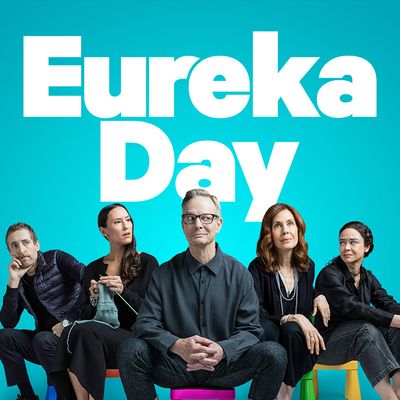
Interviews live from the opening night of Eureka Day, which took place on December 16th, 2024. The order of interviews is: Thomas Middleditch. Anna Shapiro. Amber Gray. Jonathan Spector. Chelsea Kurtz. Bill Irwin. Jessica Hecht... Read More
From the show: The Theatre Podcast with Alan Seales
Guests



Featured Shows
About
Interviews live from the opening night of Eureka Day, which took place on December 16th, 2024. The order of interviews is:
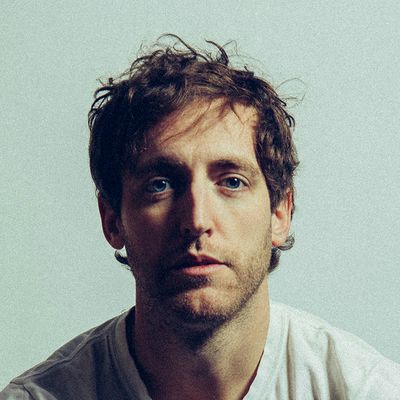
- Thomas Middleditch
- Anna Shapiro
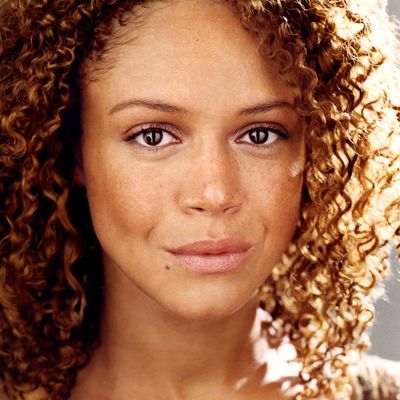
- Amber Gray
- Jonathan Spector
- Chelsea Kurtz
- Bill Irwin
- Jessica Hecht
Eureka Day brings comedy and contemplation to the stage, tackling personal beliefs, community conflict, and the art of truly listening. These interviews explore the play's themes of empathy, collective responsibility, and the nuances of human connection amidst a mumps outbreak at a progressive private school.
You'll hear insights about the challenges of portraying deeply layered characters who all believe they are "right," the parallels between the play’s themes and real-world conflicts, and the humor that helps audiences face uncomfortable truths. Whether you're a fan of theater, thoughtful storytelling, or the quest to find common ground in divisive times, this episode delivers heartfelt takeaways and plenty of laughs.
Connect with The Theatre Podcast:
- Support us on Patreon: Patreon.com/TheTheatrePodcast
- Twitter & Instagram: @theatre_podcast
- Facebook.com/OfficialTheatrePodcast
- TheTheatrePodcast.com
- Alan's personal Instagram: @alanseales
- Email me at feedback@thetheatrepodcast.com. I want to know what you think.
Transcript
This transcript was automatically generated and might contain errors.
[0:00] Alan Seales: Welcome to The Theatre Podcast with Alan Seales. I'm your host, Alan Seales, and today we are diving into a thought-provoking and hilarious conversation all about Eureka Day. It's a new play that just opened on Broadway recently, and this play brilliantly explores the deeply personal and often divisive dynamics of community decision-making and sets it against the backdrop of a mumps outbreak. It's an ensemble piece filled with humor, heartbreak, and above all, a lesson in listening. This is something that I think we all need to read into a little bit. The themes that the cast has to get through in this story are not dissimilar to what we have to get through as a society right now, so listening in general is an art that seems to be vanishing in today's polarized world.
I was invited to cover The Red Carpet, which happened back on December 16th for their opening night, and this is where all of these interviews come from. You'll hear from the incredibly talented cast, including Thomas Middleditch, Amber Gray, Bill Irwin, Chelsea Yakura Kurtz, and of course Jessica Hecht, and director Anna Shapiro and playwright Jonathan Spector. Getting their creative perspectives was just amazing. Everyone discusses the importance of nuance, empathy, and the many shades of gray in what we often see as a black-and-white world. Eureka Day doesn't just entertain. It forces you to reflect on your own biases and the way we communicate with those who think differently. Stick around to hear how this incredible production is resonating with audiences and leaving everyone something to ponder. So as always, make sure to follow me on social media, visit Patreon for the video version of this episode, and now everyone, please enjoy this episode with the cast and creatives of Eureka Day.
[1:45] Thomas Middleditch: I'm Thomas Middleditch. I'm playing Eli in the play Eureka Day.
[1:57] Alan Seales: Do you, it seems like you've been typecast again as kind of the nerdy tech guy. So how do you feel about that?
[2:03] Thomas Middleditch: Well, you know, I don't think this, I don't think Eli's too nerdy, or at least I've tried to make him less nerdy, but yes, tech guy is on. Now he's more like the, he's like the rested invested guy. He's a successful tech guy as opposed to the other guy.
[2:19] Alan Seales: Rested invested. I want to start using that everywhere. I need to be rested invested.
[2:23] Thomas Middleditch: Don't we all? Come on.
[2:24] Alan Seales: So this is a, this is a show on the outside. It's a, it's a comedy. It's, it's very lighthearted on the outside, but I think it deals with some very serious internal conflict between people who may think they know each other and who may feel very strongly about one belief or another. So when you're approaching these characters, without spoiling anything too much, I guess, like there are two fundamental differences, fundamental differences that are emerging between one side and other side of this board of directors at the school. And so when you're approaching this, given everything that's going on with our country, our politics, our climate, like how does this hit home for you?
[2:57] Thomas Middleditch: Even if it's not this particular issue, the nameless issue that you got to come see in order to find out. I think what we're realizing is that like everyone, it seems like everyone in America, maybe the world now, but at least in America has like their own truth. Like their objective truth kind of like applies to a lot except for X, Y, Z, right? Be it whatever, be it climate change or the election, the 2020 election, whatever it is. Right. And what I love about the play and what I love about the characters that the playwrights written is that like everyone's coming in with the best intentions. There's no malevolent force. There's no Iago type character like in here, like causing chaos or, and no one thinks like everyone is advocating for the reality that they feel is most honest and most truthful to themselves.
And that's what's kind of like, that's like the internal pain and struggle of it is because you're watching all these people who have like not only the best intentions, but they're all equipped with the right like progressive lexicon to like pad every sentiment that they throw forth. So like everything comes in with like the right amount of zhuzh to make it more palatable and like overly cleansed and too PC sometimes.
[4:25] Alan Seales: Yeah. Yeah. I mean, that's part of the fun of the play at times, but then I think the commentary is like, you can come in to the room with all of that and still find something that you're like, wait, you believe what? Oh, now we have a problem.
[4:40] Thomas Middleditch: Is there something in your personal life that this is kind of like illuminated for you? So you're looking out from the outside looking in, like Tom was looking at, at the inside of this play, you see how these characters, because they're not listening to each other, have this struggle. Have you been able to like pull that out of personal life and apply that to anything?
[4:53] Thomas Middleditch: Yeah, sure. Do I want to talk about it? No, I don't know. But yeah, of course. I mean, I think if you've been alive and paying attention for the past, I don't know, let's just say 10 years, you have noticed that there is like massive divergence in terms of like, what feels like the best remedy for a particular situation. I mean, we have a healthy amount of people that believe the earth is flat.
[5:10] Alan Seales: And in real life.
[5:11] Thomas Middleditch: Yes. Yeah, that's wild. And then that's like a crazier one. But then like, people don't believe in climate change. People don't believe in all this stuff. I don't, you know, to me, when I hear all this stuff, I'm like, I'm not sure why. I'm not sure what the motivations are. I don't, I think we're incentivized to take hot takes. I think the internet divides us, etc, etc, etc. The reasons why is that's a subject for a tome, an ancient tome of books, an encyclopedia of what the actual F. But in terms of in terms of this one, we don't really get into the into the while we get into some of the wise, but it's more so just about like that struggle, and it doesn't feel good when the struggle is resolved. I think the feeling that people often left with is like, really, that's that?
[6:15] Alan Seales: Oh, oh, and that's Yeah, exactly. I get it. I get it.
[6:22] Thomas Middleditch: So final question, then just like, this is a play that is bringing laughter, it's bringing light, it's bringing it's in a very funny way, it's bringing attention on what we've been talking about is I think a pretty serious sort of a topic or way of communicating interpersonally right now. So what do you hope people are going to walk away from? Aside from the fact that virtual town halls are terrible? What do you hope people walk away from after all of this?
[6:45] Thomas Middleditch: It depends how you look at it. There's like, it completely depends on your perspective. Because one way of looking at it is like, in order to progress, one has to be cutthroat and just sort of like, trim away ideas that don't align with what potentially needs to happen that that you can that you can see that you can see protestation as simply like fat that needs to be cut. There is a slightly nihilistic takeaway of being like, to like opposing viewpoints are so are so drawn in the sand, and they can't come around. So, so they're really it really is just like, majority rules. And that's how you move forward, or you or everyone sacrifices a tremendous amount in order to keep going and then you then you keep going at a diminished at your own personally diminished capacity.
That's part of the challenge of it's like, you know, how do you how do you make peace with your, you know, politically opposed family member, some people cut them out of their lives, some people just vow to never talk about it. Some people continue on at a diminished rate, it's, you know, it's hard. I prefer, I think the latter option. So at least we can meet in the middle and have some sort of compromise and not like totally hate each other.
[8:15] Alan Seales: What if the compromise comes at a great cost? Like what if what if the compromise comes at either a cost to your own conviction or a cost to the greater good or you know, I appreciate it. Thanks for taking the time. Congratulations. Happy opening. Wonderful to meet you.
[8:33] Anna Shapiro: I'm Anna Shapiro and I'm the director of Eureka Day.
[8:45] Alan Seales: And what attracted you to this project aside from what I suspect is the need to exemplify just how ridiculous virtual town halls are?
[8:52] Anna Shapiro: Well, I was really drawn to it because I felt like when I read it, it was a, that rare piece of theater that didn't feel like it had an axe to grind and yet it had a really strong point of view. So, you know, nobody has a bigger axe to grind than I do. So I'm not judging that, but it was really cool to interact with a play that was kind of looking at us and with such compassion and such patience and such humor. And I thought I could spend some time in that. I could use a little bit of that myself.
[9:25] Alan Seales: So that's interesting. You said that there is no like really individual strong protagonist or antagonist.
[9:31] Anna Shapiro: Yeah. It's a total ensemble piece and it's, it's, it's everybody shares, you know, it's like a lot of homogeneous places, right. And homogeneous groups, right. Well, we all think we agree on the most important things. So we assume we agree about everything. And I feel like that's also a worthy road to go down in terms of like, we might need to look a little more closely at the nuance of belief because often you can have all the belief you want, but somebody else's experience may trump that belief.
[10:13] Alan Seales: Right. That's interesting. The, yeah, the lived experience will, will often trump the belief in, in like, like you said, just one thing, one weird thing because like, Oh, we're the same. We're get nine times out of 10, like fundamental core beliefs. We are the same, but then there's one thing that we could be, we could have been friends for 20 years that all of a sudden we find this out about each other and we can't get past it.
[10:37] Anna Shapiro: Are these the topics that you were going through during the rehearsal process?
[10:40] Anna Shapiro: They are. And it's interesting, right? Because even though Jonathan wrote it pre COVID, it, it was prescient around the idea of what we, that exact thing you're talking about, which is COVID hit. And all of a sudden you thought you knew your friend and then you found out, wow, we really have some really essential disagreements here. And that, that, what do we do when that happens? And, and how do we deal with that? And, and quite frankly, the kind of failure of dogma, even if it's progressive dogma.
[11:11] Alan Seales: Was it a conscious effort to just kind of, uh, have, have the audience or have the, the cast get upstaged by the projections during the town hall set?
[11:17] Anna Shapiro: It's 100% what's supposed to happen. I mean, and it's again, so prescient, right? Because what it really points out when my husband saw it, he said, I felt so seen in that, in that thing, because he's like, I just would like my shoulders dropped because I thought, yeah, you know what? You see the people in the room who have to have some semblance of decorum, and then the people who aren't in the room and what they...
[11:46] Thomas Middleditch: You get to do and you just think, this is impossible, these are irreconcilable conditions for us. And so, yes, it was absolutely meant to be that way and I know that people are enjoying that and that makes me very happy. It's what I went home and I told my wife about immediately and I was like, listen we've sat through so many of what I just saw on stage, and every one of these characters in that virtual room, that we were saying, was her name Kauffman, Catherine, what's the emoji lady? The person who only speaks in emojis, I'm like, I can't stand that person. We know that person. Well, there's the other moment too, when Bill Irwin's character brings out the big post-it pad and 80% of the audience goes, oh no, because we all know what that means now too.
So I think it's a kind of loving but intelligent analysis of our situation. So with everything going on in the real world, being able to escape to theater, to live theater, is still such a gift that we have now. So granted that we're watching something in Eureka Day that is more close to real life than maybe we even realize, what do you hope people are going to take home and internalize after seeing it? You know, I always think that when you're doing a play, you have to, the real project is that you want to make the audience's life bigger, make their world bigger. And whether it makes their world bigger because they're seeing something new, an experience that's beyond theirs, or whether they're seeing something that makes them feel seen, so that connects them to more of the world.
So to me, I just think there is a lot to be said for a shared wish, but those wishes need to be more generously interrogated, and we need to recognize how hard it is to be good. It's just really hard to be good, and deciding you're right and that everybody else is crazy, that doesn't get us anywhere. No, it's not going to move us in the direction we need to together, it's not going to get us everywhere. And that's actually what I took away after seeing it, was I was like, these people that I, some of the people that I have kind of wanted to write off because one thing or another in the last 12 years of elections now have come out in one way or another. I'm just like, you know what, where is the common ground, but more importantly, why do we eat, think the way we do, because there is something to learn even if we don't believe in it.
I agree, and at a certain point, you have got to shut up and start listening. You just have to. You just have to. You know, it's interesting because you hear so many people say about our president-elect, like oh, he personifies everything we teach our children not to do, right? He's mean, he's a bully, he calls people names, like the most rudimentary just behaviors that we say don't do that, and yet we're not listening. We tell our kids to listen too, and you know, 77 million people are saying you're not paying attention, so that's, I don't know how much more we have to learn. Well, come see Eureka Day, figure out what we're talking about because you cannot miss this. Thank you so much. Congratulations and happy opening. Thank you so much. Don't go anywhere. We'll be right back after this break.
[15:28] Amber Gray: Welcome back to the episode. My name is Amber Gray, and I play Karina in the show. I'm the newbie in town. In this community, I'm new to the group. And you bring a much-needed, different, and interesting perspective to this group of individuals who have been friends for a long time, and now coming in as somebody that's not quite the same as them. So, speak on that a little bit. Yeah. It's interesting. I don't know that they all necessarily agree. I don't know that the other four are aligned, but they have a way that they are used to functioning together, and I'm a little like, what's going on here? They're very long-winded in trying to find consensus, which I admire about the group. They get a little talking around things, and I'm like, let's just cut to the chase, people.
I'm a little more direct than they are all willing to be. Well, plus, you're just the only person of color in the group as well, or presenting as a person of color, right? Because, I guess, yeah, yeah, yeah, so Miko, I guess, is not a straight, white person, but still, you come in with these values and these perspectives that are just like, listen, like you said, let's cut to the chase, let's cut through the bullshit and talk about this. So, are you bringing this into everyday life, or bringing everyday life into the show, into your character? Because there's a lot of parallel right now between what's happening on stage and what we're about to, or what we're living through. I think there's parallel in that, I mean, there's just lots of arguing about different subjects.
I think there's a parallel in that I don't think people are listening to each other very well right now, and I don't think they're bothering to find consensus, and I think the assumption is if we disagree, that you are wrong, or you are dumb, uneducated, which is not true. Two truths can exist at the same time, and I admire that about the play. On the race front, there was a period where I was like, I don't know that I should be the one to play this. There's one line where I say, well, I can just say, as a black woman, but it's cut off, I never finished the word black. It's in the first scene, and when I started to read it, I was like, oh, it can't be me, because I'm pretty white-presenting in many ways, and as a biracial woman, I don't identify as black, and I don't identify as white.
I'm not either. I'm both, and only other mutts understand what that experience is, you know what I mean? But I do acknowledge that white people see me as a black woman, and that is a fascinating thing of colorism to deal with on a daily basis. I think I just got called out, and I love it. I love it. Because, no, this is important for me, because my wife is Asian, so we have babies. We have half-Asian, half-white children, kids. And so this struck home for me on a lot of different levels, and my wife and I have talked about it. We want to let our kids choose what box they want to check when they're asked, what race are you? Or if you want to check multiple races, go ahead. If you have to pick one you get to pick, we're not going to tell that to you.
I mean, it's hard to pick one. And I'm telling you, I have not had a white experience in my life, and nor have I had a black experience. I've had a biracial experience, which is not a nuance that anyone is interested in talking about unless, again, you're another mutt. What are you going to do? I'm fascinated. And I'm going to reach out to the press team, because we need to have a full interview just about this. I would love to do it. OK. So back to you. So it's just that one line. And then as I finished the play, I was like, oh, it can just be a woman of color, and that's fine. I felt OK about saying it. But there are many jobs I have chosen not to audition for or take in my life because of this conversation.
I don't feel right about playing certain roles. I think it's fine for me to be playing Karina. But yeah, we can totally nerd out about it sometime. OK. Sweet. OK, thank you. So Eureka Day specifically, I mean, we're going through a time when there's a month's outbreak in the story. And this was written before COVID, and it just so happened to parallel, I mean, I'm sure the lines were added after it was written to sort of indicate a little bit of humor of like, now we're about to go through it again, foreshadowing, which I think the topics that were brought out, the things you bring out and have the audience think about as people on stage delivering this gift of a story to us, it walks away, like you said, or we walk away as an audience member thinking, like, maybe I'm not completely wrong or right.
There's a combination. There's a middle ground. Like you said, it's not all black and white, because 90 percent of what you and I may agree upon is the same and very strong, but that 10 percent, can we get past it? And if not, why? It's all about the listening. Yes. And the thing is, you might not be able to get past it, which is heartbreaking, I think, especially when there's only like five, 10 percent that you don't agree on. It's shocking for people. Yeah. And I'm assuming you've seen the show. Yeah. But yeah, we don't succeed on that front, which is really hard. Yeah. And I think most people identify with all five and disagree with all five, which is good that they're that nuanced and complicated.
Like I agree with Karina in many ways, but she is a hypocrite at the end of the day. In that, she sent her kid to a private school in the first place. You know? So, and I have been in a political activist community in New York City for 20 years, Reverend Billy and the Stop Shopping Choir, and the premise of it being like a fake church service is really fun, because you can say, as an American, you should pick your three battles, but in 500 other ways, you will be a hypocrite. You will be hurting the earth in some way, hurting a people in some way by buying this product. Right? Most people don't think about where it came from. So I know that activism world really well, and it is true that a lot of them really walk the walk and go to jail all the time and change laws.
But then when it comes to their own children, it's tricky shit. Well, it's tough. It's tough to put your money where your mouth is, and like, everybody doing their part is one thing, but you can be like, oh, this one time, I'm just not going to recycle. This one time, I'm not going to whatever, or I'll buy from this product and that company or whatever. But then when everybody does that and it adds up, you've got an ocean of plastic in the middle of the ocean that won't go away, right? That's right. I mean, and not to get too political about it, but I feel like the message behind all of this comedy of Eureka Day is it's not a political one. It's an understanding. It's a lesson of understanding that we need to apply to politics.
Yes. I agree with you. I agree with you. Yeah. Totally. But what do you hope people are going to walk away from after seeing it? Honestly, that they just try to listen with a bit more intention and the goal of, you know, I grew up with this lesson of you can be right or you can have love in your life. Ooh. It's deep. It's really deep. I'm processing this. So I just, I hope they walk away with like, you don't always need to prove your point, you know? And yeah. And nor do you have to agree on all things to get along and move forward. You can be right or you can have love in your life. I'm thinking, I'm going through this Rolodex of scenarios in my head right now that I want to go back and tell the people that I've argued with in the years and be like, can we just go back to love, please?
Because this is ridiculous. Yes. I mean, I have plenty of white family members that I don't talk about race with. Really? Yes. Okay. All right. I think you just need to call me out. We need to have a whole interview. Call me out. Tell me how. All right. I have very racist family members. Oh boy. I'm sorry. I do. I do too. Congratulations. Thank you. Happy opening. I'm not going to take more of your time here. The show really is very wonderful. Thank you. Appreciate it.
[23:06] Jonathan Spector: I'm Jonathan Spector, and I wrote Eureka Day. And you wrote this play, Eureka Day, before the pandemic, ironically, because it deals with sort of a pandemic-y outbreak. Yeah, I wrote the play. The play premiered in 2018, so it deals with an outbreak of mumps at a progressive private school in Berkeley, California.
[23:32] Jonathan Spector: So it's, you know, in some ways, some of the same things that we've struggled with, kind of more broadly post-COVID and in some ways, very different. How much personal experience, if any, did this come from? Where did the idea come from? Because I feel like there's a lot. Well, I guess back in 2018, I guess there wasn't a lot of talk about what this show is about, of like fundamental difference of vaxxers, anti-vaxxers, or maybe it was, and it just like came to the forefront with things. But yeah, I mean, I think it, I think the valence of it was very different back then. It was, you know, there had been an outbreak of measles in Disneyland, and I think, I want to say 2014, or 2015. I can't remember now.
But and that led over time to California, where I lived, changing their laws from the loosest vaccination requirements for schools in the country to among the strictest. And so it was, it was kind of in the ether a little bit. And I had, I had a commission from this theater, Aurora, in Berkeley, and, you know, wanted to write a really Berkeley play for them, and had had a few conversations with friends or people I knew who were, you know, at least as smart and well-educated as I was, and then, and with whom I had all the same like politics and worldview, and then discovered like they didn't vaccinate their kids. And so that was very, just sort of disorienting. And so that sort of made me curious, and I, how we could kind of, you know, live in the same world in all respects, except for this one area where we lived in different realities.
So that was kind of like the genesis of the play, is just kind of following that, that through, as well as like, and this is a place where things have really shifted. Like at the time, what made it an interesting idea to explore in a play was that pre-COVID, you know, vaccines or sort of vaccine skepticism was one of the few, maybe the only issue where like knowing people did not vaccinate their kids did not necessarily tell you anything else about their politics, because they were anti-vaxxers on the left and anti-vaxxers on the right. Like yeah, some of the communities with the highest rates of unvaccination back then were sort of the most liberal, most privileged communities. So it, it allowed for a situation like in the play, we have people who basically agree about everything except for this thing, versus if it's like about, you know, climate change or gun control, like knowing how people think about one of those issues is kind of going to tell you what they think about most of them, and it's sort of less interesting.
But that's not how Eureka Day is, because they, like you said, they all seem to get along for most everything except this one, this one particular topic, and it is intensely personal for two of our characters, and there is, so there's personal experience that these characters have that influences whether or not they really like it, and it just calls out the fact that, you know, nothing's 100% safe in any, in any fact. But I guess for, for you trying to write a play without a strict protagonist, like sort of the threat of, of illness is the protagonist, right? So this, but there isn't like one person is coming and being the bad guy.
[26:36] Jonathan Spector: Yeah, no, I mean, it's very much an ensemble play, and I think it's very much a play about, I mean, if there's a protagonist, and maybe it's the school, or like the values of the school that they're, that people try, everyone, you know, believes in and wants to uphold, and it's just they, they can't find a way to, to do that, you know, that, that they can agree with. And, or in some ways, like the, you know, I mean, a very basic conflict between sort of, you know, what's good for you versus what's good for sort of the community. It's, it's tough that you have a lot of parents who feel like, I mean, they know what's good for their children. The parents are always trying to, obviously trying to do what's best for, what they feel is best for the children. But when you start imposing those views onto other adults, that's where things get a little bit dicey.
[27:27] Jonathan Spector: Well, I mean, it is tricky. And this is why, and again, like COVID, you know, is a little more complicated than, you know, the mumps or measles vaccines, where like, if you get the vaccine, you then do not, not only do you protect yourself, but you also protect you from getting it and passing it on to other people. So it is really, you know, a situation in which like, letting everyone just make their own individual choice doesn't really work, because it only works if it's a collective choice. And so that's, you know, that's where the sort of conflict. That's the herd immunity. But, but congratulations. Thank you for chatting. Happy opening night. The play is, is so good. I loved it. And I need to come back and see it again.
[28:14] Chelsea Yakura-Kurtz: I'm Chelsea Yakura Kurtz, and I play Mako in Eureka Day. And your character is one, Mako is one of the most interesting characters to me, because I didn't know where you, where your subplot was going. I guess it's part of the main plot. But like, I didn't know where things were going with you, because you've got kind of this love triangle-esque thing going while you're being a parent who knows best for her kids, but also trying, like, this whole thing is dealing with so much real world material, right? So for you approaching this, did you, did you know where your character was going before you reached the end of the script? Or, and then how does it like, personally, how do you, how do you bring in the real world into this?
[28:59] Chelsea Yakura-Kurtz: I did not know where it was going when, as I was reading the script for the first time. I don't want to give too much away, but Mako has a big shift at the end, a big, a big change in her point of view. And that honestly felt like such a gift, because I got to really explore in like the research that I was doing, both sides of the argument, in terms of like, to vaccinate or not to vaccinate. We had an incredible dramaturg also, who gave us this unbelievably comprehensive packet, books to read, podcasts to listen to, documentaries to watch about this debate. And in informing myself about it, I, I just, I'm just so grateful that I, I, I get to play both sides, essentially. I mean, for the people who are out there, there are people in the real world who straddle the fence on, on this kind of stuff, but there are people who are vehemently stuck to one side or another.
And I think the message, my interpretation, after watching the show, I walked away being like, okay, I really disagree with what I'm seeing, but I need to listen more. Right? Listening is what we're missing.
[30:16] Chelsea Yakura-Kurtz: Yeah. I, I think that is one of the, one of the real gifts that Jonathan Spector, our playwright, has given to us is that he humanizes everybody's point of view. And while, you know, I'll just come out and say, like, I believe in vaccinations. I believe in the science of it. I think it's very important, not just on an individual level, but on a, on a public health level in the way we take care of each other to vaccinate. I also think that it is a deeply complex issue with, and, and the way people make decisions is not often, and certainly not always logical. And there's, there is so much affecting the way we make decisions about things like this, that comes into play. And I really think this play gives us that.
And, and it does make me think when I'm having, and not just conversations about vaccines, but conversations where I'm on the opposite ideological side with anybody, I do really try to think now about what are the other things that I'm not seeing that are affecting the way they're making these decisions, which I think is important. I think in this particular moment that we are in, it's so very easy to look at the other side and think that's wrong or that's evil. And I do think it's the only way to find any way forward that doesn't involve us like just burning it all down is, is we have to listen to each other and we have to respect the fact that there's a lot going into the way we're making these decisions.
[31:51] Chelsea Yakura-Kurtz: Yeah. Have you, have you received feedback from the audience so far, like leading through the previews now leading up to opening night? What kind of feedback have you gotten from people who may be on the fence or even just like they didn't know what to expect when they came to see it in the first place?
[32:00] Chelsea Yakura-Kurtz: The response has been overwhelmingly positive. People are really enjoying the, the comedy of it. There's one scene in particular that I, I hope you all come and see, but we're friends in corporate, friends in HR, friends in, who run theater companies, they're all like, I have been in that meeting. That has happened to me. I know, I know what that is. And the comedy of like seeing yourself reflected, I think is wonderful. But I have also had people say like, I, I'm going to be thinking about this play for, for days. And I think that is like one of the greatest compliments you, you can receive in terms of doing a new play that there, that it, that it made people think.
[32:52] Chelsea Yakura-Kurtz: I agree. I agree. It made me think it again, it, it made me like realize that I need to listen to the people who I made a, may have previously sort of like put in a box. And I consider myself a very open-minded person. And I think most of us do to a certain extent, right? Unless, you know, you're that grumpy curmudgeon, like get off my lawn, you know, damn kids. But when, when we all of a sudden realize that we're friends with somebody who feels very differently about a different topic, it brings a side of us out that we didn't know we had. It brings our conversation that in the other person that they didn't know, that you didn't know you could have with them. The thing about it is that I, I think it truly is a tool to educate people, to listen to each other and to really get to understand, to teach people that you don't have to agree with somebody to understand why they feel the way they do.
[33:36] Chelsea Yakura-Kurtz: Right, exactly. And, and you don't, you don't have to agree with them to listen to them and that listening to them doesn't mean there's an expectation that you will agree with them, but that listening is the most important part. And I do think that often you will find that people on, on the other side of an ideological debate, mostly what they want is just to be heard. They just want to be listened to. That's everything. Kids, adults, I mean, everything. They just want to be heard. I get it. Well, thank you so much. Happy opening. Congratulations. Don't go anywhere. We'll be right back after this break.
[34:07] Alan Seales: Welcome back to the episode. Before we get into the conversation, for those who are listening in potty, in patio, patio, in potty form, patio audio. I'm doing great. Patio form. Those who are listening in audio only, please introduce yourself and who you are in the show.
[34:30] Bill Irwin: I'm Bill Irwin and I'm an old, old, old time actor. I've been around a long time and I'm playing Don, the head of the school. I love the absolute cluelessness that you bring to Don. Well, it's every, it's tempting to say as every school principal I ever had, but actually that's not true. You know, it's such a hard job. And as Anna, our director said, I saw her here in your chair a couple of minutes ago. And she said, it's like, Don seems like, oh, I'm just out to lunch. And then you realize, whoa, he just pulled a fast, he just managed to get the meeting finished on time.
[36:18] Bill Irwin: It's such a joy to be here on opening night of "Eureka Day."
[36:34] Jessica Hecht: Absolutely, the energy is electric.
[36:54] Thomas Middleditch: I mean, the audience is just buzzing with excitement.
[37:14] Amber Gray: And the cast has worked so hard to bring this story to life.
[37:34] Bill Irwin: It's a unique play that really tackles some important themes.
[37:54] Jessica Hecht: Yes, the humor and the depth of the characters are incredible.
[38:14] Thomas Middleditch: I think audiences will really connect with the struggles of the characters.
[38:34] Amber Gray: It's all about finding common ground, even in divisive times.
[38:54] Bill Irwin: And the way the play handles conflict is both funny and poignant.
[39:14] Jessica Hecht: I love how it challenges our beliefs while making us laugh.
[39:34] Thomas Middleditch: It's a delicate balance, but I think we pull it off.
[39:54] Amber Gray: The writing is sharp and insightful, which makes it a joy to perform.
[40:14] Bill Irwin: And the direction really brings out the best in the cast.
[40:34] Jessica Hecht: Anna Shapiro has such a clear vision for this piece.
[40:54] Thomas Middleditch: It's been a collaborative effort, and I think that shows on stage.
[41:14] Amber Gray: I can't wait for the audience to experience it for themselves.
[41:42] Bill Irwin: It's a play that will spark conversations long after the curtain falls.
[42:12] Jessica Hecht: Exactly, and that's what makes theatre so powerful.
[42:40] Thomas Middleditch: We're excited to share this journey with everyone tonight.
[43:08] Amber Gray: Here's to a successful opening night!
[43:36] Bill Irwin: Cheers to that!
[44:04] Jessica Hecht: Let's celebrate the hard work of everyone involved.
[44:32] Thomas Middleditch: And the magic of live theatre!
[45:02] Amber Gray: It's moments like these that remind us why we do what we do.
[45:30] Bill Irwin: Absolutely, it's all about connection and storytelling.
[46:00] Alan Seales: Well, that's it for the Eureka Day cast and creative interviews from opening night.
[46:06] Alan Seales: Since you've made it this far into the episode, number one, thanks for listening to the whole thing,
[46:10] Alan Seales: but number two, here's a little clip from my chat with Terrence Mann about Foundation,
[46:15] Alan Seales: one of my favorite shows that he happens to be in. He was one of the fancy guests who walked the red carpet,
[46:20] Alan Seales: so I grabbed him while I could.
[46:22] Alan Seales: All right, so we're going to talk about Foundation.
[46:24] Alan Seales: No, I'm kidding.
[46:27] Alan Seales: Dude, when is Foundation season three coming?
[46:31] Terrence Mann: We finished shooting end of July, so they've been editing, and they're still editing,
[46:36] Terrence Mann: and they're just finishing up editing, so after the first of the year, we'll know when season three is coming out.
[46:42] Alan Seales: I'm a fan of sci-fi, space, and time travel-y things, and so this show speaks to me on so many levels.
[46:50] Terrence Mann: Right? And a lot of those levels I don't understand. I hope you do.
[46:54] Alan Seales: I do.
[46:55] Terrence Mann: I show up, and we make sense out of it, I guess.
[46:58] Alan Seales: No, it's great.
© Broadway Podcast Network, All Rights Reserved