

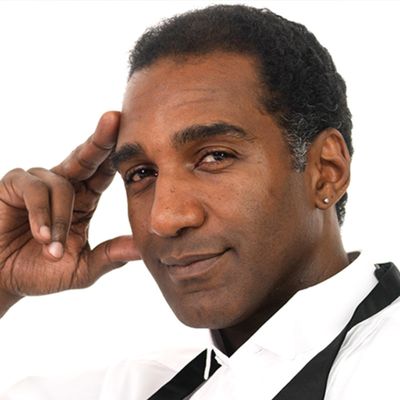
From church choir in Eatonville, Florida, to becoming the first Black Phantom on Broadway, Norm Lewis opens up about his unique path to the stage. He shares how early dreams of a tennis career turned into a life in music and theatre, and the surprising way a cruise ship job launched it all... Read More
From the show: The Theatre Podcast with Alan Seales
Guests
Featured Shows
About
From church choir in Eatonville, Florida, to becoming the first Black Phantom on Broadway, Norm Lewis opens up about his unique path to the stage. He shares how early dreams of a tennis career turned into a life in music and theatre, and the surprising way a cruise ship job launched it all. In this candid conversation, Norm reflects on near-misses, bold moves, and the audition advice that changed his life.
We also discuss his current role in Ceremonies in Dark Old Men, a rarely produced Off-Broadway play making a powerful return. Norm dives into the emotional depth of playing a character reckoning with failure and legacy, and how the story echoes his own questions about longevity, identity, and purpose in the industry. Plus, we talk about the importance of representation, founding Black Theatre United, and why mentorship is such a vital part of his mission today.
Norm Lewis is a Tony, Emmy, and SAG Award-nominated performer known for his Broadway roles in The Phantom of the Opera, Porgy and Bess, Sweeney Todd, Les Misérables, Once on This Island, and Chicken and Biscuits. His screen credits include Da 5 Bloods, The Good Fight, Pose, and NBC’s Jesus Christ Superstar Live. He is a founding member of Black Theatre United and currently stars Off-Broadway in Ceremonies in Dark Old Men.
This episode is powered by WelcomeToTimesSquare.com, the billboard where you can be a star for a day.
Connect with Norm:
- @normlewis777 on Instagram
- Black Theatre United: blacktheatreunited.com
Connect with The Theatre Podcast:
- Support us on Patreon: Patreon.com/TheTheatrePodcast
- Twitter & Instagram: @theatre_podcast
- Facebook.com/OfficialTheatrePodcast
- TheTheatrePodcast.com
- Alan's personal Instagram: @alanseales
- Email me at feedback@thetheatrepodcast.com. I want to know what you think.
Transcript
This transcript was automatically generated and might contain errors.
[0:00] Norm Lewis: Hi, I'm Norm Lewis, and welcome to The Theatre Podcast with Alan Seales.
[0:03] Alan Seales: Hey, everyone. Welcome to another all-new episode of The Theatre Podcast. I am Alan Seales, and we are about to hit awards season. Well, I guess we're already here. Nominations for everything have come out by the time this episode drops. This is coming out on Friday, May 2nd. May already, geez. And nominations just came out yesterday for the Tony Awards. As I'm recording this intro, they have not come out yet, so no idea what has happened already, but best of luck to everyone, and yay and congrats to all of the new nominees. Speaking of iconic and amazing people, today's episode features one of Broadway's most iconic voices and a truly generous soul, the one and only Norm Lewis. We talk about everything from growing up in Eatonville, Florida to almost ending up in a career completely outside of acting, and how just like a chance win at a local singing competition led to a job on a cruise ship, how that moment truly changed his life from there on out.
We dug into what it really means to make it in this industry, what fame feels like when you're well-known but not always recognized, how to leave an audition in the room. Something he said that was funny was, the best audition is always on the car ride home. Why he nearly stayed in Orlando forever after failing many Disney auditions. Plus, Norm gets beautifully candid about aging in an uncertain business, performing with no voice, and finding spiritual meaning on stage. Of course, we dive into his current production, Ceremonies in Dark Old Men, the off-Broadway revival where he plays a role that feels uncomfortably close to home, someone figuring out who they are later in life. And of course, we talk about his groundbreaking turn as the first Black Phantom on Broadway, founding Black Theatre United, and why giving back through mentorship and education means everything to him.
Special shout out to the folks at welcometotimesquare.com, who let me use their amazing studio and have two billboards available for you to be a star for a day. So be sure to head over to welcometotimesquare.com and check them out. Don't forget to follow the podcast on social media. I'm posting clips from the episodes all the time these days. Head over to Patreon and or Spotify for the video version of this episode. So everyone, dig in. This episode is heartfelt, honest, and a true masterclass in artistry and purpose. Everyone, please enjoy this episode with Norm Lewis.
[2:32] Alan Seales: Here you go. One, two, three. Today we are joined by a Tony, Emmy, and SAG Award nominee whose career spans Broadway, film, television, and concert stages around the world. On Broadway, he starred in the Gershwin's Porgy and Bess, Les Mis, Sweeney Todd, The Phantom of the Opera, Once on this Island, Chicken and Biscuits, and God, so many others. On screen, you've seen him in Da 5 Bloods, The Good Fight, Pose, Scandal, and NBC's Jesus Christ Superstar Live. He's also a founding member of Black Theatre United, and he is now currently starring in Ceremonies in Dark Old Men, which is returning to the New York City stages for the first time in nearly 40 years. Norm Lewis, welcome to The Theatre Podcast.
[3:20] Norm Lewis: Thank you so much. Thanks for having me. This is a great setup, by the way.
[3:23] Alan Seales: Yeah. Welcome to timesquare.com. We'll give him a quick shout out. Yeah. The billboard where you can be a star for a day, even though you're a star for every day.
[3:34] Norm Lewis: In my own mind.
[3:35] Alan Seales: Do you really not accept ... I mean, celebrities, they're just like us, but do you have a moment where you're like, holy crap, I'm here, and that's where I started, but now I'm here?
[3:46] Norm Lewis: Yeah, I do. I do. Some people have said, oh, you're famous, you're famous, you're this, you're that. I say that I'm known, but I don't know if I'm famous. People in the musical theater world probably might know my name, but I will probably get a lot of people who point at me and say, I know you from somewhere. You look familiar. I think it's because I've been in their living room, or they've seen me on some movie or whatever, but they don't know my name. That's fine. I'm blessed to have the career I've had.
[4:20] Norm Lewis: I mean, unless you're ... I don't know. I'm trying to think of someone, like a Bradley Cooper or a Tom Cruise. I think that everyone has this problem. I was watching a clip online the other day of somebody literally who went up to Willem Dafoe here in New York City and was like, there's an actor that lives around here. Do you know who he is? Do you know any celebrities that live near here? Willem's like, yeah, I can think of a celebrity or two that I might know around here. The dude had no idea. He was literally talking to Willem Dafoe.
[4:51] Alan Seales: Right, right, yeah.
[4:52] Norm Lewis: Anyway, don't take it personally.
[4:53] Alan Seales: No, I'm good. I'm good.
[4:54] Norm Lewis: I know who you are. All my fans know who you are. All of my listeners know who you are, so that's all we need.
[5:01] Alan Seales: I appreciate that. Love you.
[5:02] Norm Lewis: That's all we need. Where did you start, though? Where did you get your humble beginnings from?
[5:06] Norm Lewis: My humble beginnings was in church, actually. My grandfather was a preacher. My dad was the chairman of the deacon board, and so I basically lived in church. I did all of the church activities. It was almost like a rite of passage, basically. You join the choir, whether you could sing or not. I mean, we didn't have a great choir. I mean, it was great, and we made a quote-unquote joyful noise to the Lord, but we weren't known as the choir to come and listen to. But yeah, that was kind of my start, and I played tennis growing up, so that was my passion.
[5:38] Alan Seales: Really?
[5:39] Norm Lewis: Yeah, that was my passion. I wanted to be a professional tennis player. I was good, but I wasn't great. So the universe, God, whoever you want to talk about, actually pointed me in a different direction. I found this thing of singing, and I found it in high school. Because I sang in choir in church as an elective, I chose to sing in choir in high school. I didn't know I could sing. It was just like, okay, I think I can sing. I went in, and the choir director said, you have a nice voice. He put me in the bass baritone section, and that's when I had my Oprah aha moment.
[6:15] Alan Seales: What city state was this in? Am I thinking Florida?
[6:17] Norm Lewis: Yeah, so I grew up in a small town called Eatonville, Florida, which I'm very proud of. It's the oldest black chartered municipality in the United States. Thank you very much. There are older black communities, but we were the first to charter with the government. We have famous people. Zora Neale Hurston is from there. The book Their Eyes Were Watching God is about. And another famous, if you're a sports fan, Deacon Jones, who played for the LA Rams.
[6:41] Alan Seales: Yeah.
[6:42] Norm Lewis: He's from Eatonville.
[6:43] Alan Seales: I'm like, I know what sports are. I'm like, yeah, yeah, cool, cool, cool.
[6:47] Norm Lewis: But yeah, and I grew up in the ... That's near Orlando, so it's in the Orlando area, and I had a fantastic childhood. Like I said, I played tennis. I found this love of performing and singing, and then later on found theater, and it kind of just grew from there.
[7:03] Alan Seales: So you mentioned Eatonville is near Orlando. Did you do the path of trying to do the park scene and performing there? Did you do that?
[7:10] Norm Lewis: Yeah. So when I got older, I auditioned for Disney seven times. Never got hired.
[7:17] Alan Seales: You what?
[7:18] Norm Lewis: Yeah. I would always get a callback, but I never got hired. And I think it was a blessing because I was so fresh and new to this industry. I just was looking for artistic outlet. And had I gotten that at an early age, I still would be there right now because they had great benefits. You could advance in the corporation. And in fact, I have a couple of friends of mine who are my age who actually are still there, and it's great. They have families and they can pay their bills, but I wouldn't have made it to New York. I would've been a little bit ... I mean, I'm just kind of perceiving this, but I think I would've been a little too intimidated to come to New York.
[7:58] Alan Seales: Is it one of those things where if you knew how hard it was, you never would've tried?
[8:03] Norm Lewis: You get comfortable in the Orlando scene. Nothing against Orlando.
[8:06] Alan Seales: Nothing against Orlando. And the thing is there's a thriving theatrical community there.
[8:11] Norm Lewis: Yeah, huge.
[8:11] Norm Lewis: Just like I learned, I'm kind of digressing a little bit, but just like in the Baltimore, Virginia, Washington DC, Maryland area, there's a lot of super talented people there. I remember discovering that when I did Sweeney Todd at Signature. And I was like, oh my God, you should be on Broadway. You should be in New York. But there's kind of a comfortability that some people have there. And sometimes you get hired because they know you and you don't have to audition, or you can be brought in for an audition and you're probably in the top five of their choices. And again, there's no distinction whether Broadway's better or not, but it's just there's a level that I think is comfortable where you are. But yeah, had I stayed in Orlando, I think I would've probably still been there.
[9:02] Alan Seales: Playing tennis.
[9:03] Norm Lewis: Playing tennis. Yeah, maybe teaching or something. Yeah.
[9:07] Alan Seales: So then in high school, you get into chorus and then you discover theater. What was it that crossed that line? And then you're like, wait a second, I can do this and this and put them together?
[9:16] Norm Lewis: Yeah, it took a little while because even though I sang and I discovered my voice, I got a scholarship to go to a community college called Lake City Community College, which is right outside of Gainesville.
[9:27] Alan Seales: Oh, I used to live in Gainesville.
[9:28] Norm Lewis: Oh, you did? Did you go to school there or?
[9:29] Alan Seales: No, well, I did as like a tiny kid.
[9:32] Norm Lewis: A toddler.
[9:32] Alan Seales: Yes, yes.
[9:34] Norm Lewis: And I discovered my voice there because I started doing some theater, but I majored in business. So theater was like my hobby while I was at school, my extracurricular at the community college. Then after graduating there, I stayed in Orlando. I went back to Orlando and I went to a small school called Rollins College. And I went there a few, I didn't graduate, but I was there for a while still studying business. And while I was there, I was working for a newspaper, the Orlando Sentinel. This is a long story, sorry.
[10:07] Alan Seales: No, this is crazy.
[10:09] Norm Lewis: I worked in the production department and that was where basically you put the paper together so it could be delivered. Then I moved over to the marketing department for about six months. And then there was an opening in advertising and I was promised that they would send me back to school. And I went and worked in the classified sales, the telephone sales, and we wrote ads for people. So I wrote ads over the phone and eventually moved out to do some outside sales. And while I was doing that, I started doing contests in Orlando, like at different clubs and things. And I would win some, I'd lose some, whatever, but you would win some money or a trip to New York or something.
[10:53] Alan Seales: Oh, like singing contests.
[10:54] Norm Lewis: Singing contests. Sorry, I should have just, yeah, sorry about that. But yeah, singing contests. And it was kind of like star search basically. So they would have a weekly contest. And if you won that week, you would win the chance to go back the next week. And then it was like a six-week sort of thing. And then sometimes it was a one-night deal or whatever. But this one particular one that I won, there was a producer in the audience who had a show on a cruise ship. And it was for Premier Cruise Lines, which was in partnership with Disney. And it was the Big Red Boat. Do you remember that? You're probably too young. But-
[11:27] Alan Seales: I remember the Big Red Boat.
[11:28] Norm Lewis: The Big Red Boat. And Disney characters would come on. But anyway, this guy offered me a job. And I thought about it and I thought about it. I went to my supervisor at work and she said, you don't want to be 85 years old saying coulda, woulda, shoulda. Go for it. See how it goes. And if it doesn't work out, you can always come back or you have skills now to work in advertising. So I went for it and I did it. And I met people who were professionals in the show. I had been on Broadway and regional theater and things like that. And they encouraged me to move to New York. I was nervous because I was going to go back to school, get a degree in theater and move up here and see what I can do. But one of the guys in the show who had done the Broadway thing said, that's the dumbest thing I've ever heard.
He said, move to New York. He said, just go for it. And you can study while you're there. There's teachers there and you can audition and you'll learn from your auditions. You'll learn from if you get a job, you'll learn from the people that you get the job from. So he gave me the greatest advice and I use it now when I do masterclasses. People are sitting behind a desk, the producer, the director, the choreographer, and they want you to be that person. They have a problem. You walk in and say, hey, I'm your answer. And that's it. And you do your thing and then you leave it there because it's none of your business after that.
[12:50] Alan Seales: It's so hard.
[12:51] Norm Lewis: I know, it is.
[12:52] Alan Seales: I mean, I know we talk about this all the time on the podcast that auditions are so far out of your control. And even if you are somewhat like 95% right for the role, even if they already cast someone that you would clash with for one reason or another height-wise or you're supposed to play a family member and you don't look similar or something, like you just don't know.
[14:19] Norm Lewis: I would say for musical theater, I think I'm kind of, well, plus I'm a little older now, I'm a little more seasoned. I have been asked to come in for some vocal things just to see if I can hit the note or if my voice fits whatever that character is. But so far I've been lucky that I haven't had to audition for too many things. I did audition for Phantom though.
[14:56] Alan Seales: I was going to ask, I was going to bring that up next because you made history as the first Black Phantom.
[15:16] Norm Lewis: On Broadway.
[15:18] Alan Seales: On Broadway, yeah, yeah.
[15:20] Norm Lewis: Yes, yes, yes. But yeah, I auditioned for that and they had several people, several of my colleagues come in of different ethnicities and I was the lucky one they chose. But yeah, I did audition. I think that's one of my last ones, yeah.
[15:39] Alan Seales: Wow. Whoa, that's been a while.
[15:41] Norm Lewis: That's 2014, yeah.
[15:43] Alan Seales: I guess once you become a Phantom, you don't have to audition anymore. Is that kind of the thing? You call up Ramin and Karim Lou and you're like, hey guy, when's the last time you auditioned?
[15:55] Norm Lewis: Exactly. I mean, come on. He's all over the place, that one. He's amazing. It's funny because when we did audition for Phantom, I wanted it so bad. But again, I did just leave it on the table. I was at the Majestic Theater in front of Harold Prince and I remember hearing, people probably heard me say this before, but I've heard the souls and the voices of people who were passed on and people who are still living, like William Warfield and Paul Robeson and Andre De Shields and people like that. Their voices, right before I walked on that stage, said, go get it. And it was audible. I thought someone was behind me. And I went out on the stage. I did my very best. And then I said, you know what? If I don't get it, I did what I came here to do.
[17:01] Alan Seales: I think that would be so much more comfortable to still audition on stage. In a cold, colorless room in front of a conference table and a couple of plastic chairs with people who don't want to be there in a probably climate controlled space, maybe not. I have never been able to audition on a Broadway stage.
[17:19] Norm Lewis: No? Not yet.
[17:21] Alan Seales: Not yet. Not yet. Not yet. Done plenty of auditions in plenty of rooms, but in a Broadway stage. And I just imagine being there in the atmosphere, like you said, feeling the energy because the energy is so much of being in the space, being in the set is so much of what you bring to yourself and bring to the character. And then especially, I don't know, for people who, like you said, the casting directors, everybody there wants you to be your best and wants you to do your best. So why not put you in a space where you can do your best?
[17:50] Norm Lewis: Well, I think economically it might not be feasible just because you have to hire the union, the crew to come in and there's that cost.
[18:01] Alan Seales: I sing next to the ghost light. I don't care.
[18:03] Norm Lewis: I know, but it's still like, even to open up a theater, I think there's some union rules.
[18:09] Alan Seales: Yeah, I know. It's kind of ridiculous. You hear that, union? Let's get auditions back on the stage. We need the city to subsidize that. That's my new...
[18:16] Norm Lewis: There you go.
[18:18] Alan Seales: Don't go anywhere. We'll be right back after this break.
[19:10] Alan Seales: Welcome back to the episode. You made history, first Black Phantom on Broadway. You founded Black Theatre United. Tell us about BTU.
[19:19] Norm Lewis: BTU, it came out of that horrible year, 2020, when we were all quarantined and also the murders that had happened leading up to the George Floyd murder. And I just remember LaChanze, the great LaChanze and the great Audra McDonald, they called each other and they knew that people were responding to this particular situation and wanted to kind of give a perspective from this industry. Where were the producers? Where were the theater owners? What were their thoughts of what was going on? And especially it gave people permission, especially a lot of the young African-American or people of color, permission to say, oh, well, that happened. This is what's happened to me and I'm mad about it. Because people were really emotional at that time, really tense.
And because of that, those two called their friends and it was a lot of us on that Zoom for about five hours talking about what we can do, what has been said already and things like... And then we decided to, you know what, why don't we have a voice? And we weren't doing anything else. We couldn't do anything else. So we created this amazing union called the Black Theatre United. And it's grown over the years. We're for almost five years. Yeah, we're five years.
[20:39] Alan Seales: Yeah, 2025.
[20:41] Norm Lewis: Yeah. Wow. Time goes by. And there's so many things that we have done. It was the first time in history we had a summit for about six months. And on Zoom, we put together theater union leaders, creatives, directors, choreographers, hairstylists, just everybody that we could think of. We had a main room where we had a facilitator that would come in and talk about diversity, equity and inclusion, which is not a bad word. DEI is not a bad phrase. I can't with that right now.
[21:14] Alan Seales: Yeah.
[21:15] Norm Lewis: And then we broke off into our different rooms, the union room and then the producer room and all that kind of stuff. So for six months, we kept doing this. And we said, say what you want to say. This is a safe space. Tell us how you feel about how we feel about certain things. And then we'll come to some conclusion and some middle ground. And we ended up having a lot of really tense, emotional discussions that needed to be had and still need to be had. And we put together the new deal. And the new deal is, you know, it's not the constitution of the United States, but what it is, is it's an accountability doctrine, if you will, that people have agreed to. Not everybody has agreed to everything, but overall, everybody has agreed to the overall idea of what it is.
And it's still around. We still have meetings. And in fact, there's a, I think there's a meeting coming up soon, but yeah, we just, people are saying that we want voices at the table. If you're going to do a black show, maybe there should be somebody who has a knowledge of the culture at the table to tell you certain things that you might not know. And that goes for, you know, the Latin community, the Asian community. I think people are following in those kinds of footsteps when it comes to accountability. And so that's what Black Theatre United is about. We have mentorship programs. We have people who work in the PR firms, management offices. We will place those mentors, mentees, excuse me, mentees, and those establishments paid, paid jobs for about six weeks.
They learn a lot. Whether you can sing, dance, or act, there are other parts of this industry that you could be a part of. And so that's what we want to express. And some people have actually been hired full time from that.
[23:04] Alan Seales: Really?
[23:05] Norm Lewis: Yeah. It's been an incredible thing. And so we have that. We have an amazing educational program we just started last year that we're starting with the junior high students because that's when we think we can mold their minds to this theatre thing. And then we're graduating up until right now into the high schools. Gosh, there's so many things. We're collaborating with Ernst & Young, Google.
[23:26] Alan Seales: It's just become like a legitimate big thing.
[23:29] Norm Lewis: It has. It has. In the beginning, we were calling ourselves the NAACP of theatre. But we just want people to know that there's more to this industry than just singing, dancing, and acting on a stage.
[23:46] Alan Seales: Oh, of course. I mean, the front of house, back of house, all the marketing, the design. I mean, now everything is multimedia. There's so much that goes on to it. Okay, Ceremonies for Dark Old Men, talking about putting on a...
[23:57] Norm Lewis: Oh, yeah, that.
[23:58] Alan Seales: Yeah, that show. So tell us about that show. I saw it the other night. It's the first time I had seen it. Incredible. Your performance, incredible as well.
[24:07] Norm Lewis: You're very kind. Thank you.
[24:08] Alan Seales: And the whole cast. Tell us about the show and how you approach it. This particular thing, which is a more, I guess, a real character versus Phantom. Is Phantom not a real character?
[24:19] Norm Lewis: I guess Phantom still has...
[24:20] Alan Seales: It depends.
[24:21] Norm Lewis: Phantom has heart and heartbreak. You try to bring truth to everything you play. So Phantom is real. But no, I get what you're saying about this true to life character, Russell Parker, and his family. And this guy is someone who's searching for himself. He had a life where he was a vaudeville performer.
[24:43] Alan Seales: It takes place in the 50s.
[24:45] Norm Lewis: It takes place in the 50s, 1956. And because of his physicality, he's had to deviate and go a different way. And so he became a barber. Now, is he successful? You're saying the couple of years he's been in that place? The number of haircuts he's given has been five people.
[25:06] Alan Seales: Right. And he was married. The wife actually was working the real job and making the real money and supporting the family. But I guess that had played on his emotions in a certain way, because you're supposed to be the patriarch of the family, taking care of everybody. But they have three kids, older daughter, a middle son, and a younger son. And the two boys are kind of... The apple doesn't fall far from the tree. They see what their dad has gone through, and they kind of actually, without knowing it, they're kind of emulating him, not really knowing what they want to do. And that's all that they've seen growing up. This guy has been struggling and trying to figure himself out since he's not dancing anymore. And it's just a real family drama, comedy. There's a little bit of comedy in there. That's the struggles that I think people go through, or they know somebody in their family that goes through things like this, just trying to find who they are.
[26:06] Norm Lewis: This guy, once he gets an opportunity to start making some money, he thinks that he only has a few years left, so why not live his best life? I'm not sure if the money is warranted or given in a way that is legal, but I think he's desperate at this point. And it's just the ups and downs and ebbs and flows of life in New York City in 1956 in Harlem. The reason why I'm struggling with telling you exactly what it is is because it is so dense.
[26:40] Norm Lewis: I think you have to see the show to really understand it. The way I kind of describe it is kind of a poor man's succession, where this family dynamic is they're really hard on each other, but underlying there's a lot of love that's there. And I think no matter what culture you come from, I think you could relate to this story. It's told through African American eyes. I think people have this story in their family. The story, the script itself was a Pulitzer Prize runner-up originally. And so it's an incredible, it's written so well, an incredible story. And like you said, I think it is relatable to almost any culture in any family that wants the best for each other. I mean, you know what you know, and you follow in what's modeled in front of you by your parents, which sometimes just isn't quite the best.
But for you as Norm, when I was watching you do this, and I always wonder this about people of a certain age who are more seasoned, who get to play these roles of characters that are older and still don't quite know what they want to do with their lives. And I mean, I'm going through a midlife crisis every day, right? And so I'm like, oh crap, do I want to do this or do I want to do that? And did you take this home with you at any point? You were like, man, I can still relate to this guy.
[27:57] Norm Lewis: Absolutely. Yeah. Being an actor, you never know when you're going to work again. You hope and pray that there's a job around the corner, but you never know. And you're only as good as your last job. So you're always out there grinding. And I totally related to this character because being a dancer, I'm not a dancer, but he's the dancer in this story, he's an athlete. So there really is a limited amount of time. But while you're doing it, you're free and carefree and all this stuff. And you're doing all kinds of things and living your life and you might spend all your money and you might not plan for the future like you should have. And I think probably in that time period too, in the fifties, there was not a lot of opportunity to make a grand amount of money, unless you were a performer or unless you were lucky enough to get educated and become a lawyer or something like that.
But yeah, I totally can relate. I know some friends of mine right now who have been trying to do their best. I mean, I've always said, had I not had the success I've had and the blessed success I've had, what would I be doing at this age? Would I still try to pursue that dream of being this amazing performer? Or would I go, you know what, I think it's time that I find something else. And there's no right or wrong answer, but I think everybody comes to a fork in the road. But yeah, there are days where I'm like, why am I doing this? I'm going to retire. But then there are days where I love what I do so much that I have to get on that stage and do this performing thing. It's spiritual. So yes, to answer your question, that was a long answer. Yes, I can relate to this guy.
[29:43] Norm Lewis: Yeah, I can too. Again, being a father of two young kids, two young boys of my own, I'm like, I want the best for them. And then I'm going through this whole thing. And yeah, it's such, like you said, it's a comedy, but it's so tragic. And it's so real and raw. And then it does this thing where you think everything's fine on the surface, and then it starts to just layer after layer starts to unpeel. And your character specifically, I didn't see that arc coming. I didn't want to spoil it. I didn't see it coming because I was like, he's the rock. He's the rock of the family, and it doesn't turn out to be that way.
[30:20] Norm Lewis: Right, right, right. And I'm like, oh, okay. All right. So yeah, it's good. It's a lot of great twists and turns. And the legacy of this whole show, Lonnie Elder III, who wrote this play, I wish I had gotten to know him better, know more about him before actually getting involved in this. I didn't know the show at all until I was offered it. So then I started doing some digging. I was like, oh my God, Denzel Washington, Lawrence Fishburne, Glenn Turman, I mean, Keith David, a multitude of people have done this show. So it has to have some special magic to it. And so that's why I was grateful that they came to me with this, and even more grateful that I get to do it, at least for this limited amount of time. Hopefully, a longer period. Hopefully, you know, never know. Never know, never know.
[31:16] Norm Lewis: Knock on microphone. Exactly. There you go. But yeah, it's a great play. I mean, I really, I know people when they're in a show and they want to promote it and the whole thing, they say these things, but I really think that this would be a magical thing for you to come and see. At the St. Clements Theater, actually one of the oldest off-Broadway houses around, and they still have church every Sunday.
[31:36] Alan Seales: Do they really? In the theater space or in a different room?
[31:39] Norm Lewis: I think in the theater space. Yeah, yeah.
[31:41] Alan Seales: That is not allowed to touch the set?
[31:42] Norm Lewis: Yeah. No, don't touch the set. Or, no, they can bless the set.
[31:47] Norm Lewis: Just like put sage all over it. Exactly.
[31:50] Norm Lewis: Yeah, whatever it is. And you do so much on TV and like with, you've had like PBS specials and released albums and performed with orchestras. And like, it seems like a lot of your focus is just giving back, teaching, educating, right? Am I pulling out something that's actually there or am I extrapolating?
[32:11] Norm Lewis: No, you're absolutely right. My mom was an educator and my dad later on became an educator. And then my best friend, who I grew up next to, Leroy Fillmore, shout out Leroy, his parents were both educators and then became principals and blah, blah, blah. So, I wanted to be a teacher, but then I was talked out of it because they told me, you're not going to make a lot of money. So, I got talked out of that. But in my own way—
[32:35] Alan Seales: So, you're going to acting.
[32:36] Norm Lewis: You're going to acting. That's way safer. Okay. But it's been really cool over the years that I've had the opportunity to do master classes or I've got to talk to a lot of great students or even have some people come up to me and say, you know, what advice can you give me? And I've become a teacher, actually. You know, you have to basically kind of, you know, people are watching you. And when you do have a certain amount of success, people are watching and want to know what it is, what's the secret, and how are you as a person? Can I work with them again? And so, I want to give the best that I can give, whether I'm working on a stage or whether I'm talking to people at the stage door or whatever, and being someone who can encourage someone and mentor someone or whatever.
So, yeah, I love giving back. And it's not about because, oh, I'm kind of going off on a tangent, but I see this as a gift. And I know a lot of people use it as a cliché, but it is a gift. As it is given, it can be taken away. And believe me, I've been on stage doing a concert and my voice—
[34:41] Alan Seales: Really?
[34:42] Norm Lewis: Yeah. It just completely left. And the only thing that I could get out was this. But I still had 45 more minutes. And in fact, I was doing Porgy and Bess with Audra McDonald.
[34:53] Alan Seales: So, she started singing your part.
[34:55] Norm Lewis: She started singing my part. But no, I was warming up in my dressing room and I was actually fine. I mean, when you do eight shows a week, sometimes you kind of have to shift gears and go, okay, I probably can't hit that note that way, but I can make it this way, that kind of thing. You don't do the same thing on Tuesday that you do on Sunday. Anyway, I was fine in the warmup. I get on stage. I'm okay the first couple of notes, and then all of a sudden it starts slowly going. And I couldn't get off stage because my understudy was in the show. And I couldn't tell him that you're going to be on in a few minutes. So, I had to finish the first act. And by the time Audra and I got to the duet of Best You Is My Woman Now, literally, my voice was like this, best you is my woman now.
And she's looking at me, I don't know what to do. And she started singing her gorgeous voice, but here we are singing this duet. And I sound like, I don't know, some ogre next to this beautiful soprano. But yeah, I left at intermission and my understudy came on and finished the show. So, the lesson from that, you're understudy, you need to have a visual cue.
[35:16] Alan Seales: Yeah, like a wink or something, wink three times.
[35:19] Norm Lewis: Go up to him and scratch your ear or something. And he's like, oh, yeah, okay, I'm on it, I'm on it. So, he can tap dance off stage, change. No, funny enough, in this show, my understudy happens to be the first person that gets killed in the show. So, we're at his funeral, and I so desperately want to go, you're on. But I couldn't do it. So, yeah. Anyway, but the point is, it is a gift. And so, giving back, I think, pays tribute or honor or whatever to—
[35:55] Norm Lewis: Tennis too.
[35:56] Alan Seales: Tennis, yeah. Do you really still play tennis?
[35:58] Norm Lewis: I, every once in a while, I'll get out there. But I need to relearn how to play because I played back in the wooden racket days. So, it's a whole new ball game now, where all of those shots that they hit now, we were told never to hit like that. In fact, my tennis coach wouldn't allow us to play basketball because of the flick of the wrist.
[36:18] Alan Seales: Really?
[36:18] Norm Lewis: Yeah, because you had to have a stiff wrist. And we weren't allowed to swim because you used, quote unquote, use the wrong muscles. Yeah, yeah. I mean, we swam anyway, and I played basketball anyway. But it was, you just didn't let your coach know. Nowadays, it's almost like hitting a racquetball. You can flick your wrist. You can hit with an open stance. We could never hit with an open stance. But yeah, it's a whole new ball game. So, I need to learn how to play tennis again.
[36:45] Alan Seales: Well, if anybody's out there listening, who wants to coach you?
[36:48] Norm Lewis: Exactly. Free lessons. Come on.
[36:50] Alan Seales: I mean, come on over. Mentor you. You can do some quid pro quo. You can give them some acting lessons, and they can teach you on tennis.
[36:59] Norm Lewis: Perfect. Lessons, acting lessons, whatever.
[37:02] Alan Seales: Don't go anywhere. We'll be right back after this break.
[37:06] Alan Seales: Welcome back to the episode. But do you have a preference of plays versus musicals? And I think I know the answer, but it's a dumb question, but I want you to tell your answer. Because when you're in a play, I feel like you can go out and enjoy yourself afterwards. You're not married to your role when you're not on stage. And what I say by that is like, if you're a lead of a show, you have to show up on Tuesday through Sunday. And hopefully, your voice doesn't leave you.
[37:35] Norm Lewis: Well, I mean, if you're method, like I am, I go home and I feel the depression. No. No. Yeah, definitely. I love both genres. I love both the acting and the singing and all that stuff. I will say you are a little bit more disciplined. You are when it comes to musical theater. Because like you said, your voice is it or your legs are it. And you have to preserve those things in order to do those eight shows a week. Whereas a straight actor, yes, there's a lot of great discipline in that. But I could still probably come on stage and sound more like this and not really care about what I sound like, as long as I get the message and the intention. But I love both, man. I really do. I've only done three plays since I've been in New York.
[38:23] Alan Seales: This being the third?
[38:24] Norm Lewis: This is the third one. Yeah. And it's not because I didn't want to. It's just because economically, when a role came up in the musical theater world, it paid really well. And it was going to last a while. And it was more immediate. I think sometimes, too, you probably fall into a category. When people see you as that, they probably just pigeonhole you. But I've been lucky enough to kind of break out of that. I mean, now it's different. Kristin Chenoweth has done it. Audra has done it. Danny Burstein is the king of it. He goes back and forth all the time because he's just that damn talented. And I hope you're listening, Danny. But yeah, I'm glad that I'm now being considered for plays. And the material out there is just there's a wide variety there. I feel like there's a bit of a resurgence off-Broadway happening right now, especially. And I kind of want to attribute it to Titanic.
[39:22] Alan Seales: Oh, yeah. Oh, yeah. Yeah. How about that?
[39:24] Norm Lewis: I want to say it because that was what everybody had to go see. Right. And then everyone started paying attention. In my purview, everyone started paying attention to off-Broadway and especially the plays because I think post-COVID, production costs are up. We still haven't recovered audience-wise.
[39:41] Alan Seales: Right, from the pandemic.
[39:43] Norm Lewis: So tickets cost more because production costs are up. But there's fewer people seeing it. So it's harder to maintain a musical. So I think investors and producers are looking more at plays. And you've got the turnover of some staples like Blue Man Group and others that have been in the off-Broadway houses.
[40:30] Norm Lewis: I want to be Celine Dion. No, actually funny enough. I kind of want to be, and I know this is not the right type. I'm not the type and the whole thing, but I want to be Seymour. Everybody thinks I want to do the dentist. No, I want to do Seymour. I know it's going to be like that's out of the realm of anybody's thoughts.
[40:47] Alan Seales: No, no, no, no. Okay, okay, okay. Let's dreamcast this here. Okay, so you're Seymour. That means that we need a more seasoned Audrey.
[40:56] Norm Lewis: Which, I mean, Alice Ripley could do it. She's done it.
[41:00] Alan Seales: I mean, I want to see Audra do it.
[41:02] Norm Lewis: Audra, well, she's busy.
[41:03] Alan Seales: Well, you're busy.
[41:06] Norm Lewis: She's a little busy. Audra, I think, I mean, I guess she would, yeah, yeah, yeah, yeah. I don't know if she would do it though. That's the only way. I'm not sure if she would do it.
[41:14] Alan Seales: I'm trying to think of, like, TV film celebrity that can sing that. I mean, I was...
[41:20] Norm Lewis: Patti. Patti LuPone.
[41:21] Alan Seales: Patti.
[41:27] Norm Lewis: Listen, Lilius. Lilius could do it.
[41:29] Alan Seales: Oh, Lilius White. Oh, yeah.
[41:31] Norm Lewis: Or, you know, I mean, Shirley Ralph. I mean, there's a whole list of people.
[41:35] Alan Seales: What about Viola Davis? Can Viola Davis sing? She could sing.
[41:39] Norm Lewis: I don't, I think so. I don't know.
[41:42] Alan Seales: You know what? She could act the stuff out of it.
[41:45] Norm Lewis: Right?
[41:47] Alan Seales: I don't know if we can curse on here, but she can act the...
[41:51] Norm Lewis: She can act the shit out of it. Let's see.
[41:53] Alan Seales: I'll let you do that.
[41:55] Norm Lewis: The plant is ageless. Audrey too, of course. Like, that's ageless. So, you need to get, like, Patrick Stewart for that.
[42:01] Alan Seales: Yes.
[42:04] Norm Lewis: Or Ian McKellen.
[42:05] Alan Seales: There you go.
[42:06] Norm Lewis: Some, like, really obscure person whose voice you recognize. You're like, oh, Bradley Cooper. He'd be another good one too.
[42:11] Alan Seales: All right. Here we go. All right.
[42:12] Norm Lewis: He could do The Dentist.
[42:13] Alan Seales: Oh.
[42:14] Norm Lewis: He would be a good dentist.
[42:15] Alan Seales: Look at us casting this show.
[42:16] Norm Lewis: There you go. All right. Getting back to ceremony. Sorry. That's why we're here. Off-Broadway.
[42:21] Norm Lewis: Ceremonies in Dark Old Man.
[42:22] Alan Seales: Yeah.
[42:23] Norm Lewis: Yeah. It's Off-Broadway. Broadway's having a resurgence. I love what I'm seeing out there.
[42:28] Alan Seales: And, yeah, hopefully you'll get extended. You guys, it's a limited run.
[42:33] Norm Lewis: It's a limited run. We're there until May 18th, and it's just, you know, I want to mention some names in the show. Felicia Boswell, James Foster Jr., Morgan Green, Jeremiah Packer, Alvin, I'm sorry, Alvin.
[42:46] Alan Seales: Calvin, don't kill me because Calvin's, like, the bad guy in the show.
[42:50] Norm Lewis: Calvin Thompson, Bryce Michael Wood. This ensemble is beyond. They are just so cool.
[42:59] Alan Seales: They're a cool cast, but they're also cool people. Like, you want to hang out with them.
[43:03] Norm Lewis: Calvin is so creepy.
[43:05] Alan Seales: Yeah, isn't he?
[43:06] Norm Lewis: He's so creepy good.
[43:07] Alan Seales: Isn't he? I mean, he's just perfect for it.
[43:09] Norm Lewis: Because when we first started reading it, you know, he was trying some things. He was going, and we were like, dude, just be you. Like, your voice and the way you look, that's it. You're it.
[43:20] Alan Seales: He's everybody. Everybody's great.
[43:23] Norm Lewis: And I love having these three of them as my children, and then Felicia being my pretend lover, if you will. I'm trying to get this young girl. But yeah, no, it's just, it's a great story, great cast.
[43:39] Norm Lewis: Oh, and let's mention Clinton Davis, our director, who has been fantastic with his knowledge and his history.
[43:47] Alan Seales: It's so funny because I didn't know, we keep talking about pushing carts, going downtown and pushing carts. And none of us knew what that meant.
[43:56] Norm Lewis: And then he explained to us, he said there was a period, probably around that time, that was where people would go downtown and get a job of pushing carts of clothing for the fashion district.
[44:09] Alan Seales: So in the fashion district, all you saw were these people pushing carts.
[44:13] Norm Lewis: Like the racks of clothing. And it was like, wow, and you get paid penny on the dollar, but at least it was a job. And so when they talk about pushing the carts, that's what they're talking about.
[44:24] Alan Seales: Oh, I thought it was like a homeless, literally shopping cart sort of thing.
[44:29] Norm Lewis: No, it was an actual job, but it was mostly minorities that were doing that.
[44:34] Alan Seales: Yeah, that's interesting.
[44:36] Norm Lewis: All right, well, go see Ceremonies of Dark Old Men.
[44:39] Alan Seales: In Dark Old Men, it's such a great show. I want to transfer over to plot in 60 seconds here.
[44:44] Norm Lewis: We got 60 seconds up in front of you. I have a list of 16 popular musicals in front of me. So you give me a number 1 through 16, it's going to correspond to a show on my list.
[44:53] Alan Seales: Then you have 60 seconds to give me the plot to that musical.
[44:56] Norm Lewis: Oh, Jesus. Okay, I'm bad at this. All right, 1 through 16.
[45:00] Alan Seales: Oh, wait, hold on. Pick a number.
[45:02] Norm Lewis: Oh, 10.
[45:04] Alan Seales: 10.
[45:05] Norm Lewis: This is cheating.
[45:07] Alan Seales: 10 corresponds to Phantom of the Opera. Go!
[45:10] Norm Lewis: Am I talking about the show?
[45:12] Alan Seales: Yeah, the plot of Phantom.
[45:13] Norm Lewis: The plot of Phantom is this guy who's a Svengali, and he is disfigured, and he is controlling this young girl that he wants in the opera that is happening on this stage. He hates the—oh, God, I'm nervous. And he hates the people who are running the theater, and he wants to be paid, and he is just a monster, but yet he needs to be loved and understood. And, yeah, that's about—that's all I got.
[45:42] Alan Seales: What about the—
[45:44] Norm Lewis: The boat.
[45:45] Alan Seales: The boat, and the lair.
[45:47] Norm Lewis: And the lair, and he lives in a sewer, and he wants to be loved. His mom—actually, if you read the book, his name is Eric, and his mom treated him terribly, and that's kind of where he is and why he is. And I can relate to him because he wears a mask, and he's trying to be in public and looking pretty, and everything has to be pristine all the time. As an African-American, I feel like that's how I have to live.
[46:10] Alan Seales: Oh goodness.
[46:13] Norm Lewis: That opened up a whole other conversation.
[46:16] Alan Seales: Wow.
[46:17] Norm Lewis: Did I go there?
[46:18] Alan Seales: You went there.
[46:20] Norm Lewis: Yeah. It was interesting because I had a lot of people who have said this kind of relates to our culture.
[46:24] Alan Seales: Really?
[46:25] Norm Lewis: If you notice, the fandom always touches himself and making sure that everything is in place. When he's singing, like, music of the night, he's making sure his wig is straight, his vest and his coat and his pants are all straight, and he's—yeah, yeah. And it was really—someone broke it down. They said, you know, as an African-American, to live in this society, you have to make sure everything is in place.
[46:48] Alan Seales: Hmm.
[46:49] Norm Lewis: Yeah.
[46:50] Alan Seales: Wow.
[46:51] Norm Lewis: Wow.
[46:52] Alan Seales: Well, that's a whole other episode.
[46:53] Norm Lewis: Yeah, that's a whole other episode.
[46:54] Alan Seales: That's part two.
[46:55] Norm Lewis: Okay, so three standard closing questions.
[46:56] Alan Seales: Yes.
[46:57] Norm Lewis: First one simply is just what motivates you.
[46:58] Alan Seales: Getting up in the morning.
[46:59] Norm Lewis: No. What motivates me? Actually, just making—I love people. I actually love people. I know that sounds cliche and weird, but I love meeting new people. I love getting up and going to get my coffee and seeing someone new. Sometimes I'll go to a restaurant and eat at the bar instead of sitting at a table, especially if I'm by myself, because I know that that will spark a conversation. And so that motivates me.
[47:24] Alan Seales: Are you on your phone when you do that? Are you just like—because I love doing this, too, where you just go and you just sit and just make yourself available to be talked to.
[47:34] Norm Lewis: Right, exactly. I sometimes will bring a book or I'll be on my phone, but I'm open enough that people will say, oh, excuse me. Can I sit here? Yeah. What's your name? What's your name? Blah, blah, blah. And you just go from there.
[47:47] Alan Seales: You're like, I've got this podcast called Off the Broadway Cuff.
[47:50] Norm Lewis: Off the Broadway Cuff.
[47:51] Alan Seales: Yes. You should listen to it.
[47:54] Norm Lewis: All right. What advice would you give to your younger self and younger people listening now starting out down a similar path?
[47:59] Norm Lewis: Oh, okay. I would say don't be scared. Just try, try, try. Do not run away, of which I did a lot. As a kid, I was—in my neighborhood, I was good at sports. I was good at—we would have races. We would do softball. We would do basketball. We would play football in the streets, the whole thing. And it was at a point—now I feel like I'm in therapy, but it was at a point where once the older kids would come in, it got more intense, and that made me more tense. And so when we would start playing, the younger kids, when we would start playing and have fun, I was fine. But when the older kids would come by, and if you missed the ball or if you did something wrong, you would get called a name. So I didn't like that. And so when the older kids would come by, I would run and go home.
[48:49] Alan Seales: So your advice to younger self would be—
[48:51] Norm Lewis: Stay in there. Hang in there. Stay in there. Fight the good fight and just—
[48:55] Alan Seales: Call them names back.
[48:56] Norm Lewis: Yeah. Call them names back. If you stand up to someone, they respect you more.
[49:01] Alan Seales: I like that.
[49:02] Norm Lewis: All right. Last question. Hardest one. If you could only see one show for the rest of your life, but you could see it as many times as you want, what would you see?
[49:09] Norm Lewis: I guess it's a toss-up between Dreamgirls and Once on this Island.
[49:14] Alan Seales: It's tough.
[49:15] Norm Lewis: Yeah.
[49:16] Alan Seales: Yeah.
[49:17] Norm Lewis: That's tough.
[49:18] Alan Seales: Your production of Once or another one?
[49:19] Norm Lewis: Well, I did two productions, actually. I was on the national tour. I joined it at the very—of the original company in 1991, 92, something like. And then seeing this particular production, which was awesome. And I love the—when you're—the audience gets to touch you. What do you call that?
[49:37] Alan Seales: Inclusiveness.
[49:38] Norm Lewis: No, that's wrong.
[49:39] Alan Seales: Immersive.
[49:40] Norm Lewis: Immersive. That's the word I was looking for. It's like inappropriate?
[49:43] Alan Seales: Yeah.
[49:44] Norm Lewis: The inappropriate company of Once on this Island. You know what? That might—that's a whole new thing. We should do inappropriate theater.
[49:55] Alan Seales: Yeah.
[49:56] Norm Lewis: Yeah. Anyway. Oh, God. That's off-off Broadway.
[50:00] Alan Seales: Exactly.
[50:01] Norm Lewis: Off-off-off.
[50:02] Alan Seales: But yeah, no, I love those two a lot. So, it's hard to pick from those.
[50:08] Norm Lewis: But I will mention as a bonus, and just because I want to honor this man, we just lost him, I will say, because I was part of A New Brain. And I like that show a lot, too.
[50:21] Alan Seales: Yeah.
[50:22] Norm Lewis: Yeah.
[50:23] Alan Seales: Oh, so good.
[50:25] Norm Lewis: All right. Where can we connect with you online? Are you on social media?
[50:27] Norm Lewis: Yeah. I have—I'm the Norm Lewis on Instagram. And I don't do the X or Twitter anymore, and I think we know why. But I think the Instagram is the best way to connect with me.
[50:38] Alan Seales: The Instagram.
[50:39] Norm Lewis: The gram.
[50:40] Alan Seales: You post some pictures on the gram.
[50:43] Norm Lewis: We're going to be like 20 years from now. Remember that time they had this platform called the Insta-something, Instacoffee?
[50:50] Alan Seales: You want to be on my—what is it? Friendster Top 8?
[50:53] Norm Lewis: Oh, my God. Do you remember that?
[50:55] Alan Seales: Oh, my God. What was it? And you bumped somebody out, and it was the end of the world.
[50:59] Norm Lewis: Yeah. Oh, what was the other one that went under?
[51:02] Alan Seales: Bebo?
[51:03] Norm Lewis: No. Was Bebo pre—Bebo was pre-Friendster.
[51:07] Alan Seales: I think so.
[51:08] Norm Lewis: Yeah. And then what was the—there was a—oh, come on. Oh, someone just bought it, and they wanted to reboot it, but I don't think it worked. Because they had Napster. What was the one—oh, come on.
[51:20] Alan Seales: Napster was music pirating.
[51:21] Norm Lewis: I know, but what was it?
[51:22] Alan Seales: But there was another one where we connected with each other.
[51:24] Norm Lewis: Vine?
[51:25] Alan Seales: MySpace?
[51:26] Norm Lewis: MySpace.
[51:27] Alan Seales: Yes, MySpace.
[51:28] Norm Lewis: MySpace, yes.
[51:30] Alan Seales: Remember MySpace?
[51:32] Norm Lewis: I do remember MySpace.
[51:33] Alan Seales: Yeah. I just Googled social networks that went under. Friendster.
[51:37] Norm Lewis: Vine.
[51:39] Alan Seales: Bebo.
[51:40] Norm Lewis: Google+.
[51:41] Alan Seales: Google+.
[51:42] Norm Lewis: Remember that?
[51:43] Alan Seales: Yeah, wow.
[51:44] Norm Lewis: MySpace friend feed?
[51:45] Alan Seales: I've never heard of that.
[51:46] Norm Lewis: Never heard of that one.
[51:47] Alan Seales: iTunes ping?
[51:48] Norm Lewis: Never heard of that.
[51:49] Alan Seales: Wow.
[51:50] Norm Lewis: Orkut?
[51:51] Alan Seales: O-R-K-U-T?
[51:52] Norm Lewis: And then before Google+, Google Buzz. Those are the nine that Google gave me. Now, I could be wrong, and forgive me if I am wrong, Universe, but I think Justin Timberlake, I think, was trying to bring back MySpace.
[52:04] Alan Seales: Why?
[52:05] Norm Lewis: I don't know. I think it was because he played that guy about Facebook?
[52:10] Alan Seales: Yeah.
[52:11] Norm Lewis: That movie?
[52:12] Alan Seales: Social Network.
[52:13] Norm Lewis: Social Network. And I think that the Napster kind of infused the MySpace or some creepy... I don't know. I could be wrong. Forgive me if I'm wrong, you guys.
[52:20] Alan Seales: Well, we have a surprise caller. It's Justin Timberlake.
[52:22] Norm Lewis: Hey, Justin. How you doing? Welcome to the...
[52:26] Alan Seales: No.
[52:27] Norm Lewis: Bah, bah, bah. No. That's not what you said. It's like, good to meet you, Norm.
[52:31] Alan Seales: Yeah, exactly.
[52:32] Norm Lewis: Cry me a river.
[52:33] Alan Seales: Cry me.
[52:34] Norm Lewis: Cry me.
[52:35] Alan Seales: So, there we go. We're having too much fun here. Find me online at the theater podcast dot com. I'm on Instagram threads, Tik Tok, and Facebook. Leave a rating. Leave a review if you are on Spotify or Apple. It helps the podcast grow. Turn to your friend and be like, hey, I'm just listening to Norm now, and go check it out. It's really cool. Thanks to Jukebox The Ghost for the intro and outro music and, again, thanks to Welcome to Times Square for letting us use this beautiful studio. Norm, thank you so, so much.
[53:02] Norm Lewis: Dude, this was awesome. Thank you.
[53:03] Alan Seales: Of course. I can't wait to come back.
[53:06] Norm Lewis: Yes, for part two.
[53:07] Alan Seales: For part two, and you're a co-host. Hopefully, God, it doesn't take another social reckoning to get there, but let's do this again.
[53:14] Norm Lewis: Absolutely. Take a deep breath, make the world a little colorful.
© Broadway Podcast Network, All Rights Reserved