

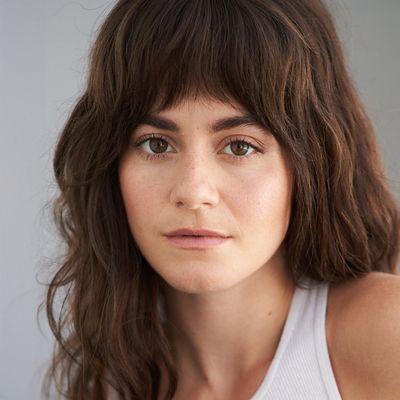
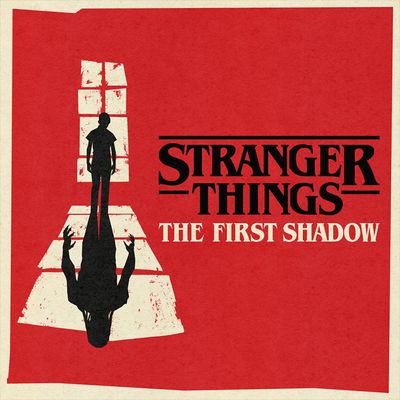
What happens when one of the biggest TV shows in the world makes the leap to Broadway? Alison Jaye takes us behind the scenes of Stranger Things: The First Shadow, where she steps into the role of Joyce Maldonado in a production unlike anything Broadway has ever seen... Read More
From the show: The Theatre Podcast with Alan Seales
Guests
Featured Shows
About
What happens when one of the biggest TV shows in the world makes the leap to Broadway? Alison Jaye takes us behind the scenes of Stranger Things: The First Shadow, where she steps into the role of Joyce Maldonado in a production unlike anything Broadway has ever seen. With audiences made up largely of first-time theatergoers, Alison describes what it feels like when the show plays like a full-on rollercoaster one night and like a hushed movie the next. She also opens up about the collaboration that shaped her character, the three-year journey from top-secret workshops to opening night, and why she calls Broadway the “Olympics of theater.”
In this candid conversation, Alison talks about sustaining the physical, vocal, and mental energy needed for such a demanding role, and how she keeps curiosity and honesty at the center of her artistry. From discovering the surprises hidden within this massive production to finding joy in the unpredictability of live audiences, Alison brings humor, humility, and insight to a show that continues to expand the Stranger Things universe in thrilling new ways.
Alison Jaye made her Broadway debut as a child in Sunday in the Park with George and later returned in Mary Poppins. She has built a wide-ranging career across stage, screen, and voice acting, including her BAFTA-nominated work in Horizon Forbidden West, and a featured role in Call Jane alongside Sigourney Weaver and Elizabeth Banks. She now stars as Joyce Maldonado in Stranger Things: The First Shadow on Broadway.
This episode is powered by WelcomeToTimesSquare.com, the billboard where you can be a star for a day.
Connect with Alison:
- IG: alisonjaye
- Web: https://www.alisonjaye.com/
Connect with The Theatre Podcast:
- Support the podcast on Patreon and watch video versions of the episodes: Patreon.com/TheTheatrePodcast
- Twitter & Instagram: @theatre_podcast
- Facebook.com/OfficialTheatrePodcast
- TheTheatrePodcast.com
- Alan's personal Instagram: @alanseales
- Email me at feedback@thetheatrepodcast.com. I want to know what you think.
Transcript
This transcript was automatically generated and might contain errors.
[0:00] Alison Jaye: Hey, I'm Alison Jaye. Welcome to the Theatre Podcast with Alan Seales.
[0:10] Alan Seales: Hey, everyone. Welcome back to another episode of Theatre Podcast with Alan Seales. I am your host, Alan Seales. And I've got to start out by saying that when I first went to see Stranger Things: The First Shadow, I wasn't quite sure what to expect. And I think that's sort of a sentiment shared by a lot of people who have seen a lot of shows, or maybe even who haven't. But the production is massive. And honestly, it felt unlike any Broadway show I've ever been to. And I say that in a good way. That energy is what makes this episode so much fun, because we are joined by Alison Jaye, who plays Joyce Maldonado. And she gave me such an incredible perspective on what it's like to perform in a show where this is a true statistic.
They found out 65% of the audience almost every show are first-time theatre goers. And she said kind of going from show to show, it's sort of a rollercoaster in energy, because sometimes there'll be shows where people are just screaming and cheering because they realize they can interact a little bit. And then there's other nights where it's just kind of very silent, like everyone's watching a movie, right? Because that's what they're kind of used to. It's Stranger Things. It's a TV show. And so we talk about what that feels like on stage, how she and her castmates ride that energy every single night. And of course, we get into her three-year journey with this play from secret auditions and really hush-hush workshops, all under NDA, by the way.
And we get into the stamina and discipline it takes to do this role eight times a week. And, I mean, we've said it before. She calls it the same thing. The Olympics of theatre is Broadway. And when you hear her describe the physical, vocal, and mental toll, you'll know exactly why. This is a really fun conversation and a rare peek into what it takes to bring something like Stranger Things to the stage. So make sure that you find me online on all the socials before you dive in. Leave a rating and a review if you are listening on any platform that will support that functionality. And now, everybody, please enjoy this episode with Alison Jaye. Here you go. One, two, three.
[2:15] Alan Seales: Today's guest has a body of work that spans Broadway, television, film, and even video games. She made her Broadway debut as a child in Sunday in the Park with George, followed by Mary Poppins, and since then has built a dynamic career that includes memorable roles like Julia Niccolo on Shameless, the voice of Alva in Horizon Forbidden West, which earned her a BAFTA nomination. And a standout performance in Call Jane alongside Sigourney Weaver and Elizabeth Banks. Now she's returned to Broadway in Stranger Things: The First Shadow. Oh, I should have done that at the end. Stranger Things: The First Shadow. There we go. Stepping into the role of Joyce Maldonado. That's very Italian. In one of the most anticipated theatrical adaptations of the year, Alison Jaye, welcome to the Theatre Podcast.
[3:12] Alison Jaye: Thank you for having me.
[3:14] Alan Seales: This has been great. You showed up early. We've been chatting for a little while.
[3:16] Alison Jaye: We've been yapping.
[3:17] Alan Seales: I enjoy a good show up early times. And you had said something that I was like, hold that, we're going to start recording. The majority of, what did you say, 65% of ticket sales for Stranger Things come from first-time theatergoers.
[3:27] Alison Jaye: Yes. So people that have never sat in a live theater probably have been to a million movie theaters. Their home is their theater. They're watching all these TV shows. But our theater, the Marriott Marquee, is the first time these folks have seen a live play. A live theatrical experience. Who knows if that includes if they've seen Cirque du Soleil or something like that. But a lot of people are like, this is the first show I have seen.
[3:54] Alan Seales: So if we talk for a quick second about hashtag theater etiquette, given that it is their first time in a show, in a theater, how does that go?
[4:07] Alison Jaye: So you bring up a really interesting question, and it provides a really interesting experience for us every night. Because some nights, it genuinely feels like we're at Six Flags, right? It feels like people are on a roller coaster, and the audience is like, whoa! And they're wildly animated and incredibly involved. Those are the best nights, right? Because the show, come on, we can't take this that seriously. It's like, we'll take the bit seriously and tell you what to take seriously, but look what we're doing. We got to just celebrate this thing, right? It's just fun.
[4:36] Alan Seales: It's just fun. It's just a thrilling experience. So let's drop in and be on the ride. There are other nights, which interestingly, the show you came to—
[4:44] Alison Jaye: Yesterday.
[4:44] Alan Seales: Yesterday, matinee, where it almost felt like there was a lot of school children there. Like classes—
[4:50] Alison Jaye: They blocked the line getting in. I know about the school children.
[4:52] Alan Seales: You saw them. And maybe they prevented you from getting your seat.
[4:55] Alison Jaye: But we love to have children in the audience.
[4:58] Alan Seales: We love children for breakfast.
[5:00] Alison Jaye: That's weird.
[5:03] Alan Seales: Have you met me?
[5:04] Alison Jaye: Yeah, no, not quite. We only got 10 minutes before this. Yesterday, it felt interesting. It was an example of the opposite, where it wasn't fully Six Flags. It was like, the curtain came up, everyone was stoked, and then it just felt really quiet. And it felt like it was as if people were watching a movie, where they are not reacting. They're just like, whoa, whoa, whoa, whoa, whoa, and don't know that they can participate. And I think something I learned from our incredible directors, Justin Martin and Stephen Daldry, is the exuberance and excitement begins in the orchestra. So whatever little hiccups are happening, or laughter, or whatever is going on, or screams—
[5:46] Alan Seales: Because they can see it closer?
[5:47] Alison Jaye: It moves. I think so. And it literally just reverberates through the theater. So if that's not happening, the orchestra, like we're getting no noise from there, the mezzanine, it's dead silent.
[5:57] Alan Seales: So next time I come see the show, I'm going to sit like center orchestra, and just make sure I'm just like standing up like—
[6:01] Alison Jaye: I need you to facilitate. Yes, correct. And we've had that. We really have had people—
[6:09] Alan Seales: Oh my gosh. Yeah. It's hysterical.
[6:12] Alison Jaye: Oh my God. And at the end of the show, I can say this.
[6:15] Alan Seales: You can say it.
[6:16] Alison Jaye: The trailer for season five—
[6:18] Alan Seales: Yes.
[6:18] Alison Jaye: Is plays.
[6:20] Alan Seales: How cool is that? Come on.
[6:21] Alison Jaye: That was not there the first time.
[6:22] Alan Seales: They just started doing that this week.
[6:24] Alison Jaye: Really?
[6:24] Alan Seales: Because it came out, the trailer came out like three or four days ago now, five days ago.
[6:28] Alison Jaye: Yeah.
[6:28] Alan Seales: Sent us this week, and they sent us an email, and they're like, by the way, we're going to be playing at the end.
[6:31] Alison Jaye: Have you seen it yet? Did you walk around to the front and see it?
[6:33] Alan Seales: Yes, yes, yes. And also it sounds like Dolby Atmos in the theater. I'm like, this could not sound better. And everyone's so thrilled. They have no idea that's coming.
[6:41] Alison Jaye: Right? I had no clue because I've seen it before. I was like, all right. So the big surprise is like at the end, the little credits thing, right? Let's watch the curtain call.
[6:49] Alan Seales: Which I didn't even know they had that in the show. They didn't tell us that.
[6:51] Alison Jaye: Really?
[6:51] Alan Seales: No.
[6:52] Alison Jaye: You can't see it from backstage?
[6:53] Alan Seales: No. I found out from an audience member being like, that was so clever how they wrote like next episode, and then you came up and it was your bows. And I was like, wait, what?
[7:02] Alison Jaye: Yeah, the little mouse comes on screen and clicks, watch credits.
[7:05] Alan Seales: I had no idea. Like five months of rehearsal, and I had no idea.
[7:09] Alison Jaye: Wow. Wow. So when you guys are doing the tech, they don't show you those transitional scenes?
[7:17] Alan Seales: Most of it they do because we're working inside all that technology, so we need to know. But maybe it was just added at the end, but it also had nothing to, like, we're not facilitating anything with it. It's just the curtain comes up and, okay, Alison, go bow.
[7:29] Alison Jaye: Right, right.
[7:30] Alan Seales: So I really did not know.
[7:31] Alison Jaye: That's cool.
[7:32] Alan Seales: Yeah. I mean, it's just something that you can do over and over again, eight times a week. Obviously, it's a different show every night, all that cliché stuff people talk about. It's like, it's a different audience, different show every time. But you can still do this. And recently, they're adding trailers, and you're finding out things that have been there forever that you didn't know about, because maybe you decide to, like, walk into the wings and watch something different that you haven't watched before.
[7:55] Alison Jaye: 100%. Yeah.
[7:56] Alan Seales: Do you do that? Do you get to watch from the wings a lot?
[7:58] Alison Jaye: I'm often running around, as you've probably seen now. It's like either I'm physically running on stage, or I'm running off stage to get to the other side of the stage. So there's not ample time for me to observe, per se, but I have taken the moments when I can to be like, because there's so many nuggets everywhere. There's so much going on. It's like if you were to come to see the show multiple times, you could track a different person each time and watch a completely different show. Because most of us, which is super unique about this production, there's 34 of us in the show, a cast of 34 people.
[8:28] Alan Seales: That's big.
[8:29] Alison Jaye: I say it's like a small town. That's a ton of people. And what this production does is use all of the swings and all of the understudies and covers on stage.
[8:38] Alan Seales: Like all the time?
[8:39] Alison Jaye: Yes. Nobody is sitting backstage other than like the young girls who play Alice Creel that switch on and off, just due to child labor laws. But they use all of the swings. So the stage pictures are massive. There's so much going on. So it's like if you decided to come and just watch one of those people, a different one each night, you're watching a completely different show.
[8:58] Alan Seales: Well, so when people actually are swinging out or they're sick or whatnot, so you just, I guess, adjust. Everybody's trained to adjust in those roles.
[9:05] Alison Jaye: It's wild. In a show like this, similar to bigger productions like Harry Potter and things like that, that also takes a village. It's like each role has, I have two covers, so there's three slots for everybody, right? So everybody kind of moves up a peg and takes over another role, right? So there's a lot of puzzling and shuffling.
[9:25] Alan Seales: We have a few of that happening tonight and it makes it so exciting.
[9:28] Alison Jaye: Yeah.
[9:28] Alan Seales: Because everyone gets a chance to like do it their way that night and keeps everyone on their toes on stage. But it's also like it is so much shuffling. It is crazy to watch.
[9:36] Alison Jaye: Oh, that's why you have rehearsal this afternoon.
[9:39] Alan Seales: Yeah.
[9:41] Alison Jaye: Yeah. Okay.
[9:42] Alan Seales: Okay. You're piecing it together.
[9:43] Alison Jaye: Yeah. I get it. I get it. All right. Yeah. Recording on a Thursday.
[9:47] Alan Seales: Yeah. There's like a put in, you know?
[9:48] Alison Jaye: Yes.
[9:49] Alan Seales: Yes. So is it like it's somebody who hasn't done the role before?
[9:52] Alison Jaye: Actually, today, she has done the role before. She, an actress, Ayanna, she plays Sue in our production, but tonight she's playing Patty. So they have a normal understudy rehearsal today. That was like a runner back too. But now with a certain call out, she's going to be put in and being like, okay, let me like really nail this because I'm going on tonight. Because some of the illusions and even I call them stunts are dangerous.
[10:12] Alan Seales: Yeah, they're wild.
[10:13] Alison Jaye: And you got to rehearse those.
[10:14] Alan Seales: Yeah. Majorly. Majorly.
[10:16] Alison Jaye: I mean, I enjoy how much this show is changing the landscape and putting something big that fills the space of the marquee.
[10:24] Alan Seales: Yeah.
[10:24] Alison Jaye: It is a big—
[10:25] Alan Seales: It's a hard theater to fill. It's huge.
[10:26] Alison Jaye: Yes. Big theater to fill audience-wise, but a big theater to fill stage-wise.
[10:30] Alan Seales: Yes.
[10:31] Alison Jaye: Because it just is such a freaking massive stage.
[10:33] Alan Seales: What could be bigger than that? It's so big, dude.
[10:36] Alison Jaye: So talk about how you got connected to Stranger Things. You haven't been on Broadway in a little bit. And so how did this come back into your world? And when you realized there was going to be a Stranger Things play in the first place, what was that whole cycle going through your head?
[10:52] Alison Jaye: It's really been a big chunk of my life, actually. A big journey thus far, which is going to be a surprising story for you.
[10:59] Alan Seales: Really?
[10:59] Alison Jaye: Yeah.
[10:59] Alan Seales: Yeah. Do tell.
[11:00] Alison Jaye: Do tell. Here we are over our coffee.
[11:03] Alison Jaye: Yes. So three years ago, I got an audition for an untitled Stephen Daldry project. I was like, whatever that is, yes. Right? Stephen Daldry. And The Hours, the movie he directed with Nicole Kidman, Meryl Streep, William Moore, is my—
[11:21] Alan Seales: These up and comers, yeah.
[11:22] Alison Jaye: Yeah. These small up and comers is really my favorite movie of all time. And so when I saw this email, I was like, Stephen Daldry? Okay. Whatever this is, let's see what this is. And at that time, they had just sent, it was for a workshop. It was an untitled workshop. They had just sent dummy sides from other plays to record and put on tape and send them in for Jim Carnahan, who actually I owe my entire career to. Because growing up as a little girl, my first audition ever was for Sunday in the Park with George, the Stephen Sondheim revival. And that was my first job. And so Jim has really given me my entire career.
[12:01] Alan Seales: Wait, wait. Well, okay. So pause there for a second.
[12:02] Alison Jaye: Yeah, yeah. I'm going to—
[12:03] Alan Seales: At 11, perform Climb Every Mountain at your local library.
[12:06] Alison Jaye: Oh my God. Yeah. I think 11, I was even younger than that, but that is correct. I was in a little, I was in a big paper bag singing Climb Every Mountain on the stage at my local library. Yep. Singing my heart out. Just like my parents were trying to give me an activity to do after school. They're not actors. They are major arts lovers, but no, they were just trying to keep me entertained. But that was pre, there was an amazing woman who began this theater company called Random Farms Kids Theater in Tarrytown, New York. And she, when I started doing that after school, she came to my parents and was like, her name is Anya. She was like, I think your child needs to see somebody for this. My parents were like, what are you talking about? She's going to see somebody. See somebody? Maybe that sounds creepy. Yeah. Sounds like something's wrong. Like something's wrong. She needs to see somebody.
[12:55] Alison Jaye: Pretty much my entire professional career connects to this opportunity. Three years ago, when I got this email for this Untitled Steven Project, I was auditioning through just like self-tapes and using other texts from plays that they were sending. Had a few callbacks there and then the project wasn't moving forward, they told me. I wasn't moving forward with it and I was like okay, thank you, great, normal life, right? A few months later, I got a call being like they need you in person for this project again in Los Angeles. I was at a music festival with my whole team of people in LA and then had to leave to go back to this dance studio where I showed up on a Sunday and showed up and they gave me a packet and they took all of your stuff from you, your phone, you can have no writing utensils, no devices, whatever.
Oh, this is hardcore. Because now we're getting into the NDA stuff, you know what I mean? And that was when it became really clear, it was like oh, this is strange. And so that was a few hours of putting myself on tape, cold reading from the script and that tape was to be sent out to Steven and if Steven liked what he saw, he would fly you to New York to have a session. So I did like what he saw, he flew me to New York. I had a session with him and a few of the folks on the team and then got back on a plane to go to LA and got off the plane and my team was like, hey, just give us a call when you can when you get off. And I got off and they were like, hey, Joyce, and I was like, what? So sorry, what?
Excuse me, that's my name. That's not my name. What? Not me? Yeah. No way. No way. And so then I began a few, I guess it was like a few weeks later, months later, maybe I can't remember, we did a week-long workshop in LA at Raleigh Studios to green light the show for Netflix, the play. So we were workshopping this play for Netflix to say yes to then bring it to London to then bring it to Broadway. So I have been working on it with them for like three years.
[16:15] Alan Seales: Yeah.
[16:16] Alison Jaye: And so it's a really like, it's been a big part of my life.
[16:19] Alan Seales: Yeah.
[16:20] Alison Jaye: Waiting for this.
[16:21] Alan Seales: Yeah, that's crazy. Cool. I didn't, yeah, I didn't, I didn't even think about the fact that, yeah, you're right. Like the Netflix being, I mean, they probably went through the normal green light process they do for any production.
[16:29] Alison Jaye: Absolutely.
[16:32] Alan Seales: And an honest one at that, you know, like there's a lot of approvals with all of this stuff as we know, but I think with something like this was, was years in the making and pretty intense, but a really incredible moment to be a part of like watching that happen.
[16:44] Alison Jaye: So you got involved with it three years ago, so like in 2002, which meant they probably started talking about it mid COVID, if even that late.
[16:52] Alan Seales: Yeah.
[16:53] Alison Jaye: I mean, something I learned from Stephen, Stephen was telling me that when season one came out of Stranger Things, he had called the Duffer brothers and been like, I want to make this into a Broadway, into a play. And they were like, what, Stephen Daldry, this what also before all of the success of all of it.
[17:09] Alan Seales: Right.
[17:10] Alison Jaye: And so they've been working on, you know, this has been in the pot for a really long time and now it's just living fully.
[17:16] Alan Seales: How much of what we see, because the Stranger Things, the First Shadow, it's a prequel to everything we see in the Netflix series.
[17:23] Alison Jaye: Yeah.
[17:24] Alan Seales: So if he was, like you said, before the success, so that probably means it was like mid season one, end of season one before it really exploded.
[17:34] Alison Jaye: And so he must have been part, like working with the Duffers or working with the writers in general to make sure that what he was creating was matching the arc they had.
[17:42] Alison Jaye: Well, it's brilliant. Our writer, my dearly beloved friend, Kate Trefry, she has been writing on the show since season two. So she's really, she's grown this entire show next to the Duffers, like that's their family, you know. And Kate, the Duffers came to Kate and said, here's the opportunity, write the play. And what ended up happening was, if I'm getting these facts right, which I think I am, is Kate was asked to present two, Stephen asked, like, present me two episodes of a story arc of like an origin story, meaning a first act and a second act, right? You can do it as episodes because that's the formula you work in to the show. Provide two episodes to me, we will make this into a play, right? And so, Kate, this is also the first play she's ever written. I mean, that woman is beyond genius. I could not admire her more. But she turned these, like, episodes into this play, which you now experience on stage.
[18:34] Alan Seales: Yeah.
[18:35] Alison Jaye: That's cool.
[18:36] Alan Seales: Yeah.
[18:37] Alison Jaye: We're going to take a quick break for a few commercials.
[18:39] Alan Seales: All right, everyone, welcome back to the episode. Did you get to work with, how much did you as actors get to work with the creative team to like shape your characters and shape the story?
[18:47] Alison Jaye: I think that's been the most rewarding and expensive part for me.
[18:49] Alan Seales: Expensive?
[18:54] Alison Jaye: Expensive.
[18:55] Alan Seales: Expensive is like expensive?
[18:56] Alison Jaye: That's been like a really expensive part of my journey.
[19:01] Alan Seales: Wait, you guys get paid?
[19:02] Alison Jaye: Could you imagine?
[19:03] Alan Seales: Yeah.
[19:04] Alison Jaye: This has been really expensive for me. It doesn't even make sense.
[19:08] Alan Seales: No, expansive.
[19:09] Alison Jaye: Expansive. Clarity.
[19:11] Alan Seales: Yes.
[19:12] Alison Jaye: There we go. They, watching the script change so much over three years, right, obviously I was not in London doing the production there, but that is, the show is running right now in London doing a super, like it's doing real well over there. It's a different play than we have right now. The heart of the plays is exactly the same, right? The storyline is the same. It's a different script.
[19:33] Alan Seales: It's a different script.
[19:34] Alison Jaye: No kidding. Scene to scene, there are, there are differences majorly. And specifically within the trio, which is me, Bob and Hopper, there are many differences. And I've watched over the years, the script change immensely due to who they're bringing in the space, what those actors have to give, their strong suits, what they want to play on. And while I feel like that was something that shocked me the most is like coming into something with such a massive IP, it feels like a Marvel universe, right? You kind of, as an actor, you're just like, hands up, whatever you tell me I will do, I'm just so grateful to be here. That is the opposite of this working environment. It is, it was genuinely the most collaborative, playful, open, like, hey, what's your suggestion for the line, Allison?
Oh my gosh, you totally would say that. You say that. Joyce says that. You, absolutely. I like when you do that weird thing, we're putting that in there. It was so, everyone was so, this production celebrates like the individual. And I feel very grateful in my position to also have it be Winona's character. But it really has been a lesson of like, show up fully with what you have to give. And that shifts the work. Like that will change what is on the page. And it has immensely. I just think that's strangely cool and unusual, right? That there's two different locked scripts, depending on what region you're in.
[21:00] Alan Seales: It is unusual.
[21:01] Alison Jaye: Yeah. Why did they decide to do that? Do you know?
[21:02] Alison Jaye: I think, I don't know specifically. But what I do understand is like any other new work being birthed into the world, it's a growth process, right? So it's like each step along the way, the workshops, the, you know, the little readings in the, in your apartment, to the workshops, to Broadway, to Off-Broadway, all of those things. It's like, it's shifting each time, of course. But I think, I don't think it's, if you were to watch both shows, you go to London one night and come to us the next night. You're watching, you're going to take away the same feelings, but there are like language wise, there's different things going on, different jokes. There's different scenes. There's fully different, some different scenes. Like we have, do you remember the opening scene in Act Two with me and Hopper at the lockers where we talk about Mexico? That's a brand new scene that we got like two weeks before we opened.
[21:42] Alan Seales: Really?
[21:43] Alison Jaye: Yes. It's one of my favorite scenes. He pulls it back. He's like, well, I was in Mexico.
[21:47] Alan Seales: Yeah.
[21:48] Alison Jaye: Yeah. Exactly. But I think it's just like constantly, what is also amazing is that because the story is live, meaning not just because our production is on a stage, at Stranger Things, the entity has not ended yet. Like we are in the moment of season five coming out, like we're waiting for that story to come out. There are spinoffs in the future. There's so much to be had and continue to be grown. But what is really interesting is that like all of these productions are living and breathing things alongside the thing that everyone's waiting for the most, which is the TV show, right? So it's like there's all these nuggets of different stuff in the universe floating around everywhere and you can stop at each stop and like pick up something new. It's kind of cool.
[22:33] Alan Seales: Yeah.
[22:34] Alison Jaye: And again, now with like the trailer at the end, that was one of the biggest like, what the? Oh my. Like to watch that. Just, I mean, yeah. Like when have you ever seen that in a theater? Never. What are you talking about? It's crazy. Whoever on Netflix is listening to this right now, good on you. Brilliant. Brilliant. Good on you. Good on you.
[22:52] Alison Jaye: And yesterday when I, I came to see the yesterday matinee.
[22:55] Alan Seales: The yesterday matinee.
[22:57] Alison Jaye: And the plus one I had, had never seen Stranger Things, has never seen this show on Netflix. And I said, are you sure you want to come with me? Because this is going to like.
[23:07] Alan Seales: They're the perfect audience.
[23:08] Alison Jaye: Yeah. And, and she said, yeah, like I've never watched Stranger Things because I thought it was like just a scary show. But now at intermission, she turned to me and she mouth agape and was like, what did I just see? This is amazing.
[23:21] Alan Seales: Hell yeah, dude.
[23:23] Alison Jaye: And then at the end, she turned to me and I made it, I was like, oh, a trailer for season five. Like cover, cover your eyes, cover your, cover your eyes, cover your ears. And she was like, she was like doing this the whole time. Didn't, didn't see the trailer, which is great. But she texted me this morning. She's like, I binged five episodes yesterday.
[23:37] Alan Seales: This has been happening nonstop.
[23:39] Alison Jaye: This is the best thing to hear. This is like, because the way that everybody's been talking about it as well is like, it's in, it's a prequel, but more so than a prequel, it is an origin story for this universe. You don't need to know anything. If you do know everything, you'll glean a lot more of like these little surprise nuggets, but you don't need to, to feel, feel this world and feel this story. And I've met so many people who have come now multiple times and I've met them at the stage door and the first time they were like, this was my first play and I never even saw Stranger Things and now I've finished season four. It's like it gets, it bites you in a way that you're like, great, so now I'm watching the series. So it's all working. Regardless of which way you've entered into the system, it works.
[24:22] Alan Seales: Yeah.
[24:23] Alison Jaye: The business side of it is very smart. I don't know. I don't know what it would, what it took to capitalize. I mean, Netflix produced it probably tens of millions to capitalize on what they're going to get back in Netflix dollars. You know what I mean?
[24:34] Alan Seales: That's our whole thing.
[24:35] Alison Jaye: But like, go back to, um, younger Alison, yeah. Before 11, before 10, when you were auditioning for just that guy with a beard, um, like what, what were you doing? Who were you as a kid that made your parents say, we've got to get her into something?
[24:51] Alison Jaye: Well, I remember very viscerally, like one of the last sports I played before it became me doing stuff on stage, curling and I was a huge curler, right? I actually love them and, um, would always play that at sleepaway camp. But I remember I would, I was on like a little soccer team, um, messing around with my friends, but I would always prefer to be on the sidelines digging in the dirt for worms. And I would, I would urge the worms. I would feed all of the worms Gatorade. I remember having this very vivid memory of me like sitting on the sidelines where I got kicked out for doing something or like the ball went the wrong way. And I was like, okay, whatever. Great. I get to go to the sidelines and I would just dig in the ground to find all the worms and gather them and feed them Gatorade. So it was like, I was doing some weird, maybe the sport was not for me, but like.
[25:46] Alan Seales: What city was this in?
[25:48] Alison Jaye: I'm from New York.
[25:50] Alan Seales: So, you mentioned the rollercoaster aspect of the show. Can you elaborate on that? What does it feel like to perform in a production that has such varied energy from night to night?
[26:20] Alison Jaye: Absolutely. It's fascinating because some nights, the audience is just so alive, and you can feel their energy propelling the show forward. It feels like a full-on rollercoaster, where every twist and turn is met with gasps and laughter. Other nights, it can feel more subdued, almost like you're performing for a movie audience, where they're taking it all in quietly. It really keeps you on your toes as a performer.
[26:50] Alan Seales: That sounds exhilarating! How do you prepare for that unpredictability?
[27:20] Alison Jaye: Preparation is key, but I also think it’s about being present in the moment. I try to stay flexible and open to what the audience is giving me. Each performance is a unique experience, and I find that embracing that unpredictability helps me connect with the audience more deeply.
[27:50] Alan Seales: You mentioned earlier the journey from workshops to opening night. Can you share a bit about that process?
[28:20] Alison Jaye: Sure! It was a three-year journey filled with top-secret workshops and development phases. We had to keep everything under wraps, which added to the excitement. Each workshop helped shape my character, Joyce Maldonado, and allowed us to explore different facets of the story. It was a collaborative effort, and I felt like we were all building something special together.
[28:50] Alan Seales: That sounds like a remarkable experience. What was the most surprising aspect of that journey for you?
[29:20] Alison Jaye: I think the most surprising part was how much the character evolved through the process. Initially, I had a certain idea of who Joyce was, but as we worked through the material and received feedback, she became more nuanced and layered. It was a beautiful transformation that I didn’t expect.
[29:40] Alan Seales: And now that you're performing in front of audiences, how do you maintain the physical and vocal energy required for such a demanding role?
[30:00] Alison Jaye: It’s definitely a challenge! I focus on my physical health, making sure to stay hydrated and get enough rest. Vocal warm-ups are crucial, too. I also try to find moments of stillness and grounding during the day to recharge. It’s all about balance and listening to my body.
[30:20] Alan Seales: That makes sense. How do you keep curiosity and honesty at the center of your artistry?
[30:40] Alison Jaye: For me, curiosity is about asking questions and being open to new ideas. I love exploring different interpretations of my character and the story. Honesty comes from being true to my emotions and experiences. I try to bring my authentic self to the stage, which helps me connect with the audience on a deeper level.
[31:00] Alan Seales: It sounds like you have a great approach to your craft. What do you find most joyful about performing in this production?
[31:20] Alison Jaye: The joy comes from the unexpected moments during performances. Sometimes, a line will land differently, or an audience member will react in a way that surprises me. Those moments remind me why I love live theater. It’s all about the shared experience between the performers and the audience.
[31:40] Alan Seales: That’s beautiful. It really highlights the magic of live performance. What do you hope audiences take away from "Stranger Things: The First Shadow"?
[32:00] Alison Jaye: I hope they leave feeling a sense of wonder and excitement. This production expands the Stranger Things universe in such thrilling ways, and I want audiences to feel that they’ve experienced something unique. It’s about connecting with the story and the characters, and I hope they walk away with a sense of joy and inspiration.
[32:20] Alan Seales: That’s a wonderful goal. Thank you for sharing your insights, Alison. It’s been a pleasure talking with you.
[32:40] Alison Jaye: Thank you for having me, Alan! I really enjoyed our conversation.
[33:00] Alan Seales: And to our listeners, be sure to check out "Stranger Things: The First Shadow" on Broadway. You won’t want to miss it!
[33:20] Alison Jaye: Absolutely! We can’t wait to see you there!
[33:40] Alan Seales: Until next time, keep supporting the arts and enjoying the magic of theater!
[38:46] Alison Jaye: And lets me just like take everything down. So if I'm to walk in, they're like, you know, the first question is half the people aren't looking at you. The other half are talking, yapping on the phone. Like, okay, how are you? How are you doing? And I was like, guys, I gotta be honest. I'm like, freaking out. This is wild. And everybody looks up and is like, yeah, you know, and just like breathe for a second. It's like, just say the thing. It's different. It makes you stand out. And I think it's honest. And so from there, let me try the scene. Give me the note. It's like, it just is a disarming way of entering into a space rather than trying to, like, pack in the role I have to play right now. It's like, come on, guys. This is hard enough as it is. You're having a hard job. I'm having a hard job. Let's see if like we want to work together. And the work together is going to be like, how are you doing? So let's just be a little more honest about that.
[39:34] Alan Seales: Did you go big with Joyce in your audition? I mean, because like Joyce, the way you have Joyce now is she's like, again, like just this energy that does not stop.
[39:43] Alison Jaye: Yeah, totally. Like, is that how you started with this?
[39:46] Alison Jaye: It's a good question. I feel like it was. I do think I did start there. I came in from that place because that really felt like what was on the page. But it was encouraged more and more throughout the process and restructured and built and grown and fostered and like watered a lot. Um, and I remember Steven in the workshop and we were, you know, during the workshop, we were all holding scripts. So it wasn't nothing was memorized. We were doing the full thing with the book in hand, which is tricky because you want to get off the page to have a full expression of it. But strategically, at the same time, it is a better proposal to be like, this is just what we have so far. And then they're blown away when they're like, they're holding scripts, but yet it's this good. Do you know what I mean?
[40:32] Alan Seales: Yeah.
[40:32] Alison Jaye: So it's like a trick of the mind a little bit. But I remember Steven pulling me aside at one point and being like, you know, I'm not going to try to do his beautiful English accent, but him just saying, you are the energy of the show. If you drop, we lose it.
[40:46] Alan Seales: No pressure.
[40:46] Alison Jaye: And no pressure. Also coming from him, no pressure. But I remember at the time not fully understanding that because I was like, well, the story is about Henry Creel, right? Like he's the show. This is his show. And he's like, Alison, yes, you're the energy of the show. And when you don't come in the way you come in, we lose it. You're the invisible string. And that is a massive responsibility, but what an amazing one. And anytime I can be stressed out about it, I'm like, dude, how cool is that? I get to come in and be like, watch me! And there's so many fun people to play with on stage. It's easy to do that.
[41:22] Alan Seales: Oh, the cast seems incredible.
[41:23] Alison Jaye: They're incredible. Phenomenal group of people.
[41:25] Alan Seales: Everybody just seems like fun. Burke plays Hopper. Again, it's like the two of you are like two peas in a pod.
[41:31] Alison Jaye: I love him. Yeah, he's great.
[41:32] Alan Seales: Literally the embodiment of these two characters that we've grown up with literally the last 10 years.
[41:38] Alison Jaye: Isn't that wild?
[41:38] Alan Seales: Yeah, it's crazy. When they played the trailer for the first time after the show the other day, we were standing backstage watching it on the monitors, watching the audience watch it. And I was standing with Burke and he whispered to me after he was like, I think it's crazy to realize we're a part of that. That's us. And I was like, what? But I still can't quite compute that I'm looking at these people we've grown up with and admired so much, but then you're that person. You got cast as that. What do you mean? And I think it's good to live in that all rather than like, yeah, yeah, totally. I got cast as that. That's never going to land for me. I don't know what that means.
[42:19] Alison Jaye: I don't care. I don't care. Whatever.
[42:21] Alan Seales: Caring is so cool.
[42:22] Alison Jaye: Got another show to do tomorrow.
[42:23] Alan Seales: No.
[42:25] Alan Seales: How do you maintain your energy personally?
[42:27] Alison Jaye: Yeah, good question. You are intense. Joyce is intense, like we were just talking about. Joyce is intense.
[42:32] Alan Seales: Joyce is very intense.
[42:33] Alison Jaye: On stage a lot. And it's a three hour show. And some days you have two shows. Some weekends you have five shows. It's a lot.
[42:41] Alan Seales: So what do you do? What do you do to recharge?
[42:44] Alison Jaye: To recharge. I'm a big Pilates person, which sounds funny.
[42:48] Alan Seales: Pilates.
[42:49] Alison Jaye: Pilates, baby. Which is funny because it's not like that's relaxing, but it actually it is to me. There's a lot. There's an element of like not speaking for a second. Shut up and do something physical with your body that is incredibly connected. That is a mind body experience. So I do that every day. That's like regardless of what my what my day is looking like in the structure of it. I need to feel specifically for this show because of the way the energy moves through me. I need to feel in my body. And it's an interesting experience doing a show like this for the first time. I say it's like the Olympics up there. Like this is genuinely the hardest job I've ever had to keep revving that engine and especially on a two show day.
And I think it's easy when, you know, with all of us, when life gets in the way of family, friends, just normal things that are difficult or just like you're not feeling as well that day or your your well of energy is not as high to remember that the people that are coming to this, maybe they've saved up money for forever to be here. They've flown in. They've like it's maybe the night of their lives that like switch that on, you know, and give them something to remember, which really takes me out of a potentially harder space that I could be in. But as I was mentioning earlier, a big journal or that fills me up. I need to kind of get I wake up every morning and like just vomit words out, get some words out.
A big Pilates person, a walking movement. But also like for me, there's a lot of I feel like with a lot of people that to fill my cup, it's to be with people that do that for me. And so to have conversations with people or sit with friends who I haven't seen in a while and just like listen and and be there for those experiences and take that in. But I'm I'm a very I am a very extroverted person. I feel like as is Joyce. And so, right, like we share that and I can I can. It's not hard for me to rev the engine. But this process of this show and the amount of work it is has proven itself thus far to require a lot more instrument wise, like physically than I've ever. Even vocally, vocally, because all of you are border borderline shouting.
[45:04] Alan Seales: Yeah, it's crazy.
[45:04] Alison Jaye: Right before this, I was just at the ENT doing my vocal therapy. So, yeah, it's a lot of it's like you forget or sorry, I won't generalize. There are parts of me that are now remembering like I'm an athlete. This is an athletic job. Physically, it is. Vocally, it is. And mentally, it is. And like any other athlete that's working in, you know, that's a football player as a baseball player, like you're in PT all the time. You're getting help. You have a team of people making sure your muscles are OK and you can go out there and do it again. And so there have been moments where vocally, it's been really difficult, really tested. I felt very tested. And to rely or to know that there is a group of people that can help you kind of tackle words in different ways.
Our incredible vocal coach, Liz Hayes, to find like so much ease within a track that is so like, you know, it's stuff I'm really actively like I was talking about it all morning. I was I'm really working on currently with the show being open. Like it's an active process of discovery. It's like, sure, while the script is locked, I actually as Alison feel like I'm just beginning to understand elements of Joyce and the way I want to express her now. And I've been how long I've been doing this, you know, like working with this character for quite a bit now. And I'm just getting that, you know, and I think it is really cool. And I think it's what a better way to look at it than a daunting task is like, just stay curious with this thing because it's going to be a while and it's a lot of reps and you don't want to mess it up in terms of hurt yourself. There's so much like responsibility everywhere is just something that I'm I'm realizing right now.
[46:40] Alan Seales: I like that.
[46:41] Alison Jaye: Oh, yeah, it is. It's work. I've said this so many times on the podcast is that Broadway is the Olympics of theater.
[46:46] Alan Seales: Yes.
[46:47] Alison Jaye: And it's funny that you said Olympics because yeah, like it is emotionally, mentally, mental health and physical health. It's all got to be there.
[46:54] Alan Seales: Yeah. Because with the like, you know, like we said at the very beginning, 65% of your audience.
[47:00] Alison Jaye: Yeah.
[47:01] Alan Seales: Has never seen a show before, maybe years or never see a show again. And this is going to be their life changing experience.
[47:07] Alison Jaye: Absolutely.
[47:08] Alan Seales: And you got to bring it every single time.
[47:10] Alison Jaye: Yeah.
[47:11] Alan Seales: I like that. I like that. All right. So we're going to wrap here with a little game.
[47:16] Alan Seales: 60 seconds on the screen in front of you.
[47:17] Alison Jaye: Okay.
[47:19] Alan Seales: And I have 17 popular musicals in front of me. We're going to play plot in 60 seconds. So you give me a number one through 17. Corresponds to a show that I have on my list.
[47:23] Alison Jaye: Oh my God.
[47:32] Alan Seales: And then you have 60 seconds to give me that plot to the musical you choose.
[47:35] Alison Jaye: Oh my God. You don't know you can make it up. I feel like I'm not even good. I'm not gonna be good at this.
[47:39] Alison Jaye: Two.
[47:40] Alan Seales: You chose two that corresponds to Mary Poppins.
[47:43] Alison Jaye: Go.
[47:43] Alison Jaye: Okay. You watch two wealthy little kids try to deal with growing up with an incredible babysitter who teaches them the ways to be, live and be better humans in the world. And through a long story of magic experience, meeting all of these different characters that expand their universe in their mind, they become the better versions of themselves. And their parents come back home and love them again in a way that has never felt the same. They're changed. Mary Poppins. She's a magical young lady who comes and, I mean, saves us. She's like our magic babysitter. And she comes and talks about the hills that are alive. No, that's the sound of music.
[48:21] Alan Seales: Same lady.
[48:22] Alison Jaye: What?
[48:23] Alan Seales: Same lady.
[48:24] Alison Jaye: Sure. Similar type of character.
[48:26] Alan Seales: Yes, if you will.
[48:27] Alison Jaye: Another wildly profound and moving woman who's changing children's lives.
[48:32] Alan Seales: Yes.
[48:32] Alison Jaye: Okay. Okay. I might invest in that.
[48:35] Alan Seales: Yeah.
[48:36] Alan Seales: If it was Julie Andrews, yeah.
[48:38] Alison Jaye: Yes.
[48:39] Alan Seales: Yes.
[48:39] Alan Seales: Okay. So three standard closing questions to wrap up every episode. First one, just simply is what motivates you?
[48:43] Alison Jaye: Curiosity. Never having enough to learn.
[48:48] Alan Seales: You got so excited when you said that.
[48:51] Alison Jaye: Because I did get so excited. No, I did get so excited because I love people. I love conversation. I love art. I love being alive, dude. So I love just learning things every day and meeting new people.
[49:05] Alan Seales: Yeah. What advice would you give to your younger self and younger people listening now starting out down a similar path?
[49:09] Alison Jaye: I would definitely say when it gets complicated and scary, be yourself. Like, go back to who you are and how you would respond. I genuinely feel like there is so much noise industry-wise of like, oh, I should be this way or be that way or be this way as a young woman or a young man or person. And rather like honing your point of view is what makes you, like, that's why you're unique. So I feel like not running away from what you are, but like leaning into the weird.
[49:39] Alan Seales: Lean into the weird.
[49:40] Alison Jaye: Yeah. Right. Like that's my running theme these days.
[49:43] Alan Seales: The t-shirt you're wearing right now.
[49:44] Alison Jaye: Right. Well, I had this tattooed on my butt, so.
[49:47] Alan Seales: I know. Thanks for telling me.
[49:48] Alison Jaye: I mean, I'm weird. Where else are you going to put it?
[49:50] Alan Seales: All right. So final question. Hardest one. If you could only see one show for the rest of your life, you can see it as many times as you want, what would you see?
[49:57] Alison Jaye: One show for the rest of my life? Oh, man. It may be In the Heights. When I saw that for the first time on Broadway, that experience, top to bottom, the music, the work, the acting, the community, the story. That felt like such a deep immersion into a world that I did not grow up in, right? A very different type of experience that I feel so close to due to that story and that work. And like, again, a massive ensemble piece and so much to glean from so many different characters. And I just think that music is beyond special. So maybe In the Heights.
[50:37] Alan Seales: All right. We'll go with that.
[50:38] Alan Seales: All right. Where can we connect with you online on social media?
[50:40] Alison Jaye: On social media, it's Instagram. And it's just my name. It's just Allison J.
[50:44] Alan Seales: And your website?
[50:46] Alison Jaye: Yeah, and my website. Sure. Yeah, I feel like I don't interact on there, but I do have a website. And it is also just my name.
[50:51] Alan Seales: It also says you are about to go into Stranger Things.
[50:54] Alison Jaye: Okay. Thank you for that. You know what I'm going to do? Go home and fix that. Because what we're doing is we are in Stranger Things.
[51:03] Alan Seales: That's right.
[51:04] Alison Jaye: We are currently in Stranger Things. Bringing it eight times a week in the Olympics of theater.
[51:08] Alan Seales: There we go. You can get more of me on threads, Instagram, TikTok, Facebook. Thanks to the wonderful folks here at Welcome to Times Square who lent us this amazing studio. Please leave a rating and a review wherever you are right now listening. That was not a cohesive sentence. Wherever you listen now, write and review. Yes, leave. Thanks to Jukebox the Ghost.
[51:30] Alan Seales: Thanks to Jukebox the Ghost for the intro and outro music. Alison, thank you so much.
[51:34] Alison Jaye: Thank you. This has been so much fun.
© Broadway Podcast Network, All Rights Reserved