

You’ve seen Diana Salameh and Erik Piepenburg’s work but you may not know it. Diana and Erik are employees of NYC marketing agency Serino Coyne. Diana is the director of marketing and communications and Erik is a features editor... Read More
From the show: The Theatre Podcast with Alan Seales
Guests
Featured Shows
About
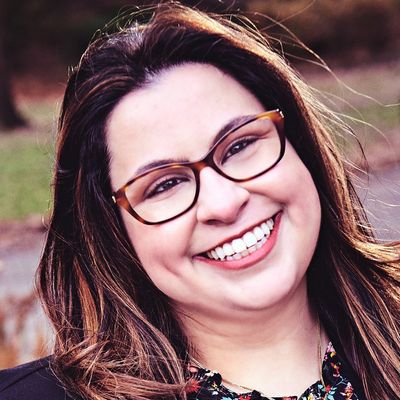
You’ve seen Diana Salameh and Erik Piepenburg’s work but you may not know it. Diana and Erik are employees of NYC marketing agency Serino Coyne. Diana is the director of marketing and communications and Erik is a features editor. Both of them are responsible for helping spread the word about your favorite shows.
In this episode they discuss what marketing and advertising actually is (it’s a bit confusing but stick with them), how their love of theatre drew them to their current roles off the stage, and the need for equality in the workplace and worldwide.
Connect with Diana and Erik online:
- Diana- Instagram: @_dianasalameh
- Diana - Twitter: @_dianasalameh
- Erik - Instagram: @erikp57 & @you.donut.own.me
- Erik - Twitter: @erikpiepenburg
Connect with The Theatre Podcast:
- Support us on Patreon: Patreon.com/TheTheatrePodcast
- TikTok: @thetheatrepodcast
- Twitter & Instagram: @theatre_podcast
- Facebook.com/OfficialTheatrePodcast
- TheTheatrePodcast.com
- Alan's personal Instagram: @alanseales
- Jillian's personal Instagram: @jillianhochman
- Email me at feedback@thetheatrepodcast.com. I want to know what you think.
Thank you to our friends Jukebox The Ghost for our intro and outro music. You can find them on Instagram, Twitter, and Facebook @jukeboxtheghost or via the web via jukeboxtheghost.com.
A very special thanks to our patrons who help make this podcast possible!
If you would like to see your name in this show notes or get a shout out on the pod itself, visit ttp.fm/patreon to become a member and show your support!
Transcript
This transcript was automatically generated and might contain errors.
[0:00] Alan Seales: Welcome to another episode of The Theatre Podcast. Intimate, personal conversations with theatre's biggest names. As always, I'm your host, Alan Seales. And as always, I'm your producer, Jillian Hoffman. As always. I was going to say this Erik-isode. This episode is with Diana Salameh and Erik Piepenburg, who work at Serino Coyne. What is Serino Coyne? It's a marketing agency. What's a marketing agency do? Well, listen to the episode and maybe you can tell me because I'm not sure I still know what it does. It's a little confusing, a little complicated, but ultimately they are the people that get the advertising and the marketing and the brand of the show out so people want to come see it.
[0:43] Alan Seales: Well, the reason it's confusing now, and I say now as in the age of digital and internet, is because the line is so blurred between marketing and press and media agencies and whether you're trying to get an individual person or get a whole show like a cast or get something put in print or buy an ad. Everybody sort of does everything now. Now the internet has brought it all together, whereas 20 years ago, there were very clear defining boundaries. But Diana makes a really great point that every show is different and every brand is different and so what works for one show might not work for something else. So it's kind of all big one melting pot that as long as you know about it and as long as you want to see this show, they're doing their jobs right.
[1:29] Jillian Hoffman: Yeah. You were saying this is an example of more theater jobs, more Broadway jobs that you didn't know existed.
[1:33] Alan Seales: Yeah, I really like that there are options for if you're not a performer, if you're not a creative. I myself am very much business oriented. That's why I like producing the podcast. So I love hearing stories about all the things that you can still be a part of this community and you can go to all the events. You can help make the events. There's an option for everybody. It's really great to hear that there's a world outside of the stage.
[1:55] Jillian Hoffman: Yeah, there is a big world in the world of publicity, in the world of marketing, in the world of digital ad buys. I mean, you can be involved with the industry and there are so many opportunities outside of directly being on stage or in the theater.
[2:09] Alan Seales: It gives you a chance that no matter how you love theater, you can still be a part of it and that's my favorite thing.
[2:13] Jillian Hoffman: Yeah. All right. Did you catch, remember that Erik said that he was one of the first people involved with MSNBC when they created it in the late 90s?
[2:21] Alan Seales: Oh, Erik, you look so young. You look amazing. I want to know what moisturizer you use.
[2:26] Jillian Hoffman: Well, he would tell you. So everybody, please visit us online at ttp.fm. We got a little short link for you so you don't have to type in thetheatrepodcast.com every time. ttp.fm slash Patreon, show your support and at the minimum $5 tier, you can get advanced notice of who we're interviewing so that you can submit your questions.
[2:45] Alan Seales: What do you want to know?
[2:46] Jillian Hoffman: What do you want to know? The people we're going to interview. Of course, follow us online at social media, theatre underscore podcast on Instagram and Twitter and everybody, please enjoy this episode with Erik Piepenburg and Diana Salameh.
[3:07] Alan Seales: Today I have the pleasure of speaking with two of my favorite people, Diana Salameh and Erik Piepenburg, who I both know through an amazing marketing agency here in New York City called Serino Coyne. Diana is currently the director of marketing and communications with almost an eight year history of the company. And Erik is a former senior editor at the New York Times who now holds the position of features editor here at Serino. We will get into what all of those titles mean and how they relate to Broadway and theater since I'm not even sure I know what they mean yet. But Diana and Erik, welcome to the podcast.
[3:36] Diana Salameh: Thank you.
[3:37] Erik Piepenburg: I'm so excited to be here.
[3:44] Alan Seales: So I guess, yeah, let's start out real quick. Diana, what is a director of marketing and communications?
[3:47] Diana Salameh: Well, it's a broad title. It's a title that I think a lot of people in the marketing industry at large have. But let me tell you what that means at Serino Coyne. I am in a dual role. I do two very different things at Serino Coyne that I think flex a lot of the same muscles. So the first half of my job, where my 10,000 hours are, are in partnership marketing. And so how do we bring brands together? How do we create experiences that are reflective of the shows that we're working on and that we're tying in people with similar values? So to give you an example of what that looks like, that could look like Beautiful, the Carole King musical, partnering with a brand like Anthropologie. We know that both brands have similar audiences, that they have a similar aesthetic, that they're both trying to similarly say that whoever you are, woman, whatever you look like, wherever you come from, you're beautiful. And so working together with those two brands to tell a story in a variety of different ways, that's where the bulk of my work and the bulk of my history is.
[4:48] Alan Seales: So how do you know that they're trying to tell the same story, though?
[4:51] Diana Salameh: You do a lot of listening. You talk to a lot of people, a lot of brands that you think are interesting. And I would say you do a lot of listening. And then you marry that with all the information that you have about the shows that you work on or the brands that you represent.
[5:03] Alan Seales: And you're exclusively theater inside the company, or do you do more than that, like Broadway and theater?
[5:09] Diana Salameh: I would say that Serino Coyne is primarily theater, theater based in New York, Broadway at large. But we handle other properties that are live entertainment brands that care about storytelling that are ticketed events. So some examples of that include One World Observatory, which is a theatrical experience onto itself, which is a ticketed event, which is something that you experience as a community. When you go and do that, it's not something that you do alone on your couch watching Marvelous Mrs. Maisel on Netflix, on Amazon Prime. I'm sorry, Netflix. Sorry, Amazon Prime. And that's what makes it something that we know how to market in a really special way.
[5:45] Alan Seales: Interesting. All right. So Erik, then what is a features editor?
[5:48] Erik Piepenburg: Features editor is a little bit of an unusual title out of an advertising agency because what it does is marry the worlds of journalism and advertising. And I think that you're going to be seeing more of this happen as unfortunately, newsrooms continue to shrink, especially when it comes to arts coverage across the country. You're going to see a lot of journalists who still want to write, who still want to be reporters, who want to be editors, but they're going into somewhat adjacent fields. And so what that means on a very practical level is since joining Serino almost a year and a half ago, I've written an advertorial for Frozen, for The New Yorker, and I've hosted a panel discussion with cast members from Head Over Heels. And those are things that I did at the New York Times. It's just that now I'm doing it for particular clients, in this case, Broadway shows.
[6:42] Alan Seales: So does that answer my next question of what is a feature then?
[6:46] Erik Piepenburg: Sure.
[6:47] Alan Seales: I guess. So you're a feature editor. You edit the features. The features are the events or the features are paper publications or digital paper publications?
[6:55] Erik Piepenburg: Yes, all of those. It basically means in journalism today at the Times, I was sort of this new brand of journalist, which is you are a reporter, you're a writer, you're an editor. In my case, I also produced videos and hosted live events and I hosted a concert and I did a Times talks. You kind of have to do a little bit of everything. And so here it's kind of the same thing. It's printed content. It's live events. It's a panel discussion. It's kind of the same breadth that you need as a journalist today just in this world of Broadway.
[7:34] Alan Seales: I'm trying to process all of this because it sounds like you could, I mean, I'm not to diminish it, but it sounds like an event coordinator that also is really good at communicating in written form. But that's really hard. A, events is hard. B, writing is hard. And C, writing effectively is hard. So was this something that Serino was looking for specifically or did you just kind of come to them and you're like, hey guys, look what this cool thing I can do for you?
[8:04] Erik Piepenburg: Yeah, you know, it's interesting. When I decided to leave the Times, I talked to some very smart people that I'd gotten to know over the years. And to a person, they said that I would be great in the advertising slash marketing world, which if you told me that when I was a journalist, I would have said you are crazy because there's such a church state divide between journalism and advertising. Those are just two different worlds. But when several people tell you, hey, your skills at the Times would translate really well into advertising, all paths led to Serino Coyne. And look, maybe this can explain it in a way that makes sense. At the end of the day, journalists and advertisers are storytellers.
What journalists do is we say, hey, pay attention to the show, to this actor, to this composer, designer, whatever, because we think you're going to be interested in it and you might want to buy a ticket. Advertisers do the same thing. We say, hey, pay attention to this musical, to this director, to this actor. We think you're really going to enjoy it and we really want you to buy a ticket. I think that's the biggest divide between the two types of storytelling. Journalists aren't concerned over whether you buy a ticket or not. That's not their job. It sort of ends there. Advertisers want you to buy a ticket. So we're telling stories about theater in this case. Maybe we sort of answer to different audiences in some way, but at the end of the day, it's about telling theater goers and those outside of that world, hey, we think you're going to like this show.
[9:40] Alan Seales: That's really fascinating to me. I had someone the other day tell me that, I forget, I actually forget who this was. So if you're listening, sorry if I'm misquoting you here, but someone said that if I had known that being a Broadway press agent was a career, then they wouldn't be doing whatever it is that they're doing now. So that kind of leads me to my next question, I guess, is take me back to the very beginning. And I guess, A, how did you both get into theater? And then how did you get into the advertising and marketing world?
[10:14] Diana Salameh: Well, for me, I got into theater from a very young age. I don't even remember the first time I was exposed to musical theater or to Broadway, but it feels like it was the beginning of time. And my sister had a lot to do with that. My sister used to take me to see everything on Broadway growing up. I grew up in New Jersey. It was really easy to come to the theater. And so I did. And I fell in love with it. I fell in love with the storytelling. I fell in love with the connection with humans on stage, with stories that I had never heard before but wanted to hear. I loved the music. I love tap dancing, all of it. You put all of that together, and it was a dream for me. I never thought it was something that I was going to be able to do as a career, because I didn't know, similar to your friend who told you, if they knew that a Broadway press agent was a job, they would have been doing that.
I had no idea. And I knew that a life on stage was not what I was destined to do, despite my wonderful track record of being in high school musicals, which, looking back in retrospect, it was really terrible at all of them. But I loved it a lot, and I gained a lot of confidence from that. But that's for a whole other podcast and a whole other story. I stumbled upon this as a career by accident. So I assumed I should...
[11:27] Diana Salameh: It just felt like I was flexing some skills that I have by being a teacher. And I spent a lot of time in college. I was a dual major in English and education, working towards a path of being a teacher and thinking maybe if I was really lucky, I'd get to direct the spring musical at whatever high school I worked at. And I'd teach drama and all would be great. And that's how my life would go. And then one summer, I met somebody who had interned at Serino Coyne, and she just talked about how much she loved it. And a couple years later, when I was having this reckoning that maybe I shouldn't be a teacher, I remembered Serino Coyne. And I called in May to ask if they had any internships for June.
I left a message with HR, and they called me back. And it was a moment of serendipity. She said I had two voicemails when I checked, one from somebody in our summer internship backing out from the program, and one from you saying that you were interested in the program. So, she called me immediately. I ended up here. I met Nancy Coyne, our founder. And at the time, she was our CEO on the first day, within the first 30 minutes. And I said, this is it. This is what I should be doing with my life. And here I am, almost eight years after working here.
[12:40] Alan Seales: How old was that? How old were you then?
[12:42] Diana Salameh: I was 21. I was going into my second senior year in college, which is what happens when you have no direction in college, which was fine. And so, I was 21 years old. And so, actually, 10 years ago, this June, was the first time I stepped into the halls at Serino Coyne.
[12:58] Alan Seales: Wow. And the company's been around since '77, right?
[13:00] Diana Salameh: Yeah. Founded in 1977 by a woman, by Nancy Coyne. I think it's pretty remarkable. At the time, in 1977, women, white women, were making 50 cents on the dollar for what a man was making. And Nancy started this agency. And I feel like that's been a part of our DNA. It's woven into everything that I do here. And so, it makes me feel very proud to work at an agency that was founded by a woman, led by a woman. Nancy will tell you that the best way to break the glass ceiling is to start a company that doesn't have one. And so, I've been very proud to be a part of that and to have it all fueled by theater, this thing I love and have felt so connected to my whole life. It's just icing on top of the cake.
[13:45] Alan Seales: That's beautiful. I actually want to get into the activism that you stand behind in a little bit. But Erik, let's hear your story first about your beginnings in theater and whatnot.
[13:56] Erik Piepenburg: Sure. So, there's a little bit of an anniversary for me this month, actually. 30 years ago, I had a star-making turn as Tevye in my high school's production of Fiddler on the Roof. So, you can do the math and figure out how old I am right now. So, it was 30 years ago at Lutheran West High School in Rocky River, Ohio. And that was fantastic. I just knew that I wasn't going to pursue this as a career. So, I sort of let that go for a while, went to school at DePaul University in Chicago, went to grad school at American University in Washington, and I wanted to run a film festival. That's what I really wanted to do. But one day, I got a call from an old boss of mine at WMAQ, the NBC station in Chicago, and she said to me, I know this sounds weird, but just hear me out.
We're starting this thing called msnbc.com. And we're guessing that people are going to want to go to the internet for news. If you'd like a job, we would love to have you move back to Chicago. I was living in DC at the time, move back to Chicago. We're just going to see how this goes. And so, I did. And that was my first job in journalism, in digital journalism, specifically was in 1996, when, as we all know, it took two hours for a photo to download and five hours for the homepage to be updated. And I spent about five years there, moved to New York, worked at a company called The Feed Room. And then one day, I saw an ad for a job at the New York Times.com for the overnight shift, the midnight to 8am shift.
And it sounded awful to me, but I thought, you know, let's just try this. It's the New York Times. It sounds like a really cool place to work. So, I applied and I got the job. And I worked the midnight to 8am shift, the death and destruction shifts, the suicide bombings in the Middle East, just like awful, awful stuff for about a year and a half when the Times created theater as its own section. And I sure enough raised my hand and I said, I'd love to work during the day. I'm a theater queen, so I can cover theater. And I was there for about 14 years and I was covering theater mostly.
[16:11] Alan Seales: That's crazy. So, was Tevye the only thing that you had done in high school?
[16:14] Erik Piepenburg: No, I was Nathan Detroit in Guys and Dolls. I was Mr. Fronk in The Diary of Anne Frank. I actually directed a Sam Shepard one act, weirdly, in my Christian high school, which it was just, it was sort of strange. But I bet, Diana, you had this too. And I had my English teacher, Marty Muth, who sadly has passed away, but she changed my life when she gave me a play when I was 16 called The Normal Heart. And she said, you should read this. And her interest in me as, she probably knew I was gay before I even knew that I was gay by giving me that play, just sparked such a love of theater. And she really changed my life. And I think everyone who has been in the theater in some way just has that one person who made such a difference.
And when I look back, I think, yeah, that person and that moment really just sparked in me this love of theater. And though I'm not on stage, I was a writer covering it as a writer for many years, and now I'm in advertising. But it's all part of the same family that was sparked by this one person.
[17:19] Alan Seales: Wow. Do you think, I don't want to phrase this, the generation coming up now that is, of course, into theater and in middle school or elementary school has Instagram and Facebook and whatnot, and it is much more connected. I didn't have broadband until I was '98 when I went to college and all this stuff. You said, this person knew you were gay before you knew you were gay. Do you think that kids now are, I put in air quotes, realizing that they are gay at a much earlier age because the knowledge is being shared in forums like podcasts and journalism and they have it on their phones all the time now?
[18:01] Erik Piepenburg: Yeah, there's no question about it that kids are coming out early and earlier. And just to think about that blows my mind because when I was growing up in the '80s in Cleveland, just being out wasn't, and at a Christian school, which wasn't exactly the most gay-friendly place, as many good memories as I have of high school, it wasn't a place where you could be out. It just blows my mind that kids are coming out in fifth, sixth grade, and even younger. And I think it's because obviously the internet, but it's also not a big deal anymore. And I just, I keep thinking of Pete Buttigieg and introducing his husband on stage. And for kids who have come out at this young age, that's just expected. But for my generation, Generation X, gay men, it's still like, what, this is not happening and thank God it is, but it hasn't quite landed that we're living in this such a wonderfully gay world.
Not that it's great. You go back to parts of Ohio and it's not so great to be gay and certainly with people of color even more so. But I can't wrap my head around that there are probably kids in my school today, maybe, who might be out to their friends, which I can't imagine what that was like.
[19:19] Diana Salameh: Yeah. I didn't have anybody in my high school who was out. And I, there were several people that after college came out to me and I was like, well, yeah, like, we knew before you knew, or maybe, maybe they knew and they just, you know, weren't out. But yeah, what, what do you think the role of advertising plays in this as well? Because I was having this conversation the other day with somebody that the behavior, like you said, you see someone on stage or you see someone on TV, like this is, I'm a man, this is my husband. It's just commonplace. It's just there. But everything that's modeled, what we see, you know, sexy, your average newsstands or your newspapers in the checkout lines are men and women and or like sexy women catering to men and whatnot. Like advertising is, is sort of holding us back in this case, don't you think?
[20:09] Erik Piepenburg: Yeah. You actually just said it. You said sexy women catering to men. What I think you meant was traditionally sexy women catering to men. And I think that's an important distinction. And I think advertising at large has a role, an obligation, a need, an economic driver to show people that look like the people that are going to buy their products, that are going to engage with their products, that you don't have to be a size two to shave your legs. So why does every ad for shaving cream and razors feature a woman who is a size two? That boggles my mind. And I think when we talk about advertising for theater and for live entertainment and for Broadway specifically, we need to represent what's happening on stage because I am seeing a shifting tide in what's represented on stage.
And I want that to be so blatantly obvious in advertising. I mean, this season alone, we have Heidi Schreck in What the Constitution Means to Me. And for me, it is just as powerful to see her face on half the page of the New York Times, boldly looking towards the future as it is to see the words that incredible people wrote about her. When we talk about Hamilton, what's been so extraordinary about Hamilton is the intersectionality of diversity that they've shown on stage. When we look at Head Over Heels that opened last season, and we saw body diversity and Bonnie Milligan playing a plus-size princess who never spoke about her weight. I want to see that in my advertising because there's a little girl in New Jersey, just like me, and there's a young boy in Ohio, just like Eric, who is dying to see themselves represented in art, in things that they're going to put their money towards, in the world saying, you're sexy too, you're beautiful too, and your story deserves to be heard.
[22:21] Erik Piepenburg: Yeah, Brandon Uranowitz said that too, that this is in Burn This Now, this is the first time he's played an openly gay character on Broadway. I quoted him online, he said, until young gay men can see themselves playing themselves, there's always going to be a problem. And that applies across the board, like you said, to people of color and to women, and yeah, like starting this company Serino Coyne in the '70s when a white woman, gosh, I can't imagine what she went through to get this company going.
[22:55] Diana Salameh: It's her story to tell. But I think that anybody who's ever been marginalized, anybody who's ever been put in a box knows how to fight their way out of a box. And that's the incredible thing about resilience. And we see those stories on stage all of the time. And I want to see more and more of those stories on stage of how do you break out of what the world has told you you should be or the place that the world has told you that you should sit. Yeah. Yeah. The head over heels, the show was so life-changing to me as well. I've interviewed Bonnie on this podcast, and we talked about being a plus-size woman and what it meant to her to play this role. The show also had the first character who identified as non-binary in a show.
When I watched it, being in New York, I think I've kind of, in a good way, become desensitized to the bigotry that exists outside of the city. So, I saw it. I said, oh, this is really cool. That character is just non-binary. I think that's fine. But then, I got to thinking about it, and it probably got so many people riled up in a way that they're not comfortable with. And then, talking with people from the prom, too, sort of the same thing. And from a marketing perspective, think about the prom when you're like, okay, what's the show about? Oh, it's about two lesbians. Okay, that shuts some people down immediately. So, they have to think about, you want to be truthful to the show, but still sell tickets without offending people. You're sitting here smiling at me.
[24:36] Erik Piepenburg: Yeah, I think all of that is true. And what you want is for everyone to have an open mind. And the fact of the matter is that not everybody does. So, part of it is, can we get you in the theater enough that your mind is simply going to open on its own just by seeing what's on stage? I think there's a possibility. And I think music and art and storytelling has a really special way of doing that and igniting that in people. So, I hope that theater can continue to do that.
[25:05] Diana Salameh: Yeah, it's beautiful. I enjoy when I go to a show, and I just leave, and I can't stop thinking about, well, if you leave singing the music, great, because that's part of what'll make the show successful. But when you think about the message behind it, I still think about Head Over Heels. Gosh, it closed too early because I think people just weren't ready yet.
[25:28] Erik Piepenburg: Yeah, I hope we will. I hope we'll see a lot more of it. But I also will say on the topic of Head Over Heels, not to hijack your conversation, but speaking of young boys in Ohio and their dreams, I hope I can tell you the story about my connection to Head Over Heels and then the miraculous moment that happened in the process of working on it.
[25:45] Diana Salameh: Oh, sure. Just quickly, I was a mega, mega Go-Go's fan in the early 80s, 84, 85. I saw their concert tours. I was just completely obsessed. I made one of those trucker hats, and I gated up with all my Go-Go's buttons and decals of the Go-Go's. I was utterly obsessed. So of course, when I realized that we're going to be working with the Go-Go's, I was just so excited. And sure enough, it was a meet and greet or it was some sort of event, and most of the Go-Go's were there. And I got to meet them even just briefly and got a picture with Belinda Carlisle, who I was obsessed with when I was in eighth grade. And it was just one of those moments that all my worlds came together. Theater, little gay boy, my Go-Go's hat. It all just came together, and it was a very memorable night.
[26:49] Diana Salameh: There is a great photo, and Eric has the twinkle of a 13-year-old boy in his eyes in that photo. It was one of my favorite moments of last year.
[26:54] Erik Piepenburg: That's so much fun. Yeah, I love that. I wish I could have seen that.
[26:58] Diana Salameh: I'm just seeing you react to that. That's beautiful.
[27:00] Erik Piepenburg: I'm going off my own world now, picturing little Eric hanging out with the Go-Go's.
[27:04] Erik Piepenburg: Oh, and I had my Go-Go's concert t-shirt on from 1984. So I wore that t-shirt and a blazer, and it was just... It still fit. I mean, kudos to you.
[27:11] Diana Salameh: It still sort of fit a little snug, but it fit enough.
[27:13] Erik Piepenburg: Sometimes we'd see your belly button, but it was fine. It worked.
[27:20] Diana Salameh: So I want to go back to your roles real quick, and Serena Coyne, Serena Coyne is a marketing agency, right? They develop a story, develop a brand.
[27:27] Erik Piepenburg: That is different from a press agency, yes?
[27:36] Diana Salameh: Yeah. So what is the difference between press and marketing? Because there are plenty of both.
[27:41] Erik Piepenburg: I would say that in 2019, it falls into a very gray area of what all of that means. And Eric is the perfect representation of that, what the difference is. And I like to think about it. Somebody once told me the term modern marketing. Best idea wins, right? It doesn't matter if that's a full-page ad in the New York Times or if that's a story in the New Yorker or if that's an event for Beautiful at Anthropologie. Best idea wins. And so I think you've been a great demonstrator, Eric, of how those worlds come together.
[28:11] Erik Piepenburg: Yeah, I think that's true. I think that they're sort of blending in unusual ways. But look, there's also a divide in the sense that if you want to pitch a story for the New York Times, you go to the press agent. You're not going to go to Serena Coyne. You're going to go to the press person for that show. So on a very practical level, sure, there are those differences. But the ways in which we talk about the show are blending in ways that, now that I'm on this side of the industry, I hadn't realized are actually there.
[28:45] Diana Salameh: And then there's the difference, too, between traditional marketing and traditional press, I guess, and digital. And you've got companies like Situation Interactive that they're exclusively digital. And it seems like everybody just kind of... To me, as a non-advertising civilian, I'll call myself, I've been involved with this business for years now, and I'm still asking these questions of people. And you just gave me an answer and I still don't get it. Whether I want a show or a person or a print ad or an ad in Playbill or an ad on a website, it just... There's so many opportunities for people who want to be involved with theater and without having to be on stage.
[29:29] Erik Piepenburg: Exactly. Exactly. And I think you've nailed it in sort of saying there's not really a black and white answer because everyone has a different philosophy on it. So you mentioned Situation Interactive, it's run by Damian Bazzadona, who's an incredibly smart individual. And he believes in digital being this specialty, something that you really focus on and you hone in on, and that's his philosophy. And it's really smart. And for some people, that works really well. Our philosophy at Sereno Coin is that we are neutral in many ways. We are a 360 agency that's doing everything in-house from all things digital, absolutely. But the things that Eric talked about and partnerships like I talked about and advertising, that is a bit more traditional.
And we actually believe in the opposite. We believe in neutrality. And the fact of the matter is, is that we need to have different philosophies like this, because this is a human business and humans should go where they feel like they belong, where they feel like their philosophies are, where they feel like all of the things that they want to bring their show and brand to life are held by this set of guiding principles.
[30:40] Erik Piepenburg: How big is the company, first off, Sereno?
[30:46] Diana Salameh: We're just over 100 people.
[30:53] Erik Piepenburg: Wow. And then I used to work at one of my first jobs in the city, 11 years ago now, I was director of IT for a post-production company. And they handled TV spots, TV commercials. And Sereno Coin was one of the biggest clients, or maybe still is, I have no idea. But do you have your own production arm, too, that you hire videographers and directors and editors? And do you, I guess, first off, yes?
[31:06] Diana Salameh: Yes.
[31:20] Erik Piepenburg: Yeah. First off is yes. And it's all done really differently. And I would say, think about it, not just in the broadcast sense, but broadcast and creative and anything where we're creating a product, a piece of advertising, some of which is done completely in-house. We have a whole team of artists and videographers and editors that are brilliant artists in their own right that create all of that work here. And sometimes we collaborate with other people who don't work here, working with other people who bring a different perspective and working with them as well and still creative directing all of that work, but bringing in a voice and a perspective that's different.
[32:27] Diana Salameh: Well, let me just also jump in here to say one of the things that surprised me since I've been at Sereno is how people here don't refer to themselves as filmmakers and novelists.
[32:39] Erik Piepenburg: Because that's what they are.
[32:41] Diana Salameh: Novelists? Writing stories? Writing stories. And we're making films and we're so many more things than just what your title is. At the end of the day, there's a richness to the people who work here. And I'm not even sure if they realize that. I think it took an outsider like me to come in and say, no, no, no, no, no, you're not just a copywriter. You are a storyteller. You're a novelist. You create worlds. You design adventure. There are so many ways to talk about what it is that you do that just isn't your title. And I'm hoping that people here understand that that's who they are.
[32:55] Erik Piepenburg: I saw on the website there is a full-time proofreader.
[32:58] Diana Salameh: Yeah.
[32:59] Erik Piepenburg: Yeah, correct.
[33:03] Diana Salameh: Oh, he'll be so happy to hear it.
[33:06] Erik Piepenburg: He is. And you know what? He should get it right now. His name is Joe Ficliola, and he's been here for, I mean, he'll correct me on the exact year, but he's been here for over two decades. And his job is to make sure that every single word is perfect and every comma is in the right place and every period is in the right place. And it is a thankless job in many ways. It's invisible labor in many ways.
[33:22] Erik Piepenburg: As a grammar Nazi, I applaud him. The Oxford comma, we have a hard relationship.
[33:29] Diana Salameh: Oh, well, we could have a whole other podcast about my relationship with the Oxford comma, but kudos to Joe. And I'm sure he'll give you a gold star for a shout out on this podcast.
[33:40] Erik Piepenburg: Yeah, he's a truly thankless job. I think there's so much here. But Eric, I saw that you had a front page New Yorker article about us. Was it New York Times or New Yorker? I forget.
[33:52] Erik Piepenburg: It was.
[33:53] Erik Piepenburg: About Jordan Peele's new movie.
[33:55] Erik Piepenburg: Yes. It wasn't a front page. I wish it was on A1, but it is not. It wasn't on the front page of the paper, but it was on the front page of the arts section about us and its incorporation of Hands Across America into the film, which I don't know if you remember Hands Across America, but I vividly remember this event. And yeah, it was an article talking about how the two sort of play off of each other in the film.
[34:20] Erik Piepenburg: It was also on the homepage of the New York Times.
[34:23] Erik Piepenburg: It was a freelance thing. I still have one foot in the journalism world. I'm freelancing for The Times here and there. I don't write about theater, just because that would be a conflict of interest. But I do write about film. I have a travel story coming up next month. So yeah, what I like about it, I still have the freedom here to sort of, you know, just dabble in journalism at The Times now and then.
[34:51] Erik Piepenburg: Oh, bless your heart. Yes. You Donut Own Me is my Instagram. I'm obsessed. I could talk about donuts, eat donuts every single day. I'm truly obsessed. But I need more followers. So hopefully this will just result in a groundswell of followers who are also as obsessed as I am.
[35:20] Erik Piepenburg: Yeah, that's called Cleveland, Ohio. In the Midwest, we like fried dough with sugar and glaze on it. So yeah, my dad and I just would go to Becker's in Cleveland, Ohio, for donuts after church when I was a kid. And that seed was planted. And to this day, every time I go back home, before I even see my mother, I stop at Becker's for their maple glazed cream-filled donuts. And I could eat that every day of my life.
[36:09] Erik Piepenburg: Yeah, we'll put that in the show notes for everybody.
[36:14] Diana Salameh: Thank you.
[36:19] Diana Salameh: Thank you. First of all, I don't know that I could call it activism. I think a true activist would probably be wildly insulted by that. But I'm a believer, man. I mean, I just, I believe wholeheartedly in equality of the sexes, equality of all people. But for purposes of your question, equality of the sexes. And the fact is, in 2019, we don't have equality yet. There are so many things and reasons that are holding us back from being a completely equal world. And I would say that the United States is unfortunately behind so many other civilized nations in this world right now. And so it's important for me to start with my life. I think that's all anyone can do. And for me, after the 2016 election, seeing a very qualified woman not become president was really hard for me.
I felt like, is there something in this world that women can't do? And the answer for me after the 2016 election was yes. And the other question I was asking myself a lot was, well, what can I do? What can I do? And I think when you really think about it, you affect change in your own life, and that affects change in the world. And so you try to lift other women up. There's this awful thought in the universe that women don't support other women. And that might have been true at some point. But I want to be part of a generation that turns that narrative around. And so at any point in time that I could support another woman, at any point in time that I can publicly make sure that she has a seat at the table, then I'm going to do that. Because people did that for me, and that's the kind of world I want to live in.
[38:12] Erik Piepenburg: Does that carry over into your day-to-day with your work and everything?
[38:18] Diana Salameh: It is ingrained in everything I'm feeling and thinking all day. And there are probably 50 other things every day that I could be doing better, that I could be doing more of, that I could be supporting women in a much more significant way. And all I want to do is figure out what those things are. Because I want all women to feel like they are worthy of sitting at the table, of their voices being heard, and that change is going to happen. Because it has. Our history has taught us that change has happened. And I think the future is going to look really, really bright for women and equality of the sexes.
[38:48] Erik Piepenburg: Agreed. Yes, very well said. The two of you are... I've encountered you professionally in a couple different things, and you're always very chummy and very happy. Did you know each other before the last year and a half?
[38:59] Diana Salameh: Nope.
[38:59] Erik Piepenburg: We never met.
[39:01] Diana Salameh: No? Really? Because you seem like total besties. All the great stuff you post on Instagram is like taking photo credit, Diana Salameh.
[39:07] Erik Piepenburg: That's true. That's true. All those glistening donuts, that's usually Diana.
[39:15] Diana Salameh: Yeah. We didn't know each other, but I can tell you... I mean, don't tell me if the answer is no on your side. But I liked Erik the instant I met Erik. And I think with my heart before I think with anything else. He'll tell you that he's nodding along right now, because sometimes that's actually a very bad thing. But in this case, I think it was a very good thing. But I thought he was awesome. And I wanted to get to know him more. And we joke a lot. I try to call Erik my work husband, which he won't allow.
[39:43] Erik Piepenburg: Actually, I can probably do whatever I want. You probably let me call you your work husband. You just wouldn't want to call me your work wife.
[39:52] Erik Piepenburg: Well, I already have a work wife already. So now and forever, but I'm sure there's another. I just feel like when you get a new job, you get a new work wife. But Pat Healy from the New York Times, if you're listening to this, you're sort of the source of all of this tension, but that's fine.
[40:07] Diana Salameh: Put that aside.
[40:11] Erik Piepenburg: And I think, listen, I think that's fun. I think we live in a culture where words like work wife and work husband, it feels really easy to label all of that because you have a really great time together. But I think what makes our relationship so successful on a professional level is that I think it started with an immense amount of respect for each other. And I think I've always felt like Erik had that for me. And I certainly have that for Erik. And when you respect other people and when you trust other people, it makes for a really, really great relationship on a personal and professional level.
[40:41] Diana Salameh: Well, this is 2019. These are modern times. So I think we can dabble in work polygamy.
[40:49] Erik Piepenburg: Consider at this point, I don't want to be his work wife, but in many ways it feels and I think, listen, I think gay men are some of the smartest people in the entire world because they had to create relationships for themselves. And to that end, I would probably call Erik my work partner before I'd call him anything else. It feels much more like a partnership and it feels like an ownership. And if I'm your wife, it kind of means that you own me. That ain't true.
[41:14] Erik Piepenburg: That's not true. Donuts own you. And that's the only thing.
[41:23] Diana Salameh: Okay. So let's wrap up here. And there's the three standard questions, of course, that I ask everybody on the podcast. Number one, we'll start with Erik. What motivates you?
[41:32] Erik Piepenburg: Oh, curiosity. I call it nosy. I think Diana would say curious. I just want to know everything about everybody. Who are you? Where are you from? What do you like? What don't you like? What makes you mad? I just am so motivated to learn about people, especially those I disagree with. I want to know everything.
[41:52] Diana Salameh: That's good for advertising.
[41:52] Erik Piepenburg: Yeah.
[41:53] Diana Salameh: I would say it's perspective. Similarly, I want to learn about perspectives that I never had before. I want to be immersed in perspectives that I don't normally have. And that makes me motivated and looking towards the future at all times.
[42:07] Alan Seales: All right. So then, Diana, next question. What advice would you give to yourself or your younger self or younger people now listening starting out down a similar path?
[42:16] Diana Salameh: I would say that if you feel like your voice is not represented, then create a new voice that has never been heard before. I felt many times growing up that there were lots of things that I didn't feel represented. My parents, I'm the daughter of immigrants. I'm a first-generation American. I was the only one growing up, and I thought that was weird. I wasn't as skinny as the other girls, and I felt like I didn't always see myself on stage or in stories. And seeing Hairspray at 16 years old blew my mind. And that voice didn't exist, and I wish I would have created it. And I hope that other young people do that for themselves.
[42:55] Erik Piepenburg: Cool.
[42:56] Erik Piepenburg: I would say fail. I would say don't be afraid to try something, and if it doesn't work, try something else. I think everyone's so worried about, what is my major going to be in college? And what is my first job going to be? And it has to be good, well-paying, and I have to love it. And sometimes you just have to try something, and it may turn out terribly, but you learn so much from that experience.
[43:16] Alan Seales: That's fun. Okay, so Erik, if you could only see one show for the rest of your life, but you can see it as many times as you want, what show would you see?
[43:20] Erik Piepenburg: I'd probably have to say Godspell, just because I love the Jesus and the suspenders. And every single song just takes me back to listening to the vinyl album with my headphones on, and not knowing what is, there's a clown, but he's Jesus. And I don't know what's happening here, but it just was one of those shows that continues to just bring me joy. I could listen to that show for the rest of my life every day.
[43:53] Alan Seales: Wow, Diana?
[43:55] Diana Salameh: I'm sorry, I'm a little bit in shock from that last response. So give me, literally, prepare ye only has four, prepare ye the way of the Lord, seven words over and over again.
[44:07] Erik Piepenburg: Yes.
[44:07] Diana Salameh: That's the show?
[44:08] Erik Piepenburg: I love it.
[44:09] Diana Salameh: No do-overs?
[44:10] Erik Piepenburg: No, uh-uh.
[44:11] Diana Salameh: Okay, why?
[44:11] Erik Piepenburg: That's it, Godspell.
[44:13] Diana Salameh: The first one to come to my mind is John Doyle's revival of The Color Purple, which I thought was the most stunning thing in the entire world. And seeing that silly story being told on stage in such a specific and beautiful and spotlighted way, I felt like her voice was heard. It was a voice I wanted to hear over and over again. And I could watch that every single day, all day, and do nothing else.
[44:37] Alan Seales: Wow. So we can find you, Diana, on Instagram and Twitter, at @_dianasalameh. Was there another Diana Salameh?
[44:44] Diana Salameh: There's a lot of Diana Salames, apparently, on the internet. The period was gone. The underscore in the middle was gone. Really a tough day for me. Tough day for me.
[44:54] Alan Seales: Okay, so at @_dianasalameh. Erik, you were on Instagram, you.donut.o.me. And then on Twitter, @erikpiepenburg. And anything else, right? That's it, yeah?
[45:08] Erik Piepenburg: That's it. That's it. Yeah, find me there.
[45:10] Alan Seales: Cool. And you can get more of me at @theatre_podcast on Instagram and Twitter, facebook.com/officialtheatrepodcast. Please rate and review and share. I read the reviews. The ratings help. It's great. Visit us online, thetheatrepodcast.com. You can email me feedback@thetheatrepodcast.com. This is produced by Jillian Hockman. And as always, thank you to Jukebox the Ghost for the intro and outro music.
[45:35] Alan Seales: Erik, Diana, Diana, Erik, thank you both for being on the podcast. This has been so much fun.
[45:40] Erik Piepenburg: Thanks, Alan.
[45:41] Diana Salameh: It's been a hoot.
[45:42] Alan Seales: A hoot?
[45:43] Erik Piepenburg: A hoot.
© Broadway Podcast Network, All Rights Reserved