

Marisha Wallace brings both powerhouse vocals and fearless honesty to this conversation, diving deep into what it really means to lead Cabaret during one of the most politically charged times in recent memory... Read More
From the show: The Theatre Podcast with Alan Seales
Guests
Featured Shows
About
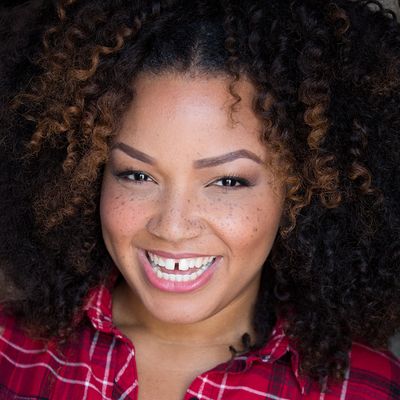
Marisha Wallace brings both powerhouse vocals and fearless honesty to this conversation, diving deep into what it really means to lead Cabaret during one of the most politically charged times in recent memory. She shares how audience reactions shifted depending on the day’s headlines, and how she embraced the role not just as entertainment, but as activism—using art to help people process the world around them.
From growing up in North Carolina to moving to London on a week’s notice, Marisha’s journey is anything but ordinary. She reflects on the leaps of faith that shaped her career, the moments when following her gut changed everything, and the surreal honor of performing for the King of England. Her story is a reminder that perseverance, self-belief, and courage to break molds can create opportunities where none seem to exist.
Marisha Wallace is an Olivier Award–nominated actress and singer. She starred as Sally Bowles in Cabaret on Broadway, Miss Adelaide in Guys and Dolls at the Bridge Theatre, and Ado Annie in Oklahoma! at the Young Vic. West End credits include Effie White in Dreamgirls, Becky in Waitress, and Motormouth Maybelle in Hairspray. She recently released her live album Live in London, recorded at the Adelphi Theatre.
This episode is powered by WelcomeToTimesSquare.com, the billboard where you can be a star for a day.
Connect with Marisha:
- Instagram: @marishawallace
- TikTok: @marishawallace
- Listen to Live In London: Spotify link
Connect with The Theatre Podcast:
- Support the podcast on Patreon and watch video versions of the episodes: Patreon.com/TheTheatrePodcast
- Twitter & Instagram: @theatre_podcast
- Facebook.com/OfficialTheatrePodcast
- TheTheatrePodcast.com
- Alan's personal Instagram: @alanseales
- Email me at feedback@thetheatrepodcast.com. I want to know what you think.
Transcript
This transcript was automatically generated and might contain errors.
Speaker 1: Hi, my name is Marisha Wallace and I'm here at The Theatre Podcast with Alan Seals.
Speaker 2: Hey there, welcome back to another episode of The Theatre Podcast. I'm your host, Alan Seals, and our guest today is Marisha Wallace, who just came off of an amazing run here on Broadway, leading cabaret as Sally Bowles. And this one, this episode is just fascinating because she doesn't tell just stories about her career. She actually dove into what it was like to be in cabaret during a time when the political climate outside the theatre doors was kind of just intense as it was on stage. And, you know, we talk about the audience reactions as they shift night by night. And she was even saying that when she was performing in England, Americans would come and just meet her at the stage door in tears because there was just so much catharsis and release that they were experiencing.
Just an amazing, amazing story. And there were just kind of moments that she said felt sort of surreal, like going from a tap dancing egg early in her career to standing center stage at the Royal Albert Hall performing for the actual King of England. I mean, come on, that mix of grit, intuition, once in a lifetime experience, just makes this episode truly incredible and one that I cannot wait to share with you. So stick around. If you want the video version, head over to Patreon or watch on Spotify. Find me online, Instagram, Twitter, TikTok, Facebook, all the places. Leave a rating and a review, or if you're on Spotify, leave a comment. And now everybody, please enjoy this episode with Marisha Wallace.
Here you go. One, two, three. Today's guest is fresh off her luminous run as Sally Bowles in Cabaret on Broadway, and is no stranger to headlining roles such as Miss Adelaide in the smash revival of Guys and Dolls, earning an Olivier nomination for Best Actress in a Musical. And before that, she received, I told you we could just stop and start over. Before that, she received critical acclaim and another Olivier nomination for her turn as Ado Annie in Oklahoma at the Young Vic. But her resume reads like a musical theater dream, performing for His Majesty the King, starring as Motormouth Maybell in Hairspray at the London Coliseum, originating Becky in Waitress on the West End, and making her West End debut as Effie White in Dreamgirls at the Savoy Theatre.
She also just released this new album called Live in London. Marisha Wallace, holy cow. I'm honored. Welcome to the theater podcast. What an intro. I forget all the things I've done. Just another day at the office, right? You know, you just keep moving forward. Then you see what happens. And also very apropos, say a happy birthday, I think, yesterday. Thank you. My birthday was yesterday. As we're recording this. Yeah. I now can't believe it. I turned 40. The kids can't believe it. They're like, what? We thought you were our age the whole time. I was like, no, kittens. I've been around for a long time. No kittens. No, my little bug. Oh, is that why? Yeah, you came in this morning. You were like, you were out partying a little bit.
Is that right? I had a week of celebrations. Because I closed the show, and then I went to concerts. I saw the Queens. I saw Chaka Khan, Gladys Knight, Stephanie Mills, and Patti LaBelle all in one show. Whoa. That was too much power in one room. Like the divas. And I was there just sitting there. We were talking about Live Aid before we started recording. Right? Remember that? My partner went to Live Aid. I mean, I was like, how old are you actually? Amazing people on one room. Where was this? This was in Jersey at the Prudential Center. They've been on this tour for a long time. Gladys Knight is like 81 years old. I mean, I don't even know if mother should be out there, but I was glad she was there.
I was like, mother, she was just smiling and getting a few licks in. It was great. That's your life though. I mean, people are always like, what are you going to do when you retire? I'm like, I'm just going to do what I've always been doing. Right. Like what I love to do. And they were like, well, she should be at home, but doing what? In the bed? Like, I mean, if she can get out there, I think I would be wanting to do that. Right. Even if I had dementia, I'd be like, I'm going to sing my songs. You're going to sing the same songs you- I've been singing these all my life. Yeah, like 40 years ago. By the time you're 80, you're singing the same songs. I'm going to be trying to sing it. I'm telling you, you can't sing it over.
So are you from, you have all these West End credits, so you don't have a British accent. Where'd you grow up? Well, sometimes I don't. Well, I grew up in North Carolina, in Goldsboro, North Carolina, outside of Raleigh. Where are you from? Wilkes-Borough. Come on, Wilkes-Borough. How'd you get out? Where NASCAR was invented. How did you get out of there? Oh, I ran as fast as I could. Babe, as soon as they let me out, as soon as I walked across that stage and said, give me my diploma, I was gone. Yep. I was like, high school graduation. Literally in the car, straight out. Yep. But no, I grew up there, and I went to school at East Carolina University, and then I left and moved to New York and started working right away.
Was here for about five years. I did everything, cruise ships, regional theater, the non-equity, the equity, the barns, the summer stocks. And then I got my big break when I got Book of Mormon. So that was kind of like where it took off. I did the first national tour. And the show had only been open about six months on Broadway. So people still, it was really hard to get a ticket. So people hadn't really seen it. Except if you were the New York elite who could afford $700 tickets at the time. And we took it to the world, to America. I remember we had bodyguards and stuff, because they were like, the continent, they don't know if people are going to try to attack us when we came out of the stage door, because of what it's about.
And we were taking it to the Midwest and to all these different places, but then everyone loved it. There were Mormons outside of the stage door selling. And they'd be like, you saw the show? Now read the book. Here you go. It was crazy. But no, that was my big break. And then I worked for Casey for a long time. So we did Aladdin on Broadway. Casey Nicholaw, yeah. Casey Nicholaw. And then we did, I did readings of the prom. I did something rotten. Yeah, I did something rotten on Broadway. All of the readings from his apartment to Broadway. Who'd you read for in prom? In prom, I was just one of the parents. But I had to do like the acceptance. I could never play the little recorder thing. I was like, I gotta go, I gotta go.
I was like, bless you all in your journey, I gotta go, I gotta go. But in something rotten, I was Eggie White, the tap dancing egg. So I did a lot of bit parts, but then I did the, and I am telling you, I'm not going to be an omelet. That's me, forever. And people literally to this day, and I've done all these amazing roles, done all these things, they come to the stage where they're like, you as the egg, that did it for me. That was the one. I remember we opened, and I did that part, and I saw Tina Fey fall into the aisle. She laughing, just crying, laughing. It was so fun. It was amazing, the show changed my life. But then from there, I got called to go do Dreamgirls. On West End. In West End, because Amber Riley got pneumonia.
Oh man. And I had to pack my bags. And they were like, can you come tonight? I was like, tonight? I was feeling something wrong. I was like, I can come on the weekend. I need to at least pack my stuff. But I knew I kind of wasn't coming back. I don't know why, I just knew. Well, I had been praying to get out of my situation. I was in with my ex at the time. And also, I just wasn't happy. It's crazy, I was on a Broadway show, but I wasn't fulfilled. I just felt like there was more for me to do. And then I got that call, and they were like, come to London. Wild. Learn the show in five days. Had you been rehearsing or reading for it or anything? So what happened was... So it's kind of a longer journey, but long story short, they wanted me to be Amber's alternate from the beginning.
So I had read for it, met with Henry Krieger, literally in Casey's apartment. Like, this wasn't even on the books. I don't know if we can say that. It wasn't on the books at the time. And I met with Henry Krieger, who wrote it, and then the MD from London, Nick. Now, all these people are like my friends now, which is so crazy, because at the time, it was wild. And I read for them, and I did it. And I was like, yes, I'm going to London. This is about to be my big break. I'm so excited. And then a couple of weeks later, I was like, why haven't I heard anything? Like, what's going on? That was great. And then they were like, well, it would be much cheaper if we get two people from London, because we don't have to house them and give them a visa.
Which I could understand. I was like, okay. I see you had to hire two people to replace me, but that's okay. But then I always think the cheap man pays twice. So I was like, we'll see. Okay, great. And I was kind of upset about it. And I was like, you know what? I need to go do this role for myself. So I looked on the Actors' Equity website. This is crazy. This is how I know everything is like divine intervention. I looked on the Actors' Equity website, and there just happened to be a production of Dreamgirls happening in Dallas, Texas at Dallas Theater Center. And I was like, this is it. So then I saw who was directing it, and it was someone I had worked with. So he was the choreographer of the all-Black Oklahoma I had did in Portland, at Portland Center Stage.
And he was directing this one. So I went in. I think it was before two show day of Something Rotten. At 10 a.m., I'm like belting out a few songs. And he looks at me, he goes, you're not going to leave your Broadway show to come do a regional production. And I was like, yes, I will. I have to. I don't know why, but I have to. And he was like, well, okay. And then they gave me the part. And then I had to go talk to Kevin McCullough and be like, hey, can I leave my Broadway show to go do a regional contract? Oh, no. I mean, does that happen a lot? Yeah. Well, in that time, now this is like 2016. And that time, it could be hit or miss. So another guy had asked literally two days before I was about to ask if he could go do a summer stop for three weeks or something and come back.
And the guy said, and Kevin said no. So then when I went to Kevin, I had been with the show for a very long time as well. But I think Kevin knew that I had a bigger calling on my life. Like there's just been so many people in my life who have been the angels to kind of shepherd me to the next steps of my journey. And I asked him and he was like, of course, I can't stop you from being a star. And I was like, what? Do you know how much it costs to replace someone on Broadway? It's a lot of work. It's like $30,000 to just replace an ensemble, to get new clothes, the rehearsal, the time. Yeah, the put-ins, the auditions, all this. The put-ins. Like so she came in and replaced me for the time I was gone for the three months.
And they let me come back. That was crazy. So they let me come back. And I was there like three weeks. And then I got to leave. And they said, and I got the call to go to London. But I know Casey and Kevin have been talking. She was like, I need her. She's got to come. Like this is, I got to stop. Oh, Casey brought you over to London. Yeah. So he was like, I need her. So they worked it out. How do you feel that like in your body? When you know, like, I got to go somewhere. Something's got to happen. Something's pulling me somewhere. Do you feel that physically in your body somewhere? I feel it in my stomach. I feel physically ill when I know that something is not right for me. And I feel physically like pulled when it's something that I need to go towards.
Because I can't stop thinking about it. I can't put it down. No one can tell me that it's not right. No one, like I know. I just know. And the more that I've listened to that voice, the more successful I become. There's been so many times where people have looked at me like I was crazy. I was like, oh, Annie, the Tomorrow song can be a gospel song and people will love it. And they were like, what? What are you talking about? Then we did it and it became the UK number one hit. So like, you just have to follow your gut. I think we're just so taught to follow other people's guts. We're taught to like, what's the difference between you and that person who's made this Broadway show? They have vision just like you have.
They have intuition just like you have. There have been some amazing people that have proven to have lots of awards, like the top awards who have produced some really crappy things. Terrible. Terrible things. And then there have been really terrible people who have produced some good things. All I'm saying is that my point is that it's not consistent. And to, I guess, exemplify what you were just talking about is that you got to take chances. And then what I want to say is advocate for yourself. Totally. I think that's a big part that people are like. I'm a big advocate for myself. I'm not waiting on anybody to make me a star. You got to do that yourself. Because they're not going to. They're trying to make themselves a star.
And whatever they're doing. I want to be a star producer. I want to be a star writer. I want to be a star sound man. I want to be a star. You know what I mean? So why are they going to use their star power to make you a star? No, what you're going to do is go chase them and say, hey, you're going to make me a star and I'm going to make you a star. Together, we're going to become a star. Yeah, work together. Together, we're all going to get our needs met. So then you find all the stars and then you all shine together. And that's what I realized. But then I also realized you have to change people's perception of what they think you can do. What they think you are based on what you look like. Based on what's come before you.
You're fighting against a lot of preconceived notions of things. I mean, the stuff you've gotten such critical acclaim for on the West End and now here in Cabaret on Broadway as well because you did Cabaret on the West End. Like these roles traditionally, I mean, I'll just say it, like traditionally go to white women. Yeah. Right. And then you're coming in knocking the socks off of these roles. It's been like, it became a mission statement of mine. But I always felt like I would go to auditions like back in the day in 2016 and I would sing music that makes me dance from Funny Girl. A role that I wouldn't traditionally be cast in. But I was like, I can sing this music. I can sing this music. I can act this way.
Like, why does the color of my skin prevent me from doing these parts? And also, what would happen if we tried it? What could we get out of this work that we've never seen before? It's so funny because Shakespeare, they do it all kinds of ways. Shakespeare in the park, in the barn, in the cornfield, in the grocery store. Shakespeare in the parking lot, in 1980s, in the 1800s, in the 70s. Like, that's why his work continues to live and thrive because people are not afraid to, you got the base text, but let's expand. But musical theater has been so rigid in how they interpret the classic. Like the classic has got to be the same way. You got to have the same voice. Got to have the same nasally voice to play Adelaide.
Got to be blonde. You got to be white. You got to have the... I was like, well, what if we got rid of all the cheese and we could see the meat that was on the table? And there's like an amazing book here of a play. Like, this is a book. What does the text say? Actually, people don't even know what the text is. It's like when people quote the Bible, but they've never read it. Do you know what I mean? It's like they quote a Bible verse and they were like, oh, that's what that... What is that? Where is it? Took it out of context. What does that mean? Like, because you've never actually looked at the script to know, oh, that's what those notes were that they wrote back then. It's not what Faith Prince sang.
She sang something different because she's a different artist. But what is the actual bars? What is the black and white of the thing that I can interpret for myself? Not interpreting her interpretation of it. So that was what was the game changer for me. I was like, I can't interpret other artists' work. I need to interpret this music and this book for myself. That's fascinating. And what gave you the confidence to even try that? It was the people I worked with. Like when I worked, my first foray with it was Daniel Fish when I did Oklahoma with him. And he don't care about nothing. He's like, this is my play. This is my Oklahoma. I don't care what anybody did before this Oklahoma. I don't care what your mama did.
I don't care. And that kind of fearlessness was incredible because then you can look at the work objectively and say, okay, what is this book and this music saying to me as an artist? I'm not trying to be a version of Hugh Jackman or a version of whoever. But you know what I'm saying? It just was so liberating to say, I'm an artist too. I can come up with my own interpretation of this classic play. And that was kind of my first breaking out of the stereotype that we have type. People love type. Know your type. What's your type? You ingenue, you're a character actor. Forget that. That's how we limit people. That's how we stop other people from rising and not being added to the conversation because they don't fit the molds that we have created in this business.
But then it was Guys and Dolls and I worked with Nick Heitner. So I don't know if you know about Sir Nicholas Heitner, but he found Audra. So Audra was in Juilliard and he was doing the carousel. The carousel that everyone talks about at the Lincoln Center. That was Sir Nicholas Heitner. He found her and he made her Carrie Partridge, Pepperidge. She was the first black woman to ever do that. And he tells me this amazing story about how she in the audition, he was like, this is the final one. This is it. You got to sing for the Hammerstein daughters, I think, or the granddaughter's daughters. And she was like, OK, she goes in and she starts to sing and she's like, yeah. And she faints. I can tell the story now because she told it on Playbill, which is great.
She faints, just passes out. And he's like, oh, because it's already like on the line because she's the first black one to do it. And he was like, I'm trying to prove to you that she can because there's so many extra hoops we got to go through to do it. And then she gets up and she's like, can I have some water? She goes out of the room, comes back, smashes it, gets the part. First Tony done. So this is a man I'm working with who sees talent. He doesn't care what package it comes in. He doesn't care. Like, he truly doesn't care. He saw me in Oklahoma and gave me Adelaide the next day. That was so cool. He was like, you're the one. That's his really, I think, his master talent is casting because he's like, I don't care what it's supposed to be or what you think it is.
This person is right for this, what I'm doing with this piece. And so he let me have so much agency in the process. I did vocal arrangements. We re-vocalized a lot of stuff. We rearranged. I worked with Charlie Rosen and Tom Brady. Together, we re-orchestrated it. We made it more jazzy. We added, and the orchestrations are so beautiful if you listen to the soundtrack. But the beginnings of the songs, we changed. We changed all the jazz. There was so much jazz that was there. But it's in the book, I mean, the music. But people have made their own version of it where they either flattened it out or didn't do the chromatic bits. But when we went back to it, we could make it our own. It was great.
That is cool. Don't go anywhere. We're going to take a quick commercial break. All right, everyone. Now we're back. I love that you're going back to the roots of the original text, the original composition. Because doing a bit of my own casting and producing too, it's this unfortunate fight oftentimes between your director and your producers because who you said, who is right for the part is not necessarily one who's going to sell the most tickets. That's another thing. So that's something else about the business of show business. And he went back and forth being like, do I cast this full of stars or do I just cast the people I want for the show? And he kept going back and he was like, I need to make the show the star and then make new stars.
And it worked out so beautifully because at one point it was going to be Jonathan Bailey as Sky with us. Wow. And then it changed to Andrew who couldn't even get an audition for a musical here in New York. And then he became in the, he was, I think he had auditioned for like a film and the casting person was like, do you, do you sing? And actually he was a Frank Sinatra impersonator when he was a kid. His voice, he sounded like Frank Sinatra and he acted like Marlon Brando. So it was like two mixed together. But if, if Nick had been like, okay, I need these stars to sell the show. This thing was sold out all the time. Like everyone came, Hugh Jackman came, Michael Douglas came. Like it was the hit.
Like now when I go down the street, guys and dolls, guys and dolls, guys and dolls. But no, I think it was just a great lesson. And if you cast the right people, do the work and the awards will come. If you do the work properly, if the art comes first, every, the money will come. The people will come. Everything will come. Hopefully if your tickets aren't 700 bucks. Now that's another problem y'all got over here. Oh, I've had this conversation with so many people lately and I'm going to say it one more time, but like the way the West End does it versus how New York City does it. It's so messed up. Yeah. New York City's messed up. But it's a whole different thing. Your unions are stronger. The unions cost more money.
But over there, like the city subsidizes it. Yeah, that's the help. So you can sit front row for massive celebrities and for under a hundred pounds. That's what I don't understand. Why doesn't the government subsidize the arts? Because they don't care about the art. But that's so bad. Yeah. Look at who we've got in prison. Anyway, what got you out of North Carolina? What made you like escape? Well, I knew that music was going to get me out. I just didn't know how that was going to happen because I went to school to be a teacher. And also I did a side hustle as musical theater as I double majored because my parents were you need to have a real job. You need a real degree. And so I got a teaching fellow scholarship.
And I wasn't even supposed to be doing this. But I was like, I'm going to use this little bit of money that they give me. And I'm going to moonlight in this musical theater program. So I was doing both. I had a full schedule. And it was worth it. I just felt like I would be a better teacher if I knew what I was actually doing, if I was in the business. But did you want to teach music originally? Was that kind of goal? Yeah, teach music and acting. So I taught a semester. And then I was like, nah, I'm going to give it a whirl. And I still teach now. I still teach privately. And I love teaching. I did always want to be a teacher when I was from five years old. But then I just felt like I would be a better teacher if I could teach from experience, which was what I did.
So then I got out through going to college. And then as soon as I graduated, I auditioned. So they had these mass cattle calls. Did you know about these? Like it was called Uptas and SCTC. Yeah, yeah. That was where you went. That's where I got my whole year of performing. Your whole year of work. Yeah. That was fierce. They still do that? I think so. But I don't know if it's as popular. But it's not as good as it was. Because Chelsea was there when I was there. I got a call back for Rent on Broadway, Color Purple on Broadway. I sang Seasons of Love in a hotel room in the Hilton. Like literally for this thing. I forgot it. Rachel. Rachel Hoffman. Why did you just sleep there? And I'm on the side.
It was some of the most awkward callbacks. Because I was like, why am I in this room, this bedroom? I know. You went to this casting director's hotel room. The hotel room booth. Like you're in the corner of the room trying to do your little monologue. You got the camcorder set up and everything. Yeah. It really did help me. Because when Color Purple was on Broadway the first time. This is the first time with LaChanze. I got called back for Sealy. And so they called me from North Carolina. But from this SCTC that I went to. And then I flew up here and stayed with my cousin on her couch in Brooklyn. And I was so green. I literally came in a sequin like black dress. And everyone is dressed like Sealy.
Like they've been going through hell. They got like the pigtails and they're like farm dress on. And I'm like, dream girls, down. But I got called back. So that was good. And they're like, well, you're on a list for replacements. And I was like, oh, please. And then the show closed. I was like, no, it was so close. But no, I just started working right away. I bet you and I probably overlapped at some of the same SCTCs and UPTAs. I'm sure. Like the mid-nots. Because I graduated college in 2002. OK. And then I was doing SCTC and UPTA for about the next seven years. Yeah, I did graduate in 2003. And then I was there. Yeah. And then I did Hershey Park. Yeah. I did the theme park. I did. I did Matt Davenport.
Busch Gardens Williamsburg. Yes. These kids don't know. I'm like, y'all haven't been through the Frenchess. Six shows a day. Five shows a day. Ten shows a day. Babe. In the summer. In the heat. In the summer. In the heat. We did 10 shows a day. Y'all haven't done a theme park and it shows. You think Broadway's hard? Go to Busch Gardens Williamsburg. After you do a theme park, they're like, oh, it's eight shows a week. You're like, great. This is great. Yeah. One show a day. What? I don't have to do anything else in between my shows? No. I don't have to do it in the heat, in the rain. No. And depending on your cruise ship, sometimes you've got other duties outside of performing on the cruise ship.
You're doing all kinds. I did cruise ships as well. I did cruise ships a long time. That was my dream for a while, was getting on a carnival cruise. I never made it to the cruise ship. I did a top 40s band on the cruise ship, because at that time I was too fat to be in the cast. They measured you. It was crazy. That was another time. That was a different time. They measured you. And then when the people got in the show, they got measured, weighed throughout the contract. No kidding. Them girls were fighting for their lives. They were fighting for their lives. But then you're drinking all those booze on the ship, so you're just getting fatter and fatter. And then they turn away. You're in your 20s, mostly single.
You're eating trash. Eating trash. Drinking like crazy. Because you can perform the next day off of two hours of sleep. Oh, babe, you're fine. And then the weigh-in comes, and you're like, yikes. No, but I did the top 40s band, which I love, because it was a little shorter contract. So it was all right. Yeah. Well, out of everything you've done, looking back on the not-Broadway, not-West End stuff, what was your favorite of the building, the resume of the- The building? Singing with bands. That was my- So I would even go to the West Village, the Village Underground, and go sing with bands there. And I always was a musician first. I was always like, theater is cute, but this is not like a- I'm not going to say real music.
But this is the music that I'm doing in that. That's for a show. But this music that I can create of myself with my band and with people. Doing your own thing. I'm doing my own thing. And I built something really amazing. I got a record deal in London with Decca Records. I went on tour with Simply Red. I've gone on tour with Seal and Lisa Stanfield and Gregory Porter. And it's just been amazing that I have this other- I call it my other life. Because some people don't know me from my other life. But I've done festivals with 20,000 people. And it's just me and a four-piece band. Or sometimes it's just me and tracks. So it just depends on what it is. But I loved it. I love being myself on stage.
I know some actors don't like that. But I think the more you can learn to be yourself on stage, the easier it is to play other people. That's interesting. Because I know myself. That's really interesting you said that. So many people use theater as an escape because they don't like who they are. They are awkward in person or social situations. And then given a script, they're comfortable. Because they don't have to think about what to say or how to act. But you have to live to know how to act. If you're going to act like somebody, who are the people you know? Who are you acting like? I know how I feel if I'm jealous or rageful. So then I just add that to this person. But the most successful actors aren't really acting, are they?
No, I don't think so. Look at people. They kind of have the same trope that they keep falling into. And then you're like, oh, they always play the same person. It's them. They're just playing themselves. And it's fine. I said this before, too, that you're kind of only as good as your last project. Because that's what people remember you as most recently. But again, going to your resume, you are flipping the script on so many of these roles that traditionally don't go to people who look or sound like you. Yeah, and I love that. You know what I realized when I was doing it? Is that when the writers are writing for a white person, they had a more fully realized arc. And that really was like a body slam.
Because I was like, wait. So when you're writing for a black person, you don't see them as a fully realized human? I just heard somebody else talking about this, too. That really hurt me so bad. Because I was like, wait, I have to play a role that was traditionally made for a white woman to have a full arc. Like, I experienced every emotion of Sally. Rage, love, fire, weakness, strength. Just every emotion. And I was like, whoa, it's because it wasn't originally made for a black person to experience all those emotions. It made me really sad. Because I was like, well, also, it fired me up. Because I was like, you know what? And the next things that I want to make original, it has to have this.
It has to feel like this. And also made me sad for my other actors, other artists who haven't gotten to experience this. I was like, wait, they haven't gotten the ability to stretch all of their muscles. And so when my black friends have come to see the show, they're just in tears. They're crying. They're like, I didn't even know we could do that. Like, I didn't even know we could feel that deeply or go that far. Because the roles aren't just made that way. You can't really tell a whole story in four lines, can you? If you don't have the text there to do it, and it's not going to be just through song, you need to have the songs and the scenes and the full thing. And that is what I've gotten to experience playing Hedo Annie and Adelaide and Sally.
Sally so much so. Because I was like, whoa, I do a full arc as a person. And I think that's tough. But I think that's what we have to go for now. Like, it's not just about putting a black body on stage or putting a person of color or even trans or whatever. We need to give them a fully realized. But that's what's going to sell it. It's not about checking the box. It's making parts that reflect a human story, no matter what skin it's in. No matter. There's a human at all of it. If you're not reaching humanity, if you're not saying, OK, this is a human experience, it may not be your experience. It may not look like you, but you can relate because it's a human story. Like, it's a human experience.
So I think in the next, what we're making next has to be that. It has to be that. What else do you think would benefit from having something that traditionally goes to a white woman? I mean, now, 25 something, 20 something years later, we're now starting to see black Lindas or black Elphabas. And what else do you think that is in the musical theater canon that would benefit from more representation aside from everything? Well, I remember Pearl Bailey did Hello, Dolly back in the day, and that was the last time. And it was so memorable that we still talk about it to this day. Do you know what I mean? It was so memorable that she did that part. And at that time, which was wild, I felt like that part could definitely use a treatment.
I think it could go back. But mostly, I think we need new stories. Like, I feel like it's just the roles aren't there. When I left in 2016, there were like five roles that my type could play. And I played all of them. So I was like, what happens now? What do we do now? Like, well, I played Boat of Mouth. I didn't get to play. I did play Mama Morton regionally. I did the Beckys. I did the Effys. I did the... I was like, so what happens now? And it's not even just about, you know, we should have the parts. It's if you don't have the parts, you don't have access to the wealth or the career or the awards or the things that I see my other counterparts buy multiple homes and like getting awards and moving up in their career and then being able to move on to television and film.
It's not just about, oh, give me this part. No, it's about adding people to the conversation of who gets to do this. Who gets to do this for a long time? Who gets to have the career at it? Who gets to be a part of it? Like, it's crazy to me. That part got me because I was like, wait, why are my Black girlfriends struggling to make ends meet? There's not a lot. Because there's no roles. There's no... And it shouldn't be, oh, that's a Black role. No, it should be that we should have access. Everyone should have access to the parts. Like, it makes sense. I know some things don't make sense. Depends on where it is. And I can't play a Jewish person. I mean, the Jewish white person in this play is fine.
But it's like, there should just be more people added to the conversation of it all. Like, I think I've opened up some doors. I think I have changed the conversation around who can sell what tickets as well. Like, that was a big thing. Somebody there? Hello? Oh, great. Thanks. I'm going to put up a sign that says, slam the door louder. Please. And three times. No, it's been nice to be able to prove people wrong. I think I had to do that in London first. And then I came here. And then they were like, oh, it works. Yeah, it works. Of course it works. It works. If the talent is good, it works. Right, right. Doesn't matter what body comes in. In Cabaret here in the US, was it, I guess, a two-part question.
One is doing it here versus in West End. What is the difference in the audience reaction and the productions, right? Because I think, like we were talking about, US audience is much different from an English audience. But then now with everything going on all over the world geopolitically, I feel like this is a rough time to do something like Cabaret. It's so hard. Well, even from when we started. I started rehearsals for it in December of last year. And we opened in January. And just even from then till now, it's like a completely different political climate. And then doing it in two different countries is a different political climate. I remember we started right after Trump was elected. And so when we would come to the stage door, there would be Americans in tears, like sobbing after seeing the show, which was like, whoa, because I was in London.
So I didn't really feel the effects of what had happened and what had changed till I was seeing. And we have people from around the world. So coming to see our shows, especially when you're in London, you get so many from the world. So it became not just us doing a musical. We were activists. We were artivist, is what I call it. Artivism. We were shedding a mirror on what was actually happening at the time. Because people were like, well, what would you have been doing in the rise of Hitler? It's like, what's what you're doing right now? And that was a hard pill for people to swallow. And it was heavy because being a Black artist, because there were so many Black artists who lived in Berlin at this time.
But a lot of our history has been erased, like Marian Anderson, Josephine Baker. There was multiple expats who had come from America to escape the Jim Crow South to come to Europe. Because also in New York, if you worked, you had to have a cabaret card to work in the clubs. So like Billie Holiday got her cabaret card revoked because she sung Strained Fruit one night. So imagine you're one of the biggest artists of this time, and you can't even work in your own country. It's just what happened with Kimmel. Exactly. That's exactly what happened. So then they went to Europe. So they were working loads in Berlin and London. And I remember I went to the MoMA when I first got the role, and there was a Josephine Baker exhibit.
And there was a tour poster that said, London, New York, Berlin, Paris. So she was there. And it was like the same time, around the 30s, 1930s. And I was like, we were there. But just because you didn't see them or you didn't write about them doesn't mean they weren't there. And so I did so much research going into playing Sally, where I found this book called Distant to Witness, Growing Up Black in Nazi Germany. And it was about Hans J. Massaquoi, who was Afro-German. There was loads of Afro-Germans. And he was this black kid with an Afro in this all-white German town learning about Nazi ideology in school. Wow. And so the teacher's like, yeah, everybody but him. It's all about, this is about the Aryan race, everybody but you.
And he had teachers who he had to fight against who were Nazis, because this is when it was just starting to happen. But I was like, these stories have never been told. And also, it just made so much sense to have black people in this club, because jazz was the biggest music of the time. So you're going to tell me there was no black people playing jazz? In the 1930s in a club, there's been so many people who were like, there were no black people in Berlin at the time. Like, actual people have said this to me multiple times. But then the fact that I couldn't even, I knew that wasn't true, but I couldn't even tell you for detail who was there, what was there, because it's just not taught. Yeah, yeah.
So that was just a way for me to open this up. So it's been a history lesson, doing it there and here. I mean, there in the UK and in NYC, people just be like, what, there were other people there besides the ones that we thought were there? And I remember in our textbooks, it would say, 6 million Jews died, and there'll be one line that said, and queers and blacks and Romanis and disabled, and that was just one sentence, but we wouldn't really explore who those people were. So it was just a really great way for us to show how all the oppressed groups were persecuted in this time. And that's what's happening now. Like, they love to divide us. They love to say, it's always the persecution Olympics, who got it worse.
But I was like, we all got it bad, and we all got to fix it. We all got to come together to change it. And I think that's what the story became after a while. Because first, Cabaret was a warning. It was like, don't let this happen, don't let this happen. Then it happened. But then it was like, okay, now how do we survive it? What are we going to do? What are you doing? Are you protesting in the street? Are you just sticking with your family? Are you buying a little boo-boo? Are you like, what are you doing? Like, how are we going to survive this? And there's no right or wrong answer. And I think that's where we get caught up. Because everyone's like, well, you're not doing that. And you're not.
But what do you do when the world is falling apart? Some people can't even focus on trying to take out the government. Because they're just trying to put food on the table for their kids. Like, they're just trying to survive that. And I think that's what made the story completely change. Because it's just all these individual people trying to survive this thing they can't control. Did you talk about this within the cast at all? As news articles came out? Or things changed? Well, amongst ourselves, I think we did. I spoke about it on my TikTok a lot. Like, just trying to give people more of a backstory as to why Sally Bowles was Black. What that meant. What that said. But it's so funny. Because on the different events that have happened when you're doing cabaret at night.
It's crazy. When Charlie Kirk was killed, we did cabaret that night. When Trump was elected, we did cabaret that night. When the war started, we did cabaret that night. Do you know what I mean? So it was just interesting to be doing such a political show in a politically charged time. It was heavy. It was heavy, but I felt necessary. I felt like that was my calling to be doing this at this time. And I do feel like we've helped people put their emotions in a place. Either they were crying. Either they were laughing. Either they were drinking and trying to forget it. Or we help people process it. Yeah. Yeah. Wow. Well, I mean, art heals. It does. All the time. I believe in this so strongly. And this is why it's a shame that we don't have more government funding and more attention on this.
And you're right. People come to the theater to escape, and I think it allows them to process and to talk about things or experience things that otherwise they wouldn't be able to experience. Because you see something being acted out on stage with such realism that makes you feel like you're there for a moment. Yeah. And ours was so immersive. When people come out, they're like, whoa, okay, I'm back in 2025. But they felt completely immersed in it. And art does heal. And art is so important. And art is even more important in the dark times. Yep. I was like, the light that art casts is even more. I feel like my particular talent shines the brightest in the darkness. Like during COVID was when my music took off.
Yeah. I'm here in America doing this show and making people feel things and understand things in one of the darkest times of American history, like in recent history. Yeah. And that's when my light shines the brightest. And I've taken that on now. I was like, well, okay, God, this is what my light is to try to help people heal from the craziness in the world. But that's okay. That's good. We're going to take a quick break for a few commercials. All right, everyone. Welcome back to the episode. Well, let's talk about Life in London real quick. Yes. Your album. Yes. Tell us, what is the song's a collection of and why? I feel like you don't do anything without a purpose. What was the purpose of this?
So the purpose of this, well, it started out as we got you a Western house to do a concert. Do you want to do it? Then I was like, okay. And they were like, here's $5. Good luck. Started out as another time. I was like, that'll be enough. That's fine. And then once it came around, I had been on Big Brother. My star had risen. And I was like, oh, I can't do no three-piece band. I need a full. This gotta be a show. People come in expecting something. And luckily, I had linked up with Center Stage Records and Broadway, Center Stage Records and Westway Records in the UK, in the US. And I was like, can you help me make an album out of this? And then I was like, then they will pay for the concert.
So they said yes, which was wild. This is from a DM. This is what advocating for yourself does. Wow. And I had worked with this label on the Guys and Dolls album. And I was like, hey, I have this idea. I want to do this concert. He's like, send me a set list. And I banged out a set list and was like, how about this? And he's like, great. And then in like two days, he had the money raised. And we were doing that. I wanted to do it. I hate concerts where it's just like, and this next song was for my dog from 1908. I hate that. I literally hate it. I'm like, why do I care? So I was like, how can I not be that and give it some kind of meaning? So I was like, what if I tell my journey, my story through song?
Because my life is like a musical. I grew up on a hog farm. I'm like giving Dorothy and then I sang for the king. So that whole journey and then how I came over and everything. So I was like, well, how I'm going to do that. And then also, I wanted to record the songs from the shows that I've been in. Because all of them didn't get a cast recording. And people are like, oh, I want your version of this song. And I want your version of that. But I didn't get to record them. So this is my way to record those songs. And then also inspire people with my story. Because my story is crazy. Who goes from Goldsboro, North Carolina to singing for His Majesty the King? I sung God Save the King at the Rover Ride performance with the hats, the bee feeders.
All of them with the horn. Not a trumpet, that long thing. With no vowels. With no vowels. His Majesty the King. All rise. And I'm standing there in the middle of the Royal Albert Hall singing God Save the King. And I wasn't even British at the time. I was about to be British in a couple months. And I was like, how did I wind up here? And then afterwards, he comes up to me and he's like, Marisha, I hear you're getting your citizenship. And that's so fantastic. And I was like, thank you, King. I was like, who told you that? He was like, they tell me everything. And it's incredible because I couldn't even pass that test. And I was like, it was hard. The test was hard. I did that for two months.
And he was like, we're just so happy to have you. And I was like, the King is telling me he's so happy to have me join the country. Join the country? Like, what's happening? That's incredible. But to go from being a tap dancing egg in the ensemble of Something Wrong to getting to that point, I was like, I need to tell the story. And I need to inspire people to go out on a limb. As soon as they told me I was going to London, I knew that was it. And I was actually laughing. I was like, really, God? This is my way out? This is the way out I prayed for? To move to a different country for nine years? Like, what? But it was right. It was right. Was that still home? It's still home, yeah. My partner, Mikey, is there.
And so I've been there. But now I've been over here. And they don't want to let me go. They're like, we got you back. We're sorry. They're like, stay now. But I do feel like I have unfinished business here. So I'm going to stick around and see what happens. But I mean, to come back above the title of Sally Bowles was all right. I was like, that's OK. That was a nice prize to come back to collect. So I just feel really grateful that I didn't give up. That I stuck to my guns. And coming back has been so validating. I was like, oh, wait, I was right the whole time. Yes. You know what I mean? Because you question yourself. Like, am I who I say I am? Do I have what I have? Do I know? But I just never stopped believing.
And people thought I was crazy. People were like, who do you think she is? And I was like, I don't care who you think I am. I only want the people who believe who I think I am. And I just collected those people. And I just was like, oh, you believe. You're a believer. You believe in what I'm doing. You want to be a part of it. You want to be an investor. You want to be sound. You want to be makeup. You want to be. And it's a lot of people in my camp, like I have a lot of people who I pay, who I do shows and stuff with that also are dreamers that also believe in who they want to become. Like, I want everybody in my camp to be stars. Like, I want everybody because we're all going to shine like so bright together.
So that concert was all the stars aligning. 1,500 people at the Adelphi. The energy in that room was wild. It was 10 standing ovations. And then when I got into the space, I was like, wait, everybody's here for me because of me. I literally was like, what? Did I do that? Like, but then the people who were front of house and the people who were running the meet and greet and then the merch and the whole thing was because of something I had built, like just from my mind, just from my own mind, like something that I just was like, no, this is what I want to do. I want a 15-piece orchestra. It was like 20-piece orchestra. I want the sound guy that I had and who did my production. He did my tour when I had 100 people in the place.
And he was like, whenever you need me, call me. And that was like, that was 2021. This was 2025. I was like, hi, it's me. You ready? And he needed it because he was like, I want to work more in the West End and I need proof. And I can do it. And I was like, well, come on. Yeah. You're going to be proof. It all works out when it's supposed to. It all works out. And then the songs are amazing. Like I did covers of this. I did songs that I had done before, like from Dreamgirls and Guys and Dolls and Waitress and everything. But then I also did like My Man, like things I performed for the London Jazz Festival and things like that. And then I've got some original songs on it because I'm a songwriter as well.
So I put some of that on there. But it's a long, it's two acts. So it's the whole concert. But the way we did the sound, you feel completely immersed. You put it on, you're like, wait, I'm at a concert. I'm here. I'm in the room. And I took a lot of cues from like Taylor Swift and Beyonce because they started making more long form albums and more like immersive. Well, they put on a full show. They put on a full show. And I was like, why is musical theater people not put on a full show? Right. We can. We know how to do it better than them. Like, you know what I mean? We know how to put on a show. Anybody knows how to put on a show is us. So it was like... Tay-Tay and Beyonce, you hear that? Tay-Tay, you know... Beyonce, Tay-Tay and Marisha.
We all can put on a show. Let's do it. All right. So I'm going to wrap up here with a little game. We got 60 seconds up on the clock. Yeah. I have 17 popular musicals on a list in front of me. You're going to give me a number one through 17. And then that means you pick off of my list and give me the plot to what you pick in 60 seconds or less. What? I have to give you the plot of a musical? Yeah. One through 17. So I just pick any number? Yep. But what if I don't know the plot? Then you'd be good at improv? Great. Let me say number 12. Number 12 is Wicked. Go. 60 seconds remaining. This is good. Okay. So it's about these two girls. One is like, you know, a bit of a nerd, outsider. The other one's like really popular, like Regina George.
And they go to this school called Shiz. And, you know, one is green. And you know what green stands for, you know, being, you know, a bit different. And then the other one's fierce, pink, almost like legally blonde. You know what I mean? So then she goes to the school and she gets bullied and picked on. And then Glinda, the good witch, and you got Glinda and Elphaba, Elva's the green one. 30 seconds remaining. She tries to help her, but not really help her. So she can look good. And then Elphaba gets to be the brunt of the joke. And then doesn't she also fall in love with a boyfriend? There's a lot going on. It's a lot of stories. It's sort of like, but in the end, we think they love each other.
Glinda and Elphaba. It's really kind of a lesbian love story going on, but we don't really know. But then they become friends. And then they get split apart because, you know, they got to see the wizard. And then it's just a mess. No mention of Wizard of Oz. I said the wizard. Okay. Okay. The wizard. It's a prequel to The Wizard of Oz. The story for those who have been living under the biggest rocks in the world. Okay. I'll take it. I'll take it. I was just going to be wicked. That's too much. You said 60 seconds? I know. I know. You need 60 hours to explain that story. It's a lot. I was like, actually, as I was going through, I was like, wait, we got Bach. We got Nestle Rose. Scarecrow. Everybody.
60 seconds. I know. That's what makes this fun game. So these are three standard closing questions. No time limit on each of these. First one simply is just what motivates you. What motivates me is the legacy I want to leave behind. That is what motivates me because somebody had to do it for me, had to open the door and leave it open or kick it down or whatever. So I feel like I have to do that for my fellow artists that are coming behind me, no matter what they look like, no matter what they sound like. Somebody has to open the door. It opens the door for everyone, which I think I've really enjoyed being a part of because I come from the Billy Porters and the Audra. I'm the young generation of that generation who went before me, who opened those doors and who knocked it down.
So then I have to do the same thing. So I think that's what motivates me. I love that. All right. What advice would you give to your younger self and younger people listening now starting out down a similar path? I would say don't be afraid of hard work. This is not easy. If it was easy, everybody could do it. And everybody tries. People do try, but it's hard. So don't be afraid of the journey, of the graft. It's not going to come tomorrow. It's not going to come maybe in two weeks, two months. It may take years. I think if I knew it was going to take years, I don't know if I would have stayed so long. But now that I know what I know, and if someone has said, look, this is going to take a long time, be okay with that.
The journey is great. I don't think the artist that you see of me now would be here without what I went through. So don't be afraid of the hard work. There's so much in that work that is going to be the making of you. It's going to make you the artist. The people that you're trying to be like, they've already gone through this bit. Because I go back and look at people's resumes, which I think I like. I go back and look at Norm Lewis. What are all the shows he's done? Oh, he's done so many shows before he even got to be Norm Lewis or whoever. You know what I mean? There's so much graft. We just see the product, but the process is important. Again, great people do terrible things. They do. Yeah, not by any good choice.
I love it. Don't be afraid to flop. Flopping is good. Learn from it. You learn from it. That's why I was like, let more Black people fail. We always have to be perfect. We don't get to fail. Failing is good. Especially Black women too. Black women do not get to fail. We have to be perfect from jump. And if you weren't, I told you so. But wait, do I not get to try again? Do I not get to practice? I like practicing. It's good. I like it too. Okay, last question. This is the hardest one. If you could only see one show for the rest of your life, but you can see it as many times as you want, what would you see? I'm going to say Dreamgirls. That has always been my favorite show. I could listen to that soundtrack.
I used to listen to it driving back from university to my church I was working at. Every day, I knew every word. And then I would love to see a rotating cast. And just everybody just keeps watching it. That was one of my favorite shows. All right, where can we find you online on social media? You can find me at Marisha Wallace on everything. TikTok, Instagram, the Facebooks, the wherever. Find me at Marisha Wallace. And on Spotify. Please follow me on Spotify. We're forgetting about our Spotify's and our Amazon Music's and iTunes and Apple's. If you're watching this episode, it's probably on Spotify. Yes, and go stream. So you're going to listen to this, and then you're going to go stream live in London.
And maybe if you're feeling frisky, you might actually buy an album. A real album. I know. I don't know where you're going to play it, but it looks nice. The book is great. Vinyl. Beautiful. Vinyl's making a comeback. Vinyl's making a comeback. Vinyl's so expensive to make. I know. Let's make a comeback. Let's make a comeback. I have a vinyl collection that I love. Do you? Yes. We're trying to get live in London on vinyl. But for now, it's on CD and it looks good. So at least you can look at it while you're streaming. I am on theater underscore podcast on threads, Instagram, TikTok. I'm on Facebook. Leave a rating and a review. Leave a comment if you're watching on Spotify right now. Thanks to welcometotimesquare.com, where we are sitting.
Thanks to Jukebox The Ghost for the intro and outro music. And Marisha, thank you most of all. This has been such a great conversation. It was so great. Thank you for letting me yap your ears off. Of course.
© Broadway Podcast Network, All Rights Reserved