

Originally recorded for my other podcast Was It Chance? with my co-host Heather Vickery, this conversation with director, producer, educator, and author David Armstrong felt like a perfect fit for The Theatre Podcast as well... Read More
From the show: The Theatre Podcast with Alan Seales
Guests
Featured Shows
About
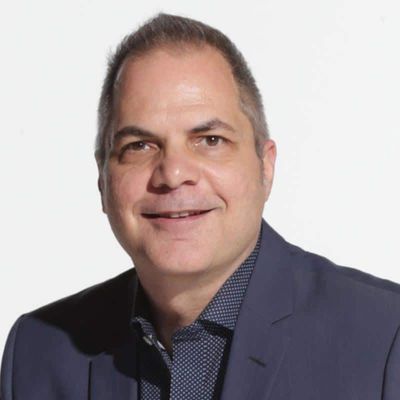
Originally recorded for my other podcast Was It Chance? with my co-host Heather Vickery, this conversation with director, producer, educator, and author David Armstrong felt like a perfect fit for The Theatre Podcast as well.
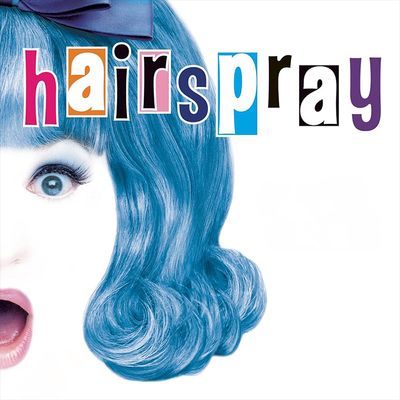
David shares stories from his remarkable 40-year career in theatre — including his years leading Seattle’s Fifth Avenue Theatre, where he helped develop Hairspray before it became a Broadway smash. We dive into his new book, Broadway Nation: How Immigrant, Jewish, Queer, and Black Artists Invented the Broadway Musical, and explore how marginalized voices shaped the art form we love today.
From childhood performances in Cincinnati to mentoring future generations through his course at the University of Washington and his Broadway Nation podcast, David embodies what it means to take creative risks, honor history, and build the future of theatre.
Make sure to check out Was It Chance? wherever you are listening now.
Broadway Nation: How Immigrant, Jewish, Queer, and Black Artists Invented the Broadway Musical — available everywhere books are sold (or through Bloomsbury for a discount!)
Connect with The Theatre Podcast:
- Support the podcast on Patreon and watch video versions of the episodes: Patreon.com/TheTheatrePodcast
- Twitter & Instagram: @theatre_podcast
- Facebook.com/OfficialTheatrePodcast
- TheTheatrePodcast.com
- Alan's personal Instagram: @alanseales
- Email me at feedback@thetheatrepodcast.com. I want to know what you think.
Transcript
This transcript was automatically generated and might contain errors.
[0:01] Alan Seales: Hey, everyone. Welcome to an unusual episode of The Theatre Podcast. I am Alan Seales, and the content you're about to hear was originally recorded for my other podcast called Was It Chance?, which I co-host with my amazing friend Heather Vickery. But as soon as we finished this conversation, I knew it needed to live here. So our guest is David Armstrong, a true Broadway lifer, a director, producer, educator, and the author of Broadway Nation: How Immigrant, Jewish, Queer, and Black Artists Invented the Broadway Musical. The research he's done, the work he's done just for this book, and for theatre in general, I mean, it just reframes the history of Broadway to celebrate the marginalized communities who helped build it from the ground up.
And these are a lot of stories that we just don't know about because nobody talks about it now. And I'm so glad David is bringing all of this to light in his amazing book. But Heather and I had such a rich conversation with David about the creative risks he's taken, his leadership in the arts, and how embracing chance often leads to the most meaningful success. But whether you're a theatre fan, a creative, or just love hearing about the moments that shape a career, this one's good. Can't wait to share it with you. Make sure to find me online on all the socials. You know what I normally say. Leave a rating, review, tell your friends. And now, everybody, please enjoy this special crossover episode from Was It Chance? with the incredible David Armstrong.
[1:35] Heather Vickery: Hi, everyone. Welcome to Was It Chance? This is the podcast about embracing opportunity and taking intentional risk for your creative life. I'm Heather Vickery.
[1:43] Alan Seales: And this guy is Alan Seales. Heather and I started off as two perfect strangers who met by chance and embraced opportunity. So now you, the listener, get to listen in, see how that works, as we chat with other successful people about the risks they've taken to put themselves on a path to creative success. Heather, our guest today is so freaking cool.
[2:02] Heather Vickery: I'm so excited. So excited. Tell everybody who's with us today, Alan.
[2:07] Alan Seales: Well, first, before... I mean, how are you doing?
[2:08] Heather Vickery: I'm okay.
[2:10] Alan Seales: Pre-show banter.
[2:10] Heather Vickery: Pre-show banter. Yeah.
[2:13] Alan Seales: Yeah, how are you doing?
[2:14] Heather Vickery: I'm good. I'm good. My schedule is off today. My timing, I'm confused. I've got... I thought one thing started at 11:30, and it was 11:15, and I thought this interview was at 12:30, and it was at 12. So I'm a little discombobulated, but we're working with it. We're rolling with it. It's Friday. Thank goodness.
[2:30] Alan Seales: Usually, you're the first one here.
[2:32] Heather Vickery: I know.
[2:32] Alan Seales: And like, hey, where's Alan? And I'm showing up exactly on start time, and I showed up two minutes early today, just for our guest.
[2:38] Heather Vickery: And I was five minutes late.
[2:40] Alan Seales: And you were five minutes late, and I was like, what's up? What's up? All right, here we go.
[2:43] Heather Vickery: Here we go. Well, our guest...
[2:44] Alan Seales: So I apologize to our awesome guest.
[2:46] Heather Vickery: Our awesome guest is David Armstrong. And I've known this dude for a couple of years. Impressed with everything he has ever done or produced. Just knows his shit.
[2:55] Alan Seales: He is a theater lifer and author of the groundbreaking new book, Broadway Nation: How Immigrant, Jewish, Queer, and Black Artists Invented the Broadway Musical, which I have right here in front of me. This thing is a beast of information.
[3:08] Heather Vickery: Also, usually my role. I'm usually the one holding up the book. And David sent me one, but it hasn't come yet, and I can't wait to read it.
[3:15] Alan Seales: Yes, it's a sweeping and inclusive retelling of Broadway's history that spotlights the vital roles of historically marginalized communities in the invention of America's signature art form. But David... But wait, there's more. This is QVC right now.
[3:27] Heather Vickery: This is the longest intro you've ever done. Usually you're like, keep it short, keep it short.
[3:31] Alan Seales: I know, but this dude's done so much. Okay. He's the creator and host of the widely acclaimed Broadway Nation podcast, which has reached nearly 300,000 listeners across more than 180 episodes. He has been the affiliate lecturer at the... He serves currently as the affiliate lecturer at the University of Washington School of Drama. Hey, that's where my daughter goes to school.
[3:52] Heather Vickery: Ooh. University of Washington.
[3:54] Alan Seales: And let's see, his course on Broadway history directly inspired both the podcast and the book. He's got a professional, a 40-year professional career that we... Let's just get into it with the questions. Yeah, I might did.
[4:04] David Armstrong: My God. David, welcome to Was It Chance? It's my pleasure to be here, and our time is up.
[4:10] Alan Seales: I'm sorry. Heather was late and Alan introduced for too long, so now we're done.
[4:17] David Armstrong: Everyone go get the book. It's really good. Say hi to Heather's daughter at University of Washington, and we're good. All right. Wait, so are you in Washington?
[4:26] David Armstrong: I am in Washington right at this moment. I'm on Vashon Island, which is just a beautiful island, just less than 45 minutes away from downtown Seattle.
[4:36] Alan Seales: I love it. I love Seattle. I know not everybody loves it anymore. There's some issues, but I love it. And my girl chose to spend the summer. She stayed and did summer quarter at U-Dub. So she's there right now, not too far from you. I love that.
[4:51] David Armstrong: Not too far gone. Would she be...
[4:52] Alan Seales: She's a film major, film and history.
[4:55] David Armstrong: I was going to say, would she be taking David's class at any point?
[4:58] Alan Seales: You know, an earlier iteration of her would have been. She was a theater girl, and then I think in an effort to be as different from me as she could possibly be, she has rejected theater in every possible way. But, you know, that acting, like she's a film major. She wants to write, direct, produce. She wants to make some money.
[5:20] David Armstrong: I hope so. I don't know, right? Do film majors make money?
[5:24] Alan Seales: Yeah.
[5:28] Alan Seales: Well, David, when did you get into theater? I started out by saying you're a theater lifer, but I mean, you've got a 40-year professional career, which, you know, you've been a director, producer, a playwright, a choreographer, which I didn't even know until recently.
[5:41] David Armstrong: That's how I started out. Yeah.
[5:42] Alan Seales: Oh, really? So what got you into that when you were like a little kid, little David, you were telling me before we started recording, you were growing up in the 70s?
[5:51] David Armstrong: Very weird, strange children who knew from the beginning, was just entranced with theater, with all things theatrical from five years old on, probably before that. I love that. Mostly through film and television, but I grew up in Cincinnati, which is a great arts town. And so there was lots of theater and lots of, although most of the theater I saw as a kid was high school musicals and things like that, that I would see. But I was just entranced from the beginning. And then I was one of those, again, a weird child who would organize the whole neighborhood into doing shows.
[6:27] Alan Seales: I love that.
[6:27] David Armstrong: I would... See, my kid used to do that. I didn't know what these words were then. I would produce and direct and write and star in.
[6:32] Alan Seales: That's so cool.
[6:34] David Armstrong: And, you know, there'd be 20 kids doing a review on the patio kind of thing, or sometimes a book I wrote, I'm sure I would get sued for this today, even as a 10-year-old.
[6:46] Alan Seales: Especially if it was Disney. You're rid of enough Disney.
[6:51] David Armstrong: I was obsessed with Charlie Brown. So it's probably almost as bad. I was obsessed with You're a Good Man, Charlie Brown, which was a brand new show. Probably the first Broadway show, I didn't see it on Broadway, but I saw the national tour when it came to Cincinnati as a young kid, because I was so obsessed with all things to do with peanuts. And fell in love with that show and then wrote my own show called Snoopy, the All-American Dog, which I just adapted and wrote some of the songs for, which I can't believe because I don't write songs anymore. But I did that at that time and produced the show in the auditorium of the grade school that I went to, like over the summer.
[7:31] Alan Seales: That is so cool. You're right, though, you couldn't get away with that now, because your parents would have put it on social media to brag about you.
[7:38] David Armstrong: Totally, it would have been everywhere.
[7:40] Alan Seales: Charles Schultz would have been like, hold on a minute.
[7:42] David Armstrong: Charles Schultz, yeah, would have come down and been like, he's either the greatest or we're suing him. Yeah, probably.
[7:51] David Armstrong: Exactly. So I often say what I have done for my whole career, I started doing when I was 10.
[7:59] Alan Seales: Wow.
[8:01] David Armstrong: Made theater from the beginning.
[8:03] Alan Seales: Was there any other possible career path? Or were you just like, I got to be involved with this somehow, some way. And so you started to write, but at any point, were you ever considering anything else?
[8:17] David Armstrong: There were things I thought about. Archeology was something that always interested me.
[8:22] Alan Seales: Cool.
[8:24] David Armstrong: It's interesting because I think the things actually all kind of relate to one another, especially in terms of research and that kind of thing.
[8:29] Alan Seales: I was about to say.
[8:30] David Armstrong: That makes so much sense. Yeah. So that's the one that pops to mind as something I was considered, considered is too strong a word, but that I was attracted to, that drew my attention. But really it was show business from the very beginning and all along. And I didn't come from a show business family at all. There was no sort of, that was not something I saw or knew how to do or had seen anybody do except on television, basically.
[9:01] Alan Seales: Were your parents supportive?
[9:03] David Armstrong: Yes. My mother was very supportive. My father died when I was 16, but he was supportive prior to that. He wasn't obstructive, let's put it that way. But yeah, I lobbied to go to dancing school. I started dancing school when I was six years old and then went through the rest of into high school and again, went to theater camps and theater school and stuff like that as a kid outside of then things that were done at the grade school or the high schools that I went to.
[9:42] Alan Seales: That's very cool. And were you, I mean, at any point worried that going down the artistic path was too much of a risk? Did you ever second guess any of this or were you just whole hog all the way in, I'm going to do this and find a way to make it work?
[9:58] David Armstrong: Yeah. I was probably just an idiot and didn't think about any of that stuff.
[10:02] Alan Seales: Well, you had a passion and a drive. Yeah.
[10:05] David Armstrong: And looking back now, I think I moved to New York when I was 19. I had got my equity card that summer at the Pittsburgh Civic Light Opera dancing in the chorus of six shows there that year. And somebody else who was working there needed a roommate. And so I dropped out of college and moved to New York with $300 maybe in my pocket.
[10:29] Alan Seales: Wow. And your mom wasn't like, don't drop out of college. I mean, it worked out for you, but...
[10:37] David Armstrong: Yeah, I didn't get a lot of resistance to it. I don't know whether I allowed a lot of... It's hard for me to journey back in time to that moment. So this is like the late 70s, 1979-ish. I can't really imagine how I did it or why anybody let me do it, but it worked out.
[10:54] Alan Seales: But you did it. I mean...
[10:55] David Armstrong: Talk about was it chance, like taking that risk and saying, yeah, okay, I'll drop out of school. Where were you going to school?
[11:02] Alan Seales: University of Cincinnati.
[11:03] David Armstrong: Okay.
[11:04] Alan Seales: For theater there?
[11:06] David Armstrong: Yeah. I was in the theater program and working with the musical theater program at CCM. I was enrolled in theater, but did all my classes at CCM. And part of what led me down the path of leaving is I ended up teaching some of the classes there when the instructors didn't show up.
[11:26] Alan Seales: You advanced for the teachers.
[11:29] David Armstrong: So I kept going back and forth between Cincinnati and New York because I had a lot of opportunity to work there. That's where I first started working professionally as a choreographer. And I'm so grateful. The dedication in my book, I thought about who am I going to dedicate this book to? And I ended up thinking, I need to dedicate it to this group of people who took a chance on me, who believed in me before they had any right to do so, who gave me opportunities to, and just saw that there was something in me that was there, but there's no reason they should have seen it at that time or taken the chance that they took on me. And I think that's an important thing, especially in terms of the theme of your podcast. Sometimes you have to take a chance on somebody who you just have to take a little leap of faith. You see something in them and you go, I think this person can do this and I'm going to give them the chance to do it.
[12:35] Alan Seales: What did they give you the chance to do? Is it teaching or performing?
[12:39] David Armstrong: It depends. It was a variety of things. Some was performed, but mostly it was letting me run things, letting me direct, letting me choreograph, letting me whisper in their ear what I thought they should be doing, how they should be directing the show, things like that. It was giving me leadership opportunities that were well before I probably was age-appropriate to have those leadership opportunities.
[13:08] Marie Forleo: I think that's so cool. I'm actually curious. You spent, I think I have this right, 18 years at the Fifth Avenue Theatre?
[13:15] David Armstrong: Yes.
[13:15] Marie Forleo: And to play off of what you just said, taking these risks, taking these chances, giving people opportunities, what creative risks are you most proud of or were you the most surprised by in that 18-year tenure?
[13:33] David Armstrong: I think the thing that stands out the most would be the emphasis that I was placed and was able to place on new musicals, on developing new musicals. Taking a big organization like that down that path is a very challenging thing to do. Creating new work is expensive and challenging, but when you're doing it on a Broadway scale, which is what the Fifth Avenue Theatre is and has to be because of the scale of the building, the scale of the organization, all that kind of stuff, people often think, and I write about this in the book, that when I got the job to go here to Seattle to the Fifth Avenue Theatre from New York, I had only been to Seattle one time before that to direct a show at the Fifth Avenue Theatre, and then that's when I threw my hat in this ring to be the first on-site, living in Seattle, artistic leader of the organization.
Before that, it had been run, the artistic wing of it had been run out of Houston very successfully, but they wanted to change to a more full-time, in-house, in Seattle leader. So I got this job, and there was about six months between the time I got the job and the time I came to Seattle, and so every time I would run into anybody, any producers in New York that I knew, I would say, I'm going to Seattle, I think it'd be a great place to try out new shows, keep us in mind, all that kind of stuff. And about six months after I got to Seattle, I got a call from the producers of the show that turned out to be Hairspray. But what I talk about in the book is that this was a big, giant risk for everybody involved at the time.
There was no belief that Hairspray would be what Hairspray turned out to be, or even the concept that it could be that. This was a movie, not a very well-known sort of a fringe cult movie, written by John Waters, whose entire work was about offending middle-class values. I met John Waters once, just the same in person as he is on TV. Hilarious, a hilarious person. I remember him standing in my office. This is a side note, but it's a funny story, and talking about he had just been with Roseanne in Los Angeles, and he said, she has a new face. I said, John, what do you mean? She has an entirely new face, and what she wanted was any essence of her parents to be removed from her face. Wow. Fascinating. And now knowing what we know about her now.
[16:16] David Armstrong: Exactly. You can understand why that sticks in my mind after 25 years. But he was hilarious. He was great. But my point is that that's not somebody that you think is going to write, or who's going to be the source material for a mainstream musical theater hit. None of the writers had ever written a Broadway show before, except for Tom Meehan, who was, but Mark and Scott had not ever, they had very successful careers, but not on Broadway, not as Broadway songwriters. It was a new, untried team, and even Harvey was not really a very big star, especially in Seattle at that time. For people in Seattle, you would say his name, and you'd get sort of, who's that kind of thing. So this was an unknown quantity in every aspect.
And to make that decision to devote the resources that a theater company needs to devote to any kind of new work, and especially for the first time, more or less, that the Fifth Avenue was going to do that, was just a giant leap of faith that, looking back, I understand why we made it, and it was clear we needed to make it. But I remember going to the reading in New York, where the show was just sensational. And I remember calling my partner, who was the managing director at that time, and she said, well, how is it? How is it? I said, well, if they don't fuck it up, this will be the greatest show ever. But again, there's no guarantee that they're not going to screw it up. The problem where along the way, shows are so hard, so difficult to bring all the pieces together, but nine times out of 10, they don't come together, they don't work.
And just this show ended up being magic, and of course, was an incredible thing for the theater and for the Fifth Avenue to have this first jump in the pool of this kind of thing be so successful. But there was just no, and it didn't, people say, oh, you must have made a lot of money. No, over 20 years, we made a lot of money, but it didn't even pay for itself. Because nobody knew then.
[18:30] Marie Forleo: Nobody knew. Nobody came until the reviews came out, and then the last week it was sold out.
[18:34] David Armstrong: We're going to take a quick break. Stay tuned for more of the episode. And now we're back. I mean, your entire career has been about taking intentional risk for creative success and embracing opportunity. I'm not as close to Broadway as Alan is. I'm a theater kid. I'm like you. I felt it from the beginning. I have a theater degree, but I don't, I use all those skills, but I don't work in a theater. The time that's spent, the heart that's given to doing these things before they're big, that's where the real artistry is. That's where the real creativity is and so exciting and so much joy. And we wouldn't have people forget. We wouldn't have Broadway as Broadway exists if we didn't have the Fifth Avenue Theater. Like in those kinds of things, not necessarily specific that, right? But the other theaters and other towns that try things and explore and play and rework and—
[19:31] David Armstrong: That was where I was going to ask next is just like, what makes a theater a good place to develop something out of town? Why did Fifth Avenue get this reputation? Why does La Jolla have it? Why does the Muni have it? There are specific theaters I think about—
[19:46] Marie Forleo: Chicago. We do it in Chicago.
[19:47] David Armstrong: Chicago, right. Then I think about the Huntington in Boston, right? There are theaters that I'm like, all right, if you're going to go out of town, there's 10 that I would pick from. How did they get there? Is it because of people like you just having conversations?
[20:02] David Armstrong: First and foremost, it's the audience. You have to have an audience that— You have to have a theater town audience. And I used to say that there were three great theater towns in the United States. There was New York, Chicago, and Seattle. Because when I came to Seattle and I benefited from that being established before I got there to a great extent, there were five major theater companies and then a whole host of mid-level and small-scale theater companies, fringe theaters similar to Chicago. And there were almost no other cities that had that, that had an audience that would support that of a major size, that would support that number one, that volume of theater. And then you have to have a subset of that audience who's willing to and wants to see something new and wants to experience go on the ride of a new work.
And I think that's it. There are much bigger cities in Seattle that have, in terms of population, but don't have that kind of audience. And it's just the way that even San Francisco doesn't support theater in the way that Seattle has.
[21:25] Marie Forleo: What is the ride though? What about the ride?
[21:29] David Armstrong: What do you mean by that? Because as an audience member, if I lived in Seattle, I would have my season tickets and then I would show up for this new thing I've never heard of called Hairspray. And then I would sit down and I'd enjoy it and be like, oh, that Harvey guy, he's really got a future. But the ride is not every show is going to be Hairspray. We did 19 new musicals in the time I was there. And the percentage, this is unbelievable. I never would have predicted this. It's not real, but it is real. Nine of those shows went to Broadway. But even with those nine shows, not every show was Hairspray. You're going to have to want to go to see something that may not be completely done and may not be entirely successful.
I'm happy to say that every single one of those shows had sensational elements to them, but not all of them worked because you don't know if the show is going to work until it's up in front of people, until you're collaborating with the audience. So you really need to have an audience that's willing to collaborate on a new work. And not everybody is.
[22:28] Marie Forleo: The artistic director, you're like the boss of the bosses of determining what productions happen in a season, right?
[22:34] David Armstrong: Yes.
[22:35] Marie Forleo: Yeah, yeah. So—
[22:35] David Armstrong: Yes.
[22:37] Marie Forleo: So what do you like? Obviously.
[22:40] David Armstrong: Well, no.
[22:41] Marie Forleo: He didn't say it like that. Don't put that on him.
[22:44] David Armstrong: No, that's how I took it.
[22:44] Marie Forleo: He was like, correct statement.
[22:46] David Armstrong: Correct statement. Yes, idiot.
[22:48] Marie Forleo: It's all my fault. That's the way I used to say it.
[22:53] David Armstrong: So are you always looking for a balance? Is an artistic director always looking for the balance of new works versus established IP so that you can—
[23:06] Marie Forleo: I mean, you want to keep the theater going. You can't just do things that aren't going to earn money. It is a business.
[23:12] David Armstrong: Yes.
[23:12] Marie Forleo: So are you—
[23:16] David Armstrong: What was that kind of discussion process like every season or where you're evaluating like, hey, can we bring this in or should we bring that? Or is there anything you look back on that you're like, damn, we should have brought that in. Did you pass on Hamilton?
[23:30] David Armstrong: I didn't pass on Hamilton, I'm happy to say. But yes, there were things that I'm trying to think of what the biggest one was that we passed up or didn't. Usually it's not that we pass. It didn't work out. The timing didn't work out, the economics didn't work out, all that kind of stuff. I mean, one I regret that didn't happen was because I think it would have helped the show and it would have been so much better than the show ended up being was we were supposed to do the pre-Broadway of Bombay Dreams. And they ended up not doing a pre-Broadway and went straight to New York and the show never got finished. They didn't do the work that I think could have been done. I flew to London to see it and was so excited about the idea that they were going to come and do it and have this chance to work on it. And so I think that's a real missed opportunity, that one.
[24:22] Marie Forleo: I love hearing you say that because I know that we have a lot of listeners who do different sorts of creative things. And every time we have a really gifted creative on this show who talks about the editing and the reworking process, I just think it's such a gift for people to recognize that you are not supposed to get this right the first time or the second time or maybe even the 10th time. There is a lot of work that goes into making something ready to be consumable by the big audience. And I just think it's really easy to forget that and be hard on yourself.
[25:00] David Armstrong: Well, I think there's an old expression that's very true. Shows aren't written, they're rewritten. And they're never finished. Which means that writing it is just step one. And then what I think the great talents really are able to do is you always write something you want to see.
[25:18] David Armstrong: You write something, you hope an audience is going to want to see it, but you can't write to an audience because you don't have any idea what the audience actually wants. Even if they would tell you what they want, it probably means they want to see the thing they saw before, not this new thing. They don't want to see a retread of the thing they saw before. Wow. And so then you've got to then listen to the audience and the great ones sit in the theatre and go, oh, I feel what the audience is telling me. You can't ask them directly because they'll probably tell you the wrong thing, but you have to be able to get inside their experience of it while you're writing it. I mean, the same thing is true now. I know from experience with writing this book that books aren't written, they're rewritten also.
[26:04] Alan Seales: Yeah, rewritten. Your editors are worth your weight in gold for sure.
[26:09] David Armstrong: Totally. My book was totally, my editor, Dom O'Hanlon at Matthew and Drama, was so helpful because after I'd written the book, he came back and said, let's talk about the structure a little bit. And I restructured the book substantially based on his input, which made the book infinitely better than it was. The exact same content, just how that was laid out and presented was what changed.
[26:32] Alan Seales: Well, speaking of which, writing the books, Broadway Nation, the podcast and the book. The podcast came first, obviously. That's how we got connected. The podcast is on Broadway Podcast Network with this podcast and many others in the home for everyone who loves theater and Broadway, shameless plug. So go listen to Broadway Nation. When did you decide to start the podcast and why, but then also why focus it on immigrant Jewish, queer and black artists? And thank you.
[27:04] David Armstrong: Thank you for that as well. But yes. Well, so this started when I stepped down from my job at the Fifth Avenue Theater in 2018 after 18 years of being there. I got approached by the University of Washington to create a course on the history of the Broadway musical. So that was the first moment that I thought, well, what am I going to teach? What's the focus of this course? I know I can teach a course on the history of the Broadway musical, but what do I think about it? What's my take on that? And this was something that had been percolating for years, this idea that, and I didn't invent this idea, but what I did was collate all these things. There have been books and documentaries about the Jewish influence, the Jewish creators of the Broadway musical.
There are books about the gay creators of the Broadway musical, but it had been occurring to me that this was an art form that was almost entirely created by outsiders, by marginalized people and groups. And I said, well, how did that happen? Why did that happen? And it happened because at the turn of the century, when show business is actually being created and invented, there was this great opportunity that nice people wouldn't do. Respectable people would not deign to lower themselves to be in show business.
[28:35] Alan Seales: Well, you're in the right company here on this podcast. We're down at the bottom.
[28:40] David Armstrong: I think, though, that what that speaks to, and it's been coming up a lot more, I think, now, is that art is inherently political.
[28:45] Alan Seales: Totally.
[28:46] David Armstrong: I'm queer, Black Jewish artists. Our existences are inherently political, and when we can channel that into art, you get Broadway.
[29:01] Alan Seales: Absolutely. And as I started doing the research, it doubled down on how true this was, how absolutely this was not a sort of concept I was putting on the top of something. This is absolutely true. I don't have an exact percentage for you because you'd have to count everyone who ever worked in the Broadway musical, but an overwhelming percentage of the inventors and creators and sustainers of this art form have come from these marginalized groups, and still to this day. What's so interesting and maybe sort of bizarre about that is what they created then becomes the centerpiece of American culture. For the mid of the 20th century, especially, is the prime, is the signature American cultural form.
[29:57] David Armstrong: I think there's a subversive element that's in there, which I talk about, especially the last section of the book is about the themes of the Broadway musical, the three ubiquitous themes of Broadway musicals. It's a very progressive art form, which people do not perceive it that way because it's been so popular.
[30:17] Alan Seales: Yeah. I mean, I think that's what makes it so cool is it's political, but people don't know it. It was fascinating.
[30:22] David Armstrong: Totally. When Wicked, the first movie came out, the people who inherently had no idea what a political... How can you... Did we watch the same movie? Yeah. Did we watch the same movie? You think Elphaba is Trump? What? I'm like, how? I don't know, but it's wild, right? Because people, it will shift, those folks aside, it will shift people's perspectives and they don't even know what's happening because it's become so mainstream.
[31:01] Alan Seales: Absolutely. And that's one of the things that fascinates me. I can't document this, but I wonder what the effect of 100 years of Broadway musicals that almost entirely promote liberal humanistic values has had on our culture. And it'd be easy to say now, well, not much apparently, but how much worse would it be if that force weren't in our culture?
[31:33] David Armstrong: Right. Well, and so much incredible art is being made right now because you get a diamond from pressure.
[31:41] Alan Seales: Absolutely. Just, I want to go back to something that I meant to ask earlier. Edna Turnblad, the mother character in Hairspray, was that always a man in drag or did that evolve? Was that John Waters' idea? That's because in the movie, it was Divine. In the original John Waters movie, that role was played by Divine, who was a drag queen, and it was the star of many of his movies. John Waters' muse was Divine. And that idea, it was all of the creators of the musical just knew inherently that that needed to be repeated in the musical, that that idea was important somehow. And it's interesting because it adds this sort of subliminal, I mean, that show is about fat phobia and body image issues and, of course, racism and segregation and all the things that it's about.
It's also about economic imbalance. It's a great story, actually, about economics and the politics of polarization of income. And that having Edna somehow played by a man as a woman, but not in drag, this man plays a woman.
[33:06] Alan Seales: Just a woman, yeah.
[33:07] David Armstrong: You believe, and the whole audience, a mainstream, middle-class, conservative audience-
[33:12] Alan Seales: Just accept, can you imagine if it was released right now?
[33:16] David Armstrong: Exactly. But within five minutes of watching it, you believe it's a woman. What's so interesting was to see the audience relate to that character after three laughs of, oh, that's Harvey in a dress, then, oh, that's Edna. And then to invest in that relationship between the two of them is, adds this sort of gay subtext to it without ever stating it, and it's not linear or logical. And that's happening in every high school in America where hairspray is being done today.
[34:00] Alan Seales: Well, that's why I asked that question in this point in our conversation, because we were talking about the political statements and the way that people are expressing themselves. Because it premiered on Broadway, August 15th, 2002, at the time that George W. Bush was president. We've got a Republican president. And all of this just goes out there to kind of, I mean, it's a silent protest that's influencing people in a way they're not even realizing, and allowing you to see things in a way like, oh yeah, two people that happen to both be assigned male at birth can play like, can have a gay relationship, or whatever the case is, right? It's just kind of so beautiful to me how all this comes together.
[34:34] David Armstrong: I agree with you completely. They become these icons for healthy heterosexual marriage, even though we're watching these two men on stage play this out. So somehow, in your mind, you're going, well, there's no difference.
[34:46] Alan Seales: Right.
[34:47] David Armstrong: There is no difference. It's two people having a marriage. The creative risk you had going, I don't mean to harp on this. I promise I'll move on. I think it's fascinating, though. The creative risk that you and the team had to push yourselves through to be like, all right, we're going to do this show written by this guy who's controversial in and of himself about something that is racist, that deals with racism, fat phobia, you know, gay relationships, all the things you said. Was that an easy thing of like, yes, we're going to take a stand, we're going to put this on stage? Or was it like, whoa, we're going to shoot our reputation and shoot ourselves in the foot with her reputation? Did you know what kind of risk you were taking, potentially?
[35:28] David Armstrong: Yeah, that's a better question. I don't think we thought a lot about the political risk of it. And again, this was a different time, even 25 years ago. And it was not a political risk. I think the risk we took was, is there a mainstream audience for this story, given all those things? Will a mainstream audience want to see a wild, crazy musical comedy about very serious issues, about what's happening in our world every day? And would the friction between those elements work or not work?
[36:07] Alan Seales: Yeah.
[36:08] David Armstrong: To me, it was more of an economic risk. Can we get enough people to show up? I mean, that was what I lived with for 25 years. People would always say to me, what's the hardest part of your job as the artistic director, producing artistic director? I'd say, paying for everything. That's the hardest part of my job.
[36:23] Alan Seales: Right, making sure enough people buy tickets.
[36:26] David Armstrong: We get grants, we get, donate money or do whatever they need to do. Do what we're supposed to do.
[36:33] Alan Seales: Yeah.
[36:35] David Armstrong: I don't know what caused me to Google this. I was just looking up the don't ask, don't tell policy dates. It was created in-
[36:40] Alan Seales: Bill Clinton did it.
[36:41] David Armstrong: Yeah, yeah. It was created in 94, right? Is that when I was just looking? It was 93.
[36:48] Alan Seales: November 93 is when it went into effect, repealed not until 2010. So again-
[36:53] David Armstrong: Wow. Yeah, this is 2001 when we're doing Hairspray.
[36:57] Alan Seales: Right.
[36:59] David Armstrong: So I want to pull the through line, right? You got hired at U-Dub to teach this class.
[37:04] Alan Seales: Oh, yeah. We were on it.
[37:06] David Armstrong: Oh, yeah, yeah, yeah. My bad. Certainly I can teach this class, but what do I really think about it and what do I want the takeaway to be? And that leads to the podcast, right? So I'd love to hear a little bit about that journey and then how you turned that into a book.
[37:20] David Armstrong: Yeah, so first it led me to teaching the course, which I did in 2018 was the first time I taught it. Yeah, maybe it was into 2019, somewhere in that period. I can't remember exactly which quarter I started in. And then what led to the podcast, like so many other things, was the pandemic. Mostly because, and I had the podcast in my head after teaching the course, I thought, well, I should probably take these lectures and do a popular version of these lectures that would make a podcast. This is perfect material for the kind of podcast I like to listen to. I love to listen to the history.
[38:28] David Armstrong: You know, it's interesting because when you think about the American musical, you think about the big names, the big shows, the big stars, but there's so much more to it.
[38:54] David Armstrong: The roots of the American musical are deeply intertwined with the contributions of marginalized voices.
[39:22] David Armstrong: Immigrant artists, Jewish composers, queer performers, and Black musicians have all played pivotal roles in shaping this art form.
[39:51] David Armstrong: My book, "Broadway Nation," dives into these stories and highlights the unsung heroes who have often been overlooked in the narrative of Broadway history.
[40:11] David Armstrong: It's essential to recognize that the American musical is not just a product of a few famous individuals but a collective creation that reflects the diverse tapestry of our society.
[40:39] David Armstrong: From the early days of vaudeville to the groundbreaking works of today, these voices have enriched the musical landscape in ways that are both profound and lasting.
[41:04] David Armstrong: I believe that understanding this history is crucial for anyone who loves theatre, as it informs not only the past but also the future of the art form.
[41:33] David Armstrong: By honoring these contributions, we can inspire future generations of artists to continue pushing boundaries and telling their stories.
[42:03] David Armstrong: It's about creating a space where all voices are heard and celebrated, which is what makes the theatre so powerful and transformative.
[42:26] David Armstrong: So, as we explore the evolution of the American musical, let's remember to give credit where credit is due and acknowledge the diverse influences that have shaped it.
[42:56] David Armstrong: It's a rich history that deserves to be told and retold, ensuring that these stories are never forgotten.
[43:26] David Armstrong: And I hope that my book can serve as a catalyst for those conversations and inspire a deeper appreciation for the art form.
[43:56] David Armstrong: After all, the American musical is a reflection of who we are as a society, and it's essential that we embrace all aspects of that identity.
[44:25] David Armstrong: Whether it's through education, performance, or simply sharing these stories, we all have a role to play in preserving and celebrating this incredible legacy.
[44:54] David Armstrong: So, I encourage everyone to dive into the history, explore the contributions of these artists, and let their stories inspire you.
[45:24] David Armstrong: Because at the end of the day, the theatre is about connection, understanding, and the shared human experience.
[45:54] David Armstrong: And that's what makes it so special and vital in our world today.
[46:24] David Armstrong: Let's continue to uplift these voices and ensure that the narrative of the American musical reflects the richness of our collective history.
[46:54] David Armstrong: It's a journey worth taking, and I'm excited to be a part of it.
[47:24] David Armstrong: Thank you for having me on this podcast to share these thoughts and insights.
[47:53] David Armstrong: I look forward to seeing how these conversations evolve and how we can all contribute to the future of theatre together.
[48:23] David Armstrong: Let's keep the dialogue going and celebrate the incredible diversity that makes the American musical what it is today.
[48:52] David Armstrong: Because in the end, it's about more than just entertainment; it's about storytelling, community, and the power of art to change lives.
[49:22] David Armstrong: So, thank you once again for this opportunity to discuss these important topics.
[49:47] David Armstrong: I hope everyone feels inspired to explore the rich history of the American musical and the voices that have shaped it.
[50:12] David Armstrong: Together, we can honor that legacy and continue to build a vibrant future for the theatre.
[50:37] David Armstrong: He was the one who decided to put lighting on the balcony rail and get rid of footlights. So we still, which is something standard today. Well, but just that you didn't have that barrier, that sort of artificial barrier, you'd now put them on the front of the balcony spotlights there. He invented all this stuff and we don't know his name and he didn't have any children. And so his legacy didn't get sustained the way other artists of his caliber did at the time, or have since then. Somebody should write a book just about him, like a historical fiction. I'm just thinking like, I would love to have... I want to read that. I want you to sell the book rights, Broadway Nation, to like Steven Spielberg. And I want a five season, massive television show, like this arc of just like, with all this drama and romance and backstabbing.
[51:55] Alan Seales: Totally. Has anybody approached you about movie rights?
[52:04] David Armstrong: Not yet.
[52:05] Alan Seales: Okay, we're going to plant that. See, we're manifesting that. There are some incredible stories that I often think as I read, as I was researching this, like, well, that's a Netflix miniseries. Why isn't somebody doing that story, telling that story?
[52:20] David Armstrong: Why not you?
[52:21] Alan Seales: Look, if Lin can do it, you can do it.
[52:22] David Armstrong: Yeah, why not you, man? What would you do? What would you want to pick out and make into like a little... What if this is a whole TV show called Broadway Nation and every season... It's kind of like True Detective. Every season is a different arc.
[52:34] Alan Seales: Oh, yeah.
[52:34] David Armstrong: It's a different artist. I mean, I'd probably start with Dorothy Donnelly, which have you ever heard that name?
[52:41] Alan Seales: Nope.
[52:41] David Armstrong: No. Okay, so Dorothy Donnelly, among the many Dorothys that were famous back in that period. It's like there was this whole world of them. But Dorothy Donnelly was... It's the Dorothy decade. She originally was an actress, a star actress at the turn of the century on Broadway. She then went to playwriting, and she created plays and musicals. She wrote the music and the lyrics for a dozen or so hit Broadway shows, including The Student Prince. I mean, big, famous shows. The longest running show of the 1920s is The Student Prince. And she wrote the book and the lyrics for that.
[53:19] Alan Seales: Wow.
[53:24] David Armstrong: And many of those shows she directed as well.
[53:27] Alan Seales: Amazing. We need to partner you with the people who are doing The Gilded Age.
[53:32] David Armstrong: Yeah, totally. Because they're doing such a good job on historical fiction.
[53:36] Alan Seales: Well, and that whole black subplot that they're this black story that they're telling there is so interesting to me because there is this whole world of black theater that's happening in Chicago, actually, and in New York at the same time or just after that is a story we just don't know and isn't feeling.
[53:54] David Armstrong: I feel good about this.
[53:56] Alan Seales: Yeah, you totally need to be a consultant on this, on some sort of historical fiction. This needs to happen. Yeah.
[54:01] David Armstrong: Yeah.
[54:02] Alan Seales: They're doing a good job with that show. I love The Gilded Age.
[54:04] David Armstrong: Yeah. It's gotten so much better. I wasn't that... I think maybe because I was expecting Downton Abbey and I was such a big fan of Downton Abbey.
[54:13] Alan Seales: I've never seen Downton Abbey.
[54:14] David Armstrong: The greatest television ever done, as far as I'm concerned. I sincerely believe that. I think it's one of the best television series in history.
[54:24] Alan Seales: I haven't watched a single Downton Abbey.
[54:25] David Armstrong: You can't judge it from the movies. The movies are not very good. The movies are just sort of like fan fiction kind of thing. But yeah.
[54:32] Alan Seales: But I have a thing for... I listen to a lot of memoirs. I love to learn about people and things that I wouldn't otherwise know about. And I will do some very obscure ones. My partner's always like, it's really strange that you picked that one. I'm like, yeah, but I love to learn about life experience and why we do this show. It's literally my day. What led you here? What's your backstory? Why? And then we impact people we don't even know how.
[55:00] David Armstrong: And I want to ask you this question. I know we are getting close to needing to wrap this, but obviously this work you're doing is beautiful and impactful. Can you pinpoint any, maybe when you were teaching or something where what you shared, it changed something for somebody else?
[55:19] David Armstrong: I'm trying to think of it as trying to pinpoint it into one moment, but I do feel confident that with now after teaching for the last four or five years, this course multiple times, and I have a big, it's a big lecture class. It's a hundred students. So the downside of that is I don't have a lot of one-on-one interaction with each of those hundred students like any other lecture class. But I can tell, and I've been seeing just people's eyes open because of course, the book and the course I teach is as much about American history as it is about the Broadway musical, because the two things are totally intertwined. So to see that idea that, oh, this is not, number one, I think people are not taught a lot of history anymore. And there's some, I think are coming to the class surprised that it's going to be about history, even though it's clearly...
[56:16] Alan Seales: Literally says that.
[56:18] David Armstrong: Yeah, it literally says this is a history of the Broadway musical. So I think that this whole understanding that this is an art form that has been around for now 120 plus years, depending where you decide to start it, and that it is a continuum. It starts every, I think one of the things most remarkable about the musical, and you can say this about theater in general, but especially the musical theater, because it's so collaborative, is that it's a handed down art form, almost like a medieval craft, like you're a stonemason. And you teach this next person who teaches the next person who teaches the next person, and you can trace those connections throughout the history of the art form.
[57:09] Alan Seales: That is beautiful. I love that.
[57:12] David Armstrong: The centerpiece of the book, I call these legacy chains. I trace one of those legacy chains, which starts with Otto Harbach, who is a name a lot of people won't know, but he was a big famous songwriter and librettist back starting in the teens. And everyone would know he wrote the lyrics to Smoke Gets in Your Eyes. So that's probably his most famous lyric. He is the direct mentor of Oscar Hammerstein II. He's matched up by Oscar's uncle, who's a producer, to mentor him, and to work with him so that Oscar can learn how to write musicals, can learn how to do this. Then Oscar becomes the direct mentor, very famously, to Stephen Sondheim, who then becomes a direct mentor to Lin-Manuel Miranda, is the example I use in the book, but he mentored several other people, John Larson, and it goes on.
He was so giving with his knowledge and his mentorship because of what he experienced with Oscar, probably because of what Oscar had experienced with Otto Harbach. So between those four people, four individuals, you get four degrees of separation, you get the entire history of the Broadway musical.
[58:37] Alan Seales: Geez. That is so cool.
[58:40] David Armstrong: That's the center, or what I call the intermission aspect of the book.
[58:45] Alan Seales: I love history so much. No one's going to care about this question but me, but I'm just really curious. When you teach this lecture at the University of Washington, do you teach it in the class? Shut up, Alan. Do you teach it in the same building they teach the dinosaur class in?
[58:58] David Armstrong: I do not.
[59:00] Alan Seales: I do not.
[59:02] David Armstrong: What is the dinosaur class? I don't know.
[59:03] Alan Seales: It's their most popular class. The problem is it's only a two-credit class. It's the history of dinosaurs.
[59:10] David Armstrong: Well, tell your daughter that my course provides two requirements.
[59:16] Alan Seales: Does it give history? Because she's a double major.
[59:18] David Armstrong: It doesn't give history.
[59:19] Alan Seales: Oh, it should.
[59:20] David Armstrong: It gives an art requirement she probably doesn't need, and it also gives a diversity requirement. So part of the reason it's so popular, I can't take all the credit for it, is people want to get two requirements in one course.
[59:36] Alan Seales: That's so cool. She's fast-tracking. Again, nobody cares about this, but she's going to graduate a year early. It's not my favorite choice that she's making.
[59:46] David Armstrong: But why?
[59:47] Alan Seales: Oh, we can talk about that offline.
[59:50] David Armstrong: But I don't think she actually is thrilled with this choice either, but this is what's happening now. So she's going to graduate next spring with a double major in film and history.
[59:58] David Armstrong: Wow, graduating early with a double major. That's impressive.
[1:00:01] Alan Seales: Wow, yeah. She just left yesterday.
[1:00:04] David Armstrong: Wait a second. I'm getting too old for this world.
[1:00:06] Alan Seales: That's how I feel too. But I want to take your class. Can I audit it? I'm not in Seattle.
[1:00:09] David Armstrong: Yeah, right.
[1:00:10] Alan Seales: It's a bummer.
[1:00:11] David Armstrong: I often teach it. I didn't do it this summer, but I often teach it remotely during summer quarter.
[1:00:19] Alan Seales: I want to do it. I will do it. Will you let me know if you do it next year?
[1:00:23] David Armstrong: Yeah, yeah.
[1:00:25] Alan Seales: I'd be so into that. I'm the weirdo that, okay, years ago, we have to wrap this up. Years ago, somebody said to me, literally like 25 years ago, what would you do if you won the lottery? And my answer was, without question, it might be different now, but back then it was I would go and get my PhD. And they're like, why? You don't need more education. You won the lottery. And I was like, because I could afford to learn all these things.
[1:00:50] David Armstrong: You wouldn't have to work at the same time.
[1:00:51] Alan Seales: Exactly.
[1:00:53] David Armstrong: I totally understand that.
[1:00:55] Alan Seales: No, I would just travel. That's my answer.
[1:01:00] David Armstrong: Hire a private tutor so you could get your PhD while you're traveling.
[1:01:05] Alan Seales: Exactly.
[1:01:05] David Armstrong: I'm getting my PhD right now in metaphysical science very, very, very slowly over the course of like 10 years.
[1:01:15] Alan Seales: Well, then, all right. We've taken so much of your time. Final question that we'd love to use to wrap up all these episodes. Just simply, what is your relationship with failure?
[1:01:24] David Armstrong: I mean, it's a great question because you can't take risk without confronting failure at times. And having to, and looking back, I often think about, especially in terms of shows that I've either developed or directed or been involved with in some way, the shows that didn't quite get there, the ones that got away is the way I think of them. It's like that should have been a great show and we just didn't quite crack that little 10%, which is really the difference between success and failure.
[1:02:03] Alan Seales: Yeah. Oof. That's a painful truth.
[1:02:06] David Armstrong: No, and I think about that. Each of those shows had fantastic elements, show-stopping songs, incredibly moving numbers or scenes or things like that, as good as any other show. And usually, it's a story problem is you can't quite solve the story. You can't quite make it pay off in the way that it needs to pay off for the audience to go out. That difference between, well, I kind of liked it and wow, that was great.
[1:02:37] Alan Seales: Yeah. I've read books like that where I'm like...
[1:02:41] David Armstrong: Totally. We experienced it all the time.
[1:02:42] Alan Seales: It was close.
[1:02:44] David Armstrong: And theater's even worse because you can go to a movie and be disappointed by it and it doesn't affect you physically. Whereas I think when you go to see a show, a play or a musical, and it doesn't work, because you're a participant in it, your entire being is physically trying to make it work, to will it to work, to be, come on, we got to make this work. We're in this together. You have to do the thing I need you to do, whatever that is. We don't know what it is.
[1:03:16] David Armstrong: We are exhausted by it. And it's why I think why people who don't like going to the theatre is because they'd never seen anything good. They've only been to things where their body exhausted them and their mind exhausted them. And so that's their experience of the theatre. Oh my gosh. I think it's a visceral disappointment. Mind blown. It is such a fascinating perspective. And because art is up for a personal interpretation and what you love and what you don't love and what, you know, it's a hard job. There's things I attend and see that I don't particularly like, but I understand, but it's well done. I can appreciate it. And so it doesn't fail me in that regard. It doesn't make, I don't come out, you know, having a mental and physical crisis response to the failure of the show the way you often do with something that just doesn't work.
[1:04:21] Alan Seales: Yeah.
[1:04:23] David Armstrong: And you don't do that in a movie because the people, it's not happening in real time. That's really interesting. You don't do that with television.
[1:04:28] Alan Seales: I wonder too if that's—
[1:04:33] David Armstrong: You just turn it off or you read your—
[1:04:34] Alan Seales: That's true.
[1:04:36] David Armstrong: Or you could stay there and leave it on and scroll your phone.
[1:04:40] Alan Seales: Yeah. You start looking at your phone. I mean, that's a good sign that the TV show is not engaging is now you're on your phone, but it doesn't affect you physically or mentally in the same way. So I don't know if that answered your question, but that failure is really disappointing, really frustrating because you're so close to something working and you can't quite get it to do that. And if you had more time or more money or more opportunity, you can always look back and go, well, I still think we could have solved that, but we just didn't discover it. And the story of all these authors and all these shows is sometimes they don't find that solution till the very last second. I mean, Sunday in the Park with George is such a great example.
He wrote that song that really ties it together. I forget what that's called. It's a number. I can't think what it is. The day before the show opened at Playwrights Horizons and the show didn't work. The audience hated the show until that song was in there. And then all of a sudden the show was so is the show we know today and so moving and successful. So if he hadn't done that, he'd be in one of those situations like, we were so close, but it didn't work.
[1:06:03] Alan Seales: Well, it's even like we were talking about Aladdin before we started recording, right? That came through the Fifth Avenue, the Disney version that we know now, right? And came through it. It went through many iterations in Seattle and then Toronto. Toronto, they changed a bunch of stuff that didn't work, still took a chance, brought it to Broadway. And they were rewriting that literally, like James and Roy Gilhart's memorizing a new opening monologue the day that the reviewers start to show up.
[1:06:33] David Armstrong: Oh, wow.
[1:06:34] Alan Seales: Yeah. It was just like, you never know what's going on behind the scenes to make this stuff happen at the last minute. And it's incredible that you get to just be all a part of this. You've got your hand in creating so much of what we now know as our regular Broadway canon. It's phenomenal.
[1:06:51] David Armstrong: Well, thank you. I never could have conceived that that was going to happen, but it is very gratifying. Just to put one more element to that failure idea is Hal Prince, I think, had the great idea. No matter every day, the morning after every show opened, whether it was the biggest flop or the biggest hit, and he had a lot of flops in his career, he had a meeting about the next show. He gathered together the team and the work for whatever the next show was supposed to be the next morning, even if they were still hungover from the opening night.
[1:07:34] Alan Seales: I was about to say, he probably didn't drink the night before.
[1:07:36] David Armstrong: I love that. I appreciate that. I'm a transformation coach. And even in my book that I wrote, one, I think a key way to be successful and take radical responsibility for your success is to practice what I call the three R's, reassessment, reframing, and resilience. Okay, so what happened? Let's look at it. Let's talk about it. What did we learn from it? Reframing, and then what do we want to change so we can show up and do it again differently? We're going to take a quick break. Stay tuned for more of the episode.
[1:08:07] Alan Seales: And now we're back. I love it. David, you're so cool. We could talk forever. I'm going to take your class. I'm going to audit your class. I can't wait to get my hands on the book. How do people get the book? How do they follow along with all the cool things you're doing? How can they connect with you?
[1:08:22] David Armstrong: So the book is available everywhere books are sold. You may have to ask your local bookstore to order it. I don't know that it'll be in stock everywhere, but they will order it and they can order it. And please do because supporting local bookshops, of course, is fantastic. I know you have a great one in Chicago. What's the name of the theater bookshop there?
[1:08:43] Alan Seales: Oh, gosh. I didn't know that we had a theater bookshop here. That's embarrassing because I love indie bookstores.
[1:08:49] David Armstrong: You apparently have a fantastic theater bookshop.
[1:08:51] Alan Seales: Understudy Coffee and Books.
[1:08:53] David Armstrong: Understudy. That's exactly what it is.
[1:08:55] Alan Seales: Where is it, Alan?
[1:08:58] David Armstrong: It is according to Google. It's the best that you can remember.
[1:09:04] Alan Seales: I just figured you'd already had it pulled up.
[1:09:05] David Armstrong: 5531 North Clark, Chicago, Illinois.
[1:09:09] Alan Seales: Okay. So here's what I think should happen is you should come here, David, and do a reading and a book signing there, and then we can have dinner together.
[1:09:20] David Armstrong: Let's make that happen. I would love to do that.
[1:09:22] Alan Seales: Okay. Let's do it. I'll help you broker the deal.
[1:09:24] David Armstrong: The book is also available online. It's on Amazon, although it's currently temporarily out of stock, which I'm taking as a very good sign because it means they didn't order enough copies to meet the demand of the last week since it has been released. But I recommend people go to Bloomsbury.com, the publishers of Methuen Dramas and Imprint of Bloomsbury, where you can buy the book at a discount. They're doing a sort of introductory discount. And I'm so happy that the publishers have priced the book the way they did. They've released both the hardcover and the paperback at the same time, which is unusual. And the hardcover is $100. It's a big book.
[1:10:03] Alan Seales: Holy shit. It's worth it, but—
[1:10:05] David Armstrong: The softcover, which I'm holding up right here with my little notes. You see I've got things—
[1:10:11] Alan Seales: I have one too.
[1:10:11] David Armstrong: ... tag there. There we go. It's $34.95.
[1:10:15] Alan Seales: Oh, so reasonable. Yeah.
[1:10:16] David Armstrong: I'm really, really happy with that. I think that makes it accessible. I was worried that so many books have to be priced that it's just not accessible for most people. I want to buy all the time. And I think, well, that's $90. I don't know if I want to do that. This one, I'm really happy about it.
[1:10:34] Alan Seales: Are you going to do an audiobook?
[1:10:36] David Armstrong: We are in discussions about that. Yes.
[1:10:39] Alan Seales: Very cool. Very cool. Oh my gosh, this is so fun. I am so grateful that you chose to spend some time with us here today, and I can't wait to stay in touch.
[1:10:48] David Armstrong: My pleasure. Thank you.
[1:10:49] Alan Seales: It's like the perfect guest to blend my love with Heather's love of Broadway and books.
[1:10:53] David Armstrong: It's true. Books and history. I mean, I love theater, but—
[1:10:57] Alan Seales: Theater, books, and history. It's the perfect list.
[1:10:59] David Armstrong: Thank you. Thanks, everybody.
[1:11:02] Alan Seales: Dude, again with the amazing guests.
[1:11:09] David Armstrong: We have the best guests. Like, for real.
[1:11:13] Alan Seales: At the end, I was like, oh, this perfect combination of theater and books and history and everything. I mean, like, God, David, it talks about so much. I've known this dude forever. Every time I talk to him, I learn something new about him. And this book, I don't know if you're watching, you can see how thick this book is. It is 400 some-some pages here of just the most incredible knowledge about the Broadway industry you could think of. And he was telling me in a live event we were doing together last week that it was 500-something his first draft. Like, his editor really helped him cut it down and focus it and everything, but there's so much to tell about everything. They just made our country who it is.
[1:12:03] David Armstrong: People have book limits. And I'll tell you, we have a publicist that we know within the Was It Chance family who sends really great authors our way. She sent me an arc. It's 700 pages. I was like, I am not reading a 700-page book.
[1:12:13] Alan Seales: Ah, about what?
[1:12:14] David Armstrong: I'm just, it's historical fiction, fantasy. There's a lot of trigger warnings, and she warned me there were trigger warnings. And then when I read the back of the book and I saw what they were, and it was 700 pages, I was like, I'm going to put this in my little free library. So I'm really sorry if you're listening to this. I'm not going to say her name. I appreciate it. Please keep sending me arcs, but no.
[1:12:36] Alan Seales: So I just Googled War and Peace. It's 1200 to 1400 pages, depending on the edition. It can take roughly 42 hours at an average reading pace.
[1:12:43] David Armstrong: Yeah. I mean, it's, right, no.
[1:12:45] Alan Seales: This isn't War and Peace, folks.
[1:12:46] David Armstrong: This isn't War and Peace. David is amazing. I think it's so fun that he's at UW and Seattle, and we have that little, the fun connection. Thanks for humoring me with all of that.
[1:12:58] Alan Seales: I just so admire people who bring up hidden history, who make sure that these incredible humans don't go unrecognized and unnoticed in the world. It just changes things. It shifts our perspective. And it's also just cool as hell. Like when you are obsessed with something or you love something, and then you learn one fact of like, oh, did you know that this thing you love was made by or is about something that you thought you didn't like so much? And all of a sudden, just like that, your whole perception changes.
[1:13:39] David Armstrong: Absolutely.
[1:13:40] Alan Seales: Yeah.
[1:13:40] David Armstrong: Yeah. That's really cool. I love our podcast so much.
[1:13:43] Alan Seales: Yeah, it's pretty cool.
[1:13:45] David Armstrong: I love it. It's like one of my favorite things in my whole life. I love it so much.
[1:13:49] Alan Seales: Pretty cool. Well, if everybody else finds it favorably fun, where should they? Where and how should they let us know?
[1:14:09] David Armstrong: Oh, yes. Please, please, please let us know. You can email us at wasitchancepodcast at gmail.com. But what we would really, really, really love you to do is go to your favorite listening platform and rate and review the show and tell us what you like about it so that other people can find us. And you can find us on the socials too. Share the stuff, comment, tell us how you're out choosing Bravely. So we are on almost, but not all of the platforms. We are on Instagram threads. We are on TikTok. We are on Blue Sky. We are on LinkedIn. I think that's it, but I'm on Substack.
[1:14:48] Alan Seales: There you go.
[1:14:49] David Armstrong: We can talk about there.
[1:14:50] Alan Seales: Yeah. Reach out to Heather on Substack.
[1:14:52] David Armstrong: It's good stuff.
[1:14:53] Alan Seales: I created a Substack account. I haven't done anything with it yet.
[1:14:56] David Armstrong: I am loving Substack. I am having a blast over there. It's a really great space for creatives to just be creative without the performativeness of it.
[1:15:02] Alan Seales: Yep. Yeah. I've heard good things about it. Anyway.
[1:15:08] David Armstrong: Oh, and we're on YouTube.
[1:15:10] Alan Seales: Oh, yeah. We're on YouTube. We're on YouTube.
[1:15:12] David Armstrong: And we're everywhere you find your quality podcast, just like you're listening now.
[1:15:16] Alan Seales: Anywho, Heather, thanks for joining me again, as always.
[1:15:19] David Armstrong: You're so welcome, Alan. I'll join you on our podcast that we co-produce and co-host every time.
[1:15:27] Alan Seales: Thanks. I appreciate it.
[1:15:29] David Armstrong: You're such a weirdo. You have been listening to Was It Chance, the podcast about embracing opportunity and taking intentional risk for your creative life. I'm Heather Vickery.
[1:15:39] Alan Seales: And I'm Alan Seales.
[1:15:42] David Armstrong: We'll talk to you soon.
[1:15:43] Alan Seales: Bye-bye.
[1:15:43] David Armstrong: Bye.
© Broadway Podcast Network, All Rights Reserved