

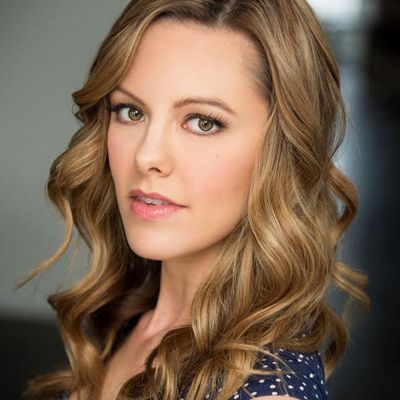
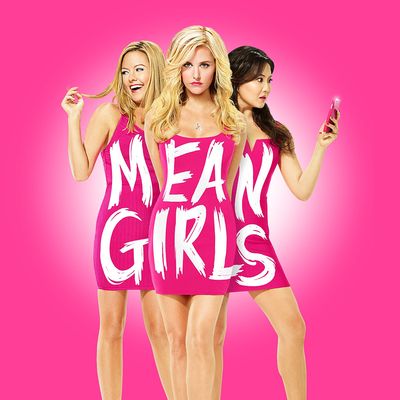
Kate Rockwell is showing Broadway that playing dumb takes a lot of brains. Currently starring in Mean Girls as Karen Smith, she has just entered year two with the production. Kate has proven that practice and smarts are the best recipe for comedy... Read More
From the show: The Theatre Podcast with Alan Seales
Guests
Featured Shows

About
Kate Rockwell is showing Broadway that playing dumb takes a lot of brains. Currently starring in Mean Girls as Karen Smith, she has just entered year two with the production. Kate has proven that practice and smarts are the best recipe for comedy.
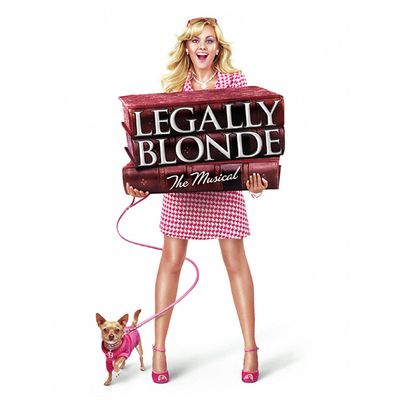
Kate made her Broadway debut in Legally Blonde on Broadway. She has also stared in Rock of Ages and Bring It On. Each of her comedic characters helped establish her as one of Broadway’s funniest women. Along with performing in several regional productions, Kate is also a certified expert by The Wine & Spirit Education Trust. You can also hear more of her voice on her solo album “Back To My Roots.”
Connect with Kate
- www.katerockwell.com
- Instagram: @katerockwellnyc and @broadwaywino
Connect with The Theatre Podcast:
- Support us on Patreon: Patreon.com/TheTheatrePodcast
- Twitter & Instagram: @theatre_podcast
- Facebook.com/OfficialTheatrePodcast
- TheTheatrePodcast.com
- Alan's personal Instagram: @alanseales
- Email me at feedback@thetheatrepodcast.com. I want to know what you think.
Thank you to our friends Jukebox The Ghost for our intro and outro music. You can find them on Instagram, Twitter, and Facebook @jukeboxtheghost or via the web via jukeboxtheghost.com.
A very special thanks to our patrons who help make this podcast possible!
Paul Seales
If you would like to see your name in this show notes or get a shout out on the pod itself, visit ttp.fm/patreon to become a member and show your support!
Transcript
This transcript was automatically generated and might contain errors.
[0:00] Alan Seales: Welcome to another episode of The Theatre Podcast. Intimate personal conversations with theatre's biggest names. As always, I'm Regina George.
[0:12] Alan Seales: And I'm Gretchen Wieners. That's so fetch. Today, we talked with Kate Rockwell, who plays Karen Smith in Mean Girls, currently on Broadway, still on Broadway. It's actually in its second year now. It's interesting to me that her character is so absolutely like dumb as one of the dumbest characters ever written. Because Kate herself is one of the smartest people I've ever had the pleasure of talking with. And it goes to show I think that to be great at comedy and to be great at playing dumb in comedy, you have to be incredibly intelligent. You have to understand the different nuances of human psychology and all of that to make it funny and not just be making fun of dumb people.
[0:56] Alan Seales: Well, yeah, you have to read the audience. You have to play like ride the wave. I think Sarah Stiles actually said this too, that what motivates her in her closing questions is like riding that wave, that comedy wave. And you've got to be super smart to be able to know where the crest is as it goes through over time. It's a fine line that if you cross it, it doesn't really work the same way. But Kate is brilliant at the role. I really liked we talked about in the interview. She actually, throughout her career, decided to take a break and try something new. She was realizing that performing was getting a little bit tiresome to her. And so she said, hey, I'm going to try a different career path for a little while. So she became a wine and spirits expert.
[1:48] Alan Seales: Oh, right. Yeah. Yeah. So she's like bridging the gap between Broadway and being a sommelier. Now that's a thing. Like, sign me up. Well, we'll get into the episode here in a second. But before you do, please head over to ttp.fm and show your support, subscribe and rate. You can go to ttp.fm slash Patreon and just give a little bit of a pledge that will help us keep the lights on, keep paying the bills. And actually, a big shout out to my brother, Paul, who just became our first twenty dollar patron, which, of course, gets him entitled to having his name shout out here in the reflection section. Thanks, Paul. Thanks, Paul. Love you, bro.
[2:21] Alan Seales: Everybody, please enjoy this episode with Kate Rockwell.
[2:33] Alan Seales: Currently bleaching out her brain cells in Mean Girls the musical, she originated the role of pretty but dim Karen Smith, for which she earned a Helen Hayes nomination during their out of town tryout in Washington, D.C. She has previous Broadway credits, including originating the role of Skylar in Bring It On, the musical, Sherry in Rock of Ages, Margo in Legally Blonde and Hair. And her TV and film credits include High Maintenance, Deadbeat and Sex in the City, the movie, Kate Rockwell. Welcome to the Theatre Podcast.
[2:59] Kate Rockwell: Thank you. Happy to be here.
[3:04] Alan Seales: Do you always intro yourself by song?
[3:06] Kate Rockwell: Actually, a lot. Yes. Unfortunately, I sing a lot of things like I have two dogs. And so we sing just chatter to them all day. And it's bled into my normal life. So I just sing chatter a lot.
[3:16] Alan Seales: How do you talk to your dogs? Like, oh, come on, get your food.
[3:20] Kate Rockwell: Yeah. Are you guys hungry? Do you want some dinner? Probably you do because you are dogs all the time, just all day. It's all the time.
[3:30] Alan Seales: I love that this is the first I'm like, we're in minute one. And I'm like, let me tell you the weird shit I do at home.
[3:34] Kate Rockwell: Imagine your dogs are like.
[3:37] Kate Rockwell: Yeah, one of them just looks one of them. We have like pinky in the brain dogs. We have like a big one that is like very sweet and runs into walls. And then we have a little one who is like for sure plotting to take over the world at all times and angry about everything. And so the little one just like looks at you with her little snaggletooth like I can't believe you're such an idiot. And the big one will like take out your knees because you're probably talking to her. So she should probably be closer to you.
[4:01] Alan Seales: Right. So she just goes into your kind of dogs. The little one is a Frenchie Boston mix. Her name is Mabel. She's 11. And then the big one is Bessie. She's a boxer, bulldog, Dalmatian. We don't know. And she's somewhere around five. They're both rescues, but she's like a long lost. She's from Georgia. Like we got her from a rescue that got her from a rescue that got her from a rescue. So like nobody wanted her?
[4:22] Kate Rockwell: Yeah. She's big. She's 60 pounds. When we got her, she was 75 pounds. She was so fat. And she's slightly aggressive, fearful aggressive. And she's like a white pit bull mix thing. She's had puppies. She's just like nobody wanted her. She's had a past. She's had a life. She's got a past, yeah. She has earned her martini. If she could write a musical, it would be like Sondheim's Passion, I think. Except for I always imagine Jennifer Coolidge as her voice. Somebody once asked me who would voice my dogs, and it was Eartha Kitt and Jennifer Coolidge.
[5:07] Alan Seales: I was really hoping when you said your pinky and the brain dogs that they were literally named Pinky and the Brain.
[5:11] Kate Rockwell: It would really have been a better choice. Mabel we had on her own, so she got Mabel and then Bessie because she looks like a cow. She's white with little black spots. Her name was Sassy when we got her, which was just, you're like, oh, that's why she's not getting adopted. You named a 65-pound pit bull, Sassy. Who just looks at you like, what? Yeah. It's not going to get her into a house.
[5:29] Alan Seales: All right. How about we talk some theater?
[5:34] Kate Rockwell: All right. Standard stuff.
[5:34] Alan Seales: Okay. Let's talk about where you grew up. You were not born Kate Rockwell. That's not your full name.
[5:39] Kate Rockwell: It's not my full name. Rockwell actually was my middle name, is my middle name still. My mom's maiden name is Rockwell. When my grandparents had her, they were like, you don't need a middle name. You're going to get married. You'll have a maiden name. My mom was like, well, that's screwed up. For me, she gave me as a middle name, her maiden name, which I always thought was the coolest, smartest, way ahead of her time, feminist decision. It was a whole lot easier to pronounce than what my maiden name was. I'm married now. My maiden name is Wilfong. That was like, no one can spell it. No one can say it. People thought I was of Asian descent, which I'm clearly not. We used Rockwell instead.
[6:08] Alan Seales: When I read it, I was like, yeah, I did think Asian descent.
[6:28] Kate Rockwell: It's German, actually. It's a German name, Wilfong. That doesn't make it easier to spell.
[6:34] Alan Seales: Well, yeah. If you say it, Wilfong, it's very phonetic. Anyway, you're born in Cincinnati?
[6:38] Kate Rockwell: I'm actually born in Connecticut.
[6:43] Kate Rockwell: I lived there until I was about six and then I moved to Cincinnati, which is where I grew up and did basically all my school. That's hometown. What kind of kid were you? Were you a theater nerd as a little one?
[6:53] Kate Rockwell: Yeah. My parents loved musical theater. I grew up listening to it and going to see theater from a very young age. I think I was six the first time I saw my first professional production and just fell in love with it. I was always into it. My parents were like, cool, we like this, too. I was very encouraged in that way. I love to sing, so I was in choir. I started taking voice lessons when I was like 11 or 12. That just was always my path. Also, not really athletically motivated, so sports was pretty much out. In Ohio, that's your only other option. There's a lot of sports. There's some theater. That's about it.
[7:35] Alan Seales: Well, I guess that speaks to your parents, though, because my parents, I don't think they would have gotten me voice lessons if I had asked at 11.
[7:41] Kate Rockwell: I don't even know how that happened. Whose idea was that?
[7:44] Kate Rockwell: My mom just knew that was a good idea. I don't know. I don't remember asking for them, or if my choir teacher in junior high, because that's who was my first teacher. It was her idea, and she was like, would you want to do voice lessons? I was like, yes. I just don't know, but yeah, they got me in early.
[8:04] Alan Seales: She was your teacher?
[8:04] Kate Rockwell: She was my teacher. Linda Gartner. She was a big influence.
[8:10] Alan Seales: Has she come to see you?
[8:12] Kate Rockwell: No. I haven't seen her in a long time.
[8:15] Alan Seales: I mean, she's-
[8:18] Kate Rockwell: She's like Comper, and be like, look at what you've done for me.
[8:18] Alan Seales: Listen, girl, you want to come see my show? I'm in. Come on.
[8:23] Kate Rockwell: Oh, my God. That would be cool, though.
[8:25] Alan Seales: If only I could take phone calls.
[8:27] Kate Rockwell: Well, this is the internet.
[8:30] Alan Seales: Skype me right now.
[8:31] Kate Rockwell: JK, JK, JK. If you've ever taught Kate in a voice lesson, Skype me right now.
[8:35] Alan Seales: Oh.
[8:35] Kate Rockwell: Okay. So then you had a fun childhood, but how did you get into theater? How did you decide, I want to do this? What were you watching?
[8:43] Kate Rockwell: I think it was my high school production of Fiddler on the Roof. Yep. I was in Fiddler on the Roof. I played Grandma Tidal. You're right. I was 14. Somebody had to do it.
[8:56] Kate Rockwell: Yeah, we did Fiddler my freshman year of high school, and I got to be a part of it, which was sort of unusual because we had a really big high school and actually a very active theater department. And so mostly the roles went to the older people. And I don't know if I got lucky or what, but I was just the only one goony enough to come in and play Grandma Tidal.
[9:19] Kate Rockwell: And so that was my first time on stage doing theater, not just singing a song or whatever.
[9:26] Alan Seales: You're playing a grandma.
[9:27] Kate Rockwell: Playing a grandma. Only in the one scene. Otherwise, I was just a townsperson. So I did the opening and stuff.
[9:32] Kate Rockwell: But I remember the curtain going up in Tradition. He does this whole monologue in the front of the stage, and then the curtain goes up and everyone's on stage. We had those big block sets, so it was just basically a ramp. That was our set. And couples and families placed all over the place. We all did Tradition, and we did that really bad choreography where your arms just slowly rise up, and then you clench your fists, and that's the whole choreography.
[9:56] Kate Rockwell: But I have a very distinct memory of doing that and being like, oh, this is really cool. With a live audience, you're having people right there watching you do it. And it was so much adrenaline and so exciting. And then when they would applaud, you're like, oh, this is instant gratification. Everything about this is fun. So it was truly that moment that I was like, oh, I'm going to do this. This is what I want to do for real.
[10:16] Alan Seales: Well, obviously, Fiddler, huge comedy.
[10:19] Kate Rockwell: Big comedy.
[10:19] Alan Seales: Yeah, big comedy.
[10:20] Kate Rockwell: But to be fair, I was playing the comedian. The very tiny little laugh that Fiddler has, that was me.
[10:27] Alan Seales: Well, where did you get the comedy chops?
[10:33] Kate Rockwell: Oh, gosh. I don't know. My family's funny. My parents are both funny. I have a sister and brother, both younger. And it is quip after quip after quip. That is how we engage. And it's all very smart and sharp and angular. And so I think that has stuck with me. Obviously, Karen's not particularly quick-witted, so I don't know where I learned the opposite version of that. But comedy's been just inherent in my life always. My sister would be very angry if I didn't say that she's actually known as the funny one in our family. It's not me. She's very, very funny. And I probably have stolen a good amount of this comedy from her.
[11:17] Alan Seales: What does she do now?
[11:18] Kate Rockwell: She works in opera management. She's like a manager agent for opera singers. So she loves classical music but doesn't choose to perform. She has a beautiful voice. Both my siblings do. Actually, my whole family does. They all sing.
[11:31] Alan Seales: That's fun.
[11:32] Kate Rockwell: Yeah.
[11:32] Alan Seales: It's fun. There's so many ways that you can be involved with performing in theater without being on stage and putting yourself through the mental anguish that comes along with all of this. And the crazy thing is my brother is a lighting designer. So he's an electrician and lighting designer. So we have the backstage, the onstage, and then the business side all represented in my family.
[11:51] Alan Seales: Oh, that's so much fun. And then your first professional gig was in Philia in Forum.
[11:58] Kate Rockwell: Yeah, yeah.
[12:00] Alan Seales: Goodness. I was Marcus Licus in college.
[12:02] Kate Rockwell: I love that show.
[12:03] Alan Seales: It is so much fun.
[12:04] Kate Rockwell: That was my first real comedy, actually figuring it out. And Philia, she's not that bright. So maybe it was a very strong through line through my career, honestly, about the women I play.
[12:20] Alan Seales: Yeah, I actually have something to, and we could talk about that.
[12:22] Kate Rockwell: Yeah, we'll get there. We'll get there.
[12:24] Alan Seales: Yeah, but there's a very strong through line. But to do it well, you have to be, you have to, in real life, be the opposite.
[12:30] Kate Rockwell: You have to be really smart.
[12:31] Alan Seales: Yeah.
[12:32] Kate Rockwell: Really smart to pull that off.
[12:33] Alan Seales: It's really specific. That kind of comedy is so specific and so calculated. Because if it's sloppy, it's just sloppy. And it would be very easy for dumb to be too slow or to just like, it needs edges and it needs sharp turns. And that's, you have to be so specific with it.
[12:53] Kate Rockwell: And I always said, the smartest person in the room is the one playing the dumb one. Because I mean, that's really patting myself on the back. Congratulations, Kate. But you really do have to understand every single thing that you are doing and why you're doing it. Otherwise, it won't land.
[13:08] Alan Seales: Right. I think it's probably, I mean, it speaks, Mean Girls specifically, Tina Fey does that very well.
[13:13] Kate Rockwell: Oh my God.
[13:15] Alan Seales: That's why I love 30 Rock.
[13:16] Kate Rockwell: Yes. 30 Rock is my favorite television show of all time.
[13:19] Alan Seales: Really?
[13:19] Kate Rockwell: Yes. 100% was before I started working for her. So that's not just me complimenting my boss. But it has always been like, I saw that show and I was like, oh, that I want to do that. Where's that for me? It's just the funniest. It's the smartest dumb.
[14:36] Kate Rockwell: What was it like working for Tina though? Or you still work for Tina?
[14:40] Kate Rockwell: I still work for Tina. I finally learned to call her Tina instead of Tina Fey. Because for a very long time, I couldn't get out just a first name because I think I had a really hard time understanding that we were on a first name basis because she's Tina Fey. And who the hell am I? And at first, I got an opportunity to meet her. Actually, back in 2015, we did a one day, very casual table read of just Act One of Mean Girls. And I knew Nell Benjamin, the lyricist, working with her on other things. And so she was like, do you want to come read Karen for this? And I literally tripped over myself. I was in Mexico. I got on a plane early. I came home. It was like a whole thing. Because of course I do.
Everyone wants that. And so I met her in that room. And she was lovely and so complimentary. And it was like, oh my god, I can't believe I just met Tina Fey. Cut to a year later when we were doing the auditions. And my first audition with her in the room was maybe audition two or three. I can't remember how far along the process we were. I stared her down the whole time. She wasn't the reader. She was there behind the table. And I just did my whole audition at her because I was so nervous that I was doing her comedy for her that I forgot how to be a person. And I couldn't look at the person I was talking to. I was talking to the reader and looking at Tina behind the table. It was so awkward, so uncomfortable.
I walked out. I called my husband. I was like, I just blew that so hard. I cannot believe I just acted like such a buffoon. And I'm so grateful that they were like, I'm going to give that girl another chance because maybe she's not as dumb as she seems. But I was so intimidated. And I was so in awe of this person that I had looked up to as a female comedian, as an entertainer, as a business head. She's changed the face of comedy. And it took me so, so long to be normal with her. I don't know that I'm even there yet. I'm still a little awkward when she comes around because there's still a part of me that's like, I can't believe I know you. And I can't believe that I went to a Christmas party at your house and I had an ornament on my Christmas tree from your kid.
It's just like a cool, oh my God, she's so sweet. But yeah, they have the coolest kids. And we've gotten to spend a lot of time with them, which is amazing. And Jeff, her husband, who wrote the music for our show, is one of the kindest people in the world. And she is everything I wanted her to be. When they say don't meet your heroes because they end up being just like human, she's like all of the best qualities of human and all of the coolest qualities of hero because she's so kind and she's so smart and she's so capable and confident. And also, I bought this dress at Target. She's just so normal. I don't understand how this works. It's really amazing to be in that presence and learn from her all over the board, not only artistically, but also business-wise and as a mom and as a person. And it's very awe-inspiring. Clearly, I just monologued for like three minutes about her like a crazy fan. Do you have any other female heroes that you look up to like that?
[18:05] Kate Rockwell: It's interesting. I've always sort of felt like the people that I really respected were outside of my own industry for a lot of reasons. But I don't know that I have a lot of concrete female heroes like that. I have a couple in this sort of small business that women that I've sort of seen, looked up to, people like Kelly O'Hara and Carrie Butler, who I got to work with in this show too. But in the big picture, not really. I have a lot of women I admire, but never anybody that I was like, I want to learn from that. That is what I want to figure out how to be. And then I got to meet her and work with her for two years.
[18:47] Alan Seales: That's crazy. Have you gotten the reverse feedback? Like people have come up to you and said like, I'm emulating you. You are my hero.
[18:56] Kate Rockwell: Yeah, I have gotten that a little bit with this and it is really strange. Well, it's so hard to believe. I mean, I'm just an actress. Well, I'm just an actor. So like what the hell do I know about anything?
[19:03] Alan Seales: So is Tina.
[19:04] Kate Rockwell: Well, an actor and a writer and a producer and a director. She's like got all of the errs. I'm just a person.
[19:12] Kate Rockwell: Just a person. But it is hard. I mean, I have to imagine the first time someone said that to her, she was a little like, what? Why? Because it just doesn't feel like you have any idea what you're doing. So why would anybody be trying to emulate me like reaching out randomly in the dark trying to figure stuff out? But I do. We have a really cool teenage fan base in this show, and a lot of them are performers themselves. Obviously, the Broadway community has such a loyal next Broadway community following the people that are going to someday come and take our place. And what's so cool about this show for me in particular, my other shows being a few years back, we didn't really have the access that social media has given us to those people directly like I have here.
And it's been so cool to hear from them, all of these kids who are like just obsessed with the show and us, you know, the women that I work with and the men as well. It's a really amazing direct connection between like the future of Broadway and the current Broadway family. It's really neat. And it's I still haven't wrapped my head around it because it's still happening. I'm still in it. I'm still doing the silly thing every day. But yeah, it's awesome that that connection, being able to like hear from them and talk to them and get, you know, we still get mail like we used to, but there's a lot more like messages and Instagram and all that that you do hear a lot of like your I want to do what you're doing and I love what you're doing.
And this has inspired me to go back to acting. We've gotten a lot of that, like that's a really cool one to be like, I loved this and I was too scared to do it. And now I want to go do it again. Like, oh, that's so inspiring. I can't believe that's us.
[21:00] Alan Seales: Did you think that?
[21:01] Kate Rockwell: Yeah. Yeah. At the end of the day, I mean, I've met a lot of Broadway actors and been part of the community for a while. And at the end of the day, everyone's like, it's a job, right? It's eight shows a day, eight shows a day, eight shows a week.
[21:15] Kate Rockwell: Because we're at Kings Island. I did Busch Gardens. I did ten shows a day.
[21:20] Alan Seales: Yeah. So, yeah, eight shows a week and they're long and they're hard and you're dancing your ass off. And like at the end of the day, on a Monday, you just want to you want to go home and not talk and not move and hide and stay in bed.
[21:30] Kate Rockwell: Yeah. Yeah. And your dark days. And a lot of people like they crave that validation and that's part of why they become actors.
[21:42] Kate Rockwell: Absolutely. But I don't think they realize the amount of emotional stamina it takes. It I mean, it has to be for like, you know, opportunity for growth, right? Like Broadway is pretty much like as good as it gets until you go into the TV world. Like the output of energy versus like what the return is, it's got to be they're not great odds compared to like other jobs where you can like work your way up and like ultimately have job security and like a legitimate living wage all the time. Like you can just expect that in here. You're like, who knows what's going to happen next week? And I'm doing Broadway like that's as good as it gets. It's exhausting. The lifestyle is exhausting. It is so differently exhausting when you're not working because then you're constantly auditioning and you're constantly putting your heart out and getting it stomped on.
And that's its own version of exhausting. And then when you are working and you have the privilege to do what I'm doing eight times a week, you are like literally physically incapable of like lifting your head up for eleven thirty in the morning because you're I gave so much every single night this week and twice on Saturday and twice on Sunday. So it's an interesting lifestyle. It's not for everybody.
[22:57] Alan Seales: Yeah. Yeah. Do you get anxiety? Do you feel the stress of being between jobs or are you just like, oh, let's find the next thing?
[23:02] Kate Rockwell: A little of both. I think it depends on where I'm at in that particular month. I tend to be OK for a while at least. I mean, when you hit month eight and you're like, I can't pay my rent and I'm tired of eating ramen noodles, then like gets a little more stressful. But I tend to be pretty OK because I really, really believe that what is meant to happen does happen. But that's a hard thing to. Of course, I get to say that right now because I have a great job and that's a luxury that I get to pretend like I feel that way all the time, which I don't. I absolutely have those emotional breakdowns of I'm never going to work again. And we had that conversation on stage today with me and one of the other girls where it's like, is this our last job? Are we ever going to work again? And I said, maybe, maybe. Who knows?
[23:56] Alan Seales: Well, you just you just renewed your contract.
[24:00] Kate Rockwell: Yeah, I did. Yeah, I did just renew my contract. Yeah. So so you've chosen. Yeah. Another year I have. But what an amazing gift. How few people get that opportunity to to sign on for a second year because we are going to go another year. I mean, this is the longest I've ever been in a show. Rock of Ages was a year, just under a year and a half. And then I left. They kept going. But I was only in Legally Blonde for the final six months. I was in hair for six months. Bring it on. And only we had a tour that went out first. So we did an out of town and then a tour and then Broadway. And it changed every single time. So it was never the exact same show. And the Broadway run was only six months. And then Rock of Ages was a year and a year and a half.
And then I took some time off. I left the business actually for a little while. I did. Yeah, I needed perspective. I needed some change. I needed to see what it was to do something else. And I had just come off of this crazy experience of putting Bring It On up. And then I went right into a year and a half of Rock of Ages, which was one of the hardest shows I've ever done. Just physically, it's just really, really taxing. And so I just was like, I got to do something else. I was just tired. And so I worked in the wine industry.
[25:20] Alan Seales: I was going to ask about that.
[25:20] Kate Rockwell: Yeah, I got things that are meant to happen. I met a friend through a friend who ran this wine shop in the Lower East Side and asked me if I wanted to basically come in and work the register for a wine, like $10 an hour or something and a discount on wine. And I was like, yeah, sure. I love wine. And I fell in love with it. And it became a real, an actual real passion. And I went to school and I got my degree from, it's called WSET's, Wine and Spirits Education Trust. Yes. One of the larger international wine training programs. And so I have a degree in it now. And I worked full-time for them for, I worked part-time for them for about nine months. And then I worked full-time for them as an assistant manager of the shop for about nine months too.
So it was like a real, it was awesome. And I loved it. And I feel very grateful that I did that because while I was doing that, I was like, oh, I miss, I do. I loved that. And I missed this. And so I was like, okay, I'm just going to like, give it, I'm going to go back. I'm going to, I really want to do a play. And that was the thing that happened for me that got me out of the wine shop. And then after that, I was like, it'd be really fun to like, do like a classic musical. And then like, bam, I went to DC and I worked for arena stages and I did carousel. And then I said to myself, okay, you're going to really do this for a year. You're going to spend one year doing nothing else. You're going to put all of your eggs in this basket and you're just going to see if it feels right.
And I booked Mean Girls. And so you just like, it's so serendipitous. Like it's, it's how, you know, that like things happen when they're meant to happen. And that's why you get to be okay when you're not working because that kind of confidence is the only and confidence. Also ignorance is the only way you survive a little bit like ignorance is bliss. Yeah, absolutely. It's like, it's going to work out.
[28:42] Kate Rockwell: It's that way with people in work too. You only see the people who get the jobs that are visible and you don't see the hundreds of times that those same actors auditioned and didn't book and starved and waited tables and babysat. That's part of almost every actor's story, at least I would hope, because otherwise how do you know to appreciate it? The people that I have met who don't have that failure and don't have that rejection in their experience don't appreciate it the same way. I'm so grateful for the time I took away and the loss that I had in that process so that I could come in here and be like, this is the best damn job in the world. I'm so grateful and fortunate to have it. I'm also aware that I feel that way, which is a great thing because not everybody does.
[29:36] Alan Seales: I've talked to a lot of people on this podcast too. Wesley Taylor sticks out in my mind because he came straight out of school of the arts and booked Rock of Ages. He did that and it was great and originated, right? Straight out of college, originated a role and then he's like, all right, Broadway, here I am and nothing.
[29:54] Kate Rockwell: Broadway's like cute, cute.
[29:56] Alan Seales: Yeah, get in line.
[29:57] Kate Rockwell: Because Broadway is a bitch.
[30:00] Alan Seales: So he's one of dozens of stories I've heard where people are just like, oh, perspective and now I need to struggle and now I'll get through this and now I'm okay.
[30:08] Kate Rockwell: Yeah.
[30:09] Alan Seales: But it's a cycle.
[30:09] Kate Rockwell: And that's the game. The game isn't like, can you book a Broadway show? The game isn't, are you the most talented person on the face of the earth? The game is, can you survive? Can you thrive in an environment that is really going to punch you in the face at any given moment as soon as you're not looking?
[30:27] Alan Seales: Yeah.
[30:28] Kate Rockwell: And they don't come up, warn you they're going to punch you in the face. They're like, look over there. Also, I'm punching you. It is definitely for people who are of solid stock. You have to be of solid stock to enjoy this business enough to want to stay in it. Because again, it has to be joyful. It has to be, that's our job. We are either experiencing joy or sharing joy or giving joy or taking joy, whatever it is. That's all entertainment is.
[31:00] Alan Seales: Making people feel.
[31:01] Kate Rockwell: Right. And feeling yourself, too. You have to feel. You have to have that deep well. Isn't that what we say at the theater school? Pull from the deep well of emotion.
[31:10] Alan Seales: You know what's teaching me a lot is Barry, Bill Hader's Barry. Have you watched that show?
[31:18] Kate Rockwell: No, I haven't.
[31:19] Alan Seales: Oh my God. Yeah, quick sidetrack. Season two finale just finished. Barry, Bill Hader's character Barry is a hitman.
[31:27] Kate Rockwell: I've seen the promos for this when I was watching Game of Thrones.
[31:31] Alan Seales: Yeah, whose target is an actor. He gets bitten by the acting bug, whose teacher is played by Henry Winkler. And then he ends up becoming this great actor. But all the actors, the real life actors are horrible, ditzy people. Again, sort of the Karen sort of thing, where they're ditzy people, but then they get on stage and act. And especially the main character, she's so good. And it's like, but the whole thing anyway, you know, Henry Winkler's character is like, pull from your life, pull from your real experiences. Yeah, but it's true. And the kind of the through line for people I talk to, the really successful people here sitting across from me like you are, are the people who have had a lot of struggle, either like career wise, or emotionally, or personally, whatever, because they draw from that, they pull it.
[32:19] Kate Rockwell: That's what makes you interesting. The only thing that makes you interesting is life experience. People who've like had it perfect all the time, nothing bad has ever happened to them are really boring. They're really boring people. They don't know anything about anything. So you're like, I don't want to watch that person. I want to watch the like MF who's like really struggled and like had to sell drugs on the street to like pay for their alcohol problem and support their kid and also won the lottery. That's who I want to watch. That's fascinating.
[32:44] Alan Seales: Yeah, like, please you do you know, death of a salesman. Well, that's it's so cool. I mean, I applaud you for stepping away, and realizing that you needed that perspective, because I think it's brought you back to a really good place.
[33:00] Kate Rockwell: 100%. Yeah, yeah. I actually had a lot of people. Again, it's like, it's like make such a good, like, crappy Hallmark movie, because like, it worked out for me. And that's great that I'm so lucky that I was like, I'm gonna get back into it. And then like, bam, hot pink. But I've had a lot of people reach out to me, friends or friends of friends that have been struggling with how to deal with the fact that they don't have the joy of it anymore. And I have told every single one of them go to go do something, go do something else for three months, just like get this business can be so and the city can be so like, all consuming and pressurizing and make you feel like you're just like getting crushed and you lose perspective. So it's like go, go to Montana, and like, learn how to bake pies for three months. Just go do it. Broadway's not going anywhere.
[34:51] Kate Rockwell: No, it's not. Entertainment's not going anywhere. New York City, God be willing isn't going anywhere. Go and what are you going to lose? And 100% of them have come back and been like, I'm so glad I did. Yeah, that doesn't mean they come back and do theater again. But they come back and they're like, I'm so grateful for the change of perspective, because that's what it gives you. And that is like life saving when you're feeling like you cannot see a way out. It's just, I mean, speaking from personal experience, too, when you do the same thing over and over again, no matter how great it is, to, you know, from in other people's eyes, you still get kind of bored with it.
[35:00] Alan Seales: Absolutely. And I think people, humans, we are we are inclined to need change while ironically being afraid of it. Isn't that so silly that we're like you're you crave it, but you're it's like the thing you're the most afraid of?
[35:34] Kate Rockwell: Yeah. Yeah. I mean, seems like an evolution thing we should really be working on.
[35:41] Alan Seales: It's been around a while. You hear that evolution? Come on, guys.
[35:45] Kate Rockwell: Yeah. Dial that dial up. It's totally I'm I'm all about change. And it's scary. It's so scary. But I've been through enough of it. And I'm like, I can look back at it in my 38 years on this planet and be like, okay, nine out of 10 times, I figured it out. Like I got I did my I went into my equivalent of mean girls. And like, yeah, whatever your equivalent of it is, like, whatever you're trying to see it differently, you know, for whatever reason, it's it's so valuable. Don't you want to be that person like at the end of your life? It's like I saw all of these things. That for me is like the thing that always motivates me to be like, what if you didn't do it? You're like, well, at the end of your life, would you feel so sad?
You never tried? Yeah, so sad that you didn't like explore what that meant. Because if it sucks, then like, okay, stop doing that. If you don't like that, make another change. You can always make change. That's very privileged thing I get to say because I get to always make change. But for the most part, I think most of the people listening to this podcast are in a position where they can always make change. So why not try it? Why not see what happens and maybe something awesome will happen. Maybe you'll like find the thing you actually love to do. Maybe making pies in Montana is the thing you were meant to do.
[35:52] Alan Seales: You become the pie maker.
[35:53] Kate Rockwell: You would never have known if you hadn't gone to Montana to make pies for three months.
[35:57] Alan Seales: That's right. Or you come back, you learn how to make pies, come back and open your shop here on Fifth Avenue and become the pie master.
[36:02] Kate Rockwell: And be very, very fancy.
[36:04] Alan Seales: That's right. Because if you have a pie shop on Fifth Avenue, I want to meet you.
[36:08] Kate Rockwell: To quote Liz Ledman, I want to go to there.
[36:10] Alan Seales: I want to go to there.
[36:12] Kate Rockwell: You met your husband, Spencer Howard in Legally Blonde.
[36:14] Kate Rockwell: I did.
[36:15] Alan Seales: And he is a tour, right?
[36:16] Kate Rockwell: On the tour, yeah.
[36:17] Alan Seales: Yeah. So he was nursing an injury. There's an injury involved in this story.
[36:22] Kate Rockwell: Yeah, yeah. No, no, he didn't nurse the injury. He caused the injury, which is the reason I got to go on tour. Yeah, it's a great story. So my husband was the swing and the dance captain for the Legally Blonde tour, which went out. They left a few months before we closed on Broadway. And so they were out doing their thing. We closed on Broadway. I got a phone call one day that the girl who's playing Margo had broken her leg. Was I available to go basically now for three months? It was my first tour. And I was like, absolutely. Yes, great. What am I doing? So I went out on this tour. I was just there for three months while she was recuperating. And it turns out that Spencer had been on that night in a track.
And they do a lift with her. And something had gone a little bit wrong. And when they set her down, they set her down a little hard. And that caused a hairline fracture in her leg, which is what... And it was misdiagnosed. And then she did more stuff on it. And then it got more injured. And that's what happened. And so he was part of the reason that she got hurt. And then I came into the show. And then now we are married 10 years later.
[37:30] Alan Seales: Well, not saying that it was great that the other girl fractured her leg, but it sounds like it was a great story.
[37:37] Kate Rockwell: I mean, if you get really into it, he wasn't supposed to have that track. He was working in a production of West Side Story regionally with a guy named Ward, an actor named Ward Bielkson. Do you know Ward? Okay. Ward Bielkson was supposed to be the swing and the dance captain. And Ward and Spencer were doing a show together. He had to lift Spencer. He injured his back so badly, Ward did, that he couldn't take the tour. He had to have surgery. And Spencer booked the track that Ward had to leave. So Spencer injured his way into the show and then injured his way into his wife. So my husband is very dangerous. And if you stand in the way of what he wants, even if he doesn't know he wants it, you will have an injury.
[38:21] Alan Seales: So if you believe in the multiverse, you're married to Ward in a different reality.
[38:25] Kate Rockwell: I mean, I've known Ward even before that, which is the funniest thing of all. Of course, I know him through the business. And he's doing fine, by the way. He's very happy and healthy and everything is okay. And so is Rhiannon, who is the Margot that I took over for her. She is married and happy. She married one of our crew guys from the tour.
[38:44] Alan Seales: No kidding.
[38:44] Kate Rockwell: When she came back, they had started a relationship. They're now married with two kids in California. I know.
[38:50] Alan Seales: Wow. I love showmances.
[38:52] Kate Rockwell: I mean, yeah.
[38:53] Alan Seales: They're so messed up, but they're so fun.
[38:54] Kate Rockwell: They're so messed up. And they can go so wrong. And you're just like, we're just so lucky it didn't go wrong.
[38:59] Alan Seales: Are there, like at this high level, the echelon of Broadway, are there showmances in the Broadway world too?
[39:06] Kate Rockwell: Oh, yeah.
[39:06] Alan Seales: Because you don't hear about a lot of that.
[39:07] Kate Rockwell: Oh my God, so many.
[39:08] Alan Seales: Really?
[39:09] Kate Rockwell: Yeah, we have some in our building. We have one that I think I'm allowed to talk about. I think she won't be mad. Everybody knows now it's public, but our Katie and our Aaron Samuels are together.
[39:19] Alan Seales: Oh, really?
[39:19] Kate Rockwell: Yeah, and have been since we started, like basically the end of our out of town run is when they started seeing each other. And it was like a secret for a little while.
[39:28] Alan Seales: Oh, that's so cute.
[39:28] Kate Rockwell: And it's been over a year now, so it's not a secret anymore. And they are so freaking cute together. Oh my God, it is an adorable showmance.
[39:37] Alan Seales: But then you feel kind of bad calling it a showmance because now it's just a romance.
[39:40] Kate Rockwell: Yeah.
[39:40] Alan Seales: They just happen to work together.
[39:42] Kate Rockwell: Yeah.
[39:42] Alan Seales: But they didn't meet during the show.
[39:44] Kate Rockwell: I get so freaked out that it's just something that's open-ended. What if it goes bad?
[39:49] Alan Seales: I don't know.
[39:52] Kate Rockwell: Then the rest of us have to suffer through the breakup. But I don't think that's going to happen.
[39:59] Alan Seales: Do you fight it hard? Do you think it's harder or easier being married to a non-civilian?
[40:05] Kate Rockwell: Like a non-actor?
[40:06] Alan Seales: Yeah.
[40:08] Kate Rockwell: Well, I'm lucky because I have a little bit of both because he was an actor. He's no longer an actor.
[40:12] Alan Seales: Oh, he stopped too?
[40:13] Kate Rockwell: He stopped, yeah. He is in hospitality now. He's a concierge and a very, very good one. And so he understands and loves everything about this business and is very forgiving of my schedule and the nature of what it is that I do and how all of me goes into it without being in it.
[42:48] Kate Rockwell: If you don't go to your next thing, I mean, maybe you'll be in Mean Girls for years and years, but... 30 years. I'm going to seamlessly transition into Mrs. George Trek. I'm going to play Karen until I'm too old, and then I'm old enough to play Mrs. George.
[43:01] Alan Seales: Would you want to go back into the wine business, do you think?
[43:05] Kate Rockwell: I think so, yeah. I love it. I mean, I weirdly love the retail part of it, because you get exposed to so many... Wine is so similar to art in that way. Actually, I always say it's a lot like theatre, because if you work in... The kind of wine that I was working in is very small production. It's a dangerous word, natural wine, because it's become a thing. But wine that is not made... It's not Yellowtail, basically. So they're not making 300 bajillion cases of this wine. It all tastes the same. It's pumped full of chemicals to make sure you're getting your Coca-Cola wine. We didn't have any of that. We worked with very hands-on, small family-owned wineries of people who've been making wine for 500 years, passed down from son to son to son.
And every bottle, every vintage is different. Every region is different. Sometimes every bottle is literally different, depending on the wine. And so it feels like a theatre experience, where you're like, this thing is only here right now, while you're enjoying it right now. And it will not be this way if you open up another bottle tomorrow. You'll feel differently. The bottle will be different. It's very artistic. And there's so much artistic expression in the winemaking when you deal with things like that. So it was very easy for me to understand and appreciate something, even though I have no idea. I mean, I couldn't make wine if you paid me. It would taste like battery acid. I'm sure it would kill lots of people.
My feet, really. But I enjoyed being exposed to all of the different things. Whereas if you work at one winery, you work at one winery. In retail, you will work for all of the wineries. You get to be a part of every one of those experiences. And that was very cool. I never would have thought that retail life would have been something that enticed me. Nor do I think that there's other retail that would, but this one particular. But I think it would be a life dream to own a winery and help create that kind of art when I can no longer sustain this one.
[45:11] Alan Seales: Why not do both?
[45:13] Kate Rockwell: I mean, sure, with all my time and money.
[45:15] Alan Seales: The stardust of winery or of wine bars.
[45:19] Kate Rockwell: You know what I really want to do? See, but here's the thing about, here's the trick about wine bars. Now you have to run a bar. And that sounds awful. I don't want that. I don't want to have to stay up until three in the morning. I don't want to deal with my drunk people at the bar. I'm like, I would be a miserable bar owner. But the idea of owning a winery is very enticing. And I think my big girl goal would be to have a winery that was also a dog rescue. And that would combine all of the things that I liked all at one time.
[45:51] Alan Seales: I'm trying to picture that. My silence is the imagination.
[45:54] Kate Rockwell: Yeah. There's actually a winery in Long Island that's doing it right now, but they rescue horses. And I was like, well, this is a good idea. I want to do that. But with dogs, all the dogs.
[46:03] Alan Seales: What's the tie-in? So they grow grapes on one side of the property and raise horses on the other?
[46:10] Kate Rockwell: They buy grapes from other people and they make wines. You can grow your own grapes, or you can buy grapes, or you can have somebody else make your wine, or you can make your wine, or you can make half of it, and they make half of it, and then you blend it. And there's all different ways people make wine. But they have a farm, just a big old farm that is a horse rescue. And then they have the winery part of it. And of their 15 wines that they make, six of them, all of the proceeds from that wine just go into the horse rescue. And that's how they fund their horse rescue. And that's cool.
[46:39] Alan Seales: That's really cool.
[46:40] Kate Rockwell: It's really cool.
[46:41] Alan Seales: Yeah. I have a little muscadine vine in my backyard in Brooklyn.
[46:43] Kate Rockwell: Do you really?
[46:44] Alan Seales: Yeah.
[46:44] Kate Rockwell: Have you ever done anything with it?
[46:48] Alan Seales: You'd have to be really, really skilled to make good wine out of Brooklyn muscadine.
[46:53] Kate Rockwell: I'm not saying it's impossible.
[46:55] Alan Seales: No, I just planted it a little while ago, almost a year ago.
[46:58] Kate Rockwell: Oh, it needs time.
[46:59] Alan Seales: So it needs a lot of time.
[47:00] Kate Rockwell: It needs four more years. And then you can have grapes.
[47:02] Alan Seales: Yeah, well, yeah.
[47:03] Kate Rockwell: Maybe if you get lucky enough that there's actual soil and it actually is fertile enough.
[47:07] Alan Seales: Yeah, yeah. Well, I do fertilize. I have a green thumb. That's my side project.
[47:12] Kate Rockwell: Oh, really? It's plants?
[47:14] Alan Seales: Yeah, yeah, yeah.
[47:14] Kate Rockwell: I'm learning about plants now. I have some plants. I just got new ones that I'm trying to not kill.
[47:22] Alan Seales: Into hydroponics.
[47:23] Kate Rockwell: Oh, okay. I have an aero garden. It's very similar.
[47:26] Alan Seales: Yes, it is. Aeroponics. Yeah, because the hydroponics, it's fun because you don't need soil. So you don't need to worry about that in New York, Manhattan. So my old place in Midtown had a balcony with these pods and I had like Brussels sprouts and tomatoes and cucumbers.
[47:40] Kate Rockwell: So cool.
[47:41] Alan Seales: And I actually ran out of room because I was growing a pumpkin vine on the 30th floor. Yeah.
[47:48] Kate Rockwell: Wow. That's cool.
[47:50] Alan Seales: Yeah, it was fun.
[47:51] Kate Rockwell: If I had outdoor space, I would totally get into that. I don't. I have a fire escape.
[47:55] Alan Seales: Like gold.
[47:55] Kate Rockwell: Very, very protective super.
[47:59] Alan Seales: Really?
[48:00] Kate Rockwell: Yes. Can't put anything on that fire escape.
[48:02] Alan Seales: Oof, that's no fun.
[48:03] Kate Rockwell: You like touch the fire escape with your finger and he's like knocking on your door being like, you can't put anything on that.
[48:08] Alan Seales: No.
[48:09] Kate Rockwell: He's just doing his job.
[48:10] Alan Seales: Well, back to theater.
[48:11] Kate Rockwell: Theater.
[48:12] Alan Seales: Enough about that.
[48:14] Kate Rockwell: Enough about that.
[48:16] Alan Seales: ASMR as I shift through my notes.
[48:21] Kate Rockwell: Welcome everybody to the ASMR Theater Podcast Hour.
[48:25] Alan Seales: TV and film. Would you like to do any more of that?
[48:27] Kate Rockwell: You know, I have very little film experience. I did do Sex and the City. But like I just walked basically around a corner like a lot and they cut our whole scene. So I don't know that I was sort of fascinated by how little I liked that. I thought it was really unartistic and that's going to make a lot of people mad that I say that. But so I think I would be really interested in doing television because you get to develop a character over a long period of time. And that's really cool. The thing that tricks me up and this is like my theater roots is that I'm like, but you don't tell the story in line. It's not linear storytelling. How the heck do I know where I'm going? Because I don't. I'm starting at the end and then I like jump to the middle and then we do the beginning and then we go back to the end. And I'm like, how do you know what this is? You've not experienced it all the way through. So I don't know. That scares me a little.
[49:22] Alan Seales: You know, that's the change.
[49:24] Kate Rockwell: You're afraid of the change.
[49:25] Alan Seales: I know. I mean, if someone would like to hire me to experience that change, I will be 100% on board. I would love to experience the change.
[49:31] Alan Seales: You don't actively like audition and pursue that, do you?
[49:36] Kate Rockwell: No, I do. Absolutely.
[49:38] Alan Seales: Wow.
[49:38] Kate Rockwell: Yeah, it's hard. They haven't come a calling yet, so.
[49:44] Alan Seales: Yeah, it's a different, a totally different industry. And I forget who it was. I mean, it's going to make a really bad story because I don't remember any of the context, but it was like over the course of the movie, this particular character gets more and more like unhinged. And so whoever this actor or actress was that was telling it, I'm sorry, bad story. But like they would give themselves a number from one to 10 at whatever point in the script they were. Like 10 being the ridiculous off the wall, one being totally like sane and not like unhinged, right? And so like, all right, this scene is scene 6A or 7B, and I'm a four, and on this one, I'm an eight. And so they kind of like have the range.
I marvel at people that can do that, though. That is a real, that's a totally separate skill from the stamina that it takes to like tell a story from start to finish. Like I'm very envious of that skill. I don't, I've never tried really, so I don't know if I have it or I don't have it. But it's like very cool to be able to drop in like that out of nowhere. You know, to go from like one to eight to six to 15 is like such a cool thing to be able to do.
[50:53] Alan Seales: Oh, speaking of stamina, I meant to ask you about Bring It On. You said you weren't very sport or athletically oriented, but the cheerleading and the dancing and that.
[51:01] Kate Rockwell: Yep. Learn all that.
[51:02] Alan Seales: Yeah, I had to learn how to cheerlead.
[51:06] Kate Rockwell: Yeah, it was, I was lucky in the sense that there were two principal women, Taylor Louderman and then Ellie McLemore, were the two that had to like really stunt. And I didn't. That was just not, my track didn't really need to do that. But we still, I mean, I based stunts. I learned how to catch. I saved some people like when stunts went badly. Like I knew that I was a real cheerleader when I ran towards the falling human instead of away to save my own life. It was a really proud day in my life because I like, I literally caught someone falling out of a lift that didn't go well, put her down. And then I was like, oh my God, I ran. I did it. I like mastered you like, because your basic human instinct is run away from the thing falling out of the sky at you.
And that is very hard to overcome. And the day that I did, I felt very proud. But yeah, it was insane. I mean, that show was, creating that show was insane because competitive cheerleading isn't designed to be done for two and a half hours, eight times a week. It's designed to be done for three minutes once, maybe twice in a weekend, twice in a day. And so we had like our, we had, our cast was basically like three segments. There was like a core of actors, actor singers, a core of dancers, and then a core of professional cheerleaders and gymnasts. And so they had to learn to act and sing that they had to learn to like act and cheer. And we had to learn to like dance and cheer. And it was the craziest, like amalgamation of skill sets all coming together.
And we had, everybody was so respectful of the other person's skills, which was really neat because we just did not, I looked at like, there's this woman, her name was Brooklyn and she was one of our cheerleaders. And I have never, I have never met a strong, literally stronger human being than her. And she's like this teeny tiny little like blonde from Kentucky. She can drink you under the table. She can throw a football better than any man I've ever met. And also she can like flip herself over and throw people in the air and catch that. Like, it's just, it's insane athleticism, what they can do. And anybody who says competitive cheerleading is not an athletic event is, has never tried competitive cheerleading because it is one of the hardest things I've ever seen. It's insane that what they could do, what they did do every single day.
[53:25] Alan Seales: Oh yeah, I've known, I've known men, especially that have come out of cheerleading. And they're just jacked, they're ripped. I mean, you're holding 115 pound people above your head, like with one hand.
[53:36] Kate Rockwell: With one hand, throwing them up and catching them with one hand, catching their foot with one hand. Yeah. We had, I mean, there's obviously like everybody has their, their different facets in cheerleading. My best friends in the world is, was one of our star tumblers. And he lives in Atlanta now with his husband, but he, I mean, I just never, he's like a little taller than me and he's very muscular, but he's not a big guy because that's not what he does. He has to be able to flip his body around, throw himself in the air and spin. It's just incredible to watch him work. And then you meet the guys who do the, the real, the base stunting, who that's their job is to like throw people up and catch them with one hand. And then there's the, with the women too, like there's the women, I was really too big to throw around. Frankly, I would have had to have been so physically strong and capable, which I am not.
[54:24] Kate Rockwell: But like the women, the teeny, you know, the teeny tiny little like just rock women that are the flyers because they have to be so muscular that they can like get up in the air and like make those shapes and flip. And every single one of them is a master athlete. And it was really cool to work in that world and have that really be the star of the show. You know, we were telling the story, so to speak, in terms of the musical elements of it. But like the star of the show were the cheerleaders. That's what everybody came to see. It wasn't me. It was definitely them. And it was neat to live in their world for a little bit and watch them sort of adapt to our world. Yeah. And I think the show doesn't give Lin-Manuel enough credit.
I agree with you completely. Because I mean, that was between In the Heights and Hamilton. Yeah. And Tom Kitt wrote the music. Yeah. And then Amanda Green. The three of them worked together. Like, geez, some of the lyrics in the show. It's so smart. So smart. Yeah. And you're getting teenagers to say, I mean, people playing teenagers to rap like this. One of the, I forget what the lyric is, but there's one guy who was like, if cheerleading is for women, then oh, God, I'm just going to totally screw up this lyric. The guy's like, I'll be a feminist because I'm surrounded by women or whatever it is. I'll be a feminist woman and women gentleman. Yeah, yeah, yeah, yeah. Then it's like, consider it.
It's a little different, isn't it? I mean, it's so smart. All of that. I used to know all of it. And no one would let me rap because that wasn't, no one wants to watch that. But some of the stuff that they had in that show was so brilliant and maybe a little ahead of its time. I just think it was such a hard thing to sustain because of the amount of physical injury. I mean, you can't help it. There's nothing you can do to prevent that. It is what it is. Some days things fall and sometimes people get hurt. And it was so difficult to sustain. And because of that, a lot of times, sometimes the storytelling had to take us a backseat a little bit to keeping people alive. It was a really challenging piece.
And I always get so happy when I meet people who are like, I loved Bring It On. And you're like, oh, my God, I'm so glad you saw it because not a lot of people did. We only ran for six months. And it was so much work that went into creating that piece and getting it to a point where we could run on Broadway for six months. And we were so proud of it. But yeah, man, I still have, I mean, I have a rib injury from a fall that went like this not so stunt that went wrong in Atlanta or out of town. And this girl, we were holding her up by a single foot. And you had to like all the three of us at the base. Sounds so normal. If you're a cheerleader, I'm sorry that I'm butchering this and be making like a level one stunt sound complicated.
But so there's like three people holding one foot. And then all together, we would have to prep and press her up with her one foot, she would go up in the air, flip around, and then we would catch her. Well, that went wrong one day, and she landed on me and that just me like down I went, you know, and we hit hard. We had to cancel a preview that night because both she and I got injured. And like that happened the whole time. Because that's cheerleading. And that's why it's so amazing when you watch those performances, you know that they can do all that stuff without killing themselves. Yeah, well, I applaud it. I think it's wonderful. But we're running short on time. You have a show to do. But before you go, before you go, I want to talk about Back to My Roots.
Yeah. Your solo album. Why did you create a solo album? I think because it's like the coolest thing you can possibly do is like a singer person. I don't write it is not my own music. It's none of its original. It's all Broadway. I should say I can't use the word standard because that's like an actual thing. But I call it like the second golden age of Broadway, which is like the late 70s, the early 90s, basically like Andrew Lloyd Webber's era. It was such a big part of my upbringing. That's the music that I listened to when I was a kid. And what made me fall in love with Broadway was, you know, Les Mis and Cats and Phantom. And then when I started to get into some of the more like artistic stuff, Sondheim.
I mean, that was Sondheim's a big kind of push forward with some of his like more inventive. I mean, Merrily We Roll Along and Into the Woods, those those beautiful artistic pieces. And then William Finn was working a lot at that time. And Falsettos is my favorite show of all time. And those are the things that like when I was in college and learning about like the artsy stuff, not the cats, that started to like sort of shape me as an actor too. And so but I've never done any of that here. It's happened and I just don't I don't get to do it. So I made I made a show first, a solo show, Cabaret. And then from there, we kind of honed down, you know, what was the real core of that piece. And then we did a studio album of that.
So yeah, and we we released it three weeks after we opened Mean Girls, which was the right choice, but I still think a strong choice in terms of the time and energy I had to give to it. But then just last month, actually, I did a show at City Winery and I did the show again. And we kind of called it an album release party. It was like on the one year anniversary of releasing it to sort of get to finally celebrate it and say like this is a thing that we made and I couldn't really give it to do when I was opening the show. But now I want to celebrate it. So I'm really, really proud of it. My music director, Jason Lafredo, who he's a Broadway MD. He just closed Kinky Boots, actually was the closing conductor at Kinky Boots, did all of my arrangements for me.
And we have an eight instruments. Well, we have eight musicians on the album who play any any number of instruments, depending on the song. And it's like a really there's a couple of guest performers on it as well. Guest guitarist and guest vocalist. My friend Ari Dubose comes and does a duet with me. And it was just really, really joyful to make. And what a cool thing to like have and say that I say that I did. And I mean, nobody buys musical theater albums, but musical theater people. So it's not like a huge financial thing that's going to take off and run and support me through my 80s. But it's it's a really neat thing to say that you created. And not everybody wants that. And that's like totally cool.
But it was something I really wanted to have in my time as a performer. It's a tangible thing that you can point to. And there's so little of that in live theater. So few things. That's why those remember those souvenir programs used to be such a big deal if you had to be in the souvenir program. Yeah, because like, look, see, I was there. Really, that was me. I was in it. The cast album. You know, there's so little that we get to like hold on to. So we'll wrap up here. And as always, I have three standard questions that I ask all my guests. Number one, very simply, what motivates you? By very simply, you mean like get to the deepest part of your core as a human and distill it down to one sentence?
What motivates me? Challenge? The word no motivates me. Do you like to you like to prove people wrong? I do. I love to prove people wrong. I love to be what is unexpected. And but also that's like 50 percent of what motivates me. And the other is just joy. I'm a really joyful person. I'm like at the end of the day, like I'm just I want to have fun. I like want to play. And I always I'm like the oldest child of all time or I'm someday will be because I just I just want to have fun. And so that is while I can be there, like, of course, there's a lot of not fun things out there. Doing the laundry is never fun. That's like the thing that really drives a lot of the things that I do is like, is this going to be joyful in this?
Can this either bring me joy or bring somebody else joy? OK, number two, what advice would you give to your younger self and younger people listening now starting out on a similar path? Oh, my favorite thing that I have learned about this world is that you you will be told your whole life who you are supposed to be like, be like this person. This is the career you should follow. These are the kind of roles you're going to take. And it's all bullshit. You should be like nobody but yourself. You should be like yourself because those people already exist and they're playing the roles already. And if you want Kelly O'Hara, you're not going to hire Kate Rockwell. You're going to hire Kelly O'Hara because she's Kelly O'Hara.
Why would I try to be like Kelly O'Hara? What a waste of everyone's time when I could just be myself because no one else is doing it the way I do it. Every that's true for every single artist across the board. You are the only person that can tell your story the way you would tell it. And your story is interesting. So what makes you unique is what makes you interesting. And that's what's going to get you work. So don't try to be like other people just like really like dig in, figure out who you are and what you have to offer and run with that. And that's what will get you. That's what will make you successful. I'm going to interrupt these closing questions because I want to ask you if if you said you'd like to prove people wrong, are you often stereotyped?
All the time. I've been stereotyped my entire life as a woman. I'm stereotyped as a I'm a blonde woman. Not naturally, but I present as a blonde female. That's a stereotype. Actors are stereotyped all the time. We are children who are incapable of being responsible or making decisions. And that's that makes me nuts. I mean, I'm a blonde actress, so I must not be very smart. That's a tough one. The through line we were talking about earlier is you play the dumb characters. Always my whole career. But what we're saying is people don't understand how much intelligence that takes. But even outside of that, people look at a pretty girl, pretty white blonde girl who's an actor, and they're like, oh, well, you clearly don't have any other skills because that's why you're doing this.
And you're like, actually, I could do anything I wanted. I could have done anything I wanted. And I chose this. And that makes me very smart because I knew what I was capable of and I picked something and ran with it. That's intelligence as opposed to just falling into whatever is convenient or available to you because you don't want to try very hard and you don't want to risk. That's not smart. I agree. That is a beautiful answer. OK, so final question. Now, this is the hardest. If you could only see one show for the rest of your life, but you can see it as many times as you want, what show would you see? Oh, I don't know. I mean, I had. Oh, I think it's still falsettos. So I'm watching it.
I'm not in it. And whatever you want. I think it's still falsettos. That show brings me so much joy because it is so fucked up. It's fucked up. And it was like so and it's time when it was done. It was so adventurous and so innovative. And now when you do it is still so freaking relevant and so painful, but also so heartwarming. And there's so many messages in it that are just sheer humanity. And I love that someone was capable of making musical theater human because the whole point of musical theater, 90 percent of the time is that we are like 300 times bigger than what humanity is. But not that show. That show is about real things and real people that are going through like stuff that's actually happening out there on the streets, too.
And that's neat. And also like you get to sing your face off while you do that. So like best of all of the artistic worlds for musical theater. So I think you'd be that wonderful. So we can connect with you online. Kate Rockwell dot com. Yeah. On Instagram, Kate Rockwell, NYC. And you also have another Instagram account, Broadway Broadway. Why not? I know I have. I just it's a brand new one that is truly like I don't know what it's going to turn into, but it's just me and wine and tips and answering questions, trying to make the wine world less scary and less high and mighty and less like, you know, so many people think wine is so unreachable, unattainable, and that's not true. You just have to know how you have to know the language.
You have to learn the language of wine. And I would love to be someone who helps people learn that language that they feel more capable and then they can experiment more and learn more and try new things. So Broadway, why not? I don't know. We'll see. It's mostly just me drinking like a Broadway sommelier. I would love that if somebody wanted that, I guess. Who would want that? You could pour you your wine and I'll sing you a song. You could just sing, sing, sing the whole menu to somebody or give you recommendations in song. I could pair musical songs with a wine. Oh, I've already thought this is my next concert. It's coming. I'm going to do like a wine pairing concert that where we all drink the same wine together while a song.
Please invite me. I want to come to that. That's so I need like a year. I need some time. All right. Get more of me, the theater podcast dot com. Support the blah, blah, blah. You get more of me, the theater podcast dot com. You can support the podcast. If you just add a little slash Patreon at the end of that URL, you could get me on Instagram and Twitter at theater underscore podcast, facebook.com slash official theater podcast. Of course, listen, subscribe, rate in review, share the word. This is produced by Jillian Hockman, Jukebox the ghost. Thank you for the music and Kate Rockwell. Thank you for this absolutely wonderful conversation. Thank you for having me. This is so fun. I'm just imagining the pairing and the song and the wine and it's still going to be so great. Yeah, please. I mean, you know who doesn't want to drink while they listen to musical theater?
© Broadway Podcast Network, All Rights Reserved