

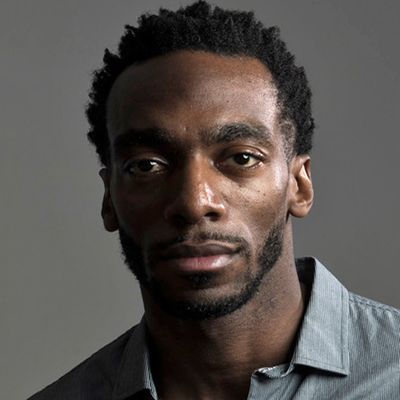
Daniel J, Watts made his Broadway debut in The Color Purple in 2006. He has also been in shows such as The Little Mermaid, In The Heights, Ghost the Musical, Motown the Musical, After Midnight, and Hamilton... Read More
From the show: The Theatre Podcast with Alan Seales
Guests
Featured Shows
About
Daniel J, Watts made his Broadway debut in The Color Purple in 2006. He has also been in shows such as The Little Mermaid, In The Heights, Ghost the Musical, Motown the Musical, After Midnight, and Hamilton. His TV credits include Smash, Boardwalk Empire, Person of Interest, The Good Wife, Blue Bloods, Blindspot, The Deuce, and of course the role of Felony on The Last O.G.. Daniel is now starring as Ike Turner in Tina, The Tina Turner Musical which just opened on Broadway.
In case you need to know, this episode goes deep. We cover Daniel's younger life as an only child to a single mother living outside of Charlotte, NC, why he decided to get into theatre, moving to New York knowing almost nothing about Broadway other than that he wanted to be a part of it, what he talks about in therapy and why he goes, and even dives into the minds of Ike and Tina Turner themselves, exploring the mental and physical abuse they both endured throughout their entire lives.
Connect with Daniel
- IG: @dwattswords
- Twitter: @dwattswords
- https://www.facebook.com/WattsWords
- https://www.wattswords.com/
- https://tinaonbroadway.com/
Connect with The Theatre Podcast:
- Support us on Patreon: Patreon.com/TheTheatrePodcast
- Twitter & Instagram: @theatre_podcast
- Facebook.com/OfficialTheatrePodcastTheTheatrePodcast.com
- Alan's personal Instagram: @alanseales
- Email me at feedback@thetheatrepodcast.com. I want to know what you think.
Thank you to our friends Jukebox The Ghost for our intro and outro music. You can find them on Instagram, Twitter, and Facebook @jukeboxtheghost or via the web via jukeboxtheghost.com.
A very special thanks to our patrons who help make this podcast possible!
Cheryl Hodges-Selden, Paul Seales, David Seales
If you would like to see your name in this show notes or get a shout out on the pod itself, visit ttp.fm/patreon to become a member and show your support!
Transcript
This transcript was automatically generated and might contain errors.
[0:00] Alan Seales: Welcome to The Theatre Podcast, intimate personal conversations with theatre's biggest names.
[0:10] Alan Seales: I'm Alan Seales. This podcast is part of the Broadway Podcast Network, and this episode is with the one and only Daniel J. Watts, who just opened as Ike Turner in Tina: The Tina Turner Musical at the Lunt-Fontaine Theatre. And this, oh man, I mean, I started every episode by saying, oh, it's a great episode, it's a great guest, et cetera, et cetera, right? Your standard stuff. But this one, he was just so honest and so open with his mental health, and he was like, I just came from therapy, let's talk about it. And this guy was just a genuinely nice person. You could tell it by just looking into his eyes that he genuinely cares for who he talks to. And the episode covered so many things. Of course, it covered his beginnings, of course, where we grew up near each other in North Carolina, here's another North Carolinian coming to Broadway.
But my gosh, I mean, the way he was talking about his childhood, the way he loves his mom and his grandma, he just grew up outside of Charlotte, an only child to a single mom, dad wasn't in the picture, and just made it to Broadway without really knowing anything about Broadway. And it was an amazing, it's an amazing story, and he was just using Broadway in theater and performing as a way of expression, because a troubled kid, he just needed that outlet. So we talk about that. And this is his ninth role on Broadway, but his first principal role, which was just amazing to me. We covered that, I mean, because this guy is great. So he calls himself a whistleblower, because he doesn't have time for not genuine people.
He'll just be like, nope, that's not real, moving on. And he calls himself a love terrorist. He just says there's too much hate in the world. He's just genuinely a super nice guy to know. So before we get into this, as always, visit me at ttp.fm. Please show your support for the podcast. Help us keep going. It's ttp.fm slash Patreon, P-A-T-R-E-O-N. And now please enjoy this episode with Daniel J. Watts.
[2:23] Alan Seales: My guest today made his Broadway debut in The Color Purple in 2006, and he has also been in shows such as The Little Mermaid, In the Heights, Ghost the Musical, Motown the Musical, After Midnight, and Hamilton. His TV credits include Smash, Boardwalk Empire, Person of Interest, The Good Wife, Blue Bloods, Blindspot, The Deuce, and of course, the role of Felony on The Last O.G. Now starring as Ike Turner in Tina: The Tina Turner Musical, which just opened on Broadway at the Lunt-Fontaine Theater, Daniel J. Watts.
[2:54] Daniel J. Watts: That's me.
[2:55] Alan Seales: Welcome to The Theatre Podcast.
[2:56] Daniel J. Watts: Thanks, man.
[2:57] Alan Seales: Yeah, yeah. So let's start with the standard stuff on this podcast, where I always like to start, which is like, tell me about your childhood. Where'd you grow up?
[3:04] Daniel J. Watts: Grew up in the Carolinas, I say. Back and forth between North and South Carolina. Predominantly Monroe Indian Trail, North Carolina. That's what I call home. That's where my mama is.
[3:17] Alan Seales: Do you know Wilkes-Barre? North Wilkes-Barre?
[3:18] Daniel J. Watts: Yeah.
[3:19] Alan Seales: That's where I'm from.
[3:20] Daniel J. Watts: Get out of here.
[3:21] Alan Seales: Yeah, man.
[3:22] Daniel J. Watts: Come on. Where'd you go to high school?
[3:23] Alan Seales: Wilkes Central.
[3:24] Daniel J. Watts: Yeah, you did.
[3:25] Alan Seales: Yeah.
[3:26] Daniel J. Watts: I went to Sun Valley.
[3:27] Alan Seales: That's right. That's right. Wow.
[3:29] Daniel J. Watts: Yeah, dude. There are so many actors that I have talked to on this podcast that have come out of North Carolina.
[3:34] Alan Seales: Come on. Like with the new basketball players.
[3:36] Daniel J. Watts: I guess. I don't know. Raleigh, Durham produces a lot of people. And then like, yeah, it's crazy.
[3:42] Alan Seales: Wilkes-Barre. What color is like blue and white?
[3:44] Daniel J. Watts: Yeah. Or green and gold.
[3:45] Alan Seales: Green and gold. Wait, hold on.
[3:46] Daniel J. Watts: Blue and white was North Central or North High.
[3:48] Alan Seales: Ah, I got it. Okay.
[3:50] Daniel J. Watts: There was North, East, West, which was Red, and Central. There was no South.
[3:54] Alan Seales: So many of those. North, East, Northwest, Cabarrus. North Central, Cabarrus. Central.
[3:59] Daniel J. Watts: Northwest, South Central.
[4:00] Alan Seales: Yeah. Northwest, Central, South.
[4:02] Alan Seales: All right. So anyway, back in Monroe, where'd you start? How'd you get started performing?
[4:08] Daniel J. Watts: Oh, man. It was kind of my mom's idea, really. I was hell bent on being a basketball player. I was going to be the next Muggsy Bogues. I had it all planned out. Basketball coaches had otherwise. They're like, nah, you're not going to be that. And I was in eighth grade and my mom suggested I audition for a play in Charlotte. And I was like, eh, okay, sure, whatever. And I auditioned and I caught the bug immediately. It felt like competition. Also, I noticed there were some other kids. I was 13. Other kids my age are a little older than me. And it just felt like, I'm going to try to get this over them. But I didn't realize that doing this theater thing was actually going to turn out to be an outlet for me in a lot of ways.
[4:56] Alan Seales: What kind of outlet was it? I mean, where did, why did you need an outlet?
[4:59] Daniel J. Watts: Only child, single parent home. So the usual, daddy issues. Daddy issues.
[5:07] Alan Seales: My therapy question came up, is later in my list.
[5:09] Daniel J. Watts: It's coming. We dive right in. I just came from therapy today. So yeah, 10 AM. And also, being an only child, having a lot of energy, and really playing with myself all the time. It was interesting to me. I always worked well with others. So being in a setting where other people were doing the things that I was always doing by myself, oh, we're going to pretend right now? Cool. I'm with that.
[5:37] Alan Seales: Did you pretend a lot? You were playing shows and things for yourself?
[5:39] Daniel J. Watts: Oh yeah. Not necessarily shows, but I was fighting ninjas and cowboys and playing with the poker in the fireplace, or turning a box into a fort or anything. Just by myself. So my imagination was super vivid.
[5:55] Alan Seales: What was the show you auditioned for? Do you remember?
[5:57] Daniel J. Watts: It was called The Second City. It was about, it was a made up, made up, all plays are made up, but it was a made up. It was an original play about this little town inside of Charlotte that was called Brooklyn, because so many people have migrated from Brooklyn, New York to this particular spot in Charlotte. So it was more of a historical facts, and then this person, it would follow that. So I was like boy one, who doubled as a kid named Johnny, who lost his goat. It's like I'm remembering it now.
[6:28] Alan Seales: Because you bring your goat from Brooklyn to Charlotte.
[6:31] Daniel J. Watts: To Charlotte. I forget a lot of it, but it was one of those moments where it was a sense of community that I'd never had before. I played sports, but this was different. I played soccer, I played basketball, I played baseball, but this was different for some reason. And I was still going to play sports even further. But something about this shared experience, us figuring this thing out together was interesting to me. And I was in.
[7:03] Alan Seales: So eighth grade then was the first thing you did, but then did you continue to audition or were you always straddling the line between that and sports?
[7:11] Daniel J. Watts: I was always straddling that between that and sports, but also dance. Dance kind of came and snuck in. When I was 15, I started tap dancing, because I ended up, I wanted to tap dance when I was six, because Savion Glover was tap dancing on Sesame Street. And I was a huge Sammy Davis Jr. fan for, I don't even really know why. But I wanted to tap, but my mom didn't think I would stick with it. And then finally I ended up in Gypsy, and I had to learn how to tap for Gypsy. So because of that, I ended up in tap class and then that just took over, dance took over.
[7:50] Daniel J. Watts: Yeah, it was community theater, so everyone was kind of trash at tap dancing, except like two people. So yeah, so under the assumption, like, oh, you'll figure it out. I could dance well enough, so they were just like, just move your feet around. But I kind of picked it up pretty easily.
[7:57] Alan Seales: So you got cast with the assumption that you would learn, teach yourself how to tap?
[8:00] Alan Seales: Okay, so at that point then, so you're going to high school and obviously you're still doing it, but you said you wanted to be the next Muggsy Bogues. Were you trying to actively go to college, like continue your education in sports or in something else or in theater or what?
[8:12] Daniel J. Watts: By then, I knew I wanted to do theater. Like by 15, I was dancing and I'd done, let's see, probably five plays of musicals by then. So I was like, oh, this looks like something I can do. I feel like I see people succeed in this field of arts and entertainment. So sure, I'll do that. I hadn't been on the basketball team since eighth grade. I actually started wrestling and that became my actual, it was another outlet, so to speak. But it was wrestling and dance and what little bit of acting I was doing in high school. And I was like, okay, I'll do this.
[8:50] Alan Seales: And did you go to school for this at all after high school?
[8:53] Daniel J. Watts: Yeah, I went to Elon, Elon University.
[8:54] Alan Seales: Of course, Elon.
[8:55] Daniel J. Watts: Yeah, one of those Elon kids. And it just, I knew nothing. I knew nothing when I got to Elon. I knew the movie musicals I had seen on TV and the three, Jesus Christ Superstar, and Joseph, and Big River, and Gypsy that I had done myself. That's all I knew. So it was a whole new world of like, oh, there's craft building and, oh, breaking down of songs. And I learned all the techniques and different styles of acting. I was a sponge.
[9:26] Alan Seales: That's fun. I grew up watching, my parents weren't theater people directly, but they were performing people and they just liked the arts and supported it. So I grew up watching VHS tapes of Music Man and Singing in the Rain and West Side Story. And then that kind of led, that was like my gateway into finding more and listening to soundtracks with other people from other things. So it's hard for me to imagine going to a performing arts school or in a performing arts program and not knowing all that stuff, but I can see how that would have happened.
[10:03] Daniel J. Watts: I knew nothing. Even like recordings, I didn't know anything about, I watched the Tonys, but that was about it. I'd seen, by college, I had seen Footloose and what'd I see? That's the only show I'd seen on Broadway. Footloose was the first show I saw when I was 18. And then that was it. I'd seen the tour of Miss Saigon and I was confused. I didn't know what was going on.
[10:32] Alan Seales: You ever go to the Raleigh Memorial Auditorium and see shows there?
[10:35] Daniel J. Watts: No, I was in Charlotte.
[10:36] Alan Seales: Oh, you were down the other side, yeah, yeah.
[10:38] Daniel J. Watts: I would go to the Blumenthal Performing Arts Center. I'm trying to think. Mary Poppins was a huge thing for me. I was a huge Dick Van Dyke fan. So Mary Poppins, Chitty Chitty Bang Bang, those films, the Disney stuff. I had a familiarity, but Sunday in the Park with George, what? What is that?
[11:02] Alan Seales: Not the big commercial successes.
[11:03] Daniel J. Watts: Assassin. I didn't know anything about Sondheim. I remember when Rent came out, everybody was losing their minds and I was like, what's the big deal? I didn't get it.
[11:14] Alan Seales: Oh, that was a game changer for me. It was Rent, yeah. Because you get your traditional big dance kick line, 15 minute ballet breaks, the traditional musical theater. And then there have been a couple of things, like Hamilton being one of them. They've just come in and been like, screw it. We're just doing our own thing. We're not going to play to anything. And Rent was one of those things. For me, it stood out, Wicked kind of being another. Some of these things have just been running forever and completely saying, screw it. I'm changing the game. I'm going to be my own pattern. I'm going to be my own type of story, my own type of music and integrate pop culture, pop music really, into a genre that traditionally has not seen that.
[12:01] Daniel J. Watts: Yeah. I didn't get it. I was doing Gypsy at the time. Gypsy? No. Might've been Anything Goes. I think it was Gypsy. I was doing Gypsy and I remember all the hype and it was coming out in the Tonys and I was like, I don't, I simply don't understand what you're doing. What do you mean you're listening to the cast album? What does that mean? What is a cast album? I didn't get it.
[12:24] Alan Seales: Was that Lion King? Was that the same year?
[12:27] Daniel J. Watts: No. They were like close.
[12:27] Alan Seales: Lion King just had, no, Wicked just had 16 years, 16 anniversary, like last week.
[12:33] Daniel J. Watts: Right.
[12:34] Alan Seales: Lion King is 22?
[12:39] Daniel J. Watts: Maybe. Yeah. I feel like it was very, it was very close because like, have you listened to Lion King? I was like, what is Lion King? The Disney? They were like, yeah. The movie? No, no. It's on Broadway. How? I just didn't get it. Meanwhile, still doing it.
[12:54] Alan Seales: Anything Goes. I got that. I just didn't, I didn't understand New York and Broadway and this whole other, I didn't understand that Broadway had trickled its way down to Charlotte, North Carolina and that's what we were doing. Some old Broadway thing. I just didn't get it.
[13:08] Daniel J. Watts: Yeah. By the time the rights could be afforded. Right. I didn't understand it. So your mom, your mom's still in Monroe?
[13:13] Daniel J. Watts: Mom's still in Indian Trail.
[13:17] Alan Seales: Indian Trail. Yeah. So when you were like, mom, me, your only son, I'm going to go, my legacy is going to be on the Broadway stage. What was her reaction to that?
[13:24] Daniel J. Watts: I remember her being cool with it. She just didn't know exactly how to help facilitate it. Cause I had started acting, like when eighth grade happened and then I ended up doing two TV movies as an extra, but like for me and her at that time, it was like, oh, he's going, he's going to the big time. Again, we didn't get it. And so my mom was like, all she saw was like, oh, my son's about to try and be a child star. And she'd seen or heard of the success and then the immediate downfall of child star. So she was like, I don't want to do that. So she kind of was trying to keep it contained. And by the time I was in college, I at least shown a pattern of like, oh, I enjoy doing this. I show a lot of excitement and interest when going on auditions and doing the role. So when I said, I want to go to school for it, I don't think she knew how I would make money, but she's always been interested in what I've been interested in.
[14:30] Daniel J. Watts: That's a good mom. My mom's the best mom in the world. Like she's always led from behind.
[14:36] Daniel J. Watts: In that regard, but, you know, was definitely not letting me play football or do karate or, you know, she was, I don't care if you're interested in that, you're not doing that. You know what I mean? But anything she was like, okay, this seems safe and it'll protect your brain.
[14:50] Alan Seales: It'll protect your brain. That's exactly why I couldn't play football.
[14:54] Daniel J. Watts: Yep. That's why I didn't play football. I played soccer. That was as much-
[14:58] Alan Seales: Yeah. Soccer.
[14:59] Daniel J. Watts: Yeah. But, you know, got a neck injury out of that and it blew out my ACL too.
[15:03] Alan Seales: Oh, no.
[15:04] Daniel J. Watts: But, you know, that happens. I don't think you can consider yourself a serious soccer player unless you blow out your ACL.
[15:10] Alan Seales: Probably. That's probably why I'm not doing it.
[15:12] Daniel J. Watts: I was like, I'm not really trying to slide tackle you. I'm just-
[15:15] Alan Seales: I can get the ball.
[15:17] Daniel J. Watts: Oh, I tried. I was running, running, running, like sprinting. Someone's coming up behind me and immediately I planted with my left foot sideways to try to cut back.
[15:26] Alan Seales: Yep.
[15:27] Daniel J. Watts: You know, if I'm running at six o'clock, I was trying to cut back at about four o'clock.
[15:31] Alan Seales: Yep.
[15:32] Daniel J. Watts: And just, I felt my knee get out of the light, the top of my leg, get out of the light on the bottom of my leg. And I heard a pop.
[15:40] Alan Seales: No. And you knew.
[15:42] Daniel J. Watts: And I was like on the ground, numb. I was like, oh, there goes the rest of my soccer career.
[15:46] Alan Seales: It's high school?
[15:48] Daniel J. Watts: Yeah, high school.
[15:48] Alan Seales: Oh, so it's super important then. Like you think your life is over.
[15:52] Daniel J. Watts: Yeah. It was, it was devastating.
[15:54] Alan Seales: Oh, man.
[15:54] Daniel J. Watts: But I mean, speaking of that though, you know, if I did a lot of rehab, I came back, but I just kind of gave it up. It was the mental game then that I wasn't prepared for.
[16:03] Alan Seales: Yeah.
[16:03] Daniel J. Watts: And speaking with people who have had vocal injuries, like Broadway, I equate to the Olympics of theater, right? Like you are top of your game, eight shows a week. And you know, we're going to talk about Tina Turner musical, but I'm sure the singing in that is something.
[16:22] Alan Seales: Sure.
[16:22] Daniel J. Watts: And you got to be on point, on top of your game physically.
[16:28] Alan Seales: Yeah.
[16:28] Daniel J. Watts: Not only mentally for your character, but there were so many people and it was Casey Levy that started a tweet thread, like it was a month or two ago, right? About like, you know, let's just smash this stigma. Like I had injuries, I've had nodes, other people have come out and said, me too, me too, me too, and had all these vocal injuries. And then they're leads on Broadway still. And it's, have you ever been through something like that? Like I'm trying to bring this back to the mental game.
[16:59] Alan Seales: Sure.
[16:59] Daniel J. Watts: You ever had a moment where you're just like, I don't think I can do this anymore. I just have to continue. Or like you hemorrhaged or you pulled a muscle or something.
[17:10] Alan Seales: Absolutely. You know, I mean, it is, we're athletes. It's performance, literally eight times a week. And some days, you know, that warmup didn't kick in the way you needed it to, or you didn't get enough sleep the night before, or you ran around and did too much, or you talked on the phone to something you did too much of, or not enough of. And now you have to do that thing. And your voice is like, you know, there's certain muscle memories that you can kind of, you know, click into, but sometimes it's just not there. And you can either call out because that one thing isn't there, or you can just try to push through. And generally, we try to push through. You know, you never, you've probably been at 100% once, and you've probably never been there ever again.
You know, you're playing hurt. Everyone's playing hurt because everyone also understands, well, if I call out, so-and-so has to go on, which means wardrobe has to do this. And you know, it's a domino effect. And there's this pressure to make sure that you're there all the time. So also, you're in your head. It's just some, and by the time you get to it, you've thought yourself into the problem as opposed to just relaxing and just getting to it. But sure, there's one spot specifically that wears me out as soon as we get to it, is I can't stand the rain. And it just sits in a very place in my throat. And I'm never positive it's going to happen. It happens, but I'm never positive. And what would happen if it didn't? It could sound horrible.
I could crack. I could be off pitch. I mean, what I'm saying, I guess, is the show's going to move on and do it again. Your ego is bruised. That's what happens. It's your ego. Your ego is ruined. You care about the 1500 people who are there and you thinking they're so concerned about that one specific spot. It's like, as soon as it's over, it might be like, oh, that was bad or not. But nobody remembers. I'm sure I've heard plenty of people crack or have bad shows and I don't remember.
[19:09] Alan Seales: Yeah. Yeah.
[19:10] Daniel J. Watts: Unless I was in the show and it was real good. But, you know, it's more like line flubs are more interesting to me than like, you know, vocal issues.
[19:17] Alan Seales: Oh, gosh. Well, those are fun.
[19:23] Daniel J. Watts: I love hearing a line flub, knock on wood, because I don't want any of them. That's my favorite.
[19:29] Alan Seales: So, okay, then. Well, God, I got so much to ask you about later about like the validation of all this. But we're still in the college years.
[19:38] Daniel J. Watts: Yes.
[19:39] Alan Seales: Okay. So getting to New York, finished E-Line.
[19:44] Daniel J. Watts: Yep.
[19:44] Alan Seales: Right. And then how old are you at this point?
[19:46] Daniel J. Watts: Graduated. I was 22. 22 when I graduated.
[19:50] Alan Seales: Right.
[19:50] Daniel J. Watts: And is that right? Or is that 21? It doesn't make sense.
[19:52] Alan Seales: 21, 22. Yeah.
[19:53] Daniel J. Watts: 21, 22. 21 turning 22 that summer.
[19:55] Alan Seales: Yeah.
[19:56] Daniel J. Watts: And then I bounced around and did the regional theater thing for like a year and a half, living out of a suitcase, calling theaters, asking if I could audition or what the best way to audition, sending the tape, SCTC.
[20:08] Alan Seales: SCTC, I was about to say, yeah.
[20:09] Daniel J. Watts: SCTCs. There would be dinner, this dinner theater, this person at this dinner theater knew somebody at another dinner theater and was like, hey, they're looking for an ensemble person. You free? Yeah. Shlep your stuff up to Illinois from Florida. I did it for a year and a half. And then one of my best friends from college, his grandmother owned their brownstone here in Brooklyn. And he was like, I think I want to move to New York. And I know you want to move to, do you want to move with me? And I was like, I don't have any money, bro. So no. He's like, well, you can stay with me for free. Oh, that changes everything.
[20:44] Alan Seales: Isn't it amazing how one thing changes the entire trajectory of your life?
[20:48] Daniel J. Watts: That was it. I was going back to North Carolina, easily. I would do a gig, I'll go back to North Carolina, or I would go straight from that gig to another one. But I just knew I was going to be in North Carolina. And I wrapped my head that November, October to November, I did a play in, or musical in Wilmington, North Carolina called Pompeii the Musical. And it was Broadway bound, like they are. And this one gentleman had made his Broadway debut at 45. I'm 24, 23 at this point. So I've just wrapped my head around and they're like, oh, got it. I probably won't make my debut until I'm 45. So I'll just do work. Someone else had just come off of a non-equity tour. I was still non-equity. I was like, okay, get on one of these non-equity tours and do the thing. Hit another one of these dinner theaters, you get free food. That was the plan.
[21:37] Alan Seales: I remember that. I was at Prather's Dinner Theater.
[21:39] Daniel J. Watts: That's exactly where I was.
[21:40] Alan Seales: Yeah?
[21:41] Daniel J. Watts: Forever Planned. I was in Dutch Apple.
[21:45] Alan Seales: You did Dutch Apple, I did Broadway Palm in Florida.
[21:47] Daniel J. Watts: Yeah, I was in Pennsylvania.
[21:49] Alan Seales: Yeah.
[21:50] Daniel J. Watts: I was in Forever Planned there. And I remember always coming in and I was like, I just got to get some of these dumplings. Coming in for the free food.
[21:56] Alan Seales: I got to get this. You have a full buffet of food?
[22:00] Daniel J. Watts: Yep. Yep. That was a bit. That was free food for actors. You're so surprised how far that goes.
[22:07] Alan Seales: And a check. I get paid and I get free food. What? I'm doing it.
[22:13] Daniel J. Watts: That's so funny.
[22:14] Alan Seales: I'm doing it.
[22:15] Daniel J. Watts: All right. So then a couple of years. So you were 25, 26 when you get to New York?
[22:19] Daniel J. Watts: I'm 20. No, this is 20. Oh, a year and a half. 24, 23. 23 turning 24. I turned 24.
[22:29] Alan Seales: I moved in January of 06 and I turned 24 that July.
[22:35] Daniel J. Watts: And even when I got here, I already had three jobs set up. I had a job set up in Atlanta to do Jelly's Last Jam, which changed my life. And then I did South Pacific at this theater in Virginia that I worked at three times before, four times before. And then I was going up to the hangar in September to get my equity card doing Hello, Dolly.
[22:59] Alan Seales: So The Color Purple is your debut in 2006.
[23:03] Daniel J. Watts: Yep.
[23:04] Alan Seales: So you moved here, you said in 05?
[23:07] Daniel J. Watts: In January of 06.
[23:08] Alan Seales: Oh, January of 06.
[23:10] Daniel J. Watts: And then when, you just popped into Broadway.
[23:15] Alan Seales: So weird. I feel like I snuck. I feel like someone left the door open and I was like, hey, anybody home? Hello? And they were like, hey, come and put these costumes on, get on stage. That's how I felt. So going to, they're all connected. So I had to run into a friend while I was in Hello, Dolly, upstate in Ithaca, came back to New York for a day, ran into a friend who I did Jelly's Last Jam with that January, right? Run into him on the street. He's with a guy, James Brown III, who's in The Color Purple at the time. And we're just talking, making small talk. And I'm being funny, but I'm not, but I am. And I'm like, hey, when are you leaving the show? I want your job, that guy. And he laughed.
He said, well, someone is leaving. Can you tumble? I was like, yeah, I can tumble. The guy I was with, Dale, who I was with, confirmed. He was like, cool, just send me your information. I'll give it to the dance captain and we'll take it from there. I send him my information. The job finishes in Ithaca. I come back, I audition. I make the first cut. I go to a group call. I make that cut, have a vocal audition. Two days later, I get a phone call. Two days later, I'm in an audition for In the Heights, final callbacks for In the Heights. And I get cut. Andy comes over to me and he's like, hey, great job. We'll keep an eye on you, just know, but it's just not going to work out right now. Which I was like, cool, but disappointed. I go check my phone. I have two voicemails from Telsey. And they call and they let me know that I had just booked The Color Purple.
[24:51] Alan Seales: Jeez.
[24:52] Daniel J. Watts: It was nuts. It was nuts.
[24:53] Alan Seales: And Andy kept his word because you went in-
[24:55] Daniel J. Watts: And Andy kept his word.
[24:58] Alan Seales: Wow.
[24:59] Daniel J. Watts: Wow. Little Mermaid was right after that. So I was a vacation swing in The Color Purple, in and out. Ended up staying for three months. And then I booked The Little Mermaid. And then we went to Denver out of town.
[25:16] Alan Seales: Right. So Little Mermaid was in 08. Then In the Heights, Andy kept his word. Did you have to re-audition for that or did he actually just call you up?
[25:26] Daniel J. Watts: I kept going in back and forth. So Little Mermaid went to Denver in 07, came in, and then that whole strike happened. So we were supposed to open in 07, and then they got pushed to 08.
[25:38] Alan Seales: Yes.
[25:39] Daniel J. Watts: Pushed to 08. And then I left Little Mermaid and went to go do Memphis out of town for the out of town. We did La Jolla and Seattle. Between that, I worked with Andy again doing The Wiz. Yes, we did The Wiz. Did The Wiz at City Center. And then we started Memphis. And I'd been in a couple more times. And then towards as Memphis was coming around to Tony season, I was tired of Memphis. I was just exhausted. We were doing so much. I was just exhausted. And Andy hit me up and was like, hey, it's only a swing position, but would you be interested in doing Heights? We have a swing position for you. And I was like, yep. Yes, I would. So my last performance of Memphis was at the Tonys. We won the Tony. I had a day off then, and I started in Heights Varsity on Tuesday.
[26:34] Alan Seales: No kidding.
[26:34] Daniel J. Watts: Yeah.
[26:35] Alan Seales: Wow. That's a way to go out.
[26:37] Daniel J. Watts: Yeah. It was great. It was everything. It was the way to go out. I had done it. We'd done it out of town.
[26:42] Alan Seales: I mean, obviously, looking back, we could say why In the Heights was so great. But at the time before, I mean, I guess it was already open. Yeah. So you had seen it.
[26:54] Daniel J. Watts: Yeah. So when I auditioned, it hadn't even gone off-Broadway yet when I first auditioned. The first time.
[26:59] Alan Seales: So that call I got cut was for the off-Broadway production. And I remember when I went to the first audition, first dance audition for In the Heights, there's a guy named Ricky Tripp, who's my brother now, my broski. But at the time, we didn't know each other. We'd just seen each other in passing at BDC when BDC was still on 56th Street, 57th Street. And I get into the audition, and he's teaching the combination. And I was like, what the heck is he doing here teaching the combination? Who is he? But it was the first time theater had done for me what I think Rent had done for everybody else, was I'm hearing this music that is something I grew up with, but not... I never heard this in theater. That's hip-hop.
[27:42] Alan Seales: This is hip-hop. Yeah.
[27:44] Daniel J. Watts: Oh, it's got flow to it. There's a beat to it. And then the choreography was this... Hip-hop had reached this new... Hip-hop as far as dance. Street jazz and hip-hop had formulated this new... Everything was a lot more rhythmical and I won't say percussion-based, but it was nuanced. People were dancing to words and beat in a way that they hadn't been before. And Andy had picked up on that and was working with people who were choreographing and dancing like that. So this world was built around that kind of movement. And I was just a bit... It bit me from the beginning.
[28:20] Alan Seales: So then Ghost the Musical, Motown the Musical, After Midnight, obviously, I mean, Hamilton, they must have remembered you from the first time. Yeah. Called you back for Hamilton. Did you... I mean, Hamilton was something, of course, that changed the game again.
[28:38] Daniel J. Watts: Yeah. And you have now been a part of a couple of these game changers, right? Do you get kids coming up to you, stage door feedback, or people writing you or whatever, and you're like, you're part of this show, you're part of this thing that has shaped my life?
[28:54] Daniel J. Watts: Yeah. And it's weird. It's weird, I'll just say it, it's weird being the person for somebody who... I was that somebody before. I was coming to stage doors and being like, yo, Dominique Kelly, I remember when you came, when I saw you in Bring the Noise, Ring the Funk on tour.
[29:13] Daniel J. Watts: And now you're in Wicked and I'm watching you. I'm that guy now for a lot of people, which is cool. And social media kind of heightens it to a way that it wasn't when I was coming up; there was no social media. So there are eyes on you that might not have been able to be on you before. But it's very humbling to have someone say they know who you are in this very niche thing that we do. Yeah, it's cool because you're like, oh, wow, I didn't know anybody was paying attention. I think a lot of people want to pay attention now due to, I guess, lack of representation for people of color on Broadway right now. And In the Heights was one of those things and Hamilton again, one of these things where you got all these shows now that are doing colorblind casting and I still think there's not enough of it.
[30:08] Alan Seales: Oh, no, no, no, no. I mean, yeah, similarly, I don't want to cut you off.
[30:13] Daniel J. Watts: Oh, go ahead. Ricky Tripp, I use Ricky Tripp again, for example, when I went to go see In the Heights, I only looked at Ricky Tripp the whole show, mainly because he looked like me. Oftentimes you're looking at a show, you're looking for yourself somewhere who either represents me or sounds like me or reminds me of me. And I couldn't, I mean, Ricky was also killing it, but I realized at the end of the show, I had not taken my eyes off of Ricky Tripp the whole time. And that's when I started really understanding the idea of representation and what it means to be able to see yourself and what you want that to look like, what that reflection looks back. It's a hard thing sometimes when you go to a show and you're kind of stuck with, you're stuck with whatever that representation is and that representation is believed to be the monolith for everyone who looks and sounds like you.
[31:05] So sometimes it's like, I don't really like how this black person is being portrayed. And now I feel some kind of way because I feel like everyone thinks that's also me on stage and that's not necessarily me, but this is weird. And sometimes people don't come to theater because of that. They don't want to have to sit with that, whatever that embarrassment might be. But again, things like Heights, Hamilton, hey, Rent was doing it. Little Mermaid, it was across the board. We had all kinds of races, creeds, colors, sizes. King Triton was black and Ariel was white and this daughter's work, all that stuff. It was cool. People enjoyed it. It was like, oh, maybe this doesn't matter as much as I thought it did. It was great.
[31:53] Alan Seales: It's interesting, your Instagram profile, I promise you we get back to the therapy bit. I do promise you we'll get to talk about Tina too. Gosh, there's so much I want to talk to you about.
[32:03] Daniel J. Watts: Let's talk about it all.
[32:04] Alan Seales: Yeah. So one of your favorite posts recently, all it said, it was just an image that says, my therapist is the shit. And this takes me back to something we were talking about earlier of you're finding your outlet, single mom, only child. And me personally, I got into performing. I got into this sort of thing because I craved attention and craved validation. And I wonder, what is it for you? Some people are like, I don't need that. I don't need to be on stage. Don't ever want my wife, for example. She's like, nope, don't ever want to be on stage. And I'm like, shove me in front of a thousand people. I'm cool. How is that for you?
[32:49] Daniel J. Watts: Yeah. I think there's always some sort of, hey, look at me. Yes. There's some sort of, hey, look at me going on at all times. I think if I go even further back to the root root, the story goes is that my aunt had a hat rack and I used to take hats off the hat rack and pretend to be different people based on the hat that I had on. And this is like, I guess, eight or nine years old. And my mom picked up on that early on. And that's what she kind of, I think she kind of was doing this the whole time. Hey, slowly shoving me towards this arts thing, performance thing, because she saw it in me. But yeah, I found in college that it wasn't what I wanted to do was also I wanted to tell stories and I wanted to express myself.
And this was really the only medium that I knew that you could do that outside of music specifically, but I wasn't making music. I didn't really know anything about music at that time. So this was the only place that I felt that I could jump into a thing and make it my own and kind of show myself doing something different.
[34:02] I remember there was a phase of like, oh, it's a pretend. I'm pretending to be somebody else. I don't have to be me, which says a lot. If you really get down to the degree of like, I don't have to be me. I get to be somebody else, which I never thought about until I got therapy. And yeah, but my therapist is the shit because he helped me sort through a whole lot of stuff and helped me understand what I wanted to do in performance is really get down to the heart of the matter. Why was I so attached to theater and musicals and what was going on in there? What was happening that speaks to the human condition that I related to everybody in Mary Poppins for some whatever another, I related to everyone in Alice in Wonderland, or at least Alice in Alice in Wonderland. Mary Poppins. I mean, the kids want their dad's approval. The kids want their dad's approval. That's the whole movie.
[35:02] Right. That's it. Dad, dad. Well, yeah, dad, that's the whole movie. And there's this, you don't know if she's imaginary, is she real? What happened? And again, in it, I didn't necessarily relate to Michael so much as I related. I don't know how I related to Dick Van Dyke, I guess, because he's like this wanderer, this traveling, this chimney sweep. He's a tap dancer. He's tap dancing. I wanted to tap so bad at the time. My mama wouldn't let me.
[35:32] Daniel J. Watts: Yeah, man. It's deep. It's deep. Oh, I love that stuff. Yeah. I mean, do you still have struggle? Do you have any sort of struggle or, I guess, struggle is not the right word. I was going to say issue or struggle. I'm trying to think of a positive word to use. But our society is so backwards. Okay. Are you affected at all by the stress of being in the limelight, of having to maintain your eight shows a week?
[36:00] Daniel J. Watts: Absolutely. I'm frustrated at all my friends who have been principals on Broadway who didn't tell me this part, who kind of did this silently in the dark. It was like, yo, why didn't you tell me? Why didn't you tell me about all these eyeballs? The hardest part for me is the figuring it out in front of everybody. It's one thing to be in the ensemble and figuring it out with a group of people. We're all figuring it out together versus having to... That was the hardest part was I've been, for the most part, the shows that I've been in on Broadway, I've been a part of some part of the process somewhere. Color Purple, that was vacation swing, but coming in, it was already up. But for the most part, it's been, okay, I know what this is.
By the time we get to opening out on Broadway, I know what this is. I got it. This, or even previews, this, I'm still figuring out what the role is. What does it mean to me? And then that, how do I want to sing this song? I don't know yet. Oh, there's a new song in tonight. Huh? And we're just going to do it. I'm going to figure this out in front of everybody.
[37:12] Alan Seales: Yep. Can I practice it? Not really.
[37:18] Daniel J. Watts: There's no time.
[37:20] Alan Seales: No, just...
[37:21] Daniel J. Watts: That was something Alex Timbers told me that previews are some of his most favorite moments of bringing a show to life because most often that show will be performed once and never again.
[37:35] Alan Seales: It'll never be heard from again.
[37:37] Daniel J. Watts: Yeah. In that incarnation.
[37:39] Alan Seales: Yeah. It's exactly what happens because there's constantly a creative who's like, I don't like the way that moves. Go this way now. Or this sounds funny. Change it to this. Or the director's like, I want to cut these words. And the writer's like, okay. And then you get new pages and it's just... And of course, that's when all your friends want to come. Your friends want to come during previews. They don't want to wait till you're in it for three months and like, okay, now I got it. Oh, I like watching the process. Forget you. But that has been the most daunting part is the upfront, figuring it out in front of everybody and trying not to judge it. Care about it without judging it. Who told me? Who said that to me the other day? That's terrible. I sure remember.
[38:29] Alan Seales: Well, so this is now your ninth Broadway credit. You've had eight other Broadway credits now, first principal role. What does this feel like? Aside from the, oh crap, I'm figuring it out in front of everybody. How else is this new for you emotionally?
[38:46] Daniel J. Watts: Man, I try not to cry every day just because it's exhausting. But it's... Oh, a friend from Elon came to the show and she brought a t-shirt. She brought an Elon t-shirt. And after she left, I looked in the mirror and I held it up and I just got misty because I just remembered being this kid who just... I remember the day I got to Elon and I knew nothing. I knew nothing. And let's fast forward to senior year. It's like, what do you want to do? What's your 10 year plan? It's like, I want to move to New York and then be able to bounce back and forth between New York and LA over 10 years. And fast forward to moving to New York and figuring it out and then essentially going to LA for a little while and coming back and doing TV.
I had actually said out loud, I'll never be a principal on Broadway. I've said it out loud. I've said it several times. I'll never be a principal on Broadway because I just didn't believe it would happen. I know there was something that I've believed about myself as far as what my ministry is and what I'm used to seeing leading men be. I'm used to the Brandon Victor Dixon's and the Josh Henry's. And I was like, I don't do that. I don't do that. That is not me.
[40:04] Alan Seales: Yeah. Even like Norm Lewis. Norm Lewis. I don't do that. Sure, maybe with some work and stuff, but that's just not even where I've been putting my work into to be like that. And it's because I'm just different. So I just wrap my head around that very idea. The same way I wrap my head around, I'll make my Broadway debut at 45 at the earliest. And the universe is always like, I'll show you. And so it's very overwhelming. And I'm just thankful. I'm thankful and terrified all at the same time. And which also feels right with the role. And we'll get into that. But Ike Turner seemed like a very confident person at times and then a very incredibly insecure person at times. And I think he was always trying to figure out which one to be at the right time.
And sometimes he failed miserably and other times he succeeded exceedingly well. So it's something about this feeling, this vulnerability that's like, oh, this is how I'm supposed to be. I'm not really supposed to be super comfortable playing Ike Turner because then it will probably be false.
[41:16] Alan Seales: It translates.
[41:17] Daniel J. Watts: Yeah.
[41:17] Alan Seales: Because Ike, gosh, he met what in 1958?
[41:25] Daniel J. Watts: Yeah. Met Anna Mae Bullock.
[41:27] Alan Seales: Anna Mae Bullock.
[41:27] Daniel J. Watts: Who is Tina Turner? That's her real name. And created Tina Turner, created her stage persona.
[41:33] Alan Seales: And spoiler alert, as we all know, he died in 2007.
[41:38] Daniel J. Watts: Drug overdose.
[41:38] Alan Seales: Yeah. I mean, the musical, this is going to deal with some dark subjects.
[41:44] Daniel J. Watts: Oh, yeah.
[41:46] Alan Seales: But obviously the music's good. And obviously they had some good times together. But there are some very well known bad times, domestic abuse. There's a lot of stuff back there. I mean, did the producing team, did the creative team, did you sit down with them and work through all this stuff to figure out the best way to present it?
[42:01] Daniel J. Watts: Yes and no. Well, things like they already had, there's two productions before us. So they'd already done all that work with the London production and then the German production. And there's another one in the works for Holland. So it's kind of like a thing that they've already done before. What I do believe they've done a good job of, myself on the back, is choose people who are interested in the story behind the story.
[42:37] Daniel J. Watts: When I got the audition breakdown and the call, hey, you want to go on for Ike Turner? I was like, what? I was like, they don't want me to be Ike Turner. And then I read the breakdown and then did a quick little Google search because I hadn't thought about Ike Turner since the first time I saw it was a little got to do with and every once in a while when it pops up on TV. But I don't really, Ike Turner was never really in my brain space. And I did a little bit of research. I read the sides and one of it talked about, one of the sides was about his father being beaten almost to death for talking to a white woman. And then two years later, he dies of those injuries. He was in an infirmary tent because they took him to the closest hospital was a white hospital and they wouldn't take him. So they just built a tent in the front yard and he just slowly died away.
[43:50] Daniel J. Watts: I was like, oh, I know this guy. Oh, I know this guy. So then I got his autobiography, read the autobiography. There's a whole life of Ike Turner before he met Anna Mae Bullock. He had been married two or three times before. One of the wives was taken from him by her parents and put in an insane asylum. He never saw her again. He created the song "Rocket 88," which people believe to be the first rock and roll record. He never got credit for it. Elvis used to come in to this club that he performed at all the time and kick it and hang out. Next thing he knows, Elvis is like, shut up and become. And he was never allowed to even have the career that Elvis had. Grew up in the Confederate South. All these people left him.
All these people used him before he met Anna Mae Bullock. So he meets Anna Mae Bullock, Lil' Anne. They're going to perform together. Lil' Anne gets pregnant by Raymond, one of his musicians. Now, this is where the story gets tricky because this is how Ike tells the story. Ike tells the story that Raymond ran off and he was worried that Raymond was going to come back and take Anna Mae with him with the baby. So he wasn't beholden to the Lil' Anne name. He changed it to Tina so that in the event Anna Mae Bullock ran off, he could just get another Tina and plug it into that slot. Oh, he created a character. He created a character. Same with the Ikettes. He was like, these will be the Ikettes. Y'all can come and go if you want to, but if you want to perform this music or you want doing this stuff, I don't want what happened to me on "Rocket 88" to happen again.
So that's what he did. Turns out Anna Mae Bullock stuck with him for 16 years. So when she finally left, the only thing she wanted was that name because she had put all that work into it. She had made the name what the name is. Ike hadn't had, didn't have a backup plan. He had put everything into Ike and Tina Turner. So there's no Ike Turner. And when you know this, because he also knows this the whole time, he knows he's technically nothing. He believes he's technically nothing without Tina Turner. So he's going to fight to keep her there. He's going to fight to keep her there. Literally fight. Literally fight. Because I think Ike never grew up much past the little boy who lost his father, the little boy who was in first grade with Miss Boozy, the little boy who lost his first wife.
I think he was like 18. The little boy, he was 19 when "Rocket 88" got taken away. I don't think he grew up past that. And violence is, I think people use violence when they've run out of vocabulary. It's a control mechanism. It's a control mechanism. It exerts power. He'd never been able to exert power before. He couldn't save his father. He couldn't stop Miss Boozy. He couldn't keep those women from leaving him. He couldn't stop "Rocket 88." Now he had, and like I said, I went to therapy. When I read all this, I was like, oh, I know exactly who this is. I know what all this stuff is. I got, okay, here we go. Ike Turner. Let's talk about it. Wow. Oh God. He didn't want to do it. He just had to do it.
He had to. He didn't want to. And that's the thing. Ike Turner is, I don't want to say he's no different than anybody else, but he's no different than anybody else who didn't have the tools to work through his shit. And rightly so. We've villainized him in a way that we can't erase the narrative that he's just this brutal person. No one's really ever, it's always like, Ike Turner was violent. Ike Turner was violent. Ike Turner was violent. Why was he violent? No one ever, just take one more step. Why was he violent? Because there's a whole other story there. There's actually a more interesting story to me personally that also makes him and Tina's dynamic more interesting. I don't think Tina just stuck around and was just beat up all the time.
I think there were two people, Tina's father left, Tina's mother never really loved her or at least showed her any love. The only man she loved ran off on her. Ike was there. Ike stayed. Ike was interested. Ike showed her a way to become a star. That's what I was going to say. Knowing what kind of guy he is, part of that must have been attractive, had to have been attractive to her. She needed that for her coping mechanism. Something, something. How much? I don't know if we'll ever know, but something is in there. This is all fascinating. And just the history lesson you've given me right here, I mean, I can't wait to see the show. I'm sure the show is, of course, is what? Almost three hours, two and a half hours, something like that?
Like 240. Yeah. So just history, history, history. And then the songs, of course, are incredible. I mean, it's Tina's show. It's about Tina. It's not about Ike. I have that information. And there's a little bits of it here and there. But for the most part, this is- Still just knowing all these backstories, and there's got to be, I mean, I assume, I haven't seen it yet, but it's got to be some, I guess, nod to the relationship, obviously, the relationship between the two of them. Yes. I mean, because he made her career. Yeah. Yeah. That's, oh, I cannot wait. I cannot wait to see the show. So I've got a Patreon account. And so my patrons can throw some questions your way. So one of them wants me to ask you to talk me through the things that each of these mean on your Instagram profile, your Instagram bio. First one is WME.
[49:44] Daniel J. Watts: Oh, William Morris Endeavor.
[49:48] Daniel J. Watts: CESD?
[49:52] Daniel J. Watts: My agents, CESD.
[49:52] Daniel J. Watts: Oh, yeah. Okay. Okay. So anonymous content.
[49:52] Daniel J. Watts: Is my management company.
[49:58] Alan Seales: Okay. Storyteller.
[49:58] Daniel J. Watts: Storyteller. That's me.
[50:03] Alan Seales: What stories do you tell?
[50:03] Daniel J. Watts: All stories. It's interesting. I've used to be very, very observatory, observational. I was like, wait a minute.
[50:11] Daniel J. Watts: Wait a minute. People stand inside you and look at the stars.
[50:14] Daniel J. Watts: That's exactly what happens. I will make up a meaningful word. I am still very observational, and I used to tell stories of outside, but to go further, I'm working on a piece about Pele, the first soccer player to win three national championships. His rags to riches story, he grew up with no shoes and became like, no shoes to endorsement, shoe endorsement deals. He went bankrupt twice. He was offered a million dollars to play in Europe, turned it down because he only wanted to play in Brazil. But also Brazil made him a non-exportable national treasure when he was 21, which meant he couldn't play anywhere else.
[51:02] Alan Seales: He didn't make a person non-exportable?
[51:09] Daniel J. Watts: Brazil could at that time. They deemed him the president before he left because he was getting ousted anyway, made Pele a non-exportable national treasure. And it's very interesting because Brazil is the last country in the West that abolished slavery. And the emperor at that time, this is in 65, the Civil War ended. He was like, hey, yo, Confederate cats, we still got slavery down here. You want to come on down here and help us get this cotton together? Glad to have you. So a lot of Confederate soldiers migrated to Brazil and they're still places, they have Confederate flags and they have a full-on celebration, their Confederate American heritage. It's a thing. But Pele grew out of that. It's crazy. True rags to riches.
[52:05] Alan Seales: Okay. Whistleblower is the next one.
[52:11] Daniel J. Watts: Yes. Whistleblower is, I like to blow the whistle on bullshit. Can I curse on you?
[52:20] Alan Seales: Oh, yeah.
[52:20] Daniel J. Watts: Bullshit. I'm Whistleblower. We don't have time anymore. And I don't have time to be silent. I have a poem called "No More Silences." We often take moments of silence after something's happened. And it's all well and good, I think, to pay respect. But I also think we've just been silent too many times. No more silences. Let's just talk about it. Blow the whistle.
[52:37] Alan Seales: What are we going to do?
[52:42] Daniel J. Watts: Love terrorists.
[52:42] Alan Seales: Love terrorists.
[52:54] Daniel J. Watts: I am a terrorist of love. That's another poem I wrote about a world that terrorizes with love. It goes beyond just random hugs. It's meeting people with love first. Just being gracious, open, positive, but just terrorizing the world with that. Because what good is all this hate getting us? What good is it doing us? We're moving backwards.
[53:16] Alan Seales: The last two, tree climber and mama's boy.
[53:19] Daniel J. Watts: Tree climber. Man, I'm so country. That's just the country in me. I'm a tree climber. I have to remind myself not to go barefoot in New York City. That's disgusting. Disgusting. And I don't do it. That's how I grew up. I grew up running around barefoot climbing trees and stuff. And mama's boy is self-explanatory.
[53:37] Alan Seales: Yep. I know that one now. And I just want to touch real quick on Daniel J. Watts' The Jam.
[53:43] Daniel J. Watts: Yo, come on with it.
[53:45] Alan Seales: Yeah. What's that? Tell me about that.
[53:45] Daniel J. Watts: Daniel J. Watts' The Jam. The Jam is based on my great-grandmother who used to make jam. She'd make it from scratch. You can't make it a jar at a time. You have to make it in bulk. So she would make herself a jar and she'd give the rest away. So me, I've been writing stuff since I can remember. 12, 13, I really got heavy into. I was feeling some kind of way, or if I want to express myself, I would just write it down in a journal. And over time, over the years, notebooks full of stuff, laptop full of stuff, phone full of stuff. And I was like, I got all this stuff and I'm not doing anything with it. And so I decided to get a band together. And I was like, oh, maybe I can read a poem and somebody could dance to that.
Or this would be good to some music. And we'll just jam. I was like, oh. And I put the two together. It's also Jelly's Last Jam. There's a line in Jelly's Last Jam, which is we're jamming with jelly tonight. And I had never really thought about the play on words of that until I was like, oh, Jelly World Morton, we're jamming. And I was like, what's the difference between jam and jelly? Jam has all the fruit and the pulp and the seeds and the stuff in it. Jelly doesn't have that. It's just the runoff. So I was like, if I'm going to be either of these, I'm going to be jam. So if it gets sticky, let it stick with you. That's one of the mottos. I do storytelling. I do spoken word. But the most recent jam is called Only Child, and it's based on me going to therapy and realizing, or my analogy is that going to therapy is like inviting a stranger to the attic of your mind.
And you probably haven't been up there in a while. And you don't really want them to see everything. So you kind of pretend the lights don't work and you focus on a very specific area. You're like, hey, I'm looking for this Bob Marley record right here. And you realize if you're serious about therapy, you have to turn the lights on. And when you find that Bob Marley record, it won't matter because you have this whole attic of stuff you got to clean up. And I realized in therapy that being an only child and a latchkey kid in a single parent home kind of created a person. And I had to go through that box and figure out who that person is and learn how to let some of this stuff go.
[55:53] Alan Seales: I wish more people would do that.
[55:54] Daniel J. Watts: Man, that's it.
[55:56] Alan Seales: Really? That's why I think we have so much hate.
[55:59] Daniel J. Watts: Exactly.
[56:03] Alan Seales: We're all just trying to control ourselves, control others.
[56:05] Daniel J. Watts: Boom. We don't love ourselves.
[56:06] Alan Seales: No, no.
[56:09] Daniel J. Watts: The golden rule is love your neighbor like you love yourself. But if you don't love yourself, then you're going to love your neighbor the same way.
[56:11] Alan Seales: Exactly, exactly. Okay, so you got to get back to the show here. So there's three standard closing questions that I ask everybody on this podcast. First one, very simply, what motivates you?
[56:21] Daniel J. Watts: Oh, what motivates me? Oh, wow. Just to get up and be the best person I can be today, better than yesterday.
[56:32] Alan Seales: And what advice would you give to your younger self and younger people listening now starting out down a similar path?
[56:35] Daniel J. Watts: Oh, man. Dream as big as possible. Just because it's free. It's the only thing that's free. Just dream and think and write it down. Not just dream, but write it down because that's where the magic is. The spells are in the spelling. Write it down.
[56:54] Alan Seales: All right. So last question. If you can only see one show for the rest of your life, but you can see it as many times as you want, what would you see?
[57:01] Daniel J. Watts: Stage.
[57:02] Alan Seales: Anything you want.
[57:03] Daniel J. Watts: Films.
[57:03] Alan Seales: Anything you want.
[57:04] Daniel J. Watts: One for the rest of my life. Oh, man. That's good. Everything's going through my brain right now. Everything. Oh, that's a horrible question.
[57:20] Daniel J. Watts: I don't know. Am I supposed to know? What is yours? Do you have one?
[57:23] Alan Seales: No, I can't answer my own question.
[57:24] Daniel J. Watts: Oh, that's terrible.
[57:25] Daniel J. Watts: Maybe "Singing in the Rain" because it's so nostalgic for me.
[57:29] Alan Seales: Tap.
[57:33] Daniel J. Watts: There you go. Good job. You got me. Tap. The movie Tap.
[57:37] Alan Seales: All right. We can find you on Instagram and Twitter at DWattsisWords and Facebook.com slash WattsisWords and WattsisWords.com. And of course, TinaOnBroadway.com. Get your tickets. You can get more of me at TheTheatrePodcast.com or TheTheatrePodcast.com slash Patreon to show your support. Get your questions in here for my next guests. You can find me on Instagram and Twitter at Theatre underscore podcast or Facebook.com slash Official Theatre Podcast. This is edited by Matthew Hendershot, part of the Broadway Podcast Network. And thank you to Jukebox the Ghost for the intro and outro music. And Daniel J. Watts, thank you for being my guest today. This has been such a great conversation.
[58:16] Daniel J. Watts: Thanks for having me, bro.
© Broadway Podcast Network, All Rights Reserved