

Bernie Telsey is one of the biggest names in the business. You may not see him on stage but he has introduced the world to some of the biggest names on Broadway. He and his team at Telsey + Company have cast literally hundreds of Broadway, off-Broadway, and regional productions, in addition to your favorite TV shows and movies, and more... Read More
From the show: The Theatre Podcast with Alan Seales
Featured Shows

About
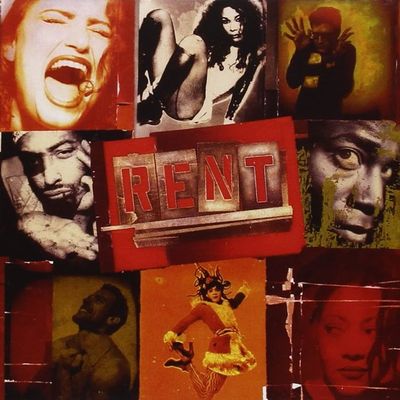
Bernie Telsey is one of the biggest names in the business. You may not see him on stage but he has introduced the world to some of the biggest names on Broadway. He and his team at Telsey + Company have cast literally hundreds of Broadway, off-Broadway, and regional productions, in addition to your favorite TV shows and movies, and more. He is also one of the co-creators of MCC Theatre, which he started right after graduating NYU. Bernie got his big break after casting one the most beloved musicals, Rent, and started a casting trend that almost single handedly changed the face of the industry, and helped to bring the large volume of filming tv, film, and commercials to New York City that we see today.
Among many things, we cover:
- The behind the scenes of casting a show and how it is different for each genre
- Starting MCC Theatre with friends from college
- Getting his big break casting Rent, after trying to not do it
- How the internet has helped (and hurt) how shows are cast these days
- What it takes to run bi-coastal, massive casting agency
- How he helped usher in a new wave of Broadway and changed the industry
- Advice on how to get seen in this business, and the proper way to submit yourself to casting agents
Connect with Bernie
- www.telseyandco.com
- IG/Twitter: @telseyandco
Connect with The Theatre Podcast:
- Support us on Patreon: Patreon.com/TheTheatrePodcast
- Twitter & Instagram: @theatre_podcast
- Facebook.com/OfficialTheatrePodcast
- TheTheatrePodcast.com
- Alan's personal Instagram: @alanseales
- Email me at feedback@thetheatrepodcast.com. I want to know what you think.
Thank you to our friends Jukebox The Ghost for our intro and outro music. You can find them on Instagram, Twitter, and Facebook @jukeboxtheghost or via the web via jukeboxtheghost.com.
A very special thanks to our patrons who help make this podcast possible!
Cheryl Hodges-Selden, Paul Seales, David Seales
If you would like to see your name in this show notes or get a shout out on the pod itself, visit ttp.fm/patreon to become a member and show your support!
Transcript
This transcript was automatically generated and might contain errors.
[0:00] Alan Seales: Welcome to The Theatre Podcast, intimate personal conversations with theatre's biggest names and part of the Broadway Podcast Network. This episode is with Bernie Telsey. This guy has cast everything you can think of from Broadway to voiceovers to movies to commercials to special events. I mean, gosh, he got his start, put his name on the map with Rent back in 1996 and has even cast the most recent Mary Poppins movie, Mary Poppins Returns. Gosh, his company is just legendary in the industry here and has so many shows under his belt. And he and his team, they built up this hugely successful casting company. And even as successful as he is, he is still extremely friendly, extremely personable.
Before we started recording, we were just chatting and hanging out in one of his audition studios in his office. And then he was excited to show me around the office afterwards. And he really wanted to make a genuine connection, a one-on-one connection, which I really appreciate. When I think as an actor, you're just going in front of readers that don't give you anything, or you're going in front of casting agents that make you feel nervous or whatever it is, like to meet one of the biggest and have him be such a real person is really refreshing. So Bernie, kudos to you. Before we get into the episode, as always, please visit me on thetheaterpodcast.com and show your support via thetheaterpodcast.com slash Patreon. P-A-T-R-E-O-N. And now please enjoy this episode with casting director Bernie Telsey.
[1:47] Alan Seales: My guest today owns Telsey and Company, one of the most successful casting agencies in New York City. He and his company are credited with casting 175 Broadway shows, 58 tours, both of which, those numbers don't even include the off-Broadway and regional productions for theaters such as Atlantic Theater Company, Signature Theater, Westport County Playhouse, and La Jolla Playhouse, just to name probably what is a very small handful. He and his company are also credited with 97 film and TV shows ranging the gamut of pretty much all genres, interests, and sizes. In addition, Telsey and Company cast voiceover gigs, commercials, and special events, and somehow I feel this is kind of only the tip of the iceberg. So Bernie Telsey, welcome to The Theatre Podcast.
[2:39] Bernie Telsey: That makes me want to go to sleep right now.
[2:42] Alan Seales: Well, one of the things I was most impressed with while researching for this episode was how much you and your team have done in such a relatively short amount of time. And that's what I want to really dig into is your past, where'd you come from, how did you put this company together, and then how did you make it so successful? So there's our table of contents. Okay, that's good. So start at the beginning. Little Bernie.
[3:08] Bernie Telsey: Little Bernie. I grew up in Long Island, and I sort of fell in love with the theater in day camp and started doing shows. And then I had a high school that didn't really have a performing arts program or anything like that. But I was really interested and tried to sort of organize a drama group club. But then I got friendly with one of our music teachers who was part of a Long Island adult community theater. And I sort of grew up there. I mean, from ninth grade to 12th grade.
[3:40] Alan Seales: You're performing?
[3:40] Bernie Telsey: I was in the ensemble, but more importantly, I was in the office because the only way I can get there would be to get a ride with him and then get a ride home because they would rehearse in the evening. So my dad worked and my mom didn't drive. So I wound up just volunteering in the office and I started at an early age to learn about other things than performing. So when it came time to go to school, college, I knew I wanted a program that, yes, of course had acting, but had more. I mean, I started to have this fantasy and this dream of starting a theater company, which luckily I was able to do with MCC Theater. But at that time, I didn't know that would exist. So I went to NYU for theater management and acting.
[4:25] Alan Seales: You want me to keep going? And then how I fell into casting though?
[4:28] Bernie Telsey: Yeah. So, okay, theater management. So you knew that you didn't want to perform. I guess you were in the ensembles. You had that realization. You're like, I'm just not going to try that route.
[4:37] Bernie Telsey: Yeah. And I was doing it in college and I just didn't love it as much as I loved trying to make the other stuff happen. You know, like, let's do theater in the basement at some building at NYU and all that kind of stuff interested me more.
[4:51] Alan Seales: Okay. So then college, you come out of college with a theater management degree.
[4:56] Bernie Telsey: Yeah. And we had the most amazing professors in that theater management program because they were all working professionals in New York. And Barbara Houtman was our main teacher. And at that time, she was the executive director of TDF. And before that, she was executive director of Twyla Tharp on Broadway. And she was a working professional and she ultimately ran STC. And she was helping us get jobs because we were graduating. And she introduced me to Meg Simon and Frank Heumann, who at that time were one of the premier New York theater casting directors. And they were looking for someone to do their accounting and their bookkeeping. And because I was an accounting minor, thanks to my mom's persistence.
[5:45] Alan Seales: Did she make you get something that could be, quote, useful?
[5:47] Bernie Telsey: Yes. So I took a lot of business classes at NYU. And so I started working for Meg and Fran. And I just loved it. I mean, I was, you know, one of their two assistants and just started seeing actors coming and going and started to understand what, you know, you knew what casting was as a young actor, but not really. And I watched the two of them work and watched auditions and started going to the theater every night with them, without them, and ushering, you know, off-Broadway shows and started to learn your own taste. And really wanted to sort of pursue that track while starting this club, which was MCC. And it felt like they really both matched each other well. And I stayed there for about six and a half years.
[6:41] Alan Seales: So MCC, you started before you got into being an actual casting director?
[6:46] Bernie Telsey: Yeah, we started MCC, like, you know, also like two weeks after NYU. There was about seven of us from a class, along with Bob Lepone, who was a guest teacher, that we started this club, you know, MCC. And so they both were, you know, and then my daytime job was working at Meg and Fran.
[7:04] Alan Seales: Well, okay. So I want to take a sidetrack real quick, talking about MCC. So I know a lot of people who have theater troupes, and they have clubs, and they have friends. And is, I guess, how easy is it to just be like, yeah, I'm gonna start an off-Broadway theater now? And did you, was that the goal at the time? Or did you just want to have something in a black box somewhere where you performed?
[7:15] Bernie Telsey: No, at that time, my goal was to have a real not-for-profit theater company. I mean, that was primarily what I was studying at NYU, you know, through four years of internships and studying not-for-profit theater with Barbara Hauptman and all the other professors. So that is what I wanted to do. I don't know how you do that at 21. And it was like, oh, well, Bob is the working professional on Broadway. So let's do this. And I just had more chutzpah to sort of continue to pursue that.
[7:59] Alan Seales: Yeah. That's another story that I've heard of, like, well, I didn't know it was going to be hard, so I just did it.
[8:05] Bernie Telsey: Right. No, that's exactly right. We didn't know. And now, 33 years later, it's just as hard and harder. But yet, we have our own building and our own home, and it all worked.
[8:17] Alan Seales: Right. Okay. Okay. So back to casting.
[8:22] Bernie Telsey: Sure. So you've got MCC on the side. You're casting for MCC, I assume?
[8:26] Bernie Telsey: Yes. Yeah, yeah. I mean, at that time, early on, we were doing readings and workshops. I mean, we didn't really do our first production until 86, which was Beirut.
[8:36] Alan Seales: Right. Okay. So MCC, you said you started when you were 21, right?
[8:40] Bernie Telsey: Yeah, yeah, yeah.
[8:43] Alan Seales: Okay. So then Beirut, when was that? How old were you then?
[8:46] Bernie Telsey: 25.
[8:46] Alan Seales: Okay. So four years. Four years. And when are you working? So Risa Braman and Billy Hopkins.
[8:54] Bernie Telsey: Yeah, that came slightly after, around 86, I think, or 87. I then left Megan Fran because then I was going to put all my energy into MCC. Because now we're taking off, even though we were doing our first show. I just needed to spend more time at the theater. And then I met Risa and Billy, who at that time were both young directors directing at EST, but they also were doing the casting for EST. And they had just exploded because they did Desperately Seeking Susan and Fatal Attraction and Born on the Fourth of July. And they were just starting to do all these amazing New York movies that were getting all these New York actors these premiere roles. And they were expanding, and they needed some freelance.
And then I met them, and they said, come cast with us, and you can do your theater. We do our directing thing, and you'll do a project, and you can do your theater. And so I worked on and off for them for about two years. And then in 88, I sort of went out on my own. I mean, while I was with them, we did a commercial because it was this really groovy Richard Avedon commercial who was directing his first live action commercial. He's the famous photographer. And we put all these amazing theater actors in it, from Larry Brigman to Ron Votter, who was a part of the Performing Garage at the Wooster Group, and Bob Joy. It was just a commercial that really took off for IBM. And then everyone started calling Risa and Billy to do more commercials. And they did not want to do that. They had too many movies going on, and it was very busy. And they said, just go open up your own shingle and do commercials.
[10:46] Bernie Telsey: So that's how you started?
[10:49] Bernie Telsey: So that's how I was like, okay, now I'll have commercials on this phone line, and an MCC on this phone line. And I supported myself doing the commercials, and then did the theater.
[11:00] Alan Seales: So okay, so in 88, you said you went out. Okay. And were you just Telsey at this time? I mean, do you have a company name?
[11:05] Bernie Telsey: No, it was just Bernie Telsey Casting, I think we had at the time. I was doing commercials. And then Will Cantler, who was the other artistic director of MCC, was the director in trade. And it was like, well, do the commercials with me. Because then we could both be here for MCC. Bobby's acting, and we'll both do these commercials. So then we just started doing that for a few years.
[11:32] Alan Seales: Okay, that's interesting. And so that was a couple years. And then the first, I guess the – well, let me back up a second. I was going to ask, in the late 80s, New York is known for being very dirty at that time. It's nothing like it is now. And was most of the film and most of the TV done on the West Coast? Or was there still a little bit?
[11:44] Bernie Telsey: There was some, I mean, there were the Julia Taylors and Ellen Lewis's who were casting amazing movies in New York. But there wasn't the television that there is now. And there wasn't even the musicals like they are now in the sense of pop and rock and anything goes kind of thing. So there was theater.
[12:11] Alan Seales: Yeah. Well, that kind of reminds – I guess that segues into your first big credited show was Rent, right? In 96, which I talk about how it changed kind of the – not the genre. Well, yeah, it changed Broadway, right? Because it brought this new style, this new pop music into what is traditional, like 15-minute dance breaks. That's not what Rent was or is. And I was reading too that it put you on the map as being able – well, for one, you cast this major success. But then two, it shows that you could do something outside the norm.
[12:51] Bernie Telsey: Right.
[12:53] Alan Seales: So how did that – how did you make that relationship? How did that come?
[12:58] Bernie Telsey: That's a great story. While I was doing the commercials, Will and I, Peter Sellers had called a wonderful stage director.
[13:08] Alan Seales: Of course.
[13:08] Bernie Telsey: And he had done a lot of theater every now and then that Meg Simon and Frank Human would cast. And he knew me through that world. And here it was many years later that he was doing a production of Merchant of Venice at the Goodman. And Meg, at that time, had already been moved on to casting television. So he called me to cast this Merchant of Venice and then this rock musical that he – rock opera that he was doing called I Was Looking at the Ceiling and Then I Saw the Sky by John Adams, who is a wonderful opera composer. And they were going to tour around Europe. And the breakdown, you could say, was very Rent-esque, even though Rent didn't exist yet. This was like 92, maybe 93. And Merchant of Venice was a great success at the Goodman, and then that segued into us casting for the Goodman and that kind of stuff.
But then we did this rock musical that toured around Europe. And that was it. It was never supposed to come to New York, or maybe it was. And then New York Theatre Workshop started developing Rent. And they had an in-house casting director, but she was leaving to have a baby. And they called me and said, would you – we know you did this rock musical that was diverse and young, and would you come and do New York – our production of Rent and our production of Quills, which is this wonderful, wonderful play, by the way, if you...
[14:44] Bernie Telsey: I didn't know Quills. And at that time, I was doing so many commercials and the theatre was going, and I always laugh when I talk to young actors. I say, never say no. Because I tried to say no to Jim Nicola. I didn't know if I'd have the time to work on Rent. But I asked, is there any way I could just do Quills? Because Quills was a really good play. And I hadn't listened to anything in the Rent. I didn't know. It just felt like, oh my god, I just did this musical and I don't know if I have... And he said, no, you have to do both. So I took both. And you know...
[15:21] Alan Seales: So glad you did.
[15:22] Bernie Telsey: So glad I did. And mostly because even to this day, there was nothing more rewarding and exciting and challenging than working on Rent. Getting to work with Michael, who I had known, and Jonathan Larson, and Tim Wilde, the musical supervisor. It was amazing. That was at a time where there weren't those kind of musicals, even off-Broadway. Let alone there wasn't even off-Broadway musicals. And I didn't know any of this getting... I mean, I knew it was going to be hard because the Peter Sellers thing was hard. But this was almost impossible. Because it was an off-Broadway musical, which didn't exist in any genre. And even though Jonathan kept saying, I really want rock voices and pop voices, I didn't really know what that meant until we got in the room when he basically did not want anyone who was coming into audition to be in the show.
Because he really, really wanted these specific voices. And it was at a time when, God bless the agents, but they'd rather their clients be in the ensemble of the second national tour of Les Mis than be a lead in Rent. Because it wasn't a time... And now, debuting in a lead in an off-Broadway musical gets a lot of visibility and gets a lot of attention. It wasn't happening at that time. So why is someone going to work for $200 off-Broadway in a musical that no one knows about when they can make a Broadway salary on the tour of Les Mis? It makes no sense right now when you say that. But it really was hard. And we had a year to cast that, thankfully.
[16:59] Alan Seales: It takes that long?
[17:00] Bernie Telsey: No. Here's the genius of Jonathan and Michael and Jim Nicola and Tim. They knew it was going to be hard because Jonathan, as all the stuff you read about now, he knew he was really putting a new voice, a new sound. Someone must have said, we got to take the time to do this. And if we really know we're going to do this a year from now at the New York Theatre Workshop, why are we not just starting now to cast it? And Michael at the time was the Artistic Director of La Jolla, who I knew because we were casting for them. And he was always going to be in New York every six weeks. So it was like, I'll come from New York and we'll do two days of auditions. And then I'll go away. And I'll give Bernie a chance to keep looking.
Where was I going to keep looking? I didn't have the body of knowledge that we do now. So it was, we always laugh and say, we would do an open call because we could not find Roger, someone who sang like it needed to be sung. And we would do an open call and 22 people would come. And they'd all look like Alice Cooper. As opposed to when we did the first open call for Broadway, when it was transferring, we had 4,000 people.
[18:19] Alan Seales: I was going to say, 22 does not sound like a lot.
[18:21] Bernie Telsey: No. I mean, it was nothing. It was in an office half the size of this. And it was like, but out of those 22 guys, there was Adam Pascal. And it was like, God bless if you can sing. And of course he did. And it was like calling Michael and Jonathan and going, I got one. Tomorrow morning at 10 a.m., he'll be there. But I mean, there's so many wonderful Rent stories. But it really was, it really taught me everything in the sense of how to search, how to be a detective, how to find new talent. It wasn't about the people that I knew, because those people we brought in the first two weeks and it didn't work.
[19:03] Alan Seales: Right. Well, so are you the first line of defense and you're the screening? You're the filter that's like, okay, so I'm going to now send this on to send these out of these 22 people. I'm going to send these free to Jonathan Larson.
[19:18] Bernie Telsey: In that case, yeah. I mean, in that particular case, and I think it's all casting directors, we are the front line. We're the people who see the talent first before the creative team, whether it's the director, producer, or writer. In the case of Rent, we were just seeing people on our own. Meaning me and Will or David, because we were a staff of two and a half. If we liked someone, then we would hold auditions for Michael and Jonathan and Tim Weill.
[19:46] Alan Seales: Well, I was reading too, you're credited with or notable for discovering Taye Diggs, Idina Menzel, Anthony Rapp, and Jesse L. Martin. You've made the careers of these people.
[19:58] Bernie Telsey: Yeah. I like to look at it as we introduced them. I mean, they were as talented as they were. Yes.
[20:04] Alan Seales: You discovered them. You didn't invent them. You discovered them.
[20:09] Bernie Telsey: Introduced them. I don't know. Yeah. I mean, you're right. But Jesse was someone I knew because of casting commercials. And he was so good and so lit up the room every time he came in for a commercial. And you and I can go, really? You saw that in a commercial? But he was that kind of raw, accessible, loving. And then it was, okay, you sing, come in for this musical. I mean, it only took seven times of him not showing up to finally come in where I think I had to drag him there and say, you have to come do this.
[20:51] Alan Seales: So the actors were reluctant to put their name on something so different?
[20:55] Bernie Telsey: Not put their name. I mean, in Jesse's case, I don't do musicals. That kind of thing. I don't do musicals.
[20:58] Alan Seales: Yeah. You know what I mean? I'm not a singer. And it was like, I know, but this isn't a musical. This is a musical. This is something different. And they really want someone like you. Just come in and stand around a piano and we'll see. And it was that kind of a thing.
[21:15] Alan Seales: That's incredible. So you said it was a year that you got to work on this. But generally, in terms of the mechanics of casting now, how far in advance do you get notice of like, all right, we're going to... I guess one question is, do people pitch castings to different companies? Like there's you and you're not the only casting director or casting company in New York. But how does, I guess, first of all, how does one decide to use Telsey & Company? And then second, how far in advance is that process normally?
[21:47] Bernie Telsey: You might have to ask some of those people who decide to hire us. But I think when a project is knowing it's going to happen, right, whether it's in the... So if your musicals, for instance, start so early on in the process. Nowadays, and even back then, even Rent had readings before it ever got to production. All of these kind of shows do. So I think the minute that they're ready to do a reading, even if it's a reading just for the composers and the authors and the director, they need a casting director. And I think like any of us get hired based on our relationships with those creative members, sometimes it's the director or the producer or the composer who has a history with us and says, oh, I really want you to cast this.
Or it could be a brand new team that maybe is meeting a few of us. There are times where we too have to audition in the sense of we go in and have a meeting and talk about our process here and what makes us who we are. But usually with a musical, it's almost like two years out.
[22:54] Alan Seales: Before the first workshop or before it hits Broadway?
[22:54] Bernie Telsey: No, I would say it's about two to two and a half years before it hits Broadway. Sometimes longer. I mean, we get hired. I mean, there are some shows that we've been doing readings of for five years and hasn't gotten to Broadway yet. But now it all of a sudden has dates and it's actually coming to Broadway. So we can start anywhere from two to four years out. Because the music, the script, I mean, the creatives from the creation standpoint are working sometimes six, seven, eight, ten years in advance.
[23:27] Alan Seales: Oh, yeah.
[23:28] Bernie Telsey: So then they come. Do they ever... I guess they come to you with the finished character breakdowns, or do they just give you a script and you're like, you write the character breakdowns?
[23:38] Bernie Telsey: Both. I mean, if they have a real insight to, okay, this is what I want, then they'll share all that with us, what you would call the character breakdown. Or they'll say, you know, this is what we think it's going to be, but we're also open. You know, that was the great thing about Rent, not to keep going back there, but Jonathan was very much about, I wrote these guys, but I'm open to interpretation. You know what I mean? Like, Collins was originally written as like a Bruce Springsteen type character.
[24:08] Alan Seales: Oh, really?
[24:08] Bernie Telsey: You know, like if you look at the earlier breakdowns for Collins, it actually says that, which is nothing like the smooth Jesse Martin. You know what I mean? But that came out of the kit. You know what I mean? But that was a wonderful moment where Jonathan was like, or we can shake it all up. And I was like, oh, we can? Great. And let's try something different. So sometimes the creative teams will rely on the casting director to use the process to change something that they might have been originally writing.
[24:37] Alan Seales: Okay. So then let's take Frozen, for example. One of the great successes now that you and your company have cast. So how far in advance did Disney come to you and say, we're going to have these characters, obviously these iconic, well-known characters already of Elsa and Anna and everybody else. And yeah, so how do you approach that? How do you approach filling those shoes? Because those are animated shoes that people need to fill in a very specific way.
[25:11] Bernie Telsey: Yeah. I mean, in that case, I think they came to us about three and a half years before it ever got to the out-of-town Broadway production or the Broadway production. That was basically like the day the movie came out.
[25:26] Alan Seales: Yeah, exactly. Right? Well, I think the day the movie came out and they saw those results, they knew they were writing a musical. And again, that's something that they'll tell us and say, Bernie, in about seven months, we're going to do the first reading. But start thinking about it now. So that your wheels are turning, right? Because you know you're going to need not new necessarily, but younger sounds. You know it's going to be a big score sung. So as you're casting all those other women in other shows, think about who might be in Anna or Elsa, because in about eight months, we're going to come to you to start organizing a reading. So in that case, you might not have read it, but you know what the shoes are because of the animated movie. And you know, you might not hear all the... Well, you know some of the songs, actually. You know how hard Let It Go is. It's another Elphaba. It's another any one of those big kind of roles.
[26:35] Alan Seales: Did you go to Idina and ask her if she was interested?
[26:40] Bernie Telsey: I would not have. I mean, I believe that those conversations would have happened way before we were ever hired if there was any. I don't think she would have done that. I have no idea if they asked.
[26:46] Alan Seales: Yeah. Kristen Bell, too. I would love to see her on Broadway, right? I remember, hey, we put her in their first reading of the Tom Sawyer musical that she did. Yeah, I want her to come back. She always threatens to. I saw her in Hollywood, and she said, I will when the kids are older.
[27:03] Alan Seales: Yeah. Yeah, I listened to Armchair Expert with Dax's podcast, and he's always talking about what they're doing. She's just... Both of them are so busy. I don't think they'd make it out here anytime soon for a permanent amount of time. But okay. So Frozen, for example, is kind of the gift that keeps on giving, because it's running forever, knock on wood, right? And so there are replacements, and there are put-ins, and there are standbys, and there are understudies, and now there's a tour. The national tour opens tonight in LA.
[27:32] Bernie Telsey: Yeah. So you've got all of that. Is that something that, I guess, in terms of resource management and scheduling with your team, and from a logistics standpoint, from a business owner, where do you prioritize? How do you prioritize with your staff? Do you have the mechanics of the company to come in every morning and like, oh! So we just heard that Casey Levy wants to leave the show. We got to find somebody in a week. How does this all work?
[28:00] Bernie Telsey: Yeah, yeah. That's good questions. One of the things I could not live without is this amazing staff that we have. And many, if not 75% of them, have been here 10 to 30 years. So it's a really great, close-knit group of a bunch of different casting directors with different tastes and different eyes. But we all work together as a team. And specifically to answer your question, we have a group of the employees who are all in the musical department. You know, so there's about six casting directors and four associates and three assistants who all work on all the musicals. And we try to make every project, especially the ones that are running, like the Broadway replacements and tours, they all have a team of three or four people. Even though everyone in the office is always looking, everyone always knows we need an Elphaba in Wicked or now we need an Anna in Frozen. But it's that team of four who are constantly looking.
[29:07] Alan Seales: They're dedicated to specific shows?
[29:09] Bernie Telsey: Yeah, they're dedicated.
[29:10] Alan Seales: Full-time or do they kind of rotate through?
[29:12] Bernie Telsey: You know, they'll do something else besides Frozen. But it's the four people who are doing Frozen are not the four people who are doing six Hamilton companies or the people who are doing Wicked. It's spread out because the shows that are very successful and...
[29:28] Bernie Telsey: And Hamilton right now has five or six companies that every day someone's replacing. So that's an example where there's three people who, two of them are dedicated to do nothing but because there's so much turnover and there's so much need. It's such a big company. That raises a question too, a very interesting one, because you have something that is distributed like that in London and on the West Coast and the East Coast and everywhere. Are you, and I know you've got office presence on the West Coast as well. How are you, where are your talent pools and how are you tapping into them? Which is going to lead to a later question of how do you discover new people?
[30:15] Bernie Telsey: Yeah, yeah. Well, the talent is everywhere now, right? And the great thing about the internet is we can reach talent everywhere and anywhere. Yeah, so we are on the streets of London and Australia on a daily basis. Of course not. We just can't. So we don't do the musicals that are there. We might consult with Australia. The great thing about the internet and whatnot is we can reach talent all over the world now. It's global and it's so easy to get people to audition from anywhere. And we are doing that in film and TV on a daily basis. With musicals or stage productions, yes, we can hire talent and see talent from all over, but we're not on the streets of London and Australia looking for the brand new musical talent.
Because one, it's a lot harder for them to work here. And two, we just can't be there to do that. You know what I mean? So we might consult on the Wicked in London or the Hamilton in Australia, but we don't cover those. We cover the U.S. territory. So the talent pool is everywhere. And many people on our staff are flying or watching videos or looking at YouTube. I mean, we're looking all over the place. Someone's in San Francisco today doing Hamilton auditions and someone's in L.A. doing Wicked auditions. You just have to constantly go.
[31:39] Bernie Telsey: It's interesting. I think Jessica Vosk got, my theory is that she got noticed for her dead Elphaba when she was doing Fiddler on the Roof, right? So she got noticed for doing all the hashtag dead Elphaba stuff on Instagram, which then was somebody who was like, oh yeah, let's bring her in for Elphaba. Is there truth behind that?
[32:03] Bernie Telsey: She might think that. This office has been seeing her and casting her in a million shows. But everything is timing. That could have been going around at the same time she came in and killed it at her audition. You can neither confirm nor deny.
[32:21] Bernie Telsey: That stuff is crazy to me. Listen, sometimes it takes, people used to say, why am I going in to rent? It's the 12th time. Sometimes it takes 12 times. You know what I mean? There's been many people who've gotten hired. So you just never know when the timing is going to be.
[32:39] Bernie Telsey: I mean, you mentioned the internet and that was going to be something else too. Now it seems very easy, especially for sending in self-tapes. Literally, you just send it to your iPhone and email it to somebody, right? But before, in the 80s and the 90s and even probably the early 2000s, before people even really had widespread broadband, right? I mean, YouTube came out in 2005, 2006, something like that. So it's been just over a decade that probably your talent pool has just exponentially grown, right?
[33:14] Bernie Telsey: Oh, absolutely.
[33:15] Bernie Telsey: So is it easier or harder now to find people? Because I feel like there's a lot more noise would be my thought.
[33:21] Bernie Telsey: Yeah, I think it's a little bit of both. I think it's easier to look for people, right? Like the days of rent, I couldn't look unless I was in a room or I went to clubs, right? There was no such thing as tape. I mean, it wasn't going to happen or no one was going to watch a tape to hear somebody sing, let alone cast someone. So it's so much easier now to look for talent. But like you said, there's a lot of noise that you have to get through because it's so much easier to look, but so much more is coming at you. And you're getting hit from all over. You're getting hit from agents, from YouTube, from individuals who are doing self-tapes. Or I can never lie down and go, I've seen everyone because I know I haven't. Because did I look at 70,000 YouTube impressions? You know what I mean? So it's easy to look, but we have so much to look through to find that individual person who's going to be the one that everyone's going to agree on wanting to hire.
[34:30] Bernie Telsey: Are there two types of categorizations? I would think that it's like you get your original Broadway cast that are more traditional, known for Broadway people. And then maybe if ticket sales start to slump a little bit, that's when they don't bring in a celebrity, they bring in a bigger name that isn't known for Broadway like Anastasia before it closed brought in Cody Simpson, right? Who's this got 7 million followers on YouTube. Are you told that you need to look for somebody of that nature? Okay, alternate reality, we're in the upside down, right? And Frozen's not doing well. And they're like, oh, we got to replace Elphaba with a celebrity so we can try to sell some more tickets. Where do you go to? Is it a different pool?
[35:26] Bernie Telsey: Yeah. I mean, sometimes we're told by producers. You know what I mean? If there's a name out there that could be right, can you be tracking that? Can you be finding that? Or we're told we have to have that. You know what I mean? It's a business. So there's nothing wrong with that. And we all could sit here and name a million times where like, oh my God, that person was amazing. And the show ran for another six months. You know what I mean? Which meant there was more work for everyone. And there was a show that everyone got to go see. So we're constantly doing that. I mean, even down to when it's first starting at a reading, sometimes it's, hey, is there someone with a name that might want to do this? You know what I mean? That's a lot harder because they're not going to commit to the length of time that is needed to originate a role.
[36:09] Bernie Telsey: Right. Taylor Swift is not going to come in and originate a Broadway show right now. I don't think she's coming in even for six weeks. But I'll check because everybody asks me to check. But that's also a different kind of casting and a different challenge. You know, and that's what's so wonderful about the job because there's always a different challenge. And hard as it may be, yeah, come on. It's exciting when you can find someone that can do the role. And look, I think off the top of my head, all the great, exciting, different people that went in and out of Waitress from the part of the doctor to the part of Jenna. You know what I mean? And it was wonderful to get to see that many people do the role.
Kiki Barber, an NFL player? Okay, that's something I'd go see, right? Yeah, I mean, that's the idea. But going back to the idea, you're looking for a name sometimes for these OBCs and or you want somebody with selling power, right? But how do you find... Let me rephrase the question here. So there's the people like, who are known to be leads, who are known to be supporting and there are people who, you know, just there are thousands and thousands of actors in this city. So I took, I take for example, Daniel J Watts, right? Just opened as like Turner and Tina.
[37:40] Bernie Telsey: That's so damn good.
[37:41] Alan Seales: Oh my gosh, yes.
[37:42] Bernie Telsey: So damn good.
[37:43] Alan Seales: Yes.
[37:44] Bernie Telsey: And this is his ninth Broadway show, but first principal role.
[37:51] Alan Seales: Right.
[37:52] Bernie Telsey: So what takes, what turns somebody up a notch in a casting director's mind of saying, oh, let's give them a shot at this really heavy role now?
[38:04] Bernie Telsey: No, I know. It's like I'm remembering all those kind of people. You know, we're seeing them in the, if you say like with Daniel specifically, right? We've seen him in those eight shows as opposed to, you know, I think all casting directors are going to the theater, going to the movies and the TV all the time. And we're knowing someone's body of work beyond what may or may happen, what may or may not happen in an audition. You know, the play that Daniel did off Broadway at second stage, he was a fucking genius in it. Am I allowed to curse?
[38:38] Alan Seales: Absolutely.
[38:39] Bernie Telsey: You know, so you knew he had the acting and he had the chops. You know, whether or not everyone knows that, how could they? Because how is anyone, and that was a team who doesn't even necessarily live in New York, you know, the creative team on Tina. I mean, some of them did, but not all of them. So we're always trying to open up our minds to bring people in for auditions. I mean, I'm sure to, you know, for every time I say that there'll be another actor that says, I can't get into your doors and, you know, you shut me out. I don't know. That's not our goal. Our goal is to see people who we like and give them the opportunity and then they have to be able to do it. And Daniel nailed it in that audition.
I was in that room and, you know, and yes, you might have someone on a team who might go, oh, but he hasn't done the lead. He was only in the blah, blah, blah. And then, you know, it's our job to go, yeah, but you didn't see him in this off-Broadway play where he was actually a principal. Because, you know, but it was an off-Broadway play. It wasn't a musical. And that's why he's right for this, because you keep saying you want an actor, not your traditional musical theater guy. So sometimes it really is just about getting the opportunity and him killing it in an audition. And, you know, I mean, there's always other little things, you know what I mean?
[40:06] Alan Seales: Right. Yeah, that's, it's always interesting how some, like, you hear about someone's big break and from the acting side, it's, I just happened to run into this person who suggested I go in for this audition and then I got in and whatever. But from the casting side, you guys are just, you're nonstop. And always looking for replacements, always, like in my mind, I've done a little bit of casting years and years and years ago, and I really enjoyed it. And it's interesting how I had to continually challenge myself, how you just said to see, to try to see people in a new way, because I didn't want to keep them in a box.
[40:47] Bernie Telsey: Right. And it's the only way you get fresh and new ideas, not just for yourself, but for the teams, right? I mean, they're like, they're excited to have someone like Daniel in that role and, you know, as opposed to, oh, the guy who just played the supporting lead in last year's Broadway musical. You know what I mean? You're always, look, everybody wants something new and fresh and different. And, you know, the other thing that's happening now is there's so much work. I mean, there's so much work and there's so much television work.
[41:16] Alan Seales: Yeah.
[41:17] Bernie Telsey: I mean, yes, there's much more theater work going on everywhere, but actors have so much more of an opportunity now just because there's so much stuff out there happening.
[41:27] Alan Seales: Speaking of TV, there are some obvious ones that your company has cast like Smash and Fosse Verdon and all like the live musical shows that have been a trend the last couple of years. I was really happy to see your name on Mary Poppins Returns.
[41:40] Bernie Telsey: My favorite.
[41:41] Alan Seales: I love that. But there are some muggle shows out there too that you cast. This Is Us, Tales of the City, NCIS, Masters of Sex, The Big C, Crazy Ex-Girlfriend. And now, when I wrote all those down, I was like, oh, that makes so much sense why I see Santino in this one and all these other Broadway names on TV. Was it kind of a natural transition to start adding the TV and film to your repertoire?
[42:10] Bernie Telsey: You know, we were doing film early on. I mean, that sort of started.
[42:14] Alan Seales: It's always been there?
[42:15] Bernie Telsey: Yeah. We were doing one film every two years, three years when we were starting out. And that became, it sort of happened with artists who knew us. Thankfully, Peter Hedges, a wonderful writer and director, was directing his first movie and asked us to cast it because he knew me from MCC. And then we do his movie and then that helped. Or Julie Taymor knew us, so she asked us to do A Cruise Across the Universe. Over the years, now, we've done enough movies that hopefully it's through a director that knows us or an artist that knows us or a reputation. The TV was the last to sort of come on board, I think, like anything.
[43:02] Bernie Telsey: It was the last to build up in New York too, right?
[43:05] Bernie Telsey: Yeah, it was the last to build up in New York. And I think, understandably, people were like, oh, that's the musical guy or that's the theater guy and doesn't do TV. And that's true. I wasn't doing TV. And there's a whole other world of television with contracts and studio and network. And that's where it's all about the relationships. Laura Linney was doing The Big C. She was a producer on The Star. And she and Michael Engler, who also comes from the theater and was the other executive producer, asked me to come on board. And of course, they knew me through just being a fellow New York theater guy. And that really sort of opened up the window for us to do TV.
[43:44] Alan Seales: So The Big C was like the TV version of Rent for you?
[43:48] Bernie Telsey: Yeah. And then that just became, oh, then someone at Sony or Showtime said, oh, can you do this other one? And now, we do a ton of TV and we opened up an LA office for that.
[44:03] Alan Seales: How long ago did the LA office open up?
[44:05] Bernie Telsey: Four years ago.
[44:06] Alan Seales: Oh, so it's relatively recent.
[44:07] Bernie Telsey: Yeah, yeah. And they primarily do 99% television and some of
[44:12] Bernie Telsey: Whenever we do a movie, we co-do it, of course. Tiffany Little Canfield, who worked here for 16 years, opened up the L.A. office about four years ago.
[44:22] Alan Seales: This seems like so much fun.
[44:25] Bernie Telsey: Oh, you said it right on the nose. It is so much fun. And part of my reason for building a big office is so that we could have our own collaboration, besides whatever we're doing with the team.
[44:39] Bernie Telsey: I mean, yes, I talk about the years of Rent. It was nice to be in that room with Jonathan and Michael. But you want that outlet to come back and go, they're crazy. They're never going to like anybody. Or like, help me. You know what I mean? So much of casting is by yourself, which is wonderful. But I'm much more of a people collaborative person. And maybe that's because of the whole MCC experiences.
[45:05] Bernie Telsey: So part of my dream or goal was, how can we do that in a casting situation? How can we afford to have more people working on casting so that we could have access to more talent and have more fun?
[45:21] Bernie Telsey: And there's nothing better than coming out of a room and sharing with the rest of the team who was liked, who was great, even if they're not going to get the part. But hey, you should see them for what you're working on.
[45:32] Alan Seales: Oh, yeah.
[45:33] Bernie Telsey: We have a whole thing on our schedules, which actors never know.
[45:37] Alan Seales: Right.
[45:37] Bernie Telsey: That is like, so while you're sitting there, you might be writing, oh, C for Wicked. Oh, C for Smash. Oh, C for Tales of the City. I mean, because I just did that today. I was casting a play and I'm writing, oh, we should see her for the TV show.
[45:51] Alan Seales: Oh, yeah.
[45:51] Bernie Telsey: Even if she's not getting the play.
[45:53] Alan Seales: Right.
[45:53] Bernie Telsey: Those things happen all the time. And we're always sharing, stealing ideas from each other.
[46:01] Alan Seales: Well, you're all the same team.
[46:03] Bernie Telsey: Yeah, exactly. It's really fun.
[46:05] Alan Seales: So we're here in your offices above Bubblegum Shrimp, I think.
[46:09] Bernie Telsey: Yes, Bubblegum Shrimp.
[46:12] Alan Seales: In Times Square. We're in one of your audition rooms. There's a camcorder right here that's been set up from an audition, I guess. And do you save all your archives, the tapes?
[46:21] Bernie Telsey: Yeah, yeah, yeah.
[46:21] Alan Seales: Do you have stuff from decades back?
[46:23] Bernie Telsey: I guess there was a tape deck. And the film and the TV, but we weren't taping in the theater like we do now. I have schedules, like those first Rent schedules or the first Beirut schedule. When Marissa Tomei did it at MCC, and then the show was moving off Broadway. And Marissa had gotten her first TV show, the Cosby spinoff, and couldn't go with the play.
[46:47] Bernie Telsey: And we did these other auditions for this amazing 20-year-old. And I have this one wonderful schedule that has Sarah Jessica Parker, Bridget Fonda, Laura San Giacomo, and Keira Sedgwick. And they were all early 20s. And it's like, coming in for this off-Broadway play at MCC. Like, what?
[47:09] Alan Seales: Does it ever get to you that you, or like the pressure, is it pressure at all of knowing that you literally, like you have the decision power to make people's careers, to make their lives in some instances?
[47:23] Bernie Telsey: Yeah, I don't think of it as the position power. I mean, I don't mean, you know what I mean? Because we're sort of, you know, just providing conduits to producers and directors who have the power or studios. But there's the pressure to find someone that they're going to love. More than it is the pressure of thinking about the actor, you know?
[47:51] Bernie Telsey: Because I know the actors are, in some ways, they're out there to want to be wanted.
[47:55] Alan Seales: Yes.
[47:57] Bernie Telsey: And I want them. Now it's about, how am I going to get the team to want them? You know what I mean? So that's where the pressure comes from. Oh, my God, is so-and-so going to like someone today and pick someone? Or are we going to have to keep looking? And even though keep looking is okay, because you know there's more people to keep looking at.
[48:15] Bernie Telsey: Like, I get it. If you only wanted to see five people, I don't know if I'm going to nail it in the first five. So there's always more people. But the pressure is trying to make everybody happy and feel good about making a decision. Because it's rallying the troops or rallying many different voices to agree on one person. Because only one person gets cast at a time.
[48:41] Bernie Telsey: And you're like the host of the party, in the sense of you have to get everyone to sign off. Or if you're dealing with film and TV, then you have to provide that story to the studio or the network. This is who the team wants, and try to get them on the side. So it's a lot of that kind of—
[49:03] Alan Seales: A lot of politics, like corporate politics, especially more in the TV and film.
[49:09] Bernie Telsey: Yeah. I don't know. Again, corporate politics sounds like a negative. There's a lot of procedures to go through. And there's a lot of corralling to go through. If they don't want to hire someone, they just say no.
[49:24] Alan Seales: Yeah.
[49:25] Bernie Telsey: I don't get it. They don't share with me why. So luckily, we're outside of the politics, but we're very much the communicators. And they have to go back to our teams and go, she wasn't approved. We have to keep looking. That's hard.
[49:42] Alan Seales: Okay. So I have a Patreon account, and patrons get to ask questions. So there's one question here from a patron. And it's pretty simple and obvious question is, for us aspiring actors out there listening, what's the best way to submit themselves?
[49:58] Bernie Telsey: Sure. I think it's really important for a young actor or any actor to be like their own detective in trying to get seen and trying to get the audition. So I think understanding that it is a business and submitting themselves with a letter or an email. I'm in every office, but if you're specifically to me and you don't know me or you don't know the office, it's mail a letter or drop by a letter.
[50:27] Bernie Telsey: And tell your story. You know what I mean? Say, I hear you're casting the national tour of Frozen, and I'd love to be seen for the Anna role because I feel like I'm really right for it. You know what I mean? It's like, tell us who you are in a cover letter and submit yourself. I mean, I know it sounds easier said than done, but it's important not to just mail in a picture like, see me.
[50:56] Bernie Telsey: There's lots of attractive people out there.
[50:58] Alan Seales: Right. The more specific you can be on what you're contacting the office for and what is that role and what is that project, at least it helps us hone in on someone we don't know and then it might just go right into the Anna folder. So when we're doing new Annas, we'll potentially see her if we feel she's right.
[51:20] Bernie Telsey: You know what I mean? I think too many times we get just open, just mail. You know what I mean? Or just a letter. And not that that's wrong, but if we don't know them, help us do your job. That's kind of a helpful hint.
[51:35] Alan Seales: Okay, so kind of describe, yeah, to tell your story, describe what type you are.
[51:40] Bernie Telsey: What you're wanting to be seen for. Sure, they'd like to be seen for anything we're casting, but if it's specifically to like, hey, Bernie, I know you cast This Is Us and I'd really love a chance to be someone in the blah, blah, blah family or know what you're writing about.
[51:58] Bernie Telsey: Of course, I'm going to take that picture and give it to the person or the team that works on This Is Us. So it's already gone to a hand than just a picture that came to the office.
[52:08] Alan Seales: Do you prefer digital submissions or hard copies?
[52:13] Bernie Telsey: Whatever they want to do.
[52:14] Alan Seales: Fair enough.
[52:15] Bernie Telsey: Personally for me either.
[52:17] Alan Seales: So when do you, do you sign off on all the casting decisions?
[52:20] Bernie Telsey: No.
[52:21] Alan Seales: No?
[52:22] Bernie Telsey: No, no, no. There's 30 people here. There's people on every different project, every different team, and there are things that I'm not even part of that other members who have been here forever cast those projects. I would say someone in this office is.
[52:38] Alan Seales: Well, they have to be.
[52:39] Bernie Telsey: Yeah, okay. But I do on all the projects I'm involved in, and then I'll get updates on the ones that I'm not.
[52:47] Alan Seales: That's a good leader delegate.
[52:49] Bernie Telsey: Yeah, it's a big deal.
[52:50] Alan Seales: It's a bottleneck.
[52:51] Bernie Telsey: I mean, it's the only way it would ever happen. And part of my dream too was to breed more casting directors. You know what I mean? Because then people will pay attention to what casting is and know that it's a profession and one that people can make a living at. And we're not some secret people sitting behind a door or at a table.
[53:12] Alan Seales: Do you ever tell your readers – I was listening to a podcast the other day about how to overcome a bad reader during an audition. Do you ever specifically tell your readers, give them nothing, I want to see how they react to that? Or are you always –
[53:26] Bernie Telsey: No, I mean, one of our things is we always hire readers.
[53:30] Alan Seales: Oh, they're always external?
[53:32] Bernie Telsey: Yeah, you know what I mean? And there are actors who we pay to come in and read so that the actor auditioning, especially in the theater, which it's so hard. And you're using your whole body and you're using the whole space. We want them to have an actor to play off of. Because it's going to only make them look better. I mean, it's hard enough to do auditions. So how can we try to provide a space that the actor can do their best work?
[53:56] Bernie Telsey: Most of the time, a lot of the film and TV pre-reads, one of the casting directors is reading. You know what I mean? Because it's just easier and it gets right on camera. And this way, they're looking right at the person behind the camera.
[54:12] Alan Seales: I was always just curious about that. Okay, so we'll wrap up this episode here. There's three standard closing questions that I ask everybody. The first one is, what motivates you?
[54:23] Bernie Telsey: The challenge. I mean, for me, this is like all the crossword puzzles I can never do. You know what I mean? So I'm motivated by the work. I mean, it just sounds as corny as that is.
[54:41] Alan Seales: Well, it's fun. You said that earlier.
[54:43] Bernie Telsey: Yeah, it's just really fun. And I'm motivated by the to-do list.
[54:49] Alan Seales: All right.
[54:50] Bernie Telsey: And it's mostly because there's nothing like meeting new talent. You know what I mean? It just happened again this morning, when someone just blows you away in the room. And it's like today, someone I've known for a long time is like, yeah, I would have not thought she would have been right for this role.
[55:07] Bernie Telsey: Thankfully, someone else in this office brought that person in. And they were amazing. And you can't wait for it to be over so you could potentially hire that person. Or in that case, you can hire that person. And that's what's thrilling.
[55:21] Alan Seales: That's awesome.
[55:22] Bernie Telsey: Yeah.
[55:23] Alan Seales: Next question is, what advice would you give to your younger self and younger people listening now starting out down a similar path? There are aspiring casting directors out there.
[55:31] Bernie Telsey: Start paying attention to everything you're watching or seeing. If you're a young person who really wants to go into casting, and I say that to some of the interns here, start taking notes. Whether it's a TV show or a movie, you have the access to the internet to print out that cast list and write a note.
[55:53] Bernie Telsey: And make yourself just do that as an exercise. Check off all the people you liked and maybe some that made no impression. If there's someone who made an impression, write what that was. Start to use your vocabulary to be able to talk about why did you really love her and that thing.
[56:09] Bernie Telsey: Even if you're not working for anybody or working on the project, you're starting to collect a folder of the people that you liked. And I remember Meg Simon told me that when I started out. And I have all my old playbills when I was ushering off Broadway. And I would just write.
[56:24] Bernie Telsey: Because then there will come a time where you'll want to talk about one of those people because maybe you'll be in a casting office where you actually need that. But there's no reason, even if you don't have the casting job yet or no one's going to read what you wrote, that's the exercise you need to start doing. Because ultimately you're going to need to know the talent and you're going to need to be able to talk about why you like someone.
[56:46] Bernie Telsey: Years later, you're not going to remember the specifics of that one show you saw.
[56:49] Alan Seales: And why you liked him or her. So that's what I would say to someone who wants to go into casting. And go see everything. And there's a million ways you can see things that don't cost money. You can usher off Broadway. You can volunteer at a lot of not-for-profits and then get to go see plays. And intern in a casting office if you can, just to start to get in the door.
[57:12] Alan Seales: Okay, so this last question is the hardest one. If you could only see one show for the rest of your life but you could see it as many times as you want, what would you see?
[57:21] Bernie Telsey: I mean, because I love that music. And I love what it says. And just from a casting director, it's such an open palette of who could be in it, even to this day. So it'll always be exciting just to watch new talent, even if you don't want to watch the show anymore. If you said I had to do it over and over and over again.
[57:49] Alan Seales: Yeah, okay. So we can find you, find your company online at telseyandco.com. Obviously, you're on Instagram and Twitter at telseyandco. Anywhere else that we could find you?
[58:00] Bernie Telsey: RCC Theater.
[58:01] Alan Seales: RCC Theater, of course. Yeah. Is that it? That's all you got?
[58:05] Bernie Telsey: Yeah, I don't know. I'm not on social media myself.
[58:08] Alan Seales: I was looking for it. I was like, on Instagram, you have an account but no posts.
[58:12] Bernie Telsey: That's true. And if there's one or two, it's my son steals my phone and posts something.
[58:17] Alan Seales: There's literally no posts.
[58:19] Bernie Telsey: You can track Felix Telsey, though.
[58:21] Alan Seales: Oh, right. Yeah, Felix Telsey. Everyone follow him. You can get more of me at thetheaterpodcast.com. You can support the podcast at thetheaterpodcast.com. I am on Instagram and Twitter at theatre_podcast. Please leave a rating, leave a review. This is edited by Matthew Hendershot. Thank you to Jukebox the Ghost for the intro and outro music. And then Bernie, thank you most of all. This has been incredible.
[58:46] Bernie Telsey: Oh, thank you. It was fun to talk.
© Broadway Podcast Network, All Rights Reserved