

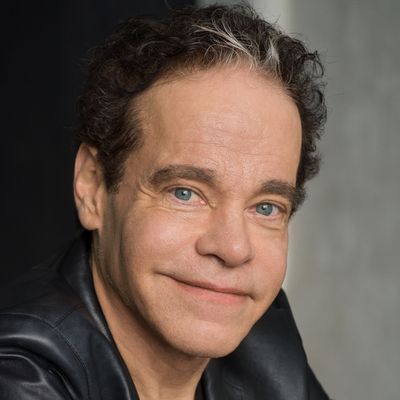
Steven Sater is a two time Tony Award winning, Olivier Award winning, and Grammy Award winning, writer and author of shows such as Murder at the Gates, Alice by Heart, and of course, Spring Awakening. He is now also the author of Alice by Heart the novel, being released on Feb 4th, 2020... Read More
From the show: The Theatre Podcast with Alan Seales
Guests
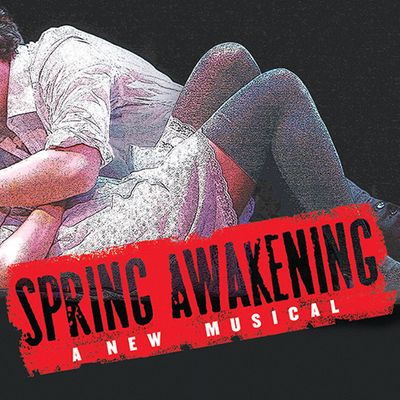
Featured Shows
About
Steven Sater is a two time Tony Award winning, Olivier Award winning, and Grammy Award winning, writer and author of shows such as Murder at the Gates, Alice by Heart, and of course, Spring Awakening. He is now also the author of Alice by Heart the novel, being released on Feb 4th, 2020.
Born in Evansville Indiana, Steven didn’t have a childhood like most. An injury left him bed ridden where he taught himself ancient greek and started writing his first plays. This has now resulted in some of the most beloved musicals of all time, such as Spring Awakening. His latest project is the release of his new book, based off of his musical, Alice by Heart, inspired by the story of Alice in Wonderland.
In this episode, we discuss:
- Growing up as a ‘bubble boy’, being unable to attend school
- Jumping off a 3rd floor balcony in college to escape a fire
- His life at Princeton University, and how it pointed him towards his career
- How he keeps himself centered, and his involvement in Soka Gakkai International where he met both his wife and Duncan Sheik
- Where the idea for Spring Awakening came from
Connect with Seven
- IG: @StevenSater
- Twitter: @StevenSater
- Buy the book
Connect with The Theatre Podcast:
- Support us on Patreon: Patreon.com/TheTheatrePodcast
- Twitter & Instagram: @theatre_podcast
- Facebook.com/OfficialTheatrePodcast
- TheTheatrePodcast.com
- Alan's personal Instagram: @alanseales
- Email me at feedback@thetheatrepodcast.com. I want to know what you think.
Thank you to our friends Jukebox The Ghost for our intro and outro music. You can find them on Instagram, Twitter, and Facebook @jukeboxtheghost or via the web via jukeboxtheghost.com.
A very special thanks to our patrons who help make this podcast possible!
Cheryl Hodges-Selden, Paul Seales, David Seales
If you would like to see your name in this show notes or get a shout out on the pod itself, visit ttp.fm/patreon to become a member and show your support!
Transcript
This transcript was automatically generated and might contain errors.
[0:00] Alan Seales: Welcome to The Theatre Podcast, intimate personal conversations with theatre's biggest names.
[0:10] Alan Seales: I am Alan Seales and this podcast is with Steven Sater, the author and writer of Alice by Heart and Spring Awakening, and he's won Tonys and he's won an Olivier Award and he's won a Grammy for Spring Awakening, and his story is incredible. I know I say this about like, oh, this person's story is really cool, but this dude really didn't go to school as a young kid in Indiana due to health issues, like literally wasn't even homeschooled, he was saying, and is now one of the most well-educated, well-rounded people I have ever spoken to. I mean, you kind of have to be as a writer, I think, but he had a serious injury in his early 20s, which we go into, and during that time when he was literally immobile, he taught himself ancient Greek, and that is what he used as the basis for Spring Awakening, which of course we know has become this huge hit with lots of tours and now it's opening in Asia and it's all over the place.
So, the conversation is just incredible. So, Steven, if you're listening, just thank you. And as always, before we get into this, please visit me online at thetheaterpodcast.com, follow me on Instagram and Twitter, theater underscore podcast, leave a rating, leave a review, tell your neighbor, and show your support for the podcast via thetheaterpodcast.com slash Patreon. Now, please enjoy this episode with Steven Sater.
[1:43] Alan Seales: I have the pleasure today of speaking with two-time Tony-winning, Olivier Award-winning, and Grammy Award-winning writer and author of shows such as Murder at the Gates, Alice by Heart, and of course, Spring Awakening. Also, the author of Alice by Heart, the novel being released February 4th, 2020. Steven Sater, welcome to The Theatre Podcast.
[2:02] Steven Sater: Thank you so much. It's exciting to be here.
[2:04] Alan Seales: So, you've got the galley copy there in front of you.
[2:06] Steven Sater: I do. I brought it for you to decorate. I thought it would look good with the red, with the decor.
[2:12] Alan Seales: Yes. So, I guess we'll get into your childhood because I think you have a fascinating childhood.
[2:18] Steven Sater: Oh, yeah. I guess, yeah.
[2:21] Alan Seales: Well, I was reading and I want you to tell the story.
[2:22] Steven Sater: Okay, I will.
[2:23] Alan Seales: But so, you were born in, started in Evansville, Indiana.
[2:27] Steven Sater: I did, yeah. Oh, you want me to start there?
[2:29] Alan Seales: Yes, yes.
[2:30] Steven Sater: Well, what would I say? I, you know, I was thick as a kid. I know that's not really quite about Evansville. My dad had a clothing store. Should we talk about that in Evansville? So, it's called Sater's Store. So, all my clothing, like when I went to sleepaway camp, I already said Sater's in the back of it. So, that's good. Yeah. And I worked in the clothing store from the time I was about 12 over all vacations and weekends. And that was my identity. But I was also this sick kid. So, I mean, I was ill. So, from the time I was like three till about the time I was seven or eight, I was always in and out of hospitals. I had like bronchial issues, pneumonia. And so, I was, when I was home, I was confined in my room and everything was covered with plastic.
[3:14] Steven Sater: You were a bubble boy.
[3:16] Steven Sater: I was a bubble boy.
[3:17] Alan Seales: Oh, my gosh.
[3:18] Steven Sater: I had like oxygen tents in the hospital and then I would come home and then I wasn't allowed to go out. I didn't go to school.
[3:26] Alan Seales: So, you're homeschooled?
[3:26] Steven Sater: Very little, no. This is Evansville, Indiana. No one knew what homeschool meant. But my sister, who is older than I, used to come home and teach me her lesson plan. They would send the tests and I would do really well on the tests. And there were days I went to school. There were absolutely days I went to school. But I didn't go that often.
[3:49] Alan Seales: What was it with the respiratory issues? Do you ever know what it was?
[3:51] Steven Sater: Pneumonia and bronchitis and things like that. And I was really, really allergic to a lot of the medications, which they didn't realize at the time.
[4:01] Alan Seales: Oh, no.
[4:01] Steven Sater: Vaseline and yeah, tetracycline, all these things I was on. So, then those complicated the condition. But what I would do was write plays. And so, I did. And my aunt was a year older than I was. And so, she would come stay with us. And my sister, we would put on these plays and do stuff and I would charge admission to kids in the neighborhood. And then I wrote the Sunday school plays. And so, I had a puppet theater. I did this kind of stuff.
[4:40] Steven Sater: Okay, so...
[4:41] Steven Sater: I wrote a novel in S5.
[4:43] Alan Seales: What?
[4:43] Steven Sater: I know I'm telling you all these things as if they were accomplishments in life, but my mother...
[4:47] Alan Seales: No, no, writing.
[4:47] Steven Sater: My mother pulled out this novel that I had printed at age five on that blue lined...
[4:54] Alan Seales: Yeah.
[4:55] Steven Sater: Notebook paper or just paper. And it was about, this is so funny. It's about three sisters who are really depressed in the Midwest and want to get out. I swear to you. I'm not saying it was Chekhov. I'm just saying it had a similar theme or subject.
[5:13] Alan Seales: When I was a kid, I won an award for my short story called The Life and Hard Times of a Cockroach.
[5:18] Steven Sater: Oh, my God. There you go.
[5:20] Alan Seales: So, yeah, it's...
[5:21] Steven Sater: Some Kafka and Chekhov. There we were.
[5:23] Alan Seales: Right. But okay, so I read it. You didn't talk about this, but you read that there was an apartment fire in your childhood.
[5:28] Steven Sater: Oh, yeah. That happened when I was 20.
[5:30] Alan Seales: Oh, so not...
[5:33] Steven Sater: That was later. That was when I was my sophomore year in college, which was in St. Louis. I went to Washington University in St. Louis.
[5:40] Alan Seales: Okay.
[5:40] Steven Sater: And we moved off campus.
[5:44] Steven Sater: Yeah. And it's sort of like The Glass Menagerie. These tenement buildings are all around WashU. And we were in one of those apartments. And like second floor and... No, third floor. And what happened, there's a fire started in the building. And this is an awful story, but it's real. Like this smell woke me up. I remember my first thought was like Helen Keller. Somehow, it's like as a little boy, I'd read some book about how Helen Keller woke up and she smelled the fire and she got everyone out of the house, except I couldn't get out. I was like trapped. My bed went up in flames. My door was all flames.
[6:27] Steven Sater: So I was trapped out, went on this balcony. And someone yelled up, you know, the fire department's been called. Just wait there. And I remember I just had my bathroom. I said, it's getting hot. And that next instant, like the glass of the French doors blew out at me and my robe went up in flames. I was on fire.
[6:49] Alan Seales: So I have to throw out this one screen, jump.
[6:54] Steven Sater: How tall? What floor was this?
[6:57] Steven Sater: It was third floor, an old tenement building too. It was high. And I had to like leap up on this balcony and then jump.
[7:08] Steven Sater: I did. And I shattered and fractured a total of 14 vertebrae. And I broke my arms and my wrists and I was all burned all over. It was like a traumatic episode.
[7:22] Alan Seales: Well.
[7:23] Steven Sater: It wasn't good.
[7:26] Alan Seales: The reason I brought this up is because it was like kind of, aside from being a traumatic experience in your life anyway.
[7:31] Steven Sater: Yeah.
[7:32] Alan Seales: But that's kind of the turning point, at least I was reading, right?
[7:38] Steven Sater: During recovery, when you decided seriously you want to pursue the arts.
[7:41] Steven Sater: Yeah, I was in the arts. You know, I was always a good student without having to do that much work. You know, I was like that kind of person, went to public schools. And I discovered acting in high school and forensics. I was like in the forensic society. And so at Wash U, I was just doing all these plays and taking classes. But then I had, I think what it was, it just made me feel that everything I'd been attached to was ephemeral. And I had written this, I was taking a James Joyce course. And I, you know, James Joyce kind of took the Odyssey and kind of updated it to the story of two men, you know, in present day London, which was 1920. And I wrote this version of trying to do to Ulysses between my teacher and me. And it burned up. So everything burned up, you know, and he had no copy. And I thought, wow, I just have to start learning about things that are more lasting.
[8:47] Steven Sater: And I was being turned. I was on this striker frame. It's like an ironing board that gets turned every two hours.
[8:51] Alan Seales: Yeah.
[8:52] Steven Sater: So from my back to my stomach. And at 4 a.m., this nun was turning me. And she said, you know, God saved you for a reason. And it just went like this electric charge through my body. I remember the moment. And I thought, wow, I have to do something. So I started, I taught myself ancient Greek.
[9:09] Alan Seales: Yeah.
[9:09] Steven Sater: I had a page turner I could turn with my mouth because I couldn't use my arms. Pretend like a full body cast sort of thing.
[9:16] Alan Seales: Yeah.
[9:17] Steven Sater: And I was turned. But I had this, it had like an eraser on the bottom of it. So I could turn a page and turn it into the clip. So you had to get good at turning with this eraser into the clip. So I read all these novels and I taught myself ancient Greek. And I swear to you, Alan, that there would be no Spring Awakening if it were not for my immersion in Greek tragedy.
[9:41] Alan Seales: Really?
[9:44] Steven Sater: A hundred percent. Because Greek tragedy offered me a model of how songs could work in a different way than the way we think of them in musical theater. That the songs were not forwarding the story, but that they took you deeper into an investment, that they deepened the story. And that the songs were the story of the, I thought that youth was like a city on fire. And that, so that the young people could be singing as, of course, it also, it's very Ulysses. The songs are internal monologues. So it's like modernist 20th century literature. But then when you go in, all the kids can be singing in Touch Me, or all the kids can be singing I Believe that can be replacing that, you know, in West Side Story, Tony and Maria would sing the last song, the act. I didn't want that. I wanted Melchior and Benlet to be there and the kids to voice what was within them. And that comes from Greek tragedy. I mean, this is the origin of it in me.
[10:40] Alan Seales: Yeah.
[10:40] Steven Sater: So it's like the Greek chorus.
[10:42] Alan Seales: Yes.
[10:42] Steven Sater: Yeah.
[10:42] Alan Seales: Yeah, totally.
[10:43] Steven Sater: Because they sang.
[10:44] Alan Seales: Yeah, I can totally see, now that you said that, I want to go back and listen to the soundtrack again.
[10:48] Steven Sater: I was like, yeah, I'm playing in my head right now. I can totally hear that.
[10:51] Alan Seales: Yeah, that's incredible. And then, okay, so that was 20 when you had the.
[10:54] Steven Sater: That was age 20, yeah.
[10:55] Alan Seales: Yeah, so 20. I was thinking about spring break.
[10:57] Steven Sater: Right, obviously.
[10:59] Alan Seales: That was a while ago. And then, so when did you go to Princeton?
[11:03] Steven Sater: You studied English Lit.
[11:04] Alan Seales: English Lit at Princeton.
[11:05] Steven Sater: I did. So I spent a long time in this hospital. And then I came out and I went back to school for two years at Wash U. And then I went to Princeton, graduate school in English literature. And I was very, I did, I was like really studious and good student at this point. But I also was true a little bit and spent time in classics, in ancient Greek. I had this amazing professor there who always said to me, when you look at these great tragedies, one moment they say sex and the next line is death. It's always sex and death. And when I was working on Spring Awakening, I thought, wow, act one is sex, act two is death. I did. You think I'm kidding? It's true. Michael Mayer and I used to talk about it.
[11:49] Alan Seales: Yeah, well, okay, so then, okay, you worked in, you worked at NYC, come out of Princeton, work at NYC. You're still writing plays, but you're working for a literary agent at the time.
[12:00] Steven Sater: I was, and I was getting nowhere, but that was good. I mean, it was what it was.
[12:04] Alan Seales: Right.
[12:04] Steven Sater: I had this play called Carbondale Dreams that ran at this theater. It was called the Kauffman Theater. It was on 42nd Street between 10th and 11th. And it ran there for like a year and a half. It was a 99 seat theater, so it wasn't like it made money, but it was running, was like selling out, you know?
[12:20] Alan Seales: So at what point, okay, so you get out of Princeton and how old are you at this point?
[12:24] Steven Sater: 24.
[12:25] Alan Seales: 24, okay. And then at what point did you join, and I'm probably going to butcher the name, the Soka Gakkai International?
[12:31] Steven Sater: Soka Gakkai, yeah.
[12:32] Alan Seales: Okay.
[12:33] Steven Sater: A few years later.
[12:34] Alan Seales: Which is, what is it for those who don't know?
[12:36] Steven Sater: It's a lay Buddhist organization. It's worldwide. It's like a great grassroots world peace organization. And that's how I met my wife and it's how I met Duncan.
[12:47] Alan Seales: Right, Duncan Sheik, yeah.
[12:49] Steven Sater: Right. Duncan and I champed. That was the first thing we ever did together was champed.
[12:52] Alan Seales: Really?
[12:52] Steven Sater: Uh-huh. And I'll tell you, it was right now, it was January 2nd, 1999, I went to his house to chant with him.
[13:00] Alan Seales: That's incredible.
[13:02] Steven Sater: I was, at that point, I'd been chanting for some years. And he, I was like an arts division leader in the Soka Gakkai in New York. And someone called me and said, Duncan Sheik just moved to New York. And I said, that's cool. And they were like, no, could you reach out to him and just tell him that there's an arts division if he wants to chant? And I was like, oh, okay. And I kind of felt, and we had voice, we had machines at that point. Or do we have machines or we have voicemail on our phones? And so I called him and just said, blah, blah, blah, and there's arts division and whatever. And he called me right back. It was on tour. And like, when can you come back? I'll be back. And I don't remember where it was. And I went to his house and we chanted. And we just, it turned into like a five-hour meeting. We both still talk about it. It was like just this night of a lifetime. It was like a meeting of a lifetime. It just changed my life.
[13:54] Alan Seales: Were you a spiritual person before then? He's talking about you were in a, a nun was spinning you. I picture you like on a roast.
[14:02] Steven Sater: I was a little bit like that, being on a spit.
[14:05] Alan Seales: So were you a spiritual person before that?
[14:08] Steven Sater: I don't know. I mean, is Shakespeare spiritual? I mean, I was very, I love literature. I love poetry. I wasn't, oh, I grew up Jewish.
[14:19] Steven Sater: Do you know who Marilyn Sokal is? She's an actress, comedian. And I was having dinner with her at this Japanese restaurant one night. And I ordered some dish that had lotus root in it. And she said, oh, I do this chant that has lotus in it. You should come to a meeting. And so I went. And so I started chanting and I went to this meeting. And someone said, do you have things in your life you want to see happen that aren't happening? I was like, yeah. And it was like, why don't you write down three of them and start chanting and see what happens? And I started chanting and then things started to happen. And so I continued chanting like that. But Buddhism is, you know, there's no separation between, there's spirit and matter, but they're like two, but not two.
There's no spirit in Buddhism without matter. And the way that we think of body and soul in a Christian tradition, that's not what Buddhism is like. Buddhism is like life. And life itself is the essence of life. And life always, there's no spirit without matter. And there's no matter without spirit.
[15:29] Alan Seales: Yeah, this is a very, given what we're talking about before we started recording, I'm very much into like mental health and self-discovery. And this part of why I started this podcast was to have real in-depth conversations with successful people in an area of the arts that I'm so passionate about. And so what you said is like, I think I've been looking for this.
[15:52] Steven Sater: Oh, that's cool.
[15:53] Alan Seales: Yeah. So I definitely want to talk about it.
[15:55] Steven Sater: That's, yes, that's how I met Duncan.
[15:57] Alan Seales: Okay. So, and then Duncan, you and Duncan have been working together.
[16:00] Steven Sater: We have, since January 2nd, 99. We wrote a song that night. Because I was doing this, I was doing a play in London with Laurie Anderson, a radical version of Shakespeare's Tempest, and I thought that was cool. And I was also doing this play here downtown at Hear, and I told him about it. And as I was leaving his home, which was probably one in the morning, he said, is there a song in the play? Because it was about a would-be singer, songwriter who doesn't get there. And I said, there is, it's just this little thing I, you know, and he said, well, could I see the lyric? So I went home and I faxed it to him.
[16:34] Alan Seales: Faxed it?
[16:36] Steven Sater: And the next day he called me and said, I have a song for you. And I said, I'm leaving for London. He said, meet me for lunch. And I did, and he handed me a CD. And it was this song and he had said it verbatim. And I went to London and I came back. And I was sitting at rehearsal, it was Rob Sedgwick, who was playing the role, Kara's brother. And he said, you know, there's this amazing Dylan song we should use for the play. And I said, I wrote a song with Duncan Sheik. And he said, yeah, but we need an uptempo song. And I said, well, maybe I could write an uptempo lyric. I'd never written lyrics. I never aspired to writing lyrics at all. And so I wrote this other lyric, it's called Mr. Chess.
And I faxed it to Duncan, who was at Sundance. And he wrote another song. And then I got this bug and I started faxing him lyrics. And we had five or six and he said, we should do an album together. I thought this was amazing. And then he came to see the play, it was called Umbridge at the time, down here, that had these two songs in it. They were not even in the play, they were like recorded. And he saw the play and he liked it. I think he liked it a lot. And I said, you know, we could do something in the theater together. And he made this face. And he said, musical theater? And I said, well, no, no, if we could do something cool. And he said, if I were going to do something musical theater, I want to do something where the music is relevant to the culture at large.
And the minute he said it, I just thought of Spring Awakening. It just came up on me. It's based on a novel. It's a Spring Awakening play. It's an expressionist German play from, arguably the first expressionist play from 1892.
[18:25] Alan Seales: And you were already familiar with the play, I guess, before you started recording.
[18:28] Steven Sater: Yeah, I discovered it at the school library in Evansville. Not the school library, sorry, the town library.
[18:33] Alan Seales: Was it a hard sell?
[18:34] Steven Sater: It was my audition piece when I moved to New York.
[18:36] Alan Seales: Oh, really?
[18:36] Steven Sater: Conscience model.
[18:40] Alan Seales: Okay, so I guess, yeah, we glossed over that. Did you ever try to be a performer? Or were you always on the creative side?
[18:47] Steven Sater: I was what I did in college.
[18:48] Alan Seales: Performing?
[18:50] Steven Sater: Yeah. And I was like a star in Evansville. You know what I mean? Community productions, and I was president of Thespians, and all this stuff. And then I thought it was what I was going to do. And then I had this accident, and that changed everything. And I became a rehearsed studious. And then I went to Princeton, and I thought, I've got to get out of here and come to New York and go back to theater. And I thought I was going to be performing. And then I tried it for a bit. I did a Burger King thing. I just, I thought, you know, this is not, I'm too serious for this. So, I mean, for this life, it just wasn't, it didn't fit me at that point. I got too anxious. So I'm writing one. And I had a day job.
[19:30] Alan Seales: Right. Well, Spring Awakening, I mean, you got all the awards for that.
[19:37] Steven Sater: We did.
[19:37] Alan Seales: And you and Duncan both got a Grammy for the album as well. And it's just beautiful. And it's still the revival. You did the revival in 2016, which I actually want to talk about for a second, because it was with Deaf West.
[19:52] Steven Sater: It was.
[19:52] Alan Seales: And where did that come from, the idea of including?
[19:55] Steven Sater: Michael Arden.
[19:56] Alan Seales: Yeah.
[19:57] Steven Sater: Which I now know came from Andy Mantis. But Andy proposed it to Michael, because Michael wanted to do something with Deaf West. And you know, Michael has that heritage with Deaf West from doing, he was hooked then. So he proposed it, and I immediately thought that's a really cool idea. And then he did, we didn't attend the workshops he did. I didn't see them. And then I knew about it. And then I went to see the production downtown in LA. That was my first exposure to it. So I saw it, you know, downtown. And then I had a lot of long conversations with Michael about the show and the way it was working. And then, and notes. And then they brought it, they really, and he involved Spencer Liff, which was transformative, too.
And he did it at the Annenberg, which was beautiful. And Duncan and I attended previews. And the night we were there, it was a complete sound disaster. And I started really late, and the sound was terrible. And, you know, Duncan is not someone to be, like, to, you know, to bring in when there's sound problems. Because it's, I understand, it's very frustrating.
[21:01] Alan Seales: Right.
[21:02] Steven Sater: But, and then when we agreed to have the show come to Broadway, which was a very big decision for us, we really got involved. I was, I was at rehearsal all the time. And I was signing the actors. That was an amazing experience.
[21:16] Alan Seales: Did you learn it?
[21:17] Steven Sater: Part of it, enough to communicate.
[21:19] Alan Seales: Yeah.
[21:20] Steven Sater: Yeah.
[21:21] Alan Seales: Yeah, I lost a lot of it.
[21:23] Steven Sater: Yeah, I guess it's like any language, right? It's partially, I think it is.
[21:26] Alan Seales: Yeah, partial muscle memory. And I don't, I don't know, hardly any of it except, like, the basic alphabet. But yeah. Okay, so that was in 2016, the revival. And then you had also, so Alice by Heart, obviously, which you're here to talk about, it was opened in the spring of 2019. And The Murder at the Gates was also in the West End in April 2019.
[21:48] Steven Sater: No, it was, yeah, yeah, yeah. It's moving toward the West. It's been, it's been being workshopped in London. You know, the other palace?
[21:57] Alan Seales: Oh, it was workshopping into, okay, okay.
[21:59] Steven Sater: You know, the other palace, it's Andrew Lloyd Webber's theater. It's where, actually, we did a production of my show with Burt Bacharach, Some Lovers. So we worked on it there, and we presented it there. But it's, and it's going forward in the UK. But it, at a place to be announced.
[22:15] Alan Seales: Okay, so you were, you were opening Alice by Heart here in New York, off Broadway at the MCC. And left, like, the next day of the recording of it. I literally went from the cast album recording the end of it in a car to London. I mean, not, you know, a car to the airport. You just drove to London in your magic flying car. Cool. So was, was that a process for you to work on both at once? Is it normal for you to have two projects or multiple projects?
[22:48] Steven Sater: It is, and it was really hard. And I'll tell you, it was really challenging with this novel, the Alice by Heart novel, which I really put my heart and soul into. And I'm a book person, as you've just heard. Like, that's what I come from. And it's, I treasure books. And it's all, did you see the show? Alice by Heart?
[23:05] Alan Seales: Yeah, I did.
[23:05] Steven Sater: It's all about a book. It's all about the power of a book. And a girl, kind of, using a book to stand up to the injustice of the world. You know, the power of the imagination in a dark, chaotic time, like the one we're living in, you know, to kind of transform one circumstance. And so making it into a book was a huge decision. And then I was invested in it. And while doing it, I was doing so many shows. That's what I'm talking about. It was so challenging to be proofing, you know, copy edit and having and doing major changes and, and being, you know, doing this, this musical.
[23:45] Alan Seales: Yeah.
[23:46] Steven Sater: And doing this show in London. And also I'm developing an original musical television series. So I was, some of that was going on too.
[23:53] Alan Seales: Well, put a pin in that. I didn't know about that. But the, so the novel that is sitting here right now was, you were working on that simultaneously with the off Broadway?
[24:03] Steven Sater: Yes, because it, I worked on it for over three years.
[24:06] Alan Seales: Yeah.
[24:06] Steven Sater: And so it actually was supposed to be announced last summer and be out for Christmas. And I, this happens, like the publisher, my editor changed. I went through three editors on this book, not because I was, they left, you know, the company, it wasn't me. And the, this last editor whom I love, I love them all, Casey McIntyre, she agreed to give me time to like do a last kind of rewrite before this galley was done. Of course, it did a major rewrite after the galley came out, but she gave me this time. So it didn't come out for Christmas, which obviously would have been great for sales, but it, it allowed me time after the show had closed to work on it for a few weeks.
[24:52] Alan Seales: Did you learn?
[24:53] Steven Sater: While working on the show in London.
[24:55] Alan Seales: So what are the fundamental differences without giving too much away between the novel and the stage production?
[25:00] Steven Sater: It's really, well, there's several key things. First of all, the form of a novel allows you to go inside someone's mind in a whole different way, you know, and a musical allows you to sing what you're feeling. A book allows you to, the whole book, it's told, it's in third person, but it's first person. It's the, it's close to Alice. Everything is from Alice's point of view. And the novels I love, which I know are scary titles for others, but like Proust is my favorite novelist. I love interior novels. I love being inside the thoughts and heart and mind of someone, and you're in the heart and mind of this young girl going through this book, going through this world. Right. But also in the show, we kind of introduced the tube station and you get, meet Alice and Alfred, and then we kind of go down the hall and we're quickly in Wonderland.
The book is really rooted in the historical fiction of this girl in a tunnel with these people around her and these soldiers coughing and dying and her, boy, she loves ailing, and you're really in the tube station, and you spend much more time with those people. And then you, and you do go to Wonderland and you do have those adventures, but you also flash back to a lot of stuff that happened to her, how she met Alfred, how they used to run and play on the lawn, how they first did, you know, perform scenes from Alice's Adventures in Wonderland, how they, oh, it's really sad to me. There's a scene where, you know, a lot of children were evacuated from London, and Alice and Alfred were walking, this is a scene, it's like a flashback section of the book, they're walking and Alice sees the children and she's so unsettled to see these children, it's like, come home, come home, and she has this premonition and she says, Alfred, I'm sorry, I'm going to get emotional, I'm going to try not to, she says, we have to leave London.
He's in the book, he's already been ill, and so then he's gotten well, and now the bombing's begun. And she says, you can't, you have to leave, and he says, no, my parents, I'm no, it's no different than you, and I'm here, and she can't insist, because it would break his heart, and she was right. So those are the kind of things you can do in a book.
[27:25] Alan Seales: Yeah, the book is, I mean, novels and books are different because you're allowing the reader to make up the scenes. I mean, you're painting the picture with words, but like what I see in my mind as I read is different than what you, yeah, and when you're watching a stage production, like we're all watching the same thing, and there's, I guess, less open to interpretation, but I enjoy, I like those kind of books too, where you can really get into the character's motivation and their minds, and it's interesting you said that we spend, in the book, we spend more time with the characters in the tube station, because that was actually, if you want to talk about some of the criticism and the reviews of the stage production, it was that like the characters in the present day, I put in air quotes, you know, tube station, were kind of like, we didn't really have established relationships with them.
[28:17] Steven Sater: Yeah, I think it was hard, you know, because we were doing the show, and you know, we did a 90 minute show with No Tremission, and we wanted to go on this journey in Wonderland, and you know, that's the thing with musicals, not everything stays, you know, and in Spring Awakening, I was just Skyping with the, there's, I mean,
[29:08] Steven Sater: It's time to develop the story in a different way. We are working on Alice by Heart again, the show, and we will profit a lot from what we learned. But it is certainly true that there will never be in the show the kind of detail or depth you can give to a character in a novel.
[29:27] Alan Seales: Well, that's like why Harry Potter is two parts. You have these long stage adaptations of novels that have to be seven hours long, and they still leave things out.
[29:38] Steven Sater: Yeah, it's true. It's really true. So the book follows the arc of the show, but you spend a lot more, you really spend time in the tube. And some of the scenes that happen, for example, the Duchess, you remember Noah, Calvin, so indelible as the Duchess. There's a boy in the tube station, dodgy, and it really becomes a question, is this boy just dressing up? Is this happening to her in the tube? And her mind, because the whole Wonderland is in Alice's mind, in both the show and the book. But in the book, you really are in her psyche. So you're really wondering, like, is she losing it? What is happening to this poor girl? And she's going through this grief.
[30:23] Alan Seales: Are they the same age in the book?
[30:26] Steven Sater: Fifteen.
[30:27] Alan Seales: Okay, so it's the boy, yeah, yeah. And some of the kids are a little younger and some are older.
[30:33] Steven Sater: Yeah.
[30:34] Alan Seales: And the others in the station. I just, I really, I actually liked it. I really liked the stage production.
[30:40] Steven Sater: Oh, good.
[30:42] Alan Seales: And I started reading, I got the galley copy from your publisher recently, and I started reading some of it. Yeah, I couldn't, it's a lot to get through in a couple days.
[30:49] Steven Sater: Oh, I understand. It's impossible.
[30:50] Alan Seales: But yeah, I'm looking forward to finishing it.
[30:53] Steven Sater: Yeah. The finished book is better. It is. What people are ordering, I feel odd about it because, I mean, I'm proud of the galley, but I did so much further work on it.
[31:03] Alan Seales: Oh, really? Should I wait? Should I wait to finish it?
[31:05] Steven Sater: Yeah, if you actually will read it later, it's better.
[31:08] Alan Seales: Okay.
[31:09] Steven Sater: It's a published copy that you can, you know, now, you can pre-order it.
[31:12] Alan Seales: Yeah, I'll pre-order it.
[31:13] Steven Sater: But you're not going to get it until February 4th. It's better. Yeah.
[31:16] Alan Seales: Okay, I will wait and pre-order the finished copy. All right, so let's go back to...
[31:22] Steven Sater: I mean, if you saw Spring Awakening at the Atlantic, and if you saw it on Broadway, and I've seen it recently on film at Lincoln Center off-Broadway, and it was beautiful. I've never been prouder of anything. It's so much better on Broadway. Like, we improved it. So yes, between the... I know, again, I'm drawing this comparison, but between the galley and this, you know, I kept working on it.
[31:45] Alan Seales: Yeah, you should. And everything, I mean, even Broadway productions, when they go touring, they change.
[31:51] Steven Sater: We did that.
[31:52] Alan Seales: Yeah, the stuff always changes. And it's great. Like you said, you said the Spring Awakening opening in Shanghai, some of the stuff didn't survive. Do you mean like some of the characters were cut, or some of the story was changed?
[32:04] Steven Sater: No, no. What I mean was that I was talking to them about... I mean, on Broadway, it didn't survive. I mean, Michael would say to me, you know, we need to know more about Otto, and Anna. And I would say, Michael, I've written these scenes for, you know, seven years. You know that they're not going to survive. And I want to see it again. And then I would write them again. And then we'd be like, this is great. And then we would cut it. Because you had to like get to the song. You had to, you know, so... No, so it wasn't, there were no changes to Shanghai. It's just, I happened to be Skyping night before last with a cast in Shanghai who were asking as... I get a lot now of people asking me if it's this character or that character. Like as Anna Gay, I get asked a lot now. For some reason, that's what I get asked. People have their own views as they approach these now.
[32:51] Alan Seales: The statistic I was reading the other day, and I'm going to totally butcher this, it's something it's over the majority of kids, teenagers now, don't identify as, don't have a sexual preference that's binary. They are totally like gender fluid is what they just call themselves now, whatever this generation is called. And I think that is incredibly admirable. And I wonder, I have two small kids, and I wonder what they're going to grow up like, you know, because like, how long will it take before gay and straight just isn't a thing anymore? And you just are attracted to people.
[33:24] Steven Sater: Yeah. Well, I hate to say this, but I mean, I don't mind saying this. I'm proud to say this. But this is what my TV show's about.
[33:30] Alan Seales: Oh, yeah?
[33:31] Steven Sater: Yeah.
[33:32] Alan Seales: Oh, that's amazing. So that's what I wanted to get to.
[33:33] Steven Sater: Well, I don't know if I'm allowed to talk about it. I mean, it's been... Because it hasn't been... It was announced a bit. Here's what I'll say. It's a non-binary love story, and it has its origin in Shakespeare's Twelfth Night.
[33:50] Alan Seales: Okay.
[33:51] Steven Sater: And it's young people. And it's a musical.
[33:54] Alan Seales: Can you tell us what network we can look forward on?
[33:56] Steven Sater: No, because we're shifting networks. But I can tell you, we are. But Ryan Seacrest is producing it. Mark Webb is directing it. My writing partner is Lauren Gussis, who created Insatiable. We have this great... And I've written songs with Duncan, and I've written songs with James Bourne, with whom I've written Murder at the Gates. We have other composers on board, too. It's very cool.
[34:22] Alan Seales: So it's going to be a musical TV show?
[34:23] Steven Sater: TV show, yeah.
[34:24] Alan Seales: Oh, that's amazing. All right.
[34:26] Steven Sater: Full of angst and adolescent yearning.
[34:30] Alan Seales: I love that. Okay.
[34:31] Steven Sater: But it's very different, because it's actually set on a college campus. So if Spring Awakening is about that woundedness of adolescence and that unrequited feeling, college is about getting laid. College is about being free to explore it. So it's a comedy. That's why I looked at Twelfth Night.
[34:53] Alan Seales: Oh, wow. Yeah. Okay, okay.
[34:55] Steven Sater: The pain is the same. It's just that you look at it differently.
[34:58] Alan Seales: Right. You got raging hormones now, and no parents to tell you no. Okay. But you've also written songwriting. You've written stuff for Shirley Manson and Michael Buble.
[35:08] Steven Sater: I have. It's amazing.
[35:11] Alan Seales: Where did all this come from? All the TV and the songwriting? Because it's not pop music, but as a...
[35:18] Steven Sater: It is, though.
[35:19] Alan Seales: Yeah.
[35:20] Steven Sater: Well, in other words, I have never written with a musical theater composer. I have all these musicals, but look at the composers I've worked with.
[35:30] Alan Seales: Yes.
[35:31] Steven Sater: Duncan, it's James, who's a boy band guy from London. Busted, it's Burt Bacharach. Pop music, it's Serge Tankian. It's not... And the other composers I've worked with in the pop world are pop composers. There are composers I really admire. Adam Gettl, Justin Paul. I haven't worked with them. It isn't that I would, it just hasn't been what's happened.
[35:53] Alan Seales: That's fascinating to me, because you come from this background of ancient Greek.
[35:57] Steven Sater: I know. I know.
[35:58] Alan Seales: Like a tragedy of such. It's phenomenal.
[36:02] Steven Sater: But I did Prometheus Bound with Serge, and Diane Pauls directed it, right? And Amnesty International co-sponsored it. And we took Prometheus Bound, and I did this really faithful translation of Aeschylus. And Diane said to me, this feels really rock and roll to me. And I said, maybe we should get a composer involved. We were just going to do the play. And then I think I proposed Serge, and I didn't even know Serge, but my music publisher, and they introduced me. And then it became a full-blown musical by the time we did A.R.T. I'm hoping we're going to bring it back for the election.
[36:32] Alan Seales: Wow.
[36:33] Steven Sater: For a concert or something.
[36:35] Alan Seales: Yeah, that was, your story just alone is incredible of how you overcame your own tragedy to turn it into what it is now. And then you've created this iconic show that still influences people. Like the adolescent people now listen to the soundtrack. And I'm 39, I still listen to the soundtrack. And I can find meaning into the songs that I didn't know, that I didn't see when I was, 10 years ago, when I was listening to it the first time. So it's timeless, like the coming of age, the adolescence. And I guess why that, Alice by Heart too is about adolescence as well. Is that a particular area of interest?
[37:16] Steven Sater: I don't know. Yeah, I guess so. I guess it is. I mean, when I, the second national tour of Spring Awakening opened in Evansville. So, and I hadn't been there in a long time. And I was sitting in this new amphitheater they had built. And suddenly people like, I was not heavy duty, but you know, like the Jewish kid in Evansville, Indiana, who did theater, I was not, you know what I mean? Like they were blowing episodes. And so I come in and all these, those people, you know, a lot of people who I hadn't seen in a long time. And they're like, children are like coming up to me for my autograph. And I was like, what's happened? And I walk in and sit in the theater and I'm watching the Latin class theme.
I thought, oh my God, this is why I wrote this show. I was so miserable here. Like it never hit me. But so no, I don't know. Here's what I would say about, and that's kind of off topic of what you asked me. What I would say is when you're in auditions and young people come in, they bring the future into the room. And it's really affecting to me. You know, we worked with, on Alice by Heart, we worked with Ben Platt and Beanie Feldstein and Molly Gordon and Darren Criss. I mean, all these, they were like, you know, Darren, I guess was 19 or 18. They were like 15, 16. It was incredible. And so yeah, Murder at the Gates is a young cast too. I guess I love, there's something about it that's really remarkable.
[38:45] Alan Seales: I think they bring an actual innocence to the, that the characters need.
[38:51] Steven Sater: And a belief.
[38:52] Alan Seales: Yeah.
[38:53] Steven Sater: Yeah.
[38:54] Alan Seales: Belief in events.
[38:55] Steven Sater: And they haven't been jaded by the, being beaten down in the Broadway career yet.
[39:00] Alan Seales: It's true.
[39:01] Steven Sater: Yeah. Oh, I can totally see that. All right. That makes sense. I mean, I do long sometimes to work with more seasoned, you know, it's just a different thing. But you know, when Duncan and I are doing a musical, Ma Vie en Rose.
[39:11] Alan Seales: Oh really? No, I don't.
[39:14] Steven Sater: And that's about a young trans girl. And the parents have great hearts. We, I'm just saying, you know, it's not, they're not adolescents. It's like, they're young children and they're grownups.
[39:26] Alan Seales: You could write a sequel to Spring Awakening that's like Fall Awakening and it's the same characters.
[39:30] Steven Sater: That's right.
[39:31] Alan Seales: In their.
[39:32] Steven Sater: Winter sleep.
[39:33] Alan Seales: Yeah. There you go. They're in their retirement home and trying to find them, find themselves and explore their sexuality in their elder years.
[39:40] Steven Sater: That would be good.
[39:41] Alan Seales: There you go. I'd watch that.
[39:43] Steven Sater: Oh, that's a great question.
[39:46] Alan Seales: Okay. So, okay, we're going to wrap this up here and I have three standard closing questions that I ask everybody on the podcast. The first very simply is what motivates you?
[39:56] Steven Sater: Oh, I want to make it. Well, I didn't want to say I about it, but I feel like we all have to try and make a difference in the world. You know, I think that you like my determination in writing Spring Awakening for eight years was to touch the troubled heart of youth around the world. And my determination with Alice has been to, you know, ignite the sense of wonder and, you know, in displaced souls around the world. So many people living in camps, you know.
[40:27] Alan Seales: Yeah. I mean, I think I believe in making a difference in the world.
[40:32] Steven Sater: All right.
[40:33] Alan Seales: And so the second question, what advice, what advice would you give to your younger self and younger people listening now starting out down a similar path?
[40:40] Steven Sater: Oh, well, those are different things. I mean, what I would say to myself and what I would say to others, I would be tougher on myself. But I would say to trust your instinct. And, you know, that's what Emerson says. You most, you most have to stand by your own perceptions and intimations. Well, most of all, when people, everyone is standing against you.
[41:07] Alan Seales: All right. Final question, then. If you could only see one show for the rest of your life, but you can see it as many times as you want, what would you see?
[41:14] Steven Sater: Do you mean like a Broadway show?
[41:15] Alan Seales: Any show.
[41:16] Steven Sater: Like a stage show, a theater show?
[41:18] Alan Seales: Anything. I can give you guidelines if you want, but I always say any show.
[41:23] Steven Sater: I don't know. Hamlet?
[41:27] Alan Seales: Any particular production?
[41:28] Steven Sater: Oh, yeah. Any particular production. Well, I loved the Robert Icke production starring Andrew Scott. In fact, I saw it like four times. I saw it, and then I brought my son to see it. And then he was only in London another day, and he insisted we go back and see it again. And then I went with my agent another time. It was so beautiful. But so yeah, I would go with Shakespeare.
[41:52] Alan Seales: All right. So then where can we find you online?
[41:56] Steven Sater: You mean like on social media?
[41:57] Alan Seales: Yeah.
[41:58] Steven Sater: Yeah. Oh, Instagram. It's my name, Steven Sater.
[42:01] Alan Seales: At Steven Sater, and Twitter at Steven Sater. I just got on all these things to promote my books. I did. So I've been on Instagram about a year. I've been on Twitter less. But I like it. That's where you can find me.
[42:15] Alan Seales: All right. You can get more of me at thetheaterpodcast.com. Show your support. Get your questions in at thetheaterpodcast.com slash Patreon. Find me on Instagram and Twitter at theater underscore podcast. You can listen and leave a review, leave a rating. Just open up your phone. Hit that five stars. This is edited by Matthew Hendershot. And thank you to Jukebox the Ghost for the intro and outro music. And Steven Sater, thank you most to you for being here and being such a wonderful guest.
[42:44] Steven Sater: Thank you, Alan. It's a real pleasure. Great to be here.
© Broadway Podcast Network, All Rights Reserved