

Natalie Weiss gained an international following from her performance videos and popular YouTube web series, "Breaking Down The Riffs," which have collectively reached over 4 million views... Read More
From the show: The Theatre Podcast with Alan Seales
Guests
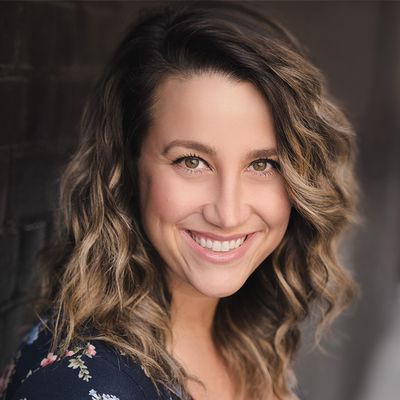
About
Natalie Weiss gained an international following from her performance videos and popular YouTube web series, "Breaking Down The Riffs," which have collectively reached over 4 million views. She’s an actress, singer, private vocal coach, master class teacher, and is one of the most sought-after voices among new musical theatre writers. She is currently starring as Construction Worker emoji in Emojiland the Musical.
Connect with Natalie:
- IG: @thenatalieweiss
- Twitter: @thenatalieweiss
- YouTube
Connect with The Theatre Podcast:
- Support us on Patreon: Patreon.com/TheTheatrePodcast
- Twitter & Instagram: @theatre_podcast
- Facebook.com/OfficialTheatrePodcast
- TheTheatrePodcast.com
- Alan's personal Instagram: @alanseales
- Email me at feedback@thetheatrepodcast.com. I want to know what you think.
Thank you to our friends Jukebox The Ghost for our intro and outro music. You can find them on Instagram, Twitter, and Facebook @jukeboxtheghost or via the web via jukeboxtheghost.com.
A very special thanks to our patrons who help make this podcast possible!
Cheryl Hodges-Selden, Paul Seales, David Seales
If you would like to see your name in this show notes or get a shout out on the pod itself, visit ttp.fm/patreon to become a member and show your support!
Transcript
This transcript was automatically generated and might contain errors.
[0:00] Alan Seales: Welcome to The Theatre Podcast, intimate personal conversations with theatre's biggest names.
[0:10] Alan Seales: I'm your host, Alan Seales, and this is part of the Broadway Podcast Network.
[0:16] Alan Seales: This episode is with Natalie Weiss, who is known on YouTube for her very, very popular series Breaking Down the Riffs, where she takes song riffs and literally just breaks them down and teaches them.
[0:22] Alan Seales: And she has these episodes where she teaches her students how to riff like your most famous pop stars.
[0:28] Alan Seales: She wanted to be a pop star when she was a kid, and that was her goal.
[0:34] Alan Seales: She went into high school and into her career saying, I want to be a pop star.
[0:40] Alan Seales: And then as we get into the episode, she was saying she is really, really glad she did not become a pop star for several reasons that she talks about later in the episode.
[0:48] Alan Seales: She's enjoying her theatre career, her Broadway career, her off-Broadway career, and something that she gets the most joy out of that she didn't realize she would is teaching and inspiring young minds and young students and really getting to know the next generation and helping them succeed.
[1:01] Alan Seales: So that's where she found her calling. That's what she enjoys doing.
[1:07] Alan Seales: And she's just an incredible person currently, the construction worker in Emojiland as this episode drops.
[1:14] Alan Seales: So you need to go see that before the run is over. It's an amazing show.
[1:17] Alan Seales: As always, before we get into things, I encourage you to visit me online at ttp.fm.
[1:24] Alan Seales: You can show your support, help me continue the transcriptions. At one of the most inexpensive patron levels, you can get to submit your questions ahead of time and help be part of the conversation.
[1:35] Alan Seales: You can get more information at ttp.fm slash Patreon, P-A-T-R-E-O-N.
[1:42] Alan Seales: Find me online, theatre underscore podcast on Instagram and Twitter. Please leave a review. I love reading those.
[1:50] Alan Seales: And now without further ado, please enjoy this episode with Natalie Weiss.
[2:09] Alan Seales: My guest today gained an international following from her performance videos and popular YouTube web series, Breaking Down the Riffs, which have collectively reached over 4 million views.
[2:18] Alan Seales: Asterisk, I stole that from your bio. She's an actress, singer, private vocal coach, master class teacher, and is one of the most sought after voices among new musical theater writers.
[2:30] Alan Seales: Still young, but with a career that people twice her age might never achieve. I don't even know where to begin with this interview. But here goes Natalie Weiss. Welcome to The Theatre Podcast.
[2:42] Natalie Weiss: Well, you do everything. There are so many people who are in their mid 30s, if I'm allowed to say that on air, who have gotten to this point and they're like, all they've ever done is just act or just been dancing or just like they're a great tap dancer, but they don't coach or they don't teach or whatever it is. And you've made this kind of niche for yourself.
[3:05] Natalie Weiss: If niche is the right word, doing everything.
[3:10] Natalie Weiss: I'm very anxious right now. It's very weird.
[3:14] Natalie Weiss: Thank you. No, it just makes me excited, but also like, I don't, yeah, because it was like kind of all an accident.
[3:22] Alan Seales: What do you mean?
[3:25] Natalie Weiss: What did you originally start out to do? Because you went to Penn State for college.
[3:29] Natalie Weiss: I thought after being a pop star at age five, no. I really wanted to—
[3:35] Natalie Weiss: After you won Star Search.
[3:37] Natalie Weiss: No, I really wanted to be a pop singer growing up. And I was like, I want to be famous growing up. When you grow up in the 90s, you don't try to be a YouTube star. That's like not a thing. YouTube wasn't a thing.
[3:45] Natalie Weiss: So I decided like, you can't go to school for pop stardom. So I was like, musical theater will do. I was kind of late to the musical theater game, did the shows in high school. And then I went to Penn State for musical theater.
[4:01] Natalie Weiss: And in college, I was kind of the go-to. I also started as a classically trained piano player. So that was like earlier than I sang. So in college, I was the go-to, hey, Natalie, play this song for me. Give me repertoire. So I was kind of coaching for free in college.
[4:15] Natalie Weiss: And then my senior year of college, I was singing a Dreamgirls song at the head of the program's house. And it's obviously not type appropriate, but I did like kind of an opera joke and then I belted the end. And the Dreamgirls movie was coming out a week later.
[4:30] Natalie Weiss: But again, it wasn't like, and now I will sing a Dreamgirls song to get recognition. It literally just was like, this is fun, I enjoy this. And then a freshman videotaped it and videotaped, filmed it, and then put it on this thing called YouTube.com in 2006.
[4:46] Natalie Weiss: And it was just the right time, the right place. And I had Facebook friend requests because of the Dreamgirls movie. So that's what started it again by accident. I didn't even have a channel.
[4:56] Natalie Weiss: And then my showcase video was on the internet, but not even my channel. I didn't even have a channel. And then sort of around the time that the University of Michigan kids were also putting up videos, Andrew Keenan-Bolger, who I hadn't seen in a while, but he put my video on his channel.
[5:12] Natalie Weiss: And then I was like, I'll start a YouTube channel. But the following in quotes had been started. And then, yeah. And then I auditioned like everyone else and did some shows. And then was coaching because I didn't have to get a waitressing job because I had this following.
[5:28] Natalie Weiss: So it's nice to be able to have some clients. And then I was on tour with Les Mis as a swing. So I was a little bit creatively unfulfilled, understudying all the whores, for lack of a better word. I mean, I didn't go to school to play whore number four, but you know.
[5:44] Natalie Weiss: So I was watching a lot of Netflix, but I was also teaching. And I had this idea for a riff video that was going to be on my photo booth. And then my friend was like, I have a good camera, I'll film you. Was not going to do 35 episodes, thinking of the right name for it. I didn't even know it was a series.
[5:57] Natalie Weiss: And then I was like, okay, it's a series now. And then left the tour. And then, again, this private coaching video thing that I started two years ago was another accident. So sort of like accidents that I rode the wave of, but it was never calculated.
[6:14] Natalie Weiss: I just had the following after that first video to help. But the first coaching video was me being like, how amazing is this kid? I wasn't even coaching him. And I was like, oh, people like it. And you're like sitting on the floor of hotel rooms filming these.
[6:26] Natalie Weiss: That was the break in on the riff.
[6:27] Alan Seales: Right, right.
[6:28] Natalie Weiss: Definitely in between shows, hotel room, janky, janky. Not well produced. And then I learned how to edit. And then that's part of my life now. But yeah. I mean, even breaking down the riffs, I was watching one.
[6:36] Natalie Weiss: You had Ben Platt back in 2015 before Dear Evan Hansen.
[6:45] Alan Seales: Before Dear Evan Hansen.
[6:46] Natalie Weiss: Right. So Ben Platt was in the movie Pitch Perfect. And I was like, oh, the guy from Pitch Perfect. And he was like, oh my God, he was like, I guess a fan of mine. But we had met when I was on Les Mis and he was in Book of Mormon.
[7:01] Natalie Weiss: We had like a mixer on tour, like Book of Mormon, Sister Act, and Les Mis. And I was like, what's up? Sounds like the lady with boys schools and girls schools to make a prom together.
[7:05] Alan Seales: Yeah.
[7:06] Natalie Weiss: A little social.
[7:07] Natalie Weiss: Yeah. So I met him through his friend who was on the show with him. And he wasn't even in Dear Evan Hansen yet.
[7:13] Alan Seales: Yeah.
[7:14] Natalie Weiss: And that was right before 2016, I think, was Dear Evan Hansen. That video was, I think, 2014 that we filmed.
[7:21] Alan Seales: Right, right.
[7:22] Natalie Weiss: So that was long before. But before we get into American Idol and off pitch videos and all sorts of other things that are so much fun, take me back to your childhood, though. Like, where did you actually grow up?
[7:31] Natalie Weiss: I grew up in New Jersey. I was born in Brooklyn.
[7:35] Alan Seales: Okay.
[7:36] Natalie Weiss: But I grew up in New Jersey. Went to, I played a lot of sports. So I sort of didn't train my voice until maybe in the middle of high school, but not very formal training until college.
[7:48] Natalie Weiss: I always could imitate, not always, like I was pretty bad at like eight. And then at 11, I was like, what? I can riff and have vibrato? That's weird. I didn't know what to do with it.
[8:03] Natalie Weiss: So like, you can see that the trajectory of my riffing abilities was always very like, it was very like chipmunk-y and like, not clean, but like, I knew what I wanted to do because I had a musicality. But I sort of developed my sound over time.
[8:16] Natalie Weiss: At that age, when I was six, seven, eight, was I even that young? Maybe I was a little bit older. The Disney Mickey Mouse Club and Christina Aguilera and Justin Timberlake and Britney Spears and those people were, they're my age. And those were the people that I always wanted to emulate, but I tried to like, oh, I can be that kid. I want to be famous, right?
[8:42] Alan Seales: Was that the same, was it about the same timeframe for you?
[8:44] Natalie Weiss: Different timeframe.
[8:45] Natalie Weiss: Yeah. I had like Mariah and Whitney were my people and Janet Jackson, Billy Joel. But Mariah and Whitney were the OG people I imitated.
[8:56] Alan Seales: And what, I mean, do you have like an original song that you can go back to?
[9:00] Natalie Weiss: No, no, no.
[9:01] Alan Seales: Oh, an original song that like started it all?
[9:03] Natalie Weiss: Yeah, yeah.
[9:04] Natalie Weiss: So it's definitely Hero, like 93 was like the time that I started finding my voice and Weak by SWB. So like, my mom would be like, please stop singing the same song over and over. Right now my five-year-old will not stop singing.
[9:18] Natalie Weiss: Singing Weak by SWB.
[9:20] Alan Seales: Do-Re-Mi from Sound of Music.
[9:22] Natalie Weiss: Oh my God. That was literally like, I was just, yeah.
[9:24] Alan Seales: Yeah.
[9:25] Natalie Weiss: Everything.
[9:26] Natalie Weiss: He just, he'll be coloring.
[9:27] Alan Seales: Oh, your actual five-year-old now.
[9:29] Natalie Weiss: Yes.
[9:30] Natalie Weiss: I thought you meant, okay.
[9:31] Natalie Weiss: Oh, not five-year-old me.
[9:32] Natalie Weiss: No, no, no, no.
[9:33] Natalie Weiss: My literal five-year-old.
[9:34] Natalie Weiss: Is singing Do-Re-Mi from Sound of Music.
[9:35] Natalie Weiss: Yes.
[9:36] Natalie Weiss: Yes.
[9:37] Alan Seales: Not SWB.
[9:38] Natalie Weiss: No, not five-year-old Alan.
[9:39] Alan Seales: Five-year-old Alan was watching West Side Story on VHS.
[9:40] Natalie Weiss: There you go.
[9:41] Alan Seales: So yes, it was okay. I was doing all right for myself.
[9:44] Natalie Weiss: Okay. So you went to pop song, pop song high school and you went to, you were in high school, New Jersey.
[9:50] Natalie Weiss: Yeah. I went to half a day performing arts school.
[9:53] Alan Seales: Oh, performing arts high school.
[9:54] Natalie Weiss: Okay. Yeah. It was half a day. So I commuted for half the day, but I had to do the musicals at my own high school because at that time, the program now, which was in Howell High School, you have to transfer full time.
[10:05] Natalie Weiss: And the musicals there were amazing. And the theater department at my school was not as renowned as this one. So I got, I didn't really get parts until junior or senior year, but I did win the Paper Mole Rising Star Award for Best Actress for Audrey and Little Shop, my claim to fame.
[10:27] Alan Seales: Okay. So then college Penn State, you're going performing and whatnot. And then, so American Idol, you were on season four.
[10:36] Natalie Weiss: So yeah, I left sophomore year for a week to pursue my dream of being a pop star. Until at that point, which I have no interest anymore, dreams change.
[10:47] Natalie Weiss: Yes.
[10:48] Natalie Weiss: Yeah. I always, oh my God, I watched every single episode I had VHSs sent to me at sleepaway camp of season one. So I was going to be an American Idol no matter what.
[10:57] Natalie Weiss: Auditioned once before season two, didn't get through season four, got through to Hollywood. I mean, I just was like a different singer then. I just was like, fine.
[11:04] Natalie Weiss: But yeah, and then I got put with a group with stage parents and cried at four in the morning and then got sent home the next day and thought my life was over.
[11:18] Alan Seales: So you just made, so your audition was—
[11:21] Natalie Weiss: My audition was never shown. My judge's audition wasn't shown. Then the first round in Hollywood, which I nailed, wasn't shown. Then the group round, which I didn't bomb, I just didn't do what I planned and I sounded fine, but I didn't get through and the two girls did.
[11:37] Natalie Weiss: And if you had seen who had gotten through, nobody knew the words to anything. I was like, I'll skate through. All these people are getting through. And it was like, it didn't go your way. And I was like, I wanted to crawl into a hole, but like, I don't want to do that.
[11:49] Alan Seales: What do you think that was though?
[11:51] Natalie Weiss: I have no idea.
[11:53] Natalie Weiss: Really?
[11:54] Natalie Weiss: I mean, honestly, my mom's like, it's because you're Jewish. I'm not joking.
[11:59] Natalie Weiss: Really?
[12:00] Natalie Weiss: I'd like to think it's not. I don't know. This is a pretty superficial business. They said something like, you know, man, I just like, can I have feedback? And they're like, you know, just consistency is key. And I'm like, I'm the most consistent. Like I was so mad, but it's just a TV show. I didn't have enough story. I don't know. I didn't have any story.
[12:21] Alan Seales: That's interesting. I've talked to Lauren a lot. Do you know Lauren?
[12:25] Natalie Weiss: Yeah.
[12:26] Alan Seales: She was in Once on this Island and now she's a regular on, I think, The Young and the Restless out in LA. And she was on Idol, I want to say 15, 14, something.
[12:36] Natalie Weiss: I'm confusing.
[12:37] Alan Seales: So you think you can dance is with American Idol?
[12:40] Natalie Weiss: I don't know.
[12:41] Alan Seales: Yeah. So she was saying that like, and she's big posting on social media about like the wig she would wear, the wig she wears now. And she started, we were talking in the podcast, she started because the stress of being on Idol caused her to lose her hair.
[12:59] Natalie Weiss: Oh my God.
[13:00] Alan Seales: I mean, so did you feel any of that? I guess is that throughout the whole process or what was it like?
[13:16] Natalie Weiss: I just remember being like, I'll never be in the dramatic group round. I was put with a dramatic group. Like there was nothing I could do that would ever be better than it was the group. I always think like, I'm so happy to where everything has led me.
[13:31] Natalie Weiss: And I always think if I had picked another song and got put with person X of my friend who I met there, instead of these two girls, I might have had a totally different life. And so now imagine if I got with a different group and I was on Idol, that wouldn't have led me to this. It's just so crazy to think.
[13:47] Alan Seales: Right. Well, the pop stardom of life, I mean, you said you don't want to do that anymore. Like what do you want to really do?
[14:02] Natalie Weiss: Yeah, you come in and you polish. Are you still auditioning for a lot of Broadway? Is musical theatre on Broadway still a pie-in-the-sky sort of thing? No, actually. No, it would have to be, like, I said this because I was like, oh my god, Broadway. You know, to me, it was never like, okay, Broadway, I think it was always to be a pop star, it was never like, I want to be on Broadway. But yes, of course, you go to musical theatre school, you want to be on Broadway, right? I did a Broadway show 10 years ago, and it was great. And then I was like, Broadway. A lot of people will say that when they come on. They're like, a lot of people that do a show a year, like 10 Broadway shows. They're like, and now what?
And now I'm going to do a TV show. Now I'm going to, you know. I think that if the material was right, and I love doing it, it would be great. But I have built this business that I feel much more passionate about than doing it. I feel like my goal of being on Broadway is to say I'm on Broadway now. Because there is a sense, like a lack of validation. When I did the Les Mis tour, and all my friends got Les Mis on Broadway, there was like a, but then, you know, they would do the show every day. And they're like, still here. And I was like, oh, I've been to 10 other countries teaching and doing concerts. Wow, okay. It's okay. I didn't get the Broadway show. But when I said hi at the stage door and hung out, and I would get recognized, I would feel like, hey, can we go across the street?
I feel really weird. I'm not in the show. I would feel bad about myself. I'm not actually on Broadway. Who am I? And they're like, what are you talking about? And I'm like, well, there is a lack of feeling good about yourself when you're not on Broadway. But that's like a stigma, you know? So I think the people that know what I've created, they're like, you've done great things. But people that don't know, like, hey, you've been on Broadway. You know, people are like, you're doing a Broadway show? Well, you're an actor. You're not doing anything? What are you doing then? And then you feel like you have to explain yourself. I work at a dentist's office, 9 to 5. Right. It's very weird. Well, your survival job is, well, it's not a job because you enjoy it, for one, right?
But then the term survival job, I think it's Michael Kushner calls it a for now job. But you're doing what you want to do, and it seems like Broadway is the side. It's really interesting, actually, because I'm doing Emojiland Off-Broadway, which came about in a very random way. I was in LA. I got an email about it. I had not auditioned for it. Truth be told, I had been auditioning for certain things. And it came across my desk. That's really weird. And I thought, oh, oh, my God. OK, I don't have anything coming up. But I do have a lot of inquiries about coaching. So what do I do? And it's been rewarding in certain ways and been a struggle other ways. But I'm editing videos on my act two break.
Like, I'm never just relaxing. And so it's interesting. And I'm never going to be bored. I have a million projects. But even just videos on my external hard drive, OK, I'm at the theater. I did the show. I have my big songs in act one. And now I'm like, got to edit this. So it keeps me busy. But I know a lot of people that are now like, my friend was in Beautiful for six years. And he was writing. He was like, Broadway's my side job. It's very weird. But it is my first job, which is why I can't just blow out my voice. You know, I do have to take care of my voice, which is why my coachings have been limited during the run. Oh, oh, so you do. I've been able to take on coachings. But I could do 10 a day.
But I can't. Like, I did, you know, two hours before this. And I'm like, you know, so I can't just like blow it before my job, even though my other job pays more. Yeah. You mean the Broadway pays more or the coaching? Coaching pays more. Yeah. Well, I would think too, with the number of subscribers. Well, Off-Broadway. Yeah. Yes. Off-Broadway. Yes. That the monetization of YouTube is also. That's a new thing because it hasn't been. I hired a YouTube manager. So I'm looking into retroactive monetization because I barely make any money off of YouTube. How is that possible? You just go and check a box. But I don't have enough time to go through that. So I finally hired somebody to do that for me.
And so we're working on backlogging and like retroactively looking at monetization and sponsorships so that there is more passive income. Can... Oh, that's interesting. Can you go back and and replace... You can't replace video. Like if you have a video with... Yeah, it's been up for years. They're looking at like fighting copyright claims or, you know, after that's all set, making sure my monetization settings are on for all of them. Because I don't really have a strategy. That's the thing. I've never been like, now I will post. It's just like, I have a video. I'll post it. And it's just like I had the audience. People say like, how do you build an audience? I'm like, I don't have a fucking clue.
I don't. You do what you love to do. That's the thing. I put out what I know and think is funny, slash good, slash bad, funny. And I think I have judgment about what people will like now. Because I think I have good taste about what's funny. And a lot of it is I've run a lot of my material by my friends. And they're like, this is good. This isn't working. This is good. And that's been helpful. Well, you've got a very large and talented pool of friends as well. I do. I have a great community of peeps. What was it, your live show? I love The Phantom of the Chandelier. Oh, I love that one. Video. That was created by three of my friends in my living room. And when it actually came to be, it was just so rewarding.
Stuff like that that excites me. That's what Shoshana Bean came out and surprised the audience, right? And I mean, do you reach out to her? You're like, I got this idea or how? Yeah, so I basically like we met at a concert. Wow, it's 2020. 12 years ago. But I had been a fan of hers since high school probably. And so we were like acquaintances. But I was always like, eh, I'll just tweet her. But she was like, hey, girl. And I'm like, eh, you know. So she was free. I was having these guests. And I was like, I have to do something epic. What is it? What is it? And I'm never going to just do take me or leave me. It has to be like in his eyes. Like it has to be an epic duet. And I was like, OK, how do we use her talents?
OK, she has these whistle tones. It's funny. Oh, this song sounds like this. What's the big reveal? And then it's just like a spitballing session. And then it just was me audio memoing her. This is the idea. Learn it. It's not that it wasn't collaborative. But this is the idea. I think it's going to be epic. And she was like, I got it. I'll learn it. And then. That was great. Yep. Barely any rehearsal. Here's the track. Here's what you're doing. OK, so you've got, of course, Idol. You've got Breaking Down the Riffs, which we've talked about. And do you have perfect pitch, by the way? No, I have very strong relative pitch. OK, so it's like perfect pitch twice removed? Sure, yeah. OK, what I'm going to get.
OK, let's pause here. We'll talk about the riffs. How long does it take you to actually dissect these riffs? OK, it depends. What's the process? So today I taught a riff class for kids in Argentina. And their homework assignment was to bring in riffs that they're like, I could never do this. And then I'm like, and then I either tell them, you're right. That needs five listens or that's easy. What are you talking about? Kind of thing. So, you know, they brought in a couple. I said, I can hear right away if it's a one time listen or like a 50 time auto. Any tune, the app that I used to slow it down. There are certain things that I'm like, girl, how do you not hear those 70 notes? And there's sometimes that I'm like, my brain can't compute these 70 notes.
There's no way. It just depends on the amount and the direction of notes. And then I'll sort of, this is how I teach people. So I'll help them draw horizontal lines of where they're going. So if it's like, do, do, do, they'll draw three horizontal lines next to each other. Next to each other. And then if it goes back up, they'll put the horizontal line back up to the same line of the next note. And then it would be like, one, two, three, one, two, three, two. That would go back to the same pitch. And then there's like more complicated stuff like music theory, intervals and stuff that I incorporate. And it's just made up. Sort of started here and in sections. So you were teaching in Argentina.
Yeah, here. Teaching here in Argentina. They're from Argentina. And they were here this week and last week. So we did like an intro to riffing class. This morning I flew in for the podcast. Like, wow, thanks. You look well rested. Yeah. Nope. Just at 44th Street. I was just thinking about like Skype or video calls, which would also be cool. Yeah, that's possible. And okay, so the riffs. Then I love the off pitch videos. I was watching one at first and I didn't realize that it was a parody. How? Because I'm really serious. Oh, yeah, yeah. Because I'm never laughing. That's part of it. Oh, no, you take it completely seriously, which is awesome. But I was like, what's wrong with her? No, well, I was tired because I came in from Mexico last night.
And I was like, wait. The tone is kind of good and the riffs are kind of clean. Yeah, it doesn't sound sloppy, but something's not right. And I looked at the comments and I was like, oh, wait, half the people don't get it. But I love that. Yeah. And by love it, I mean help. Please help. Most of it is like, this is my favorite thing you do. Ha, ha, ha. Is everything all right or something like that? Or your voice doesn't... Oh, God, they're so funny. And they just don't get it. But that's the point. It needs to be for a certain audience. I'm not going to explain it to you. Wait, my favorite is, how does this help with technique? It doesn't. Why do you do this? It's fun. I don't know. There's no scientific answer.
Just because I've been doing it since eighth grade. Like off pitch videos? Yes. No videos. Just, I remember singing in Pippin. We sang, morning glow by your light. Like, it'd be before Miranda Sings. And the thing is, I also hate when they're like, oh my God, Miranda Sings. I'm like, no. Miranda Sings is purposely horrible. This has good tone and riffs, but is sort of flat and sharp. It's a different brand of off key. It takes so much talent to do what you do, though. Thanks. Like, to be exactly off on every single note. Or just, you know, exactly slightly off. I've just been doing it for so long, but I never filmed it until... I don't remember when the first one was. Yeah. So we talked about coaching, and you do masterclasses as well.
Goodness, like, was this another accident you fell into? Or what are the masterclasses about? Um, let's see. When did I do my first one? My first one was, like, 10 years ago when... Right before I left for tour. Yeah, I think, like, a college reached out. They're like, could you do a class? Okay. I always took them in college with the famous people. And I was like, whoa. So, you know, I didn't really have my riff structure then. But it was like, people got up and sing, and I could give them feedback and stuff like that. And then I just was teaching more. And then people heard that I did them. So... It's all vocal technique? No, it's not all. Like, depending. I do love doing the group riffing portion.
I have this, like, intro to music theory that I love doing. That way, people that are like, I'm really bad, that they don't have to stand up, and they could just, like, learn. And so I like to do that for, like, 45 to an hour. And then I like to get people up and give them feedback. And it's a mixture of, you know, connecting to the song lyric or vocal technique, depending on what they need help on. Okay. Okay. So it's more of a full picture thing. Yeah. And you've also got six albums, right, of your own? Oh, God, no. Is it six? Six? When I did a Google Music search, six albums came up. I have my own EP, one. Okay. Then I have a duet EP with Sally Wilfert, which is called One Voice. And then I have a bunch of singles on Spotify and Apple Music from other composers.
Slash two covers, probably. Okay. Three covers. But I have a music video coming out. Do you? My first storyboarded music video. Is it an original song? No, it's Heart of Stone from Six, the musical. And I'm going to release it on Six opening. Nice. So that's what, next? March 13th. Yeah, March 13th. Wow. Yeah, I'm very, very excited about it. That's cool. That's very, very cool. But I had my best friend, who, again, is just my best friend. And he's good at everything. So he fully conceived and directed it. And I said, do whatever. And I hired a videographer and spent so much money on the audio.
[28:05] Natalie Weiss: Everny Rapture was your Broadway debut which was kind of accidental.
[28:10] Alan Seales: No, I auditioned for that.
[28:11] Natalie Weiss: Not you being in it, but the show being on Broadway.
[28:14] Alan Seales: Yeah, that happened last minute because it was like they opened a slot from off-Broadway and I was like...
[28:20] Natalie Weiss: I think I was quitting the business for the 80th time, like as everyone will say. And I was like, I have no confidence. And then I got into a musical theatre class and like, let me just like get my confidence back because my agent had dropped me at the time. And I was like, I'm worthless. Um, half kidding. Um, and then I auditioned and I was a disaster that day. It was one of those like audition stories like when you're not trying, you book a job. And I like cracked at 10 in the morning. I forgot my book, like everything. I was back and forth in a cab and they were like, great, can you come back at two? And then I could dance well for going to the singer audition and they needed somebody who could learn choreography really fast because it was like covering the two girls. And then I got cast the next day. It was like so fast. And I was like, yay, Broadway.
[29:35] Alan Seales: And I want to actually touch on the you're like half kidding, I'm worthless. Like, do you have that voice in your head?
[29:40] Natalie Weiss: That's just like, oh, yeah, because I think you and I are very similar in there's a little bit of everything going on because you're just hoping you're afraid of failing. So you try to do as much as you can. Is that true?
[29:50] Alan Seales: It's a little bit true. That's how I am. I'm like, I just want to I just want to do a lot because if three things fail, then I've got 10 others.
[29:56] Natalie Weiss: It's not really like that. It's like I would much like there was a part, I mean, every other year, but the past year and a half has been mostly great. A year and a half ago to two years ago, I was like, I don't know my purpose. I don't have anything on the calendar. That was a huge thing was before the coaching business blew up that I told my parents, I was like, I know that I say this a lot. Like, what's next? They're like, you'll figure it out. I'm like, thanks, mom. You know, and I'm like, I don't I think I'm going into casting. Because I really love that side of it, too. I'm like, I don't know what I'm doing. And then when the coaching business took off, I was like, yeah, something. But there was a lot it wasn't like, let me do a million things.
It was I just much rather be doing a million things than bored, because if I'm bored, I start spiraling of I have nothing to do. So I was like, even if I had a lunch date on the planner, I remember thinking that. So that's important to me to just be busy. That being said, I need days off where I just watch Netflix. But there's only so many days in a row I can do that or else I go stir crazy.
[32:31] Alan Seales: Yeah, yeah. OK, so that makes more sense, though, I guess. I mean, where does that come from, though? Do you know where that need comes from?
[32:38] Natalie Weiss: Like sort of a need for probably ADD, I don't know. Do you know my brain moves a thousand times a minute? So like, it's hard for me to like, slow down. I like to be entertained. Yeah, I've just never been like zen per se. I try to be now, but I just would rather be stressed out of my mind, busy with exciting things than have nothing. Even if I'm like, guys, this is the busiest my week has ever been. I'm like, I remember that time a year and a half ago. And I don't wish that upon anyone of like. The no purpose feeling is really hard. I get more done when I have too much to do.
[33:17] Alan Seales: Mm hmm. Mm hmm.
[33:21] Natalie Weiss: Yeah, yeah, I'm more I'm more productive individually because I can schedule my time a lot better.
[33:26] Alan Seales: I totally get that. Emojiland, you said you were in L.A. when it came across your desk.
[33:31] Natalie Weiss: My desk. And I was on a mini solo tour where I was like, you know what? I have weddings in Utah and L.A. What can I do? I'll do a bunch of coachings and concerts. And it was so fun. It really was. And part of it is because I was in charge. I think that's another thing. I just like to not like be in charge, but I like to feel I'm a control freak. So I like to be efficient and in charge. And if somebody else is in charge, I want to be able to hire them. So I know who's good at being in charge. But I've done everything myself for so long, like all the concerts, like I don't have somebody doing I have a checklist. And if I get help, I have been in charge of the checklist. It's not like, you know, it's a what do you need, what do you need? But I've just like managed so many areas for so long that. Yeah, it was just fun to like be with friends and have time off, but also like it was a work trip.
[34:29] Alan Seales: Oh, yeah. So you were in L.A., but then what I was getting at was, oh, yeah, was for Emojiland when it when it came to you. I mean, obviously, you're you make more money doing things that are not off Broadway, which doesn't pay much. What about this?
[34:42] Natalie Weiss: Right. So I mean, full disclosure, I was on the fence. Whenever I see an audition or an offer or something like that, my confidence is normally the first thing to like, I'm going to suck. It's never like, oh, my God, this is so fierce. Let me do every acting job possible. First of all, the jobs don't really come like that. I have people in London are like, when are you going to be Jenna and Waitress? And I'm like, when I can be seen for the third cover on Broadway, what are you talking about? Like, I think like the allure of me in other countries being a Broadway star is just not a fact. And I'm like, super self deprecating. So like if somebody in another country is like Broadway star on YouTube sensation, Natalie Weiss, I'm like, can we change the billing?
Like, I feel uncomfortable because they I like to Broadway performer and YouTube sensation because they think I'm a Broadway star and I'm literally not. But I'm also not a YouTube star because I'm not. And now I have a YouTube channel. It just is like a weird kind of a title. So I, you know, say Broadway performer, YouTube sensation. That's weird. But so when this came up, I saw like what the role was. I asked like what kind of a role it is. And I was like, OK, I even when I did Ghost the musical recently, it was like the first huge part that I had ever done in my professional career. I was like, it's never like this is a good challenge, Natalie. It was it's always like confidence first. And then it's like, I can do this.
And then it's like getting friends to help not be like, you're me, not to kiss my ass, but to be like, objectively. This is what I do, this encouraging, but also like the positives and negatives. So with the positive and negatives with Emojiland, one of the big positives was you will be relevant as an actor in New York. And for me, a lot of people are like, I didn't know she was still acting. Does she even act like a lot of that? And I'm like, I am an actor. It's what I trained in. So I was like, OK, I'm going to be in New York for three months and people are not going to be like she's you know, people would see the playbook. I didn't know she was performing still. And even if it was in people's heads, even if anyone could come see me and I didn't know anything about it, but I did text Leslie Margarita, who I said, what's the deal? She's like, do it with me. So, yeah.
[37:57] Alan Seales: So, yeah, Leslie.
[37:59] Natalie Weiss: Yeah. And I knew Josh was involved. So I was like, OK, people that are really good are in this. So and it turns out I have so many friends knew the writers that I didn't even know about until I announced I was doing it. So that's how it came to be. But it was a lot of like, OK, I'm going to have to stop coaching for a little bit. And I'm not doing this for the money at all, but I have savings. OK, you know. So, yeah, it's it. And I will stop the hustle for three months is what I said, which is very weird for me.
[38:25] Alan Seales: Well, it's interesting because you're you're coming from a land of social media where you already have lots of followers. You have over 100,000 on Instagram and I think 30 something on Twitter, which is a lot. And all things being equal, talent wise, nowadays, somebody with more social media is going to get cast. It doesn't mean necessarily.
[38:43] Natalie Weiss: Doesn't mean they're more talented, but yes.
[38:46] Alan Seales: Yeah. You know, I always wish that.
[38:49] Natalie Weiss: Yes, I have training. I wish that I guess casting offices would potentially also see the numbers, but I don't think that that's.
[38:56] Alan Seales: Maybe in Emoji Land they did for the first time, but I've never in the last couple of years felt that.
[39:01] Natalie Weiss: I would ever be stunt cast in anything, so I would I did not bring that up because I was not implying that you got cast.
[39:06] Alan Seales: No, because of your social media, what I was saying that I think is interesting that a lot of people get the big following after they get to Broadway or in in some sort of public limelight. And you've already had that, which I mean, is that I guess I'm talking about the pressure of it. I was at Karen Oliva told me like I said, do you like the social media aspect? She's like, no, it's so much pressure. I mean, is that I'm just so used to it. I'm like, I'm always thinking about like, I'm going to stop it again. This is content. And unfortunately, it's hard for me to like, just enjoy this.
[39:43] Natalie Weiss: It has to be content or it didn't happen.
[39:46] Alan Seales: Right. Yeah. Pixar, it's not real.
[39:48] Natalie Weiss: Exactly. Yeah. Now I just know that like there must be more money in it.
[39:53] Alan Seales: Oh, there is. Yeah, that's why I hired.
[39:56] Natalie Weiss: Right. Well, there are people that, yeah, that I've talked to that make like good money just for posting stories.
[40:01] Alan Seales: Correct. Yeah. I mean, stories and pictures and whatnot.
[40:04] Natalie Weiss: So yeah, there's money in it.
[40:06] Alan Seales: So one last question about Emojiland is that the story itself represents a lot of real world scenarios. And was that like building a wall, ignoring mental health problems? I mean, it's more than just a comedy about emojis.
[40:17] Natalie Weiss: Yes. Not to get confused with Emoji, the movie, which was horrible. This is not horrible. This is really good. Did the script, I mean, how much did the script?
[40:25] Alan Seales: I didn't really, to be honest, like I didn't, I'm just so slow.
[40:28] Natalie Weiss: I didn't get the political undertones until I was in the room with the director because I'm like slow. No, I'm just like admitting. I was like, wow, this is interesting. Not what I expected. Also, this is, oh, that's really funny. Oh, oh my God. That's smart. But I.
[40:45] Alan Seales: We didn't really get into a lot of my lines textually that helped me as an actor, I didn't catch on to until.
[40:51] Natalie Weiss: We talked about it in the room.
[40:52] Alan Seales: Oh, good. Well, I'm glad that, you know, about the learning.
[40:56] Natalie Weiss: All right. So there are three standard questions that I ask everybody to wrap up every podcast episode. The first one, very simply, is what motivates you?
[41:05] Natalie Weiss: What motivates me? Seeing change and growth and inspiration in.
[41:10] Alan Seales: Artists.
[41:11] Natalie Weiss: All right. And then the next question, what advice would you give to your younger self and younger people listening now starting out down a similar path?
[41:18] Natalie Weiss: Be nice to everyone and don't feel like you have to compare yourself to other people.
[41:23] Alan Seales: All right. And last question, hardest question, if you can only see one show for the rest of your life, but you can see it as many times as you want, what would you say?
[41:31] Natalie Weiss: Oh, God.
[41:33] Alan Seales: I can only say one.
[41:34] Natalie Weiss: Yes. This is going to be such a weird answer because it's not even my top. I saw Legally Blonde six times. I saw Next to Normal five times, but I'm going to say Bright Star.
[41:42] Alan Seales: Really?
[41:43] Natalie Weiss: I fucking love Bright Star and maybe Dear Evan Hansen.
[41:46] Alan Seales: OK, bye. All right.
[41:48] Natalie Weiss: That was four.
[41:49] Alan Seales: All right. Where can we find you online?
[41:51] Natalie Weiss: The Natalie Weiss on Twitter and Instagram and YouTube. Search my name. It's like YouTube dot com slash Nat Dog seven. It was my tennis name.
[41:57] Alan Seales: Nat Dog. I can't even change it.
[41:59] Natalie Weiss: I don't know. You should be able to.
[42:01] Alan Seales: I know. All right. Anyway, you can get more of me at the theater podcast dot com. Support the podcast at the theater podcast dot com slash Patreon. You can find me on Instagram and Twitter at theater underscore podcast on Facebook dot com slash official theater podcast. Listen and leave a rating. Leave a review. Tell your friend. This is edited by Matthew Hendershot. Thanks to Jukebox, the ghost for the music and Natalie Weiss. Thank you. This has been wonderful.
© Broadway Podcast Network, All Rights Reserved